
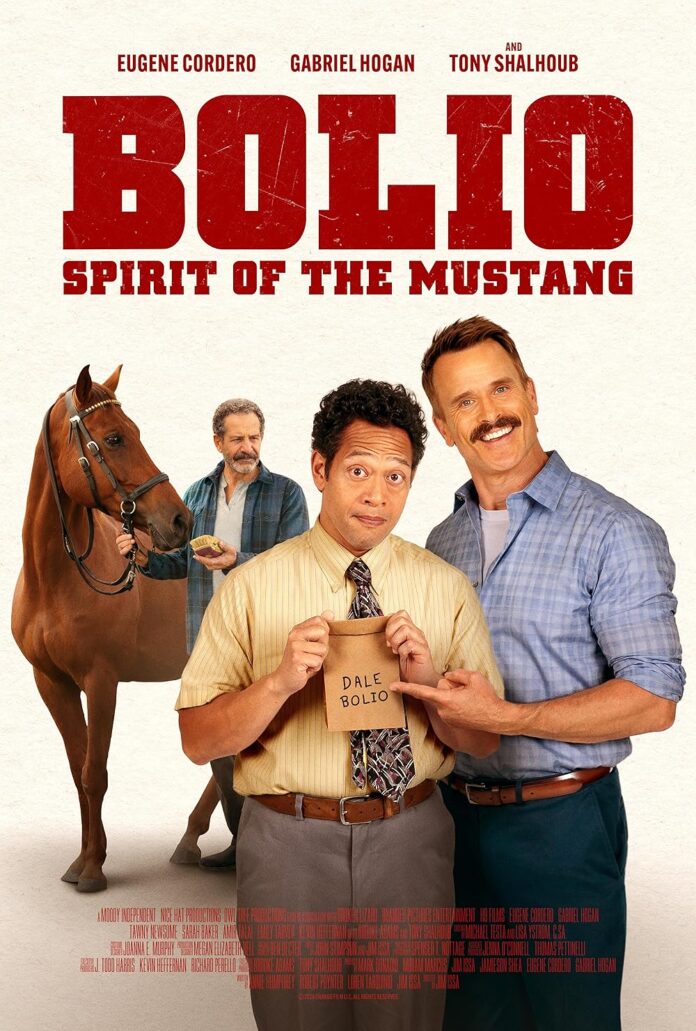

Long Beach Island has once again become the center of New Jersey’s independent film universe, and among the many highly anticipated premieres and festival favorites drawing attention this year, one film emerged as a genuine crowd-pleaser that captured the spirit of what makes independent cinema so exciting. Making its World Premiere at the historic Surflight Theatre during the 18th Annual Lighthouse International Film Festival, Bolio: Spirit of the Mustang arrived with strong industry support, a talented cast, and the kind of heartfelt comedic energy that audiences continue to embrace.
As the Lighthouse International Film Festival closes another successful year along the Jersey Shore, Bolio: Spirit of the Mustang stands as a reminder that some of the most memorable festival experiences are not necessarily the biggest productions or the most heavily marketed films. Instead, they are often the discoveries—the unexpected stories that connect with audiences through humor, authenticity, and character-driven storytelling.
Directed by filmmaker Jim Issa, Bolio: Spirit of the Mustang centers on Dale, a struggling high school shop teacher played by Eugene Cordero. Burdened by depression and a sense of personal stagnation, Dale finds himself drifting through life without direction or optimism. Everything begins to change when he encounters Chuck, an eccentric and relentlessly enthusiastic aspiring life coach portrayed by Gabriel Hogan. What begins as an unlikely friendship gradually evolves into a transformative journey as Dale attempts to rebuild his confidence and reclaim control of his life.
Yet as Dale embraces Chuck’s philosophy of relentless positivity, questions begin to emerge. The deeper he ventures into this newfound world of motivation and self-improvement, the more uncertain he becomes about the true nature of the man guiding him. What follows is a comedy that balances humor with emotional depth while exploring themes of identity, friendship, personal growth, and the search for purpose.
Festival audiences immediately responded to the chemistry between Cordero and Hogan. Their performances anchor the film, creating a dynamic that feels both familiar and fresh. Viewers attending the premiere consistently pointed to the sharp comedic timing and strong character interactions as key strengths. The film’s blend of heartfelt storytelling and classic comedy sensibilities gives it a distinctly approachable quality while avoiding many of the clichés often associated with inspirational narratives.
Part of the excitement surrounding the project stems from the impressive creative team supporting it behind the scenes. Acclaimed actor Tony Shalhoub and actress Brooke Adams served as executive producers, bringing significant industry credibility to the production. Shalhoub’s presence at the festival generated considerable interest in the project, particularly as he participated in multiple events celebrating both his own career and the broader art of independent filmmaking.
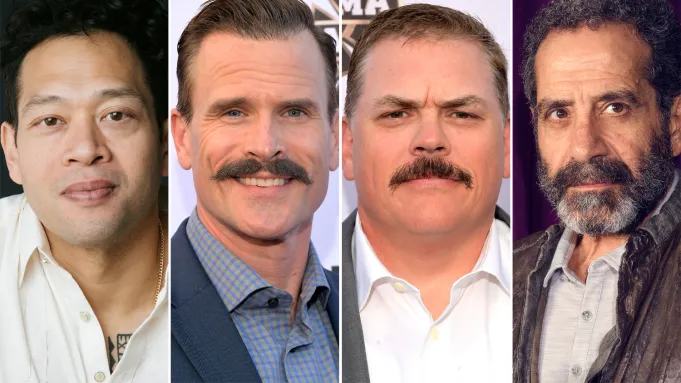
Additional support came from Kevin Heffernan, widely known for his work with the Broken Lizard comedy troupe and the cult comedy phenomenon Super Troopers. His involvement further strengthened the project’s comedic pedigree and helped attract attention from independent film enthusiasts eager to discover the festival’s next breakout success.
The production itself reflects the collaborative spirit that defines independent filmmaking. Shot entirely on location in Gardner, Massachusetts, over a concentrated two-week schedule, the film relied heavily on local participation and community involvement. Hundreds of residents contributed as background performers and supporters, creating an authentic environment that enhances the film’s sense of place while reinforcing the grassroots nature of independent cinema.
The premiere of Bolio: Spirit of the Mustang also highlighted why the Lighthouse International Film Festival continues to thrive after eighteen years. The festival has built its reputation not only by attracting established industry names but by creating an environment where emerging projects can find enthusiastic audiences. Filmmakers gain access to engaged viewers, meaningful discussions, and opportunities that often extend far beyond the screening room.
That mission was on full display throughout this year’s festival lineup. Alongside Bolio, audiences were treated to an impressive collection of narrative features, documentaries, international dramas, shorts, and genre films that demonstrated the remarkable diversity currently shaping independent cinema.
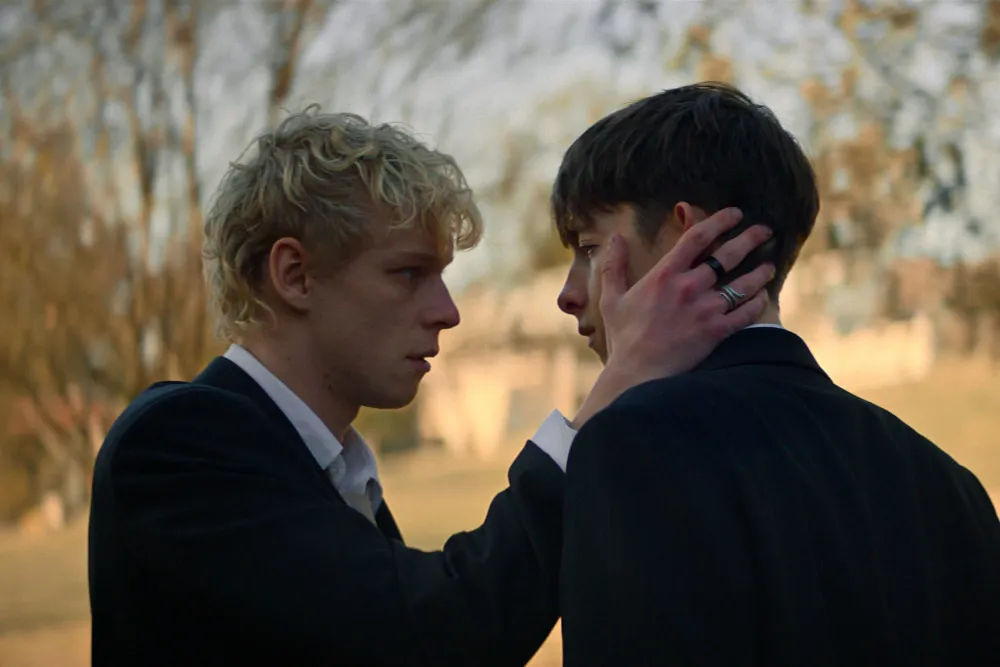
One of the most discussed entries was Leviticus, a psychological horror feature featured in the festival’s popular Darkhouse program. The film generated significant conversation among horror fans for its unsettling atmosphere, ambitious storytelling, and exploration of faith, fear, and psychological instability. The growing popularity of the Darkhouse program reflects how independent horror continues to push creative boundaries while attracting passionate audiences seeking innovative filmmaking experiences.
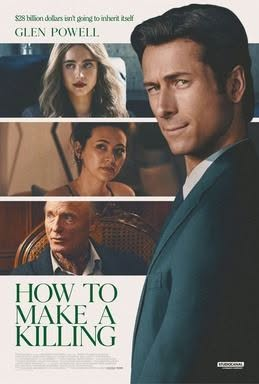
Another standout title attracting attention was How to Make a Killing, a dark comedic thriller that combined sharp satire with suspense-driven storytelling. Festival audiences responded strongly to its blend of biting humor, high-stakes intrigue, and morally complicated characters. The film demonstrated the continuing strength of independent cinema’s ability to challenge audiences while remaining thoroughly entertaining.
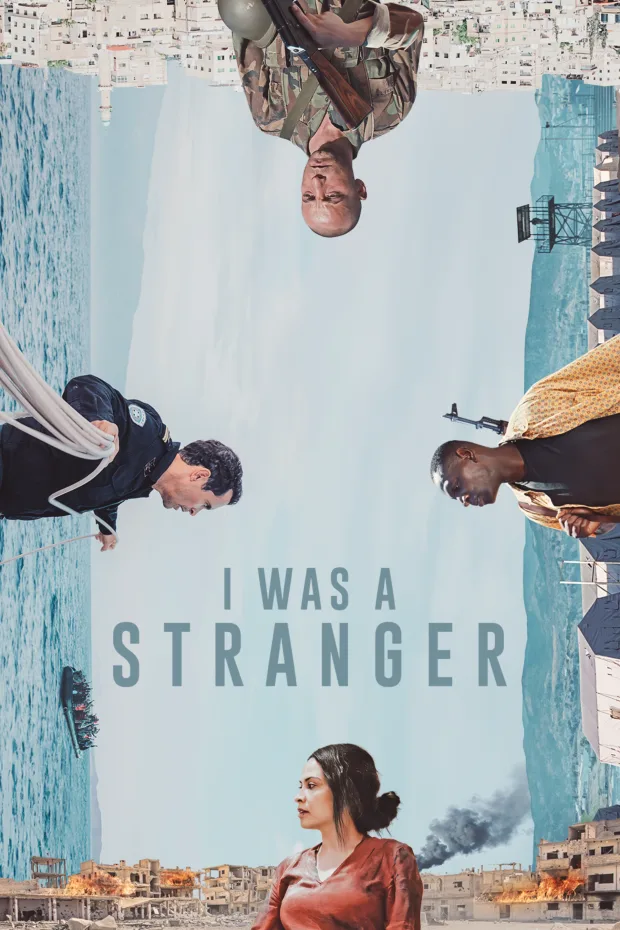
The international selection I Was a Stranger offered a dramatically different experience, showcasing the global perspective that has become a hallmark of the Lighthouse International Film Festival. Through an emotionally layered narrative spanning multiple countries and interconnected lives, the film explored displacement, survival, and humanity during times of crisis. Its inclusion underscored the festival’s commitment to presenting stories that broaden perspectives while connecting audiences to experiences far beyond their own communities.
Together, these films illustrated the remarkable range of voices and visions represented at the 2026 festival. From heartfelt comedy and psychological horror to international drama and social commentary, the programming reflected the evolving landscape of modern independent filmmaking.
The Lighthouse International Film Festival has long distinguished itself through its ability to blend world-class cinema with the unique character of Long Beach Island. Unlike many urban film festivals confined to convention centers or multiplexes, Lighthouse transforms the entire island into a cinematic destination. Historic venues, community gathering spaces, arts centers, and waterfront locations become stages for storytelling, creating an experience that feels both intimate and expansive.
For filmmakers, that environment offers something increasingly rare: genuine connection. Audiences engage directly with creators through question-and-answer sessions, workshops, panels, and informal conversations that continue throughout the festival weekend. Those interactions create lasting relationships and often become some of the most valuable aspects of the festival experience.
For New Jersey, the success of Lighthouse represents more than a cultural celebration. It reflects the state’s growing prominence within the entertainment industry. As production activity expands across the Garden State and major studios continue investing in New Jersey’s future, festivals like Lighthouse provide essential platforms for artistic discovery, professional development, and industry engagement.
The premiere of Bolio: Spirit of the Mustang embodies that spirit perfectly. It represents the kind of independent filmmaking that continues to thrive because of passionate creators, supportive communities, and festivals willing to champion original voices. It also demonstrates how stories centered on humor, humanity, and personal transformation can still resonate deeply in an era dominated by franchises and blockbuster spectacles.
As the final screenings conclude and another successful edition of the Lighthouse International Film Festival comes to a close, films like Bolio: Spirit of the Mustang help explain why audiences continue to return year after year. They come for discovery. They come for conversation. They come to experience stories before the rest of the world sees them.
And occasionally, they leave having discovered a new favorite film.
That sense of discovery remains the true magic of independent cinema, and nowhere was it more evident this year than on the shores of Long Beach Island, where Bolio: Spirit of the Mustang took its first steps into the spotlight and reminded audiences why festivals still matter.
















