
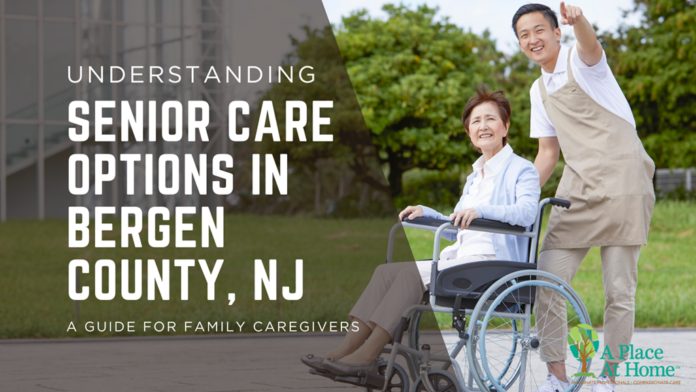

For most families, discussing care options for a loved one with dementia doesn’t begin as an open and casual conversation about aging. It almost always begins with a small crisis: a burned pot of water on the stove, a father who gets turned around on the block where he’s lived for forty years, forgetfulness that starts to feel pathological instead of a normal part of getting older. These are the moments when a family has to make the difficult calculation about whether a parent can safely stay at home, and what support they need to do that.
The reality for many families is that there are options for keeping a loved one with dementia safely at home, for a much longer period than many people think, as long as they have the appropriate combination of assistance, management, and oversight.
In-home dementia care typically refers to professional aides who come into the home to provide basic supportive care such as bathing, dressing, meal preparation, and medication reminders while also offering supervision that can help keep someone with dementia from wandering or becoming agitated. What differentiates dementia-focused home care from other types of elder assistance is that caregivers are trained in behavioral management techniques to help residents cope with confusion or anger, communication strategies to deal with memory loss, and ways to create structure and routine that can be incredibly calming for someone struggling with dementia.
North Bergen families have access to far more resources than you might expect, many of which do not require spending thousands of dollars on private care immediately.
Core Elements of the Referenced Program. The Primary Responsibilities of the In-Home Caregiver:
- The Featured Provider: The announcement was issued by the North Bergen office of Comfort Keepers, which is located at 8100 John F. Kennedy Boulevard. The company was recently recognized as an expert in elder care by the Newsweek journal, which included it in America’s Best of the Best Home Care Providers list.
- The Target Audience: This program is designed for families, who have a career or active employment profiles, run a household, and take care of a parent with cognitive decline as their primary caregivers. The services are intended for adults aged 45 – 65, who seek to ensure their parents’ physical and mental well-being alongside their professional and domestic responsibilities.
- Wandering Prevention: The caregiver ensures that the doors are locked and provides constant supervision to prevent seniors from wandering away.
- Routine Maintenance: The service helps to establish a highly structured schedule to keep the patient oriented, calm, and focused.
- Hygiene Assistance: The provider offers intimate help while maintaining the patient’s dignity and self-esteem.
- Daily Errands: The caregiver can manage routine chores such as cooking, grocery shopping, and housekeeping or accompany the senior to local clinics and doctors’ appointments.
- Family Support: The service offers respite care to family members to allow them to take a break, engage in vacations, and pursue personal and professional matters without worrying about the patient’s welfare.
Alternative Home Care Agencies in the North Bergen Area: If the readers are interested in learning more about the memory-loss management options in the Hudson and Bergen County region, these nearby premier agencies provide integrated in-home dementia care programs: - Senior Helpers (North Bergen): This local agency at 7915 John F. Kennedy Boulevard can develop an individualized personal care plan and offer senior safety monitoring services alongside specialized memory-loss strategies.
- ComForCare Home Care: This provider uses the DementiaWise® training system to equip its caregivers with advanced approaches to manage patient behavior and cognitive decline tendencies.
- Visiting Angels Senior Home Care (Fort Lee ): This company serves the North Bergen area from the neighboring office in Fort Lee and provides tailored Alzheimer’s care solutions for non-medical in-home senior care assistance.
Jersey Assistance for Community Caregiving, or JACC for short, is a state run-program designed to allow seniors to stay in their own homes for as long as possible by connecting them to care professionals who can help manage and supervise them. JACC is entirely need-based, meaning there aren’t any services that you can’t access because you don’t meet income requirements, and many lower-income seniors can even get in-home care for free. The program works by connecting you to a care manager who helps you design a support plan based on your loved one’s needs. One thing to note is that JACC does allow you to hire legal family members, as well as friends or neighbors, as caregivers if you want, meaning you can get the help you need without necessarily having to rely on an outside professional immediately.
In addition to JACC, New Jersey also has an Alzheimer’s Adult Day Services Program. This is a benefit for caregivers who need a break but don’t want to move their loved one into a care facility right away.
The state will cover the costs of an adult day care center for a person with Alzheimer’s or another dementia diagnosis, allowing a caregiver to get a much-needed break during the day while their loved one is cared for by trained professionals in a secure environment. If you need more help outside of regular adult day programming to provide temporary care for your loved one with dementia, the Statewide Respite Care Program can help. This program offers temporary relief to family caregivers so that they can take a much-needed break without having to leave their loved one completely alone.
The good news is that you won’t have to navigate these programs on your own, as there is a single, invaluable resource that can help you connect to everything you need. New Jersey EASE is the state’s Aging and Disability Resource Connection network, and it can help you connect to the services you need as a caregiver for a person with dementia. You can call the number listed on their website to be connected to your local Hudson County EASE office, which can help you explore your options for elder care in the area. Speaking with a local EASE representative is often the most helpful first step for any North Bergen family member caring for a loved one with dementia, as they can guide you towards JACC, the Alzheimer’s Day Services Program, the Statewide Respite Care Program, and other resources based on your specific needs.
Caring for a loved one with dementia is incredibly physically and emotionally taxing, and New Jersey also offers a number of resources to help caregivers manage their own well-being.
Care2Caregivers is a peer support hotline run by Rutgers that you can call for advice, guidance, or simply to talk if you’re struggling with the stresses of caring for a loved one with dementia. Additionally, the Family Caregiver Alliance offers educational and advocacy services to help you navigate this process. These programs are incredibly valuable, not as a replacement for hands-on care, but as a chance for caregivers to recharge, and it’s crucial that North Bergen caregivers remember to take advantage of them whenever possible. Caregiver stress, if not properly managed, is one of the primary reasons why a family may move a loved one into a care facility before they’re truly ready.
When it comes to the care options for a loved one with dementia, your best option for finding the right type of support is to begin your search by thinking through your loved one’s specific needs before making a choice about a particular program or agency based on those needs. Remember that dementia is an unpredictable condition, and care needs can change dramatically from one year to the next. By getting a professional geriatric care evaluation from a trusted local physician, hospital, or other resource (such as New Jersey EASE), you’ll be able to understand what type of in-home aide, if any, your loved one will need and for how long. Having that knowledge before a crisis occurs can help North Bergen families immensely when it comes to arranging care for their loved ones with dementia and ensuring they can remain in the comfort of their own homes for as long as possible.
















