

The clock is ticking toward the NHL trade deadline—Friday, March 6 at 3:00 p.m. ET—and the New Jersey Devils find themselves at a defining inflection point. With a 29–29–2 record and positioned squarely on the playoff bubble’s wrong side, the organization must confront an uncomfortable reality: built to contend now, but not delivering now.
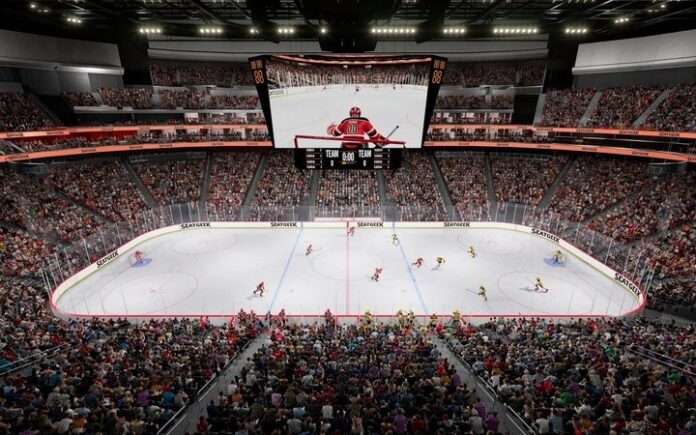
As the Devils embark on a season-high seven-game homestand at Prudential Center from March 3 through March 16, the atmosphere at “The Rock” is layered. Promotions, heritage nights, giveaways, and a final farewell to the black-and-white “Jersey” alternate sweaters create energy in the building. Yet beneath the spectacle lies strategic tension. Does General Manager Tom Fitzgerald buy, hold, or sell?
This is not a casual decision. It’s structural.
The Organizational Stakes
The Devils’ leadership group—Fitzgerald and head coach Sheldon Keefe—operate under pressure. A season that began with postseason aspirations has drifted into inconsistency. While a recent 3–1 road win against the St. Louis Blues, highlighted by a first-star performance from Timo Meier, offered encouragement, isolated wins cannot obscure broader trends.
If management believes the current core is one or two pieces away, buying makes sense. But if internal evaluation suggests systemic issues—roster construction imbalance, insufficient blue-line offense, inconsistent goaltending—then selling becomes not surrender, but recalibration.
The Untouchables
Start with clarity. Nico Hischier, Jack Hughes, and Jesper Bratt are non-negotiable. These are foundational pieces, franchise pillars, and the identity drivers of modern Devils hockey. Even in seasons where production dips, their value transcends stat lines. Any trade scenario involving this trio would represent organizational malpractice.
The Meier Question
Meier occupies a tier of complexity. He remains a core contributor and possesses the physical toolkit to dominate. Yet his full no-move clause and recent system fit challenges complicate theoretical scenarios. Trading him would require a “Godfather” offer—an overwhelming return that accelerates retooling without weakening competitive integrity. Such offers are rare. More realistically, Meier remains part of the solution.
The Luke Hughes Equation
Luke Hughes recently signed a long-term extension carrying a $9 million AAV, tying him with Dougie Hamilton as the highest-paid active players on the roster. His development arc has been uneven—brilliant flashes paired with inconsistency—but his ceiling remains elite. Moving Hughes would contradict the franchise’s timeline. Patience, not panic, is the prudent course.
The Prospect Capital
Beyond Hughes lies the next wave: Simon Nemec, Arseny Gritsyuk, Lenni Hameenaho, Anton Silayev, Seamus Casey, and Ethan Edwards. These names represent both hope and leverage.
If selling morphs into strategic asset consolidation, this is where calculated risk emerges. Would you package Nemec for a young, established top-six winger? Would you sacrifice prospect depth for a proven 3C who stabilizes the lineup long term? These are hockey trades—not salary dumps—but they demand conviction.
The Dougie Hamilton Dilemma
Hamilton embodies the Devils’ structural tension. When deployed correctly, he delivers rare blue-line offense—an element the roster desperately needs. However, his $9 million cap hit, injury history, and 10-team trade list narrow flexibility.
If selling, Hamilton represents the most realistic high-impact trade chip. The question becomes philosophical: is reallocating his cap space toward diversified offensive depth wiser than maintaining a singular elite offensive defenseman? The answer depends on return value and organizational vision.
The Defensive-Defenseman Surplus
Here lies perhaps the most actionable category. Jonas Siegenthaler, Brenden Dillon, and Johnny Kovacevic resemble archetypes currently valued at the deadline: reliable, stay-at-home defenders suited for playoff depth roles.
Recent league precedent suggests contenders will pay meaningful returns for defensive stability. Siegenthaler’s manageable $3.4 million AAV and remaining term enhance attractiveness. Dillon’s veteran leadership appeals to Cup hopefuls. Kovacevic, despite recent struggles, fits cost-controlled depth molds.
If Fitzgerald sells, this cluster offers draft capital potential without dismantling core identity.
The Middle-Six Chessboard
Dawson Mercer, Cody Glass, Connor Brown, and Brett Pesce represent nuanced cases.
Mercer remains durable and versatile but may have plateaued as a middle-six contributor. Glass has exceeded expectations in center depth but may not project as a long-term 3C solution. Brown provides dependable bottom-six value. Pesce, early in a six-year deal with full protection, is likely immovable regardless of desire.
These players are not “sell for picks” candidates—they are hockey trade pieces. If moved, it would be in exchange for positional upgrades or age-aligned contributors.
Depth For Draft Picks
The pragmatic tier includes Stefan Noesen, Maxim Tsyplakov, Nick Bjugstad, Evgenii Dadonov, Luke Glendening, Paul Cotter, and Zack MacEwen.
Selling here is straightforward: accumulate draft picks, open roster spots for evaluation, and preserve cap flexibility. These are transactional moves that signal strategic reset without shaking foundational pillars.
The Goaltending Conundrum
Jacob Markstrom and Jake Allen present layered challenges. Markstrom’s contract term and recent performance volatility dampen market appeal. Moving him likely requires attaching assets—an undesirable cost during a retool.
Allen, conversely, has delivered strong 1B value at a manageable cap hit. Trading him destabilizes the crease entirely. In a sell scenario, retaining Allen preserves competitive baseline while longer-term solutions develop.
The Homestand Context
While front-office deliberations intensify, the Devils’ homestand unfolds with notable promotions: Irish Heritage Night against Toronto, Youth Hockey Weekend versus the Rangers and Red Wings (including a Brett Pesce bobblehead for the first 9,000 fans), Portuguese and Polish Heritage celebrations, Women in Sports Night, and a Star Wars-themed matchup later in March.
Enhancements inside the Prudential Center—including the Verizon Lounge transformation, NJ’s Sin Bin fan zone, Eastback Kitchen’s “Jersey-bold” culinary concept, and the expanded PlayStar Casino Golden Goal promotion—reflect organizational investment in fan experience even amid on-ice uncertainty.
This juxtaposition is striking: an arena experience trending upward while roster direction remains unsettled.
Strategic Reality
Selling does not equal surrender. It signals timeline recalibration. The Devils possess a young core under contract, emerging prospects, and tradeable depth. The franchise is not asset-poor—it is direction-sensitive.
If Fitzgerald sells wisely—targeting draft capital, young NHL-ready talent, or cap flexibility—the Devils could pivot toward 2026–27 with renewed structural clarity. If he hesitates and the team drifts toward mediocrity without postseason reward, the opportunity cost compounds.
The decision looms. The options are real. The consequences are lasting.
As the trade deadline approaches, New Jersey stands not merely at a transactional checkpoint, but at a philosophical crossroads. Buy, hold, or sell—the next 72 hours may define far more than this season.
Upcoming Home Games & Promotions
The following games feature special theme nights and fan giveaways at “The Rock”:
| Date | Opponent | Promotion / Giveaway |
|---|---|---|
| Mar 4 | Toronto Maple Leafs | Irish Heritage Night |
| Mar 7 | New York Rangers | Youth Hockey Weekend presented by RWJBarnabas Health |
| Mar 8 | Detroit Red Wings | Youth Hockey Weekend + Brett Pesce Bobblehead (First 9,000 fans) |
| Mar 12 | Calgary Flames | Portuguese Heritage Night + “Jersey” Jersey game |
| Mar 14 | L.A. Kings | Polish Heritage Night + “Jersey” Jersey game |
| Mar 16 | Boston Bruins | Women in Sports Night |
| Mar 29 | Chicago Blackhawks | Star Wars Night with character appearances |
Prudential Center Enhancements
- The “Jersey” Jersey Finale: This is the final season for the black-and-white “Jersey” alternate jerseys. They will be officially retired at the end of the 2025-26 season.
- New Fan Zones: The Verizon Lounge (formerly Pier Club) offers elevated hospitality, while NJ’s Sin Bin in Sections 115 & 116 is the new home base for mascot meet-and-greets.
- Golden Goal Promotion: The PlayStar Casino Golden Goal window has been extended from 10 to 30 seconds, giving fans a better chance to win $10,000 if a goal is scored in that timeframe.
- Culinary Updates: The arena recently launched Eastback Kitchen, a new culinary brand featuring “Jersey-bold” flavors across concessions and premium suites.
















