
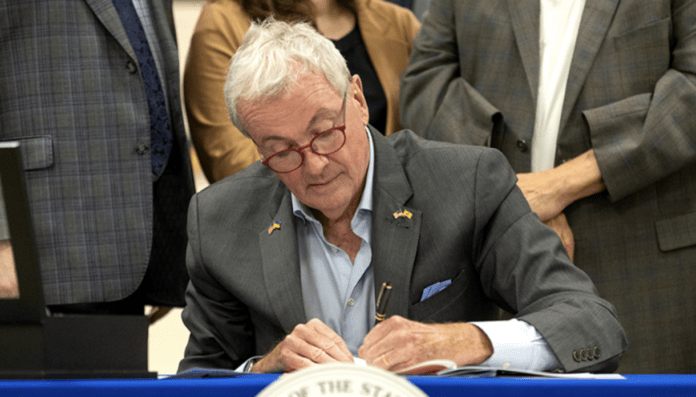

New Jersey residents are set to experience significant changes in healthcare accessibility and affordability following Governor Phil Murphy’s signing of a comprehensive four-bill package this past Friday. Designed to address long-standing challenges in the healthcare system, these measures tackle prescription drug coverage, menopause treatment, and workforce shortages, signaling a major step forward in state healthcare policy.
One of the central elements of the legislation is an expansion of prescription drug coverage. With rising medication costs continuing to burden families, the new law aims to make essential prescriptions more accessible and affordable, reducing out-of-pocket expenses for New Jersey residents. By broadening coverage, the state seeks to ensure that necessary medications are no longer a financial barrier to maintaining health.
Another key focus is on improving care and access for individuals navigating menopause. Historically underrepresented in healthcare policy, menopause-related treatments are now receiving formal recognition under state law, ensuring that patients have coverage for vital therapies and support. This initiative not only promotes better health outcomes but also raises awareness of a condition that affects a substantial portion of the population.
Addressing workforce shortages in healthcare was another major goal of this legislative package. Hospitals, clinics, and care facilities across New Jersey have faced persistent staffing challenges, which can impact the quality and timeliness of care. By creating incentives and support for healthcare professionals, these laws aim to strengthen the state’s medical workforce, ensuring that residents can receive care when and where they need it.
These efforts align with New Jersey’s broader commitment to advancing health equity and modernizing the healthcare system. By targeting cost reduction, expanding treatment access, and investing in medical personnel, the state positions itself as a leader in innovative healthcare policy. Residents seeking more information on how these changes may affect their healthcare coverage and options can explore additional details in the Health & Wellness Section in New Jersey, which often intersect with community health programs and wellness initiatives.
With this multi-faceted approach, Governor Murphy’s healthcare package represents a significant step toward a more accessible, inclusive, and efficient healthcare system, reflecting the evolving needs of New Jersey’s diverse population.
















