
New
White Horse Winery Has Become One of New Jersey’s Defining Wine Destinations by Blending Agricultural Tradition, Culinary Sophistication, and Modern Vineyard Culture
New Jersey’s wine industry has spent the last two decades reshaping how people think about the state’s agricultural and culinary identity. What was once dismissed by outsiders as a small regional novelty has evolved into one of the Northeast’s fastest-growing wine destinations, supported by ambitious winemakers, expanding vineyard acreage, and a public increasingly interested in local food and beverage culture. Few properties illustrate that transformation more completely than White Horse Winery in Hammonton.
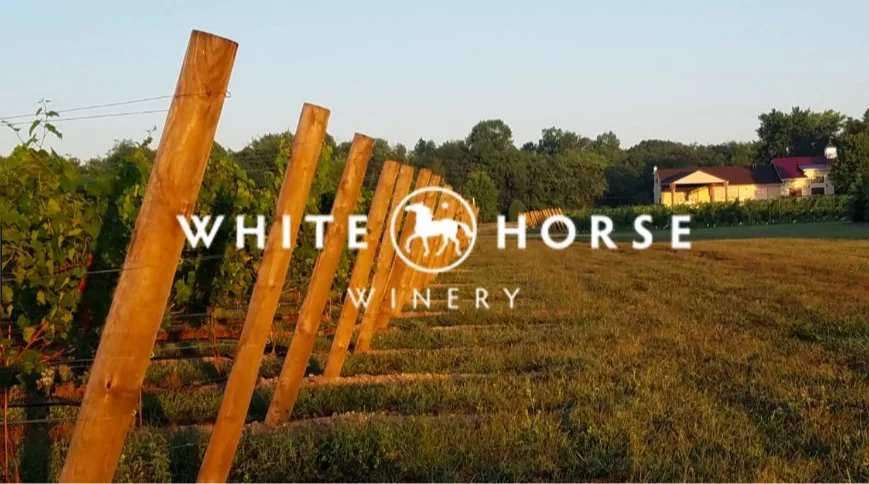
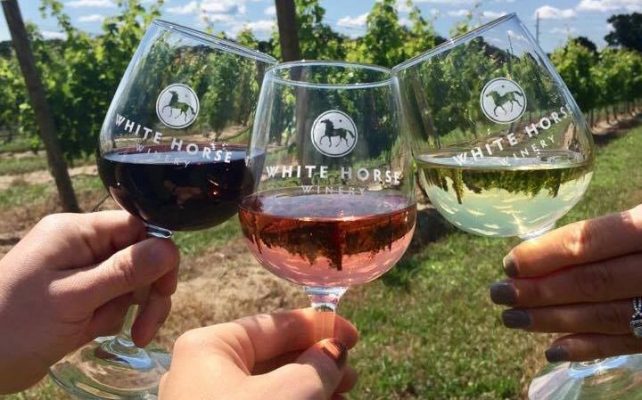
Situated across a 60-acre estate in the heart of Atlantic County’s farming region, White Horse Winery has emerged as one of the most recognizable and awarded wineries in the Garden State, building a reputation not only for its wines but for the atmosphere, hospitality, and sense of destination it has created around the vineyard experience itself.
Founded by Brock Vinton and his son B.J. Vinton, White Horse Winery represents a distinctly modern version of New Jersey winemaking — one that respects agricultural tradition while understanding that today’s vineyard audiences are searching for something larger than a standard tasting room. Visitors increasingly want immersive experiences that combine wine, architecture, food, scenery, and social atmosphere into a full-day destination rather than a brief stop along a tasting trail.
White Horse Winery understands that shift exceptionally well.
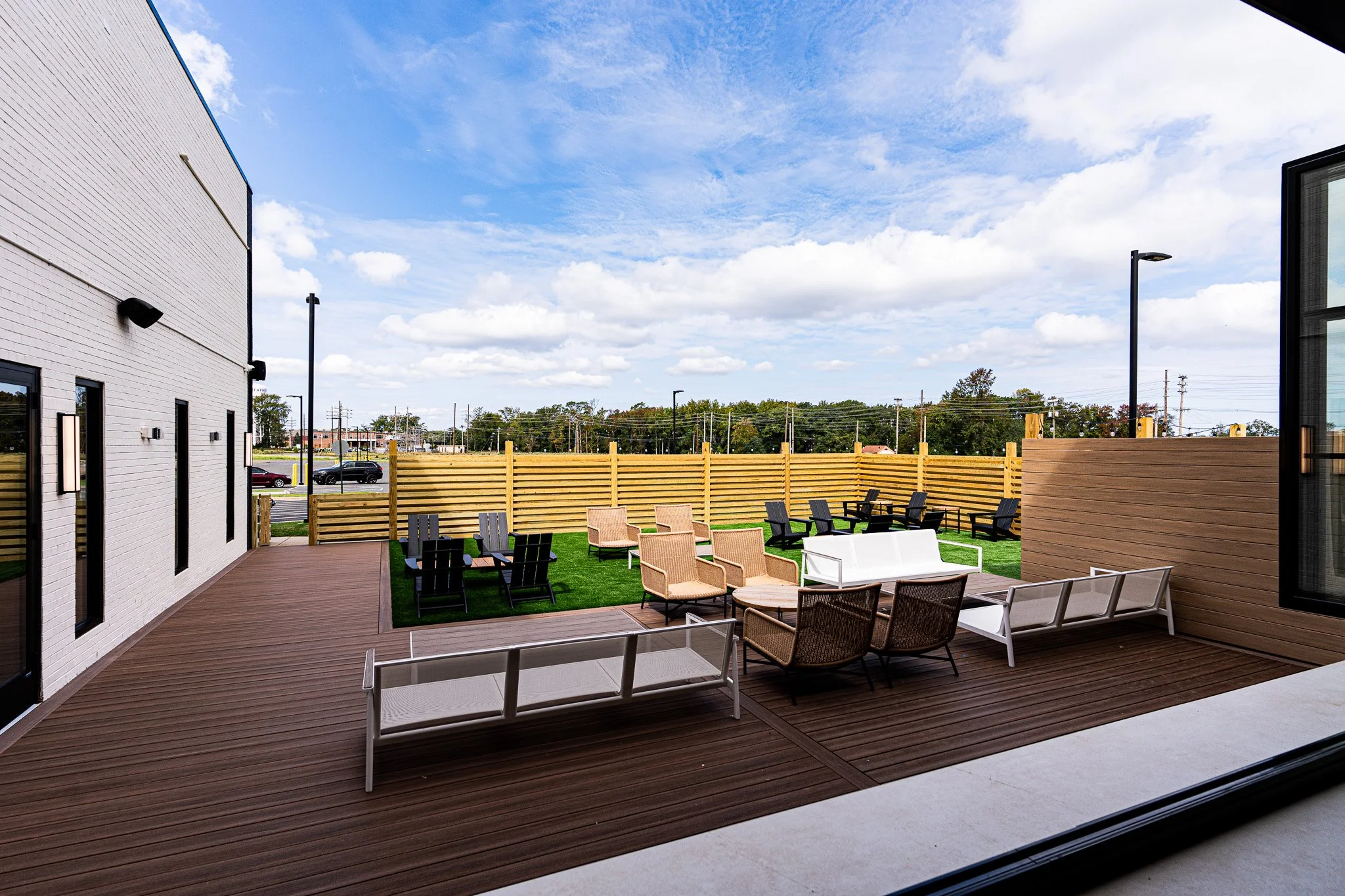
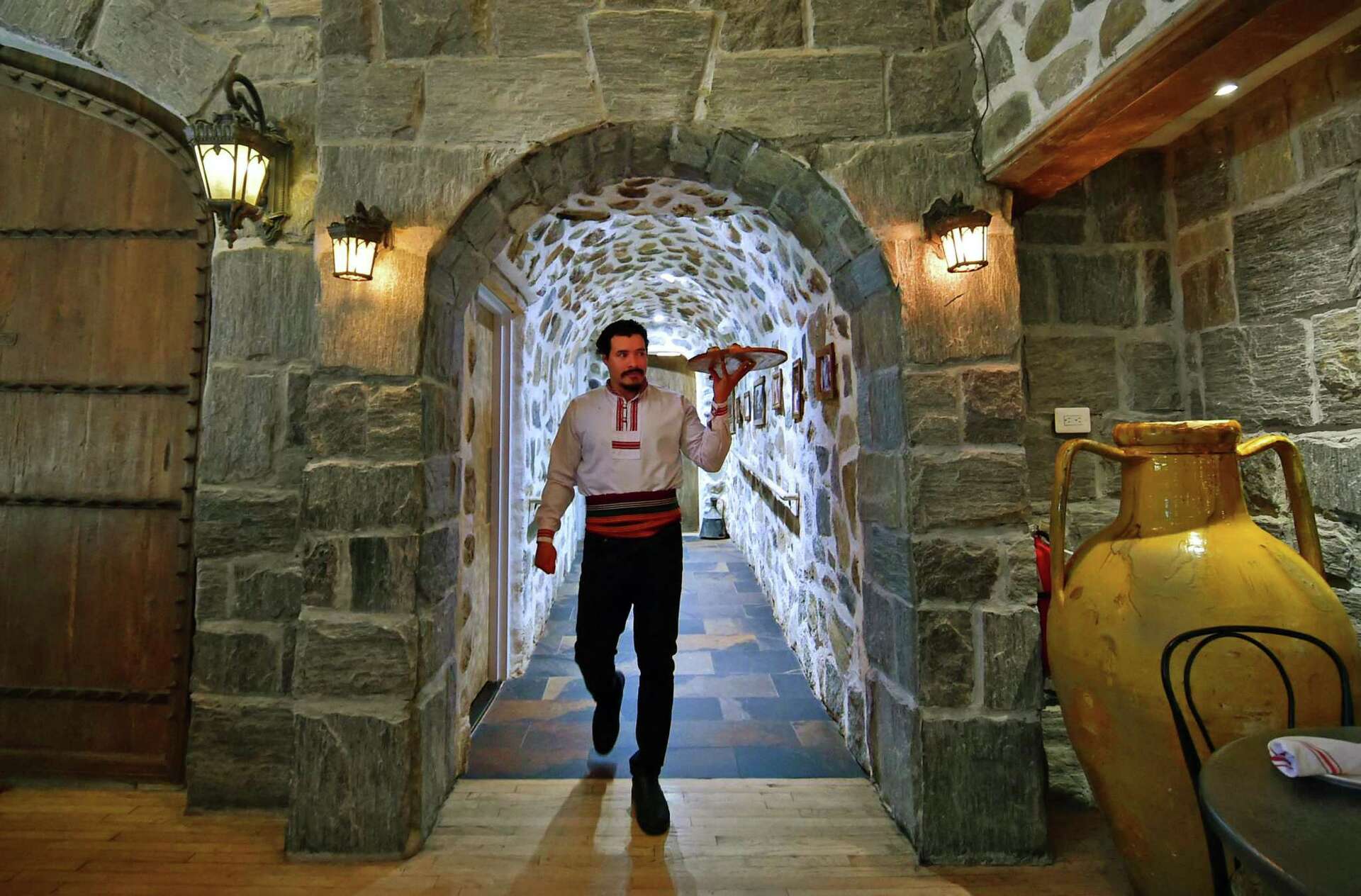
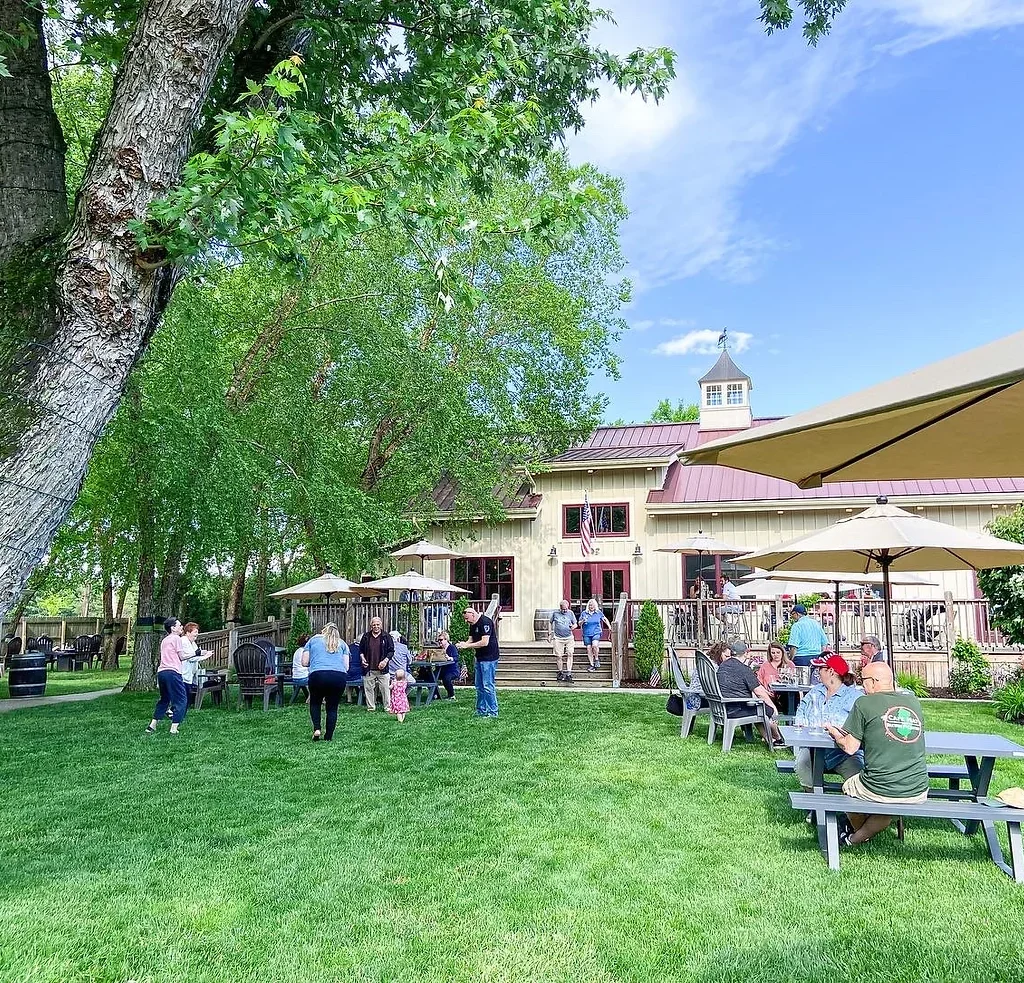
The property feels intentionally designed to slow people down. The long approach into the vineyard, the expansive farmland surrounding the estate, and the rustic-modern farmhouse aesthetic immediately separate the experience from the pace of nearby suburban and shore traffic. By the time guests settle into the tasting room or outdoor seating areas, the atmosphere already feels different from conventional hospitality environments. That transition has become central to the winery’s appeal.
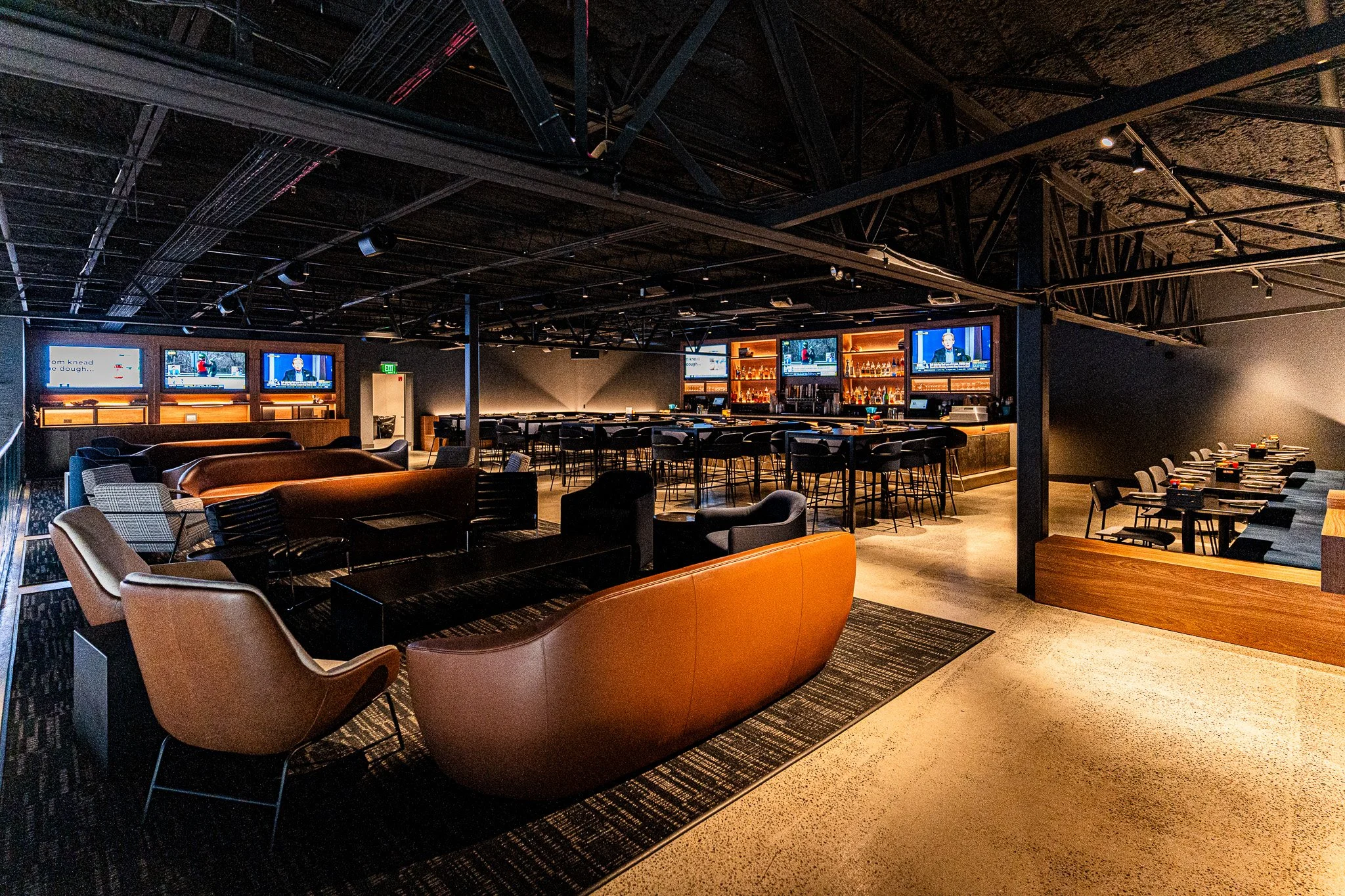
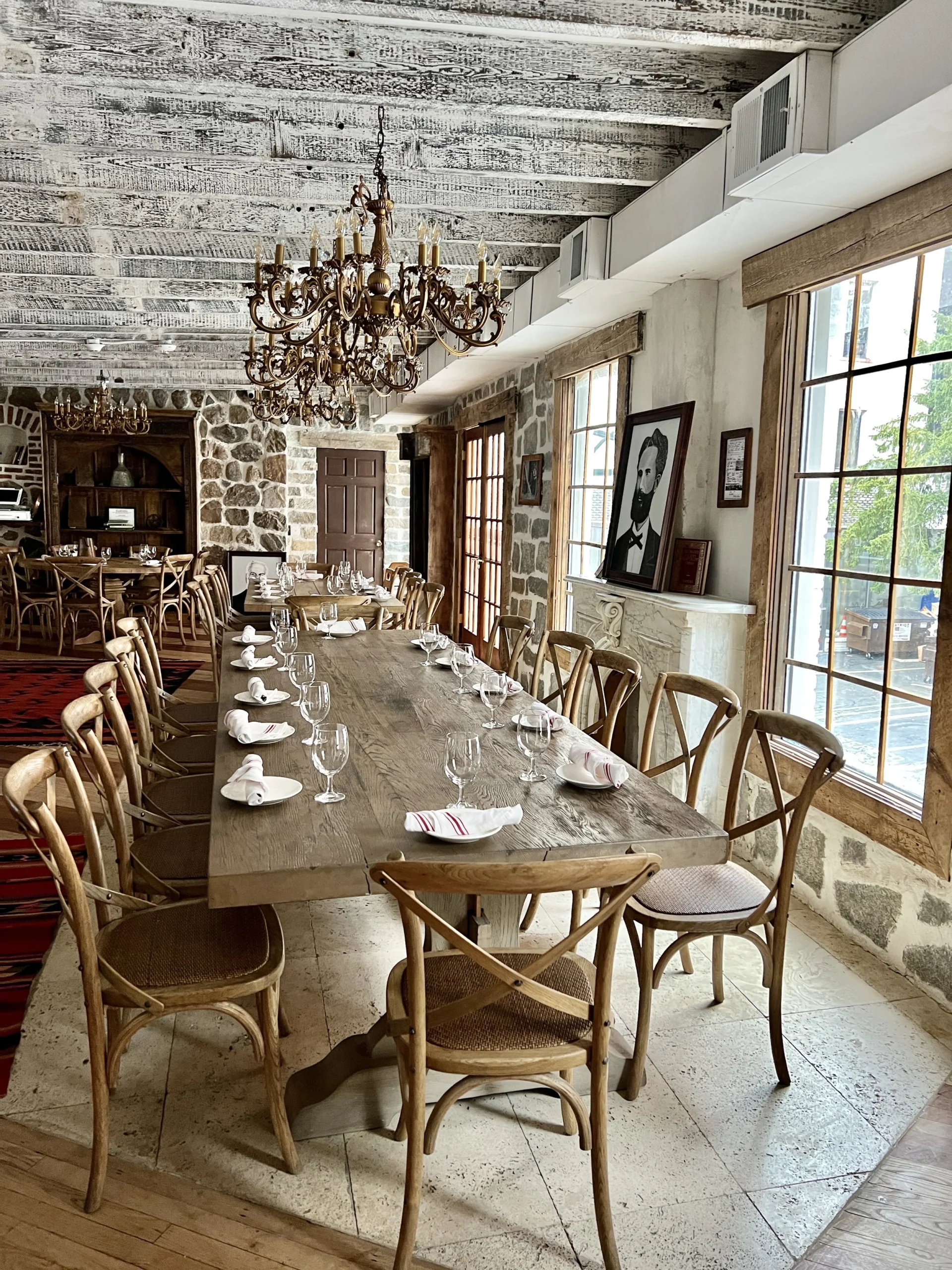
Inside the tasting room, exposed wood, open gathering spaces, and warm natural textures create an environment that feels upscale without becoming overly formal or inaccessible. The design succeeds because it balances refinement with comfort. Guests arrive for tastings, but many stay for hours, moving gradually between wine flights, shared plates, conversations, and outdoor vineyard views that shift dramatically throughout the afternoon as the South Jersey light changes across the property.
That environment has helped White Horse Winery become more than simply a winery. It has become a social and cultural gathering space within one of New Jersey’s fastest-evolving food and beverage regions.
The awards and recognition have followed naturally.
Within its first six years, the winery earned three Governor’s Cup Awards, one of the most significant recognitions within New Jersey wine competition circles. White Horse also gained broader regional attention after being recognized by Best of Philly for “Best Local Red Wine,” a distinction that reinforced how aggressively South Jersey vineyards are now competing beyond state borders for serious wine credibility.
Those honors matter because they reflect a larger reality about the current New Jersey wine movement.
The state’s top vineyards are no longer simply trying to prove that quality wine can exist here. Increasingly, they are refining distinctive regional styles and identities capable of standing confidently alongside established East Coast wine regions in New York, Virginia, and Pennsylvania.
White Horse Winery’s wine program reflects that confidence throughout its portfolio.
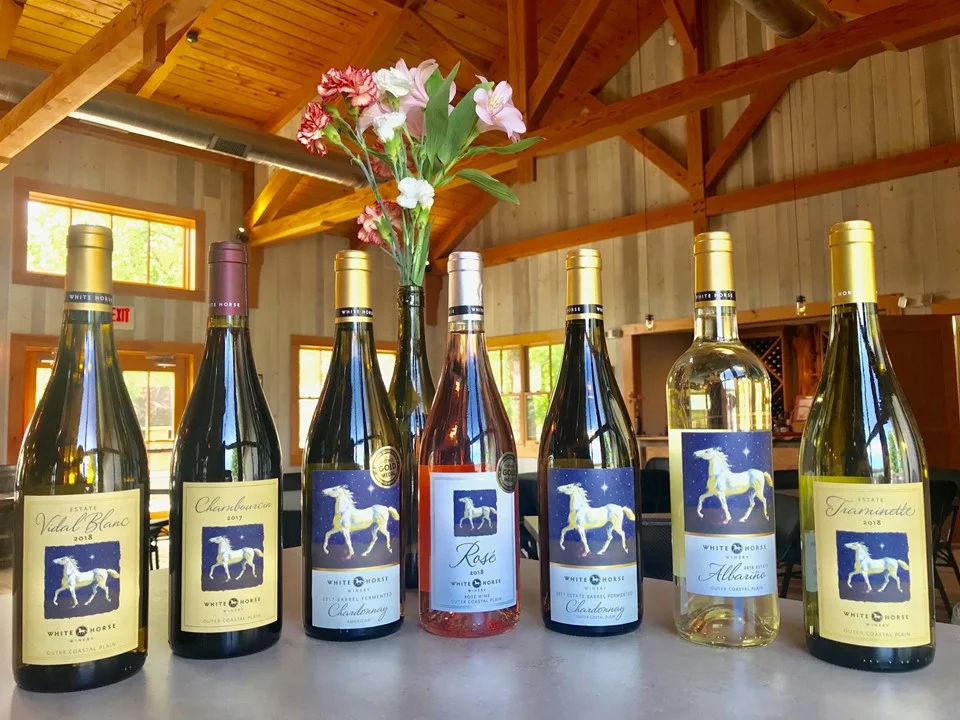
The winery specializes in estate-grown varietals and carefully balanced blends that emphasize structure, restraint, and food compatibility rather than overly sweet commercial styles that historically dominated perceptions of East Coast wine production. French, Hungarian, and American oak aging programs are used strategically to build depth without overwhelming the fruit itself, resulting in wines that feel polished, layered, and increasingly mature in their overall presentation.
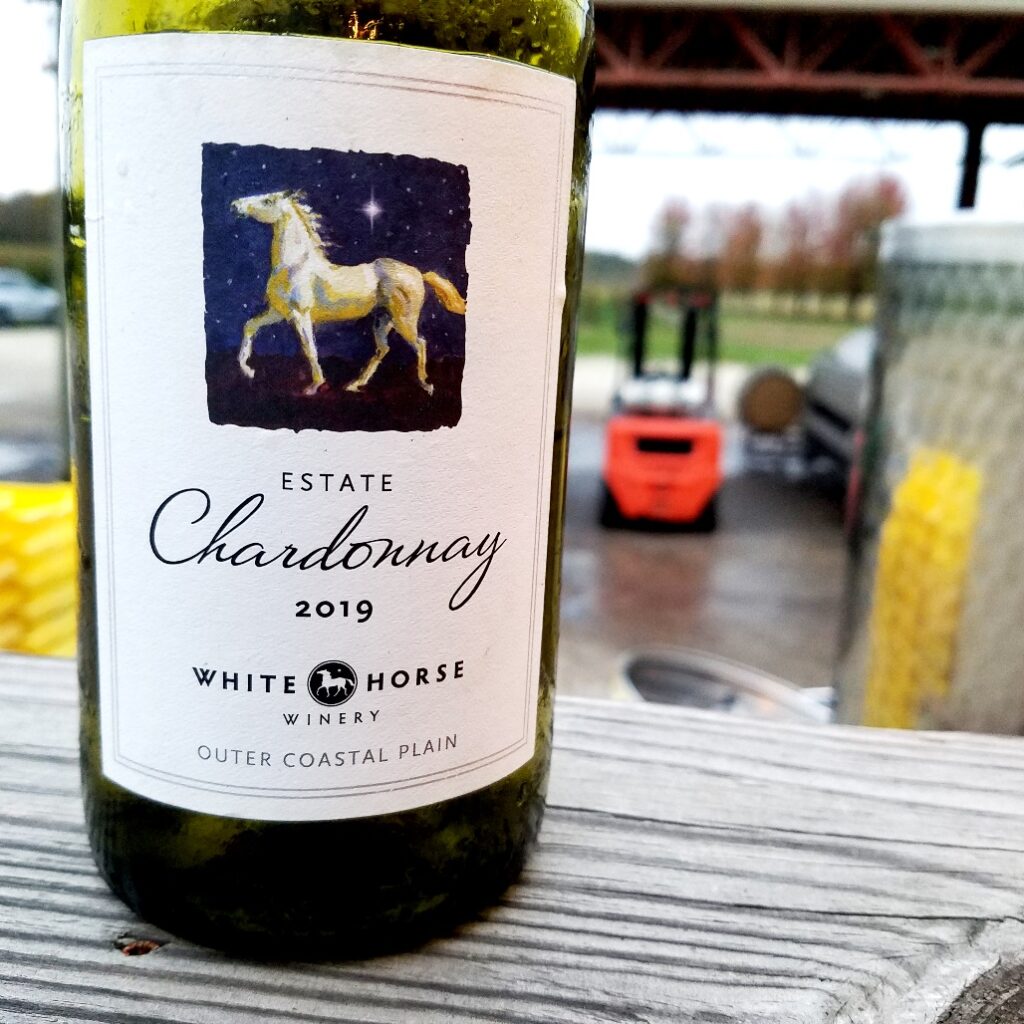
The Chardonnay program has become especially important to the winery’s reputation. White Horse produces both barrel-fermented and stainless steel expressions, allowing guests to experience dramatically different interpretations of the varietal while highlighting the vineyard’s broader commitment to winemaking detail. The Cabernet Franc has also emerged as one of the winery’s strongest signatures, delivering the kind of structure and herbaceous complexity that continues making the grape one of New Jersey’s most promising red varietals overall.
The Vintner’s White blend remains another standout within the tasting lineup, offering a dry, highly approachable profile that has helped attract both experienced wine drinkers and visitors newer to vineyard culture.
Even the visual presentation of the wines reflects the winery’s broader artistic ambition.
The bottle labels themselves feature artwork created by legendary American artist Jamie Wyeth, adding another layer of cultural identity to the vineyard’s presentation. That collaboration reinforces the winery’s larger philosophy that wine operates not only as agriculture or beverage production, but as part of a broader creative and sensory experience.
The culinary program continues extending that idea even further.
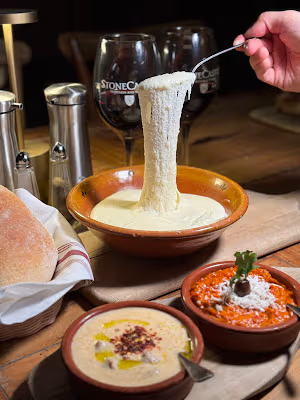
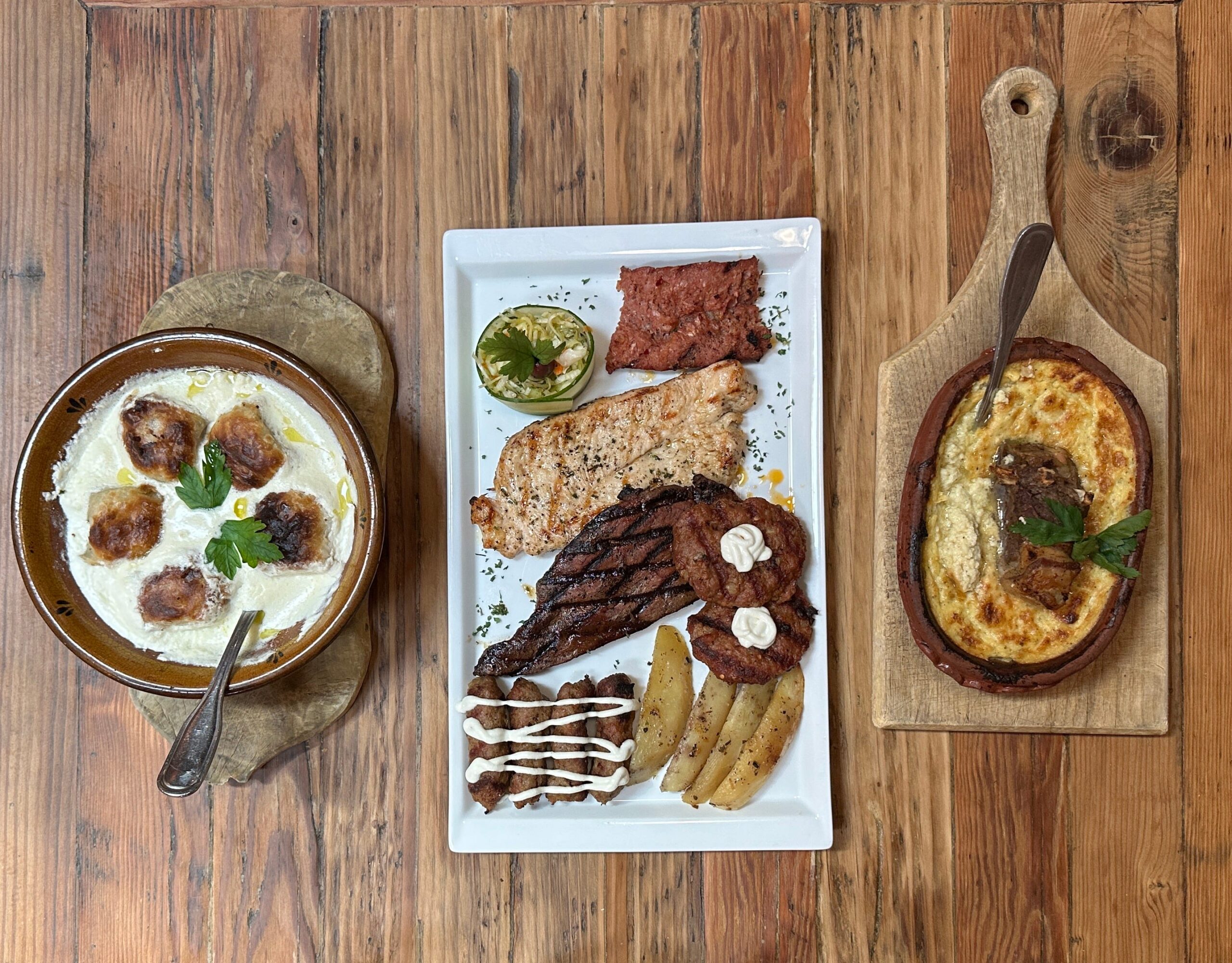
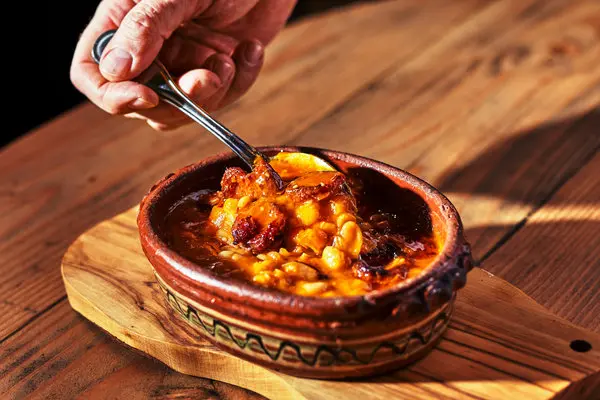
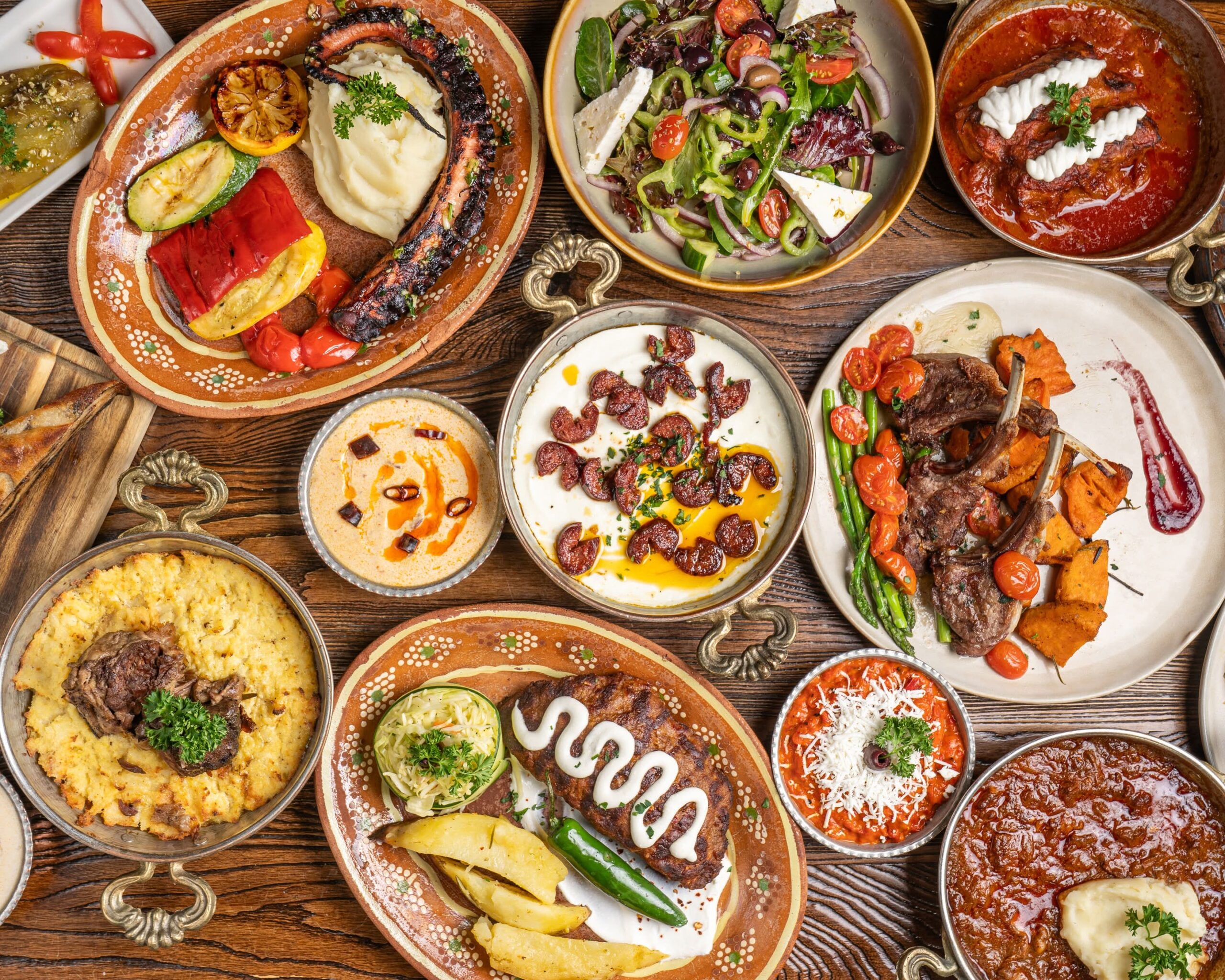
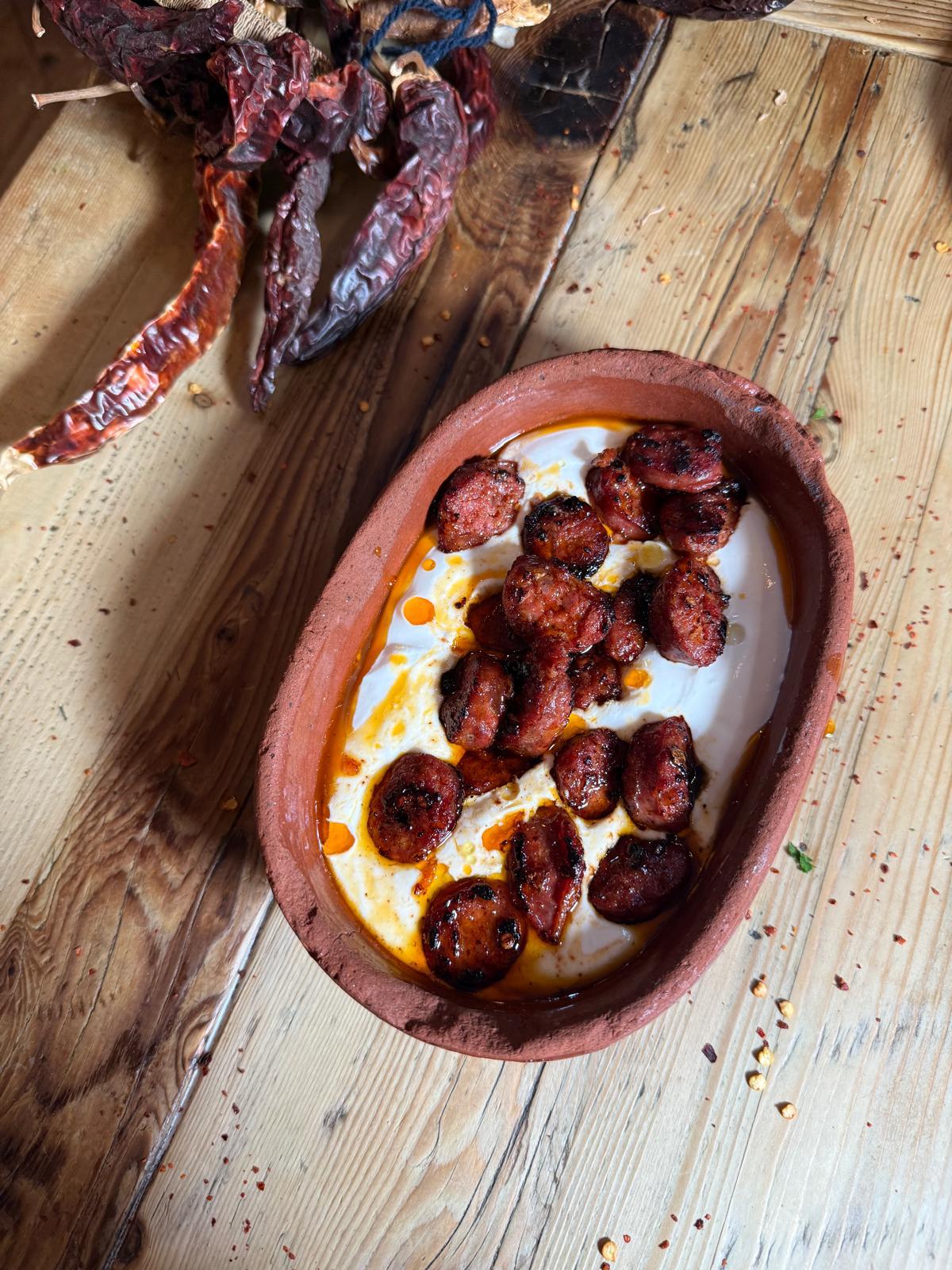
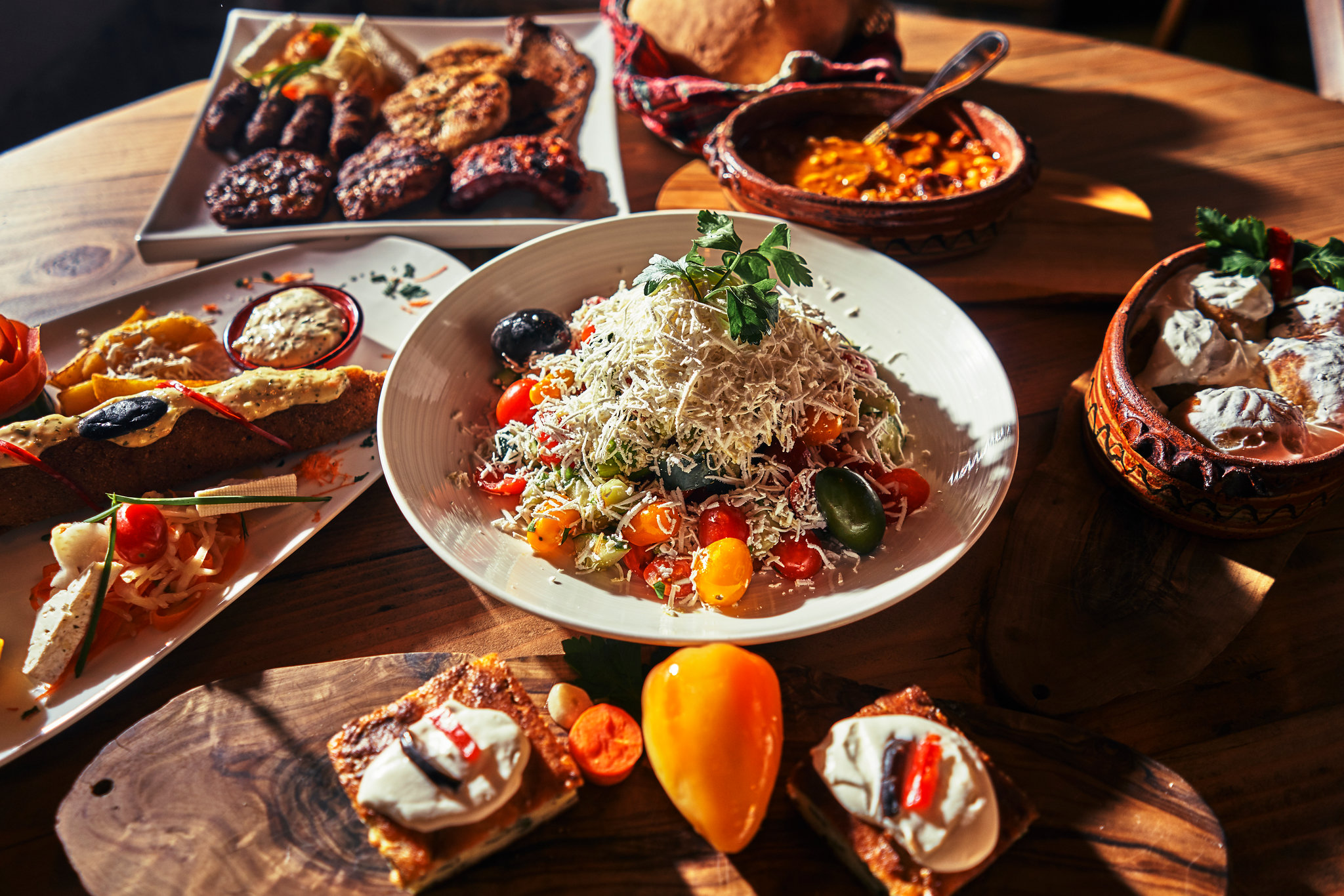
Unlike many wineries that offer only minimal snack options, White Horse Winery has invested heavily in creating a food menu that feels intentionally designed to complement the wine experience. Gourmet cheese boards, antipasto platters, elevated comfort dishes, truffle fries, and caviar service all contribute to an environment that encourages guests to settle in for long afternoons rather than quick tastings.
That expanded culinary focus has become increasingly important within New Jersey vineyard culture as wineries compete not only on wine quality but on overall hospitality experience. White Horse has leaned aggressively into that evolution without losing sight of the agricultural roots underneath the operation itself.
Importantly, the winery maintains strong boundaries around preserving the quality of that experience. Outside food and beverages are not permitted, allowing the vineyard to maintain control over the atmosphere, presentation, and food-and-wine pairing standards that have become central to its identity.
The physical property itself continues playing a major role in the winery’s popularity.
Hammonton’s agricultural landscape provides a natural backdrop that feels authentically tied to South Jersey farming culture rather than artificially manufactured for tourism purposes. The surrounding vineyards, open skies, and rural roads create a sense of separation from the surrounding metropolitan density that defines so much of the Northeast corridor.
That location also reinforces Hammonton’s increasingly important role within New Jersey wine culture overall.
Long associated nationally with blueberries and agricultural production, the region has steadily expanded into one of the state’s most dynamic wine corridors, supported by fertile soil, evolving vineyard investment, and growing tourism infrastructure. White Horse Winery has become one of the flagship destinations within that movement, helping redefine how both residents and visitors perceive South Jersey as a culinary and agricultural destination.
Events and group gatherings have naturally followed that growth.
The winery’s spacious tasting areas, accessible grounds, and flexible event design have made it increasingly popular for weddings, celebrations, private gatherings, and large social events. Yet despite its growth, White Horse Winery has managed to avoid the feeling of becoming overly corporate or transactional. The experience still feels grounded in hospitality rather than volume.
That distinction matters more now than ever.
As wine tourism grows nationally, many vineyards increasingly lean toward commercialization that prioritizes crowd management over atmosphere. White Horse Winery has largely resisted that shift by maintaining a pace and environment that still feel connected to the slower rhythms people often seek when visiting wine country in the first place.
And that may ultimately explain why the winery continues resonating so strongly with audiences across New Jersey and beyond.
Because while the awards, architecture, wine program, and culinary offerings all matter enormously, what White Horse Winery ultimately delivers is something harder to manufacture: a genuine sense of place.
In an era where so many hospitality experiences feel interchangeable, White Horse Winery feels unmistakably tied to New Jersey itself — to its farmland, its evolving culinary ambitions, and its growing confidence as one of the Northeast’s most exciting wine regions.












Your source for everything happening in the Garden State. Enjoy live music year-round, skiing, hiking, beaches, rivers, and mountains. Explore New Jersey’s wine scene by visiting top wineries and vineyards offering award-winning wines. Check out reviews and photos of the best places to sip and sample. Love beer? Discover New Jersey’s breweries — currently home to 123 licensed breweries — and explore the highest-rated beers brewed in the state.
© 2026 Explore New Jersey, a Sunset Entertainment & Media Company | 1928 The Woods II - Cherry Hill, New Jersey 08003. All Rights Reserved.