




New
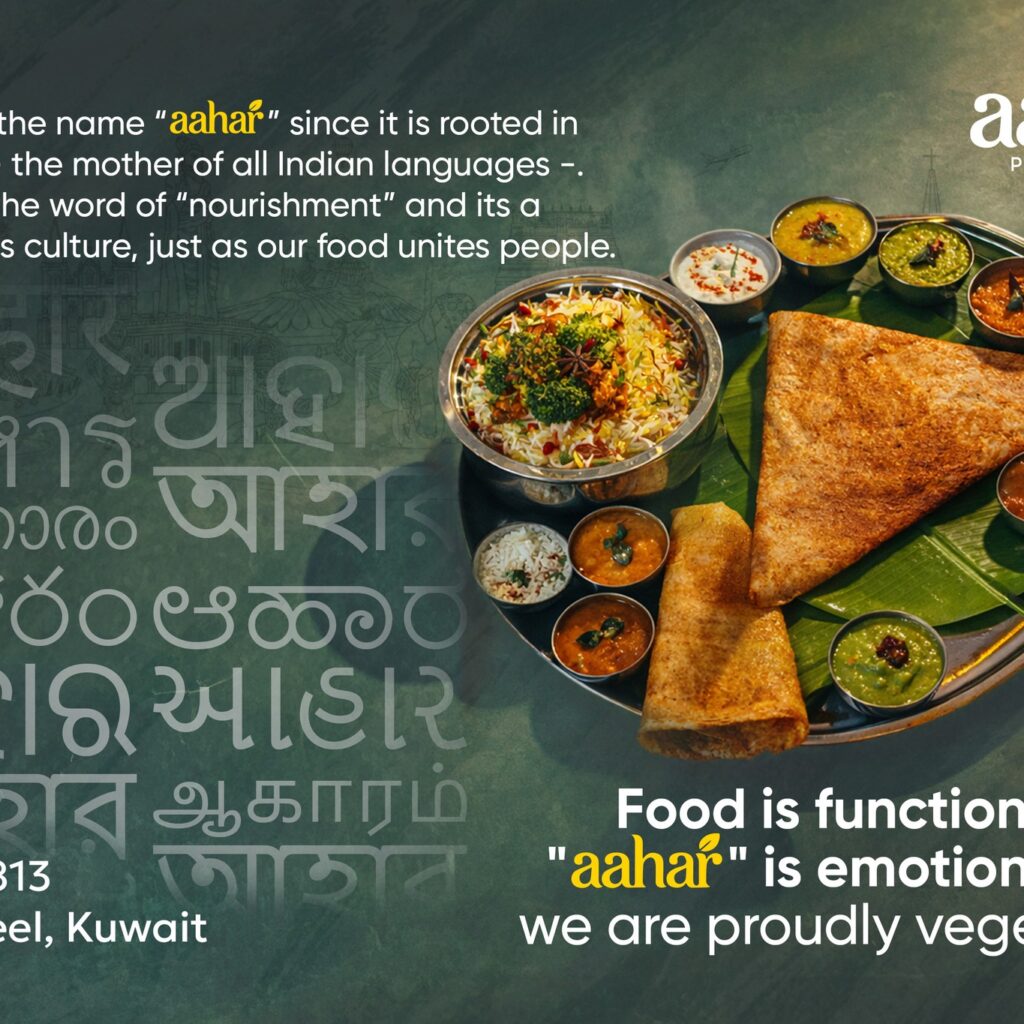
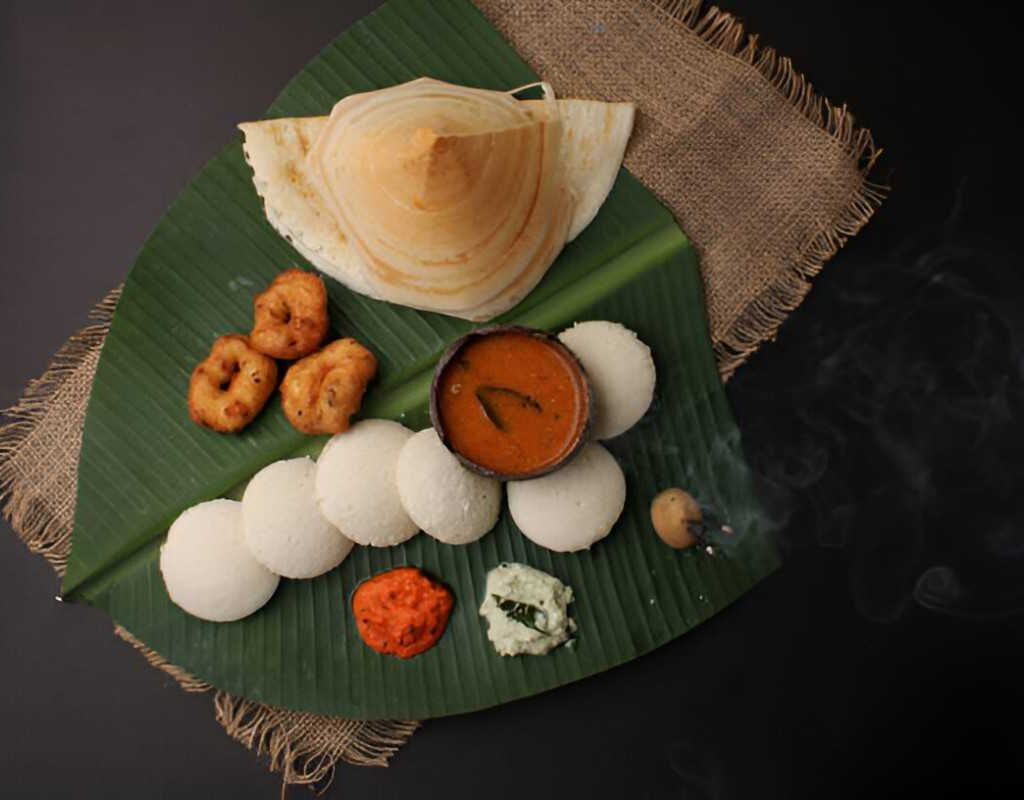
AAahar: Soul of India Brings Authentic Regional Indian Cuisine and Modern BYOB Dining Energy to East Rutherford. New Jersey’s restaurant scene continues evolving into one of the most culturally diverse and globally respected food landscapes in the country, and nowhere is that transformation more visible than within the state’s rapidly expanding South Asian culinary community. Across North Jersey especially, Indian cuisine has moved far beyond niche dining status and now operates as one of the defining pillars of the region’s broader food identity. From traditional family-run establishments to ambitious modern concepts reinterpreting regional specialties for contemporary audiences, the Garden State has become one of America’s most important destinations for authentic Indian dining experiences.
That momentum now continues in East Rutherford with the official arrival of Aahar: Soul of India, a newly opened BYOB restaurant on Park Avenue that is positioning itself as a focused celebration of authentic regional Indian cooking rooted in tradition, flavor depth, and carefully developed culinary craftsmanship.
While the restaurant occupies a relatively intimate 1,050-square-foot storefront, Aahar enters the market with ambitions that feel considerably larger than its physical footprint. The concept appears intentionally designed around something increasingly important in New Jersey’s dining culture: authenticity paired with accessibility.
Rather than chasing fusion gimmicks or trend-heavy reinventions, Aahar’s identity centers itself around classic South Asian preparation techniques, regionally rooted recipes, and a menu structure designed to showcase the depth and variety of Indian cuisine itself.
That distinction matters.
As Indian food culture continues gaining wider national visibility, many restaurants across the United States increasingly face pressure to simplify menus or narrow flavor profiles for mainstream audiences unfamiliar with the complexity of regional Indian cooking. The strongest restaurants, however, are increasingly moving in the opposite direction — embracing specificity, regional identity, traditional preparation methods, and deeper culinary storytelling.
Aahar appears strongly aligned with that more authentic approach.
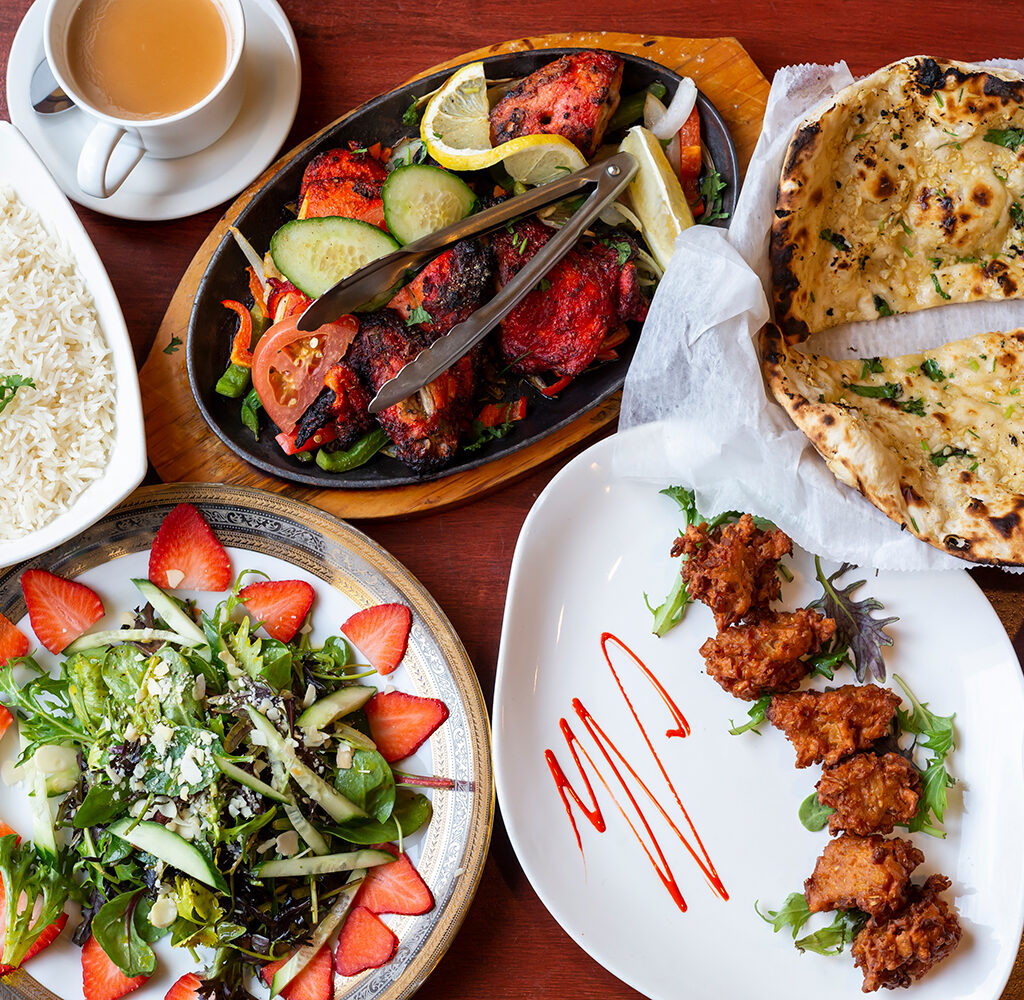
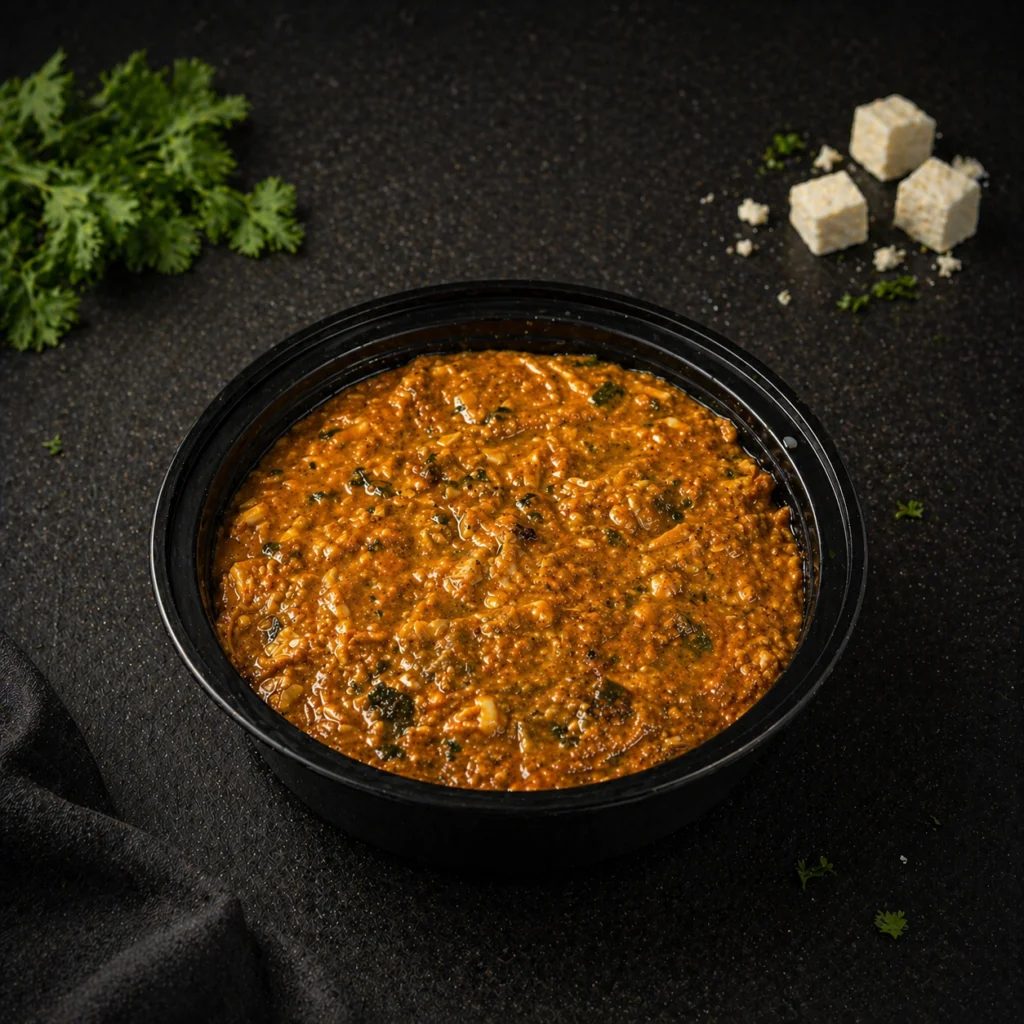
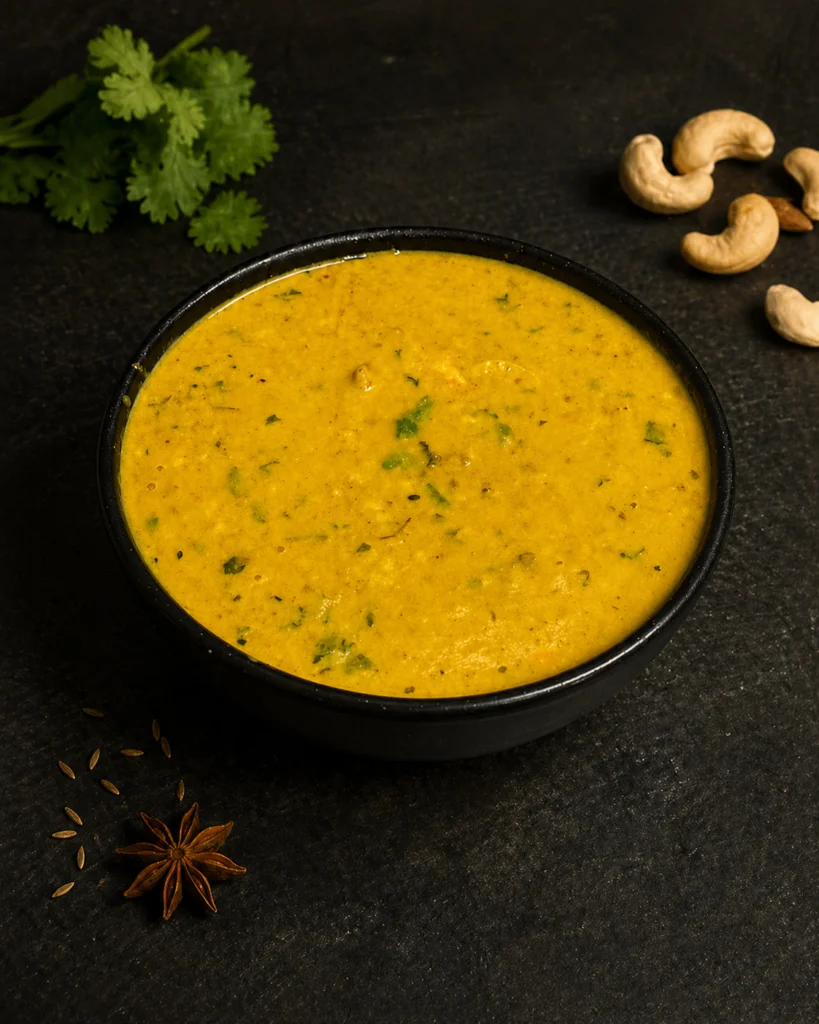
The restaurant’s culinary team reportedly brings more than 12 years of specialized experience in traditional Indian cuisine, and that expertise immediately becomes visible throughout the structure of the menu itself. Rather than relying solely on universally recognizable staples, the restaurant emphasizes a broader exploration of South Asian flavor traditions through layered curries, clay oven preparations, street-food-inspired appetizers, biryanis, vegetarian specialties, and tandoori-centered cooking techniques.
That balance between familiarity and regional authenticity is often what separates memorable Indian restaurants from interchangeable ones.
Clay oven cooking appears especially central to the identity of Aahar.
Tandoor preparation remains one of the defining techniques within Indian cuisine because it creates textures and flavor structures impossible to fully replicate through conventional kitchen equipment alone. Fresh naan emerging directly from the tandoor carries an unmistakable balance of smokiness, blistering heat exposure, softness, and crisp char. Likewise, tandoori meats develop a depth of flavor tied directly to high-temperature clay cooking methods refined across centuries.
At restaurants focused seriously on authenticity, the tandoor often functions almost like the emotional center of the kitchen itself.
Aahar’s emphasis on those preparations signals a commitment to preserving the traditional sensory experience of Indian dining rather than reducing the cuisine to simplified curry-centric expectations.
The menu’s broader regional structure also reflects something larger happening within New Jersey’s restaurant culture overall.
Increasingly, diners throughout the state are seeking specificity rather than generalization. Consumers no longer simply search for “Indian food” in broad terms. They increasingly want regional distinction, culinary heritage, ingredient authenticity, and menus capable of expressing the enormous diversity existing within South Asian cuisine itself.
That evolution mirrors trends already visible throughout New Jersey’s broader culinary landscape.
The Garden State has quietly become one of the strongest food states in America precisely because of its extraordinary immigrant culinary ecosystems. Communities across Bergen County, Middlesex County, Hudson County, Essex County, and surrounding areas now support deeply sophisticated dining audiences familiar with a wide range of regional cuisines and cultural food traditions.
Restaurants can no longer rely solely on novelty.
They succeed through quality, consistency, authenticity, and experience.
Aahar’s BYOB model also positions the restaurant strategically within the modern New Jersey dining market. BYOB culture remains deeply embedded within the state’s restaurant identity because it creates a more relaxed, community-oriented dining atmosphere while simultaneously keeping overall guest costs lower than fully licensed restaurant models.
Especially in smaller intimate dining spaces, BYOB restaurants often create warmer, more conversational environments where food remains the central focus of the experience itself.
That atmosphere appears especially important to Aahar’s identity.
The restaurant’s relatively compact footprint may ultimately work heavily in its favor because smaller Indian restaurants often thrive through intimacy, consistency, and repeat local customer relationships rather than high-volume turnover alone. Neighborhood-driven restaurants frequently become deeply integrated into surrounding community life when they establish trust, reliability, and strong hospitality standards early.
East Rutherford itself also represents an increasingly interesting restaurant market within Bergen County.
Historically associated heavily with sports, entertainment infrastructure, and Meadowlands traffic flow, the borough has steadily evolved into a more dynamic dining corridor benefiting from regional accessibility, growing residential development, and consistent visitor movement connected to nearby entertainment destinations.
That changing local energy creates strong opportunities for independently operated restaurants capable of offering authentic cuisine with strong local appeal.
Importantly, Aahar arrives during a period when Indian cuisine nationally is receiving some of the strongest mainstream culinary recognition in its history.
Indian chefs, regional specialties, street-food traditions, spice techniques, and South Asian culinary storytelling now occupy a much larger role within American restaurant culture than at any previous point. Simultaneously, audiences have become far more educated and adventurous regarding flavor complexity, spice layering, vegetarian cooking traditions, and regional preparation styles.
That growing sophistication among diners creates favorable conditions for restaurants willing to embrace authenticity rather than dilute it.
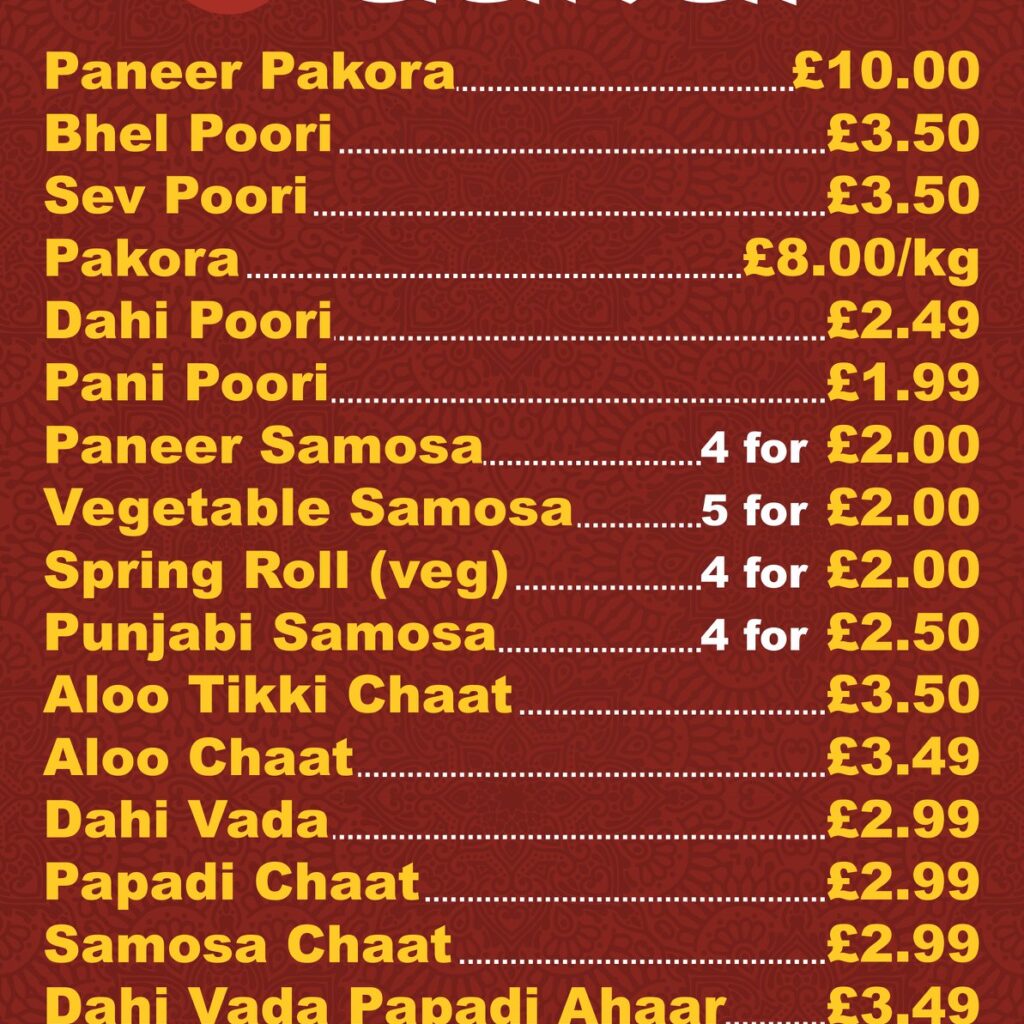
The appetizer selection reportedly reflects that philosophy particularly well.
Indian street food traditions represent one of the most vibrant and dynamic areas of South Asian cuisine because they emphasize bold flavor layering, texture contrasts, spice interplay, and highly regional preparation identities. Street-food-inspired starters often provide diners with the clearest introduction to the broader cultural complexity underlying Indian culinary traditions themselves.
Likewise, the restaurant’s strong vegetarian offerings align naturally with both traditional Indian cooking heritage and contemporary dining trends.
Indian cuisine has long maintained one of the world’s richest vegetarian culinary traditions, not as an afterthought or substitute, but as a fully developed gastronomic category in its own right. Modern diners increasingly appreciate that depth, especially as plant-forward dining continues expanding throughout the broader restaurant industry.
The inclusion of multiple biryani variations also reinforces the restaurant’s regional orientation.
Biryani itself is not a singular dish but an entire category of layered rice preparation traditions varying dramatically across regions, cooking methods, spice profiles, and historical influences. Restaurants treating biryani seriously often distinguish themselves through patience, layering technique, and respect for the dish’s culinary heritage rather than presenting simplified versions disconnected from tradition.
Those details collectively matter because New Jersey diners are increasingly discerning when it comes to Indian cuisine.
The state’s South Asian food scene is extraordinarily competitive and deeply knowledgeable. Restaurants gain loyal followings not through branding alone, but through flavor integrity, consistency, hospitality, and genuine culinary credibility.
Aahar appears aware of that reality from the beginning.
The operating schedule also suggests a restaurant intentionally structured around both lunch and evening dining communities. Midday hours allow access for local professionals, casual lunch traffic, and daytime diners, while evening service creates a more relaxed dinner-oriented atmosphere likely to benefit from the BYOB format and slower-paced communal dining experiences.
Closed Tuesdays, the schedule mirrors many independently operated restaurants prioritizing consistency and kitchen management over aggressive seven-day operational expansion.
For Explore New Jersey readers following the state’s constantly evolving restaurant scene, Aahar: Soul of India represents another important example of how New Jersey continues strengthening its reputation as one of America’s most culturally sophisticated food destinations.
Restaurants like this help define the state’s culinary identity precisely because they reflect the diversity, authenticity, and regional specificity increasingly shaping modern dining culture throughout New Jersey.
More importantly, they reinforce something longtime Garden State food lovers already understand instinctively: some of the state’s best restaurants are often not the loudest or trendiest.
They are the places rooted in tradition, driven by experienced kitchens, built around community trust, and committed to delivering flavors that feel deeply connected to history, technique, and cultural authenticity.
With its focus on traditional preparation, regional Indian specialties, clay oven cooking, and approachable neighborhood hospitality, Aahar: Soul of India appears ready to become exactly that kind of destination for East Rutherford and beyond.












Your source for everything happening in the Garden State. Enjoy live music year-round, skiing, hiking, beaches, rivers, and mountains. Explore New Jersey’s wine scene by visiting top wineries and vineyards offering award-winning wines. Check out reviews and photos of the best places to sip and sample. Love beer? Discover New Jersey’s breweries — currently home to 123 licensed breweries — and explore the highest-rated beers brewed in the state.
© 2026 Explore New Jersey, a Sunset Entertainment & Media Company | 1928 The Woods II - Cherry Hill, New Jersey 08003. All Rights Reserved.