
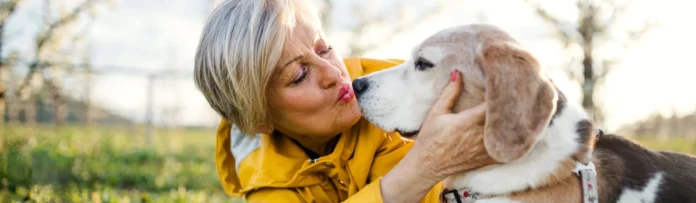

For many New Jersey families, pets are far more than companions. They are constant sources of comfort, members of the household, childhood friends, trusted protectors, and faithful companions through life’s milestones. As veterinary medicine has advanced and pets are living longer than ever before, another specialized field has quietly emerged throughout the Garden State—one focused not on extending life at all costs, but on ensuring that an animal’s final chapter is approached with dignity, compassion, comfort, and peace.
Across New Jersey, a growing network of mobile veterinarians, veterinary hospice providers, pet doulas, grief counselors, and bereavement specialists is changing how families experience one of the most emotionally difficult moments of pet ownership. Rather than requiring animals experiencing pain, terminal illness, or declining quality of life to spend their final moments in the unfamiliar surroundings of a veterinary hospital, these professionals bring end-of-life care directly into the home, allowing beloved companions to remain in the places where they have spent years surrounded by the people who love them most.
The movement reflects a broader evolution within veterinary medicine. While modern veterinary practices continue making remarkable advances in diagnostics, surgery, oncology, rehabilitation, and specialty medicine, increasing attention is also being devoted to quality of life. For families facing terminal diagnoses or age-related decline, the conversation has expanded beyond medical treatment to include emotional support, comfort-focused care, hospice planning, and guidance through the grieving process.
That growing emphasis on compassionate care has also introduced many New Jersey residents to a relatively new profession—the end-of-life pet doula.
Much like their counterparts who assist families during human hospice care, pet doulas provide emotional guidance before, during, and after the loss of an animal companion. They help families understand what to expect, facilitate conversations surrounding quality-of-life decisions, create meaningful farewell experiences, and continue offering grief support long after the veterinary appointment has concluded. Their role is not to replace veterinarians but to complement medical care by addressing the emotional realities that accompany one of the most difficult decisions any pet owner will ever make.
For many, the inspiration to enter this field comes from deeply personal experience.
After saying goodbye to her beloved cat Sammy, Collingswood resident Jessica LeBeau-Richman found herself profoundly affected by both the heartbreak of the experience and the compassion shown throughout the process. Rather than allowing that experience to end with grief alone, she chose to become an end-of-life pet doula herself, dedicating her work to helping other families navigate similar journeys with empathy, understanding, and emotional support. Her story reflects a growing recognition that the final stage of a pet’s life deserves as much attention, planning, and compassion as every stage that came before it.
The increasing availability of mobile veterinary hospice services has made these experiences possible for families throughout New Jersey.
Today, established veterinary networks provide extensive in-home euthanasia services covering nearly every region of the state, from the Jersey Shore and South Jersey to Central and North Jersey communities. Rather than asking aging or critically ill animals to endure stressful car rides, unfamiliar examination rooms, or brightly lit treatment areas, veterinarians visit families in their own homes where pets can remain comfortable in familiar surroundings.
Many appointments unfold quietly in a favorite room, beside a fireplace, on a porch overlooking a backyard, or beneath a favorite tree where a dog spent countless afternoons playing. Cats often remain curled comfortably in their preferred sleeping places, while family members gather together without the time pressures or interruptions that frequently accompany traditional clinical settings.
Veterinary professionals who specialize in hospice and end-of-life care emphasize that these moments should be as peaceful as possible—not only for the animal but for every member of the family sharing the experience.
Equally significant is the recognition that emotional care does not end when the appointment concludes.
Many organizations serving New Jersey families now integrate structured grief support into their overall care model. Families frequently receive access to professionally moderated virtual support groups, bereavement counseling resources, educational materials explaining the grieving process, and ongoing community support designed specifically for those mourning the loss of an animal companion.
This expanded approach acknowledges what millions of pet owners already understand. The loss of a companion animal can be every bit as emotionally significant as the loss of any other close family relationship. Feelings of sadness, guilt, anxiety, loneliness, and profound grief are common, particularly for individuals who have shared ten or fifteen years of daily life with an animal that provided unconditional companionship.
Mental health professionals specializing in pet bereavement have increasingly become part of this broader support network. Dedicated organizations now offer counseling, peer support groups, virtual meetings, educational resources, and crisis guidance specifically focused on helping individuals process the emotional impact of losing a beloved pet. Rather than encouraging people simply to “move on,” these services validate the depth of the relationship while helping families navigate a healthy grieving process.
New Jersey has become particularly well positioned to support these evolving needs. Mobile veterinary practices now serve urban neighborhoods, suburban communities, and rural areas alike, making compassionate in-home care available to families throughout much of the state. At the same time, nonprofit organizations, grief counselors, and pet loss support specialists continue expanding resources that address the emotional dimensions of companion animal loss.
This growing field also reflects changing cultural attitudes toward pet ownership itself. Animals are increasingly recognized not merely as household pets but as integral members of the family whose lives deserve thoughtful planning from adoption through their final moments. Veterinary hospice, palliative care, and end-of-life planning have become important conversations long before difficult decisions become unavoidable, allowing families to consider options thoughtfully rather than during moments of crisis.
Education plays an equally important role. Veterinary professionals encourage families to begin discussing quality-of-life assessments, pain management, mobility concerns, nutrition, and hospice options as chronic illnesses progress. These conversations often reduce uncertainty and help owners make informed, compassionate decisions based upon the well-being of their pets rather than fear, guilt, or emotional exhaustion.
As awareness continues to grow, so does appreciation for the professionals who dedicate themselves to this uniquely compassionate work. Veterinarians, veterinary technicians, pet doulas, counselors, and hospice specialists occupy a difficult but profoundly meaningful role, guiding families through moments that are simultaneously heartbreaking and deeply personal. Their work extends well beyond medicine, offering reassurance, dignity, and kindness during experiences that many people remember for the rest of their lives.
For countless New Jersey families, saying goodbye will never become easy. Nor should it. The grief reflects the extraordinary bonds people form with the animals who share their homes and enrich their lives. What continues to evolve, however, is the understanding that no family should have to navigate that journey alone. Through compassionate veterinary hospice care, in-home services, emotional counseling, and dedicated pet loss support, New Jersey continues building a network of professionals committed to ensuring that every companion’s final chapter is marked not by fear or uncertainty, but by comfort, love, dignity, and lasting compassion.
















