

Six Flags Great Adventure’s Wild Safari attraction in Jackson markets itself as an educational conservation preserve, but a closer look at its actual credentials and regulatory history tells a more complicated story, one worth understanding honestly before deciding whether the attraction is right for your family.
The most significant gap involves industry accreditation. The Wild Safari holds certification from the Zoological Association of America, but it is not accredited by the Association of Zoos and Aquariums, widely regarded across the industry as the genuine gold standard for animal welfare, veterinary care, and ethical wildlife captivity. Major competitors in the space, including Disney’s Animal Kingdom and Busch Gardens, both maintain that higher AZA tier, a meaningful distinction for anyone weighing how seriously an attraction’s conservation branding actually holds up against its formal operating standards.
Beyond accreditation, the park has also faced genuine legal scrutiny tied directly to its exotic animal handling practices. Federal records have shown that the park imported and exported endangered species, including a red lechwe, continuing that activity for years after the specific federal captive-bred wildlife permits required for it had either expired or been formally denied. That’s a documented regulatory compliance failure, not simply an allegation, and it’s a genuinely important data point for anyone trying to assess how the operation has actually been run behind its marketing.
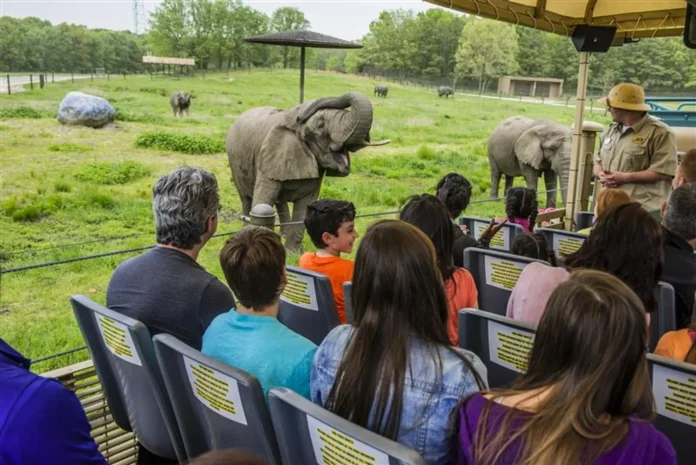
It’s worth acknowledging some genuine positives in the safari’s physical setup as well, since the full picture isn’t entirely negative. The preserve spans 350 acres in a drive-through format, housing roughly 1,200 animals across the property. Rather than confining animals like rhinos, elephants, and lions to small, cramped enclosures, the park houses them in considerably larger, open-air, continent-themed paddock habitats, a meaningfully better physical environment than a traditional roadside zoo setup. Reviewers have also flagged a separate, more practical concern tied to visitor behavior rather than the park’s own animal care standards, noting that when guests are permitted to drive their own vehicles through the preserve, safety issues tend to spike, with some visitors violating posted speed limits or throwing food at the animals despite clear rules against it. The park does alternate between that self-driving option and guided, open-air truck tours, giving visitors who’d rather avoid that particular risk an alternative way to experience the safari.
For families and individual visitors who hold firm objections to animal captivity in any form, or who simply want their conservation dollars going toward an AZA accredited institution specifically, this is genuinely useful information to weigh before purchasing a ticket. The safari’s spacious habitats represent a real improvement over the worst version of this kind of attraction, but its accreditation gap and documented permit history are facts worth knowing plainly, not glossing over, before deciding whether a visit aligns with your own values around wildlife captivity and conservation.
















