
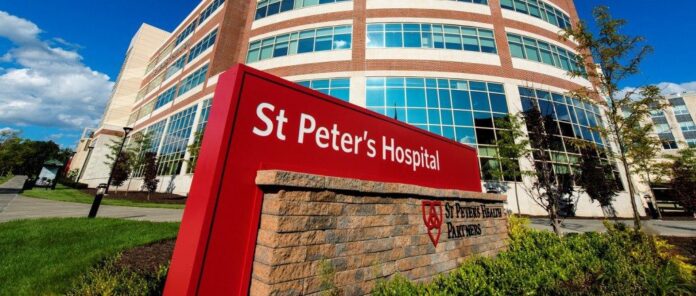

Saint Peter’s University Hospital has received the Get With The Guidelines Stroke Gold Plus award, the American Heart Association’s highest recognition for hospitals that consistently follow research based protocols during the minutes that matter most in stroke care.
Saint Peter’s Earns the American Heart Association’s Top Stroke Care Honor
Saint Peter’s University Hospital announced August 13th that it has received the American Heart Association’s Get With The Guidelines Stroke Gold Plus quality achievement award, the organization’s top level of recognition for hospitals that consistently deliver stroke care aligned with the most current, research based national guidelines. The distinction reflects a hospital wide commitment to speed and consistency at exactly the moment when both matter most for a stroke patient’s long term outcome.
Why Minutes Decide So Much
A stroke occurs when a blood vessel supplying the brain either becomes blocked by a clot or ruptures outright, cutting off the blood and oxygen brain tissue needs to survive. Once that happens, brain cells begin dying almost immediately, making the speed of diagnosis and treatment one of the single biggest factors in whether a patient survives a stroke, how much disability they are left with, and how fully they are able to recover. Stroke ranks as the fourth leading cause of death in the United States and remains one of the country’s leading causes of long term disability, according to the American Heart Association’s own 2026 Heart Disease and Stroke Statistics Report.
What the Gold Plus Distinction Actually Measures
The Get With The Guidelines program brings the combined expertise of the American Heart Association and American Stroke Association directly into participating hospitals, translating the latest research into concrete, standardized protocols for how stroke patients are diagnosed and treated from the moment they arrive. Rather than measuring a single procedure or piece of equipment, the program tracks a hospital’s consistency across an entire range of evidence based practices, from initial triage through treatment and into the education patients and families receive to manage recovery once they return home. Hospitals qualify for recognition each year by demonstrating that consistency in their actual patient data, not simply by adopting guidelines on paper.
Saint Peter’s Gold Plus recognition builds on the hospital’s existing designation as an Advanced Primary Stroke Center by The Joint Commission, a separate accreditation confirming that the hospital adheres to established clinical practice guidelines, uses its own outcome data to continually refine its stroke program, and has built those guidelines directly into its formal hospital policies rather than treating them as an informal best practice. The hospital has also received the American Heart Association’s Target Type 2 Diabetes Honor Roll award, a related distinction recognizing hospitals that ensure stroke patients with type 2 diabetes, a population at meaningfully higher risk for complications, receive fully up to date, evidence based care during their hospitalization.
Dr. Steven Messe, volunteer chair of the American Heart Association’s Stroke System of Care Advisory Group, framed the significance of that consistency in terms of what it actually means for patients once they leave the hospital. Participation in Get With The Guidelines has been associated with a greater likelihood of patients being discharged directly home rather than to long term care, fewer hospital readmissions, and lower overall mortality, outcomes that translate directly into meaningful benefit for patients, families, and the broader healthcare system managing the long term costs of stroke related disability.
Recognizing the Signs: BE FAST
Because rapid treatment depends entirely on recognizing a stroke as it happens, medical professionals rely on a simple mnemonic to help the public identify the warning signs immediately and call 911 without delay.
Balance
Sudden loss of balance or coordination
Eyes
Sudden trouble seeing in one or both eyes
Face
One side droops or feels numb; ask them to smile
Arms
Weakness in one arm; ask them to raise both
Speech
Slurred speech or trouble understanding others
Terrible Headache
A sudden, severe headache with no known cause
Recognizing any single one of these symptoms, even in isolation, is reason enough to call 911 immediately rather than waiting to see whether the symptom resolves on its own. Prompt treatment remains the single most important factor in improving a stroke patient’s eventual outcome, and hospitals like Saint Peter’s have built their entire stroke response infrastructure around minimizing every possible delay between a patient’s arrival and the start of guideline based treatment. Readers interested in learning more about Saint Peter’s stroke program can find additional information directly through the hospital’s own stroke care resources.
















