
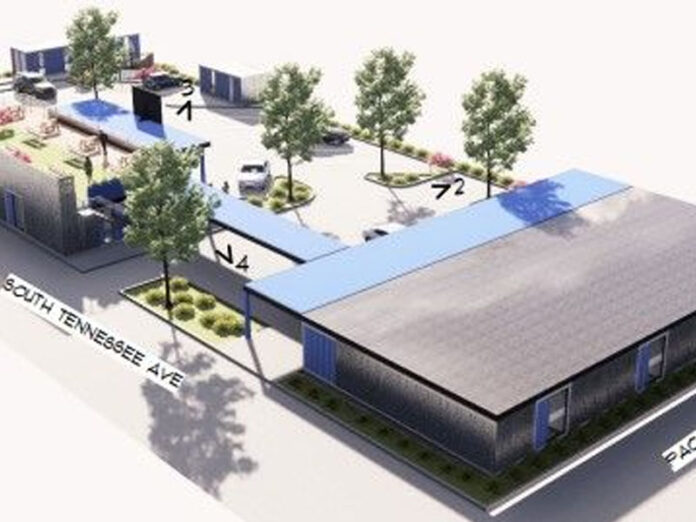

AC Container Park has already signed 14 tenants for a formerly vacant lot on Pacific Avenue, betting that a $6 million cluster of repurposed shipping containers can give the Orange Loop the kind of walkable, non-gaming energy Atlantic City’s downtown has been chasing for years.
Atlantic City’s New Main Street Is Made of 22 Shipping Containers, and It’s Almost Ready
A formerly vacant lot at the corner of Pacific and Tennessee Avenues is in the final stretch of becoming one of Atlantic City’s more inventive new additions. AC Container Park, a 6 million dollar development built from 22 repurposed shipping containers, has all of its containers dropped into place and is now gearing up for a fall opening, extending the Orange Loop, the city’s independent, walkable district named for the orange properties on the Monopoly board, into its next chapter.
The Team Behind the Build
The project is being developed by MAP 3 Partners, a group combining Mark Callazzo, the developer already behind much of the Orange Loop’s recent revitalization and co-owner of several Tennessee Avenue properties, including the Tennessee Avenue Beer Hall, Cussie’s Rhythm and Spirits, and Bar 32 Chocolate, alongside Adam Zengel, a former entertainment operations executive at Hard Rock Hotel and Casino Atlantic City, and Paige Washington, an educator with a background in community development work. Designed by Parallel Architectural Group, the park is built around 22 repurposed shipping containers ranging from 160 to 320 square feet, each outfitted with its own dedicated electric and HVAC systems. Smaller units lease for 900 dollars a month, with the larger spaces going for 1,200 dollars, a pricing structure designed specifically to give small, independent entrepreneurs an affordable, climate controlled entry point into brick and mortar retail without the overhead a traditional storefront lease would demand.
Callazzo told NJ.com that 14 leases have already been signed ahead of the park’s opening, describing a tenant mix built around food vendors, craft makers, and a handful of nonprofit organizations that will use their containers as dedicated office space. The project has been backed by a 2.5 million dollar grant from the New Jersey Economic Development Authority’s Activation, Revitalization, and Transformation Program, part of a broader state effort to direct capital toward economically challenged commercial corridors, layered on top of roughly 3.5 million dollars in additional private investment to bring the total project cost to around 6 million dollars.
What’s Actually Moving In
The confirmed and reported tenant mix stretches well beyond a typical food hall lineup, leaning into the kind of eclectic, community oriented programming the Orange Loop has built its identity around.
Food, Craft & Retail
Local food vendors, independent craft makers, and boutique retail shops across the smaller container units.
Tattoo Shop & Candle Making
A dedicated tattoo parlor alongside a container hosting custom candle-making classes and workshops.
Urban Farm Stand
A hydroponic setup and farm stand supplying fresh food and eggs directly to downtown residents.
Nonprofit Office Space
Several community organizations securing dedicated container offices, part of the project’s broader small business incubator role.
Reporting on the project has also pointed to a container dedicated to arts programming under the DA Creative Hub, curated in partnership with the Art of Xpress Academy, offering workshops and community focused arts programming, along with a specially engineered container reportedly intended to house a mobile crisis clinic offering discreet health and mental health screenings to downtown residents. Taken together, that mix positions AC Container Park as something closer to a genuine small business and community services incubator than a purely commercial retail development, giving local entrepreneurs, nonprofits, and service providers a shared, affordable foothold in a rapidly changing corridor.
A Bet on Non-Gaming Energy Downtown
The container park’s location places it squarely within Atlantic City’s broader push to build out commercial activity that has nothing to do with its casino floors, an effort the Orange Loop has led for several years now through its walkable mix of independent bars, restaurants, and small retail. Callazzo’s own track record on Tennessee Avenue has made him one of the district’s most visible champions, and the container park represents a considerably larger, more ambitious project than any single storefront he has previously opened, both in physical scale and in the number of independent businesses it is designed to support simultaneously.
An official opening date has not yet been announced, though the development has consistently targeted a fall 2026 launch, and updates on individual tenant openings, event programming, and the final buildout continue to be shared directly through the project’s own social media channels. For a city that has spent years working to diversify its downtown economy beyond gaming, AC Container Park offers a genuinely different model for how that diversification might actually take shape, not through a single anchor tenant or a major new casino amenity, but through 22 small, individually owned spaces stitched together into one walkable block.
















