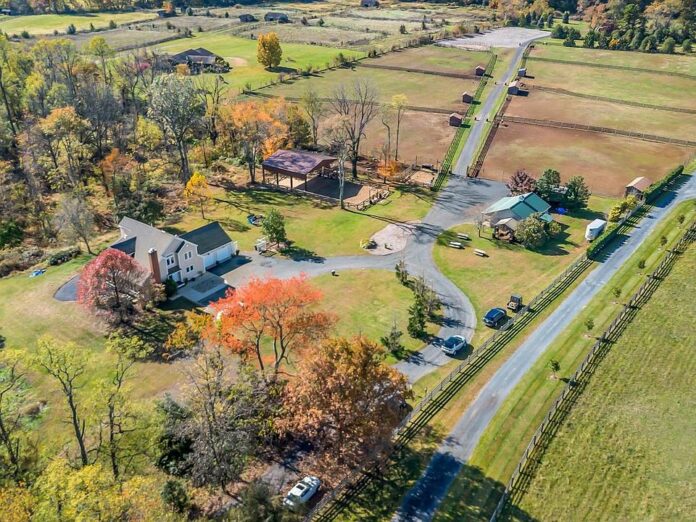

In a state where development pressures continue to reshape communities, the preservation of working farmland has become one of the most important long-term investments New Jersey can make in its future. From food security and environmental stewardship to economic resilience and quality of life, protecting agricultural land remains a cornerstone of maintaining the character and productivity that have earned New Jersey its well-deserved reputation as the Garden State. At the center of that mission in Somerset County is Katelyn Katzer, whose work as Farmland Preservation Manager and Administrator of the Somerset County Agriculture Development Board has helped advance one of the most critical and forward-looking agricultural preservation efforts in the region.
Recently recognized among New Jersey’s influential women leaders, Katzer’s work represents a growing generation of agricultural and land-use professionals who are helping communities balance growth, conservation, sustainability, and economic opportunity. Her leadership has become increasingly important as Somerset County continues navigating the challenges and opportunities that come with preserving farmland in one of the nation’s most densely populated states.
Farmland preservation often operates behind the scenes, away from the headlines generated by major development projects, political debates, or economic announcements. Yet its impact touches nearly every aspect of life in New Jersey. Every preserved farm represents a commitment to local food production, open space protection, environmental resilience, and the continuation of an agricultural heritage that stretches back generations.
Under Katzer’s leadership, Somerset County has continued strengthening programs designed to ensure that productive farmland remains available for future generations of farmers while supporting landowners seeking to preserve their property’s agricultural future. Her work involves navigating a complex intersection of planning, environmental policy, economic development, land stewardship, public partnerships, and community engagement.
The role requires balancing competing interests while keeping long-term sustainability at the forefront of every decision.
As development pressures continue to increase throughout New Jersey, agricultural land remains one of the state’s most valuable and vulnerable resources. Farms located near expanding suburban and commercial areas often face significant financial pressures as property values rise and development opportunities become increasingly attractive. Farmland preservation programs help provide landowners with alternatives that protect both the economic viability of farming and the long-term integrity of agricultural landscapes.
Somerset County has become one of the state’s leaders in recognizing that preserving farmland is about far more than maintaining scenic views. Agricultural preservation supports local economies, strengthens food supply systems, protects natural resources, reduces environmental impacts associated with unchecked development, and maintains critical open space that contributes to overall community well-being.
Katzer’s work reflects this broader understanding of preservation as a strategic investment rather than simply a conservation initiative.
The Somerset County Agriculture Development Board plays a central role in implementing that vision. Working closely with farmers, state agencies, local governments, conservation organizations, and community stakeholders, the board helps identify preservation opportunities, administer funding programs, oversee easement acquisitions, and support agricultural sustainability efforts throughout the county.
These initiatives require extensive collaboration and long-term planning.
Preserving farmland is rarely a simple transaction. Each property presents unique considerations involving land use, agricultural productivity, environmental features, ownership goals, financial structures, and community priorities. Successfully navigating these factors requires both technical expertise and a deep understanding of the agricultural community.
That ability to build relationships and foster collaboration has become a defining element of Katzer’s leadership approach.
Her work reflects a broader trend occurring across New Jersey as agricultural preservation evolves beyond traditional land conservation models. Today’s preservation efforts increasingly focus on ensuring that farmland remains economically productive, environmentally sustainable, and adaptable to future agricultural needs.
Modern farming faces challenges that previous generations could scarcely imagine. Climate variability, labor shortages, changing consumer preferences, rising operational costs, supply chain disruptions, and evolving market demands all influence the future of agriculture. Preservation programs must therefore support not only land protection but also the long-term viability of farming operations themselves.
This shift toward comprehensive agricultural sustainability has become an important focus throughout Somerset County.
The county’s agricultural sector remains one of its defining assets. From family-owned farms and specialty crop operations to equestrian facilities, nurseries, vineyards, and diversified agricultural enterprises, Somerset County represents a significant component of New Jersey’s broader agricultural economy.
Protecting these resources helps ensure that future generations continue to benefit from local food production, agricultural employment opportunities, and the environmental benefits that working farms provide.
Farmland preservation also plays an increasingly important role in addressing environmental challenges facing New Jersey.
Agricultural lands serve as natural buffers that help manage stormwater, recharge groundwater supplies, reduce flooding risks, preserve wildlife habitat, and protect water quality. As climate resilience becomes a growing priority across the state, preserving open agricultural landscapes offers benefits that extend well beyond farm boundaries.
Working farms contribute to environmental sustainability in ways that often go unnoticed by the public. Preserved agricultural land helps maintain ecosystem services that support both rural and urban communities. By limiting development in key areas, preservation efforts can reduce infrastructure demands while maintaining valuable natural resources.
These environmental considerations have become increasingly significant as New Jersey continues confronting issues related to climate adaptation, land-use planning, and sustainable growth.
At the same time, farmland preservation remains fundamentally about people.
Farm families often have deep connections to their land that span multiple generations. Preservation programs provide opportunities for these families to maintain agricultural traditions while securing the future of their operations. By working directly with landowners, preservation leaders help create pathways that allow farms to remain productive while adapting to changing economic realities.
Community partnerships remain essential to that process.
Katzer’s leadership has emphasized collaboration among government agencies, agricultural organizations, conservation groups, and local stakeholders. These partnerships help maximize resources, identify priorities, and create solutions that benefit both farmers and the broader community.
Recognition as one of New Jersey’s influential women leaders highlights not only individual achievement but also the growing importance of agricultural leadership within public policy and community planning discussions. As issues such as food security, sustainability, environmental stewardship, and responsible growth continue gaining prominence, the professionals guiding farmland preservation efforts are playing an increasingly visible role in shaping the state’s future.
Their work influences decisions that will have lasting impacts for decades to come.
For Somerset County, the preservation of agricultural land represents a commitment to maintaining a balanced and sustainable future. Growth and development will continue to occur, but preserving key agricultural resources ensures that the county retains the qualities that have long distinguished it within New Jersey.
The success of these efforts depends upon thoughtful planning, strong partnerships, and leaders who understand both the practical realities of agriculture and the broader public benefits that farmland preservation provides.
Katelyn Katzer’s work embodies that mission.
Through her leadership as Farmland Preservation Manager and Administrator of the Somerset County Agriculture Development Board, she continues helping protect some of New Jersey’s most valuable resources while advancing policies and partnerships that strengthen agricultural sustainability across the region.
As New Jersey looks toward the future, preserving farmland will remain one of the state’s most important investments. It supports farmers, protects communities, strengthens local economies, enhances environmental resilience, and ensures that future generations inherit a landscape capable of continuing the agricultural traditions that helped define the Garden State.
In Somerset County, that future is being shaped today through strategic preservation efforts, community collaboration, and a shared commitment to responsible land stewardship. The work may not always generate the loudest headlines, but its impact will be felt for generations, preserving not only farmland but also the values, opportunities, and sustainability that continue to make New Jersey’s agricultural heritage worth protecting.