Princeton Astrophysicist Brings the Story of the Universe’s Elements to Life at the State Museum
A journey that begins with the birth of the universe and ends with the atoms inside our own bodies will take center stage in Trenton this winter as the New Jersey State Museum hosts an evening of cosmic exploration designed to inspire curiosity well beyond the classroom. On Saturday, February 21, visitors are invited to look skyward—both literally and intellectually—during a special planetarium presentation examining how the elements that shape planets, technology, and life itself came into existence.
The free program, presented under the museum’s “Science Under the Stars” series, will run from 4:15 to 5:00 p.m. and feature guest speaker Zachary Andalman of Princeton University. Andalman’s research focuses on the extreme astrophysical environments where matter is forged, making him uniquely suited to guide audiences through the dramatic processes that transform simple particles into the rich periodic table humanity depends on today.
Rather than approaching the topic as an abstract scientific lecture, the presentation traces a sweeping narrative arc. It begins with the Big Bang, when hydrogen and helium emerged from an unimaginably hot and dense universe, then moves into the interiors of stars, where nuclear fusion steadily builds heavier elements over billions of years. From there, the talk ventures into the explosive deaths of massive stars and the violent collisions of neutron stars—rare but powerful events capable of producing precious metals such as gold and platinum.
For many attendees, the most striking realization may be how deeply personal this cosmic story becomes. The calcium in bones, the iron in blood, and the oxygen we breathe all share origins in ancient stellar processes. By connecting cutting-edge astrophysics to everyday human experience, the program aims to make complex science accessible without diluting its wonder.
The event is recommended for ages 16 and up, making it an ideal outing for high school students with an interest in science, college-bound teens considering STEM fields, and adults eager to deepen their understanding of the universe. It also reflects a broader push across New Jersey to support engaging public education initiatives that bridge academic research and community learning in meaningful ways.
Held indoors at the New Jersey State Museum on West State Street in Trenton, the presentation offers a rare opportunity to hear directly from a working scientist whose research contributes to ongoing discoveries about the cosmos. Seating is limited, and advance reservations are encouraged to ensure access to the planetarium’s immersive environment, which enhances the experience with visuals that place audiences amid stars, supernovae, and distant galaxies.
As interest in space science continues to surge—from telescope breakthroughs to renewed lunar and planetary missions—events like this provide a local gateway to global discovery. By transforming complex astrophysics into a compelling narrative of origin and transformation, the State Museum’s upcoming program underscores how science, at its best, connects the vastness of the universe to the smallest details of everyday life.
Fire Crews Sweep Nursery School as Children Relocated and Safety Protocols Take Center Stage
A routine weekday morning in Oaklyn was briefly disrupted when firefighters responded to reports of smoke at St. Mark’s Nursery School, prompting a swift evacuation of young students and a thorough safety inspection of the building. While no injuries were reported and no active fire was ultimately confirmed, the incident underscored the importance of rapid emergency response and preparedness at facilities serving the community’s youngest residents.
Shortly after the report came in, Oaklyn fire crews arrived at the daycare facility to investigate the source of the smoke. As a precautionary measure, staff followed established emergency procedures and escorted all children out of the building. The students were temporarily relocated to the nearby Oaklyn Senior Center, where they remained under supervision in a safe, climate-controlled environment while firefighters conducted their assessment.
Parents and guardians were notified as the situation unfolded, and local officials emphasized that the decision to evacuate was made out of an abundance of caution. Firefighters methodically checked classrooms, utility areas, and ventilation systems to determine whether the smoke originated from an electrical issue, mechanical malfunction, or another benign source. No flames were observed during the response, and crews worked to ensure there was no hidden hazard that could pose a risk if normal operations resumed.
Incidents like this, even when resolved without damage or injury, tend to resonate deeply with families. Childcare centers are entrusted with the safety of vulnerable populations, and emergency drills, clear communication, and coordination with first responders play a critical role in maintaining public confidence. Local officials noted that the orderly evacuation and temporary relocation demonstrated that the nursery school’s staff were prepared to act decisively when faced with a potential threat.
The Oaklyn Senior Center’s role as a temporary shelter also highlighted the value of community infrastructure during unexpected events. Within minutes, the facility was able to accommodate the children and staff, providing a calm setting that minimized disruption and anxiety while the investigation continued. Such cooperation between municipal resources is often invisible until moments like these bring it into focus.
Fire officials later confirmed that the situation was contained and that there was no immediate danger to the building or its occupants. Any necessary follow-up inspections or minor repairs will be addressed before the daycare fully resumes normal activities, ensuring that safety standards are met or exceeded. Authorities stressed that even unconfirmed smoke reports are treated seriously, particularly in schools and childcare environments, where early intervention can prevent far more serious outcomes.
As Oaklyn returns to its regular rhythm, the incident serves as a reminder of the everyday vigilance required to keep public spaces safe. From emergency response protocols to building maintenance and communication with families, layers of preparedness intersect in moments of uncertainty. Coverage of these events falls squarely within ongoing local law and order reporting, where transparency and accountability help residents understand how their community responds when safety concerns arise.
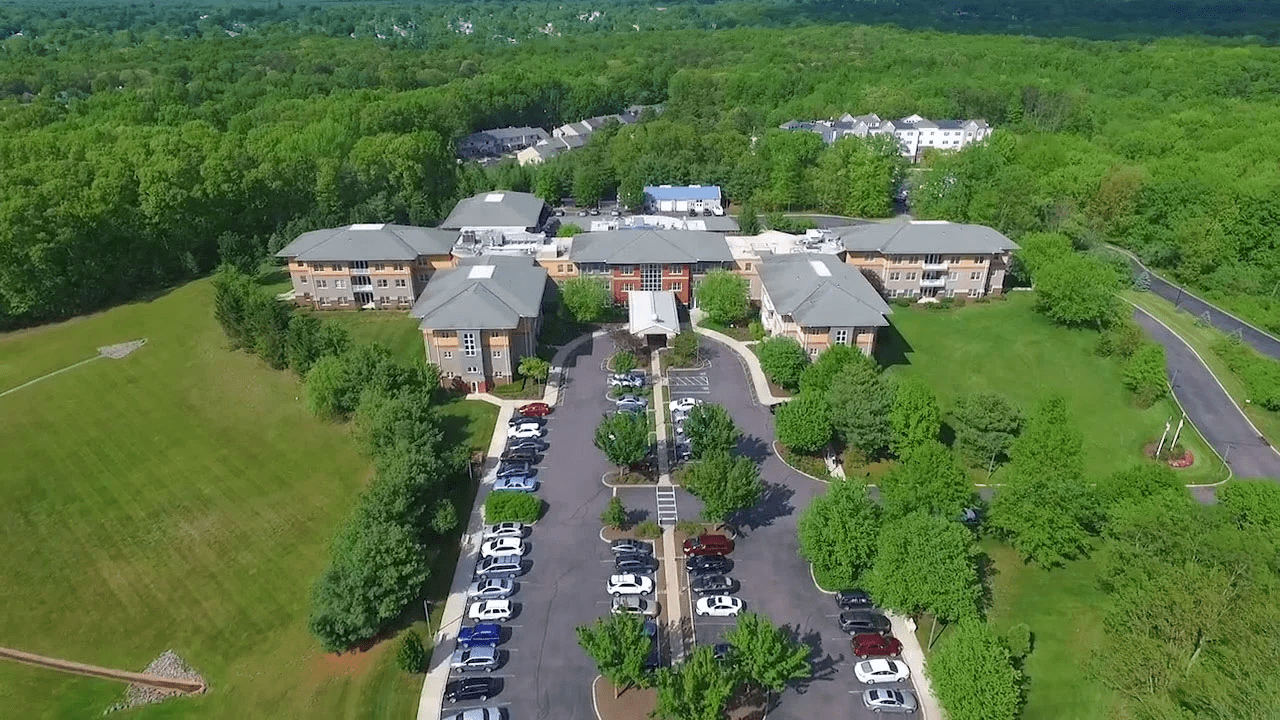
In an era when families are scrutinizing senior care options more closely than ever, Reformed Church Home in Old Bridge has emerged as a defining example of how compassionate care, clinical excellence, and forward-thinking design can coexist under one roof. Recently recognized for its exceptional performance across multiple levels of senior services, the not-for-profit community continues to distinguish itself as one of Central New Jersey’s most trusted destinations for aging with dignity, security, and purpose.
Located in the heart of Middlesex County, Reformed Church Home has built its reputation on a continuum-of-care model that allows residents to transition seamlessly as their needs evolve. From assisted living to advanced rehabilitation and long-term skilled nursing, the organization’s philosophy centers on providing consistent, person-focused care rather than forcing residents and families to navigate disruptive moves or unfamiliar providers during vulnerable moments.
At the core of that model is Inspired Assisted Living, a residential setting designed to balance independence with support. Residents are encouraged to remain active and engaged while having access to round-the-clock assistance tailored to individual needs. The environment emphasizes comfort and autonomy, with thoughtfully designed living spaces, social programming that fosters connection, and wellness initiatives that address physical, emotional, and cognitive health. For many residents, this setting offers reassurance without sacrificing the sense of home that is often lost in traditional care facilities.
Reformed Church Home’s advanced rehabilitation services further reinforce its reputation for clinical excellence. The rehabilitation team works with individuals recovering from surgery, illness, or injury, developing customized therapy plans that prioritize mobility, strength, and functional independence. Utilizing modern therapeutic techniques and coordinated care planning, the facility has become a preferred choice for short-term rehabilitation in the region. Families frequently cite not only measurable recovery outcomes, but also the attentiveness and communication of the care teams as distinguishing factors.
Skilled nursing care remains another cornerstone of the organization’s success. Recognized for its high standards, the skilled nursing program combines medical oversight with a deeply human approach to caregiving. Licensed professionals collaborate across disciplines to manage complex medical conditions while maintaining a focus on comfort, respect, and quality of life. This balance between clinical rigor and compassion is often what sets Reformed Church Home apart in an increasingly crowded senior care landscape.
Leadership at the organization has consistently emphasized that awards and recognition are not endpoints, but reflections of a broader mission. As a not-for-profit institution, Reformed Church Home reinvests resources into staffing, training, and facility enhancements rather than shareholder returns. That structure allows for long-term planning and innovation, ensuring that care models evolve alongside advances in medicine, rehabilitation, and senior wellness.
Equally important is the organization’s commitment to community and values-driven care. Rooted in a tradition of service, Reformed Church Home places emphasis on ethical responsibility, transparency, and respect for every resident’s individuality. This ethos resonates with families seeking more than transactional care, particularly those navigating difficult decisions about aging parents or loved ones with complex needs.
The recognition recently awarded to Reformed Church Home reflects a growing acknowledgment that senior living must be both adaptive and holistic. Today’s residents expect more than basic support; they seek environments that promote wellness, meaningful engagement, and continuity of care. Reformed Church Home’s integrated approach aligns closely with broader conversations happening across New Jersey about aging, quality of life, and the future of long-term care, themes increasingly explored within the state’s expanding focus on health and wellness.
As Central New Jersey’s population continues to age, institutions like Reformed Church Home are playing a critical role in redefining what senior care can and should look like. By combining inspired assisted living, results-driven rehabilitation, and award-winning skilled nursing within a mission-driven framework, the organization has positioned itself not merely as a care provider, but as a benchmark for excellence. For families seeking reassurance, stability, and proven quality in senior living, Reformed Church Home stands as a clear and compelling leader in the region.
In an era when patients are increasingly seeking health care that looks beyond isolated symptoms, Bloom Holistic Dental has emerged as a standout example of how dentistry can evolve into a truly integrative discipline. With practices rooted in biological dentistry and whole-body wellness, Bloom Holistic Dental operates on a philosophy that oral health is inseparable from physical, emotional, and even neurological balance. As of 2026, the name is associated with two distinct but philosophically aligned practices: one in Englishtown, New Jersey, led by Dr. Nicole Zimmermann, and another in Dunwoody, Georgia, guided by Dr. Zahra Punjani.
What unites these locations is not branding alone, but a shared commitment to redefining what patients experience in the dental chair. Rather than treating teeth and gums as standalone systems, Bloom Holistic Dental approaches each patient as a complex, interconnected individual. The goal is not simply to repair damage, but to identify underlying contributors to oral disease and support healing in a way that aligns with the body’s natural processes.
From the moment patients enter the Englishtown office, the environment signals a departure from conventional dental settings. The practice has been intentionally designed as a low-toxicity, low-stimulation space that supports nervous system regulation and overall comfort. Fragrances and harsh chemical cleaners are absent, replaced by carefully selected materials and systems intended to minimize environmental stress. HEPA air filtration is used throughout the space to capture airborne contaminants, including mercury vapors, while no-VOC paints reduce chemical exposure that can aggravate sensitive patients. In treatment rooms, alpha-stimulation therapy is available to help calm the nervous system, particularly for individuals who experience dental anxiety or heightened sensory responses.
This emphasis on environmental wellness mirrors the clinical philosophy that guides care. Bloom Holistic Dental prioritizes biocompatibility, recognizing that materials placed in the mouth can have systemic effects. Metal-free restorations are the standard, and patients are offered biocompatibility testing to assess how their immune system may respond to specific dental materials. This personalized approach allows treatment plans to be tailored not just to dental anatomy, but to the patient’s broader health profile.
Among the most sought-after services at Bloom Holistic Dental is SMART amalgam removal, a protocol specifically designed to minimize mercury exposure when removing silver fillings. Unlike traditional removal methods, this technique incorporates multiple layers of protection, including specialized suction, air filtration, and isolation procedures, to safeguard both patients and staff. For individuals who are concerned about heavy metal exposure or who are managing chronic health conditions, this level of precaution is often a decisive factor in choosing a biological dental provider.
Ozone therapy is another cornerstone of the practice’s treatment offerings. Used as a natural antimicrobial agent, ozone can disinfect oral tissues, support gum health, and reduce bacterial overgrowth without relying on pharmaceuticals. Its applications range from periodontal therapy to cavity prevention, aligning with the practice’s preference for minimally invasive, biologically supportive interventions.
Airway and sleep health assessments further distinguish Bloom Holistic Dental from traditional practices. By evaluating breathing patterns, tongue posture, and signs of sleep-disordered breathing, clinicians address issues that extend far beyond the mouth. Poor airway function has been linked to fatigue, cardiovascular stress, and cognitive challenges, and by incorporating these assessments into dental care, the practice reflects a broader understanding of how oral structures influence overall well-being.
For patients requiring tooth replacement, Bloom Holistic Dental offers ceramic implants made from zirconia, a metal-free alternative to conventional titanium. These implants are valued for their biocompatibility and resistance to corrosion, making them an appealing option for patients with metal sensitivities or autoimmune concerns. Healing protocols are often supported with platelet-rich fibrin, a treatment that uses the patient’s own blood components to accelerate tissue regeneration and reduce inflammation.
Preventive care is treated with equal seriousness. Cleanings are fluoride-free, nutritional counseling is available to support oral and systemic health, and patient education is woven into every visit. Rather than rushing through appointments, the practice emphasizes dialogue, ensuring patients understand how lifestyle, diet, and stress intersect with dental outcomes. This educational focus empowers individuals to take an active role in their health rather than remaining passive recipients of care.
At the New Jersey location in Englishtown, patients can expect a boutique-style practice experience. The office is located at 55 Willow Lane, Suite 203, and typically operates on Mondays, Wednesdays, and Fridays, with hours that reflect an intentional balance between accessibility and personalized care. Initial comprehensive consultations are structured to allow ample time for evaluation and discussion, with fees reflecting the depth of assessment provided. While the practice does not participate directly with dental insurance networks, it assists patients by submitting claims on their behalf, a model that prioritizes clinical autonomy while still offering administrative support.
Bloom Holistic Dental’s approach resonates strongly within the broader movement toward integrative care that is gaining momentum across New Jersey and beyond. As interest grows in patient-centered, preventive, and biologically informed health models, practices like this are redefining expectations for what dentistry can offer. Their work aligns naturally with wider conversations around wellness, sustainability, and personalized medicine, themes increasingly explored within Explore New Jersey’s coverage of health and wellness topics.
By combining advanced dental techniques with an uncompromising focus on biocompatibility, environment, and patient education, Bloom Holistic Dental has carved out a space that feels both progressive and deeply human. For patients seeking care that respects the complexity of the body and the individuality of the person, it represents not just an alternative to traditional dentistry, but a compelling vision of where the profession is headed.
Inside Bloom Holistic Dental’s High-Tech, Whole-Body Approach to Modern Oral Care. At Bloom Holistic Dental, technology is not used for novelty or speed alone. It is deployed with intention, supporting a biological philosophy that views the mouth as a gateway to systemic health rather than a closed, mechanical system. By combining advanced diagnostic tools with practitioners deeply trained in biological and integrative medicine, Bloom Holistic Dental has positioned itself at the forefront of a growing movement that is reshaping how patients understand oral care and its connection to total wellness.
What distinguishes the practice is not simply the presence of cutting-edge equipment, but how that technology is used to uncover root causes that often go undetected in conventional dentistry. Many patients arrive after years of unresolved symptoms, recurring dental issues, or chronic inflammation that traditional exams failed to fully explain. Bloom’s diagnostic process is designed to look deeper, wider, and more holistically, allowing clinicians to identify patterns that link oral health with immune response, airway function, and nervous system regulation.
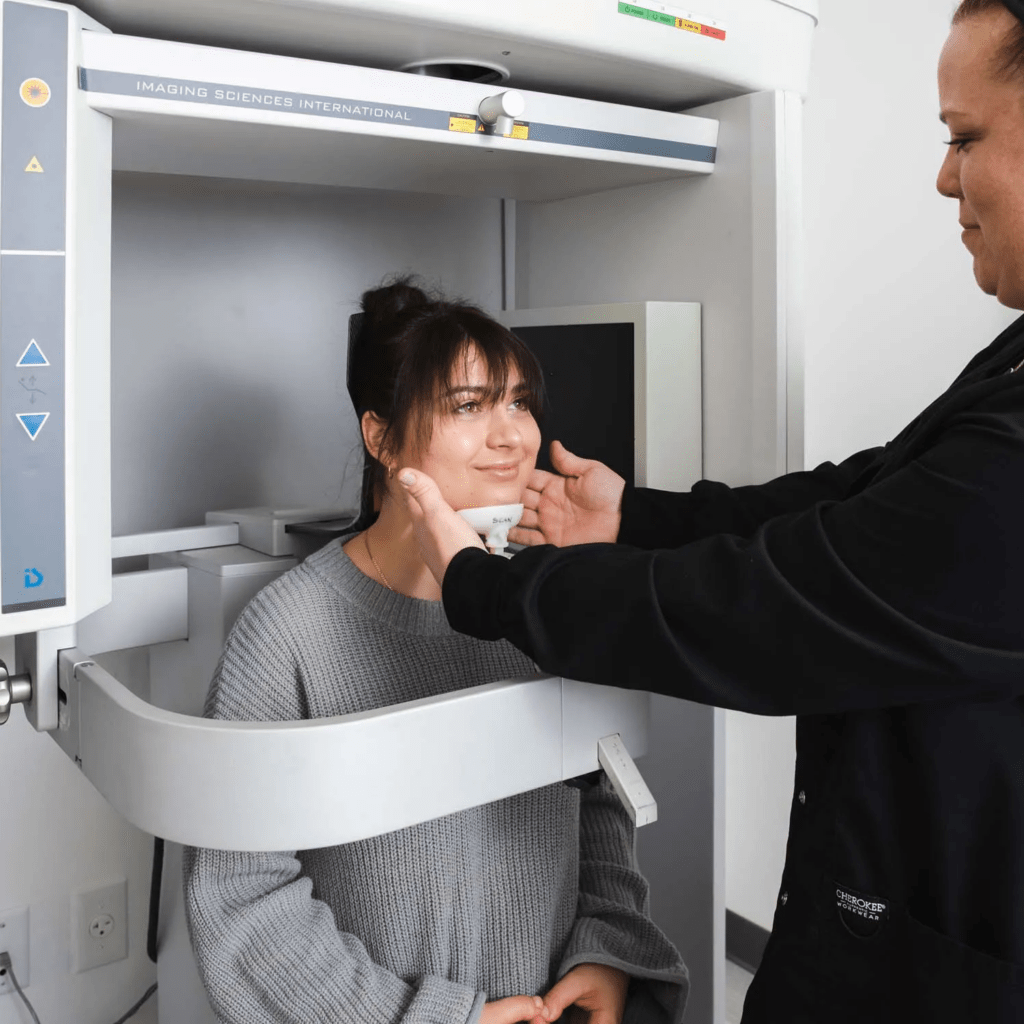
A cornerstone of this approach is the use of 3D Cone Beam CT imaging. Unlike standard two-dimensional X-rays, this technology provides a comprehensive, three-dimensional view of the jaw, teeth, sinuses, and surrounding structures. With this level of detail, clinicians can identify cavitations, which are areas of compromised bone often left behind after extractions, as well as subtle infections, airway obstructions, and complications related to root canal-treated teeth. These issues are frequently invisible on traditional imaging but can play a significant role in chronic inflammation and systemic stress.
Bloom Holistic Dental also incorporates oral microbiome and pH testing to move beyond surface-level diagnoses. By analyzing the specific bacterial composition of the mouth and measuring acidity levels, the practice can pinpoint why decay or gum disease is occurring rather than simply treating the damage it causes. This data-driven insight allows for personalized treatment strategies that may include dietary guidance, targeted therapies, and lifestyle adjustments, reinforcing the idea that oral disease is often a reflection of broader imbalances within the body.
Patient comfort and precision are further enhanced through digital intraoral scanning. Using iTero technology, Bloom eliminates the need for traditional impression molds, replacing them with highly accurate digital 3D models. These scans improve the fit of crowns, aligners, and restorations while creating a more comfortable experience for patients, particularly those with sensitivities or gag reflex concerns. Low-radiation digital radiographs are also standard, delivering high-resolution images with dramatically reduced exposure compared to older film-based systems.
Laser dentistry adds another layer of minimally invasive care. Light-based therapy is used for gum contouring, bacterial reduction, and tissue healing, often resulting in less discomfort, reduced bleeding, and faster recovery times. When combined with therapies such as platelet-rich fibrin, laser treatments support the body’s natural healing mechanisms rather than overwhelming them.
The sophistication of Bloom Holistic Dental’s clinical tools is matched by the depth of training held by its lead practitioners. Both Dr. Nicole Zimmermann in Englishtown, New Jersey, and Dr. Zahra Punjani in the Atlanta-area practice are members of the International Academy of Oral Medicine and Toxicology, an organization known for its rigorous standards in biological dentistry. Their credentials reflect a commitment to continuous education and a willingness to move beyond the boundaries of conventional dental training.
Dr. Zimmermann earned her Doctor of Dental Surgery degree from Touro College of Dental Medicine and has pursued extensive postdoctoral education in biological and integrative techniques. She is accredited through the IAOMT and holds certifications in SMART mercury removal, ozone therapy, platelet-rich fibrin applications, and ceramic implant systems. Her academic path continues to evolve, as she is actively pursuing board certification in Integrative Biologic Dental Medicine while also working toward a degree as a Naturopathic Medical Doctor. This dual focus allows her to bridge clinical dentistry with a deeper understanding of systemic health, metabolism, and immune function.
Dr. Punjani brings a similarly expansive background to her practice. With a Doctorate of Dental Medicine from Midwestern University and a master’s degree in biomedical sciences, her training blends clinical expertise with a strong scientific foundation. She is SMART-certified through the IAOMT and has developed specialized proficiency in Myobrace therapy, a preventive orthodontic approach that supports proper jaw development and airway health. Her clinical focus centers on airway dentistry, addressing sleep-disordered breathing, TMJ dysfunction, and craniofacial imbalances through a whole-body lens that recognizes the interconnectedness of structure, function, and neurology.
Together, these practitioners exemplify a new generation of dentists who see technology not as a replacement for clinical judgment, but as an extension of it. Their work reflects a broader shift within healthcare toward personalization, prevention, and patient education, themes increasingly emphasized across conversations around integrative and health-conscious care. This philosophy aligns naturally with the wider discussions featured in Explore New Jersey’s health and wellness coverage, where dentistry is increasingly recognized as a critical component of overall well-being rather than a siloed specialty.
By uniting advanced diagnostics with biologically informed training, Bloom Holistic Dental offers patients a model of care that is both modern and mindful. It is a practice built on the belief that precision matters, credentials matter, and understanding the whole person matters most of all. In a healthcare landscape crowded with claims of innovation, Bloom stands apart by demonstrating how technology and education, when guided by a holistic philosophy, can fundamentally elevate the standard of care.
Harborside 4 Breaks Ground While Sales Slump and Custom Builders Pivot to High-End Demand
Jersey City’s relentless transformation took another visible step forward this month as heavy construction equipment moved onto a long-dormant site at 20 Columbus Drive, signaling the start of excavation for Harborside 4, a massive mixed-use tower that will soon reshape the city’s Downtown waterfront corridor. Once a surface parking lot just blocks from the Hudson River, the property is now the foundation for one of the most ambitious residential developments currently underway in New Jersey, even as broader housing market indicators paint a far more uncertain picture statewide and nationwide.
Approved by Jersey City officials in May 2024, Harborside 4 represents a major investment by The Related Companies, the national developer best known for Manhattan’s Hudson Yards megaproject. Related acquired the site for approximately $58 million and is partnering with Panepinto Properties on the development, pivoting away from earlier plans that envisioned the parcel as an office tower. Instead, the project will mark Related’s first high-rise residential rental building in New Jersey, underscoring a continued bet on urban living in transit-rich waterfront communities.
Designed by Handel Architects, the tower will rise from an eight-story podium and take on an L-shaped form that wraps the block’s northern and western edges. The northern portion of the structure will climb 38 stories, while the eastern section will reach a full 50 stories and exceed 680 feet in height, placing it among the tallest residential buildings in the state. A newly designed public plaza and landscaped open space are planned along the southeast corner of the property, anchoring the main lobby and adding pedestrian activity to a stretch of Downtown that has long lacked street-level energy.
Retail will play a visible role in that effort. More than 12,000 square feet of ground-floor commercial space is slated for three storefronts along Columbus Drive, replacing what had been a dead zone with shops and services intended to activate the sidewalk throughout the day. The building’s exterior will feature a mix of bronze-toned aluminum panels and expansive glass, a contemporary aesthetic that mirrors the rapid modernization of the surrounding Harborside district.
Inside, Harborside 4 will deliver 800 rental apartments, including a substantial mix of studios, one-bedroom, and two-bedroom units aimed at a broad range of renters. While the development does not include an affordable housing component under the city’s inclusionary zoning rules, it will offer an extensive suite of amenities designed to compete at the top of Jersey City’s luxury rental market. Plans call for a second-floor health club, a landscaped rooftop deck atop the podium, and a dramatic amenities floor near the top of the tower, complete with indoor and outdoor spaces and an elevated pool overlooking the Hudson.
Parking and mobility were also central considerations in the project’s design. A 399-space garage will be integrated into the building, along with more than 400 bicycle parking spots spread across multiple floors. Vehicle access will be routed through Pearl Street to reduce congestion along Columbus Drive, reflecting ongoing efforts to balance density with livability in one of New Jersey’s fastest-growing urban cores.
Harborside 4 is far from an isolated project. The surrounding neighborhood has become a dense cluster of cranes and construction fencing, with the 68-story Harborside 8 already rising nearby and work progressing on the next phase of the Urby residential complex. Just to the south, major developments by Tishman Speyer are expected to add roughly 2,000 additional apartments, while even larger proposals remain on the drawing board, including a potential 90-story tower at 100 Bay Street. Together, these projects are cementing Downtown Jersey City’s role as one of the most aggressive growth zones on the East Coast.
Yet this surge in high-profile construction stands in stark contrast to the broader housing market, where warning signs are growing louder. Pending home sales across the United States have fallen sharply, with contract signings dropping to their lowest December level since records began more than a decade ago. The Northeast has been hit particularly hard, posting one of the steepest monthly declines in the country and continuing a multi-year slide that has yet to show signs of stabilization.
In New Jersey, the disconnect between large-scale urban development and sluggish transaction activity is becoming increasingly pronounced. While luxury rentals and mixed-use towers continue to attract institutional capital, traditional homebuyers remain sidelined by high interest rates, affordability pressures, and limited inventory. The result is a bifurcated market where new construction dominates headlines even as sales data suggests ongoing strain beneath the surface of the residential economy.
Some builders are responding by shifting focus rather than pulling back. In Moorestown, Gold Leaf Designs is expanding its footprint in the custom home and major renovation space, targeting homeowners who are choosing to invest in bespoke construction instead of entering a volatile resale market. By emphasizing craftsmanship, tailored design, and long-term value, boutique firms like Gold Leaf are finding opportunity in a period when conventional transactions are slowing but demand for high-quality, personalized living spaces remains resilient.
Together, these trends illustrate the complexity of New Jersey’s current real estate landscape. Tower cranes rising along the Hudson coexist with sobering sales statistics and a growing emphasis on niche development strategies. For policymakers, developers, and homeowners alike, the months ahead will test whether the state’s real estate momentum can adapt to economic headwinds or whether the widening gap between new construction and market activity will deepen further. Ongoing coverage of New Jersey real estate developments continues to track how these forces are reshaping communities from the waterfront to the suburbs, offering a clearer view of where the market may head next.
New Jersey GOP Unites as Congress Splits Evenly on War Powers Challenge
Washington’s deepening paralysis was on full display in late January as the U.S. House of Representatives collapsed into a rare and consequential deadlock over the limits of presidential war-making authority, a vote that carried particular significance for New Jersey. With the chamber split evenly, a measure designed to block further U.S. military involvement in Venezuela failed outright, underscoring both the fragility of congressional power and the sharply defined partisan lines shaping foreign policy in 2026.
The resolution, brought to the floor on January 22, ended in a 215–215 tie. Under House rules, that stalemate was enough to doom the proposal, effectively closing the door on an immediate congressional check of President Donald Trump’s authority to deploy American forces in connection with Venezuela. The outcome delivered a clear win for the administration while exposing the limits of bipartisan cooperation on questions of war and peace.
New Jersey’s Republican delegation played a decisive role. Every GOP House member from the state voted against the resolution, presenting a unified front in opposition to the effort. During floor debate, several Republican lawmakers dismissed the legislation as unnecessary, arguing that the United States was not engaged in an extended military conflict with Venezuela and that Congress was attempting to legislate a problem that, in their view, did not exist.
The vote was sparked by a dramatic and controversial event earlier in the month. On January 3, U.S. forces carried out a surprise operation inside Venezuela that resulted in the capture of President Nicolás Maduro and his wife. The Trump administration described the action as a targeted law enforcement mission, framing it as a limited operation rather than the opening move of a broader military campaign. That characterization was immediately challenged by many lawmakers, who argued that seizing a foreign head of state without explicit congressional authorization crossed a constitutional line.
For critics of the administration, the raid revived long-simmering concerns about executive overreach and the erosion of Congress’s war powers. Supporters of the resolution maintained that, regardless of how the White House labeled the operation, the Constitution grants Congress the authority to decide when and how the nation enters hostilities. They warned that allowing such actions to proceed unchecked sets a precedent that future presidents could exploit.
The House showdown did not occur in isolation. Earlier in January, the Senate faced its own version of the same debate and reached a similarly inconclusive outcome. That chamber split evenly as well, with Vice President JD Vance stepping in to cast the tie-breaking vote that defeated the Senate’s war powers resolution. Together, the two votes illustrated a Congress locked in procedural and ideological gridlock, unable to muster the unity required to assert itself against the executive branch.
Despite near-universal Republican opposition, the House vote was not entirely along party lines. Two Republicans—Representatives Don Bacon of Nebraska and Thomas Massie of Kentucky—broke ranks to support the resolution alongside Democrats. Their votes highlighted a small but persistent faction within the GOP that remains skeptical of unchecked presidential authority, particularly when it comes to military action abroad.
For New Jersey, the episode reinforced the state’s prominence in national political debates. The unified stance of its Republican delegation amplified their influence in a vote decided by razor-thin margins, while also drawing scrutiny from constituents who remain divided over America’s role in Venezuela and the broader question of congressional oversight. Supporters of the delegation praised their resistance to what they viewed as an unnecessary constraint on the president during a volatile international situation. Critics countered that the vote represented a missed opportunity to reaffirm constitutional balances that have steadily tilted toward the executive over decades.
The failed resolution leaves unresolved questions hanging over Washington. While no immediate authorization or prohibition now governs future military actions tied to Venezuela, the debate has energized lawmakers on both sides who are pushing for renewed attention to war powers and executive accountability. Advocates of reform are already signaling that the issue will return, potentially through revised legislation or renewed procedural efforts tied to broader discussions of national security and foreign engagement.
As Congress continues to wrestle with these issues, the Venezuela vote stands as a stark reminder of how narrow margins and rigid partisanship can shape global consequences. For readers following the evolving landscape of federal decision-making, the clash fits squarely within a growing body of national debates over executive authority and the limits of military power, an area closely tracked under ongoing coverage of federal policy and war powers legislation. Whether lawmakers can eventually break the deadlock remains uncertain, but the January vote has already secured its place as a defining moment in the 2026 legislative calendar.
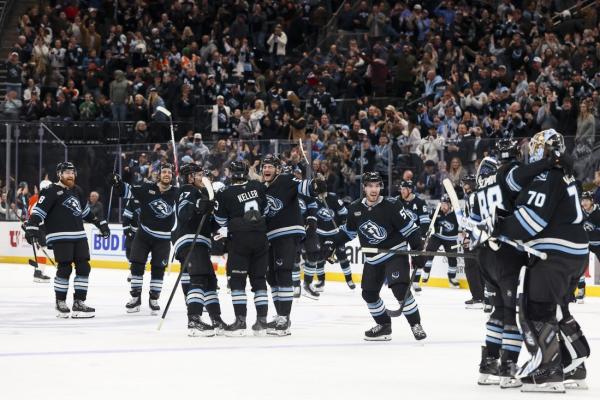
The New Jersey Devils’ Western Canada road trip has been many things—productive, unpredictable, occasionally nerve-wracking—but on a Friday night in Vancouver, it was unmistakably memorable. In a game that swung wildly between control and chaos, the Devils skated out of Rogers Arena with a 5–4 victory over the Canucks, extending their road winning streak and reinforcing a familiar theme of this season: style points remain optional, but results are starting to pile up.
New Jersey arrived in Vancouver riding momentum and left with something even more valuable—two points earned under pressure. The Devils built a commanding early lead, nearly watched it evaporate, then found just enough structure and opportunism to finish the job. It was not a blueprint performance, but it was a revealing one, offering insight into the team’s evolving identity as the schedule tightens and expectations rise.
From the opening minutes, the Devils showed an urgency that has not always been present in first periods. Rookie Lenni Hämeenaho announced himself early, scoring the first NHL goal of his career less than two minutes into the game. The sequence was emblematic of what worked for New Jersey throughout the night: a clean faceoff win by Cody Glass, quick puck movement, and a willingness to attack loose rebounds in dangerous areas. Hämeenaho’s finish rewarded a strong start and gave the Devils immediate control of the pace.
That control expanded early in the second period. On a power play that finally featured crisp entries and purposeful puck movement, Jack Hughes drew defenders toward the flank before finding Nico Hischier in the slot. The captain buried the chance, doubling the lead and reinforcing how dangerous the Devils can be when their structure aligns with their skill. Moments later, the line that quietly defined the night struck again. Glass, already heavily involved, slipped into open ice and converted for his first of two goals, pushing the lead to 3–0 and turning Vancouver restless.
For a brief stretch, the Devils looked poised for a comfortable night. That comfort, however, proved fleeting. Vancouver capitalized on defensive lapses and loose rebounds, chipping away at the deficit and forcing New Jersey back into survival mode. Jacob Markstrom, facing his former team, delivered timely saves but also left rebounds that fueled the Canucks’ push. The Devils countered with a critical response goal from Connor Brown, restoring a two-goal cushion late in the second period, but even that margin felt precarious as Vancouver struck again before the intermission.
The third period demanded composure more than creativity. New Jersey tightened defensively, leaned on disciplined penalty killing, and relied on Glass once more to deliver breathing room. His second goal, created off a subtle chip play and quick release, proved decisive despite another late Vancouver tally that ensured a tense finish. When the final horn sounded, the Devils had secured their third straight win on the trip and five victories in their last six games, even if the path there tested collective nerves.
Beyond the scoreline, the game offered a series of revealing subplots. Glass delivered one of his most complete performances in a Devils uniform, finishing with two goals and an assist while anchoring a line that consistently tilted the ice. Hämeenaho complemented him with poise beyond his experience, not only scoring but contributing defensively and in transition. The chemistry between that trio has quickly become one of the team’s most reliable elements, raising legitimate questions about lineup construction moving forward.
At the other end of the spectrum, the Devils’ stars experienced uneven nights. Jack Hughes showed signs of growing strength and confidence, generating multiple shot attempts and engaging physically, though his timing remains a work in progress. Jesper Bratt, typically one of the team’s most dependable play drivers, endured a rare off night marked by turnovers and missed opportunities, extending a scoring drought that has quietly become one of the longest of his career. These fluctuations underscore the delicate balance New Jersey is navigating between depth contributions and star-driven dominance.
Injuries continue to shape that balance. Luke Hughes’ placement on long-term injured reserve has forced adjustments on the blue line, prompting the recall of Colton White and increasing responsibility for younger defenders. With Stefan Noesen and Zack MacEwen also sidelined, the Devils are leaning into adaptability, asking role players to absorb minutes and situations that might otherwise be distributed differently. How that strain holds up over the coming weeks will be a defining storyline.
Still, the broader picture remains encouraging. The Devils are winning away from home, finding offense from unexpected places, and proving capable of closing games even when execution falters. That resilience, however imperfect, is a trait that tends to surface in teams with postseason aspirations. As they prepare to face the Seattle Kraken at Climate Pledge Arena, New Jersey has an opportunity to complete a flawless road swing through Western Canada, a result that would further validate their progress.
The upcoming matchup carries its own intrigue. Seattle has already seen the Devils once this season, falling in an overtime decision, and will test New Jersey’s ability to reset quickly after an emotionally charged win. Jesper Bratt continues to pace the team in assists, Nico Hischier remains a stabilizing force in all three zones, and the depth lines have injected energy that travels well. The question now is whether the Devils can pair that effort with cleaner execution and fewer self-inflicted obstacles.
For fans tracking the team’s trajectory, this stretch has offered a compelling snapshot of where the Devils stand and where they may be headed. The blend of emerging contributors, established stars searching for peak form, and a system still ironing out its inconsistencies makes for a fascinating watch. As coverage continues across Explore New Jersey’s in-depth look at the New Jersey Devils, one thing is increasingly clear: this team may not always take the straightest path, but it is finding ways to arrive where it needs to go.
As the United States approaches the 250th anniversary of its founding, Morris County is asserting itself as one of New Jersey’s most consequential landscapes of Revolutionary-era history through a sweeping new public lecture initiative that blends scholarship, accessibility, and civic pride. The Morris County Revolutionary Lecture Series, which debuted to a standing-room audience at the Morris County Library in Morristown, is already positioning itself as one of the region’s most ambitious and intellectually rich commemorations tied to the nation’s semiquincentennial.
The free, monthly series is designed to do more than recount familiar stories from textbooks. Instead, it reframes Morris County as a living archive of people, places, ideas, and innovations that helped define the American experiment. Organized by the Morris County Historical Society in collaboration with the Morris County Heritage Commission, the program is backed by a coalition of public and private partners that includes the Morris County Board of County Commissioners, the Morris County 250th Celebrations Committee, and the Morris County Tourism Bureau. That level of institutional support underscores how central this initiative has become to the county’s broader cultural and historical identity.
Attendance at the opening lecture exceeded expectations, drawing more than 100 residents, educators, and history enthusiasts, both in person and virtually. The strong turnout signaled a deep appetite for programming that connects local history to national narratives, particularly when delivered by historians with deep roots in the region and the ability to translate archival research into compelling public storytelling.
According to Morris County Historical Society Executive Director Amy Curry, the lecture series was deliberately curated to reflect the extraordinary range of Morris County’s historical influence. Rather than focusing solely on military campaigns or famous names, the schedule spans social history, engineering, environmental transformation, political thought, and cultural legacy. From the brutal winters endured by George Washington’s troops during encampments in Morristown to the infrastructure projects and industries that fueled early American growth, the series is designed to appeal to seasoned historians and casual learners alike.
The inaugural program featured historian Pat Sanftner, who examined the relationship between Alexander Hamilton and Elizabeth Schuyler, tracing how their partnership, forged during the war years in Morristown, reverberated far beyond their personal lives. By anchoring the story in Morris County, the lecture illustrated how intimate human connections formed in New Jersey helped shape the political and economic foundations of the new nation. The talk also reinforced the county’s role as a social and strategic crossroads during the Revolutionary War, not merely a backdrop but an active participant in events that continue to define American civic life.
County officials have emphasized that the lecture series is as much about preservation as it is about education. Commissioner Christine Myers highlighted the importance of ensuring these stories are passed forward with accuracy and context, noting that Morris County’s Revolutionary-era experiences are inseparable from the broader national story. By investing in public programming, the county aims to cultivate a deeper appreciation for its historical assets while encouraging residents to see familiar landscapes through a more informed lens.
The upcoming lecture schedule reflects that same commitment to depth and diversity. Later this winter, author and historian Janet W. Foster will present research on Morris County locations documented in The Negro Motorist Green Book, shedding light on the county’s place within a vital but often underrepresented chapter of American travel and civil rights history. The program will explore how Black travelers navigated segregation-era America and how Morris County sites provided refuge, commerce, and community during a deeply challenging period. As with all lectures in the series, the event will be offered both in person and via Zoom, ensuring broad access while maintaining an interactive format.
Future lectures will continue to expand the historical lens. Topics include George Washington’s repeated use of Morris County as a command center, the engineering marvel of the Morris Canal, the ecological and cultural significance of the Great Swamp and Lake Hopatcong, and the region’s mining and ironmaking heritage that supplied critical wartime materials. Additional programs will examine the Picatinny Arsenal explosion of 1926, the influence of The Federalist Papers, the enduring impact of political cartoonist Thomas Nast, and the stories embedded in historic cemeteries across the county. Each lecture is structured as a 45-minute presentation followed by an extended question-and-answer session, encouraging dialogue between historians and audiences.
Heritage Commission Director Amanda Broschart has described the lecture series as a cornerstone of Morris County’s 250th anniversary observance, noting that the milestone provides a rare opportunity to synthesize centuries of achievement into a cohesive public narrative. By spotlighting events, innovations, and individuals that originated or unfolded locally, the series reframes Morris County not as a peripheral player, but as a central force in shaping New Jersey and the nation.
Support for the initiative extends well beyond county government. Sponsorship from organizations such as RevolutionNJ, Crossroads of the American Revolution, the New Jersey Historical Commission, the Morris County History Community, the F.M. Kirby Foundation, and FNM365 reflects a shared recognition that history, when presented thoughtfully, can drive tourism, education, and civic engagement simultaneously. These partnerships also help ensure that the programming remains free to the public, removing barriers that often limit access to high-quality historical content.
At the heart of the effort is the Morris County Historical Society itself, an independent, member-supported nonprofit that has been stewarding the county’s historical record since 1946. Operating from Acorn Hall in Morristown for more than five decades, the organization maintains extensive archives and collections that document Morris County’s diverse past, from Revolutionary-era artifacts to materials that chart the region’s industrial, cultural, and social evolution. The lecture series draws heavily on that institutional knowledge, translating decades of scholarship into programs that resonate with contemporary audiences.
In a state celebrated for its density of historic sites and cultural institutions, Morris County’s lecture series stands out for its scope and ambition. It aligns seamlessly with New Jersey’s broader efforts to elevate heritage tourism and public history, reinforcing the idea that understanding the past is essential to navigating the present. For residents and visitors alike, the series offers an invitation to engage more deeply with the stories embedded in Morris County’s towns, landscapes, and landmarks, stories that continue to shape the region’s identity.
As New Jersey continues to position itself as a hub of arts, history, and cultural exploration, initiatives like this lecture series demonstrate how local scholarship can achieve statewide and even national relevance. Those interested in exploring related historical and cultural programming across the state can discover additional context through Explore New Jersey’s coverage of art, history, and heritage experiences, which situates Morris County’s efforts within a much larger cultural ecosystem. In doing so, the county’s Revolutionary Lecture Series does more than commemorate the past; it reasserts Morris County’s enduring role in the American story at a moment when that story is being reexamined with fresh urgency and renewed public interest.
On a night when team results tilted heavily in one direction, one performance stood out as a statement of promise, resilience, and ambition. As Hopewell Valley powered past Notre Dame in a lopsided dual meet in Lawrence Township, sophomore Ivan Yultukhovskyi delivered one of the few bright moments for the Irish, continuing a rapid rise that has already made him one of the most compelling young wrestlers in Central New Jersey.
Competing at 215 pounds, Yultukhovskyi controlled his bout against Hopewell’s Gavin Barker, earning a composed 4-0 decision that underscored his growing confidence and technical maturity. The victory pushed his record to 19-2 on the season and further reinforced the sense that his ceiling extends well beyond routine dual-meet success. With more than two full seasons still ahead of him at the high school level, his trajectory is beginning to draw attention not just for what he has accomplished, but for what appears increasingly possible.
Yultukhovskyi’s emergence did not happen overnight. As a freshman last season, he burst onto the scene with a 31-6 record, finishing runner-up at both the Colonial Valley Conference and district tournaments. Those results alone would place most first-year wrestlers firmly on the radar, yet his internal standard remained higher. Despite the wins and accolades, he left the season unsatisfied after falling short of qualifying for the state tournament, a shortcoming that continues to fuel his approach this winter.
Now wrestling for Notre Dame after transferring from Lawrence during the offseason, Yultukhovskyi has embraced both a new environment and a more demanding personal expectation. Under the guidance of head coach EJ Nemeth, he has refined his technique, sharpened his conditioning, and accelerated his adaptation to folkstyle wrestling, a discipline markedly different from the freestyle background that defined his early development overseas.
Yultukhovskyi arrived in the United States from Ukraine four years ago, carrying not only the challenge of a new country but the emotional weight of leaving a homeland later engulfed by war. He began wrestling nine years ago, exclusively in freestyle, where rules, scoring, and strategy differ significantly from the American scholastic style. The transition was not seamless. Concepts such as hand-fighting restrictions and positional control required relearning habits ingrained over years of competition. What bridged that gap was repetition, coaching, and an unrelenting willingness to work.
That work ethic is evident in his approach to the current season. While his lone recent setback came against Steinert senior Mikey Odige, the loss has become motivation rather than a deterrent. With the Colonial Valley Conference Tournament looming, the possibility of a rematch remains very real. Odige is likely to enter as the top seed, with Yultukhovskyi positioned close behind. The sophomore is not shying away from the prospect. Instead, he welcomes it, viewing the opportunity as a measuring stick for how far he has come and how much further he intends to go.
Beyond individual matches, Yultukhovskyi’s story resonates because it extends far beyond the wrestling room. Despite settling into life in the United States, Ukraine remains close to his heart. He stays connected to friends and family, including an uncle still living there, and follows developments in the war closely. The emotional duality of building a new life while watching turmoil unfold back home has shaped his perspective, instilling a maturity that belies his age.
Asked about his life in America, his response is simple and sincere. He loves it here. With a green card already secured, his goal of becoming a U.S. citizen reflects not just gratitude, but a sense of belonging forged through opportunity, community, and sport. Wrestling, in that sense, has been both anchor and catalyst, providing structure, purpose, and a pathway forward.
While the team result against Hopewell Valley reflected the current gap between the programs, individual efforts across the lineup added texture to the night. Hopewell Valley improved to 14-1 behind several dominant performances, including a dramatic comeback at 157 pounds where Max Pollara survived multiple near-falls to edge Joey Bonko 19-18 in one of the most entertaining bouts of the evening. Injuries, however, cast a shadow, as Sebastian Soto was forced to default at 132 with what appeared to be a shoulder issue, an unwelcome development with key matchups against Hightstown and Robbinsville approaching.
Yet amid the broader scoreboard and surrounding storylines, Yultukhovskyi’s performance stood apart. It represented progress measured not only in wins and losses, but in confidence, composure, and clarity of purpose. His stated goal this season is to finish among the top eight at the state tournament, a benchmark that would validate both his growth and his belief in what lies ahead.
In a sport that demands patience, discipline, and resilience, Ivan Yultukhovskyi is assembling all three. His journey from Ukraine to the mats of Lawrence Township is still unfolding, but it already reflects the essence of what makes New Jersey’s scholastic athletics so compelling. Stories like his continue to define the landscape of [high school sports] across the state, where competition intersects with personal growth and young athletes quietly shape futures far larger than any single match result.
For Notre Dame, he represents a cornerstone for the present and a foundation for what comes next. For Yultukhovskyi himself, he is just getting started, driven by unfinished business, unwavering goals, and the belief that his best wrestling remains ahead of him.
MATCH NOTES: The big win for Hopewell Valley (14-1) was turned in by Max Pollara at 157 pounds. After nearly getting pinned twice, Pollara rallied for a wild 19-18 victory over Joey Bonko with help from a reversal late in the third period. Pollara is now 11-5 and Bonko is 20-2 after suffering his first loss against CVC competition. Hopewell Valley’s Sebastian Soto suffered what appeared be a shoulder injury and had to injury default against Jake Mulray at 132. Injuries are the last thing Hopewell needs right now with matches against Hightstown and Robbinsville on the immediate horizon.
Hopewell Valley 63, Notre Dame 13
106: Said Jan Rahmani (HVH) over Chris Brooks (NODA) (Fall 1:39)113: Saif Ali Rahmani (HVH) over Chase Crowley (NODA) (Fall 1:23)120: Luca Schiavon (HVH) over Trent Walsh (NODA) (Inj. [time])126: Parker Humphrey (HVH) over Brady Johnson (NODA) (Fall 2:33)132: Jake Mulray (NODA) over Sebastian Soto (HVH) (Inj. [time])138: Dylan Hersh (HVH) over Daniel Gonzales (NODA) (Fall 2:36)144: Tyler Ansari (HVH) over Johnny Celli (NODA) (Fall 3:18)150: Isaac Miller (HVH) over Luca Franzen (NODA) (Fall 3:16)157: Max Pollara (HVH) over Joey Bonko (NODA) (Dec 19-18)165: Preston Horvath (HVH) over Ethan Hornberger (NODA) (Fall 1:10)175: Ethan Barker (HVH) over Robert Farley (NODA) (Fall 0:28)190: Scott Mangan (HVH) over John Olenchalk (NODA) (Fall 0:36)215: Ivan Yultukhovskyi (NODA) over Gavin Barker (HVH) (Dec 4-0)285: Zach Hammerstone (NODA) over Ken Pineda (HVH) (Dec 6-0)
OTHER MATCHES
Steinert 71, Ewing 8
106: Bryce Wittkop (EWIN) over Dino Zulla (HES) (Dec 8-6)113: Mina Magdy-Badea (HES) over (EWIN) (For.)120: Matthew Mottola (HES) over Joshua Grose (EWIN) (Fall 1:06)126: Julian Bijaczyk (HES) over Gibril Huq (EWIN) (Fall 0:57)132: Anthony Ricigliano (HES) over (EWIN) (For.)138: Alex Castano (HES) over (EWIN) (For.)144: Yasin Ahmed (HES) over Isaac Trammell (EWIN) (Fall 1:59)150: Jackson ClarkeGoss (HES) over Christopher Reeves (EWIN) (Fall 0:39)157: Yazid Ahmed (HES) over Amos Horton (EWIN) (Fall 1:59)165: Marcello Pandolfini (HES) over Aahan Hossain (EWIN) (Fall 1:10)175: Rudy Ortiz (HES) over Danny Umana-De la Rosa (EWIN) (Fall 1:43)190: Jose Samayoa-Rodas (HES) over Aden vega (EWIN) (Fall 2:35)215: Mickhorlsky Odige (HES) over Luke Weigle (EWIN) (Fall 1:08)285: Cephus Horton (EWIN) over Akorede Oroibi (HES) (Fall 1:08)
The New Jersey Devils find themselves at a pivotal juncture in the 2025-26 season, navigating roster adjustments, trade speculation, and the integration of promising young talent as they continue a challenging Western Canada road trip. With defenseman Luke Hughes sidelined and trade rumors swirling around Dougie Hamilton, the Devils are balancing the immediate need for depth with longer-term strategy—all while maintaining momentum on the ice.
The team confirmed on January 21 that Hughes has been placed on long-term injured reserve, retroactive to January 19, following a shoulder injury. While no surgery is planned at this time, the move will keep Hughes out of action through the Olympic break in February. The defenseman’s absence has prompted roster adjustments, including the recall of Colton White from the team’s AHL affiliate in Utica. Forward Lenni Hämeenaho has also been promoted from the minors, slotting in on the fourth line and immediately contributing to the team’s depth.
Trade speculation surrounding Dougie Hamilton continues to dominate headlines. Despite Hughes’ injury heightening Hamilton’s short-term value, General Manager Tom Fitzgerald remains in discussions with multiple teams on Hamilton’s approved trade list. The strategic balancing act between maintaining competitiveness and exploring potential deals has become a central narrative for Devils fans and analysts alike.
On the ice, the team has been riding a wave of positive energy. Prior to their matchup tonight in Vancouver, the Devils swept a back-to-back series in Alberta, claiming victories over the Calgary Flames and Edmonton Oilers. This two-game winning streak has provided both momentum and proof that the team’s roster adjustments, including the emergence of young talent, are producing measurable results. Forward John MacLean is also slated for induction into the Devils’ Ring of Honor next week, a moment that celebrates the franchise’s storied past even as it navigates the uncertainties of the present.
One of the season’s most promising developments has been the performance of the Devils’ newly configured fourth line, featuring recent NHL call-ups Lenni Hämeenaho and Arseny Gritsyuk, alongside veteran Cody Glass. In their first two games together, this line has demonstrated immediate chemistry, with both goals in the Devils’ 2-1 win over Edmonton credited to members of the trio. Glass and Gritsyuk each scored once while assisting the other, signaling an encouraging start for a unit built on speed, skill, and complementary play.
While it remains early, there is reason to believe that keeping this line intact could pay dividends. Hämeenaho, in particular, has adapted quickly to NHL pace, displaying poise and awareness beyond his rookie status. Gritsyuk’s shot remains a key asset, and Glass, despite modest scoring numbers, is finding his rhythm in an environment where opportunities are emerging more consistently. With disciplined coaching and patience from the organization and fan base, this combination could provide a reliable offensive spark, easing pressure on the team’s top lines and creating more balanced matchups across the roster.
Maintaining stability on the fourth line will be crucial. While the Devils have experienced mixed results with players brought in primarily for physicality, this line’s skill-oriented approach—fast, creative, and opportunistic—aligns with the team’s evolving identity. Fans and coaches alike are encouraged to let the trio develop over time, focusing on chemistry, shot creation, and situational play rather than reacting prematurely to occasional missteps. The early signs indicate that the fourth line could become a stabilizing force as the Devils navigate the remainder of the regular season.
Beyond individual line performance, the Devils’ prospects and farm system remain an area of interest. While many of the organization’s top former prospects have graduated to the NHL, younger players like Hämeenaho and Gritsyuk demonstrate that the pipeline continues to supply talent capable of contributing immediately. These call-ups not only provide roster flexibility but also reflect the team’s broader commitment to integrating emerging talent into a competitive framework.
As the Devils continue their Western Canada road trip, tonight’s matchup in Vancouver represents another opportunity to solidify momentum, test depth, and showcase the emerging chemistry of their fourth line. With a blend of veteran leadership, promising young talent, and strategic front-office maneuvering, the New Jersey Devils are positioning themselves to navigate both the challenges of the present season and the long-term goals of building a resilient, high-performing team. For dedicated fans, keeping tabs on line combinations, roster adjustments, and developing prospects is essential, offering insight into how the organization is shaping its identity and future.
Those looking for in-depth coverage, analysis, and updates on the Devils’ progress throughout the season can explore additional stories and commentary on the team through Explore New Jersey’s dedicated New Jersey Devils coverage, providing a comprehensive look at roster moves, game recaps, and emerging trends.
Forecasters warn of high-impact winter weather as models converge but critical details remain in flux
New Jersey is bracing for a high-impact winter storm as Arctic air locks into place and a developing coastal system targets the region late this weekend into early next week. While the event is still more than a day away, confidence is growing that a significant snowstorm will affect much of the state between early Sunday morning and midday Monday, bringing hazardous travel, bitter cold, and the potential for substantial accumulations.
Meteorologists caution that while the overall threat is solidifying, fine details remain unresolved and could dramatically alter outcomes. History shows that even within a 36-hour window, small atmospheric shifts can mean the difference between a blockbuster snowstorm and a messy mix of precipitation. That uncertainty is now centered on two main concerns: the intrusion of warmer air aloft and the possibility of a complex coastal storm evolution.
One key issue is warm air advection, a process that allows milder ocean air to surge into the mid-levels of the atmosphere even while surface temperatures remain below freezing. When this happens, snowflakes can partially or fully melt before refreezing as sleet or freezing rain, cutting down on snow totals while increasing ice impacts. This scenario is most concerning for central and southern portions of the state, particularly along and southeast of the Interstate 95 corridor.
Another closely watched factor is the potential for a so-called Miller-B storm evolution. In this setup, an initial inland low-pressure system weakens as a new coastal low rapidly forms offshore. This transition can temporarily shut down precipitation in a “dry slot” before intense snow redevelops on the northwest side of the newly formed storm. While current guidance suggests the heaviest effects of this transfer may stay west of New Jersey, even a slight eastward shift could significantly impact snowfall distribution across the state.
What forecasters are increasingly confident about is that this storm will not miss to the south. The high-pressure system over southeastern Canada, which earlier threatened to suppress the storm, has weakened just enough to allow the system to track farther north. As a result, if the storm underperforms, it would likely be due to excessive warming rather than lack of precipitation. That raises the stakes for areas caught near the rain-snow line, where totals could swing wildly over short distances.
Northern New Jersey, particularly areas north of Interstate 78, appears best positioned to remain locked in all snow for the duration of the event. These regions are expected to stay well below freezing, allowing snow to accumulate efficiently with high snow-to-liquid ratios. Central New Jersey, especially between Interstate 195 and I-78, sits in the zone of greatest uncertainty, where prolonged snow could abruptly change to sleet. Farther south and east, the risk of mixing with rain increases, though even these areas are expected to see a meaningful period of accumulating snow before any changeover.
Model guidance continues to evolve, but recent trends have favored solutions that deliver significant snowfall to large portions of the state. One leading model has shown notable consistency, depicting a single dominant coastal low that tracks near the classic benchmark offshore. In this scenario, warmer air struggles to penetrate inland, keeping most of New Jersey in snow or snow mixed with sleet rather than rain. Other models introduce a faster retreat of cold air, allowing a warm layer to push farther inland and increase the risk of ice or rain, particularly in southern and central counties.
Regardless of precipitation type, temperatures will remain firmly in Arctic territory. Even areas that briefly mix may stay in the teens or 20s, meaning any precipitation that falls will freeze efficiently on contact. Where snow dominates, fluffy, high-ratio snowfall is expected, allowing accumulations to pile up quickly. Sharp gradients are likely, with dramatic differences in totals over relatively short distances.
Based on current data, forecasters are emphasizing probability-based expectations rather than fixed totals. Northern sections have the highest likelihood of exceeding a foot of snow, with some locations potentially reaching well beyond that if snow remains uninterrupted. Central areas are expected to see double-digit snow totals as a baseline before any mixing, while southern regions still appear likely to reach advisory- or warning-level snow amounts before transitioning to sleet or rain and then back to snow as colder air surges in behind the departing storm.
The storm is expected to unfold in three main phases. Snow should overspread the state late Saturday night, becoming widespread toward midnight as dry Arctic air saturates. Sunday morning through the evening will be the most volatile period, when warmer air attempts to intrude from the ocean, especially in southern and coastal areas. By Sunday night into Monday morning, colder air is expected to rush back in, flipping any mixed precipitation back to snow before the system finally pulls away.
Residents are urged to monitor updates closely as the forecast sharpens. Even small track changes could have outsized impacts on travel, power infrastructure, and daily life. With Arctic cold in place and a powerful storm system approaching, New Jersey appears headed for a consequential winter weather event that will dominate the regional weather report and demand serious preparation.
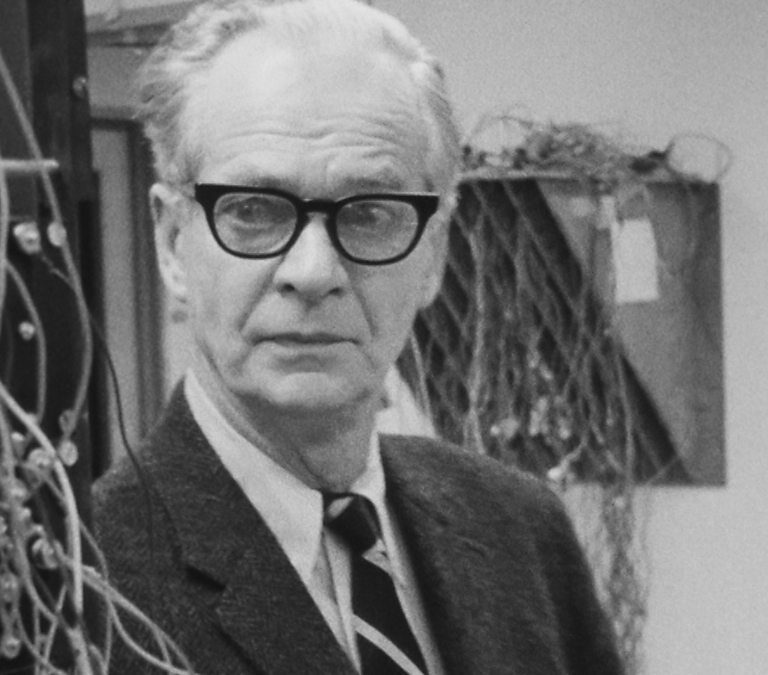
The 2026 New Jersey Film Festival shines a spotlight on one of psychology’s most controversial figures with the screening of B.F. Skinner Plays Himself, a groundbreaking documentary that uncovers previously unseen footage from the 1970s. The festival presentation on January 23 at Rutgers University’s Voorhees Hall promises audiences both in-person and virtual access to this intricate portrait of the pioneering behaviorist, offering a rare glimpse into the life and mind of a man whose theories challenged conventional notions of human freedom and social design.
Directed by Ted Kennedy, the 72-minute documentary repurposes raw, abandoned footage from a 1975 PBS project that Skinner himself disrupted with exacting—and at times impossible—demands. Kennedy transforms the material into a reflective and looping exploration, using the archival content to illuminate Skinner’s scientific ambitions, personal idiosyncrasies, and evolving worldview. The film’s structure mirrors Skinner’s own conceptual frameworks: conditioned sequences, repeated motifs, and the interplay between experiment and environment.
Viewers are taken deep into Skinner’s controversial research. Among the most striking subjects explored are the pigeon-guided bombs developed during World War II, which showcased his attempts to harness animal behavior for practical applications, and his infamous air-conditioned “baby boxes,” experimental cribs designed to condition infant behavior—a concept that sparked national debate about ethics and parenting. The film also examines his work with teaching machines, his early predictions about computers interpreting human language, and the occasional surreal encounters with cultural figures, including exchanges with Dennis Hopper and a theatrical dialogue with an actor portraying Henry David Thoreau.
At its core, B.F. Skinner Plays Himself grapples with what Skinner described as the “autobiography of a nonperson,” a reflection of his belief that human behavior is largely conditioned by environment rather than personal choice. The documentary juxtaposes his utopian ambitions for social engineering against the skepticism that emerged in his later years, presenting a complex figure who oscillated between visionary optimism and contemplative doubt. Kennedy’s creative approach transforms archival footage into a cinematic inquiry that challenges audiences to reconsider the impact of behavioral science on society, ethics, and daily life.
For those attending the festival in-person, the screening is set for 7 PM in Voorhees Hall #105, while virtual audiences can access the film on Video on Demand for 24 hours starting at midnight. B.F. Skinner Plays Himself has already made waves in the film world, premiering at MoMA’s Doc Fortnight in 2025 and appearing on curated platforms such as MUBI, cementing its reputation as both a historical document and a provocative artistic experiment.
The festival screening also situates Skinner’s work within a larger lineage of documentary and archival exploration. Earlier retrospectives, including B.F. Skinner: A Fresh Appraisal (1999), narrated by his colleague Murray Sidman, contextualized his theories and clarified misconceptions, while Retro Report: Behaviorism, B.F. Skinner and Social Media (2021) drew lines between Skinner’s concepts of variable rewards and the addictive structures of modern digital platforms. Kennedy’s film, however, goes further, marrying narrative playfulness with scholarly rigor to create a portrait that is both intimate and intellectually challenging.
The inclusion of this documentary in the New Jersey Film Festival highlights the state’s ongoing role as a hub for innovative storytelling and documentary exploration. Beyond Skinner, the festival consistently champions works that push the boundaries of conventional filmmaking, providing audiences with opportunities to engage with provocative topics through carefully curated screenings and discussions. For enthusiasts interested in a broader exploration of cinematic innovation in the region, the festival is part of a vibrant landscape of [film festivals] in New Jersey that continually elevates independent, experimental, and historically significant works.
As audiences settle in for this rare glimpse into B.F. Skinner’s experimental life, the festival offers more than a screening—it provides a lens through which to examine the intersections of science, ethics, and media. Through Kennedy’s meticulous archival work, viewers witness not only the ambitions of a man who reshaped psychology but also the enduring dialogue between past and present, between theory and human experience, that continues to inform contemporary discussions on behavior, technology, and society.
Bergen County continues to make waves on the entertainment map as Tenafly High School graduate and four-time Academy Award nominee Ed Harris steps into the Marvel Cinematic Universe with the upcoming Disney+ series Wonder Man. Harris, a respected actor whose career spans decades on stage and screen, takes on the role of Neal Saroyan, a Hollywood talent agent whose charm conceals a more complex and potentially dangerous side.
In Wonder Man, Saroyan serves as the agent for Simon Williams, portrayed by Yahya Abdul-Mateen II. While initially appearing as a shrewd mentor helping Williams navigate the pitfalls of fame, the character’s comic book origins reveal a more manipulative streak. Saroyan is known for orchestrating elaborate schemes and even deploying mind-control abilities, positioning him as a formidable adversary within the Marvel canon. Harris’s portrayal promises a layered performance, balancing the slick charisma of a high-powered agent with the darker, supervillainous undercurrents of the character.
Harris secured the role following earlier discussions between Marvel Studios and actor Bob Odenkirk. The series, co-created by Destin Daniel Cretton—director of Shang-Chi and the Legend of the Ten Rings—and Andrew Guest, consists of eight episodes slated to premiere on Disney+ on January 27, 2026. The ensemble cast also includes Sir Ben Kingsley reprising his role as Trevor Slattery, Demetrius Grosse as Eric Williams/Grim Reaper, and Josh Gad in a yet-to-be-disclosed part, ensuring a mix of veteran and emerging talent.
Harris’s induction into the New Jersey Hall of Fame underscores the actor’s ongoing impact on both Hollywood and his home state. His achievements highlight a broader legacy of Tenafly High School alumni who have left indelible marks across film, television, music, and production, establishing the school as a notable incubator of creative talent.
Among the school’s distinguished actors, Lea Michele (Class of 2004) stands out for her iconic role as Rachel Berry on Glee and her acclaimed Broadway performances, including Spring Awakening and Funny Girl. Tate Donovan (Class of 1981) has carved a versatile career as both actor and director, lending his voice to Disney’s Hercules and appearing in The O.C. and Argo. Hope Davis (Class of 1982) continues to garner acclaim with films like About Schmidt and American Splendor, as well as television roles in Succession and Your Honor. Earlier generations of alumni include Jon-Erik Hexum (Class of 1975), remembered for Voyagers! and Cover Up, and Trish Van Devere (Class of 1958), celebrated for her work in The Changeling and frequent collaborations with George C. Scott. Michael Sorvino (Class of 1996), following in his father Paul Sorvino’s footsteps, has contributed both on screen and in voice acting roles, including the Mafia video game series.
The school’s impact extends beyond acting. Siddhartha Khosla has earned Emmy recognition for composing the scores for This Is Us and Only Murders in the Building, while Gary Wright (Class of 1961) achieved international acclaim with 1970s hits like Dream Weaver. Singer and entrepreneur Emin Agalarov (Class of 1997) and K-pop star Han Seung-yeon exemplify Tenafly High’s global musical footprint. In writing and production, alumni like Paul Attanasio (Class of 1977) have earned Academy Award nominations for films including Quiz Show and Donnie Brasco, while David Wild (Class of 1980) has contributed extensively as a writer and producer for major awards shows, including the Grammy Awards.
Harris’s entry into the Marvel universe is more than a career milestone; it underscores New Jersey’s ongoing influence on the entertainment industry. The state continues to produce talent that bridges Hollywood, Broadway, television, and music, creating a network of alumni whose reach extends worldwide. For audiences and enthusiasts interested in the evolving landscape of film and television, New Jersey provides both a launching point and a continuing home for creative achievement, a legacy captured in part by the state’s dynamic film and television scene.
As the Disney+ premiere approaches, excitement is building not only around Harris’s performance but also around the ways Tenafly High’s legacy continues to shape contemporary entertainment. Wonder Man offers viewers an opportunity to witness one of New Jersey’s most respected actors step into a new, high-stakes universe while reaffirming the Garden State’s enduring influence on global pop culture.
Our Top 10 Most Famous Tenafly High School Alumni
Lea Michele (Class of 2004) – Star of Glee and Broadway’s Spring Awakening; her powerhouse vocals made her a household name.
Tate Donovan (Class of 1981) – Actor and director; voiced Hercules and appeared in The O.C. and Argo.
Hope Davis (Class of 1982) – Critically acclaimed actress with roles in Succession, Your Honor, and American Splendor.
Jon-Erik Hexum (Class of 1975) – 1980s TV star known for Voyagers! and Cover Up; remembered for his modeling and acting career cut tragically short.
Michael Sorvino (Class of 1996) – Actor and voice actor; son of Paul Sorvino, known for Summer of Sam and the Mafia video game series.
Trish Van Devere (Class of 1958) – Actress famous for Where’s Poppa? and The Changeling, frequently collaborating with husband George C. Scott.
Gary Wright (Class of 1961) – Singer-songwriter behind the 1970s classic hit Dream Weaver.
Siddhartha Khosla – Emmy-winning composer; created the score for This Is Us and Only Murders in the Building.
Emin Agalarov (Class of 1997) – Azerbaijani-Russian pop singer and successful businessman.
Han Seung-yeon – Member of the globally popular South Korean girl group Kara.
Notable Actors and Performers
Lea Michele (Class of 2004): Starred as Rachel Berry on Glee; extensive Broadway career including Spring Awakening and Funny Girl.
Tate Donovan (Class of 1981): Actor and director; roles in Hercules (voice), The O.C., and Argo.
Hope Davis (Class of 1982): Critically acclaimed actress; appeared in About Schmidt, American Splendor, and TV series Succession and Your Honor.
Jon-Erik Hexum (Class of 1975): Actor and model; known for Voyagers! and Cover Up before his tragic accidental death on set.
Michael Sorvino (Class of 1996): Actor and voice actor; known for the Mafia video game series and Summer of Sam.
Trish Van Devere (Class of 1958): Actress; films include Where’s Poppa? and The Changeling, often collaborating with husband George C. Scott.
Musicians and Composers
Siddhartha Khosla: Emmy-winning composer; works include This Is Us and Only Murders in the Building.
Gary Wright (Class of 1961): Singer-songwriter; famous for 1970s hits Dream Weaver and Love Is Alive.
Emin Agalarov (Class of 1997): Azerbaijani-Russian singer and businessman.
Han Seung-yeon: Member of South Korean girl group Kara.
Writers and Producers
Paul Attanasio (Class of 1977): Academy Award-nominated screenwriter; works include Quiz Show and Donnie Brasco, creator of Homicide: Life on the Street.
David Wild (Class of 1980): Writer and producer for major award shows, including the Grammys and various music specials.
“No One is Forgotten”: Princeton Brings an Immersive Opera Drama into the Heart of New Jersey Arts
February 7
@
4:00 PM
–
February 8
@
11:30 PM
Princeton’s Lewis Center for the Arts is poised to challenge audience expectations and redefine the boundaries of theatrical storytelling with its upcoming presentation of No One is Forgotten: An Immersive Opera Drama. Scheduled for February 7 at 7:00 pm and February 8 at 2:30 pm at the Wallace Theater, this groundbreaking work-in-progress promises a sensory and emotional journey that merges music, theatre, and immersive sound design in ways rarely seen on New Jersey stages.
The production is part of the Program in Theater & Music Theater’s commitment to nurturing innovative performance projects, offering the public a chance to witness a work in development that is both experimental and profoundly human. No One is Forgotten follows Lali and Beng, a journalist and an aid worker, who find themselves held in captivity. With no one knowing their whereabouts or safety, their survival depends on their bond, resilience, and the small moments of hope they create together. The drama blends spoken performance with operatic vocalization, cello accompaniment, and intricate theatrical foley, constructing a soundscape that envelops audiences directly into the characters’ confined world.
The creators of the piece—playwright Winter Miller, co-composers Paola Prestini and Sxip Shirey—designed the work to explore dualities: captivity and freedom, fear and hope, despair and laughter. Rather than relying on a conventional cast, the production uses two actors and two vocalists to explore the tension between physical imprisonment and emotional escape through music. Audiences are drawn into a narrative that is at once moving, surprisingly humorous, and deeply resonant with contemporary struggles, from the perils facing journalists abroad to broader questions about captivity in society, including forced detainment, trafficking, and family separations at borders.
Miller’s original inspiration stems from observing the growing risks journalists face globally, highlighting the urgency of storytelling as a tool for advocacy and awareness. By blending operatic performance with immersive sound techniques, the production not only dramatizes survival but invites the audience to reflect on their own experiences of constraint and resilience. Each note, each sound effect, and every foley element is carefully calibrated to place viewers inside the psychological and emotional reality of those enduring extreme circumstances.
This project benefits from the Princeton Humanities Council’s Magic Project funding, supported by the David A. Gardner ’69 Magic Grant, and is produced in collaboration with the Lewis Center for the Arts. The presentation also emphasizes accessibility and audience engagement. The Wallace Theater is fully wheelchair accessible and equipped with assistive listening technology, ensuring that the immersive experience reaches as many participants as possible.
In addition to the performances, February 8 will feature a panel discussion titled “What Art Can Do That Journalism Cannot,” featuring insights from Eliza Griswold, Director of Princeton’s Program in Journalism, and Aleksandar Hemon, Professor of Creative Writing. This dialogue promises to deepen audience understanding of how art and storytelling intersect with the realities of global conflict, freedom, and advocacy.
Tickets for No One is Forgotten are free but require advance reservation through University Ticketing, ensuring a welcoming, organized environment for the performances. Directions to the Wallace Theater are straightforward: enter the Lewis Arts complex through the main Forum-level doors opposite the Princeton NJ Transit Station and Wawa, where all other doors remain locked on weekends.
The creative team behind this ambitious work represents some of the finest talent in contemporary theater and music. Alongside Miller, Prestini, and Shirey, the production features direction by Elena Araoz, music direction by Mila Henry, and sound design led by Lucas Corrubia. Stage management, lighting, and production coordination are handled by a team committed to bringing this immersive vision to life, ensuring that every technical and artistic element contributes to the audience’s full engagement.
Performers include Ellen McLaughlin and Amelia Workman in spoken roles, with Eve Gigliotti and Brandie Inez Sutton providing operatic vocals. The musical environment is further enriched by the contributions of cellists Jeffrey Zeigler and Mark Serkin, along with expert foley artistry by Nathan Repasz. This combination of talent and technical ingenuity underscores the production’s innovative approach to storytelling, where sound, movement, and voice converge to create an unforgettable theatrical experience.
For those looking to expand their cultural exploration beyond traditional stage offerings, Princeton’s presentation is a rare opportunity to witness a work that merges opera, theater, and immersive sound into a singular, transformative experience. Audiences eager to engage with experimental theater in New Jersey can explore additional offerings through Princeton’s vibrant [theatre] programs, connecting with a broader landscape of performance that continues to push creative boundaries and challenge perceptions.
By presenting No One is Forgotten, the Lewis Center for the Arts demonstrates that New Jersey is not only a hub for established artistic performance but also a laboratory for pioneering works that speak to contemporary issues, human resilience, and the enduring power of storytelling to transform understanding.
Creative Team
Playwright & Librettist: Winter Miller Co-composer & Orchestrations: Paola Prestini Co-composer & Underscoring: Sxip Shirey Director: Elena Araoz Music Director & Conductor: Mila Henry Foley Design & Sound Effects: Sxip Shirey Sound Design: Lucas Corrubia Lighting Design: Jenna Mullin ’27 Creative Producer & Co-Executive Producer: Eve Gigliotti Executive Producer: Cath Brittan Stage Manager: Rose Tablizo Asst. Sound Design: E.M. Jimenez Asst. Sound Design: Jon McCarthy
New analysis shows smarter data, not bigger budgets, now determines success in a nearly $40 billion market
Influencer marketing is no longer the experimental side project it once was. As global spending pushes toward the $40 billion mark in 2026, new industry analysis reveals a widening divide between brands that are extracting measurable value and those burning through budgets with little to show for it. The difference, according to the research, comes down to precision, accountability, and the rapid adoption of artificial intelligence across the creator economy.
What was once a space dominated by follower counts and brand-name creators has matured into a performance-driven sector where results are scrutinized as closely as traditional advertising. While overall investment continues to rise, return on investment is becoming increasingly uneven. Some companies report record-breaking engagement and sales lift, while others struggle to justify their spend amid murky metrics and inconsistent outcomes.
The research points to a clear shift in how successful campaigns are built. Brands leading the pack are relying on AI-powered tools to identify creators whose audiences align not just demographically, but behaviorally. Predictive matching models now analyze past performance, audience sentiment, purchase intent, and even posting cadence to forecast which partnerships are most likely to convert. This has moved influencer marketing closer to a science than an art.
At the same time, attribution has emerged as the industry’s most pressing challenge. As campaigns span multiple platforms and blend seamlessly into organic content, proving what actually drives a sale has become more complex. Top-performing marketers are addressing this by integrating influencer data directly into broader analytics systems, allowing them to track conversions, lifetime value, and downstream brand impact with greater confidence. Those that fail to modernize, the analysis suggests, are the ones seeing ROI slip.
Another key finding highlights the growing advantage of mid-tier and niche creators. While celebrity influencers still command attention, smaller creators with highly engaged audiences are delivering stronger performance per dollar spent. AI-driven discovery tools are accelerating this trend by uncovering overlooked voices that resonate deeply within specific communities, from regional markets to specialized consumer interests.
The implications extend well beyond marketing departments. As influencer partnerships increasingly influence purchasing decisions, product launches, and even stock performance, the creator economy is becoming a core component of modern commerce. Agencies, platforms, and brands are now competing to build proprietary data systems that can sustain an edge in an increasingly crowded field, making influencer strategy a boardroom topic rather than a social media experiment.
For businesses operating in New Jersey and beyond, the message is clear: bigger budgets alone no longer guarantee results. Precision, transparency, and technology-driven decision-making are defining the winners in a space that continues to grow but no longer forgives inefficiency. As the creator economy evolves, it is reshaping how companies think about advertising, trust, and consumer connection across the broader business landscape.
With spending projected to keep climbing, the gap between leaders and laggards is expected to widen further. Those that adapt to AI-driven attribution and smarter creator alignment are poised to thrive, while others may find that the most expensive impressions are also the least effective. In 2026, influencer marketing is still booming—but it is no longer forgiving.
New Jersey governor uses national platform to challenge federal authority and frame state as center of resistance
Just two days after taking the oath of office, New Jersey Governor Mikie Sherrill stepped onto the national stage with a forceful first interview, appearing on MSNBC’s Morning Joe on January 22. The appearance marked her debut as the state’s 57th governor and offered an early, unfiltered look at how she intends to govern—combative, unapologetic, and positioning New Jersey as a central counterweight to federal power under President Donald Trump.
Sherrill did not ease into her new role. Instead, she delivered some of her strongest language yet on immigration enforcement, sharply criticizing U.S. Immigration and Customs Enforcement.
She described ICE as a “proto-militia,” accusing the agency of operating outside constitutional boundaries and answering to political directives rather than the rule of law.
The remarks immediately signaled that her administration is prepared for direct confrontation with federal authorities.
At the heart of her criticism was the use of administrative warrants by federal agents, which do not require approval from a judge. Sherrill vowed that New Jersey law enforcement would “fight tooth and nail” to prevent ICE from entering homes without proper judicial warrants, framing the issue as one of fundamental civil liberties rather than partisan disagreement. She emphasized that state and local officers would not be used as instruments for what she characterized as unlawful federal actions.
Throughout the interview, Sherrill repeatedly returned to the theme of constitutional duty. She drew pointed parallels between present-day federal enforcement tactics and the grievances outlined in the Declaration of Independence, likening them to abuses once carried out under the authority of the British crown. The comparison underscored her broader argument that unchecked federal power threatens the balance between states and Washington.
Rather than portraying New Jersey as a passive target of federal policy, Sherrill cast the state as an active “bulwark” against what she views as executive overreach. “The opposition is forming,” she said, adding that it is “starting in New Jersey.” The statement appeared aimed not only at her constituents but at Democratic leaders nationwide, signaling her intention to elevate the state’s role in national political strategy.
When pressed on whether she felt powerless in the face of federal authority, Sherrill flatly rejected the premise. She outlined a three-pronged response—legislation, litigation, and mobilization—as the foundation of her administration’s approach. According to the governor, new state laws, aggressive legal challenges, and public engagement would work in tandem to push back against policies she believes undermine constitutional protections.
Political observers note that the interview reflects Sherrill’s background as a former federal prosecutor and Navy helicopter pilot, blending legal precision with disciplined messaging. Her decision to make such a bold appearance so soon after her January 20 inauguration suggests a governor eager to define her narrative early, before opponents or national figures can do it for her.
The Morning Joe appearance also places New Jersey firmly in the center of ongoing national debates over immigration, states’ rights, and executive power—topics that continue to dominate the political landscape. By using a national platform for her first post-inaugural interview, Sherrill signaled that her administration will not confine itself to Trenton but will engage directly in the broader political arena.
As her governorship begins, Sherrill’s rhetoric makes one thing clear: she intends to govern with confrontation where necessary and sees New Jersey as a proving ground for resistance to federal policies she opposes. With legislative sessions ahead and legal battles likely on the horizon, her early messaging suggests that the state’s political influence may extend far beyond its borders, shaping debates unfolding across the country and within the broader sphere of American politics.
New Jersey’s health care landscape continues to evolve beyond reactive treatment models, with leading medical providers increasingly focused on early detection, precision care, and integrated performance outcomes. That shift is now clearly visible through two major developments in North Jersey: the introduction of a new vascular screening initiative designed to identify disease before symptoms appear, and the expansion of a multidisciplinary orthopedic facility built to treat injury, enhance mobility, and optimize long-term physical performance.
The Cardiovascular Care Group’s launch of its new Care Screen program reflects a growing urgency within the medical community to address vascular disease earlier and more comprehensively. Vascular conditions often progress quietly, producing few outward warning signs until they reach an advanced or life-threatening stage. The Care Screen initiative is designed to interrupt that pattern by offering targeted screenings that evaluate circulation and arterial health before patients experience serious complications such as stroke, limb ischemia, or cardiovascular events.
Rather than relying solely on traditional risk indicators, the program emphasizes proactive assessment, particularly for individuals with family histories of heart disease, diabetes, hypertension, or smoking-related risk factors. By identifying narrowing arteries or compromised blood flow earlier, clinicians are able to guide patients toward medical intervention, lifestyle changes, or further diagnostic evaluation while outcomes are still highly manageable. The approach reflects a broader statewide movement toward preventive medicine, an area increasingly highlighted within Explore New Jersey’s coverage of health and wellness trends as residents seek care models that prioritize longevity and quality of life.
At the same time, Alliance Orthopedics has reinforced its commitment to comprehensive musculoskeletal care with the expansion of its Fair Lawn clinic, transforming the location into a hub for advanced orthopedic treatment and performance-based rehabilitation. The expanded facility brings together diagnostic imaging, interventional procedures, physical therapy, and performance training under one roof, streamlining the patient experience while improving continuity of care.
Modern orthopedic treatment has moved well beyond isolated injury repair, and the Fair Lawn expansion reflects that evolution. Patients are no longer viewed solely through the lens of pain relief, but rather through functional restoration and long-term movement health. From athletes seeking to return to peak performance to aging adults focused on maintaining mobility and independence, the clinic’s integrated model allows care teams to tailor treatment plans that address both immediate symptoms and future physical demands.
Advanced imaging capabilities within the expanded space allow physicians to diagnose conditions with greater precision, reducing delays and improving treatment accuracy. Meanwhile, cutting-edge non-surgical therapies and regenerative options are increasingly being utilized to help patients avoid invasive procedures whenever possible. When surgery is necessary, coordinated post-treatment rehabilitation and performance training help ensure smoother recoveries and stronger long-term outcomes.
Taken together, these developments underscore a notable trend within New Jersey health care: a shift toward early intervention, integrated services, and patient-centered strategies that prioritize prevention and performance over episodic treatment. Both The Cardiovascular Care Group and Alliance Orthopedics are responding to patient demand for clarity, efficiency, and forward-looking care models that acknowledge health as an ongoing process rather than a series of isolated medical events.
As New Jersey residents become more proactive about managing their well-being, initiatives like vascular screening programs and comprehensive orthopedic centers are likely to play an increasingly prominent role across the state. These efforts not only improve individual patient outcomes but also contribute to a broader culture of health awareness, early action, and informed decision-making that continues to reshape how care is delivered throughout the Garden State.
The winter air around Jersey Mike’s Arena carried a different kind of electricity on January 22, the sort that hints at something bigger than a box score. When the final horn sounded and Michigan walked off the floor with a hard-earned victory over Rutgers, the night quietly transformed into a landmark moment for women’s college basketball. With that win, Michigan head coach Kim Barnes Arico etched her name deeper into the sport’s history, securing the 300th victory of a career built on resilience, adaptability, and an unwavering belief in the power of team culture.
Milestones in sports often come wrapped in spectacle, but this one arrived the way Barnes Arico herself has always coached—through preparation, persistence, and trust in the process. The setting mattered. Jersey Mike’s Arena has long been one of the Big Ten’s more challenging road environments, especially for visiting teams facing a Rutgers program that thrives on physical play and defensive intensity. For Michigan to capture a win there was an achievement on its own. For it to coincide with a 300th career victory elevated the night into something that resonated well beyond the standings.
Barnes Arico’s journey to this point has been anything but linear. From her early days climbing the coaching ranks to her transformative tenure at Michigan, she has consistently taken programs and pushed them beyond perceived ceilings. Her teams have been defined by toughness, discipline, and a refusal to shrink in big moments. That identity was on full display against Rutgers, where every possession felt earned and every defensive stop carried extra weight. The Wolverines weathered momentum swings, quieted the crowd at key moments, and leaned on experience to close out a game that demanded focus until the final seconds.
The significance of win number 300 is best understood in context. In an era where turnover is constant and expectations escalate rapidly, sustaining success over hundreds of games requires more than tactical brilliance. It requires evolution. Barnes Arico has navigated changes in recruiting landscapes, playing styles, and conference competition while keeping Michigan firmly in the national conversation. Her ability to connect with players, develop talent, and foster accountability has turned milestones like this into inevitabilities rather than surprises.
Rutgers, meanwhile, played the role of both opponent and backdrop in a way that felt fitting. The Scarlet Knights have their own rich tradition in women’s basketball, particularly within the state of New Jersey, where the sport enjoys deep grassroots support. Competing at home against a nationally respected program brought out the best in Rutgers, and the game unfolded with the kind of edge that Big Ten fans have come to expect. Defensive pressure, contested rebounds, and emotional runs from both sides made it clear that this was not a night destined for a blowout or an easy narrative.
For New Jersey fans, the game also served as a reminder of the high-level basketball regularly played within the state’s borders. Jersey Mike’s Arena has been the site of countless memorable moments, and this contest added another chapter, even from the visiting bench. Coverage of the Rutgers Scarlet Knights and their role in shaping Big Ten competition continues to draw attention, and nights like this underscore why the program remains central to the region’s college basketball identity.
Beyond the immediate celebration, the milestone win carries broader implications. For Michigan, it reinforced the program’s standing as a consistent force in women’s basketball, capable of winning tough road games while navigating the grind of conference play. For Barnes Arico, it placed her among an increasingly select group of coaches whose longevity and success speak volumes about their impact on the sport. Three hundred wins represent thousands of practices, countless hours of film study, and relationships built with players who carry lessons from the court into their lives beyond basketball.
The players themselves were quick to deflect attention back to their coach, crediting her leadership and calm demeanor for setting the tone long before tipoff. That mutual respect has been a hallmark of Barnes Arico–led teams, and it is part of why her achievements resonate across the basketball community. Wins are tallied in record books, but legacies are measured in influence, and this one continues to grow with every season.
As the season presses on, January 22 will stand as more than just another date on the schedule. It will be remembered as a night when preparation met opportunity, when a storied arena hosted a piece of basketball history, and when a coach’s career reached a milestone that reflects decades of dedication to the game. In Piscataway, amid the echoes of a competitive Big Ten battle, Kim Barnes Arico’s 300th win arrived not with fanfare, but with the quiet authority of someone who has been building toward it all along.
Statewide decision accelerates affordable home construction as municipalities confront long-delayed obligations
A sweeping court decision is redefining how New Jersey towns approach housing growth, after 27 municipalities lost a coordinated legal effort to sidestep state-required affordable housing obligations. The ruling has already triggered a wave of residential development proposals and project launches, marking one of the most consequential shifts in the state’s housing policy in years.
The case centered on whether municipalities could delay or limit compliance with New Jersey’s long-standing affordable housing framework, which requires towns to plan and zone for homes accessible to low- and moderate-income residents. Judges rejected the arguments presented by the towns, affirming that local governments must meet their fair-share responsibilities and cannot indefinitely postpone them through procedural challenges or restrictive zoning.
The immediate impact is visible across multiple counties, where developers are moving forward with projects that had been stalled for years. From mixed-use complexes near transit hubs to suburban developments incorporating income-restricted units, construction activity is beginning to reflect the court’s message: affordable housing mandates are not optional.
Housing advocates say the decision reinforces a principle that has guided state policy for decades—that economic diversity and access to housing are essential components of healthy communities. New Jersey continues to face one of the nation’s highest housing costs, with renters and first-time buyers increasingly priced out of the market. By enforcing compliance, the court effectively removed a major barrier to adding supply where it is most needed.
Municipal leaders, while expressing concern about infrastructure strain and local planning autonomy, are now shifting focus toward implementation. Several towns have already revised zoning ordinances, approved settlement agreements, or entered mediation to determine how many units must be built and where. Others are negotiating with developers to balance density, design, and community impact while meeting state requirements.
Developers see the ruling as a signal of stability and clarity. With legal uncertainty reduced, financing and planning have become more straightforward, accelerating timelines for projects that include affordable units. Many of these developments also feature market-rate housing, retail space, and community amenities, reflecting a broader trend toward inclusive growth rather than isolated low-income construction.
State officials note that the decision aligns with broader policy goals aimed at easing the housing shortage, strengthening the workforce, and promoting equitable development. Enforcement of affordable housing rules is expected to continue through oversight mechanisms tied to housing plans and judicial review, ensuring municipalities remain accountable.
The ruling also renews attention on the legislative framework underpinning New Jersey’s housing obligations. Lawmakers and planners are expected to revisit aspects of housing law and compliance standards as new projects move forward under clearer legal guidance. Readers following developments in state housing policy can track related updates through ongoing coverage of housing-related legislation.
As construction begins and plans advance, the outcome of this legal battle is likely to reshape neighborhoods and housing opportunities across New Jersey. For thousands of residents struggling with rising rents and limited options, the decision represents more than a courtroom victory—it signals the start of tangible change in a state where the demand for affordable homes has long outpaced supply.
New Jersey’s dining scene continues to make waves nationally as two of the state’s standout chefs, David Viana of Judy & Harry’s in Asbury Park and Russ Cowan of Radin’s Delicatessen in Cherry Hill, have been named semifinalists for the prestigious James Beard Award for Best Chef in the Mid-Atlantic region. The announcement highlights the state’s growing reputation for innovation, excellence, and culinary diversity, with New Jersey chefs competing alongside talent from Pennsylvania, Virginia, Delaware, Maryland, and Washington, D.C.
David Viana, a Top Chef alum, has built a reputation as one of New Jersey’s most inventive culinary voices. Alongside his partner Neilly Robinson, Viana reimagined the St. Laurent hotel space into Judy & Harry’s, an homage to Robinson’s parents that marries traditional Jewish flavors with Italian classics. The restaurant, celebrated for its intimate fine-dining experience, offers iconic dishes like matzo ball soup with a delicate broth, and roast chicken Savoy, Viana’s modern take on a classic Belmont Tavern favorite. Recently featured on New Jersey Monthly’s Best New Restaurants list, Judy & Harry’s is not only a culinary destination but also a cornerstone of Asbury Park’s vibrant dining community.
Viana and Robinson’s vision for Judy & Harry’s extends beyond exceptional cuisine. “Judy & Harry’s exists because of our team, our community, and Asbury Park itself, which is undeniably a happier—and very well-fed—place because of it,” Viana shared. Their commitment to excellence is reflected across their portfolio, which includes Heirloom Kitchen in Old Bridge, Lita in Aberdeen, and La Otra, the cocktail bar within Lita, acclaimed both regionally and nationally for its inventive mixology. Viana’s consistent recognition by the James Beard Foundation—including previous nominations in 2018 and 2025—cements his status as a leading force in the Mid-Atlantic culinary landscape.
Russ Cowan brings a different flavor to New Jersey’s James Beard narrative. Owner of Radin’s Delicatessen in Cherry Hill, Cowan embodies the legacy of classic Jewish delis while infusing it with contemporary appeal. Radin’s, opened in February 2024, pays homage to Cowan’s family heritage, tracing back to the original Radin’s in New York in 1905. Known for generous portions, fresh-baked breads, and a bakery counter that delights the senses, Radin’s has quickly become a local institution. Cowan’s experience also includes ownership of Philadelphia’s Famous 4th Street Deli, giving him deep roots in regional deli traditions. Under his guidance, Radin’s delivers both nostalgia and modern quality, attracting longtime deli aficionados and new generations alike.
These nominations underscore New Jersey’s evolving culinary reputation. From coastal innovation in Asbury Park to the traditional flavors of Cherry Hill, the state offers a spectrum of dining experiences that combine creativity, technique, and history. Past semifinalists such as Dan Richer of Jersey City’s Razza, also recognized in the Mid-Atlantic category, exemplify New Jersey’s growing prominence in national restaurant rankings and award recognition.
As the James Beard Foundation moves toward its final announcement, all eyes will be on the semifinalists as they compete for the Best Chef award in the Mid-Atlantic region. Winners will be revealed at the James Beard Restaurant and Chef Awards ceremony on June 15 in Chicago, a prestigious event that celebrates culinary excellence and the individuals shaping America’s dining culture.
For those eager to explore New Jersey’s finest restaurants and experience the talent behind these accolades firsthand, our comprehensive guide to New Jersey restaurants offers curated recommendations, insider tips, and full coverage of the state’s thriving dining scene. From innovative fine dining to time-honored comfort cuisine, New Jersey continues to prove that it is a destination worthy of national culinary attention.
The recognition of Viana and Cowan not only elevates their individual profiles but also highlights the depth and diversity of New Jersey’s food culture. As the state continues to foster emerging chefs and preserve culinary heritage, diners can anticipate a dynamic year ahead filled with innovation, tradition, and unforgettable flavors.
The New Jersey Devils continue to demonstrate resilience amid adversity as they manage key injuries and ongoing offensive challenges while maintaining momentum on the road. The latest development in their injury report came Wednesday with defenseman Luke Hughes being placed on Long-Term Injured Reserve (LTIR), retroactive to January 19, following a shoulder injury sustained against Calgary. Hughes is expected to miss time through the Olympic break and possibly beyond, though surgery is not immediately required. In response, the Devils recalled defenseman Colton White from the AHL’s Utica Comets, aiming to bolster their blue line depth.
Despite these setbacks, the Devils have maintained competitive form during their Western Canada road swing, sweeping the Alberta leg with consecutive 2-1 victories over both the Calgary Flames in overtime and the Edmonton Oilers. Forward Lenni Hämeenaho, recently recalled from the AHL, has impressed on the fourth line alongside Arseny Gritsyuk and Cody Glass, providing energy and defensive responsibility while contributing to puck possession.
As they press on with the road trip, New Jersey faces the Vancouver Canucks on Friday, January 23, at 10:00 PM EST, followed by a Sunday matinee in Seattle against the Kraken at 3:00 PM EST. The team then returns home to the Prudential Center on Tuesday, January 27, to host the Winnipeg Jets at 7:00 PM EST. These games represent critical points in the Devils’ quest to solidify playoff positioning in the tightly packed Metropolitan Division, where they currently sit in sixth place with a 26-22-2 record and 54 points.
While the Devils are often critiqued for offensive inconsistencies, their defensive structure remains a strength when executed effectively. Goaltending by Jake Allen and solid backchecking have allowed New Jersey to stay competitive in tight games, particularly on the penalty kill. Brett Pesce’s return from injury has also bolstered special teams performance, with the Devils successfully killing 83.3% of penalties since his return. This improvement underscores the importance of roster health and experience in maintaining the team’s defensive identity.
Offensively, however, the Devils face persistent challenges. Despite Nico Hischier leading the team with 37 points and 15 goals, the club ranks near the bottom of the NHL in goals scored, shooting percentage, and power-play efficiency. Key contributors such as Jesper Bratt, Timo Meier, and Jack Hughes have struggled to maintain consistency, leaving the burden on a few players to generate scoring opportunities. While depth forwards like Ondrej Palat, Luke Glendening, and Juho Lammikko provide workmanlike play, the Devils’ ceiling is constrained if their top-line scorers do not deliver at a higher rate.
Defensively, New Jersey has shown flashes of dominance, particularly in structured games where the forecheck limits opponents’ opportunities. In the recent win over Edmonton, the Devils allowed just ten shots through two periods, a performance reflective of what the team can achieve when disciplined. However, lapses in the third period illustrate a vulnerability: excessive high-danger chances against and a reliance on goaltending to bail the team out highlight the thin margin for error this season. Strengthening defensive cohesion and sustaining intensity for full 60-minute games will be pivotal as the Devils navigate a congested playoff race.
One area of consistent positive impact is the team’s grit and resilience. Head coach Sheldon Keefe frequently highlights the team’s battle mentality, and while many wins are “sweat victories,” the players’ willingness to compete through adversity underscores a culture of accountability and perseverance. This mentality is vital, especially as the Devils rely on a defense-first approach to offset offensive deficiencies.
The balance for New Jersey remains delicate: their current success hinges on defensive execution, strong goaltending, and opportunistic scoring. The challenge is amplifying offensive output to complement an already solid defensive foundation. If Hischier, Bratt, Meier, and the rest of the roster can elevate their production while maintaining the team’s defensive discipline, the Devils have a chance to transform from a fringe playoff team to a legitimate contender in the Metropolitan Division.
Fans tracking New Jersey’s progress can explore further insights, game analysis, and player updates through Explore New Jersey’s coverage of the Devils, providing a comprehensive view of the team’s evolving journey this NHL season.
This stretch of games is critical for assessing how the Devils can maintain momentum, navigate injuries, and address offensive inconsistencies. With a combination of strategic roster moves, disciplined play, and a renewed push from their top talent, the Devils are positioned to show whether their defensive identity can carry them deep into the postseason or if additional offensive firepower is necessary to achieve championship aspirations.
A night that began with promise for the Philadelphia Flyers on the road in Salt Lake City quickly descended into frustration, heartbreak, and a pointed call for accountability from head coach Rick Tocchet. Wednesday’s matchup at the Delta Center against a hot Utah team initially suggested the Flyers could walk away with a statement win. After racing out to a 4-2 lead entering the third period, Philadelphia watched a late-game unraveling snatch victory from their grasp, ultimately falling 5-4 in overtime in a game that left players and fans alike reeling.
The turning point came in a flurry of action in the final minutes of regulation. Utah clawed back with a power-play goal by Barrett Hayton at 7:13 to make it 4-3, then pulled their goalie for the extra attacker. Just 35 seconds before the buzzer, Clayton Keller netted the tying goal after maneuvering past Flyers defenseman Travis Sanheim, sending the game to overtime. Keller would strike again at 2:01 of the extra frame, delivering the heartbreaking game-winner and leaving Philadelphia with a painful loss on the road.
Tocchet’s postgame comments left no ambiguity about his dissatisfaction. “That’s unacceptable what happened tonight,” he said during the televised media session. “We stunk in pressure situations. That’s something we have to get out of this team. You’ve got to rise to the occasion. We unraveled and we’ve got to put the pieces back.” His frustration was palpable, particularly as a missed empty-net opportunity by Garnet Hathaway in the closing seconds had eliminated a chance to seal the game.
Despite the collapse, there were bright spots for the Flyers. Christian Dvorak led the offensive charge with two goals, both stemming from opportunistic positioning and strong execution on the power play. “I thought for the most part we were the better team,” Dvorak remarked. “We could have been a little more aggressive in the third period. Tough loss, but something to learn from.” Early scoring from Cam York and Bobby Brink helped the Flyers build a commanding lead, and early in the first period, Philadelphia appeared poised to control the game entirely. Cam York opened the scoring just 30 seconds in, following a rebound off Travis Sanheim’s initial shot. At 4:36, a dynamic play from Konecny set up Dvorak for the second goal, establishing a quick 2-0 advantage, while a Brink power-play tally early in the second period extended the lead to 3-0.
Yet the Flyers’ third-period meltdown underscored persistent defensive lapses. Utah’s JJ Peterka and Lawson Crouse scored in quick succession, capitalizing on turnovers and gaps in coverage. Tocchet’s timeout following the second goal was meant to rally the team, and while Dvorak responded with a power-play goal later in the period, the damage had been done.
Goaltender Sam Ersson had largely controlled the game, making numerous key stops, but the late lapses left him vulnerable. “Most parts of the game we did a good job,” Ersson said. “After we went up 3-0, they were going to make a push. It’s tough giving up a late one.” The sequence highlighted the Flyers’ challenge with maintaining composure under pressure, a point Tocchet emphasized repeatedly in his postgame remarks.
The game also included a brief scare when Owen Tippett collided with Utah’s Liam O’Brien and left the ice for a concussion evaluation. Tippett returned later in the second period, underscoring the team’s resilience amid adversity.
Looking ahead, Philadelphia concludes its three-game road trip with a Friday night showdown in Colorado, aiming to regroup after a crushing defeat. Individual milestones also marked the series: Konecny’s recent game-winning goal in Las Vegas brought him within striking distance of the Flyers’ all-time top ten for career game-winners, and Nick Seeler continues to anchor the team defensively with elite shot-blocking and ice time.
While the Flyers demonstrated flashes of dominance and skill throughout the contest, the collapse in the third period serves as a stark reminder that success in the NHL demands consistency, composure, and execution under pressure. Tocchet’s blunt critique signals a need for introspection and growth as Philadelphia strives to translate talent into sustained victories. Fans and analysts alike will be watching closely as the Flyers seek to rebound on the road and prove that last night’s defeat was an anomaly rather than a trend.
For in-depth coverage of the Flyers’ season, players, and upcoming matchups, Explore New Jersey offers extensive insights and analysis on the Philadelphia Flyers and their performances across the NHL schedule.
Aurora Borealis Visibility Predicted Across Northern New Jersey as Solar Activity Peaks. Residents across Northern New Jersey have a rare celestial opportunity tonight as an intense solar storm is expected to produce visible auroras, more commonly known as the Northern Lights. Experts indicate that geomagnetic activity reaching high levels could allow the typically Arctic phenomenon to be seen at lower latitudes, creating a spectacular display for those who venture outdoors under clear skies.
The solar storm, triggered by a significant coronal mass ejection (CME) from the sun earlier this week, has heightened geomagnetic conditions, potentially lighting up the night sky with vibrant greens, purples, and reds. Auroras occur when charged particles from the sun collide with Earth’s magnetic field and atmosphere, producing luminous patterns that shift and shimmer unpredictably. While often associated with far northern regions, strong solar storms such as this can push the auroral oval further south, making it visible to observant skywatchers in New Jersey.
Meteorologists are advising residents in areas with limited light pollution—particularly in Sussex, Warren, and Morris counties—to keep an eye on the horizon after sunset. Conditions for viewing are optimal between 10 p.m. and 2 a.m., when the sky is darkest, though cloudy conditions in some regions may reduce visibility. For enthusiasts, the display offers both a scientific spectacle and a rare chance for stunning nighttime photography.
Local observatories and astronomy clubs have noted increased interest in tonight’s event, with many hosting guided viewing sessions and informational talks on auroras, solar storms, and the science behind geomagnetic activity. Experts stress that while auroras can appear suddenly and vary in intensity, tonight’s solar storm carries one of the higher probabilities for widespread visibility in the region this year.
Residents are encouraged to check local weather and aurora forecasts to identify the best viewing locations. Areas away from city lights, elevated vantage points, and open fields will offer the clearest perspectives. The combination of clear skies and strong geomagnetic activity could allow New Jerseyans to witness one of nature’s most awe-inspiring light shows, bringing a fleeting taste of the Arctic skies to the Garden State.
For more updates on tonight’s aurora and other weather phenomena across New Jersey, explore the Sunset Daily Weather Report. This rare astronomical event highlights the intersection of solar science and public fascination, offering both a stunning spectacle and a unique learning experience for the community.
Weekend Winter Storm Expected to Deliver Heavy Snow Across Northern and Central New Jersey. New Jersey residents should brace for a significant winter weather event this weekend as an Arctic snowstorm is set to sweep across much of the state, bringing potentially record-setting snow accumulations and gusty winds. Meteorologists are forecasting a high-impact snow event beginning early Sunday morning and continuing into Monday, with northern and central New Jersey expected to see the heaviest snowfall.
The storm is fueled by a powerful Arctic air mass currently moving south from the north-central United States, stretching over the Plains and advancing toward the Mid-Atlantic. This cold front will settle over New Jersey by Saturday, establishing a pronounced thermal gradient that will determine snow intensity across the state. Areas north of the gradient are expected to experience deep snow and sub-freezing temperatures, while regions to the south may see lighter accumulations with occasional sleet.
Upper-level dynamics are also playing a crucial role in shaping this storm. A Pacific-originating upper low near Baja California is phasing with a shortwave moving from western Canada, intensifying the storm system. The timing of this interaction is critical: a faster phasing could push the heaviest snow further north along the East Coast, while a slower progression may shift the snowfall axis slightly southward. This upper-level orchestration is why models have recently trended northward, predicting heavier totals across northern and central counties.
At the mid- and lower levels of the atmosphere, high-pressure systems within the Arctic air mass will guide the storm’s progression. Two primary highs—one over the northern Plains and another across southeastern Canada—are expected to steer cold air into New Jersey, reinforcing the Arctic temperatures. The position of the southeastern Canadian high in particular will influence whether warmer air intrudes into the storm’s precipitation shield, potentially creating brief periods of sleet in southern New Jersey while leaving the north predominantly snow-covered.
Current model guidance anticipates a snow-to-liquid ratio between 15:1 and 20:1, highlighting the light, fluffy nature of the expected snow. Some southern areas may experience ratios closer to 10:1 if sleet mixing occurs. With the Arctic air mass so robust, meteorologists emphasize that even a comparatively weak low will struggle to diminish snowfall totals significantly. Observers should expect snow accumulation anywhere from 8 to 16 inches in northern and central counties, with a possibility of localized amounts exceeding 18 inches depending on wind drift and banding effects.
Meteorological teams have incorporated recent data from hurricane-hunter missions into their forecasts, which has shifted guidance slightly northward, confirming widespread snow coverage across most of New Jersey. While southern areas could see a short-lived sleet mix along the I-95 corridor, the primary narrative for this weekend is heavy, accumulating snow that may disrupt travel and daily activities.
Authorities and weather enthusiasts alike are monitoring the situation closely. Forecast teams plan to release updated snow maps Friday, with live observations commencing Sunday morning. Residents are advised to prepare early, ensure access to essential supplies, and plan for potential school and business closures. This weekend’s storm represents one of the most significant winter events of the season, bringing the full force of Arctic conditions to the Garden State.
For continuous updates and detailed regional forecasts, check the Sunset Daily Weather Report. This upcoming snowstorm underscores the importance of staying informed and ready as New Jersey faces a rare and intense winter system.
This January, young readers and families are invited to immerse themselves in the enchanting world of Beatrix Potter at a special event hosted by the Cotsen Children’s Library at Princeton University. On Saturday, January 31, 2026, from 10:00 AM to 2:00 PM, the library will transform into a whimsical English cottage garden, offering children an unforgettable experience that brings Peter Rabbit and his friends to life. The event is free and open to the public, making it an ideal outing for preschoolers, toddlers, and early elementary-aged children seeking a day of imaginative play and literary exploration.
The Peter Rabbit Party is designed with interactive experiences at its heart. Visitors will have the opportunity to serve tea in a setting reminiscent of Potter’s English countryside, creating a cozy, hands-on experience that sparks curiosity and encourages social play. Children can also participate in planting carrots, guided by expert Master Gardeners from the West Trenton Garden Club. This activity provides a gentle introduction to gardening, nurturing not only a love of nature but also the sense of responsibility and wonder that comes from tending to living things. Families leave with the knowledge and inspiration to start their own miniature garden projects at home.
In addition to the hands-on activities, the event celebrates the life and work of Beatrix Potter, the creator of Peter Rabbit. Storytime sessions, displays, and gallery exhibits provide a deeper look at Potter’s illustrations, storytelling techniques, and enduring influence on children’s literature. The library’s space is thoughtfully transformed to resemble a charming cottage and garden, allowing children to feel as though they have stepped directly into the pages of the stories they love.
Adding an extra layer of excitement, visitors can enter a raffle to win a Peter Rabbit bedtime basket, which includes a collection of Potter’s works, encouraging continued reading and imaginative play long after the event concludes. This engaging combination of education, hands-on activities, and storytelling creates a rich, multi-sensory experience that appeals to the youngest audiences and their families alike.
https://cotsen.princeton.edu/youth-programs/community-events/peter-rabbit-partyCotsen Children’s Library, located within Firestone Library at 1 Washington Road, Princeton, serves as the perfect backdrop for this event. Its welcoming, open spaces make it ideal for interactive programs and immersive installations, while its position on Princeton University’s campus offers easy access for families throughout Central New Jersey. Attendees can explore the library’s galleries, enjoy creative activities, and discover the rich literary culture that Cotsen fosters year-round.
The Peter Rabbit Party reflects a broader trend in New Jersey toward family-centered educational events that blend fun, creativity, and learning. By combining literature, gardening, and hands-on engagement, the program creates an environment where children can explore new ideas, develop fine motor skills, and cultivate a love of books and nature in a playful, supportive setting. Parents and caregivers are encouraged to participate alongside their children, making the day a shared experience that strengthens family bonds and fosters early literacy.
For families seeking unique, interactive activities in the region, the Peter Rabbit Party is more than a simple story hour—it is a celebration of imagination, exploration, and the joy of discovery. From planting carrots to sipping pretend tea, children are invited to engage with Peter Rabbit’s world in ways that stimulate curiosity and creativity. Attending the event provides a perfect blend of arts, literature, and hands-on fun that can inspire a lifelong love of reading.
Families interested in enhancing their New Jersey adventures can explore more engaging activities and fun in the state, discovering programs and events designed to spark imagination, learning, and shared experiences. With its combination of storytelling, nature, and creative play, the Peter Rabbit Party at Cotsen Children’s Library promises to be a highlight of the winter season for children ages 2 to 6 and their families, offering memories that will last far beyond the day itself.
Fully Renovated Four-Bedroom Home Offers Private Outdoor Space and Seamless Manhattan Access
Jersey City continues to cement its reputation as a hub of sophisticated urban living, and Unit 3 at 82 Colgate Street exemplifies this trend with its recently completed renovations and thoughtfully designed interiors. This four-bedroom townhouse spans approximately 1,700 square feet across three levels, offering a combination of style, functionality, and convenience, complete with a full finished basement adaptable to a secondary living area, home office, or entertainment zone.
The home’s open-concept main floor invites effortless flow and entertaining, featuring high-end finishes, hardwood flooring, and a central HVAC system. The expansive living-dining area seamlessly integrates with a chef’s kitchen, highlighted by an oversized infinity marble countertop and breakfast bar. Premium stainless-steel appliances, including a chef’s range with vented hood, wine fridge, and dishwasher, allow culinary creativity without compromise. Recessed and pendant lighting enhance the space, while a beveled subway tile backsplash adds a refined classic touch.
Stepping through double glass doors, residents are greeted by a private patio and backyard designed for both relaxation and social gatherings. Exposed brickwork, large slab pavers, and black-framed windows elevate the outdoor ambiance, providing a perfect setting for alfresco dining, evening cocktails, or quiet moments of reflection.
Upstairs, privacy and comfort define the living spaces. The second floor features two bright bedrooms with built-in closets and a shared Jack-and-Jill bathroom, complete with floor-to-ceiling subway tile, a double vanity, and a deep tub-shower combination. A dedicated laundry area enhances convenience for residents. The third floor houses the primary bedroom suite, offering abundant natural light, generous space for a home office or sitting area, and two designer bathrooms that blend style with relaxation. The fourth bedroom mirrors the same airy atmosphere, ensuring ample comfort for family or guests.
Location remains a key feature of this townhouse, positioned just blocks from the Grove Street PATH station, providing round-the-clock access to Lower and Midtown Manhattan. Residents are within walking distance of Van Vorst Park, Newark Avenue Pedestrian Plaza, and Downtown Jersey City’s acclaimed dining and cultural destinations, including Razza, Kitchen Step, and The Archer. Additional neighborhood conveniences include Whole Foods, local farmers’ markets, and boutique shopping, making this a highly connected and vibrant urban address.
Unit 3 at 82 Colgate Street presents a rare opportunity to own a design-forward townhouse in one of Downtown Jersey City’s most desirable neighborhoods. With four bedrooms, stylish indoor and outdoor spaces, and unparalleled access to Manhattan, the property is listed at $1,498,000 through Dean Clark of Dean Clark Group at EXP Realty. For more details or to arrange a viewing, contact Dean Clark directly at 201-240-8319 or via email at Dean@deanclarkgroup.com, or explore additional real estate opportunities in New Jersey.
This townhouse illustrates how Downtown Jersey City continues to attract buyers seeking the perfect balance of modern design, walkable amenities, and metropolitan convenience, solidifying its status as one of the state’s premier urban communities.
Battleground Country Club in Manalapan, New Jersey, has officially become the newest member of Concert Golf Partners’ distinguished national portfolio, marking the company’s 40th property and its second in the Garden State. This historic 220-acre private club, renowned for its championship golf course and rich ties to American history, now enters a new chapter under the stewardship of a boutique operator dedicated to enhancing private club experiences while preserving their unique identities.
Strategically located near the historic site of the 1778 Battle of Monmouth—where George Washington led the Continental Army—Battleground blends tradition and modern amenities in a way few private clubs can match. The centerpiece is its par-71, nearly 7,000-yard golf course, originally designed by Hal Purdy and thoughtfully renovated in the early 2000s by the Northeast Collaborative. Its championship layout is complemented by additional recreational offerings, including four tennis courts, swimming pools, a cigar lounge, and multiple dining venues. The Colonial-style clubhouse serves as a cultural hub for the community, accommodating weddings and events for up to 500 guests, blending elegance with a welcoming atmosphere that honors the club’s heritage.
The club’s legacy extends beyond its architecture and amenities. Legendary CBS commentator Jim Nantz, who spent part of his early career at Battleground in the 1970s, credits the experience with shaping his lifelong passion for golf. This anecdote reflects the club’s broader role in cultivating both talent and community, offering members experiences that extend far beyond the fairways.
Owners Michael McCarty and the Maschler Family cited Concert Golf Partners as the ideal steward for Battleground’s next era. They emphasized the company’s reputation for long-term investment, thoughtful management, and dedication to preserving club culture. “We are tremendously proud of what we have built at Battleground Country Club since we took ownership in 2009,” said co-owner Erik Maschler. “Concert Golf Partners offers our members a standard of service that enriches and enhances Battleground’s storied tradition, and we are confident the club’s legacy is in excellent hands.”
Concert Golf Partners’ model focuses on financial stability and operational excellence. For Battleground, this includes an all-cash investment to eliminate existing debt, a guarantee against surprise member assessments, and a commitment to invest between $1 million and $2 million in targeted renovations over the next two years. These updates will modernize facilities while respecting the club’s historic and aesthetic identity, ensuring that both members and the broader community benefit from enhanced amenities and experiences.
Membership benefits expand significantly under Concert Golf’s ownership. Battleground members now gain access to a network of 39 additional private clubs nationwide, including the prestigious TPC Jasna Polana in Princeton, along with global reciprocal opportunities through partnerships such as Links2Golf and Executive Golfer. This expansion not only increases playing options but also positions Battleground as part of a broader, connected private club ecosystem, offering unmatched value and flexibility for avid golfers.
Governance and member engagement remain central to the club’s culture. While Concert Golf oversees operational and financial management, a Member Advisory Board provides ongoing feedback to ensure that club traditions are maintained and capital improvements reflect member priorities. This approach balances professional oversight with the input of those who know and value the club’s identity most deeply.
Battleground’s historical significance adds a unique dimension to its appeal. The property’s proximity to the Monmouth battlefield and its Colonial-style clubhouse reinforce its connection to New Jersey’s past, a link that Concert Golf has committed to preserving. Beyond golf and events, this stewardship contributes to community pride and local property values, reinforcing the club’s standing as a landmark institution in the region.
As part of its national portfolio, Concert Golf Partners emphasizes member-focused investment, and Battleground is no exception. From enhanced recreational facilities to upgraded dining and social venues, every improvement is designed to enrich the member experience while maintaining the club’s historic charm. In doing so, the company ensures that Battleground remains both a competitive golf destination and a cultural touchstone for its members and the surrounding community.
For golfers and residents interested in the club’s evolving offerings, New Jersey’s private golf scene has never been more dynamic. With Concert Golf’s stewardship, Battleground Country Club is poised to continue its tradition of excellence, blending championship golf, community engagement, and historical reverence into a single, unparalleled experience in the Garden State.
Would you like me to also include a detailed look at the planned renovations and enhancements to Battleground’s course and clubhouse facilities for 2026–2028?
In communities across the globe, access to daily nutrition is more than a matter of health—it is a gateway to education, opportunity, and hope. In New Jersey, Mary’s Meals has become a vital force in this mission, demonstrating how thoughtful food programs can transform the lives of the world’s youngest and largest generation. By reaching more than three million children worldwide, the organization highlights the profound impact that consistent, nutritious school meals can have on learning, attendance, and long-term success.
At the core of Mary’s Meals’ philosophy is a simple but powerful idea: when children are well-fed, they are more likely to attend school, focus in class, and participate fully in their education. This connection between nutrition and academic performance is particularly crucial for children in under-resourced communities, where hunger often intersects with systemic challenges to access and retention. Each meal represents more than sustenance; it is a tangible investment in a child’s future, encouraging daily attendance and offering families reassurance that their children’s basic needs are being met.
In New Jersey, the program extends this mission through both local outreach and global advocacy, engaging volunteers, schools, and community partners to provide meals that are culturally appropriate, nutritionally balanced, and logistically sustainable. Schools participating in Mary’s Meals programs benefit from comprehensive support, ranging from meal planning to volunteer coordination, ensuring that the initiative is integrated smoothly into existing education systems. For students, the effects are immediate: increased energy in classrooms, higher levels of engagement, and a measurable improvement in overall wellbeing.
The broader significance of Mary’s Meals lies in its potential to create generational change. By providing consistent access to school meals, the program directly combats hunger while simultaneously fostering educational attainment and lifelong skills. Children who might otherwise face barriers to learning are given the tools to thrive academically and socially, empowering them to break cycles of poverty and set the stage for future leadership and innovation. The model demonstrates that investment in food and nutrition is, ultimately, an investment in human potential.
Mary’s Meals also serves as a platform for community involvement and civic engagement. Volunteers across New Jersey contribute countless hours preparing, distributing, and advocating for school meals, reinforcing the idea that local action can drive global impact. Schools, parents, and local organizations often collaborate to organize fundraising campaigns, awareness initiatives, and hands-on volunteering opportunities, creating a tangible sense of shared purpose. These efforts illustrate how food and beverage initiatives can extend far beyond consumption, becoming vehicles for education, community-building, and social responsibility.
Internationally, Mary’s Meals is recognized for its efficiency and transparency, with programs designed to maximize impact while minimizing overhead. Locally, New Jersey serves as a hub of both support and innovation, demonstrating how communities with sufficient resources can contribute meaningfully to addressing global hunger and educational inequality. Each meal served is not only nourishment for the body but a catalyst for learning, curiosity, and resilience.
As the world celebrates milestones like the International Day of Education, the importance of school feeding programs cannot be overstated. Mary’s Meals exemplifies how targeted interventions at the intersection of nutrition and education can unlock the promise of millions of children, empowering the next generation to reach their potential. In New Jersey, the program stands as a testament to what happens when compassion, organization, and community engagement converge: young minds are fed, schools thrive, and the ripple effects of opportunity extend far beyond the classroom.
By investing in children today, Mary’s Meals ensures a future in which hunger does not impede learning and potential is not limited by circumstance. For residents and advocates across New Jersey, supporting these initiatives represents a concrete, measurable way to contribute to global change while strengthening local communities, proving that the simplest acts—preparing and sharing a meal—can resonate on a world-changing scale.
Spire.AI and CrossKnowledge Align Technology and Training to Meet the Workforce of Tomorrow
A new partnership between Spire.AI and CrossKnowledge is signaling a meaningful shift in how large organizations approach workforce development, placing real-time skills intelligence at the center of enterprise learning. The collaboration brings together Spire.AI’s Empollination platform, known for its deep skills inference and workforce analytics, with CrossKnowledge’s Capabl learning ecosystem, creating a unified model designed to connect employee learning directly to evolving business needs.
At its core, the partnership addresses a growing challenge facing employers across industries: traditional training models are struggling to keep pace with how quickly roles, technologies, and required competencies are changing. By integrating Spire.AI’s ability to continuously map and update workforce skills with CrossKnowledge’s contextual and personalized learning experiences, organizations gain a clearer view of where skills gaps exist and how to close them with precision rather than guesswork.
Unlike legacy learning systems that rely on static job descriptions or self-reported skills, the combined solution is built around live data drawn from actual work signals. This allows enterprises to align learning pathways with the skills employees truly need, not just today, but as roles evolve over time. For companies managing thousands of workers across multiple functions, the shift toward skills-based decision-making represents a fundamental rethinking of talent strategy.
Executives involved in the partnership describe the effort as a move away from one-size-fits-all training toward targeted, role-specific development that benefits both employees and employers. Learning content delivered through CrossKnowledge’s Capabl platform is dynamically informed by Spire.AI’s skills intelligence, ensuring that training investments are tied directly to performance, mobility, and future readiness.
The implications extend beyond corporate training departments. As businesses increasingly prioritize reskilling and internal mobility over external hiring, tools that connect learning to measurable skills outcomes are becoming central to long-term competitiveness. The partnership also reflects broader trends in digital transformation, where artificial intelligence is being used not only to automate tasks, but to guide strategic decisions about people and growth.
For professionals navigating an uncertain labor market, the approach promises clearer development pathways and more relevant learning opportunities. For organizations, it offers a way to build resilience by continuously adapting talent capabilities to shifting demands. The collaboration between Spire.AI and CrossKnowledge positions both companies at the forefront of a rapidly expanding intersection of technology, workforce strategy, and modern education, where learning is no longer an isolated function but a core driver of enterprise performance.
As skills-based models continue to gain traction globally, partnerships like this one are likely to shape how companies invest in people, measure potential, and prepare for the next generation of work.
This winter, the Zimmerli Art Museum at Rutgers University invites New Jersey audiences to experience Andy Warhol in a way that challenges assumptions and deepens understanding of one of the most influential artists of the twentieth century. Opening February 11 and running through July 31, 2026, Andy Warhol: On Repeat presents an ambitious and immersive exploration of repetition and duration as defining forces in Warhol’s artistic vision, offering a perspective that moves far beyond his most recognizable pop imagery.
Rather than centering on familiar icons, the exhibition turns its focus to how Warhol used time itself as a medium. By pairing his early durational films with later serial photographs, the show reveals an artist deeply engaged with performance, identity, and the rhythms of American culture. Repetition, in this context, is not redundancy but inquiry, a way of watching meaning shift as images recur and moments stretch longer than expected. The result is a portrait of Warhol as a methodical observer of modern life, fascinated by how people present themselves and how those presentations change under sustained attention.
The exhibition draws heavily from the Zimmerli’s own holdings, showcasing nearly 70 photographs, many of which are being displayed publicly for the first time. These works are complemented by a significant selection of films on loan from The Andy Warhol Museum in Pittsburgh, creating a dialogue between stillness and motion that underscores the exhibition’s core themes. Together, they form a cohesive narrative that emphasizes Warhol’s interest in seriality, endurance, and the subtle differences that emerge when an image is repeated rather than replaced.
Among the exhibition’s most compelling elements are the iconic Screen Tests, Warhol’s silent, three-minute film portraits of figures drawn from his inner circle and the wider cultural moment. Projected at scale, these films feature individuals such as Edie Sedgwick and Donyale Luna, captured in unguarded moments that oscillate between self-conscious performance and genuine vulnerability. Watching these portraits unfold in real time invites viewers to become acutely aware of their own act of looking, mirroring Warhol’s fascination with observation as both an artistic and social act.
Another centerpiece of the exhibition is Outer and Inner Space from 1966, a multi-screen film installation that immerses visitors in overlapping images and temporal loops. Projected on a large scale, the work creates an environment rather than a single viewing experience, surrounding audiences with repetition that feels both hypnotic and disorienting. It is here that Warhol’s exploration of media saturation and fragmented identity feels especially prescient, resonating strongly in an era defined by constant screens and self-curation.
Adding a contemporary dimension to the exhibition, visitors are invited to participate in an in-gallery interactive experience that allows them to create their own screen tests. This hands-on element bridges Warhol’s era and the present day, encouraging audiences to consider how his ideas about performance and self-presentation continue to echo in today’s image-driven culture.
The Zimmerli Art Museum, located at 71 Hamilton Street in New Brunswick, offers free admission, reinforcing the accessibility of this ambitious project. A series of complementary public programs further extends the exhibition’s reach. An opening reception on Thursday, February 12, 2026, sets the tone for the run, followed by Polaroid workshops in March and April that explore Warhol’s relationship with instant photography. An Art Together family workshop in April invites younger audiences to engage creatively with the exhibition’s themes, emphasizing that Warhol’s ideas remain relevant across generations.
Andy Warhol: On Repeat arrives at a moment when museums are increasingly reexamining canonical figures through more nuanced lenses. By foregrounding time, repetition, and viewer participation, the Zimmerli positions this exhibition as both scholarly and accessible, appealing to longtime Warhol admirers and newcomers alike. It also reinforces New Jersey’s role as a destination for ambitious cultural programming, adding to the state’s broader art and culture landscape with a show that rewards patience, curiosity, and sustained attention.
In presenting Warhol not as a pop provocateur alone but as a rigorous thinker deeply attuned to the mechanics of media and identity, the Zimmerli Art Museum offers one of the most thoughtful Warhol exhibitions to appear in the region in years. For visitors willing to slow down and watch images unfold on their own terms, Andy Warhol: On Repeat delivers an experience that feels both historically grounded and strikingly contemporary, inviting audiences to see repetition not as sameness, but as revelation.
Veteran Operative Luke Ferrante Steps Into Leadership Role as Midterms Approach
The New Jersey Republican Party has taken a decisive step toward strengthening its statewide political operation with the appointment of Luke Ferrante as Executive Director, a move that underscores the party’s focus on organization, experience, and electoral readiness ahead of a pivotal election cycle. The announcement was made by NJGOP Chairwoman Christine Giordano Hanlon, who framed the decision as part of a broader effort to position the party for growth and competitiveness across the state.
Ferrante is no stranger to New Jersey’s political landscape. His résumé reflects years of high-level campaign and party experience, including serving as Political Director for Jack Ciattarelli’s 2025 gubernatorial campaign, managing Nick DeGregorio’s congressional run, and playing senior roles in Ciattarelli’s earlier gubernatorial efforts in 2017 and 2021. Notably, Ferrante previously held the role of Political Director for the NJGOP from 2022 to 2023, giving him institutional knowledge that party leaders see as critical heading into the next phase of party-building.
Chairwoman Hanlon praised Ferrante’s return to party leadership, emphasizing his ability to bridge strategy and grassroots engagement. She highlighted his statewide relationships and reputation among both party leadership and local activists, noting that his experience navigating New Jersey’s diverse political terrain makes him uniquely suited to manage day-to-day party operations while keeping an eye on long-term electoral goals.
Ferrante’s appointment comes at a moment when New Jersey Republicans are seeking to sharpen their message and infrastructure amid shifting voter dynamics and an increasingly competitive political environment. With the midterm elections less than a year away, the Executive Director role will be central to coordinating campaign strategy, strengthening county-level organizations, and ensuring alignment between candidates, volunteers, and party leadership. Observers within New Jersey politics view the move as a signal that the NJGOP intends to operate with a heightened level of discipline and urgency.
In his first public remarks following the announcement, Ferrante expressed enthusiasm about returning to the party in a leadership capacity. He pointed to the compressed timeline before the midterms as both a challenge and an opportunity, emphasizing the need for coordinated action and clear priorities. Ferrante also credited Chairwoman Hanlon’s leadership, signaling a collaborative approach as the party works to expand its reach and refine its platform on issues ranging from affordability and public safety to education and economic growth.
The New Jersey Republican State Committee serves as the official state arm of the Republican National Committee and represents more than 1.6 million registered Republicans. As the party looks ahead, Ferrante’s role will extend beyond internal management, influencing how the NJGOP engages voters, recruits candidates, and positions itself within the broader state and national political conversation.
With this appointment, the NJGOP appears intent on reinforcing its organizational backbone while preparing for a high-stakes election cycle that could shape the future of New Jersey’s political balance. More coverage of statewide leadership changes and election strategy can be found in Sunset Daily News’ ongoing reporting on New Jersey politics.