
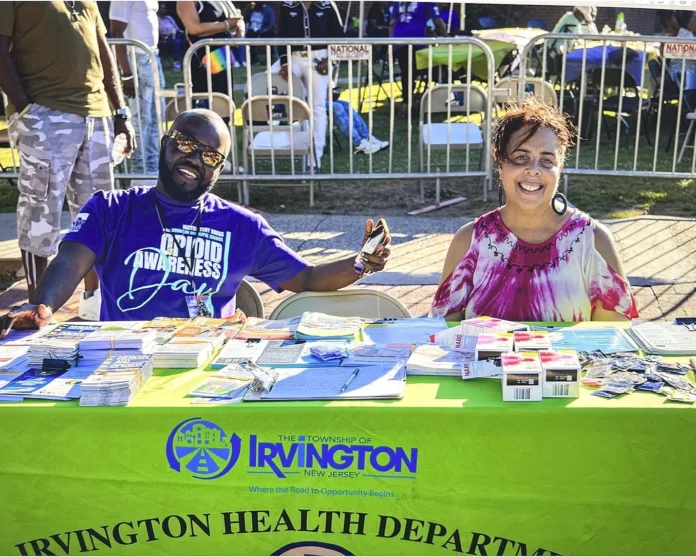

New Jersey stands at a critical inflection point in its response to one of the most devastating public health crises in modern history. Through a series of national legal settlements with opioid manufacturers, distributors, and retailers, the state and its local governments are set to receive more than $1.1 billion through 2038—funding that carries not only financial weight, but a profound responsibility to reshape how communities address addiction, recovery, and long-term wellness.
This allocation represents far more than a monetary agreement. It is the result of years of litigation tied to a crisis that has impacted families, strained healthcare systems, and reshaped entire communities across the state. Now, with these funds secured, New Jersey faces a new challenge: ensuring that every dollar is directed toward meaningful, measurable, and lasting solutions.
The structure of the funding is intentionally balanced, with approximately half allocated to the state government and the remaining half distributed directly to 262 eligible local entities, including all 21 counties and municipalities with populations exceeding 10,000. This dual-level approach is designed to create both centralized strategy and localized impact, allowing statewide initiatives to coexist with community-specific interventions that reflect the unique needs of different regions.
At the state level, officials are tasked with managing large-scale programs that can address systemic gaps in treatment, prevention, and recovery infrastructure. This includes expanding access to evidence-based treatment for opioid use disorder, increasing the availability of medication-assisted therapies, and developing coordinated systems that connect individuals to care more efficiently. These efforts are intended to operate at scale, creating frameworks that can be implemented consistently across New Jersey while still allowing for regional adaptation.
At the local level, municipalities and counties are positioned to deploy funds in ways that directly reflect the realities on the ground. This includes targeted outreach programs, community-based prevention initiatives, and localized recovery support services. The ability to allocate resources at this level is critical, as it allows for a more immediate and responsive approach to addressing the crisis, particularly in areas where the impact has been most severe.
The permissible uses of these funds are clearly defined, with a strict requirement that all expenditures contribute to opioid abatement. This includes four primary categories: treatment, prevention, recovery and harm reduction, and specialized support for vulnerable populations. Each category reflects a different stage of the continuum of care, emphasizing the need for a comprehensive approach that addresses not only the immediate effects of addiction but also the underlying factors that contribute to it.
Treatment remains a central focus, with an emphasis on expanding access to programs that support individuals with opioid use disorder. This includes increasing the availability of medication-assisted treatment, which has been widely recognized as one of the most effective methods for managing addiction. By reducing barriers to care and integrating treatment into broader healthcare systems, the state aims to create pathways that are both accessible and sustainable.
Prevention efforts are equally critical, particularly in addressing the root causes of the crisis. This includes public education campaigns designed to raise awareness about the risks associated with opioid use, as well as initiatives aimed at reducing over-prescribing by healthcare providers. By targeting these upstream factors, New Jersey is working to prevent new cases of addiction before they begin.
Recovery and harm reduction represent another essential component of the strategy. Programs in this category are designed to support individuals who are already navigating the challenges of addiction, providing resources that help them maintain stability and avoid relapse. This includes the distribution of life-saving tools such as naloxone, as well as the development of support networks that connect individuals to housing, employment, and ongoing care.
Specialized initiatives further extend the reach of these efforts, addressing the needs of populations that are often underserved or disproportionately affected by the crisis. This includes pregnant and parenting individuals, as well as those involved in the justice system, where the intersection of addiction and incarceration presents unique challenges. By tailoring programs to these groups, the state is acknowledging the complexity of the crisis and the need for targeted solutions.
Despite the clear framework for how these funds are intended to be used, their management has not been without controversy. In 2025, a decision to redirect $45 million of the state’s share to four large hospital systems drew significant criticism from advocates and public officials, who argued that the move diverted resources away from frontline services. The response to this decision has been swift, with legislative efforts underway to return the funds to their intended purpose and ensure that hospital funding is addressed through alternative budget mechanisms.
At the local level, questions have also emerged regarding the appropriate use of funds. A report highlighting the use of more than $600,000 for opioid awareness concerts in one municipality prompted renewed scrutiny and led to the issuance of updated guidance aimed at clarifying acceptable expenditures. These developments underscore the importance of oversight and the need for clear, enforceable standards that ensure funds are used in alignment with their intended purpose.
Calls for greater transparency have intensified in early 2026, with public discourse increasingly focused on accountability and the effective deployment of resources. The central concern is not simply whether funds are being spent, but whether they are reaching the individuals and communities most in need. This emphasis on outcomes reflects a broader shift in how public health initiatives are evaluated, prioritizing measurable impact over procedural compliance.
Within the context of New Jersey’s evolving health and wellness landscape, this funding represents a transformative opportunity. Platforms such as Explore New Jersey’s health & wellness coverage continue to highlight initiatives that contribute to the state’s overall well-being, and the opioid settlement funds stand as one of the most significant investments in that effort. The challenge now lies in translating financial resources into tangible improvements in public health.
The long-term success of this initiative will depend on the ability of state and local leaders to maintain focus, enforce accountability, and adapt strategies as new data emerges. It will require collaboration across sectors, including healthcare providers, community organizations, law enforcement, and policymakers, all working toward a shared goal of reducing the impact of opioid addiction.
As New Jersey moves forward, the significance of this moment cannot be overstated. The $1.1 billion settlement is not simply a response to a crisis—it is a chance to redefine how that crisis is addressed. It is an opportunity to build systems that are more resilient, more equitable, and more effective in supporting individuals and communities alike.
In the years ahead, the true measure of this investment will not be found in the amount of money distributed, but in the outcomes it produces—lives saved, families restored, and communities strengthened. The responsibility is substantial, but so is the potential, and the path forward will determine how this chapter in New Jersey’s public health history is ultimately written.
















