

The New Jersey Devils closed the book on the 2025–26 season with a sense of unfinished business that extended far beyond the standings. A 21st-place finish in the NHL was not simply a statistical outcome—it was the culmination of a season derailed by injuries, inconsistency, and structural gaps that ultimately forced the organization into a pivotal reset. When players cleared out their lockers on April 15, 2026, the message was unmistakable: change was not only coming, it was necessary.
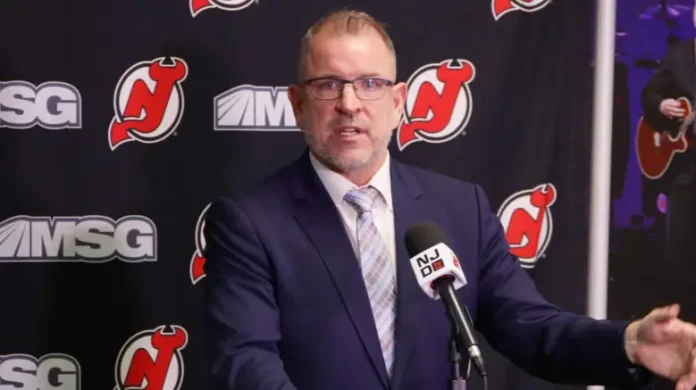
At the center of that change is the arrival of new general manager Sunny Mehta, tasked with reengineering a roster and hockey operations structure that, on paper, carried far more promise than the results suggested. His appointment signals a deliberate shift in philosophy, one that places equal weight on roster construction, durability, and long-term sustainability. For a franchise that has built its identity around speed, skill, and offensive upside, the next phase will require a more complete and resilient blueprint.
The challenges Mehta inherits are clear. Injuries played a defining role in the Devils’ season, with key players sidelined at critical moments. The absence of cornerstone talent disrupted continuity, limited lineup stability, and forced the coaching staff into reactive adjustments rather than proactive deployment. Head coach Sheldon Keefe acknowledged the cumulative impact of those losses, particularly as the season progressed and the margin for error narrowed. When foundational pieces are unavailable, even the most talented rosters can struggle to maintain structure, and the Devils were no exception.
Beyond injuries, the defensive side of the game emerged as a central issue. While the Devils have built a reputation for dynamic offense, the inability to consistently manage defensive zone coverage and transition play proved costly. Addressing that imbalance is expected to be one of Mehta’s primary objectives, whether through personnel changes, system adjustments, or a combination of both. In today’s NHL, teams that contend deep into the postseason are those that can control pace without sacrificing defensive integrity, and that is the standard New Jersey must now meet.
The upcoming NHL Draft presents an immediate opportunity to begin that process. Finishing 21st positions the Devils in a range where impact talent is still available, particularly if the organization targets players who can contribute to structural stability. Draft strategy will be closely watched, not only for the players selected but for what those selections reveal about the new front office’s priorities. Whether the focus leans toward defensive depth, physical presence, or continued skill infusion, the decisions made here will offer the first tangible insight into Mehta’s long-term vision.
At the same time, internal development remains a critical component of the organization’s trajectory, and that is where the story of the Utica Comets becomes especially relevant. The Devils’ AHL affiliate mounted one of the most compelling late-season pushes in the league, only to fall just one point short of a playoff berth. Their final stretch—an impressive 7-1-1-1 run—demonstrated both resilience and growth, qualities that reflect positively on the depth of the system even in the face of disappointment.
Utica’s closing surge was driven by contributions across the lineup. Goaltender Nico Daws delivered steady performances under pressure, while players like Matyas Melovsky, Brian Halonen, and Angus Crookshank provided timely scoring. The team’s ability to defeat top-tier opponents, including the league-leading Providence Bruins, underscored its potential when operating at full capacity. Yet the early-season deficit proved too significant to overcome, a reminder that consistency over the full schedule remains essential.
The narrow miss also highlighted the fine margins that define professional hockey. Utica did everything required down the stretch, including winning its final three games, but ultimately depended on external results that did not break in its favor. Rochester’s ability to secure a single overtime point in its final game was enough to reclaim the last playoff spot, closing the door on what had been a remarkable comeback effort. For the Devils, the takeaway is twofold: the pipeline is producing competitive talent, but the next step is translating that potential into sustained success.
That pipeline is already beginning to feed the NHL roster. Defenseman Topias Vilen’s late-season call-up and debut provided a glimpse into the next wave of contributors, reinforcing the importance of development continuity between Utica and New Jersey. Integrating those players effectively will be a key component of the offseason strategy, particularly as the organization evaluates how to balance youth with established experience.
Individual player performance will also factor heavily into offseason decisions. Jack Hughes remains the centerpiece of the franchise’s long-term outlook, and ensuring his health and maximizing his impact will be central to any competitive plan. Timo Meier’s role and production will likewise be evaluated within the context of the team’s broader offensive structure, as the Devils look to align their top-end talent with a more consistent team identity.
For fans and observers following the team through Explore New Jersey’s Devils coverage, this offseason represents more than routine roster adjustments. It is a structural inflection point. The organization has the pieces to compete, but the path forward requires recalibration—an alignment of talent, system, and durability that can withstand the demands of a full NHL season.
What emerges over the coming months will define not only the Devils’ immediate future but their position within an increasingly competitive Eastern Conference. The combination of a new general manager, a critical draft position, a motivated prospect pool, and a roster seeking redemption creates a complex but promising landscape. Execution, as always, will determine the outcome.
The 2025–26 season exposed vulnerabilities, but it also clarified priorities. With Sunny Mehta now leading the front office, the Devils have an opportunity to turn those lessons into a more complete and competitive identity. The work begins now, and the margin for error has already been defined.
















