Historic preservation is often discussed in terms of architecture, community identity, and cultural heritage. Yet behind every successful restoration project is a different story—one of craftsmanship, engineering, planning, and the challenge of protecting a treasured landmark while ensuring it remains functional for future generations.
That story recently unfolded in Sussex County as ZD Stucco Repair completed a comprehensive exterior restoration project at the iconic Lake Mohawk Country Club, one of New Jersey’s most recognizable and architecturally distinctive destinations.
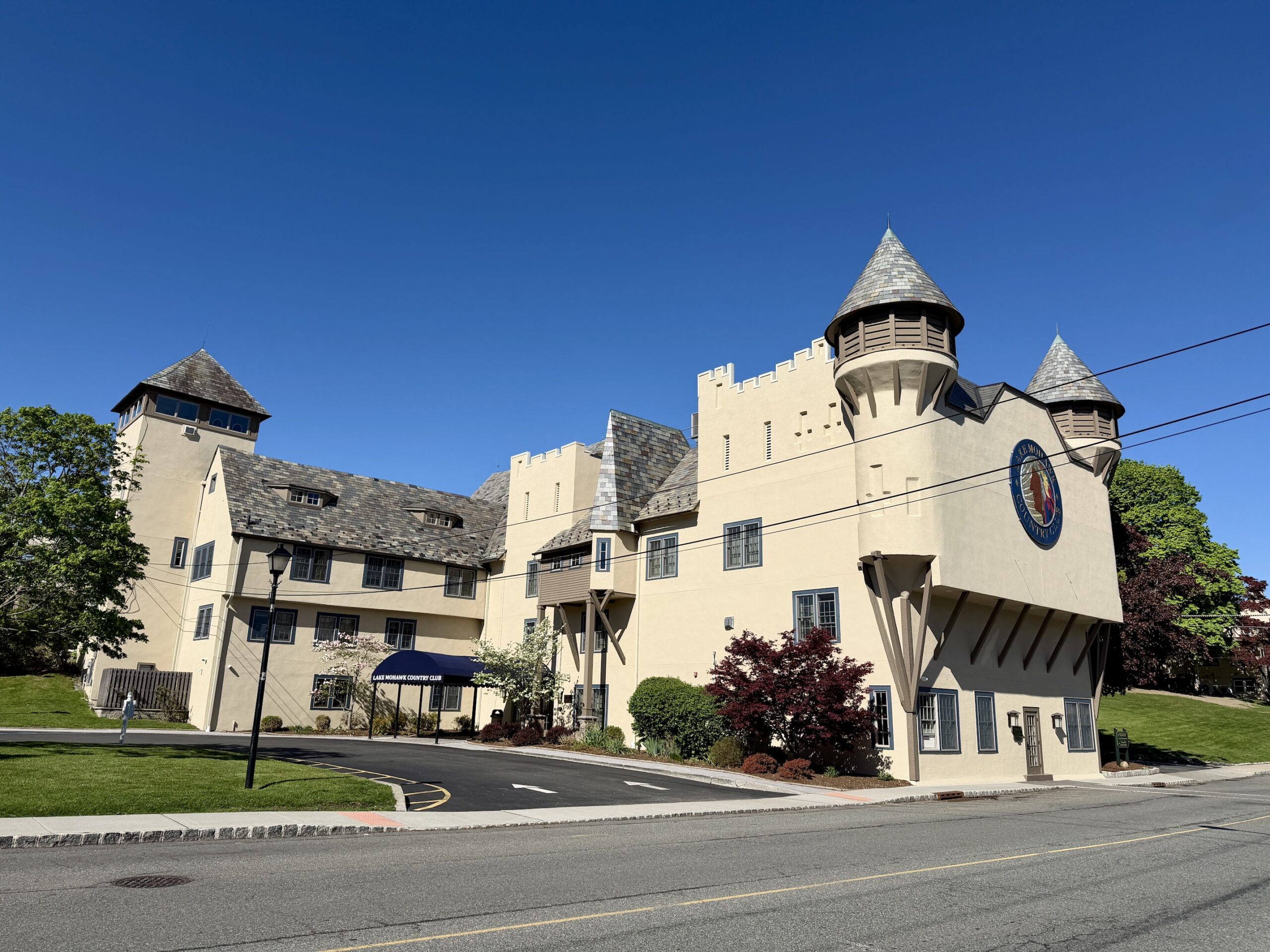
The project represents far more than a routine construction assignment. It stands as an example of how modern restoration specialists are helping preserve some of New Jersey’s most treasured historic structures by blending traditional building techniques with contemporary materials, engineering practices, and project management expertise.
For residents throughout northern New Jersey, the Lake Mohawk Country Club is more than a building. It is a landmark.
Situated along the shores of Lake Mohawk in Sparta, the structure has served as the visual centerpiece of one of the state’s most unique planned communities for generations. With its distinctive architecture, lakeside setting, and unmistakable character, the clubhouse has become one of Sussex County’s most photographed and admired destinations.
Visitors arriving for the first time often find themselves transported to what feels like a European lakeside village. The building’s design, inspired by Alpine and Tudor influences, creates a sense of place rarely found elsewhere in New Jersey. Over the decades, it has hosted weddings, celebrations, community gatherings, dining experiences, special events, and countless moments that have become part of the area’s collective memory.
Protecting a structure with that level of historical and cultural significance requires a specialized approach.
Unlike new construction, restoration projects must balance preservation with performance. Contractors are tasked with maintaining architectural integrity while simultaneously addressing decades of exposure to weather, moisture, seasonal temperature swings, and normal aging.
For a lakeside property like the Lake Mohawk Country Club, those challenges become even more pronounced.
Waterfront environments place constant demands on exterior building systems. Seasonal freeze-thaw cycles, humidity, wind-driven moisture, ultraviolet exposure, and changing temperatures can gradually affect stucco, masonry, coatings, trim, and structural components. Over time, even the most well-built structures require comprehensive restoration to maintain both appearance and long-term durability.
The recently completed project required precisely that kind of expertise.
According to project details, ZD Stucco Repair undertook a full-scale exterior restoration effort that addressed critical building envelope needs while preserving the historic character that has defined the clubhouse for generations.
The complexity of the undertaking extended well beyond construction techniques.
Unlike many restoration projects that occur on vacant or temporarily closed properties, the Lake Mohawk Country Club remained an active destination throughout the work. Events, dining operations, member activities, and community functions continued while restoration crews carefully coordinated their efforts to minimize disruption.
That operational reality introduced another layer of complexity.
Maintaining safety, accessibility, aesthetics, and functionality while executing major exterior work requires extensive planning and coordination. Construction schedules must be aligned with operational needs. Access points must be carefully managed. Noise, equipment placement, and material staging must all be considered within the context of a functioning hospitality and event environment.
Successfully navigating those challenges has become one of the defining characteristics of modern restoration projects.
Today’s preservation work is no longer simply about repairing what has deteriorated. It is about extending the lifespan of important structures while ensuring they continue serving the communities that rely upon them.
That philosophy aligns particularly well with the role the Lake Mohawk Country Club plays within Sussex County.
The clubhouse stands at the heart of a community that has long embraced preservation as part of its identity. Lake Mohawk itself remains one of New Jersey’s most distinctive residential and recreational destinations, attracting visitors year-round for its architecture, natural beauty, dining experiences, waterfront activities, and community atmosphere.
Maintaining the integrity of its signature structures is therefore about more than aesthetics.
It is an investment in community character.
Across New Jersey, similar conversations are taking place as municipalities, private organizations, property owners, and preservation advocates work to protect historic buildings that contribute to local identity and economic vitality. Historic restoration has increasingly become a significant component of the state’s broader construction industry, generating opportunities for specialized contractors while helping preserve architectural assets that might otherwise be lost.
The Lake Mohawk project highlights an important trend within that sector.
Today’s restoration professionals are increasingly combining traditional craftsmanship with advanced building science. Modern moisture management systems, enhanced coatings, improved repair methodologies, and sophisticated diagnostic techniques allow contractors to address underlying issues while preserving original design elements.
The result is a restoration process that respects history while embracing innovation.
That balance is particularly important in New Jersey, where many significant buildings date back decades—or even centuries—and face ongoing exposure to challenging weather conditions.
From Victorian shore communities and industrial-era downtowns to historic theaters, schools, churches, and civic buildings, preservation has become an increasingly important part of the state’s construction landscape.
Projects like the Lake Mohawk Country Club restoration demonstrate why.
Historic buildings contribute to tourism, economic development, community pride, and regional identity. They create visual continuity between generations and provide tangible connections to the stories that shaped local communities.
Preserving them requires both vision and expertise.
As the restoration work concludes, visitors to Lake Mohawk may simply notice a beautifully maintained clubhouse overlooking the water. They may admire the architecture, attend an event, enjoy a meal, or take photographs of one of New Jersey’s most picturesque settings.
What they may not immediately see is the extensive effort required to protect that experience for future generations.
Behind every restored façade lies a commitment to preservation. Behind every repaired exterior system lies an understanding that historic structures are not static monuments but living parts of active communities.
The successful completion of the Lake Mohawk Country Club restoration serves as a reminder that preservation and progress are not opposing forces. When executed thoughtfully, they work together.
By combining traditional restoration methods with modern construction expertise, ZD Stucco Repair has helped ensure that one of Sussex County’s most recognizable landmarks remains ready for the next chapter of its history.
For New Jersey’s construction industry, it stands as another example of how specialized restoration work is helping preserve the places that define our communities. For Sparta and the Lake Mohawk community, it represents an investment in a landmark that continues to serve as both a gathering place and an enduring symbol of local heritage.
And for anyone who appreciates historic architecture, it is proof that preserving the past often requires some of the most sophisticated construction work being performed today.