
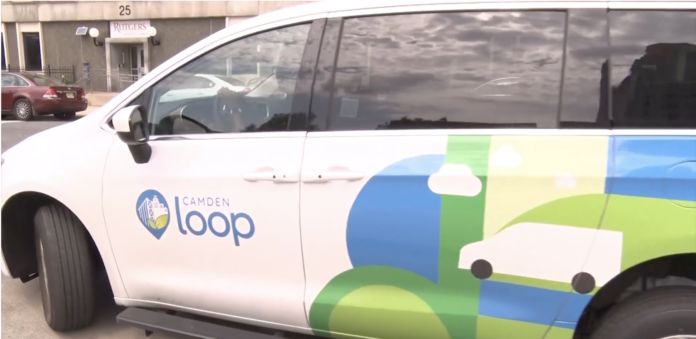

A new law signed by Governor Mikie Sherrill lets counties tap an existing $56 million state transportation fund to build out phone and app based microtransit service, giving seniors and residents with disabilities a flexible alternative to fixed bus routes for getting to work, appointments, and the grocery store.
New Jersey Just Made It Easier for Seniors and Disabled Residents to Hail a Ride on Demand
Governor Mikie Sherrill has signed a new law expanding how New Jersey counties can fund on-demand transportation for seniors and residents with disabilities, opening the door to phone and app hailed rides that operate more like a rideshare pickup than a fixed bus route. The legislation, known as A4761, amends the state’s existing Senior Citizen and Disabled Resident Transportation Assistance Program to formally include microtransit as an eligible use of program funding, a shift lawmakers say directly targets the so called last mile problem that leaves many older and disabled residents stranded even when public transit technically exists nearby.
Closing the Gap Between Transit Existing and Transit Being Usable
The bill passed the Legislature with unanimous support in late June before Sherrill signed it into law on August 7th, and its sponsor, Assemblyman Kenyatta Stewart of Passaic County, framed the legislation around a distinction he said gets overlooked in most transportation debates. For too many seniors and residents with disabilities, Stewart said, the real barrier is not whether transportation exists in a given town but whether people can actually access it at the moment they need it. He described the new law as giving counties another concrete tool to close that specific gap, adding that every New Jersey resident deserves the ability to remain independent and connected regardless of age or ability.
The law defines on-demand microtransit as a shared ride motor vehicle service that lets a rider select a specific pickup and drop off location through a mobile app or a traditional phone call, with a vehicle arriving either at a time the rider chooses or as soon as possible once the request comes in. That structure sets microtransit apart from a standard fixed route bus line, which requires riders to reach a stop on a schedule set by the transit agency rather than one built around the rider’s own timing and destination, a meaningful difference for someone managing a doctor’s appointment, an irregular work shift, or simply an unpredictable day.
Where the Money Comes From, and What Comes With It
Rather than creating a new funding stream from scratch, the law widens what counties can already do with the state’s Senior Citizen and Disabled Resident Transportation Assistance Program, which holds roughly 56 million dollars this fiscal year. Previously, that funding was largely restricted to fixed route service, door to door transportation, and fare subsidies, a narrower set of eligible uses than the microtransit option counties can now pursue. The law does not dictate exactly what a county’s program has to look like, giving local governments meaningful flexibility in how they design and roll out their own service.
One notable guardrail built into the legislation addresses how drivers get paid rather than how riders get served. Any microtransit program funded through the assistance program, even one a county chooses to run through a third party subcontractor, must classify its drivers as regular employees rather than independent gig economy contractors, a provision aimed at preventing the kind of labor arrangement that has become common across commercial rideshare platforms from taking hold in a publicly funded transit service.
Models Already Running Across the State
New Jersey is not starting from zero on this front. Several counties and municipalities already operate microtransit style programs that the new law is designed to help expand and replicate elsewhere.
Passaic County’s Via
$1.90 on-demand rides operating in Passaic and Clifton.
GoTrenton
$2 rides citywide, free for pregnant residents and maternal health workers through a state partnership.
NJ Transit MicroLink
A pilot program currently serving about half a dozen towns across Bergen and Monmouth counties.
With those local models already proving the concept works at a smaller scale, the new law’s real significance lies in giving the other counties across the state a clear funding path to build something similar, rather than leaving each county to cobble together its own financing arrangement independently. For a state where roughly 1.7 million residents are seniors and more than 25,000 people receive state disability services, that shift from isolated pilot programs to a statewide funding mechanism could meaningfully expand how many people actually have a reliable way to get where they need to go, on their own schedule, without waiting on a fixed bus line that may not run anywhere near their front door.
















