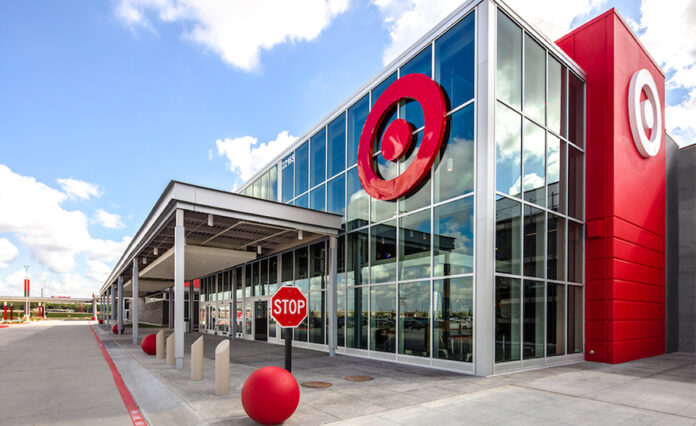

New Jersey’s role in shaping the future of food production and retail distribution is gaining renewed attention as Edible Garden AG Incorporated announces a major expansion of its partnership with Target. The agreement, revealed in April 2026, positions the Belvidere-based company to significantly increase its presence across one of the nation’s largest retail networks, with a new focus on supplying fresh-cut herbs to Target locations nationwide.
The expansion represents a critical inflection point not only for Edible Garden, but for the broader evolution of controlled environment agriculture (CEA) and its integration into mainstream retail channels. Initial shipments under the new program are scheduled to begin in May 2026, marking the start of what is expected to be a substantial increase in both production scale and consumer visibility.
At its core, the partnership reflects a convergence of consumer demand and technological capability. As shoppers continue to prioritize freshness, transparency, and sustainability, retailers are increasingly seeking suppliers that can deliver consistent quality while minimizing environmental impact. Edible Garden’s model—rooted in advanced greenhouse systems and a “Zero-Waste Inspired” philosophy—aligns directly with these expectations, offering a supply chain that is both efficient and responsive.
The company’s approach to agriculture is defined by precision. Through controlled environments, it is able to regulate variables such as temperature, humidity, and nutrient delivery, ensuring uniform growth cycles and reducing the unpredictability associated with traditional farming. This level of control not only enhances product quality but also enables year-round production, a key advantage in meeting the demands of national distribution.
For Target, the expanded relationship strengthens its ability to meet rising demand for organic and sustainably grown produce. Fresh-cut herbs, the focal point of the new agreement, represent a category that has seen consistent growth as consumers incorporate more fresh ingredients into everyday cooking. By partnering with a supplier capable of delivering both scale and quality, the retailer is reinforcing its commitment to offering products that align with evolving dietary preferences.
The strategic implications for Edible Garden are equally significant. Increased distribution across thousands of Target locations is expected to accelerate revenue growth while elevating brand recognition on a national level. It also reinforces the company’s position within a highly competitive segment of the food industry, where differentiation is increasingly tied to both product quality and operational sustainability.
This latest development builds on a relationship that began in 2021 and has expanded steadily over time. Beyond fresh produce, Edible Garden has already introduced additional product lines into Target’s ecosystem, including its “Kick. Sports Nutrition” brand, which debuted on Target.com in late 2025. That line extends the company’s reach beyond traditional agriculture, integrating plant-based nutrition products such as protein powders, hydration formulas, and performance supplements into its portfolio.
The ability to operate across multiple categories highlights a broader shift in how food companies are positioning themselves. Edible Garden is not simply a producer—it is an integrated brand that spans fresh produce, packaged goods, and nutritional products, all anchored by a commitment to clean-label, sustainably sourced ingredients. This diversification enhances resilience while creating multiple entry points for consumer engagement.
From a geographic perspective, the company’s New Jersey headquarters remains central to its identity, even as its operational footprint extends beyond the state. Facilities in Michigan and Iowa support production and distribution, while ongoing expansion efforts—particularly in Iowa—are aimed at developing capabilities for ready-to-drink nutrition products. These investments reflect a long-term strategy focused on scalability and innovation, ensuring that the company can meet increasing demand without compromising its core principles.
Equally important is Edible Garden’s use of contract growers located near major U.S. markets. This decentralized approach reduces transportation distances, preserves product freshness, and minimizes environmental impact, aligning with the company’s sustainability objectives. It also allows for greater flexibility in responding to regional demand fluctuations, an essential factor in maintaining consistent supply across a national network.
Within the broader context of New Jersey’s food and retail landscape, this expansion underscores the state’s role as a hub for innovation in agriculture and distribution. Coverage across Explore New Jersey’s supermarket and retail sector continues to highlight how companies based in the state are influencing national trends, from supply chain optimization to product development and sustainability practices.
The significance of the Target partnership extends beyond immediate business metrics. It represents a validation of Edible Garden’s operating model and a signal to the industry that controlled environment agriculture is not a niche solution, but a scalable, viable approach to modern food production. As retailers seek to balance quality, availability, and environmental responsibility, companies capable of delivering on all three fronts are positioned to lead.
For consumers, the impact will be both visible and tangible. Increased availability of fresh-cut herbs across Target stores translates into greater access to high-quality ingredients that are grown with attention to both flavor and sustainability. It also reflects a broader shift toward transparency in the food system, where sourcing and production methods are becoming integral to purchasing decisions.
As the rollout begins in May 2026, Edible Garden’s expanded presence within Target’s network will serve as a case study in how innovation, partnership, and strategic alignment can drive growth in a rapidly evolving market. From its base in Belvidere to store shelves across the country, the company is scaling a model that connects advanced agriculture with everyday consumption.
In doing so, it reinforces New Jersey’s position within the national conversation around food production, sustainability, and retail innovation—demonstrating that the future of how we grow and access food is already taking shape, and it is happening here.