
Hidden Inside a North Jersey Supermarket, These Handmade Korean Dumplings Are Becoming One of New Jersey’s Most Unexpected Food Destinations. New Jersey’s culinary landscape has long been defined by the unexpected. Some of the Garden State’s most celebrated food experiences are not found inside luxury dining rooms, trendy restaurant districts, or heavily promoted tourist destinations. Instead, they emerge in neighborhood storefronts, family-run markets, and unassuming corners of communities where authenticity matters more than publicity. In Northvale, tucked inside a bustling Korean supermarket near the New York border, one of those discoveries is quietly building a devoted following among food lovers throughout the region.
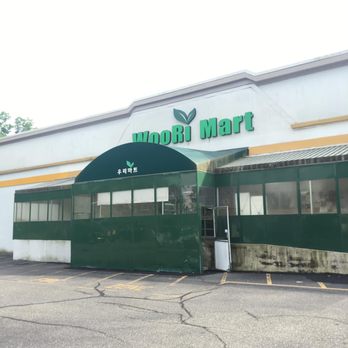
At first glance, Woo-Ri Mart appears to be exactly what many shoppers expect from one of New Jersey’s premier Asian grocery destinations. The shelves are stocked with imported ingredients from Korea, Japan, and across Asia. Fresh produce, specialty seafood, premium meats, packaged snacks, teas, noodles, sauces, and hard-to-find pantry essentials attract shoppers from throughout Bergen County and beyond. Families fill carts with groceries while culinary enthusiasts search for ingredients unavailable in traditional supermarkets.
Yet for many visitors, the grocery shopping eventually becomes secondary.
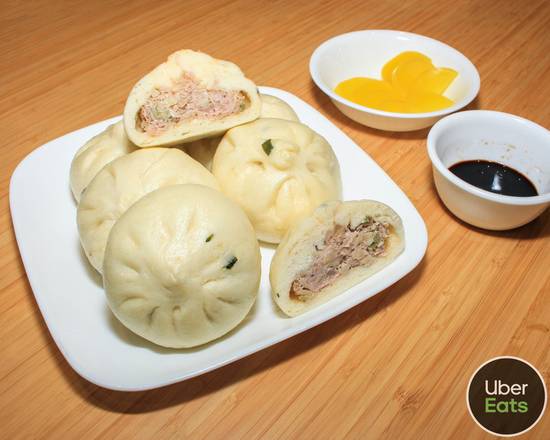
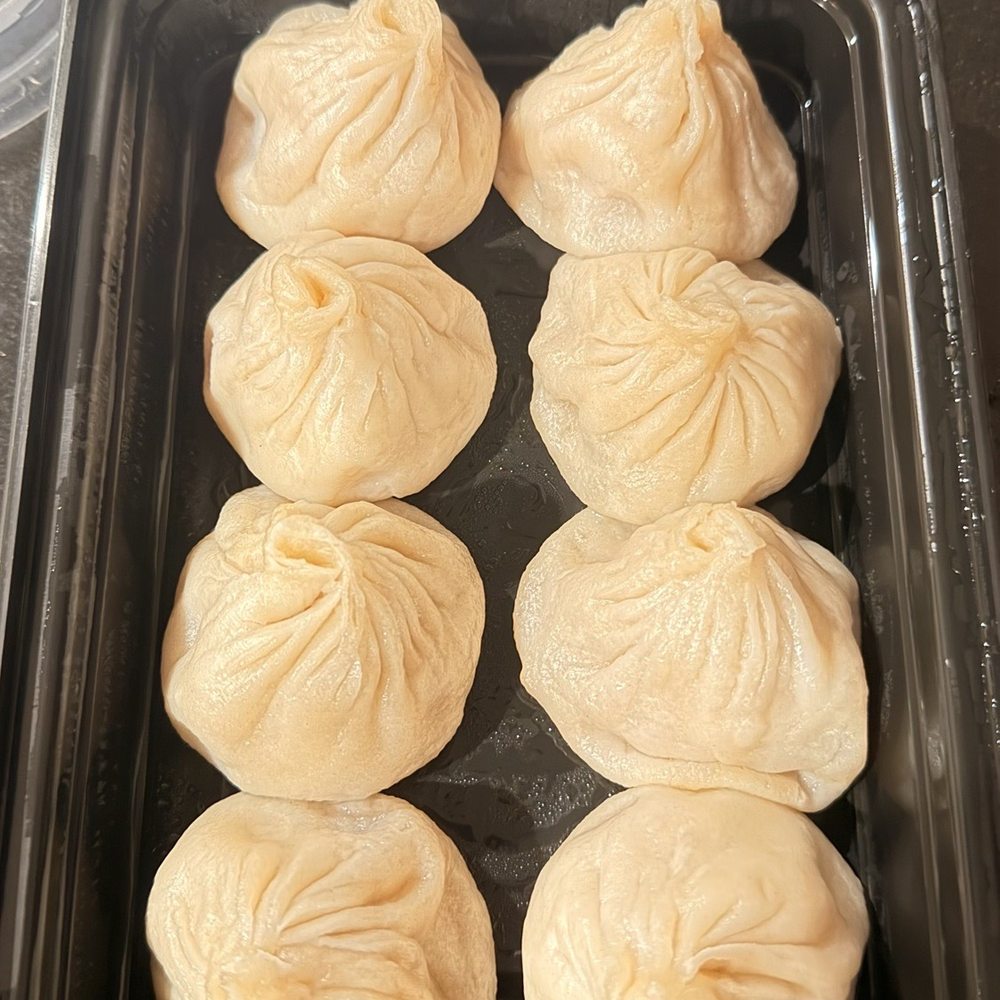
The real attraction lies deeper inside the market, where a small food court has become one of North Jersey’s most intriguing culinary destinations. Among the various prepared food offerings, one item continues generating buzz among customers, food enthusiasts, and local diners: the beef and chive mandu.
These Korean dumplings have developed a reputation that extends far beyond the supermarket walls. Diners who arrive expecting a quick snack often leave talking about a dish that rivals offerings from dedicated restaurants. Some customers have gone even further, comparing the dumplings to homemade versions found throughout Korea itself, a compliment that carries significant weight among those familiar with traditional Korean cuisine.
What makes the dumplings so remarkable is not complexity or novelty.
Instead, their appeal comes from something far more difficult to achieve: simplicity executed at an exceptionally high level.
The beef and chive mandu deliver rich flavor without relying on excess seasoning or gimmicks. Each dumpling showcases the balance that defines so much of Korean cooking, allowing quality ingredients and careful preparation to take center stage. The savory beef filling combines with aromatic chives to create a comforting, satisfying bite that feels both familiar and distinctive.
The result is food that resonates on multiple levels.
For Korean Americans, it can evoke memories of family kitchens and traditional recipes passed through generations. For newcomers to Korean cuisine, it serves as an accessible introduction to one of the country’s most beloved comfort foods. For everyone in between, it simply tastes exceptional.
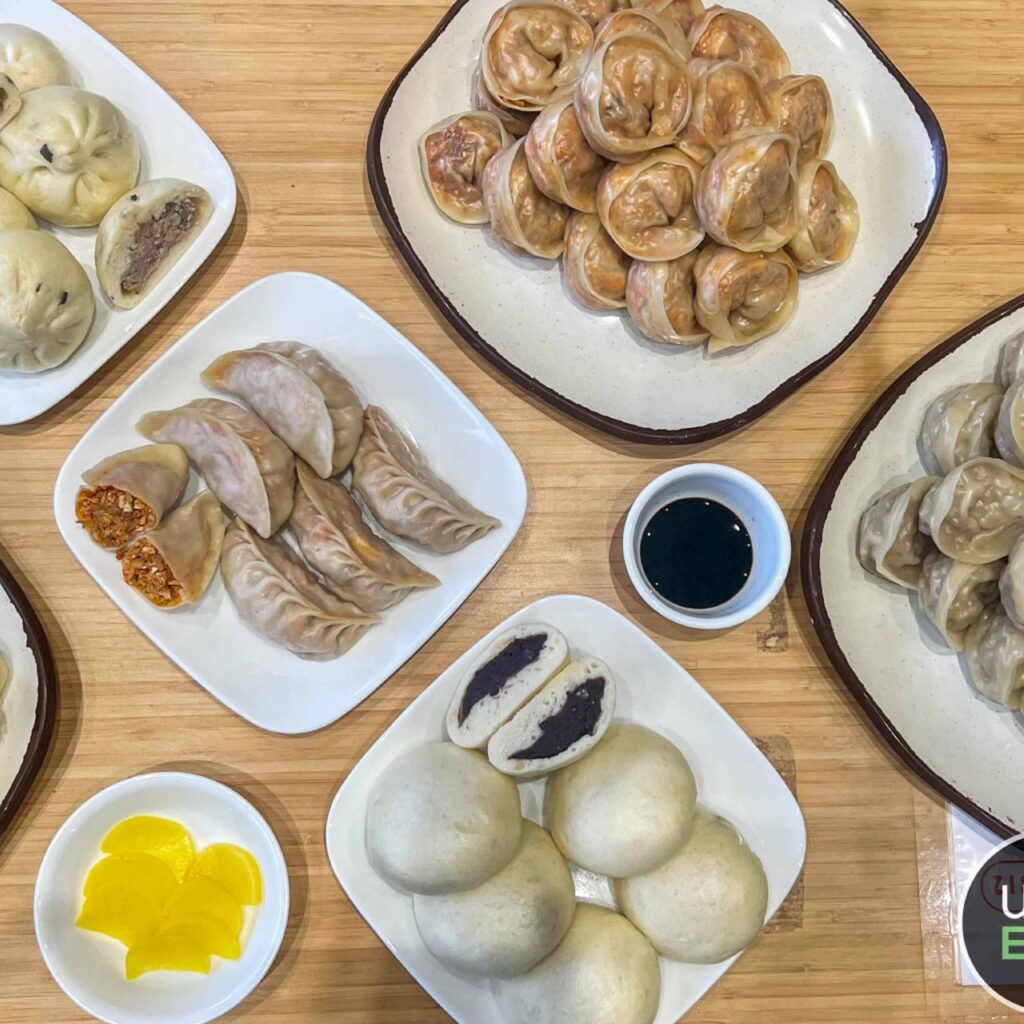
Mandu occupies an important place within Korean culinary culture. While often compared to Chinese dumplings or Japanese gyoza, Korean mandu carries its own identity shaped by centuries of culinary tradition. Variations can be steamed, fried, boiled, or incorporated into soups and stews. Fillings range from meats and vegetables to kimchi and seafood, reflecting regional influences and family recipes.
At Woo-Ri Mart, the dumplings capture the spirit of that tradition while remaining approachable to a diverse audience.
Their popularity speaks to a larger story unfolding throughout New Jersey.
The state has quietly become one of the nation’s most significant centers for Korean culture, cuisine, and commerce. Communities throughout Bergen County, particularly along the northern corridor, have developed thriving Korean-American populations that continue shaping local food culture. Restaurants, bakeries, supermarkets, cafes, and specialty markets now form a vibrant culinary ecosystem that attracts visitors from across the Northeast.
Northvale sits within that broader landscape, and Woo-Ri Mart has become one of its essential institutions.
More than simply a grocery store, the market serves as a cultural hub where food, community, and tradition intersect. Customers can purchase ingredients to recreate favorite dishes at home while also enjoying prepared meals that showcase the depth and diversity of Korean cuisine.
The food court itself reflects the growing sophistication of New Jersey’s Asian food scene.
Visitors can sample a wide range of offerings, from traditional Korean comfort foods to Japanese specialties and contemporary interpretations of regional favorites. Freshly prepared gimbap, spicy rice cakes, kimchi-based dishes, fried chicken, sushi, ramen, and assorted side dishes create a dining experience that rivals many standalone eateries.
Among these offerings, the mandu continue to stand out.
Part of their appeal comes from the contrast between expectation and reality. Food lovers are accustomed to discovering great meals in restaurants. Finding exceptional dumplings in the corner of a supermarket feels like uncovering a secret that has been hiding in plain sight.
That sense of discovery has become increasingly important in today’s dining culture.
As consumers seek more authentic experiences, hidden gems often generate stronger loyalty than heavily marketed destinations. Diners want stories. They want places with character. They want food that feels connected to tradition rather than trends.
Woo-Ri Mart delivers precisely that.
The market’s popularity also highlights another trend shaping New Jersey’s culinary identity: the rise of food-focused supermarkets as destination experiences.
Modern grocery stores increasingly serve multiple functions. They are places to shop, dine, learn, and explore. Food courts, bakeries, specialty counters, and prepared meal programs transform routine errands into culinary adventures.
For many visitors, a trip to Woo-Ri Mart begins with groceries and ends with lunch.
Others arrive specifically for the food court, treating the market as a destination in its own right. Some stop in for dumplings and leave with bags filled with imported snacks, specialty sauces, fresh vegetables, and ingredients that inspire future meals at home.
This crossover between retail and dining creates a unique atmosphere that traditional restaurants cannot easily replicate.
Customers move between cultures, flavors, and experiences within a single visit. They observe ingredients, discover new products, and gain deeper appreciation for the traditions behind the food they enjoy.
For Explore New Jersey readers searching for authentic culinary experiences, places like Woo-Ri Mart represent some of the most exciting food destinations in the state.
They remind us that great food is not always accompanied by elaborate marketing campaigns or trendy interiors. Sometimes it exists inside neighborhood markets where quality, tradition, and consistency remain the primary focus.
The continued popularity of the beef and chive mandu reflects that reality.
These dumplings are not viral because they are flashy. They are celebrated because they are delicious. They succeed because they honor tradition while welcoming newcomers. They transform a simple meal into an experience worth sharing.
As New Jersey’s culinary reputation continues growing nationally, hidden treasures like Woo-Ri Mart help define what makes the state’s food scene so special. It is a place where cultures converge, traditions thrive, and extraordinary meals can be discovered in the most unexpected settings.
In Northvale, that discovery may be waiting just beyond the produce section, inside a bustling food court, wrapped in delicate dough and filled with the flavors of Korean culinary heritage. For many visitors, one bite of the beef and chive mandu is all it takes to understand why this supermarket favorite has become one of North Jersey’s most talked-about food finds.
Sometimes the best restaurant in town is not a restaurant at all.












Your source for everything happening in the Garden State. Enjoy live music year-round, skiing, hiking, beaches, rivers, and mountains. Explore New Jersey’s wine scene by visiting top wineries and vineyards offering award-winning wines. Check out reviews and photos of the best places to sip and sample. Love beer? Discover New Jersey’s breweries — currently home to 123 licensed breweries — and explore the highest-rated beers brewed in the state.
© 2026 Explore New Jersey, a Sunset Entertainment & Media Company | 1928 The Woods II - Cherry Hill, New Jersey 08003. All Rights Reserved.