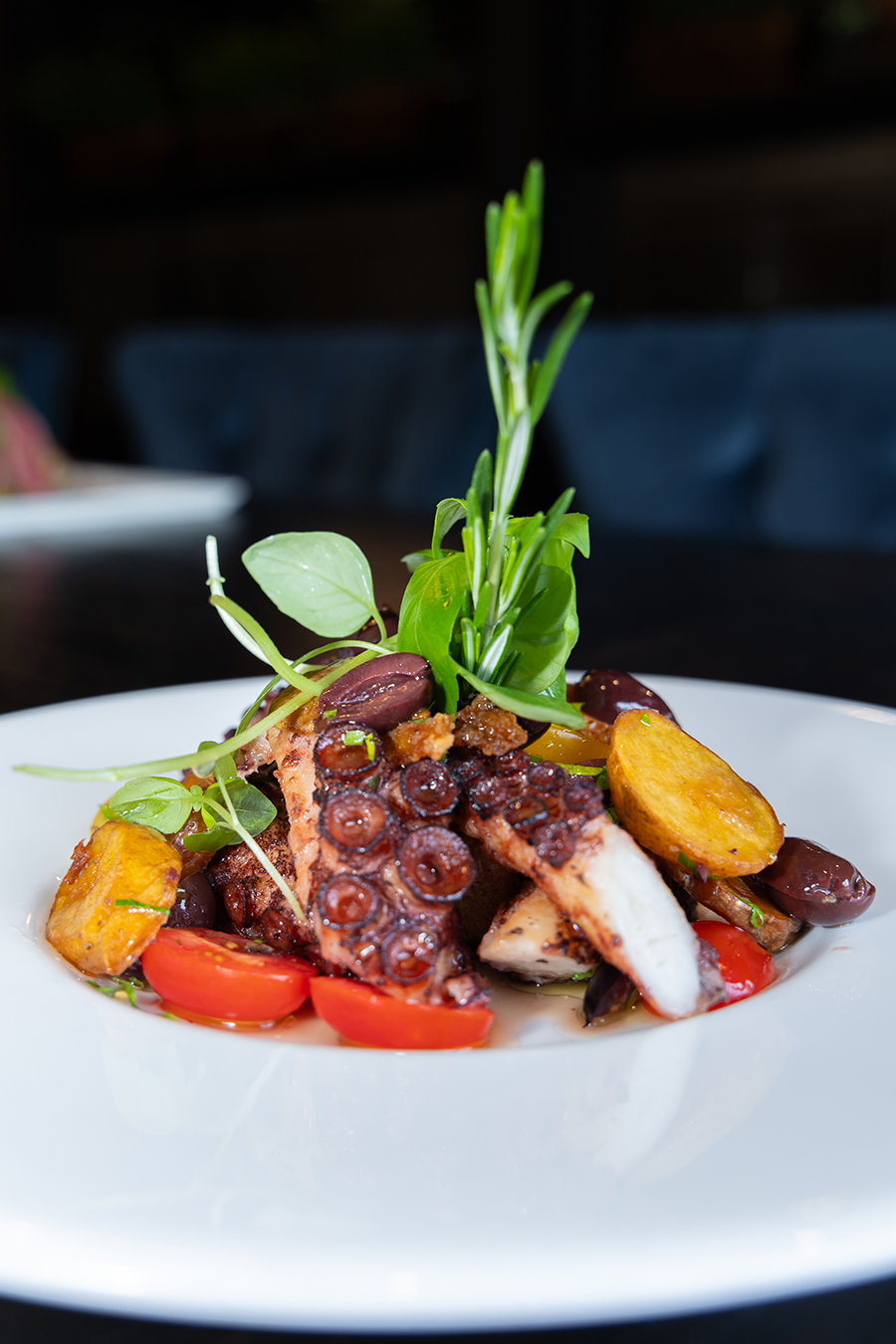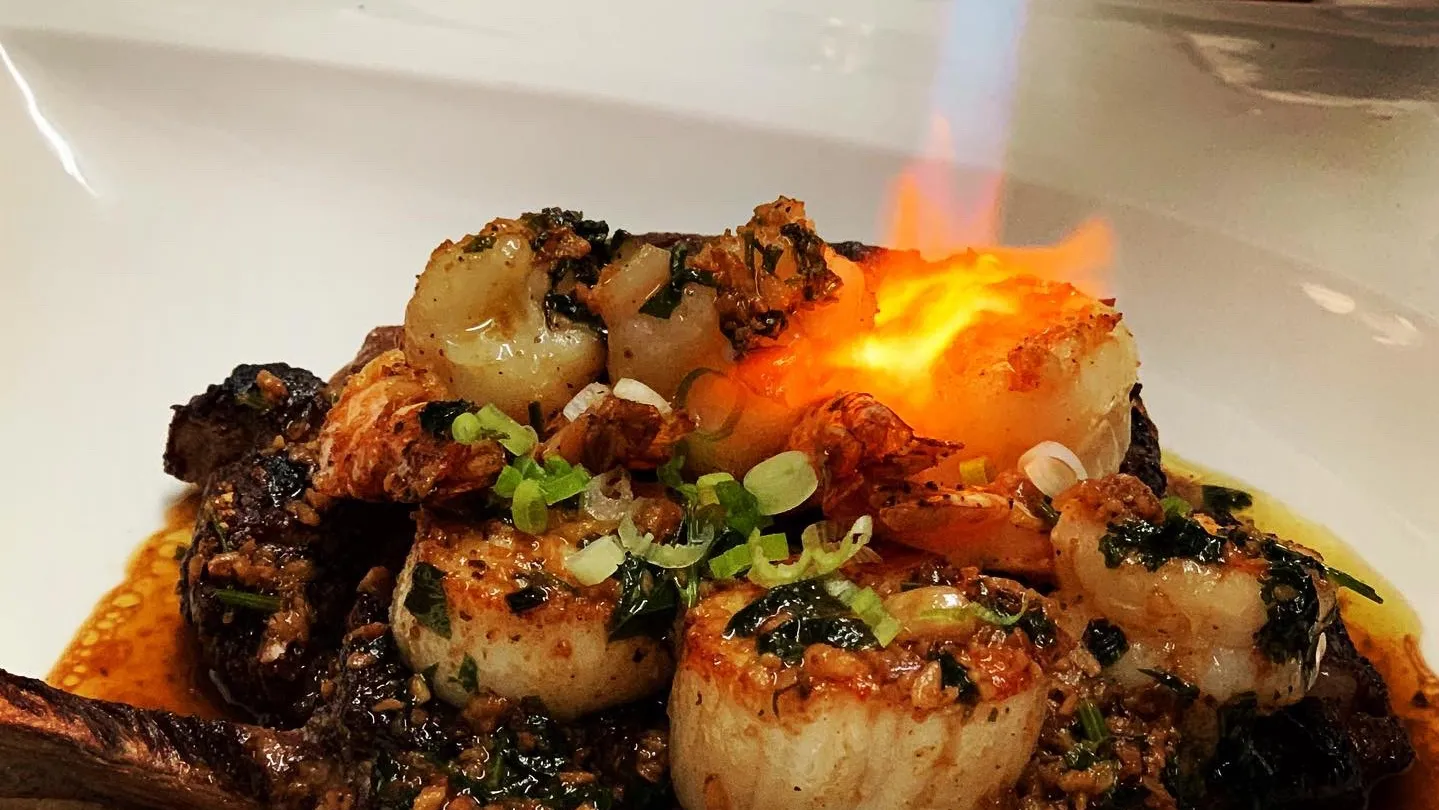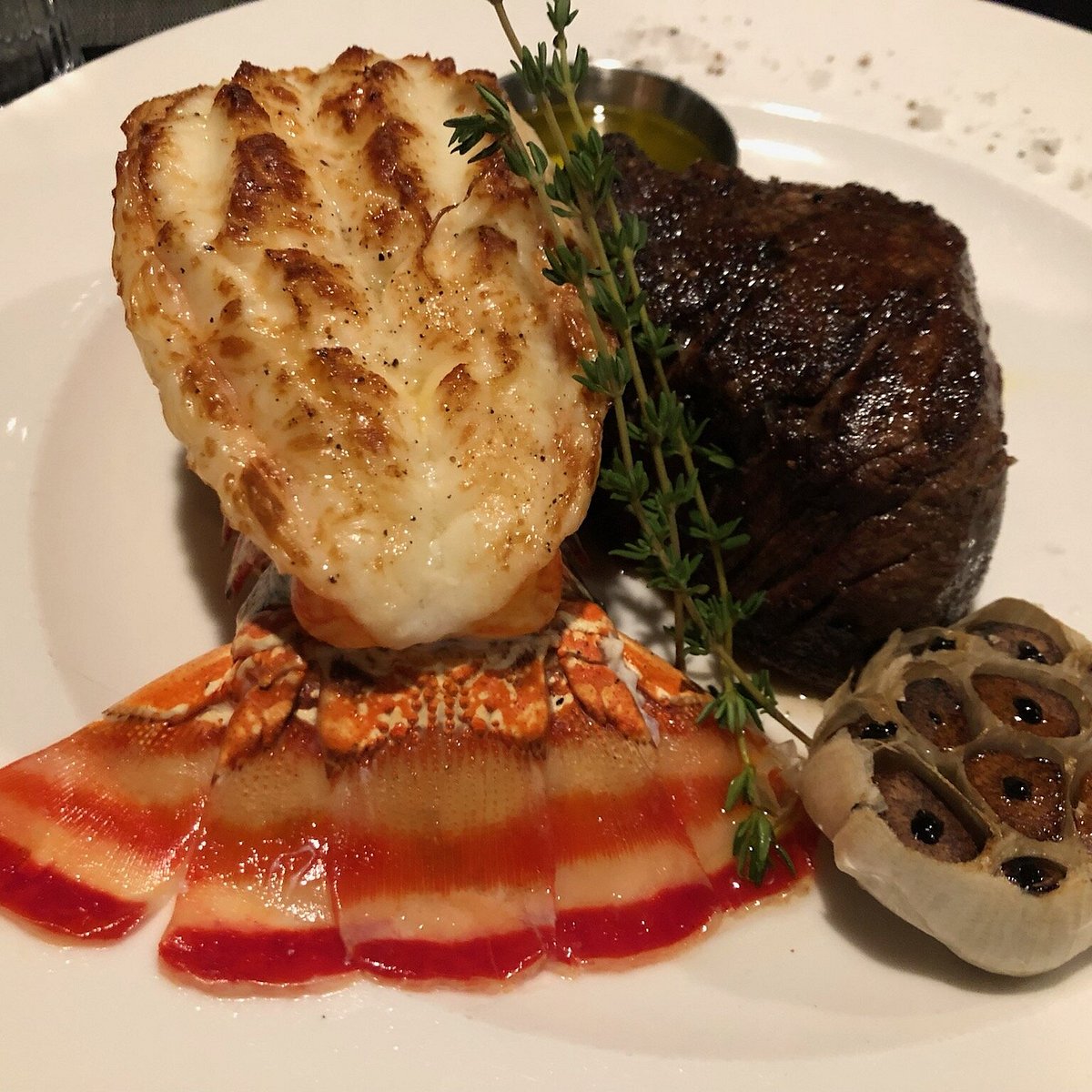



Teak Red Bank Has Become One of New Jersey’s Defining Rooftop Dining and Nightlife Destinations by Blending Elevated Sushi, Asian Fusion Cuisine, Cocktails, and High-Energy Social Culture into a Singular Downtown Experience. In the increasingly competitive world of upscale New Jersey dining, few restaurants have managed to evolve beyond simply being a place to eat and transform themselves into full-scale lifestyle destinations the way Teak in Red Bank has. Positioned in the heart of one of the state’s most active entertainment corridors, the celebrated rooftop sushi lounge and Asian fusion restaurant has spent more than a decade building a reputation not only for handcrafted sushi and sophisticated cuisine, but for creating an immersive nightlife-driven hospitality experience that feels equally connected to luxury dining, modern social culture, and downtown Red Bank’s continued emergence as one of New Jersey’s premier entertainment destinations.
At a time when audiences increasingly seek restaurants capable of delivering atmosphere, energy, design, nightlife, cocktails, and culinary ambition simultaneously, Teak has positioned itself at the center of that evolution. The restaurant no longer operates simply as an upscale sushi spot. It functions more like a multi-dimensional social environment where dining, rooftop energy, nightlife culture, handcrafted cocktails, music, and visual presentation all merge into one carefully orchestrated experience.
That approach has helped Teak remain one of Monmouth County’s most recognizable dining brands for years.
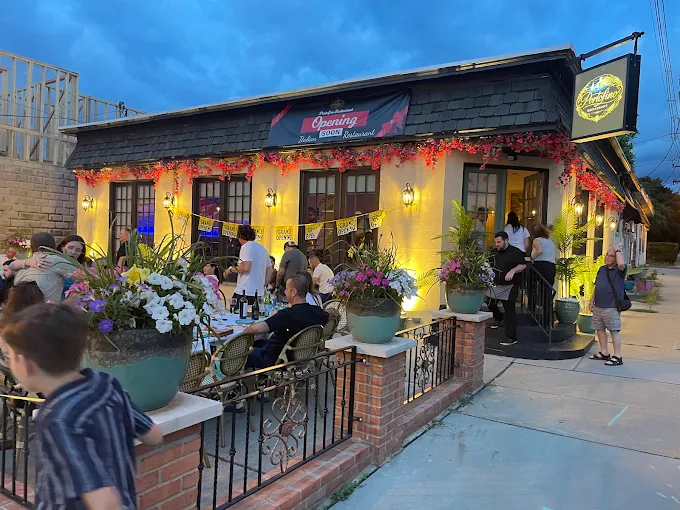
Located in downtown Red Bank near the Count Basie Center for the Arts and surrounded by one of the Shore region’s most active nightlife and entertainment districts, Teak benefits from the unique energy that has transformed Red Bank into a year-round cultural destination. Restaurants, theaters, bars, boutique retail, luxury apartments, and live entertainment venues have collectively reshaped the borough into one of the most dynamic downtown environments anywhere in New Jersey, and Teak has become one of its defining hospitality anchors.
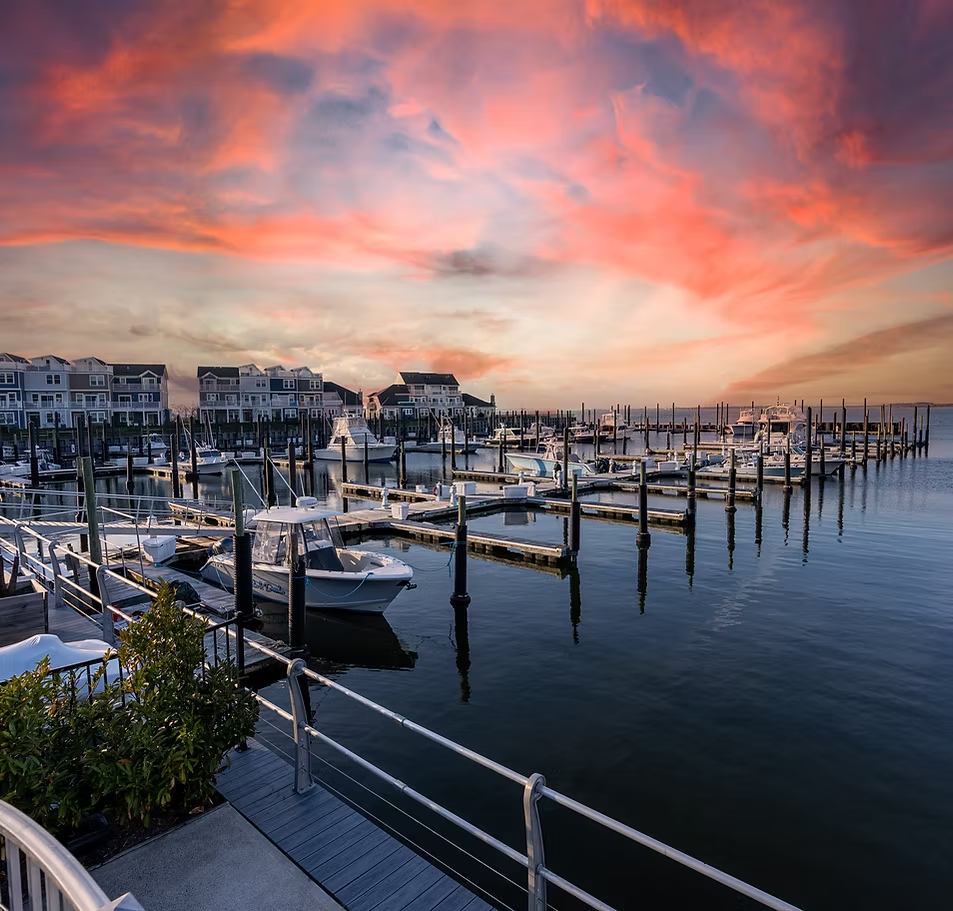
The restaurant’s rooftop atmosphere immediately separates it from many traditional sushi and Asian fusion concepts operating throughout the state.
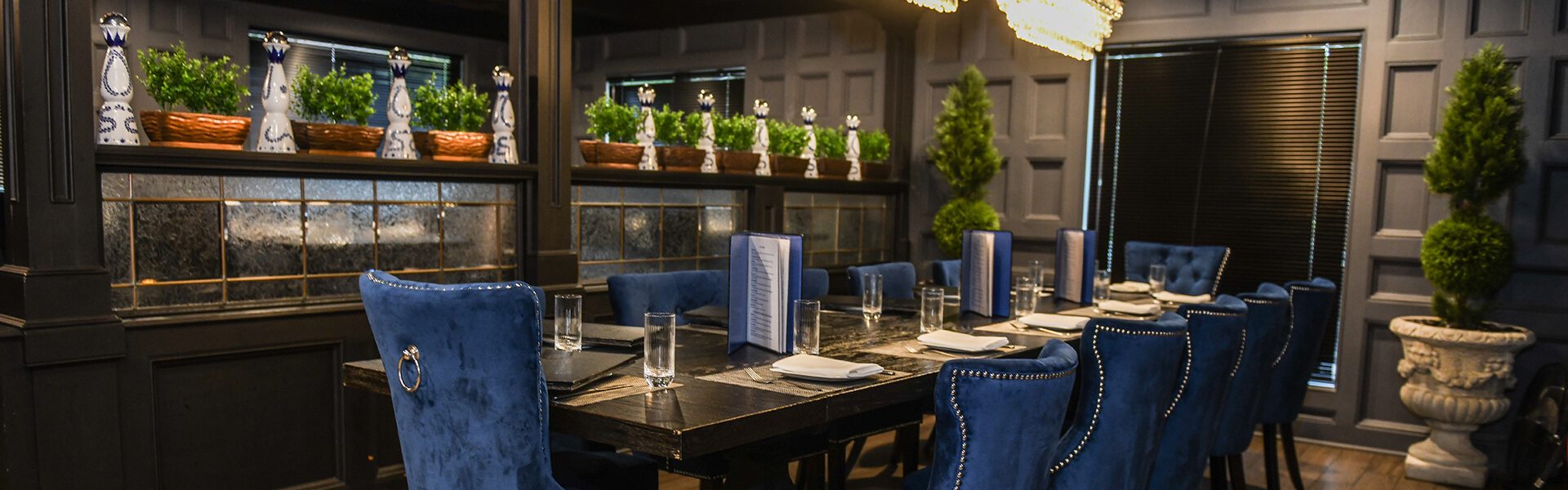
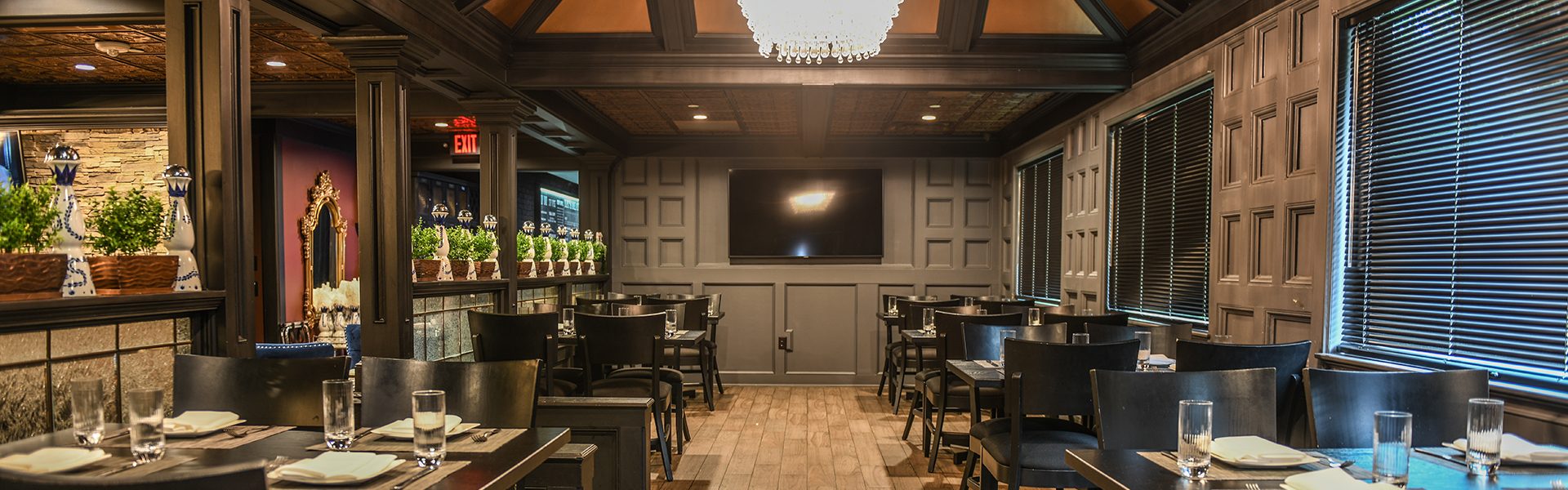
Inside, the space balances elegance and energy with sleek contemporary design, dramatic lighting, upscale finishes, and a vibrant social atmosphere that evolves naturally throughout the evening. Early dinner service carries the feel of refined upscale dining while later hours gradually shift toward a far more nightlife-driven environment fueled by cocktails, DJs, music, movement, and the kind of high-energy social atmosphere more commonly associated with major metropolitan rooftop venues.
That transition has become central to the Teak identity.
The restaurant understands that modern hospitality increasingly revolves around experience layering rather than rigid separation between dining and nightlife. Guests may begin the evening with sushi and sake before transitioning naturally into cocktails, music, dancing, and late-night socializing without ever needing to leave the venue. That seamless progression allows Teak to operate simultaneously as a restaurant, cocktail lounge, rooftop social destination, and nightlife environment all within a single unified space.
The culinary program remains at the center of the experience.
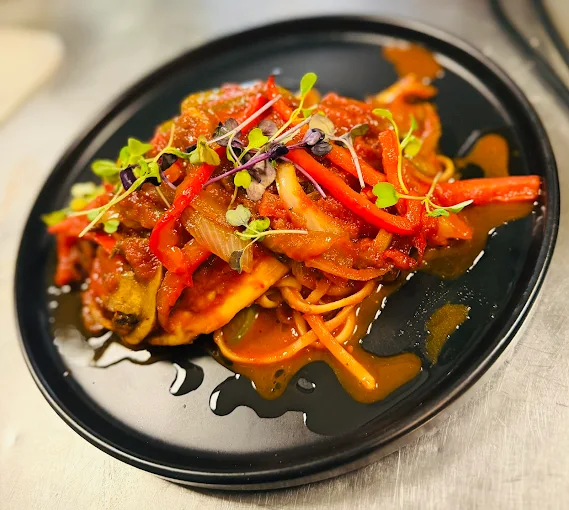
Teak’s menu reflects the broad appeal and versatility that have helped modern Asian fusion cuisine remain one of the strongest categories in upscale dining. Rather than limiting itself to a narrow interpretation of sushi culture, the restaurant embraces a wider spectrum of Asian-inspired flavors, techniques, textures, and presentations designed to appeal both to serious sushi enthusiasts and broader upscale dining audiences.
The sushi program remains especially important to the restaurant’s reputation.
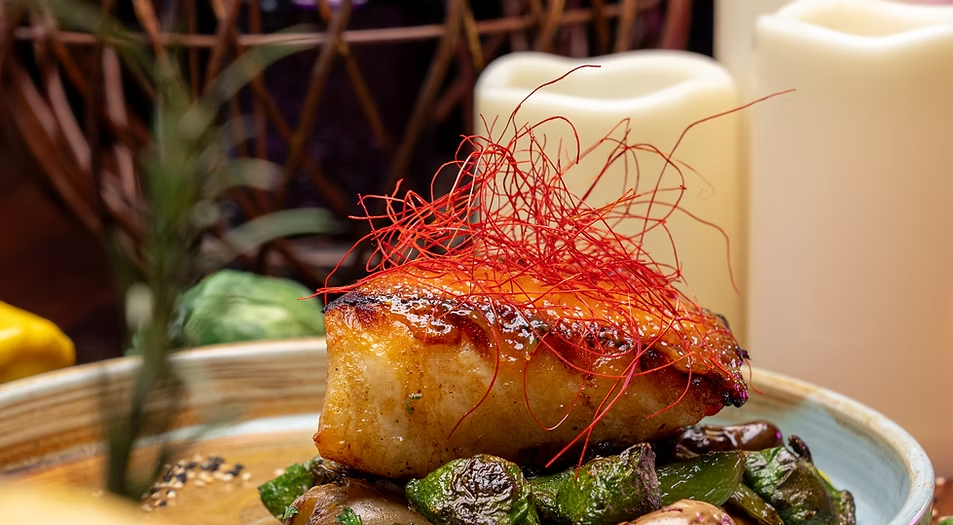
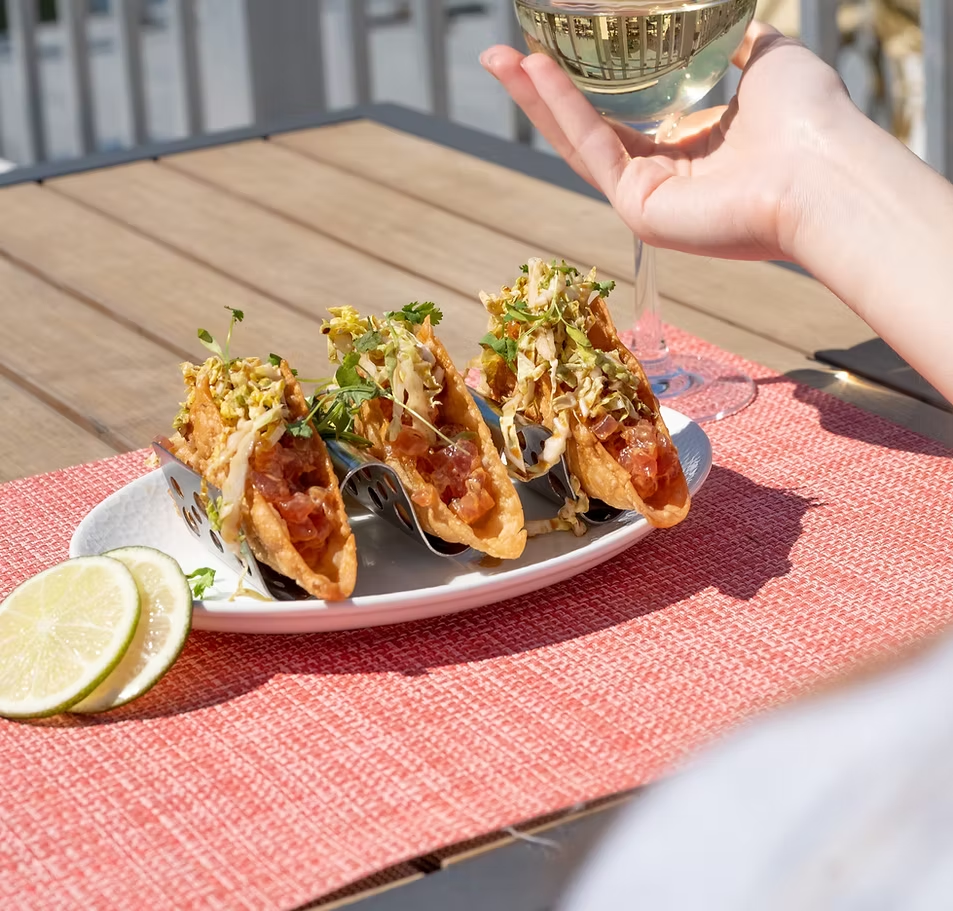
Handcrafted rolls, carefully prepared sashimi, fresh nigiri, and visually polished specialty creations reinforce the restaurant’s emphasis on presentation, freshness, and technical consistency. The sushi itself becomes part of the larger visual atmosphere of the evening, arriving with the kind of polished presentation expected from a destination restaurant operating within a luxury-driven dining market.
Beyond sushi, the broader kitchen reflects the expansive nature of contemporary Asian fusion dining.
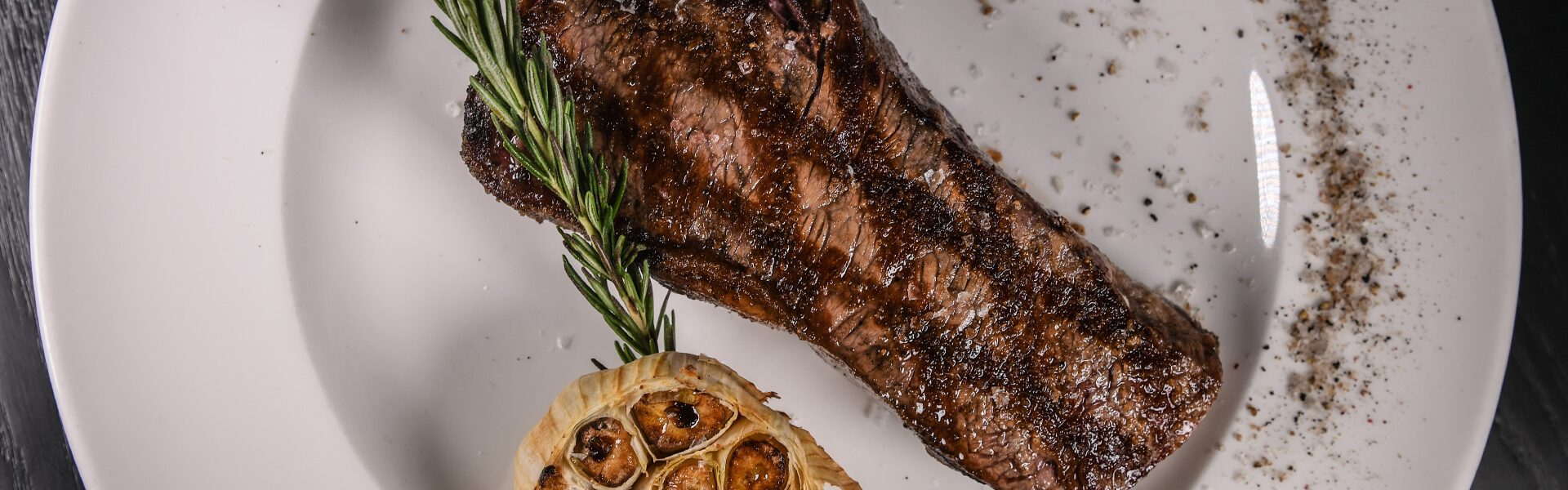
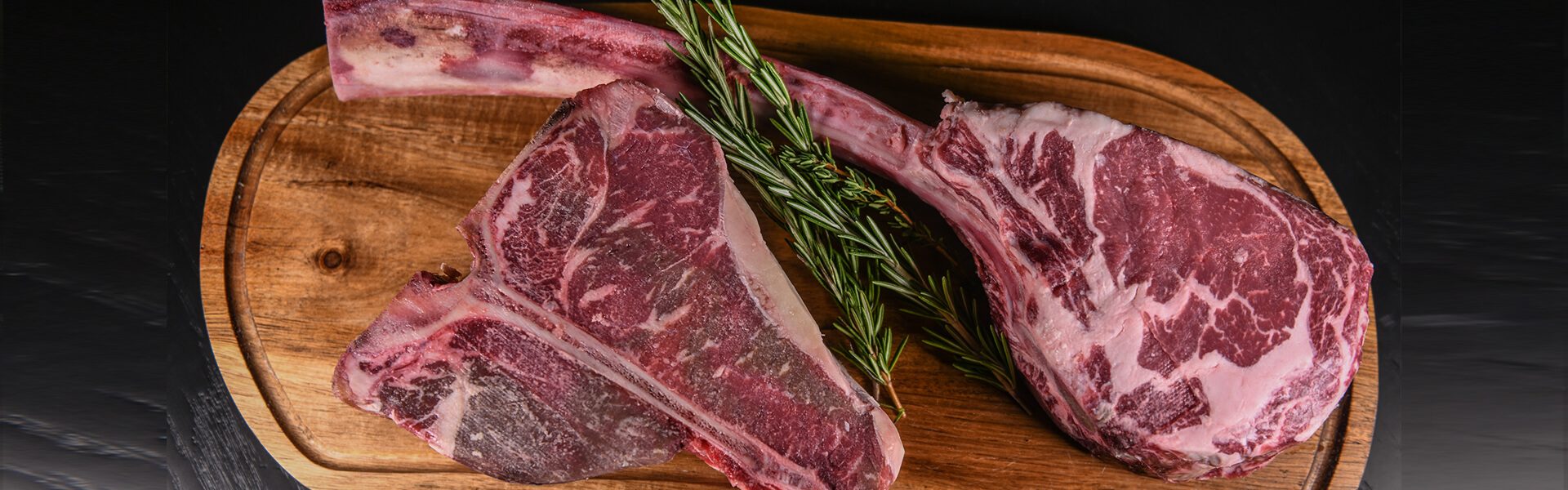
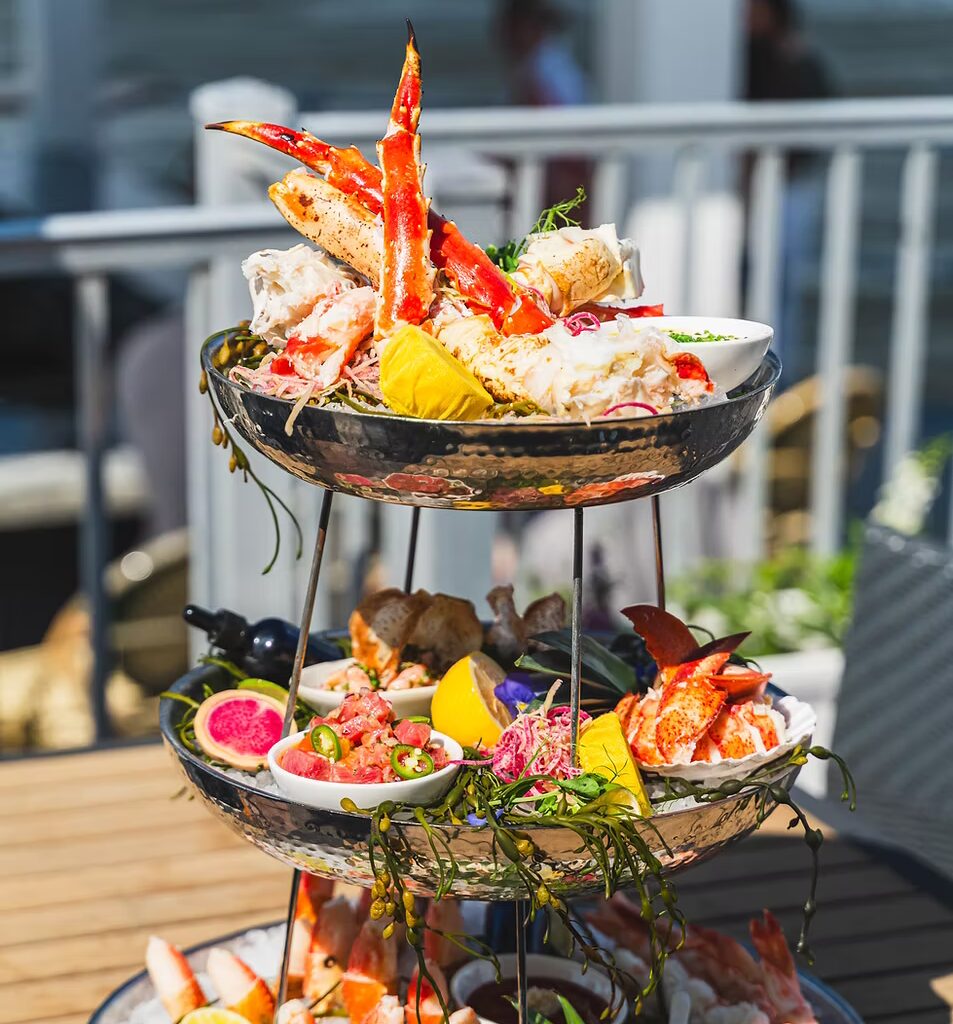
Classic Asian dishes appear alongside more adventurous and globally influenced creations, giving the menu both familiarity and variety. The approach allows Teak to attract a wide range of guests, from casual diners seeking recognizable favorites to more adventurous audiences interested in exploring layered flavors, elevated seafood preparations, premium proteins, and more inventive culinary combinations.
That versatility has become increasingly important in today’s restaurant economy.
Successful hospitality destinations must now operate across multiple audience categories simultaneously: date-night dining, celebration dinners, nightlife culture, corporate gatherings, theater traffic, social media-driven dining, rooftop cocktail culture, and destination tourism. Teak’s ability to balance all of those dynamics simultaneously is a major reason why the restaurant has sustained relevance for so long in a highly competitive regional market.
The beverage and cocktail program further elevates the experience.
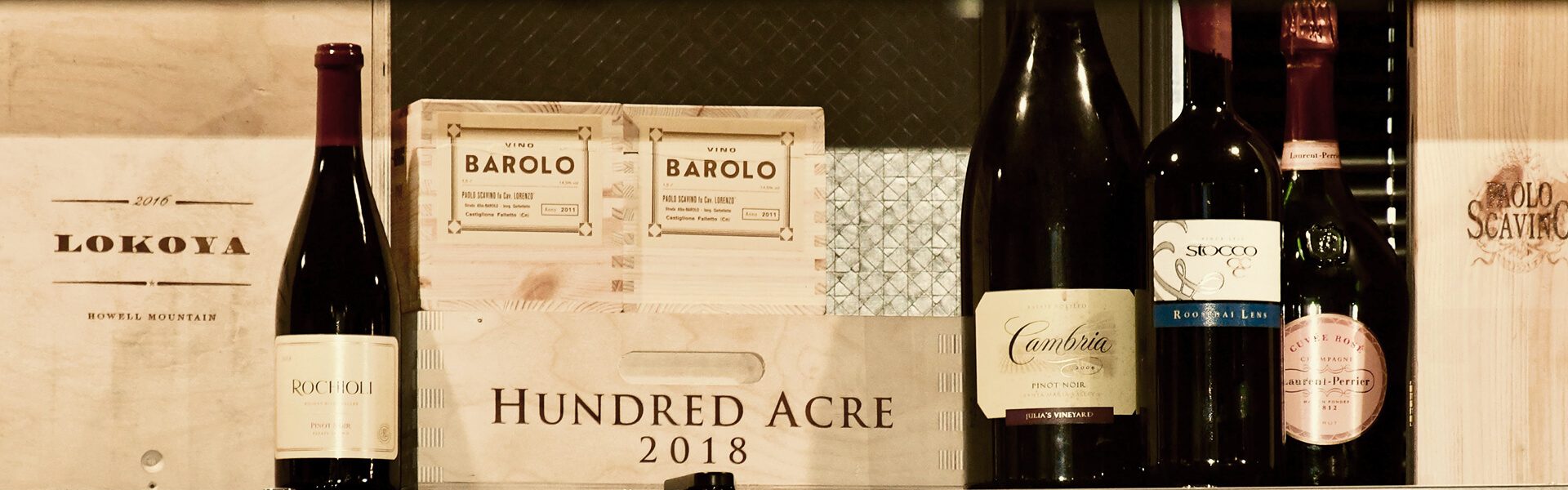
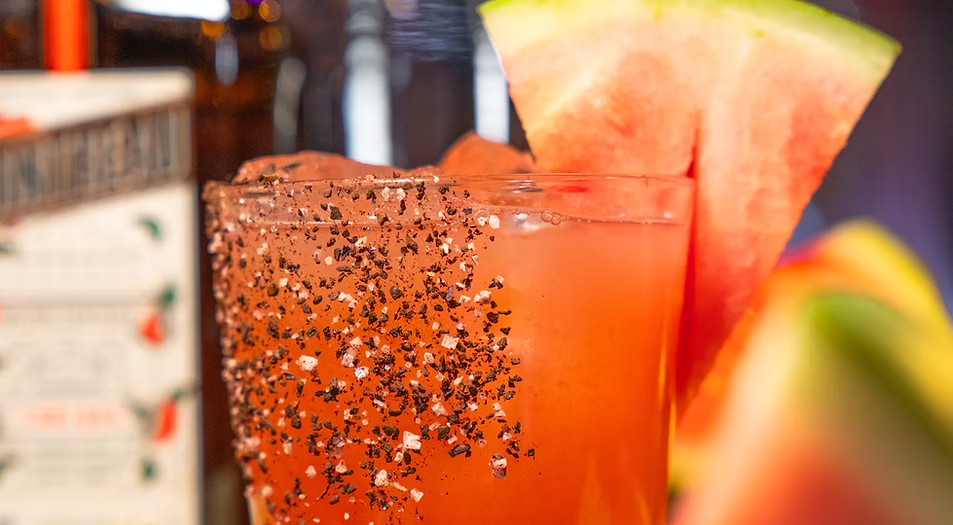
An expansive drink menu featuring premium wines, sake selections, handcrafted cocktails, tequilas, whiskey offerings, beer, and elevated spirits helps reinforce the restaurant’s upscale positioning while complementing the menu’s flavor profiles and nightlife atmosphere. Cocktails function not merely as beverage pairings but as part of the broader visual and social experience surrounding the restaurant itself.
That nightlife energy becomes especially significant later in the evening.
Live DJs, music programming, dancing, and a vibrant rooftop social environment transform Teak into one of downtown Red Bank’s most active late-night destinations. Importantly, the restaurant avoids the mistake many nightlife-oriented venues make by sacrificing culinary quality in favor of atmosphere alone. Teak instead appears committed to maintaining both simultaneously, preserving its dining credibility while still embracing the celebratory energy modern audiences increasingly seek.
The proximity to the Count Basie Center for the Arts also strengthens the restaurant’s role within Red Bank’s broader entertainment ecosystem.
Pre-show dining has become a major component of the restaurant’s identity, with management openly encouraging guests attending performances at the Basie to allow ample time to fully enjoy the experience. That connection reinforces Teak’s place within the larger cultural infrastructure of downtown Red Bank itself, where restaurants, theaters, nightlife venues, and pedestrian-driven entertainment activity increasingly function together as one integrated destination economy.
That integration mirrors broader hospitality trends reshaping affluent suburban downtowns throughout the Northeast.
Communities like Red Bank are no longer competing merely as local shopping or dining districts. They are increasingly positioning themselves as regional lifestyle destinations capable of drawing audiences seeking walkable entertainment environments that combine culture, nightlife, dining, shopping, and social activity in concentrated urban-style settings without requiring travel into New York City.
Teak has become one of the clearest examples of that transformation.
Its reputation now extends far beyond Monmouth County, drawing audiences from throughout New Jersey, New York, and the broader Shore region looking for a dining experience that feels energetic, upscale, contemporary, and socially immersive all at once. The restaurant’s ability to maintain relevance over more than a decade within an industry notorious for rapid turnover speaks directly to how effectively it has adapted alongside changing audience expectations.
The restaurant’s emphasis on hospitality also remains central to its long-term success.
Detailed reservation management, attentiveness toward guest experience, awareness surrounding allergies and dietary restrictions, and carefully maintained operational standards reinforce the sense that Teak views itself as a full hospitality experience rather than merely a high-volume nightlife venue with food attached.
That distinction matters enormously in the modern luxury dining market.
Guests increasingly expect restaurants to deliver professionalism, atmosphere, efficiency, energy, and elevated hospitality simultaneously. Teak’s continued popularity suggests the restaurant has found a sustainable formula capable of balancing all of those expectations without losing its personality or identity.
More broadly, Teak reflects the evolution of New Jersey’s dining scene itself.
For years, the state’s culinary reputation was often unfairly overshadowed by nearby New York and Philadelphia despite possessing one of the country’s strongest independent restaurant cultures. Restaurants like Teak have helped change that perception by demonstrating that New Jersey hospitality venues can compete directly with major metropolitan destinations not only in culinary quality, but in atmosphere, design, nightlife sophistication, and experiential ambition.
Today, Teak stands as more than simply a rooftop sushi restaurant in Red Bank.
It represents the continued maturation of New Jersey’s upscale dining economy — a hospitality landscape increasingly driven by immersive experiences, nightlife integration, visual culture, elevated cuisine, and destination-level energy.
And in downtown Red Bank, few places capture that transformation more completely than Teak.












Your source for everything happening in the Garden State. Enjoy live music year-round, skiing, hiking, beaches, rivers, and mountains. Explore New Jersey’s wine scene by visiting top wineries and vineyards offering award-winning wines. Check out reviews and photos of the best places to sip and sample. Love beer? Discover New Jersey’s breweries — currently home to 123 licensed breweries — and explore the highest-rated beers brewed in the state.
© 2026 Explore New Jersey, a Sunset Entertainment & Media Company | 1928 The Woods II - Cherry Hill, New Jersey 08003. All Rights Reserved.