

Scarpelli in Hammonton Is Redefining South Jersey Italian Dining With Viral Tableside Theater, Old-School Family Tradition, and a Bold New Era of Italian-Fusion Hospitality. South Jersey’s restaurant scene has entered a transformational period where traditional Italian-American dining culture is colliding with a new generation of hospitality concepts built around spectacle, atmosphere, social energy, and culinary reinvention. Across Atlantic County and beyond, restaurants are no longer competing solely on red sauce recipes, portion sizes, or family legacies alone. Modern diners increasingly want immersive dining experiences — places where the food, service, architecture, ambiance, entertainment, and visual presentation all combine into something emotionally memorable and culturally shareable.
In Hammonton, one restaurant has rapidly emerged as one of the clearest examples of that evolution in action.
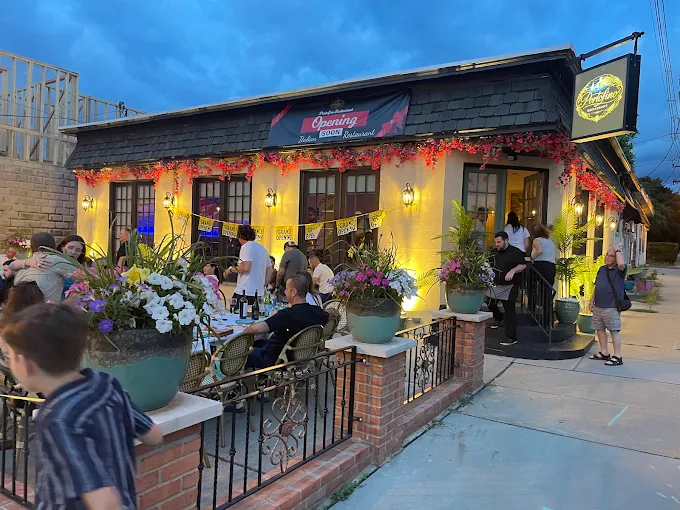
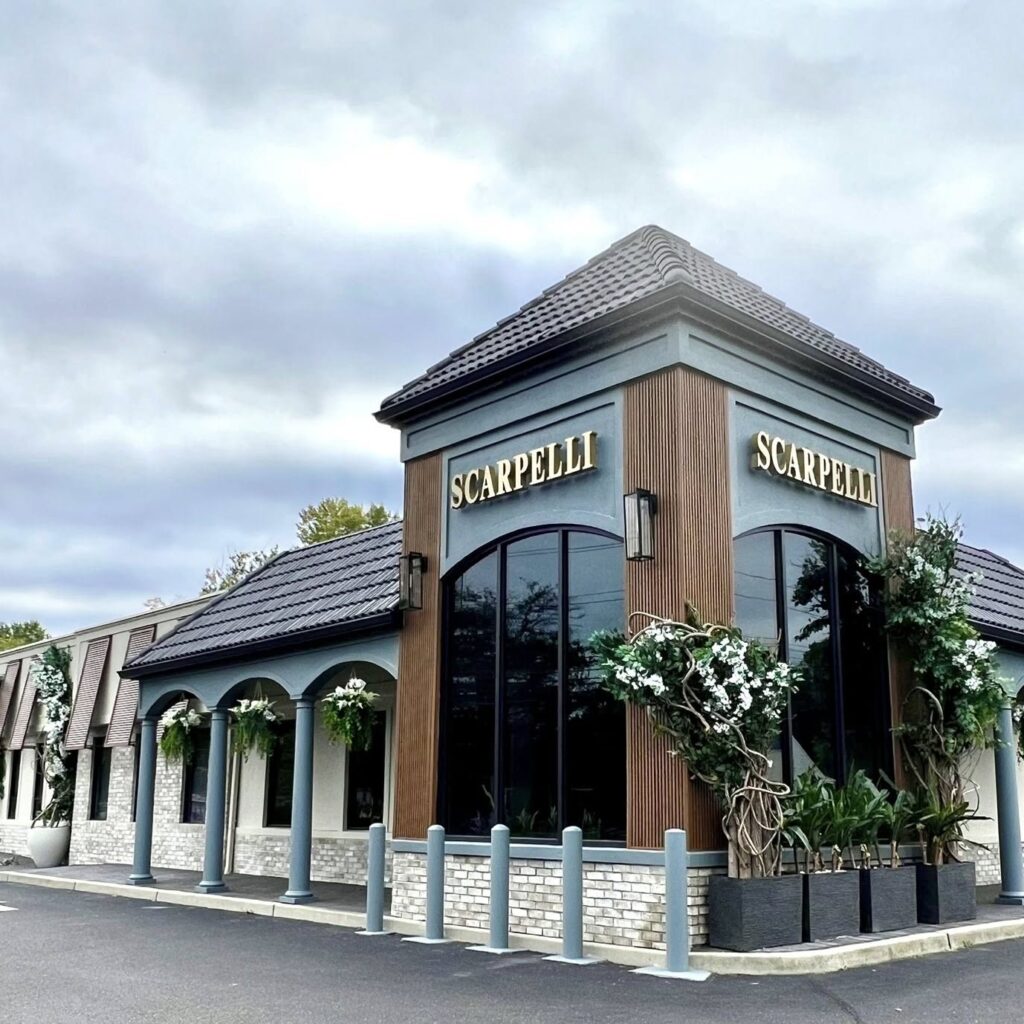
Since opening in October 2025 at 705 12th Street in the former Illiano’s location, Scarpelli has quickly become one of the most talked-about dining destinations anywhere in South Jersey, blending deeply rooted Italian-American traditions with dramatic modern presentation, viral social-media appeal, elevated hospitality, and inventive fusion cuisine that refuses to operate within the limits of conventional trattoria culture.
What makes Scarpelli particularly fascinating is not simply that it is popular.
It is the way the restaurant has managed to successfully merge several completely different hospitality identities into one cohesive experience. At its core, Scarpelli remains emotionally connected to old-school South Jersey Italian family dining traditions — the kind built around Sunday gravy, multi-generational recipes, hospitality, abundance, and communal energy. Yet layered on top of that foundation is a highly contemporary restaurant philosophy emphasizing theatrical service, experiential dining, nightlife atmosphere, luxury presentation, and social-media-driven visual storytelling.
The result feels less like a traditional Italian restaurant and more like a modern hospitality hybrid uniquely designed for the cultural moment New Jersey dining currently occupies.
Founded by co-owners Steven Rodio and Adam Subbiondo, Scarpelli is rooted directly in family legacy and regional Italian-American identity. Rodio’s vision reportedly grew out of a desire to modernize and reinterpret the classic recipes of his grandmother, Theresa Scarpelli, preserving the emotional DNA of traditional family cooking while simultaneously reimagining how those dishes could exist within a modern upscale dining environment.
That tension between heritage and reinvention defines nearly every aspect of the restaurant.
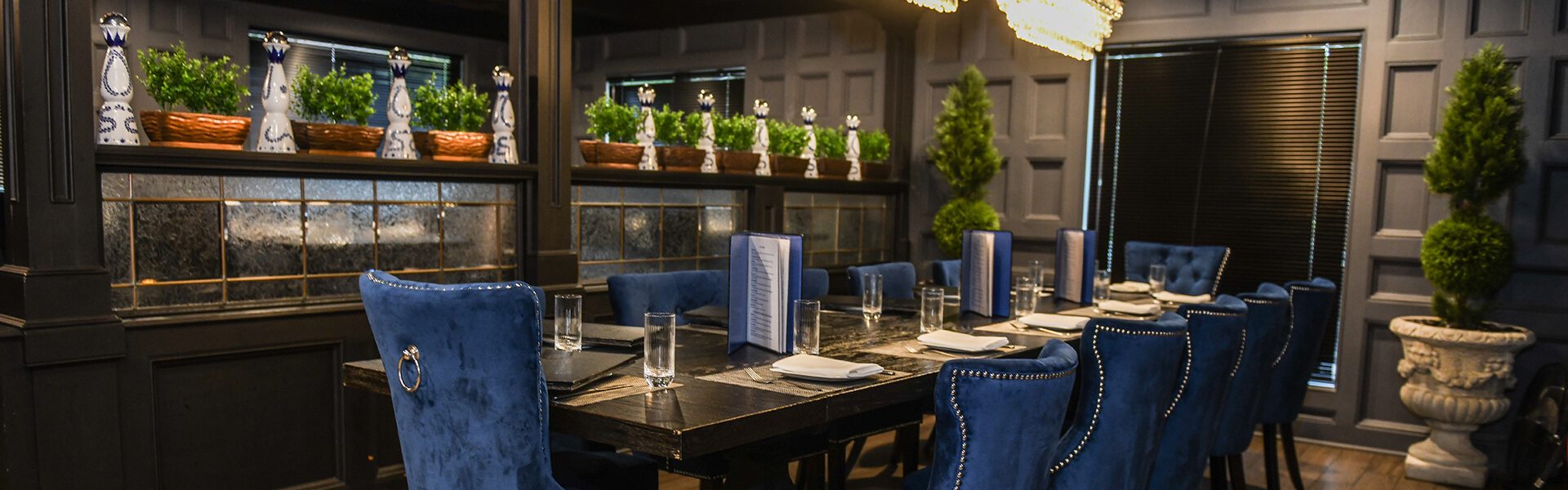
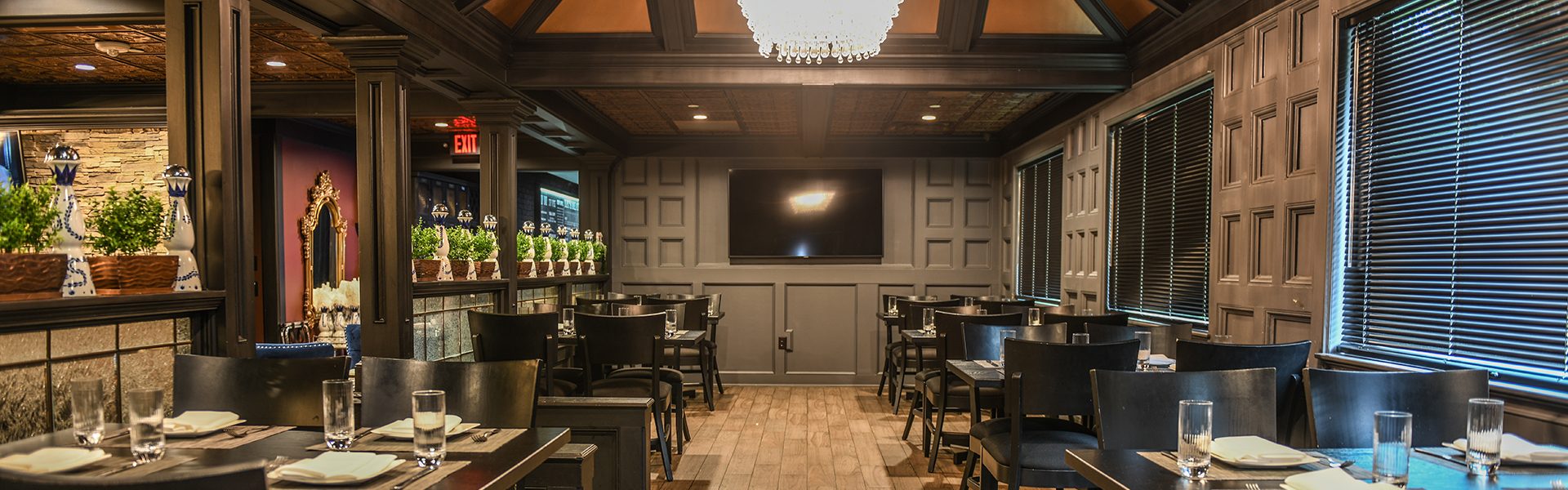
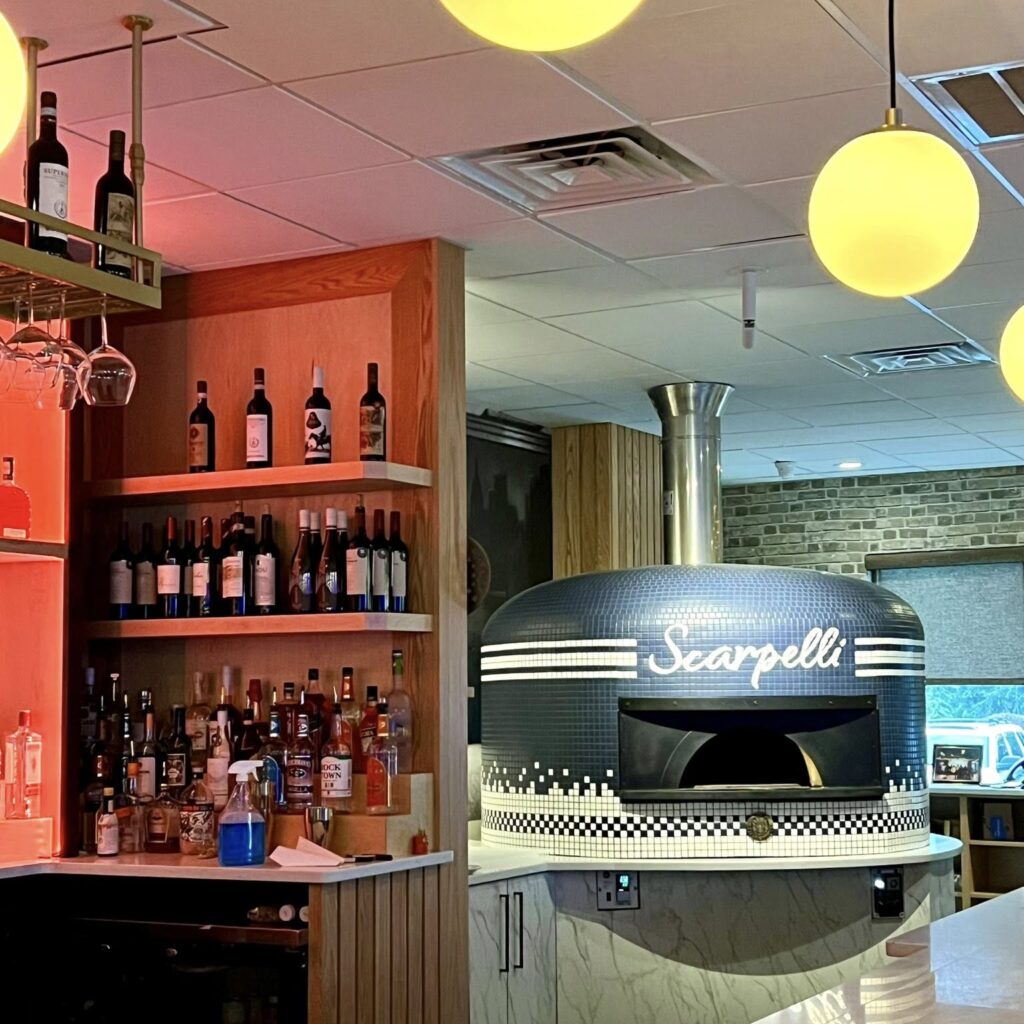
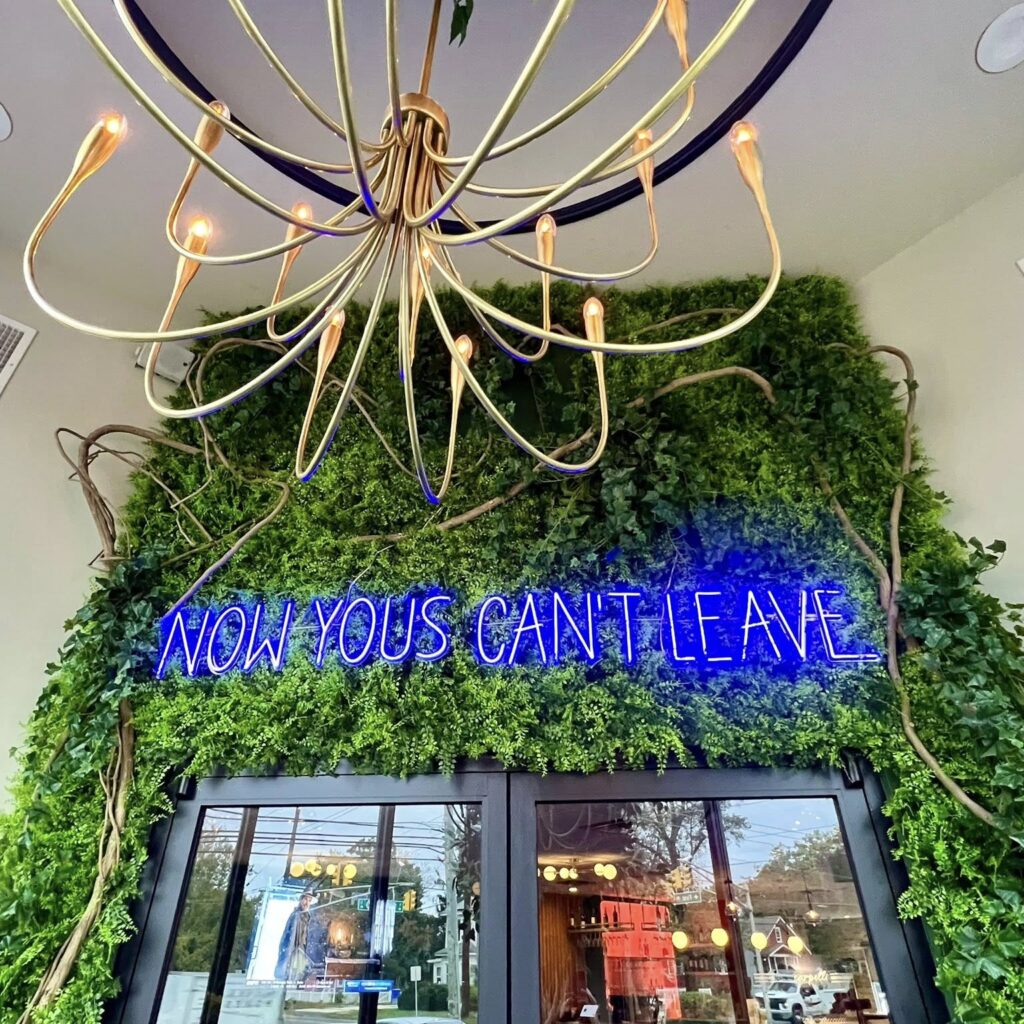
The name itself immediately signals generational continuity and old-world family influence, but once guests step inside, the experience quickly expands far beyond nostalgia alone. The restaurant’s interior design reflects a distinctly modern hospitality aesthetic — warm but stylish, upscale without becoming inaccessible, energetic without sacrificing sophistication. Lighting, textures, layout, and visual flow are all calibrated to create a high-energy social atmosphere rather than the quiet, subdued mood associated with more traditional fine-dining Italian establishments.
Scarpelli understands something many modern restaurants are now realizing: diners increasingly crave participation, performance, and interaction as part of the dining experience itself.
That philosophy becomes most obvious through the restaurant’s tableside presentation program, which has quickly become one of its defining signatures and a major reason for its explosive social-media visibility throughout the region.
At Scarpelli, dinner is not merely served.
It unfolds.
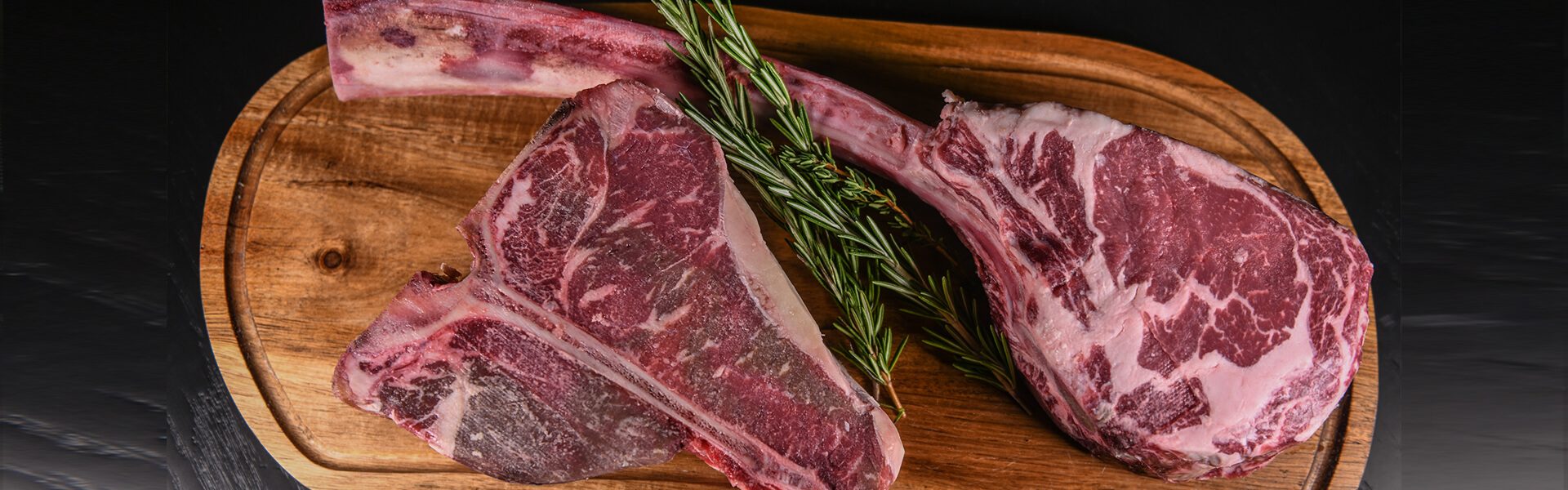
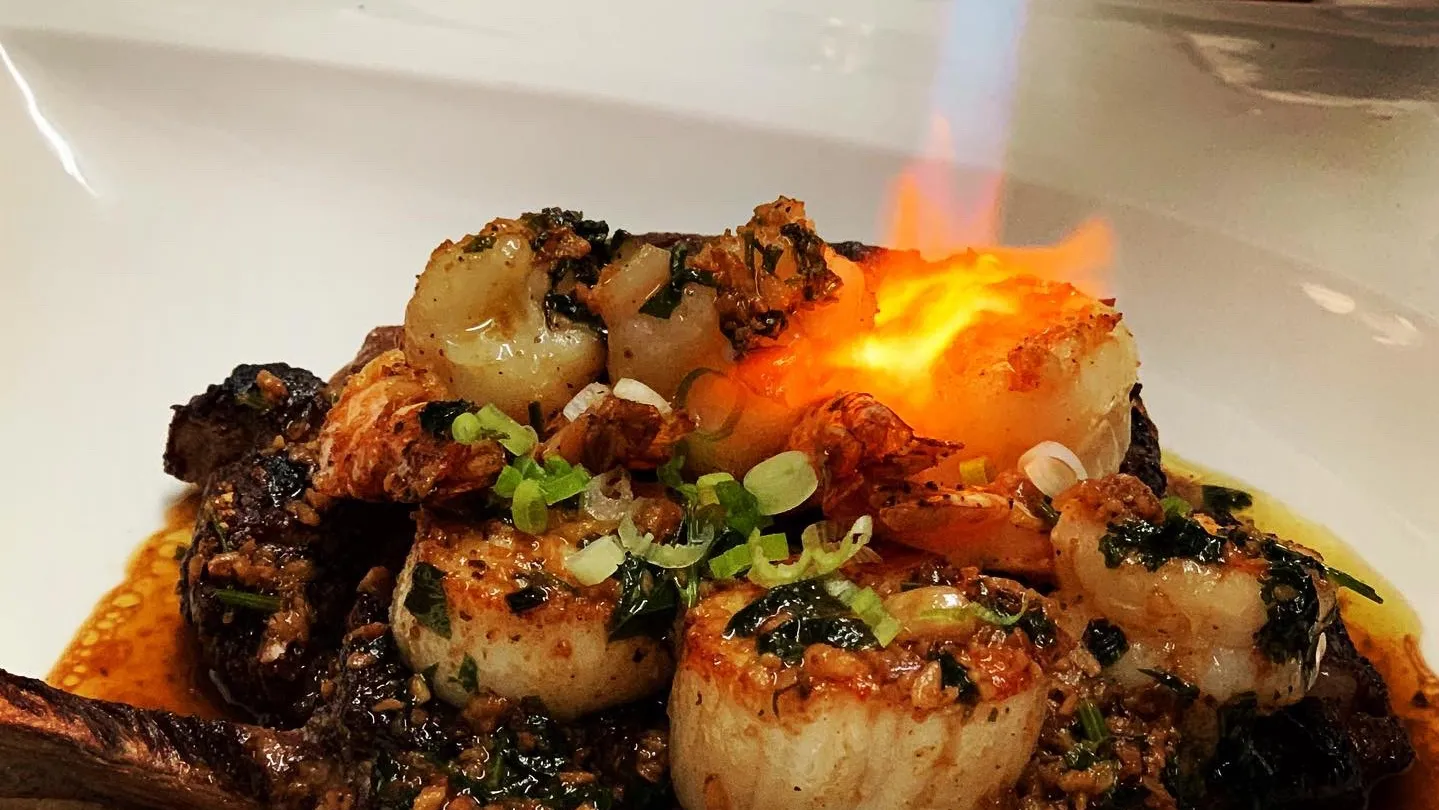
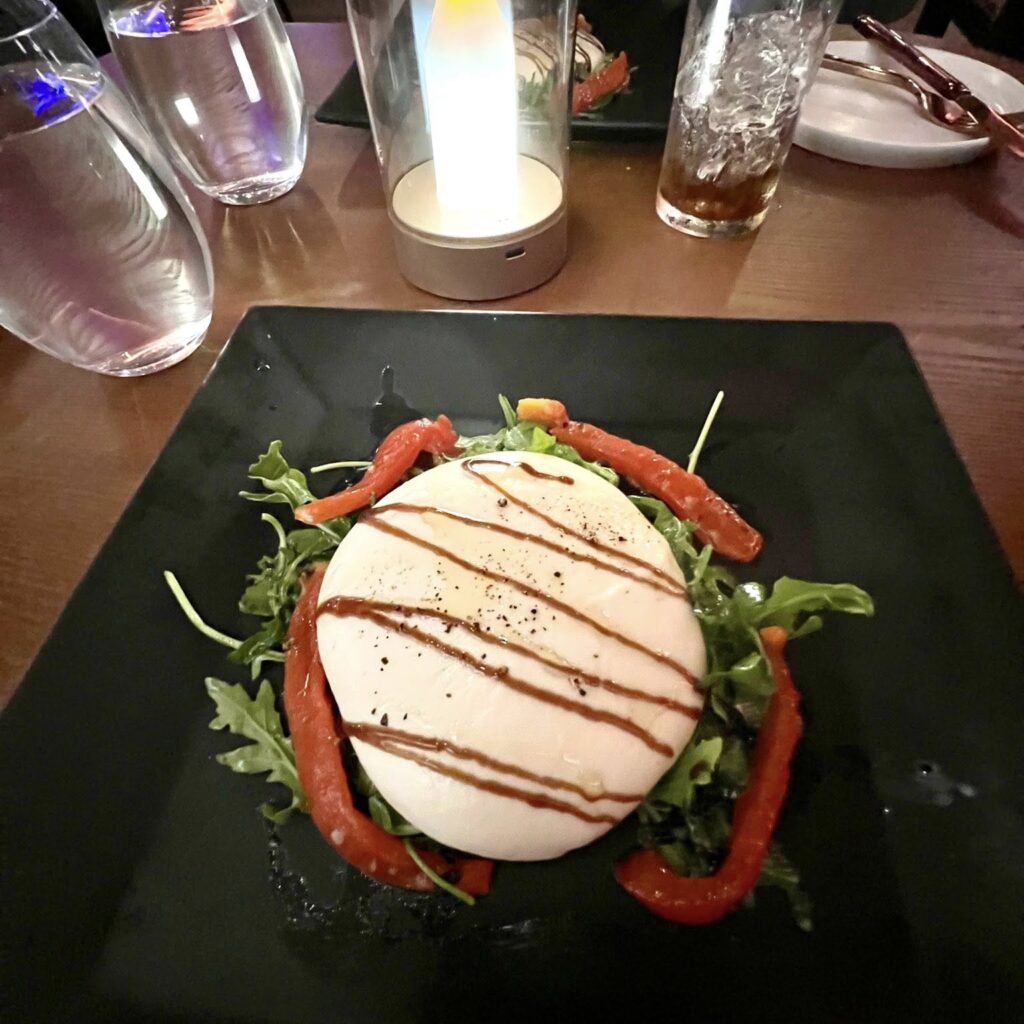
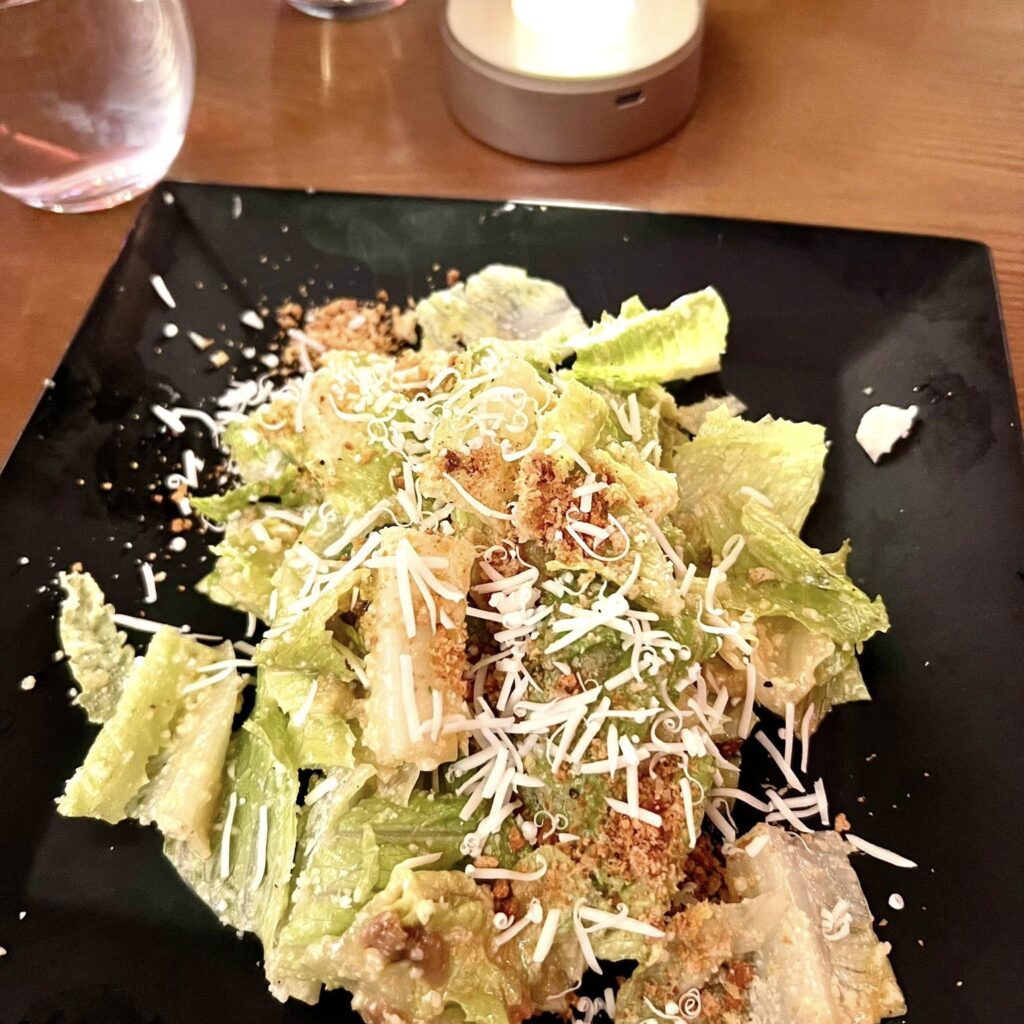
Fresh mozzarella is pulled warm directly in front of guests. Caesar salads are tossed tableside from scratch. Massive Tomahawk ribeyes are carved, torched, sliced, and presented theatrically beside the table. Scallops Brulé arrive lightly blackened before being torched tableside with caramelized sugar crystals that add both visual drama and unexpected flavor complexity.
These moments are carefully engineered not just for spectacle, but for emotional memory.
Modern hospitality increasingly revolves around what guests remember, photograph, share, and emotionally associate with a night out. Tableside preparation creates a feeling of immediacy and intimacy while simultaneously transforming dinner into entertainment. It reconnects guests to the act of preparation itself while adding a level of theatricality perfectly suited to the modern dining economy where visual storytelling drives restaurant culture as much as food quality.
Scarpelli has leaned aggressively into that reality.
Yet the restaurant’s success would not be sustainable on presentation alone if the menu itself lacked substance. Instead, the kitchen appears deeply committed to balancing culinary creativity with the comforting emotional familiarity that defines great Italian-American food culture.
That balancing act is particularly evident in the restaurant’s signature fusion dishes.
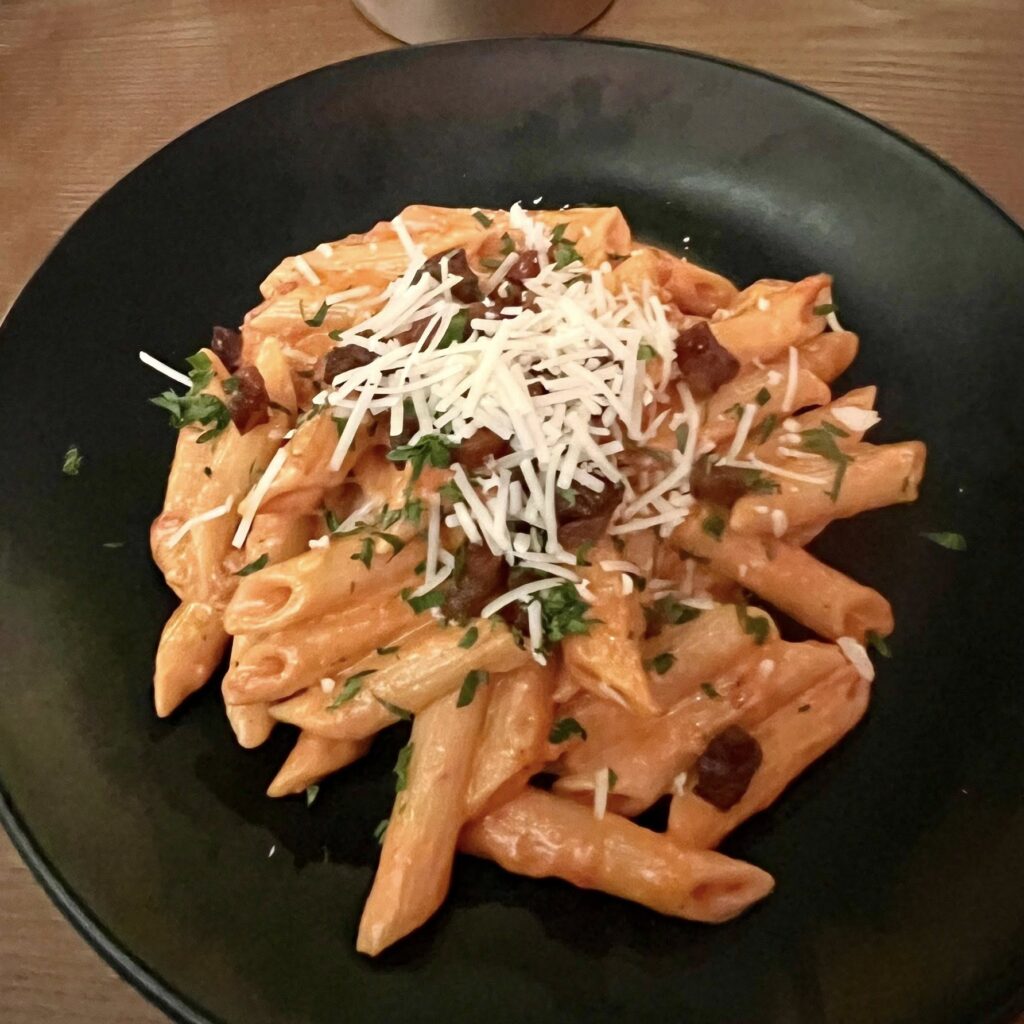
One of the menu’s most talked-about creations, The Mexican-Italian, perfectly captures the restaurant’s broader philosophy. The dish layers rigatoni with savory chorizo bolognese, melted mozzarella, tri-colored tortilla chips, and poblano cream — blending Italian comfort-food structure with Mexican-inspired flavor profiles and textures. In less capable hands, combinations like that can easily feel gimmicky or chaotic. At Scarpelli, however, the approach appears deliberate and highly calibrated toward creating bold, memorable flavor contrasts while still preserving overall balance.
The same philosophy extends to the Mexican Crab Cake served over poblano cream with charred corn salsa, another dish reflecting the kitchen’s willingness to cross culinary boundaries without abandoning the restaurant’s Italian-American core identity.
At the same time, Scarpelli clearly understands the importance of preserving classic South Jersey Italian staples for diners seeking more traditional experiences.
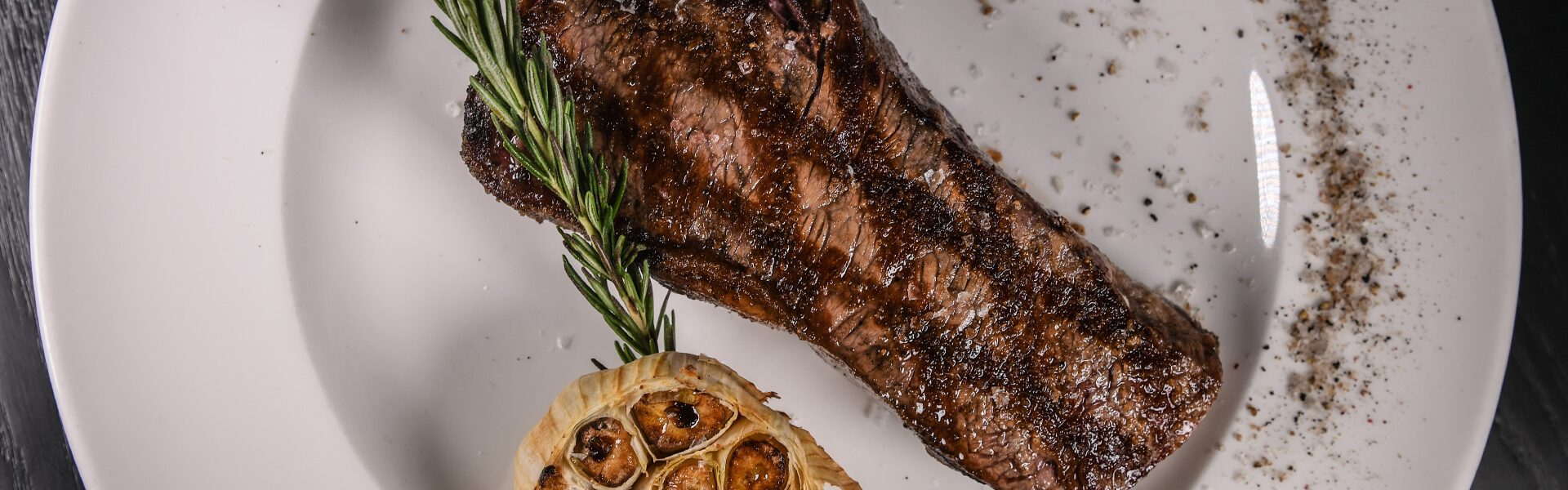
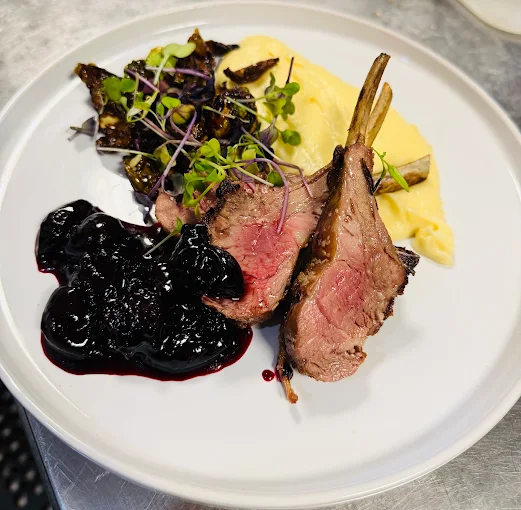
The Brooklyn-style Veal Chop Parm exemplifies that approach perfectly. Oversized, indulgent, dramatic, and rooted deeply in Italian-American comfort-food tradition, the dish reflects the type of abundance-driven culinary culture that has long defined family dining throughout New Jersey. Similarly, the 14-ounce bone-in Calabrian Pork Chop drizzled with chili oil merges rustic Southern Italian flavor profiles with upscale steakhouse presentation techniques.
Even the restaurant’s seafood program reflects this broader duality between familiarity and reinvention.
The Scallops Brulé dish, for example, feels emblematic of modern Scarpelli itself: technically ambitious, visually dramatic, rooted in classical seafood execution, but transformed through unexpected presentation and flavor layering.
Importantly, the restaurant also recognizes that atmosphere evolves throughout the evening.
Local diners consistently describe Scarpelli as operating almost like two different venues depending on the hour. Earlier dinner service tends to emphasize elevated dining, family gatherings, and curated culinary experiences. But after approximately 9:00 PM on weekends, the atmosphere reportedly shifts into a much more energetic and socially driven environment with louder music, stronger nightlife energy, and a crowd increasingly focused on cocktails, socializing, and celebration.
That transition reflects one of the most important hospitality trends currently reshaping New Jersey dining culture.
Restaurants are no longer functioning solely as places to eat. Increasingly, they operate as hybrid lifestyle environments blending dining, nightlife, social identity, entertainment, and experiential hospitality into one continuous evening. Successful modern venues often extend the emotional arc of the night beyond dinner itself, creating layered experiences that evolve as energy levels shift throughout the evening.
Scarpelli appears exceptionally aware of that dynamic.
Its cocktail and beverage culture further reinforces the restaurant’s modern identity. While firmly grounded in Italian-American food traditions, the restaurant’s overall hospitality approach feels far more aligned with contemporary metropolitan dining culture than traditional neighborhood trattoria operations.
And yet, despite all the modern energy, spectacle, and fusion experimentation, one of the restaurant’s most emotionally resonant concepts may actually be its most traditional.
Every Sunday, Scarpelli reportedly transforms into an entirely different emotional environment through its increasingly popular Sinatra Sundays programming.
Where weekend nights lean energetic and socially charged, Sundays pivot back toward nostalgia, warmth, family-style dining, and classic Italian-American atmosphere. Large portions of slow-cooked Sunday gravy, flowing wine, Sinatra music, and communal dining traditions reconnect the restaurant directly to the multigenerational emotional roots that inspired its creation in the first place.
That duality may ultimately explain why Scarpelli has resonated so strongly throughout South Jersey.
The restaurant understands that modern diners do not necessarily want to abandon tradition. They want tradition reinterpreted through a contemporary lens. They want emotional familiarity paired with visual excitement. They want heritage without stagnation. They want family recipes presented with modern hospitality ambition.
Scarpelli delivers exactly that.
Its rapid viral growth also reflects broader cultural changes happening throughout Hammonton itself.
Long known for its agricultural history, Italian-American roots, and growing wine culture, Hammonton has increasingly emerged as one of South Jersey’s most intriguing lifestyle destinations. Restaurants, wineries, breweries, boutique businesses, and hospitality concepts throughout the area are helping transform the town into a serious regional dining and tourism hub.
Scarpelli’s arrival accelerates that evolution considerably.
The restaurant’s social-media visibility, destination-level appeal, and experiential format are drawing visitors not just from Atlantic County but from Philadelphia suburbs, North Jersey, and broader regional dining markets increasingly willing to travel for standout hospitality experiences.
Reservations have quickly become highly competitive, especially on weekends, where demand continues intensifying due to the restaurant’s viral momentum and nightlife energy. The decision to focus exclusively on dinner service while eliminating takeout also reinforces the restaurant’s identity as an experience-first destination rather than a transactional food operation.
Everything about Scarpelli appears designed around immersion.
As the Jersey Shore and South Jersey dining landscape continue evolving through 2026, restaurants like Scarpelli are helping define what the next generation of Italian-American hospitality may ultimately become: emotionally rooted in family and tradition, but fully adapted to modern experiential dining culture.
Inside the dining room, old-school Sinatra energy collides with tableside torches and contemporary fusion cuisine. Generational recipes meet social-media-era presentation. Traditional Sunday dinners coexist alongside high-energy weekend nightlife.
And somewhere within that collision of old school and new school, Scarpelli has created one of the most distinctive restaurant identities currently operating anywhere in New Jersey.












Your source for everything happening in the Garden State. Enjoy live music year-round, skiing, hiking, beaches, rivers, and mountains. Explore New Jersey’s wine scene by visiting top wineries and vineyards offering award-winning wines. Check out reviews and photos of the best places to sip and sample. Love beer? Discover New Jersey’s breweries — currently home to 123 licensed breweries — and explore the highest-rated beers brewed in the state.
© 2026 Explore New Jersey, a Sunset Entertainment & Media Company | 1928 The Woods II - Cherry Hill, New Jersey 08003. All Rights Reserved.