
Gourmand Brings Modern American Ambition, Historic Architecture, and Chef-Driven Creativity to Point Pleasant Beach. New Jersey’s restaurant scene has entered a fascinating new era where diners are no longer satisfied with food alone.
They want atmosphere. Narrative. Architecture. Culinary personality. Design. Technique. Emotional experience. They want restaurants that feel rooted in place while still pushing creatively forward. They want spaces carrying identity rather than imitation. Increasingly, the most exciting dining destinations across the Garden State are the ones capable of balancing historical character with modern culinary ambition.
That balance is exactly what makes Gourmand in Point Pleasant Beach one of the most intriguing restaurant openings currently operating anywhere along the Jersey Shore.
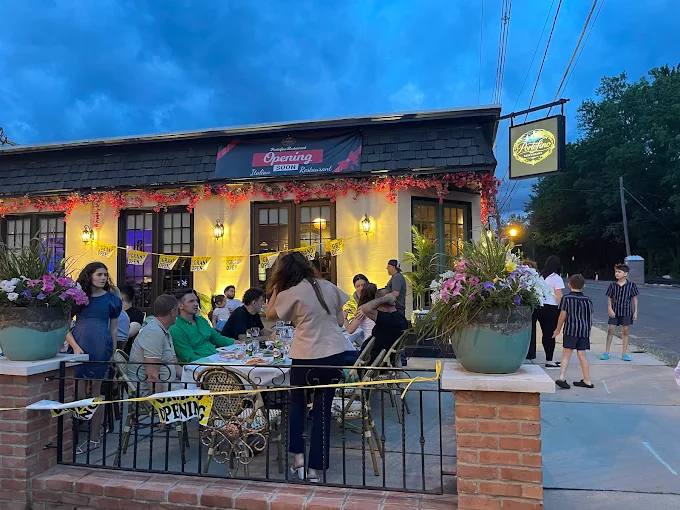
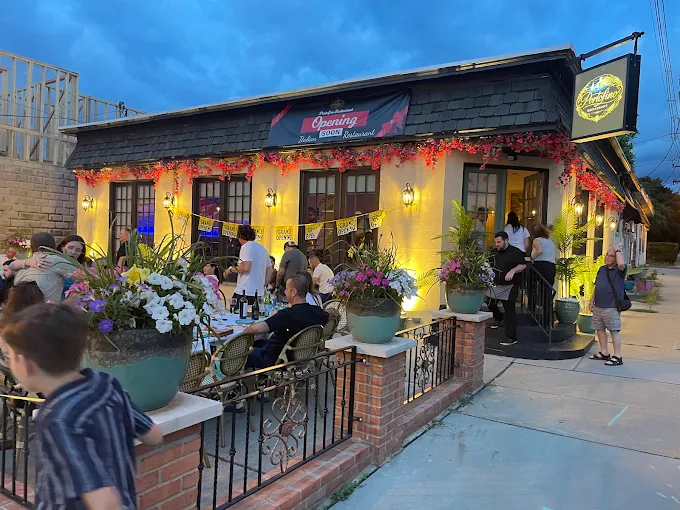
Set inside the historic Gottlieb Building on Arnold Avenue — a structure that has stood in Point Pleasant Beach since 1906 — Gourmand is not attempting to recreate nostalgia or simply capitalize on the Shore’s long-standing tourism culture. Instead, the restaurant approaches the historic space as a foundation for something distinctly contemporary: a chef-driven modern American dining experience that merges elevated comfort food, global influence, architectural preservation, and intimate hospitality into one of the Shore’s most ambitious culinary concepts.
In a coastal region often dominated seasonally by casual seafood counters, boardwalk staples, sports bars, and summer nightlife energy, Gourmand represents something different entirely.
It feels intentional.
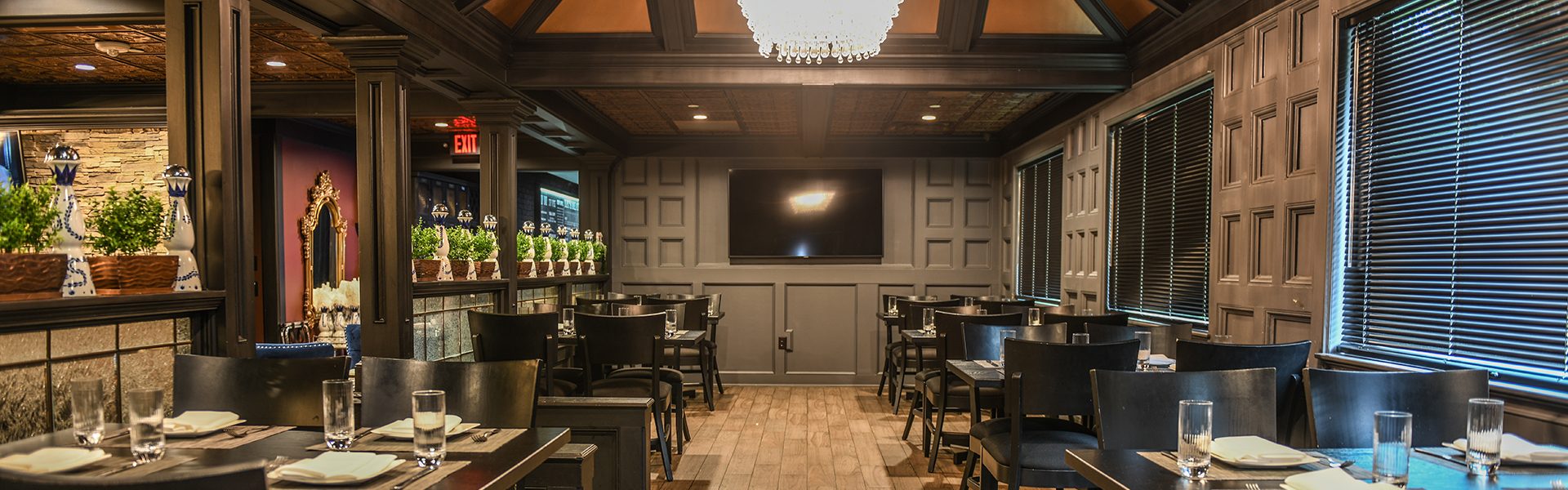
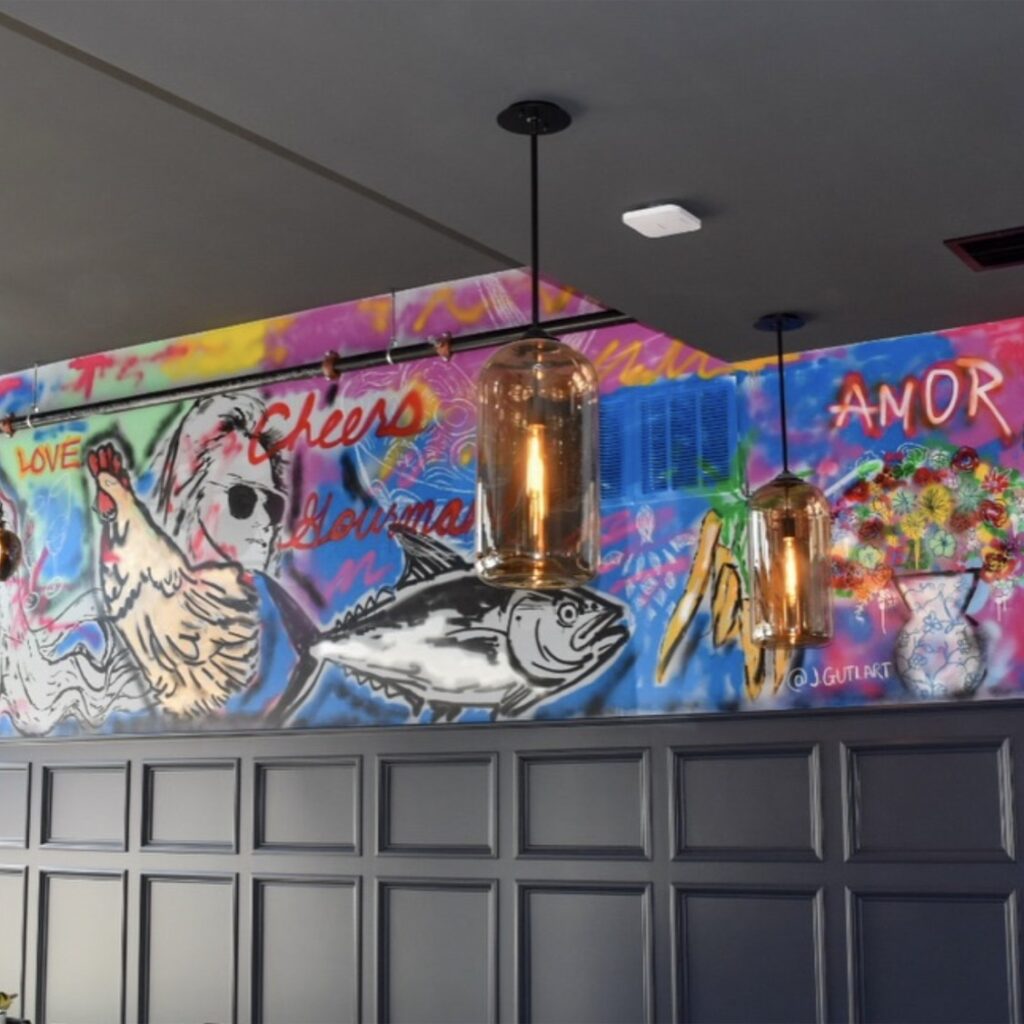
The restaurant immediately separates itself through atmosphere alone. Housed inside a building carrying more than a century of local history, Gourmand embraces the structure’s age rather than trying to modernize it into sterile minimalism. The rooms retain a sense of architectural weight and lived-in character, reinforcing the idea that the restaurant exists in conversation with the building rather than simply occupying it.
That distinction matters enormously in modern hospitality design.
Across the country, diners increasingly seek restaurants with authentic physical identity rather than interchangeable contemporary interiors designed primarily for social media aesthetics. Historic buildings carry texture, proportion, and emotional resonance impossible to replicate artificially. Gourmand appears to understand that fully, transforming the century-old Gottlieb Building into a layered dining environment where the architecture itself becomes part of the experience.
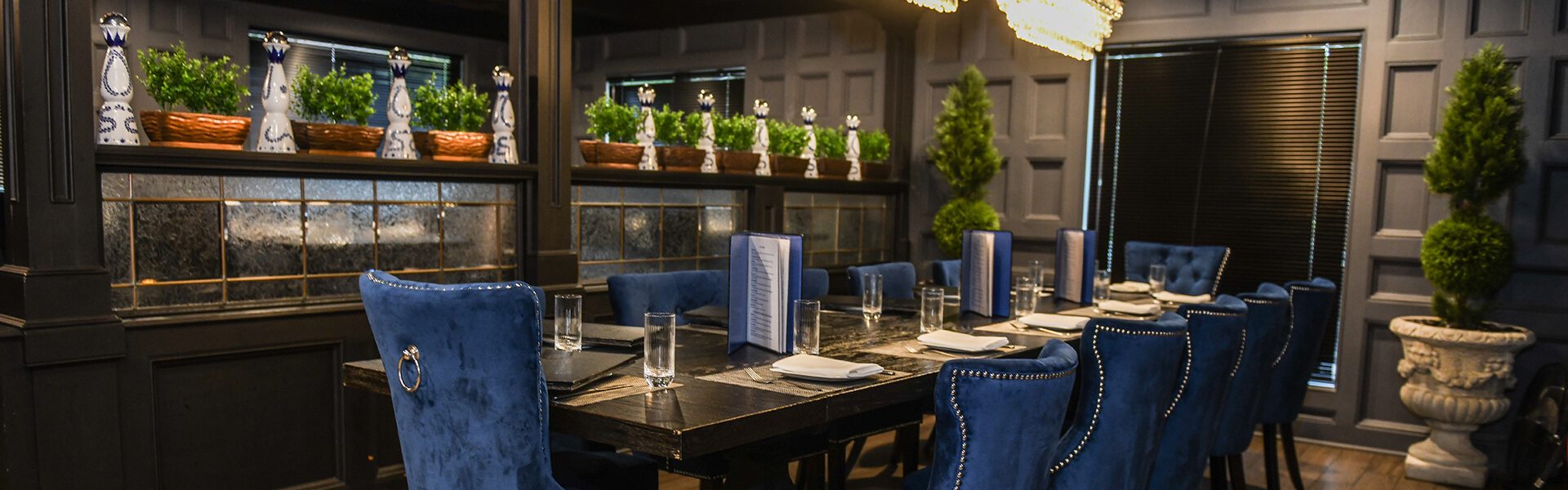
The restaurant reportedly divides the building into three separate spaces: a primary dining room, a more intimate private room tucked behind closed doors, and a chef’s table positioned directly in front of the kitchen line. Together, the layout creates a dynamic hospitality structure capable of accommodating everything from refined date nights and celebratory dinners to immersive culinary experiences centered around direct chef interaction.
That chef-forward identity is central to Gourmand’s appeal.
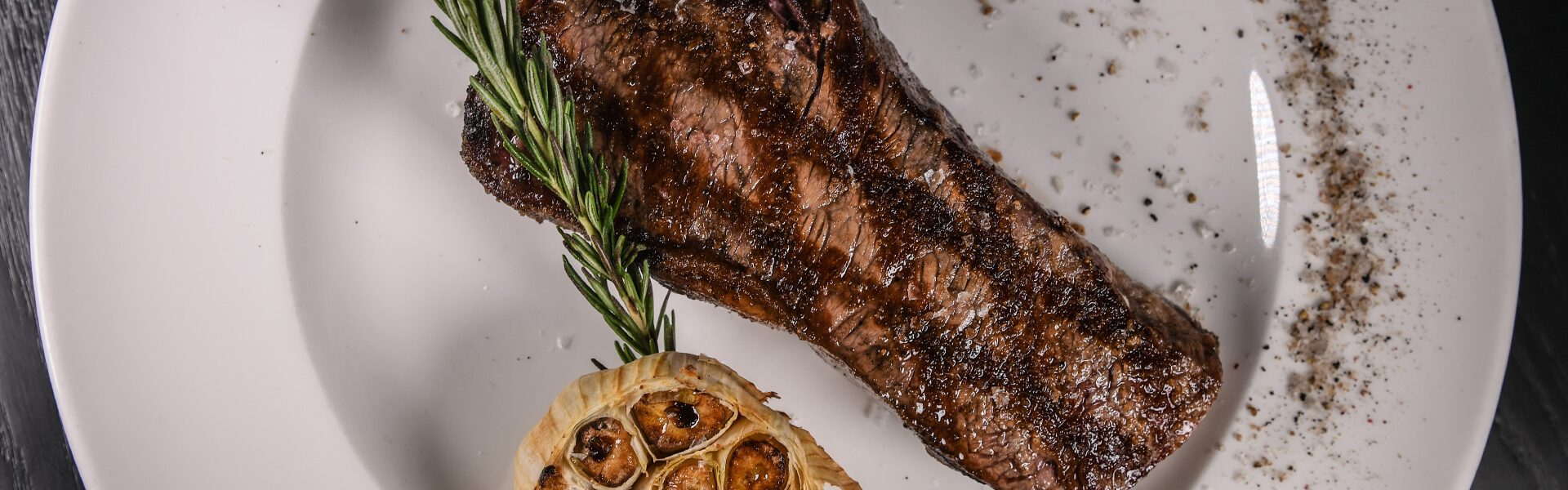
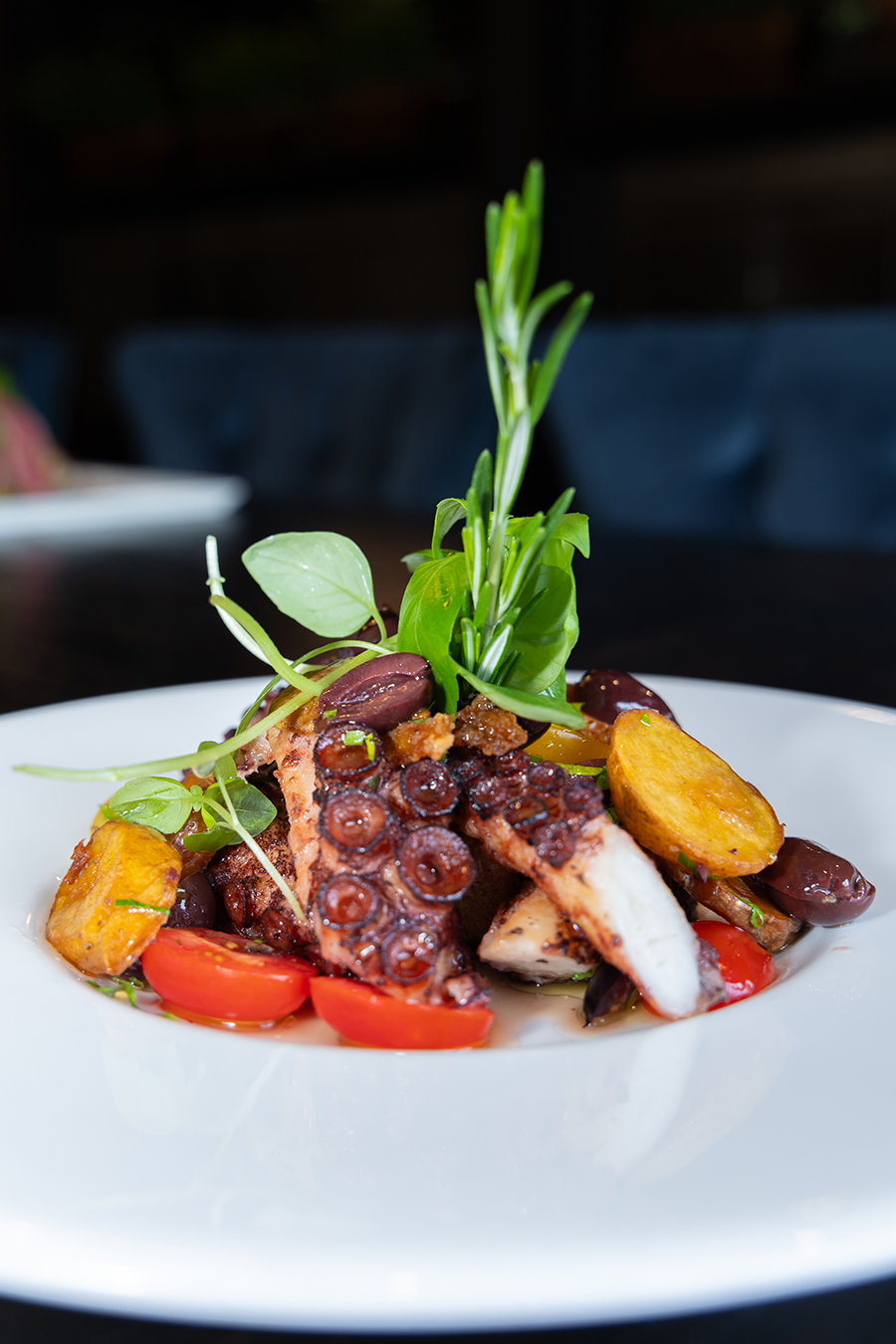
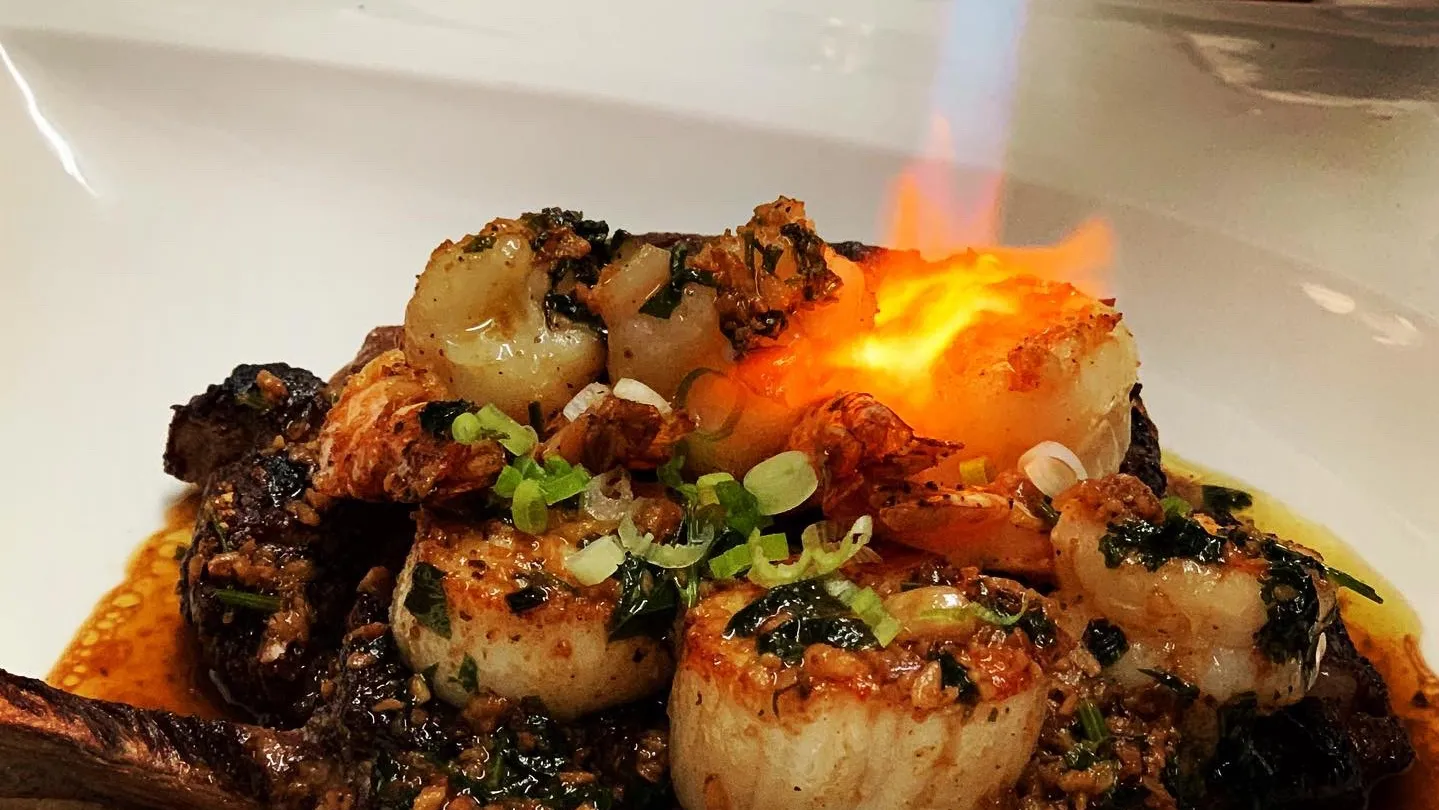
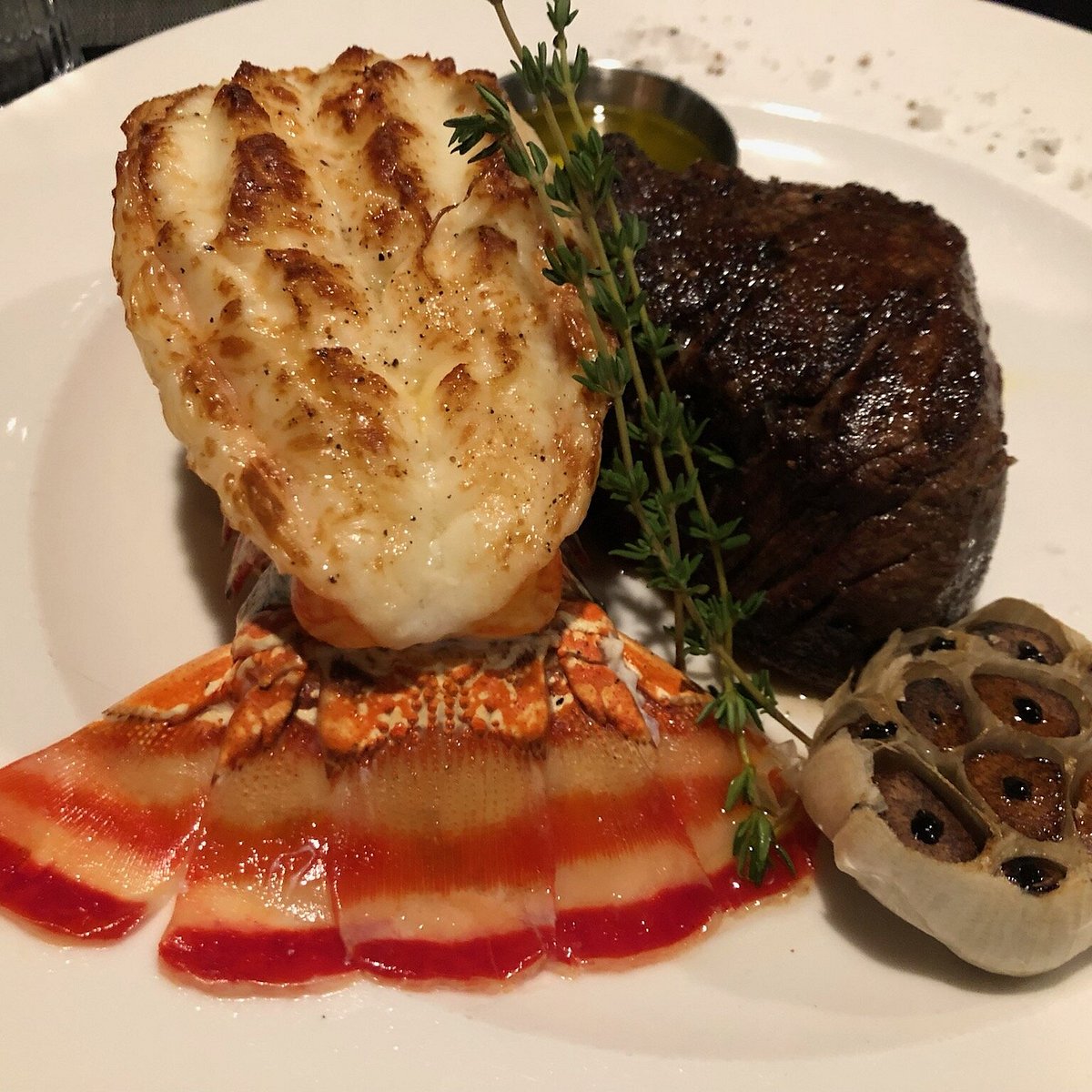
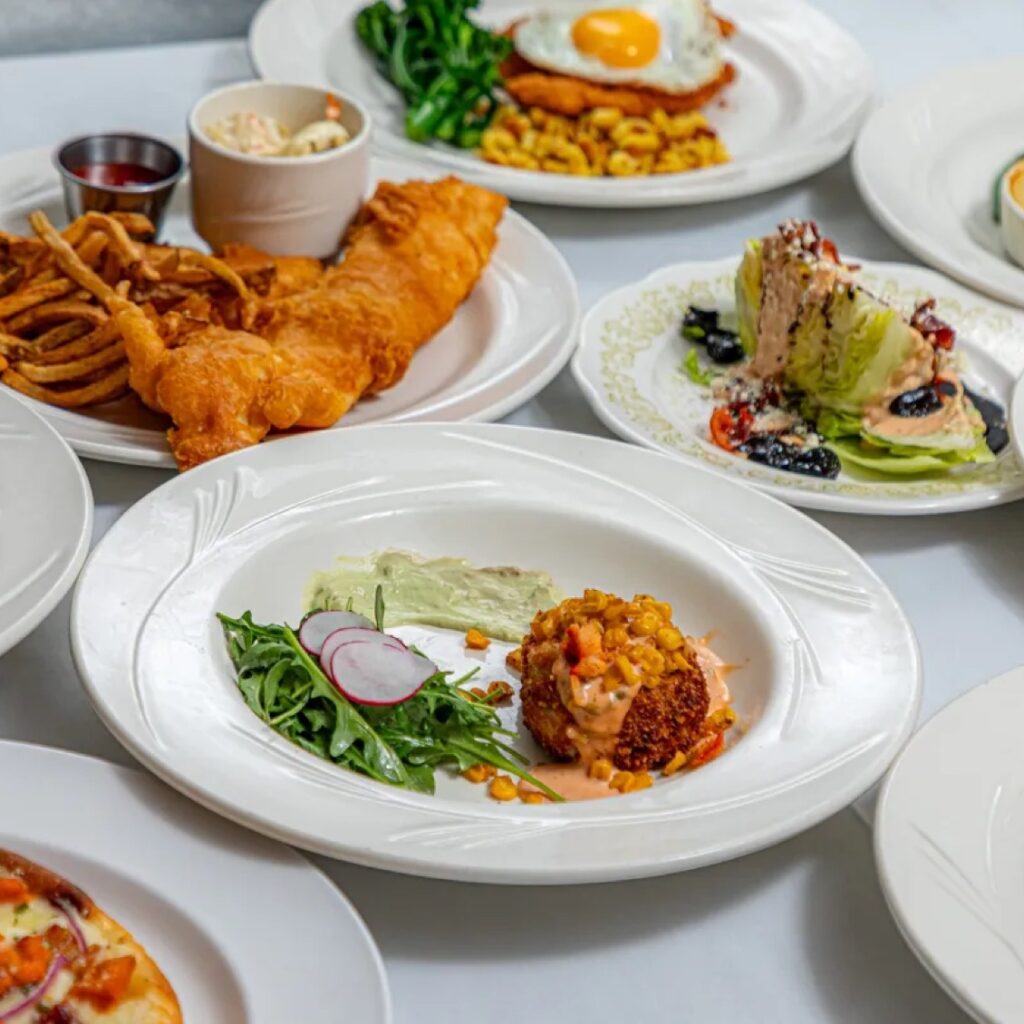
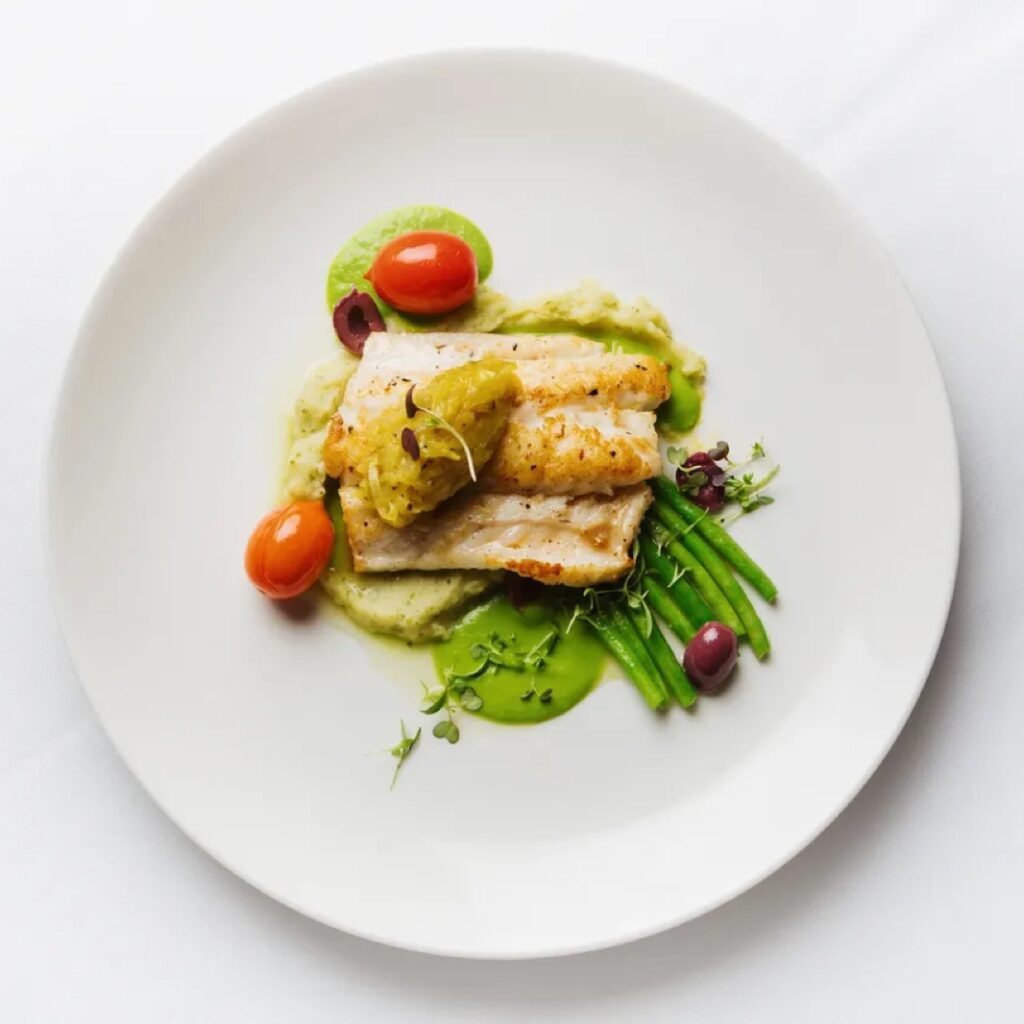
Executive Chef Imer Jose Garcia anchors the restaurant’s culinary direction with a menu built around familiar flavors reframed through contemporary technique and globally influenced creativity. Importantly, the menu does not appear interested in culinary gimmickry or inaccessible fine-dining abstraction. Instead, it leans into recognizable comfort-driven foundations elevated through execution, ingredients, texture, and presentation.
That approach has become increasingly dominant among the country’s strongest modern American restaurants because it balances sophistication with emotional accessibility.
Guests still recognize the food emotionally.
But the execution transforms those familiar reference points into something more refined, layered, and memorable.
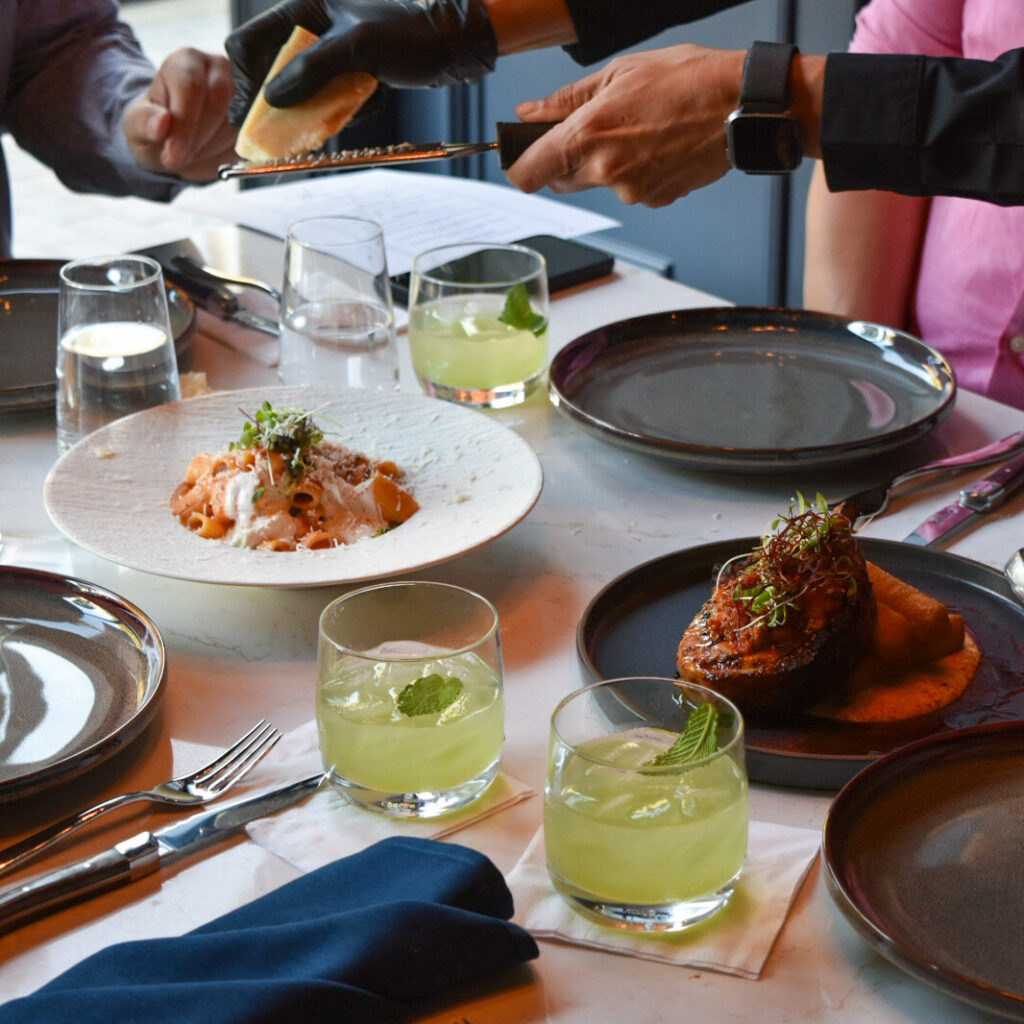
The Wagyu Lasagna exemplifies that philosophy perfectly. Rather than treating lasagna as rustic red-sauce comfort food alone, Gourmand reconstructs the dish around slow-braised wagyu shoulder, hand-rolled pasta sheets, brown butter béchamel, and thirty-six-month-aged Parmigiano. The result sounds simultaneously luxurious and deeply grounded in comfort — the kind of dish designed to feel indulgent without losing emotional familiarity.
Likewise, the Korean BBQ Fried Oysters demonstrate the restaurant’s broader global influence.
Using local oysters coated in rice flour before being lacquered with gochujang and finished with scallion oil and yuzu, the dish blends Shore-region seafood identity with Korean flavor structures and modern plating sensibility. Importantly, the fusion appears purposeful rather than forced. That distinction matters because contemporary diners have become highly sensitive to restaurants using global influences superficially without deeper culinary coherence.
At Gourmand, the menu appears built around balance rather than excess.
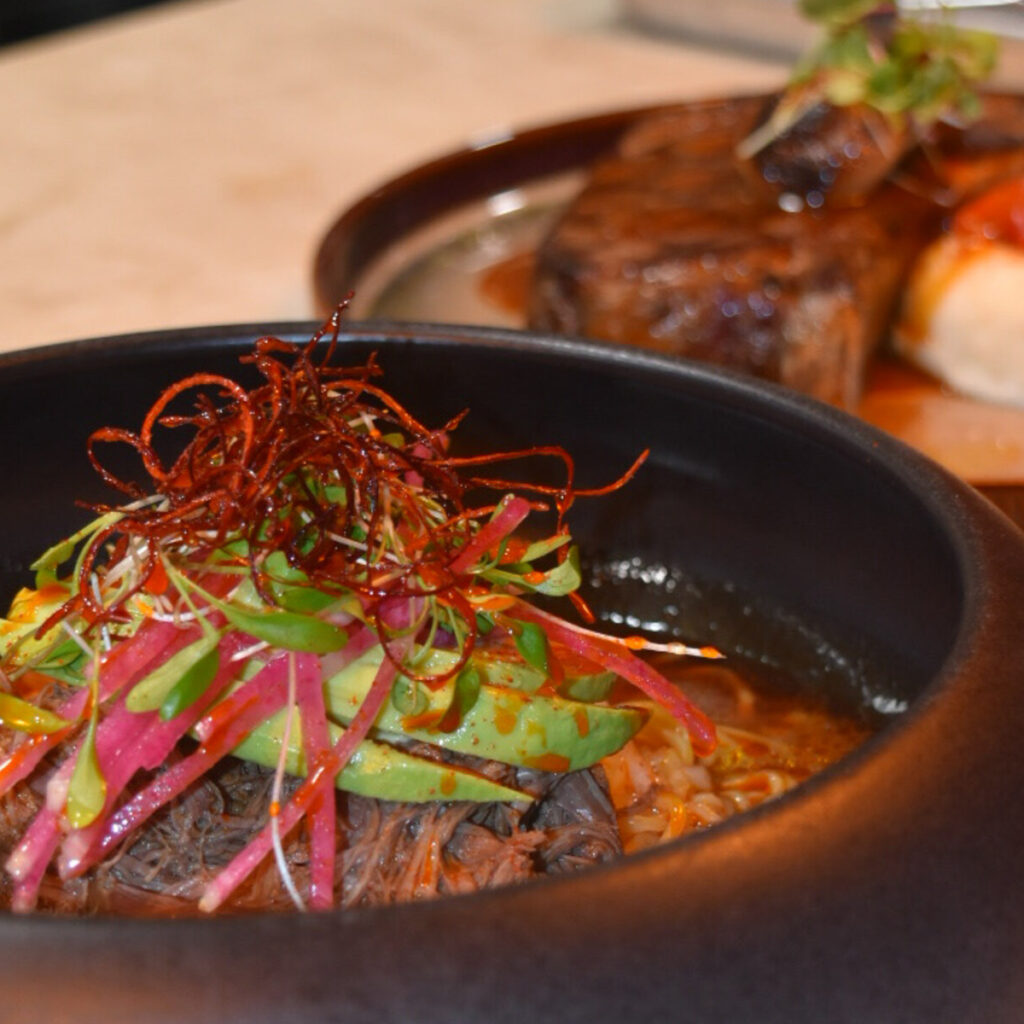
The Birria Ramen further reinforces that identity by combining slow-cooked short rib consommé, smoked chile, soft yolk, lime, and hand-pulled noodles into a dish carrying both comfort and technical complexity. Again, the concept works because it respects the emotional familiarity of the food itself while elevating the execution dramatically.
This kind of globally informed modern American cuisine increasingly defines where New Jersey’s strongest independent restaurants are heading overall.
The Garden State’s dining scene has matured substantially over the last decade. Restaurants are no longer competing solely through portion size, location, or trend-chasing novelty. Increasingly, chefs are building highly personal culinary identities drawing from multicultural influence, regional sourcing, technical training, and storytelling through food.
Gourmand feels positioned directly inside that movement.
At the same time, the restaurant’s Point Pleasant Beach location adds another layer of significance.
For decades, the Jersey Shore restaurant conversation has often been unfairly reduced to seasonal tourism dining despite the region housing an increasingly sophisticated year-round culinary ecosystem. Communities throughout Monmouth and Ocean Counties now support ambitious chef-driven restaurants, artisan bakeries, cocktail programs, boutique cafés, elevated seafood concepts, and modern tasting experiences rivaling major metropolitan dining markets.
Point Pleasant Beach itself has quietly become one of the Shore’s more interesting food destinations precisely because it balances tourism energy with a strong local community identity.
Gourmand enters that environment at a moment when Shore dining culture is evolving rapidly beyond its older stereotypes.
And the restaurant’s reservation-focused structure reinforces that evolution further.
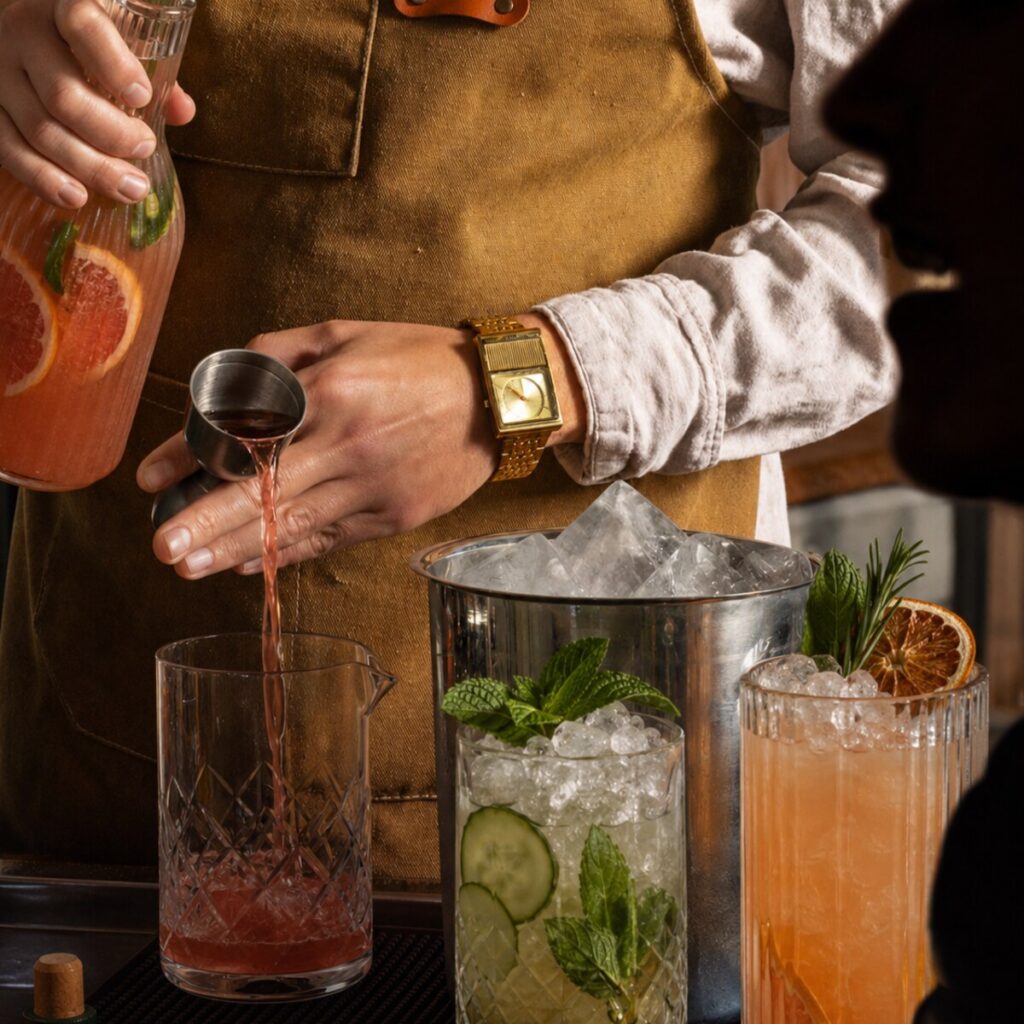
This is not designed as quick-turnover summer dining. It is designed as an experience-oriented restaurant where pacing, hospitality, and atmosphere matter as much as the dishes themselves. Even details like the tableside mocktail cart reveal how intentionally the restaurant approaches hospitality performance.
The walnut-and-brass beverage cart may ultimately become one of Gourmand’s defining signatures because it captures the restaurant’s overall philosophy so effectively.
Rather than treating non-alcoholic beverages as secondary afterthoughts, Gourmand reportedly presents handcrafted mocktails through slow, tableside preparation emphasizing infusion, citrus oils, composition, and visual ritual. The experience reflects one of the most important trends currently reshaping high-end dining nationally: the elevation of non-alcoholic beverage programs into fully integrated culinary experiences.
That evolution matters enormously in 2026.
Consumers increasingly seek hospitality experiences centered around flavor, craftsmanship, and atmosphere without necessarily revolving entirely around alcohol consumption. Restaurants investing seriously in spirit-free cocktail programs are increasingly viewed as more modern, inclusive, and hospitality-driven overall.
At Gourmand, the mocktail cart appears less like performance theater and more like a deliberate extension of the restaurant’s broader commitment to pacing, detail, and sensory immersion.
That level of thoughtfulness increasingly separates memorable restaurants from forgettable ones.
The Shore region especially has become highly competitive as younger diners, affluent seasonal residents, and food-focused travelers increasingly expect sophisticated culinary experiences comparable to major city dining scenes. Restaurants succeeding long-term are often the ones capable of creating complete emotional environments rather than merely serving technically competent food.
Gourmand appears built around exactly that principle.
The architecture creates mood.
The menu creates curiosity.
The pacing creates intimacy.
The hospitality creates immersion.
And together, the experience feels intentionally rooted in both contemporary dining culture and the historic fabric of Point Pleasant Beach itself.
For Explore New Jersey readers tracking the continued evolution of the Garden State’s restaurant scene, Gourmand represents another strong example of how dramatically New Jersey dining culture has expanded in recent years. The state is no longer simply home to great neighborhood restaurants and Shore staples — though those remain foundational to its identity. Increasingly, New Jersey is supporting highly ambitious independent concepts capable of blending culinary sophistication, architectural preservation, global influence, and deeply personal hospitality into experiences carrying genuine national-level quality.
Inside a building that has survived more than a century of Jersey Shore history, Gourmand is now writing a completely new chapter.
And in Point Pleasant Beach, one of New Jersey’s most compelling modern dining experiences may have just found its permanent home.












Your source for everything happening in the Garden State. Enjoy live music year-round, skiing, hiking, beaches, rivers, and mountains. Explore New Jersey’s wine scene by visiting top wineries and vineyards offering award-winning wines. Check out reviews and photos of the best places to sip and sample. Love beer? Discover New Jersey’s breweries — currently home to 123 licensed breweries — and explore the highest-rated beers brewed in the state.
© 2026 Explore New Jersey, a Sunset Entertainment & Media Company | 1928 The Woods II - Cherry Hill, New Jersey 08003. All Rights Reserved.