
Brooklyn Pizza Champion Nino Coniglio Continues Redefining East Coast Pizza Culture Through Tradition, Competition, and Culinary Obsession. In New Jersey, pizza is never treated as casual food.
It is identity. Heritage. Neighborhood culture. Family ritual. Regional competition. Generational craftsmanship. And increasingly, it is also performance art driven by chefs whose reputations extend far beyond their own kitchens.
That is precisely why the continued rise and influence of Brooklyn-born pizza maker and restaurateur Nino Coniglio resonates so strongly throughout the greater New York and New Jersey food world. Long before social media transformed pizza into viral content and long before every restaurant group tried branding itself around “artisanal” authenticity, Coniglio was already building a reputation rooted in something far more legitimate: technical mastery, relentless discipline, and deep respect for old-school pizza-making traditions.
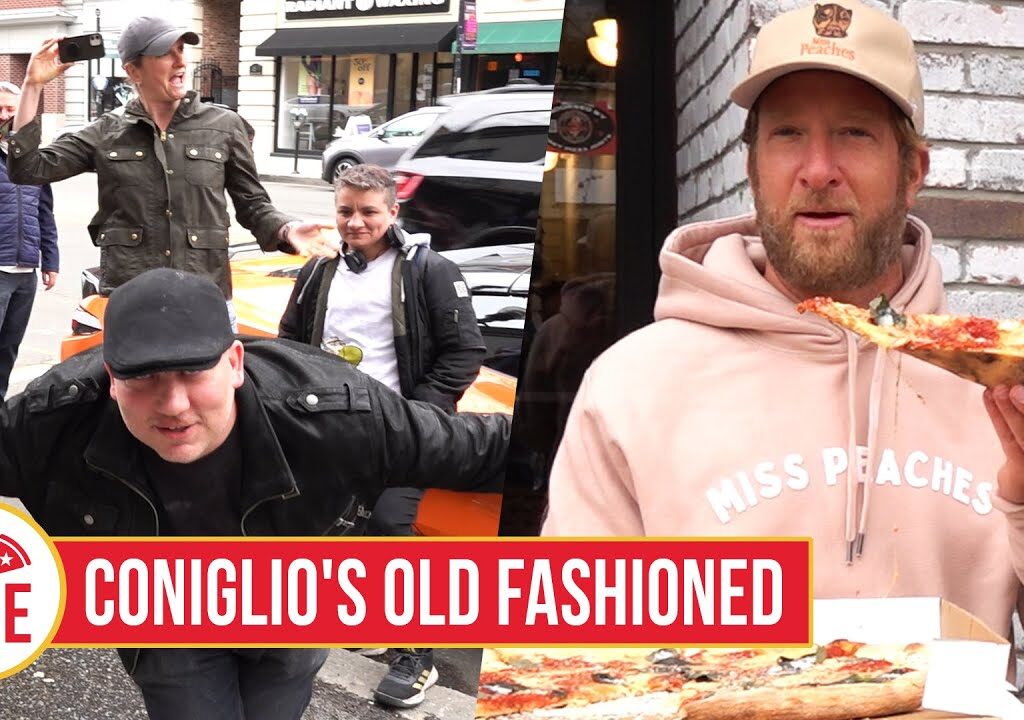
Today, he stands as one of the most decorated competitive pizza makers anywhere in the world, a television-recognized culinary personality, a restaurateur, and one of the most recognizable ambassadors for East Coast pizza culture operating anywhere in North America.
And for New Jersey audiences — where debates surrounding crust texture, fermentation, oven technique, sauce balance, coal-fire tradition, and regional pizza identity are practically woven into everyday life — Coniglio’s story feels especially significant.
Because his rise represents more than individual success.
It reflects the continuing elevation of pizza itself into one of the most respected culinary crafts in modern American food culture.
Born and raised in Brooklyn, Nino Coniglio developed his connection to pizza in the environment where countless Northeast food traditions are born: inside neighborhood pizzerias, family-owned kitchens, crowded street corners, and working-class communities where pizza is treated less like fast food and more like a permanent part of local life. Brooklyn’s pizza legacy has always carried enormous influence across the New York metropolitan region, including throughout Northern and Central New Jersey, where generations of Italian-American families helped establish some of the country’s most fiercely respected pizza traditions.
For Coniglio, that environment became foundational.
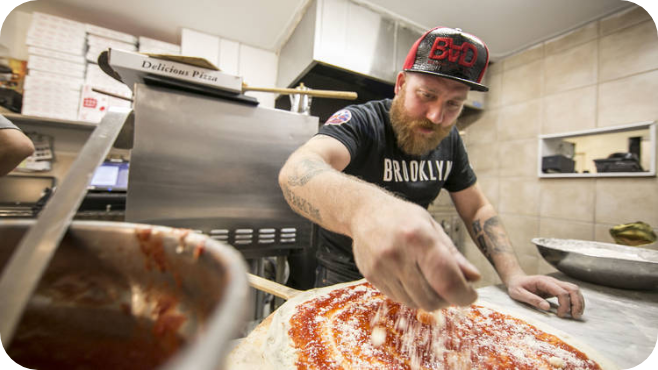
Rather than approaching pizza as a commercial product, he immersed himself in the technical side of the craft at an early age, studying dough structure, oven behavior, ingredient sourcing, timing, fermentation, hydration, and the countless subtle details separating average pizza from truly elite pizza-making. He worked throughout multiple pizzerias during his youth, refining his skills inside real kitchens long before national media attention arrived.
That hands-on foundation remains one of the defining characteristics of his reputation today.
In an era where food culture is increasingly shaped by aesthetics, trends, and rapid social media exposure, Coniglio’s credibility continues stemming from genuine technical expertise developed over years of repetition and competitive excellence.
The breakthrough that permanently changed his career came in 2005 when he captured the World Pizza Championship title in Salsomaggiore Terme, Italy — one of the most prestigious competitive pizza events anywhere globally.
Winning in Italy carries enormous weight within pizza culture itself.
For serious pizza makers, Italy remains the spiritual center of the craft, and international competitions there are judged at extraordinarily high standards focused on technique, authenticity, creativity, texture, and execution. Coniglio’s victory instantly elevated him into elite international company.
More importantly, it was not a one-time achievement.
He would go on to win world championship honors a remarkable ten times, building one of the most decorated competitive resumes in the industry. That level of sustained excellence is exceptionally rare in any culinary discipline, particularly one as deceptively difficult as pizza-making where minor variations in temperature, hydration, fermentation timing, or ingredient balance can dramatically alter final results.
Pizza may appear simple to casual diners.
Professionally, it is anything but.
The best pizza makers in the world operate with a level of precision comparable to elite pastry chefs or fine-dining specialists. Dough chemistry alone involves constant environmental adjustment based on humidity, flour protein structure, fermentation duration, oven temperature, and baking surface behavior. Add sauce balance, cheese moisture, ingredient layering, crust aeration, and timing into the equation, and the craft becomes extraordinarily technical beneath its seemingly approachable surface.
Coniglio’s reputation was built precisely inside that level of detail.
That mastery eventually drew national television attention when the Food Network invited him to compete on “Chopped,” one of television’s most recognizable culinary competition platforms. The appearance introduced Coniglio to a far wider audience while simultaneously reinforcing something industry insiders already understood: his abilities extended well beyond pizza alone.
Winning “Chopped” further expanded his profile nationally and solidified his standing as a versatile culinary competitor capable of performing under pressure, improvising creatively, and executing high-level dishes across broader culinary categories.
Still, despite television exposure and growing celebrity within food culture, Coniglio’s identity has remained deeply tied to pizza itself.
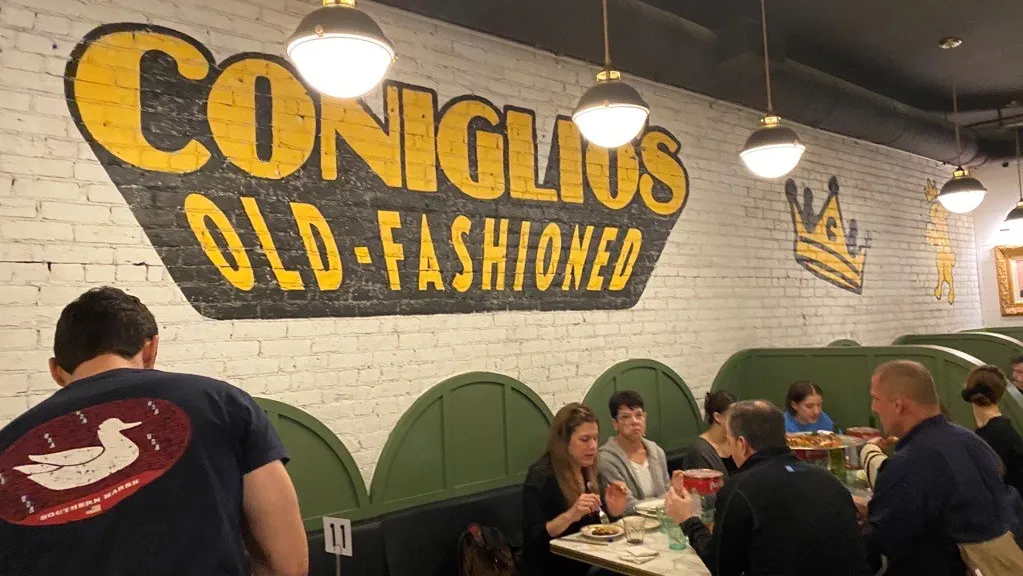
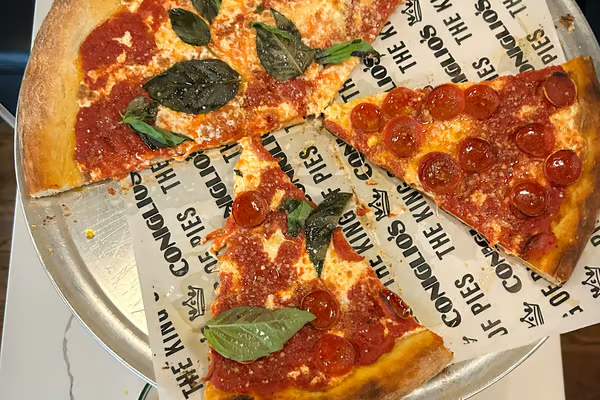
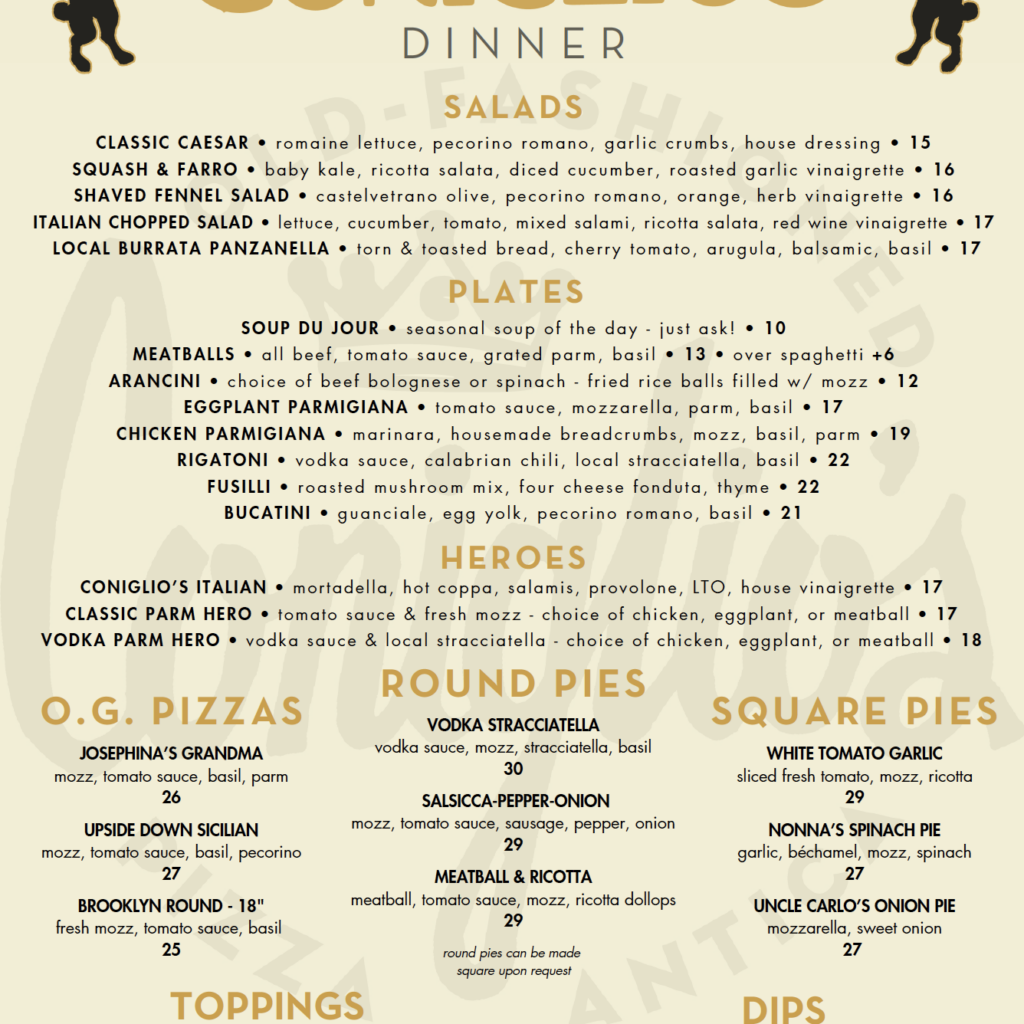
That commitment matters because many chefs pivot away from specialization once broader media opportunities emerge. Coniglio instead continued leaning into the traditions, discipline, and obsessive craftsmanship that built his reputation initially. His restaurants became extensions of that philosophy, emphasizing quality ingredients, traditional preparation methods, and respect for classic East Coast pizza culture rather than gimmicks or trend-chasing reinventions.
Throughout Brooklyn and the surrounding region, his pizzerias developed loyal followings rooted not only in flavor, but in consistency and authenticity.
Fresh ingredients remain central to the approach.
Proper fermentation remains essential.
Technique still matters.
And that old-school mentality increasingly resonates with modern audiences searching for food experiences that feel genuine rather than manufactured for social algorithms.
That authenticity is especially important throughout New Jersey, where pizza culture remains among the most competitive and sophisticated anywhere in the United States.
The Garden State’s pizza scene operates under uniquely high expectations because New Jersey sits directly inside one of the most historically influential pizza corridors in America. From coal-fired pies and boardwalk slices to old-world Italian bakeries, tavern pies, and contemporary artisan operations, New Jersey’s pizza ecosystem has evolved into one of the country’s most respected culinary landscapes.
Pizza makers who earn respect here generally do so through legitimacy, not marketing.
That is why figures like Nino Coniglio continue drawing attention across the region.
His success represents the kind of deeply technical, tradition-driven craftsmanship New Jersey audiences instinctively recognize and appreciate. Whether discussing dough hydration percentages, wood-fired oven temperatures, imported cheeses, or fermentation schedules, pizza culture in this region treats the craft seriously because generations of communities have built cultural identity around it.
Coniglio’s career also reflects the broader evolution of pizza itself over the last twenty years.
What was once often dismissed nationally as simple comfort food has increasingly become one of the most celebrated categories within American culinary culture. Pizza festivals, world championships, documentary films, competitive circuits, chef-driven concepts, and specialized fermentation science have elevated the discipline into a globally respected culinary art form.
At the same time, social media transformed pizza into one of the internet’s most visually dominant food categories.
But while countless influencers chase viral slices and over-the-top creations, chefs like Coniglio continue representing something more durable: substance over spectacle.
That balance between innovation and tradition may ultimately define the future of serious pizza culture itself.
Consumers increasingly want authenticity, but they also expect creativity and evolution. The strongest pizza makers today are often those capable of respecting classic techniques while still bringing personality and individuality into the craft. Coniglio’s career reflects that balance remarkably well, blending competitive precision, traditional roots, media presence, and entrepreneurial growth without losing connection to the fundamentals that built his reputation initially.
For Explore New Jersey readers following the continuing evolution of Northeast food culture, Nino Coniglio’s story stands as another reminder that pizza remains one of the most culturally important culinary forms anywhere in the region.
Not simply because people love eating it.
But because the best pizza makers continue treating the craft with the seriousness, discipline, and pride it deserves.
From Brooklyn neighborhood kitchens to international championship stages, from Food Network victories to respected restaurant operations, Coniglio’s rise reflects the enduring power of East Coast pizza culture itself — a culture that continues thriving throughout New Jersey every single day.
And in a region where everyone believes they know great pizza when they taste it, earning lasting respect is perhaps the greatest championship of all.












Your source for everything happening in the Garden State. Enjoy live music year-round, skiing, hiking, beaches, rivers, and mountains. Explore New Jersey’s wine scene by visiting top wineries and vineyards offering award-winning wines. Check out reviews and photos of the best places to sip and sample. Love beer? Discover New Jersey’s breweries — currently home to 123 licensed breweries — and explore the highest-rated beers brewed in the state.
© 2026 Explore New Jersey, a Sunset Entertainment & Media Company | 1928 The Woods II - Cherry Hill, New Jersey 08003. All Rights Reserved.