




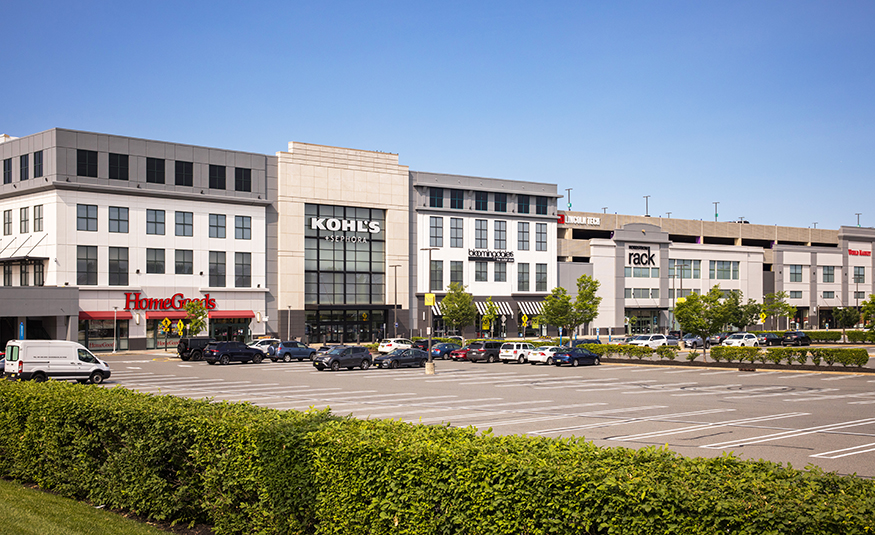
Canton Rodeo Debuts at Bergen Town Center, Bringing Authentic Hong Kong BBQ to Paramus’ Evolving Dining Scene. A notable addition has arrived in one of New Jersey’s most active retail and lifestyle corridors, as Canton Rodeo officially opens its doors at Bergen Town Center in Paramus, taking over the former space occupied by Sticky’s Finger Joint. Positioned within a high-traffic destination that continues to redefine itself beyond traditional retail, Canton Rodeo introduces a focused, culturally rich dining concept built around slow-roasted Hong Kong barbecue—an offering that signals both a culinary expansion and a strategic evolution in how the center curates its food experience.
Located at the intersection of Route 4 and Forest Avenue, Bergen Town Center has long functioned as a super-regional retail hub, but in recent years it has undergone a deliberate transformation toward a more integrated “live, work, eat, and play” environment. The arrival of Canton Rodeo reflects that shift, aligning with a broader trend in which destination shopping centers prioritize high-quality, distinctive food concepts as a core component of the visitor experience. Within the wider landscape highlighted by Explore New Jersey Restaurants, this opening represents a meaningful expansion of authentic, globally influenced cuisine in Bergen County.
Canton Rodeo’s identity is built around a single, well-defined culinary pillar: traditional Hong Kong-style barbecue prepared through time-intensive roasting techniques that emphasize depth of flavor, texture, and visual presentation. This is not fast-casual reinterpretation or fusion-driven experimentation; it is a concept rooted in authenticity, where the integrity of the preparation process is central to the dining experience. Slow-roasted meats—typically including char siu pork, crispy-skinned duck, and other Cantonese staples—are prepared with a level of precision that reflects both heritage and craftsmanship.
The emphasis on “legendary, slow roasted Hong Kong BBQ” is not simply a branding statement—it is a commitment to a culinary tradition that prioritizes patience and technique. Roasting methods developed over generations rely on controlled heat, carefully balanced marinades, and an understanding of how flavor develops over time. The result is a menu that delivers both familiarity for those who know the cuisine and discovery for those encountering it for the first time.
What makes Canton Rodeo’s arrival particularly significant is its placement within Paramus, a town better known for its concentration of national retail chains than for destination dining experiences. By introducing a concept that draws from a distinct culinary tradition, the restaurant contributes to a gradual diversification of the local food scene. It reflects a growing demand among New Jersey diners for experiences that go beyond standard offerings, favoring authenticity, specialization, and cultural depth.
The decision to occupy the former Sticky’s Finger Joint location is also indicative of a broader recalibration within retail dining environments. As consumer preferences shift, spaces that once housed familiar, fast-casual brands are increasingly being reimagined to accommodate concepts with stronger identities and more differentiated menus. Canton Rodeo’s presence suggests a strategic move toward offerings that can stand out within a competitive landscape, attracting both repeat local customers and visitors seeking something distinct.
Within the context of Bergen Town Center’s ongoing redevelopment, the restaurant plays a role in reinforcing the property’s repositioning as more than a shopping destination. The integration of varied dining options is central to creating an environment where visitors can extend their stay, moving seamlessly between retail, dining, and social experiences. Canton Rodeo contributes to this ecosystem by offering a cuisine that encourages both quick visits and more intentional dining occasions.
From a broader industry perspective, the opening aligns with national trends in food and beverage where regional and international specialties are gaining prominence. Diners are increasingly drawn to concepts that offer a clear point of view—restaurants that do one thing exceptionally well rather than attempting to appeal to all tastes simultaneously. Canton Rodeo’s focused menu and commitment to traditional preparation methods position it well within this trend, appealing to an audience that values both quality and authenticity.
The visual and sensory aspects of Hong Kong barbecue also play a role in the restaurant’s appeal. The presentation of roasted meats—glazed, carved, and displayed with attention to detail—adds an element of theater to the dining experience. This combination of visual impact and flavor intensity creates a memorable impression, reinforcing the restaurant’s identity and encouraging word-of-mouth engagement.
For Explore New Jersey readers tracking the evolution of dining across the state, Canton Rodeo represents a noteworthy addition not just for what it offers, but for what it signals. It reflects a shift toward more diverse culinary representation in suburban retail environments, a recognition that food has become a central driver of destination appeal. It also highlights the increasing sophistication of New Jersey’s dining audience, which continues to seek out experiences that are both authentic and thoughtfully executed.
As Bergen Town Center continues to expand its mix of retail and lifestyle offerings, the presence of Canton Rodeo adds a layer of depth to its dining portfolio. It introduces a concept that is both specific in its focus and broad in its appeal, capable of attracting a wide range of visitors while maintaining a clear and consistent identity.
In the context of Paramus’ ongoing evolution, this opening marks another step toward a more dynamic and diversified local landscape. Canton Rodeo does not simply fill a vacant space—it redefines it, transforming a familiar location into a destination for culinary exploration. For those navigating New Jersey’s ever-expanding food scene, it stands as a compelling example of how traditional techniques and contemporary demand can intersect to create something both timely and enduring.












Your source for everything happening in the Garden State. Enjoy live music year-round, skiing, hiking, beaches, rivers, and mountains. Explore New Jersey’s wine scene by visiting top wineries and vineyards offering award-winning wines. Check out reviews and photos of the best places to sip and sample. Love beer? Discover New Jersey’s breweries — currently home to 123 licensed breweries — and explore the highest-rated beers brewed in the state.
© 2026 Explore New Jersey, a Sunset Entertainment & Media Company | 1928 The Woods II - Cherry Hill, New Jersey 08003. All Rights Reserved.