
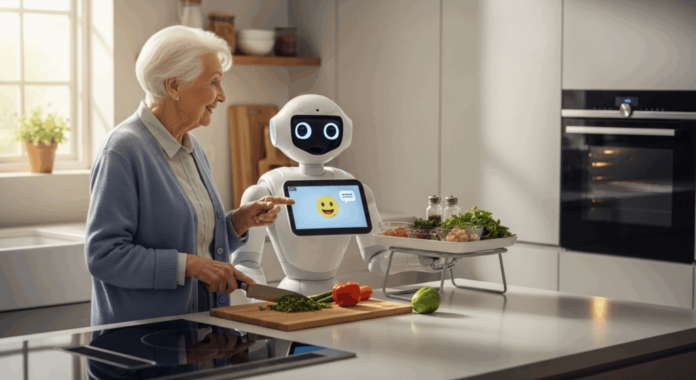

New Jersey’s rapidly growing senior population is transforming the way families think about aging, caregiving, and long-term support. As more adults find themselves balancing careers, raising children, and caring for aging parents, demand continues to rise for services that allow older adults to remain safely and independently in their own homes. That shift is driving both innovation and investment throughout the home care industry, and one of the nation’s largest providers is responding with a combination of advanced technology and personalized in-home support.
Comfort Keepers, one of the country’s leading providers of non-medical home care, has launched several significant national initiatives designed to enhance senior independence while providing families with greater peace of mind. With an extensive network of locally owned offices serving communities throughout New Jersey—including Cherry Hill, Robbinsville, Toms River, Warren, Pitman, and numerous other locations—the company is combining traditional caregiving with emerging technologies that are reshaping what aging at home can look like.
The announcements arrive as many New Jersey families continue evaluating alternatives to assisted living communities and nursing facilities. For countless older adults, remaining in familiar surroundings is not simply a personal preference but an important component of maintaining emotional well-being, independence, and overall quality of life.
Helping seniors remain at home has long been the foundation of Comfort Keepers’ care model. The company’s caregivers provide non-medical assistance that enables older adults to continue living safely while receiving personalized support tailored to their individual needs.
Services typically include companionship, assistance with daily personal care, meal preparation, light housekeeping, transportation to medical appointments and community activities, grocery shopping, medication reminders, and help with maintaining routines that encourage physical and mental engagement. Rather than replacing independence, the goal is to support it by providing assistance where it is needed while encouraging seniors to remain active participants in their own daily lives.
That philosophy continues to evolve as technology becomes an increasingly valuable tool in home care.
Among the company’s most significant recent announcements is the introduction of Comfort360 SafeGuard™, a new wellness monitoring platform developed in partnership with artificial intelligence technology company Pontosense. Unlike traditional emergency response systems that rely upon wearable pendants or emergency buttons, the new system utilizes ambient wireless sensing technology to monitor movement patterns, activity levels, and sleep behavior within the home.
The technology is designed to detect meaningful changes in a person’s daily routine that may indicate emerging health concerns or an increased risk of falls. Because the system operates passively within the home, seniors are not required to remember to wear devices, recharge batteries, or activate emergency buttons during a crisis.
For many families, particularly those living hours away from aging parents, continuous wellness monitoring offers an additional layer of reassurance while allowing loved ones to maintain greater independence.
Comfort Keepers has also introduced the HomeSight Wellness Hub, another initiative intended to simplify communication between seniors, caregivers, and family members.
The platform transforms a household television into an interactive communication center, allowing video conversations with family members, medication reminders, wellness updates, and simplified access to important caregiving information through a familiar device that many seniors already use daily.
The emphasis on ease of use reflects one of the largest challenges facing digital healthcare technologies. While sophisticated applications continue to emerge, older adults often benefit most from systems designed around devices they already know and trust rather than requiring them to learn entirely new technologies.
The combination of AI-powered monitoring and simplified family communication illustrates how the home care industry is moving beyond traditional caregiving services into integrated wellness management.
The company’s announcements coincided with the observance of its eighth annual National Day of Joy, a nationwide initiative highlighting the emotional and social dimensions of aging. This year’s campaign focused on the growing responsibilities faced by the so-called “sandwich generation”—adults simultaneously raising children while coordinating care for aging parents.
That demographic reality has become increasingly common throughout New Jersey.
Longer life expectancy, changing family structures, rising healthcare costs, and demanding work schedules have created situations where families often need additional support navigating complex caregiving responsibilities. Home care providers are responding by expanding not only the services they offer older adults but also the educational resources available to family caregivers making important long-term decisions.
Across New Jersey, individual Comfort Keepers offices have recently focused on helping families better understand the differences between hourly and live-in care arrangements.
In Robbinsville, local caregivers have been educating families about the financial and practical considerations involved when comparing live-in care with hourly service plans. Determining the most appropriate level of support often depends upon an individual’s medical needs, daily routines, family involvement, and long-term care objectives.
In Toms River, the discussion has centered on how live-in care can provide an effective solution for seniors who wish to remain in their own homes while requiring more continuous daily assistance than periodic visits can provide.
Meanwhile, the Warren office has reported increasing interest from families evaluating home care as an alternative to assisted living communities. As more New Jersey residents seek flexible options that preserve independence while reducing caregiver burden, agencies continue to experience growing demand for individualized care plans that evolve alongside changing health needs.
These conversations reflect broader demographic trends shaping healthcare throughout the Garden State.
New Jersey consistently ranks among the states with the highest life expectancy, and its senior population continues to grow as baby boomers enter retirement. At the same time, advances in healthcare mean many older adults are living longer with chronic medical conditions that require ongoing assistance but not necessarily institutional care.
As a result, aging in place has become one of the defining priorities within elder care planning.
For many seniors, remaining at home provides more than physical comfort. Familiar surroundings contribute to emotional stability, stronger community connections, preserved routines, and greater overall well-being. Numerous studies have suggested that maintaining independence and social engagement can positively influence both physical and cognitive health as people age.
Technology is increasingly supporting those goals rather than replacing personal caregiving.
Artificial intelligence, passive wellness monitoring, remote communication systems, and connected home technologies are allowing caregivers to identify potential concerns earlier while giving families greater visibility into their loved one’s daily well-being. Importantly, these innovations complement rather than substitute for the human relationships that remain at the center of quality caregiving.
Compassion, companionship, trust, and personal connection continue to define exceptional home care.
As New Jersey’s healthcare landscape continues evolving, providers that successfully combine experienced caregivers with thoughtfully implemented technology are likely to play an increasingly important role in helping seniors remain independent for as long as possible.
Comfort Keepers’ latest national initiatives reflect that direction. By integrating AI-powered wellness monitoring, expanding family communication tools, and continuing to educate New Jersey families about the full spectrum of home care options, the company is responding to changing expectations surrounding senior care while reinforcing a goal shared by countless families throughout the Garden State: helping older adults continue living safely, comfortably, and with dignity in the homes they know and love.
















