

New Jersey’s cultural institutions have long served as places where history, creativity, science, and community intersect. Museums are no longer simply destinations for viewing exhibits. Increasingly, they are becoming dynamic centers of public conversation, intellectual exploration, and lifelong learning. This evolution reflects a growing appetite among audiences who want more than passive experiences. They want opportunities to engage, question, discuss, and expand their understanding of the world around them.
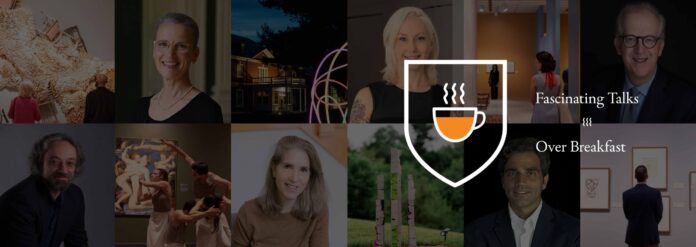
The Morris Museum in Morristown is embracing that movement in a significant way with the launch of Breakfast University, an ambitious new lecture series designed to bring some of America’s most accomplished professors directly to New Jersey audiences. Announced this week, the program represents a unique partnership between the museum and Thoughtful Productions, the educational media company created by the team behind the highly regarded One Day University concept.
The result is an innovative educational experience that combines academic excellence, cultural enrichment, social engagement, and museum exploration into a single morning program. Beginning this fall, attendees will have the opportunity to enjoy thought-provoking presentations delivered by leading scholars while also gaining special access to one of New Jersey’s most respected cultural institutions.
The introduction of Breakfast University arrives at a time when lifelong learning has become increasingly important. Across New Jersey, residents continue to seek meaningful educational opportunities outside traditional classroom settings. Whether driven by professional curiosity, personal interests, or a desire to remain intellectually active, adults are increasingly turning toward lecture series, cultural events, museum programs, and public discussions as ways to continue learning throughout their lives.
Breakfast University is designed specifically for that audience.
Rather than requiring semester-long coursework, exams, or extensive commitments, the series offers an accessible format that delivers the excitement and intellectual rigor of a university lecture without the pressures traditionally associated with academic study. Participants simply arrive, enjoy refreshments, engage with expert presenters, and immerse themselves in ideas that span music, history, literature, science, psychology, art, and culture.
The format itself is part of the attraction.
Each event begins with a welcoming social gathering where attendees can enjoy coffee and light refreshments while connecting with fellow learners from throughout the region. That atmosphere encourages conversation before the formal program even begins, transforming the experience into more than just a lecture. It becomes a gathering of curious minds brought together by a shared interest in discovery and learning.
The centerpiece of each morning is a one-hour presentation led by a distinguished professor, followed by opportunities for audience engagement and discussion. Unlike traditional academic lectures that can sometimes feel distant or inaccessible, the Breakfast University model emphasizes interaction and accessibility. Attendees are encouraged to participate, ask questions, and explore ideas alongside experts who have dedicated their careers to studying some of the most fascinating subjects in human history and culture.
The inaugural schedule demonstrates the breadth of the program’s ambitions.
The first presentation, scheduled for October, explores the musical contributions of George Gershwin and Duke Ellington while examining the broader search for an authentic American musical identity. Music has always been one of the most powerful reflections of American culture, and this opening lecture promises to examine how some of the nation’s most influential composers helped define a distinctly American sound.
The November program shifts attention toward photography and visual storytelling, exploring images that helped shape public understanding of the American experience. Photography has played a profound role in documenting history, influencing public opinion, and preserving cultural memory. The discussion offers an opportunity to examine how individual images can influence generations and alter the course of public conversation.
December’s presentation turns toward literature and the power of books to shape national identity. Throughout American history, certain works have transcended their status as publications to become cultural landmarks. By examining several remarkable texts, attendees will gain insight into how literature has helped define the nation’s values, aspirations, conflicts, and evolving sense of self.
The spring semester continues the interdisciplinary approach.
One program explores the relationship between happiness, health, and artistic engagement, a topic that has become increasingly relevant as researchers continue investigating the impact of creativity and cultural participation on emotional well-being. The discussion reflects a growing recognition that art is not simply entertainment but a vital contributor to quality of life and personal fulfillment.
Another presentation examines some of the most significant paintings ever created, offering attendees a deeper appreciation of artistic masterpieces that continue to inspire audiences across generations. For both seasoned art enthusiasts and newcomers alike, the session provides an opportunity to see familiar works through fresh perspectives while discovering new dimensions of artistic achievement.
The series concludes with an exploration of Albert Einstein, one of history’s most influential scientific thinkers. While Einstein’s contributions to physics remain legendary, the lecture also promises to examine the human being behind the scientific icon. By exploring the personal, intellectual, and cultural dimensions of his life, attendees can gain a fuller understanding of how extraordinary individuals shape both science and society.
What makes Breakfast University particularly compelling is its integration with the Morris Museum experience itself.
Following each lecture, participants receive exclusive access to the museum’s galleries and exhibitions. This additional component transforms the event into a complete cultural experience rather than a standalone presentation. Visitors can move directly from intellectual discussion into artistic exploration, creating connections between academic ideas and the museum’s broader mission of preserving and celebrating human creativity.
That connection aligns perfectly with the Morris Museum’s growing reputation as one of New Jersey’s most important cultural destinations.
Located in Morristown, the museum has spent decades building a diverse collection that encompasses art, history, science, performance, and innovation. Its exhibitions regularly draw visitors from across the region, while its educational programming continues to expand opportunities for community engagement.
Breakfast University represents a natural extension of that mission.
By bringing nationally recognized professors directly to New Jersey audiences, the museum is helping eliminate barriers that often separate academic expertise from public access. Instead of requiring travel to major universities or enrollment in formal academic programs, participants can experience world-class instruction within a welcoming local environment.
The initiative also reflects a broader trend throughout New Jersey’s cultural landscape.
Institutions across the state increasingly recognize that modern audiences seek experiences that combine education with engagement. Visitors want opportunities to deepen their understanding of subjects while connecting with others who share similar interests. Programs that encourage discussion, curiosity, and exploration are becoming central components of successful cultural organizations.
For Morristown, Breakfast University further strengthens the community’s identity as a center for learning, history, and culture. The town already enjoys a rich reputation rooted in Revolutionary War history, performing arts, museums, and educational institutions. The addition of this lecture series enhances that profile while attracting visitors from throughout the state and beyond.
As New Jersey continues investing in arts, culture, and educational programming, initiatives like Breakfast University demonstrate how museums can evolve to meet contemporary expectations while remaining true to their core missions. They become places not only for preserving knowledge but also for generating new conversations and inspiring fresh perspectives.
For attendees, the appeal is straightforward. Few opportunities allow individuals to spend a morning enjoying coffee, engaging with leading scholars, participating in meaningful discussions, and exploring museum galleries all within a single visit. The combination creates an experience that is educational, social, cultural, and intellectually rewarding.
The launch of Breakfast University signals that the Morris Museum is not simply presenting a lecture series. It is creating a community centered on curiosity, conversation, and lifelong learning. In an era when information is everywhere but thoughtful engagement can sometimes feel increasingly rare, that mission may be more valuable than ever.
Beginning this October, New Jersey residents will have an opportunity to discover exactly what happens when higher education, cultural exploration, and community connection come together around the breakfast table. If the inaugural lineup is any indication, Breakfast University is poised to become one of the state’s most intriguing new arts and culture programs and another reason why the Morris Museum continues to play such an important role in New Jersey’s cultural future.
















