
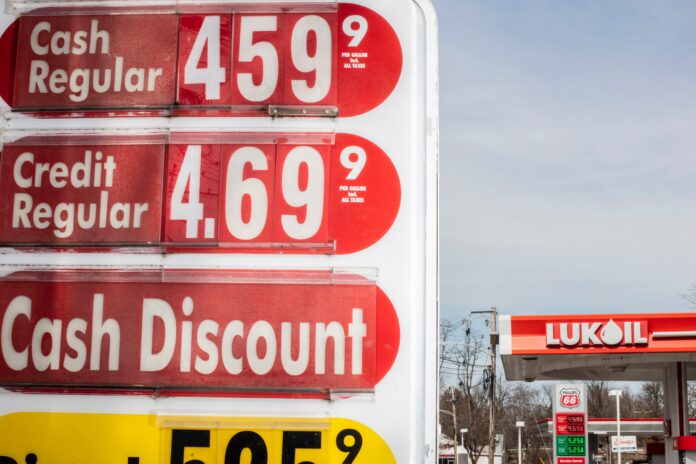

For the first time in months, New Jersey drivers are seeing something many feared might not arrive until much later in the year: meaningful relief at the gas pump.
After surging to some of the highest fuel prices seen in 2026, gasoline costs across the Garden State have steadily retreated, providing welcome breathing room for commuters, families, businesses, and vacation travelers preparing for one of the busiest summer seasons in recent memory. The decline has been substantial enough to attract statewide attention, with average prices falling approximately 43 cents per gallon from their spring peak and offering motorists a rare piece of positive economic news at a time when affordability remains one of New Jersey’s most discussed issues.
For a state built around mobility, where millions of residents rely on personal vehicles to commute to work, transport children, operate businesses, and travel between communities, fuel prices affect far more than household budgets. They influence tourism, retail spending, transportation costs, logistics operations, and overall consumer confidence.
The recent decline represents more than just savings at the pump. It serves as a reminder of how interconnected New Jersey’s economy remains with global energy markets and how quickly international events can affect everyday life throughout the Garden State.
Only weeks ago, fuel prices appeared headed in the opposite direction.
Earlier this year, gasoline costs climbed sharply as geopolitical instability created uncertainty throughout international oil markets. Escalating tensions involving Iran and concerns regarding shipping activity through the Strait of Hormuz triggered fears of potential disruptions to global energy supplies. Because the narrow waterway handles a significant percentage of the world’s petroleum shipments, even the possibility of interruptions can send shockwaves through energy markets.
Traders reacted swiftly.
Crude oil prices climbed. Wholesale gasoline costs followed. Refiners faced higher expenses. Those increases ultimately filtered down to consumers.
By May, average gasoline prices throughout New Jersey had climbed to approximately $4.53 per gallon, placing significant pressure on motorists already dealing with elevated housing costs, utility expenses, insurance premiums, and broader inflation concerns.
For many New Jersey families, every trip became a little more expensive.
Daily commutes from suburban communities into major employment centers such as Newark, Jersey City, Trenton, New Brunswick, and New York City became more costly. Shore visitors planning summer weekends faced larger transportation expenses. Small businesses operating delivery vehicles, service fleets, and transportation equipment found operating costs climbing at a difficult time.
The situation appeared particularly concerning because the increase arrived just as the summer driving season was beginning.
Historically, warmer weather brings increased demand for gasoline as vacation travel accelerates. More vehicles on the road often translate into higher fuel prices. Yet 2026 has unfolded differently than many analysts anticipated.
Instead of continuing upward, prices have begun a sustained retreat.
The primary factor behind the decline has been the easing of global energy market concerns. As tensions surrounding Middle Eastern supply routes stabilized and fears of major disruptions diminished, oil markets began recalibrating. Crude prices retreated from earlier highs, helping lower wholesale gasoline costs throughout the United States.
At the same time, domestic energy production has continued to expand.
American oil producers have maintained strong output levels while refineries have increased gasoline production capacity. Additional supply entering the marketplace has helped balance demand during the early stages of the summer travel season, creating downward pressure on retail prices.
The result has been a gradual but meaningful decline that motorists are now seeing reflected on roadside price signs across New Jersey.
For drivers filling larger vehicles, pickup trucks, SUVs, and family transportation vehicles, the savings can add up quickly. A 20-gallon fill-up now costs significantly less than it did only a few weeks ago. Over the course of a month, commuters traveling long distances may save hundreds of dollars compared with peak spring fuel costs.
The timing could hardly be better.
Summer represents one of New Jersey’s most active travel periods. Millions of residents head toward the Jersey Shore, state parks, lakes, campgrounds, sporting events, concerts, festivals, and regional attractions. Visitors from neighboring states also flood into New Jersey’s tourism destinations, creating increased transportation demand across highways, bridges, and local roadways.
Every reduction in fuel costs makes those trips more affordable.
The benefits extend well beyond individual motorists.
Transportation companies, delivery services, contractors, landscapers, construction firms, and countless other businesses depend on vehicle fleets to serve customers. Lower gasoline costs reduce operating expenses, improve profitability, and potentially help moderate price increases that might otherwise be passed along to consumers.
For local tourism economies, lower fuel prices can encourage additional discretionary travel. Families who might have limited weekend trips due to transportation expenses may be more willing to visit shore towns, wineries, breweries, restaurants, entertainment venues, parks, and attractions throughout the state.
Yet despite the encouraging trend, New Jersey motorists continue to face some challenges compared with drivers elsewhere in the country.
Average gasoline prices in New Jersey remain slightly above national averages. While the gap has narrowed during recent weeks, Garden State drivers still generally pay more than many motorists across the United States.
Part of that difference stems from New Jersey’s fuel tax structure.
The state’s gasoline tax currently remains among the more significant components of retail fuel prices. While transportation funding supported by the tax helps maintain critical infrastructure, including highways, bridges, and transportation projects, it also contributes to the final cost motorists encounter at the pump.
Recent proposals to temporarily suspend or reduce fuel taxes as a means of providing additional consumer relief generated discussion among lawmakers and policy advocates. Supporters argued that a temporary reduction could help offset economic pressures facing residents. Critics raised concerns regarding transportation funding and long-term infrastructure investments.
Ultimately, Governor Mikie Sherrill declined proposals aimed at suspending the state’s fuel tax, emphasizing the importance of maintaining transportation funding commitments while monitoring broader economic conditions.
Regional differences also continue to influence fuel costs across New Jersey.
Drivers frequently discover significant price variations depending on where they fill their tanks. Rural counties often feature lower average prices than more heavily traveled tourist destinations. Areas with greater competition among fuel retailers can sometimes offer lower prices, while seasonal demand patterns influence costs in vacation-oriented regions.
South Jersey continues to provide some of the state’s most competitive gasoline pricing. Meanwhile, shore communities experiencing heightened summer tourism activity often see somewhat higher averages due to increased seasonal demand.
These local variations underscore the importance of comparison shopping, particularly during periods of fluctuating fuel costs.
The broader outlook remains cautiously optimistic.
Energy analysts note that gasoline prices remain highly sensitive to geopolitical developments, weather events, refinery operations, and global economic conditions. Hurricane season, international conflicts, unexpected refinery outages, or major shifts in oil production can rapidly alter market dynamics.
For now, however, conditions appear considerably more favorable than they did just a few months ago.
The combination of stable crude oil prices, strong domestic production, and moderating market pressures has created an environment where further volatility seems less likely in the immediate future. While no guarantees exist in energy markets, current trends suggest motorists may continue benefiting from relatively stable pricing as the summer progresses.
That stability matters enormously in New Jersey.
Few states are as dependent on transportation networks as the Garden State. Residents commute across county lines, cross state borders, travel extensive suburban corridors, and rely on interconnected road systems that serve one of the nation’s most densely populated regions.
When fuel costs rise, the impact is felt almost immediately.
When they fall, the relief spreads just as quickly.
As summer unfolds and millions of drivers head toward beaches, concerts, sporting events, family gatherings, and vacation destinations, New Jersey motorists are receiving a welcome reminder that economic pressures do not always move in one direction. After months of uncertainty and rising costs, the 43-cent decline in gasoline prices offers something many residents have been waiting for: a little extra room in the family budget and a more affordable road ahead.
















