


New
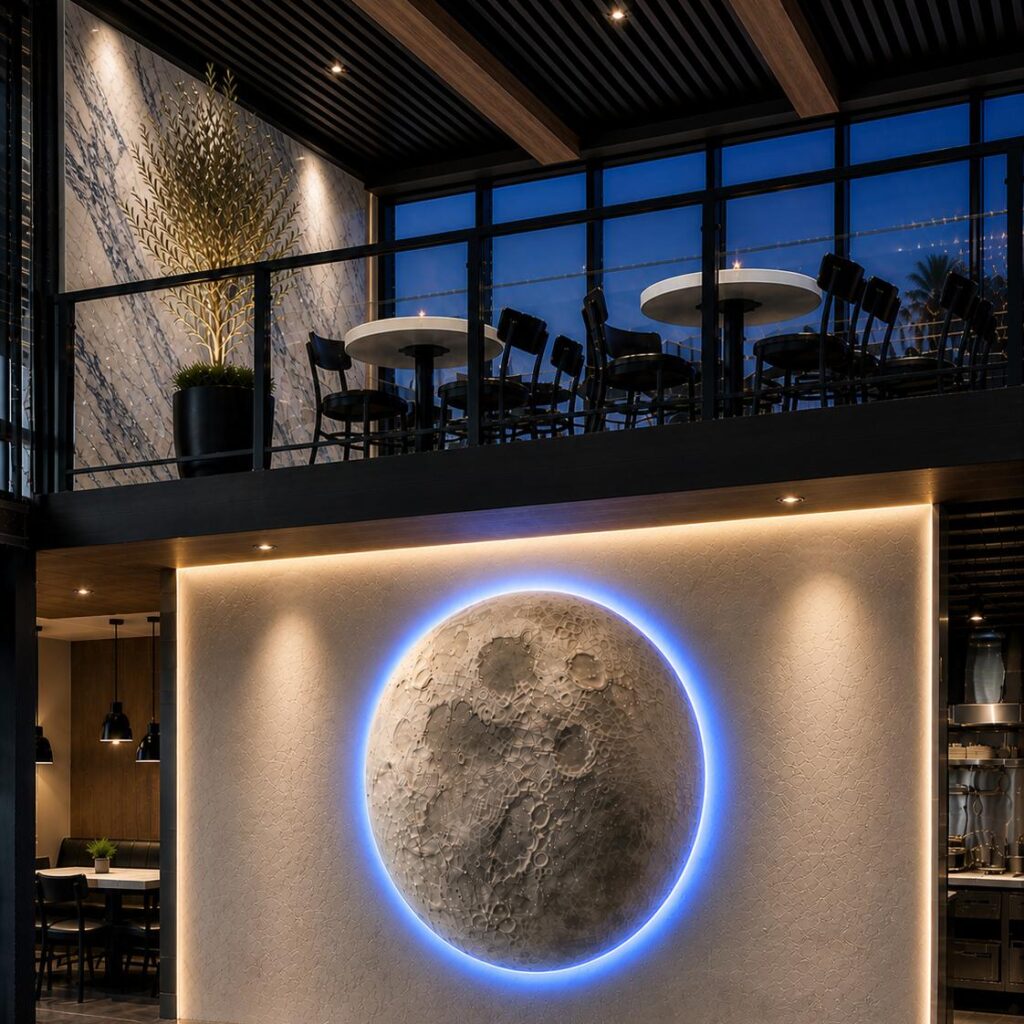
Azul Brings Elevated Mexican Dining, Mezcal Culture, and Waterfront Nightlife to Hackensack’s Expanding Riverfront Scene. Hackensack’s ongoing transformation into one of North Jersey’s fastest-evolving dining and entertainment destinations is preparing to take another major leap forward with the arrival of Azul, an ambitious new waterfront restaurant and lounge concept opening inside the rapidly developing Print House complex along the Hackensack River. Located at 120 River Street inside a converted industrial print facility, Azul is not simply entering the local restaurant conversation as another trendy opening. The project represents a much larger statement about the changing identity of Hackensack itself — a city increasingly positioning its riverfront corridor as a destination for elevated hospitality, nightlife, culinary creativity, and experiential dining.
At the center of the project is veteran restaurateur and chef Cristino “Tony” Campos, a respected figure whose reputation throughout North Jersey’s restaurant scene has been built over decades through his stewardship of the legendary La Hacienda in Paterson. Campos has long been associated with deeply authentic Mexican cooking rooted in tradition, family, and regional culinary techniques. With Azul, however, the vision expands well beyond nostalgia or neighborhood familiarity. The concept aims to merge sophisticated Mexican cuisine with contemporary hospitality design, cocktail culture, live entertainment, and waterfront ambiance in a way that reflects both the evolution of modern dining and the increasingly cosmopolitan energy emerging throughout Bergen County.
The decision to place Azul inside a repurposed industrial structure overlooking the Hackensack River speaks directly to the broader redevelopment movement reshaping portions of North Jersey. Across the region, former manufacturing buildings and industrial properties are being transformed into mixed-use lifestyle destinations that combine restaurants, residential spaces, retail, nightlife, and public gathering areas. Azul arrives at a moment when Hackensack is aggressively redefining itself not only as a commuter city, but as a culinary and entertainment hub capable of drawing visitors from throughout the metropolitan region.
The restaurant’s interior design reportedly leans heavily into a moody, upscale aesthetic that balances industrial architecture with warmth and intimacy. One of the centerpiece visual elements is expected to be a massive copper bar anchoring the dining room and lounge space. Rather than functioning merely as a serving station, the bar appears positioned as a central experiential feature — a focal point around which the venue’s cocktail identity, social atmosphere, and nightlife energy revolve.
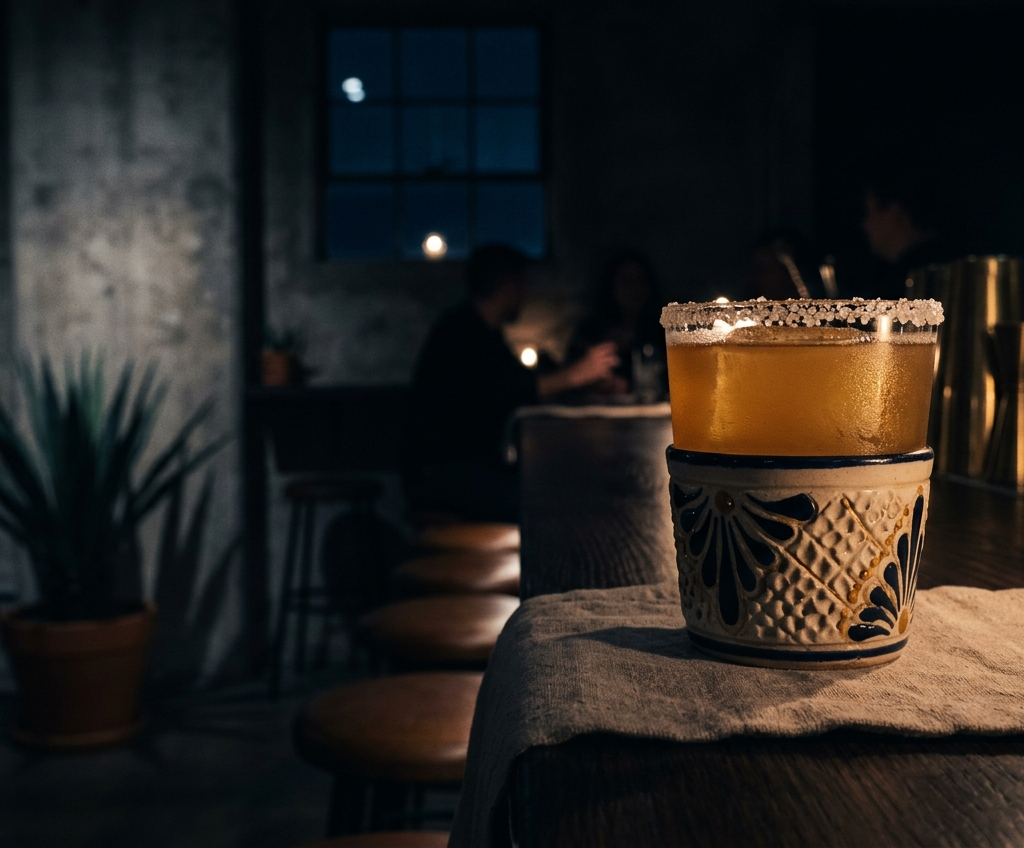
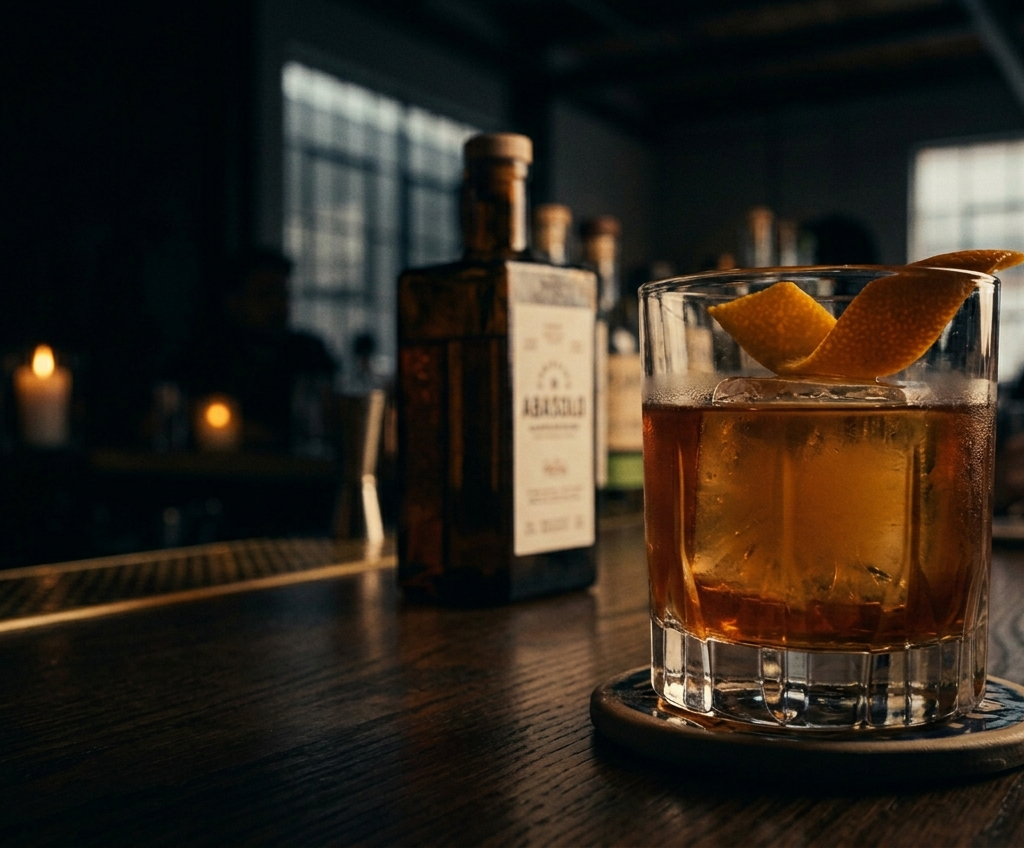
That cocktail program is likely to become one of Azul’s major calling cards. The venue plans to showcase more than 40 distinct mezcal selections, emphasizing the growing popularity of artisanal agave spirits throughout the American restaurant and cocktail landscape. While tequila has long dominated mainstream awareness of Mexican spirits, mezcal has increasingly emerged as a centerpiece of modern cocktail culture, celebrated for its smokier flavor profiles, regional diversity, and deeply traditional production methods.
Azul’s emphasis on mezcal suggests a restaurant attempting to engage seriously with the broader depth of Mexican culinary and beverage traditions rather than relying solely on simplified Americanized interpretations. That distinction matters increasingly within contemporary restaurant culture, particularly as diners become more informed and adventurous regarding regional Mexican cuisine, indigenous ingredients, artisanal spirits, and authentic cooking techniques.
The food program itself is expected to focus on elevated traditional Mexican cuisine served from morning into late evening, positioning Azul as more than just a dinner destination. The approach appears designed to accommodate multiple dining experiences throughout the day while maintaining a strong culinary identity rooted in authenticity and craftsmanship. Rather than operating exclusively as a nightlife-driven lounge that happens to serve food, Azul is presenting itself as a serious restaurant first — one capable of balancing refined dining with energetic social programming.
That balance between restaurant sophistication and nightlife atmosphere has become increasingly central to many successful hospitality concepts throughout the New York metropolitan area. Diners today often seek venues that transition naturally from dinner service into social gathering spaces without sacrificing culinary credibility. Azul’s plans for live DJs on Friday and Saturday evenings, alongside a dedicated Sunday DJ brunch featuring bottomless mimosas, reflect that broader hospitality evolution.
Importantly, the entertainment component does not appear disconnected from the venue’s overall atmosphere. Instead, it seems intentionally woven into the larger concept of creating a dynamic waterfront destination where dining, cocktails, music, and social energy coexist within the same experience. In many ways, Azul reflects the growing convergence between restaurant culture and lifestyle entertainment that now defines many modern hospitality destinations.
Its location within the larger Print House redevelopment project further amplifies that positioning. The River Street corridor is quickly becoming one of Hackensack’s most active redevelopment zones, with a steadily growing mix of residential units, retail tenants, and hospitality concepts reshaping the area’s identity. Azul enters an ecosystem already gaining traction with the addition of nearby attractions including the Wonder Hackensack food hall, Starbucks, and Lidl, helping establish the riverfront as a legitimate destination district rather than simply a collection of isolated businesses.
That clustering effect is significant because successful urban dining scenes rarely emerge around single restaurants alone. They develop through density, walkability, variety, and sustained investment that encourages visitors to spend extended time within a neighborhood. Azul’s arrival therefore represents both an individual restaurant opening and another piece in Hackensack’s larger urban redevelopment puzzle.
The waterfront setting itself may ultimately become one of the venue’s strongest assets. For decades, many North Jersey riverfront areas existed primarily as industrial or underutilized spaces disconnected from public social life. Today, those same corridors are increasingly being reclaimed through restaurants, parks, residential projects, and entertainment venues that capitalize on views, open air environments, and proximity to the water. Azul’s positioning directly along the Hackensack River allows it to tap into that growing demand for destination dining experiences that feel visually immersive as well as culinary driven.
For Chef Campos, the project also represents an intriguing evolution of an already established career. Restaurateurs with deep neighborhood roots often face a difficult balancing act when launching contemporary upscale concepts. There is pressure to modernize while maintaining authenticity, to attract new audiences without alienating longtime supporters, and to create something visually current without losing cultural integrity. Azul appears positioned to attempt exactly that synthesis — preserving authentic Mexican culinary foundations while presenting them inside a polished, nightlife-oriented hospitality environment tailored to a changing regional audience.
That evolution mirrors larger changes happening within Mexican cuisine across the United States overall. Mexican food is increasingly being recognized not simply through casual staples or fast-casual chains, but through highly regional cooking traditions, chef-driven concepts, premium spirits programs, artisanal ingredients, and elevated hospitality experiences. Diners are becoming more interested in the complexity and diversity of Mexican culinary traditions, opening the door for restaurants like Azul to operate at a higher conceptual level.
At the same time, Azul’s emergence says something broader about Bergen County’s own changing culinary landscape. Once viewed primarily as suburban and residential, many Bergen County communities are now seeing increasingly ambitious restaurant openings that compete directly with dining destinations elsewhere in North Jersey and New York City. Younger residents, new development projects, expanded nightlife expectations, and changing demographics are collectively reshaping what diners expect from suburban hospitality environments.
Hackensack in particular has become one of the most closely watched examples of that transformation. Major residential development, infrastructure investment, and ongoing downtown revitalization efforts have created conditions for more aggressive hospitality expansion. Restaurants are no longer opening there simply to serve existing local traffic. Increasingly, they are opening with the explicit goal of becoming regional destinations.
Azul appears poised to enter that conversation immediately. Between its waterfront setting, nightlife integration, elevated Mexican cuisine, mezcal-heavy cocktail identity, and high-profile redevelopment location, the restaurant is positioning itself as part dining experience, part social venue, and part symbol of Hackensack’s broader reinvention.
As construction and final preparations continue, anticipation surrounding the opening reflects more than simple curiosity about another new restaurant. It reflects growing recognition that North Jersey’s culinary scene continues evolving rapidly — becoming more ambitious, more experiential, and more interconnected with urban redevelopment, nightlife culture, and destination-driven hospitality.
For Hackensack, Azul may ultimately represent another milestone in the city’s ongoing effort to redefine itself for a new era. And for diners throughout the region, it promises something increasingly sought after in today’s restaurant world: an experience that feels immersive, culturally rooted, visually memorable, and socially alive all at once.












Your source for everything happening in the Garden State. Enjoy live music year-round, skiing, hiking, beaches, rivers, and mountains. Explore New Jersey’s wine scene by visiting top wineries and vineyards offering award-winning wines. Check out reviews and photos of the best places to sip and sample. Love beer? Discover New Jersey’s breweries — currently home to 123 licensed breweries — and explore the highest-rated beers brewed in the state.
© 2026 Explore New Jersey, a Sunset Entertainment & Media Company | 1928 The Woods II - Cherry Hill, New Jersey 08003. All Rights Reserved.