
For years, conversations about workplace mental health were often confined to human resources departments, employee assistance programs, or occasional wellness seminars. Today, those conversations have moved directly into executive boardrooms, healthcare institutions, corporate offices, small businesses, nonprofit organizations, and government agencies throughout New Jersey. Mental health is no longer viewed as a secondary workplace issue. It has become one of the defining business challenges of the modern era, influencing employee retention, productivity, recruitment, leadership effectiveness, and overall organizational success.
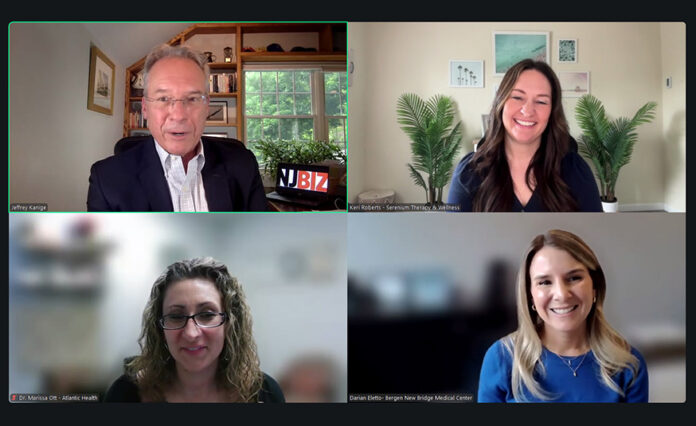
A recent discussion among New Jersey healthcare and behavioral health leaders highlighted just how dramatically the workplace landscape continues to evolve. What emerged from the conversation was a clear picture of a workforce facing unprecedented pressures from multiple directions at once. Employees are navigating economic uncertainty, rising healthcare concerns, geopolitical instability, social media overload, technological disruption, and perhaps most significantly, growing anxiety surrounding the rapid expansion of artificial intelligence.
For New Jersey employers, the message is becoming increasingly difficult to ignore. The organizations that successfully address mental wellness may find themselves better positioned to attract and retain talent, while those that fail to recognize these changing realities risk falling behind in an increasingly competitive labor market.
One of the most striking themes emerging from mental health professionals is the changing nature of what brings people into therapy. Historically, individuals often sought support for personal relationships, family conflicts, grief, depression, anxiety disorders, or significant life transitions. While those concerns remain important, therapists across New Jersey are increasingly encountering patients whose primary source of stress stems from a broader sense of uncertainty about the world around them.
Economic concerns remain a significant driver of workplace anxiety. Rising living costs, fluctuating financial markets, healthcare affordability, and questions about long-term financial security continue weighing heavily on workers across industries. Employees who once felt confident about their career trajectories are increasingly questioning what the future may hold, particularly as technology rapidly reshapes entire professions.
The healthcare sector provides a particularly revealing example of these pressures. Providers throughout New Jersey report seeing patients delay treatment, postpone medical appointments, or avoid preventive care because of concerns about insurance coverage, deductibles, or healthcare costs. These challenges not only affect patients but also place additional emotional strain on healthcare professionals who witness these struggles firsthand. Physicians, nurses, therapists, and support staff frequently find themselves balancing clinical responsibilities with the emotional burden of helping patients navigate increasingly complex healthcare systems.
At the same time, another issue is emerging as a dominant concern across industries: artificial intelligence.
Few technologies have entered the workplace with as much excitement and apprehension as AI. Business leaders often view artificial intelligence through the lens of efficiency, productivity, automation, and cost savings. Employees, however, frequently view the same technology through a very different lens. For many workers, AI represents uncertainty. Questions about job security, changing responsibilities, evolving skill requirements, and career longevity have become common topics in both workplaces and therapy offices.
This growing anxiety is understandable. Headlines regularly focus on automation, workforce reductions, and technological disruption. Employees hear promises that AI will make organizations more efficient, but many simultaneously wonder whether that efficiency could eventually eliminate the need for certain positions altogether.
The result is a workplace environment where innovation and anxiety often coexist.
What many New Jersey business leaders are beginning to recognize is that the success of AI implementation may depend less on the technology itself and more on how organizations communicate its purpose. Transparency has emerged as one of the most important factors in reducing workplace anxiety surrounding artificial intelligence. Employees want to understand not only what tools are being introduced but why they are being introduced and how those tools will affect their daily responsibilities.
Organizations that openly discuss implementation plans, provide training opportunities, establish clear expectations, and involve employees in the transition process appear to generate less resistance and fewer concerns than companies that simply introduce new technologies without explanation. In many ways, the lesson is straightforward: uncertainty fuels anxiety, while communication creates confidence.
Yet technology is only part of the story.
Mental health professionals throughout New Jersey are also observing a growing epidemic of loneliness and social disconnection. Ironically, this trend has accelerated during an era defined by constant connectivity. Smartphones, social media platforms, streaming services, virtual meetings, and digital communication tools allow people to remain connected at all times, yet many report feeling more isolated than ever before.
The workplace often reflects this contradiction. Employees may spend entire days interacting through screens, emails, messaging platforms, and virtual meetings without experiencing meaningful human connection. While remote and hybrid work arrangements have created flexibility and convenience, they have also introduced new challenges related to community, collaboration, and personal interaction.
For younger generations entering the workforce, these challenges can be particularly significant. Many professionals began their careers during periods of remote work and may have fewer opportunities to develop the personal workplace relationships that historically played an important role in professional development. The result can be a heightened sense of isolation that extends beyond the office and into everyday life.
This reality is leading many organizations to reconsider what workplace culture truly means. For years, corporate culture was often associated with mission statements, employee handbooks, or occasional team-building activities. Today, a growing number of employers are recognizing that culture is defined by something much more fundamental: whether employees genuinely feel supported, respected, and valued.
Supportive workplace cultures are increasingly becoming strategic business advantages. Employees who believe their well-being matters are more likely to remain engaged, productive, and committed to their organizations. They are also more likely to stay, reducing costly turnover and improving institutional continuity.
The most effective mental health initiatives are often surprisingly simple. Flexible scheduling options can help employees manage family responsibilities, caregiving obligations, and personal wellness needs. Encouraging workers to take breaks, use vacation time, and disconnect after work hours can help reduce burnout. Providing access to counseling services, wellness resources, and mental health education creates additional layers of support.
Perhaps most importantly, successful organizations create environments where employees feel comfortable discussing challenges without fear of stigma or professional consequences.
Leadership plays a critical role in establishing that environment. Workplace mental health initiatives rarely succeed when they exist only on paper. Employees pay close attention to how leaders behave, communicate, and prioritize wellness. When executives openly acknowledge the importance of mental health, encourage healthy work-life boundaries, and model those behaviors themselves, employees are more likely to feel empowered to do the same.
The discussion around mental health has also evolved significantly over the past decade. Younger generations have helped normalize conversations about therapy, emotional wellness, stress management, and personal development. While stigma has not disappeared entirely, there is growing recognition that seeking support is not a sign of weakness but rather an investment in personal and professional well-being.
That shift represents one of the most encouraging developments in modern workplace culture. Employees increasingly understand that therapy is not reserved solely for clinical diagnoses or severe crises. It can also provide support during career transitions, relationship challenges, personal setbacks, workplace stress, and periods of uncertainty.
As New Jersey businesses continue navigating a rapidly changing economic and technological landscape, the importance of mental health will likely continue growing. Artificial intelligence will undoubtedly reshape industries. Economic pressures will continue to evolve. Technology will keep changing how people work, communicate, and connect.
Yet amid all of that change, one truth remains remarkably consistent. People still need people.
No algorithm can fully replicate empathy. No automation platform can replace trust. No artificial intelligence system can recreate the human connection that exists between supportive colleagues, thoughtful managers, engaged leaders, and healthy workplace communities.
For New Jersey employers, the challenge moving forward is not simply adopting new technologies or improving operational efficiencies. It is creating organizations where innovation and humanity can coexist. The companies that accomplish that balance may ultimately discover that their greatest competitive advantage is not artificial intelligence at all. It is the people they invest in every day.
As the future of work continues to unfold, workplace mental health is no longer a human resources issue. It is a business issue, a leadership issue, and increasingly, one of the most important factors shaping the success of organizations throughout New Jersey and beyond.