
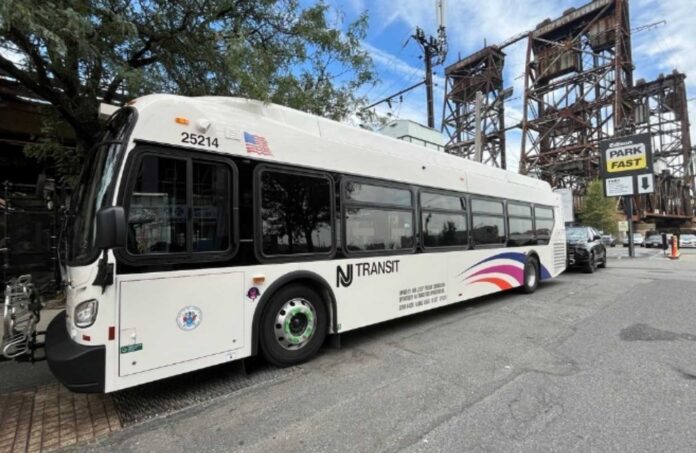

A new coalition wants NJ Transit to discount fares for its lowest income riders, while a separate bill in Trenton is pushing to loosen the corporate grip hotel chains hold over the independent owners who fly their flags. Different industries, same underlying question: who actually gets to set the price.
Two New Jersey Fairness Fights Are Playing Out at Once, on the Bus and at the Front Desk
Two very different fairness fights are unfolding in New Jersey right now, one aimed at making public transit more affordable for the state’s lowest income riders, the other aimed at rebalancing the power hotel chains hold over the independent owners who operate under their brand names. Neither fight involves the same industry or the same players, but both reflect a broader pattern playing out across Trenton this year, a genuine push to intervene in pricing and contractual relationships that advocates argue have tilted too far away from ordinary consumers and small business owners alike.
Fair Fares NJ Launches After Riders Absorb a Second Straight Increase
A coalition of eleven transportation, environmental, labor, and policy organizations launched Fair Fares NJ in late July, calling on the state to establish permanent, income based discounted fares for low income NJ Transit riders. The campaign’s timing was deliberate, arriving roughly a month after NJ Transit’s fares rose another 3 percent on July 1st, the second automatic annual increase under a structure adopted in 2024 that followed a steeper 15 percent hike, the agency’s first fare increase in a decade at the time.
The coalition includes the Tri-State Transportation Campaign, New Jersey Policy Perspective, the Regional Plan Association, New Jersey Future, New Jersey League of Conservation Voters, Isles, the New Jersey Environmental Justice Alliance, 32BJ SEIU, and several regional complete streets organizations, modeling its proposal on income based discount programs already operating in 18 transit systems nationwide, including New York City’s own Fair Fares program. Zoe Baldwin, vice president for state programs at the Regional Plan Association, framed the campaign as a direct extension of the billions New Jersey has already committed to modernizing NJ Transit, arguing that a system only genuinely expands opportunity if the people who need it most can actually afford to ride it.
The campaign lands at a genuinely difficult moment for NJ Transit’s own finances. Fares currently cover roughly 28 percent, or about 980 million dollars, of the agency’s 3.5 billion dollar fiscal year 2027 operating budget, and officials have pointed to rising costs, including more than 30 million dollars needed for emergency bus service after private carriers abandoned certain routes, along with climbing labor, health care, and fuel costs, as the underlying pressure behind the automatic increases. That tension sits at the heart of the debate ahead, whether the state can build a meaningful low income discount program without either raising fares further for everyone else or committing new dedicated funding NJ Transit has historically lacked.
A Separate Fight Over Who Controls Hotel Pricing
While Fair Fares NJ organizes around a public transit agency, a different fairness debate is unfolding in the hospitality industry, where the proposed Hotel Franchisee Fairness and Market Access Act aims to rebalance the contractual relationship between major hotel brands and the independent owners who operate individual properties under those brands. The bill, introduced this session in both the Senate and Assembly, targets a specific list of practices its sponsors argue have become increasingly one sided since the pandemic, including coercive vendor purchasing requirements, undisclosed rebates hotel brands collect from vendors, uncompensated redemption of loyalty program points at franchisee owned properties, unilateral changes to existing franchise agreements, and restrictions preventing franchisees from listing rooms on third party travel platforms without facing retaliation from the parent brand.
The bill’s text argues that hotel franchisees make substantial capital investments in their properties and contribute meaningfully to state employment, tourism, and tax revenue, and that certain franchising practices impose unreasonable costs and operational constraints without a clear business justification tied to legitimate brand standards. Supporters, including the Asian American Hotel Owners Association, have framed similar past versions of this legislation as a genuine fairness correction, pointing specifically to instances where major chains sold hundreds of millions of dollars worth of loyalty program points to outside companies without sharing any of that revenue with the franchisees whose properties actually service those loyalty redemptions.
The hotel industry’s largest national trade group has pushed back forcefully against similar measures in the past, arguing that inserting the state into what it characterizes as an ordinary business to business contract represents government overreach that could ultimately harm New Jersey’s tourism economy, a sector hotels alone contribute roughly 13.4 billion dollars to annually. That fundamental disagreement, whether franchise agreements between sophisticated corporate entities need state intervention at all, has stalled comparable legislation in prior sessions, and this year’s bill remains in committee as both sides continue pressing their case.
The Broader Advocacy Landscape Behind Both Fights
Both campaigns draw on New Jersey’s genuinely active network of transit and consumer advocacy organizations, groups that operate independently of state government to pressure lawmakers, regulators, and agencies on behalf of riders and consumers who often lack the resources to organize on their own.
NJ Association of Railroad Passengers
A volunteer-run organization founded in 1980, testifying regularly at NJ Transit, PATH, Amtrak, and PATCO hearings to expand rail infrastructure and improve service.
Lackawanna Coalition
A long-running commuter group focused on the Morris & Essex, Montclair-Boonton, and Gladstone rail lines, tracking service reliability and equipment issues.
New Jersey Citizen Action
The state’s largest independent consumer watchdog, fighting predatory lending and advocating for utility rate caps and fair banking laws.
NJ Appleseed Public Interest Law Center
A legal advocacy nonprofit focused on healthcare consumer issues, including insurance denial appeals and medical billing disputes.
Riders and consumers looking to escalate individual complaints rather than join a broader advocacy campaign do have direct, official channels available. NJ Transit maintains a Customer Advocate role specifically mandated to collect systemic rider feedback, while the state’s Division of Consumer Affairs serves as the primary agency for investigating consumer fraud and corporate violations across every industry, hotels included. Both the Fair Fares campaign and the hotel franchise bill remain in their early stages, with neither guaranteed to become law this session, but together they reflect a consistent theme running through New Jersey’s policy conversation this year, a genuine appetite for revisiting who holds pricing power, whether that price is a bus fare or a hotel room, and whether the current balance still serves the people actually paying it.
















