Home Blog Page 7

The Bacon Brothers: Michael and Kevin Bacon

0

The Bacon Brothers Bring Three Decades of Musical Chemistry and American Roots Storytelling to Princeton Festival

June 20 @ 7:00 PM 11:30 PM

For most artists, a successful career in one creative field would be more than enough. Yet some performers possess a restless curiosity that refuses to be confined by a single medium. They move between disciplines, explore new forms of expression, and continually challenge themselves to create something authentic and lasting. That spirit of exploration has defined the remarkable journey of The Bacon Brothers, whose unique musical partnership has evolved into one of the most enduring and respected independent acts in contemporary American roots music.

On Saturday, June 20, audiences at the Princeton Festival will experience that journey firsthand when Michael and Kevin Bacon bring their acclaimed live show to the Performance Pavilion at Morven Museum & Garden. What began as a side project between two brothers has grown into a celebrated musical career spanning nearly three decades, countless performances across the globe, multiple studio albums, and a devoted following that appreciates the duo’s commitment to songwriting, musicianship, and authenticity above all else.

The upcoming Princeton performance represents far more than a celebrity appearance. It is an opportunity to witness two accomplished artists who have spent years refining a sound that defies easy categorization while remaining deeply rooted in the traditions of American music. Their concerts blend folk storytelling, rock energy, country influences, soulful melodies, and singer-songwriter craftsmanship into a musical experience that feels both familiar and refreshingly original.

For many audience members, Kevin Bacon’s name immediately conjures images of a distinguished film career that has spanned decades and produced some of Hollywood’s most memorable performances. From his breakout role in Footloose to acclaimed appearances in dramas, thrillers, and television productions, Bacon has established himself as one of the most recognizable actors of his generation. Yet music has always occupied a meaningful place in his life, providing a creative outlet that exists beyond the spotlight of film and television.

Michael Bacon’s artistic path has been equally impressive, though often less visible to mainstream audiences. An Emmy Award-winning composer, songwriter, and musician, Michael has built an accomplished career creating music for television, film, theater, and concert performance. His compositional expertise and deep understanding of musical structure provide an ideal complement to the collaborative dynamic that defines The Bacon Brothers.

Together, the siblings have developed something that feels increasingly rare in today’s entertainment landscape: a project built not around branding or celebrity, but around a genuine love of making music. Their success has emerged organically through years of touring, writing, recording, and connecting with audiences who appreciate substance over spectacle.

Central to the duo’s identity is a philosophy that embraces artistic diversity. Rather than limiting themselves to a single genre or musical tradition, The Bacon Brothers have cultivated a sound they affectionately refer to as “forosoco”—an acronym representing folk, rock, soul, and country. The term may sound playful, but it captures a serious artistic commitment to blending influences without allowing genre conventions to dictate creative choices.

That willingness to explore multiple musical directions has become one of the group’s greatest strengths. A single performance might move seamlessly from heartfelt acoustic storytelling to driving rock rhythms, soulful vocal harmonies, and country-inspired melodies. The variety keeps audiences engaged while reflecting the broad range of influences that have shaped the brothers as musicians and songwriters.

In many ways, their approach mirrors the rich diversity of American music itself. The nation’s musical traditions have always been defined by the intersection of styles, cultures, and influences. Folk evolved alongside blues. Country absorbed elements of gospel and rock. Soul and rock influenced one another continuously. The Bacon Brothers embrace that tradition of musical cross-pollination, creating songs that feel distinctly American while remaining uniquely their own.

What truly distinguishes the duo, however, is their commitment to songwriting. In an era increasingly driven by algorithms, streaming metrics, and viral moments, The Bacon Brothers remain dedicated to the craft of storytelling through music. Their songs explore universal themes of family, relationships, resilience, memory, hope, and personal growth. They write not to chase trends, but to communicate genuine experiences and emotions.

That authenticity resonates deeply with audiences. Whether performing in intimate theaters, prestigious concert halls, major festivals, or iconic venues, the brothers establish a connection that feels personal and sincere. Fans often describe their concerts as conversations set to music—warm, engaging, and refreshingly honest.

Their live performances have carried them to some of the world’s most respected stages. From celebrated appearances at Carnegie Hall and the Grand Ole Opry to international tours that have taken them as far as Japan, The Bacon Brothers have consistently demonstrated an ability to connect with audiences across cultural and geographic boundaries. Their appeal transcends demographics because it is rooted in qualities that remain universally valued: strong songwriting, excellent musicianship, and genuine human connection.

The Princeton Festival appearance arrives at a particularly fitting venue for such an experience. Morven Museum & Garden has become one of New Jersey’s premier destinations for arts and culture, providing a setting where music, history, and community converge. The Performance Pavilion offers an atmosphere that encourages audiences to engage closely with performers while enjoying the natural beauty and historic character of the surrounding grounds.

Summer concerts possess a special energy, and the Morven setting enhances that experience considerably. As evening settles over Princeton and the music begins to fill the open air, audiences become participants in something larger than a typical concert. The environment encourages reflection, connection, and appreciation—not only of the music itself, but of the shared experience of live performance.

The event also carries an additional layer of significance for fans of Kevin Bacon’s broader career. Earlier in the festival season, audiences will have the opportunity to revisit one of his most iconic cinematic performances through a screening of Footloose at the Princeton Garden Theatre. The pairing of that classic film with The Bacon Brothers concert creates a unique cultural moment that celebrates both sides of Kevin Bacon’s artistic legacy.

Yet the concert itself remains firmly focused on music. The Bacon Brothers have long since moved beyond novelty or celebrity-driven expectations. Their reputation today rests on the quality of their work as musicians, songwriters, and performers. Audiences attend not simply because of a famous name, but because the music consistently delivers.

The continued success of The Bacon Brothers also speaks to the enduring value of artistic evolution. After nearly thirty years of collaboration, they continue to experiment, grow, and discover new creative possibilities. Their willingness to embrace change while remaining true to their core identity has allowed them to build a career marked by longevity rather than fleeting popularity.

That spirit of exploration aligns perfectly with the broader mission of the Princeton Festival, which has established itself as one of New Jersey’s most dynamic cultural events. By presenting artists who combine excellence with innovation, the festival continues to offer audiences experiences that entertain, inspire, and challenge conventional expectations.

As New Jersey’s arts community continues to thrive, performances like this reinforce the state’s growing reputation as a destination for world-class cultural programming. Residents and visitors alike increasingly recognize that exceptional artistic experiences can be found throughout the Garden State, from major concert halls and theaters to historic outdoor venues like Morven Museum & Garden.

When The Bacon Brothers take the stage on June 20, they will bring with them decades of experience, countless stories, and a musical partnership forged through family, friendship, and a shared passion for creativity. Audiences can expect an evening filled with memorable songs, exceptional musicianship, and the kind of genuine connection that only comes from artists who truly love what they do.

In a music industry often dominated by formulas and fleeting trends, The Bacon Brothers remain a refreshing reminder that great songs, authentic performances, and meaningful artistic relationships never go out of style. Their Princeton Festival appearance promises to be more than a concert. It will be a celebration of American music, creative exploration, and the enduring power of two brothers who continue to follow their curiosity wherever it leads.

For one summer evening in Princeton, that journey continues, inviting audiences to come along for the ride.

Princeton Symphony Orchestra

info@princetonsymphony.org

View Organizer Website

Performance Pavilion – Morven Museum & Garden

55 Stockton St
Princeton, New Jersey 08540 United States
+ Google Map
609-497-0020
View Venue Website

Great Ladies of Jazz

0

Great Ladies of Jazz Brings the Timeless Power of America’s Most Influential Voices to Princeton Festival

June 19 @ 7:00 PM 11:30 PM

There are certain voices that never fade. Long after the recordings stop spinning and the original performances become part of history, their influence continues to echo through concert halls, theaters, jazz clubs, and generations of artists who follow in their footsteps. The story of American music cannot be told without acknowledging the extraordinary women whose artistry helped define jazz, popular music, Broadway, and the Great American Songbook. Their songs became standards. Their performances became benchmarks. Their legacies became permanent.

On June 19, the Princeton Festival will celebrate those enduring contributions with an unforgettable evening titled Great Ladies of Jazz, a spectacular musical tribute featuring acclaimed vocalists Capathia Jenkins and Aisha de Haas alongside the Princeton Symphony Orchestra under the direction of conductor Lucas Waldin. Set against the elegant backdrop of Morven Museum & Garden’s Performance Pavilion, the concert promises to be one of the most anticipated cultural events of the summer season in New Jersey.

More than a concert, Great Ladies of Jazz serves as a celebration of the women whose artistry transformed American music and whose recordings continue to inspire audiences around the world. The program pays homage to iconic performers including Ella Fitzgerald, Sarah Vaughan, Billie Holiday, Judy Garland, Ginger Rogers, and other legendary figures whose voices shaped the soundtrack of the twentieth century.

The significance of these artists extends far beyond the music industry. They were pioneers, innovators, storytellers, and cultural forces who influenced generations of performers. Their interpretations of timeless songs elevated popular music into an art form capable of expressing profound emotion, personal resilience, joy, heartbreak, and hope. Their recordings remain essential listening not because they are historic artifacts, but because they continue to feel remarkably alive and relevant.

For many listeners, the Great American Songbook represents one of the most extraordinary periods in American musical history. Composers and lyricists created melodies and lyrics that have endured for decades, while vocalists transformed those compositions into deeply personal artistic statements. The songs became standards because each generation found something new within them. They could be intimate or grand, playful or heartbreaking, simple or sophisticated. Their versatility allowed them to evolve while remaining timeless.

The Princeton Festival performance embraces that tradition by bringing these beloved works to life through two of today’s most accomplished vocal interpreters. Capathia Jenkins and Aisha de Haas have each built distinguished careers defined by exceptional vocal ability, commanding stage presence, and an ability to connect with audiences through storytelling and emotion.

Capathia Jenkins has become one of the most respected performers on Broadway and beyond, known for her extraordinary vocal range and magnetic stage presence. Her performances combine technical brilliance with emotional authenticity, allowing audiences to experience familiar songs in fresh and compelling ways. Whether performing Broadway repertoire, jazz standards, orchestral works, or contemporary material, Jenkins brings a remarkable ability to inhabit every lyric and phrase.

Aisha de Haas has similarly established herself as one of the most versatile and captivating vocalists working today. Her career spans theater, concert stages, recording projects, and symphonic collaborations. Known for her rich vocal tone and dynamic interpretive abilities, de Haas possesses the rare gift of honoring classic material while making every performance feel deeply personal and immediate.

Together, the two vocalists create a powerful artistic partnership that perfectly complements the evening’s celebration of jazz and popular music’s most influential female voices. Their performances promise to capture both the elegance and emotional depth that defined the original recordings while bringing their own unique perspectives to these beloved songs.

The musical selections themselves represent some of the most celebrated compositions ever written. Audiences will hear works that have transcended generations and become woven into the fabric of American culture.

Harold Arlen’s exuberant “Get Happy” remains one of the great expressions of optimism and joy in popular music. Its infectious energy and timeless appeal have made it a favorite among performers for decades. Richard Rodgers and Lorenz Hart’s “Bewitched, Bothered, and Bewildered” offers a masterclass in sophisticated songwriting, blending romance, vulnerability, and wit into one of the most enduring standards ever composed.

George Gershwin’s “‘S Wonderful” continues to embody the elegance and charm of classic American songwriting, while his immortal “Summertime” remains one of the most recorded and interpreted songs in music history. Few compositions possess the emotional depth and universal appeal that have allowed “Summertime” to thrive across genres ranging from opera and jazz to blues and contemporary music.

Harold Arlen and E.Y. Harburg’s “Over the Rainbow” stands among the most beloved songs ever written, carrying emotional resonance that transcends generations. First introduced to audiences through Judy Garland’s unforgettable performance, the song continues to symbolize hope, possibility, and the enduring power of dreams.

Duke Ellington and Billy Strayhorn’s “Satin Doll” showcases the sophistication and swing that helped define the golden age of jazz. The composition remains a favorite among musicians and audiences alike, representing the elegance and innovation that characterized Ellington’s extraordinary body of work.

Yet the concert extends beyond individual songs. It explores the broader cultural impact of the women who transformed these compositions into lasting works of art. Ella Fitzgerald’s unmatched vocal precision and improvisational brilliance redefined what a jazz vocalist could achieve. Sarah Vaughan’s remarkable range and technical mastery expanded the expressive possibilities of popular singing. Billie Holiday’s emotional honesty changed the way audiences connected with music, while Judy Garland’s vulnerability and dramatic power created performances that continue to resonate generations later.

Their collective influence can still be heard throughout contemporary music. Countless singers, songwriters, and performers trace their artistic lineage back to these pioneering women. Modern jazz, pop, theater, and vocal performance all carry traces of the paths they helped create.

The Princeton Symphony Orchestra provides the ideal musical foundation for such a celebration. Known for its artistic excellence and dynamic programming, the orchestra has become one of New Jersey’s premier cultural institutions. Under the direction of Lucas Waldin, audiences can expect lush orchestral arrangements, meticulous musicianship, and performances that honor the sophistication and beauty of the original works while embracing the excitement of live interpretation.

Waldin has earned acclaim for his ability to bridge musical traditions and create engaging experiences for diverse audiences. His approach to programming and performance reflects a deep understanding of both orchestral music and popular repertoire, making him uniquely suited to lead an evening that celebrates the intersection of jazz, Broadway, and American popular song.

The setting at Morven Museum & Garden further elevates the experience. Summer evenings in Princeton possess a unique charm, and the Performance Pavilion offers one of the state’s most inviting concert environments. Surrounded by historic architecture and beautiful gardens, audiences will enjoy a setting that complements the elegance and timelessness of the music itself.

As New Jersey continues to strengthen its reputation as a destination for arts and culture, events like Great Ladies of Jazz highlight the depth and diversity of experiences available throughout the state. The Princeton Festival has consistently demonstrated a commitment to presenting world-class performances that celebrate artistic excellence while remaining accessible to broad audiences.

What makes this particular performance especially meaningful is its ability to connect multiple generations through music. Younger listeners will discover the extraordinary artistry that laid the foundation for modern popular music, while longtime fans will have the opportunity to revisit beloved songs performed by exceptional contemporary artists. It is a celebration of continuity, influence, and the enduring power of great music to transcend time.

The women honored during this evening helped shape American culture through talent, perseverance, and artistic innovation. Their voices provided comfort during difficult times, joy during moments of celebration, and inspiration for countless performers who followed. Their recordings remain vibrant because they speak to universal human experiences that continue to resonate today.

On June 19, Princeton Festival audiences will gather not only to hear extraordinary music, but to celebrate a remarkable legacy. Through the talents of Capathia Jenkins, Aisha de Haas, Lucas Waldin, and the Princeton Symphony Orchestra, these timeless songs will once again come alive beneath the summer sky.

For one unforgettable evening, the voices that helped define American music will be honored in a performance that bridges past and present, tradition and innovation, history and contemporary artistry. It is a fitting tribute to the great ladies of jazz and a reminder that truly great music never grows old—it simply finds new audiences ready to fall in love with it all over again.

Princeton Symphony Orchestra

info@princetonsymphony.org

View Organizer Website

Performance Pavilion – Morven Museum & Garden

55 Stockton St
Princeton, New Jersey 08540 United States
+ Google Map
609-497-0020
View Venue Website

Time for Three Ranaan Meyer, Nick Kendall & Charles Yang

0

Time for Three Brings a Boundary-Breaking Musical Experience to Princeton Festival: Grammy-Winning Trio Set to Transform Morven Museum & Garden

June 18 @ 7:00 PM 11:30 PM

Every generation produces artists who challenge expectations and redefine what audiences believe is possible within a particular art form. In classical music, those moments of transformation often arrive quietly before suddenly becoming impossible to ignore. Time for Three has spent more than two decades creating exactly that kind of disruption, building a reputation as one of the most innovative and captivating ensembles in contemporary music. On June 18, Princeton audiences will have the opportunity to experience that creative energy firsthand when the Grammy and Emmy Award-winning trio takes the stage at Morven Museum & Garden’s Performance Pavilion as part of the Princeton Festival.

At a time when audiences increasingly seek experiences that break down traditional barriers between genres, generations, and musical styles, Time for Three has emerged as one of the most compelling success stories in American music. Their approach is both sophisticated and accessible, virtuosic and welcoming, technically brilliant and emotionally immediate. The result is a sound that feels simultaneously rooted in classical traditions and completely unrestricted by them.

For many music lovers, genres serve as convenient categories that help define expectations. Classical music follows one path. Folk and Americana follow another. Singer-songwriters occupy their own lane. Jazz, bluegrass, pop, and contemporary acoustic music often exist in separate worlds. Time for Three ignores those boundaries entirely.

The ensemble’s performances operate in a space where technical mastery meets fearless creativity. Classical precision merges with improvisational freedom. American roots traditions collide with contemporary songwriting. Chamber music elegance exists comfortably alongside the energy and spontaneity of a rock concert. The result is something remarkably rare in today’s cultural landscape: a musical experience that genuinely feels new.

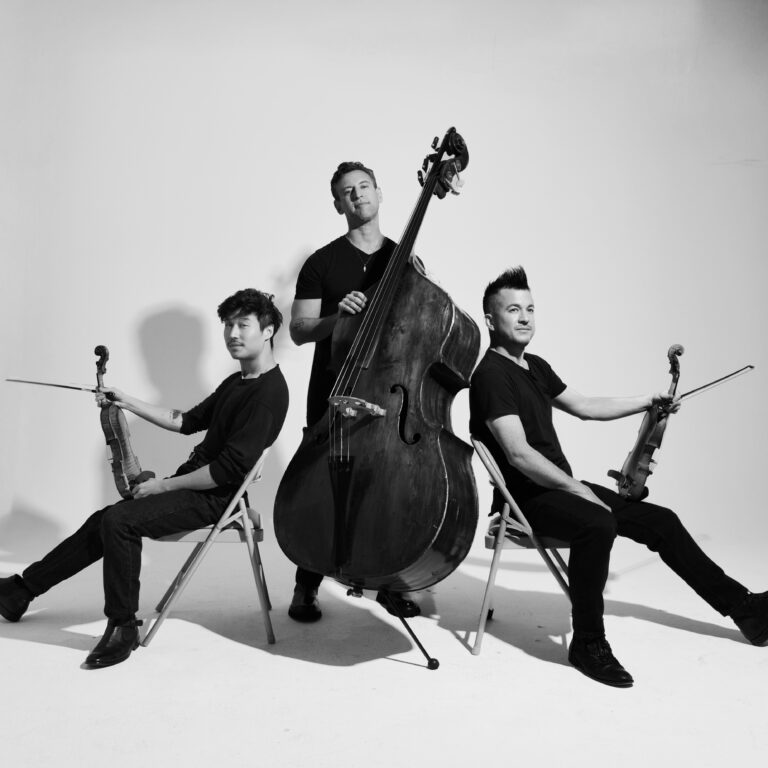
Comprised of double bassist and vocalist Ranaan Meyer alongside violinists and vocalists Nick Kendall and Charles Yang, Time for Three has developed a reputation for delivering performances that challenge preconceived notions of what a string ensemble can accomplish. Their chemistry as performers is immediately apparent. Years of collaboration have produced an intuitive musical connection that allows the trio to move seamlessly between styles, moods, and influences while maintaining a distinctive identity all their own.

That identity has attracted acclaim from some of the most respected figures in the music world. Their performances have earned praise not only from audiences but from leading conductors, composers, and musicians who recognize the extraordinary technical and artistic achievement behind the group’s seemingly effortless performances. Few endorsements carry more weight than that of legendary conductor Sir Simon Rattle, who described the ensemble as “three benevolent monsters” whose extraordinary abilities are matched by an infectious joy that resonates throughout every performance.

The description is fitting because joy remains one of the defining characteristics of Time for Three’s music. In an era where technical excellence is often celebrated in isolation, the trio reminds audiences that virtuosity and emotional connection are not opposing forces. Their performances are as engaging emotionally as they are impressive musically. Audiences do not simply admire the musicianship; they become part of the experience.

That quality has helped Time for Three build a diverse and devoted following around the world. Traditional classical audiences appreciate the remarkable technical skill and musical sophistication that underpin every performance. Younger listeners are drawn to the ensemble’s contemporary sensibilities and willingness to embrace influences from across the musical spectrum. Casual concertgoers find themselves captivated by performances that feel welcoming rather than intimidating.

Their rise to international prominence reflects broader changes occurring throughout the performing arts. Today’s audiences increasingly value authenticity, innovation, and experiences that feel relevant to contemporary life. Time for Three embodies all three. Their music honors tradition without becoming trapped by it. They celebrate musical history while actively participating in its evolution.

The Princeton Festival performance arrives during a period of remarkable growth and recognition for the ensemble. Grammy and Emmy honors have elevated their profile while introducing their music to new audiences. Yet despite growing acclaim, the group has maintained the adventurous spirit that first distinguished them from conventional ensembles.

What makes their success particularly significant is the way it reflects the changing nature of American music itself. The United States has always been a cultural crossroads where traditions intersect, influence one another, and evolve into something entirely new. Time for Three embraces that spirit. Their music draws from multiple traditions not as a novelty, but as a natural reflection of America’s diverse musical heritage.

Listeners may hear echoes of classical concert halls, Appalachian folk traditions, contemporary songwriting, bluegrass virtuosity, jazz improvisation, and cinematic storytelling all within a single performance. Yet the experience never feels fragmented. Instead, the trio creates a unified musical language that feels both familiar and surprising.

The setting for the performance adds another layer to what promises to be a memorable evening. Morven Museum & Garden has become one of New Jersey’s most treasured cultural destinations, providing a backdrop that combines history, architecture, and natural beauty. The Performance Pavilion offers audiences an intimate connection with performers while preserving the communal energy that makes live music such a powerful experience.

Summer concerts possess a unique magic, particularly when presented in outdoor settings. As daylight gradually gives way to evening, music takes on a different dimension. The natural environment becomes part of the performance itself. Audiences relax into the experience in ways that are difficult to replicate within traditional concert halls. For an ensemble like Time for Three, whose performances emphasize connection and spontaneity, the setting is particularly well suited.

The Princeton Festival has earned a reputation for presenting artists who challenge, inspire, and elevate the cultural conversation throughout New Jersey. By bringing Time for Three to the festival stage, organizers continue a tradition of introducing audiences to performers who represent the future of their respective art forms while maintaining deep respect for the traditions from which they emerge.

That balance between innovation and tradition is perhaps the defining characteristic of Time for Three’s artistic mission. They understand that music is not a museum piece preserved behind glass. It is a living, evolving language capable of connecting people across generations, cultures, and experiences. Every performance serves as a reminder that artistic excellence and broad accessibility are not mutually exclusive goals.

For New Jersey audiences, the June 18 appearance represents an opportunity to experience one of contemporary music’s most exciting ensembles at the height of their creative powers. Whether attendees arrive as devoted classical enthusiasts, Americana fans, curious first-time listeners, or simply lovers of exceptional live performance, they are likely to leave with a renewed appreciation for music’s ability to transcend labels and expectations.

In a world increasingly defined by categories and divisions, Time for Three offers something refreshingly different. Their music celebrates the possibilities that emerge when boundaries disappear and creativity takes center stage. It is a philosophy that resonates far beyond the concert stage and helps explain why audiences around the world continue to embrace the trio’s distinctive artistic vision.

When the first notes ring out across Morven Museum & Garden on June 18, Princeton Festival attendees will witness far more than a concert. They will experience a powerful example of what happens when extraordinary talent, fearless imagination, and genuine passion converge. It is the kind of performance that reminds audiences why live music remains one of the most meaningful and transformative cultural experiences available today.

For one summer evening in Princeton, Time for Three will once again demonstrate that the future of music is not about choosing between traditions. It is about bringing them together in ways that inspire, surprise, and move audiences long after the final note fades into the night.

Princeton Symphony Orchestra

info@princetonsymphony.org

View Organizer Website

Performance Pavilion – Morven Museum & Garden

55 Stockton St
Princeton, New Jersey 08540 United States
+ Google Map
609-497-0020
View Venue Website

Queen Nation Tribute to the Music of Queen

0

Queen Nation Brings the Music of Queen to Princeton as a Day of Pride, Celebration, and Rock Royalty Culminates at Morven Museum & Garden

June 13 @ 8:00 PM 11:30 PM

Some bands transcend the boundaries of music and become something larger than entertainment. They become cultural landmarks, shared experiences passed from one generation to the next, and soundtracks to countless personal memories. Few groups in the history of popular music occupy that rare territory quite like Queen. More than three decades after the passing of Freddie Mercury, the band’s music remains as powerful, recognizable, and beloved as ever. From stadium anthems and operatic masterpieces to heartfelt ballads and hard-rock classics, Queen’s catalog continues to unite audiences around the world.

On Saturday, June 13, Princeton will experience that magic firsthand when Queen Nation, widely recognized as the premier Queen tribute act in the United States, takes the stage at the Performance Pavilion at Morven Museum & Garden. The concert serves as the centerpiece of an extraordinary day of celebration in Princeton, bringing together music, community, pride, and one of the greatest songbooks ever assembled in rock history.

The event arrives at a moment when tribute performances have evolved beyond simple nostalgia. Audiences increasingly seek authentic live experiences that capture the excitement, musicianship, and emotional connection of legendary artists whose music continues to define entire generations. Queen Nation has built its reputation by delivering exactly that experience. Rather than simply covering Queen songs, the band recreates the atmosphere, energy, visual spectacle, and musical precision that made Queen one of the most successful live acts in music history.

For fans attending the Princeton performance, the evening promises far more than a concert. It offers a journey through one of the most influential catalogs in modern music. Songs that once filled arenas, stadiums, and festival grounds across the globe will once again come alive in a setting that combines world-class entertainment with the historic beauty of one of New Jersey’s most treasured cultural destinations.

The enduring popularity of Queen is remarkable when viewed through the lens of modern music history. Decades after the band’s commercial peak, songs like “Bohemian Rhapsody,” “We Will Rock You,” “We Are the Champions,” “Somebody To Love,” and “Crazy Little Thing Called Love” remain embedded in popular culture. They are played at sporting events, featured in films and television programs, and embraced by new generations discovering the band’s music for the first time.

Part of Queen’s enduring appeal lies in the extraordinary diversity of their work. Few bands could move seamlessly from hard rock to opera-inspired arrangements, from funk and disco influences to arena-sized anthems, while maintaining a distinct identity throughout. Freddie Mercury’s unparalleled stage presence, Brian May’s instantly recognizable guitar sound, Roger Taylor’s powerful drumming, and John Deacon’s melodic bass lines combined to create a musical chemistry that remains virtually unmatched.

Capturing that chemistry is a challenge that countless tribute bands have attempted. Queen Nation has succeeded where many others have fallen short because of its commitment to authenticity and detail. The group’s performances recreate the visual and musical experience of Queen’s classic 1970s and 1980s eras with remarkable precision. Every costume, vocal inflection, guitar solo, and stage movement is designed to honor the original performances while delivering an engaging and dynamic live experience for today’s audiences.

Leading the production is Gregory Finsley, whose portrayal of Freddie Mercury has earned acclaim from audiences across North America. Mercury remains one of the most difficult performers to emulate in rock history. His four-octave vocal range, theatrical charisma, and ability to command massive audiences are legendary. Finsley’s performance embraces those challenges while celebrating the unique qualities that made Mercury one of the greatest frontmen of all time.

Joining him are Mike McManus as Brian May, Pete Burke as Roger Taylor, and Parker Combs as John Deacon. Together, the quartet recreates not only the sound of Queen but also the visual and emotional dynamic that defined the original band. Their dedication to authenticity has helped establish Queen Nation as one of the most respected tribute acts in the world.

The 90-minute performance will feature note-for-note renditions of many of Queen’s most celebrated recordings. Audiences can expect the thunderous crowd participation of “We Will Rock You,” the triumphant energy of “We Are the Champions,” the soaring emotional power of “Somebody To Love,” and the theatrical brilliance of “Bohemian Rhapsody.” Additional favorites including “Fat Bottomed Girls,” “Dragon Attack,” “My Best Friend,” and “Crazy Little Thing Called Love” ensure a setlist that spans the band’s remarkable creative range.

What makes the Princeton performance especially significant is its place within a larger day of celebration throughout the community. Earlier in the day, Princeton Pride activities will bring together residents and visitors for a series of events highlighting inclusion, diversity, and community engagement. The Princeton Pride Parade will begin the festivities, followed by an afternoon gathering featuring performances, local organizations, artists, family activities, food vendors, and opportunities for community connection.

As evening approaches, the focus shifts to Morven Museum & Garden, where concertgoers can continue the celebration with a fan picnic on the Colonial Lawn. The relaxed pre-show gathering creates an atmosphere reminiscent of classic summer music festivals while allowing attendees to enjoy the historic grounds before the performance begins.

The setting itself plays a significant role in the experience. Morven Museum & Garden has become one of New Jersey’s premier cultural destinations, blending history, architecture, gardens, and performing arts into a uniquely engaging environment. The Performance Pavilion has hosted a wide variety of acclaimed productions and concerts, helping establish Princeton as one of the state’s most vibrant arts communities.

Outdoor performances possess a special quality that cannot be replicated indoors. As the summer evening unfolds and music fills the open air, audiences become part of an experience that extends beyond the stage itself. The combination of live music, community celebration, and the natural beauty of the venue creates an atmosphere that transforms a concert into a memorable event.

The timing of the performance also reflects the growing strength of New Jersey’s live entertainment landscape. Across the Garden State, communities continue investing in festivals, performing arts programs, and cultural events that bring people together while supporting local economies. From major concert venues and theaters to outdoor festivals and historic performance spaces, New Jersey’s cultural calendar has never been more diverse or dynamic.

Events like Queen Nation’s Princeton appearance demonstrate why live music remains such a powerful force. In an era increasingly dominated by digital experiences, audiences continue to seek authentic connections through shared cultural moments. The opportunity to sing along with thousands of fellow fans, celebrate iconic music, and experience the excitement of a live performance remains as compelling today as ever.

For longtime Queen fans, the concert offers a chance to revisit the songs that defined countless memories. For younger audiences, it provides an opportunity to experience the power and excitement of Queen’s music in a live setting. For everyone attending, it serves as a reminder of why the band’s legacy continues to endure across generations and around the world.

As the final notes echo across Morven Museum & Garden and the crowd joins together in one last chorus, Queen Nation’s performance will accomplish something that great music has always done: unite people through shared emotion, unforgettable melodies, and the timeless power of live performance.

On June 13, Princeton will celebrate pride, community, and one of the greatest bands in rock history. For one evening, the spirit of Queen returns to New Jersey, bringing with it the energy, spectacle, and unforgettable songs that continue to inspire audiences decades after they were first performed. In a summer filled with outstanding events throughout the Garden State, Queen Nation’s appearance at Morven stands poised to be one of the season’s most memorable musical experiences.

Princeton Symphony Orchestra

info@princetonsymphony.org

View Organizer Website

Performance Pavilion – Morven Museum & Garden

55 Stockton St
Princeton, New Jersey 08540 United States
+ Google Map
609-497-0020
View Venue Website

Madama Butterfly Puccini’s Opera of Love and Betrayal

0

Puccini’s Madama Butterfly Returns to Princeton in a Powerful Outdoor Production of Love, Loss, and Enduring Hope

June 12 @ 7:00 PM 11:30 PM

Few works in the history of opera possess the emotional power, musical beauty, and cultural significance of Giacomo Puccini’s Madama Butterfly. More than a century after its premiere, the tragic story of Cio-Cio-San continues to captivate audiences around the world, transcending language, geography, and time through music that speaks directly to the human heart. This June, one of opera’s most beloved masterpieces takes center stage in Princeton as the Princeton Festival presents Madama Butterfly at the Performance Pavilion at Morven Museum & Garden.

Scheduled for performances on June 12 and June 14, this highly anticipated production promises to be one of the cultural highlights of New Jersey’s summer arts season. Combining world-class vocal talent, the acclaimed Princeton Symphony Orchestra, and a stunning outdoor setting, the production offers audiences an opportunity to experience one of the most emotionally resonant works ever composed in a uniquely immersive environment.

For generations, Madama Butterfly has stood as one of the defining achievements of the operatic repertoire. Its enduring popularity stems not only from Puccini’s extraordinary gift for melody but also from the deeply human story at its center. At its heart, the opera is a meditation on love, devotion, cultural misunderstanding, hope, betrayal, and sacrifice. It is a story that continues to resonate because its themes remain as relevant today as they were when Puccini first brought them to the stage.

The narrative follows Cio-Cio-San, a young Japanese woman whose life is transformed when she falls in love with an American naval officer, Lieutenant Benjamin Franklin Pinkerton. Their marriage, entered into with vastly different expectations, becomes the catalyst for one of opera’s most heartbreaking tragedies. While Pinkerton views the union as temporary and convenient, Cio-Cio-San embraces it fully, dedicating herself to a future she believes they will build together.

What unfolds is a powerful examination of faith, commitment, and the devastating consequences of broken promises. Years after Pinkerton departs, Cio-Cio-San remains steadfast in her belief that he will return. Her loyalty never wavers, even as those around her question whether her hopes are realistic. When Pinkerton finally reappears, the reality he brings with him forces a confrontation between dreams and truth that has moved audiences for more than a century.

The emotional depth of the story is matched by some of the most celebrated music ever written for the operatic stage. Puccini’s score remains a masterclass in dramatic storytelling through music. From moments of delicate intimacy to soaring orchestral passages filled with overwhelming emotional intensity, the composer creates an atmosphere that immerses audiences completely in the world of the characters.

Perhaps no aria in opera better captures the power of hope than “Un Bel Dì Vedremo,” Cio-Cio-San’s iconic expression of unwavering faith in her husband’s return. The aria has become one of the most recognizable pieces in classical music, admired not only for its melodic beauty but for the profound emotional vulnerability it conveys. It is one of many moments throughout the opera where Puccini demonstrates his extraordinary ability to illuminate the inner lives of his characters through music.

The Princeton Festival’s production brings together an exceptional creative team dedicated to honoring the emotional complexity and dramatic power of the work. Acclaimed soprano Toni Marie Palmertree takes on the demanding role of Cio-Cio-San, one of opera’s most challenging and rewarding leading roles. The character requires extraordinary vocal stamina, dramatic sensitivity, and emotional range, qualities that have made the role a benchmark for sopranos throughout the operatic world.

Opposite Palmertree, tenor Victor Starsky portrays Pinkerton, the American naval officer whose actions drive the opera’s central conflict. Their performances will be supported by an accomplished cast that includes Kayla Nanto as Suzuki, Joel Balzun as Sharpless, Nicholas Nestorak as Goro, Nan Wang as the Bonze, Jacob Hanes as Yamadori, and Brenna Markey as Kate Pinkerton.

Leading the musical forces is Rossen Milanov, whose work with the Princeton Symphony Orchestra has helped establish the ensemble as one of the region’s most respected orchestral organizations. Under his direction, audiences can expect a performance that fully embraces the emotional richness and dramatic intensity of Puccini’s masterpiece.

The production is further enhanced by an accomplished creative team led by stage director Eve Summer. Working alongside scenic designer Blair Mielnik and costume designer Neil Fortin, Summer brings a thoughtful vision to a work that balances intimate personal drama with sweeping emotional scope. Their collective efforts seek to create an environment where audiences can fully engage with the story while appreciating the visual beauty that has become a hallmark of Princeton Festival productions.

The choice of venue adds another dimension to the experience. The Performance Pavilion at Morven Museum & Garden has become one of New Jersey’s most distinctive cultural destinations, offering audiences the opportunity to enjoy world-class performances in an outdoor setting rich with history and natural beauty. The combination of music, architecture, gardens, and open-air ambiance creates an atmosphere unlike any traditional opera house.

This setting is particularly effective for a work like Madama Butterfly, whose themes of nature, memory, longing, and reflection align beautifully with the surroundings. As evening descends over Morven’s historic grounds and Puccini’s music fills the air, audiences become part of an experience that extends beyond the stage itself.

The production also reflects the continuing growth of Princeton as one of New Jersey’s leading cultural centers. The Princeton Festival has earned a reputation for presenting ambitious performances that attract audiences from across the state and throughout the region. By combining exceptional artistic quality with accessible and engaging programming, the festival continues to expand the reach of classical music and opera while preserving the traditions that make these art forms so enduring.

In an age dominated by digital entertainment and constant distractions, opera offers something increasingly rare: an opportunity to slow down and engage deeply with a story, its characters, and their emotions. The power of live performance lies in its immediacy. Every note, every gesture, every moment unfolds in real time, creating a connection between performers and audience that cannot be replicated elsewhere.

That connection is especially powerful in Madama Butterfly. The opera’s exploration of love, trust, hope, and heartbreak speaks to universal experiences that transcend culture and time. Audiences may come for the music, but they leave carrying the emotional weight of a story that remains profoundly affecting more than a century after its creation.

For seasoned opera enthusiasts, the Princeton Festival’s production offers the opportunity to revisit one of the genre’s greatest masterpieces through a fresh and compelling interpretation. For newcomers, it provides an ideal introduction to a work that continues to define what opera can achieve at its highest level.

As the curtain rises this June at Morven Museum & Garden, audiences will encounter a story that has touched generations and music that remains among the most beautiful ever composed. Through extraordinary performances, inspired direction, and Puccini’s incomparable score, Madama Butterfly promises to be one of the most memorable artistic events of the New Jersey summer season.

Opera’s greatest works endure because they reveal something essential about the human experience. Few accomplish that task more powerfully than Madama Butterfly. In Princeton, under the summer sky, this timeless masterpiece is poised to remind audiences once again why its story continues to move hearts around the world.

Princeton Symphony Orchestra

info@princetonsymphony.org
View Organizer Website

Performance Pavilion – Morven Museum & Garden

55 Stockton St
Princeton, New Jersey 08540 United States
+ Google Map
609-497-0020
View Venue Website

Vivaldi’s The Four Seasons Twelfth Night Ensemble

0

Vivaldi’s The Four Seasons Comes Alive in Princeton as Twelfth Night Ensemble Brings Baroque Brilliance to Trinity Church

June 11 @ 7:00 PM 11:30 PM

Some compositions transcend the era in which they were written and become part of the cultural fabric itself. They are performed in grand concert halls, featured in films and television, studied by musicians, and instantly recognized by audiences around the world. Yet even the most celebrated works can feel entirely new when interpreted by artists dedicated not simply to preserving history, but to reimagining it. That is precisely what audiences can expect when the acclaimed Twelfth Night Ensemble arrives at Trinity Church in Princeton on June 11 for an evening centered around Antonio Vivaldi’s timeless masterpiece, The Four Seasons.

Presented as part of New Jersey’s vibrant classical music landscape, the performance offers audiences a rare opportunity to experience one of the most beloved works in the classical canon through the lens of historically informed performance. Rather than treating these compositions as museum pieces, Twelfth Night approaches Baroque music as something living, breathing, and remarkably relevant to contemporary audiences.

The concert marks an exciting update to the ensemble’s previously announced program, replacing an earlier performance plan with an evening dedicated to Vivaldi’s revolutionary collection of violin concertos alongside works by fellow Italian composers Francesco Durante and Pietro Locatelli, as well as additional selections from Vivaldi’s extensive catalog. For ticket holders, the transition presents an opportunity to experience one of classical music’s most enduring achievements performed by an ensemble rapidly gaining recognition for its innovative and energetic approach.

For nearly three centuries, The Four Seasons has captivated listeners through its remarkable ability to translate nature into sound. Long before cinematic scores and digital effects existed, Vivaldi crafted musical landscapes that vividly depict thunderstorms, birdsong, rushing streams, harvest celebrations, icy winds, and the changing rhythms of the natural world. Each concerto functions as a musical narrative, inviting audiences to hear the arrival of spring, feel the intensity of summer storms, experience the abundance of autumn, and endure the stark beauty of winter.

What makes the work particularly remarkable is its continued ability to communicate directly with modern listeners. Despite being composed in the early eighteenth century, the music feels strikingly immediate. Vivaldi’s inventive use of rhythm, melody, and instrumental color transformed the violin concerto into a vehicle for storytelling, helping establish a blueprint that would influence generations of composers who followed.

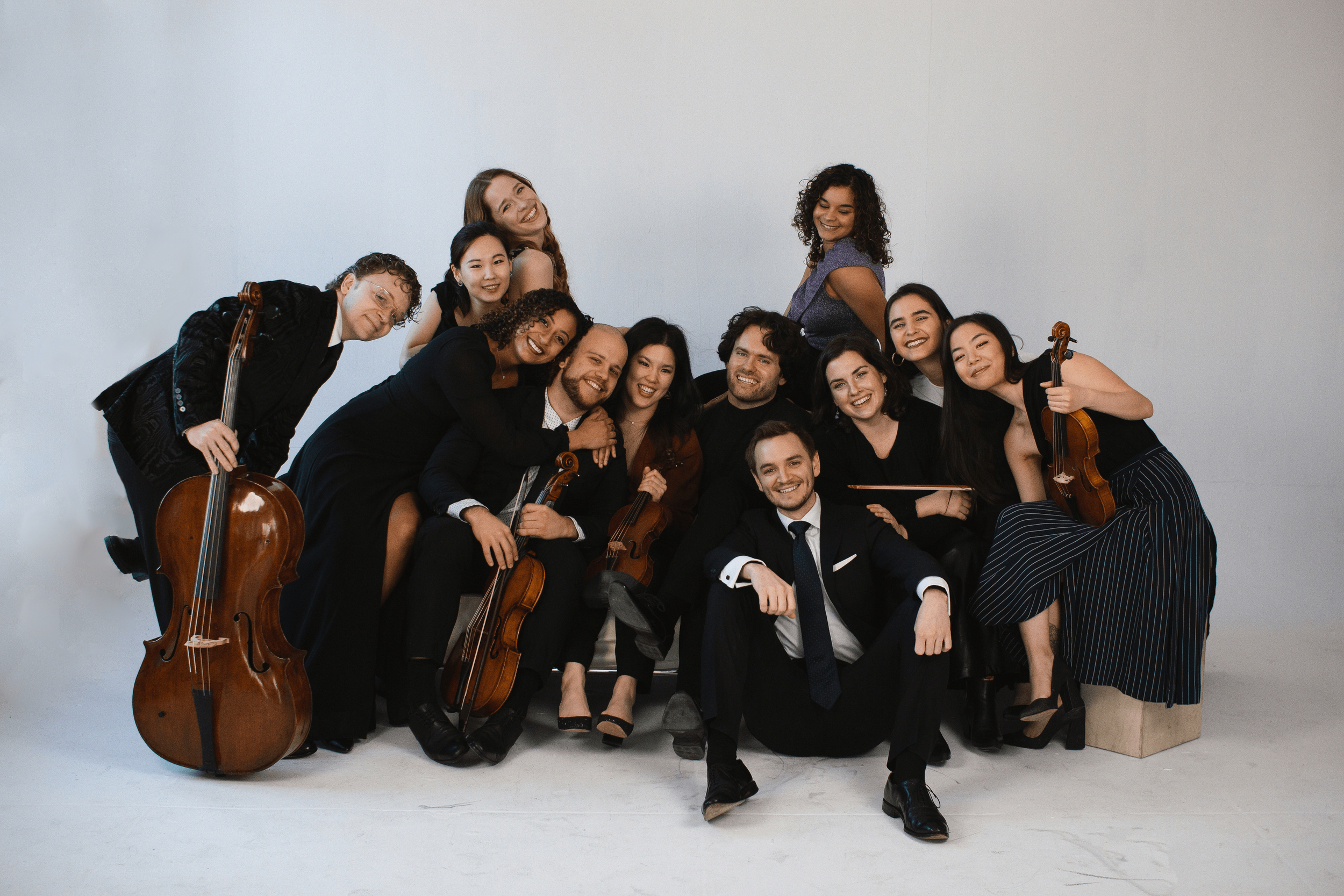
For Twelfth Night Ensemble, however, performing The Four Seasons is about more than presenting a familiar masterpiece. The group’s mission centers on reconnecting audiences with the excitement and spontaneity that originally defined this music. Under the leadership of keyboardist David Belkovski and violinist Rachell Ellen Wong, the ensemble has developed a reputation for performances that combine scholarly rigor with infectious energy, creating experiences that appeal equally to seasoned classical enthusiasts and newcomers alike.

The ensemble’s name draws inspiration from Shakespeare’s Twelfth Night, a play celebrated for its spirit of celebration, transformation, community, and joyful unpredictability. Those same qualities inform the ensemble’s artistic philosophy. Rather than creating distance between performers and audiences, Twelfth Night seeks to foster connection, encouraging listeners to engage with music as a shared experience rather than a formal exercise in appreciation.

That philosophy has resonated strongly with audiences and critics across the country. Praised for their vibrant interpretations and compelling stage presence, the musicians have become recognized as part of a new generation of artists redefining what historical performance can be. Their work demonstrates that authenticity and innovation are not opposing concepts but complementary forces capable of revealing fresh dimensions within familiar works.

The Princeton performance provides an ideal setting for such an experience. Trinity Church has long served as one of the region’s most distinguished venues for classical music, offering an intimate environment where audiences can experience the subtleties and textures of chamber music with remarkable clarity. The church’s acoustics create a setting particularly suited to Baroque repertoire, allowing the intricate interplay between instruments to emerge with exceptional warmth and detail.

In an era dominated by massive productions and amplified performances, there is something profoundly powerful about hearing music in a space designed to enhance its natural resonance. Every phrase, every dynamic shift, and every expressive gesture becomes more immediate. Audiences are not simply observing a performance; they are immersed within it.

The program’s focus on Vivaldi also provides an opportunity to explore the broader richness of Italian Baroque music. While The Four Seasons remains Vivaldi’s most famous work, the surrounding repertoire highlights the remarkable creativity of an era that transformed European music. Composers such as Durante and Locatelli expanded the expressive possibilities of instrumental performance, helping shape musical traditions that continue to influence classical music today.

For audiences attending the concert, the experience extends beyond the performance itself. Following the program, guests are invited to gather in Pierce-Bishop Hall for a community reception featuring homemade sweet and savory refreshments prepared by members of the Princeton Festival Guild. The reception reflects one of the core values shared by both the ensemble and the festival itself: the belief that music serves as a catalyst for connection.

These post-concert gatherings have become cherished traditions within the Princeton arts community, providing audiences with opportunities to continue conversations sparked by the music while celebrating the communal spirit that live performance inspires. In many ways, they reinforce the very principles that guide Twelfth Night’s artistic mission—bringing people together through shared cultural experiences.

The concert also highlights Princeton’s continuing role as one of New Jersey’s premier destinations for arts and culture. The region’s commitment to presenting world-class performances across a diverse range of disciplines has helped establish a thriving cultural ecosystem that attracts audiences from throughout the state and beyond. Events such as this demonstrate how classical music continues to evolve, finding new relevance and new audiences through imaginative programming and exceptional artistry.

At a time when many people seek meaningful experiences that offer reflection, inspiration, and connection, performances like this serve a vital purpose. They remind audiences that great art remains capable of transcending centuries, speaking across generations, and revealing something new with every encounter.

For those who know The Four Seasons intimately, Twelfth Night Ensemble promises fresh insights into a beloved masterpiece. For those discovering the work for the first time, the concert offers an unforgettable introduction to one of the most influential compositions ever written. And for everyone in attendance, it provides an opportunity to witness music not as a relic of the past, but as a vibrant and evolving art form.

When the first notes of Vivaldi’s celebrated opening movement fill Trinity Church on June 11, audiences will be reminded why this music has endured for nearly 300 years. More importantly, they will discover why it continues to inspire artists and listeners today. Through the passion, precision, and creativity of Twelfth Night Ensemble, The Four Seasons will once again reveal its timeless ability to surprise, delight, and move those fortunate enough to experience it live.

Princeton Symphony Orchestra

info@princetonsymphony.org
View Organizer Website

Performance Pavilion – Morven Museum & Garden

55 Stockton St
Princeton, New Jersey 08540 United States
+ Google Map
609-497-0020
View Venue Website

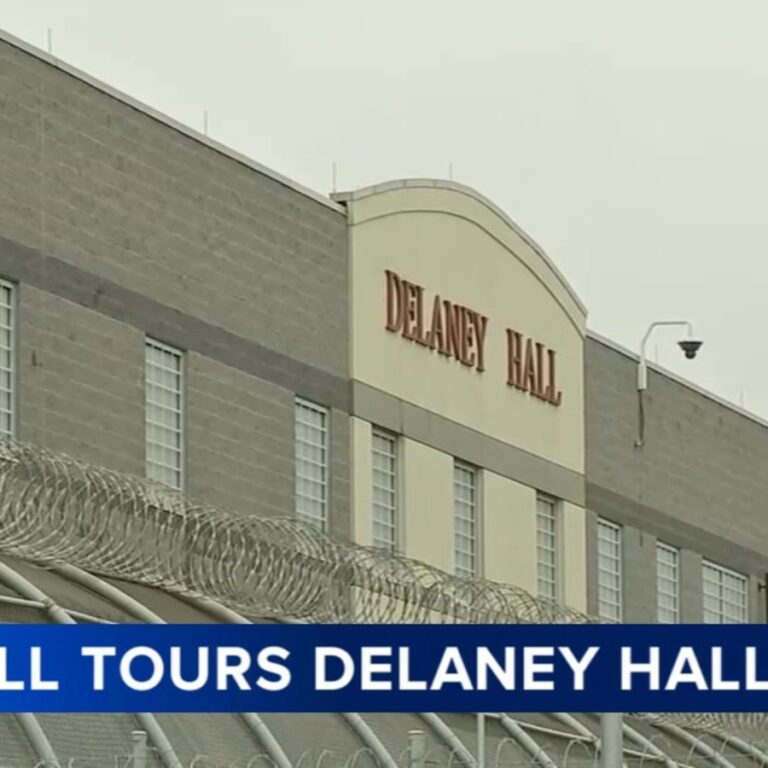
Delaney Hall Remains at the Center of New Jersey’s Immigration Debate as Governor Sherrill Leaves Tour Demanding Answers

The political battle surrounding Delaney Hall in Newark entered a new chapter this week as Governor Mikie Sherrill finally gained access to the controversial federal immigration detention facility after weeks of requests, denials, public pressure, and escalating scrutiny. Yet rather than providing clarity, the long-awaited visit appears to have deepened concerns about transparency, oversight, detainee conditions, and the broader role of immigration detention facilities operating within New Jersey.

For weeks, Delaney Hall has occupied the center of a growing political, legal, and public policy debate that stretches far beyond the walls of the Newark facility itself. The dispute has brought together state officials, federal agencies, immigrant advocacy organizations, legal experts, local activists, and community leaders, all seeking answers about conditions inside a facility that has become one of the most closely watched detention centers in the region.

Governor Sherrill’s June 8 tour was expected by many to provide at least some degree of independent assessment regarding the allegations and concerns that have fueled months of controversy. Instead, the governor emerged from the visit expressing frustration over the limitations imposed on her access and questioning why state officials continue to encounter barriers when attempting to conduct oversight.

At the heart of the controversy is a simple question that remains unresolved: What exactly is happening inside Delaney Hall, and why have independent observers faced such difficulty obtaining unrestricted access?

According to state officials, the governor’s visit was tightly managed by federal authorities. While she was permitted to enter and view portions of the facility, significant restrictions remained in place throughout the tour. Most notably, she was prohibited from speaking directly with detainees, a limitation that immediately became one of the central points of criticism following the visit.

The inability to communicate with individuals being held inside the facility struck many observers as particularly significant. Advocates and elected officials have consistently argued that firsthand conversations with detainees are among the most effective ways to evaluate living conditions, medical care access, treatment protocols, and overall facility operations. Without those conversations, critics contend that any inspection remains incomplete.

Governor Sherrill publicly described the restrictions as unacceptable, emphasizing that meaningful oversight requires more than a carefully guided walkthrough. Her concerns echoed arguments made by advocacy organizations that have spent months calling for greater transparency and independent inspections.

The timing of the visit adds further complexity to an already contentious situation. Reports indicate that detainees have entered their third consecutive week of a hunger and labor strike, intensifying concerns about conditions inside the facility and drawing increased national attention to the Newark detention center.

Hunger strikes within detention facilities often serve as a form of protest by individuals who feel they lack other avenues to raise concerns. Whether those concerns involve medical care, living conditions, legal access, communication rights, or broader treatment issues, such actions typically signal a significant level of frustration among participants. The ongoing nature of the protest at Delaney Hall has therefore become an important component of the larger discussion surrounding the facility.

At the same time, legal challenges continue to move forward through multiple channels. New Jersey Attorney General Matthew Platkin’s office remains engaged in litigation involving the facility’s private operator, GEO Group. Central to the legal dispute are questions involving oversight authority, health access, and the extent to which state agencies can evaluate and monitor conditions within federally contracted detention facilities operating inside New Jersey.

The legal battle reflects a broader national conversation about the relationship between federal immigration enforcement operations and state oversight responsibilities. As immigration policy continues to generate intense political debate across the country, states increasingly find themselves navigating complex questions regarding authority, accountability, and public health responsibilities.

For New Jersey, those questions have become particularly urgent given the high-profile nature of Delaney Hall and the growing public attention surrounding its operations.

Outside the facility, tensions have remained high as demonstrations continue. Activists, community organizations, and immigrant rights advocates have maintained a visible presence near the Newark site, demanding greater transparency and calling for the facility’s closure. Law enforcement officials have reported dozens of arrests connected to demonstrations and related incidents surrounding the detention center over recent weeks.

The continuing protests underscore the emotional and political intensity surrounding the issue. For supporters of the demonstrations, Delaney Hall represents broader concerns about immigration detention policies and the treatment of migrants. For others, the debate reflects larger questions regarding federal authority, public safety, and immigration enforcement practices.

Federal officials have pushed back strongly against criticism of the facility. Department of Homeland Security representatives have defended operations and oversight procedures while arguing that federal immigration detention centers already operate under established standards and review processes. The disagreement between state and federal officials has increasingly evolved into a public confrontation regarding access, transparency, and accountability.

That conflict became even more visible following comments from federal leadership suggesting that state officials should focus their attention elsewhere rather than challenging federal detention operations. Those remarks were met with criticism from New Jersey officials who argue that facilities operating within state borders inevitably affect local communities and therefore warrant state concern.

The controversy also highlights the growing role New Jersey has assumed in national immigration policy discussions. As one of the country’s most diverse states and a major gateway region for immigrant communities, New Jersey frequently finds itself at the center of debates involving immigration enforcement, detention policies, and immigrant rights protections.

For Newark specifically, Delaney Hall has become a focal point for conversations about community impact, economic considerations, public health oversight, and human rights concerns. Residents, elected officials, advocacy groups, and business leaders have all weighed in as the facility continues to generate headlines and political attention.

What remains clear after the governor’s visit is that the controversy is far from resolved. Rather than closing the chapter on concerns surrounding Delaney Hall, the tour appears to have generated additional questions regarding transparency and oversight. State officials continue to seek broader access, including demands for independent health inspections and direct communication with detainees.

Governor Sherrill has indicated that her administration intends to continue pressing for greater accountability and expanded access moving forward. That effort will likely unfold alongside ongoing legal proceedings, continued demonstrations, and additional scrutiny from both state and federal stakeholders.

As the debate continues, Delaney Hall remains more than just a detention facility. It has become a symbol of larger questions facing New Jersey and the nation regarding immigration enforcement, government accountability, public oversight, and the balance between federal authority and state responsibility.

The governor’s visit may have provided a glimpse inside the facility, but for many observers, the most important questions remain unanswered. Until those questions are addressed through greater transparency and independent evaluation, Delaney Hall is likely to remain one of the most closely watched and politically charged issues in New Jersey public policy.

René Vaca

0

René Vaca Brings Comedy’s Next Breakout Star to Newark for a Must-See Night at NJPAC

June 18 @ 8:00 PM 11:30 PM

Comedy has always been at its best when it feels personal. The biggest laughs rarely come from manufactured punchlines or recycled observations. They come from authenticity, from stories that feel lived-in, from performers willing to share their own experiences and invite audiences into their world. That approach has propelled René Vaca from local comedy clubs to sold-out theaters across North America, and on June 18, New Jersey audiences will have the opportunity to experience one of stand-up comedy’s fastest-rising stars when he takes the stage at the New Jersey Performing Arts Center in Newark.

In a comedy landscape crowded with podcasts, streaming specials, social media personalities, and viral clips, Vaca has managed to stand out by doing something surprisingly simple: being himself. His comedy is rooted in honesty, driven by observation, and delivered with a confidence that makes even the most personal stories feel universally relatable.

That combination has transformed Vaca from an emerging comic into one of the most talked-about young performers working today. His rapid rise has been fueled not only by his undeniable talent on stage but also by his ability to connect with audiences across multiple platforms. With millions of followers and an ever-expanding fan base, Vaca represents a new generation of comedians who understand that authenticity remains the most valuable currency in entertainment.

His upcoming appearance at NJPAC arrives during a period of remarkable momentum. National recognition continues to grow following his appearance as one of the featured performers during the Netflix Is A Joke Festival and his victory in the prestigious Stand Up NBC competition. Those achievements introduced his work to broader audiences, but longtime fans already knew what industry insiders were beginning to discover: René Vaca possesses the rare ability to make enormous venues feel intimate while simultaneously commanding a stage with the confidence of a seasoned veteran.

Part of what makes Vaca such a compelling performer is the source material itself. His comedy draws heavily from his own experiences growing up in California’s San Fernando Valley, navigating family dynamics, pursuing unconventional career paths, and finding humor in situations that many people experience but rarely discuss openly. Instead of relying on shock value or controversy, he mines everyday life for comedic gold, uncovering absurdities and truths that resonate with audiences from all backgrounds.

The result is a style that feels conversational rather than performative. Audience members often describe a René Vaca show as feeling less like attending a comedy performance and more like spending an evening with an exceptionally funny friend who happens to have impeccable timing and an endless supply of hilarious stories.

That connection has become one of the defining characteristics of his live appearances. Vaca possesses an unusual ability to establish rapport almost immediately. Within minutes, audiences feel invested not only in the jokes themselves but also in the person telling them. His storytelling unfolds naturally, allowing punchlines to emerge organically from situations that initially seem ordinary before taking unexpected and hilarious turns.

For younger audiences, Vaca’s appeal is obvious. His social media presence has helped introduce his comedy to millions of fans who appreciate his candid perspective and approachable style. Yet what makes his success particularly impressive is his ability to connect just as effectively with audiences far beyond the digital generation. The themes explored in his material—family expectations, personal growth, relationships, cultural identity, and life’s unpredictable detours—are experiences that transcend age and background.

That broad appeal has fueled an impressive touring career. Across the United States and Canada, theaters and comedy clubs continue to sell out as word spreads about the experience of seeing Vaca perform live. While social media may introduce audiences to his work, it is the live performance where his talents truly shine.

Stand-up comedy remains one of the purest forms of entertainment. There are no special effects to hide behind, no elaborate production elements to distract from the performance, and no second takes. Success depends entirely on a comedian’s ability to engage an audience and hold their attention through the strength of their material and delivery. Vaca has proven repeatedly that he possesses both.

His timing is sharp, his pacing deliberate, and his stage presence remarkably polished for a performer still ascending the comedy ranks. Each story builds naturally toward its payoff, creating an experience that keeps audiences fully engaged from beginning to end. Even moments that appear spontaneous often reveal a level of craftsmanship that reflects years of dedication to the art form.

For New Jersey comedy fans, the NJPAC performance represents an opportunity to witness an artist at a pivotal moment in his career. Some comedians spend years gradually building an audience before breaking through nationally. Others explode onto the scene seemingly overnight. Vaca occupies a unique middle ground—already established enough to command major venues, yet still ascending toward what many believe will be an even larger national profile.

The timing could not be better for a Newark appearance. NJPAC continues to attract some of the most dynamic performers across music, theater, and comedy, reinforcing its reputation as one of the premier cultural destinations in the region. Vaca’s arrival adds another high-profile event to a growing calendar of performances that draw audiences from throughout New Jersey, New York, and beyond.

Comedy itself is experiencing a remarkable resurgence. As audiences increasingly seek live experiences that provide genuine connection and shared moments, stand-up has become one of the most sought-after forms of entertainment. There is something uniquely powerful about a room full of people laughing together, responding collectively to stories that reflect their own lives and experiences.

René Vaca understands that dynamic better than most. His performances are not simply about generating laughs, although there are plenty of those. They are about creating a sense of community through humor, reminding audiences that many of life’s frustrations, insecurities, and awkward moments become far easier to navigate when viewed through a comedic lens.

That philosophy has helped transform casual fans into devoted followers who return again and again. Whether performing in intimate comedy clubs or major performing arts centers, Vaca consistently delivers the kind of experience that audiences remember long after the final joke.

When he arrives in Newark on June 18, attendees can expect an evening filled with sharp observations, personal stories, unexpected twists, and nonstop laughter. More importantly, they will witness a comedian who represents the future of stand-up while honoring the timeless traditions that have always defined great comedy.

The journey from aspiring comic to national headliner is rarely straightforward. It requires perseverance, originality, discipline, and an unwavering commitment to one’s voice. René Vaca has demonstrated all of those qualities throughout his rise, and his continued success suggests that his story is only beginning.

For anyone who appreciates intelligent, relatable, and genuinely funny stand-up comedy, this performance offers an opportunity to see one of the industry’s brightest emerging stars at exactly the right moment. The crowds are growing, the venues are getting bigger, and the national spotlight continues to shine brighter.

On June 18 at NJPAC, New Jersey audiences will discover firsthand why René Vaca has become one of the most exciting names in comedy today—and why his future appears every bit as bright as his rapidly rising career.

NJPAC

1.888.696.5722

View Organizer Website

Performance Pavilion – Morven Museum & Garden

55 Stockton St
Princeton, New Jersey 08540 United States
+ Google Map
609-497-0020
View Venue Website

Janelle Monáe

0

Janelle Monáe Brings a Visionary Celebration of Music, Identity, and Performance to NJPAC

June 17 @ 8:00 PM 11:30 PM

Some concerts entertain. Others inspire. A select few transcend the traditional boundaries of live performance and become something much larger than music alone. When Janelle Monáe arrives at the New Jersey Performing Arts Center in Newark on June 17, audiences can expect exactly that kind of experience—an evening where artistry, storytelling, innovation, and celebration converge into a performance that challenges expectations while delivering one of the most electrifying live shows in contemporary music.

For more than a decade, Janelle Monáe has occupied a unique place in popular culture. Few artists have successfully blended music, theater, fashion, film, social commentary, science fiction, and cultural storytelling into a singular creative vision as effectively as Monáe. Every project, every album, every performance, and every public appearance feels connected to a larger artistic universe that continues to evolve while remaining unmistakably authentic.

The upcoming Newark performance arrives at a time when live audiences increasingly seek experiences that offer more than a simple collection of songs. Fans want connection. They want creativity. They want moments that feel memorable and meaningful. Janelle Monáe has built an international reputation by delivering precisely that type of experience night after night.

From the opening moments of a Monáe performance, audiences are transported into a carefully constructed world where genre boundaries disappear and artistic possibilities expand without limitation. The result is a concert that feels part dance party, part theatrical production, part visual art installation, and part cultural celebration.

What separates Monáe from many contemporary performers is the remarkable scope of the artistic vision behind the music. Throughout a career that has consistently defied categorization, Monáe has embraced creative risks that have elevated both the music itself and the way audiences engage with it. Rather than simply performing songs, Monáe creates immersive narratives that invite listeners into stories exploring identity, freedom, self-expression, empowerment, community, and imagination.

Those themes have become defining characteristics of a catalog that continues to resonate across generations of music fans. Drawing inspiration from funk, soul, R&B, hip-hop, pop, rock, jazz, electronic music, and Afrofuturism, Monáe has developed a sound that feels simultaneously timeless and futuristic.

That creative approach has earned widespread critical acclaim and established Monáe as one of the most influential artists of the modern era. Yet despite the accolades and recognition, the live performance remains at the center of the experience.

On stage, Monáe transforms recorded music into something dynamic and immediate. Songs become living, breathing experiences fueled by extraordinary musicianship, intricate production design, and a commanding stage presence that captivates audiences from the first note to the final encore.

Fans attending the Newark performance can expect a showcase of powerhouse vocals that effortlessly move between soulful melodies, commanding spoken passages, and rhythmic flows. Monáe’s vocal versatility remains one of the most impressive aspects of the live show, allowing each song to take on new dimensions in front of an audience.

Backing the performance is a world-class band capable of bringing even the most complex arrangements to life with remarkable precision. Every groove, horn line, rhythmic shift, and harmonic layer contributes to an atmosphere that feels both meticulously crafted and completely spontaneous.

The music itself serves as the foundation for a production that consistently ranks among the most visually compelling in contemporary touring. Costume changes, choreographed movement, cinematic staging, and immersive visual elements transform the concert into a fully realized artistic event.

Rather than relying on spectacle for its own sake, every visual choice serves a purpose within the broader narrative. Each transition, lighting cue, and stage movement reinforces the themes that have defined Monáe’s work throughout an extraordinary career.

This commitment to artistic detail has become one of the defining characteristics of Monáe’s live performances. Audiences do not simply watch a show unfold. They become participants in a carefully orchestrated journey that celebrates individuality, creativity, and collective joy.

For New Jersey audiences, the performance also represents an opportunity to experience one of contemporary culture’s most influential voices in one of the state’s premier performing arts venues. NJPAC has long served as a gathering place for groundbreaking artists whose work reflects both artistic excellence and cultural significance. Janelle Monáe’s appearance continues that tradition while reinforcing Newark’s growing importance as a destination for major live entertainment.

The city itself provides an ideal backdrop for a performance centered on creativity, diversity, and innovation. Newark’s cultural landscape continues to evolve, attracting artists and audiences who appreciate work that challenges conventional thinking while remaining accessible and engaging. Monáe’s artistic philosophy aligns naturally with that spirit.

Beyond the music, Monáe’s influence extends into film, literature, fashion, activism, and cultural discourse. Throughout a career defined by fearless self-expression, Monáe has consistently used art as a vehicle for broader conversations about representation, inclusion, identity, and personal freedom.

That commitment has helped cultivate a remarkably diverse audience. Fans come from different generations, backgrounds, and musical preferences, yet they find common ground in Monáe’s message of empowerment and authenticity. The result is a concert atmosphere unlike almost any other in contemporary music.

People arrive expecting a performance. They leave having experienced something far more profound.

Part of that impact comes from Monáe’s ability to balance entertainment with substance. The music is undeniably infectious. The rhythms compel movement. The choruses invite participation. The visual presentation dazzles. Yet beneath the energy lies a thoughtful exploration of themes that encourage audiences to reflect, celebrate, and imagine new possibilities.

In an era when many performances prioritize spectacle over meaning, Monáe continues to prove that the most powerful live experiences can accomplish both simultaneously.

For longtime fans, the Newark show offers another opportunity to witness an artist who continues pushing creative boundaries while remaining deeply connected to the audience. For newcomers, it provides an ideal introduction to one of the most innovative performers working today.

As June 17 approaches, anticipation continues to build among music lovers throughout New Jersey and beyond. The combination of a visionary artist, a world-class venue, and an audience eager for a transformative live experience creates all the ingredients for one of the season’s most memorable concerts.

When the lights dim at NJPAC and Janelle Monáe steps onto the stage, audiences can expect far more than a traditional night of entertainment. They will witness a celebration of music, imagination, individuality, and artistic possibility delivered by an artist whose work continues to redefine what a live performance can achieve.

In a world filled with concerts, Janelle Monáe creates events. In a world filled with performers, Janelle Monáe remains a visionary. And when that vision arrives in Newark, it promises to be one of the most compelling musical experiences New Jersey audiences will see all year.

NJPAC

1.888.696.5722

View Organizer Website

Performance Pavilion – Morven Museum & Garden

55 Stockton St
Princeton, New Jersey 08540 United States
+ Google Map
609-497-0020
View Venue Website

Hot Mulligan with Joyce Manor, Saturdays At Your Place & Koyo

0

Hot Mulligan Brings Modern Emo’s Biggest Catharsis to Asbury Park’s Stone Pony Summer Stage

June 16 @ 8:00 PM 11:30 PM

The summer concert season in New Jersey has always been about more than just live music. It is about moments. It is about discovering the bands that define a generation, singing every word alongside thousands of strangers, and finding connection in songs that somehow articulate emotions that are often difficult to put into words. On June 16, Asbury Park will once again become the center of that experience when Hot Mulligan arrives at the Stone Pony Summer Stage for one of the most anticipated alternative and emo shows of the season.

Joining them for an impressive lineup that includes Joyce Manor, Saturdays At Your Place, and Koyo, the evening promises to be far more than a typical concert. It represents a gathering of artists who have helped shape the modern evolution of emo, pop-punk, and alternative rock while continuing to expand the genre’s emotional reach for a new generation of fans.

For New Jersey music lovers, the setting could not be more fitting. The Stone Pony Summer Stage remains one of the most iconic outdoor concert venues on the East Coast, situated just blocks from the Atlantic Ocean in a city whose musical legacy continues to influence artists around the world. From legendary performers who helped build Asbury Park’s reputation as a music destination to emerging artists finding their voices on its stages today, the city remains one of the most important cultural centers in American rock music.

Hot Mulligan’s arrival at the Summer Stage feels particularly significant because few bands have captured the emotional complexity of modern life quite as effectively as the Michigan-based group. Over the last decade, they have evolved from a promising underground act into one of the most influential and beloved bands in contemporary emo and pop-punk.

Formed in 2014, Hot Mulligan emerged from a music scene already rich with history. Emo had experienced multiple waves of popularity over the previous two decades, from its underground roots to mainstream success and eventual reinvention. Rather than simply replicate what came before them, Hot Mulligan helped redefine what the genre could sound like in the modern era.

Their music combines intricate guitar work, explosive energy, melodic sophistication, and brutally honest lyricism. The result is a sound that feels simultaneously familiar and entirely their own. It draws from the emotional vulnerability of classic emo while incorporating elements of pop-punk, indie rock, post-hardcore, and Midwest emo traditions.

At the center of that sound is vocalist Tades Sanville, whose delivery has become one of the band’s defining characteristics. His lyrics frequently explore anxiety, grief, self-doubt, fractured relationships, and the overwhelming uncertainty that often accompanies adulthood. Yet despite the weight of those subjects, Hot Mulligan’s music never feels hopeless. Instead, it offers something many listeners crave: validation.

For countless fans, the band’s songs serve as reminders that they are not alone in their struggles. Whether confronting mental health challenges, navigating complicated relationships, or simply trying to make sense of an increasingly chaotic world, listeners find pieces of themselves within Hot Mulligan’s music.

That connection has helped transform songs such as “Equip Sunglasses,” “Gans Media Retro Games,” and “Moving to Bed Bug Island” into modern anthems within alternative music circles. These tracks resonate not simply because they are catchy, though they certainly are, but because they speak honestly about experiences many people share but rarely discuss openly.

The musicianship behind those songs is equally important. Guitarists Chris Freeman and Ryan Malicsi create intricate layers of melody that blend shimmering Midwest emo influences with the urgency of pop-punk and the power of modern alternative rock. Their ability to move seamlessly between delicate passages and explosive choruses gives Hot Mulligan’s music a dynamic quality that keeps listeners emotionally engaged from beginning to end.

Meanwhile, drummer Brandon Blakeley provides the rhythmic backbone that allows the band’s emotional intensity to remain controlled and purposeful. His precise yet powerful playing helps transform deeply personal songwriting into songs capable of energizing thousands of people simultaneously.

That transformation becomes most evident in a live setting.

Few bands in the current alternative music landscape have built a live reputation as strong as Hot Mulligan’s. Their concerts are not passive experiences where audiences simply watch a performance unfold from a distance. Instead, they become active participants in the emotional release taking place on stage.

Fans sing every lyric with remarkable intensity. Crowd surfers emerge almost immediately. Circle pits form and expand as songs accelerate. Entire sections of the audience move together as if responding to a shared emotional language. The atmosphere feels less like a performance and more like a communal experience where everyone present contributes to the energy of the evening.

It is one of the reasons the band continues selling out venues across North America. Their concerts provide something increasingly rare in modern entertainment: genuine emotional connection. In a world often dominated by digital interactions and curated online identities, Hot Mulligan shows create a space where vulnerability is celebrated rather than hidden.

The supporting lineup only strengthens what is already shaping up to be one of the strongest alternative bills to visit New Jersey this summer.

Joyce Manor arrives with a legacy that has made them one of the most respected bands in modern punk and emo circles. Known for combining concise songwriting with emotional depth and infectious melodies, the California-based group has spent more than a decade building a devoted following through albums that consistently balance accessibility with authenticity.

Their influence on contemporary alternative music is difficult to overstate. Many younger bands cite Joyce Manor as a formative inspiration, and their presence on this tour adds significant depth and credibility to an already exceptional lineup.

Saturdays At Your Place continues to gain momentum as one of the most promising emerging acts within the modern emo landscape. Their music captures the nostalgic spirit that defines much of the genre while bringing fresh perspectives and contemporary storytelling to the forefront.

Koyo, meanwhile, has become one of the most exciting names in melodic hardcore and alternative music. Their energetic live performances and emotionally charged songwriting have earned widespread acclaim, making them an ideal addition to a lineup centered around passion, connection, and intensity.

Together, the four bands represent multiple generations and styles within the broader alternative music community. Yet they share a common commitment to authenticity and emotional honesty, qualities that continue to drive the genre’s enduring appeal.

For Asbury Park, hosting a lineup of this caliber reinforces the city’s position as one of the premier live music destinations in the Northeast. The Stone Pony Summer Stage remains uniquely suited for events that blend emerging talent, established artists, and passionate audiences. With the Atlantic Ocean serving as a backdrop and the energy of downtown Asbury Park surrounding the venue, concertgoers experience something that extends beyond the music itself.

The city has long thrived as a place where artists and audiences come together to celebrate creativity, individuality, and community. Events like this continue that tradition while introducing new generations to the experiences that have defined Asbury Park’s cultural identity for decades.

As June 16 approaches, anticipation continues to build among fans throughout New Jersey and beyond. For some attendees, it will be their first opportunity to see Hot Mulligan live. For others, it will be another chapter in an ongoing relationship with a band whose music has helped soundtrack important moments in their lives.

Either way, the evening promises to deliver exactly what has made Hot Mulligan one of the most compelling live acts in alternative music today. Powerful songs. Unfiltered emotion. Unforgettable energy. And a reminder that even in the most uncertain moments, music remains one of the strongest ways people connect with one another.

When the lights come up at the Stone Pony Summer Stage and the first notes ring out across Asbury Park, fans will not simply be attending a concert. They will be participating in a shared experience that reflects everything great live music can be: cathartic, communal, emotional, and impossible to forget.

The Stone Pony

732-502-0600

View Organizer Website

Performance Pavilion – Morven Museum & Garden

55 Stockton St
Princeton, New Jersey 08540 United States
+ Google Map
609-497-0020
View Venue Website

New Jersey’s Front Row Seat to the World: NYNJ World Cup 26 Jersey Fan Hub Brings the Global Game to Sports Illustrated Stadium

The countdown to the FIFA World Cup 2026 is no longer measured in years or months. Across New Jersey and the greater New York metropolitan region, preparations are accelerating for what promises to be one of the largest sporting events ever hosted in North America. While the world’s attention will naturally focus on the matches themselves, another major attraction is quickly emerging as one of the most exciting destinations of the tournament: the NYNJ World Cup 26 Jersey Fan Hub at Sports Illustrated Stadium in Harrison.

Designed to serve as New Jersey’s official fan zone and watch-party destination throughout the FIFA World Cup 2026, the Jersey Fan Hub represents far more than a place to watch soccer. It is being envisioned as a month-long celebration of international culture, community pride, live entertainment, and the unifying power of the world’s most popular sport. For local residents, international visitors, and passionate supporters traveling from across the globe, the Fan Hub is expected to become one of the defining gathering places of the entire tournament.

The FIFA World Cup has always been about more than what happens inside a stadium. Every host nation develops its own atmosphere around the competition, creating public spaces where supporters can come together regardless of which team they support. These fan festivals have become some of the most memorable components of modern World Cup tournaments, allowing thousands of people to share the emotional highs and lows of the competition in a communal setting.

New Jersey’s contribution to that tradition arrives in the form of the NYNJ World Cup 26 Jersey Fan Hub, strategically located at Sports Illustrated Stadium in Harrison. Already recognized as one of the region’s premier soccer venues and home to professional soccer organizations including the New York Red Bulls and NJ/NY Gotham FC, the stadium is uniquely positioned to serve as a central gathering point throughout the tournament.

For New Jersey, the Fan Hub also represents another opportunity to showcase the state’s growing importance on the international sports stage. Over the last decade, the region has successfully hosted major global events ranging from championship matches and international exhibitions to large-scale concerts and entertainment productions. The World Cup provides an opportunity to elevate that profile even further.

The Fan Hub is scheduled to operate across sixteen carefully selected dates during the tournament, providing opportunities for supporters to participate throughout both the group stage and knockout rounds. Eight dates will take place during group play from June 13 through June 27, while an additional eight event days are scheduled during the knockout phase between July 1 and July 15.

Unlike traditional sports viewing experiences, organizers are transforming the stadium itself into an immersive destination. Fans will have the opportunity to gather directly on the stadium floor and watch matches on a massive 60-foot video display positioned on the pitch. The concept allows visitors to experience World Cup action in a venue already deeply connected to professional soccer, creating an atmosphere that bridges live competition with communal celebration.

The setting is expected to create an energy unlike anything typically associated with a standard watch party. Every goal, dramatic save, late-game comeback, and penalty kick will be experienced collectively by thousands of supporters sharing the same space. For soccer enthusiasts, that environment often becomes nearly as memorable as attending the matches themselves.

Beyond the stadium floor experience, attendees will also have access to the Hype House club area, an indoor-outdoor gathering space designed to provide additional viewing options, social interaction, and entertainment opportunities. The venue’s flexibility allows organizers to accommodate different types of visitors, from die-hard supporters looking for an intense match-day atmosphere to families seeking a more relaxed and festive environment.

What separates the Jersey Fan Hub from a simple viewing party is the breadth of programming planned throughout the tournament. Organizers are building an event that extends beyond soccer, reflecting the cultural diversity that has become synonymous with both the World Cup and the New Jersey region itself.

Interactive sponsor activations will provide opportunities for fans to engage with brands and experiences connected to the tournament. Food vendors and local food trucks will bring a wide range of culinary offerings to the venue, highlighting the multicultural flavors that define the New Jersey dining scene. The combination of sports, food, music, and community engagement creates an experience designed to appeal not only to soccer supporters but to visitors seeking a broader festival atmosphere.

Entertainment programming will play a major role throughout the Fan Hub schedule. Family-focused activities are expected to anchor special event days, including a Family Day celebration that welcomes younger fans into the World Cup experience. Concert programming will add another dimension to the venue, transforming the Fan Hub into a destination capable of drawing audiences even beyond match schedules.

Among the most anticipated entertainment events is a scheduled performance by internationally recognized electronic music artist Kygo. The inclusion of major musical acts reflects the World Cup’s unique ability to blend sports and entertainment into a single global celebration. Throughout the tournament, fans can expect a continuous schedule of activities designed to maintain excitement whether a match is underway or not.

The significance of the Jersey Fan Hub extends beyond recreation and entertainment. It also serves as an economic opportunity for New Jersey businesses, hospitality operators, restaurants, retailers, transportation providers, and tourism organizations. With millions of visitors expected throughout the broader World Cup footprint, destinations that successfully capture even a small percentage of that traffic stand to benefit substantially.

Harrison itself has undergone a remarkable transformation over the last two decades, evolving from an industrial center into a growing destination for sports, entertainment, and residential development. The World Cup Fan Hub places the community directly within one of the most visible international events ever hosted in the region. For local businesses and residents, the opportunity to welcome visitors from around the world represents both an economic benefit and a source of civic pride.

The Fan Hub also underscores New Jersey’s increasingly important role within the larger NYNJ Host Committee framework. While the metropolitan region will welcome the world during FIFA World Cup 2026, New Jersey’s contributions extend far beyond serving as a neighboring location. The state will be central to the tournament experience through transportation infrastructure, hospitality resources, tourism attractions, community programming, and fan engagement initiatives such as the Jersey Fan Hub.

Perhaps most importantly, the venue provides a way for residents to participate in the World Cup regardless of whether they secure tickets to individual matches. FIFA World Cup tickets are among the most sought-after sporting event admissions in the world, often placing attendance beyond the reach of many fans. By offering free admission to Fan Hub events, organizers are ensuring that the excitement and energy of the tournament remain accessible to a broad audience.

That accessibility reflects one of the World Cup’s most enduring strengths. The tournament belongs not only to those inside the stadiums but also to the communities that embrace it. Fan zones create opportunities for people from different backgrounds, cultures, and nations to come together around a shared passion for sport.

For New Jersey, the Jersey Fan Hub embodies that spirit perfectly. It is a place where longtime soccer supporters and first-time fans can gather side by side. It is a destination where local communities can interact with international visitors. It is a celebration of sport, culture, diversity, and connection.

As June 2026 approaches, excitement will continue building across the Garden State. The matches themselves will undoubtedly create unforgettable moments, but many of the tournament’s most lasting memories may emerge from places like Sports Illustrated Stadium, where thousands of people come together to experience the World Cup as a community.

For sixteen special days, Harrison will become one of the world’s great soccer gathering places. The NYNJ World Cup 26 Jersey Fan Hub will provide New Jersey with a front-row seat to history, offering residents and visitors alike the chance to become part of a global celebration unlike any other. As the world arrives in the region for FIFA World Cup 2026, New Jersey will be ready to welcome it, cheer alongside it, and celebrate the beautiful game on one of the biggest stages imaginable.

Redefining Success in New Jersey: Women Leaders Share Powerful Lessons on Authenticity, Resilience, Wellness, and Purpose

Success has long been measured by titles, corner offices, professional accolades, financial milestones, and the visible symbols of achievement that society often associates with leadership. Yet for many of today’s most influential women leaders, success is becoming something far more personal, dynamic, and meaningful. It is no longer defined solely by what appears on a résumé or business card. Instead, it is increasingly shaped by purpose, resilience, authenticity, wellness, relationships, and the ability to create lasting impact in the lives of others.

That evolving conversation took center stage at ROI-NJ’s recent “Redefining Success: The Intersection of Identity and Leadership” event, where accomplished professionals from a wide range of industries gathered to explore how leadership continues to evolve in a rapidly changing world. Hosted at Hanover Manor and sponsored by JAG Physical Therapy, with CBRE participating as an exhibitor, the event brought together business executives, entrepreneurs, advocates, legal professionals, and community leaders for a thoughtful discussion about what it means to lead authentically while navigating both professional ambitions and personal responsibilities.

The discussion arrived at a particularly relevant moment for New Jersey’s business and professional communities. Across industries ranging from healthcare and education to law, technology, finance, nonprofit leadership, and entrepreneurship, conversations about workplace culture, employee well-being, mental health, and sustainable leadership are becoming increasingly important. The traditional model of success—one focused exclusively on achievement and advancement—is being challenged by a growing recognition that fulfillment, purpose, and personal wellness are equally important components of a meaningful career.

Moderated by attorney, editor, author, and communications professional Jennifer Thibodaux, the program encouraged attendees to think beyond conventional definitions of achievement. Rather than abandoning ambition, the conversation explored how ambition itself can evolve throughout different stages of life and leadership.

The panel featured an impressive group of women whose careers span multiple industries and life experiences. Among them were Onome Adejemilua, corporate partner at McCarter & English LLP and president-elect of Executive Women of New Jersey; Dr. Peggy DeLong, psychologist, author, and founder of Your Happy Second Half; Sarah Kernion, founder of Inchstones and advocate for families affected by profound autism; and Elaine Rocha, chief executive officer of Madison Square Boys & Girls Club.

While each panelist arrived from a different professional background, a common theme quickly emerged. Success is not static. It changes as people change. It evolves through challenges, personal growth, family responsibilities, career transitions, and shifting priorities.

For Rocha, the journey toward redefining success reflected the experiences of many first-generation professionals who pursue achievement through hard work and determination. As a first-generation college graduate who built a successful legal and corporate career, she initially measured success through many of the traditional markers that dominate professional culture. Over time, however, those external indicators became less significant than the ability to pursue work aligned with her own vision and values.

Her perspective reflected an increasingly common realization among senior leaders. While promotions, compensation, and professional recognition remain important, many executives eventually reach a point where personal autonomy and purpose become equally valuable. The ability to shape one’s own path often becomes a more meaningful measure of success than simply climbing another rung on the corporate ladder.

Dr. DeLong described a similar transformation from a different professional perspective. After building a successful career as a forensic psychologist, she reached a moment of profound self-reflection. Despite external validation and professional accomplishment, she realized that continuing along the same path no longer aligned with her personal goals and sense of fulfillment.

What followed was a process of rediscovery centered around a deceptively simple question: What brings joy?

That exercise ultimately led her toward new ventures focused on gratitude, wellness, speaking engagements, women’s retreats, and initiatives designed to help others reconnect with purpose and happiness. Her story highlighted an increasingly important conversation taking place throughout New Jersey’s wellness community. More professionals are recognizing that achievement without fulfillment can ultimately lead to burnout, while purpose-driven work often creates a more sustainable path forward.

Perhaps one of the most moving perspectives came from Kernion, whose experience as the mother of two non-speaking children with autism transformed her understanding of success in profound ways.

For many parents, milestones become a way of measuring progress. Yet when children face unique developmental challenges, traditional benchmarks often lose their meaning. Success becomes less about societal expectations and more about individual victories that may appear small to outsiders but represent extraordinary accomplishments for families navigating complex circumstances.

The concept behind Kernion’s organization, Inchstones, reflects that philosophy. Rather than focusing solely on major milestones, the idea celebrates incremental progress and meaningful moments that collectively shape growth and development. Whether it involves a child independently completing a daily task or making a breakthrough after months of therapy and support, these victories carry immense significance for families living the experience every day.

Her message resonated far beyond the autism community. In many ways, it challenged attendees to reconsider how success is measured in all aspects of life. Progress is not always dramatic. Sometimes it arrives quietly through persistence, patience, and small victories accumulated over time.

Adejemilua’s perspective added another important dimension to the conversation. Early caregiving responsibilities forced her to become intentional about how she invested her time and energy while building a demanding legal career. Rather than pursuing every opportunity, she focused on those that genuinely aligned with her interests, values, and long-term goals.

That level of intentionality has become increasingly relevant for modern professionals navigating complex work environments. In an age where productivity is often celebrated and schedules are increasingly crowded, the ability to prioritize meaningful opportunities has become an essential leadership skill.

The discussion repeatedly returned to the concept of authenticity, a quality that many participants identified as fundamental to effective leadership. Authenticity is frequently discussed in professional development circles, but the panelists emphasized its practical importance in building trust, fostering collaboration, and creating meaningful relationships.

As organizations continue adapting to changing workforce expectations, authenticity is becoming more valuable than ever. Employees, clients, and stakeholders increasingly seek leaders who communicate honestly, demonstrate vulnerability when appropriate, and remain true to their values. Genuine leadership creates stronger connections and more resilient organizations.

The panel also explored the growing relationship between leadership and wellness. Across New Jersey’s business community, conversations surrounding burnout, mental health, work-life integration, and sustainable success have become increasingly prominent. Leaders are recognizing that long-term performance requires more than constant productivity. It requires intentional investment in personal well-being.

Dr. DeLong emphasized the importance of remaining present while prioritizing pleasure and purpose alongside professional achievement. Her message reflected a growing body of research suggesting that happiness and fulfillment are not rewards waiting at the end of a career journey. Instead, they are experiences that must be cultivated throughout the process.

Similarly, Kernion emphasized the importance of small but meaningful self-care practices. Rather than promoting unrealistic lifestyle overhauls, she highlighted how even brief moments dedicated to personal renewal can create significant positive impacts. Whether through creative expression, reflection, exercise, mindfulness, or simply carving out moments of solitude, sustainable leadership often depends on consistent habits that replenish emotional and mental energy.

As the conversation drew to a close, attendees were offered a powerful reminder that success remains deeply personal. There is no universal formula. There is no single destination. There is no fixed definition that applies equally to every person, every profession, or every stage of life.

Instead, success emerges through continuous evolution. It grows alongside experience. It adapts to changing circumstances. It reflects individual values, priorities, and aspirations.

The panelists’ final reflections captured that idea beautifully. Opening doors for others. Gratitude. Celebrating inchstones over milestones. Embracing evolution.

Taken together, those themes represent a broader shift taking place across New Jersey’s professional landscape. Leadership is becoming less about status and more about impact. Success is becoming less about accumulation and more about fulfillment. Achievement is increasingly measured not only by what individuals accomplish for themselves, but by how they empower others along the way.

For New Jersey’s next generation of leaders, entrepreneurs, executives, advocates, and changemakers, that message may be one of the most important lessons of all. Success is not a destination reached once and permanently achieved. It is a lifelong process of growth, adaptation, contribution, and purpose. And perhaps the strongest leaders are those willing to redefine it as they go.

After Four Decades of Preserving South Jersey History, Merchantville’s Victoriana East Begins a New Chapter

For more than forty years, Victoriana East has occupied a unique place in New Jersey’s construction and historic preservation community. Long before restoration became a popular buzzword in real estate development, the Merchantville-based company was helping homeowners, institutions, and preservation advocates save pieces of architectural history that might otherwise have been lost to time. Now, after four decades of craftsmanship, dedication, and service throughout South Jersey and the Philadelphia region, the company is preparing for a new era as founder Rick Tamburo enters retirement and transfers ownership to a new generation of preservation-minded leadership.

The transition marks far more than a simple business sale. It represents the continuation of a legacy rooted in the belief that historic buildings matter, that craftsmanship still has value, and that communities are strengthened when their architectural heritage is protected rather than replaced. As Victoriana East passes into the hands of Collingswood craftsman Sean O’Donnell, one of South Jersey’s most respected historic restoration firms appears poised to continue its mission while embracing new opportunities for growth.

Founded in 1985, Victoriana East established itself as a specialist in historic restoration at a time when many aging Victorian-era structures throughout New Jersey and Pennsylvania faced uncertain futures. During the decades that followed, the company became known for its meticulous approach to restoration work, helping preserve homes, churches, commercial buildings, and architectural landmarks whose unique character could not simply be replicated through modern construction methods.

The work required a specialized skill set that extended far beyond traditional contracting. Historic restoration demands a deep understanding of architectural history, original construction techniques, period-appropriate materials, and the patience required to repair rather than replace. Every project presents its own challenges, whether restoring intricate millwork, rebuilding decorative exterior elements, repairing historic masonry, or recreating architectural details that disappeared decades earlier.

Under Tamburo’s leadership, Victoriana East earned a reputation for handling those challenges with care and precision. Across South Jersey and neighboring Philadelphia communities, countless historic structures benefited from the company’s expertise. While many contractors focus on new construction, Victoriana East built its reputation by respecting the past and understanding that historic buildings carry stories that extend far beyond bricks, wood, and stone.

That philosophy helped the company become a trusted resource within communities where preservation remains an important part of local identity. Throughout Camden County, Burlington County, Gloucester County, and beyond, historic neighborhoods continue to serve as reminders of the region’s rich cultural and architectural heritage. Maintaining those neighborhoods requires professionals who understand both construction and conservation, and Victoriana East became synonymous with that specialized balance.

Nowhere is that appreciation for history more evident than in Merchantville itself. The borough has long been recognized for its historic character, tree-lined streets, and beautifully preserved architecture. Businesses like Victoriana East have contributed to maintaining the distinctive aesthetic that continues to attract residents who value community character and architectural authenticity.

As Tamburo steps away after a lengthy and accomplished career, the selection of O’Donnell as successor appears particularly fitting. Rather than transferring ownership to a large corporation or investment group, the company will continue under the guidance of someone who shares a similar commitment to preservation and craftsmanship.

O’Donnell has already earned recognition throughout the region for his restoration work, most notably through his efforts involving the historic caretaker’s house in Knight Park in Collingswood. That project reflects many of the same principles that have guided Victoriana East for decades: honoring architectural history, preserving community landmarks, and investing the time and expertise necessary to restore structures that hold cultural significance.

The Knight Park caretaker’s house represents more than a construction project. Like many historic preservation efforts throughout New Jersey, it reflects a broader movement focused on protecting the unique character that distinguishes communities from one another. In an era when development pressures often encourage demolition and replacement, restoration projects offer an alternative path that values history while creating new opportunities for future generations.

That perspective is becoming increasingly important throughout New Jersey as municipalities seek ways to balance growth with preservation. Across the state, historic downtown districts, legacy commercial corridors, and residential neighborhoods continue to face challenges associated with aging infrastructure, changing economic conditions, and redevelopment pressures. Preservation-minded contractors play a critical role in helping communities navigate those challenges while maintaining the character that makes them unique.

The timing of Victoriana East’s transition also coincides with growing interest in adaptive reuse and historic rehabilitation projects throughout New Jersey. From former industrial buildings converted into residential developments to historic commercial properties finding new life as restaurants, offices, and cultural destinations, preservation has become an increasingly important component of the state’s economic development strategy.

In many cases, restoration projects generate benefits that extend beyond individual buildings. They support local tourism, strengthen property values, encourage downtown revitalization, and help maintain the sense of place that residents value. Communities with well-preserved historic assets often enjoy economic advantages as visitors and prospective residents seek destinations that offer authenticity and character.

South Jersey has become particularly active in this regard. Towns throughout Camden, Burlington, Gloucester, Salem, Cumberland, and Atlantic counties continue investing in preservation initiatives that celebrate local history while supporting modern economic growth. Companies with specialized expertise in restoration remain essential partners in those efforts.

For Tamburo, retirement closes an important chapter defined by craftsmanship and community service. Few business owners have the opportunity to look back on four decades of work knowing their efforts helped save historic structures that might otherwise have disappeared. Every restored porch, repaired façade, reconstructed cornice, and preserved architectural detail represents a tangible contribution to the communities Victoriana East served.

For O’Donnell, the opportunity presents both a responsibility and an exciting challenge. Taking ownership of a respected restoration firm means inheriting not only a business but also a reputation built over generations. It means continuing relationships with clients who trust the company’s expertise and maintaining standards that have defined Victoriana East since its founding.

Most importantly, it means carrying forward a philosophy that views historic preservation not as nostalgia, but as investment. Every restored building strengthens the connection between past and present. Every preservation project helps ensure future generations can experience the architectural craftsmanship, design traditions, and cultural stories that shaped New Jersey’s communities.

As Victoriana East enters its next chapter, the transition serves as a reminder that preservation is ultimately about continuity. Buildings survive because skilled craftspeople care enough to restore them. Communities retain their character because residents value their history. Businesses endure because knowledge and passion are passed from one generation to the next.

After forty years under Rick Tamburo’s leadership, Victoriana East has become part of that story. With Sean O’Donnell now preparing to lead the company forward, one of South Jersey’s most respected historic restoration firms appears ready to continue protecting the region’s architectural heritage for decades to come. In a rapidly changing world, that commitment to craftsmanship, preservation, and community remains as valuable today as it was when Victoriana East first opened its doors in 1985.

Newark’s Residential Transformation Continues as Six-Story Apartment Development Advances Near NJIT

The continuing evolution of Newark’s residential landscape took another significant step forward this spring as plans for a new six-story apartment building near the New Jersey Institute of Technology secured approval from the city’s Central Planning Board. While the project itself may appear modest compared to some of the larger developments reshaping Newark’s skyline, its approval underscores a much broader story unfolding across the city—one centered on strategic infill development, increased housing density, affordable housing commitments, and growing demand for residential opportunities near major educational institutions and employment centers.

The proposal, submitted by Newark-based developer Pedro Gomes, focuses on a currently vacant parcel at 10 Lock Street, a site situated just two blocks from the NJIT campus and within one of the city’s most rapidly changing neighborhoods. During its May 18 meeting, the Central Planning Board voted to approve the project with several variances, allowing plans to move forward on a development that will transform an underutilized property into a modern residential building featuring 27 apartments.

For Newark, the approval represents another example of how smaller parcels throughout the city are being reimagined as housing opportunities in response to growing demand. As development activity continues throughout the University Heights district and surrounding neighborhoods, projects like 10 Lock Street are helping create the critical residential density needed to support local businesses, public transit, educational institutions, and long-term economic growth.

Located on a 6,176-square-foot lot near the intersection of Sussex Avenue and Lock Street, behind the popular Patio on Sussex property, the project has been designed to maximize residential use while incorporating modern building amenities expected by today’s renters. Plans call for a carefully organized ground floor featuring a residential lobby entrance, dedicated mail facilities, package management areas, building infrastructure, resident amenity space, storage areas, and waste management facilities including a trash compactor system.

The building’s first level will also include two two-bedroom residential units, elevator access, and dual stairwells designed to provide efficient circulation throughout the structure. Above the ground floor, the second through sixth stories will contain a mix of one-bedroom and two-bedroom apartments intended to appeal to a broad range of residents, from young professionals and graduate students to small families seeking access to Newark’s expanding urban core.

When completed, the project will contain 10 one-bedroom apartments ranging in size from approximately 651 to 760 square feet, along with 17 two-bedroom residences measuring between 717 and 1,034 square feet. The diversity of unit types reflects the changing demographics of Newark’s residential market, where demand increasingly comes from a variety of tenant groups attracted by the city’s growing employment opportunities, educational institutions, transportation access, and expanding lifestyle amenities.

Perhaps equally important is the project’s commitment to affordability. In accordance with local zoning requirements, six of the building’s 27 units will be designated as affordable housing. At a time when housing affordability remains one of New Jersey’s most pressing challenges, the inclusion of affordable units within new developments continues to play an important role in maintaining economic diversity and expanding housing access for residents across a range of income levels.

One aspect of the proposal that reflects broader urban planning trends is the decision not to include on-site parking. While once considered a necessity for virtually every residential development, many projects in Newark’s urban core are now moving forward with reduced or eliminated parking components. The site’s proximity to NJIT, Rutgers-Newark, Newark Penn Station, local bus routes, and a growing network of walkable amenities allows developers and planners to embrace a more transit-oriented approach to residential growth.

The Central Planning Board approved three variances associated with the project, addressing elevator setback requirements, ground-level transparency standards, and ground-floor height specifications. According to city records, no substantive changes were made to the application during the public hearing process, allowing the proposal to advance largely as originally presented.

The development also highlights the increasing value of land throughout Newark’s emerging residential districts. Property records indicate the parcel last sold in March 2021 for $425,000. While its assessed value stood at just $40,000 in 2025, current assessments place its value at more than $138,000, illustrating the rapid appreciation occurring in many areas experiencing renewed investment and development activity.

Yet the story of 10 Lock Street extends beyond a single building. The project sits within a broader development corridor that has become one of Newark’s most active areas for residential investment. Just one block south, the recently completed Hoyt Tower at 50 Sussex Street opened its doors in 2024, bringing additional residential capacity and helping redefine the neighborhood’s skyline.

Pedro Gomes himself has become an increasingly familiar name in Newark development circles. Earlier this year, he secured approvals for another significant residential project at 253 Orange Street, a high-rise apartment development located north of Interstate 280. That project joins a growing portfolio of developments contributing to Newark’s ongoing residential renaissance, including the Arbol project, which opened in 2021 and further established Gomes as an active participant in the city’s transformation.

The momentum surrounding the area extends well beyond new apartment construction. Nearby institutional properties are also undergoing dramatic reinvention. The historic St. Michael’s Hospital complex, located only a few blocks from the Lock Street site, is currently slated for conversion into a residential development featuring 42 housing units above commercial space. The adaptive reuse of the 155-year-old hospital building represents another example of how Newark is preserving elements of its architectural heritage while creating new residential opportunities for future generations.

The neighborhood’s growth is also being fueled by continued investment from one of New Jersey’s premier educational institutions. NJIT, whose 48-acre campus anchors much of the surrounding district, continues to expand its residential infrastructure to accommodate growing enrollment and student demand. The university is currently undertaking a major rehabilitation project involving one of its oldest residence halls on Summit Street. Scheduled for completion in 2027, the renovation will nearly double residential capacity within the facility, increasing available beds to 453 and expanding total unit counts to 154.

Together, these projects reveal a powerful trend reshaping Newark’s future. The city is no longer experiencing isolated pockets of development but rather interconnected waves of investment that reinforce one another. New housing supports local businesses. Educational expansion generates additional residential demand. Adaptive reuse projects preserve historic character while introducing new economic activity. Transit-oriented development strengthens connectivity while reducing dependency on automobiles.

For Newark residents, investors, students, and city leaders, the approval of the 10 Lock Street development serves as another marker in a larger transformation that continues to accelerate. What was once an empty lot now represents future housing, future residents, future economic activity, and another piece of a rapidly evolving urban environment.

As cranes, construction crews, and redevelopment projects continue to reshape neighborhoods across the city, developments like this demonstrate how Newark’s growth is increasingly being driven not only by major landmark projects but also by thoughtful, strategically placed residential investments that collectively create stronger, more vibrant communities. The six-story building proposed for Lock Street may occupy a relatively small footprint, but its significance reflects something much larger: a city continuing to invest in its future one project, one block, and one neighborhood at a time.

Congresswoman Analilia Mejia Secures Seat on House Small Business Committee, Expanding New Jersey’s Voice in Washington

For a state built on entrepreneurship, family-owned businesses, innovation, and local economic growth, representation on the House Small Business Committee carries significant importance. From neighborhood restaurants and retail shops to construction firms, technology startups, manufacturers, logistics operators, professional service companies, and independent contractors, small businesses remain one of the primary engines driving New Jersey’s economy. Now, New Jersey’s 11th Congressional District will gain an additional voice in the federal conversations that directly shape the future of those businesses.

Congresswoman Analilia Mejia has officially been appointed to the U.S. House of Representatives Committee on Small Business, a key congressional panel responsible for overseeing federal policies, programs, and agencies that impact millions of small business owners across the nation. The appointment comes following a recommendation from the U.S. House Democratic Steering and Policy Committee and marks Mejia’s second committee assignment since entering Congress, complementing her existing role on the House Committee on Homeland Security.

The appointment represents more than a routine congressional assignment. For New Jersey businesses navigating inflation, workforce challenges, rising operating costs, supply chain concerns, access to capital issues, and evolving regulatory requirements, the committee serves as one of the most influential bodies in Washington when it comes to shaping economic opportunities for entrepreneurs and business owners.

Throughout New Jersey, small businesses form the backbone of local communities. They employ residents, sponsor youth sports teams, support charitable causes, occupy downtown storefronts, generate tax revenue, and create the distinctive character that defines towns and cities across the Garden State. Whether in suburban business districts, urban commercial corridors, or rural communities, small businesses remain central to New Jersey’s economic identity.

Mejia’s appointment arrives at a time when small business concerns have become increasingly prominent in political discussions at both the state and federal levels. Business owners continue to navigate the lingering effects of inflationary pressures, labor shortages, rising insurance costs, commercial real estate challenges, and evolving economic conditions that have reshaped operating environments throughout the country.

Supporters of the appointment point to Mejia’s longstanding advocacy for working families, economic opportunity, and workforce development as qualities that could prove valuable on a committee tasked with addressing issues affecting entrepreneurs and business owners nationwide.

House Democratic Leader Hakeem Jeffries praised the selection, highlighting Mejia’s record of engagement on issues affecting workers and local economies. His support underscores the significance Democratic leadership places on the committee’s role in shaping economic policy and supporting business growth throughout the country.

For Mejia, the appointment offers an opportunity to bring New Jersey-specific concerns directly into national policy discussions. The 11th Congressional District includes communities with diverse economic profiles, ranging from established suburban commercial centers to growing entrepreneurial ecosystems. Business owners throughout the district face challenges that mirror broader statewide concerns while also reflecting the unique dynamics of New Jersey’s economy.

In announcing her appointment, Mejia emphasized her commitment to representing the interests of small business owners throughout the district. She noted that conversations with entrepreneurs repeatedly reveal common themes, including concerns about rising costs, inflationary pressures, and access to resources needed to sustain growth and competitiveness.

Those concerns are hardly unique to one district. Across New Jersey, small businesses continue adapting to rapidly changing market conditions. While many companies have demonstrated remarkable resilience, owners frequently cite cost management, workforce recruitment, financing access, and regulatory compliance as ongoing challenges.

The House Small Business Committee occupies a unique position within Congress because its jurisdiction extends directly into issues that affect daily business operations. The committee oversees the U.S. Small Business Administration and monitors how federal programs support entrepreneurs, startups, family-owned businesses, minority-owned enterprises, women-owned businesses, and emerging companies seeking growth opportunities.

Its responsibilities include conducting hearings, overseeing federal lending programs, examining contracting opportunities, reviewing regulatory impacts, evaluating workforce development initiatives, and ensuring federal agencies effectively serve small business communities. In many cases, recommendations and findings generated by the committee help shape legislation and policy initiatives that influence economic development nationwide.

For New Jersey, committee representation is particularly significant given the state’s entrepreneurial diversity. New Jersey consistently ranks among the nation’s most economically productive states, supported by sectors including healthcare, biotechnology, pharmaceuticals, logistics, advanced manufacturing, finance, technology, construction, hospitality, agriculture, and professional services. Small businesses play an integral role across virtually every one of those industries.

The appointment also comes during a period of increasing national focus on entrepreneurship and innovation. Policymakers continue debating how best to encourage business formation, expand access to capital, strengthen workforce pipelines, reduce administrative burdens, and support economic growth while maintaining appropriate consumer and worker protections.

Since arriving in Congress, Mejia has already engaged in legislative efforts related to small business concerns. Among those efforts was participation alongside Congressman Emanuel Cleaver and dozens of congressional colleagues in seeking financial relief mechanisms for businesses affected by tariff-related policies. That involvement reflects a broader emphasis on addressing economic issues that directly affect business owners and employers.

For New Jersey communities, the committee assignment may provide additional opportunities to elevate local concerns within federal policymaking discussions. Business owners often cite the need for greater access to financing, workforce training support, infrastructure improvements, technology investment assistance, and regulatory predictability. Committee membership can help create additional channels for those concerns to reach national decision-makers.

The significance of the appointment extends beyond politics. Small businesses account for a substantial portion of employment throughout New Jersey and serve as a critical source of economic mobility for residents seeking to build careers, create wealth, and contribute to their communities. Policies affecting entrepreneurship frequently have direct consequences for job creation, local investment, and long-term economic stability.

As New Jersey continues to position itself for future growth in sectors ranging from artificial intelligence and clean energy to advanced manufacturing and healthcare innovation, ensuring that small businesses can participate in and benefit from those opportunities remains an important objective. Federal programs and policies often play a role in determining how effectively entrepreneurs can access resources needed to compete and grow.

The appointment of Congresswoman Analilia Mejia to the House Small Business Committee therefore represents more than an individual achievement. It places New Jersey’s economic interests in a strategic position within one of Congress’s most important business-focused committees at a time when entrepreneurship, innovation, and small business growth remain central to the state’s future.

As committee work begins and legislative priorities continue to evolve, business owners throughout New Jersey will be watching closely. The issues before the committee—access to capital, workforce development, federal contracting opportunities, regulatory reform, and economic competitiveness—are not abstract policy debates. They are the day-to-day realities facing entrepreneurs striving to build successful businesses in one of the nation’s most dynamic and competitive economic environments.

For New Jersey’s small business community, the appointment signals another opportunity to ensure that the voices of local entrepreneurs, family-owned companies, startups, and job creators are represented as federal policymakers shape the economic landscape of tomorrow.

New Jersey Farmers Face Challenging Season After Devastating Late Freeze Damages Crops Across the Garden State

For generations, New Jersey farmers have built their livelihoods around one fundamental reality: agriculture is a business that depends on nature. Every growing season carries risk. Drought, excessive rainfall, storms, pests, and fluctuating markets are all part of the equation. Yet even by those standards, many growers across the Garden State are describing the spring of 2026 as one of the most difficult starts to a farming season in recent memory.

A brutal late-season freeze that arrived after many fruit trees, berry plants, and specialty crops had already begun their seasonal development has left farmers throughout New Jersey confronting significant losses. In some cases, growers report partial damage to crops. In others, entire harvests were severely reduced or wiped out altogether. The result is likely to be felt not only on farms but also at roadside stands, farmers markets, pick-your-own operations, local food retailers, and family tables throughout the state.

Consumers hoping to fill baskets with locally grown fruits and vegetables this summer may notice higher prices, reduced availability, and shorter harvest windows. While New Jersey agriculture remains resilient and diverse, the freeze has created a ripple effect that will influence production, farm revenues, agritourism operations, and local food supply chains throughout the remainder of the growing season.

The timing of the freeze proved especially destructive. Across many parts of New Jersey, a relatively mild early spring encouraged trees and plants to emerge from dormancy sooner than usual. Warmer temperatures prompted blossoms to appear and growing cycles to accelerate. For farmers, that initial warmth created optimism about what could have been a productive season. Unfortunately, when temperatures later plunged below freezing, many crops were at their most vulnerable stage of development.

Fruit trees are particularly susceptible during flowering and early fruit-setting periods. Peaches, apples, cherries, and other orchard crops depend on delicate blossoms that can be damaged or destroyed by even a brief freeze event. Once those blossoms are lost, so too is much of the season’s potential harvest.

For New Jersey, where specialty crops represent an important part of the agricultural economy, the consequences are substantial. The Garden State’s farming sector extends far beyond traditional row crops. Orchards, vineyards, berry farms, vegetable growers, greenhouse operators, and agritourism destinations all contribute to a diverse agricultural landscape that generates significant economic activity while preserving thousands of acres of open space.

Many growers now find themselves balancing two difficult realities. On one hand, they must manage immediate financial losses associated with reduced production. On the other, they must continue investing in labor, equipment, maintenance, irrigation, and operational costs even when anticipated harvest revenues may fall well below expectations.

The economic challenge facing farmers is compounded by broader pressures that have already affected agriculture in recent years. Rising labor expenses, increased fuel costs, higher fertilizer prices, equipment maintenance expenses, insurance premiums, and inflation throughout the supply chain have created a difficult operating environment. For some farms, the freeze arrived at a time when margins were already under pressure.

As a result, consumers should expect farm-fresh products to reflect those realities in the marketplace. When supply decreases and demand remains strong, prices inevitably rise. While shoppers may notice higher costs at farm markets and roadside stands, agricultural leaders emphasize that those increases are directly connected to reduced crop yields rather than efforts to capitalize on market conditions.

For many New Jersey farms, the focus is now shifting toward adaptation and recovery. One of the most important tools available to growers is agritourism, an increasingly vital component of the state’s agricultural economy. Activities such as farm festivals, hayrides, winery events, educational tours, pick-your-own experiences, seasonal celebrations, farmers markets, and family-oriented attractions have become critical revenue sources that help farms diversify beyond crop production alone.

In years when harvests fall short, agritourism can provide a financial lifeline. Visitors who travel to farms for experiences often support local agriculture through admissions, food purchases, retail sales, and seasonal events. That economic activity helps offset some of the losses caused by reduced yields and allows farms to maintain operations during challenging periods.

The importance of agritourism has grown steadily throughout New Jersey over the past decade. Families increasingly seek authentic outdoor experiences that connect them with local food production, rural landscapes, and seasonal traditions. From pumpkin patches and corn mazes to wineries and pick-your-own orchards, agritourism has become one of the most effective ways for farms to strengthen their economic sustainability.

At the same time, agricultural organizations and industry advocates are looking toward potential state and federal assistance programs that may help affected growers recover. Disaster relief programs, agricultural emergency funding, crop insurance mechanisms, and other forms of support could play an important role in helping farms navigate the financial consequences of the freeze.

Agricultural disasters are unique because their effects often extend far beyond a single growing season. Fruit trees damaged by severe weather may require years to fully recover. Reduced revenues can delay equipment purchases, infrastructure improvements, workforce investments, and expansion plans. In some cases, farms may need to make difficult decisions about future production strategies.

Despite these challenges, New Jersey farmers remain remarkably resilient. Agriculture in the Garden State has survived hurricanes, floods, droughts, economic downturns, market disruptions, and countless unpredictable weather events. The current situation presents another test, but it is one that growers are already working to overcome.

Across the state, farmers continue tending fields, maintaining orchards, preparing markets, and welcoming visitors. While certain crops may be less abundant this season, the overall strength of New Jersey agriculture remains intact. The diversity of the state’s farming sector means that many operations will continue producing high-quality products despite weather-related setbacks.

For consumers, the situation serves as a reminder of the value of supporting local agriculture. Every purchase at a farmers market, farm stand, winery, orchard, or agricultural attraction directly supports businesses that play a vital role in New Jersey’s economy, food security, environmental stewardship, and cultural identity.

The Garden State’s agricultural legacy has always been built on perseverance. Long before New Jersey became known for pharmaceuticals, finance, logistics, and technology, it earned its reputation through farming. That heritage continues today in communities throughout the state where families have worked the same land for generations.

As the 2026 growing season unfolds, farmers will continue adapting to conditions, evaluating crop recovery, and finding new ways to sustain their operations. Consumers may encounter higher prices for certain locally grown products, but those increases reflect the harsh realities of a season shaped by extreme weather rather than diminished commitment from the agricultural community.

The late freeze may have altered this year’s harvest outlook, but it has not diminished the determination of New Jersey’s farmers. From the orchards of northern New Jersey to the vegetable fields of South Jersey, growers continue to do what they have always done: overcome adversity, serve their communities, and produce the local foods that remain an essential part of life in the Garden State.

This season may be more difficult than most, but it also highlights the resilience, innovation, and dedication that define New Jersey agriculture. As farms look toward recovery, support from consumers, communities, and policymakers will help ensure that one difficult spring does not overshadow the long-term strength of one of the state’s most important industries.

AI Ready NJ Signals New Era for Workforce Development as New Jersey Launches Statewide Artificial Intelligence Initiative Across All 18 Community Colleges

Artificial intelligence is no longer a future technology waiting on the horizon. It is already reshaping industries, transforming workplaces, influencing hiring decisions, and redefining the skills employers expect from the next generation of workers. Across New Jersey, leaders in higher education, government, technology, and economic development are moving quickly to ensure the state remains at the forefront of that transformation. Their latest effort may prove to be one of the most ambitious workforce development initiatives launched in the Garden State in years.

The New Jersey AI Hub and the New Jersey Council of County Colleges have officially unveiled AI Ready NJ, a sweeping statewide initiative designed to bring artificial intelligence education, workforce training, faculty development, and employer engagement to all 18 of New Jersey’s community colleges. The announcement marks a significant milestone in the state’s broader effort to position itself as a national leader in artificial intelligence innovation while ensuring that students, educators, and employers are prepared for the rapidly evolving demands of an AI-driven economy.

The initiative arrives at a pivotal moment. Businesses across virtually every sector—from healthcare and finance to manufacturing, logistics, education, government services, cybersecurity, and technology—are increasingly incorporating artificial intelligence into daily operations. As organizations race to adapt, workforce readiness has emerged as one of the defining economic challenges of the decade. Employers need workers who understand not only how to use AI-powered tools but also how to think critically about their applications, limitations, ethics, and real-world impact.

For New Jersey, a state long recognized for its innovation economy, research institutions, pharmaceutical leadership, telecommunications history, and technological entrepreneurship, AI Ready NJ represents an opportunity to connect education directly with workforce demand. Rather than treating artificial intelligence as a specialized field accessible only to elite research universities or technology companies, the initiative seeks to democratize access to AI education across every county and community served by New Jersey’s community college system.

The scope of the program is significant. More than 255,000 students enrolled throughout New Jersey’s community colleges stand to benefit from expanded access to artificial intelligence coursework, experiential learning opportunities, employer partnerships, and workforce training initiatives designed to prepare them for careers increasingly shaped by emerging technologies. At the same time, faculty members throughout the state will receive support and resources to incorporate AI tools and concepts into classroom instruction, creating a multiplier effect that could influence generations of students.

One of the most notable aspects of AI Ready NJ is its focus on practical implementation rather than theoretical discussion. The initiative is structured around three core objectives: helping faculty integrate artificial intelligence into teaching and learning, building institutional capacity for AI-related education and workforce development, and creating hands-on opportunities that connect students directly with employers using AI technologies in real-world settings.

That emphasis on application reflects a growing recognition among educators and business leaders alike that artificial intelligence literacy will soon become as fundamental as digital literacy. Students entering the workforce will increasingly be expected to understand AI-enhanced workflows regardless of their chosen profession. The challenge facing educational institutions is determining how to prepare learners for a technological landscape that continues to evolve at extraordinary speed.

The initiative builds upon previous collaborations between the New Jersey AI Hub and the New Jersey Council of County Colleges. Those earlier efforts included support for artificial intelligence and machine learning apprenticeship programs as well as statewide conferences focused on teaching and learning in the age of AI. AI Ready NJ expands those efforts into a comprehensive statewide framework intended to create long-term institutional capacity while strengthening New Jersey’s talent pipeline.

Among the most impactful components of the program is a faculty microgrant initiative that will provide funding opportunities for up to 100 faculty members across New Jersey’s community college system. These grants are intended to encourage experimentation, innovation, and curriculum development as instructors explore new ways to integrate artificial intelligence into coursework, assignments, assessments, and classroom experiences. Colleges participating in the program will also receive support for professional development and broader campus implementation strategies.

The focus on faculty development reflects an important reality often overlooked in discussions about artificial intelligence education. Technology alone does not transform learning. Educators do. By investing directly in instructors and providing them with resources to experiment and innovate, AI Ready NJ seeks to create sustainable institutional change rather than isolated pilot projects.

The initiative also introduces what organizers believe could become the nation’s first artificial intelligence-focused Sprinternship program. Developed through collaboration with Break Through Tech, the model offers students opportunities to participate in short-term, paid projects addressing real-world business challenges. Unlike traditional internships that often span months, Sprinternships are designed to deliver focused, high-impact experiences that expose students to professional environments while allowing employers to engage emerging talent.

The concept reflects a growing understanding that experiential learning is becoming increasingly valuable in technology-related fields. Employers frequently seek candidates who can demonstrate practical experience applying their skills in authentic workplace settings. Through AI-focused Sprinternships, students gain exposure to emerging technologies while organizations benefit from fresh perspectives and access to future talent.

The collaborative nature of AI Ready NJ may ultimately become one of its greatest strengths. The initiative brings together an unusually broad coalition of partners spanning higher education, government, technology, economic development, and workforce training. The New Jersey AI Hub itself was established through a partnership involving Princeton University, the New Jersey Economic Development Authority, Microsoft, and CoreWeave. Together, these organizations represent a powerful combination of academic expertise, public-sector leadership, technological innovation, and industry experience.

Their shared objective extends beyond workforce preparation. It is about creating an ecosystem capable of sustaining innovation, attracting investment, supporting entrepreneurship, and ensuring that New Jersey remains competitive as artificial intelligence reshapes the global economy.

State leaders view the initiative as part of a broader economic strategy focused on preparing New Jersey for future growth. As artificial intelligence continues to transform industries, workforce readiness becomes increasingly tied to economic competitiveness. States capable of producing skilled talent and supporting technological innovation will likely enjoy significant advantages in attracting employers, investment, and new business development.

The involvement of major technology partners underscores the seriousness of that mission. Microsoft’s TechSpark program has emerged as a key supporter of workforce development initiatives nationwide, while CoreWeave’s continued expansion has helped establish New Jersey as an increasingly important player in AI infrastructure and cloud computing. Their participation signals confidence in the state’s ability to become a significant center for artificial intelligence innovation and workforce development.

Beyond faculty grants and student learning opportunities, AI Ready NJ will also create a statewide inventory of artificial intelligence-related courses, programs, certifications, and resources available across New Jersey’s community colleges. This effort is designed to identify gaps, reduce duplication, encourage collaboration, and help institutions share successful educational models. By taking a statewide approach rather than operating through isolated initiatives, organizers hope to accelerate progress while maximizing resources.

The initiative’s long-term implications extend well beyond classrooms and campuses. Community colleges occupy a unique position within New Jersey’s educational ecosystem. They serve recent high school graduates, working adults seeking new skills, career changers, veterans, first-generation college students, and countless residents pursuing professional advancement. By embedding artificial intelligence education within community colleges, New Jersey has an opportunity to reach a remarkably diverse population while expanding access to one of the most important technologies shaping the future economy.

As artificial intelligence continues to move from specialized applications into mainstream business operations, educational institutions face increasing pressure to adapt. AI Ready NJ represents a proactive response to that challenge. Rather than waiting for disruption to occur, New Jersey’s educational, governmental, and business leaders are working together to prepare students, educators, and employers for a future that is already arriving.

For a state with a rich history of innovation—from Bell Labs and pharmaceutical breakthroughs to telecommunications advances and research leadership—the initiative feels like a natural extension of New Jersey’s longstanding role in shaping technological progress. The tools may be changing, but the objective remains familiar: preparing people for the opportunities of tomorrow while ensuring that innovation translates into economic growth, workforce development, and broader prosperity.

As implementation begins across all 18 community colleges, AI Ready NJ stands as one of the most significant educational and workforce development initiatives currently underway in the Garden State. Its success will be measured not simply by grants awarded or programs launched, but by the students, workers, educators, and employers who gain the skills necessary to thrive in an economy increasingly defined by artificial intelligence.

In many ways, the launch of AI Ready NJ represents more than a workforce initiative. It signals New Jersey’s determination to lead rather than follow in the next chapter of technological transformation, ensuring that communities throughout the state have a seat at the table as the future of work continues to evolve.

Questions Grow as NJ-09 Primary Results Remain Unresolved: Rosie Pino Calls for Transparency in Ongoing Vote Count

Election night often brings winners, losers, and a sense of closure. Yet in New Jersey’s 9th Congressional District Republican primary, closure has proven elusive. Days after voters cast their ballots, the race remains officially unresolved, prompting Republican congressional candidate Rosie Pino to publicly question the continued delay in certifying and announcing final results.

The situation has ignited a broader discussion that extends beyond any single campaign. At the center of the debate is a fundamental issue that affects voters of every political affiliation: confidence in the electoral process. While election administrators emphasize the importance of accuracy and compliance with state election laws, candidates and voters alike are increasingly demanding clarity regarding why the counting process continues and when definitive results will finally be available.

The controversy highlights the growing tension between modern election administration and public expectations. In an era of instant information, social media updates, and real-time reporting, many voters have become accustomed to learning election outcomes within hours of polls closing. When that timeline stretches into days, questions naturally emerge.

For Rosie Pino, those questions have become central to her public message following the primary election. The candidate has raised concerns regarding the pace of the vote-counting process and the lack of an official conclusion in the contest. While not alleging wrongdoing, Pino has argued that voters deserve greater transparency regarding the status of outstanding ballots, verification procedures, and the timeline for final certification.

Her concerns reflect frustrations shared by many voters who simply want to understand what remains unfinished and why. Election administration has become increasingly complex in recent years, involving mail-in ballots, provisional ballots, signature verification requirements, ballot curing procedures, and multiple layers of review intended to ensure accuracy. While these safeguards are designed to protect election integrity, they can also lengthen the process significantly compared to the election systems of previous decades.

The 9th Congressional District occupies a unique place in New Jersey politics. Covering portions of Bergen, Passaic, and Hudson counties, the district represents one of the state’s most politically significant regions. The area has long served as a microcosm of broader political trends, combining diverse suburban communities, urban neighborhoods, immigrant populations, and long-established political networks.

Because of that significance, even a primary election attracts substantial attention from party leaders, political observers, and voters throughout the state. Every vote carries heightened importance, and every procedural step receives increased scrutiny.

Election officials consistently emphasize that delayed results do not necessarily indicate problems within the process. Rather, they often reflect the reality of modern election law, which prioritizes accuracy over speed. Ballots received through approved channels must be verified, counted, and reviewed according to established procedures. Provisional ballots require additional examination to confirm voter eligibility. Mail-in ballots may be subject to curing processes if technical issues arise. Each step is designed to ensure that legally cast votes are counted properly while preserving the integrity of the election system.

Yet the challenge facing election administrators today is not merely conducting accurate elections. It is also communicating effectively with the public throughout the process.

The absence of timely updates often creates an information vacuum that candidates, voters, and political commentators attempt to fill with speculation. When official explanations are limited or infrequent, uncertainty can quickly become frustration. In highly competitive races, that frustration often evolves into broader questions about transparency and accountability.

Pino’s comments have brought renewed attention to those concerns. Her position underscores a reality increasingly visible across the political spectrum: voters are not simply interested in the final result. They want to understand how that result is reached. They want visibility into the process. They want confidence that every legitimate vote is being counted and that the public is receiving clear information along the way.

This issue extends far beyond New Jersey’s 9th District. Across the nation, election administration has become one of the most closely examined aspects of public governance. Election offices face mounting pressures to balance competing priorities—accuracy, security, transparency, speed, accessibility, and legal compliance—all while operating under intense public scrutiny.

New Jersey has implemented numerous election reforms over the past several years, including expanded vote-by-mail options and updated election procedures designed to increase voter participation. While these changes have broadened access to the ballot box, they have also added operational complexity to the counting process. Election officials must navigate larger volumes of mail ballots, enhanced verification requirements, and additional administrative responsibilities that were less prevalent in earlier election cycles.

The result is a system that often functions differently than voter expectations. Many residents assume election results should be finalized almost immediately after polls close. In reality, the process frequently continues well beyond election night as officials work through legally mandated procedures.

That disconnect between public expectations and administrative reality has become one of the defining challenges of modern elections.

For political candidates, delayed results create their own set of complications. Campaigns must make decisions regarding staffing, fundraising, messaging, and future planning while uncertainty remains. Supporters seek answers that candidates themselves may not yet possess. Political momentum can become difficult to sustain when an election remains officially unresolved for an extended period.

For voters, the issue is even more personal. Participating in an election represents one of the most direct forms of civic engagement. Citizens expect that once they cast their ballots, the outcome will be determined in a timely and transparent manner. Delays, even when legally justified, can undermine confidence if they are not accompanied by clear communication.

As the counting process continues in the 9th Congressional District, the larger conversation sparked by Pino’s concerns remains highly relevant. The debate is not solely about one race or one candidate. It is about how election systems can maintain public trust in an increasingly complex political environment.

Transparency has become one of the most valuable commodities in modern governance. Voters want information. They want updates. They want to understand what is happening and why. When election officials provide detailed explanations and consistent communication, public confidence tends to improve. When information is scarce, skepticism often fills the gap.

The unresolved status of the NJ-09 Republican primary serves as a reminder that election administration is about more than counting votes. It is also about maintaining public confidence in democratic institutions. Accuracy remains essential. Security remains non-negotiable. But transparency and communication have become equally important components of a successful election process.

Whether the final outcome ultimately favors one candidate or another, the broader lesson emerging from the 9th District is clear. In today’s political environment, voters expect both precision and visibility. They want election systems that are not only accurate but also understandable. They want confidence that every legitimate ballot is counted and that the public remains informed throughout the process.

As officials continue their work and the final certification approaches, many voters throughout the district will be watching closely—not simply for the result itself, but for answers regarding how the process unfolds. In a democracy built on public participation and public trust, those answers matter just as much as the final numbers.

Excellence in Heart Care Recognized: Twelve Medicor Cardiology Physicians Earn NJ Top Docs Approval

In a healthcare landscape where patients are increasingly seeking trusted medical professionals with proven expertise, recognition from respected physician-review organizations continues to serve as an important benchmark of quality, experience, and patient-centered care. Across New Jersey, cardiovascular disease remains one of the most significant health challenges facing residents, making access to highly qualified cardiology specialists more important than ever. This year, that commitment to excellence has once again been recognized as twelve physicians from Medicor Cardiology have earned approval from NJ Top Docs, reinforcing the practice’s longstanding reputation as one of New Jersey’s premier providers of cardiovascular care.

The recognition highlights not only the accomplishments of individual physicians but also the broader role that specialized cardiac care plays in improving health outcomes throughout the Garden State. As heart disease, hypertension, arrhythmias, vascular disorders, and other cardiovascular conditions continue to affect millions of Americans, patients are increasingly looking for experienced specialists who combine advanced medical knowledge with compassionate, personalized treatment.

Medicor Cardiology has spent decades building precisely that reputation.

With a history rooted in delivering comprehensive cardiovascular care, the practice has become synonymous with innovation, clinical excellence, and patient advocacy throughout New Jersey. The approval of twelve board-certified physicians by NJ Top Docs serves as another milestone in the organization’s ongoing mission to provide exceptional care while helping patients navigate some of the most serious health conditions they may ever face.

Cardiology has evolved dramatically over the past several decades. Advances in diagnostic imaging, minimally invasive procedures, preventive medicine, electrophysiology, vascular treatment, and heart failure management have transformed what is possible for patients facing cardiovascular challenges. Conditions that once carried grim prognoses can now often be managed effectively through early detection, sophisticated treatment plans, and ongoing medical oversight.

These advancements, however, rely heavily on the expertise of highly trained specialists.

Board-certified cardiologists play a critical role in identifying risk factors, diagnosing conditions before they become life-threatening, and guiding patients through treatment strategies designed to improve both longevity and quality of life. From preventive screenings and lifestyle counseling to complex interventional procedures and long-term disease management, today’s cardiologists serve as essential partners in helping patients achieve better health outcomes.

The NJ Top Docs approval process is designed to recognize physicians who demonstrate professional excellence within their respective specialties. The designation is often viewed by patients as an additional layer of confidence when selecting healthcare providers, particularly for specialized fields such as cardiology where experience and expertise can significantly influence treatment decisions.

For Medicor Cardiology, having twelve physicians receive this distinction reflects the depth and breadth of talent within the organization.

Rather than relying on the reputation of a single physician or flagship specialist, the practice has developed a team-based approach that allows patients access to a broad spectrum of cardiovascular expertise. This collaborative model has become increasingly important as cardiac care grows more sophisticated and subspecialized. Patients often require coordinated care involving multiple disciplines, including preventive cardiology, interventional cardiology, electrophysiology, imaging, vascular medicine, and heart failure management.

The recognition also arrives at a particularly important time for public health in New Jersey.

Cardiovascular disease remains one of the leading causes of death nationwide, affecting individuals across all demographics. While medical advancements have improved survival rates and treatment options, prevention remains one of the most powerful tools available. Early detection, regular screenings, management of risk factors, and access to knowledgeable healthcare providers continue to play a vital role in reducing the burden of heart disease.

New Jersey residents face many of the same cardiovascular health challenges seen throughout the country. High blood pressure, elevated cholesterol, obesity, diabetes, sedentary lifestyles, stress, and family history all contribute to increased risk. As a result, the demand for highly qualified cardiology specialists remains substantial throughout the state.

Practices like Medicor Cardiology help address that demand by providing comprehensive services designed to support patients at every stage of their cardiovascular journey. Whether managing a newly diagnosed condition, monitoring long-term health concerns, recovering from a cardiac event, or focusing on preventive care, patients benefit from access to specialists who understand the complexities of modern cardiovascular medicine.

What often distinguishes leading cardiology practices is not simply their ability to treat disease but their commitment to preventing it.

Preventive cardiology has emerged as one of the most important areas within the specialty. Rather than waiting for symptoms to appear, physicians increasingly focus on identifying risk factors early and implementing strategies that reduce the likelihood of future complications. This proactive approach aligns closely with broader healthcare trends emphasizing wellness, education, lifestyle modification, and long-term health management.

The physicians recognized by NJ Top Docs represent part of a larger movement within healthcare that prioritizes both clinical excellence and patient engagement. Modern cardiology requires more than technical expertise. It requires the ability to communicate effectively, educate patients, build trust, and develop individualized care plans that reflect each patient’s unique circumstances.

For many patients, cardiovascular care is not a one-time encounter but a lifelong relationship.

Heart health often requires ongoing monitoring, medication management, periodic testing, and regular consultation. The physician-patient relationship becomes a critical component of successful outcomes. Recognition programs such as NJ Top Docs highlight providers who have demonstrated a commitment to maintaining those standards while delivering high-quality care within their communities.

The approval of twelve Medicor Cardiology physicians also underscores the importance of maintaining strong regional healthcare networks throughout New Jersey. As populations continue to grow and healthcare needs become increasingly complex, access to experienced specialists remains essential. Recognized practices help ensure that patients can receive advanced care close to home rather than traveling significant distances for specialized treatment.

Within the broader context of New Jersey’s healthcare landscape, achievements like this contribute to the state’s reputation as a center for medical excellence. New Jersey is home to nationally recognized hospitals, research institutions, medical schools, and specialty practices that continue to advance patient care across numerous disciplines. Cardiology remains one of the most visible examples of that commitment to excellence.

For patients currently managing cardiovascular conditions—or those seeking preventive care—the recognition serves as a reminder of the importance of working with qualified, experienced healthcare professionals. Choosing a cardiologist is one of the most significant healthcare decisions many individuals will make. Credentials, experience, communication skills, and patient-focused care all play important roles in that decision-making process.

As healthcare continues to evolve and cardiovascular medicine becomes even more advanced, the need for trusted specialists will only grow. The recognition of twelve Medicor Cardiology physicians by NJ Top Docs reflects more than individual professional achievement. It represents a broader commitment to excellence in patient care, medical innovation, and community health.

For New Jersey residents seeking expert cardiovascular care, the announcement highlights an organization that continues to earn recognition for its dedication to helping patients live longer, healthier lives. In a field where expertise can make a profound difference, the acknowledgment of these physicians reinforces the value of experience, professionalism, and a patient-first approach to healthcare.

As cardiovascular medicine continues advancing and preventive care becomes increasingly important, recognitions such as these serve as both an honor and a responsibility. They acknowledge the work already accomplished while setting a high standard for the future of heart care throughout New Jersey.

New Jersey’s Most Controversial Financial Titan Breaks Two Decades of Silence: Robert Brennan Tells His Story in Landmark Jersey Justice Podcast Interview

Few figures in New Jersey business history have generated as much fascination, admiration, controversy, and debate as Robert E. Brennan. For decades, Brennan’s name has occupied a unique place in the state’s financial, political, and cultural landscape. To some, he embodied the ultimate American success story—a Newark kid who rose from humble beginnings to build a financial empire and become one of the wealthiest men in the country. To others, he became a cautionary tale about ambition, power, excess, and the consequences that can follow when success collides with legal scrutiny.

Now, after more than two decades away from the public spotlight, Brennan has re-emerged in a way few expected.

In what is being described as his first public media interview since leaving prison, Brennan sat down for an extraordinary three-hour and thirty-six-minute conversation on the New Jersey-based podcast “Jersey Justice: Law, Policy, Life.” Hosted by veteran trial attorneys Gerald H. Clark and Mark W. Morris, the interview offers listeners an unprecedented look into one of the most complex and controversial personal stories ever to emerge from New Jersey’s financial community.

The conversation represents more than a podcast episode. It is the latest chapter in a story that stretches from the streets of Newark to Wall Street boardrooms, from extraordinary wealth to federal prison, and ultimately to a public reckoning decades in the making.

For New Jersey residents, Brennan’s life story has long been intertwined with the state’s modern business history.

Born and raised in Newark as one of nine children, Brennan’s early years reflected the experience of many working-class New Jersey families striving for economic opportunity. Long before private jets, thoroughbred racehorses, and financial headlines became part of his identity, Brennan worked as a newspaper delivery boy and navigated the challenges of growing up in a rapidly changing urban environment.

His rise through the financial world became the stuff of legend.

Through First Jersey Securities, Brennan built what would become one of the nation’s most recognizable brokerage operations. During the height of its success, the company grew into a major force within the financial industry, helping transform Brennan into one of the country’s wealthiest entrepreneurs. His business success brought extraordinary visibility and influence, making him a fixture within both financial circles and public life.

The scale of his accomplishments was difficult to ignore.

At the peak of his prominence, Brennan’s interests extended far beyond finance. He owned racetracks, managed extensive horse racing operations, invested in healthcare initiatives, and cultivated relationships with some of the most influential political and religious leaders of the era. Presidents, global figures, and prominent public officials moved within the same circles as the New Jersey businessman whose rise seemed almost impossible only a few decades earlier.

Yet Brennan’s public identity was never defined solely by wealth.

Throughout his career, he became known for high-profile philanthropic initiatives and public advocacy efforts. Among his most recognized contributions was funding bulletproof vests for New Jersey State Troopers, a gesture that reflected his support for law enforcement and public safety. He also gained national attention through charitable giving and social causes that frequently placed him in the public eye.

One of the most notable examples involved his outspoken position on gun violence. Brennan challenged conventional expectations by supporting initiatives designed to draw attention to firearm-related deaths, including the creation of a highly visible “gun death clock” display in Times Square. At a time when such public advocacy efforts generated significant debate, the move demonstrated his willingness to engage directly with contentious social issues.

For many observers, Brennan represented a uniquely New Jersey blend of ambition, confidence, philanthropy, and larger-than-life public presence.

Then everything changed.

The legal challenges that followed would become one of the most closely watched financial stories in the country. Federal investigations ultimately led to charges and legal proceedings that dramatically altered the trajectory of Brennan’s life and career. The businessman who once occupied the upper tiers of American wealth found himself at the center of a lengthy legal battle that captured national headlines.

His eventual conviction on bankruptcy fraud charges marked a stunning reversal of fortune.

The story’s next chapter unfolded at Federal Correctional Institution Fort Dix in Burlington County, one of New Jersey’s most well-known federal prison facilities. There, Brennan served his sentence while largely disappearing from public life. Upon his release in 2001, many assumed his story had effectively ended as a matter of public record.

Instead, it simply entered a prolonged period of silence.

For more than two decades, Brennan avoided major public interviews and remained largely absent from the media landscape. While books, articles, court records, and public commentary continued to examine his rise and fall, Brennan himself rarely participated in those discussions. As years passed, his story became increasingly defined by historical accounts rather than direct personal reflection.

That reality makes the recent Jersey Justice interview particularly significant.

Hosted by Gerald H. Clark and Mark W. Morris, the Jersey Justice podcast has developed a reputation for thoughtful, in-depth conversations centered on law, public policy, politics, and issues shaping New Jersey and the nation. Rather than focusing on brief headlines or superficial commentary, the program emphasizes substantive discussions that allow guests to explore complex topics with depth and nuance.

In Brennan’s case, that format proved especially important.

A story spanning decades cannot be reduced to a few soundbites. It involves extraordinary professional achievements, public influence, legal controversy, personal loss, reinvention, and reflection. The extended conversation reportedly allows Brennan to address each phase of his life in detail while offering his own perspective on events that have been analyzed by others for years.

The interview also arrives during a period when long-form conversations have become increasingly valued by audiences seeking deeper context. In an era dominated by social media clips and rapid news cycles, listeners often gravitate toward extended discussions that allow complex stories to unfold naturally. Brennan’s appearance reflects that trend, providing a forum where difficult questions and complicated histories can be explored without artificial time constraints.

For New Jersey, the interview serves as a fascinating examination of how one individual’s journey intersects with larger themes that continue to resonate today.

It is a story about entrepreneurship and risk. It is a story about success and accountability. It is a story about public perception, media attention, legal consequences, and the possibility of rebuilding after profound setbacks. It is also a story deeply connected to New Jersey itself, a state that has long produced outsized personalities whose influence extends far beyond its borders.

The timing of Brennan’s return to public conversation is notable as well.

Across business, politics, sports, and entertainment, audiences have shown growing interest in stories of reinvention and second acts. The public increasingly seeks to understand not only how individuals achieve success but also how they respond when circumstances change dramatically. Brennan’s decision to participate in such an extensive interview suggests a willingness to revisit those chapters openly and directly.

Whether listeners view him primarily as a financial pioneer, a controversial businessman, a philanthropist, a convicted executive, or some combination of all those identities, there is little debate about his significance within New Jersey history.

Few individuals have experienced such dramatic extremes within a single lifetime. Fewer still have remained subjects of public interest decades after their departure from the spotlight.

That reality helps explain why the Jersey Justice interview has generated considerable attention throughout New Jersey’s legal, political, and business communities. Beyond the headlines, the conversation offers an opportunity to revisit one of the state’s most remarkable and complicated stories through the perspective of the man who lived it.

For a generation that remembers Brennan’s rise and fall firsthand, the interview provides a rare chance to hear directly from a figure whose story shaped an era. For younger audiences unfamiliar with the history, it serves as an introduction to one of the most compelling chapters in New Jersey’s business landscape.

Either way, the conversation stands as a significant cultural moment. After more than twenty years of silence, one of New Jersey’s most talked-about financial figures has chosen to tell his story again. In doing so, he has reopened a conversation about ambition, accountability, resilience, and the enduring impact of a life that continues to generate discussion long after the headlines first faded.

From Survival to Action: Mark Schonwetter Holocaust Education Foundation’s Journey For The Living Challenge Raises More Than $180,000 to Combat Hate Through Education

Some stories are too important to remain confined to history books. They must be told, shared, experienced, and passed from one generation to the next. In an era when firsthand Holocaust survivors are becoming fewer in number and antisemitism continues to rise across the United States and around the world, organizations dedicated to preserving memory and expanding education face an urgent mission. This spring, one New Jersey-based initiative transformed remembrance into action, bringing together hundreds of participants across the country while raising critical funding to ensure that future generations continue learning the lessons of one of history’s darkest chapters.

The Mark Schonwetter Holocaust Education Foundation has announced that its 2026 Journey For The Living Challenge raised more than $180,000, a remarkable achievement that will directly support Holocaust education programs in schools throughout the United States. What began as a deeply personal story of survival has evolved into a nationwide movement that combines education, fitness, community engagement, and historical remembrance into a powerful call against hatred, intolerance, and indifference.

The success of this year’s challenge demonstrates not only the enduring importance of Holocaust education but also the growing desire among communities to participate in meaningful acts of remembrance that connect history to the present day.

At the heart of the initiative is the story of Holocaust survivor Mark Schonwetter, whose experience during World War II continues to inspire students, educators, and families across the country. Rather than allowing his family’s story to fade with time, Schonwetter transformed personal history into a living educational mission. Through the foundation that bears his name, he has dedicated himself to ensuring that students have access to the resources, programs, and experiences necessary to understand the Holocaust and its continuing relevance in today’s world.

The Journey For The Living Challenge serves as a powerful extension of that mission.

Held throughout the month of May, the challenge invited participants from more than 200 communities nationwide to complete a symbolic 15-mile journey representing the distance Schonwetter and his family traveled while escaping Nazi persecution. Participants walked, ran, biked, and moved their way through the challenge while simultaneously raising awareness and funding for Holocaust education initiatives.

Unlike traditional fundraising events that exist primarily as single-day activities, Journey For The Living creates an immersive experience. Participants do not simply donate money. They engage physically and emotionally with a story of survival. Every mile becomes a reminder of the uncertainty, courage, and determination required by those who faced unimaginable circumstances during one of history’s most devastating periods.

For New Jersey, the challenge carried special significance.

The campaign’s physical centerpiece took place at the Livingston Oval in Livingston, where supporters gathered for a community kickoff event alongside Mark Schonwetter himself. The gathering served as both a celebration of survival and a reminder of the responsibility shared by future generations. Participants had the rare opportunity to walk alongside a survivor whose lived experience continues to shape educational efforts across the nation.

The symbolism of the event resonated deeply.

In many ways, the challenge represents a bridge between generations. Survivors who once carried memories of persecution now pass those memories forward through education. Students who may never have the opportunity to meet Holocaust survivors directly are nevertheless connected to those stories through programs funded by initiatives like Journey For The Living. Communities that may have little direct connection to Holocaust history become active participants in preserving its lessons.

The funds raised through the 2026 challenge will have a tangible and measurable impact.

More than $180,000 will help support educational grants benefiting approximately 240 schools. These grants provide educators with critical resources designed to enhance Holocaust instruction, including curriculum materials, classroom resources, educational programming, museum visits, and opportunities to bring guest speakers into schools. In an educational environment where funding for supplemental programming is often limited, these grants help ensure that students have access to meaningful, engaging, and historically accurate learning experiences.

The importance of those opportunities cannot be overstated.

As time passes, the challenge facing Holocaust education continues to evolve. When Holocaust survivors first began sharing their stories publicly, students could hear directly from individuals who had witnessed history firsthand. Today, educators increasingly face the responsibility of preserving those stories as living memory transitions into recorded history.

Organizations like the Mark Schonwetter Holocaust Education Foundation are helping address that challenge by ensuring educators have the tools necessary to keep those lessons relevant and impactful.

The foundation’s work extends beyond simply teaching historical facts. Its programs encourage students to examine broader themes that remain profoundly relevant today, including prejudice, discrimination, civic responsibility, human rights, and the consequences of silence in the face of injustice. By connecting historical events to contemporary issues, Holocaust education becomes more than a study of the past. It becomes a framework for understanding the present and shaping the future.

That mission has become increasingly important as educators, historians, and community leaders confront rising incidents of antisemitism and other forms of hate across the country. Surveys consistently show gaps in Holocaust knowledge among younger generations, underscoring the need for continued investment in educational initiatives that preserve historical truth while promoting empathy and understanding.

The Journey For The Living Challenge addresses those concerns in a uniquely engaging way.

By combining physical activity with storytelling, community participation, and fundraising, the initiative creates multiple points of connection. Participants become invested not only in the cause but also in the personal story that inspired it. The challenge transforms abstract historical concepts into human experiences, making the lessons of history more accessible and memorable.

For New Jersey communities, the event also highlights the state’s longstanding commitment to Holocaust remembrance and education. The Garden State has been home to numerous educational institutions, museums, memorials, and advocacy organizations dedicated to preserving Holocaust history and combating hatred in all forms. The success of the Livingston-based kickoff event reflects that tradition while demonstrating how local initiatives can generate national impact.

Perhaps most remarkable is how the foundation has succeeded in transforming one family’s survival story into a movement capable of reaching thousands of people across hundreds of communities. In a world often divided by politics, ideology, and social conflict, the challenge provides a unifying purpose rooted in remembrance, education, and shared humanity.

Every participant who completed a mile, every donor who contributed to the cause, every educator who receives a grant, and every student who benefits from those resources becomes part of a larger effort to ensure that the lessons of the Holocaust are neither forgotten nor diminished.

The more than $180,000 raised during this year’s challenge represents far more than a fundraising total. It represents classrooms that will gain access to new educational materials. It represents students who will hear stories they may never otherwise encounter. It represents teachers equipped with additional resources to foster meaningful discussions about history, ethics, and civic responsibility.

Most importantly, it represents the enduring power of one survivor’s decision to share his story.

As the 2026 Journey For The Living Challenge concludes, its impact will continue long after participants have crossed the finish line. The miles completed throughout May become educational opportunities that will extend into classrooms for years to come. The funds raised will support experiences capable of shaping how future generations understand both the horrors of the Holocaust and the importance of standing against hatred wherever it appears.

In an age when historical memory faces increasing challenges, the success of the Mark Schonwetter Holocaust Education Foundation’s Journey For The Living Challenge serves as a powerful reminder that remembrance remains an active responsibility. Through education, community engagement, and a commitment to preserving truth, one family’s story continues to inspire a national movement dedicated to ensuring that the lessons of history remain alive for generations yet to come.

Summer Travel Starts with Health: Why Preparedness Is Becoming the Most Important Item in Every Traveler’s Bag

As New Jersey enters another busy summer travel season, millions of residents are preparing for family vacations, weekend getaways, business trips, road adventures, beach escapes, and international journeys. Travelers spend weeks planning destinations, comparing accommodations, booking flights, researching attractions, and creating itineraries designed to maximize every moment away from home. Yet despite all that preparation, one of the most important factors influencing the success of any trip is often overlooked until something goes wrong: personal health preparedness.

From crowded airports and lengthy road trips to outdoor excursions and international travel, summer presents countless opportunities for unexpected health concerns. Changes in climate, unfamiliar foods, disrupted sleep schedules, increased physical activity, and exposure to large crowds can all create situations where a minor health issue quickly becomes a major disruption. Increasingly, travel experts and healthcare professionals are encouraging travelers to think beyond passports, reservations, and packing lists and focus on something far more valuable—the ability to monitor and protect their health while away from home.

This growing emphasis on travel wellness is at the center of a new awareness initiative from NexTemp, which is encouraging travelers to make health preparedness a priority during the summer travel season. The message is straightforward but increasingly relevant in today’s travel environment: sometimes the smallest item in a suitcase can have the greatest impact on an entire trip.

For many travelers, health preparation traditionally means packing prescription medications, sunscreen, insect repellent, or a basic first-aid kit. While those items remain important, modern travel health preparedness has evolved considerably. Today’s travelers are increasingly recognizing the value of being able to quickly assess symptoms, monitor changing conditions, and make informed decisions before minor concerns become significant problems.

This shift reflects broader changes in public attitudes toward personal health management. Over the past several years, people have become more aware of the importance of monitoring their well-being, recognizing symptoms early, and having access to reliable health information regardless of location. Whether traveling across New Jersey, throughout the United States, or internationally, travelers are seeking simple tools that provide peace of mind while helping them stay focused on enjoying their experiences.

For New Jersey residents, summer travel often involves a diverse range of destinations and environments. Families may spend weekends along the Jersey Shore, explore state parks, visit amusement attractions, attend festivals, or travel to neighboring states. Others embark on cross-country adventures or international vacations that place them in entirely different climates and healthcare environments. Each destination presents unique challenges that can affect personal health and comfort.

Heat exposure remains one of the most common summer travel concerns. As temperatures climb across the Northeast and much of the country, travelers frequently encounter conditions that increase the risk of dehydration, heat exhaustion, and fatigue. Long days outdoors, amusement parks, sporting events, concerts, beach visits, and sightseeing excursions can all contribute to physical stress, particularly for children, older adults, and individuals with underlying health conditions.

Air travel presents its own set of challenges. Hours spent in airports and airplanes can contribute to dehydration, disrupted sleep patterns, and increased exposure to seasonal illnesses. Travelers often move rapidly between vastly different climates and time zones, creating additional stress on the body. Road trips, while offering flexibility and convenience, frequently involve extended periods of sitting, irregular eating schedules, and reduced opportunities for rest and recovery.

International travel introduces another layer of complexity. Navigating unfamiliar healthcare systems, language barriers, and varying public health environments can make even minor health concerns feel more significant. In these situations, having access to basic health monitoring tools becomes especially valuable, allowing travelers to make informed decisions and seek appropriate care when necessary.

Parents traveling with children face additional considerations. Young travelers are particularly susceptible to fatigue, dehydration, minor illnesses, and sudden changes in routine. What begins as a simple complaint of feeling unwell can quickly create uncertainty when families are hundreds or thousands of miles from their regular healthcare providers. Being able to assess symptoms promptly and accurately can help families determine whether a situation requires immediate attention or simply a period of rest and recovery.

The growing focus on health preparedness also reflects a broader trend within the travel industry itself. Wellness tourism has become one of the fastest-growing segments of the global travel economy. Travelers increasingly seek experiences that support physical, emotional, and mental well-being rather than simply providing entertainment or relaxation. This philosophy extends beyond destination choices and into practical travel planning, where preparedness is viewed as an essential component of a successful trip.

For New Jersey’s health and wellness community, this conversation aligns closely with ongoing efforts to encourage proactive health management. Healthcare professionals consistently emphasize the importance of prevention, awareness, and early intervention. Travel preparedness represents a natural extension of those principles, empowering individuals to maintain greater control over their health regardless of where their journeys take them.

Technology and innovation continue to play an important role in this evolving landscape. Portable health devices have become increasingly sophisticated while remaining compact and user-friendly. Travelers now have access to tools that provide valuable information quickly and efficiently without adding significant weight or complexity to their luggage. These advancements make it easier than ever to incorporate health preparedness into routine travel planning.

The concept itself is remarkably simple. Just as travelers routinely verify flight schedules, confirm hotel reservations, and check weather forecasts, health preparedness becomes another practical step in ensuring a smooth travel experience. It is not about anticipating problems or creating unnecessary concern. Rather, it is about reducing uncertainty and increasing confidence while away from home.

As summer travel reaches its peak, the message resonates across New Jersey communities preparing for vacations both near and far. Whether the destination is a beachfront town along the Atlantic coast, a national park, a major city, or an international destination, preparation remains one of the most effective tools available to travelers.

The reality is that no traveler can predict every circumstance they may encounter. Delays happen. Weather changes. Plans shift. Unexpected situations arise. Yet the ability to respond calmly and confidently often depends on preparation made long before a suitcase is packed.

In an era where travelers invest significant time and resources into creating memorable experiences, health preparedness has emerged as an increasingly important component of the journey itself. The smallest item in a travel bag may never become necessary, but when it does, it can mean the difference between a minor inconvenience and a disrupted vacation.

For New Jersey travelers heading into another active summer season, that simple principle may be one of the most valuable travel tips of all: the best adventures begin not only with a destination in mind, but with the confidence that comes from being prepared for whatever the journey may bring.

New Jersey Firm Expands Global Reach: Global Real Estate Pro Announces Strategic International Affiliation with Danube Properties

New Jersey has long served as a gateway between major markets, connecting businesses, industries, and investors to opportunities that extend far beyond state borders. From its strategic location along the Northeast Corridor to its deep-rooted entrepreneurial culture, the Garden State has consistently produced companies capable of competing on a global scale. That tradition continues with a significant new development in the real estate sector as Global Real Estate Pro, headquartered in Vernon, New Jersey, announces a strategic international affiliation with Danube Properties, one of the United Arab Emirates’ most prominent private real estate developers.

The announcement marks an important milestone not only for the Sussex County-based brokerage but also for New Jersey’s growing presence in international real estate investment, development, and cross-border property transactions. As global markets become increasingly interconnected, partnerships such as this one illustrate how local expertise can evolve into international influence while maintaining strong roots in the communities where companies were founded.

For Global Real Estate Pro, the affiliation represents the next chapter in a business model that has steadily expanded beyond traditional residential brokerage services. While the company remains firmly anchored in Vernon Township, operating from its corporate headquarters on County Road 515, its vision has consistently extended beyond regional boundaries. The firm has built a reputation by serving local New Jersey clients while simultaneously cultivating relationships and opportunities throughout international markets.

The partnership with Danube Properties significantly accelerates that international strategy.

Danube Properties has emerged as one of the most recognizable names in the rapidly expanding Middle Eastern real estate sector. Known for ambitious residential communities, mixed-use developments, luxury projects, and innovative investment offerings, the Dubai-based developer has played a major role in shaping one of the world’s fastest-growing property markets. Dubai itself has become synonymous with large-scale development, attracting investors from around the globe seeking opportunities in a region characterized by infrastructure growth, economic diversification, and continued population expansion.

By establishing a formal affiliation with Danube Properties, Global Real Estate Pro creates a direct bridge between American investors and one of the world’s most dynamic real estate environments. The partnership opens new pathways for individuals seeking international investment opportunities while simultaneously expanding access to global property portfolios for clients who previously may have focused exclusively on domestic markets.

The timing of this affiliation is particularly noteworthy.

The international real estate landscape has undergone substantial transformation in recent years. Economic uncertainty, changing interest rate environments, evolving remote work patterns, and increasing investor interest in geographic diversification have reshaped how individuals and institutions approach property ownership. Investors are increasingly seeking opportunities that provide both geographic diversity and access to emerging growth markets. As a result, international partnerships have become increasingly valuable for firms capable of navigating the complexities of cross-border transactions.

Global Real Estate Pro’s leadership appears to recognize this shift. Rather than remaining solely focused on traditional regional brokerage activities, the company has positioned itself to serve clients whose interests extend beyond local or even national boundaries. The affiliation with Danube Properties enhances the firm’s ability to connect buyers, investors, and developers across continents while maintaining the personalized service expected from an independent brokerage rooted in a local community.

Yet despite its growing international footprint, Global Real Estate Pro remains deeply connected to New Jersey.

The firm’s headquarters in Vernon continues to serve as the operational center for a business that actively participates in the state’s residential and land markets. Throughout Sussex County and the surrounding region, the company remains involved in local property transactions ranging from residential homes to large acreage parcels. Its portfolio includes listings that reflect the unique character of northwestern New Jersey, including senior living communities, development opportunities, recreational properties, and rural land holdings.

This combination of local expertise and global reach has become one of the firm’s defining characteristics.

For many New Jersey residents, real estate remains closely tied to community. Buyers seek neighborhoods that align with their lifestyles. Sellers focus on maximizing property value while maintaining strong connections to the places they call home. Investors evaluate opportunities through both financial and personal lenses. Global Real Estate Pro’s ability to operate successfully within local markets while simultaneously participating in international transactions demonstrates how modern brokerages are evolving to meet increasingly sophisticated client demands.

The affiliation also reflects broader trends within the real estate industry itself.

Historically, international property investing was often viewed as a niche market reserved primarily for institutional investors or ultra-high-net-worth individuals. Today, technology, improved access to information, and expanding global networks have made international opportunities more accessible to a wider audience. Investors increasingly consider overseas residential developments, vacation properties, rental portfolios, and mixed-use projects as part of their overall investment strategies.

Dubai has become one of the most visible examples of this trend. The city has attracted substantial international capital through large-scale developments, investor-friendly policies, world-class infrastructure, and a reputation for innovation. Danube Properties has been among the developers helping drive that growth, creating projects that appeal to both regional buyers and international investors seeking exposure to one of the world’s most active property markets.

For New Jersey-based investors, the affiliation creates a unique opportunity to explore those markets through a company that understands both local client expectations and international real estate dynamics. Rather than navigating unfamiliar markets independently, clients gain access to established relationships and professional guidance designed to simplify the process.

Beyond investment opportunities, the partnership underscores the increasingly global nature of business originating in New Jersey.

The Garden State has long benefited from its strategic location, highly educated workforce, and proximity to major financial centers. Those advantages continue to position New Jersey companies for success in international markets. From technology firms and pharmaceutical giants to manufacturing operations and professional service providers, businesses throughout the state routinely engage in global commerce. Real estate is increasingly joining that list.

As international capital continues to flow across borders and investors seek opportunities in multiple markets, companies capable of operating effectively in both local and global environments will likely enjoy significant competitive advantages. Global Real Estate Pro’s affiliation with Danube Properties suggests a clear recognition of that reality and a commitment to participating in the next phase of real estate’s evolution.

For Sussex County, the announcement also serves as a reminder that innovation and global ambition are not confined to major metropolitan areas. Businesses headquartered in smaller communities can compete on an international stage while continuing to contribute to local economies and regional development. The story of Global Real Estate Pro demonstrates how a company can maintain its New Jersey identity while simultaneously expanding its influence across continents.

As the partnership begins to take shape, industry observers will be watching closely to see how the affiliation impacts investment activity, client services, and future growth opportunities. What is already clear, however, is that Global Real Estate Pro has positioned itself at the intersection of local expertise and international opportunity.

In an increasingly connected world, that combination may prove to be one of the most valuable assets a modern real estate firm can offer.

From its headquarters in Vernon to emerging opportunities in Dubai and beyond, Global Real Estate Pro’s latest move reflects a larger story about the future of real estate itself—a future where geography is no longer a limitation, where partnerships span continents, and where New Jersey companies continue to demonstrate that global success can begin with strong local foundations.

New Jersey’s Vacation-Home Market Has Changed Dramatically Since 2021 — What a 61% Decline in Second-Home Purchases Really Means for the Garden State

For decades, the idea of owning a vacation home represented a particular version of the American dream. Whether it was a beachfront condominium along the Jersey Shore, a seasonal retreat near a lake, or a second residence purchased as a long-term family investment, vacation-home ownership served as both a lifestyle aspiration and a financial milestone. In New Jersey, where coastal communities, resort destinations, and seasonal tourism have long played an important role in local economies, second-home ownership has traditionally been a meaningful component of the broader real estate market.

Today, however, the landscape looks very different.

New data examining vacation-home purchasing trends across the United States reveals that New Jersey has experienced a dramatic contraction in second-home mortgage activity since the height of the pandemic-era housing boom. Between 2021 and 2025, second-home mortgage originations in New Jersey fell by 61 percent, one of the most significant declines recorded during a period that has fundamentally reshaped how Americans think about vacation property ownership.

The findings illustrate more than a cooling segment of the housing market. They offer a revealing look into changing consumer priorities, affordability challenges, evolving travel habits, and the broader economic pressures influencing real estate decisions throughout the Garden State and across the nation.

The decline follows an unprecedented period in American housing history. During the pandemic years, historically low interest rates, increased remote work flexibility, and changing lifestyle preferences fueled extraordinary demand for vacation homes. Buyers who suddenly found themselves working from anywhere sought properties near beaches, mountains, lakes, and resort destinations. Second homes became both personal retreats and alternative workplaces.

Nationally, vacation-home purchases financed through mortgages reached 257,549 transactions in 2021. By 2025, that number had fallen to just 88,158. The resulting 65.8 percent decline represents one of the most significant reversals in modern vacation-property history.

New Jersey’s numbers closely mirror that national trend.

In 2021, New Jersey recorded 6,680 second-home mortgage originations. By 2025, that number had dropped to 2,605. The loss of 4,075 transactions translates to a 61 percent decline in vacation-home purchasing activity, a dramatic pullback that reflects changing economic realities facing prospective buyers.

Yet the story becomes even more interesting when examining the underlying economics behind the decline.

Vacation-home purchases occupy a unique position within the housing market because they are almost entirely discretionary. Unlike primary residences, which families generally need regardless of economic conditions, second homes are optional purchases. Because of this distinction, the vacation-home sector often serves as an early indicator of broader shifts in consumer confidence and financial flexibility.

When buyers feel optimistic about their financial future, discretionary purchases tend to increase. When uncertainty rises, those purchases are often among the first expenses reconsidered.

Higher mortgage rates have been a major factor.

The low-rate environment that helped fuel the 2020 and 2021 buying surge no longer exists. Borrowing costs have risen substantially compared to pandemic-era levels, dramatically changing affordability calculations. Even affluent buyers who might have previously considered purchasing a second residence are now facing significantly higher monthly carrying costs.

At the same time, property values remain elevated across many desirable vacation destinations. Rather than seeing widespread price corrections that might offset higher interest rates, many leisure-oriented housing markets continue to command premium valuations.

For New Jersey buyers, this reality is particularly striking.

The median value of newly mortgaged second homes in New Jersey now stands at approximately $925,000, nearly double the national median of $495,000. That figure highlights just how expensive vacation-home ownership has become in many Garden State markets, particularly in coastal communities and highly desirable seasonal destinations.

The state’s second-home market continues to occupy a meaningful position within the broader housing ecosystem. Approximately 3.3 percent of all mortgage originations in New Jersey are tied to second homes, slightly above the national figure of 2.6 percent. Likewise, 3.4 percent of New Jersey housing stock is categorized as seasonal, recreational, or occasional-use property, closely mirroring national averages.

Yet even as traditional vacation-home purchases decline, another trend is accelerating.

Consumers have not abandoned the desire for leisure travel, vacation experiences, or access to resort destinations. Instead, many appear to be seeking alternative ownership models that provide flexibility while reducing financial exposure.

This shift becomes evident when examining the performance of the timeshare industry.

While vacation-home purchases have fallen sharply, timeshare-related activity has moved in the opposite direction. Following the disruption experienced during the pandemic’s early stages, the sector has staged a remarkable recovery.

Timeshare sales volume nationally reached a low point of approximately $4.9 billion in 2020. By 2024, that figure had more than doubled, climbing to $10.5 billion. Rental revenue has experienced even stronger growth, increasing from $1.3 billion in 2020 to $3.2 billion in 2024.

Those gains suggest many consumers continue to prioritize travel and vacation access but are increasingly reluctant to take on the substantial financial commitments associated with owning a second residence outright.

For many households, timeshares, fractional ownership arrangements, and short-term rental options provide a middle ground. They offer access to desirable destinations without requiring buyers to assume the full responsibilities of ownership, including maintenance costs, property taxes, insurance expenses, and long-term market risk.

The geographic patterns emerging within these trends are equally revealing.

The same destinations that historically attracted large numbers of second-home buyers are now experiencing some of the sharpest declines in traditional vacation-property purchases.

Florida, which remains the nation’s largest vacation-home market, recorded a decline of more than 38,000 second-home mortgage purchases between 2021 and 2025. California, Texas, and North Carolina also posted significant reductions.

On a percentage basis, however, several tourism-dependent states experienced even steeper contractions. Nevada led the nation with a 78.3 percent decline, followed closely by Hawaii at 77.8 percent and Wyoming at 74.5 percent.

At the metropolitan level, many of America’s most recognizable leisure destinations have seen dramatic reductions in activity. Austin, Las Vegas, Orlando, Miami, Naples, Breckenridge, and Kahului all recorded substantial declines as buyers reassessed affordability and investment priorities.

Interestingly, many of these same destinations remain among the most sought-after locations for timeshare ownership.

Within the United States, Florida continues to lead timeshare purchase activity, followed by Hawaii and Nevada. Internationally, destinations such as Mexico and Aruba remain especially popular among vacation-focused consumers.

The divergence between vacation-home ownership and vacation-access models reflects a broader evolution in consumer behavior. Buyers increasingly appear focused on flexibility, mobility, and reduced long-term obligations.

For New Jersey, these trends carry important implications.

Communities that rely heavily on seasonal residents have historically benefited from second-home ownership through property tax revenue, local spending, restaurant activity, retail purchases, service contracts, and tourism-related investment. While seasonal visitation remains strong, changing ownership patterns could influence how these communities grow and develop over the coming decade.

Real estate professionals, developers, hospitality operators, and local officials will likely continue monitoring these trends closely. The future may not necessarily involve fewer visitors or reduced tourism demand. Instead, it may involve a different relationship between consumers and vacation properties altogether.

The Garden State remains one of America’s most desirable destinations for seasonal living, offering access to beaches, recreation, cultural attractions, dining, entertainment, and proximity to major metropolitan markets. Those advantages have not disappeared.

What has changed is the financial equation.

The extraordinary conditions that fueled the vacation-home boom of 2021 have given way to a market defined by higher borrowing costs, elevated property values, and increased caution among consumers. As a result, New Jersey’s second-home market is entering a new chapter—one characterized less by rapid acquisition and more by careful evaluation of value, flexibility, and long-term financial commitment.

The 61 percent decline in vacation-home purchases is therefore more than a real estate statistic. It represents a broader shift in how Americans approach leisure, investment, travel, and property ownership. For New Jersey, a state deeply connected to tourism and seasonal living, understanding that transformation may prove essential to anticipating where the market goes next.

Here is a summary of the data for New Jersey:

  • Percentage change in second-home mortgages (2021–2025): -61.0%
  • Total change in second-home mortgages (2021–2025): -4,075
  • Total second-home mortgage originations (2025): 2,605
  • Total second-home mortgage originations (2021): 6,680
  • Second-home share of total mortgage originations: 3.3%
  • Median value of newly mortgaged second homes: $925,000
  • Share of housing used for seasonal, recreational, or occasional use: 3.4%

For reference, here are the statistics for the entire United States:

  • Percentage change in second-home mortgages (2021–2025): -65.8%
  • Total change in second-home mortgages (2021–2025): -169,391
  • Total second-home mortgage originations (2025): 88,158
  • Total second-home mortgage originations (2021): 257,549
  • Second-home share of total mortgage originations: 2.6%
  • Median value of newly mortgaged second homes: $495,000
  • Share of housing used for seasonal, recreational, or occasional use: 3.3%

New Jersey’s Voter Roll Debate Highlights the Difference Between Administrative Errors and Election Fraud

Election integrity remains one of the most closely scrutinized topics in American politics, and New Jersey is no exception. Every election cycle brings renewed attention to voter registration systems, ballot security, administrative oversight, and the mechanisms states use to maintain accurate voter rolls. Recent headlines surrounding noncitizens appearing on New Jersey voter registration lists have once again pushed those issues into the public spotlight, generating vigorous debate among political leaders, election officials, advocacy groups, and voters themselves.

At the center of the discussion is a recent review of voter registration records conducted through public records requests across New Jersey’s 21 counties. The review identified hundreds of noncitizens who appeared on voter registration rolls, prompting immediate questions about how those names were added, whether any ballots had been cast, and what the findings reveal about the effectiveness of existing election administration systems.

The issue has quickly become a political flashpoint, but the underlying facts present a more nuanced story than many of the initial headlines suggested. The emerging picture is not one of widespread election fraud or organized illegal voting activity. Rather, it is a story about administrative procedures, database maintenance, government recordkeeping, and the challenges of managing voter registration systems in a state with millions of registered voters.

Understanding the distinction between voter registration errors and illegal voting activity is critical because the two are often conflated in public discussions. A person appearing on a voter registration list does not automatically mean that individual cast a ballot. Likewise, discovering an inaccurate registration record does not necessarily indicate malicious intent, coordinated wrongdoing, or a systemic breakdown of election security.

Much of the current attention stems from efforts to identify and remove ineligible registrations before future elections. Election officials regularly conduct maintenance procedures designed to update voter rolls, remove outdated information, correct clerical errors, and ensure compliance with state and federal election laws. Similar processes occur throughout the country regardless of political affiliation or election cycle. The data came to light because the noncitizens themselves actively petitioned the state to remove their names. When legal immigrants apply for full U.S. citizenship via naturalization (Form N-400), being registered to vote is a severe federal offense that can trigger immediate deportation. They flagged the system to save their own legal status

In New Jersey, the recent review uncovered instances in which noncitizens appeared on voter registration records despite not being legally eligible to vote in federal elections. According to information emerging from the review process, many of these registrations appear to be linked to administrative or clerical issues that occurred during interactions with government agencies, particularly within systems connected to driver’s license applications and other routine government services.

The investigation did not uncover a hidden network of undocumented immigrants sneaking into polling booths. Instead, the vast majority of these individuals were legal, documented noncitizens (such as Green Card holders or work visa recipients). They were added to the voter rolls accidentally, typically due to automated prompt confusion or clerical errors at the New Jersey Motor Vehicle Commission (MVC) while applying for driver’s licenses.

Four fraudulent ballots cast over multiple major election cycles out of roughly 6.5 million registered voters in New Jersey represents a mathematical margin of roughly 0.00006%. In May 2026, federal prosecutors in Newark charged exactly four New Jersey residents for illegally voting in federal elections between 2020 and 2024 while still noncitizens.

The circumstances surrounding many of these cases reveal an important detail often overlooked in political debates. A significant number of the registrations were not discovered through criminal investigations or election fraud probes. Instead, they came to light because the individuals themselves sought to correct the records.

For many legal immigrants pursuing United States citizenship through the naturalization process, voter registration issues can create serious legal complications. Federal immigration laws impose strict requirements regarding eligibility for citizenship, and improperly claiming the right to vote can jeopardize an applicant’s immigration status. As a result, many individuals proactively notify government agencies when they discover inaccuracies in their records. In many cases, the individuals involved had strong incentives to ensure that any registration errors were corrected as quickly as possible.

This reality highlights a broader challenge facing election administrators nationwide. Modern voter registration systems involve multiple government agencies, electronic databases, automated processes, and millions of records. While these systems have significantly improved efficiency, they also create opportunities for errors, misunderstandings, and administrative complications that require ongoing oversight and correction.

The recent findings have also renewed discussion about the difference between registration irregularities and actual voting activity. Public concern often centers on whether ineligible individuals not only appeared on registration lists but also participated in elections.

Available enforcement data indicate that instances of noncitizen voting remain exceptionally rare relative to the overall size of New Jersey’s electorate. Recent federal prosecutions involving a small number of individuals accused of illegally voting have generated significant attention, but those cases represent an extremely small fraction of the state’s voter population. New Jersey maintains millions of registered voters, and election officials continue to emphasize that isolated violations should be understood within the broader context of statewide voting activity.

That context matters because election administration experts frequently distinguish between vulnerabilities in registration systems and evidence of widespread election misconduct. Finding inaccuracies in a database is not the same as finding large-scale fraudulent voting. Both issues warrant attention, but they represent different challenges requiring different solutions.

The current debate has also highlighted broader questions about how states balance accessibility and security in voter registration systems. New Jersey, like many states, has implemented procedures intended to simplify registration and encourage civic participation. Supporters argue that streamlined systems improve access to democracy and reduce barriers for eligible voters. Critics contend that increased automation can create opportunities for mistakes that require stronger oversight mechanisms.

Those competing priorities are unlikely to disappear. Election administrators face the difficult task of maintaining accurate records while ensuring that eligible citizens can register and vote without unnecessary obstacles. The challenge is particularly significant in states with large populations, extensive government databases, and constantly changing demographic information.

Political scientists often describe this issue as a classic administrative challenge rather than a partisan one. Maintaining voter rolls is a continuous process involving data verification, address updates, eligibility reviews, record corrections, and compliance with both state and federal regulations. Errors can occur in any large-scale system, making routine audits and record maintenance essential components of election administration.

The recent review has also demonstrated how election oversight mechanisms are designed to function. Public records requests, database audits, internal reviews, and interagency cooperation all serve as tools for identifying and correcting inaccuracies. While discoveries of errors can generate headlines, many election experts argue that the identification and correction of those errors often indicate that oversight systems are working rather than failing.

At the same time, the findings have reinforced calls for continued improvements in communication between government agencies. Ensuring that voter registration systems accurately reflect eligibility requirements requires coordination among election officials, motor vehicle agencies, immigration authorities, and local governments. Strengthening those connections may reduce the likelihood of future registration discrepancies while improving public confidence in election administration.

For voters, the debate serves as a reminder that election integrity involves more than Election Day itself. It encompasses the year-round work of maintaining accurate records, updating databases, enforcing eligibility requirements, investigating complaints, and responding to administrative challenges. Much of that work occurs outside public view, but it plays a crucial role in sustaining confidence in the electoral process.

As New Jersey prepares for future election cycles, discussions surrounding voter registration accuracy will likely continue. Election officials, policymakers, advocacy organizations, and voters all share an interest in ensuring that registration systems are both accessible and accurate. Achieving that balance requires ongoing attention, periodic review, and a willingness to distinguish between administrative errors and deliberate misconduct.

Ultimately, the recent findings reveal a system undergoing scrutiny rather than a system collapsing under abuse. The discovery of ineligible registrations has prompted important questions, but it has also demonstrated the value of audits, oversight, and corrective action. In an era when public trust in institutions is often tested, the ability to identify problems, investigate them transparently, and implement solutions remains one of the most important measures of an effective election system.

For New Jersey, the ongoing conversation is not simply about voter rolls. It is about maintaining public confidence in the democratic process while ensuring that election systems remain accurate, secure, and capable of serving millions of voters fairly and effectively. As those efforts continue, the distinction between finding errors and proving widespread fraud will remain one of the most important realities shaping the debate.

Rowan University Conference Puts New Jersey’s Nuclear Future at the Center of the State’s Energy Conversation

As New Jersey confronts rising electricity demand, ambitious clean-energy targets, expanding data infrastructure, and growing concerns about long-term grid reliability, one question is rapidly moving from the margins of policy discussions to the center of the state’s economic future: how will New Jersey generate enough dependable power to support the next generation of growth?

That question took center stage at Rowan University as policymakers, utility executives, environmental leaders, labor representatives, academics, and nuclear industry experts gathered for a major conference examining the future of nuclear energy in New Jersey. Hosted by the Rowan Energy Collaborative and the Steve Sweeney Center for Public Policy, the summit focused on one of the most consequential issues facing the state today: whether expanding nuclear generation capacity will become a necessary component of New Jersey’s long-term energy strategy.

The conference arrives at a critical moment. Across the country, states are grappling with a reality that would have seemed unlikely just a few years ago. After decades of relatively predictable electricity demand, the rapid growth of artificial intelligence, cloud computing, advanced manufacturing, electric vehicles, and large-scale data centers has dramatically altered projections for future energy consumption. At the same time, policymakers remain committed to reducing carbon emissions and transitioning toward cleaner forms of power generation. Those dual pressures have forced energy planners to confront a difficult challenge: how to produce more electricity while simultaneously reducing emissions.

For New Jersey, that challenge is particularly complex. The state is densely populated, highly developed, and heavily dependent on a reliable power grid that supports everything from pharmaceutical research and financial services to manufacturing operations and transportation systems. As demand continues to increase, many experts believe the conversation can no longer focus exclusively on renewable energy sources alone. Instead, they argue that nuclear energy must be part of a broader portfolio capable of providing dependable, around-the-clock electricity.

That perspective was reflected throughout the conference as speakers examined both the opportunities and obstacles associated with expanding nuclear power in New Jersey. The discussion centered not only on traditional large-scale nuclear facilities but also on emerging technologies such as Small Modular Reactors, often referred to as SMRs. These next-generation systems have become one of the most closely watched developments in the energy industry because they promise a different approach to nuclear generation. Unlike conventional reactors, SMRs are designed to be smaller, more flexible, and potentially faster to deploy while maintaining the reliability that has long made nuclear power attractive as a source of carbon-free electricity.

One of the most significant projects currently under discussion involves the former Oyster Creek site in Ocean County. Once home to one of the nation’s most recognizable nuclear facilities, the location has become a focal point in conversations about the future of advanced reactor technology. Holtec, which is pursuing plans involving Small Modular Reactors at the site, participated in the conference alongside policymakers and industry stakeholders interested in exploring what such a development could mean for New Jersey’s energy future. Supporters view Oyster Creek as a potential example of how existing energy infrastructure sites could be reimagined to meet modern demands while maintaining the state’s commitment to cleaner energy production.

Another major topic involved the possibility of expanding generation capacity at the Salem nuclear complex. Discussions surrounding a potential fourth reactor at Salem represent some of the most ambitious energy planning conversations currently taking place in New Jersey. While any such project would require years of planning, regulatory review, financial analysis, and public discussion, its inclusion in the conference highlights the growing recognition that existing nuclear assets may play an increasingly important role in meeting future electricity needs.

The conference also underscored the degree to which nuclear energy has moved beyond being simply an environmental or utility issue. Today, discussions about power generation are deeply connected to economic development, workforce planning, business attraction, and long-term competitiveness. Modern industries require enormous amounts of electricity. Artificial intelligence operations, data centers, semiconductor manufacturing, biotechnology research facilities, and advanced industrial operations all depend on access to stable, affordable power supplies. Without sufficient generation capacity, states risk losing investment opportunities to regions better positioned to meet those demands.

That economic dimension was evident throughout the event as leaders discussed the relationship between energy infrastructure and job creation. Expanding nuclear capacity would not only involve the construction and operation of generating facilities but also require substantial investments in workforce development, education, engineering, skilled trades, and technical training. Representatives from labor organizations, educational institutions, and economic development agencies explored how New Jersey could prepare the next generation of workers for careers connected to a changing energy landscape.

The presence of key state leaders further emphasized the importance of the discussion. New Jersey Board of Public Utilities President Christine Guhl-Sadovy, who serves as co-chair of Governor Mikie Sherrill’s Nuclear Policy Task Force, participated in the conference alongside Department of Environmental Protection Commissioner Ed Potosnak and Economic Development Authority CEO Evan Weiss. Their involvement reflects the growing recognition within state government that decisions regarding energy policy will have far-reaching consequences extending well beyond utility bills and power generation.

At the heart of the conversation is a broader debate about how New Jersey balances environmental objectives with economic realities. Nuclear energy remains one of the few large-scale sources of carbon-free electricity capable of operating continuously regardless of weather conditions. Advocates argue that achieving aggressive emissions reduction goals while supporting economic growth may prove impossible without maintaining and potentially expanding nuclear generation. Critics continue to raise questions regarding cost, regulation, waste management, and public acceptance. The conference provided a forum for examining those competing perspectives while focusing on practical solutions rather than ideological positions.

Another significant component of the summit involved the presentation of preliminary findings from a Rowan University research initiative examining pathways for expanding nuclear generation within New Jersey. Researchers from multiple academic disciplines, including engineering, economics, public policy, environmental science, and business, are working to evaluate the costs, benefits, environmental impacts, and implementation challenges associated with various expansion scenarios. Their work reflects a growing effort to ground future policy decisions in detailed analysis rather than political rhetoric.

The conference also highlighted Rowan University’s evolving role as a center for policy research and public dialogue. Long recognized as one of New Jersey’s fastest-growing institutions of higher education, Rowan has increasingly positioned itself as a place where complex statewide challenges can be examined through collaboration between academia, industry, government, and community stakeholders. Energy policy has become a particularly important area of focus as the state navigates the intersection of environmental goals, economic development, technological innovation, and infrastructure planning.

There is also a certain historical symmetry to the gathering. Nearly sixty years ago, the campus gained international attention when world leaders met in Glassboro to discuss some of the most pressing geopolitical challenges of the Cold War. Today, Rowan once again finds itself hosting discussions about a different kind of challenge—one that may ultimately prove equally important to the state’s future prosperity. The topic is no longer international diplomacy but rather how New Jersey will power its economy, support its residents, attract investment, and maintain reliability in an era of unprecedented energy demand.

What emerged from the conference was not a single answer but a growing consensus that the state’s energy future requires serious examination of every available option. As policymakers look toward the coming decades, nuclear energy is increasingly being discussed not as a legacy technology but as a potential cornerstone of future economic and environmental planning. Whether through Small Modular Reactors, expanded generation at existing facilities, or new approaches still under development, the conversation is clearly accelerating.

The significance of that shift cannot be overstated. Decisions made over the next several years will influence where businesses invest, how communities grow, what industries thrive, and how effectively New Jersey competes in a rapidly changing national economy. Reliable energy has always been essential to economic growth. In a future increasingly defined by technology, electrification, and data-driven industries, it may become more important than ever.

As the conference concluded, one reality remained unmistakably clear: New Jersey’s energy conversation has entered a new chapter. The questions being debated in Glassboro today are not simply about power plants or utility infrastructure. They are about the state’s long-term future, its economic competitiveness, its environmental commitments, and its ability to meet the demands of a rapidly changing world. For that reason alone, the discussions taking place at Rowan University may ultimately rank among the most important policy conversations unfolding anywhere in New Jersey this year.

Building Memory Through Art: Princeton Artist Ryan Lilienthal Returns from Germany After International Fulbright Project Exploring History, Identity, and Public Engagement

Art is often misunderstood when it moves beyond paintings on gallery walls or sculptures displayed in museums. Some of the most significant artistic projects of the modern era exist not as objects to be viewed, but as experiences designed to engage communities, provoke conversations, and encourage people to examine the world around them from a different perspective.

That reality helps explain the international work recently completed by Princeton-based interdisciplinary artist Ryan Lilienthal, who has returned to New Jersey following the completion of a German-American Fulbright-supported project that combined public art, education, historical reflection, and community participation in a way that challenges traditional definitions of what art can be.

Meet Ryan Lilienthal – CanvasRebel Magazine

Known as “Tonwerk” or “Clay Factory,” the project unfolded in Darmstadt, Germany, where Lilienthal collaborated with students, educators, and community participants to create a public artwork rooted in Holocaust memory, historical awareness, and collective engagement. Rather than approaching history solely through lectures, archives, or written documentation, the initiative transformed artistic creation into a living educational experience.

The result was not simply an exhibition.

It was a process.

It was a conversation.

And ultimately, it became a public artwork that sought to connect younger generations with one of history’s darkest chapters through direct participation and creative expression.

The project highlights a growing movement within contemporary art that emphasizes experience over observation and engagement over passive viewing. Increasingly, artists around the world are creating works that invite communities to participate in the creative process itself. These projects often exist at the intersection of art, education, social dialogue, and public memory.

For many people, that approach can initially feel unfamiliar.

Traditional expectations often define art as a finished object created by an artist and displayed for others to admire. Contemporary interdisciplinary projects frequently challenge that model by making the act of creation part of the artwork itself.

In the case of Tonwerk, the creative process became inseparable from the final result.

Working in Germany, Lilienthal partnered with students to explore local history through hands-on artistic collaboration. Historic wooden brick-making frames associated with a former Nazi-era forced labor site became central elements within the project. Using those forms, participants created new porcelain bricks that would eventually become components of a larger sculptural installation.

The symbolism was intentional.

Materials connected to a painful historical legacy were transformed into components of a contemporary artwork focused on remembrance, reflection, and education.

The process required participants not merely to learn about history but to physically engage with it through creation.

Each molded brick became part of a larger conversation about memory, identity, responsibility, and the importance of preserving historical understanding for future generations.

The completed installation utilized translucent porcelain and integrated illumination, creating a glowing sculptural environment that transformed the individual pieces into a unified public artwork.

The visual impact of the final structure was significant, but the deeper significance emerged from how the work was created.

Every brick represented participation.

Every contribution reflected dialogue.

Every element carried a connection between historical reflection and contemporary engagement.

That approach reflects a broader trend within contemporary public art, where artists increasingly seek to create experiences that encourage civic participation and community involvement rather than simply producing objects for display.

Across New Jersey and throughout the world, public art has evolved dramatically over the past several decades.

Large murals, interactive installations, community-based projects, temporary interventions, and socially engaged artistic initiatives have expanded public understanding of what art can accomplish. These works often serve as platforms for education, dialogue, cultural exchange, and historical reflection.

Lilienthal’s project fits squarely within that tradition.

Rather than positioning viewers as passive observers, the initiative invited participants to become collaborators.

That distinction is important.

The educational workshops were not separate from the artwork.

They were the artwork.

The conversations generated during the process were not secondary outcomes.

They were essential components of the project itself.

The final sculpture served as a visible representation of those interactions, but the broader achievement involved creating opportunities for reflection among young people grappling with complex historical realities.

For New Jersey, the completion of the project highlights the increasingly global reach of artists working throughout the state.

Princeton has long served as a center for intellectual and creative exchange, attracting scholars, researchers, educators, and artists from around the world. Projects like Tonwerk demonstrate how New Jersey-based creative professionals continue contributing to international cultural conversations while representing the state’s growing influence within contemporary arts communities.

The Fulbright connection further underscores the significance of the initiative.

For decades, Fulbright programs have supported cultural exchange, educational collaboration, and international understanding through projects that bring together participants from different nations, backgrounds, and disciplines. The goal has always extended beyond academic achievement to include meaningful human connections and shared learning experiences.

Tonwerk embodied that mission.

By bringing together students, local history, artistic practice, and public engagement, the project created a framework for examining difficult historical subjects in ways that encourage participation rather than avoidance.

The use of clay and porcelain added another layer of meaning.

Ceramics represent one of humanity’s oldest artistic traditions. Across cultures and centuries, clay has been used to preserve stories, record experiences, create monuments, and express identity. By employing these materials within a project centered on memory and historical reflection, the work connected ancient artistic traditions with contemporary social concerns.

The illuminated nature of the final installation further reinforced themes of remembrance and visibility.

Light has long served as a powerful symbolic element in public art, memorial design, and cultural storytelling. In Tonwerk, the glowing porcelain structure transformed handcrafted materials into a visual statement about memory, continuity, and the importance of confronting history rather than allowing it to fade into darkness.

As conversations surrounding public memory, education, and historical awareness continue evolving around the world, projects like this demonstrate how art can contribute to those discussions in meaningful ways.

Art does not replace historical scholarship.

It does not replace education.

It does not replace documentation.

Instead, it creates different pathways into those subjects.

It provides opportunities for emotional engagement alongside intellectual understanding.

It helps transform information into experience.

It invites participation rather than observation.

For Ryan Lilienthal, the completion of the German-American Fulbright project marks the conclusion of an ambitious international initiative that combined artistic practice, educational outreach, and public engagement.

For the students and communities involved, the project leaves behind more than a sculpture.

It leaves behind conversations.

It leaves behind questions.

It leaves behind a renewed awareness of how creative collaboration can help preserve important historical lessons.

And for those following New Jersey’s arts and culture community, it serves as a reminder that some of the most compelling artistic work happening today is not always confined to galleries or museums. Sometimes it emerges through shared experiences, collective creation, and projects that challenge people to engage with history, community, and one another in entirely new ways.

That is precisely what makes contemporary public art so powerful.

Its greatest achievement is often not what it builds.

It is what it inspires people to think about long after the work is complete.

Preserving a New Jersey Landmark: ZD Stucco Repair Completes Major Exterior Restoration at Historic Lake Mohawk Country Club

Historic preservation is often discussed in terms of architecture, community identity, and cultural heritage. Yet behind every successful restoration project is a different story—one of craftsmanship, engineering, planning, and the challenge of protecting a treasured landmark while ensuring it remains functional for future generations.

That story recently unfolded in Sussex County as ZD Stucco Repair completed a comprehensive exterior restoration project at the iconic Lake Mohawk Country Club, one of New Jersey’s most recognizable and architecturally distinctive destinations.

The project represents far more than a routine construction assignment. It stands as an example of how modern restoration specialists are helping preserve some of New Jersey’s most treasured historic structures by blending traditional building techniques with contemporary materials, engineering practices, and project management expertise.

For residents throughout northern New Jersey, the Lake Mohawk Country Club is more than a building. It is a landmark.

Situated along the shores of Lake Mohawk in Sparta, the structure has served as the visual centerpiece of one of the state’s most unique planned communities for generations. With its distinctive architecture, lakeside setting, and unmistakable character, the clubhouse has become one of Sussex County’s most photographed and admired destinations.

Visitors arriving for the first time often find themselves transported to what feels like a European lakeside village. The building’s design, inspired by Alpine and Tudor influences, creates a sense of place rarely found elsewhere in New Jersey. Over the decades, it has hosted weddings, celebrations, community gatherings, dining experiences, special events, and countless moments that have become part of the area’s collective memory.

Protecting a structure with that level of historical and cultural significance requires a specialized approach.

Unlike new construction, restoration projects must balance preservation with performance. Contractors are tasked with maintaining architectural integrity while simultaneously addressing decades of exposure to weather, moisture, seasonal temperature swings, and normal aging.

For a lakeside property like the Lake Mohawk Country Club, those challenges become even more pronounced.

Waterfront environments place constant demands on exterior building systems. Seasonal freeze-thaw cycles, humidity, wind-driven moisture, ultraviolet exposure, and changing temperatures can gradually affect stucco, masonry, coatings, trim, and structural components. Over time, even the most well-built structures require comprehensive restoration to maintain both appearance and long-term durability.

The recently completed project required precisely that kind of expertise.

According to project details, ZD Stucco Repair undertook a full-scale exterior restoration effort that addressed critical building envelope needs while preserving the historic character that has defined the clubhouse for generations.

The complexity of the undertaking extended well beyond construction techniques.

Unlike many restoration projects that occur on vacant or temporarily closed properties, the Lake Mohawk Country Club remained an active destination throughout the work. Events, dining operations, member activities, and community functions continued while restoration crews carefully coordinated their efforts to minimize disruption.

That operational reality introduced another layer of complexity.

Maintaining safety, accessibility, aesthetics, and functionality while executing major exterior work requires extensive planning and coordination. Construction schedules must be aligned with operational needs. Access points must be carefully managed. Noise, equipment placement, and material staging must all be considered within the context of a functioning hospitality and event environment.

Successfully navigating those challenges has become one of the defining characteristics of modern restoration projects.

Today’s preservation work is no longer simply about repairing what has deteriorated. It is about extending the lifespan of important structures while ensuring they continue serving the communities that rely upon them.

That philosophy aligns particularly well with the role the Lake Mohawk Country Club plays within Sussex County.

The clubhouse stands at the heart of a community that has long embraced preservation as part of its identity. Lake Mohawk itself remains one of New Jersey’s most distinctive residential and recreational destinations, attracting visitors year-round for its architecture, natural beauty, dining experiences, waterfront activities, and community atmosphere.

Maintaining the integrity of its signature structures is therefore about more than aesthetics.

It is an investment in community character.

Across New Jersey, similar conversations are taking place as municipalities, private organizations, property owners, and preservation advocates work to protect historic buildings that contribute to local identity and economic vitality. Historic restoration has increasingly become a significant component of the state’s broader construction industry, generating opportunities for specialized contractors while helping preserve architectural assets that might otherwise be lost.

The Lake Mohawk project highlights an important trend within that sector.

Today’s restoration professionals are increasingly combining traditional craftsmanship with advanced building science. Modern moisture management systems, enhanced coatings, improved repair methodologies, and sophisticated diagnostic techniques allow contractors to address underlying issues while preserving original design elements.

The result is a restoration process that respects history while embracing innovation.

That balance is particularly important in New Jersey, where many significant buildings date back decades—or even centuries—and face ongoing exposure to challenging weather conditions.

From Victorian shore communities and industrial-era downtowns to historic theaters, schools, churches, and civic buildings, preservation has become an increasingly important part of the state’s construction landscape.

Projects like the Lake Mohawk Country Club restoration demonstrate why.

Historic buildings contribute to tourism, economic development, community pride, and regional identity. They create visual continuity between generations and provide tangible connections to the stories that shaped local communities.

Preserving them requires both vision and expertise.

As the restoration work concludes, visitors to Lake Mohawk may simply notice a beautifully maintained clubhouse overlooking the water. They may admire the architecture, attend an event, enjoy a meal, or take photographs of one of New Jersey’s most picturesque settings.

What they may not immediately see is the extensive effort required to protect that experience for future generations.

Behind every restored façade lies a commitment to preservation. Behind every repaired exterior system lies an understanding that historic structures are not static monuments but living parts of active communities.

The successful completion of the Lake Mohawk Country Club restoration serves as a reminder that preservation and progress are not opposing forces. When executed thoughtfully, they work together.

By combining traditional restoration methods with modern construction expertise, ZD Stucco Repair has helped ensure that one of Sussex County’s most recognizable landmarks remains ready for the next chapter of its history.

For New Jersey’s construction industry, it stands as another example of how specialized restoration work is helping preserve the places that define our communities. For Sparta and the Lake Mohawk community, it represents an investment in a landmark that continues to serve as both a gathering place and an enduring symbol of local heritage.

And for anyone who appreciates historic architecture, it is proof that preserving the past often requires some of the most sophisticated construction work being performed today.

From Startup Dream to Industry Trailblazer: How WTSO Spent Twenty Years Transforming the Way America Buys Wine

In an era when nearly every product imaginable can be delivered to a customer’s doorstep with a few clicks, it is easy to forget that online wine retail was once considered a risky experiment. Two decades ago, the idea that consumers would confidently purchase premium wines online—often without tasting them first and sometimes from producers they had never heard of—was viewed by many within the industry as an uphill battle.

Today, that concept has become one of the most important segments of the wine business, and one New Jersey company has played a significant role in helping shape that evolution.

As WTSO, better known to wine enthusiasts as Wines ’Til Sold Out, celebrates its twentieth anniversary, the company stands as one of the most successful examples of how innovation, family ownership, technology, and a deep understanding of consumer behavior can completely redefine an established industry.

What began as an ambitious entrepreneurial vision has evolved into a nationally recognized wine ecommerce platform serving customers across the country while maintaining strong roots in New Jersey. The company’s journey reflects not only the evolution of online retail but also the changing relationship consumers have with wine itself.

For generations, purchasing wine followed a familiar formula. Customers visited local wine stores, browsed shelves, relied on recommendations from merchants, or selected labels they already knew. Access to limited-production wines, boutique vineyards, and international discoveries often required extensive travel, personal connections, or membership in exclusive wine clubs.

The internet changed many industries, but wine presented unique challenges.

Shipping regulations varied from state to state. Consumer confidence was still developing. Many buyers preferred traditional shopping experiences. Yet despite those obstacles, a new generation of entrepreneurs recognized that wine lovers were becoming increasingly curious, adventurous, and willing to explore beyond the labels they already knew.

WTSO emerged during that pivotal moment.

Rather than simply replicating the traditional retail experience online, the company built a model centered around discovery. The concept was simple but powerful. Offer carefully selected wines at exceptional values for a limited period of time, creating excitement, urgency, and a sense of exploration with every visit.

The model resonated immediately.

Customers quickly discovered that every day brought new opportunities to explore wines from renowned vineyards, emerging producers, celebrated wine regions, and hidden gems that might never appear on local retail shelves. Instead of browsing endless inventories, buyers were presented with curated opportunities that combined quality, value, and education.

The result was more than an online store.

It became a destination.

Over the years, wine enthusiasts developed routines around checking daily offerings, following new releases, and discovering bottles that expanded their understanding of wine. What started as a purchasing platform evolved into a community built around curiosity, learning, and shared enthusiasm for exceptional wine.

That community-first approach helped distinguish WTSO from countless ecommerce competitors.

While many online retailers focused primarily on transaction volume, WTSO emphasized relationships. Customers were introduced to stories behind vineyards, winemakers, regions, and vintages. The experience became less about buying wine and more about discovering it.

That distinction proved critical as the company expanded.

The wine industry itself underwent enormous changes during the past two decades. Consumer preferences shifted dramatically. Younger buyers entered the market with different expectations. International wines became more accessible. Boutique producers gained visibility. Digital marketing transformed brand awareness. Social media accelerated wine education and discovery.

Through each stage of that evolution, WTSO adapted while remaining focused on its original mission: connecting consumers with outstanding wines at compelling values.

The company’s growth also reflects broader trends within New Jersey’s business landscape.

While New Jersey is frequently recognized for pharmaceuticals, logistics, financial services, technology, and manufacturing, it has quietly become home to numerous innovative ecommerce and direct-to-consumer enterprises. Strategic access to major metropolitan markets, transportation infrastructure, and a highly educated workforce has positioned the state as a significant center for entrepreneurial growth.

WTSO represents that entrepreneurial spirit.

Built as a family-owned enterprise, the company has demonstrated that innovation does not require abandoning traditional business values. In fact, many of the qualities that have driven its success—customer service, trust, consistency, and long-term relationship building—are rooted in principles that have guided successful family businesses for generations.

That balance between innovation and tradition has become increasingly important as ecommerce continues to evolve.

Consumers today face an overwhelming number of choices. Digital marketplaces offer unprecedented convenience, but they can also create information overload. The companies that stand out are often those capable of combining technology with expertise, personalization, and authentic customer engagement.

Wine, perhaps more than most products, benefits from that approach.

Every bottle carries a story. Every vineyard represents a unique combination of geography, climate, history, and craftsmanship. Every vintage reflects conditions that can never be precisely duplicated. Successful wine retailers understand that they are not simply selling products—they are helping customers navigate an endlessly fascinating world of discovery.

WTSO has spent twenty years building a business around that philosophy.

The company’s anniversary arrives during a particularly dynamic period for both ecommerce and the wine industry. Consumer expectations continue to evolve. Digital platforms are becoming increasingly sophisticated. Artificial intelligence is influencing recommendations and personalization. Direct-to-consumer sales continue expanding. Shipping technologies have improved dramatically. Access to information has never been greater.

Yet despite all of these technological advances, the core appeal of wine remains remarkably unchanged.

People still seek memorable experiences.

They still gather around tables with family and friends.

They still celebrate milestones with special bottles.

They still enjoy discovering wines that surprise them, challenge expectations, and create lasting memories.

The most successful wine businesses understand that reality.

Technology may facilitate the transaction, but passion drives the purchase.

That understanding has helped WTSO maintain relevance through two decades of dramatic industry transformation.

Looking ahead, the company appears positioned to continue influencing the next chapter of online wine retail. As consumers increasingly embrace personalized experiences, curated selections, educational content, and direct engagement with brands, the foundational principles that fueled WTSO’s early success may become even more valuable.

For New Jersey, the anniversary represents another reminder that some of the state’s most impactful business success stories are often built quietly, steadily, and consistently over time.

Twenty years after launching an ambitious startup concept, WTSO has become much more than an online wine retailer. It has become part of a broader story about entrepreneurship, innovation, customer loyalty, and the power of adapting to change while staying true to a clear vision.

In a business environment where trends come and go and digital platforms rise and fall with remarkable speed, longevity itself becomes a meaningful achievement.

Two decades after its founding, WTSO continues proving that great ideas, strong leadership, and a commitment to delivering value can create something far more enduring than a successful business.

They can create an institution.

As the company celebrates twenty years of growth, innovation, and customer discovery, its story serves as a testament to what can happen when entrepreneurial vision meets execution, persistence, and a genuine passion for connecting people with experiences they love.

For wine lovers across the country and for New Jersey’s growing community of innovative businesses, that achievement is certainly worth raising a glass to.

New Jersey Innovation Powers Global Efficiency: Asbury-Based Fuel Ox® Posts Remarkable Fleet Trial Results in Breakthrough Sustainability Study

Innovation has always been one of New Jersey’s defining exports.

From the laboratories that transformed telecommunications and computing to the pharmaceutical breakthroughs that changed modern medicine, the Garden State has long served as a proving ground for technologies that quietly reshape industries around the world. Today, another New Jersey company is drawing attention on the international stage after a newly released independent field trial delivered results that could have significant implications for transportation, logistics, industrial sustainability, and fuel efficiency.

Based in Asbury, New Jersey, Fuel Ox®, a division of Industrial Sustainability Group International LLC, has announced the results of an extensive independent fleet trial conducted in the United Kingdom. The findings revealed a measurable 12.31 percent improvement in fuel efficiency during the testing period. More importantly, the study was structured in a way that addressed one of the biggest challenges facing any performance-enhancement technology: proving that the results were not a coincidence.

The outcome has sparked interest across transportation, fleet management, heavy industry, and sustainability sectors because the trial did more than demonstrate improvement. It showed what happened when the technology was removed.

The result was a dramatic reversal.

According to the data released from the eleven-month study, fuel efficiency improved significantly while the additive was being used. When the fleet returned to untreated fuel, performance declined immediately and fell below the original baseline measurements. For many industry observers, that second phase of the trial may be the most compelling aspect of the entire project.

In a marketplace crowded with competing fuel products, additives, and efficiency claims, proving cause and effect has always been one of the industry’s greatest hurdles. Fleet operators, logistics companies, municipalities, mining operations, marine transport firms, and industrial facilities often require extensive real-world validation before considering any operational change.

This latest trial was designed specifically to meet that challenge.

The fleet initially established baseline performance metrics before introducing Fuel Ox® treatment into bulk fuel storage tanks. During the treatment phase, fuel economy improved to 9.36 miles per gallon, representing a 12.31 percent gain compared to previous operating performance.

Rather than ending the study there, operators then removed the treatment and returned to conventional roadside fuel supplies.

The results moved in the opposite direction.

Fuel efficiency dropped by more than 17 percent and fell below the fleet’s original benchmark levels. The reversal created a three-phase data model that many fleet professionals consider far more persuasive than a simple before-and-after comparison.

For businesses operating hundreds or thousands of vehicles, even modest improvements in fuel consumption can translate into substantial savings. When multiplied across regional fleets, national transportation networks, shipping operations, or industrial equipment inventories, incremental gains can quickly become meaningful financial and environmental outcomes.

The trial also revealed benefits extending beyond fuel economy.

Visible exhaust smoke reportedly decreased by approximately 80 percent during the treated period, while Diesel Exhaust Fluid consumption was reduced by roughly 21 percent. For operators navigating increasingly strict emissions requirements and sustainability targets, those additional performance indicators may prove equally important.

The findings arrive during a period when organizations across nearly every sector are reevaluating energy consumption, operational efficiency, and environmental performance.

Rising fuel costs, evolving emissions regulations, shareholder expectations, corporate sustainability commitments, and public pressure surrounding environmental stewardship have collectively pushed efficiency initiatives to the forefront of strategic planning.

In New Jersey, those conversations carry particular relevance.

The state sits at the center of one of the most important logistics corridors in North America. Major highways, ports, rail systems, distribution hubs, warehousing centers, airports, and industrial facilities support the movement of goods throughout the Northeast and beyond.

From Port Newark and Elizabeth to the massive warehouse networks that stretch across central and northern New Jersey, transportation efficiency directly impacts the regional economy.

That makes innovations developed within New Jersey especially significant when they address challenges affecting freight movement, industrial operations, and energy consumption.

Fuel Ox® represents an example of how specialized technology firms can emerge from unexpected places while serving global markets.

Headquartered along Route 173 in Hunterdon County, the company has built its reputation around highly concentrated combustion catalyst technology designed to improve fuel performance across a wide range of applications.

Its products are utilized by commercial fleets, heavy equipment operators, marine transportation companies, mining organizations, backup power facilities, and industrial operations seeking greater efficiency from existing fuel systems.

What makes the company’s story particularly interesting from a New Jersey perspective is the deeper technological lineage behind its work.

The underlying scientific concepts that helped shape the technology trace back to research traditions associated with New Jersey’s historic innovation ecosystem, including the legendary Bell Labs legacy that helped establish the state as one of the world’s great centers of scientific discovery and engineering advancement.

For decades, Bell Labs researchers transformed global communications, computing, materials science, and electronics from facilities located right here in New Jersey. That culture of experimentation and applied science continues to influence companies developing practical solutions to contemporary industrial challenges.

While Fuel Ox® operates in a very different market segment, the connection underscores a broader reality about New Jersey’s economic identity.

The state remains a place where research, engineering, manufacturing, and entrepreneurship frequently intersect.

The implications of the latest trial extend beyond trucking companies and fleet operators.

Data centers, one of the fastest-growing segments of the modern economy, are increasingly focused on generator performance and fuel reliability as artificial intelligence infrastructure, cloud computing operations, and digital services continue expanding. Marine operators face similar pressures as shipping companies seek methods to improve operational efficiency while reducing environmental impacts.

Mining operations, industrial facilities, municipal fleets, and emergency power systems all share a common objective: obtaining more useful work from every gallon of fuel consumed.

As organizations search for practical methods of reducing costs and improving sustainability metrics, technologies that demonstrate measurable real-world results are likely to attract growing attention.

That is especially true when those results emerge from extended field testing rather than controlled laboratory conditions.

Real-world fleet operations represent one of the most demanding environments for evaluating any fuel technology. Weather changes, route variations, driver behavior, vehicle maintenance schedules, traffic conditions, and countless other variables can influence performance outcomes.

Producing measurable improvements under those circumstances carries significant credibility within the transportation sector.

For New Jersey, the story also highlights an important aspect of the state’s business landscape that often receives less attention than major corporate headquarters or large-scale infrastructure projects.

Many of the state’s most influential companies operate quietly, serving specialized markets and solving highly technical problems with global applications.

They may not always attract public attention, but their impact can be felt throughout industries that power modern commerce.

As organizations continue searching for ways to improve operational efficiency while balancing economic and environmental responsibilities, innovations emerging from New Jersey companies will remain an important part of that conversation.

The Fuel Ox® trial demonstrates that meaningful advancements often occur not through sweeping technological revolutions, but through targeted solutions capable of delivering measurable improvements in everyday operations.

For a company headquartered in rural Hunterdon County, the implications now stretch far beyond New Jersey.

The results of an independent fleet study conducted thousands of miles away are drawing attention to technology developed in the Garden State and reinforcing a legacy that has defined New Jersey for generations: solving practical problems through innovation, science, and a relentless focus on performance.

In an economy increasingly driven by efficiency, sustainability, and measurable outcomes, that combination remains one of New Jersey’s most valuable exports.