Home Blog Page 50

New Jersey Devils Face Rangers as Season Nears Breaking Point, But the Real Story Is What Comes Next

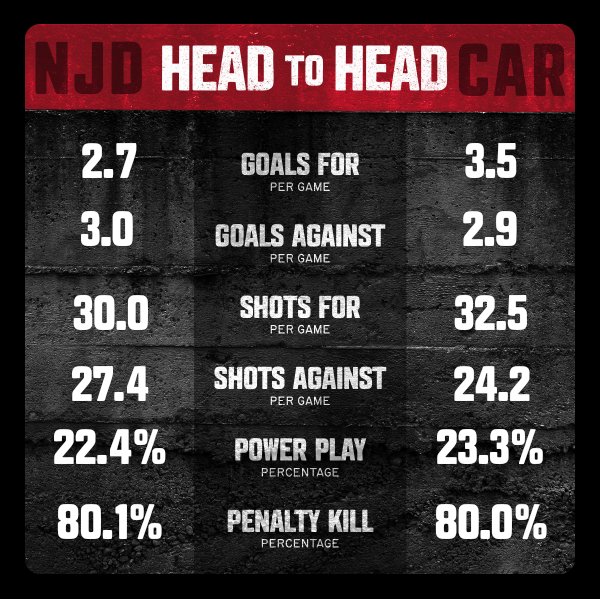
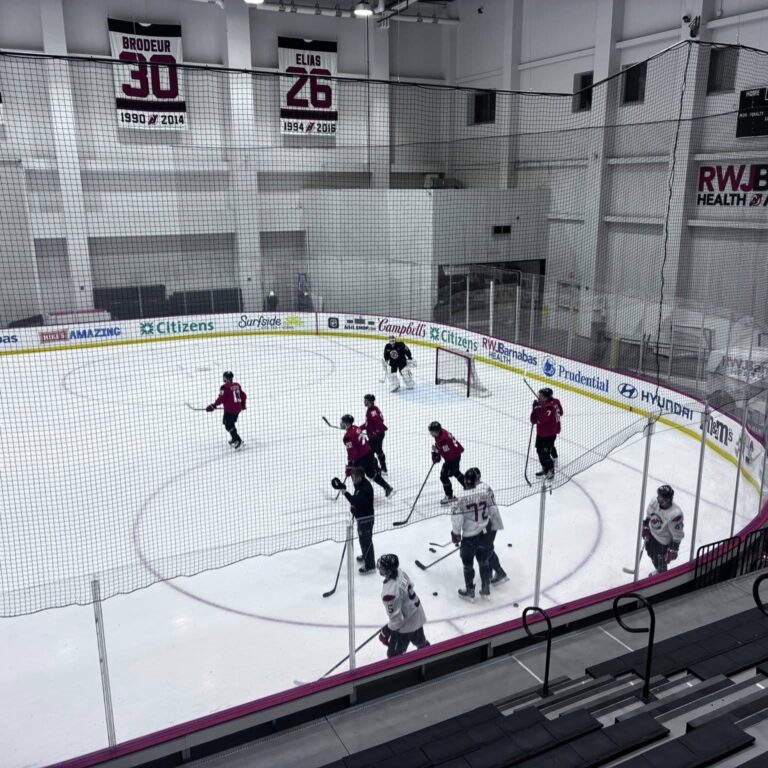
As the New Jersey Devils prepare to take the ice at Madison Square Garden tonight against the New York Rangers, the stakes are both immediate and symbolic. On paper, it is another chapter in one of hockey’s most intense rivalries. In reality, it is a moment that captures the tension between what this season has been and what this franchise must become moving forward. Entering the matchup with a 38-33-2 record and just nine games remaining, the Devils sit 10 points outside of a wild-card position, with playoff odds effectively reduced to near zero. The math is unforgiving, but the story is not over. It is simply shifting direction.

Even within the disappointment of the standings, there are signs of life that cannot be ignored. The Devils have won 10 of their last 14 games, a stretch that suggests a team capable of competing at a high level when structure, execution, and confidence align. That recent momentum was on full display in their 5-3 victory over the Chicago Blackhawks on March 29, a game driven by Jack Hughes, who delivered a dominant performance with two goals and two assists. It was the kind of performance that reminds everyone—from fans to management—exactly what this roster is capable of when its core players are operating at full strength.

Now, the Devils turn their attention to the Rangers, a team they have already beaten twice this month by identical 6-3 scores. A win tonight would complete a season sweep, offering a measure of pride in a rivalry that never loses its intensity, regardless of standings. But beyond the immediate result, the game represents something larger: an opportunity to define identity in a season that has struggled to find consistency.

For those following the evolving story of the team and its trajectory, the full scope of the Devils’ season and future outlook continues to unfold across Explore New Jersey’s dedicated New Jersey Devils coverage, where analysis, roster movement, and organizational direction are shaping the next chapter of hockey in the Garden State.

At the center of everything is Jack Hughes, whose post-Olympic surge has been nothing short of elite. Since returning from the 2026 Milan-Cortina Games—where he delivered a defining moment for Team USA with a gold medal-winning goal—Hughes has elevated his play to another level, recording 27 points in just 16 games. His season totals now sit at 63 points, reinforcing his role as the engine of the Devils’ offense and one of the most dynamic players in the league. His ability to control pace, create opportunities, and shift momentum remains the single most important factor in the team’s performance.

Captain Nico Hischier continues to provide leadership and scoring stability, leading the team with 26 goals, while Timo Meier’s 22-goal contribution adds another layer of offensive depth. In net, Jacob Markström has carried a heavy workload, posting a 22-17-1 record with a 3.09 goals-against average. These numbers, while not dominant, reflect the broader inconsistency that has defined the season—a team capable of high-end play, but unable to sustain it over extended stretches.

Injuries have played a significant role in shaping that inconsistency. The loss of Stefan Noesen and Zack MacEwen for the remainder of the season has thinned the roster, while uncertainty surrounding Brett Pesce’s availability adds another layer of instability on the blue line. These challenges, combined with uneven performance across the lineup, have contributed to a campaign that has fallen short of expectations.

Off the ice, attention is already beginning to shift toward the organization’s structure and leadership. Speculation surrounding General Manager Tom Fitzgerald’s future is gaining traction, with discussions emerging about the potential separation of his dual roles as President of Hockey Operations and GM. While Fitzgerald has indicated alignment with ownership, including co-owner David Blitzer, the offseason is expected to bring a comprehensive evaluation of the team’s direction.

That evaluation will need to extend beyond leadership into the construction and deployment of the roster itself. As the Devils move through the final stretch of the season, there is a growing argument for using these remaining games as a testing ground—an opportunity to explore combinations, evaluate emerging talent, and gather data that can inform critical offseason decisions.

One of the most compelling areas of focus is line chemistry, particularly alongside Jack Hughes. The potential pairing of Hughes with Dawson Mercer presents an intriguing option supported by strong underlying metrics. In limited ice time together, the duo has demonstrated the ability to control possession, generate scoring chances, and create high-danger opportunities at an impressive rate. Their complementary skill sets—Hughes’ playmaking and Mercer’s positional awareness—suggest a partnership that could evolve into a long-term solution.

If Mercer is not deployed in that role, another option emerges in Lenni Hameenaho, whose style mirrors many of the attributes that make Mercer effective. While his sample size at the NHL level remains small, his ability to find space and support play-driving centers aligns with what the Devils have been missing since key roster changes earlier in the season. Providing him with meaningful minutes alongside elite playmakers could accelerate his development while offering insight into his long-term potential.

The same philosophy applies to the blue line, where experimentation could yield valuable information. Pairing Luke Hughes with Dougie Hamilton—two of the team’s most offensively inclined defensemen—may not represent a traditional approach, but the underlying numbers suggest there is potential worth exploring. Alternatively, giving extended minutes to a Luke Hughes–Simon Nemec pairing could provide a glimpse into a future that has long been envisioned within the organization. Nemec, in particular, represents a critical piece of the Devils’ long-term puzzle, and increasing his ice time could serve both developmental and evaluative purposes.

Beyond individual pairings, there is a broader opportunity to integrate players from the AHL affiliate Utica Comets. With several forwards posting comparable production at the AHL level, the final games of the season present a low-risk environment to assess their readiness for NHL competition. This approach would not only inject fresh energy into the lineup but also provide valuable insight into organizational depth.

Perhaps the most intangible—but equally important—objective is how the Devils choose to finish the season. With upcoming games against teams still fighting for playoff positioning, including Pittsburgh, Detroit, Ottawa, and Boston, there is a chance to play spoiler while simultaneously building internal momentum. Winning these games may not change the standings in a meaningful way, but it can influence mindset, culture, and confidence heading into the offseason.

For a team that entered the season with elevated expectations, the current reality is undeniably disappointing. Yet within that disappointment lies clarity. The Devils are not a team in need of a complete rebuild; they are a team that must refine, recalibrate, and recommit to the principles that drive consistent success.

Tonight’s game against the Rangers is one more data point in that process. It is an opportunity to compete, to assert identity, and to demonstrate that even in a season that has fallen short, there is still a standard to uphold. More importantly, it is part of a larger transition—from chasing a playoff spot that is no longer within reach to building a foundation that ensures this position is not repeated.

The New Jersey Devils’ future is not defined by the standings of March 31, 2026. It will be defined by what they choose to do next.

Paramus Native Jake Thistle Breaks Into American Idol Top 14 as New Jersey’s Music Scene Powers a National Moment

New Jersey’s influence on the national music stage is once again undeniable as Paramus native Jake Thistle continues his remarkable ascent on American Idol Season 24, officially securing a place in the Top 14 following a standout live performance that has positioned him as one of the most compelling artists in the competition. At just 21 years old, the singer-songwriter is not only representing his hometown, but also carrying forward a deep-rooted Garden State tradition of authentic, emotionally driven musicianship that continues to resonate far beyond state lines.

Thistle’s latest performance, delivered during the show’s “Songs of Faith” themed live broadcast on March 30, marked a defining moment in his journey. Choosing John Hiatt’s “Have a Little Faith in Me,” he stepped away from the guitar-centered rock style that initially introduced him to viewers and instead took to the piano, revealing a different dimension of his artistry. The decision was both strategic and transformative, allowing him to showcase vocal control, emotional nuance, and stage maturity that elevated his performance into one of the night’s most talked-about moments.

From the opening notes, the performance carried a quiet confidence that quickly built into something more expansive. Seated at the piano, Thistle demonstrated an ability to command attention without theatrics, relying instead on tone, phrasing, and presence. As the arrangement developed, so did his intensity, culminating in a powerful second half that drew immediate reactions from the judging panel. Carrie Underwood rose to her feet, recognizing the professionalism and completeness of the performance, noting that it felt less like a competition moment and more like a fully realized live show. Luke Bryan reinforced that sentiment, describing Thistle as a “seasoned entertainer” whose comfort on stage belies his age, while Lionel Richie highlighted the emotional ignition that defined the latter portion of the song.

The moment extended beyond the performance itself, capturing the kind of cultural crossover appeal that often signals a contestant’s broader potential. Host Ryan Seacrest’s comparison of Thistle to a young Tom Cruise—delivered with a sense of spontaneity—was met with humor and humility, further endearing him to audiences. It was a fleeting exchange, but one that underscored the charisma and relatability that continue to define his presence on the show.

What followed behind the scenes only amplified the significance of the moment. The live broadcast generated an overwhelming surge in audience engagement, with voting numbers reaching into the tens of millions—an unprecedented volume that ultimately delayed the planned results announcement. Instead of narrowing the field to the Top 12 as scheduled, all 14 contestants, including Thistle, advanced to the next round, setting the stage for a high-stakes episode on April 6 that will see multiple eliminations as the competition intensifies.

For Thistle, the timing of this momentum aligns with a broader narrative that has been building throughout his career. A recent graduate of Rutgers University, he has spent years honing his craft within New Jersey’s vibrant live music ecosystem, particularly in Asbury Park—a city synonymous with raw talent, storytelling, and a lineage of artists who have shaped American rock and roll. His sound, often drawing comparisons to classic influences associated with Bruce Springsteen and the Jersey Shore tradition, reflects a commitment to authenticity that resonates with both local audiences and national viewers.

This connection to New Jersey’s music culture is not incidental; it is foundational. The state has long served as a proving ground for artists who blend lyrical depth with performance grit, and Thistle’s journey is a continuation of that legacy. Those exploring the broader landscape that has shaped artists like him can dive deeper into the state’s evolving scene through Explore New Jersey’s music section, where the stories of emerging and established performers intersect with the venues, communities, and movements that define the region’s sound.

Thistle’s rise also reflects the importance of live performance as a developmental platform. His regular appearances in venues throughout Asbury Park have provided not only technical experience but also the intangible skills that separate performers from artists—connection, adaptability, and the ability to read and respond to an audience in real time. These are qualities that cannot be replicated in rehearsal rooms alone, and they are now translating directly to his success on a national stage.

As the competition moves forward, the stakes are becoming increasingly clear. The upcoming April 6 episode will compress the field from 14 contestants to 11, placing immediate pressure on every performance. For Thistle, this moment represents both an opportunity and a test—an opportunity to solidify his identity as a frontrunner and a test of his ability to maintain consistency under heightened scrutiny. The voting process, which remains a critical component of advancement, will once again play a decisive role, with fans able to support him during the live broadcast on ABC or through streaming platforms the following day.

Beyond the mechanics of the competition, however, there is a larger story unfolding. Jake Thistle’s presence in the Top 14 is not just a personal achievement; it is a reflection of New Jersey’s enduring impact on the national music conversation. It is a reminder that the state’s venues, communities, and creative culture continue to produce artists capable of competing—and thriving—at the highest levels.

As audiences across the country tune in, they are witnessing more than a contestant progressing through a televised competition. They are seeing the emergence of an artist shaped by a distinct musical heritage, grounded in live performance, and driven by a commitment to authenticity. From Paramus to Asbury Park and now onto the national stage, Thistle’s journey is a testament to what happens when talent, preparation, and opportunity converge.

With momentum building and the next round approaching, one thing is certain: New Jersey is not just watching this moment—it is part of it.

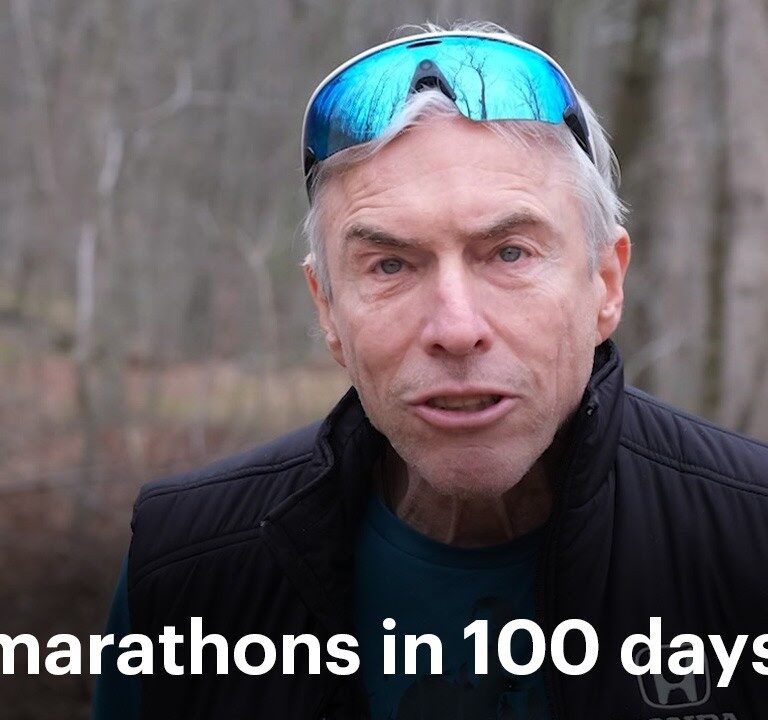
New Jersey’s Dr. Larry Grogin Takes on 100 Marathons in 100 Days, Turning a Parkinson’s Diagnosis into a National Movement of Strength, Awareness, and Purpose

A remarkable story of resilience, endurance, and purpose is unfolding out of New Jersey as Dr. Larry Grogin, a longtime Franklin Lakes resident and respected chiropractor and licensed acupuncturist, embarks on one of the most ambitious athletic and humanitarian journeys in the country. After being diagnosed with Parkinson’s disease in 2019, Grogin has refused to allow the condition to define his limits. Instead, he is redefining what is possible, launching a cross-country mission to complete 100 marathons in 100 consecutive days—an extraordinary undertaking designed to raise both awareness and funding for those living with Parkinson’s.

This is not simply an athletic challenge. It is a statement, a philosophy, and a call to action rooted in decades of experience, personal adversity, and an unwavering belief in the power of movement. Grogin began his journey on March 26 from Montvale, New Jersey, setting off across the country with a goal that pushes the boundaries of endurance even for elite athletes. For Grogin, however, the journey is about far more than mileage. It is about reclaiming a challenge that was altered by his diagnosis and transforming it into something even more impactful.

Years earlier, Grogin had planned a full cross-country run, only to have those plans reshaped after learning he had Parkinson’s. What might have been seen as a setback became the catalyst for something far greater. His current effort is, in his own words, a return—an opportunity to face the challenge again, this time with deeper meaning and a broader mission. It is a demonstration of what it means to adapt, evolve, and move forward with intention.

Grogin’s credentials as an endurance athlete are already extraordinary. With more than 300 marathons and over 30 Ironman triathlons completed, he has spent a lifetime pushing physical and mental boundaries. Yet this journey represents a different kind of test. Parkinson’s introduces unpredictability, physical limitations, and daily challenges that require constant adjustment. Rather than attempting to “defeat” the condition, Grogin has embraced a philosophy centered on coexistence and adaptation. He speaks openly about learning to live in harmony with Parkinson’s, using it as a framework for growth rather than an obstacle to be eliminated.

That philosophy is deeply connected to his professional life. Since 1980, Grogin has dedicated his career to helping patients improve their quality of life through movement, holistic care, and personalized treatment. His belief that “movement acts as medicine” is not theoretical—it is a principle he has applied in practice for more than four decades. Now, he is embodying that belief on a national stage, using his own journey as proof of concept.

The science behind his approach aligns with a growing body of research emphasizing the role of physical activity in neurological health. Movement has been shown to stimulate neurotrophic growth, supporting brain function and potentially slowing the progression of certain conditions. For individuals living with Parkinson’s, this insight is particularly significant. Yet fear often becomes a barrier. Many patients worry about falling, injury, or worsening symptoms, leading them to reduce activity levels at the very moment when movement is most beneficial.

Grogin’s mission directly confronts that fear. By running a marathon every day, he is sending a powerful message that activity—when approached thoughtfully and consistently—can be transformative. His journey is not about unrealistic expectations; it is about demonstrating that progress is possible, that adaptation is achievable, and that life with Parkinson’s can still be active, engaged, and purposeful.

Central to this effort is Grogin’s partnership with the Davis Phinney Foundation, an organization dedicated to helping people with Parkinson’s live well today. Rather than focusing exclusively on a distant cure, the foundation emphasizes practical improvements in quality of life, including education, independence, and the integration of movement into daily routines. Every mile Grogin runs contributes to this mission, raising funds that directly support individuals and families navigating the realities of the disease.

His philanthropic work builds on a long-standing commitment to service. Following the 2013 Boston Marathon bombing, Grogin founded Strides for Humanity, an initiative aimed at using endurance events to support meaningful causes. This latest journey represents a continuation of that work, scaled to a level that reflects both the urgency of the cause and the depth of his personal commitment.

The journey itself is as compelling as the mission behind it. From the roads of New Jersey, Grogin’s route will carry him through multiple states, including Pennsylvania, Indiana, Arizona, and beyond, ultimately concluding in California in early July. Along the way, he is encountering the kind of grassroots support that defines the human side of endurance challenges. Early in the run, a stranger in Morris County stopped to offer encouragement and a small donation—a moment that captures the broader impact of what Grogin is doing. These interactions, repeated across towns and states, are turning his journey into a shared experience, one that connects communities through a common message of resilience and hope.

For New Jersey, Grogin’s effort resonates on multiple levels. It reflects the state’s longstanding culture of determination, community engagement, and innovation in health and wellness. It also aligns with a broader movement toward active living and holistic health practices that continues to gain momentum across the region. Those looking to explore similar approaches to wellness, fitness, and mindful living can find additional inspiration through Explore New Jersey’s health and wellness section, where stories like this connect with a larger narrative about living well in today’s world.

Grogin’s journey also highlights the evolving conversation around what it means to face chronic illness. Rather than retreating, he is advancing—literally and figuratively—demonstrating that challenges can be met with creativity, determination, and a willingness to redefine expectations. His message is clear and consistent: falling is inevitable, but getting back up is a choice. That perspective, grounded in both personal experience and professional insight, offers a powerful framework for anyone facing adversity, regardless of its form.

As the miles accumulate and the days progress, Dr. Larry Grogin’s run is becoming more than a physical feat. It is a living example of resilience in action, a demonstration of how purpose can transform challenge into opportunity, and a reminder that strength is not measured solely by what we overcome, but by how we continue to move forward. From the streets of Montvale to the far reaches of the country, his journey is carrying with it a message that extends well beyond Parkinson’s awareness—a message about perseverance, adaptation, and the enduring power of the human spirit.

New Jersey Locks Into a Classic Spring Pattern as Warm Air, Ocean Influence, and Passing Showers Shape the Week Ahead

New Jersey is entering one of the most defining transitional stretches of the early spring season, where atmospheric patterns begin to stabilize just enough to deliver sustained warmth, yet remain unsettled enough to keep conditions variable and occasionally unpredictable. The current setup across the region is being driven by a dominant southwest flow pattern, anchored by high pressure positioned offshore in the Atlantic Ocean. This configuration is setting the tone for a week that will feel consistently mild, at times almost early-summer-like inland, while still allowing for periodic interruptions from clouds, scattered showers, and brief temperature swings.

New Jersey is experiencing an unseasonably warm Tuesday, March 31, 2026, with near-record temperatures climbing into the upper 70s to low 80s. Currently, conditions are partly sunny with a humidity of around 55% and a “feels like” temperature of 72°F in some areas. While much of the day will remain dry, there is a threat of isolated thunderstorms developing later this evening. [1, 2, 3, 4, 5]

Daily Weather Forecast

Day [1, 2, 3, 4, 5, 6]Sky ConditionTemperatureChance of Precipitation
Tue, Mar 31weatherIconPartly sunny79°F / 60°F5% (Day) / 10% (Night)
Wed, Apr 01weatherIconScattered thunderstorms80°F / 46°F65%
Thu, Apr 02weatherIconCloudy46°F / 42°F20%
Fri, Apr 03weatherIconCloudy73°F / 45°F10%
Sat, Apr 04weatherIconSunny72°F / 51°F0%

Today’s Weather Summary

  • Conditions: A mix of clouds and sun with breezy, warm conditions.
  • Winds: Southwest winds are sustained at about 14 mph, with some gusts.
  • Humidity: Hovering around 55%.
  • Tonight: Remaining quite mild with a low of 60°F; a shower or thunderstorm is possible overnight. [1, 3, 4, 5]

Upcoming Changes

A cold front is expected to arrive faster than initially predicted on Wednesday, bringing more widespread showers and thunderstorms by the afternoon and evening. This will lead to a sharp temperature drop by Thursday, with highs struggling to reach 50°F.

As reflected in ongoing coverage within the weather report section, this type of pattern is emblematic of late March and early April across New Jersey, where the atmosphere is in a constant state of adjustment between lingering cool-season influences and strengthening springtime energy. The result is a dynamic forecast that blends warmth, moisture, and occasional instability into a rolling sequence of changing conditions rather than a single, dominant weather event.

The week begins with a relatively calm and balanced setup. Monday delivers a mild start, with temperatures rising into the mid-to-upper 60s across much of the state, while coastal areas remain slightly cooler due to the moderating influence of the Atlantic. Skies are expected to feature a mix of sun and passing clouds, creating a generally pleasant backdrop with only a minimal risk of an isolated shower. Winds out of the southwest will remain light to occasionally breezy, reinforcing the mild air mass in place. As the evening progresses, temperatures settle into the low-to-mid 50s, with the potential for a few scattered showers and even a rumble of thunder as moisture begins to increase ahead of the next day’s warmer push.

By Tuesday, the full effect of the southwest flow becomes more pronounced, allowing temperatures to surge well above seasonal norms. Inland areas are expected to climb into the upper 70s and even touch the lower 80s in some locations, marking one of the warmest days of the early spring period so far. Coastal regions, while still influenced by the ocean, will trend closer to the 70-degree mark, maintaining a noticeable but not dramatic contrast. The day may begin with lingering clouds or a passing shower, but conditions are expected to improve as the morning progresses, giving way to a brighter and warmer afternoon. Overnight temperatures remain elevated, holding in the 60s and supporting the potential for additional isolated showers into early Wednesday.

Wednesday continues the theme of warmth, with temperatures once again reaching into the 70s statewide and approaching 80 degrees in interior regions. The day begins with a more stable atmosphere, featuring sunshine and relatively calm conditions, but the combination of warmth and moisture will gradually introduce instability as the afternoon unfolds. Increasing cloud cover will signal the approach of scattered showers and thunderstorms, particularly during the late afternoon and evening hours. These storms are not expected to organize into a widespread system, but they may produce brief periods of heavier rain, gusty winds, and localized lightning. As the activity moves through, cooler air begins to filter in overnight, with temperatures dropping into the mid-to-upper 40s across much of the state.

Thursday represents the most notable departure from the week’s otherwise mild trend. A high-pressure system tracking across southeastern Canada shifts the wind direction to an onshore flow, pulling cooler marine air into New Jersey. This transition results in a significant temperature drop, with daytime highs struggling to reach beyond the low-to-mid 50s. The shift is particularly noticeable along the coast, where breezy east to northeast winds reinforce the cooler conditions. Skies remain mostly cloudy, and while rainfall is not expected to be widespread, occasional light showers or sprinkles may develop, adding to the damp and subdued feel of the day. Overnight conditions remain cool, with temperatures ranging from the low 40s in northern areas to near 50 degrees farther south.

The pattern begins to rebound as the week closes. By Friday, the influence of the offshore high pressure reasserts itself, allowing warmer air to return and pushing temperatures back into the upper 60s and lower 70s across much of the state. Morning clouds gradually give way to improving conditions, setting the stage for a more stable and comfortable end to the workweek. Winds shift back to a light southwest direction, reinforcing the return of milder air. Overnight temperatures remain relatively mild, settling into the mid-to-upper 50s and creating a favorable setup heading into the weekend.

Looking ahead, early indications for the first weekend of April suggest a continuation of this oscillating spring pattern. Temperatures are expected to hover near 70 degrees once again, offering a seasonally appropriate and generally pleasant environment. However, the underlying atmospheric setup remains conducive to passing showers and occasional rumbles of thunder, reinforcing the idea that spring in New Jersey is defined less by prolonged stretches of clear weather and more by intermittent, fast-moving disturbances.

What makes this particular stretch notable is not the presence of any single weather event, but rather the consistency of the pattern itself. The southwest flow is acting as a conveyor belt for warmth and moisture, creating a baseline of mild conditions that is only temporarily disrupted by shifts in wind direction or passing systems. This type of setup is critical for seasonal transition, gradually warming the region while maintaining enough variability to support the development of early-season precipitation.

For residents, the practical takeaway is a need for flexibility. The week offers multiple opportunities for outdoor activity, particularly during the warmer and drier periods, but it also requires an awareness of changing conditions, especially during the midweek window when showers and thunderstorms are more likely. The brief cooldown on Thursday serves as a reminder of the ocean’s influence and the lingering presence of cooler air masses to the north, even as the broader trend moves toward sustained spring warmth.

New Jersey’s weather is often at its most complex during this time of year, and the current forecast reflects that complexity with precision. It is a period where no single day defines the season, but where each day contributes to a gradual and unmistakable shift. The mild air, the passing showers, the occasional thunder, and the temporary cool-down all combine to form a pattern that is unmistakably spring—dynamic, transitional, and steadily moving toward the warmth that lies ahead.

Haddon Township Faces a New Education Funding Reality as School Taxes Rise and Budget Cuts Loom

A defining financial pressure point is taking shape in Haddon Township, where rising property values and shifting state aid formulas are colliding to create a challenging new chapter for local education. For the third consecutive year, the district is confronting a reduction in state support, even as costs continue to escalate across nearly every operational category. The result is a 4.5% increase in school taxes paired with the difficult prospect of budget cuts—an equation that underscores a deeper structural issue in how New Jersey funds its public schools.

This moment is not an isolated development, but part of a broader pattern emerging across the state and reflected in ongoing coverage within the education section. Districts that are experiencing strong real estate growth and rising aggregate wealth are increasingly finding themselves penalized by the very metrics used to determine state aid. In Haddon Township, a surging housing market has elevated property values and reshaped the district’s financial profile on paper, positioning it as more capable of self-funding. In practice, however, that perception does not fully align with the fiscal realities faced by local taxpayers or school administrators.

The mechanics of New Jersey’s school funding formula are central to understanding the current strain. Designed to allocate resources based on a combination of property wealth, income levels, and student needs, the formula recalibrates annually. As Haddon Township’s real estate market has intensified, those recalibrations have consistently reduced the district’s eligibility for state aid. This dynamic has created a paradox: economic growth within the community is translating into diminished external support, shifting a greater share of the financial burden onto local residents.

At the same time, the cost side of the equation is moving in the opposite direction. District expenses continue to rise, driven by factors that extend well beyond local control. Health care costs, contractual salary obligations, transportation expenses, and specialized educational services are all increasing, often at rates that outpace inflation. These pressures are compounded by the need to maintain competitive academic programming, invest in technology, and support student services that have become essential in a post-pandemic educational environment.

Faced with this imbalance, district leadership is navigating a narrow path. The 4.5% tax increase reflects an effort to stabilize the budget without overburdening taxpayers, yet it is not sufficient to fully offset the loss of state aid and the rise in expenses. As a result, cuts are now part of the conversation—an outcome that underscores the limits of local control in a system heavily influenced by state-level policy decisions.

The nature of those cuts remains a focal point for the community. School officials are tasked with identifying reductions that minimize impact on classroom instruction while still achieving necessary savings. This often involves difficult trade-offs, including adjustments to staffing, program offerings, or operational efficiencies. Each decision carries implications not only for the current academic year but for the long-term trajectory of the district.

What makes Haddon Township’s situation particularly instructive is how clearly it illustrates the tension between localized success and statewide policy frameworks. The district’s strong real estate market is, in many respects, a sign of vitality—an indicator of demand, investment, and community appeal. Yet within the context of the funding formula, that same strength becomes a liability, reducing eligibility for aid and increasing reliance on property taxes.

Local officials have been increasingly direct in their assessment of the situation, emphasizing that meaningful solutions cannot be achieved at the municipal level alone. The call for action is directed toward Trenton, where policymakers have the authority to revisit and potentially recalibrate the funding formula. The argument is not simply for increased aid, but for a more nuanced approach that accounts for the complexities of modern school finance, including cost pressures that are not fully captured by existing metrics.

This conversation is unfolding against a broader backdrop of statewide debate over educational equity and resource allocation. New Jersey has long been recognized for its commitment to public education, yet the distribution of funding remains a point of contention, particularly in communities that fall into the middle ground—neither classified as high-need nor fully capable of absorbing reduced aid without consequence.

For residents of Haddon Township, the impact is immediate and tangible. A higher tax bill arrives at a time when broader economic pressures are already influencing household budgets, from interest rates to everyday living costs. At the same time, the prospect of cuts raises questions about the preservation of educational quality, a cornerstone of the community’s identity and a key factor in its real estate appeal.

The interplay between education and housing is especially significant. Strong schools have long been a driver of property values, creating a cycle in which educational quality and real estate demand reinforce one another. The current situation introduces a new variable into that equation, as rising property values contribute to funding reductions that, in turn, place pressure on the very system that helped generate that value.

As the district moves forward, the focus will remain on balancing fiscal responsibility with educational integrity. The decisions made in the coming months will shape not only the immediate budget but the broader perception of how effectively the system can adapt to changing conditions. For policymakers, the situation in Haddon Township serves as a case study in the unintended consequences of funding formulas that may not fully reflect the realities on the ground.

What is emerging is a clear signal that the conversation around school funding in New Jersey is far from settled. As more districts encounter similar dynamics, the pressure for reform is likely to intensify, bringing renewed attention to how resources are allocated and how success is measured. In Haddon Township, that conversation is no longer theoretical—it is playing out in real time, with direct implications for taxpayers, educators, and students alike.

Sea-Con Returns to Sea Bright as New Jersey’s Ultimate Family-Friendly Pop Culture Festival Blends Comics, Collectibles, and Coastal Community Energy

Along the Jersey Shore, where boardwalk culture meets year-round community pride, one of New Jersey’s most accessible and engaging pop culture experiences is once again capturing attention as Sea-Con prepares for its next highly anticipated return. Hosted at the Sea Bright Community Center and organized through a dynamic partnership between the Jersey Shore Comic Book Show and Sea Bright Recreation, Sea-Con has steadily evolved into a signature local event—one that delivers the excitement of a full-scale comic convention while maintaining the welcoming, community-first atmosphere that defines the Shore.

This is not a sprawling, overwhelming convention built for industry insiders or exclusive access. Sea-Con is intentionally designed as a grassroots, family-friendly gathering where collectors, fans, artists, and newcomers all converge in a space that feels approachable, interactive, and deeply connected to the region. In a state where experiential entertainment continues to expand across festivals, attractions, and live events, Sea-Con stands out as a model of how to deliver high-impact fun without losing the personal touch. Those exploring similar experiences across the state can discover even more opportunities through Explore New Jersey’s activities and fun guide, where events like this reflect the growing appetite for immersive, all-ages entertainment.

At the heart of Sea-Con is its expansive marketplace—a carefully curated environment that transforms the community center into a treasure-filled destination for collectors and casual fans alike. Tables and displays are packed with thousands of items spanning decades of pop culture history. Attendees can move seamlessly from bins of vintage comic books to modern graphic novels, from rare trading cards to contemporary collectibles that reflect today’s most popular franchises. The diversity of inventory is part of the experience itself, inviting discovery at every turn. Whether searching for a specific issue, revisiting childhood favorites, or introducing a new generation to iconic characters, the event creates a sense of exploration that feels both nostalgic and fresh.

The collectibles extend far beyond comics, reinforcing Sea-Con’s identity as a multi-dimensional pop culture festival. Toys from across eras—including classic lines like Barbie and enduring franchises such as Star Trek and Star Wars—share space with detailed Lego builds, Pokémon trading cards, and even vinyl records that appeal to music enthusiasts. This blend of categories transforms the event into something broader than a convention; it becomes a cultural marketplace that reflects the evolution of fandom itself.

What elevates Sea-Con beyond a traditional vendor-driven event is its commitment to interactive experiences. A defining feature of the festival is the presence of high-level costuming groups, most notably the 501st Legion and the House Skirata Mandalorians. These are not casual appearances—they are meticulously crafted, screen-accurate representations of beloved Star Wars characters, brought to life by dedicated fans who engage directly with attendees. For children, the opportunity to stand face-to-face with these characters creates a sense of wonder that extends far beyond passive entertainment. For adults, it reinforces the depth and passion that continues to fuel fandom communities worldwide.

Equally important is the event’s emphasis on creative talent. Sea-Con consistently brings in professional artists, writers, and performers who provide insight into the craft behind the content. Past appearances by comic artists, voice actors, and television performers have added a layer of authenticity and inspiration, giving attendees the chance to connect with the individuals who shape the stories and characters they admire. This direct access transforms the experience from consumption to engagement, allowing fans to gain a deeper appreciation for the creative process.

The accessibility of Sea-Con is one of its most defining strengths. With admission traditionally set at an affordable price point—often around three dollars for adults, with children under twelve admitted free—the event removes the barriers that can make larger conventions feel out of reach. This pricing structure is not incidental; it reflects a deliberate commitment to inclusivity, ensuring that families across New Jersey can participate without hesitation. In a time when entertainment costs are rising, Sea-Con offers a compelling alternative: high-quality, immersive fun that remains firmly within reach.

The event’s structure further reinforces its accessibility. Typically running from 10:00 AM to 4:00 PM, Sea-Con is designed as a full-day experience that fits seamlessly into a weekend schedule. Families can arrive in the morning, explore the exhibits, meet guests, participate in interactive moments, and still have time to enjoy the surrounding Shore environment. The location itself—1167 Ocean Avenue in Sea Bright—places the event within one of New Jersey’s most scenic coastal communities, adding another layer of appeal for those looking to combine entertainment with a day by the water.

While exact dates for the next installment are expected to follow the event’s established pattern of spring or fall scheduling, the anticipation surrounding Sea-Con continues to build. Its consistent success has positioned it as a recurring highlight within the state’s calendar of events, drawing attendees not only from Monmouth County but from across New Jersey and neighboring regions.

Sea-Con’s continued growth reflects a broader trend within New Jersey’s entertainment landscape: the rise of localized, experience-driven events that prioritize engagement, creativity, and community connection. Unlike large-scale conventions that can feel impersonal, Sea-Con thrives on its ability to bring people together in a setting that feels both intimate and expansive. It is a place where seasoned collectors share space with first-time attendees, where children discover new worlds, and where creativity is celebrated at every level.

For Explore New Jersey, events like Sea-Con represent the essence of what makes the state’s cultural scene so compelling. They showcase the diversity of experiences available, the strength of local partnerships, and the enduring appeal of bringing people together around shared interests. As Sea-Con prepares for its next chapter, it stands as more than just a festival—it is a reflection of New Jersey’s ability to create meaningful, memorable experiences that resonate far beyond a single day.

In Sea Bright, pop culture is not confined to screens or pages; it becomes a living, interactive experience. Sea-Con captures that transformation, delivering a celebration that is as dynamic as the fandoms it represents and as welcoming as the community that hosts it.

New Jersey Real Estate Enters a Defining Spring Market as Inventory Surges, Policy Shifts Accelerate, and a Jersey City Penthouse Captures the Moment

New Jersey’s real estate market is stepping into the 2026 spring season with a level of momentum, recalibration, and structural change that signals a pivotal transition point for buyers, sellers, developers, and investors alike. Across the state, conditions are no longer defined by the extreme imbalances of the pandemic-era housing boom, but instead by a more nuanced environment where inventory is rising, pricing remains resilient, and negotiation has re-entered the transaction process in meaningful ways. At the same time, sweeping legislative changes and high-profile property listings are redefining both the mechanics and the perception of real estate in one of the nation’s most competitive markets.

As detailed across the real estate section, the data emerging in late March confirms a market that is expanding in opportunity while stabilizing in pace. Active housing inventory has increased significantly, with listings climbing more than 11% year-over-year to approximately 25,100 homes statewide. Even more telling is the surge in new listings, which rose nearly 15% as homeowners who had previously remained on the sidelines—many locked into historically low mortgage rates—are now entering the market due to life transitions, shifting financial priorities, or a growing sense that timing is once again favorable.

This influx of inventory is reshaping the experience for buyers. While sellers continue to hold a structural advantage, the environment is no longer defined by one-sided bidding wars and immediate, above-asking transactions. Instead, a more balanced dynamic is emerging, evidenced by the increasing prevalence of seller concessions. Nearly 42% of transactions in February included some form of concession, ranging from repair credits to home warranties and closing cost assistance. This shift represents a measurable change from the prior year and underscores the return of negotiation as a central component of the buying process.

Pricing, however, remains firm. The statewide median home price has reached $531,000, marking a 4.8% increase compared to the same period last year. Notably, the most aggressive appreciation is occurring in the entry-level segment, where homes priced under $400,000 have seen gains exceeding 5%. This trend reflects sustained demand among first-time buyers and those seeking attainable housing options in a state where affordability continues to be a defining challenge.

Regionally, the market tells a story of varied but interconnected dynamics. Bergen County continues to command the highest median prices among New Jersey’s major markets, reinforcing its position as a premium destination driven by proximity to New York City and established residential appeal. Monmouth County is emerging as a leader in appreciation, with growth fueled by strong demand in shore-adjacent communities such as Red Bank and Middletown, where lifestyle, access, and long-term investment potential converge. Middlesex County, meanwhile, is offering what many analysts consider the most balanced conditions in the state, with a supply level approaching equilibrium—an increasingly rare characteristic in today’s housing landscape.

Layered on top of these market fundamentals is a series of legislative developments that are actively reshaping how real estate transactions are conducted and regulated. As of March 1, 2026, public notice requirements have undergone a significant transformation, with legal notices shifting away from traditional print publications and into digital-first platforms, including official government websites and qualified online outlets. This change reflects a broader modernization of how information is disseminated and accessed, aligning regulatory practices with contemporary media consumption patterns.

At the same time, lawmakers are advancing measures that could fundamentally alter rental market dynamics. A newly introduced bill targeting algorithmic rent pricing seeks to prohibit the use of software that coordinates or influences pricing strategies across properties, framing such practices as potential antitrust violations. Another proposal aims to eliminate the practice of passing brokerage fees onto tenants, a move that could recalibrate the cost structure of renting and redefine expectations for both landlords and renters.

Federal policy is also playing a role in increasing transparency within the market. New reporting requirements for certain cash-based residential transactions are now in effect, requiring disclosures for properties purchased through entities or trusts. These measures are designed to address concerns around financial opacity and illicit activity, adding another layer of oversight to high-value transactions.

While residential real estate continues to command attention, the commercial sector is experiencing its own evolution. Industrial development, which surged in recent years, is now showing signs of deceleration, with new construction reaching its lowest level since before the pandemic. Despite this slowdown, demand for high-quality, modern industrial space remains strong, particularly for Class A facilities that meet the needs of logistics, distribution, and advanced manufacturing. In Wall Township, for example, a substantial 278,000-square-foot property has recently entered the market, reflecting both the scale and the shifting dynamics of the sector.

Urban development is also advancing at a notable pace. In Newark, construction has officially begun on a major high-rise project that will further redefine the city’s skyline and reinforce its role as a growing hub for residential and commercial investment. In New Brunswick, redevelopment efforts tied to the HELIX district are integrating hospitality, dining, and mixed-use concepts, signaling a continued push toward experiential, community-driven urban planning.

Against this backdrop of statewide transformation, a single property in Jersey City encapsulates the upper tier of New Jersey’s real estate market and the enduring appeal of luxury living along the Hudson waterfront. Penthouse 4805 at 77 Hudson Street has entered the market as a rare offering, combining architectural refinement, location advantage, and panoramic views that position it among the most distinctive listings currently available.

Situated on the 48th floor of one of Jersey City’s most sought-after residential towers, the three-bedroom corner penthouse delivers a level of exposure and natural light that is increasingly difficult to replicate. Floor-to-ceiling windows frame sweeping views of the Manhattan skyline and the Statue of Liberty, creating a living environment that is both expansive and immersive. The 1,753-square-foot layout is designed with an open-concept approach, allowing the living and dining areas to flow seamlessly while maintaining a sense of structure and purpose.

The kitchen reflects a modern, design-forward sensibility, with premium Italian cabinetry, integrated appliances, and stone countertops that function as both workspace and gathering point. Every element is calibrated to balance aesthetics with usability, catering to both everyday living and elevated entertaining. The primary suite extends this philosophy, offering a private retreat defined by light, scale, and material quality. A spa-like bathroom finished in Carrara marble introduces a level of refinement that aligns with the expectations of high-end buyers, while the overall layout emphasizes comfort without sacrificing visual impact.

Additional bedrooms provide flexibility, accommodating guests, work-from-home needs, or personalized living arrangements. Amenities within the building further elevate the experience, with features that include a rooftop pool, fitness center, wellness facilities, and shared spaces designed for both relaxation and social engagement. The location in Exchange Place places residents at the center of one of the region’s most connected corridors, with immediate access to ferry service, PATH trains, and a vibrant mix of dining, retail, and cultural offerings.

With an asking price of $2,499,999 and representation by Megha Moza of Prominent Properties Sotheby’s International Realty, the penthouse stands as a statement property within a market that is increasingly defined by both accessibility at the entry level and aspiration at the top. It reflects a broader truth about New Jersey real estate in 2026: the market is not moving in a single direction, but rather expanding across multiple dimensions at once.

Industrial Momentum in Motion: $4.7M Somerset Facility Sale Signals Strategic Expansion and Strength in New Jersey’s Commercial Real Estate Market. New Jersey’s commercial real estate sector continues to demonstrate resilience and precision-driven growth as strategic acquisitions reshape the state’s industrial landscape. The recent $4.7 million sale of a 20,269-square-foot industrial facility at 85 Commerce Drive in Somerset stands as a clear indicator of where the market is heading—toward targeted, infrastructure-driven investments that prioritize logistics efficiency, regional access, and long-term operational scalability. Orchestrated by NAI DiLeo-Bram & Co., the transaction reflects not only the continued demand for well-positioned industrial assets but also the evolving priorities of companies expanding within the Northeast corridor.

As outlined across the real estate section, New Jersey’s industrial market is entering a more selective phase, where quality, location, and functional adaptability are driving value more than sheer volume. In this context, the Somerset transaction is not simply a property sale—it is a strategic alignment between asset capability and business trajectory.

The deal, led by NAIDB Vice Presidents Kyle Gerace and Chris Chiusolo alongside Associate Sweemit Goswami, was structured on behalf of the buyer, Approved Fire Protection, a company with deep regional roots and a multi-generational legacy. The seller, PepsiCo, Inc. / Frito Lay, divested the property as part of a broader realignment of its real estate holdings, opening the door for a new chapter of utilization centered on service, distribution, and operational expansion.

At the heart of the acquisition is a facility designed for performance. With 19-foot clear ceiling heights and loading capabilities suited for distribution and service operations, the building offers the kind of flexibility that modern industrial users demand. Set on a three-acre parcel, the property provides not only physical capacity but also the spatial adaptability required for evolving business needs, from storage optimization to fleet movement and service coordination.

Location, however, is the defining advantage. Positioned just off Route 27 and within close proximity to Interstate 287 and Route 1, the site delivers immediate access to some of the most critical transportation corridors in the region. Connectivity to Interstates 78 and 287, the New Jersey Turnpike, and key crossings such as the Goethals Bridge creates a logistical framework that extends far beyond Somerset itself. For a company like Approved Fire Protection, whose operations span New Jersey, Pennsylvania, New York, and into broader regional markets, this level of access is not a convenience—it is a necessity.

The acquisition reflects a broader trend in which industrial users are prioritizing proximity to major arteries that enable rapid deployment of services and efficient distribution across multiple states. In a market where time, reliability, and reach define competitive advantage, properties that offer seamless connectivity are commanding increased attention and strategic investment.

For Approved Fire Protection, the move represents a significant step in the evolution of a company that has been embedded in the region’s infrastructure for nearly a century. Founded in 1930 as a small family operation, the business has grown into a comprehensive provider of fire protection, security systems, and integrated life safety services. Under the leadership of CEO Diane Pein, representing the fifth generation of family stewardship, the company continues to expand its footprint while maintaining a strong connection to its origins.

The Somerset facility is poised to serve as a critical operational hub, supporting the company’s activities throughout the Garden State and along the Delaware River corridor, while also enabling deeper penetration into adjacent markets such as eastern Pennsylvania and the broader tri-state area. The property’s location allows for efficient service coverage across densely populated and commercially active regions, reinforcing the company’s ability to respond quickly and effectively to client needs.

From a market perspective, the transaction underscores the ongoing strength of industrial real estate in New Jersey, even as new construction activity begins to moderate. While development has slowed compared to the rapid expansion seen in previous years, demand for high-quality, well-located assets remains robust. This dynamic is driving a shift toward acquisitions that emphasize strategic fit over speculative growth, with buyers focusing on properties that align closely with their operational requirements.

The Somerset sale also highlights the role of experienced brokerage teams in navigating increasingly complex transactions. Matching a property with a buyer whose needs extend beyond square footage to include logistical alignment, infrastructure access, and long-term scalability requires a level of market insight that goes beyond traditional deal-making. The ability to identify and secure assets that meet these criteria is becoming a defining factor in successful transactions.

As New Jersey’s industrial sector continues to evolve, the interplay between location, infrastructure, and business strategy will remain central. The state’s position within the Northeast corridor ensures that it will continue to attract companies seeking access to major markets, while its transportation network provides the backbone for sustained growth. In this environment, properties like 85 Commerce Drive are not merely assets—they are platforms for expansion, enabling businesses to operate with greater efficiency and reach.

The $4.7 million transaction in Somerset is a clear reflection of this reality. It captures a moment where legacy businesses are investing in future capacity, where industrial real estate is being redefined by precision and purpose, and where New Jersey continues to solidify its role as a critical hub in the regional and national economy.

As spring unfolds, New Jersey finds itself in a rare position—balancing growth with recalibration, opportunity with oversight, and tradition with transformation. The rise in inventory is opening doors for buyers, even as pricing strength reinforces the value of ownership. Legislative changes are modernizing the framework within which transactions occur, while high-profile developments and listings continue to elevate the state’s profile on both a national and global scale. In this environment, the real estate market is not simply active; it is evolving, setting the stage for what may become one of the most consequential periods in New Jersey’s housing and development narrative in years.

Altman Ballot Battle Intensifies as Petition Challenge Nears Breaking Point in New Jersey’s CD-12 Race

New Jersey’s already volatile congressional landscape took another dramatic turn as a high-stakes ballot access challenge involving Sue Altman’s CD-12 campaign pushed deep into legal scrutiny, exposing both the fragility and resilience of the state’s electoral process. After more than twelve hours of testimony, review, and procedural debate, the case remains unresolved—but the trajectory is becoming clearer, and it carries implications that extend well beyond a single campaign.

At the center of the dispute is a fundamental requirement of electoral participation: the ability to demonstrate sufficient voter support through valid petition signatures. Altman’s campaign submitted 1,022 signatures in an effort to secure placement on the ballot, a number that initially appeared to provide a comfortable buffer above the statutory threshold. However, as the challenge unfolded before Administrative Law Judge Michael Stanzione, that margin was aggressively tested.

By the conclusion of the latest hearing, 689 signatures had been deemed valid by clerks working under the court’s supervision. That figure, while significantly reduced from the original submission, still places the campaign above the minimum requirement of 500 signatures. The legal calculus now hinges on whether challengers can invalidate enough of the remaining signatures under review to push the campaign below that threshold. With approximately 93 signatures left to be evaluated, opponents face a narrowing path, needing to successfully disqualify 190 additional entries to eliminate Altman from contention.

The numbers alone tell a story of a campaign under pressure but not yet defeated. The margin is tight enough to sustain uncertainty, yet wide enough to suggest that the campaign may ultimately withstand the challenge. That tension has defined the proceedings, with both sides framing the remaining review as decisive.

What has amplified the drama surrounding the case is not only the mathematical stakes but the nature of the irregularities uncovered during the verification process. Among the signatures called into question were clearly fictitious or questionable entries, including names that drew visible frustration and, at times, disbelief from those observing the proceedings. The presence of such entries has fueled criticism from rival campaigns, which argue that the petition effort reflects a lack of discipline and oversight.

That criticism has not been subtle. Opponents have seized on the irregularities as evidence of broader organizational shortcomings, suggesting that the campaign’s approach to signature collection undermines confidence in its operational competence. Yet even as those critiques intensify, the legal standard remains narrowly focused: whether the number of valid signatures meets the statutory requirement. The court is not tasked with evaluating campaign quality or professionalism, only compliance.

This distinction is critical in understanding how the case may ultimately be resolved. While the optics of flawed signatures may shape public perception and political narratives, the legal outcome will be determined by a precise count. If the number of validated signatures remains above 500, the campaign retains its place on the ballot regardless of how contentious the process becomes.

The broader context of the case reflects a recurring dynamic within New Jersey’s electoral system, where petition challenges serve as both a procedural safeguard and a strategic tool. Ballot access laws are designed to ensure that candidates demonstrate a baseline level of support, but they also create opportunities for campaigns to contest each other’s legitimacy before voters ever cast a ballot. In competitive races, these challenges can become an extension of the campaign itself, shifting the battleground from public forums to legal hearings.

Within the evolving landscape of New Jersey politics, this episode underscores how tightly contested races are increasingly shaped by both legal maneuvering and public messaging. The Altman case is not occurring in isolation; it is part of a broader environment where campaigns are scrutinized not only for their policy positions but for their organizational execution and adherence to procedural rules.

The role of Administrative Law Judge Michael Stanzione has been central in maintaining the structure and pace of the proceedings. Over the course of an extended hearing that stretched beyond twelve hours, the process has been methodical, reflecting the seriousness with which ballot access disputes are treated. Each signature is subject to verification standards that may include matching voter records, confirming addresses, and evaluating the authenticity of entries. The granular nature of this review highlights how even small discrepancies can accumulate into significant legal consequences.

As the case moves into its next phase, the remaining signatures will take on outsized importance. Each validation or disqualification incrementally shifts the balance, bringing the campaign closer to either confirmation or disqualification. For Altman’s campaign, the current positioning suggests cautious optimism; for challengers, the path forward requires near-perfect success in contesting the remaining entries.

Beyond the immediate outcome, the case raises broader questions about campaign infrastructure and the processes used to gather and verify support. Petition drives are often conducted under tight timelines and with varying levels of oversight, creating vulnerabilities that can be exploited in legal challenges. The presence of questionable entries in this case will likely prompt renewed attention to best practices, both within campaigns and among those who oversee election procedures.

At the same time, the intensity of the challenge reflects the high stakes of the CD-12 race itself. In districts where margins are expected to be narrow, even the composition of the ballot can influence the trajectory of the election. Ensuring or denying ballot access becomes a strategic objective, shaping not only who appears on the ballot but how the race is perceived by voters.

As proceedings resume, the focus will remain fixed on the remaining signatures and the narrow margin that separates survival from disqualification. The outcome will determine whether Altman’s campaign continues forward into the electoral arena or is halted at the threshold. Either way, the case has already demonstrated how the mechanics of democracy—often viewed as procedural and routine—can become the site of intense contestation and high drama.

In New Jersey, where political competition is both sophisticated and deeply rooted, the Altman petition battle serves as a reminder that elections begin long before voters step into the booth. They begin in the details, in the signatures, and in the legal frameworks that define who gets the opportunity to compete. As the final count approaches, those details are proving to be decisive.

New Jersey’s School Segregation Case Reaches a Critical Juncture as Plaintiffs Push for Supreme Court Intervention

New Jersey’s long-running legal battle over school segregation has entered a decisive new phase, one that could reshape how educational equity is defined, enforced, and ultimately delivered across the state. Plaintiffs in the landmark case are now urging the New Jersey Supreme Court to intervene directly, bypassing the traditional appellate process in favor of immediate judicial review. Their argument is rooted in urgency: the belief that prolonged procedural timelines risk extending systemic inequities that have persisted for generations. State officials, however, are resisting that approach, maintaining that the case should proceed through the standard appeals pathway and that no extraordinary intervention is warranted at this stage.

This procedural clash is more than a legal technicality. It represents a fundamental disagreement over how quickly—and how aggressively—the state should confront one of the most enduring challenges in its public education system. At its core, the case centers on whether New Jersey’s current school district structure, shaped by municipal boundaries and long-standing residential patterns, continues to produce racially and economically segregated classrooms in violation of constitutional guarantees.

Plaintiffs, which include advocacy organizations and families from across the state, argue that the evidence is no longer debatable. They contend that New Jersey’s schools remain deeply divided along racial and socioeconomic lines, and that incremental remedies or prolonged litigation timelines will not meaningfully address the issue. By asking the Supreme Court to step in now, they are seeking a faster, more definitive resolution—one that could potentially mandate sweeping structural changes to how districts are organized, funded, and integrated.

State defendants, by contrast, are emphasizing judicial process and institutional continuity. Their position is that the case, while significant, does not meet the threshold for immediate Supreme Court review. Instead, they argue that the appellate system exists precisely to handle complex matters like this, allowing for a thorough examination of the legal record before the state’s highest court becomes involved. From their perspective, accelerating the timeline could undermine the careful deliberation required for a case of this magnitude.

The tension between urgency and process reflects broader dynamics within the education coverage, where debates over equity, access, and structural reform are increasingly intersecting with legal strategy. New Jersey has long been recognized for its strong public school system, often ranking among the top in the nation. Yet beneath those accolades lies a persistent disparity in how educational opportunities are distributed, with some districts benefiting from concentrated resources while others face systemic challenges tied to poverty and historical segregation.

What makes this case particularly consequential is its potential to move beyond incremental policy adjustments and into the realm of structural transformation. If the courts ultimately determine that the current system violates constitutional standards, the remedies could extend far beyond individual districts. Regionalization, redistricting, and new frameworks for resource allocation could all come into play, fundamentally altering how education is delivered across the state.

The historical context is essential to understanding the stakes. New Jersey’s school system has evolved within a framework that ties district boundaries closely to municipal lines. While this approach has allowed for localized control, it has also reinforced patterns of segregation rooted in housing and economic inequality. Over time, these patterns have become deeply embedded, making them difficult to address through conventional policy measures alone.

Plaintiffs argue that this is precisely why judicial intervention is necessary. In their view, the legislative and executive branches have had decades to address these disparities, yet the underlying structures remain largely unchanged. By bringing the case directly to the Supreme Court, they are effectively asking the judiciary to take a more active role in dismantling systemic barriers and redefining what equitable education looks like in practice.

State officials, however, caution against framing the issue solely through the lens of litigation. They point to ongoing efforts to invest in education, expand access to resources, and support underserved communities as evidence that progress is being made. From their standpoint, the complexity of the issue requires a measured approach that balances legal considerations with practical realities, including the logistical challenges of implementing large-scale structural changes.

The outcome of this procedural dispute will shape not only the timeline of the case but also its broader impact. If the Supreme Court agrees to hear the case immediately, it could accelerate the path toward a landmark ruling with statewide implications. If it declines, the case will continue through the appellate process, potentially delaying a final resolution but allowing for a more gradual development of the legal record.

For students, families, and educators, the stakes are immediate and tangible. The question is not simply whether segregation exists, but how quickly and effectively it can be addressed. Access to quality education remains one of the most powerful determinants of long-term opportunity, influencing everything from economic mobility to community stability. As such, the legal arguments unfolding in this case carry real-world consequences that extend far beyond the courtroom.

What is emerging in New Jersey is a defining moment in the state’s educational narrative. The push for Supreme Court intervention underscores a growing impatience with incremental change and a demand for more decisive action. At the same time, the state’s response highlights the complexities of balancing urgency with institutional process, particularly in cases that could reshape foundational systems.

As the legal battle continues, it is clear that the conversation around school segregation in New Jersey is entering a new phase—one marked by heightened scrutiny, intensified advocacy, and the possibility of transformative change. Whether that change comes through expedited judicial review or the traditional appellate path, the direction set in the coming months will have lasting implications for how the state defines equity, opportunity, and the future of public education.

New Jersey at a Crossroads: Governor Mikie Sherrill’s Dual Policy Push on World Cup Revenue and Healthcare Access Signals a Defining Moment for the State

New Jersey is entering a pivotal phase where global opportunity and internal reform are converging at once, placing the state squarely in the national spotlight. With the 2026 FIFA World Cup set to bring unprecedented international attention—and economic pressure—to the region, Governor Mikie Sherrill’s administration is advancing a bold, multi-layered policy agenda that aims to both capitalize on the moment and address longstanding structural challenges at home. The result is a sweeping legislative push that touches two of the most consequential arenas in modern governance: economic strategy tied to global events and the accessibility of healthcare across communities.

At the center of the economic conversation is a targeted, temporary tax proposal designed to offset the extraordinary costs associated with hosting one of the world’s largest sporting events. Under Senate Bill S4111, the state would introduce a 3% surcharge on the existing 6.625% sales tax, bringing the total rate to 9.625% within a defined geographic zone surrounding MetLife Stadium. This area, known as the Meadowlands District, spans approximately 30 square miles across portions of Bergen and Hudson counties and will serve as New Jersey’s operational hub during the World Cup.

The structure of the proposal is deliberate. Rather than implementing a statewide increase, the administration has focused on a high-impact corridor where tourism, event traffic, and international spending are expected to peak. The elevated tax would apply to a range of consumer-facing categories, including prepared food, alcoholic beverages, retail goods classified as tangible personal property, and admissions to entertainment venues. These are precisely the sectors projected to experience the most significant surge in demand during the tournament window, which is expected to run from mid-June through late July of 2026.

Beyond the sales tax adjustment, the legislation introduces a series of complementary, temporary surcharges designed to capture revenue across multiple touchpoints of the visitor economy. Hotel and motel stays in most counties would see a 2.5% increase in occupancy taxes, with notable exemptions for Jersey Shore destinations—an intentional carve-out that reflects the state’s sensitivity to preserving its established summer tourism ecosystem. In Atlantic City and other gaming centers, a 10% surcharge on corporate gambling revenue tied specifically to World Cup-related activity would further expand the revenue base. Transportation is also part of the equation, with a proposed $0.50 fee on prearranged rides—such as those booked through app-based platforms—for trips to or from the Meadowlands District.

Critically, the administration has framed these measures not as a burden on residents, but as a strategic mechanism to ensure that the influx of global visitors contributes meaningfully to the costs of hosting. To reinforce that positioning, the proposal includes a provision allowing New Jersey residents to claim credits on their state income taxes for any qualifying surcharges paid during the event period. This approach reflects a broader policy philosophy: leverage external demand while insulating local taxpayers as much as possible.

The timing of this initiative aligns with a broader narrative emerging across the politics section, where fiscal strategy, infrastructure readiness, and event-driven economic planning are increasingly intersecting. The World Cup is not simply a sporting event; it is a stress test for transportation networks, public safety systems, and the state’s ability to deliver a seamless experience to a global audience. The proposed revenue measures are, in many ways, a financial blueprint for meeting that challenge without compromising long-term budget stability.

Simultaneously, Governor Sherrill is advancing a major healthcare reform that addresses a very different, but equally urgent, set of pressures. On March 30, the governor signed legislation that significantly expands the autonomy of advanced practice nurses, marking a transformative shift in how care is delivered across New Jersey. The law permanently removes key restrictions that previously required certain nurses to operate under formal agreements with physicians, provided they meet a threshold of 5,000 hours of clinical experience.

This reform is not occurring in a vacuum. It builds directly on temporary measures introduced during the COVID-19 pandemic, when emergency policies allowed advanced practice nurses to operate with greater independence in order to meet surging demand. As those temporary waivers approached expiration earlier this year, healthcare providers across the state raised concerns about potential disruptions—particularly in settings such as small practices, outpatient clinics, and specialized care facilities that rely heavily on these professionals.

The new law effectively converts what was once an emergency accommodation into a permanent feature of New Jersey’s healthcare system. Qualified advanced practice nurses will now be able to provide primary and behavioral health services independently, including prescribing medications without a joint protocol agreement. This shift places New Jersey in alignment with a growing number of states that have adopted similar models, recognizing the role these practitioners play in expanding access to care.

The implications are substantial. By removing administrative barriers, the legislation is expected to increase the availability of healthcare services, particularly in underserved communities where physician shortages have long limited access. It also introduces a degree of cost efficiency, as care delivered by advanced practice nurses can often be provided at lower overall expense without compromising quality. At a time when healthcare affordability remains a central concern for residents, this dynamic carries significant weight.

Safeguards are embedded within the framework to maintain high standards of care. Continuing education requirements, mandatory malpractice coverage, and ongoing oversight by the state Board of Nursing ensure that expanded autonomy does not come at the expense of accountability. The policy reflects a calibrated balance between flexibility and regulation, designed to modernize the system while preserving its integrity.

Taken together, these two initiatives—one focused on global economic engagement, the other on domestic healthcare reform—illustrate a governing approach that is both opportunistic and pragmatic. The World Cup proposal seeks to capture value from a rare international event, channeling it into the state’s operational needs. The healthcare legislation, by contrast, addresses a persistent structural issue with long-term implications for residents’ quality of life.

What connects them is a shared emphasis on adaptability. Whether responding to the logistical demands of hosting a global tournament or the systemic challenges of delivering accessible healthcare, New Jersey is positioning itself as a state willing to recalibrate its policies in real time. The administration’s willingness to implement targeted, temporary measures alongside permanent structural reforms signals a nuanced understanding of how to manage both immediate opportunities and enduring needs.

As 2026 approaches, the stakes will only intensify. The eyes of the world will turn toward the Meadowlands, bringing with them not only economic potential but heightened expectations. At the same time, residents will continue to evaluate how effectively state leadership is addressing the fundamentals—access to care, affordability, and the efficiency of public systems. In navigating these parallel demands, New Jersey is crafting a narrative that extends beyond any single event or policy. It is a story about how a state leverages its moment on the global stage while reshaping the systems that define everyday life within its borders.

Vislink Technologies Steps Into the Spotlight: New Jersey’s Real-Time Video Powerhouse Set to Engage Investors at April 1 Emerging Growth Conference

New Jersey’s technology sector continues to assert its influence on the global stage, and this week, one of its most strategically positioned innovators is preparing to take a front-facing role in a high-visibility investor forum. Vislink Technologies, a company deeply embedded in the evolution of real-time wireless video and data transmission, will present at the Emerging Growth Conference on April 1, 2026—an interactive, live-streamed event designed to connect public companies directly with shareholders and the broader investment community. For a company headquartered in Budd Lake within Mount Olive, this moment represents more than a routine investor update; it is a signal of accelerating momentum for a New Jersey-based enterprise operating at the intersection of media, defense, and next-generation communications infrastructure.

The upcoming presentation will feature Vislink’s CEO engaging directly with investors in a live online format, offering a rare level of transparency and accessibility that reflects broader shifts in how public companies communicate with stakeholders. These conferences have become increasingly important as platforms where leadership can articulate strategic direction, highlight operational progress, and address real-time questions from an audience that now expects immediacy and clarity. For Vislink, the timing is particularly significant. The company is not merely participating—it is positioning itself as a central player in a rapidly transforming global communications landscape.

At its core, Vislink Technologies has built its identity around enabling seamless, high-quality live video transmission in environments where reliability is not optional. From the chaos of live sporting events to the precision demands of military operations and emergency response scenarios, the company’s technology operates where failure is not tolerated. Its solutions are engineered to perform in congested, unpredictable, and often hostile signal environments, making its portfolio uniquely valuable across multiple high-stakes industries.

Within the media and entertainment sector, Vislink’s systems are responsible for powering some of the most complex live broadcasts in the world. The company’s wireless transmission technologies enable roaming cameras to capture and deliver real-time footage without the constraints of physical cabling. This capability is foundational to modern sports production, where mobility, speed, and uninterrupted signal integrity define the viewing experience. Major global events—from elite motorsports to international competitions—depend on precisely the kind of resilient infrastructure that Vislink continues to refine and deploy.

Beyond entertainment, the company’s footprint in defense and public safety underscores its role as a provider of mission-critical intelligence tools. Its systems support situational awareness in military operations and facilitate coordinated response efforts for first responders. In these contexts, Vislink’s technology does more than transmit video; it becomes an operational asset that informs decision-making in real time. Secure, low-latency communication is essential, and the company’s solutions are designed with that imperative at their core, delivering encrypted, high-fidelity feeds that can be relied upon under pressure.

A defining characteristic of Vislink’s innovation strategy is its dual focus on traditional radio frequency engineering and emerging 5G hybrid architectures. This combination allows the company to bridge legacy broadcast infrastructure with next-generation connectivity, creating flexible systems that adapt to both established and evolving network environments. Its wireless transmitters, including compact and body-worn units, are capable of delivering ultra-high-definition video even in constrained or mobile scenarios. These devices are engineered for versatility, supporting everything from handheld journalism to aerial surveillance via drones and helicopters.

Complementing its RF capabilities is a robust suite of bonded cellular technologies. By aggregating multiple cellular networks simultaneously, Vislink’s solutions ensure consistent, stable connections even in areas where single-network performance would be unreliable. This approach is particularly valuable in crowded urban environments, large-scale public events, and remote locations where network congestion or coverage gaps can compromise traditional transmission methods. The result is a level of redundancy and resilience that aligns with the expectations of modern live production and field operations.

Artificial intelligence is also emerging as a key component of the company’s forward-looking strategy. By integrating AI-driven automation into video production workflows, Vislink is helping to redefine how content is captured and managed. In sports broadcasting, for example, AI-assisted systems can track action, optimize camera angles, and streamline production processes, reducing costs while maintaining—and in some cases enhancing—visual quality. This convergence of AI and live video transmission represents a meaningful shift in how content is produced, and Vislink is positioning itself at the forefront of that transformation.

The company’s physical presence in New Jersey remains a critical part of its identity and operational strength. From its headquarters at 350 Clark Drive in Budd Lake, Vislink continues to drive product development, secure major contracts, and coordinate global initiatives. The region’s access to talent, infrastructure, and proximity to major media markets provides a strategic advantage that reinforces the company’s ability to compete on an international scale while maintaining strong local roots. Recent announcements of significant contract wins, including multi-million-dollar agreements with North American law enforcement agencies, highlight both the demand for its technology and the trust placed in its capabilities.

Within its product ecosystem, several flagship solutions exemplify the company’s technical breadth. Mobile streaming systems designed for live news and sports production leverage bonded cellular connectivity to deliver uninterrupted coverage from the field. Ultra-compact transmitters tailored for drones and body-worn cameras enable discreet yet powerful video capture in dynamic environments. High-end broadcast transmitters used in professional production settings support 4K workflows and integrate seamlessly with established camera systems. Tactical receivers and monitoring units provide real-time visibility for field operations, ensuring that critical information is accessible when and where it is needed most.

As Vislink prepares to present at the Emerging Growth Conference, the broader narrative is one of convergence—between industries, technologies, and expectations. The demand for real-time, high-quality video is no longer confined to traditional broadcasting; it is now integral to security, infrastructure, and global communication networks. Companies that can deliver reliable, scalable solutions in this space are positioned to play a defining role in the next phase of digital connectivity.

For investors and industry observers, the April 1 event offers a timely opportunity to engage directly with Vislink’s leadership and gain deeper insight into how the company intends to navigate and shape this evolving landscape. The live format underscores a commitment to openness and dialogue, while the company’s recent trajectory suggests that there is substantive progress to discuss. In an era where technology companies are often judged not only by their innovations but by their ability to communicate vision and execution clearly, this presentation becomes a critical touchpoint.

From its base in New Jersey to its reach across global markets, Vislink Technologies is advancing a model of connectivity that prioritizes performance, adaptability, and intelligence. The Emerging Growth Conference is not simply another date on the calendar; it is a platform where the company’s ambitions, achievements, and future direction will be brought into sharper focus. For a region that continues to produce influential players in the technology sector, Vislink’s presence on that stage reinforces New Jersey’s role as a hub of innovation with global impact.

Award-Winning Creative Director Heather Pinheiro to Headline Rutgers Mason Gross Alumni Panel, Bringing Real-World Creative Leadership Insight Back to New Jersey’s Next Generation

New Jersey’s creative and academic communities are set to converge in a meaningful and forward-looking way as award-winning Esquire Digital Creative Director Heather Pinheiro returns to Rutgers University to participate in a highly anticipated alumni panel at Mason Gross School of the Arts. The event represents more than a speaking engagement—it is a full-circle moment that underscores the strength of New Jersey’s talent pipeline, the influence of Rutgers on the national creative landscape, and the increasing demand for leadership that blends design, technology, and strategic thinking.

As Rutgers continues to solidify its position as a cornerstone of higher education and innovation in the region, events like this alumni panel highlight the powerful connection between academic foundation and real-world execution. Those following ongoing developments, stories, and opportunities tied to the university and its athletic and cultural ecosystem can explore more through the Explore New Jersey Rutgers Scarlet Knights section, where the broader narrative of Rutgers’ impact continues to unfold across disciplines.

Heather Pinheiro’s return to Mason Gross is particularly significant given her trajectory within the competitive world of digital creative leadership. As Creative Director at Esquire Digital, she operates at the intersection of design, user experience, branding, and performance-driven digital strategy—an environment where creative decisions are directly tied to measurable business outcomes. Her work reflects a sophisticated understanding of how visual storytelling, interface design, and user behavior converge to shape modern digital experiences.

For students and emerging creatives at Rutgers, this is a rare opportunity to gain direct insight into the realities of the industry from someone actively shaping it. Pinheiro’s perspective extends beyond theory, offering a grounded, practical understanding of what it takes to succeed in today’s rapidly evolving digital economy. Her experience navigating high-level projects, leading creative teams, and delivering results in a competitive agency environment provides a blueprint for translating academic training into professional excellence.

The focus of the panel—spanning web design, user experience, and creative leadership—aligns precisely with the skills that are increasingly defining the future of work. In a landscape where digital presence is often the primary interface between organizations and their audiences, the ability to design intuitive, engaging, and effective user experiences has become a critical differentiator. Pinheiro’s work exemplifies this shift, demonstrating how thoughtful design can drive both engagement and growth.

Her emphasis on user experience is particularly relevant. UX is no longer a niche discipline; it is a foundational component of every successful digital product and platform. Pinheiro brings a strategic lens to UX, viewing it not just as a design challenge but as a problem-solving framework that integrates research, empathy, and data-driven decision-making. For Rutgers students, understanding this approach offers a competitive advantage as they prepare to enter fields where user-centric thinking is essential.

Equally important is her perspective on creative leadership. In an era where collaboration, adaptability, and cross-functional communication are critical, the role of a creative director has evolved far beyond managing aesthetics. It now requires the ability to guide teams, align creative vision with business objectives, and navigate complex project environments with clarity and confidence. Pinheiro’s career reflects this evolution, positioning her as a model for what modern leadership looks like in the creative industries.

Her participation in the Mason Gross alumni panel also reinforces the value of Rutgers’ educational ecosystem. The university has long been recognized for cultivating talent that excels across a wide range of fields, from the arts and humanities to science, business, and athletics. The Mason Gross School of the Arts, in particular, has built a reputation for producing graduates who are not only technically skilled but also creatively ambitious and professionally prepared.

This event serves as a tangible demonstration of that success. By bringing accomplished alumni like Pinheiro back to campus, Rutgers is creating a dynamic exchange of knowledge that benefits both current students and the broader community. It is an opportunity to bridge the gap between education and industry, ensuring that the next generation of creatives is equipped with both the technical skills and the strategic mindset required to thrive.

The broader implications extend beyond the university itself. New Jersey continues to emerge as a hub for innovation, creativity, and digital entrepreneurship, with institutions like Rutgers playing a central role in that growth. Events like this alumni panel contribute to a larger ecosystem that supports talent development, professional networking, and the exchange of ideas that drive progress across industries.

For students attending the panel, the experience offers more than inspiration—it provides actionable insight. From understanding how to build a portfolio that stands out to learning how to navigate the transition from classroom to career, Pinheiro’s perspective is expected to deliver practical guidance that can be applied immediately. Her ability to translate complex industry dynamics into accessible, relevant advice makes her an invaluable voice for those at the beginning of their professional journeys.

For Rutgers alumni and the wider New Jersey community, the event is a reminder of the enduring connection between the university and its graduates. It highlights the impact that Rutgers continues to have, not only in shaping individual careers but in contributing to the broader cultural and economic landscape of the state.

As Heather Pinheiro takes the stage at Mason Gross, the message is clear: the path from New Jersey classrooms to national creative leadership is not only possible—it is being actively realized. Through a combination of talent, discipline, and strategic vision, Rutgers graduates are continuing to influence industries at the highest levels, and events like this ensure that their knowledge and experience are passed on to those who will follow.

In bringing together education, creativity, and leadership, this alumni panel stands as a defining moment within Rutgers’ ongoing story—a story that continues to evolve, inspire, and shape the future of New Jersey and beyond.

Faith, Discipline, and Purpose Converge in New Jersey: Joseph Hyacinthe Jr. Unveils “Becoming The Anchor That Does Not Move,” a Transformational Blueprint for Wealth, Stability, and Lasting Relationships

A new voice emerging from Mullica Hill is redefining what it means to pursue success with clarity, conviction, and balance. Author Joseph Hyacinthe Jr., rooted in South Jersey and gaining recognition across regional media, is preparing to release Becoming The Anchor That Does Not Move, the highly anticipated third and final installment in his Golden Truths for Personal & Family Growth series. Positioned at the intersection of faith-based living, disciplined execution, and relationship alignment, the book arrives at a moment when individuals across New Jersey are actively seeking a more grounded and intentional approach to success—one that extends beyond financial gain into purpose, resilience, and meaningful human connection.

This final volume is not simply a continuation of a series; it is the culmination of a philosophy that reframes stability as the foundation of achievement. Hyacinthe’s central concept—becoming an “anchor” in one’s own life—moves beyond metaphor into a structured framework for decision-making, leadership, and personal accountability. In a region known for its fast-moving professional environments and deeply rooted communities, this message resonates with a growing audience that recognizes the need for both ambition and equilibrium. Readers exploring broader perspectives on intentional living and modern lifestyle alignment can continue that journey through the Explore New Jersey lifestyle section, where evolving definitions of success are shaping how individuals live, work, and build their futures.

At its core, Becoming The Anchor That Does Not Move introduces a disciplined model for personal and financial growth that integrates mindset, behavior, and belief systems. Hyacinthe draws from widely recognized principles in success psychology, Christian-based teachings, and leadership development to present a cohesive path forward—one that emphasizes consistency over chaos and clarity over distraction. The book outlines how internal narratives, daily habits, and long-term vision intersect to determine outcomes across finances, health, and relationships. Rather than offering fragmented advice, it establishes a system designed to produce sustainable, repeatable results.

The financial dimension of the book is particularly relevant in today’s economic climate. Hyacinthe emphasizes that wealth is not an isolated outcome but the byproduct of disciplined thinking and intentional action. He explores the concept of a “wealth mindset” as a learned and cultivated perspective—one that prioritizes responsibility, strategic planning, and long-term vision over short-term gratification. For professionals, entrepreneurs, and families throughout New Jersey, this approach aligns with a broader shift toward financial literacy, generational planning, and stability-driven growth.

Equally central to the book’s framework is the role of discipline as a defining force in achieving success. Hyacinthe challenges readers to move beyond motivation, which he presents as temporary and unreliable, and instead build systems of accountability that sustain progress over time. Through practical strategies focused on habit formation, time management, and personal responsibility, the book reinforces the idea that consistency—not intensity—is what ultimately shapes outcomes. This perspective carries particular weight in a culture that often prioritizes rapid results over long-term mastery.

Where the book distinguishes itself further is in its emphasis on relationships as a core pillar of success. Hyacinthe presents a nuanced exploration of communication, mutual respect, and clearly defined roles within family and partnership dynamics. He addresses the common sources of conflict that arise from misaligned expectations and breakdowns in communication, offering structured guidance on restoring balance and unity. His approach underscores the importance of collaboration and shared purpose, positioning strong relationships not as secondary benefits of success, but as essential components of it.

This relational focus is deeply tied to the book’s faith-based foundation. Hyacinthe integrates Christian principles into practical applications, demonstrating how spiritual alignment can inform everyday decisions, strengthen resilience, and guide leadership within both the home and the broader community. The result is a framework that does not separate faith from action, but instead uses it as the guiding force behind disciplined living and meaningful achievement.

Another defining element of Becoming The Anchor That Does Not Move is its treatment of resilience. Rather than framing adversity as something to be avoided, Hyacinthe positions it as an essential mechanism for growth. The book encourages readers to develop the mental and emotional fortitude required to navigate uncertainty while remaining anchored in their values. This approach reflects a broader cultural reality, particularly in New Jersey’s diverse and dynamic communities, where adaptability and perseverance are often key to long-term success.

Purpose, as explored in the book, is not presented as an abstract ideal but as a practical necessity. Hyacinthe guides readers through the process of identifying their core values, aligning their actions with those values, and building a life that reflects a clear and intentional mission. This focus on purpose-driven living speaks directly to a growing movement across the state and beyond—one that prioritizes fulfillment, contribution, and legacy alongside professional achievement.

As the final volume in the Golden Truths for Personal & Family Growth series, this release serves as both a conclusion and a launch point. It consolidates the key principles introduced in earlier works while delivering a refined and actionable blueprint for those ready to implement lasting change. The structured, step-by-step approach ensures that readers are not left with abstract concepts, but are instead equipped with tangible strategies to elevate every aspect of their lives.

Joseph Hyacinthe Jr.’s emergence from Mullica Hill onto a broader stage reflects the increasing influence of local voices in shaping national conversations around success, faith, and personal development. His work embodies the values that continue to define New Jersey’s identity—resilience, ambition, community, and a commitment to growth that is both practical and principled.

With Becoming The Anchor That Does Not Move now available for pre-order and its official release approaching, the book positions itself as a timely and impactful resource for anyone seeking to build a life defined not only by achievement, but by stability, purpose, and enduring relationships. In a world where uncertainty often dominates the narrative, Hyacinthe offers a clear alternative: become the anchor, remain steady, and build success that lasts.

Deported Despite a Legal Path Forward: The Growing Pattern of Immigration Detentions Across New Jersey

The case of Cristofer Ortega is not just another immigration story—it is a case that cuts directly into how the system is functioning on the ground in New Jersey. Ortega, a 21-year-old resident of Plainfield, was deported to Honduras on March 29, 2026, despite having what many would consider a clear and legitimate path toward permanent legal status in the United States. He had no criminal record, was actively studying for his HVAC license, and had already been approved for Special Immigrant Juvenile (SIJ) status, a designation intended to protect vulnerable young people and provide a structured pathway toward residency.

SIJ status is not a preliminary step or a vague classification. It is a formal recognition under federal law that an individual qualifies for protection due to circumstances such as abandonment, abuse, or neglect, and it is widely understood as a stepping stone toward lawful permanent residency. In Ortega’s case, that pathway appeared firmly in place. Yet, following a traffic stop while visiting family, he was detained by immigration authorities and ultimately removed from the country. The sequence of events raises a fundamental question that now extends far beyond one individual: how secure is a legal pathway if it can be interrupted at any stage?

Across New Jersey, Ortega’s case is not standing alone. A series of similar incidents has surfaced over the past year, involving individuals with long-standing ties to their communities, no criminal histories, and active efforts to comply with the legal system. In Flemington, Karim Daoud—a business owner and father of two U.S. citizen children—was detained on March 12, 2025, during what should have been a routine step in his immigration process. He was there to pick up work authorization documents, part of an ongoing application for a green card through his U.S. citizen spouse. After more than 20 years living in the United States, his detention during a compliance-related appointment illustrates a growing uncertainty: participation in the legal process does not necessarily shield individuals from enforcement actions.

In Bridgeton, Edgar Gomez’s arrest added another layer to this pattern. On March 26, 2026, immigration agents reportedly broke his car window to take him into custody in front of his children after he left a court appearance. His family stated they had spent nine years attempting to formalize his immigration status. The fact that the arrest occurred immediately after a court proceeding—an environment associated with legal compliance—underscores a tension that is becoming increasingly difficult to ignore.

In Newark, Abdellatif Hafraoui, a 60-year-old Moroccan national who had lived in the United States for nearly four decades without a criminal record, was detained at Newark Liberty International Airport in August 2025 while attempting to board a domestic flight to Florida. His case highlights another dimension of enforcement, one that intersects with routine travel and long-term residency rather than any immediate legal violation.

Union City presents yet another variation. Catalino Guerrero, a grandfather who had lived in the United States for more than 25 years with no criminal record, found himself facing deportation proceedings due to a paperwork issue that reportedly originated years earlier. An accountant had misfiled his documentation as an asylum claim, creating a legal complication that lingered over time and ultimately triggered enforcement action. What began as an administrative error evolved into a life-altering situation, raising questions about how procedural mistakes are handled within the system.

What connects these cases is not criminal behavior, but compliance. Each individual was engaged in the legal process—attending appointments, filing paperwork, building cases for lawful status, or simply living within the framework of long-established residency. Yet, despite that engagement, enforcement actions proceeded in ways that appear to contradict the expectation that following the rules provides protection.

The response across communities in New Jersey has been marked by a mix of shock, frustration, and uncertainty. Families have expressed disbelief that individuals who were actively working toward legal status—or who had already secured recognized protections—could be detained or deported under these circumstances. Many of these incidents occurred during routine moments: a traffic stop, a court appearance, an immigration appointment, or a domestic flight. These are not situations typically associated with sudden enforcement outcomes.

New Jersey has long been a focal point for immigration issues due to its diverse population and dense network of immigrant communities. The state’s visibility means that cases like Ortega’s are more likely to surface and gain attention. However, the frequency with which similar stories are emerging suggests that these are not isolated incidents. They reflect a broader pattern that is unfolding across the state.

At the center of this pattern is a growing disconnect between expectation and reality. Public messaging around immigration enforcement has often emphasized a focus on individuals with serious criminal records. Yet, the cases unfolding in New Jersey involve individuals with no criminal history, many of whom were actively pursuing or already on a path toward legal status. That contrast is where the larger issue begins to take shape.

For individuals navigating the immigration system, predictability is essential. It informs decisions about employment, family stability, and long-term planning. When that predictability is disrupted—when compliance does not consistently lead to protection—it introduces uncertainty that extends beyond individual cases and into entire communities.

Cristofer Ortega’s story, along with the cases unfolding across New Jersey, highlights a reality that is becoming increasingly difficult to ignore. The process itself does not always guarantee the outcome people expect. And as more cases continue to surface, the focus shifts from whether these incidents are happening to how often they are occurring, under what circumstances, and what it means for those who believe they are following a clear path toward stability within the system.

Middletown Arts Center Expands Its Creative Footprint with The MAC One-Acts 2026 Festival, Spring Marketplace, and Summer Arts Celebration

In a state where the arts are increasingly defining community identity, the Middletown Arts Center is emerging as one of New Jersey’s most dynamic cultural engines—an institution not only presenting programming, but actively shaping the future of creative expression across the region. As 2026 unfolds, the Center is delivering a powerful sequence of opportunities and experiences that reinforce its role as a hub for playwrights, artists, collectors, families, and audiences alike. At the center of this momentum is the return of The MAC One-Acts 2026 Annual Play-Reading Festival, now accepting submissions from across New Jersey, alongside a slate of spring and summer events that collectively reflect the full spectrum of the state’s creative life.

The announcement of submissions for The MAC One-Acts 2026 marks a defining moment in New Jersey’s theatre calendar. With a deadline set for April 12, 2026, at 11:59 p.m., the call is open to New Jersey-based playwrights aged 18 and older who are ready to bring original, unpublished work into a professional, collaborative environment. This is not simply a local writing opportunity—it is a structured platform for theatrical development, offering writers the chance to see their work interpreted by actors, shaped through rehearsal, and presented to a live audience in a curated festival setting. Submit Now.

Now entering its seventh year, The MAC One-Acts has evolved into a cornerstone initiative within the state’s theatre ecosystem. The festival’s design reflects both artistic rigor and accessibility. Submissions are limited to one per playwright, reinforcing a standard of quality and intention, while scripts must adhere to professional formatting, include a synopsis and character breakdown, and be crafted as one-act works with a runtime of no more than 30 minutes. With a maximum of five characters, the format encourages precision in storytelling—an emphasis on dialogue, structure, and character development that aligns with the demands of contemporary theatre production.

Equally important is the requirement that participating playwrights be able to attend rehearsals and the final performance. This ensures that The MAC One-Acts 2026 is not a passive submission process but a fully immersive creative experience. Writers become part of the production journey, collaborating with actors and directors to bring their scripts to life. That collaboration is where the real value lies. It transforms a written work into a living performance, bridging the gap between concept and execution in a way that is essential for any playwright seeking to advance within the industry.

Finalists will be announced on April 16, setting the stage for the festival’s live presentation on May 14, 2026, at 7 p.m. inside the Middletown Arts Center’s theater. The event will feature staged readings of each selected play performed by local actors, offering audiences a rare opportunity to experience new work in its earliest form. The decision to keep the festival free and open to the public reflects a broader commitment to accessibility, ensuring that new theatre is not confined to exclusive spaces but shared with the community that inspires it. Submit Now.

This initiative sits within a much larger framework of artistic activity that defines the Middletown Arts Center’s role in New Jersey’s cultural landscape. As highlighted across the Explore New Jersey theatre coverage, the state’s performing arts scene is experiencing a period of renewed energy, driven not only by major venues but by institutions like the Middletown Arts Center that are investing directly in artists and audiences at the local level. The result is a theatre ecosystem that is both expansive and interconnected, where grassroots creativity feeds into broader cultural momentum.

The Center’s programming does not stop with theatre. In fact, its spring and summer calendar underscores a commitment to multidimensional arts engagement that extends far beyond the stage. Just one day before The MAC One-Acts 2026 submission deadline, on April 11, the Middletown Arts Center will host its Antique, Vintage, and Collectibles Marketplace, transforming the venue into a curated environment for collectors, enthusiasts, and casual visitors alike. Running from 9 a.m. to 3 p.m., the marketplace will feature dozens of vendors offering a wide array of items, from vinyl records and vintage clothing to costume jewelry, postcards, toys, and unique collectibles that reflect decades of cultural history.

This event is more than a marketplace—it is a celebration of material culture and nostalgia, an opportunity for attendees to engage with objects that carry stories of their own. In a state as historically rich and culturally layered as New Jersey, these items are not just artifacts; they are connections to past eras, communities, and artistic movements. The accessibility of the event, with a modest admission fee and opportunities for local vendors to participate, reinforces the Center’s commitment to inclusivity and community engagement.

Looking ahead to the summer, the Middletown Arts Center will further expand its reach with its Arts and Crafts Festival on June 20, 2026, a full-day event designed to bring together artists, families, and the broader community in a celebration of creativity. Running from 10 a.m. to 4 p.m., the festival will feature juried vendors, an Emerging Young Artisans area dedicated to students in grades 6 through 12, live music, food trucks, and interactive art experiences for children. Programming such as free art activities led by figures like Doodle Dude and Miss Fish ensures that creativity is not only showcased but actively encouraged across all age groups.

This layered approach to programming—spanning theatre, visual arts, community markets, and family-oriented events—illustrates a defining principle of the Middletown Arts Center’s mission. Operated by the Middletown Township Cultural and Arts Council, the Center is driven by a commitment to enhancing quality of life through the arts. That mission is not abstract. It is realized through programming that responds directly to the needs and interests of the community, creating opportunities for participation, education, and cultural connection that are both accessible and meaningful.

The facility itself reflects that ambition. As a state-of-the-art venue, the Middletown Arts Center provides the infrastructure necessary to support a wide range of artistic disciplines, from theatre productions and art exhibitions to workshops and large-scale community events. But it is the programming—not just the building—that defines its impact. By consistently prioritizing original work, emerging artists, and inclusive experiences, the Center has positioned itself as a leader in New Jersey’s cultural development.

The MAC One-Acts 2026 Festival, in particular, represents the future of theatre in the state. It is a model that emphasizes creation over replication, community over exclusivity, and development over immediate commercialization. In an industry often dominated by established titles and familiar narratives, the festival offers something different: a space where new voices can be heard, new stories can be explored, and new talent can be discovered.

For New Jersey playwrights, the message is clear. This is an opportunity to contribute to a growing body of original work that reflects the state’s diversity, complexity, and creative energy. It is a chance to move from page to performance, to engage with collaborators, and to present work to an audience that is increasingly invested in local storytelling.

For audiences, the invitation is just as compelling. Whether attending The MAC One-Acts 2026 Festival (Submit Now), exploring the Antique, Vintage, and Collectibles Marketplace, or spending a day at the Arts and Crafts Festival, visitors are participating in a broader cultural movement—one that positions the arts as a central part of everyday life in New Jersey.

As 2026 continues to unfold, the Middletown Arts Center stands as a powerful example of what happens when community, creativity, and opportunity intersect. It is not simply hosting events; it is building a cultural framework that supports artists, engages audiences, and strengthens the identity of the region. In doing so, it is helping to define what the arts look like in New Jersey today—and what they will become in the years ahead.

Deadline: Submit to The MAC One-Acts 2026!

0

New Jersey Playwrights Take Center Stage as The MAC ONE-ACTS Festival Opens Submissions for 2026

April 12 @ 12:00 PM

New Jersey’s theatre scene has always thrived on proximity to New York, but its true strength has never been imitation—it has been creation. Across the state, from community stages to professional venues, a distinct voice has continued to emerge, one shaped by local stories, diverse communities, and a deep-rooted commitment to the performing arts. That voice is now being amplified once again as the Middletown Arts Center officially opens submissions for the 2026 edition of The MAC One-Acts 2026 Annual Play-Reading Festival, a growing platform dedicated entirely to original work by New Jersey playwrights.

Set to culminate in a live festival performance on May 14, 2026, this year’s event marks the seventh installment of a program that has steadily become one of the most important grassroots theatre initiatives in the state. What began as a focused opportunity for emerging writers has evolved into a respected creative pipeline, connecting playwrights, actors, directors, and audiences in a way that reinforces New Jersey’s identity as a serious and self-sustaining theatre ecosystem. With submissions now open through April 12, the call is not simply for scripts—it is a call for voices, perspectives, and stories that reflect the complexity and energy of life across the Garden State.

At its core, The MAC One-Acts 2026 Festival is about access and opportunity. The parameters are intentionally designed to encourage both discipline and creativity. Playwrights must be New Jersey residents aged 18 or older, and each submission must be an original, unpublished one-act play with a runtime of no more than 30 minutes. Scripts are limited to five characters and must adhere to professional formatting standards, including a full synopsis and character breakdown. These guidelines are not arbitrary—they reflect real-world theatrical constraints, preparing writers for professional environments while ensuring that selected works are viable for staged readings and audience engagement.

The single-submission rule underscores the seriousness of the process. Writers are asked to put forward their strongest, most refined work, reinforcing the festival’s reputation as a curated, high-quality showcase rather than an open-ended reading series. The expectation that playwrights be available for rehearsals and the live event also reinforces the collaborative nature of theatre itself. This is not a remote or passive experience; it is an active, in-person creative process that brings writers into direct conversation with performers and audiences.

The timeline for this year’s festival is tightly structured, reflecting both efficiency and ambition. Submissions close on April 12 at 11:59 p.m., with finalists announced just four days later on April 16. That rapid turnaround speaks to both the experience of the selection team and the growing demand for opportunities like this within the state’s theatre community. By mid-May, selected works will be fully realized as staged readings performed by local actors inside the Middletown Arts Center’s theater, creating an immediate bridge between page and performance.

What makes this festival particularly significant within the broader New Jersey arts landscape is its positioning within a larger cultural framework. Theatre in New Jersey is not confined to a single city or venue. It exists as a statewide network of institutions, independent companies, community groups, and educational programs, all contributing to a vibrant and evolving creative economy. Platforms like the Explore New Jersey theatre section continue to highlight just how expansive that ecosystem has become, from major productions and touring shows to intimate, locally driven performances like The MAC One-Acts 2026.

Within that ecosystem, the Middletown Arts Center occupies a particularly important role. Located at 36 Church Street in Middletown, the center has established itself as a multidisciplinary arts hub, supporting visual arts, music, dance, and theatre under one roof. Its commitment to original work—especially through initiatives like The MAC One-Acts 2026—positions it not just as a venue, but as a creative incubator. For playwrights, this distinction matters. It means the difference between simply having a script read and having it developed, interpreted, and experienced in a collaborative environment that values new voices.

The emphasis on original, unpublished work is especially critical at a time when the theatre industry is actively seeking new material. While revivals and established titles continue to dominate commercial stages, there is a growing demand for fresh narratives that reflect contemporary life. New Jersey, with its unparalleled diversity and proximity to major cultural centers, is uniquely positioned to meet that demand. The stories emerging from its communities are inherently varied—urban and suburban, traditional and experimental, deeply personal and broadly social. The MAC One-Acts 2026 Festival provides a structured pathway for those stories to reach an audience.

Equally important is the accessibility of the event itself. The festival is free and open to the public, removing financial barriers and inviting a broader audience to engage with new theatre. This approach reinforces a key principle that has long defined New Jersey’s arts culture: inclusivity. By making the final performances accessible, the Middletown Arts Center ensures that the work being developed is not confined to industry insiders but shared with the community that inspires it.

For audiences, the festival offers a rare opportunity to experience theatre in its most immediate form. Staged readings strip away elaborate production elements and focus attention on the essentials—writing, performance, and storytelling. This format allows audiences to engage directly with the material, often encountering ideas and perspectives that have not yet been shaped by commercial pressures or large-scale production demands. It is theatre at its most raw and, in many ways, its most honest.

For playwrights, the impact can be far-reaching. A successful reading can lead to further development, full productions, or additional opportunities within the regional theatre circuit. It also provides invaluable feedback, both from collaborators and from live audiences, helping writers refine their work and better understand how their stories resonate in a performance context. In this way, The MAC One-Acts 2026 Festival functions as both a showcase and a stepping stone, supporting the next generation of New Jersey theatre artists.

The broader significance of initiatives like this becomes even clearer when viewed through the lens of New Jersey’s evolving cultural identity. The state is no longer defined solely by its proximity to larger markets. It is increasingly recognized as a creative destination in its own right, with a growing infrastructure that supports artists at every stage of their careers. From established theaters to emerging festivals, from educational programs to community-driven events, New Jersey is building a comprehensive arts ecosystem that reflects its diversity and ambition.

The MAC One-Acts 2026 Festival is a clear example of that momentum in action. It demonstrates how targeted, thoughtfully designed programs can have a meaningful impact on both individual artists and the broader creative community. It also highlights the importance of local investment in the arts—investment not just in buildings and programming, but in people, ideas, and opportunities.

As the April 12 submission deadline approaches, the call is clear. New Jersey playwrights have an opportunity to step forward, to contribute to a growing body of original work, and to take part in a festival that continues to shape the state’s theatrical landscape. For audiences, the promise is equally compelling: an evening of new stories, new voices, and new perspectives, all brought to life on a local stage that is increasingly gaining statewide recognition.

In a moment when the arts are redefining their place within communities, The MAC One-Acts 2026 Festival stands as a reminder of what makes theatre essential. It is not just about performance; it is about connection. It is about giving voice to stories that might otherwise go unheard and creating spaces where those stories can be shared, explored, and celebrated. In New Jersey, that mission is not theoretical—it is happening now, one act at a time.

Submit Now

The Middletown Arts Center

732.706.4100

View Organizer Website

The Middletown Arts Center

36 Church Street, NJ
Middletown, New Jersey 07748 United States
+ Google Map
732.706.4100
View Venue Website

Classical Theatre of Harlem Features Fearless Creativity

0

Free Youth Theatre Workshop in Long Branch: Classical Theatre of Harlem Brings “Fearless Creativity” to the Jersey Shore on March 28

March 28 @ 11:00 AM 4:00 PM

New Jersey’s cultural landscape continues to evolve as a destination not just for world-class performances, but for transformative arts education—and this spring, a powerful new opportunity arrives on the Jersey Shore that underscores exactly why the state’s theatre ecosystem is gaining national attention. On March 28 at 11:00 a.m., the West End Arts Center in Long Branch becomes the setting for an immersive, youth-focused theatrical experience as the Classical Theatre of Harlem brings its acclaimed “Fearless Creativity” workshop to New Jersey, offering a dynamic, no-cost program designed to unlock confidence, imagination, and authentic performance skills in the next generation of artists.

Hosted inside the West End Arts Center Auditorium, located at 132 West End Avenue in Long Branch, this two-hour session from 11:00 a.m. to 1:00 p.m. is more than just a workshop—it is a carefully structured creative intervention aimed at empowering students ages 12 through 16 through the language of theatre, improvisation, and ensemble storytelling. With limited class capacity and a focused curriculum built on participation and connection, the event represents a rare opportunity for young performers to engage directly with one of the most respected theatre organizations in the country, right here in New Jersey.

The Classical Theatre of Harlem has long been recognized for its commitment to artistic excellence and community engagement, producing bold reinterpretations of classic works while cultivating emerging talent through outreach initiatives like this one. Bringing that ethos to Long Branch is a meaningful extension of their mission, aligning seamlessly with New Jersey’s growing reputation as a hub for accessible, high-impact arts programming. For families, educators, and aspiring performers, this workshop arrives as a timely invitation to step into a creative environment that prioritizes expression over perfection and collaboration over competition.

At the core of “Fearless Creativity” is a philosophy rooted in removing barriers—the internal ones that often hold young performers back. Through a curated series of improvisational exercises and theatre games, participants are guided to step outside of self-consciousness and into a space of playful exploration. These aren’t passive activities; they are active, ensemble-driven experiences designed to build trust, sharpen instincts, and encourage spontaneous creativity. Students learn to listen, react, and support one another, developing not only performance skills but also interpersonal awareness that extends far beyond the stage.

This type of programming is especially significant within the broader context of New Jersey’s theatre scene, which continues to expand beyond traditional productions into educational and community-based initiatives. Platforms like the Explore New Jersey theatre directory have become essential gateways for discovering these experiences, connecting audiences with everything from professional productions to grassroots workshops that nurture future talent. The inclusion of a program like this further reinforces the state’s commitment to cultivating a vibrant, inclusive arts culture that reaches across generations.

The decision to offer the workshop free of charge speaks volumes about its intent. Accessibility remains one of the most critical challenges in arts education, and by removing financial barriers, the Classical Theatre of Harlem ensures that participation is driven by curiosity and passion rather than circumstance. Snacks are provided, creating a welcoming and supportive atmosphere that encourages students to settle in, engage fully, and focus on the creative process. It’s a small but meaningful detail that reflects a deeper understanding of what it takes to foster genuine participation.

For Long Branch, the event also highlights the continued importance of venues like the West End Arts Center, which serve as cultural anchors within their communities. By hosting programming that blends professional artistry with educational outreach, the center reinforces its role as more than just a performance space—it becomes a place where creativity is actively cultivated and shared. This alignment between venue and programming is exactly what drives the momentum behind New Jersey’s arts renaissance, positioning towns like Long Branch as key players in the regional cultural conversation.

The structure of the workshop is intentionally designed to maximize engagement within its two-hour window. Participants move through a sequence of exercises that gradually build complexity, starting with foundational games that encourage presence and awareness before advancing into more collaborative improvisational work. The emphasis is on process rather than outcome, allowing students to experiment freely without the pressure of performance expectations. This approach not only fosters creativity but also builds resilience, teaching participants to embrace uncertainty and view mistakes as opportunities for growth.

Parents and guardians considering enrollment will find that the workshop offers benefits that extend well beyond theatre. Confidence-building, communication skills, and the ability to think on one’s feet are all outcomes that translate into academic, social, and future professional environments. In an era where adaptability and emotional intelligence are increasingly valued, experiences like this provide a meaningful advantage, equipping young people with tools that support both personal and creative development.

Registration for the workshop is being managed directly through the Classical Theatre of Harlem, with advance sign-up required due to limited class size. Interested participants are encouraged to secure their spots promptly, as demand for programs of this caliber—particularly those offered at no cost—tends to be strong. Additional details, including venue information and contact resources, are available through the New Jersey Repertory Company, further integrating this event into the broader network of performing arts organizations across the state.

As New Jersey continues to assert itself as a destination for both premier performances and impactful arts education, events like “Fearless Creativity” stand out as defining moments in that trajectory. They represent a shift toward inclusivity, accessibility, and community-driven engagement that ensures the arts remain not only relevant but essential. For those exploring opportunities through the state’s growing theatre network, including the expanding offerings highlighted on Explore New Jersey, this workshop is a clear example of what’s possible when visionary organizations bring their expertise directly to local communities.

On March 28, the stage at the West End Arts Center won’t be set for a traditional performance—it will be alive with possibility, discovery, and the kind of fearless creativity that has the power to shape not just future artists, but confident, expressive individuals ready to engage with the world around them.

NJRep

732-229-3166

View Organizer Website

The Middletown Arts Center

36 Church Street, NJ
Middletown, New Jersey 07748 United States
+ Google Map
732.706.4100
View Venue Website

New Jersey’s Changing Faith Landscape Is Reshaping Community Life, Identity, and Civic Culture

New Jersey has long been one of America’s most layered and culturally complex states, a place where old-world religious traditions, immigrant communities, suburban reinvention, urban change, and modern secular life all exist in close proximity. That reality is becoming even more pronounced in 2026, as new data shows that approximately 27% of New Jersey adults now identify as religiously unaffiliated, a major increase from 18% in 2014. In practical terms, that means more than one in four adults in the Garden State no longer identify with an organized faith tradition. Yet the deeper story is not simply one of religious decline. It is a story about transformation—about how New Jerseyans are rethinking belonging, spirituality, identity, and public life in one of the most diverse states in the nation. It is also precisely the kind of statewide cultural shift that belongs in the broader Lifestyle conversation, because in New Jersey, lifestyle is never just about where people go or what they do. It is also about how they live, gather, celebrate, believe, question, and build community.

As of March 2026, the religious landscape across the three states shows a consistent trend toward increasing secularism, though New Jersey maintains a slightly higher religious adherence rate than its neighbors in the Northeast.

Feature New JerseyNew YorkPennsylvania
Religiously Unaffiliated27-29%~30%~24-26%
Catholic32-38%29-33%24-30%
Jewish6% (2nd in U.S.)9% (1st in U.S.)2%
Muslim2-3% (2nd in U.S.)2%1%
Protestant21-25%25%~47%

Key Differences in Diversity

  • Pennsylvania’s Traditional Roots: Pennsylvania is notably more Protestant than its neighbors, with nearly half the population identifying with a Protestant tradition. It also holds the record for the largest number of distinct religious bodies (245) in any single state.
  • NJ/NY Urban Diversity: Both New Jersey and New York have much higher percentages of non-Christian faiths (Jewish, Muslim, Hindu) due to their urban immigrant populations. New Jersey’s Hindu population (3%) is significantly higher than the national average.
  • Catholic Strongholds: New Jersey remains one of the most Catholic states in the country, often ranking 2nd or 3rd nationally, trailing only Rhode Island. While Catholicism is declining in the Northeast, NJ’s large Hispanic and historic European communities keep its numbers higher than NY and PA.
  • Devotion Levels: Interestingly, New Jersey often ranks higher in “religious devotion” (importance of religion and frequency of prayer) compared to New York, which is frequently listed among the least devout states in the U.S.. 

The newly expanded share of religiously unaffiliated adults in New Jersey includes several distinct groups. According to Pew Research Center’s 2023–24 Religious Landscape Study, 17% of adults in the state say their religion is “nothing in particular,” 6% identify as agnostic, and 5% identify as atheist. Those categories are often grouped together under the label “religious nones,” but they do not necessarily describe one single worldview. In New Jersey, as elsewhere, this unaffiliated population includes people who are deeply secular, people who are skeptical of institutions rather than spirituality itself, people who were raised in faith traditions but drifted away, and people who are still searching for meaning outside formal doctrine. That matters because it changes how communities function. Houses of worship are no longer the only places where people seek moral language, fellowship, volunteerism, and emotional support. Increasingly, those roles are also being played by schools, advocacy groups, neighborhood networks, cultural organizations, wellness communities, and civic institutions.

And yet New Jersey is not becoming spiritually empty. In fact, the opposite is closer to the truth. Even with affiliation to organized religion down, roughly 80% of New Jersey residents still report believing in something spiritual beyond the natural world. That distinction is crucial. The state’s religious story is not simply one of belief disappearing; it is one of belief being redistributed, reinterpreted, and expressed in more individualized ways. New Jersey remains a place where prayer, ritual, inherited tradition, personal spirituality, and modern skepticism coexist side by side. About 42% of residents say they pray daily, and 34% say religion is very important in their lives, placing the state in a more complex middle ground than the usual caricatures about the secular Northeast might suggest. New Jersey is not the Bible Belt, but it is also not a spiritually disengaged outlier. It is a state where institutional religious participation has weakened, while spiritual curiosity and private belief remain resilient.

Christianity still remains the largest religious presence in New Jersey, but it no longer defines the state in the singular way it once did. Pew’s latest state profile shows that 59% of New Jersey adults identify as Christian, a clear drop from prior decades and from 67% in 2014. Catholicism remains especially important to New Jersey’s identity, with roughly one-third of adults identifying as Catholic, keeping the state among the nation’s strongest Catholic centers. At the same time, New Jersey’s religious map is unusually varied for the Northeast. Jews make up about 5% to 6% of the adult population, Muslims about 2%, and Hindus about 3%, with all three communities carrying an influence that is larger than the raw percentages alone might suggest because of their concentration in particular counties, municipalities, school systems, business corridors, and civic networks. This is one reason New Jersey feels different from many other states: religion here is not dominated by a single statewide culture, but by overlapping regional and demographic patterns. A resident can move from one county to another and encounter a dramatically different institutional and cultural expression of faith.

That pluralism is one of the defining facts of New Jersey life. Counties such as Middlesex, Hudson, Essex, Union, and Passaic help explain why the state’s faith landscape resists simplification. Middlesex and Essex have ranked among the most diverse counties in the country, while Hudson County’s population profile reflects one of the state’s most urban, immigrant-rich, and internationally connected environments. Middlesex in particular has become synonymous with South Asian growth and with communities that have strengthened Hindu, Muslim, Sikh, and other religious footprints in the state, especially in and around municipalities such as Edison and neighboring parts of central New Jersey. Hudson County’s density and cross-cultural population mix have likewise intensified the visibility of Catholic, Muslim, Hindu, evangelical, and nonreligious identities within a compact geographic space. In practical terms, that means New Jersey’s religious diversity is not abstract. It is visible in storefronts, community centers, school calendars, holiday observances, food businesses, neighborhood festivals, and the rhythms of daily life.

That same diversity also explains why generational change is hitting New Jersey in such a distinctive way. Younger adults, especially Millennials and Generation Z, are far less likely than older residents to define themselves through traditional religious institutions. This is part of a national trend, but in New Jersey it intersects with several local realities at once: high educational attainment, high mobility, immigrant and first-generation identity, digital-era social life, and a civic culture that often prizes personal autonomy over inherited structure. Younger New Jerseyans are more likely to keep elements of ritual or spirituality while distancing themselves from formal affiliation. They may still attend a holiday service with family, still feel rooted in an ethnic or religious background, or still express strong moral commitments shaped by faith traditions, even while declining to call themselves religious in survey data. That shift helps explain why the unaffiliated category has grown so quickly without producing a total collapse in spiritual belief. The state is not losing its moral frameworks so much as renegotiating who supplies them and how openly people claim them.

New Jersey’s comparison with neighboring states makes the point even clearer. Pew’s latest state data shows New Jersey and New York each at 27% religiously unaffiliated, while Pennsylvania stands at 30%. But those surface similarities mask major differences in composition. New York shows a particularly strong Jewish and Muslim profile, while Pennsylvania remains much more Protestant than either New Jersey or New York. New Jersey occupies a singular middle position: less defined by Protestant dominance than Pennsylvania, less identified with New York City’s particular religious and secular profile than New York, and more visibly anchored by Catholicism and suburban immigrant pluralism than either state in quite the same way. The result is a regional religious identity that is unmistakably Northeastern but also distinctly New Jersey—ethnically dense, institutionally varied, politically consequential, and deeply shaped by migration patterns.

Most Religiously Diverse Counties:

Middlesex County currently ranks as the most diverse county in New Jersey. While official “religious diversity” rankings are less frequent than racial ones, high racial and ethnic diversity in NJ is a direct proxy for religious pluralism. 

Middlesex County: Known for having the highest concentration of Asians in the state (25%), it is a major hub for HinduismBuddhism, and Islam. It is also one of the most religiously diverse counties in the entire U.S..

Hudson County: Boasts the state’s highest “diversity index” (77%), driven by massive Catholic (Hispanic), Muslim, and Hindu populations in Jersey City and Harrison.

Essex & Union Counties: Both rank in the top tier for diversity. Essex features a significant Black Protestant population alongside Catholic and Jewish communities.

Passaic County: Notable for its concentrated Orthodox Jewish population in Passaic Park and a large Muslim community in Paterson. 

The political implications are real, even if they are sometimes overstated. Religious affiliation has become an increasingly meaningful marker in modern American politics, and New Jersey is not immune to that shift. Nationally, secular voters have become a major part of the Democratic coalition, while many of the most institutionally religious and conservative Christian constituencies remain core Republican blocs. But New Jersey’s politics are more complicated than a simple red-faith versus blue-secular binary. Black churches continue to matter enormously in civic mobilization and turnout. Reform Jewish advocacy networks and faith-based social justice groups remain influential in public policy debates. Catholic voters are not monolithic, and Hispanic Catholics in particular have become a constituency watched closely by both parties. Meanwhile, PRRI’s 2025 and 2026 state-level findings place New Jersey among the states with the lowest levels of support for Christian nationalism, underscoring the degree to which the state’s political culture is shaped more by pluralism and coalition-building than by any singular religious ideology. That does not mean religion has faded from public life here. It means religion now operates in a more contested, more diversified, and more coalition-driven civic environment.

What all of this ultimately reveals is that New Jersey’s religious future will not be defined by one trend alone. It will not be accurately described as either revival or collapse, faith or secularism, devotion or abandonment. The more honest reading is that New Jersey is becoming a sharper reflection of 21st-century America’s cultural complexity, only faster and more visibly than many other places. This is a state where Catholic parishes, synagogues, mosques, temples, Black Protestant churches, evangelical congregations, and secular households all occupy the same civic ecosystem. It is a state where children grow up with multiple faith traditions in the same classroom, where neighborhood identity can be shaped as much by immigration as by denomination, and where spirituality still matters even when organized religion does not command the same automatic loyalty it once did. That is not a side story in New Jersey life. It is one of the central stories.

For Explore New Jersey, that is what makes this moment so important. The rise of the religiously unaffiliated is not just a polling data point. It is a lens on where the state is headed—socially, culturally, politically, and generationally. It tells us something about trust, institutions, migration, family tradition, and the changing meaning of community in modern New Jersey. And because New Jersey remains one of the most diverse places in America, the answer to what comes next will not arrive in one voice. It will emerge from many voices at once: believers, doubters, seekers, lifelong members of faith communities, and residents building identity outside those structures entirely. That is the real New Jersey story in 2026—not a state abandoning belief, but a state renegotiating how belief, belonging, and public life fit together in one of the most dynamic cultural landscapes in the country.

New Jersey Youth Soccer Builds Toward a Transformational 2026 World Cup Moment

New Jersey is quietly positioning itself at the center of global soccer’s next defining chapter—and at the heart of that momentum is a rapidly evolving youth infrastructure that is scaling, modernizing, and aligning itself with a once-in-a-generation opportunity. As the 2026 FIFA World Cup approaches, New Jersey Youth Soccer is not simply preparing for a spike in interest; it is engineering a long-term ecosystem designed to elevate participation, deepen community impact, and redefine how the sport integrates into everyday life across the Garden State.

The recent Youth Soccer Summit, staged at Sports Illustrated Stadium in Harrison in collaboration with Red Bull New York and presented by RWJBarnabas Health, served as a powerful signal of that trajectory. What began years ago as a modest gathering of internal stakeholders has transformed into one of the most important annual touchpoints for youth soccer leadership in the region. Now in its second year as a statewide collaboration—and marking a decade since the original Red Bulls Youth Club Summit—the event brought together hundreds of club directors, administrators, and decision-makers from across New Jersey. The growth is not incremental; it is exponential, reflecting a broader recalibration of how youth soccer is organized, supported, and experienced.

At the center of this transformation is scale. New Jersey Youth Soccer currently serves approximately 130,000 players between the ages of five and nineteen, supported by more than 10,000 coaches and over 400 clubs operating across multiple leagues. Those numbers alone place the organization among the most influential youth soccer bodies in the country, but the real story lies in how that scale is being activated. The shift is deliberate: away from a traditional governance-heavy model and toward a service-oriented framework that prioritizes connection, accessibility, and sustained engagement.

That philosophy is evident in the design and expansion of events like the Youth Soccer Summit. Attendance has surged from small, board-level meetings into a statewide convening with participation surpassing 300 attendees—each representing a node in a much larger network of players, families, and communities. The Summit itself is no longer just a meeting; it is an operational hub for ideas, strategy, and alignment, featuring contributions from key figures within the professional game, including leadership from Red Bull New York. The integration of professional and youth perspectives underscores a critical objective: building a seamless pathway from grassroots participation to elite-level development while maintaining accessibility at every stage.

This approach extends beyond marquee events into the daily operations of the organization. Communication has become more structured, more frequent, and more responsive, with regular engagement across leagues and clubs designed to ensure that feedback loops remain active and actionable. The emphasis on listening—paired with a commitment to adapt—has become a defining characteristic of New Jersey Youth Soccer’s current phase.

At the same time, the organization is navigating one of the most pressing challenges in youth sports: cost. In a landscape where participation expenses continue to rise nationally, New Jersey Youth Soccer has maintained stable fees for a decade. That decision is not incidental; it is the result of a strategic reliance on partnerships, sponsorships, and operational efficiencies that collectively offset financial pressures. By doing so, the organization is reinforcing its commitment to inclusivity and ensuring that access to the game remains as broad as possible.

Partnerships, in fact, have become a cornerstone of this growth model. Collaborations with organizations such as RWJBarnabas Health, Capelli Sport, and Gotham FC are not transactional—they are integrated, multi-layered relationships that extend into programming, community engagement, and player development. Capelli Sport, with its strong New Jersey footprint, plays a critical role in outfitting programs and supporting competitions such as the State Cups and Olympic Development Program, while also anchoring key events at its facilities. RWJBarnabas Health contributes a vital wellness dimension, reinforcing the importance of physical health and injury prevention within youth athletics. Gotham FC, meanwhile, provides both inspiration and infrastructure for the continued expansion of the girls’ game, aligning initiatives that keep young athletes engaged and progressing within the sport.

That focus on the girls’ game represents one of the most significant areas of growth. By aligning with professional organizations that are actively elevating women’s soccer, New Jersey Youth Soccer is ensuring that its programming reflects both the present momentum and the future potential of the sport. The objective is not merely participation, but retention—keeping players engaged through adolescence and into adulthood, thereby strengthening the overall soccer culture within the state.

Equally important is the organization’s emphasis on recognition and celebration. The NJYS Annual Awards, presented by RWJBarnabas Health, has evolved into a statewide showcase that captures the full spectrum of youth soccer excellence. Its recent expansion into American Dream in East Rutherford marked a turning point, transforming what was once a traditional banquet into a dynamic, large-scale experience. Thousands of players, families, and community members converged for a day that blended competition, celebration, and interactive engagement. From choreographed team entrances on a central stage to immersive activations featuring partners and sponsors, the event created a sense of spectacle that matched the passion of the participants.

This shift toward experiential engagement is not accidental. It reflects a broader understanding that youth sports today operate within a competitive entertainment landscape. To capture attention—and sustain it—organizations must deliver moments that resonate, inspire, and create lasting memories. By incorporating elements such as live interviews conducted by Seton Hall University media students, interactive fan zones, and direct engagement with professional organizations, New Jersey Youth Soccer is redefining what a youth sports event can be.

All of these initiatives are converging toward a singular focal point: the 2026 FIFA World Cup. With matches set to take place in the region and fan engagement expected to extend across the state, New Jersey is poised to become a central hub of global soccer activity. For New Jersey Youth Soccer, this represents more than a surge in visibility—it is a catalyst for long-term growth.

The organization has already established connections with the regional host committee and is actively positioning itself as a key partner in statewide activations. The strategy is comprehensive, aiming to ensure that players, families, and clubs are not just spectators but participants in the broader World Cup experience. By leveraging its statewide reach, New Jersey Youth Soccer is uniquely equipped to distribute opportunities, programming, and engagement initiatives across communities—from urban centers to suburban and rural areas.

This decentralized approach reflects a broader shift in how major events are integrated into local ecosystems. Rather than concentrating activity in a single location, the 2026 World Cup is expected to activate multiple sites across New Jersey, creating a distributed network of fan experiences, community events, and grassroots initiatives. For an organization with a presence in virtually every corner of the state, the implications are profound.

The potential impact extends beyond the immediate event cycle. Historically, World Cups have served as inflection points for youth participation, inspiring new generations of players and expanding the cultural footprint of the sport. The 1994 tournament in the United States triggered a wave of growth that continues to shape the game today. The expectation is that 2026 will have a similar—if not greater—effect, particularly given the expanded global reach and digital integration of modern sports consumption.

For New Jersey Youth Soccer, the objective is clear: convert that momentary surge of interest into sustained engagement. By aligning its programming, partnerships, and outreach efforts with the timeline of the World Cup, the organization is laying the groundwork for a legacy that extends well beyond the final whistle of the tournament.

This is not just about growth in numbers, although those numbers are already substantial. It is about redefining the role of soccer within New Jersey’s cultural and community fabric. It is about creating pathways that begin with a child’s first touch on the ball and extend through a lifetime of participation, whether as a player, coach, official, or supporter.

As New Jersey continues to emerge as a focal point within the global soccer landscape, the infrastructure being built today will determine how deeply that moment resonates tomorrow. Through strategic expansion, meaningful partnerships, and a clear commitment to accessibility and engagement, New Jersey Youth Soccer is not waiting for the World Cup to arrive—it is building toward it, shaping an environment where the sport can thrive long after the world’s attention moves on.

For ongoing coverage of soccer across the state, including youth development, professional clubs, and major events shaping the region’s future, explore the latest updates in the Explore New Jersey soccer section.

A Coalition Is Only as Strong as Its Weakest Counties is What the March 28 “No Kings” Rallies Revealed in America’s Deep-Red Towns

Corporations Are People, My Friend: Democrats Should Smell Blood—If They’re Willing to Do the Work

Map and list of 'No Kings' protests against Trump this weekend

You know that saying in sports—and even at work—that you’re only as strong as your weakest player or person? To paraphrase, the same applies in politics. Right now, Democrats should be paying close attention to regions that are not Democratic strongholds, because the story isn’t how many people showed up in Minnesota, Washington, D.C., or New York—places where the majority already vote Democratic. The real story is the emergence of the protests in red and rural towns, especially in areas that voted heavily for Trump.

The defining characteristic of the March 28, 2026 “No Kings” rallies is not found in the largest gatherings or the most visible cities. It is found in the map, specifically, in the places where these rallies appeared that historically do not produce public protest at all. The real shift is not about size. It is about location.

On Saturday, rallies were documented across all 50 states. What stands out is how deeply those events penetrated into counties and towns that have consistently voted for Donald Trump and, in many cases, delivered overwhelming margins. These are not competitive regions. These are areas where Republican vote share regularly reaches 65, 70, even 75 percent or more. In those environments, public protest has traditionally been rare to nonexistent.

New Jersey provides one of the clearest localized examples because of how widely distributed the rallies were across counties that are not typically associated with visible opposition. In Hunterdon County, one of the most reliably Republican counties in the state, rallies took place in Flemington, Frenchtown, and Milford. Hunterdon has a long history of GOP dominance, yet multiple towns within the county produced organized turnout on the same day. In Warren County, another strongly Republican region, a rally was held in Phillipsburg. Ocean County is arguably one of the most significant Republican strongholds in New Jersey, saw events in Toms River, Lacey Township, and Lakewood. Sussex County added Newton to the list, and Morris County, long anchored by Republican strength outside its more competitive pockets, saw hundreds gather in Morristown.

These are not places that typically generate protest activity. They are suburban and semi-rural environments where political identity is relatively stable and public dissent is not part of the civic routine. The presence of rallies across multiple towns in these counties on the same day represents a measurable shift in behavior, not just opinion.

That same pattern extended well beyond New Jersey.

Mass protests against Trump across US as president holds military parade

In Tennessee, rallies connected to the “No Kings” movement appeared in and around Nashville, but the more telling element was the participation extending outward into surrounding conservative areas where Trump’s margins have been dominant. Tennessee remains a state where Republican presidential candidates consistently win by large margins, yet protest activity reached into regions where public demonstrations are uncommon.

In Kansas, Johnson County, historically a Republican stronghold, even as it has trended more competitive in recent cycles, hosted one of the most physically expansive demonstrations tied to the movement, stretching across miles of suburban space. While not every part of the county exceeds the 70 percent threshold, it sits within a broader regional context of Republican dominance, making the scale and visibility of the demonstration notable.

Florida provided another clear example. In West Palm Beach, demonstrators moved toward Mar-a-Lago, directly within a county that delivered a significant margin for Trump in the 2024 election. Palm Beach County itself contains political variation, but the surrounding region and broader electoral context remain heavily Republican. The proximity of organized protest activity to one of the most symbolically important locations tied to Trump adds a layer of geographic significance that goes beyond turnout.

In Nebraska, rallies took place in both Omaha and Lincoln, but the more important detail is that these cities exist within a state that remains deeply Republican overall. Nebraska routinely delivers strong Republican margins statewide, and the presence of visible protest activity within its major population centers, and extending outward, indicates that opposition is not geographically isolated.

Idaho offers one of the clearest examples of protest activity inside a consistently Republican state. In Boise, demonstrators gathered at the state capitol, but reports also pointed to participation in surrounding communities where Republican margins are strong and protest activity is historically limited. Idaho is one of the most reliably Republican states in the country, which makes any level of organized protest noteworthy in itself.

In Alabama, protest activity was visible in Birmingham and Huntsville—two cities that sit within a state that has consistently delivered strong Republican margins at the presidential level. Birmingham saw repeated demonstrations tied to voting rights and broader national issues, while Huntsville—despite its conservative voting patterns—produced notable turnout during recent protest cycles. These events took place in environments where sustained public protest is not typical, making their presence in both cities noteworthy within the broader state context.

In Mississippi, activity centered in Jackson but extended into smaller surrounding towns where organized demonstrations are far less common. While Jackson itself has a different political profile than much of the state, Mississippi as a whole remains one of the most reliably Republican states nationally. The spread of protest activity beyond the capital into smaller municipalities reflects participation in areas where public gatherings of this kind are not part of the usual civic landscape.

In Ohio, demonstrations were not limited to major cities like Cleveland or Columbus. Smaller towns and county-seat communities across the state—many of which have trended strongly Republican—saw protest activity, often with fewer than 200 participants. These locations typically do not have an established protest culture, and the scale of the gatherings reflects both the size of the communities and the rarity of organized demonstrations in those settings.

In Iowa, activity extended beyond Des Moines into suburban and rural towns that have shifted decisively toward Trump in recent election cycles. These areas are not typically associated with visible protest turnout, yet demonstrations appeared in multiple smaller communities. The presence of organized gatherings in these towns highlights participation in places where political alignment has remained consistently Republican in recent years.

In Wyoming, protests took place in Cheyenne and Laramie—two cities within a state that delivers some of the highest Republican vote margins in the nation. Laramie, influenced by the University of Wyoming, has seen periodic demonstrations, while Cheyenne serves as the state’s political center. Given Wyoming’s population size and political consistency, even modest gatherings in these cities carry weight within the state’s broader context.

In Texas, protest activity appeared in cities such as Lubbock and Amarillo, both located in regions that consistently vote Republican. These cities are not typically associated with frequent demonstrations, particularly compared to larger metro areas like Austin or Houston. The presence of organized gatherings in West Texas reflects participation in locations where protest activity is less common and where political alignment has remained strongly conservative.

In West Virginia, demonstrations were visible in Charleston and Morgantown, with participation extending into surrounding communities tied to coal-region economies. West Virginia is one of the strongest Republican states electorally, and while Morgantown has a university presence, the broader region has limited tradition of organized protest. Activity in Charleston and nearby areas reflects turnout in locations where public demonstrations are not a regular occurrence.

In Montana, turnout was documented in smaller towns where organized demonstrations are uncommon. In Alaska, similar patterns emerged, with participation in areas that are geographically isolated and politically consistent in their Republican alignment. These are environments where organizing even a modest gathering requires overcoming logistical and cultural barriers that do not exist in urban centers.

What ties all of these locations together is not scale, messaging, or coordination. It is the baseline from which these events emerged. In counties and towns where public protest is not part of the political landscape, the appearance of organized rallies—even at smaller sizes, represents a departure from established norms.

That departure is the story.

The March 28 rallies demonstrates that protest activity is no longer confined to predictable geographic zones. It is appearing in counties and towns that have long been treated as politically settled. These are areas where Republican support has been consistent, where margins have been strong, and where public opposition has historically remained limited or private.

A coalition’s strength is not measured by where it performs best. It is measured by where its internal consistency begins to change, where it finds avenues and opportunities to gain new votes or shift support from the GOP to Democrats. The significance of March 28 is that those changes are now visible in places that, until recently, showed little to no outward sign of political divergence.

Not in the cities everyone expects, but in the towns and counties where it was never expected at all.

Whether Democrats ultimately recognize what is happening in these regions remains an open question. Political movements are often shaped by where they choose to focus their attention, and for years, that attention has remained fixed on familiar battlegrounds and high-visibility strongholds. Let’s be honest, the Democratic Party has not always shown a willingness to do the hard work required in these areas. Too often, the focus remains on media platforms and audiences that already lean heavily Democratic, while little attention is paid to regions where it could matter most.

The emergence of protest activity in places that have consistently voted Republican suggests that the political landscape is not as fixed as it once appeared. These are not traditional swing areas, yet they are producing signals, however small, that something beneath the surface is shifting.

The real test going forward is not about rhetoric, but about whether either party is willing to engage with these communities in a meaningful way. Regions that have long voted one way are not necessarily immune to change, but they are often overlooked until that change becomes impossible to ignore. What happened on March 28 indicates that even in the most reliably red areas, there are moments where frustration becomes visible. The question now is whether that visibility fades, or whether it marks the beginning of a deeper realignment that few have been paying attention to.

The challenge the GOP faces right now is that media influence has limits. Networks like Fox News and Sinclair Broadcast Group cannot shield the realities of a war in Iran, nor can they insulate people from rising gas prices or the cost of everyday necessities at the grocery store. When those pressures are felt consistently across households, the gap between messaging and lived experience becomes harder to ignore, and harder to misrepresent.

If voters begin to connect those daily realities with broader political narratives, it creates an opening that cannot be dismissed. The key question is whether that connection is made clearly and consistently. When people are dealing with higher costs and economic strain, the focus shifts away from ideology and toward outcomes. That shift, if it takes hold, can reshape how issues are understood, especially in places where political alignment has long been assumed rather than questioned.


Today at the Sunset Entertainment & Media Companies


On The Rampage

The Rams’ Draft Crossroads at No. 13 and the Decision That Will Define Their Super Bowl Window

Sunset

Adolescence Is the Defining Series of the Moment—And Why Everything Else in Streaming Is Orbiting Around It: Sunset’s Top Picks This Week, Streaming Now on Sunset

Live Jam

Live Jam Friday Night Lights Presents Foo Fighters Live At Wembley Stadium

Sustainable Action Now

William Shatner, Lighthiser v. Trump, Courtney Stodden, SeaWorld, Samba, National Park Service, Economic Security Act (S. 3971) & More at Sustsainable Action Now!

Sunset Daily NewsExplore New Jersey

New Jersey Erupts in Statewide “No Kings! III” Protests as Tens of Thousands Mobilize Across 65+ Communities in Defining Political Moment

The Vending Lot

The Vending Lot Reinvents the Denim Jacket: A Modern Essential for Men and Women Built on Timeless Design and Everyday Versatility

Pro Merch

MLB 2026 Opening Weekend Ignites a New Era—and Pro Merch Delivers the Definitive Fan Collection to Match

Nature’s Sunset

Nature’s Sunset Expands Its Wellness Vision with Sleep Well Gummies, Redefining the Modern Approach to Rest, Recovery, and Daily Balance

On The Rampage

The Rams’ Draft Crossroads at No. 13 and the Decision That Will Define Their Super Bowl Window

Sunset Special Markets (SSM)

Sunset Special Markets (SSM) Presents Closet Classics — Boy George Curates a Defining Collection of Club Culture, Identity, and Underground Sound

Sunset Music

Sunset Music Advocacy Presents Music in Our Schools Month 2026 Ignites a National Movement as Policy Wins, Artist Advocacy, and Industry Reckoning Converge

Sunset Recordings

Calculated Chaos and Cultural Timing: Federal Moguls’ “Vicarious” Takes Center Stage at Sunset

JamFest

JamFest Festival Season Ignites: Tomorrowland Winter 2026 Sets the Alpine Standard as Ultra Miami Takes the Global Stage Next

The Improv Cafe

The Final Curtain Call and the Next Great Revival: How Swing’s Global Resurgence Is Redefining Live Big Band Music in 2026 – Swing With The Big Bands Tonight on The Improv Cafe’

MetalMania Live

MetalMania Live Presents Metallica Live: Death Magnetic Tour Dominance Captured Live in Rosemont – Friday Night Metallica Live Showcase

Unplugged Live

Singer-Songwriter of Cape May 2026 Returns Unplugged and Unstoppable: Inside New Jersey’s Most Influential Live Music Revival

The Grateful Dead Live

John Mayer’s Next Chapter: Inside His Expanding Role in the Grateful Dead Universe, New Music, and Global Momentum in 2026 – The Fare Thee Well Radio Show is Tonight on The Grateful Dead LiveTomorrowland Live

Tomorrowland Live

Tomorrowland Winter 2026 Live is Ending Today – A Global Alpine Broadcast Redefining Electronic Music’s Most Immersive Festival Experience – Tomorrowland Live

Electric Daisy Carnival Live

Electric Daisy Carnival 2026 will begin a New Era: The 30-Year Milestone That Redefines Global Festival Culture and Transforms Las Vegas Into the Center of the Electronic Music Universe – Electric Daisy Carnival Live

Ultra Music Festival Live

Ultra Music Festival Live 2026 Goes Global – Watch Every Stage Live All Weekend Across Five Exclusive Streams

SunsetHost

Sunset Hacker News at SunsetHost: Inside the New Era of Cyber Deception, Identity Security, and the Quiet Threats Redefining the Digital Battlefield

Corporations Are People, My Friend: Democrats Should Smell Blood—If They’re Willing to Do the Work.

New Jersey Devils Surge Late With Statement Wins, But Playoff Odds Remain a Long Shot as Urgency Defines the Final Stretch

The New Jersey Devils are not going quietly. Not now, not with momentum building, not with their young core producing at an elite level, and certainly not with pride, identity, and the expectations of a franchise still very much in transition shaping every shift. As of March 30, 2026, the Devils sit seventh in the Metropolitan Division with a 38-33-2 record, their playoff probability reduced to a razor-thin margin. Yet what is unfolding on the ice tells a far more compelling story than the standings alone suggest.

This is a team playing its most cohesive, urgent hockey of the season at precisely the moment when the stakes are highest—even if the math suggests the climb is nearly impossible. And in New Jersey, that matters.

Returning home after a difficult road loss to the Carolina Hurricanes, the Devils had no luxury of reflection. The turnaround was immediate, the response required instant. Less than 24 hours later, they faced the Chicago Blackhawks in a game that demanded energy, execution, and resilience. What followed was one of the most telling performances of their season—a 5-3 comeback victory that underscored exactly who this team is becoming.

At the center of it all is Jack Hughes, who continues to redefine what elite offensive leadership looks like in New Jersey. Since returning from international play, Hughes has been operating at a pace that places him among the league’s most dangerous playmakers, compiling 27 points in just 16 games. Against Chicago, he once again dictated tempo, controlled possession, and elevated the attack in critical moments. His performance was not just productive—it was commanding, the kind that shifts momentum across an entire bench.

But the Devils’ recent surge is not a one-player narrative. It is structural. It is cultural. It is the result of a roster that, despite adversity, is finding rhythm late in the year. Over their last eight games, the Devils have gone 6-2-0, a stretch that reflects improved defensive discipline, opportunistic scoring, and a renewed commitment to pace. These are not empty wins—they are hard-earned, system-driven results that hint at a team beginning to align with its long-term identity.

Captain Nico Hischier continues to anchor that identity. Recently reaching the 600-game milestone in his NHL career, Hischier represents the connective tissue of this roster—a two-way presence whose leadership extends far beyond the scoresheet. His consistency, positional awareness, and ability to stabilize key moments have been instrumental during this late-season push, reinforcing the foundation the Devils are building around.

The current roster configuration reflects both necessity and forward-thinking management. Injuries have tested depth, most notably with Luke Hughes landing on long-term injured reserve earlier this year. Yet the response from the front office has been decisive. The additions of Nick Bjugstad and Maxim Tsyplakov have provided complementary depth, size, and situational versatility, while the departure of Ondrej Palat signals a continued recalibration of the team’s competitive window and roster balance.

What emerges from these moves is a clearer picture of intent. The Devils are not clinging to the present—they are shaping the future in real time. Every lineup adjustment, every call-up, every transaction reflects an organization that understands where it stands and where it needs to go.

Still, the immediate focus remains on the ice, and the schedule offers no relief. A high-stakes matchup against the New York Rangers looms next, a game that carries both competitive and emotional weight. Rivalry games at this stage of the season amplify everything—intensity, execution, consequence. For the Devils, it is another opportunity to validate their late-season surge against one of the league’s most recognizable opponents.

For fans across the state, this stretch has taken on a different meaning. It is no longer solely about postseason qualification. It is about witnessing growth, resilience, and the emergence of a team that refuses to disengage, regardless of the odds. It is about seeing a young core translate potential into performance, night after night, against opponents with far more immediate stakes.

And that is why attention around the Devils continues to build, both inside arenas and across platforms like <a href=”https://explorenewjersey.org/new-jersey-devils/”>Explore New Jersey’s Devils coverage</a>, where the evolving narrative of this team is being tracked in real time. Because what is happening now is not a footnote—it is a signal.

The numbers may say the path to the playoffs is nearly closed. The projections may place the Devils on the outside looking in. But inside the locker room, and increasingly on the ice, there is a different reality taking shape. This is a team accelerating, not retreating. A roster discovering its edge. A franchise leaning into its next era with conviction.

And if this late-season surge is any indication, the most important chapters of Devils hockey are not behind them—they are just beginning to take form.

Bruce Springsteen Ignites National Spotlight with “Streets of Minneapolis” Performance Ahead of American Tour Launch

New Jersey’s most iconic voice once again stepped onto a national stage and reminded the world why his influence extends far beyond music. On March 28, 2026, Bruce Springsteen delivered a powerful live performance of his protest song “Streets of Minneapolis” before an estimated crowd of more than 200,000 people at the “No Kings” rally in St. Paul, Minnesota. The moment was not just a performance—it was a cultural flashpoint, a statement, and a defining prelude to his upcoming “Land of Hope and Dreams American Tour,” which is set to officially begin in Minneapolis on March 31.

For a state that continues to shape the national entertainment conversation, Springsteen’s presence on this stage reinforces New Jersey’s enduring cultural reach. His performance serves as both a continuation of his legacy and a reminder that artists from the Garden State remain deeply embedded in the broader dialogue shaping music, identity, and expression.

Readers tracking the pulse of live performance, artist impact, and major cultural moments can explore more through the music section, where New Jersey’s influence continues to resonate across every genre and stage.

The rally itself was part of a massive nationwide movement that brought millions into the streets across more than 3,000 coordinated events, with the Minnesota gathering serving as the flagship. Against that backdrop, Springsteen’s appearance carried a weight that extended well beyond entertainment. Taking the stage in front of a sea of demonstrators, he performed “Streets of Minneapolis,” a song written earlier this year in response to federal actions and the deaths of civilians during immigration enforcement operations in the city.

The performance was marked by both intensity and clarity, with Springsteen delivering the song in a stripped-down, emotionally direct style that emphasized its message. The inclusion of guitarist Tom Morello—long associated with politically charged music—added an additional layer of urgency and collaboration, reinforcing the moment as one rooted in both artistic expression and shared purpose. Together, they transformed the rally stage into something closer to a live broadcast of conviction, where music and message became inseparable.

For Springsteen, this was not a departure but a continuation of a career defined by engagement with the American experience in all its complexity. From the earliest days of his songwriting, he has consistently addressed themes of struggle, resilience, and justice, often reflecting the realities of working-class communities and the broader national landscape. “Streets of Minneapolis” fits squarely within that lineage, drawing on the same storytelling tradition that has defined his catalog while responding directly to contemporary events.

What makes this moment particularly significant is its timing. The performance arrives just days before the launch of a major national tour, effectively setting the tone for what audiences can expect as Springsteen returns to arenas and stages across the country. Rather than separating the live show from the cultural climate, he has chosen to integrate the two, signaling that the upcoming tour will not simply revisit past successes, but engage with the present moment in a meaningful way.

This approach aligns with the evolving expectations of live music audiences, who increasingly seek experiences that go beyond entertainment and offer a sense of connection to larger narratives. In New Jersey and beyond, the demand for concerts that carry both emotional and cultural weight continues to grow, and Springsteen’s latest performance underscores his ability to meet that demand without compromising authenticity.

The scale of the rally itself further amplifies the significance of the performance. With hundreds of thousands in attendance in St. Paul and millions participating nationwide, the event has been described as one of the largest coordinated demonstrations in recent history. (The Guardian) Within that context, Springsteen’s set functioned as both a focal point and a unifying element, bringing together diverse audiences through a shared moment of music and reflection.

At the same time, the performance highlights the enduring role of artists in shaping public discourse. In an era where platforms are fragmented and attention is constantly divided, moments like this cut through the noise, creating a shared experience that resonates across audiences and geographies. Springsteen’s ability to command that space—without spectacle, without excess—speaks to the strength of both his voice and his message.

For New Jersey, the significance is equally profound. Springsteen remains one of the state’s most recognizable cultural ambassadors, and each major moment in his career continues to reflect back on the region that shaped him. His connection to New Jersey is not merely biographical; it is embedded in the sound, themes, and perspective that define his work. As he prepares to embark on another national tour, that connection remains central to his identity as an artist.

The upcoming “Land of Hope and Dreams American Tour” now carries an added dimension, shaped by the events of March 28. What begins in Minneapolis will carry forward the energy and message established at the rally, creating a throughline between protest and performance, between moment and movement. For audiences, this represents an opportunity to witness not just a concert, but an artist actively engaging with the world around him.

As New Jersey continues to assert its presence across the national entertainment landscape, moments like this reinforce the state’s role as a source of influence, creativity, and cultural leadership. Bruce Springsteen’s performance in Minnesota was more than a headline—it was a reminder that the voice of New Jersey still carries, still resonates, and still has the power to shape the conversation on the biggest stages in the country.

Hamm in Newark Issues Direct Warning to Trump as Mass “No Kings” Rally Ignites New Jersey’s Political Frontline

NEWARK, NJ — In a forceful and highly charged demonstration that underscored New Jersey’s growing role as a national political battleground, longtime civil rights leader Lawrence Hamm delivered a sweeping rebuke of former President Donald Trump while standing before a large and energized crowd gathered at the Lincoln Statue in Newark. The rally, organized under the banner of the “No Kings” movement, was not framed as a symbolic protest—it was presented as a direct, coordinated response to what organizers described as escalating threats to democracy, civil liberties, and electoral integrity ahead of the upcoming midterm elections.

Hamm, who serves as chairman of the People’s Organization for Progress, set the tone early with a message that was as expansive as it was uncompromising. Addressing a coalition of activists, labor leaders, elected officials, and community organizers, he outlined a sweeping indictment of Trump’s political agenda, his administration’s legacy, and what he characterized as a broader institutional alignment involving Congress and the Supreme Court. The rally, he emphasized, was rooted in opposition to what he described as “racist, fascist, and unjust policies” both domestically and internationally, positioning the gathering as part of a larger national resistance movement.

The Newark event was not an isolated demonstration but a coordinated mobilization backed by a broad coalition of organizations spanning labor unions, civil rights groups, political advocacy networks, and grassroots community organizations. More than 40 groups endorsed the rally, signaling a level of organizational density and political alignment that reflects a deeply interconnected progressive infrastructure across New Jersey. This included major labor entities, education associations, civil liberties advocates, and long-standing community organizations, all converging under a unified message centered on voting rights, economic justice, and systemic reform.

The presence of Newark Mayor Ras Baraka further elevated the political significance of the event, reinforcing the city’s role as both a symbolic and operational hub for progressive activism in the state. Alongside him were key voices from the American Civil Liberties Union, the Newark NAACP, and organized labor leadership, each contributing to a program that blended policy demands with ideological framing. The rally’s structure was deliberate—less a spontaneous protest and more a strategic demonstration designed to amplify specific legislative and political objectives.

At the core of Hamm’s address was a detailed list of demands that extended far beyond electoral concerns. While the headline message centered on a call for Trump to cease any attempts to interfere with midterm elections, the broader platform touched nearly every major fault line in contemporary American politics. From immigration enforcement and federal policing to economic inequality, labor rights, and healthcare access, the rally functioned as a comprehensive articulation of progressive priorities heading into a critical election cycle.

One of the most urgent themes was the protection of voting rights and the integrity of the electoral process. Hamm accused Trump and his allies of attempting to undermine democratic systems through policy proposals and administrative actions, specifically calling for an immediate halt to any efforts that could impede voter participation. He also demanded the return of ballots allegedly seized in Georgia, framing the issue as part of a broader pattern of interference. The call for legislative action was equally clear, with support voiced for expanded voter access measures, same-day registration, and the overturning of campaign finance rulings that have allowed significant financial influence in elections.

Economic issues were also front and center, with Hamm advocating for a $20 minimum wage, the restoration of federal budget cuts, and stronger protections for workers. The rally’s alignment with organized labor was evident not just in attendance but in messaging, as speakers emphasized the need for pro-union legislation and the rebuilding of workforce stability following widespread layoffs and policy shifts. The economic argument was framed not only in terms of wages but also cost-of-living pressures, with criticism directed at tariff policies and broader fiscal strategies.

Immigration policy emerged as another focal point, with particularly strong language directed at federal enforcement agencies. Hamm called for the abolition of Immigration and Customs Enforcement, the closure of detention facilities, and accountability for alleged abuses. Specific cases were cited to underscore claims of systemic harm, and demands were made for the removal of federal enforcement presence from local communities and transportation hubs. These positions reflect an increasingly assertive stance among progressive organizations in New Jersey, where immigration remains a deeply contested issue with both local and national implications.

Healthcare, education, and taxation rounded out the platform, with calls for universal healthcare, the elimination of student debt, and increased tax contributions from high-income individuals. These proposals were presented not as aspirational goals but as necessary corrections to what speakers described as systemic inequities exacerbated by federal policy decisions.

Perhaps the most politically explosive element of the rally was the explicit call for impeachment—not only of Trump but also members of his administration and sitting Supreme Court justices. This demand, while unlikely to materialize in the immediate term, signals the intensity of opposition and the willingness of organizers to push beyond conventional political boundaries. It also reflects a broader trend in progressive activism toward more aggressive institutional challenges.

The Newark rally illustrates a critical shift in how political movements are organizing at the state level. New Jersey, often viewed as a reliably blue state, is increasingly positioning itself as a staging ground for national political narratives, particularly as the country approaches another high-stakes election cycle. Events like the “No Kings” rally are not just expressions of dissent—they are strategic interventions aimed at shaping public discourse, influencing policy, and mobilizing voters.

What emerged in Newark was not a fragmented protest but a highly coordinated demonstration of political intent. The convergence of labor, civil rights organizations, elected officials, and grassroots activists signals a level of alignment that could have significant implications in the months ahead. As midterm tensions escalate nationwide, New Jersey is making it clear that it will not remain on the sidelines—and voices like Lawrence Hamm are ensuring that message resonates far beyond the city limits.

New Jersey Devils Face Harsh Reality as Playoff Hopes Fade—But the Foundation for the Future Is Already Taking Shape

The New Jersey Devils find themselves at a defining crossroads as the 2025–26 NHL season enters its final stretch, a moment where the urgency of the present collides directly with the long-term vision of the franchise. Sitting seventh in the Metropolitan Division with a 37-33-2 record as of March 29, the Devils remain technically alive in the playoff race—but only in the most mathematical sense. With postseason odds reduced to a fraction of a percent, the conversation has shifted from chasing a near-impossible berth to evaluating what this stretch run reveals about the roster, the system, and the organization’s trajectory heading into next season.

For those following the evolution of the franchise and its long-term outlook, the New Jersey Devils coverage continues to track every development, from roster construction to organizational strategy, as the team navigates this critical inflection point.

The latest setback came in a 5-2 loss to the Carolina Hurricanes, a game that encapsulated both the promise and the frustration that have defined this Devils season. New Jersey opened with purpose, taking a 1-0 lead into the first intermission and showing the kind of structured, fast-paced hockey that had fueled a recent surge. But the second period unraveled quickly, with Carolina responding with three goals that shifted momentum decisively. Goals from Timo Meier and Evgenii Dadonov ultimately proved insufficient, as the Devils were unable to recover from the Hurricanes’ push. The loss not only halted a stretch in which the team had won five of seven games, but also reinforced the steep climb that remains in front of them.

That climb, at this stage, is almost entirely theoretical. To secure a playoff position, the Devils would need to win out while relying on multiple teams ahead of them to collapse simultaneously—a scenario that underscores just how narrow the margin for error has been throughout the season. What makes the situation particularly complex is that the team is not trending downward in terms of effort or structure. In fact, their post-Olympic break performance has been among their most cohesive of the year, suggesting that the system itself is not broken. Instead, it is a case of timing—of momentum arriving too late to fully alter the standings.

This late-season push has also brought individual storylines into sharper focus, none more notable than Dawson Mercer’s continued durability. Reaching the 400-game milestone at such a young age places Mercer in rare territory, not only within the current roster but in franchise history. His consistency, availability, and ability to contribute across situations have made him a foundational piece for the Devils moving forward. In a season marked by injuries and lineup instability, Mercer’s presence has been a constant, reinforcing his value beyond traditional scoring metrics.

Yet while some players are solidifying their roles in the team’s future, others have become central to more immediate roster questions. Evgenii Dadonov’s usage, in particular, has emerged as a point of strategic tension. Inserted into the lineup amid injuries—including the absence of Arseny Gritsyuk—Dadonov has now reached 19 games played this season, a threshold that carries significant contractual implications. His incentive-laden deal includes performance bonuses tied to games played, meaning that each additional appearance increases the financial burden carried into next season’s salary cap.

With the Devils already projected to exceed the cap ceiling, those bonuses translate into overage penalties that will directly impact roster flexibility moving forward. The difference between Dadonov remaining below or surpassing key appearance thresholds is not marginal—it is material, potentially affecting how the organization approaches contract negotiations and roster construction in the offseason. In a league where cap management is as critical as on-ice performance, these decisions carry long-term consequences.

From a performance standpoint, the situation becomes even more complex. Despite his experience and reputation, Dadonov has yet to record a point this season, averaging just under 11 minutes of ice time per game. Advanced metrics further complicate the picture, suggesting that his impact on possession and scoring chances has been limited, particularly when separated from more productive linemates. While there have been isolated moments where the line combinations have shown promise, the broader trend raises legitimate questions about whether his continued presence in the lineup aligns with the team’s immediate and future priorities.

In contrast, younger players within the organization are making a compelling case for increased opportunity. Prospects and AHL contributors such as Angus Crookshank, Brian Halonen, and Xavier Parent have demonstrated both productivity and energy at the AHL level, with each player contributing significantly to the Utica Comets’ offensive output. Their ability to generate scoring chances, combined with their relative youth and development trajectory, positions them as logical candidates for late-season evaluation at the NHL level.

Crookshank, in particular, represents a profile that aligns with the Devils’ evolving identity—speed, forechecking intensity, and a willingness to engage physically. His prior appearances with the Devils have shown flashes of that potential, especially within depth roles that require adaptability and effort. In a season where results are no longer the sole priority, providing extended opportunities to players like Crookshank could offer valuable insight into how the roster should be constructed moving forward.

The broader implication is clear: the Devils are transitioning, whether by design or necessity, into a phase where evaluation outweighs immediate results. The remaining games on the schedule—beginning with a home matchup against the Chicago Blackhawks at the Prudential Center, followed by key divisional and conference games against the Rangers, Capitals, and Canadiens—will serve as a testing ground. These are not meaningless games; they are data points, opportunities to assess combinations, roles, and readiness under NHL conditions.

For fans, this shift requires a recalibration of expectations. The focus is no longer on chasing a playoff berth that has slipped out of reach, but on understanding what this roster can become. The Devils have already demonstrated that they possess the core elements of a competitive team—speed, skill, and a system capable of producing results when executed consistently. What remains is the refinement of that identity, the alignment of personnel with philosophy, and the management of resources in a way that maximizes long-term potential.

There is also a broader organizational context to consider. The Devils are not operating in isolation; they are part of a competitive Metropolitan Division where margins are razor-thin and progression requires both internal development and external strategy. Decisions made in the coming weeks—whether related to lineup usage, call-ups, or contract management—will reverberate well beyond this season, shaping the trajectory of the franchise for years to come.

In that sense, this moment, while disappointing in the standings, is far from lost. It is, instead, a critical phase of definition. The Devils are being forced to confront difficult questions about roster construction, player utilization, and financial strategy—questions that every contending team must eventually answer. The difference lies in how those answers are implemented.

As the season winds down, the narrative surrounding the New Jersey Devils is no longer about what might have been, but about what comes next. The foundation remains intact, the talent pipeline is active, and the organizational vision is still within reach. What unfolds over the final stretch will not determine a playoff berth—but it will help define the team that returns to the ice next season, with expectations reset and opportunity fully in front of them.
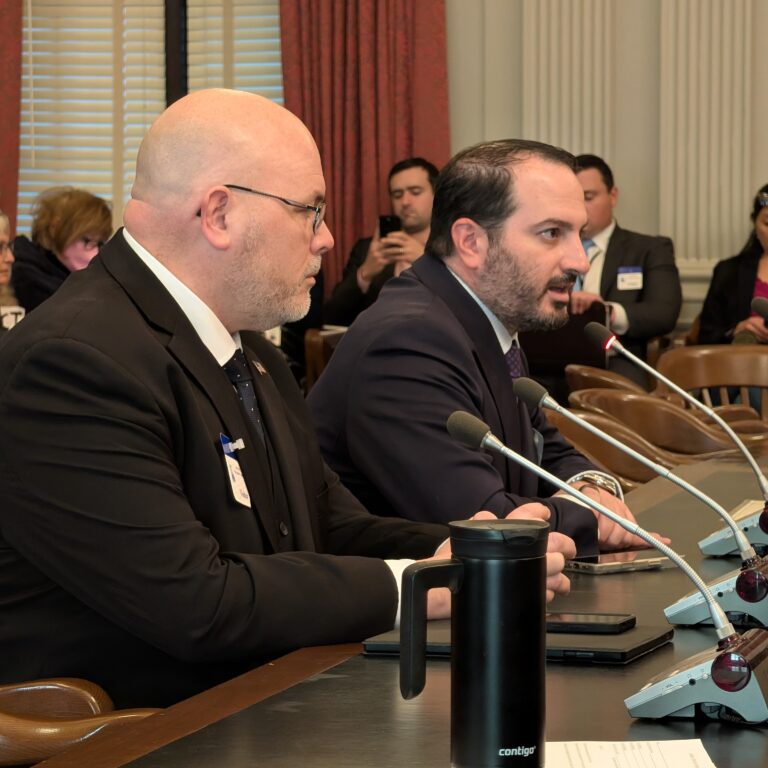
Date OpponentTime (ET)Location
Mar 29Chicago Blackhawks7:00 PMPrudential Center
Mar 31@ New York Rangers7:00 PMMadison Square Garden
Apr 2Washington Capitals7:30 PMPrudential Center
Apr 4Montreal Canadiens7:00 PMPrudential Center
Apr 5@ Montreal Canadiens7:00 PMCentre Bell

New Jersey Repertory Company Secures $500,000 State Grant to Expand West End Arts Center—A Transformational Investment in the Future of Theatre on the Jersey Shore

New Jersey’s cultural landscape continues to gain momentum as one of the most dynamic and forward-thinking in the country, and a major new investment in Long Branch is set to accelerate that trajectory in a meaningful way. New Jersey Repertory Company (NJ Rep), the acclaimed professional theatre company led by Artistic Director SuzAnne Barabas and Executive Producer Gabe Barabas, has been awarded a $500,000 grant from the State of New Jersey, administered through the New Jersey Economic Development Authority. This funding will directly support the continued development and programming of the West End Arts Center, positioning it as NJ Rep’s second performance and education venue and significantly expanding the organization’s role as a cultural engine along the Jersey Shore.

This milestone arrives at a pivotal moment for the state’s performing arts sector, where investment in infrastructure, programming, and accessibility is reshaping how audiences engage with live theatre. Across New Jersey, venues are evolving beyond traditional models, becoming multi-dimensional spaces that support not only performances, but also education, community engagement, and artistic development. Readers following this evolution can explore the broader scope of venues and productions shaping the region through the theatre section, where NJ Rep’s expansion stands as one of the most significant developments in recent memory.

For NJ Rep, the grant represents both validation and opportunity. Long recognized for its commitment to producing new works and championing emerging voices, the company has built a national reputation for artistic excellence while maintaining a deeply local identity. Its productions consistently draw audiences seeking original storytelling, innovative staging, and performances that challenge and inspire. With the addition of the West End Arts Center as a fully realized second venue, NJ Rep is now poised to extend that impact even further, creating a more expansive platform for artists and audiences alike.

The vision for the West End Arts Center is both ambitious and strategically aligned with the future of theatre. Rather than functioning solely as an auxiliary stage, the space is being developed as a comprehensive hub for performance, education, and community interaction. This dual focus reflects a broader shift within the performing arts industry, where organizations are increasingly prioritizing accessibility and engagement alongside artistic output. By integrating educational programming into the fabric of the venue, NJ Rep is ensuring that the next generation of artists, writers, and theatre professionals will have direct access to mentorship, resources, and real-world experience.

At its core, NJ Rep’s approach to theatre has always been defined by its dedication to new work. Unlike institutions that rely heavily on established titles, the company has built its identity around the development and presentation of original plays, often working closely with playwrights to bring new stories to the stage. This commitment has not only distinguished NJ Rep within the state, but has also positioned it as a key contributor to the national theatre ecosystem. The expansion into the West End Arts Center will allow for an increased volume of productions, as well as greater flexibility in scheduling, rehearsal, and experimentation.

Equally important is the role that the Arts Center will play in strengthening NJ Rep’s connection to the community. Long Branch, with its evolving cultural and economic landscape, provides an ideal setting for a project of this scale. The addition of a second venue enhances the area’s appeal as a destination for arts and entertainment, drawing both local residents and visitors from across the region. This, in turn, contributes to a broader economic impact, supporting surrounding businesses and reinforcing the importance of the arts as a driver of growth and revitalization.

The leadership of SuzAnne Barabas and Gabe Barabas has been instrumental in bringing NJ Rep to this point. Their ability to balance artistic vision with operational strategy has allowed the company to grow sustainably while maintaining a clear and consistent identity. The securing of this grant is a direct reflection of that leadership, demonstrating both the organization’s credibility and its capacity to deliver on ambitious initiatives. It is also indicative of a wider recognition at the state level of the value that institutions like NJ Rep bring to New Jersey’s cultural and economic landscape.

From a programming perspective, the expansion into the West End Arts Center opens the door to a range of possibilities. In addition to increasing the number of productions, the venue can support workshops, readings, and developmental performances that are critical to the lifecycle of new work. Educational initiatives, including classes, seminars, and outreach programs, will further deepen the organization’s impact, creating opportunities for individuals of all ages to engage with theatre in meaningful ways. This layered approach ensures that the Arts Center will function not just as a performance space, but as a living, evolving institution.

The significance of this development extends beyond NJ Rep itself. It reflects a broader commitment within New Jersey to invest in the arts as a cornerstone of community identity and economic vitality. As audiences continue to return to live performance in greater numbers, the demand for high-quality, accessible theatre experiences is growing. Facilities like the West End Arts Center are essential in meeting that demand, providing the infrastructure necessary to support both established companies and emerging artists.

In an era where the arts must continually adapt to changing audience expectations and technological advancements, NJ Rep’s expansion represents a forward-looking model for how theatre organizations can thrive. By combining artistic integrity with a commitment to education and community engagement, the company is setting a standard that extends well beyond state lines. The West End Arts Center is not simply an addition to NJ Rep’s portfolio—it is a transformative step that redefines what the organization can achieve.

As this next chapter begins, the impact will be felt not only on stage, but throughout the broader cultural landscape of New Jersey. With the support of this significant state investment, New Jersey Repertory Company is positioned to deepen its influence, expand its reach, and continue delivering the kind of theatre that resonates long after the curtain falls.

New Jersey Devils Close Critical Five-Game Road Trip in Raleigh with Playoff Momentum on the Line

As the regular season sharpens into its most consequential stretch, the New Jersey Devils arrive in Raleigh for the final test of a demanding five-game road trip, facing the Carolina Hurricanes in a matchup that carries both immediate and long-term implications. With puck drop set for 5:08 p.m. ET, this game represents more than just the closing chapter of a multi-city swing—it is a defining moment in a season where consistency, resilience, and identity are being tested against elite competition. For a deeper look at the team’s trajectory and ongoing developments, coverage continues to expand across New Jersey Devils news and analysis, where the evolution of this roster remains one of the most closely followed stories in the region.

Road trips of this magnitude are rarely neutral in their impact. They either expose vulnerabilities or solidify cohesion, and for the Devils, this five-game stretch has served as a proving ground. Navigating hostile environments, compressed travel schedules, and playoff-caliber opponents demands more than talent—it requires structural discipline, mental durability, and the ability to execute under pressure. By the time a team reaches the final stop of such a trip, fatigue is a factor, but so is clarity. Roles become more defined, systems tighten, and the margin for error narrows.

Raleigh presents a particularly complex challenge. The Hurricanes have built a reputation as one of the most system-driven teams in the league, combining aggressive forechecking with disciplined defensive coverage and sustained offensive zone pressure. Their ability to control pace and dictate territorial play forces opponents into reactive hockey, making transitional execution and puck management critical areas of focus for New Jersey. For the Devils, success in this matchup will hinge on their ability to break that cycle—moving the puck efficiently through the neutral zone, limiting turnovers, and capitalizing on speed where opportunities emerge.

From a tactical standpoint, this game is likely to highlight the Devils’ evolving identity. The team has increasingly leaned into a high-tempo style built around speed, skill, and quick-strike offense. When executed effectively, this approach can disrupt even the most structured opponents, creating mismatches and forcing defensive breakdowns. However, against a team like Carolina, that style must be balanced with patience and positional awareness. The Hurricanes thrive on forcing mistakes, and any lapse in structure can quickly turn into sustained pressure or scoring chances against.

Goaltending and defensive zone coverage will be central to the outcome. As the season progresses, the importance of a reliable net presence becomes magnified, particularly in road environments where momentum can shift rapidly. The Devils’ ability to manage rebounds, clear traffic, and maintain composure under sustained pressure will be tested against a Hurricanes offense that excels in generating high-volume, high-quality chances. At the same time, disciplined defensive play—particularly in limiting second opportunities—will be essential in keeping the game within controllable parameters.

Offensively, the Devils’ success will depend on their ability to generate sustained pressure of their own. Quick transitions, effective zone entries, and net-front presence will be key components in challenging Carolina’s defensive structure. Special teams may also play a decisive role, with power play efficiency and penalty kill discipline often serving as the difference in tightly contested matchups. In a game where margins are expected to be thin, execution in these situations can shift momentum in a matter of seconds.

Beyond the immediate tactical considerations, this game carries broader significance within the Devils’ season narrative. The team has positioned itself as a rising force within the Eastern Conference, blending a core of emerging talent with strategic additions designed to enhance depth and versatility. Recent roster moves and lineup adjustments reflect a commitment to both short-term competitiveness and long-term sustainability, reinforcing the organization’s belief that the window for contention is not a distant goal, but a present reality.

Closing out a road trip with a strong performance in Raleigh would serve as both a statement and a springboard. It would validate the team’s ability to compete in high-pressure environments and provide momentum heading into the final phase of the season. Conversely, it also presents an opportunity to refine areas that require adjustment, ensuring that lessons learned on the road translate into more consistent execution moving forward.

For fans and observers, this matchup encapsulates what makes late-season hockey compelling. Every shift carries weight, every decision is amplified, and every result contributes to the broader arc of the season. The Devils are no longer a team defined by potential alone; they are operating within a competitive framework where expectations are tangible and outcomes matter.

As the puck drops in Raleigh, the focus will be on execution, discipline, and the ability to rise to the moment. The conclusion of this five-game road trip is not simply an endpoint—it is a benchmark, offering a clear measure of where the Devils stand and where they are capable of going. In a season defined by progression and ambition, this game represents another step in the ongoing effort to establish New Jersey as a consistent and formidable presence in the NHL landscape.

New Jersey Erupts in Statewide “No Kings! III” Protests as Tens of Thousands Mobilize Across 65+ Communities in Defining Political Moment

New Jersey is emerging today as one of the most active and visibly engaged states in a sweeping national day of protest, as more than 65 coordinated rallies and marches unfold from Bergen County to the southern shoreline under the banner of “No Kings! III.” What began as a loosely organized response to growing concerns over executive authority has now evolved into a fully scaled, highly coordinated civic mobilization, drawing tens of thousands of participants into streets, parks, and town centers across the Garden State. From major urban corridors like Newark and Jersey City to suburban hubs and smaller municipalities, the breadth and density of today’s demonstrations reflect a moment that is as much about political identity as it is about policy, governance, and the future direction of American democracy.

The movement behind today’s actions is not spontaneous, but rather the product of an expanding coalition of advocacy organizations that have steadily built infrastructure, messaging discipline, and grassroots reach over the past several election cycles. Anchored by nationally recognized progressive networks, the “No Kings” coalition has framed its mission around what organizers describe as resistance to centralized executive power, a defense of institutional checks and balances, and a broader push for civic accountability. In New Jersey, that message has resonated across a diverse cross-section of communities, producing one of the most geographically widespread protest turnouts the state has seen in recent years.

The largest gatherings have anchored themselves in key population centers, with Newark serving as a focal point for North Jersey. A major march beginning at the Lincoln Statue on Springfield Avenue drew early crowds that quickly expanded into a sustained afternoon presence, blending organized speeches, coordinated chants, and visible signage that underscored the protest’s central themes. In Morristown, demonstrators assembled at Town Hall, transforming a traditionally civic space into an active platform for political expression, while in Jersey City, a later rally at Berry Lane Park is expected to draw continued participation well into the afternoon and early evening.

Across Central and South Jersey, the scale of engagement has been equally notable. Trenton, as the state’s political epicenter, has seen consistent turnout near government buildings, reinforcing the symbolic connection between protest activity and legislative oversight. In Camden, Roosevelt Plaza Park has become a gathering point for participants seeking to align local concerns with national discourse, while additional events in Atlantic City, Lacey Township, and Rahway extend the day’s footprint into coastal and suburban regions. Evening visibility actions, including a scheduled demonstration in Secaucus, ensure that the momentum of the day will carry beyond daylight hours.

What distinguishes today’s mobilization is not only the size of individual events, but the density of participation across smaller municipalities that are often absent from large-scale protest narratives. Towns such as Teaneck, Weehawken, Paramus, Bloomfield, Glen Ridge, Princeton, Highland Park, Glassboro, and Ocean City are all hosting their own rallies, signaling a level of distributed engagement that reflects deep organizational reach. These localized demonstrations, while smaller in scale, contribute to a broader statewide presence that amplifies the movement’s visibility and reinforces its claim to represent a wide-ranging constituency.

At the core of the debate surrounding today’s protests is a fundamental disagreement over the role and limits of executive power. Organizers have framed the demonstrations as a necessary response to what they characterize as overreach, positioning the movement within a larger national conversation about constitutional norms, institutional independence, and democratic accountability. Participants on the ground are articulating a range of concerns that extend beyond a single policy or directive, encompassing issues such as electoral integrity, judicial independence, civil liberties, and the balance of power between federal branches.

At the same time, the protests are unfolding within a politically complex environment, particularly in a state like New Jersey where diverse ideological perspectives coexist within close geographic proximity. For some residents, the demonstrations represent a critical exercise of First Amendment rights and civic participation, reinforcing the state’s longstanding tradition of political engagement. For others, the scale and tone of the protests raise questions about polarization, the effectiveness of public demonstrations in shaping policy, and the broader trajectory of political discourse in the United States.

Law enforcement agencies and municipal officials across New Jersey have spent the past several days preparing for the logistical demands of such a widespread mobilization. Traffic management, public safety coordination, and crowd control measures have been implemented in major event zones, with an emphasis on maintaining orderly conditions while respecting the rights of participants. Early reports from across the state indicate that events have proceeded largely without incident, reflecting both effective planning and the generally peaceful nature of the gatherings.

The timing of “No Kings! III” is also significant, arriving at a moment when political energy is building ahead of key electoral cycles and legislative debates. Movements of this scale often serve as both a barometer and a catalyst, capturing existing sentiment while also shaping future engagement strategies among advocacy groups, political campaigns, and policy stakeholders. In New Jersey, where voter participation and civic activism have historically played a decisive role in shaping statewide outcomes, today’s events are likely to reverberate beyond the immediate moment.

From a strategic perspective, the distributed nature of today’s protests offers insight into how modern political movements are evolving. Rather than concentrating exclusively in major cities, organizers have prioritized simultaneous actions across a wide geographic area, leveraging digital coordination tools and local networks to maximize reach. This approach not only increases visibility but also lowers barriers to participation, enabling individuals to engage within their own communities rather than traveling long distances to centralized events.

As the day continues to unfold, the full scope of participation and its potential impact will become clearer. What is already evident, however, is that New Jersey has positioned itself at the center of a national moment, demonstrating both the scale and intensity of contemporary civic engagement. Whether viewed as a powerful expression of democratic participation or as a reflection of deepening political divisions, the “No Kings! III” protests represent a defining snapshot of where the public conversation stands today—and where it may be headed next.

For continued coverage of political developments shaping New Jersey and the broader national landscape, readers can explore ongoing reporting in the Politics section of Sunset Daily News, where the intersection of policy, public sentiment, and real-time events is examined with depth, clarity, and a focus on what it means for communities across the state.

Stockton University Expands Arts and Culture Summit into a Two-Day, Multi-Campus Experience Elevating New Jersey’s Creative Economy

New Jersey’s cultural landscape continues to gain momentum as institutions across the state invest in programming that not only celebrates artistic expression but also strengthens the infrastructure behind it. This year, Stockton University is making a significant statement with the expansion of its annual Arts and Culture Summit, transforming what has traditionally been a single-day gathering into a two-day, dual-location event spanning both its Galloway and Atlantic City campuses. The move represents more than a scheduling adjustment—it reflects a strategic evolution designed to deepen engagement, broaden access, and amplify the role of the arts within New Jersey’s economic and cultural framework.

Positioned within the broader ecosystem of New Jersey arts and culture, the summit has steadily grown into a cornerstone event for artists, educators, policymakers, and creative entrepreneurs. By extending the summit across two days and activating two distinct geographic hubs, Stockton University is effectively doubling its reach while creating a more dynamic and layered experience. The Galloway campus, known for its expansive academic setting, provides a foundation for in-depth discussions, workshops, and institutional collaboration. Atlantic City, by contrast, offers a vibrant, real-world backdrop where creative industries intersect with tourism, entertainment, and urban revitalization. Together, these locations form a complementary framework that mirrors the diversity and complexity of New Jersey’s cultural economy.

The expanded format allows for a more comprehensive exploration of the issues shaping the arts today. Panels and discussions are expected to address topics that range from funding models and public-private partnerships to the integration of digital platforms and the evolving role of cultural institutions in community development. By creating space for both macro-level strategy and grassroots perspectives, the summit positions itself as a forum where ideas are not only exchanged but actively developed into actionable pathways.

Equally important is the summit’s role in fostering cross-sector collaboration. The arts do not exist in isolation, and Stockton’s approach reflects an understanding that creative output is deeply connected to education, economic development, tourism, and public policy. Bringing together stakeholders from these varied fields encourages a level of dialogue that is often difficult to achieve in more siloed environments. It is within these intersections that new opportunities emerge—whether in the form of partnerships, funding initiatives, or innovative programming that extends beyond traditional boundaries.

Atlantic City’s inclusion as a primary host location adds a particularly compelling dimension to this year’s summit. As the city continues to redefine itself beyond its historical identity, the arts have become an increasingly vital component of its transformation. Public art installations, live performance venues, and cultural programming are playing a growing role in attracting visitors and engaging residents, and the summit’s presence reinforces that trajectory. By situating part of the event within this evolving urban landscape, Stockton University underscores the tangible impact that arts and culture can have on economic revitalization and community identity.

The decision to expand also reflects a broader trend within New Jersey, where there is a renewed emphasis on accessibility and inclusivity in cultural programming. A two-day format allows for greater participation, accommodating a wider range of schedules and making it easier for attendees from different regions to engage. It also enables a more diverse lineup of speakers, performers, and contributors, ensuring that the summit reflects the full spectrum of voices that define the state’s creative community.

For emerging artists and students, the summit offers a rare opportunity to connect directly with established professionals and industry leaders. These interactions are not merely inspirational; they are practical, providing insight into career pathways, funding opportunities, and the operational realities of sustaining a creative practice. Stockton University’s role as both an academic institution and a cultural convener places it in a unique position to bridge the gap between education and professional development, creating a pipeline that supports the next generation of talent.

The expanded summit also places a strong emphasis on experiential programming. Beyond traditional panels and lectures, attendees can expect interactive sessions, live performances, and immersive installations that bring the conversation into a tangible, sensory space. This approach aligns with a growing recognition that engagement with the arts is most impactful when it is participatory, allowing audiences to move beyond observation and into direct interaction.

From a statewide perspective, the growth of the Stockton Arts and Culture Summit signals a broader commitment to positioning New Jersey as a leader in creative innovation. The state’s proximity to major cultural centers like New York and Philadelphia has long been an advantage, but it has also, at times, overshadowed the depth of talent and activity within New Jersey itself. Events like this summit play a critical role in shifting that narrative, highlighting the state as a destination for artistic excellence and cultural dialogue in its own right.

The economic implications are equally significant. The arts are not only a cultural asset but also a driver of economic activity, contributing to job creation, tourism, and local business development. By expanding the summit, Stockton University is effectively investing in the infrastructure that supports this sector, creating a platform where ideas can translate into measurable impact. This alignment between cultural and economic priorities is essential for long-term sustainability, ensuring that the arts remain a viable and thriving component of New Jersey’s future.

As anticipation builds for this year’s event, the expanded Arts and Culture Summit stands as a clear reflection of where New Jersey is headed—toward a more integrated, inclusive, and forward-thinking approach to the arts. It is a gathering that not only celebrates creativity but also challenges participants to think critically about its role in shaping communities, economies, and identities. By extending its reach across two days and two campuses, Stockton University is not simply growing an event; it is redefining what a cultural summit can achieve when ambition meets execution.

New Jersey Weekend Weather Outlook: Cold, Dry Start Gives Way to Spring Warmth Surge and Midweek Storm Threat

New Jersey is heading into a weekend defined by contrast, a transitional stretch that captures the push and pull of late March across the Garden State. The immediate outlook delivers a colder-than-average but notably dry pattern, driven by a strong high-pressure system descending from southwestern Canada and now influencing much of the Northeast. That system is firmly in control as the weekend begins, locking in crisp air, clear skies, and a noticeable drop in temperatures across North, Central, and South Jersey. While the chill may feel like a step backward for residents eager to fully embrace spring, the broader trajectory of the forecast tells a more dynamic story—one that includes a rapid warming trend, a surge toward near-summer warmth early next week, and a return to unsettled conditions by midweek.

Today’s Hourly Forecast

Expect mostly sunny to partly cloudy skies throughout the afternoon, with temperatures peaking in the mid-40s before dropping after sunset. 

Hour Sky ConditionTemperature
1 PMweatherIconPartly sunny42°F
4 PMweatherIconMostly cloudy44°F
7 PMweatherIconSunny41°F
10 PMweatherIconClear36°F

10-Day Daily Forecast 

A significant warming trend begins tomorrow, with temperatures surging into the 70s by early next week.  Channel +3

Day Sky ConditionTemperature (High/Low)Chance of Rain
Sat, Mar 28weatherIconSunny44°F / 30°F10% (Snow)
Sun, Mar 29weatherIconPartly sunny54°F / 30°F10%
Mon, Mar 30weatherIconCloudy68°F / 46°F10%
Tue, Mar 31weatherIconRain77°F / 58°F75%
Wed, Apr 1weatherIconRain75°F / 46°F45%
Thu, Apr 2weatherIconLight rain45°F / 41°F40%
Fri, Apr 3weatherIconLight rain50°F / 41°F35%
Sat, Apr 4weatherIconMostly cloudy48°F / 42°F20%
Sun, Apr 5weatherIconLight rain64°F / 44°F40%
Mon, Apr 6weatherIconPartly sunny59°F / 44°F0%

Important Conditions

  • Winds: Breezy conditions will persist all day with gusts potentially reaching 30–35 mph, contributing to a high wildfire threat in some areas.
  • Frost: Temperatures tonight will drop to near or below freezing, so frost is possible across the state.
  • Humidity: Very low today at 29%, making the air feel quite dry.

As of Saturday, March 28, conditions across New Jersey reflect the firm grip of that high-pressure system. Afternoon temperatures are struggling to climb beyond the mid-40s statewide, landing roughly 8 to 12 degrees below seasonal norms. Despite the sunshine, a persistent northwest wind—gusting at times between 30 and 35 miles per hour—adds an additional layer of discomfort, driving real-feel temperatures down into the low-to-mid 30s. The combination of low humidity, hovering near 30 percent, and gusty winds has also elevated wildfire risk in several parts of the state, particularly in more rural and wooded regions.

The atmosphere remains largely stable and dry, with skies alternating between mostly sunny and partly cloudy through the afternoon and into the evening hours. As the sun sets, temperatures will drop quickly, setting the stage for another widespread frost event overnight. Lows are expected to fall into the mid-20s to mid-30s, with many inland locations dipping below freezing. For much of New Jersey, this could mark one of the final widespread sub-freezing nights of the season, though it arrives with enough intensity to warrant attention for early-season vegetation and outdoor planning.

Saturday continues this pattern of cool, dry weather, with highs again topping out in the mid-40s across most regions. The day will feature a mix of sun and passing cloud cover, but the dominant narrative remains the persistence of colder air being funneled into the region from the north. Winds will stay active, maintaining a steady northwest flow that reinforces the below-average temperature profile. By Saturday night, temperatures once again retreat into the 20s and low 30s across North and Central Jersey, with slightly milder conditions along the immediate coast where marine influence helps moderate the cold.

By Sunday, however, the pattern begins to shift in a meaningful way. As the high-pressure system slides offshore toward the southeastern United States, the wind direction pivots from northwesterly to a more southerly and southwesterly flow. This transition is critical, as it opens the door for warmer air to begin advancing into New Jersey. Daytime highs are expected to rebound into the mid-50s across much of the state, with some interior portions of Central and South Jersey potentially pushing toward the upper-50s or even touching 60 degrees. While elevated terrain in Northwest New Jersey may remain slightly cooler, the overall feel of the day will be markedly more comfortable and aligned with early spring expectations.

Cloud cover will increase slightly on Sunday, producing a mix of sun and clouds, while breezy conditions persist. Overnight lows will also moderate, settling into the mid-30s to mid-40s, signaling the beginning of a broader warming trend that will accelerate as the new week unfolds.

Looking ahead to Monday through Wednesday, the forecast pivots decisively toward a warmer regime, with temperatures climbing steadily each day. Monday will introduce a noticeable jump, with highs reaching into the upper 60s across much of the state. By Tuesday, the warming trend intensifies, with widespread 70s expected and the potential for some inland areas of Central and South Jersey to approach or exceed the 80-degree mark. Even typically cooler coastal zones and higher elevations could see readings surge into the mid-60s to mid-70s, underscoring the strength of the incoming warm air mass.

This period will also bring increased atmospheric moisture, raising the potential for dense fog development during the overnight and early morning hours, particularly Sunday night into Monday morning and again Monday night into Tuesday morning. These fog events could impact visibility during peak commuting hours, adding another layer of complexity to an otherwise tranquil weather pattern.

The warm stretch, however, is not expected to last uninterrupted. By Wednesday afternoon into Wednesday night, a cold front is projected to sweep through the region, introducing the next round of active weather. Showers are likely to develop ahead of the front, with the potential for embedded thunderstorms depending on how atmospheric instability evolves. This system represents the next significant opportunity for precipitation following an extended dry period that dominates the weekend and early week.

In the wake of the front, conditions will reset once again, with cooler air returning for Thursday and into the following weekend. Temperatures are expected to drop back into the 40s and 50s, accompanied by lingering cloud cover and the potential for additional light rain. While not a return to the sharp cold of the current weekend, the shift will serve as a reminder that early spring in New Jersey remains a season of variability, where rapid transitions are the norm rather than the exception.

From a broader perspective, this evolving pattern reflects the classic late-March dynamic across the Northeast—where cold, dry high-pressure systems still have the ability to deliver brief but impactful shots of winter-like air, even as longer-term trends push steadily toward warmer, more humid conditions. For residents, businesses, and event planners across New Jersey, the coming days will require a flexible approach, balancing near-term chill with the promise of a dramatic warm-up and the likelihood of midweek disruptions.

For continued in-depth coverage of weather trends, seasonal shifts, and how evolving conditions are impacting communities across the state, explore the latest weather updates and regional coverage sections at Sunset Daily News, where New Jersey’s changing environment is analyzed with the depth and clarity readers expect.

New Jersey Strengthens Mental Health Protections for First Responders with Landmark PTSD Law

New Jersey has taken a decisive and long-overdue step in recognizing the full scope of risks carried by those who serve on the front lines of public safety. Beyond the visible dangers that define their professions, first responders across the state—police officers, firefighters, EMTs, and other emergency personnel—operate under a sustained psychological burden that has historically been underacknowledged and, in many cases, insufficiently protected. A new state law now directly addresses that gap, establishing clear protections for first responders seeking treatment for work-related post-traumatic stress disorder (PTSD) and reinforcing their right to pursue care without fear of retaliation, stigma, or professional consequence.

This legislative advancement signals a meaningful shift in how New Jersey approaches behavioral health within its workforce, particularly among those whose daily responsibilities place them in high-trauma environments. The law recognizes PTSD not as an abstract or secondary concern, but as a legitimate occupational hazard—one that requires the same seriousness, structural support, and legal backing as physical injury. In doing so, the state is aligning its policies with a growing body of medical and occupational research that underscores the cumulative psychological toll of emergency response work.

For years, first responders have navigated an unspoken paradox. While they are trained to respond to crisis, absorb trauma, and maintain composure under extreme pressure, the systems surrounding them have not always provided adequate pathways for recovery. Concerns over job security, departmental perception, and career advancement have often discouraged individuals from seeking help, even when symptoms of PTSD—such as chronic anxiety, sleep disruption, emotional withdrawal, or intrusive memories—become impossible to ignore. The result has been a silent crisis, one that impacts not only individual health but also team cohesion, long-term retention, and overall public safety outcomes.

The new law directly confronts this reality by codifying protections that eliminate ambiguity around mental health care access. First responders can now pursue diagnosis, counseling, and treatment for PTSD with reinforced assurance that doing so will not jeopardize their employment status or professional standing. This is not merely a policy adjustment; it is a structural recalibration of workplace culture, designed to normalize behavioral health care as a standard component of occupational wellness.

Importantly, the law also reinforces the concept of parity between physical and mental health in workplace protections. Just as an injury sustained in the line of duty would be treated without question, psychological trauma resulting from repeated exposure to emergencies is now afforded the same legitimacy. This alignment is critical in reshaping institutional attitudes and reducing the stigma that has historically surrounded mental health within high-performance, high-resilience professions.

Across New Jersey, this development integrates seamlessly into a broader and increasingly visible emphasis on health and wellness initiatives. The state has expanded its focus on comprehensive well-being, recognizing that physical fitness, mental resilience, and emotional stability are interconnected pillars of a functional and sustainable workforce. Within the context of health and wellness in New Jersey, the law stands as a cornerstone policy—one that not only protects individuals but also elevates the standard for how organizations support their personnel.

From an operational standpoint, the implications are substantial. Departments and agencies are now encouraged—and in many cases required—to ensure that mental health resources are accessible, confidential, and integrated into existing support frameworks. This includes partnerships with licensed professionals, peer support programs, and structured pathways for early intervention. The emphasis shifts from reactive care to proactive engagement, enabling first responders to address symptoms before they escalate into more severe conditions.

The cultural impact may ultimately prove even more significant than the legal protections themselves. By removing barriers to care, the law fosters an environment where seeking help is viewed not as a weakness, but as a responsible and necessary action. This shift has the potential to improve morale, reduce burnout, and enhance overall job performance, creating a more resilient workforce capable of sustaining the demands of public safety over the long term.

New Jersey’s action also positions it as a leader in a national conversation that is gaining urgency. Across the country, states are grappling with how best to support first responders in the face of rising mental health challenges, increased call volumes, and the lingering effects of high-profile crises. By establishing clear, enforceable protections, New Jersey provides a model that other jurisdictions can evaluate and potentially replicate.

At its core, this law is about acknowledgment—acknowledgment that the cost of service extends beyond what is visible, and that those who protect the public deserve comprehensive protection in return. It affirms that mental health is not ancillary to the mission of public safety; it is central to it. By safeguarding the rights of first responders to seek help without fear, New Jersey is not only addressing an urgent need but also redefining what it means to truly support those who stand on the front lines every day.

As awareness continues to grow and implementation unfolds across agencies statewide, the long-term effects of this legislation will be measured not only in compliance but in lives improved, careers sustained, and communities strengthened. In elevating behavioral health to a position of equal importance, New Jersey is setting a new standard—one rooted in responsibility, respect, and an evolving understanding of what it takes to serve and to endure.