Home Blog Page 49

Dunbar Repertory Company Presents Seven Guitars

0

Dunbar Repertory Company Brings August Wilson’s Seven Guitars to Middletown Arts Center in a Powerful Celebration of American Theater and Cultural Legacy – Show’s are at 3PM & 8PM on Saturday and 4PM on Sunday!

May 23 @ 7:00 PM May 24 @ 11:30 PM

New Jersey’s performing arts scene continues to deepen its cultural impact with productions that challenge, inspire, and resonate far beyond the stage, and this spring, the Dunbar Repertory Company delivers one of the most significant theatrical events of the season with its presentation of Seven Guitars at the Middletown Arts Center. Running May 23 through May 31, 2026, this production brings the work of one of America’s most important playwrights, August Wilson, into sharp focus, offering audiences an experience that is as intellectually engaging as it is emotionally powerful.

Set within the framework of New Jersey’s evolving theater landscape—regularly highlighted through the Explore New Jersey Theatre section—this production underscores the growing demand for work that not only entertains but also examines identity, history, and the complexities of the human experience. Seven Guitars stands as a defining example of that kind of theater, blending lyrical storytelling with unflinching realism to create a narrative that remains deeply relevant decades after it was first written.

The play unfolds in Pittsburgh’s Hill District in 1948, a setting that serves as both backdrop and character within the story. At its center is Floyd Barton, a musician whose aspirations for success are as expansive as the obstacles that stand in his way. The narrative begins in the aftermath of his funeral, immediately positioning the audience within a space of reflection and inevitability. Through a structure that weaves together present-day moments and flashbacks, the story gradually reveals the relationships, choices, and systemic pressures that shape Floyd’s journey.

Director Mark Antonio Henderson approaches this material with a clear understanding of its weight and nuance, guiding the production in a way that honors Wilson’s text while allowing the performers to fully inhabit the emotional and psychological depth of their characters. The result is a staging that feels both grounded and expansive, capturing the intimacy of personal relationships while acknowledging the broader social forces at play.

Central to the play’s impact is its exploration of relationships—particularly between Floyd and Vera, whose connection is marked by both love and tension, and Hedley, whose presence introduces a spiritual and philosophical dimension that challenges the audience’s perception of reality and fate. These interactions are not merely narrative devices; they are the foundation through which Wilson examines themes of ambition, identity, resilience, and the enduring effects of systemic inequality.

What distinguishes Seven Guitars within the canon of American theater is its language. Wilson’s writing is often described as poetic, but that description only begins to capture its complexity. The dialogue moves with a rhythm that mirrors music itself, creating a cadence that is both natural and elevated. This musicality is particularly fitting given the central role of Floyd as a musician, reinforcing the idea that the play itself operates as a kind of composition—layered, dynamic, and deeply expressive.

The production’s schedule reflects a commitment to accessibility and audience engagement, with multiple performances across two weekends, including both matinee and evening showings. This structure allows a wide range of attendees to experience the production, from dedicated theatergoers to those encountering Wilson’s work for the first time. The Middletown Arts Center, located at 36 Church Street, provides an intimate yet professional setting that enhances the immediacy of the performance, ensuring that every moment is felt with clarity and intensity.

The Dunbar Repertory Company’s role in bringing this production to life cannot be overstated. Recognized throughout Central New Jersey as Monmouth County’s African American theater company, the organization has built its reputation on a mission that extends beyond performance. Through mainstage productions, literary readings, and educational initiatives, Dunbar is actively shaping how stories of cultural significance are presented and understood within the community. Their commitment to celebrating African American culture through live theater positions them as a vital contributor to the state’s artistic ecosystem.

In staging Seven Guitars, the company continues that mission with a work that is both historically grounded and contemporarily relevant. August Wilson’s “Pittsburgh Cycle,” of which this play is a part, remains one of the most comprehensive explorations of the African American experience in the twentieth century. Each play within the cycle captures a different decade, collectively forming a narrative that is both expansive and deeply personal. Wilson’s ability to translate lived experience into compelling drama has earned him numerous accolades, including multiple Pulitzer Prizes, and solidified his place as one of the most influential playwrights in American history.

For audiences, this production offers more than an evening of theater—it provides an opportunity to engage with a story that reflects broader societal realities while maintaining a deeply human focus. The themes explored in Seven Guitars—dreams deferred, the search for identity, the weight of history, and the resilience required to navigate systemic barriers—are as relevant today as they were in 1948. This enduring relevance is a testament to Wilson’s insight and to the continued importance of staging his work in contemporary settings.

The decision to present this play at the Middletown Arts Center further reinforces the venue’s role as a cultural anchor within the region. By hosting productions of this caliber, the center continues to elevate its programming and attract audiences seeking meaningful, high-quality artistic experiences. It also highlights the growing synergy between local theater companies and performance spaces, creating a network that supports both artistic excellence and community engagement.

Ticketing for the production is structured to encourage both individual attendance and group participation, with special pricing available for larger parties. This approach aligns with the broader goal of making theater accessible while fostering shared experiences that extend beyond the performance itself. The general admission format, combined with the venue’s accommodating approach to accessibility, ensures that all attendees can engage with the production comfortably and fully.

As New Jersey’s theater scene continues to expand, productions like Seven Guitars serve as a benchmark for what local theater can achieve. They demonstrate that regional companies are capable of delivering work that is not only professionally executed but also culturally significant and intellectually rigorous. They also reinforce the idea that theater remains one of the most powerful mediums for storytelling, capable of bridging gaps, sparking dialogue, and creating lasting impact.

With its combination of masterful writing, thoughtful direction, and a mission-driven production team, Seven Guitars stands as one of the most compelling theatrical offerings in New Jersey this spring. It is a production that demands attention, invites reflection, and ultimately affirms the enduring power of live performance to illuminate the complexities of the human experience.


The Middletown Arts Center

732.706.4100

View Organizer Website

The Middletown Arts Center

36 Church Street, NJ
Middletown, New Jersey 07748 United States
+ Google Map
732.706.4100
View Venue Website

Dunbar Repertory Company Presents Seven Guitars

0

Dunbar Repertory Company Brings August Wilson’s Seven Guitars to Middletown Arts Center in a Powerful Celebration of American Theater and Cultural Legacy – Show’s are at 3PM & 8PM on Saturday and 4PM on Sunday!

May 30 @ 7:00 PM May 31 @ 11:30 PM

New Jersey’s performing arts scene continues to deepen its cultural impact with productions that challenge, inspire, and resonate far beyond the stage, and this spring, the Dunbar Repertory Company delivers one of the most significant theatrical events of the season with its presentation of Seven Guitars at the Middletown Arts Center. Running May 23 through May 31, 2026, this production brings the work of one of America’s most important playwrights, August Wilson, into sharp focus, offering audiences an experience that is as intellectually engaging as it is emotionally powerful.

Set within the framework of New Jersey’s evolving theater landscape—regularly highlighted through the Explore New Jersey Theatre section—this production underscores the growing demand for work that not only entertains but also examines identity, history, and the complexities of the human experience. Seven Guitars stands as a defining example of that kind of theater, blending lyrical storytelling with unflinching realism to create a narrative that remains deeply relevant decades after it was first written.

The play unfolds in Pittsburgh’s Hill District in 1948, a setting that serves as both backdrop and character within the story. At its center is Floyd Barton, a musician whose aspirations for success are as expansive as the obstacles that stand in his way. The narrative begins in the aftermath of his funeral, immediately positioning the audience within a space of reflection and inevitability. Through a structure that weaves together present-day moments and flashbacks, the story gradually reveals the relationships, choices, and systemic pressures that shape Floyd’s journey.

Director Mark Antonio Henderson approaches this material with a clear understanding of its weight and nuance, guiding the production in a way that honors Wilson’s text while allowing the performers to fully inhabit the emotional and psychological depth of their characters. The result is a staging that feels both grounded and expansive, capturing the intimacy of personal relationships while acknowledging the broader social forces at play.

Central to the play’s impact is its exploration of relationships—particularly between Floyd and Vera, whose connection is marked by both love and tension, and Hedley, whose presence introduces a spiritual and philosophical dimension that challenges the audience’s perception of reality and fate. These interactions are not merely narrative devices; they are the foundation through which Wilson examines themes of ambition, identity, resilience, and the enduring effects of systemic inequality.

What distinguishes Seven Guitars within the canon of American theater is its language. Wilson’s writing is often described as poetic, but that description only begins to capture its complexity. The dialogue moves with a rhythm that mirrors music itself, creating a cadence that is both natural and elevated. This musicality is particularly fitting given the central role of Floyd as a musician, reinforcing the idea that the play itself operates as a kind of composition—layered, dynamic, and deeply expressive.

The production’s schedule reflects a commitment to accessibility and audience engagement, with multiple performances across two weekends, including both matinee and evening showings. This structure allows a wide range of attendees to experience the production, from dedicated theatergoers to those encountering Wilson’s work for the first time. The Middletown Arts Center, located at 36 Church Street, provides an intimate yet professional setting that enhances the immediacy of the performance, ensuring that every moment is felt with clarity and intensity.

The Dunbar Repertory Company’s role in bringing this production to life cannot be overstated. Recognized throughout Central New Jersey as Monmouth County’s African American theater company, the organization has built its reputation on a mission that extends beyond performance. Through mainstage productions, literary readings, and educational initiatives, Dunbar is actively shaping how stories of cultural significance are presented and understood within the community. Their commitment to celebrating African American culture through live theater positions them as a vital contributor to the state’s artistic ecosystem.

In staging Seven Guitars, the company continues that mission with a work that is both historically grounded and contemporarily relevant. August Wilson’s “Pittsburgh Cycle,” of which this play is a part, remains one of the most comprehensive explorations of the African American experience in the twentieth century. Each play within the cycle captures a different decade, collectively forming a narrative that is both expansive and deeply personal. Wilson’s ability to translate lived experience into compelling drama has earned him numerous accolades, including multiple Pulitzer Prizes, and solidified his place as one of the most influential playwrights in American history.

For audiences, this production offers more than an evening of theater—it provides an opportunity to engage with a story that reflects broader societal realities while maintaining a deeply human focus. The themes explored in Seven Guitars—dreams deferred, the search for identity, the weight of history, and the resilience required to navigate systemic barriers—are as relevant today as they were in 1948. This enduring relevance is a testament to Wilson’s insight and to the continued importance of staging his work in contemporary settings.

The decision to present this play at the Middletown Arts Center further reinforces the venue’s role as a cultural anchor within the region. By hosting productions of this caliber, the center continues to elevate its programming and attract audiences seeking meaningful, high-quality artistic experiences. It also highlights the growing synergy between local theater companies and performance spaces, creating a network that supports both artistic excellence and community engagement.

Ticketing for the production is structured to encourage both individual attendance and group participation, with special pricing available for larger parties. This approach aligns with the broader goal of making theater accessible while fostering shared experiences that extend beyond the performance itself. The general admission format, combined with the venue’s accommodating approach to accessibility, ensures that all attendees can engage with the production comfortably and fully.

As New Jersey’s theater scene continues to expand, productions like Seven Guitars serve as a benchmark for what local theater can achieve. They demonstrate that regional companies are capable of delivering work that is not only professionally executed but also culturally significant and intellectually rigorous. They also reinforce the idea that theater remains one of the most powerful mediums for storytelling, capable of bridging gaps, sparking dialogue, and creating lasting impact.

With its combination of masterful writing, thoughtful direction, and a mission-driven production team, Seven Guitars stands as one of the most compelling theatrical offerings in New Jersey this spring. It is a production that demands attention, invites reflection, and ultimately affirms the enduring power of live performance to illuminate the complexities of the human experience.
The Middletown Arts Center

732.706.4100

View Organizer Website

The Middletown Arts Center

36 Church Street, NJ
Middletown, New Jersey 07748 United States
+ Google Map
732.706.4100
View Venue Website

The Little Mermaid Auditions

0

The MAC Players Bring Disney’s The Little Mermaid to Life at Middletown Arts Center with Open Auditions and a Full-Scale Summer Production on the Horizon

April 10 @ 4:00 PM 10:00 PM

New Jersey’s theater scene continues to thrive as a cornerstone of the state’s cultural identity, and this summer, one of the most beloved stories in musical theater will take center stage in Middletown. The MAC Players at the Middletown Arts Center are preparing a full-scale production of Disney’s The Little Mermaid, inviting performers from across the region to audition for a show that promises to combine professional-level production value with the heart and accessibility that define community theater at its best.

Set to run across two weekends—July 10, 11, 12, and July 17, 18, 19—this production represents a major seasonal highlight for Monmouth County and a standout addition to the programming featured across the Explore New Jersey Theatre section. It also reinforces the Middletown Arts Center’s growing reputation as a hub for high-quality performing arts, where emerging talent and experienced performers come together to create work that resonates with audiences of all ages.

At the center of the production is a creative team committed to delivering a visually engaging and musically dynamic interpretation of the classic story. Under the direction of Bailey Dumlao, with musical direction by Lauryn Boyle and choreography by Njelama Dacas Johnson, the show is positioned to capture both the emotional depth and the theatrical spectacle that have made The Little Mermaid a staple of stages worldwide. The production draws from the iconic score by Alan Menken, paired with lyrics by Howard Ashman and Glenn Slater and a book by Doug Wright, bringing together a creative foundation that blends Broadway-level composition with timeless storytelling.

Based on Hans Christian Andersen’s original tale and popularized through the Disney animated film, The Little Mermaid remains one of the most enduring narratives in modern theater. Its themes—longing, identity, transformation, and the pursuit of belonging—continue to resonate across generations, making it a compelling choice for a community production that aims to engage both performers and audiences on multiple levels. Songs like “Part of Your World,” “Under the Sea,” and “Kiss the Girl” are not just recognizable—they are integral to the emotional architecture of the show, offering performers the opportunity to connect with audiences through music that is both familiar and deeply expressive.

The upcoming auditions, scheduled for April 10 from 6:00 PM to 10:00 PM with callbacks on April 12 from 4:00 PM to 9:00 PM, mark the beginning of an extensive production process that will unfold over several months. Rehearsals are expected to begin around May 18, following a structured schedule that includes evening sessions multiple times per week. This timeline reflects the level of commitment required to bring a production of this scale to life, particularly one that incorporates complex musical arrangements, choreography, and character-driven performances.

Open casting across all roles underscores the inclusive philosophy of the MAC Players, offering opportunities for performers of varying experience levels to take part in a professionally guided production. From principal roles such as Ariel, Prince Eric, and Ursula to a robust ensemble that includes sea creatures, sailors, and featured characters, the casting process is designed to build a cohesive, dynamic cast capable of delivering both individual standout moments and strong ensemble work.

The role of Ariel, with its demanding vocal range and emotional arc, presents a significant opportunity for performers to showcase both technical ability and interpretive depth. Similarly, characters like Ursula and Sebastian require a balance of vocal strength and theatrical presence, while supporting roles and ensemble parts contribute to the immersive world-building that defines the show. This layered casting approach ensures that every participant plays a meaningful role in shaping the overall production.

What distinguishes this production within New Jersey’s theater landscape is its ability to bridge professional standards with community accessibility. The Middletown Arts Center provides a setting that supports both artistic ambition and audience connection, creating an environment where performances feel polished yet approachable. This balance is increasingly important as audiences seek live experiences that are both high-quality and locally rooted.

The use of Music Theatre International’s licensed materials ensures that the production adheres to the highest standards of theatrical presentation, from score accuracy to staging guidelines. This commitment to quality extends to every aspect of the production, reinforcing the MAC Players’ position as a serious contributor to the state’s performing arts ecosystem.

Beyond the stage, productions like The Little Mermaid play a critical role in strengthening community engagement. They bring together performers, creative teams, volunteers, and audiences in a shared cultural experience that extends beyond the performance itself. For participants, the process offers opportunities for artistic growth, collaboration, and connection. For audiences, it provides access to live theater that is both entertaining and meaningful, reinforcing the value of local arts programming in shaping community identity.

As New Jersey continues to expand its cultural offerings, the importance of institutions like the Middletown Arts Center becomes increasingly clear. They serve as incubators for talent, platforms for storytelling, and gathering spaces where creativity is both celebrated and sustained. Productions like The Little Mermaid are a direct reflection of that mission, demonstrating how classic material can be reinterpreted through local voices while maintaining its universal appeal.

With auditions set to begin and anticipation building for the summer performances, the MAC Players’ production of The Little Mermaid is positioned to be one of the season’s most engaging theatrical events in New Jersey. It represents not only a return to a beloved story but also a continuation of the state’s commitment to accessible, high-quality performing arts. As the curtain rises this July, audiences can expect a production that honors the original while bringing new energy and perspective to a story that continues to captivate hearts across generations.

The Middletown Arts Center

732.706.4100

View Organizer Website

The Middletown Arts Center

36 Church Street, NJ
Middletown, New Jersey 07748 United States
+ Google Map
732.706.4100
View Venue Website

JBJ Soul Foundation Earns 2026 James Beard Impact Award as New Jersey’s Most Transformative Dining Model Expands Its Reach and Redefines Community Restaurants

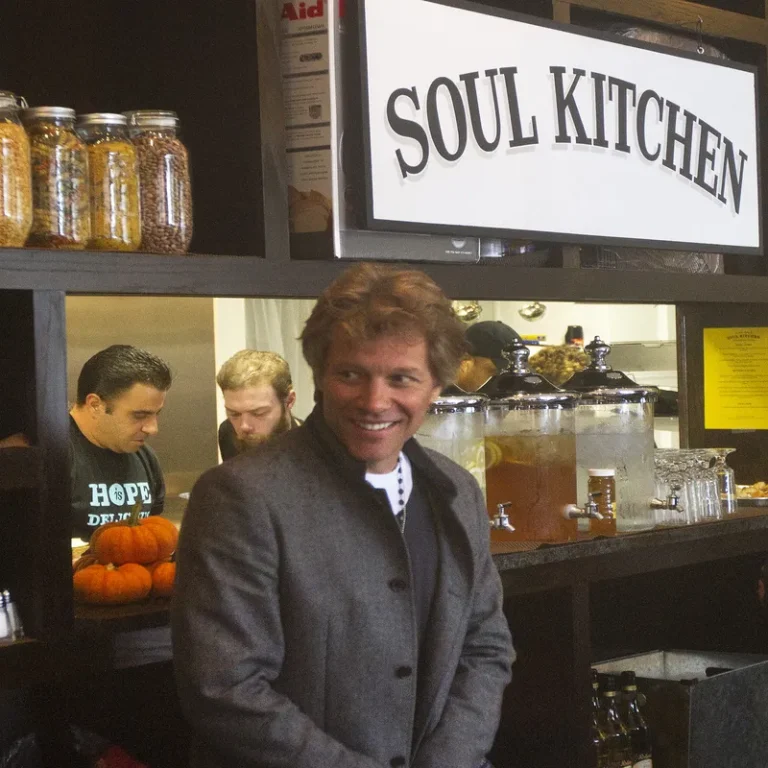
New Jersey’s restaurant landscape has long been defined by innovation, diversity, and an unwavering connection to community, but few organizations have reshaped the meaning of dining quite like the JBJ Soul Foundation. On March 31, 2026, that impact received national recognition as the foundation was named a James Beard Impact Award honoree—one of the most respected distinctions in the culinary world, reserved for those who are not only redefining food but using it as a vehicle for lasting social change. This recognition does not simply celebrate a restaurant concept; it validates a model that has fundamentally altered how communities think about access, dignity, and the role of hospitality in addressing real-world challenges.

At the center of this achievement is JBJ Soul Kitchen, a network of nonprofit community restaurants operating across New Jersey with a mission that goes far beyond traditional dining. Built on a “pay-it-forward” structure, the concept removes financial barriers while preserving the experience of a restaurant meal. Guests who are able to pay can cover their own meal or contribute toward someone else’s, while those facing food insecurity have the option to volunteer their time in exchange for a high-quality, three-course dining experience. This approach does more than provide food—it restores dignity, fosters connection, and creates a shared space where everyone participates in the same experience, regardless of circumstance.

The recognition from the James Beard Foundation reflects years of sustained impact. Since its founding in 2006 by Jon Bon Jovi and Dorothea Bongiovi, the JBJ Soul Foundation has served more than 234,000 meals across its New Jersey locations, each one prepared with the same level of care and attention found in traditional farm-to-table restaurants. But the organization’s reach extends far beyond the plate. Through its broader initiatives, the foundation has helped support nearly 1,000 units of affordable and supportive housing across 12 states, addressing the interconnected challenges of hunger, homelessness, and economic instability with a comprehensive, solutions-driven approach.

Within New Jersey’s evolving dining ecosystem, highlighted across the Explore New Jersey Restaurants section, JBJ Soul Kitchen stands apart as a model that merges culinary excellence with social purpose. It demonstrates that restaurants can serve as both economic engines and community anchors, capable of delivering high-quality food while simultaneously addressing systemic issues. This dual impact is precisely what the James Beard Impact Award is designed to recognize, placing the foundation among a select group of organizations redefining the boundaries of the industry.

Despite recent confusion surrounding the status of one of its locations, the JBJ Soul Foundation is not closing—it is evolving. The temporary pop-up at the Ocean County Library in Toms River, located at 101 Washington Street, is scheduled to serve its final meal on April 30, 2026, following a decision by the Ocean County Library Commission not to renew the lease. The space will be repurposed as an intergenerational meeting room, marking the end of a successful but temporary chapter. However, this transition does not signal a reduction in the foundation’s presence. Its permanent Toms River location at 1769 Hooper Avenue, housed within The B.E.A.T. Center, will continue to operate and serve the community, maintaining its role as a critical resource for individuals and families in need.

Beyond Toms River, JBJ Soul Kitchen’s footprint remains strong and continues to grow. Its Red Bank location and its site at Rutgers University–Newark remain active, each serving as a hub for both dining and community engagement. These locations embody the core principles of the foundation, offering not just meals but access to a network of support services that include job training, resume assistance, employment resources, and partnerships with local mental health providers. This integrated approach ensures that guests are not only nourished in the moment but also equipped with tools to improve their long-term stability.

The organization’s next phase of growth is already underway in Asbury Park, where it is preparing to move into a significantly larger space at a former Walgreens site in partnership with the Mercy Center. This expansion represents a strategic step forward, allowing the foundation to scale its impact and reach more individuals in need while continuing to innovate within its model. Asbury Park, already recognized as a cultural and culinary destination, provides an ideal setting for this next chapter, reinforcing the connection between community-driven initiatives and the broader vibrancy of New Jersey’s dining scene.

The James Beard Impact Award arrives at a moment when the role of restaurants is being reconsidered on a national scale. Increasingly, there is an expectation that food institutions will contribute to the communities they serve in meaningful ways, whether through sustainability, accessibility, or social engagement. JBJ Soul Kitchen not only meets that expectation—it sets a standard. By demonstrating that a restaurant can operate successfully without traditional pricing structures, it challenges long-held assumptions about profitability, value, and the purpose of dining itself.

The foundation’s recognition will culminate in a formal ceremony in Chicago on June 14, 2026, where Jon Bon Jovi and the JBJ Soul Foundation team will be honored among other leaders in the culinary and social impact space. For New Jersey, this moment represents more than national visibility—it is a reaffirmation of the state’s ability to lead in areas that extend beyond conventional metrics of success. It highlights a model that is not only effective but replicable, offering a blueprint for how communities across the country can address hunger and inequality through innovative, hospitality-driven solutions.

Events like the foundation’s annual Chili Cookoff fundraiser further reinforce its role as both a community builder and a cultural fixture. These gatherings bring together supporters, volunteers, and guests in a setting that celebrates the mission while generating resources to sustain and expand its work. They serve as a reminder that the success of the foundation is not solely the result of its leadership, but of a broader network of individuals who believe in its purpose and actively contribute to its growth.

As New Jersey continues to shape its identity as a destination for exceptional dining and meaningful experiences, the JBJ Soul Foundation occupies a unique and essential position within that narrative. It proves that the most impactful restaurants are not defined solely by their menus, but by their ability to create change, foster connection, and address the needs of the communities they serve.

The recognition from the James Beard Foundation is not an endpoint—it is a milestone within an ongoing journey. With continued expansion, sustained community engagement, and a model that continues to inspire, the JBJ Soul Foundation is poised to deepen its impact in the years ahead. In doing so, it reinforces a powerful idea: that in New Jersey, the future of dining is not just about what is served, but about how it serves others.

Asbury Park Spring Bazaar 2026 Returns to the Grand Arcade with Mother’s Day Weekend Celebration of Shopping, Music, Food, and Coastal Culture

As spring settles into full bloom along the Jersey Shore, one of New Jersey’s most anticipated seasonal traditions is set to return with renewed energy, expanded experiences, and a continued commitment to showcasing the state’s thriving creative community. The Asbury Park Spring Bazaar 2026 will once again transform the iconic Grand Arcade inside Convention Hall into a vibrant marketplace and cultural hub, delivering a two-day celebration that blends curated shopping, live entertainment, family-friendly activities, and elevated coastal food experiences into one of the most dynamic Mother’s Day weekend destinations in the region.

Taking place on Saturday, May 9 and Sunday, May 10 from 12:00 PM to 5:00 PM each day, the Spring Bazaar is designed to be as accessible as it is immersive. With free admission, a welcoming all-ages environment, and pet-friendly access, the event reflects a broader shift in how New Jersey approaches community-driven experiences—removing barriers and creating inclusive spaces where visitors can engage, explore, and celebrate together. This approach aligns seamlessly with the direction highlighted across the Activities & Fun section of Explore New Jersey, where experiential events are redefining how residents and visitors connect with local culture.

Set within the historic Grand Arcade, the bazaar benefits from one of the most visually striking and architecturally significant indoor spaces on the Jersey Shore. The setting itself plays a critical role in shaping the experience, offering a blend of coastal charm and historic character that enhances every aspect of the event. The open, airy layout allows for seamless movement between vendors, entertainment zones, and food offerings, creating a natural flow that encourages discovery without feeling crowded or overwhelming.

At the core of the Spring Bazaar is its carefully curated marketplace, featuring more than 30 regional makers and small businesses. This is not a generic vendor lineup—it is a thoughtfully assembled collection of artisans, designers, and creators who represent the depth and diversity of New Jersey’s independent retail scene. From handcrafted jewelry and vintage apparel to art prints, home décor, and specialty beauty products, the selection reflects both craftsmanship and originality. Each booth offers something distinct, reinforcing the event’s reputation as a destination for finding meaningful, one-of-a-kind items rather than mass-produced goods.

The timing of the event adds another layer of significance. Positioned squarely within Mother’s Day weekend, the bazaar has become a go-to destination for those seeking thoughtful, locally sourced gifts. Interactive experiences such as the Floral Bouquet Bar elevate this aspect of the event, allowing attendees to create personalized arrangements that feel both intentional and memorable. Similarly, the Permanent Jewelry Bar introduces a modern, experiential element, offering guests the opportunity to leave with a lasting keepsake that captures the moment in a tangible way.

Beyond shopping, the Spring Bazaar delivers a full-scale entertainment experience that underscores Asbury Park’s long-standing identity as a music-driven destination. Live performances and DJ sets will run throughout both days, providing a dynamic soundtrack that evolves alongside the energy of the crowd. This integration of music is not incidental—it is a defining feature that transforms the bazaar from a marketplace into a cultural event, reinforcing the connection between commerce, creativity, and community.

Family engagement remains a central focus, with dedicated activities designed to ensure that visitors of all ages find something to enjoy. A spring-themed photo wall offers a visually engaging backdrop for family and pet portraits, while face painting and interactive elements create an inviting environment for younger attendees. The result is an event that balances sophistication with accessibility, appealing equally to families, couples, and groups of friends.

The culinary component of the Spring Bazaar further elevates the experience, bringing together a selection of on-site favorites that reflect the diverse and evolving food scene within Asbury Park. Offerings from standout vendors provide a range of options, from fresh seafood and casual coastal fare to coffee and dessert selections that round out the day. This integration of food is carefully aligned with the overall atmosphere of the event, ensuring that dining feels like a natural extension of the experience rather than a separate component.

The Spring Bazaar is also part of a broader series of events that highlight the region’s growing reputation as a destination for immersive, themed experiences. In the weeks leading up to Mother’s Day weekend, organizers are presenting additional activations that expand the reach and impact of the concept. The 3rd Annual Spring Disco + Night Market introduces a nightlife-driven variation, combining late-night shopping with a music-forward atmosphere designed for a 21+ audience. Meanwhile, the New Brunswick Spring Festival & Bazaar brings a nostalgic, 90s-themed outdoor celebration to a different part of the state, demonstrating the adaptability and scalability of the format.

What ties these events together is a shared commitment to creating environments that feel both curated and organic—spaces where local businesses can thrive, where artists can connect with new audiences, and where attendees can engage with New Jersey’s cultural landscape in a meaningful way. The Asbury Park Spring Bazaar stands as the flagship expression of that vision, bringing together all of these elements in a setting that is both iconic and accessible.

As New Jersey continues to refine its identity as a destination for experiential events, the importance of gatherings like the Spring Bazaar cannot be overstated. They serve as economic engines for small businesses, cultural touchpoints for communities, and entry points for visitors looking to experience the state beyond its traditional attractions. They also reflect a broader understanding that modern audiences are seeking more than passive entertainment—they are looking for experiences that are interactive, authentic, and rooted in place.

The return of the Asbury Park Spring Bazaar in 2026 reinforces its position as a cornerstone of the state’s seasonal calendar. It is not simply an event to attend, but an experience to be part of—a celebration of creativity, community, and the unique character that defines New Jersey’s coastal culture. As Mother’s Day weekend approaches, the Grand Arcade will once again come alive with energy, color, and connection, offering a reminder of what makes Asbury Park not just a destination, but a cultural force within the region.

New Jersey Supreme Court to Weigh Newark Liability Case That Could Redefine Public Safety Obligations Across the State

A case now before the New Jersey Supreme Court is poised to reshape how municipalities across the state understand their responsibilities when it comes to public safety infrastructure, and the implications could extend far beyond a single roadway in Newark. At the center of the legal debate is a deceptively simple but legally complex question: when a warning sign is missing, and an accident occurs, how far does a city’s liability extend under New Jersey law?

The case, Wilson v. City of Newark, stems from a serious incident involving a commercial truck driver whose vehicle collided with a low-clearance railroad bridge on Avenue P. The bridge, with a clearance of 12 feet 2 inches, was significantly lower than the height of the tractor trailer being operated—13 feet 6 inches—resulting in the truck becoming lodged beneath the structure. The driver, David B. Wilson, sustained injuries including a neck condition that ultimately required surgical intervention, leading to a lawsuit against the City alleging negligence in failing to ensure that proper height warning signage was in place and visible.

What initially appears to be a straightforward negligence claim has evolved into a high-stakes legal test of the New Jersey Tort Claims Act, a statute that governs when and how public entities can be held liable for dangerous conditions on public property. Municipal immunity is a cornerstone of the Act, but it is not absolute. The law allows for liability in specific circumstances, particularly when a public entity is aware—or should reasonably be aware—of a hazardous condition and fails to act in a manner that meets a threshold known as “palpably unreasonable” conduct.

The factual timeline in Wilson v. City of Newark introduces precisely the kind of ambiguity that courts must grapple with in applying that standard. Records indicate that in February 2015, a citizen reported that a height warning sign for the bridge had been knocked down. A work order documented that the sign was reinstalled within days. However, by the time of the accident on March 26, 2015, the sign was again missing. The central legal dispute hinges on whether the City had actual or constructive notice that the sign was no longer in place and whether its response—or lack thereof—constituted a failure that rises to the level required for liability under the statute.

At the trial level, the court determined that these questions warranted consideration by a jury. The judge denied the City’s motions for summary judgment and allowed the case to proceed, ultimately resulting in a jury verdict finding the City negligent and awarding damages totaling $562,500. This outcome suggested that the evidence presented was sufficient to establish at least a reasonable inference that the City should have known about the missing sign and taken corrective action.

However, the Appellate Division took a markedly different view. In reversing the trial court’s decision, the appellate panel concluded that the plaintiff failed to meet the evidentiary burden required under the Tort Claims Act. Specifically, the court found no proof that the City created the dangerous condition, nor sufficient evidence that it had actual or constructive notice of the missing sign at the time of the accident. Without such proof, and absent evidence of palpably unreasonable conduct, the City was entitled to immunity. The appellate ruling effectively vacated the jury’s award and dismissed the claim.

The New Jersey Supreme Court’s decision to grant certification signals that the justices see broader legal significance in the issues raised. The Court will now examine not only the specific facts of the case but also the interpretation and application of key statutory provisions that govern municipal liability. Among the central questions is how the Tort Claims Act interacts with separate statutory requirements that mandate the placement of warning signage for low-clearance bridges. New Jersey law explicitly requires that bridges with less than 14 feet 6 inches of clearance be clearly marked, including signage placed at the last safe exit or detour point.

This statutory overlay introduces a critical dimension to the case. If a municipality is legally obligated to install and maintain such signage, does the failure to ensure its continued presence automatically weaken claims of immunity? Or does the burden remain on the plaintiff to demonstrate that the municipality had sufficient notice of the missing sign and failed to act in a manner that meets the high threshold of palpable unreasonableness?

Another pivotal issue before the Court involves the role of expert testimony. The question is whether plaintiffs in cases of this nature must present specialized expert analysis to establish that a municipality’s actions—or inaction—were palpably unreasonable, or whether such determinations can be made by a jury based on common understanding and the facts presented. The answer could significantly influence how future cases are litigated, potentially raising or lowering the barrier for plaintiffs seeking to hold public entities accountable.

The implications of this case extend into the broader framework of governance and infrastructure management across New Jersey. Municipalities are responsible for maintaining vast networks of roads, bridges, and signage, often under tight budgetary constraints and with competing priorities. A ruling that expands liability could prompt more aggressive inspection and maintenance protocols, increased investment in monitoring systems, and potentially higher insurance and operational costs. Conversely, a decision that reinforces municipal immunity may limit legal exposure but could also intensify scrutiny over whether existing safeguards are sufficient to protect public safety.

This legal moment arrives amid a wider landscape of policy evolution and statutory interpretation across the state, as reflected in ongoing developments within the [legislation] sector. Questions about accountability, regulatory clarity, and the balance between public responsibility and legal protection are increasingly central to how New Jersey navigates its infrastructure and governance challenges.

For residents and businesses alike, the outcome of Wilson v. City of Newark carries practical consequences. Commercial drivers rely on accurate and visible signage to navigate safely, particularly in urban environments where low-clearance structures are common. Property owners and local communities depend on municipalities to maintain infrastructure in a way that minimizes risk. The legal standards established by the Supreme Court will influence how these expectations are defined and enforced.

As oral arguments await scheduling, the case stands as a focal point for legal professionals, policymakers, and municipal leaders across the state. It encapsulates a fundamental tension within public law: how to balance the need for governmental protection against excessive litigation with the imperative to ensure accountability when preventable harm occurs.

The decision, when it arrives, will not simply resolve a dispute between a driver and a city. It will clarify the contours of municipal responsibility in New Jersey, setting a precedent that could shape litigation, infrastructure policy, and public safety practices for years to come.

High-Stakes CD-11 Showdown: Hathaway and Mejia Clash in Defining Debate as New Jersey’s Political and Economic Future Hangs in the Balance

New Jersey’s 11th Congressional District has become the focal point of one of the most consequential political contests in the state’s recent history, and the first—and likely only—head-to-head debate between Republican Joe Hathaway and Democrat Analilia Mejia delivered exactly what the moment demanded: intensity, ideological contrast, and a clear delineation of competing visions for the region’s future. Held on April 1, 2026, and unfolding against the backdrop of both Passover and Easter, the debate quickly evolved beyond traditional policy exchanges into a broader examination of values, identity, and the direction of governance in a district that sits at the intersection of suburban stability and economic disruption.

The stakes could not be higher. The April 16 special election will determine who fills the congressional seat vacated by Mikie Sherrill, now serving as New Jersey’s governor, with the winner representing parts of Essex, Morris, and Passaic counties through the remainder of the 119th Congress. But beyond the immediate outcome, this race has become a referendum on affordability, development, and the broader pressures reshaping life across New Jersey—issues that have been consistently explored throughout the [real estate] landscape as housing costs, infrastructure demands, and economic realities collide.

From the opening exchanges, the debate established a tone of sharp contrast. Hathaway, a Randolph councilman with a reputation for pragmatic conservatism, framed Mejia as aligned with what he described as “left-wing, radical” economic thinking, arguing that such policies are disconnected from the everyday realities facing suburban families. Mejia, a labor organizer with national political experience, countered by positioning Hathaway within the orbit of MAGA-aligned politics, asserting that his approach would exacerbate the very economic pressures residents are struggling to manage.

These competing narratives were not abstract—they were grounded in the lived experience of a district grappling with rising costs, limited housing access, and shifting economic expectations. Mejia repeatedly returned to the issue of affordability, emphasizing housing and healthcare as central pillars of her platform. Her argument reflects a growing sentiment across New Jersey: that the cost of living has outpaced income growth to a degree that requires structural intervention. Hathaway, by contrast, emphasized economic discipline and what he described as a “workhorse mentality,” arguing that inflation and regulatory overreach—not insufficient government action—are the primary drivers of financial strain.

The debate’s most charged moments emerged during discussions of foreign policy, particularly regarding Israel, an issue that resonates deeply within the district’s diverse population. Hathaway’s campaign has consistently centered on the assertion that Mejia’s positions reflect hostility toward Israel, a claim he reiterated forcefully during the debate. Mejia rejected that characterization, framing her stance as one rooted in accountability and humanitarian concern, including criticism of Israeli leadership and support for conditioning aid to protect civilian populations.

This exchange underscored a broader dynamic at play throughout the evening: the tendency of national and global issues to intersect with local political identity. For many voters, these debates are not isolated—they inform broader perceptions of leadership, values, and alignment with community priorities. Hathaway’s insistence on unconditional support for a longstanding ally contrasted sharply with Mejia’s call for a more conditional, policy-driven approach, illustrating the ideological divide that defines this race.

Religion and moral framing also entered the discussion, adding another layer of complexity. Hathaway pressed Mejia on comments she allegedly made regarding religious teachings, attempting to position her within a broader ideological framework. Mejia responded by referencing scriptural themes centered on social justice, including care for the poor and marginalized, while avoiding direct alignment with any specific political label. Hathaway, in turn, emphasized that support for social welfare does not necessitate adherence to socialist principles, reinforcing his broader critique of her platform.

While these exchanges captured headlines, the underlying narrative of the debate remained rooted in economic reality. Across New Jersey, the cost of housing has surged to levels that are reshaping entire communities, a trend that has become a defining issue for voters in CD-11. The district’s suburban character—once synonymous with accessibility and upward mobility—is now marked by escalating home prices, constrained inventory, and increasing barriers to entry for younger residents.

This context gives particular weight to Mejia’s focus on housing policy. Her emphasis on affordability aligns with a growing recognition that the traditional suburban model is under strain. Hathaway’s response, centered on economic growth and regulatory restraint, reflects an alternative approach that prioritizes market-driven solutions. The debate between these perspectives mirrors broader conversations unfolding across the state, where policymakers, developers, and residents are grappling with how to balance growth, affordability, and sustainability.

The path to this debate was itself marked by controversy, adding another dimension to an already charged race. A previously scheduled forum organized by the League of Women Voters was canceled following a dispute over moderator selection, with each campaign offering differing accounts of the breakdown. Hathaway publicly challenged Mejia to participate in a debate, framing the issue as one of transparency and accountability. Mejia, for her part, cited concerns over representation and fairness in the moderation process. Ultimately, both candidates agreed to participate in the April 1 event organized by the New Jersey Globe, ensuring that voters would have at least one opportunity to see them engage directly.

Even within the debate itself, procedural tensions surfaced. Hathaway expressed frustration with time management, suggesting that moderation allowed for uneven speaking opportunities. While such moments may seem minor, they reflect the heightened sensitivity surrounding every aspect of the campaign, where even format and structure become points of contention.

As the election approaches, the political landscape presents both opportunities and challenges for each candidate. Democrats hold a significant voter registration advantage in the district, with early mail-in ballot returns also favoring Mejia. For Hathaway, this reality necessitates a strategy that extends beyond traditional party lines, appealing to independent voters and moderate Democrats who may be open to his message of economic restraint and pragmatic governance. His campaign has highlighted engagement efforts in traditionally Democratic areas, signaling an attempt to broaden his coalition.

Mejia, meanwhile, enters the final stretch with momentum derived from her primary victory in a crowded field and a platform that resonates with voters concerned about affordability and social equity. Her challenge lies in translating that momentum into turnout while addressing critiques that her policies may be perceived as too progressive for certain segments of the district.

The broader significance of this race extends beyond CD-11. It serves as a microcosm of the political and economic tensions shaping New Jersey as a whole. Issues of housing, cost of living, and development are no longer peripheral—they are central to the state’s identity and future. As explored across ongoing coverage within the poltical sector, these challenges are interconnected, influencing everything from local governance to federal policy priorities.

What unfolded on April 1 was more than a debate—it was a reflection of a state in transition. The exchanges between Hathaway and Mejia captured the urgency of the moment, the depth of the divisions, and the high stakes facing voters. As April 16 approaches, the outcome will not only determine representation in Congress but will also signal how New Jersey’s voters are choosing to navigate a rapidly changing economic and political landscape.

Inside New Jersey’s Next-Generation Healthcare Experience: The Valley Health System – Montvale Campus Redefines Community Wellness, Preventive Care, and Patient-Centered Design

New Jersey’s health and wellness landscape continues to evolve with precision, accessibility, and forward-thinking design at its core, and few developments illustrate that transformation more clearly than the opening of The Valley Health System – Montvale Campus. Situated at 400 Market Street within The Shoppes at DePiero Farm, this newly launched 55,000-square-foot outpatient facility represents a strategic shift in how healthcare is delivered across Bergen County—bringing advanced medical services directly into the everyday flow of community life while elevating the patient experience to a level more commonly associated with hospitality than traditional clinical care.

Since opening its doors on October 13, 2025, the Montvale Campus has positioned itself as more than just another healthcare facility. It is a carefully designed medical hub, built with the intention of centralizing high-level specialty care, diagnostics, and wellness services in a setting that is both accessible and thoughtfully integrated into a retail and lifestyle environment. This approach reflects a broader trend seen across the Health & Wellness section of Explore New Jersey, where convenience, preventative care, and patient comfort are increasingly prioritized as essential components of modern healthcare delivery.

At the heart of the Montvale Campus is its comprehensive Musculoskeletal Center, located on the third floor and serving as a cornerstone of the facility’s current offerings. This center brings together a wide range of services that traditionally might require visits to multiple locations, streamlining care into a cohesive, coordinated experience. Advanced diagnostic imaging capabilities—including X-rays, ultrasounds, CT scans, MRIs, and specialized breast imaging—ensure that patients have access to the latest technology in a single, unified setting. This integration not only improves efficiency but also enhances the continuity of care, allowing clinicians to move seamlessly from diagnosis to treatment planning.

Outpatient rehabilitation services further extend the campus’s capabilities, offering physical, occupational, and speech and language therapy programs designed to support recovery, mobility, and long-term health outcomes. These services are complemented by a diverse array of specialty medical practices that reflect the growing demand for comprehensive, multidisciplinary care. Integrative medicine offerings such as chiropractic care, acupuncture, and therapeutic massage signal a broader shift toward holistic treatment approaches, while dedicated pain management and rheumatology services address complex, chronic conditions affecting joints, bones, and connective tissue.

The inclusion of sports medicine and podiatry underscores the facility’s commitment to serving both active individuals and those managing specialized orthopedic concerns. Whether addressing sports-related injuries or complex foot and ankle conditions, these services reinforce the campus’s role as a destination for targeted, expert care. Meanwhile, Valley LifeStart™, the campus’s Center for Weight and Wellness, reflects the increasing emphasis on personalized health strategies, offering tailored programs that support sustainable weight management and overall well-being.

What distinguishes the Montvale Campus even further is its design philosophy. Rather than replicating the sterile, impersonal environments often associated with medical facilities, Valley has created a space that prioritizes comfort, clarity, and ease of navigation. The “boutique” feel of the campus is intentional, designed to reduce anxiety and create a more welcoming atmosphere for patients and their families. From the layout to the finishes, every detail contributes to an experience that supports healing not just physically, but emotionally.

This emphasis on patient experience is particularly evident in the campus’s breast imaging services, which play a critical role in preventive healthcare for women across the region. Screening mammograms—low-dose X-rays used to detect breast cancer at its earliest stages—are a cornerstone of proactive health management and are recommended annually for women beginning at age 40. The Montvale Campus offers these services with a focus on both clinical excellence and patient comfort, ensuring that individuals receive timely, accurate results in a supportive environment.

As part of a Breast Imaging Center of Excellence designated by the American College of Radiology, Valley’s approach to mammography integrates advanced technology with compassionate care. Should a screening mammogram reveal any areas of concern, patients are seamlessly transitioned to diagnostic imaging, where more detailed and targeted images provide the clarity needed for further evaluation. This continuity of care is essential, reducing delays and ensuring that patients receive the attention and follow-up they need without unnecessary complexity.

Accessibility is another defining feature of the Montvale Campus. Located within The Shoppes at DePiero Farm, directly across from well-known retail anchors, the facility offers ample parking and a highly visible, easy-to-navigate location. This integration into a familiar commercial environment removes many of the logistical barriers that can discourage individuals from seeking care, reinforcing the idea that healthcare should be as accessible as any other essential service.

The campus is also designed with future growth in mind. Plans for the second floor, scheduled to open in summer 2026, will significantly expand the range of services available, introducing cardiology, pulmonary and sleep medicine, gastroenterology, dermatology, and ophthalmology. This expansion will further solidify the Montvale Campus as a comprehensive healthcare destination, capable of addressing a wide spectrum of medical needs within a single, cohesive environment.

Importantly, this facility does not exist in isolation. It is part of a broader network of Valley Health System locations within Montvale, including centers on North Kinderkamack Road and Chestnut Ridge Road that provide primary care, walk-in services, and specialized programs for women’s health and pediatrics. Together, these locations create a robust, interconnected system that ensures residents have access to high-quality care at every stage of life.

The introduction of online scheduling for mammograms and other services represents another step forward in patient convenience. By allowing individuals to select appointment times that fit their schedules, Valley is removing friction from the healthcare process and encouraging more consistent engagement with preventive services. This aligns with the broader movement toward digital integration in healthcare, where technology is leveraged to enhance accessibility and improve outcomes.

As New Jersey continues to lead in the development of innovative, patient-centered healthcare models, the Valley Health System – Montvale Campus stands as a clear example of what the future can look like. It is a facility that recognizes the importance of proximity, efficiency, and experience, bringing together advanced medical capabilities in a setting that feels approachable and human.

For residents of Montvale and the surrounding communities, the impact is immediate and tangible. Access to comprehensive care is no longer defined by distance or complexity, but by convenience and quality. Preventive services like mammography become easier to prioritize. Specialized treatments become more accessible. And the overall experience of seeking care becomes less daunting and more aligned with the rhythms of everyday life.

This is the direction in which New Jersey’s health and wellness ecosystem is moving—toward integration, personalization, and accessibility. The Valley Health System – Montvale Campus is not just part of that movement; it is helping to define it, setting a new standard for what community-based healthcare can and should be.

Donut Bread Pudding Takes Center Stage in New Jersey Kitchens as a Bold, Indulgent Twist on Classic Comfort Desserts

In a state where food culture is as layered and dynamic as its communities, New Jersey continues to redefine how everyday ingredients are transformed into something memorable, shareable, and distinctly local. The latest standout emerging from kitchens across the region is a dish that perfectly captures that spirit—donut bread pudding, a rich, custardy creation that turns leftover donuts into a warm, decadent experience that feels equally at home at brunch tables, holiday gatherings, and late-night dessert spreads.

What makes this dish resonate so strongly right now is not just its indulgence, but its practicality. In a time when home cooks are increasingly focused on reducing waste while elevating flavor, donut bread pudding delivers on both fronts. It takes something as simple and familiar as day-old donuts and reimagines them into a dish that feels intentional, elevated, and deeply satisfying. Across the Explore New Jersey Recipes section, this kind of transformation is becoming a defining theme—recipes that balance creativity with accessibility, allowing home cooks to achieve restaurant-quality results using ingredients they already have on hand.

At its core, donut bread pudding is about contrast and texture. The exterior develops a delicate crispness as it bakes, while the interior remains soft, rich, and custard-like. Each bite delivers a layered experience—sweet, buttery, lightly spiced, and anchored by the familiar flavor profile of classic donuts. The addition of a simple vanilla glaze elevates the dish further, introducing a smooth sweetness that ties everything together without overwhelming the base.

The preparation process reflects the growing trend of streamlined, high-impact cooking. With minimal prep time and straightforward steps, the dish is accessible to a wide range of home cooks, from seasoned bakers to those just beginning to explore more advanced techniques. The method begins with cutting stale donuts into generous pieces, allowing their structure to absorb a rich custard mixture built from eggs, heavy cream, vanilla, and cinnamon. This soaking phase is critical, ensuring that each piece is fully infused with flavor while maintaining enough integrity to create the signature texture once baked.

As the mixture transitions into the oven, the transformation becomes evident. The custard sets, the edges caramelize slightly, and the entire dish takes on a golden, inviting appearance that signals both comfort and indulgence. The result is a dessert—or brunch centerpiece—that feels far more complex than its ingredient list might suggest. It is this balance of simplicity and sophistication that continues to drive its popularity across New Jersey kitchens.

Beyond its technical appeal, donut bread pudding also taps into something more emotional. It carries a sense of nostalgia, rooted in the familiar flavors of childhood treats and weekend bakery runs, while presenting them in a format that feels new and refined. This duality is a hallmark of many of the most successful recipes emerging in the state’s culinary scene—dishes that honor tradition while pushing it forward in subtle but meaningful ways.

The versatility of the recipe further enhances its appeal. While glazed or sugar-coated donuts provide a classic foundation, variations can easily be introduced to suit different preferences and occasions. Chocolate donuts add depth and richness, while filled varieties introduce pockets of flavor that create unexpected moments within each bite. Even the custard base can be adjusted, with small substitutions allowing for different textures and flavor profiles without compromising the integrity of the dish.

Serving options also contribute to its growing presence in New Jersey’s food culture. As a brunch item, it pairs naturally with coffee, offering a sweet counterpoint to more savory dishes. As a dessert, it stands on its own, though it can be complemented with fresh fruit, whipped cream, or a light dusting of powdered sugar for added presentation. Its ability to function across multiple dining contexts makes it a valuable addition to any home cook’s repertoire.

Storage and reheating further reinforce its practicality. The dish maintains its quality over several days when properly refrigerated, and a quick reheat restores its warmth and texture, making it an ideal make-ahead option for busy households. This aligns with the broader shift toward recipes that not only taste exceptional but also integrate seamlessly into real-world schedules.

Nutritionally, donut bread pudding is undeniably indulgent, but that is part of its appeal. It is a dish designed to be enjoyed, to mark an occasion, or to elevate an otherwise ordinary moment. In a culinary landscape that often oscillates between restraint and excess, this recipe embraces its richness unapologetically, offering a reminder that food can be both comforting and celebratory.

As New Jersey continues to build its reputation as a destination for innovative, accessible cuisine, recipes like donut bread pudding play an important role in shaping that identity. They demonstrate that creativity does not require complexity, and that some of the most compelling dishes are those that start with the most familiar ingredients and reimagine them in ways that feel both surprising and inevitable.

This is more than a recipe—it is a reflection of how New Jersey cooks, thinks about food, and connects through shared experiences at the table. Donut bread pudding embodies that approach, turning something simple into something memorable, and in doing so, reinforcing the idea that great food is not just about what is on the plate, but about how it brings people together.

Donut Bread Pudding

Turn leftover donuts into a rich, custardy donut bread pudding with crisp edges and a sweet vanilla glaze for brunch or dessert.

Ingredients

  • 6-8 Donuts, glazed or sugar donuts stale ones work well
  • ½ cup melted butter salted
  • 4 Large Eggs
  • 2 Cups Heavy Cream plus one extra tablespoon for later
  • 1 Tablespoon Vanilla Extract
  • 1 Teaspoon Ground Cinnamon
  • ½ cup Powdered Sugar

Want To Save This Recipe?

Enter your email below and I’ll send the recipe straight to your inbox.Save This Recipe

We use your personal data for interest-based advertising, as outlined in our Privacy Notice.

Instructions

  • Preheat the oven to 350 degrees F and spray an 8×8 pan with cooking spray. Cut the donuts into large chunks, about 6-8 pieces per donut. Place the donut pieces into a medium mixing bowl and pour the melted butter over the top of them. Gently stir the contents of the bowl until everything is coated in the melted butter.
  • In another medium sized mixing bowl, whisk together the eggs, 2 cups of the heavy cream, vanilla and cinnamon. Pour the egg mixture over the top of the donuts and allow to sit and soak for 10 minutes.
  • Gently pour the donut mixture into the prepared pan. Bake for 45 minutes or until cooked through. It will be a little soft on the bottom but a toothpick should come through the middle clean. Allow to rest for five minutes before moving to the next step.
  • In a small bowl, thoroughly combine the powdered sugar and 1 tablespoon heavy cream. Drizzle the icing over the top of the bread pudding. Cut into portions and serve warm.

Notes

  • Store in an airtight container, in the fridge, for up to 4 days.  I do not suggest freezing. Best when served warm and the leftovers can be heated for 20 to 30 seconds in the microwave.
  • This recipe is great for leftover donuts that are stale.
  • You can use 1 tablespoon of milk in place of the heavy cream, if desired. 

Nutrition

Calories: 485kcal | Carbohydrates: 28g | Protein: 6g | Fat: 39g | Saturated Fat: 23g | Polyunsaturated Fat: 3g | Monounsaturated Fat: 11g | Trans Fat: 0.5g | Cholesterol: 180mg | Sodium: 244mg | Potassium: 125mg | Fiber: 0.4g | Sugar: 21g | Vitamin A: 1366IU | Vitamin C: 0.4mg | Calcium: 100mg | Iron: 1mg

This is a Jersey Girl Cooks Recipe!

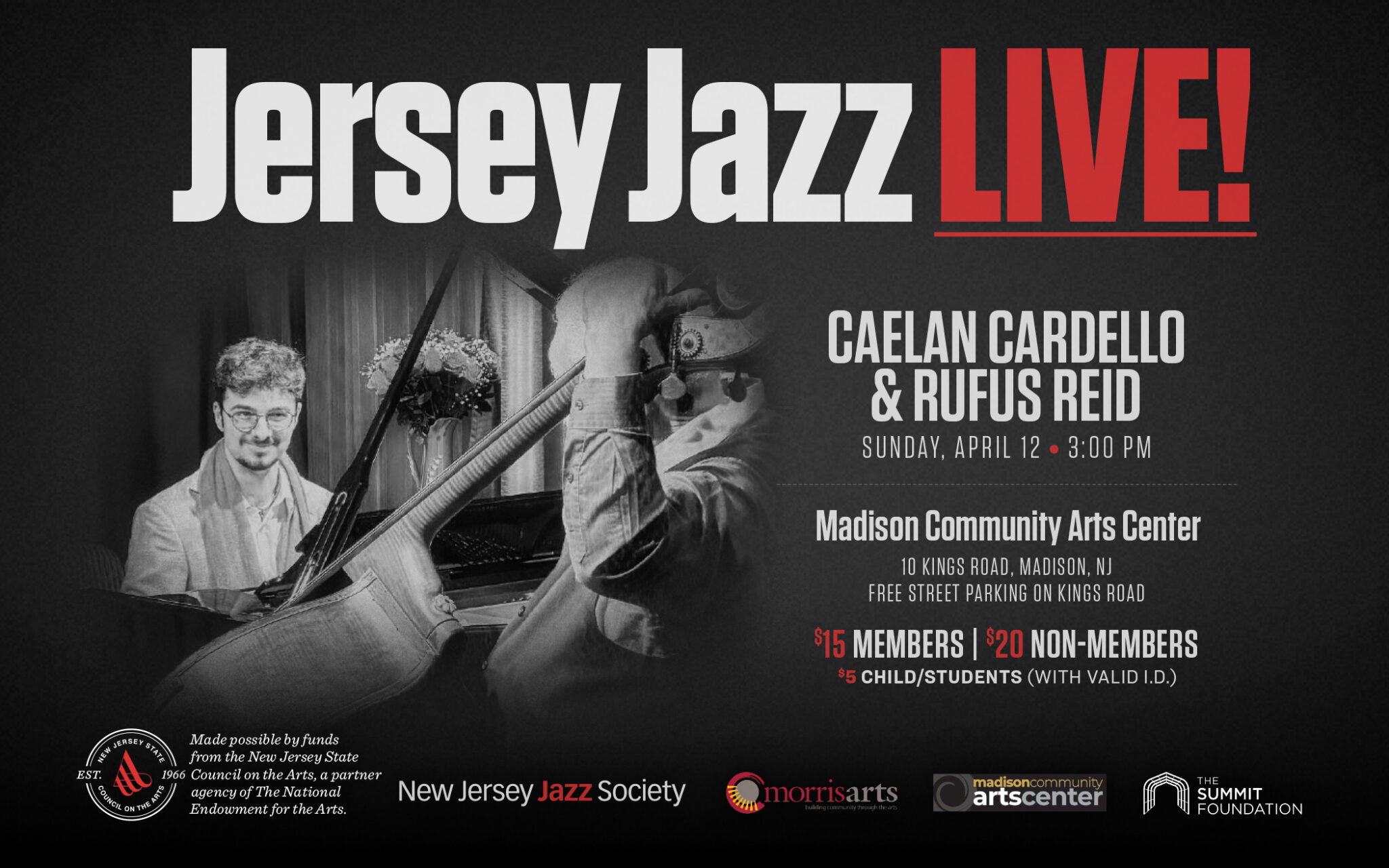
Jersey Jazz LIVE! – Caelan Cardello & Rufus Reid

0

Jersey Jazz LIVE! Brings Two Generations Together in Madison as Caelan Cardello and Rufus Reid Deliver a Rare, Must-See Performance

April 12 @ 3:00 PM 11:30 PM

New Jersey’s jazz legacy continues to evolve in real time, and on April 12, 2026, that evolution takes center stage in Madison as Jersey Jazz LIVE! presents a standout performance pairing rising piano force Caelan Cardello with legendary bassist Rufus Reid. Set for 3:00 PM at the Madison Community Arts Center, this event is more than a concert—it is a living conversation between generations, styles, and eras of jazz, unfolding in one of the state’s most intimate and musically attuned settings.

Across the Garden State, the jazz tradition is not preserved in isolation; it is actively being expanded, reshaped, and reinterpreted by artists who understand both its history and its future. Events like this exemplify the kind of programming that defines New Jersey’s position within the broader jazz landscape—where legacy and innovation are not in opposition, but in constant dialogue. That spirit is consistently reflected across the Explore New Jersey Music section, where the state’s deep-rooted musical identity continues to surface through performances that prioritize artistry, authenticity, and connection.

At the center of this upcoming performance is a pairing that captures the essence of jazz itself. Caelan Cardello represents the next wave of pianists—technically formidable, creatively fearless, and deeply informed by the tradition. His playing has been described as possessing the rare combination of command, imagination, and refined musical taste that separates exceptional players from the rest. Cardello does not simply perform compositions; he inhabits them, reshaping them in real time with a level of nuance that commands attention from the first note to the last.

Opposite him stands Rufus Reid, a name that carries undeniable weight in the jazz world. With a career spanning decades, Reid has not only performed alongside some of the most important figures in the genre but has also helped define the role of the bass in modern jazz. His approach blends technical mastery with a deep, resonant musicality that anchors and elevates any ensemble he joins. To describe Reid as a legend is not hyperbole—it is a recognition of a lifetime of contributions that continue to influence musicians across generations.

What makes this particular performance so compelling is the dynamic created when these two artists share the stage. This is not simply a meeting of experience and youth; it is a collaboration rooted in mutual respect and shared musical language. Reid himself has emphasized the joy and immediacy of performing with Cardello, noting that the energy between them creates a performance that moves with a sense of momentum and inevitability. The chemistry is not manufactured—it is organic, built through listening, responsiveness, and an intuitive understanding of where the music wants to go.

The Madison Community Arts Center provides an ideal setting for this kind of performance. Unlike larger venues where scale can sometimes dilute intimacy, this space allows for a direct connection between artist and audience. Every nuance, every subtle shift in tempo or phrasing, every moment of improvisational risk is felt in real time. For jazz, a genre that thrives on spontaneity and interaction, this environment is essential.

Timing also plays a critical role in the significance of this event. As New Jersey continues to expand its cultural footprint, there is a growing emphasis on presenting performances that are not only entertaining but also artistically meaningful. Jersey Jazz LIVE! has positioned itself as a key platform within that ecosystem, curating events that bring together established icons and emerging voices in ways that feel intentional rather than incidental. This approach ensures that audiences are not just witnessing performances—they are experiencing moments that contribute to the ongoing narrative of jazz.

The April 12 performance stands out precisely because of its rarity. Opportunities to see an artist of Rufus Reid’s stature in such an intimate setting are increasingly uncommon. Pair that with a pianist like Cardello, whose trajectory suggests a rapidly ascending career, and the result is a concert that carries both immediate and long-term significance. It is the kind of event that resonates beyond its runtime, leaving a lasting impression on those fortunate enough to be in the room.

For audiences, the message is clear: this is not a performance to approach casually. Reid’s own sentiment—encouraging attendees not to be late—speaks to the expectation that the music will unfold quickly, dynamically, and without pause. In jazz, especially at this level, every moment matters. There are no rehearsed outcomes, no guaranteed repetitions. What happens on stage exists only once, shaped by the unique interplay of musicians, acoustics, and audience energy.

New Jersey’s identity as a music destination continues to gain strength through events like this. While the state has long been associated with iconic venues and legendary performers, its current trajectory is defined by its ability to foster environments where artistry can thrive in its most authentic form. The combination of world-class talent and thoughtfully curated spaces creates a cultural landscape that is both accessible and deeply rewarding.

Jersey Jazz LIVE!’s presentation of Caelan Cardello and Rufus Reid is a reflection of that vision. It underscores the importance of preserving jazz not as a static tradition, but as a living, evolving art form. It highlights the role of collaboration in pushing the music forward. And it reinforces the idea that some of the most powerful musical experiences happen not in the largest arenas, but in the rooms where every note can be fully heard, felt, and understood.

As April 12 approaches, anticipation continues to build for what promises to be one of the most compelling jazz performances in New Jersey this season. For those who value musicianship, spontaneity, and the rare opportunity to witness greatness in an intimate setting, this event represents something essential. It is a reminder that jazz, at its core, is about connection—between artists, between generations, and between the music and those who experience it in the moment.

New Jersey Jazz Society

View Organizer Website

The Middletown Arts Center

36 Church Street, NJ
Middletown, New Jersey 07748 United States
+ Google Map
732.706.4100
View Venue Website

New Jersey’s Knack Systems Takes Center Stage at SAP Connect Dallas 2026, Showcasing the Future of B2B Digital Transformation and AI-Driven Customer Experience

New Jersey’s technology sector continues to assert its influence on the national and global stage, and few companies embody that momentum more clearly than Knack Systems. Headquartered at 10 Woodbridge Center Drive in Woodbridge, the firm has steadily evolved from a regional consulting operation into a globally recognized SAP partner, delivering enterprise-grade digital transformation solutions for nearly three decades. As Knack Systems prepares to step into the spotlight as a Gold Sponsor at SAP Connect Dallas 2026 on April 7, the company’s trajectory reflects both the strength of New Jersey’s innovation economy and the accelerating demand for intelligent, integrated business platforms.

Founded in 1998, Knack Systems has built its reputation at the intersection of SAP Customer Experience (CX), enterprise commerce, and advanced IT services. What distinguishes the firm in a crowded marketplace is its ability to unify complex systems—commerce, sales, service, and analytics—into cohesive ecosystems that deliver measurable business outcomes. In an era where fragmented digital infrastructures can undermine growth, Knack’s approach is rooted in architectural precision and long-term scalability, ensuring that organizations are not simply adopting technology but transforming how they operate.

At SAP Connect Dallas 2026, Knack Systems is expected to present a comprehensive vision for what it describes as a “better B2B” model—one that redefines how enterprises engage with customers across every touchpoint. This includes the integration of SAP Commerce for seamless digital storefronts, SAP Sales Cloud for intelligent pipeline management, SAP CPQ (Configure, Price, Quote) for real-time deal structuring, and SAP Service Cloud for post-sale engagement. Underpinning this ecosystem is SAP Business Technology Platform (BTP), which enables data harmonization, application development, and advanced analytics, alongside the strategic deployment of artificial intelligence to automate and optimize decision-making processes.

The significance of this presentation extends beyond product demonstrations. It signals a broader shift in enterprise technology, where customer experience is no longer a discrete function but a fully integrated operational strategy. Businesses are increasingly expected to deliver real-time personalization, predictive insights, and frictionless transactions, all while maintaining operational efficiency. Knack Systems’ framework addresses these demands by aligning front-end customer interactions with back-end data intelligence, creating a unified digital backbone that supports growth at scale.

New Jersey’s role in this evolution is not incidental. The state has become a critical hub for technology and consulting talent, benefiting from its proximity to major financial centers, a deep talent pool, and a strong infrastructure for enterprise services. Knack Systems’ leadership reflects this regional strength, with CEO Rajiv Sharma based in Edison and COO Sandeep Arora operating out of Hightstown. Their presence underscores a broader trend: high-level executive leadership choosing to anchor operations in New Jersey while driving global impact.

The company’s expansion strategy further reinforces its commitment to the region. The 2019 acquisition of Bridge-X Technologies, another New Jersey-based firm, was not merely a growth move but a consolidation of local expertise aimed at enhancing delivery capabilities. By integrating complementary skill sets and expanding its service portfolio, Knack Systems positioned itself to meet the increasingly complex demands of enterprise clients navigating digital transformation.

Beyond corporate growth, Knack Systems has maintained an active presence within New Jersey’s professional and business communities. Its hosting of industry networking events, including a high-profile SAP-focused gathering at TPC Jasna Polana in Princeton in September 2025, reflects a deliberate effort to cultivate relationships, share knowledge, and elevate the regional tech ecosystem. These events serve as more than networking opportunities—they function as platforms for thought leadership, where emerging trends in enterprise technology are explored and contextualized for business leaders.

As of April 2026, Knack Systems employs a global team of over 400 professionals, a figure that underscores both its operational scale and its capacity to deliver across diverse markets. This workforce is not only a reflection of the company’s growth but also a testament to the demand for specialized expertise in SAP-driven transformation. In a competitive landscape where enterprises are racing to modernize, the ability to deploy experienced, multidisciplinary teams has become a defining advantage.

The company’s participation in SAP Connect Dallas 2026 comes at a time when artificial intelligence is reshaping the enterprise technology conversation. AI is no longer an experimental add-on; it is becoming embedded within core business processes, from predictive sales analytics to automated customer service workflows. Knack Systems’ emphasis on AI within its B2B framework highlights a strategic understanding of where the market is heading—toward systems that are not only integrated but also intelligent, capable of learning and adapting in real time.

This alignment with emerging technology trends is consistent with broader developments covered within the [technology & tech] category, where innovation is increasingly defined by convergence. The boundaries between commerce, data, and customer experience are dissolving, replaced by unified platforms that deliver end-to-end visibility and control. Companies that can navigate this convergence effectively are positioned to lead, and Knack Systems’ current trajectory suggests it is firmly within that category.

For New Jersey, the implications are substantial. The presence of firms like Knack Systems reinforces the state’s position as a center for enterprise technology innovation, attracting talent, investment, and strategic partnerships. It also highlights the role of local companies in shaping global conversations around digital transformation, proving that leadership in this space is not confined to traditional tech hubs.

As SAP Connect Dallas 2026 approaches, Knack Systems is poised to demonstrate not only its technical capabilities but also its vision for the future of enterprise engagement. The company’s “better B2B” model represents more than a collection of tools—it is a blueprint for how businesses can operate in a connected, data-driven world. For organizations seeking to modernize, scale, and compete at the highest level, the message is clear: the future belongs to those who can integrate, innovate, and execute with precision.

In that regard, Knack Systems is not simply participating in the conversation—it is helping to define it, with New Jersey at the center of that narrative.

Why an Autism-Friendly New Jersey Must Be a Year-Round Commitment as The Phoenix Center Celebrates 35 Years of Impact with Landmark Gala and Statewide Momentum

Across New Jersey, something fundamental is shifting in how communities, institutions, and industries approach autism and neurodiversity. What was once confined to isolated programs or awareness campaigns is now becoming embedded into everyday life—visible in quieter movie screenings, more accommodating medical environments, and workplaces beginning to recognize the value of neurodiverse talent. But as progress becomes more visible, so does a more urgent question: is New Jersey building a system of true inclusion, or simply creating moments of accommodation? The answer will define whether the state’s efforts evolve into a sustained, year-round commitment or remain tied to periodic recognition.

The growing presence of autism-friendly initiatives across the state is not accidental. It is the result of sustained advocacy, institutional leadership, and community pressure that has steadily pushed New Jersey toward becoming one of the most forward-thinking states in the country on neurodiversity. The ripple effects are now tangible. Families are finding more welcoming public spaces. Students are seeing expanded pathways in education and workforce development. Healthcare providers are beginning to rethink patient experience through a more inclusive lens. These developments align directly with the broader direction of initiatives featured within the Health & Wellness section of Explore New Jersey, where the definition of wellness continues to expand beyond physical health to include accessibility, mental well-being, and community integration.

Yet the reality remains that much of this progress is still tied to awareness cycles—April’s Autism Acceptance Month serving as the most prominent example. While these moments are critical for visibility, they can inadvertently create a pattern where inclusion becomes seasonal rather than structural. For New Jersey to truly lead, the focus must shift from awareness to permanence, from campaigns to infrastructure, and from symbolic gestures to measurable outcomes that exist every day of the year.

That larger conversation is taking on renewed urgency as The Phoenix Center, a Nutley-based institution that has long stood at the forefront of autism education and advocacy, prepares to mark its 35th Anniversary with a major milestone event. The upcoming Triple Crown Gala on May 2, 2026, is more than a celebration—it is a reflection of decades of work that have helped shape New Jersey’s evolving approach to autism support and inclusion. It is also a powerful reminder that the systems now gaining visibility were built through sustained commitment over time, not short-term attention.

Set to take place at Macaluso’s in Hawthorne, the gala represents one of the most significant fundraising and awareness events in the organization’s history. Designed with a festive derby-inspired theme, the evening will bring together educators, advocates, families, and community leaders for a program that blends celebration with purpose. A full evening of programming, including a formal dinner and live auction, will highlight both the legacy of The Phoenix Center and the future it continues to build for students with autism and multiple disabilities.

At the center of this milestone event is a recognition of the partnerships that make sustained progress possible. Nutley Kia’s role as Title Sponsor is particularly notable, reflecting a growing trend of private-sector engagement in autism advocacy and inclusive initiatives. This type of corporate involvement signals a critical evolution—one where businesses are no longer peripheral supporters but active participants in driving change. It underscores a broader truth: building an autism-friendly state requires alignment across education, healthcare, business, and community sectors.

The significance of the gala extends beyond fundraising. Occurring once every five years, it serves as a vital mechanism for securing resources that fall outside traditional funding structures. These funds directly support advanced educational tools, therapeutic programming, and vocational training opportunities that are essential for preparing students for independence and long-term success. In a landscape where public funding often struggles to keep pace with evolving needs, events like this are instrumental in closing the gap and ensuring that innovation continues.

Equally important is the recognition of individuals whose contributions have helped sustain and expand the mission of The Phoenix Center. Honorees Anne and Jim Russomano represent the kind of long-term advocacy that has been critical in driving systemic change, while board member and alumni parent Jeff Hecker embodies the powerful connection between families and institutional leadership. The inclusion of a surprise honoree—representing a dedicated staff member—reinforces another essential truth: meaningful progress in autism support is built on the day-to-day commitment of educators and professionals who work directly with students.

As New Jersey continues to evolve, the role of institutions like The Phoenix Center becomes even more significant. They are not only service providers but also innovation hubs, shaping best practices that can be replicated across the state and beyond. Their work highlights the importance of continuity—of building systems that support individuals with autism at every stage of life, from early education through adulthood.

This is where the conversation around year-round commitment becomes critical. True inclusion is not defined by isolated improvements but by consistency. It is reflected in whether a sensory-friendly movie screening is an occasional offering or a standard option. It is measured by whether workplaces actively recruit neurodiverse employees or simply express support in principle. It is determined by whether healthcare environments are designed with accessibility in mind from the outset, rather than retrofitted in response to demand.

New Jersey is at a pivotal moment. The foundation has been laid, the momentum is building, and the examples of success are becoming harder to ignore. But sustaining that progress will require a deliberate shift in mindset—one that treats autism inclusion not as a specialized initiative but as a fundamental component of how systems are designed and operated.

Events like the Phoenix Center’s 35th Anniversary Gala serve as both celebration and catalyst. They honor the work that has brought New Jersey to this point while reinforcing the urgency of what comes next. They remind stakeholders that progress is not self-sustaining—it requires continued investment, collaboration, and accountability.

For families across the state, the stakes are deeply personal. For educators and healthcare providers, the responsibility is ongoing. For businesses, the opportunity is significant. And for New Jersey as a whole, the path forward is clear: inclusion must be embedded into the fabric of everyday life, not reserved for moments of recognition.

As the state continues to position itself as a leader in health, wellness, and community innovation, the commitment to autism-friendly practices will be a defining measure of its success. The progress already achieved proves what is possible. The challenge now is ensuring that it does not fade with the calendar, but instead becomes a permanent, defining characteristic of New Jersey’s identity.

Popcorn for the People Returns to Warren Hills for Autism Acceptance Month, Bringing a Powerful Message on Neurodiverse Employment to New Jersey

New Jersey continues to distinguish itself as a leader in inclusive innovation and community-driven progress, and this April, that commitment takes center stage once again as Popcorn for the People returns to Warren Hills High School for a meaningful Autism Acceptance Month event on April 16. Set against the backdrop of a state that has steadily expanded its footprint in health, wellness, and community empowerment, this event is far more than a speaking engagement—it is a reflection of a broader movement reshaping how businesses, educators, and communities approach neurodiversity in the workforce.

Popcorn for the People has emerged as one of the most compelling and effective models of inclusive employment in the country. Built with a mission to create sustainable jobs for individuals on the autism spectrum, the organization has redefined what workforce inclusion can look like when it is intentional, structured, and scalable. Their return to Warren Hills signals both continued demand for these conversations and the growing recognition that neurodiverse talent is not an exception to be accommodated, but a competitive advantage to be embraced.

At Warren Hills High School, students, educators, families, and community members will have the opportunity to engage directly with leaders who are actively reshaping employment pathways for individuals with autism. The event aligns with the broader goals of Autism Acceptance Month—moving beyond awareness into action, advocacy, and systemic change. Rather than simply highlighting challenges, the focus shifts to solutions, outcomes, and real-world success stories that demonstrate what is possible when barriers are removed and opportunities are designed with inclusion at their core.

Across New Jersey, the conversation around health and wellness has expanded well beyond traditional definitions. Increasingly, it includes mental health, community belonging, and equitable access to meaningful employment. Through platforms like the Health & Wellness section of Explore New Jersey, there has been a growing emphasis on initiatives that bridge the gap between personal well-being and societal impact. Events like this one at Warren Hills sit directly at that intersection, where education, workforce development, and community health converge.

What sets Popcorn for the People apart is not just its mission, but its execution. The organization has built a fully operational business model that integrates individuals on the autism spectrum into every aspect of production, logistics, and customer engagement. This is not a symbolic effort—it is a functioning enterprise that demonstrates how inclusive hiring can be both socially impactful and economically viable. By focusing on strengths such as attention to detail, consistency, and dedication, the organization challenges outdated narratives and replaces them with measurable success.

For students in attendance, the event offers a rare and valuable lens into the future of work. As industries evolve and employers seek diverse perspectives and skill sets, neurodiversity is increasingly recognized as an asset that drives innovation. Exposure to this mindset at the high school level is critical, equipping the next generation with a more inclusive and forward-thinking understanding of workforce dynamics. It also reinforces the idea that career pathways should be accessible to all individuals, regardless of neurological differences.

Educators and administrators will also find this event particularly relevant as schools across New Jersey continue to refine their approaches to special education and transition planning. The bridge between education and employment remains one of the most important—and often most challenging—phases for individuals on the autism spectrum. By highlighting successful employment models, Popcorn for the People provides a tangible blueprint that schools can look to when developing programs that prepare students for life beyond graduation.

For families, the impact is deeply personal. Access to meaningful employment opportunities can dramatically improve quality of life, independence, and long-term stability for individuals with autism. Events like this provide not only information, but also hope—showing that there are organizations actively working to create pathways where none previously existed. It reinforces the idea that inclusion is not a distant goal, but a present reality that is gaining momentum.

The return of Popcorn for the People to Warren Hills also reflects a broader trend across New Jersey, where community-based events are increasingly focused on actionable outcomes rather than passive awareness. This aligns with the state’s growing reputation as a hub for progressive health and wellness initiatives that prioritize both individual empowerment and collective advancement. From local programming to statewide efforts, there is a clear shift toward building systems that are more inclusive, responsive, and sustainable.

Autism Acceptance Month serves as an important reminder that awareness alone is not enough. True progress requires engagement, education, and a willingness to rethink traditional structures. By bringing this conversation directly into a school setting, the April 16 event ensures that these ideas are not confined to boardrooms or policy discussions, but are instead accessible to the communities that stand to benefit the most.

As New Jersey continues to lead in areas of innovation, education, and community development, events like this underscore the importance of inclusive thinking as a driver of long-term success. Popcorn for the People is not just participating in that conversation—it is helping to define it. Their work demonstrates that when inclusion is approached with intention and backed by real-world execution, it has the power to transform not only individual lives, but entire communities.

This upcoming event at Warren Hills High School is more than a date on the calendar. It is a continuation of a movement that is gaining traction across the state and beyond—one that recognizes the value of every individual and the potential that exists when opportunities are designed to include, rather than exclude. For New Jersey, it is another step forward in building a future where health, wellness, and economic opportunity are truly accessible to all.

ZD Stucco Repair Revitalizes a 1910 Fort Lee Home, Delivering a Precision Restoration That Safeguards New Jersey’s Architectural Legacy

In Fort Lee, where early 20th-century homes still define entire neighborhoods with their craftsmanship and character, the preservation of historic structures is more than cosmetic—it is structural, cultural, and economic. A recently completed restoration by ZD Stucco Repair underscores that reality, as the New Jersey-based exterior specialist finalized a comprehensive stucco rehabilitation and protective coating project on a home originally constructed in 1910. The result is not simply a refreshed façade, but a fortified building envelope designed to endure the region’s increasingly volatile climate while maintaining the integrity of a century-old design.

The project reflects a growing demand across North Jersey for high-performance exterior restoration that respects original construction methods while integrating modern protective systems. In Fort Lee—where proximity to the Hudson River introduces persistent moisture exposure, seasonal freeze-thaw cycles, and urban environmental stressors—stucco failure is not uncommon in older homes. Hairline cracking, water intrusion, delamination, and substrate deterioration can quietly escalate into structural risks if not addressed with precision.

ZD Stucco Repair approached the 1910 home with a methodology that mirrors best practices in advanced façade restoration. Rather than applying superficial patchwork, the team conducted a full-scale evaluation of the exterior system, identifying compromised sections, assessing adhesion integrity, and mapping moisture infiltration points. This diagnostic-first approach is increasingly recognized as essential in older homes, where layers of prior repairs can mask deeper vulnerabilities.

Once the assessment phase was completed, the restoration process moved into careful removal of deteriorated stucco sections, followed by substrate stabilization and reinforcement. This stage is critical in homes of this era, where original materials may have shifted over decades. By rebuilding the base layers with compatible materials and modern bonding agents, ZD Stucco Repair ensured that the new system would not only adhere properly but also move with the structure over time—reducing the likelihood of future cracking.

The application of a high-performance protective coating system marked the final phase of the project, transforming the home’s exterior into a resilient barrier against environmental stress. Unlike traditional finishes, modern coatings used in advanced stucco restoration provide enhanced water resistance, vapor permeability, and UV stability. This balance is essential: while the exterior must repel water intrusion, it must also allow trapped moisture within the wall assembly to escape, preventing internal damage.

Across New Jersey, projects like this are becoming increasingly significant as property owners confront the realities of aging housing stock. Homes built in the early 1900s were not designed for the environmental conditions they now face—nor for the maintenance cycles required in today’s real estate market. Restoration, when executed at this level, becomes a strategic investment rather than a reactive repair. It preserves property value, extends structural lifespan, and reduces long-term maintenance costs.

The broader construction and renovation landscape throughout the state continues to reflect this shift toward restoration-driven investment. As highlighted in ongoing coverage within the [Explore New Jersey construction] category, there is a measurable increase in demand for specialized trades capable of delivering both aesthetic and structural upgrades. Homeowners, developers, and preservation advocates are aligning around a shared priority: maintaining the architectural identity of New Jersey communities while bringing buildings up to modern performance standards.

Fort Lee, in particular, represents a unique intersection of historic preservation and high-density development pressure. As new construction rises alongside legacy homes, the contrast between old and new places additional emphasis on maintaining the visual and structural integrity of historic properties. Restoration projects like this one demonstrate that preservation does not require compromise—it can coexist with modernization when executed with technical expertise and attention to detail.

ZD Stucco Repair’s work on the 1910 home stands as a case study in how targeted exterior restoration can deliver long-term protection without erasing historical character. The home retains its original visual identity while benefiting from a fully modernized exterior system engineered for durability. This dual outcome is increasingly the benchmark for high-quality restoration projects across the region.

For homeowners throughout New Jersey, the implications are clear. Exterior systems are not static—they are dynamic components that require periodic evaluation and, when necessary, comprehensive renewal. Waiting for visible damage often means underlying issues have already progressed. Proactive restoration, particularly with advanced materials and techniques, offers a pathway to preserving both the aesthetic and structural value of older homes.

As the state continues to balance growth with preservation, projects like this reinforce a critical message: the future of New Jersey’s built environment depends as much on how we restore the past as it does on how we build the new.

Governor Mikie Sherrill Unveils Strategic Economic Vision at ReNew Jersey Business Summit, Positioning State for a New Era of Growth and Competitiveness

New Jersey’s economic future took center stage as Governor Mikie Sherrill delivered a defining address at the 2026 NJ Chamber ReNew Jersey Business Summit, outlining a comprehensive and forward-looking strategy designed to strengthen the state’s business climate, accelerate economic expansion, and redefine the relationship between government and the private sector. Speaking before a cross-section of business leaders, policymakers, and industry stakeholders, Sherrill framed her agenda with clarity and urgency, emphasizing that New Jersey’s next phase of growth will depend on efficiency, predictability, and a renewed commitment to partnership.

At the core of the governor’s message was a fundamental recalibration of how government interacts with business. Rather than functioning as a barrier or bureaucratic hurdle, Sherrill articulated a vision in which state government becomes a consistent, responsive, and performance-driven partner—one capable of supporting innovation, reducing friction, and enabling companies to scale with confidence. The emphasis on operational efficiency reflects a broader recognition that in today’s competitive economic environment, states are not only competing on incentives or geography, but on how seamlessly businesses can navigate regulatory and administrative processes.

Sherrill’s remarks come at a pivotal moment for New Jersey, as the state continues to balance its historical strengths—strategic location, a highly educated workforce, and proximity to major markets—with ongoing challenges tied to cost structures, regulatory complexity, and interstate competition. By addressing these dynamics directly, the governor positioned her administration’s economic agenda as both pragmatic and reform-oriented, signaling a willingness to modernize systems that have long been cited as obstacles to growth.

Central to the governor’s plan is a commitment to streamlining regulatory pathways and reducing delays that can hinder business development. In industries ranging from manufacturing and logistics to technology and life sciences, time-to-market has become a critical factor in determining success. Sherrill emphasized that improving permitting timelines, enhancing interagency coordination, and adopting digital-first processes will be key components of making New Jersey a more attractive destination for both established companies and emerging ventures. This focus aligns with broader themes explored across the Sunset Daily politics coverage, where the intersection of policy and economic competitiveness continues to shape the state’s trajectory.

Beyond regulatory reform, the governor highlighted workforce development as a cornerstone of sustained economic growth. Recognizing that talent is one of New Jersey’s most valuable assets, Sherrill outlined initiatives aimed at strengthening education-to-employment pipelines, expanding training programs, and aligning workforce skills with the evolving needs of high-growth industries. This approach reflects a strategic understanding that economic expansion is not solely about attracting businesses, but about ensuring that those businesses have access to a skilled and adaptable workforce capable of driving innovation and productivity.

Infrastructure investment also emerged as a critical pillar of the governor’s agenda. With New Jersey serving as a key hub within the broader Northeast corridor, maintaining and modernizing transportation networks, utilities, and digital infrastructure is essential to supporting both commerce and quality of life. Sherrill’s remarks underscored the importance of leveraging both public and private resources to advance projects that enhance connectivity, reduce bottlenecks, and position the state as a leader in next-generation infrastructure development.

Equally significant was the governor’s focus on fostering a business environment defined by predictability and trust. For many companies, long-term planning hinges on the ability to operate within a stable and transparent regulatory framework. Sherrill acknowledged this reality, emphasizing that consistency in policy and clear communication from government agencies are essential to building confidence among investors and entrepreneurs. By prioritizing these elements, her administration aims to create conditions in which businesses can make strategic decisions with greater certainty, ultimately contributing to sustained economic momentum.

The governor also addressed the importance of supporting small and mid-sized businesses, which remain the backbone of New Jersey’s economy. While large-scale corporate investments often dominate headlines, it is the network of smaller enterprises that drives job creation, innovation, and community development across the state. Sherrill’s agenda includes targeted efforts to expand access to capital, reduce administrative burdens, and provide resources that enable these businesses to grow and compete effectively in an increasingly complex marketplace.

In framing her vision, Sherrill positioned New Jersey not as a state content with incremental progress, but as one prepared to actively compete on a national and global stage. This perspective reflects an understanding that economic leadership requires both ambition and execution, particularly in an era where states are vying for investment in sectors such as clean energy, advanced manufacturing, and technology. By aligning policy initiatives with these high-growth areas, the governor is seeking to ensure that New Jersey remains at the forefront of economic innovation.

The ReNew Jersey Business Summit itself served as a fitting platform for this announcement, bringing together stakeholders who are directly invested in the state’s economic future. The event has increasingly become a focal point for dialogue between government and industry, offering a space where ideas can be exchanged and priorities aligned. Sherrill’s address leveraged this setting to not only present her agenda, but to invite collaboration, reinforcing the notion that economic success is a shared responsibility.

Underlying the governor’s message was a broader theme of accountability. By committing to measurable improvements in efficiency and responsiveness, her administration is effectively setting a benchmark against which progress will be evaluated. This approach signals a shift toward a more results-oriented model of governance, one that prioritizes outcomes over process and seeks to deliver tangible benefits for businesses and residents alike.

As New Jersey moves forward, the impact of this agenda will be closely watched by both local stakeholders and national observers. The state’s ability to translate vision into action will determine whether it can fully capitalize on its inherent advantages while addressing longstanding challenges. For business leaders, the governor’s remarks offer a clear indication that the state is actively working to enhance its competitiveness and create an environment conducive to growth.

The address at the ReNew Jersey Business Summit represents more than a policy outline—it marks a strategic inflection point in how New Jersey approaches economic development. By emphasizing efficiency, partnership, and forward-thinking investment, Governor Mikie Sherrill has laid out a roadmap that seeks to position the state as a leader in the next generation of economic growth, setting the stage for a more dynamic and resilient business environment in the years ahead.

Mahwah Entrepreneur Sean Xu Earns Statewide Recognition as SBA Celebrates New Jersey’s Small Business Power During National Small Business Week 2026

New Jersey’s entrepreneurial engine is taking center stage once again as the U.S. Small Business Administration’s New Jersey District Office names Mahwah-based business leader Sean Xu as the state’s local honoree for National Small Business Week 2026, a distinction that places him among the most impactful and forward-driving small business operators in the Garden State. The announcement, made out of the SBA’s Newark office, underscores both Xu’s individual achievement and the broader economic force of small businesses that continue to define New Jersey’s growth trajectory in an increasingly competitive national landscape.

Xu, founder and president of Tri-State Civil Construction, has built a company that reflects the evolving sophistication of New Jersey’s infrastructure and engineering sector. Operating out of Mahwah, his firm has carved out a specialized niche in deep foundation solutions, construction dewatering, groundwater treatment, and geotechnical services—disciplines that are not only technically demanding but critical to the success of large-scale public and private construction projects. In an industry where precision, reliability, and engineering expertise are paramount, Tri-State’s rise signals a new generation of small business leadership that is both highly technical and strategically scalable.

The SBA’s recognition of Xu is not simply a nod to business growth; it is a reflection of sustained operational excellence and the ability to leverage resources effectively. Through collaboration with an SBA-backed lending partner, Xu has expanded Tri-State Civil Construction’s capabilities, positioning the firm to compete on projects that demand both advanced engineering solutions and disciplined execution. The company’s leadership team, bringing together more than five decades of combined industry experience, has further strengthened its ability to deliver at a high level across complex infrastructure environments.

This recognition arrives at a moment when small businesses are playing an increasingly central role in shaping New Jersey’s economic identity. With more than 1.1 million small businesses operating across the state—representing nearly the entirety of its business ecosystem—these enterprises are responsible for employing approximately 1.9 million residents and driving a significant portion of job creation. In sectors ranging from professional services to logistics and real estate, small businesses are not only sustaining local economies but also fueling innovation and long-term development.

National Small Business Week, scheduled for May 3 through May 9, serves as the formal backdrop for this recognition, but its significance extends far beyond a single week of celebration. Since its establishment in 1963, the initiative has evolved into a national platform that highlights the foundational role of small businesses in the American economy. Today, with 36 million small businesses nationwide accounting for 99% of all companies and generating two out of every three new jobs, the event has taken on renewed importance as policymakers and industry leaders alike focus on sustaining growth in a rapidly changing economic environment.

Sean Xu’s selection as New Jersey’s honoree places him within this national narrative, connecting his work in Mahwah to a broader movement that spans every state and territory. While national award recipients will be recognized in Washington, D.C., Xu’s distinction at the state level reinforces the depth of talent and innovation emerging from New Jersey’s business community. It also highlights the critical intersection between local entrepreneurship and large-scale infrastructure development, where firms like Tri-State Civil Construction are delivering solutions that directly impact transportation, urban planning, and environmental management.

Among the projects currently associated with Tri-State’s portfolio are major infrastructure initiatives that illustrate the company’s expanding reach and technical capability. Work tied to the capacity expansion of the Van Wyck Expressway corridor, a key artery connecting to JFK Airport, reflects the firm’s involvement in projects of regional and national significance. Similarly, its role in the replacement of the Fairlawn Avenue Bridge in Fair Lawn underscores its contribution to improving transportation infrastructure within New Jersey itself. These projects are not only engineering milestones—they are economic drivers that support commerce, mobility, and long-term regional growth.

The SBA’s recognition also aligns with broader federal and state efforts to elevate small business participation in major infrastructure and development initiatives. By spotlighting companies like Tri-State Civil Construction, the agency is reinforcing the message that small businesses are not peripheral players, but essential contributors to projects that shape communities and economies. This perspective is increasingly reflected across the business landscape, including in ongoing coverage featured within the Sunset Daily business section, where the focus continues to highlight how local enterprises are scaling impact while maintaining operational agility.

SBA New Jersey District Director John Blackstock emphasized Xu’s embodiment of what it means to succeed as a small business in the state, pointing to both the company’s growth trajectory and its disciplined management structure. That combination—technical expertise paired with strategic leadership—is becoming a defining characteristic of New Jersey’s most successful small businesses, particularly in sectors that require both innovation and execution at scale.

At the national level, SBA Administrator Kelly Loeffler has framed this year’s Small Business Week within the broader context of America’s 250th anniversary, emphasizing a forward-looking agenda centered on growth, opportunity, and entrepreneurial strength. For New Jersey, that vision is already taking shape through businesses like Tri-State Civil Construction, where local leadership is translating into statewide and regional impact.

The weeklong celebration will also include a series of events hosted by the SBA’s New Jersey District Office, designed to connect entrepreneurs with resources, training, and opportunities for expansion. These initiatives are intended to reinforce the infrastructure that supports small business success, ensuring that emerging companies have access to the tools and guidance necessary to navigate an increasingly complex economic environment.

Within this framework, Sean Xu’s recognition stands as both an individual achievement and a broader signal of what is possible within New Jersey’s business ecosystem. It reflects a model of growth that is grounded in expertise, supported by strategic partnerships, and aligned with the evolving demands of modern infrastructure and development. As National Small Business Week approaches, his story serves as a powerful example of how local entrepreneurship can scale into meaningful, lasting impact—both within the state and across the broader national landscape.

New Jersey Devils Face Defining Stretch as Playoff Pressure Mounts, Rivalry Sparks, and Organizational Questions Loom

The New Jersey Devils are entering a critical phase of the 2025–26 NHL season, and the margin for error has effectively disappeared. Following a 4–1 loss to the New York Rangers on March 31, the Devils now sit at 38–34–2, positioned seventh in the Metropolitan Division and currently outside the Eastern Conference playoff picture. With fewer than ten games remaining, every shift, every decision, and every result is now amplified—not just for postseason hopes, but for the broader trajectory of the franchise.

What unfolded at Madison Square Garden was more than just another loss in the standings. It was a game that encapsulated the emotional volatility, urgency, and unresolved identity of this Devils team. The rivalry between New Jersey and New York has always carried weight, but this latest chapter delivered one of the most unforgettable moments in modern NHL history: a full-fledged goalie fight between Jacob Markstrom and Igor Shesterkin. In an era where such altercations are virtually extinct, the clash marked the league’s first goaltender fight since 1995, instantly becoming a defining image of the Devils’ current state—intense, combustible, and searching for control.

The spark came after a controversial interference sequence involving Shesterkin, which escalated tensions to a breaking point. Markstrom’s decision to engage was not just about defending territory; it was emblematic of a team pushing back against adversity, frustration, and the weight of expectation. Yet beyond the spectacle, the scoreboard told the harsher truth. The Devils managed just one goal, a power-play finish from Connor Brown—his 16th of the season—while the Rangers executed with greater precision and composure.

That duality has defined New Jersey’s campaign. There are flashes of resilience, moments of high-end skill, and evidence of a roster capable of competing with anyone. But consistency has remained elusive, and in a division as unforgiving as the Metropolitan, inconsistency is the difference between contention and chasing.

The immediate path forward offers no relief. The Devils return home to Prudential Center for a trio of must-win matchups, beginning April 2 against the Washington Capitals, followed by April 4 against the Montreal Canadiens, and concluding April 12 against the Ottawa Senators. These are not just games—they are inflection points. Each opponent represents an opportunity to reclaim ground in the Wild Card race, where teams like Detroit, Philadelphia, and Washington have already established a narrow but significant cushion.

Within that context, the performance of key players becomes even more critical. Jack Hughes continues to be the offensive engine, posting 63 points in just 57 games. His recent stretch, highlighted by a surge in goal scoring throughout March, reinforces his role as one of the league’s most dynamic forwards. But the Devils’ success cannot rest on one player alone. Secondary scoring, defensive structure, and goaltending stability must align if New Jersey is to mount a credible late-season push.

Connor Brown’s contribution in the Rangers game underscores the importance of depth production. Acquired to provide veteran presence and scoring balance, Brown’s ability to convert on special teams adds a necessary layer to the Devils’ offensive identity. Meanwhile, Dawson Mercer continues to embody durability and reliability, recently setting a franchise “Iron Man” record with 402 consecutive games played—a testament to his consistency in a season defined by fluctuation.

Injuries, however, have complicated the equation. Brett Pesce’s uncertain status leaves a gap on the blue line, while Arseny Gritsyuk’s day-to-day designation offers cautious optimism but no guarantees. The confirmed absences of Stefan Noesen and Zack MacEwen further thin the roster, forcing adjustments that test both depth and adaptability. In a playoff race measured by inches, these variables carry significant weight.

Beyond the NHL roster, the organization’s development pipeline provides both encouragement and perspective. In Utica, goaltender Nico Daws has etched his name into franchise history, becoming the Comets’ all-time wins leader. His milestone, achieved through persistence and steady performance, reflects the long-term investment the Devils have made in their system. Daws’s journey—from early appearances to becoming a reliable option—illustrates the value of continuity, even as questions remain about his future with the club.

The Comets themselves mirror the Devils’ situation in many ways. Sitting just outside playoff contention in the AHL North Division, they are also navigating a late-season push that may ultimately fall short. Strong performances from prospects like Topias Vilen, Cam Squires, and Matyas Melovsky highlight the emerging talent within the system, but the timeline for impact at the NHL level remains a key consideration for management.

And it is at the management level where perhaps the most consequential questions are beginning to surface. Speculation surrounding a potential restructuring of the front office—specifically the possibility of separating the roles of President of Hockey Operations and General Manager—signals that ownership may be evaluating the organization’s direction with increasing scrutiny. Tom Fitzgerald’s tenure has delivered both promise and inconsistency, and the decision to potentially bring in additional leadership while retaining him as GM would reflect a measured, transitional approach rather than a full reset.

For fans and analysts following the team through Explore New Jersey Devils coverage, the narrative is becoming clearer. This is not simply a team fighting for a playoff spot—it is a franchise at a crossroads. The core is talented, the pipeline is active, and the market is energized. But translating those elements into sustained success remains the challenge.

The remaining games will determine more than postseason qualification. They will shape perception, influence decision-making, and define the tone heading into the offseason. A late surge could validate the current structure and reinforce belief in the roster. A continued slide, however, would intensify calls for change and accelerate discussions about the team’s long-term blueprint.

What is certain is that the Devils are no longer in a position to wait for things to click. The urgency is immediate, the stakes are tangible, and the spotlight is unrelenting. From the chaos of a historic goalie fight to the quiet consistency of a franchise Iron Man, from the rise of prospects in Utica to the uncertainty in the front office, every layer of the organization is now part of the same story.

And as the Devils take the ice in Newark for this defining stretch, the question is no longer whether they have the pieces. It is whether they can bring them together in time to matter.

How New Jersey Franchise and Restaurant Operators Are Rewriting the Profitability Playbook for 2026 Through Smarter Tech, Tax Strategy, and Operational Precision

Across New Jersey’s fast-evolving hospitality and franchise landscape, 2026 is shaping up to be a defining year—one where survival is no longer dictated by revenue growth alone, but by how intelligently operators manage cost structures, leverage technology, and unlock efficiencies that were previously overlooked. From independent restaurant groups in North Jersey to multi-unit franchise operators expanding across the state, the conversation has shifted decisively toward margin protection, data-driven decision-making, and long-term financial resilience.

At the center of this transformation is a growing recognition that profitability is not a single lever—it is a system. Diana Mead, JD, Partner and Co-President of Grassi Franchise Services, and Laura Wright, CFA, Partner and Franchise Business Development Leader, have outlined a framework that is gaining traction among operators who understand that the next phase of success will be defined not by volume, but by precision. Their approach reflects a convergence of financial strategy and modern operational technology, aligning with broader themes emerging across the Sunset Daily technology & tech coverage, where innovation is increasingly tied to measurable business outcomes.

One of the most underutilized—and potentially transformative—tools available to franchise and restaurant operators in 2026 is advanced tax planning. Traditionally treated as a compliance function or an end-of-year exercise, tax strategy is now being repositioned as a real-time cash flow optimization mechanism. With expanded Section 179 expensing thresholds allowing for significant upfront deductions on equipment and vehicle investments, operators are rethinking capital expenditures through a more strategic lens. The ability to immediately expense large purchases through 100% bonus depreciation further accelerates this advantage, effectively converting long-term investments into immediate financial leverage.

For New Jersey-based operators navigating one of the highest-tax environments in the country, the temporary expansion of the State and Local Tax cap introduces another layer of opportunity. By increasing the allowable deduction ceiling, pass-through entities can reduce exposure and improve after-tax income, creating additional liquidity that can be reinvested into operations, technology upgrades, or expansion initiatives. Simultaneously, higher estate and gift tax exemptions are reshaping how ownership transitions are structured, particularly for family-run franchise groups looking to preserve value across generations while minimizing tax friction.

Yet even the most sophisticated tax strategy cannot compensate for inefficiencies at the operational level, which is why the next frontier of profitability is being driven by data. Modern point-of-sale systems, integrated analytics platforms, and predictive scheduling tools are enabling operators to move beyond reactive decision-making and toward real-time optimization. Staffing, long considered one of the most volatile cost centers, is now being recalibrated through precise alignment with demand patterns. By analyzing historical sales data, traffic trends, and seasonal fluctuations, operators can deploy labor with surgical accuracy, reducing waste without compromising service quality.

This shift is particularly critical in a labor market that remains both tight and unpredictable. Cross-training employees and implementing flexible scheduling models are no longer optional—they are essential components of a resilient workforce strategy. The ability to dynamically adjust staffing levels based on real-time inputs not only controls costs but also enhances the customer experience by ensuring that resources are deployed where they are most needed.

Equally significant is the renewed focus on cost of goods sold, where incremental improvements can yield substantial long-term gains. Inventory management systems, often integrated directly with POS platforms, are providing unprecedented visibility into purchasing patterns, waste points, and margin performance at the item level. By identifying overstocking trends, enforcing portion control, and prioritizing high-margin menu items, operators are turning what were once minor adjustments into major profitability drivers. In multi-location operations, these efficiencies compound, creating scalable improvements that can redefine the financial trajectory of an entire brand.

However, some of the most damaging threats to profitability are not always visible on the surface. Hidden fees—particularly those embedded within payment processing, chargebacks, and third-party delivery platforms—have emerged as a critical area of focus. In an era where digital transactions dominate, credit card processing structures have become increasingly complex, with layered fees that can quietly erode margins if left unexamined. Operators who are proactively auditing their statements, renegotiating terms, and leveraging fintech solutions are gaining a competitive edge by reclaiming revenue that would otherwise be lost.

Chargebacks present another layer of complexity, often reflecting deeper operational issues such as unclear policies, fulfillment inconsistencies, or exposure to fraud. Addressing these challenges requires more than administrative oversight—it demands a coordinated approach that integrates customer communication, transaction transparency, and fraud detection technologies. By identifying patterns and implementing targeted solutions, operators can significantly reduce dispute-related losses while strengthening customer trust.

Perhaps the most scrutinized cost center in recent years has been third-party delivery. While these platforms have expanded reach and convenience, they have also introduced a multifaceted fee structure that can obscure true profitability. Distinguishing between commissions, marketing fees, and delivery charges is essential to understanding the actual margin on each order. Operators who are leveraging data analytics to evaluate platform performance—and, in some cases, redirecting customers toward direct ordering channels—are reclaiming control over both revenue and brand experience.

The integration of these strategies reflects a broader technological evolution within the franchise and restaurant sector, one that aligns with the innovation trends consistently highlighted across Sunset Daily’s coverage. Automation, analytics, and financial intelligence tools are no longer reserved for large-scale enterprises—they are becoming standard components of the modern operator’s toolkit. In New Jersey, where competition is intense and operating costs are among the highest in the nation, the ability to harness these tools effectively is becoming a defining factor in long-term success.

What distinguishes the most forward-thinking operators in 2026 is not simply their ability to adopt new technologies or implement cost-saving measures, but their capacity to integrate these elements into a cohesive, strategic framework. Tax planning informs capital allocation. Data analytics drives operational efficiency. Fee management protects margins. Together, these components create a system that is both resilient and scalable, capable of withstanding external pressures while positioning businesses for sustainable growth.

For franchise and restaurant operators across New Jersey, the message is clear: profitability in 2026 will not be determined by a single breakthrough, but by the cumulative impact of disciplined, strategic decisions made across every aspect of the business. Those who embrace this approach are not just protecting their margins—they are redefining what it means to operate successfully in a rapidly changing economic and technological environment, setting a new standard for performance that will shape the industry well beyond the year ahead.

New Jersey Lawmakers Demand Federal Probe Into Newark Public Schools Spending, Escalating Statewide Debate Over Accountability and Oversight

A high-stakes political and policy confrontation is unfolding in New Jersey as the legislative delegation from the state’s 24th District formally calls for a federal investigation into the financial management of Newark Public Schools, placing one of the state’s largest districts under intensified scrutiny and elevating concerns about how pandemic-era education funding was deployed. The request, directed to the U.S. Secretary of Education, signals a significant escalation in an already charged debate over transparency, governance, and the stewardship of taxpayer dollars in New Jersey’s education system.

State Senator Parker Space, Assemblywoman Dawn Fantasia, and Assemblyman Mike Inganamort jointly issued the request on March 31, 2026, urging federal authorities to examine how Newark Public Schools allocated and spent federal COVID-19 relief funds. Their action positions the issue not merely as a local or state concern, but as a matter of national oversight tied to one of the largest emergency funding initiatives in modern education policy. The lawmakers are effectively arguing that the scale and intent of federal pandemic relief demand a higher level of accountability—one they believe has not been met at the state or district level.

At the core of the request are allegations that funds intended to stabilize classrooms and support students during and after the pandemic were diverted away from their intended purpose. The legislators have framed the issue in stark terms, asserting that resources meant to directly benefit students may have been absorbed into administrative or discretionary spending that did not translate into measurable educational outcomes. The language surrounding the request reflects a broader frustration that has been building across segments of New Jersey’s political landscape, particularly among lawmakers who have consistently pushed for tighter fiscal oversight and more localized control of education systems.

Assemblywoman Fantasia has been especially direct in her characterization of the alleged spending practices, pointing to what she describes as expenditures on travel, events, consulting arrangements, and entertainment that, in her view, stand in contrast to ongoing needs within classrooms. Her critique centers on the idea that essential services—ranging from instructional support to transportation and program development—should have been prioritized above all else during a period when schools were navigating unprecedented disruption. By highlighting specific categories of spending, the lawmakers are attempting to frame the issue in a way that resonates with taxpayers and parents who expect clear, tangible benefits from public investment in education.

The request for federal intervention also raises pointed questions about the role of the New Jersey Department of Education. The 24th District delegation has suggested that existing oversight mechanisms may not have been sufficient to ensure that funds were used effectively and in alignment with federal guidelines. This critique introduces a second layer to the controversy, shifting part of the focus from district-level decision-making to the broader regulatory framework that governs how funds are monitored and reported. In doing so, the lawmakers are challenging not only the actions of Newark Public Schools, but also the adequacy of the systems designed to hold such institutions accountable.

This development fits squarely within the broader political identity of the LD24 delegation, which represents communities across Sussex, Morris, and Warren counties. The group has consistently positioned itself as an advocate for fiscal discipline, transparency, and local autonomy, often framing its legislative efforts in opposition to what it describes as centralized decision-making in Trenton. Their latest move reinforces that positioning, presenting the call for a federal investigation as part of a larger effort to ensure that public institutions operate with clarity, efficiency, and responsiveness to the communities they serve.

The timing of the request also intersects with evolving federal priorities under the current leadership of the U.S. Department of Education. Since taking office in March 2025, Secretary Linda McMahon has been associated with a policy direction that emphasizes parental involvement, school choice, and structural reform within the education system. By directing their appeal to the federal level, the New Jersey lawmakers are aligning their concerns with a national conversation about how education funding is managed and how accountability can be strengthened across jurisdictions. The request implicitly suggests that federal oversight may provide a level of scrutiny and independence that state mechanisms have not fully achieved.

Beyond the immediate investigation request, the issue is already influencing legislative activity within New Jersey. Assemblywoman Fantasia has reintroduced a proposal aimed at placing a state-appointed monitor within Newark Public Schools to oversee financial operations and ensure that funds are directed toward student-focused outcomes. The legislation reflects a proactive approach to addressing the concerns raised in the federal inquiry request, offering a structural solution designed to prevent similar issues from arising in the future. It also signals that the debate is not limited to retrospective accountability, but extends to forward-looking reforms that could reshape how large districts are governed.

The broader context of Newark Public Schools adds further complexity to the situation. As one of the state’s largest and most historically significant districts, Newark has long been a focal point for discussions about equity, funding, and educational outcomes. The district has undergone various phases of state intervention and local control, making any new scrutiny particularly sensitive. The current controversy therefore operates at the intersection of fiscal oversight and the ongoing evolution of governance within urban school systems, where questions of autonomy and accountability are often deeply intertwined.

For New Jersey residents, the implications of this unfolding situation are far-reaching. The outcome of any federal inquiry could influence not only Newark, but also how pandemic relief funds are evaluated across other districts in the state and beyond. It may also shape public expectations regarding transparency, reinforcing the idea that large-scale funding initiatives must be accompanied by clear, verifiable outcomes. In an environment where education remains one of the most significant public expenditures, the demand for accountability is likely to remain a central theme in both policy discussions and electoral politics.

This moment represents a convergence of policy, politics, and public interest, with Newark Public Schools at the center of a debate that extends well beyond its boundaries. The actions of the 24th District delegation have effectively elevated the issue to a national stage, ensuring that the questions they have raised will be examined not only through a local lens, but within the broader framework of federal education policy and oversight. As the situation develops, it will serve as a critical test of how institutions respond to scrutiny, how accountability is enforced, and how public trust is maintained in one of the most essential sectors of government.

New Jersey Supreme Court Redefines Legal Boundaries in Landmark Ruling on Attorney Duty to Non-Clients

In a decision that is poised to recalibrate legal malpractice litigation across the state, the New Jersey Supreme Court has issued a definitive ruling clarifying when an attorney may owe a duty of care to someone who is not their client. The case, Christakos v. Boyadjis, marks a pivotal moment in New Jersey jurisprudence, establishing a formal standard that will guide courts, attorneys, and litigants for years to come while reinforcing the structural limits of legal accountability in complex estate and malpractice disputes.

At the center of the ruling is a nuanced but critical legal question: under what circumstances can a non-client—someone who has no direct attorney-client relationship—bring a viable claim against a lawyer for alleged negligence? Until now, New Jersey courts had addressed the issue through a patchwork of case law, often relying on fact-specific interpretations without adopting a uniform, governing framework. With this decision, the Court has moved decisively to standardize that analysis, adopting Section 51 of the Restatement (Third) of the Law Governing Lawyers as the controlling authority.

The implications of this adoption are substantial. By aligning New Jersey law with the Restatement’s structured criteria, the Court has introduced a more predictable and disciplined approach to determining liability. The ruling establishes that attorneys do not automatically owe duties to third parties who may be indirectly affected by their work. Instead, any such duty must arise under clearly defined conditions, rooted in either reliance or the intended benefit of legal services.

The underlying case presents a layered factual scenario that underscores the complexity of these issues. The dispute emerged from the preparation of wills for two brothers, Peter and Nick Christakos, whose estate planning decisions ultimately became the subject of litigation following their deaths in 2018. Their revised wills, drafted under urgent and evolving circumstances, introduced changes that significantly altered the distribution of their estates, prompting legal challenges from family members who believed they had been improperly excluded.

Among those challengers was Helen Christakos, an attorney herself, who asserted that the drafting attorney, Anthony Boyadjis, had committed malpractice that directly impacted her interests as a potential beneficiary. Alongside her mother, she argued that errors in interpreting prior wills, combined with alleged drafting mistakes in the 2018 documents, resulted in an outcome that deviated from what she believed to be the decedents’ true intentions.

The case moved through the trial court and Appellate Division with mixed results, ultimately arriving before the state’s highest court. What followed was not merely a resolution of the parties’ dispute, but a broader legal clarification that addresses longstanding ambiguity in professional liability law.

Writing for the Court, Justice Wainer Apter articulated the newly adopted standard with precision. Under Section 51(2), an attorney may owe a duty to a non-client if the attorney—or the client with the attorney’s knowledge—invites the non-client to rely on the attorney’s legal services, and the non-client does in fact rely on that invitation in a meaningful way. Crucially, this reliance must not be too attenuated or remote under traditional tort principles.

In applying this framework to the facts at hand, the Court found that Helen Christakos could not satisfy this threshold. There was no evidence that she had been invited to rely on the attorney’s legal advice, nor that she had acted in reliance on any such advice. Without that foundational element, the argument for duty under Section 51(2) could not be sustained.

The Court then turned to Section 51(3), which addresses scenarios in which a lawyer’s services are intended to benefit a non-client. This provision introduces a three-part test requiring that the attorney be aware that benefiting the non-client is a primary objective of the representation, that recognizing such a duty would not interfere with the attorney’s obligations to the client, and that denying the duty would undermine enforcement of those obligations.

Here again, the Court concluded that the plaintiff’s claim fell short. The record did not establish, by the required clear and convincing standard, that the attorney knew the decedents intended to benefit Helen through their wills. Absent that level of demonstrable intent, the legal foundation for imposing a duty could not be constructed.

Perhaps most notably, the Court addressed—and rejected—a theory that has surfaced in similar cases: that an attorney should be liable to a non-client for assisting in the execution of a will when the testator’s competence may later be questioned. The Court emphasized that recognizing such a duty would create an untenable conflict, potentially undermining an attorney’s ability to represent clients effectively in sensitive and time-critical situations. By declining to extend liability in this context, the Court reinforced the primacy of the attorney-client relationship as the central axis of legal responsibility.

The ruling’s broader significance lies in its dual function: it both expands clarity and imposes restraint. On one hand, it provides a clear roadmap for when non-clients may pursue claims, eliminating much of the uncertainty that has historically complicated these cases. On the other hand, it draws firm boundaries that limit the expansion of liability, ensuring that attorneys are not exposed to open-ended claims from individuals whose connections to the representation are indirect or speculative.

For New Jersey’s legal community, this decision represents a critical recalibration. Estate planning attorneys, in particular, are likely to feel its impact, as disputes involving wills and beneficiaries frequently raise questions about third-party rights. The Court’s insistence on clear evidence of intent and reliance sets a high bar that will shape both litigation strategy and professional practice moving forward.

Beyond the legal profession, the decision carries implications for individuals navigating estate planning and inheritance matters. It underscores the importance of clear communication, precise documentation, and explicit articulation of intent—factors that can significantly influence whether disputes arise and how they are resolved. In an environment where family dynamics, financial interests, and legal frameworks intersect, the clarity provided by this ruling offers a measure of predictability in an otherwise complex landscape.

The Christakos v. Boyadjis decision also reflects a broader judicial philosophy that is increasingly evident in New Jersey’s appellate courts: a commitment to aligning state law with well-established national standards while preserving the integrity of core legal relationships. By formally adopting the Restatement’s framework, the Court has positioned New Jersey within a larger legal consensus, while tailoring its application to the specific contours of state jurisprudence.

As this precedent begins to influence future cases, its effects will extend well beyond the parties involved. It will shape how attorneys assess risk, how courts evaluate claims, and how individuals understand their rights in relation to legal services they did not directly engage. In doing so, it reinforces a central principle of the legal system—that responsibility must be grounded in clearly defined relationships and demonstrable connections, not merely in perceived or indirect impact.

In New Jersey’s evolving legal landscape, this ruling stands as a defining moment, offering both clarity and constraint in equal measure and establishing a durable framework for one of the profession’s most complex areas of liability.

Jersey City’s North Baptist Church Revival Signals a Defining Moment for Preservation, Design, and Cultural Reinvention in New Jersey

In the evolving narrative of New Jersey’s architectural and cultural identity, few projects capture the tension between history and progress as powerfully as the long-awaited revival of Jersey City’s North Baptist Church. After decades of abandonment, structural decay, and uncertainty, the Historic Preservation Commission has granted approval for a bold and carefully considered plan to restore and reinterpret one of downtown Jersey City’s most fragile historic landmarks. What emerges from this decision is not simply a redevelopment project—it is a statement about how New Jersey values its past while building its future.

Located in the Harsimus Cove neighborhood, the North Baptist Church has stood as a silent relic since a devastating fire in the 1970s left it largely hollowed out and vulnerable to time. For years, the building’s skeletal remains—most notably its Jersey Avenue façade—served as both a haunting reminder of what was lost and a question mark about what could be saved. With structural deterioration accelerating in recent years, the urgency surrounding its fate became impossible to ignore. The approval of a comprehensive restoration and redevelopment plan now marks a pivotal turning point, not just for the site itself, but for preservation philosophy across the region.

At the center of this transformation is architect Manny Pereiras of Pereiras Architects Ubiquitous, whose vision for the church has evolved through years of planning, revision, and debate. His approach rejects the simplistic notion of replication and instead embraces a layered architectural strategy—one that restores what remains authentically intact while introducing contemporary design where the original structure has been lost. This duality defines the project. Along Jersey Avenue, the surviving historic façade will be meticulously restored, grounding the building in its original identity. Along Fourth Street, where much of the structure no longer exists, a modern interpretation will rise, intentionally distinct yet thoughtfully integrated.

This approach reflects a broader shift in preservation thinking, one that aligns with established federal guidelines while also acknowledging the realities of urban redevelopment. The goal is not to create an illusion of untouched history, but to reveal the passage of time through architecture itself. In doing so, the project positions the North Baptist Church as both a preserved landmark and a contemporary living space, bridging centuries of design philosophy in a single structure.

The debate surrounding this methodology is far from new. Preservationists, architects, and cultural historians have long wrestled with the question of whether restoration should aim for exact replication or embrace modern reinterpretation. The North Baptist Church project brings that debate into sharp focus. While some advocates argue for a return to original aesthetics, others see value in transparency—allowing new additions to clearly reflect the era in which they are built. Pereiras’ design ultimately aligns with the latter, emphasizing honesty in construction and clarity in architectural narrative.

What distinguishes this project within New Jersey’s broader arts and cultural landscape is its commitment to both preservation and reinvention. The plan includes the recreation of defining elements such as the church’s iconic rose window, which was destroyed decades ago, alongside the careful reuse of original materials like bluestone and the restoration of the wrought-iron gate. These decisions are not merely aesthetic—they are symbolic, reinforcing the building’s historical significance while ensuring its continued relevance.

At the same time, the redevelopment introduces a new functional identity for the structure. Like many historic church conversions across New Jersey, the North Baptist Church will be adapted into residential use, a model that has increasingly proven to be both economically viable and architecturally compelling. These conversions often result in uniquely designed living spaces that preserve the grandeur of original structures while meeting contemporary needs. In this case, the integration of the church’s bell tower into a residential unit underscores the project’s ambition, transforming a once-public landmark into an intimate, lived-in environment without erasing its past.

The challenges facing this project cannot be overstated. The building’s condition has deteriorated rapidly, with significant structural instability raising legitimate concerns about collapse. Preservation officials have acknowledged the delicate balance required to move forward, emphasizing the importance of pragmatic decision-making in the face of urgency. The sentiment expressed during commission discussions—that perfection must not impede progress—captures the stakes involved. Inaction, at this stage, would almost certainly result in irreversible loss.

Yet within those challenges lies opportunity. The revival of the North Baptist Church is emblematic of a larger movement across Jersey City and the state as a whole—a renewed commitment to preserving historic spaces while adapting them for modern use. This movement is reshaping urban landscapes, turning once-forgotten buildings into cultural and residential anchors that contribute to the vibrancy of their communities.

Jersey City, in particular, has emerged as a focal point for this transformation. Its proximity to New York City, combined with a rapidly growing population and a strong appetite for distinctive architecture, has created an environment where preservation projects are not only feasible but highly desirable. The North Baptist Church stands as one of the most ambitious examples of this trend, both because of its condition and because of the philosophical questions it raises.

There is also a broader cultural dimension to consider. Historic structures like the North Baptist Church are more than physical spaces—they are repositories of collective memory. They tell stories about the communities that built them, the eras they represent, and the values they once embodied. Preserving these structures, even in altered form, allows those stories to continue shaping the identity of a place. In a state as historically rich and culturally diverse as New Jersey, that continuity carries significant weight.

As construction planning advances, the project will undoubtedly continue to draw attention from across the architectural and preservation communities. It represents a case study in how to approach complex, deteriorated landmarks with both respect and creativity. More importantly, it signals that New Jersey is not content to let its history fade into obscurity. Instead, it is choosing to engage with that history—challenging it, reinterpreting it, and ultimately ensuring that it remains a living part of the state’s cultural fabric.

The North Baptist Church is no longer just an abandoned structure waiting for its fate to be decided. It is now a symbol of possibility, a testament to what can be achieved when vision, expertise, and cultural commitment align. In the heart of Jersey City, a building that once stood on the brink of disappearance is being reimagined as a cornerstone of the future—one that honors its past while embracing the architectural language of today.

Democratic Power Shift Sparks Internal Battle in Morris Township as Independent Movement Emerges

In Morris Township, a community that has undergone one of New Jersey’s most notable political transformations over the past two decades, a new chapter is unfolding—one defined not by partisan rivalry, but by internal fracture. What was once a Republican stronghold surrounding Morristown has evolved into a municipality where Democratic dominance is so firmly entrenched that the most consequential political contest is now taking place within the party itself. The result is a high-stakes recalibration of local power, identity, and political direction that is drawing attention far beyond township borders.

This moment did not materialize overnight. Morris Township’s political trajectory reflects a broader statewide shift that has seen Democratic influence expand into historically competitive or Republican-leaning suburban regions. The breakthrough came in 2007, when Jeff Grayzel secured a special election victory that signaled the beginning of a sustained Democratic ascent. Over time, that foothold became full control, with Democrats now occupying all five seats on the township committee. In a political environment where opposition has effectively disappeared, the dynamics of competition have turned inward, reshaping how influence is contested and exercised.

That internal tension is now fully visible. Two incumbent Democrats—William “Bud” Ravitz and Siva Jonnada—have found themselves on the outside of their own party’s endorsement process. Instead, the local Democratic committee has backed a new slate, elevating Jeremy Godwin and Dr. Stephanie Lyon as its preferred candidates for the upcoming election cycle. The decision signals not just a routine reshuffling, but a deliberate pivot toward new leadership, new priorities, and a recalibrated vision for governance within the township.

Jonnada has opted to remain within the party structure, entering the June primary in a direct challenge to the endorsed candidates. His campaign represents a traditional intra-party contest, one that reflects ideological nuance and strategic differences but remains anchored within the Democratic framework. Ravitz, however, has chosen a dramatically different path—one that introduces an entirely new variable into the township’s political equation.

Rather than competing in the primary, Ravitz is breaking away from the Democratic Party altogether, launching a new political organization under the banner of “USA2.0” and preparing to run as an independent in the general election. It is a move that carries both symbolic and practical implications, signaling dissatisfaction not only with the local endorsement process but with the broader structure of partisan politics itself.

Ravitz’s political journey adds further complexity to this development. Approaching his mid-60s and recently retired from a career with AT&T, he entered the Democratic Party less than a decade ago, motivated by the 2016 presidential campaign of Bernie Sanders. That moment of engagement evolved into sustained political involvement, culminating in his election to the township committee in 2020 and reelection in 2023. His subsequent bid for Morris County Commissioner in 2024, though unsuccessful, demonstrated an ambition to expand his influence beyond the municipal level.

Now, with USA2.0, Ravitz is articulating a broader vision—one that positions itself as a long-term, grassroots-driven effort to rethink governance and institutional trust. Describing himself as a “pragmatic progressive,” he has framed his approach as one that prioritizes outcomes over ideological rigidity, emphasizing service to residents rather than adherence to party orthodoxy. The creation of a new political entity, however, raises immediate questions about viability, electoral impact, and the potential reshaping of local political alignments.

Independent and third-party candidacies have historically faced structural challenges, particularly in local elections where party infrastructure, voter loyalty, and turnout dynamics play decisive roles. In Morris Township, where Democrats have consolidated power so completely, the introduction of an independent candidacy from within their own ranks introduces a level of unpredictability that has been absent for years. It also raises the possibility of vote fragmentation—an outcome that could, at least in theory, reopen the door for Republican relevance in a township where it has largely disappeared.

Ravitz has dismissed that concern, arguing that the division was initiated not by his candidacy, but by the party’s decision to withhold its endorsement. From his perspective, the current moment is less about splitting votes and more about offering voters an alternative that reflects a different philosophy of governance. Whether that argument resonates with the electorate remains to be seen, but it underscores the broader ideological tension at play.

The local Democratic leadership, meanwhile, has offered a contrasting explanation for its endorsement decisions. Party officials have pointed to concerns about focus and priorities, suggesting that Ravitz’s engagement with broader political discourse—particularly through opinion writing on national issues—has come at the expense of attention to local governance. At the same time, they have emphasized the potential of new candidates, framing the endorsement of Godwin and Lyon as an investment in emerging leadership rather than a repudiation of incumbency.

This divergence in perspective highlights a deeper question that extends beyond Morris Township: what does effective local leadership look like in an era where political discourse is increasingly nationalized? For some, engagement with broader issues reflects a commitment to larger principles and systemic change. For others, it risks diluting the focus required to address the immediate, tangible needs of a municipality. In Morris Township, that debate is no longer theoretical—it is shaping the outcome of a real and consequential election.

The emergence of USA2.0 adds yet another layer to this evolving narrative. While its long-term structure and platform remain to be fully defined, its introduction signals a willingness to challenge entrenched systems and explore alternative models of political organization. Whether it gains traction or remains a singular candidacy will depend on its ability to translate abstract vision into concrete, localized relevance for voters.

As the June primary approaches and the general election looms in the fall, Morris Township is poised to become a focal point for understanding how political dominance can give rise to internal fragmentation—and how that fragmentation can, in turn, reshape the landscape. The township’s evolution from Republican control to Democratic consolidation was once the defining story. Now, the more compelling narrative is what happens next when a dominant party must confront its own divisions.

For observers across New Jersey, this is more than a local dispute. It is a case study in the lifecycle of political power, the pressures of one-party dominance, and the unpredictable consequences that emerge when competition turns inward. Morris Township is no longer just a reflection of partisan change—it is a testing ground for what comes after control is achieved, and whether unity can be sustained once the external opposition has faded from view.

Lodi’s Peter N. Davis & Associates Strengthens Its Regional Presence Through High-Impact Partnership With Seton Hall Athletics

In a strategic alignment that underscores both community investment and brand visibility at the collegiate level, the Law Offices of Peter N. Davis & Associates, a Lodi-based personal injury firm, is marking the successful completion of its inaugural season as an official partner of Seton Hall Athletics. The collaboration signals more than a sponsorship milestone—it reflects a deliberate, forward-facing commitment to regional engagement, institutional support, and long-term presence across New Jersey’s most visible sports and academic platforms.

Read the story here!

Lodi’s Peter N. Davis & Associates Strengthens Its Regional Presence Through High-Impact Partnership With Seton Hall Athletics

In a strategic alignment that underscores both community investment and brand visibility at the collegiate level, the Law Offices of Peter N. Davis & Associates, a Lodi-based personal injury firm, is marking the successful completion of its inaugural season as an official partner of Seton Hall Athletics. The collaboration signals more than a sponsorship milestone—it reflects a deliberate, forward-facing commitment to regional engagement, institutional support, and long-term presence across New Jersey’s most visible sports and academic platforms.

Over the course of the first season, the partnership has delivered measurable visibility across Seton Hall’s athletic programming, connecting the firm with a broad and deeply loyal fanbase that spans students, alumni, and the wider New Jersey sports community. With Seton Hall’s prominence in NCAA competition—particularly within the Big East Conference—the association has positioned Peter N. Davis & Associates at the intersection of collegiate excellence and statewide recognition, reinforcing its profile as a firm that is not only active in the courtroom, but also embedded in the fabric of the communities it serves.

From a strategic marketing and brand integration standpoint, the partnership has functioned as a high-impact platform. Through in-arena presence, digital integrations, and targeted fan engagement opportunities, the firm has successfully translated visibility into meaningful awareness. This type of alignment is increasingly essential in today’s legal services landscape, where firms are differentiating themselves not only through results, but through identity, trust, and community presence. By aligning with Seton Hall Athletics, Peter N. Davis & Associates has effectively anchored its brand within a respected institution that reflects discipline, resilience, and performance—values that mirror the firm’s own professional ethos.

The first season has also highlighted the growing importance of cross-sector collaboration between professional services and collegiate athletics. As universities continue to expand their partnerships with private sector entities, firms like Peter N. Davis & Associates are leveraging these relationships to build credibility and foster deeper connections with audiences that extend far beyond traditional advertising channels. This is particularly relevant in New Jersey, where collegiate sports serve as a unifying force across diverse communities, offering partners a powerful platform for engagement.

Internally, the firm has approached the partnership as more than a branding exercise. It represents an opportunity to actively support student-athletes and contribute to the broader athletic ecosystem. Seton Hall’s commitment to academic and athletic excellence aligns with the firm’s emphasis on discipline, preparation, and advocacy—principles that are foundational both in sports and in the practice of law. The collaboration has allowed the firm to participate in an environment that celebrates achievement while reinforcing its own mission to advocate for individuals navigating complex legal challenges.

Looking ahead, Peter N. Davis & Associates is positioning this partnership as a long-term investment. With plans to expand its involvement in upcoming seasons, the firm is expected to deepen its integration within Seton Hall’s athletic programming, potentially increasing its presence across additional sports, events, and digital platforms. This forward momentum reflects a broader strategic vision—one that prioritizes sustained visibility, meaningful community engagement, and continued alignment with institutions that resonate with New Jersey audiences.

The timing of this continued collaboration is particularly significant as both collegiate athletics and the legal services industry navigate evolving landscapes. For Seton Hall Athletics, partnerships with firms like Peter N. Davis & Associates provide critical support that enhances program visibility and operational strength. For the firm, the association offers a dynamic channel to connect with individuals and families across the region, reinforcing its reputation as a trusted advocate in personal injury law.

In the broader context of New Jersey’s legal and business ecosystem, this partnership stands as a case study in how local firms can scale their presence through strategic affiliations. It reflects a shift toward integrated brand storytelling—where professional services are not confined to transactional interactions, but are instead woven into the cultural and institutional experiences that define a region.

As the Law Offices of Peter N. Davis & Associates looks toward its next season with Seton Hall Athletics, the foundation established during this initial year provides a strong platform for growth. The collaboration has already demonstrated its value in elevating brand recognition and fostering meaningful connections. With an expanded vision and continued commitment, the firm is poised to build on that momentum, further solidifying its role as both a legal authority and an engaged community partner within New Jersey.

This evolving partnership captures a larger narrative unfolding across the state—one where local expertise, institutional pride, and strategic collaboration converge to create lasting impact.

New Jersey High School Sports Enter a Defining Spring at All-State Basketball Honors, Baseball Controversy, and Rising Talent Shape the 2026 Landscape

New Jersey’s high school sports scene is once again commanding statewide attention as the calendar turns from winter championships to the intensity of spring competition. Late March 2026 has delivered a convergence of recognition, transition, and controversy that underscores just how dynamic—and deeply followed—high school athletics have become across the Garden State. From the announcement of elite All-State basketball honors to a headline-grabbing coaching shakeup at the start of baseball season, the current moment reflects both the excellence and the complexity that define New Jersey sports at the scholastic level.

As detailed across the Explore New Jersey high school sports section, the postseason recognition of basketball’s top performers has set the tone for celebrating talent, discipline, and achievement across one of the most competitive high school landscapes in the country. The release of the 2025–26 All-State First Team represents more than a list of standout names; it is a snapshot of a generation of athletes who have elevated the game through consistency, leadership, and high-level performance under pressure.

This year’s First Team selections—Jaden Brown of Bergen Catholic, Dorsett Mulcahy of Gill St. Bernard’s, Richie Rosa of St. Peter’s Prep, Julius Avent of Bergen Catholic, and Micah Gordon of Plainfield—each embody a distinct dimension of excellence. Whether it is scoring versatility, defensive impact, or the ability to control tempo in critical moments, these players have distinguished themselves in a state where competition is relentless and margins for recognition are narrow. Their achievements reflect not only individual skill but also the strength of the programs and coaching systems that have helped shape their development.

Beyond the First Team, conference-level honors further highlight the depth of talent across New Jersey. Players like Chris Abreu of Cherry Hill East, who led his team to a South Jersey Group 4 championship, demonstrate how regional competition continues to produce athletes capable of excelling on a statewide stage. These recognitions reinforce the idea that New Jersey basketball is not concentrated in a single region but is instead a statewide phenomenon, driven by a network of programs that consistently develop high-level talent.

As the spotlight shifts from hardwood to diamond, the start of the 2026 baseball season has introduced a dramatically different narrative—one defined as much by off-field developments as by on-field performance. The abrupt resignation of Mainland Regional head coach Joe Smith has become one of the most talked-about stories of the early spring season, casting a shadow over what is typically a time of optimism and fresh starts for teams across the state.

The circumstances surrounding the resignation, tied to reported conduct during a preseason trip, have prompted immediate changes within the program. Athletic Director Billy Kern has stepped into the role of interim head coach, providing a measure of stability as the team navigates an unexpected transition. For the players, the focus has quickly shifted from disruption to continuity, as they return to the field with the goal of maintaining competitive momentum despite the surrounding noise.

This situation highlights a broader reality within high school athletics: programs are not only judged by their performance but also by the standards and accountability that govern them. The response from Mainland Regional reflects an effort to move forward decisively, ensuring that the focus returns to the development and performance of student-athletes while addressing the circumstances that led to the coaching change.

On the field, the early days of the baseball season are already delivering the kind of competitive energy that defines New Jersey sports. Don Bosco Prep, ranked among the state’s top programs, opened with a commanding 12–1 victory over Passaic, showcasing both offensive firepower and pitching depth. Performances like Ty Madden’s multi-RBI output and David Rojas’s dominance on the mound reinforce the program’s reputation as a perennial contender.

At the same time, the unpredictability of early-season play was on full display as Ramsey secured a notable 9–7 win over Bergen Catholic. Fueled by a standout performance from Sean Sailer, the result serves as an early reminder that rankings and expectations often collide with the realities of competition, where preparation and execution on a given day can redefine the narrative.

Beyond immediate results, the long-term trajectory of New Jersey baseball continues to be shaped by a pipeline of elite talent preparing to transition to the collegiate level. The Class of 2026 includes a number of high-profile commitments that reflect the state’s ability to produce athletes who are not only competitive locally but also sought after nationally. Players such as Alex Weingartner of St. Augustine Prep, Jason Amalbert of DePaul Catholic, and Sean Loggie of Christian Brothers Academy represent the next wave of talent moving into major college programs, carrying with them the reputation of New Jersey as a breeding ground for high-level baseball.

As baseball gains momentum, other spring sports are simultaneously building their own narratives. Softball season is underway with preseason rankings and player watchlists already generating discussion around the athletes expected to define the year. Pitching, as always, remains a focal point, with standout performers poised to shape the competitive landscape through both dominance and consistency.

Girls lacrosse is also entering a season of heightened anticipation, particularly in North Jersey and along the Shore Conference, where emerging talent from younger classes is beginning to make an impact. The presence of players from the Classes of 2028 and 2029 on watchlists signals a shift toward earlier recognition of talent, reflecting the increasing visibility and competitiveness of the sport at the high school level.

Track and field, often one of the most comprehensive measures of athletic depth, is preparing for a season defined by marquee meets and standout individual performances. Athletes such as Reese Reynolds Malone of Rumson-Fair Haven and Crue Brown of Manalapan are expected to lead the way, bringing both national attention and local pride to a sport that continues to thrive across the state.

What ties all of these developments together is a shared sense of momentum. New Jersey high school sports are not static; they are constantly evolving, shaped by new talent, shifting dynamics, and the ever-present drive for excellence. The recognition of basketball’s best, the challenges and resilience seen in baseball, and the anticipation surrounding spring sports all contribute to a larger narrative—one that positions the state as a leader in scholastic athletics.

In this environment, every game, every performance, and every decision carries weight. The athletes are not only competing for wins but also building legacies that extend beyond their high school careers. Coaches and programs are tasked with balancing performance with accountability, ensuring that success is measured not only by results but by the standards upheld along the way.

As the 2026 season unfolds, New Jersey’s high school sports scene stands at a moment of both celebration and recalibration. The stories emerging now—on courts, fields, and tracks across the state—are setting the stage for what promises to be a season defined by intensity, talent, and the enduring pursuit of excellence that has long defined sports in the Garden State.

A Night of Violence, Fraud, and Reckoning Across New Jersey Underscores the Expanding Scope of Law and Order in the State

New Jersey’s law enforcement landscape is once again under intense focus as a series of recent incidents across multiple counties reveal the breadth and complexity of crime, accountability, and public safety in 2026. From a late-night home intrusion that escalated into a life-or-death struggle in Bergen County to high-level financial fraud cases and violent altercations fueled by alcohol, the state is confronting a wide spectrum of challenges that extend from residential neighborhoods to federal courtrooms. Together, these events form a stark and multifaceted portrait of law and order in New Jersey, where the boundaries between personal safety, criminal intent, and systemic enforcement are being tested in real time.

The most immediate and visceral of these incidents unfolded in the early morning hours of March 29 in Bergen County, where a New Jersey resident was forced into a split-second decision to defend his home and family. Awakened around 3:35 a.m. by aggressive knocking, the man encountered an intruder who, after being told he had the wrong apartment, escalated the situation by forcibly kicking in the door. With his wife and child asleep inside, the resident armed himself and engaged in a physical struggle that ended with the intruder injured and subdued until police arrived. Authorities later determined that the homeowner acted in self-defense, declining to file charges against him while charging the intruder with criminal offenses. The case has quickly become a defining example of how New Jersey law evaluates the right to protect one’s home under extreme circumstances.

This incident, while isolated in its specifics, reflects a broader theme emerging within the law and order section: the increasing frequency with which ordinary residents are being drawn into high-stakes confrontations that require immediate and consequential decisions. The legal system’s response—balancing individual rights with public safety—continues to evolve as these cases surface.

Elsewhere in the state, the focus shifts from physical confrontation to calculated deception, as federal authorities pursue cases that reveal the scale and sophistication of financial crime. In Essex County, a man’s admission that his business operation was not legitimate came only after it was too late—his conversations had already been recorded by an individual cooperating with federal investigators. What the suspect believed to be routine discussions with a partner were, in reality, part of a coordinated effort to build a case against him. The scenario underscores the increasing use of covert investigative techniques and the extent to which federal agencies are embedding themselves within suspected criminal networks to gather evidence.

In Hudson County, another case highlights the financial toll of fraudulent activity. A New Jersey man has admitted to orchestrating a scheme that diverted more than $1 million from investors for personal use. The guilty plea to wire fraud marks the culmination of an investigation that traced the flow of funds and exposed a pattern of deception that extended over time. Cases like this not only represent significant financial losses for victims but also reinforce the importance of regulatory oversight and enforcement in maintaining trust within investment markets.

Violence tied to interpersonal conflict also remains a persistent concern. In Bergen County, a separate incident involving an argument over drinks escalated into a brutal attack in which one man was repeatedly stabbed with a screwdriver. The confrontation, fueled by alcohol, demonstrates how quickly disputes can spiral into life-threatening situations, particularly when impairment and heightened emotions intersect. Law enforcement officials continue to emphasize the role of de-escalation and the dangers associated with substance-influenced decision-making, yet incidents like this illustrate how difficult it can be to prevent such outcomes in real time.

Perhaps the most tragic case emerging from recent reports involves a fatal crash in Gloucester County, where a British national, allegedly intoxicated well beyond the legal limit, struck and killed an Uber driver. Prosecutors have described the driver’s blood alcohol level as nearly three times the legal threshold, while defense arguments have already begun to challenge the validity of the testing methods used. The case is poised to become a focal point in discussions around impaired driving, evidentiary standards, and the legal complexities that arise when international defendants are involved in serious offenses within the United States.

Taken together, these incidents illustrate the expansive reach of law enforcement activity across New Jersey and the diverse nature of the challenges being addressed. From residential safety and self-defense to white-collar crime and violent altercations, the state’s legal system is navigating a wide array of cases that demand both precision and adaptability.

What emerges from this convergence of events is a deeper understanding of how interconnected these issues can be. Economic pressures, social dynamics, and individual decision-making all play a role in shaping the circumstances that lead to criminal activity. At the same time, advancements in investigative techniques, from digital surveillance to coordinated federal operations, are enhancing the ability of authorities to respond effectively.

For residents, the implications are both immediate and far-reaching. The incident in Bergen County serves as a reminder of the importance of personal safety and preparedness, while the fraud cases highlight the need for vigilance in financial dealings. The violent altercations and impaired driving incidents underscore the ongoing risks associated with alcohol and the critical role of responsible behavior in preventing harm.

As New Jersey continues to confront these challenges, the focus remains on maintaining a balance between enforcement and prevention. Law enforcement agencies, policymakers, and community leaders are all part of a broader effort to address the root causes of crime while ensuring that those who violate the law are held accountable. The evolving landscape of law and order in the state reflects not only the incidents themselves but the systems and strategies in place to respond to them.

In this moment, New Jersey stands at the intersection of complexity and accountability, where each case contributes to a larger narrative about safety, justice, and the responsibilities shared by individuals and institutions alike.

Early Morning Home Intrusion in Bergen County Raises Questions of Safety, Self-Defense, and Split-Second Decision-Making in New Jersey

A quiet residential complex in New Milford became the center of a tense and rapidly escalating confrontation in the early morning hours of March 29, 2026, highlighting the realities of personal safety, the boundaries of lawful self-defense, and the unpredictable nature of late-night incidents that can unfold without warning. What began as aggressive knocking at an apartment door shortly after 3:30 a.m. quickly evolved into a forced entry, a physical struggle, and a situation that required immediate police intervention—ultimately ending with one man injured, another uncharged, and a community left reflecting on the fragile line between ordinary life and crisis.

According to local authorities, the incident unfolded on Faller Drive, where a resident was abruptly awakened at approximately 3:35 a.m. by loud, persistent knocking. In the stillness of the early morning, such a disturbance carries an immediate sense of urgency, and the resident’s decision to approach the door set into motion a chain of events that would escalate within moments. Upon partially opening the door, the resident encountered a man who appeared disoriented and aggressive. The resident informed him that he had the wrong apartment, an attempt to de-escalate the situation and redirect what may have initially seemed like a case of mistaken identity.

That effort did not succeed. The individual at the door, later identified as a 26-year-old man from Long Branch, continued to behave erratically. Police would later determine that he was highly intoxicated and likely believed he was attempting to enter a different residence. In that moment, however, the resident was faced not with a theory but with an immediate and escalating threat.

As the situation intensified, the resident made a critical decision shaped by the presence of his family inside the apartment. With his wife and child asleep, the stakes were no longer abstract. The potential for harm extended beyond himself, transforming the encounter into a matter of protecting others within the home. Acting under that pressure, the resident armed himself with a kitchen knife—a decision that would become central to both the physical outcome of the incident and the legal assessment that followed.

The confrontation reached its peak when the intruder forcibly kicked in the door, breaching the threshold and entering the living space. What had been an external disturbance became an internal crisis in an instant. The struggle that followed moved from the entryway into the kitchen, where the two men engaged in a physical altercation that ultimately brought them to the floor. In the course of defending himself and attempting to neutralize the threat, the resident used the knife, resulting in a laceration to the intruder’s head.

By the time law enforcement arrived, the situation had shifted once again. Officers found the resident restraining the intruder on the kitchen floor, maintaining control until authorities could take over. The suspect was subsequently transported to Hackensack University Medical Center, where he was treated for injuries that were not considered life-threatening. The immediate danger had passed, but the legal and investigative process was just beginning.

The case now sits within the broader framework of law and order reporting, where incidents like this are examined not only for their immediate facts but for the legal principles they engage. In this instance, authorities determined that the resident’s actions fell within the bounds of self-defense. No charges were filed against him, reflecting a conclusion that his response was proportionate to the threat he faced and justified by the circumstances.

The intruder, meanwhile, was charged with offenses including criminal trespassing. The determination that he was intoxicated and likely confused about his location provides context, but it does not negate the legal implications of forced entry into an occupied residence. The law distinguishes between intent and action, and in this case, the act of breaking into the apartment carried clear consequences regardless of the underlying confusion.

What makes this incident particularly significant is the way it encapsulates several critical elements of residential safety and legal accountability. First, it underscores the unpredictable nature of home security threats. Even in quiet communities, incidents can arise suddenly and escalate rapidly, leaving residents with little time to assess or respond. The transition from knocking to forced entry in this case occurred within moments, compressing the timeline for decision-making into a matter of seconds.

Second, it highlights the role of self-defense laws in New Jersey and how they are applied in real-world scenarios. The concept of defending one’s home, particularly when family members are present, carries both legal recognition and moral weight. The determination not to charge the resident reflects an acknowledgment of the immediacy and severity of the threat, as well as the necessity of his actions under those conditions.

Third, the incident brings attention to the broader issue of intoxication and its impact on behavior and judgment. While the intruder’s apparent confusion may explain his actions to some extent, it also serves as a reminder of how impaired decision-making can lead to dangerous and unintended consequences—not only for the individual involved but for others who are forced to respond.

For the New Milford community, the event is likely to resonate beyond the specifics of the case. Incidents of this nature have a way of reshaping perceptions of safety, prompting residents to reconsider their own preparedness and the measures they have in place to protect themselves and their families. At the same time, the resolution of the case—particularly the determination of self-defense—provides a framework for understanding how the law responds to such situations.

In the broader context of New Jersey, where suburban communities often balance a sense of security with proximity to dense urban corridors, this incident serves as a reminder that vigilance remains essential. The combination of accessibility, population density, and late-night activity creates an environment where unexpected encounters can occur, even in areas that are generally considered safe.

As the investigation concludes and the legal process moves forward, the focus shifts from the immediate crisis to the lessons it leaves behind. The events on Faller Drive illustrate how quickly ordinary circumstances can change, how critical decisions are made under pressure, and how the legal system evaluates those decisions after the fact. In doing so, they offer a window into the complex interplay between personal safety, community dynamics, and the rule of law in New Jersey today.

New Jersey Reacts as National Polls Signal Sharp Decline in Presidential Approval and Reshape the State’s Political Landscape

A wave of newly released national polling data is reverberating across New Jersey’s political ecosystem, triggering renewed scrutiny, intensified debate, and a noticeable shift in the tone of public discourse. As President Donald Trump’s approval ratings reach their lowest levels of his second term, the implications are being felt not only in Washington but across states like New Jersey, where political alignment, voter sentiment, and grassroots engagement are evolving in real time.

The latest polling cycle, compiled from multiple nationally recognized surveys, presents a consistent and unmistakable trend: declining approval paired with rising disapproval at a scale that is beginning to redefine the trajectory of the current administration. Across several major polling institutions, approval ratings have fallen into the mid-30 percent range, with disapproval figures climbing well beyond the majority threshold. The convergence of these results from independent sources underscores the depth of the shift, suggesting that the trend is not an outlier but a sustained movement in public opinion.

This development is being closely followed within the politics section, where national dynamics are increasingly intersecting with state-level realities. In New Jersey, the reaction has been particularly pronounced, as the state’s political climate—already shaped by strong partisan tendencies—absorbs and amplifies these national signals.

A closer examination of the polling data reveals the breadth of the decline. Surveys conducted by major institutions show approval ratings ranging from the low 30s to the low 40s, depending on methodology and timing, while disapproval consistently outpaces approval by wide margins. In one measure, approval stands at 33 percent with disapproval exceeding 60 percent, marking one of the most challenging moments of the administration’s current term. Another survey places approval at 36 percent, reinforcing the downward trend, while additional data points to a disapproval rate approaching 60 percent among registered voters.

These numbers are not emerging in isolation. They are tied to a series of policy and geopolitical developments that have shaped public perception in recent months. Economic pressures, particularly those related to inflation and the broader cost of living, continue to weigh heavily on voters. At the same time, international developments, including ongoing conflict involving Iran, have introduced an additional layer of complexity and concern. Domestic challenges, such as disruptions tied to federal agency operations, have further contributed to a sense of instability that is reflected in the polling data.

In New Jersey, these national trends are intersecting with distinct local dynamics that add another dimension to the story. State-specific polling indicates that presidential approval within New Jersey mirrors the lower end of the national range, with figures hovering around 33 percent. This alignment suggests that the broader national sentiment is being reflected—and in some cases intensified—within the state.

One of the most notable shifts is occurring within the composition of the political base itself. The number of voters in New Jersey identifying with the “MAGA” movement has reportedly declined significantly over the past two years, dropping from the high 20 percent range in early 2024 to the mid-teens as of March 2026. This contraction points to a potential recalibration within the electorate, where previously solid alignments are becoming more fluid.

At the same time, public engagement is increasing in visible and tangible ways. Across New Jersey, organized demonstrations and rallies have drawn thousands of participants, reflecting a heightened level of political activation. These events, often framed around themes of governance, accountability, and democratic norms, have been supported by prominent state leaders, further amplifying their visibility and impact. The presence of figures such as Governor Mikie Sherrill and Senator Cory Booker at or in support of these movements underscores the extent to which national issues are being localized within the state’s political narrative.

The interplay between polling data and public action is creating a feedback loop that is shaping both perception and strategy. As approval ratings decline, political actors at all levels are recalibrating their approaches, whether through messaging, policy emphasis, or engagement with constituents. In New Jersey, where political awareness and participation are consistently high, these shifts are particularly pronounced.

The broader significance of the current moment lies in its potential to influence not only immediate political dynamics but also longer-term electoral strategies. Polling data, while not determinative, serves as a critical indicator of voter sentiment, guiding decisions related to campaign focus, resource allocation, and coalition building. For both supporters and opponents of the administration, the current figures represent a data point that cannot be ignored.

From a governance perspective, the challenge is equally substantial. Approval ratings at this level introduce additional complexity into the policy environment, affecting everything from legislative negotiations to public communication. In a state like New Jersey, where federal, state, and local priorities often intersect, the ripple effects of national approval trends can influence a wide range of issues, from economic development to infrastructure and social policy.

What is unfolding is not merely a snapshot of public opinion, but a moment of transition. The convergence of economic concerns, international developments, and domestic policy debates is reshaping how voters assess leadership and performance. In New Jersey, this reassessment is being expressed through both data and action, creating a dynamic environment where political narratives are continuously evolving.

As new polling continues to emerge, the focus will remain on whether these trends stabilize, deepen, or begin to reverse. For now, the trajectory is clear: a significant decline in approval that is resonating across the country and finding a particularly strong echo in New Jersey. The state’s response—measured in shifting affiliations, increased activism, and heightened political engagement—offers a window into how national developments are being interpreted and acted upon at the local level.

In this environment, the relationship between national leadership and state-level dynamics becomes increasingly interconnected. The numbers may originate in nationwide surveys, but their impact is being felt in communities, conversations, and decisions across New Jersey. As the political landscape continues to adjust, the implications of this moment will extend far beyond polling data, shaping the direction of discourse and the contours of future elections.

New Jersey Matzah with Bold Flavors, Traditions, and Culinary Creativity

New Jersey’s culinary identity has always been defined by its ability to preserve tradition while pushing it forward, and nowhere is that more evident than in the way matzah continues to evolve across the state. Long associated with Passover observance and deeply rooted in Jewish heritage, matzah in New Jersey has become something more expansive—a canvas for creativity, a source of comfort, and a reflection of generational influence that stretches from Newark and the Jersey Shore to South Jersey kitchens and beyond. With the state’s historic connection to the Manischewitz brand and a vibrant community of home cooks and food innovators, matzah has taken on new life in forms that are both familiar and unexpectedly modern.

As highlighted across the Explore New Jersey recipes section, this culinary transformation is not about replacing tradition but enhancing it. In households throughout the Garden State, matzah is no longer confined to its role as a simple cracker served at the Seder table. Instead, it is being reimagined in ways that reflect both regional personality and contemporary taste, resulting in dishes that are as diverse as New Jersey itself.

🫓 Classic Traditional Matzah (Flour + Water Only)

This is the most authentic version—simple, fast, and crisp.

Ingredients

  • 1 cup all-purpose flour
  • 1/3 cup water

Instructions

  1. Preheat oven to 500°F (as hot as possible).
  2. Mix flour and water quickly into a dough.
  3. Divide into 2–3 small balls.
  4. Roll each extremely thin (almost paper-thin).
  5. Transfer to baking sheet.
  6. Dock (poke holes) all over with a fork.
  7. Bake 3–5 minutes until lightly browned and crisp.

Key Rule

  • From mixing to baking: under 18 minutes (traditional standard).

🫓 Hillary Sterling–Style Modern Matzo (Crispier, Tastier)

This is the upgraded version—more flavor, more texture.

Ingredients

  • 1 cup all-purpose flour
  • 1/2 tsp fine sea salt
  • 1 tbsp extra-virgin olive oil
  • ~1/3 cup water

Instructions

  1. Preheat oven to 500°F with a baking stone or sheet inside.
  2. Mix all ingredients into a soft dough.
  3. Rest dough 15 minutes.
  4. Roll very thin on an unfloured surface.
  5. Transfer to hot surface, dock with fork.
  6. Bake 4–9 minutes until golden and slightly blistered.

Pro Tip

  • Thinner = better. You want it almost translucent.

🧀 New Jersey “Matzah Machos” (Passover Nachos)

Ingredients

  • 4–6 sheets matzah
  • 2 cups shredded cheese
  • Toppings:
    • diced tomato
    • avocado
    • shredded lettuce
    • beans or brisket (optional)

Instructions

  1. Preheat oven to 375°F.
  2. Break matzah into pieces and layer on tray.
  3. Cover with cheese and toppings.
  4. Bake 8–10 minutes until melted and bubbly.
  5. Add fresh toppings after baking if desired.

🍫 Chocolate Matzah Toffee (Jersey Classic)

Ingredients

  • 4–6 sheets matzah
  • 1 cup butter (or margarine)
  • 1 cup brown sugar
  • 1 1/2 cups chocolate chips
  • Optional: nuts + flaky salt

Instructions

  1. Preheat oven to 350°F.
  2. Line tray with foil + parchment, add matzah.
  3. Melt butter + sugar, boil 3 minutes.
  4. Pour caramel over matzah.
  5. Bake 10–12 minutes.
  6. Remove, sprinkle chocolate chips, let melt.
  7. Spread chocolate evenly, add toppings.
  8. Cool and break into pieces.

🍲 Fluffy Matzah Balls (South Jersey Style)

Ingredients

  • 1 cup matzah meal
  • 4 eggs
  • 1/4 cup schmaltz (or oil)
  • 1/4 cup seltzer (key for fluffiness)
  • 1 tsp salt

Instructions

  1. Mix all ingredients.
  2. Refrigerate 30 minutes.
  3. Roll into balls (wet hands help).
  4. Drop into boiling salted water or broth.
  5. Cover and simmer 30–40 minutes.

Secret

  • Seltzer = lighter texture
  • Schmaltz = richer flavor

🍳 Savory Matzah Brei (Quick Meal)

Ingredients

  • 2 sheets matzah
  • 2 eggs
  • 2 tbsp butter
  • Salt + pepper
  • Optional: onions

Instructions

  1. Soak matzah briefly, then drain.
  2. Beat eggs, mix with matzah.
  3. Melt butter in pan.
  4. Cook like scrambled eggs until set.

🥣 Old-School “Matzo Milk” (North Jersey Comfort Dish)

Ingredients

  • 2 sheets matzah
  • 1 cup warm milk
  • Pinch of salt

Instructions

  1. Break matzah into a bowl.
  2. Pour warm milk over it.
  3. Add salt and eat immediately.

One of the most talked-about reinterpretations is the rise of what many have come to call “Matzah Machos,” a distinctly Jersey-inspired take on nachos that has gained traction as a go-to Passover-friendly indulgence. Built on a foundation of broken matzah pieces layered across a baking dish, the dish transforms into something entirely new once topped with melted cheese and a range of customizable ingredients. From fresh lettuce and tomato to avocado, refried beans, or even leftover brisket, the combination creates a dish that is both celebratory and practical. It captures the essence of New Jersey cooking—resourceful, bold, and unafraid to blend cultural influences into something uniquely local. The result is a dish that satisfies cravings without compromising the spirit of the holiday, making it a staple for families looking to bring a sense of fun and flavor to their Passover tables.

Equally iconic is the enduring popularity of chocolate-covered matzah toffee, a dessert that has become synonymous with New Jersey’s deep-rooted connection to Manischewitz. This recipe, passed down and perfected across generations, takes the simplicity of matzah and elevates it into a confection that rivals any traditional dessert. The process begins with a caramel made from butter or margarine and brown sugar, carefully heated until it reaches a rich, golden consistency. Once poured over the matzah and baked, it creates a crisp, candy-like layer that serves as the perfect base for melted chocolate. Topped with pistachios, flaky salt, or other creative additions, the finished product delivers a balance of sweetness, texture, and indulgence that has made it a perennial favorite in New Jersey homes. It is a dessert that speaks to both nostalgia and innovation, bridging the gap between tradition and modern taste.

In South Jersey, the conversation around matzah often turns to one of its most beloved forms: the matzah ball. Here, the focus is not just on flavor but on texture, with passionate debate surrounding what constitutes the perfect consistency. For many local cooks, the goal is a light, airy matzah ball that floats delicately in a rich chicken broth, rather than one that is dense or heavy. Achieving this texture has become something of a regional art form, with techniques passed down through families and refined over time. One of the most widely embraced methods involves substituting water with seltzer—or even ginger ale—when preparing the mixture. The carbonation introduces air into the batter, resulting in a noticeably lighter final product. Another defining element is the use of schmaltz, or rendered chicken fat, which adds a depth of flavor that many consider essential. These choices reflect a commitment to authenticity while also embracing the subtle adjustments that elevate a dish from good to exceptional.

Further north, a different kind of matzah tradition continues to hold its place in New Jersey’s culinary landscape. Known informally as “matzo milk,” this simple preparation is as much about memory as it is about taste. In homes across North Jersey and along the Shore, matzah is broken into pieces and added to warm milk, often with just a pinch of salt. The result is a dish that is understated yet deeply comforting, a reminder of childhood breakfasts and family traditions that have endured for decades. It is a testament to the idea that not all great food needs to be complex; sometimes, the most meaningful dishes are the ones that remain closest to their origins.

Another staple that continues to evolve in New Jersey kitchens is matzah brei, often described as a “Jewish omelette” but carrying a character all its own. By soaking matzah briefly to soften it and then combining it with eggs, onions, and butter, cooks create a dish that is both hearty and versatile. Some prefer it savory, incorporating additional ingredients such as herbs or vegetables, while others lean toward a sweeter version with sugar or fruit. In diners and home kitchens alike, matzah brei represents a bridge between tradition and everyday cooking, offering a familiar yet adaptable option during the Passover season.

Adding a contemporary dimension to this rich culinary tapestry is the introduction of Hillary Sterling’s modern matzo recipe, which has begun to influence how New Jersey cooks think about the very foundation of these dishes. Inspired by the Sardinian flatbread pane carasau, Sterling’s approach introduces olive oil and sea salt into the dough, creating a texture that is lighter, more delicate, and far more flavorful than conventional matzah. The technique emphasizes rolling the dough to an ultra-thin consistency and baking it at high temperatures until it achieves a crisp, golden finish with slightly charred edges. While not kosher for Passover due to its ingredients and preparation method, the recipe has nonetheless sparked interest among those looking to expand their culinary repertoire beyond traditional constraints.

This evolution speaks to a broader trend within New Jersey’s food culture, where respect for heritage coexists with a willingness to experiment. Whether it is transforming matzah into a savory snack, elevating it into a dessert centerpiece, or reimagining its very structure through modern technique, the state’s approach reflects a deep appreciation for both where these traditions come from and where they can go.

What emerges from this landscape is a portrait of a state that understands food not just as sustenance, but as a living expression of identity. In New Jersey, matzah is more than a ritual food—it is a medium through which stories are told, innovations are tested, and communities are connected. From the enduring legacy of Manischewitz to the inventive energy of today’s kitchens, the journey of matzah in New Jersey continues to unfold, one recipe at a time, shaped by the hands and voices of those who keep it alive.

Fashion, Film & Wellness in Fort Lee: New Jersey Hosts Powerful Gala Spotlighting Triple Negative Breast Cancer with “The Devil Wears Prada 2” Screening and Expert Panel

New Jersey’s role as a cultural and community-driven hub continues to expand in meaningful ways as Fort Lee prepares to host a high-impact event that merges entertainment, advocacy, and medical insight into one cohesive and purpose-driven experience. The upcoming Fashion, Film & Wellness gala, organized by the Triple Negative Breast Cancer Foundation, is set to bring together leaders in media, medicine, and advocacy for an evening that reflects both the urgency of its mission and the evolving power of storytelling in driving awareness.

Set against the backdrop of Fort Lee—one of the most historically significant locations in American film—the event carries an added layer of symbolism. Long before Hollywood became synonymous with the entertainment industry, Fort Lee served as a foundational center for filmmaking, making it a fitting location for an event that uses cinema as a vehicle for education and change. Those looking to explore how New Jersey continues to shape the entertainment landscape can find deeper context through Explore New Jersey’s film and TV section, where modern productions and legacy storytelling intersect across the state.

At its core, the Fashion, Film & Wellness event is designed to elevate awareness around triple-negative breast cancer (TNBC), one of the most aggressive and complex forms of the disease. Unlike other breast cancer subtypes, TNBC lacks the receptors that are commonly targeted in treatment, making it more challenging to treat and requiring a more nuanced, research-driven approach. The foundation’s mission is clear: to accelerate progress through education, funding, and community engagement while improving the quality of life for those affected.

The structure of the evening reflects that mission with precision. It begins with an expert-led panel discussion that bridges clinical knowledge with lived experience, creating a multidimensional perspective on TNBC. This is not a surface-level conversation. It is a deep, focused exploration of treatment advancements, early detection strategies, and the emotional realities faced by patients and their families. By bringing together voices from different disciplines, the panel creates a comprehensive dialogue that is both informative and deeply human.

Among the featured participants is Carson Kressley, an Emmy Award-winning television personality and style expert whose presence brings both visibility and relatability to the event. His involvement underscores the intersection of fashion and identity, highlighting how personal expression can play a role in confidence and resilience during challenging times. Joining him is Dr. Eleonora Teplinsky, a medical oncologist with the Valley Health System, who provides critical insight into the latest developments in cancer treatment and patient care. Melissa Berry, a breast cancer survivor and founder of Cancer Fashionista, adds a powerful voice rooted in lived experience, offering perspective on navigating diagnosis, treatment, and life beyond cancer. The discussion is guided by Carissa Lawson, a contributing news anchor for CBS News, whose role as moderator ensures that the conversation remains both accessible and impactful.

This blend of expertise and storytelling transforms the panel into more than an educational session—it becomes a platform for connection, empathy, and empowerment. It reflects a broader shift in how health and wellness conversations are being framed, moving away from purely clinical narratives and toward integrated discussions that consider the emotional, psychological, and social dimensions of care.

Following the panel, the evening transitions into a curated dining experience, creating space for attendees to engage, reflect, and build connections within a shared environment of purpose. This element of the event reinforces the importance of community in both awareness and healing, emphasizing that progress is not achieved in isolation but through collective effort.

The night culminates with a private screening of The Devil Wears Prada 2, one of the most anticipated film releases of the year, scheduled for national theatrical debut on May 1, 2026. The inclusion of this film is both strategic and symbolic. As a continuation of a cultural phenomenon that has long defined conversations around fashion, ambition, and identity, the sequel serves as a bridge between entertainment and the themes explored throughout the evening. It brings a sense of familiarity and excitement while reinforcing the event’s central idea: that storytelling—whether through film, fashion, or personal narrative—has the power to shape perception and inspire action.

Beyond the gala itself, the influence of the event is already extending into the broader New Jersey community. Additional themed screenings and related gatherings are emerging across the state, reflecting a growing interest in blending entertainment with purpose-driven experiences. These satellite events, while more casual in nature, contribute to the overall momentum, ensuring that the conversation around TNBC reaches a wider audience.

What distinguishes the Fashion, Film & Wellness event is its ability to operate on multiple levels simultaneously. It is a fundraiser, generating critical support for research and patient services. It is an educational platform, providing access to expert knowledge and real-world insight. It is also a cultural moment, leveraging the appeal of film and fashion to draw attention to an issue that demands greater visibility.

For New Jersey, this event represents a continuation of a broader trend: the integration of lifestyle, entertainment, and wellness into cohesive experiences that resonate with diverse audiences. It highlights the state’s capacity to host events that are not only engaging but also impactful, reinforcing its position as a center for innovation in how stories are told and causes are championed.

As Fort Lee prepares to welcome attendees for this significant evening, the message is clear. Awareness is not a passive concept—it is something that must be actively built, shared, and sustained. Through a carefully designed blend of expert insight, cultural relevance, and community engagement, the Fashion, Film & Wellness gala is doing exactly that, creating an experience that informs, inspires, and ultimately drives meaningful progress in the fight against triple-negative breast cancer.