Home Blog Page 45

Haddonfield Police Department Opens New Headquarters at 1 Walnut Street, Marking a Strategic Investment in Public Safety, Operations, and Community Access in South Jersey

A significant operational and civic milestone has been reached in Haddonfield as the Haddonfield Police Department completes its transition into a newly constructed headquarters at 1 Walnut Street, redefining how public safety infrastructure integrates with community service, officer performance, and long-term municipal planning. The April 2026 move closes a decades-long chapter in which the department operated out of the basement of Borough Hall, replacing that legacy footprint with a purpose-built facility designed to meet the demands of modern policing and the expectations of a highly engaged local population.

The relocation is not simply a facilities upgrade. It reflects a broader shift in how municipalities across New Jersey are approaching public safety as a core component of community infrastructure, aligning physical space, operational efficiency, and public accessibility into a unified strategy. In a state where local governance, quality of life, and property values are closely linked, investments of this kind carry implications that extend well beyond law enforcement itself.

At its new location, the Haddonfield Police Department operates from a centralized, fully modernized headquarters that supports both administrative and field functions. The public-facing component of the building is structured to provide clear, consistent access for residents, with administrative offices and the main lobby open Monday through Friday from 8:00 a.m. to 4:00 p.m. This accessibility is a key element of the department’s service model, ensuring that routine needs—from records requests to permit applications—can be handled efficiently without unnecessary barriers.

Leadership continuity remains a defining factor in the department’s evolution. Under the command of Chief Jason Cutler, a veteran officer who has served the community since 1995, the department maintains a balance between institutional knowledge and forward-looking operational strategy. The force itself consists of approximately 21 full-time officers, supported by special law enforcement officers and a civilian auxiliary unit, forming a structure that allows for both coverage and specialization within a compact but highly coordinated organization.

The new headquarters enhances the department’s ability to deliver on that structure. Modern policing requires more than patrol capacity; it depends on communication systems, workspace design, and logistical coordination that support rapid response and informed decision-making. By moving into a facility designed specifically for these needs, the department gains a level of operational control that was not possible within its previous constraints.

Equally important is the impact on officer wellness and performance. Across the country, there is increasing recognition that the physical environment in which officers operate influences everything from response times to long-term retention. Adequate space, proper equipment integration, and functional design contribute directly to job effectiveness. The new Haddonfield headquarters addresses these factors, creating an environment that supports both the demands of the role and the sustainability of the workforce.

From a community perspective, the relocation introduces a more visible and accessible presence within the borough. The building at 1 Walnut Street is positioned to serve as both a functional hub and a civic touchpoint, reinforcing the relationship between residents and the department. This is reflected in the range of non-emergency services now more seamlessly integrated into daily operations.

Among these services is a permanent prescription medication drop-off program, located at the main entrance of the facility. Residents can safely dispose of unwanted medications—excluding needles and liquids—without the need for appointments, with after-hours access facilitated through an external bell system. This initiative addresses a critical public health concern, reducing the risk of misuse while providing a convenient and secure disposal option.

Administrative services have also been streamlined. Residents can apply for firearms permits, obtain accident reports, and access other records directly through the station during business hours. The department’s digital service portal extends this accessibility, allowing for online requests such as overnight parking permissions, which can be submitted without requiring an in-person visit. These systems reflect a broader trend in municipal operations toward hybrid service models that combine physical presence with digital efficiency.

Community engagement remains a central component of the department’s strategy. Through its active presence on social platforms, the Haddonfield Police Department maintains a consistent channel for safety alerts, updates, and public communication. This real-time connectivity enhances situational awareness for residents while reinforcing transparency and trust—two elements that are increasingly critical in modern public safety frameworks.

From a business and economic standpoint, the opening of the new headquarters aligns with a wider pattern observed across Sunset Daily’s business coverage: municipalities investing in infrastructure that supports both stability and growth. Public safety facilities are not isolated expenditures; they are part of a broader ecosystem that influences residential demand, commercial activity, and overall community confidence. In towns like Haddonfield, where quality of life is a primary driver of property value and local investment, the presence of a well-equipped, accessible police department is a measurable asset.

The timing of this transition is also notable. As New Jersey communities navigate evolving challenges—ranging from population shifts to economic pressures—the need for resilient, adaptable public services is more pronounced than ever. Facilities that can support current operations while accommodating future demands are essential to maintaining continuity and effectiveness.

For residents, the practical impact of the new headquarters is immediate. Emergency services remain accessible through 9-1-1, while non-emergency dispatch can be reached at (856) 429-3000. Administrative offices are available via (856) 429-4700 ext. 250, providing direct lines of communication for routine inquiries and service requests. These channels, combined with the physical accessibility of the new location, create a more integrated and responsive service environment.

The transition to 1 Walnut Street represents a clear statement of intent from the Borough of Haddonfield: to invest in infrastructure that supports not only current needs but long-term community resilience. By aligning facility design, operational capability, and public access, the Haddonfield Police Department is positioned to deliver a higher standard of service while reinforcing its role as a foundational element of the borough’s civic and economic framework.

As municipalities across New Jersey continue to evaluate how best to allocate resources in a rapidly changing environment, the Haddonfield model offers a practical example of how targeted investment in public safety infrastructure can produce measurable benefits across multiple dimensions. The new headquarters is not simply a building; it is an operational upgrade, a community asset, and a strategic step forward in how local government delivers on its most fundamental responsibility.


1800HEATERS Expands with New South Plainfield Headquarters, Strengthening New Jersey’s Critical Home Infrastructure Network

New Jersey’s real estate and housing ecosystem continues to evolve well beyond new construction and large-scale development, with infrastructure services increasingly defining the day-to-day livability of homes across the state. In that context, the expansion of 1800HEATERS into a new headquarters in South Plainfield marks a strategic move that aligns directly with rising demand for reliable, responsive, and technically specialized home systems support. The relocation is not simply a change of address; it is a capacity upgrade designed to meet the realities of a housing market where maintenance, efficiency, and service responsiveness are as critical as location and price.

As one of New Jersey’s established water heater service providers, 1800HEATERS has built its reputation around a focused service model—installation, repair, and replacement of residential and commercial water heating systems. The decision to centralize operations in South Plainfield reflects both geographic logic and operational intent. Positioned within a key corridor of Middlesex County, the new headquarters allows for improved access to major transportation routes, enabling faster dispatch times and broader regional coverage across North, Central, and parts of South Jersey.

This expansion arrives at a moment when the state’s housing stock is under increasing pressure. Across New Jersey, including high-demand coastal and suburban markets, rising home values and constrained inventory have shifted attention toward maintaining and upgrading existing properties. For homeowners, landlords, and property managers, system reliability is no longer a background concern—it is a front-line issue tied directly to property value, tenant satisfaction, and long-term cost control. Water heating systems, often overlooked until failure occurs, sit at the center of that equation.

The move to South Plainfield enhances 1800HEATERS’ ability to operate at scale while maintaining the responsiveness that defines service quality in this category. Faster routing, expanded technician deployment, and improved inventory management translate into shorter wait times and more consistent service delivery. In a state where weather variability and aging infrastructure can create sudden demand spikes, those operational advantages are not incremental—they are essential.

From a broader real estate perspective, this development reflects a growing recognition that service infrastructure is a foundational component of housing stability. While new developments and large-scale projects dominate headlines, the majority of New Jersey residents live in existing homes that require ongoing maintenance and system upgrades. Companies that can deliver specialized services efficiently are becoming integral to the overall performance of the housing market.

This is particularly relevant in regions where cost pressures are already high. As previously highlighted across Sunset Daily’s real estate coverage, affordability challenges in New Jersey extend beyond mortgage or rent payments. Property taxes, insurance costs, and ongoing maintenance expenses collectively shape the true cost of homeownership. In this environment, access to reliable service providers who can extend the lifespan of critical systems and prevent costly failures becomes a key factor in managing household budgets.

1800HEATERS’ expansion also intersects with evolving expectations around energy efficiency and system performance. Modern water heating solutions are increasingly designed to reduce energy consumption, improve output consistency, and integrate with broader home efficiency strategies. For homeowners, upgrading or properly maintaining these systems is not only about comfort—it is about long-term cost savings and alignment with energy-conscious living. Service providers capable of navigating both legacy systems and newer technologies are positioned to play a pivotal role in that transition.

The South Plainfield headquarters is expected to support a more streamlined operational structure, allowing the company to handle higher service volumes while maintaining technical standards. This includes improved coordination between scheduling, dispatch, and field technicians, as well as enhanced training and support capabilities. For customers, the result is a more predictable and professional service experience, with clearer timelines and more consistent outcomes.

In the context of New Jersey’s dense and competitive service market, differentiation often comes down to execution. Response time, diagnostic accuracy, and the ability to complete work efficiently are the metrics that define success. By investing in infrastructure that supports these outcomes, 1800HEATERS is positioning itself to capture a larger share of a market that continues to expand alongside the state’s housing needs.

The relocation also reflects a broader trend within the home services sector: the shift from fragmented, small-scale operations to more centralized, professionally managed organizations capable of delivering consistent service across wider geographic areas. This evolution mirrors changes in other segments of the real estate ecosystem, where scale and operational discipline are increasingly necessary to meet customer expectations.

For South Plainfield and the surrounding region, the presence of an expanded headquarters contributes to local economic activity, supporting jobs and reinforcing the area’s role as a hub for service-based operations. Middlesex County’s strategic location, combined with its access to major highways and proximity to key population centers, makes it an ideal base for companies looking to optimize regional coverage.

As New Jersey continues to navigate a complex housing landscape defined by high demand, rising costs, and aging infrastructure, the importance of reliable service providers will only increase. Companies like 1800HEATERS are not operating on the periphery of the real estate market; they are embedded within its core, ensuring that the homes people invest in remain functional, efficient, and livable over time.

The expansion into South Plainfield signals a clear understanding of that role. By strengthening its operational foundation and enhancing its ability to serve customers across the state, 1800HEATERS is aligning its growth with the practical needs of New Jersey homeowners and property managers. In a market where every aspect of housing carries weight, the systems that keep homes running are no longer secondary—they are central to the conversation.

Jersey City Summit 2026 Returns as the Defining Forum for Real Estate, Economic Strategy, and the Future Cost of Living in New Jersey

The convergence of real estate, economic development, and innovation in New Jersey is no longer theoretical—it is operational, urgent, and increasingly consequential for how people live, work, and afford life across the state. On June 4, 2026, that convergence will take center stage as the Jersey City Summit for Real Estate, Economic Development & Innovation returns for its 11th anniversary gathering, bringing together the region’s most influential decision-makers at Harborside along the Hudson River waterfront. At a moment when housing affordability, capital markets, and urban transformation are colliding in real time, the Summit is positioned not simply as an event, but as a strategic checkpoint for where New Jersey is headed next.

Created by Jersey Digs and hosted in partnership with The 601W Companies, this year’s Summit arrives with heightened relevance. Harborside itself is undergoing a significant repositioning, evolving into a mixed-use district designed around a modern live–learn–work–play framework. That transformation mirrors a broader shift underway across Jersey City and the surrounding region, where legacy office corridors are being reimagined as dynamic ecosystems blending residential, commercial, cultural, and innovation-driven uses. The Summit’s physical setting is not incidental; it is an active case study in the themes that will dominate the day’s conversations.

More than 1,250 leaders from across real estate, finance, government, and development are expected to attend, reinforcing the Summit’s status as a cornerstone gathering for the Tri-State region. What began as a targeted industry event has matured into an annual homecoming for top-tier firms, institutional investors, public officials, and operators who collectively shape the built environment of New Jersey. The demand profile remains strong, with attendance anticipated to reach capacity, reflecting the urgency surrounding the issues on the agenda.

Confirmed speakers for this year include:
James Solomon, Mayor, City of Jersey City
Keshav Podal, Deputy Mayor for Housing, City of Jersey City
Denise Ridley, Council President, City of Jersey City
James McCann, Partner, Connell Foley
W. Nevins McCann, Co-Chair – Real Estate & Land Use Groups, Connell Foley
Melanie Walter, Executive Director, NJHMFA
Stephen Cea, Executive Director, Jersey City Housing Authority
Tim Henkel, President & CEO, Pennrose
Jose Cruz, Senior Managing Director – Capital Markets, JLL
Fred Cooper, Founder, Fin River Advisors
Laurent Morali, Chief Executive Officer, Kushner
Frank Cretella, Co-Founder & Managing Principal, Landmark Companies
Paul Silverman, Co-Founder & Principal, SILVERMAN & And Coworking
Jennifer Porter – Practice Group Leader, CSG Law
Joseph Altobelli, President & CFO, Bond Vet
Wasseem Boraie, Managing Principal, Boraie Development
Christopher Albanese, President, The Albanese Organization
Frank Monterisi, Executive VP, Related Companies
Aaron Shiran, Principal & Managing Director, Lions Group
William Rosato – Managing Partner, Alpine Residential
Mira Prinz-Arey, Executive Director, JCEDC
Bret Schundler, Founder, School Partners
David Wolfe, Managing Partner, Skoloff & Wolfe
Abe Naparstek, Partner & COO, G&S Investors
Gerard Pizzillo, Partner, Genova Burns
Kenneth Pasternak, Executive Chairman & CEO, KABR Group
Rob Naso, Managing Partner, BGO
Paul Hoffman, President & CEO, Liberty Science Center & SciTech Scity
Andres Acebo, President, NJCU
Sean Saadeh – Chief Programming Officer, Harris Blitzer Sports & Entertainment
Drew Fletcher – President, Greystone Capital Advisors & Greystone Construction
Hubert Benitez, President, Saint Peter’s University
Matthew Posado, Co-Chair – Land Use & Development, Sills Cummins & Gross
Jeff Mooallem, COO, Urban Edge
Sam Bernstein, COO, Chelsea Piers
Christine Goodman, Director of Cultural Affairs, City of Jersey City
Emory Edwards, President, Hudson Chamber of Commerce
Meredith Marshall, President & CEO, BRP Companies
And many more.

Jersey City Summit 2026 3

Topics to be discussed include:
Mayor’s Fireside Chat
Office – Growth, Capital, Talent, Placemaking
Capital Markets, Finance, Tax & Incentives
Affordable Housing
Saint Peter’s & NJCU Fireside Chat
Placemaking / Arts & Culture
Innovation & Technology
Multifamily
Emerging Markets & Region
Office & Innovation
And much more.

Attend the event to gain insights from the leaders behind the region’s most transformative initiatives and to connect with the people shaping its future.

For the full list of speakers, event details, and registration, visit the Jersey City Summit’s official website.

The program will take over the fourth floor of Harborside 1, offering panoramic views of the Manhattan skyline as a backdrop for a full day of high-level dialogue. The setting underscores a fundamental reality: Jersey City is no longer operating in the shadow of New York City—it is actively defining its own trajectory as a primary node of investment, talent, and development. The Summit’s panels and fireside discussions are structured to reflect that evolution, focusing on capital flows, emerging market dynamics, and the interplay between public policy and private-sector execution.

Among the confirmed speakers are key public officials and industry leaders, including Jersey City Mayor James Solomon, Deputy Mayor for Housing Keshav Podal, Council President Denise Ridley, and a deep roster of executives spanning firms such as Connell Foley, JLL, Pennrose, Kushner, Related Companies, and Greystone. Academic and institutional voices from New Jersey City University and Saint Peter’s University will also contribute, reinforcing the Summit’s multidisciplinary perspective. The presence of leaders from organizations like the Jersey City Housing Authority, NJHMFA, and Liberty Science Center further expands the conversation beyond pure development into infrastructure, education, and long-term economic sustainability.

The agenda is structured around the forces currently reshaping the region. Discussions on capital markets and financing will address the realities of elevated interest rates, shifting investment strategies, and the increasing complexity of structuring viable projects. Panels focused on affordable housing will examine both policy frameworks and execution challenges, particularly as demand continues to outpace supply. Sessions on office space, placemaking, and innovation will explore how cities are adapting to hybrid work models and evolving tenant expectations, while conversations on arts, culture, and community integration will highlight the role of experience in driving long-term value.

What elevates the importance of this year’s Summit is the broader economic context in which it is taking place—specifically, the growing strain on affordability across New Jersey, including the Jersey Shore. The concept of “middle class” in the state has undergone a quiet but profound redefinition. Based on recent income benchmarks, middle-class households in New Jersey fall roughly between $69,529 and $208,588, with a median around $104,294. Yet income alone no longer tells the full story. The cost structure associated with living in key regions, particularly coastal communities, has shifted dramatically.

At the Jersey Shore, housing costs remain the primary driver of this shift. Average rents are now approximately $2,158 per month, with larger units approaching or exceeding $3,000. Home prices in many Shore towns routinely range from the high $600,000s to well over $1 million. These figures are compounded by property taxes that rank among the highest in the nation, along with rising homeowners and flood insurance premiums that can add hundreds to thousands of dollars annually to household expenses. The result is a financial environment where even households earning within traditional middle-class ranges are increasingly stretched.

The widely referenced affordability benchmark—allocating no more than 30 percent of gross income to housing—has become increasingly difficult to maintain. In practical terms, a household earning $75,000 annually and paying $2,500 per month in housing costs is already dedicating roughly 40 percent of its income to that single expense, placing it firmly in the category of being housing-cost burdened. This dynamic is not isolated; it is becoming the norm across multiple counties, including Monmouth, Ocean, Atlantic, and Cape May.

This is where the Jersey City Summit’s relevance extends beyond industry dialogue into real-world impact. The decisions, strategies, and partnerships discussed within its panels directly influence the supply of housing, the structure of financing, and the policies that govern development. As affordability challenges intensify, the alignment between public and private sectors becomes increasingly critical. The Summit provides a platform for that alignment, enabling stakeholders to address not only what is being built, but how it is being financed, who it serves, and whether it is sustainable in the current economic climate.

The inclusion of sessions on innovation and technology further underscores the evolving nature of real estate itself. Development is no longer confined to physical structures; it is increasingly integrated with digital infrastructure, data analytics, and operational technologies that enhance efficiency and user experience. From smart building systems to data-driven planning, technology is becoming a core component of how projects are conceived and executed. This aligns with broader trends covered across Sunset Daily’s real estate reporting, where the intersection of technology and development continues to redefine industry standards.

Equally important is the Summit’s focus on placemaking and cultural integration. As cities compete for talent and investment, the ability to create environments that are not only functional but engaging has become a differentiator. This includes everything from public spaces and cultural programming to partnerships with educational institutions and community organizations. The presence of leaders from cultural affairs, chambers of commerce, and academic institutions reflects a recognition that economic development is inherently multidimensional.

For businesses, investors, and policymakers operating in New Jersey, the Jersey City Summit represents a critical opportunity to recalibrate strategies in light of current market conditions. It is a venue where macroeconomic trends meet local execution, where capital strategies intersect with community needs, and where the future of the state’s real estate landscape is actively debated and defined.

As June 4 approaches, the significance of the Summit extends beyond its agenda. It embodies a broader moment of transition for New Jersey—a state navigating growth, affordability, and innovation simultaneously. The conversations that take place within Harborside will not remain confined to the room; they will influence the projects that move forward, the policies that are shaped, and the economic realities that residents experience in the years ahead.

New Jersey Devils Enter a Defining Offseason as Front Office Reset, Injury Fallout, and Utica’s Near-Miss Shape the Path Forward

The New Jersey Devils closed the book on the 2025–26 season with a sense of unfinished business that extended far beyond the standings. A 21st-place finish in the NHL was not simply a statistical outcome—it was the culmination of a season derailed by injuries, inconsistency, and structural gaps that ultimately forced the organization into a pivotal reset. When players cleared out their lockers on April 15, 2026, the message was unmistakable: change was not only coming, it was necessary.

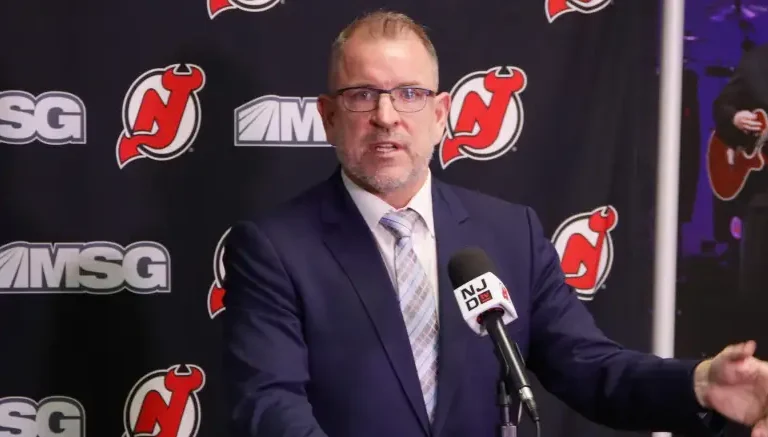
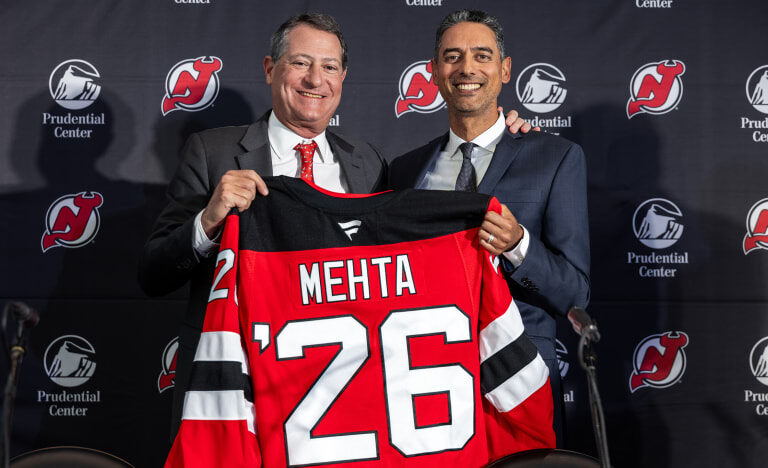
At the center of that change is the arrival of new general manager Sunny Mehta, tasked with reengineering a roster and hockey operations structure that, on paper, carried far more promise than the results suggested. His appointment signals a deliberate shift in philosophy, one that places equal weight on roster construction, durability, and long-term sustainability. For a franchise that has built its identity around speed, skill, and offensive upside, the next phase will require a more complete and resilient blueprint.

The challenges Mehta inherits are clear. Injuries played a defining role in the Devils’ season, with key players sidelined at critical moments. The absence of cornerstone talent disrupted continuity, limited lineup stability, and forced the coaching staff into reactive adjustments rather than proactive deployment. Head coach Sheldon Keefe acknowledged the cumulative impact of those losses, particularly as the season progressed and the margin for error narrowed. When foundational pieces are unavailable, even the most talented rosters can struggle to maintain structure, and the Devils were no exception.

Beyond injuries, the defensive side of the game emerged as a central issue. While the Devils have built a reputation for dynamic offense, the inability to consistently manage defensive zone coverage and transition play proved costly. Addressing that imbalance is expected to be one of Mehta’s primary objectives, whether through personnel changes, system adjustments, or a combination of both. In today’s NHL, teams that contend deep into the postseason are those that can control pace without sacrificing defensive integrity, and that is the standard New Jersey must now meet.

The upcoming NHL Draft presents an immediate opportunity to begin that process. Finishing 21st positions the Devils in a range where impact talent is still available, particularly if the organization targets players who can contribute to structural stability. Draft strategy will be closely watched, not only for the players selected but for what those selections reveal about the new front office’s priorities. Whether the focus leans toward defensive depth, physical presence, or continued skill infusion, the decisions made here will offer the first tangible insight into Mehta’s long-term vision.

At the same time, internal development remains a critical component of the organization’s trajectory, and that is where the story of the Utica Comets becomes especially relevant. The Devils’ AHL affiliate mounted one of the most compelling late-season pushes in the league, only to fall just one point short of a playoff berth. Their final stretch—an impressive 7-1-1-1 run—demonstrated both resilience and growth, qualities that reflect positively on the depth of the system even in the face of disappointment.

Utica’s closing surge was driven by contributions across the lineup. Goaltender Nico Daws delivered steady performances under pressure, while players like Matyas Melovsky, Brian Halonen, and Angus Crookshank provided timely scoring. The team’s ability to defeat top-tier opponents, including the league-leading Providence Bruins, underscored its potential when operating at full capacity. Yet the early-season deficit proved too significant to overcome, a reminder that consistency over the full schedule remains essential.

The narrow miss also highlighted the fine margins that define professional hockey. Utica did everything required down the stretch, including winning its final three games, but ultimately depended on external results that did not break in its favor. Rochester’s ability to secure a single overtime point in its final game was enough to reclaim the last playoff spot, closing the door on what had been a remarkable comeback effort. For the Devils, the takeaway is twofold: the pipeline is producing competitive talent, but the next step is translating that potential into sustained success.

That pipeline is already beginning to feed the NHL roster. Defenseman Topias Vilen’s late-season call-up and debut provided a glimpse into the next wave of contributors, reinforcing the importance of development continuity between Utica and New Jersey. Integrating those players effectively will be a key component of the offseason strategy, particularly as the organization evaluates how to balance youth with established experience.

Individual player performance will also factor heavily into offseason decisions. Jack Hughes remains the centerpiece of the franchise’s long-term outlook, and ensuring his health and maximizing his impact will be central to any competitive plan. Timo Meier’s role and production will likewise be evaluated within the context of the team’s broader offensive structure, as the Devils look to align their top-end talent with a more consistent team identity.

For fans and observers following the team through Explore New Jersey’s Devils coverage, this offseason represents more than routine roster adjustments. It is a structural inflection point. The organization has the pieces to compete, but the path forward requires recalibration—an alignment of talent, system, and durability that can withstand the demands of a full NHL season.

What emerges over the coming months will define not only the Devils’ immediate future but their position within an increasingly competitive Eastern Conference. The combination of a new general manager, a critical draft position, a motivated prospect pool, and a roster seeking redemption creates a complex but promising landscape. Execution, as always, will determine the outcome.

The 2025–26 season exposed vulnerabilities, but it also clarified priorities. With Sunny Mehta now leading the front office, the Devils have an opportunity to turn those lessons into a more complete and competitive identity. The work begins now, and the margin for error has already been defined.

ForeverCRM’s Hybrid Human-AI Lead Response Engine Is Redefining Social Media Conversion for New Jersey Businesses and Beyond

A decisive shift is underway in the social media marketing economy, and it is being driven not by more content, more ads, or more automation alone, but by a re-engineering of what happens in the critical moments after a lead expresses interest. ForeverCRM, a platform that has steadily evolved since its introduction in 2020, is now expanding the scope and sophistication of its hybrid human-AI lead response and appointment-setting system, signaling a new operating standard for businesses that depend on speed, consistency, and conversion precision across digital channels.

The premise is straightforward but execution-intensive: every inbound lead—whether generated through paid campaigns, organic social engagement, or inbound messaging—must be acknowledged, qualified, and guided toward a booked appointment in near real time. Where traditional CRM systems have historically functioned as passive repositories of contact data, ForeverCRM positions itself as an active conversion layer, integrating automation with human oversight to ensure that no opportunity stalls or disappears in the lag between interest and response.

This hybrid model is not incidental; it is the foundation of the platform’s differentiation. Pure automation, while scalable, often fails in nuance—misreading intent, mishandling objections, or losing prospects at precisely the moment engagement should deepen. Pure human response, while adaptive, struggles with scale, speed, and operational consistency. ForeverCRM’s architecture is designed to reconcile those limitations, deploying AI to handle immediate engagement and routing, while trained human responders intervene where context, persuasion, and decision-making require a more sophisticated touch.

The implications for businesses operating in high-velocity markets such as New Jersey are significant. From service providers and healthcare practices to real estate firms and local enterprises competing in saturated digital ecosystems, the ability to respond instantly and intelligently to inbound interest is no longer optional. It is a defining factor in whether marketing spend translates into revenue. In a region where consumer expectations are shaped by immediacy and accessibility, delayed response is effectively lost business.

ForeverCRM’s expansion reflects a broader trend that has been consistently documented across Sunset Daily’s technology coverage: the shift from tool-based marketing to system-based revenue operations. Businesses are moving beyond assembling disconnected software stacks and toward integrated frameworks that manage the entire lifecycle of a lead, from initial touchpoint to closed transaction. In this context, ForeverCRM is not simply enhancing a feature set; it is extending control over a critical revenue function that has historically been fragmented.

The platform’s done-for-you model further amplifies its relevance. Many small and mid-sized businesses lack the internal infrastructure to manage continuous lead engagement across multiple channels. Staffing, training, and maintaining a responsive team capable of handling fluctuating lead volume is both costly and operationally complex. By externalizing this function while maintaining quality through a hybrid approach, ForeverCRM effectively becomes an extension of the client’s front line, operating with the speed of automation and the discernment of human interaction.

Technically, the system leverages conversational AI to initiate and sustain dialogue across messaging platforms, social media inboxes, and inbound communication channels. It identifies intent signals, qualifies prospects based on predefined criteria, and advances conversations toward scheduling. Human operators step in at inflection points—when a lead requires clarification, when objections emerge, or when closing the appointment demands a more tailored approach. The result is a continuous engagement loop that minimizes drop-off and maximizes conversion probability.

This model is particularly aligned with the realities of modern social media marketing, where the path from discovery to decision is increasingly compressed. Prospects move quickly from awareness to inquiry, and the expectation is that businesses will meet them at that pace. The traditional lag between lead capture and follow-up—often measured in hours or days—is incompatible with current consumer behavior. ForeverCRM’s system is engineered to collapse that lag into seconds, fundamentally altering the economics of lead generation.

From an SEO and digital visibility standpoint, the downstream effects are equally important. Higher conversion rates improve the efficiency of paid campaigns, allowing businesses to reinvest in growth with greater confidence. Improved engagement metrics—response times, interaction depth, and successful appointment bookings—feed back into platform algorithms, enhancing visibility and reach. In this way, the lead response system does not operate in isolation; it influences the entire digital marketing ecosystem in which a business competes.

The expansion announced by ForeverCRM also underscores a maturation in how AI is being deployed in commercial settings. The initial wave of adoption emphasized automation for its own sake, often at the expense of user experience. The current phase, reflected in ForeverCRM’s hybrid model, prioritizes outcomes—specifically, measurable improvements in conversion and revenue. AI is no longer the endpoint; it is a component within a broader system designed to deliver tangible business results.

For New Jersey’s business community, this evolution arrives at a moment of heightened competition and digital saturation. Industries that once relied on referral networks and local visibility are now operating within algorithm-driven marketplaces where response time, engagement quality, and consistency determine market share. Platforms that can systematically improve these variables are not incremental upgrades; they are strategic assets.

ForeverCRM’s continued development suggests that the boundary between marketing and operations will continue to blur. Lead response, once treated as a follow-up task, is increasingly recognized as a core operational function—one that requires the same level of precision, optimization, and accountability as any other revenue-driving process. By embedding both AI and human expertise into that function, ForeverCRM is contributing to a redefinition of what a CRM platform is expected to deliver.

As businesses evaluate their technology stacks and growth strategies, the question is shifting from which tools to adopt to which systems can reliably convert attention into action. ForeverCRM’s hybrid human-AI lead response engine offers a clear answer to that question, demonstrating that the future of social media marketing will not be determined solely by who can generate the most leads, but by who can respond to them first, understand them best, and convert them most effectively.

Bettaway Beverage Distributors Earns Premier Service Carrier Recognition from Arrive Logistics for Third Consecutive Year, Reinforcing New Jersey’s Leadership in Food and Beverage Supply Chain Excellence

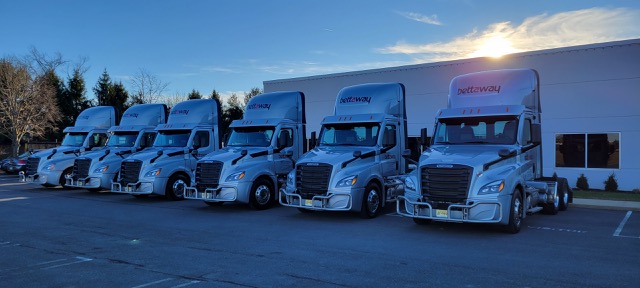
New Jersey’s food and beverage economy continues to distinguish itself not only through its restaurants, producers, and hospitality leaders, but also through the critical logistics networks that ensure products move efficiently from supplier to shelf. That infrastructure took center stage again as Bettaway Beverage Distributors was formally recognized by Arrive Logistics as a Premier Service Carrier for 2025, marking the third consecutive year the company has earned one of the industry’s most competitive performance distinctions.

The recognition is not ceremonial. It reflects measurable, consistent execution across the core pillars that define modern freight and distribution performance: on-time delivery, cost discipline, responsiveness, and operational reliability. In a sector where delays can ripple across retail, hospitality, and event-driven demand cycles, the ability to deliver with precision has become a defining competitive advantage. Bettaway’s continued recognition signals that it has not only met those standards but sustained them under increasingly complex market conditions.

Operating within the beverage distribution segment—a category that includes everything from non-alcoholic products to large-scale commercial beverage supply—requires a high degree of logistical coordination. Temperature sensitivity, inventory turnover, and fluctuating seasonal demand all place additional pressure on transportation partners. Bettaway’s performance in this environment underscores a disciplined operational model that integrates planning, technology, and execution at a level that aligns with the expectations of national logistics platforms like Arrive Logistics.

For New Jersey, the implications extend beyond a single company. The state has long served as a strategic corridor for distribution along the East Coast, supported by proximity to major metropolitan markets, dense transportation infrastructure, and a highly active food and beverage ecosystem. Recognition at this level reinforces the state’s reputation as a hub where supply chain efficiency and product movement are not just functional, but optimized.

The designation of Premier Service Carrier is awarded to a limited group of partners that consistently outperform across key performance indicators. Bettaway’s ability to secure the honor for a third straight year points to a level of operational stability that is increasingly difficult to achieve in a freight environment defined by volatility, labor constraints, and shifting demand patterns. Maintaining that consistency requires more than capacity; it demands real-time adaptability, strong communication channels, and a commitment to continuous process improvement.

Within the broader context of New Jersey’s evolving food and beverage landscape, the role of logistics providers like Bettaway becomes even more central. As highlighted across Explore New Jersey’s Food & Beverage coverage, the region’s culinary sector is expanding in both scale and sophistication. From independent restaurants to regional distributors and large-format retail operations, the expectation is clear: products must arrive on time, in optimal condition, and at a cost structure that supports competitive pricing. That expectation is only achievable when distribution partners operate at a consistently high level.

Bettaway’s model appears to be built around exactly that premise. By prioritizing responsiveness and accountability, the company has positioned itself as a reliable link between producers and end markets. In practice, that means fewer disruptions, tighter delivery windows, and a level of predictability that allows businesses across the food and beverage spectrum to plan with confidence. In an industry where margins can be narrow and timing is critical, those advantages are significant.

The relationship with Arrive Logistics further illustrates the scale at which Bettaway is operating. As a major player in the third-party logistics space, Arrive evaluates carriers based on rigorous performance data, making the Premier Service Carrier designation a meaningful indicator of real-world results. It is not a subjective award; it is earned through consistent execution across a broad portfolio of shipments and operational scenarios.

From a strategic standpoint, the continued recognition positions Bettaway for sustained growth within a sector that is increasingly driven by performance metrics and long-term partnerships. Companies that can demonstrate reliability at scale are more likely to secure high-value contracts, expand their service footprint, and play a larger role in shaping distribution strategies for major brands and retailers.

At the same time, the recognition highlights a broader trend within New Jersey’s economy: the elevation of logistics as a core component of the food and beverage value chain. While consumer-facing elements like dining, retail, and product innovation often receive the most attention, the underlying infrastructure that supports those experiences is just as critical. Efficient distribution is what allows restaurants to maintain consistency, retailers to manage inventory, and producers to reach new markets without compromising quality.

Bettaway’s continued success serves as a case study in how that infrastructure can be executed at a high level. By aligning operational discipline with customer-focused service, the company has demonstrated that logistics excellence is not simply about moving goods—it is about enabling the broader ecosystem to function more effectively.

As New Jersey’s food and beverage sector continues to expand, the demand for high-performance distribution partners will only increase. Recognition like this does more than validate past performance; it sets a benchmark for what the market expects moving forward. Bettaway Beverage Distributors has now established itself firmly within that upper tier, reinforcing both its own position and the state’s standing as a leader in integrated, performance-driven supply chain operations.

ThriveKin Secures Dual Federal Trademarks, Cementing a Voice-First Future for Caregiving Technology

In a digital health landscape dominated by dashboards, data streams, and clinical abstraction, a quieter but more consequential shift is taking shape—one that prioritizes listening before intervention. ThriveKin, a voice-first AI caregiver platform, has formalized that shift into protected intellectual property, securing dual federal trademark registrations from the United States Patent and Trademark Office for both its wordmark and logo. The milestone is not merely administrative. It codifies a thesis that has been largely absent from mainstream healthcare technology: that meaningful care delivery begins with being heard.

This development positions ThriveKin at the intersection of artificial intelligence, patient experience, and caregiver enablement—three domains that have historically evolved in parallel but rarely in alignment. By anchoring its brand and platform identity around voice-first interaction, the company is staking out a differentiated category within digital health, one that reframes AI not as a replacement for human care, but as an amplifier of attention, empathy, and continuity.

At its core, ThriveKin’s platform is designed to capture and interpret the most underutilized signal in healthcare: the human voice. Unlike conventional patient engagement tools that rely heavily on forms, portals, and passive data collection, ThriveKin prioritizes real-time conversational input. This approach reflects a growing recognition across advanced health systems and emerging tech platforms that structured data alone cannot fully represent a patient’s condition, especially in longitudinal care scenarios involving chronic illness, aging populations, and home-based caregiving environments.

The significance of securing both wordmark and logo trademarks lies in more than brand protection. It establishes ThriveKin’s ownership over a conceptual framework that blends natural language processing, voice recognition, and caregiver workflows into a unified operating model. In a sector where innovation is often fragmented across point solutions, this kind of cohesion is increasingly valuable. It signals to partners, providers, and investors that the company is not iterating on existing paradigms, but defining a new one.

Brian Abolins, Founder & CEO of ThriveKin, says that “Trademarks protect a name. They do not protect what a name is supposed to mean. What we are really protecting is a promise: that when a caregiver opens this platform at two in the morning,
exhausted and alone, something will see them, hear them, and speak their language.”

The broader healthcare technology ecosystem—reflected across coverage within Sunset Daily’s ongoing technology reporting—has been steadily moving toward personalization, predictive analytics, and automation. Yet, many of these advancements have prioritized efficiency over experience. ThriveKin’s approach introduces a counterbalance, emphasizing that accuracy in care is not solely derived from data precision, but from contextual understanding. Voice, in this framework, becomes both input and insight, capturing nuance that traditional interfaces routinely miss.

From a systems perspective, the implications are substantial. Voice-first AI has the potential to reduce friction in patient reporting, improve adherence to care plans, and provide caregivers with richer, more actionable intelligence. For clinicians, it offers a layer of qualitative data that can inform decision-making without adding administrative burden. For families and informal caregivers, it introduces a mechanism for continuous engagement that does not require technical fluency or behavioral change.

This is particularly relevant in New Jersey and the broader Northeast corridor, where healthcare infrastructure is both dense and complex. The region’s mix of academic medical centers, community providers, and aging populations creates an environment where coordination gaps are both common and costly. Technologies that can bridge those gaps without adding operational overhead are positioned to gain rapid traction. ThriveKin’s voice-first model aligns directly with these needs, offering a scalable pathway to more connected, responsive care.

The trademark registrations also arrive at a moment when AI governance and trust are becoming central to adoption. By securing federal recognition of its brand and identity, ThriveKin reinforces its commitment to building within established regulatory frameworks. This is not a peripheral detail. In healthcare, credibility is cumulative, and formal protections contribute to a broader perception of stability, accountability, and long-term viability.

Within the competitive landscape, the move differentiates ThriveKin from a crowded field of AI-driven health platforms that often converge on similar feature sets. While many competitors focus on predictive modeling, remote monitoring, or administrative automation, ThriveKin’s emphasis on voice as the primary interface introduces a fundamentally different user experience. It shifts the locus of interaction from screens to conversations, from inputs to dialogue, and from episodic engagement to continuous presence.

That distinction is likely to resonate as healthcare continues to extend beyond institutional settings. The rise of home-based care, telehealth, and decentralized clinical models has exposed the limitations of traditional digital tools. In these environments, simplicity and accessibility are not optional—they are prerequisites. Voice, as a universal interface, meets users where they are, reducing barriers and enabling participation across a wider demographic spectrum.

For the technology sector more broadly, ThriveKin’s milestone reflects an emerging recalibration of AI’s role. The initial wave of adoption was defined by capability—what the technology could do. The next phase is being defined by alignment—how those capabilities integrate with human needs, behaviors, and expectations. Platforms that succeed in this phase will be those that translate technical sophistication into intuitive, meaningful experiences.

Sunset Daily’s ongoing coverage of technology and innovation continues to highlight this transition, as companies move from feature-driven development to outcome-driven design. ThriveKin’s trademark achievement fits squarely within this narrative, marking a point where concept, execution, and protection converge. It is a reminder that in a field as complex and consequential as healthcare, differentiation is not just about building something new—it is about building something that fundamentally changes how care is understood and delivered.

As the platform advances, the focus will inevitably shift from validation to scale. The protected brand provides a foundation, but the real test will be in deployment, integration, and measurable impact. Early indicators suggest that the voice-first model is not only viable, but necessary, particularly as healthcare systems grapple with workforce shortages, rising costs, and increasing demand for personalized care.

ThriveKin’s dual trademark registration does not conclude its story. It formalizes the beginning of a category that has been waiting to be defined. In asserting that care begins with being heard, the company is not just protecting a name or a logo. It is establishing a principle—one that has the potential to reshape how technology supports one of the most human functions there is.

The Clinical Group Appoints Dr. Michael Fiorillo as Chief Medical Officer, Signaling a New Phase of Physician-Led Growth in New Jersey’s Health and Wellness Sector

New Jersey’s health and wellness landscape continues to evolve at a rapid pace, driven by the convergence of clinical excellence, patient demand for high-quality aesthetic care, and the increasing sophistication of healthcare real estate platforms. In a move that reflects these broader industry dynamics, The Clinical Group has appointed Dr. Michael Fiorillo as its new Chief Medical Officer, bringing one of the region’s most accomplished plastic surgeons into a leadership role designed to shape both clinical standards and long-term strategic growth.

Dr. Fiorillo arrives with a rare combination of credentials that extend well beyond surgical expertise. As a double board-certified plastic surgeon, he has built a reputation for precision, consistency, and patient-centered outcomes across a wide spectrum of cosmetic and reconstructive procedures. His career, however, has not been limited to the operating room. He has also established himself as a highly effective practice builder, scaling clinical operations with a disciplined approach to quality control, patient experience, and operational efficiency. That dual perspective—clinical and entrepreneurial—positions him uniquely for a role that requires both medical authority and executive-level decision-making.

The appointment is particularly relevant within the context of New Jersey’s expanding health and wellness ecosystem, where demand for advanced aesthetic services continues to grow alongside broader investments in outpatient care, specialty practices, and integrated wellness offerings. Platforms like The Clinical Group are increasingly focused on aligning real estate strategy with clinical performance, ensuring that physical spaces are not only optimized for efficiency but also designed to support high-end patient care. By placing a physician with deep operational experience at the center of that strategy, the organization is making a clear statement about its priorities.

Dr. Fiorillo’s background includes leading a successful practice through a private equity transaction, an experience that provides him with direct insight into the financial and structural considerations shaping modern healthcare platforms. That experience is not merely transactional; it reflects an understanding of how to build value in a clinical setting without compromising standards of care. In an environment where consolidation and investment activity are becoming more common, that balance is critical. His ability to navigate both sides of that equation—clinical integrity and business scalability—will likely play a defining role in how The Clinical Group expands its footprint.

Within New Jersey, where healthcare consumers are increasingly selective and informed, the emphasis on physician-led strategy carries additional weight. Patients are no longer evaluating providers solely on proximity or convenience. They are assessing outcomes, reputation, technology adoption, and the overall experience of care. A Chief Medical Officer with a strong clinical reputation can directly influence those perceptions, not only through policy and oversight but also by establishing a consistent standard across all affiliated practices.

The Clinical Group’s model reflects a broader shift toward integrated health and wellness environments, where medical services are complemented by lifestyle-driven offerings that prioritize prevention, recovery, and long-term well-being. This approach aligns closely with the direction of the regional market, as reflected across platforms like Explore New Jersey’s Health & Wellness coverage, where the focus has increasingly moved toward comprehensive care rather than isolated treatment. The addition of a Chief Medical Officer with both clinical and operational depth reinforces that direction, suggesting a more cohesive and strategically aligned network of services.

Dr. Fiorillo’s influence is expected to extend across multiple dimensions of the organization. On the clinical side, he will oversee standards of care, ensuring consistency across locations while integrating new technologies and techniques that enhance patient outcomes. On the operational side, his experience in scaling practices will inform decisions related to staffing, workflow optimization, and patient engagement. On the strategic side, his familiarity with investment structures and growth planning will contribute to the platform’s ability to expand responsibly while maintaining its clinical identity.

For New Jersey, the implications are notable. The state has long been a competitive market for aesthetic and specialty medical services, with a high concentration of experienced providers and a patient base that values quality and innovation. Leadership moves of this caliber tend to elevate the overall standard of care, as competing practices respond with their own investments in talent, technology, and patient experience. In that sense, this appointment is not an isolated development but part of a broader pattern that continues to shape the region’s healthcare landscape.

At the same time, the integration of clinical leadership into a real estate-driven platform underscores a more nuanced understanding of how healthcare delivery is evolving. Facilities are no longer passive environments; they are active components of the patient experience, influencing everything from efficiency to comfort to perceived quality. Aligning those environments with a clearly defined clinical vision requires leadership that can bridge both domains. Dr. Fiorillo’s career suggests he is well equipped to do exactly that.

As The Clinical Group moves forward with this appointment, the emphasis will likely remain on disciplined growth, clinical consistency, and the continued alignment of infrastructure with patient-centered care. In a market as competitive and sophisticated as New Jersey, those elements are not optional—they are foundational. By bringing in a Chief Medical Officer with a proven track record across surgery, practice development, and strategic execution, the organization is positioning itself to operate at a higher level within an already demanding field.

This development reinforces a central theme across the state’s health and wellness sector: the future belongs to platforms that can integrate expertise, experience, and infrastructure into a cohesive, patient-focused model. With Dr. Michael Fiorillo now guiding its clinical strategy, The Clinical Group is making a deliberate move in that direction, one that is likely to resonate across both the medical community and the broader marketplace it serves.

Bruce Springsteen’s Newark Homecoming Ignites the Prudential Center as the “Land of Hope and Dreams” Tour Turns New Jersey Into the Center of the American Conversation

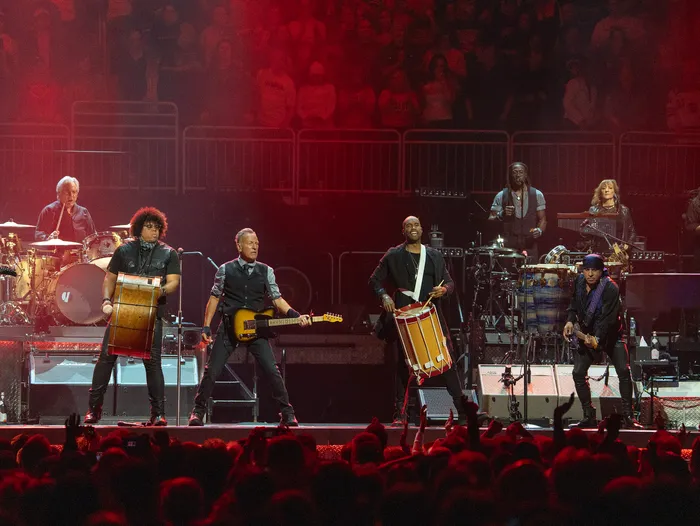
When Bruce Springsteen returns to New Jersey, it is never just another concert. It is a recalibration of place, identity, and purpose, where music becomes something larger than performance and the stage becomes a platform for reflection, urgency, and connection. On April 20, 2026, inside the Prudential Center in Newark, Springsteen and the E Street Band delivered a three-hour set that did exactly that—transforming a homecoming show into one of the most talked-about live music events of the year across New Jersey music.

This was not a nostalgia run. It was not a greatest hits tour dressed up in familiar language. The “Land of Hope and Dreams” American Tour arrived in Newark with intent, and from the opening moments, that intent was unmistakable. The show opened with “War,” immediately setting a tone that was confrontational, direct, and rooted in the present. From there, the energy surged into “Born in the U.S.A.” and “Death to My Hometown,” songs that have long carried weight but felt newly sharpened in this context.

The presence of Tom Morello added a distinct dimension that defined the night. Joining the band for a significant portion of the set, Morello did not simply contribute guitar parts—he injected a different kind of electricity into the performance. His playing brought a sharper edge, a sense of unpredictability, and a tonal contrast that elevated the arrangements without disrupting the identity of the E Street Band. On songs like “The Ghost of Tom Joad” and “American Skin (41 Shots),” his influence was particularly pronounced, turning already powerful compositions into something even more immediate and visceral.

What unfolded over the course of 27 songs was a setlist that leaned heavily into thematic cohesion rather than conventional pacing. This was a show constructed with purpose, where each song contributed to a larger narrative about America, its contradictions, and its possibilities. Tracks like “Streets of Minneapolis” and “Long Walk Home” carried a sense of urgency that extended beyond the music itself, reflecting a willingness to engage directly with the moment rather than retreat into abstraction.

At the same time, Springsteen maintained the balance that has defined his live performances for decades. The intensity of the messaging was countered by moments of connection and release, whether through the communal energy of “Hungry Heart” or the layered storytelling of “The Promised Land.” These transitions were not accidental. They are part of what makes a Springsteen show distinct—the ability to move between reflection and celebration without losing coherence.

Midway through the set, the performance shifted into a more introspective space with a solo acoustic rendition of “House of a Thousand Guitars.” In a venue as large as the Prudential Center, stripping the sound down to its essentials created a moment of focus that drew the entire room inward. It served as a reminder that even within a production of this scale, the core of Springsteen’s work remains rooted in songwriting and delivery.

The latter half of the show built toward a sustained crescendo, with “The Rising,” “Badlands,” and “Land of Hope and Dreams” forming a sequence that felt both expansive and tightly controlled. These are songs that have become pillars of Springsteen’s live catalog, yet in Newark they carried a renewed sense of immediacy, amplified by the context of the tour and the energy of the crowd.

The encore sequence reinforced the dual identity of the performance. “American Land” opened the final stretch with a sense of movement and momentum, followed by “Born to Run,” a song that continues to function as both a signature moment and a communal release. “Dancing in the Dark” brought a shift in tone, lighter but no less engaged, before “Tenth Avenue Freeze-Out” closed the main arc with its traditional tribute to Clarence Clemons and Danny Federici, grounding the night in the band’s history.

The final statement came with “Chimes of Freedom,” a cover that extended the thematic arc of the evening into a broader reflection on resilience and expression. It was a deliberate choice, closing the show not with spectacle, but with a message that aligned with everything that came before it.

What makes this Newark performance particularly significant is not just the execution, but the reaction it generated. The show has sparked a wide range of responses, from those who viewed it as a powerful, focused statement to those who questioned the tension between its themes and the realities of large-scale touring. That divergence is, in many ways, part of the point. Springsteen has never been an artist who operates in a space of consensus. His work invites interpretation, debate, and, at times, discomfort.

Within the arena, however, the response was immediate and unmistakable. The crowd engaged with the performance on multiple levels, from the collective energy of the sing-alongs to the quieter, more reflective moments that drew sustained attention. The sound quality, the pacing, and the interplay between band members all contributed to an experience that felt both expansive and tightly focused.

For New Jersey, the significance of this performance extends beyond a single night. Springsteen’s connection to the state is foundational, and each return carries with it a sense of continuity and evolution. The Prudential Center, as a venue, becomes more than a stage in these moments. It becomes a focal point where local identity and global relevance intersect, where a New Jersey artist continues to shape conversations that extend far beyond state lines.

The timing of the show adds another layer to its impact. Coming in the same week as Springsteen’s appearance at the American Music Honors in West Long Branch, where he engaged in collaborative performances that highlighted his range and influence, the Newark concert serves as a centerpiece in a broader period of visibility and activity.

In the context of New Jersey’s music scene, this performance reinforces the state’s position as a critical node in the national and international touring circuit. It demonstrates that the region is not only capable of hosting major events, but of anchoring them in a way that adds meaning and context. When artists of this scale perform in New Jersey, they are not simply passing through. They are engaging with a place that has its own history, its own audience, and its own expectations.

Springsteen’s April 20 performance at the Prudential Center stands as a reminder of what live music can achieve when it is approached with intention. It is not just about the setlist, the duration, or the scale of the production. It is about the ability to create a shared experience that resonates beyond the confines of the venue, carrying forward into conversation, reflection, and, ultimately, memory.

In Newark, on that night, the music did not exist in isolation. It connected past and present, artist and audience, place and purpose. That is what defines a true homecoming, and it is why this performance will continue to be discussed as one of the most significant moments in New Jersey’s live music calendar this year.

Blue Dog Brunch at iPlay America Brings Family Entertainment and Interactive Dining Together in One of New Jersey’s Most In-Demand Experiences

iPlay America’s 2026 Character Brunch Lineup at The Bistro Becomes One of New Jersey’s Most Complete Family Event Calendars. New Jersey’s entertainment scene continues to evolve with experiences that are no longer confined to a single category, and iPlay America in Freehold has positioned itself at the forefront of that shift. With a fully realized lineup of Character Brunches at The Bistro throughout the first half of 2026, the venue has created a recurring, high-demand series that blends dining, live character interaction, and family engagement into one cohesive experience. For those tracking the most dynamic offerings in New Jersey entertainment, this series has quickly established itself as one of the most consistent and strategically designed programs in the region.

At its core, the Character Brunch concept is built around accessibility and immersion. Hosted primarily on Sundays from 11:00 AM to 2:00 PM, each event transforms The Bistro into a themed environment where children and families can interact directly with recognizable characters while enjoying a full-service brunch experience. The structure is intentionally straightforward yet highly effective. Guests reserve a table, order from a tailored menu, and throughout the meal, characters circulate for meet-and-greets, photos, and spontaneous interactions. This eliminates the need for staged lines or timed appearances, creating a more fluid and personal experience.

New Jersey’s entertainment landscape continues to evolve with experiences that blend dining, live interaction, and family-focused programming into a single destination, and nowhere is that more evident than at iPlay America in Freehold. With the return of its highly anticipated Blue Dog Brunch at The Bistro, the venue is once again redefining what it means to create immersive, family-friendly entertainment that resonates with both children and parents. For those exploring the full scope of New Jersey entertainment, this event stands as a prime example of how thoughtfully curated experiences can transform a simple outing into something memorable and repeatable.

Scheduled for Sunday, May 17, 2026, from 11:00 AM to 2:00 PM, the Blue Dog Brunch is more than a themed meal. It is a structured, interactive environment designed to bring beloved characters to life in a setting that feels both accessible and engaging. Hosted inside The Bistro, the full-service restaurant within iPlay America, the event creates a bridge between dining and entertainment, allowing families to participate in a shared experience that unfolds organically throughout the meal.

At the center of the event is the opportunity for children to meet and interact with characters inspired by the widely recognized Blue Dog and her sister. These meet-and-greet moments are not staged as distant appearances, but as personal interactions that take place directly at the table. This approach removes barriers and creates a level of intimacy that is often missing from larger-scale character events. For children, the experience is immediate and tangible. For parents, it offers a chance to capture genuine moments through photos and shared engagement.

The design of the event extends beyond character interaction into a broader set of themed activities that reinforce the experience. Each child receives a coloring book aligned with the Blue Dog theme, providing a creative outlet that keeps them engaged while also complementing the overall atmosphere. This integration of activity and dining ensures that the experience remains dynamic from start to finish, avoiding the common pitfalls of events where engagement fades after the initial interaction.

The Bistro’s role in this event is critical. As a full-service restaurant, it provides a level of quality and comfort that elevates the brunch beyond a typical event-based meal. The introduction of a specialty kids’ menu tailored specifically for the Blue Dog Brunch adds another layer of customization, ensuring that younger guests are not only entertained but also well served. At the same time, the standard menu offerings remain available, allowing adults to enjoy a more traditional dining experience without compromise. This dual approach reflects a clear understanding of the audience, balancing the needs of children with the expectations of parents.

One of the defining aspects of the Blue Dog Brunch is its accessibility. While the character experience itself does not require a separate admission fee, guests simply pay for their meals, making it a practical option for families seeking high-quality entertainment without the added complexity of ticketed events. This structure lowers barriers to entry while maintaining the perceived value of the experience, a balance that is increasingly important in today’s entertainment economy.

2026_03_Bistro_CharBrunch_Bluey&Bingo_promo

The popularity of the event underscores its success. Reservations are strongly recommended, and for good reason. The combination of limited seating, high demand, and the appeal of the characters creates a sense of urgency that drives early bookings. This demand is not incidental. It reflects a broader trend in New Jersey’s entertainment sector, where experiences that combine interactivity, dining, and convenience are outperforming more traditional formats.

Location plays a significant role in this dynamic. Situated at 108 Schanck Road in Freehold, iPlay America is already established as one of the state’s premier indoor entertainment destinations. By hosting the Blue Dog Brunch within The Bistro, the venue leverages its existing infrastructure while adding a layer of programming that enhances its overall offering. Families can seamlessly transition from brunch to rides, games, and other attractions, creating a full-day experience that maximizes both time and value.

The Blue Dog Brunch is also part of a broader calendar of themed events that keep the programming fresh and varied. Upcoming experiences such as the Super Bros Brunch, Galactic Brunch, and Toy Pals Brunch ensure that there is always a new reason to return, reinforcing iPlay America’s position as a repeat-visit destination. This rotating schedule not only maintains interest but also allows the venue to cater to a wide range of interests, ensuring that different segments of its audience find something that resonates.

From a strategic perspective, the success of events like the Blue Dog Brunch highlights the importance of adaptability in the entertainment industry. Traditional models that separate dining and entertainment are being replaced by integrated experiences that deliver both simultaneously. This shift reflects changing consumer expectations, where convenience, engagement, and quality are no longer optional but essential components of a successful offering.

For New Jersey, this evolution is particularly significant. The state’s proximity to major metropolitan areas, combined with its own rich network of attractions, creates a competitive environment where only the most thoughtfully designed experiences stand out. iPlay America’s ability to consistently deliver events that meet these expectations positions it as a leader in this space, and the Blue Dog Brunch is a clear example of that leadership in action.

What ultimately defines the Blue Dog Brunch is its ability to create moments that feel personal within a larger, highly organized setting. It is not just about meeting a character or enjoying a meal. It is about the combination of those elements in a way that feels cohesive and meaningful. For families, it offers a rare opportunity to step into a shared experience that is both structured and spontaneous, where entertainment unfolds naturally alongside conversation and connection.

As New Jersey continues to expand its reputation as a destination for high-quality, family-oriented entertainment, events like the Blue Dog Brunch play a critical role in shaping that narrative. They demonstrate that innovation does not always require scale, but rather a clear understanding of what audiences value and how to deliver it effectively.

The Bistro at iPlay America has a full schedule of character brunches lined up for the first half of 2026. Most of these events take place on Sundays from 11:00 AM to 2:00 PM and feature free photo opportunities and themed coloring books for kids.

2026 Character Brunch Schedule

Past 2026 Events

If you’re tracking their recurring themes, they have already hosted several others this year:

  • Princess Brunch (March 1).
  • High-Speed Heroes Brunch (March 8).
  • Mountain Family Brunch (March 22): Featuring characters from Encanto.
  • Easter Bunny Brunch (March 28 & 29).
  • Storybook Brunch (April 12): Featuring Winnie the Pooh, Tigger, and Piglet. 

In Freehold, one of New Jersey’s most active entertainment destinations has quietly built one of the most consistent, repeatable, and in-demand family experiences in the state. Inside iPlay America, The Bistro’s Character Brunch series is no longer just an occasional attraction—it is now a fully programmed, high-frequency event calendar that delivers something different almost every week. For families tracking the best recurring experiences in New Jersey entertainment, this lineup stands out not just for its concept, but for its execution, variety, and reliability.

What separates this series from similar offerings is simple: the schedule is real, structured, and loaded with recognizable themes that families actively plan around. These are not vague rotating concepts—they are specific, themed events tied to characters that drive attendance and repeat visits.

The spring and early summer 2026 calendar is already one of the strongest the venue has ever assembled.

The series launches into full stride with the Super Bros Brunch on April 26, bringing together instantly recognizable characters including Mario, Luigi, Peach, and Rosalina. This event taps directly into multi-generational familiarity, making it just as engaging for parents as it is for kids.

That momentum continues the following week with the Galactic Brunch on May 3, where the tone shifts into a completely different universe. Characters inspired by Yoda, Leia, Darth Vader, and Chewbacca transform The Bistro into a themed, immersive environment that blends sci-fi nostalgia with interactive dining.

On May 10, the schedule pivots to the Mother’s Day Brunch Buffet, offering a more traditional, elevated dining experience while still keeping the family-centric atmosphere intact. This event broadens the appeal of the series, proving that The Bistro can deliver both entertainment-driven brunches and classic holiday programming at the same level.

The Blue Dog Brunch on May 17 follows as one of the most anticipated events on the calendar, featuring the beloved blue pup and her sister. This particular brunch consistently draws strong demand, reinforcing its position as a centerpiece within the overall lineup.

Closing out the month, the Ohana Best Friends Brunch on May 31 introduces another high-recognition pairing with Lilo and Stitch, leaning into themes of friendship and family that align perfectly with the event’s structure.

June continues the cadence without slowing down.

The Wonderland Brunch on June 14 shifts into a more whimsical, story-driven experience, bringing Alice and her companions into the spotlight and creating a visually and interactively distinct environment inside The Bistro.

Then, on June 28, the Toy Pals Brunch delivers one of the most universally recognizable themes of the series, featuring characters inspired by a space ranger, cowboy, and cowgirl. This event closes out the first half of the year with a concept that consistently resonates across all age groups.

What makes this lineup even more significant is that it builds on an already active year. Earlier in 2026, iPlay America successfully executed a full run of themed brunches, including the Princess Brunch (March 1), High-Speed Heroes Brunch (March 8), Mountain Family Brunch featuring Encanto (March 22), and the Easter Bunny Brunch held across March 28 and 29. The Storybook Brunch on April 12, featuring Winnie the Pooh, Tigger, and Piglet, further demonstrated the depth of the programming strategy.

2026_03_Bistro_CharBrunch_Bluey&Bingo_promo
2026_03_Bistro_CharBrunch_LiloStitch_promo
2026_03_Bistro_CharBrunch_Wonderland_Promo
2026_03_Bistro_CharBrunch_ToyStory_Promo

This is not a venue experimenting with a concept. This is a venue that has fully operationalized it.

Each event follows a structure that is simple but highly effective. Hosted from 11:00 AM to 2:00 PM, the brunches allow families to reserve tables and enjoy a full-service dining experience while characters move throughout the room for direct interaction. There are no staged lines, no rushed photo stations, and no separation between dining and entertainment. The experience unfolds naturally, with characters engaging guests at their tables.

Children receive themed coloring books tied to each event, reinforcing the concept and keeping engagement consistent throughout the meal. The Bistro complements this with a dedicated kids’ menu tailored to the theme, while still offering its full menu for adults, ensuring the experience works for the entire table.

Another critical factor in the series’ success is accessibility. The character experience itself does not require a separate ticket—guests simply pay for their meal. This removes friction from the planning process and makes the events far more approachable compared to larger, ticketed attractions.

The location amplifies everything. Positioned inside iPlay America at 108 Schanck Road in Freehold, The Bistro allows families to extend their visit beyond brunch into a full day of rides, games, and attractions. This integration transforms a two-hour meal into a broader entertainment experience without requiring additional travel or coordination.

What is happening here is larger than a brunch series. It is a shift in how family entertainment is being delivered in New Jersey. Instead of isolated events, iPlay America has created a programmatic schedule—a reliable, rotating lineup that gives families a reason to return again and again.

And that is the key difference.

These are not one-off experiences. They are part of a system that is designed to build habit, anticipation, and repeat engagement.

In a state where options are everywhere, consistency is what separates good from essential. The Bistro’s 2026 Character Brunch lineup has moved firmly into that essential category, offering one of the most complete, accessible, and well-executed family entertainment programs currently operating anywhere in New Jersey.

NJ Transit Unveils 30-Year “LAND Plan” to Transform Station Areas Into Housing, Jobs, and Transit-Driven Communities Across New Jersey

New Jersey is positioning itself for a generational shift in how transportation infrastructure intersects with housing, economic development, and urban planning, and NJ Transit is now at the center of that transformation. With the introduction of its long-range “LAND Plan,” the agency is moving beyond its traditional role as a transportation provider and into a broader strategy that reimagines how land surrounding transit hubs can be activated to drive statewide growth.

At its core, the initiative is both expansive and precise. NJ Transit is targeting approximately 8,000 acres of land under its control—much of it located adjacent to rail stations, bus terminals, and critical transit corridors—and is seeking to convert these underutilized or underperforming assets into fully integrated, mixed-use developments. The goal is to create a new generation of “live-and-ride” communities that align residential, commercial, and transportation access into a single, cohesive framework.

The scale of the plan reflects the urgency of the moment. New Jersey continues to face mounting pressure across multiple fronts, including housing affordability, commuter congestion, and the need for sustainable economic expansion. By leveraging land that is already connected to the state’s transit network, NJ Transit is attempting to address all three simultaneously. The agency projects that the LAND Plan could support the creation of up to 20,000 housing units and generate as many as 50,000 jobs over time, reshaping not just individual municipalities, but the broader regional economy.

The financial implications are equally significant. With an estimated $1.9 billion in potential non-fare revenue, the initiative introduces a new model for how transit agencies can diversify funding streams while reinforcing their core mission. Rather than relying solely on fares and state support, NJ Transit is positioning its real estate portfolio as a long-term economic engine, capable of sustaining operations while also contributing to statewide development goals.

The rollout of the plan has already begun to take shape in tangible ways. At a recent open house held at NJ Transit’s Newark offices, the agency invited developers, investors, and planning partners to engage directly with a curated group of potential project sites. Among them is the Pennsauken Transit Center, a strategically located hub that exemplifies the type of opportunity the agency is seeking to unlock. By opening the process to private and institutional partners, NJ Transit is signaling a collaborative approach, one that relies on both public oversight and private-sector execution to bring these projects to life.

What distinguishes this initiative is its alignment with a broader shift in how communities are designed and experienced. Transit-oriented development is not a new concept, but its application at this scale, across a coordinated statewide portfolio, represents a significant evolution. The emphasis is no longer simply on proximity to transit, but on creating environments where transportation is seamlessly integrated into daily life. Residents are able to live, work, and access services within walking distance of transit options, reducing reliance on cars while enhancing overall quality of life.

In New Jersey, where population density and geographic constraints have long influenced development patterns, this model offers a compelling path forward. Station-adjacent properties, often overlooked or underutilized, become focal points for revitalization. Surface parking lots, vacant parcels, and aging infrastructure can be reimagined as vibrant, multi-use destinations that contribute to both local economies and regional connectivity.

The implications for housing are particularly notable. As the state continues to grapple with affordability challenges, the ability to introduce new residential units in transit-accessible locations creates opportunities for more sustainable growth. By concentrating development near existing infrastructure, municipalities can expand housing supply without overextending resources or compromising open space. At the same time, residents benefit from reduced transportation costs and improved access to employment centers.

Economic development is another critical component of the LAND Plan. The projected creation of tens of thousands of jobs reflects not only construction activity, but also the long-term employment opportunities that emerge from mixed-use environments. Retail, office space, and service industries all stand to benefit from increased foot traffic and proximity to transit, creating ecosystems that are both dynamic and resilient.

From a planning perspective, the success of this initiative will depend on coordination at multiple levels. Local governments, zoning boards, and community stakeholders will play a central role in shaping how these developments are implemented. Balancing growth with community character, infrastructure capacity, and environmental considerations will require a level of engagement that extends beyond traditional development processes. NJ Transit’s approach suggests an awareness of these complexities, emphasizing partnership and adaptability as key components of the plan’s execution.

The transportation benefits are equally important. By concentrating development around transit hubs, the state can reduce traffic congestion, lower emissions, and improve overall system efficiency. Increased ridership supports the long-term viability of NJ Transit’s network, while also reinforcing the value of continued investment in infrastructure. In this sense, the LAND Plan is not just about real estate—it is about strengthening the entire transportation ecosystem.

Within the broader context of New Jersey’s infrastructure strategy, this initiative aligns with ongoing efforts to modernize and expand transit capacity across the state. From rail improvements to bus network enhancements, the focus has increasingly shifted toward creating a system that is both reliable and integrated into the fabric of daily life. The LAND Plan extends that vision, ensuring that the spaces surrounding transit are as functional and forward-looking as the systems themselves.

For readers tracking the evolution of transportation and development across the state, the significance of this initiative cannot be overstated. It represents a coordinated effort to leverage existing assets in a way that addresses multiple challenges simultaneously, from housing and employment to sustainability and fiscal stability. It also reinforces New Jersey’s position as a leader in rethinking how infrastructure can drive long-term growth.
To stay informed on how projects like these are progressing and to explore additional developments shaping mobility and infrastructure across the state, visit the transportation section, where ongoing coverage continues to track the intersection of transit, development, and economic expansion.

As NJ Transit moves forward with its LAND Plan, the vision is becoming increasingly clear. This is not simply an initiative to develop land—it is a comprehensive strategy to redefine how New Jersey grows, how its residents move, and how its communities evolve. By aligning transportation with housing and economic opportunity, the state is laying the groundwork for a more connected, more efficient, and more sustainable future.

New Jersey’s Healthcare Backbone in Focus: Steve Adubato and Holy Name’s Michele Acito Spotlight the Critical Role of Nursing and the Urgent Mission to Rebuild Public Trust

New Jersey’s healthcare system is entering a period of renewed scrutiny, transformation, and recalibration, and at the center of that conversation is a profession that has long carried the weight of patient care with precision, resilience, and unwavering accountability. In a recent segment of State of Affairs with Steve Adubato, a defining discussion unfolded between Steve Adubato and Michele Acito, DNP, Executive Vice President and Chief Nursing Officer of Holy Name, offering a timely and necessary examination of the nursing profession’s role not only as the operational backbone of healthcare, but as the most trusted bridge between medical systems and the communities they serve.
Within the broader context of New Jersey health and wellness leadership, this conversation resonates far beyond a single interview. It reflects a larger reality shaping healthcare across the state and the nation: that the effectiveness of modern medicine is inseparable from the strength, expertise, and credibility of its nursing workforce. What emerges from this exchange is not simply a recognition of nurses as essential contributors, but a reframing of their role as central drivers of patient outcomes, institutional stability, and public trust.

At its core, the discussion underscores a fundamental truth that is often acknowledged but not fully articulated. Healthcare systems do not function in the abstract; they operate through the continuous, hands-on work of nurses who translate medical plans into lived patient experiences. Physicians diagnose and prescribe, but it is nurses who execute, monitor, adapt, and communicate in real time. This dynamic places nurses at the intersection of clinical precision and human connection, a position that carries both responsibility and influence.

Michele Acito’s perspective, grounded in both clinical expertise and executive leadership, brings clarity to this reality. She characterizes nursing not as a supporting function, but as the structural foundation upon which the entire healthcare ecosystem depends. This is not rhetorical framing. It reflects operational reality across hospitals, outpatient facilities, and community care environments. Without nursing, continuity of care breaks down, patient safety is compromised, and the system’s ability to deliver effective treatment is fundamentally weakened.

What elevates this conversation is its focus on trust, a concept that has become increasingly complex in the modern healthcare landscape. Acito identifies a “significant loss in trust” in public health, a challenge that extends beyond institutional performance into the realm of perception, communication, and societal belief systems. In this environment, nurses occupy a uniquely powerful position. They are consistently ranked among the most trusted professionals, a distinction that is earned through direct patient interaction, consistent adherence to evidence-based practices, and a level of accessibility that other roles within the system do not always provide.

This trust is not incidental. It is built through repeated, meaningful interactions where patients rely on nurses not only for clinical care, but for guidance, reassurance, and clarity. In moments of uncertainty—whether during hospitalization or in the transition back to home—nurses serve as interpreters of complex medical information, helping patients and families navigate decisions that carry significant emotional and physical implications. This role as educator and advocate reinforces their credibility, positioning them as the most effective communicators of evidence-based care in an era where misinformation can spread rapidly.

The emphasis on evidence-based practice is particularly significant. Acito’s call for a renewed commitment to science as the foundation of healthcare decision-making reflects a broader need to reestablish alignment between medical expertise and public understanding. In a time when skepticism toward scientific guidance has grown in certain segments of the population, the ability to communicate clearly, consistently, and credibly becomes as important as the care itself. Nurses, by virtue of their proximity to patients and their grounding in clinical protocols, are uniquely equipped to lead this effort.

This leadership, however, extends beyond communication. The segment highlights the evolving role of nurses as strategic contributors within healthcare organizations. As systems become more complex and data-driven, the insights generated at the bedside are increasingly recognized as critical inputs into broader operational decisions. Nurses are not only executing care plans; they are informing them, identifying inefficiencies, and contributing to the continuous improvement of care delivery models. This shift reflects a growing acknowledgment that effective healthcare requires integration across all levels of the system, from executive strategy to frontline execution.

In New Jersey, where healthcare institutions are navigating both demographic changes and evolving regulatory frameworks, this integration is particularly important. The state’s healthcare ecosystem is diverse, encompassing major academic medical centers, community hospitals, and specialized care facilities. Across this spectrum, the ability to maintain consistency in quality and patient experience depends heavily on the strength of the nursing workforce. Leaders like Michele Acito play a critical role in ensuring that this workforce is not only supported, but empowered to operate at the highest level of its capabilities.

The conversation also touches on the broader implications for workforce development and sustainability. As demand for healthcare services continues to grow, the need to attract, train, and retain skilled nurses becomes a strategic priority. This involves not only competitive compensation and professional development opportunities, but also the creation of environments where nurses can practice effectively without unnecessary administrative burden. The goal is to enable them to focus on what they do best—delivering high-quality, patient-centered care.



From a public perspective, the visibility of discussions like this is itself significant. By bringing the realities of nursing and public health into a broader media context, State of Affairs with Steve Adubato contributes to a more informed understanding of how healthcare systems function and where their strengths and vulnerabilities lie. This transparency is an essential component of rebuilding trust, as it allows the public to see not just the outcomes of care, but the processes and professionals behind them.

The intersection of media, healthcare leadership, and public engagement creates an opportunity to reshape narratives around health and wellness in New Jersey. It reinforces the idea that healthcare is not a distant, impersonal system, but a network of professionals working with precision and dedication to support individual and community well-being. Within that network, nurses stand out not only for their technical expertise, but for their ability to connect, communicate, and lead.

As New Jersey continues to position itself as a leader in healthcare innovation and delivery, the insights shared in this conversation serve as both a reflection and a directive. They highlight what is working, identify where challenges remain, and underscore the importance of maintaining a clear, evidence-based approach to care. Most importantly, they reaffirm the central role of nursing in shaping the future of healthcare.

The message is direct and unmistakable. If the goal is to build a healthcare system that is effective, resilient, and trusted, the path forward runs through the nursing profession. In recognizing and investing in that reality, New Jersey is not only strengthening its healthcare infrastructure, but setting a standard for how systems across the country can evolve to meet the demands of a changing world.

New Jersey’s Political Realignment Accelerates: Progressive Momentum, Post–County Line Reform, and the Fight Over Ideology in the 2026 Election Cycle

New Jersey’s political landscape is undergoing one of the most consequential structural and ideological transformations in decades, and the ripple effects are now fully visible across elections, party dynamics, and voter engagement statewide. What began as a challenge to entrenched political mechanisms has evolved into a broader recalibration of power—one that is redefining how candidates compete, how voters choose, and how parties frame their messaging in an increasingly polarized national environment.

At the center of this moment is a dual narrative shaping both state and national politics: the rise of progressive candidates within New Jersey’s Democratic infrastructure and the continued effort by Republican strategists to frame that rise through the lens of “socialism.” Together, these forces are colliding in real time, producing a political environment that is more competitive, more ideologically explicit, and more open than at any point in recent state history.

The catalyst for much of New Jersey’s internal political shift can be traced back to the dismantling of the long-standing “county line” ballot system. For decades, this system provided party-endorsed candidates with a structural advantage, effectively guiding voter behavior and limiting the viability of challengers. The legal and political unraveling of that system in 2024 marked a fundamental change in how elections are conducted across the state. Candidates are now presented more equitably on ballots, giving voters direct agency in evaluating platforms rather than relying on party-backed positioning.

The immediate impact of that reform was visible in the 2024 U.S. Senate primary, where multiple candidates competed on equal footing, reshaping expectations about what constitutes a viable campaign in New Jersey. The success of candidates running on anti-corruption and transparency platforms reinforced the idea that voters were ready for a more open and competitive process. That shift did not end with a single race—it established a new baseline for every election that followed.

By 2025, the effects had expanded into the gubernatorial race, where a broader and more ideologically diverse field emerged. Candidates representing progressive, moderate, and conservative wings of the Democratic Party all entered the race, signaling a departure from the previously controlled, top-down selection process. The result was a campaign cycle defined by direct voter engagement, message-driven competition, and a visible expansion of political participation across the state.

Now, in 2026, that trajectory has reached a new phase with the outcome of the special election in New Jersey’s 11th Congressional District. The victory of Analilia Mejia represents more than a single electoral win; it reflects the growing influence of grassroots organizing, labor-aligned messaging, and issue-based campaigning centered on economic equity, immigration, and systemic reform. In a district long considered a moderate stronghold, the result underscores a broader shift in voter sentiment—one that is increasingly responsive to candidates who present clear, unapologetic positions on issues affecting working families.

This momentum is not confined to a single district. Across New Jersey, multiple congressional races are now reflecting a similar dynamic, with expanded candidate fields and heightened competition. In districts like CD-12, where an open seat has drawn a wide range of contenders, the absence of the county line has created a genuinely competitive environment. Candidates are now required to build coalitions, articulate distinct policy positions, and engage directly with voters in ways that were previously less critical under a more centralized system.

Simultaneously, competitive races in districts such as CD-7 are highlighting the interplay between grassroots-driven campaigns and more traditional, establishment-backed efforts. These contests are not only about party control—they are about defining the ideological direction of representation in New Jersey and determining how candidates position themselves in relation to national political narratives.

One of those narratives is the continued use of the term “socialism” as a political framing tool. At the national level, Republican messaging has consistently applied the label to a broad range of Democratic policies, from healthcare reform to climate initiatives and student debt relief. In practice, this framing often extends beyond the traditional definition of socialism—state ownership of production—and instead encompasses policies that expand government involvement in economic or social systems.

Within New Jersey’s current political climate, that messaging is intersecting with a Democratic electorate that is itself evolving. While many Democratic candidates identify as moderate or center-left, there is a growing acceptance among younger voters and certain constituencies for policies that prioritize expanded social safety nets, affordability measures, and public investment in key sectors. This has created a nuanced dynamic in which ideological labels are both contested and strategically deployed, influencing how campaigns communicate and how voters interpret policy proposals.

Critically, the Democratic Party in New Jersey is not operating as a monolith. Internal divisions between progressive and moderate factions remain evident, particularly in primary contests where candidates differentiate themselves on issues ranging from healthcare and housing to taxation and economic policy. The removal of structural barriers like the county line has amplified these differences, allowing them to play out more visibly in elections and debates.

For voters, this shift represents both an opportunity and a challenge. The opportunity lies in increased choice and a more transparent electoral process. The challenge is navigating a more complex political landscape where ideological distinctions are sharper and messaging is more aggressive. As campaigns intensify, the ability to evaluate policy on substance rather than framing becomes increasingly important.

From a strategic standpoint, both parties are adapting to this new environment. Democrats are working to harness grassroots energy while maintaining broad coalition appeal, particularly in a state that has historically balanced progressive urban centers with more moderate suburban regions. Republicans, meanwhile, are refining messaging strategies aimed at defining Democratic candidates in ways that resonate with key voter segments, particularly in competitive districts where margins are narrow.

The broader implication is that New Jersey is no longer operating under the predictable electoral patterns that once defined its political identity. Instead, it is emerging as a dynamic, highly competitive environment where outcomes are shaped by organization, messaging, and voter engagement rather than institutional advantage alone. This transformation is not only reshaping individual races—it is redefining the state’s role within the national political landscape.

For readers tracking these developments and seeking deeper insight into how policy, elections, and political strategy are evolving across the state, ongoing coverage is available in the politics section, where the intersection of local dynamics and national narratives continues to drive the conversation.

As New Jersey moves further into the 2026 election cycle, one reality is becoming increasingly clear: the state’s political future will be determined not by legacy systems or predetermined outcomes, but by an electorate that is more engaged, more diverse, and more willing to challenge traditional assumptions about power and representation.

New Jersey Confronts a Critical Turning Point in Veterans’ Mental Health—Expanding Support Before Release and Redefining Reentry for Those in the Corrections System

New Jersey is moving into a decisive phase in how it addresses one of the most urgent and complex challenges facing its veteran population: the intersection of mental health, incarceration, and successful reintegration into civilian life. Across the state, a growing consensus is taking shape among policymakers, advocates, and service providers that meaningful progress will not come from reactive measures alone. Instead, it requires a comprehensive, preemptive strategy that begins before release from the corrections system and extends across every dimension of reentry.

The issue is both immediate and deeply layered. Veterans, already navigating the long-term psychological impacts associated with military service, are disproportionately affected when those challenges intersect with the criminal justice system. Conditions such as post-traumatic stress, depression, and substance use disorders often go untreated or under-addressed, creating a cycle in which mental health struggles contribute to incarceration, and incarceration further exacerbates those underlying conditions. Breaking that cycle has become a central focus of New Jersey’s evolving approach.

What is now emerging is a shift from fragmented, post-release intervention toward a fully integrated model of care that begins while individuals are still incarcerated. This model recognizes that reentry does not start at the moment of release; it starts well before that, with structured planning, clinical support, and coordinated services designed to stabilize individuals before they return to their communities. The objective is clear: reduce recidivism, improve long-term mental health outcomes, and create a pathway to sustainable independence.

Within the corrections system, this means expanding access to mental health services that are specifically tailored to the needs of veterans. It involves identifying individuals early, assessing their clinical and social needs, and developing individualized plans that address not only treatment, but also housing, employment, and community integration. These plans are not theoretical frameworks—they are operational roadmaps that follow individuals from incarceration through reentry and beyond.

The emphasis on continuity of care is critical. Historically, one of the most significant gaps in the system has been the disconnect between services provided inside correctional facilities and those available in the community. Without a seamless transition, individuals are often left to navigate a complex network of agencies and programs on their own, at a time when stability is most fragile. New Jersey’s current approach seeks to eliminate that gap by ensuring that support systems are already in place before release occurs, creating a bridge rather than a break in care.

This approach also reflects a broader understanding of what successful reentry actually requires. Mental health treatment, while essential, is only one component. Veterans returning to civilian life after incarceration face a range of challenges that extend into housing security, employment opportunities, access to healthcare, and the rebuilding of social networks. Addressing these factors in isolation is insufficient. The state’s evolving strategy is to treat them as interconnected elements of a single system, each influencing the others and all contributing to long-term outcomes.

For veterans, the stakes are particularly high. The transition from military service to civilian life is already a significant adjustment, and when compounded by incarceration, that transition becomes even more complex. The structure, identity, and support systems associated with military life are often replaced by uncertainty, stigma, and limited access to resources. Without targeted intervention, the risk of falling through the cracks increases substantially.

New Jersey’s response is increasingly focused on closing those gaps through coordinated partnerships between corrections agencies, healthcare providers, veteran service organizations, and community-based programs. These partnerships are designed to ensure that no single entity is responsible for managing the entire process. Instead, responsibility is shared across a network of stakeholders, each contributing expertise and resources to support a unified goal.

The role of data and accountability is also becoming more prominent. As programs expand, there is a growing emphasis on measuring outcomes, identifying what works, and scaling effective models across the state. This includes tracking recidivism rates, monitoring mental health improvements, and evaluating the long-term stability of individuals after reentry. The intention is not only to provide services, but to continuously refine them based on measurable impact.

Within the broader landscape of New Jersey policy and public health, this initiative aligns with a wider recognition that mental health must be treated as a foundational component of community well-being. The challenges faced by veterans in the corrections system are not isolated issues; they are part of a larger conversation about how the state supports vulnerable populations and addresses systemic barriers to stability and success.

The implications extend beyond the individuals directly affected. When reentry is successful, communities benefit from reduced crime, increased workforce participation, and stronger social cohesion. Conversely, when systems fail to provide adequate support, the costs are borne not only by individuals, but by families, neighborhoods, and the state as a whole. Investing in comprehensive reentry strategies is therefore not only a matter of compassion, but of long-term economic and social sustainability.

New Jersey’s approach is also contributing to a broader national dialogue about how states can more effectively support justice-involved veterans. As other regions grapple with similar challenges, the models being developed and implemented here have the potential to serve as a blueprint for more integrated, proactive systems of care. The emphasis on beginning support before release and addressing the full spectrum of reentry needs represents a shift that is likely to influence policy discussions well beyond state lines.

For readers seeking to stay informed on how these initiatives are unfolding and how they intersect with broader policy developments across the state, the latest updates and in-depth coverage can be found in the NJ Spotlight News section, where ongoing reporting continues to examine the evolving landscape of public health, justice reform, and community support systems in New Jersey.

As New Jersey continues to refine and expand its approach, the direction is becoming increasingly clear. Supporting veterans’ mental health—particularly for those within the corrections system—requires more than isolated programs or short-term solutions. It demands a coordinated, sustained effort that begins early, addresses every layer of need, and remains in place long after release. By moving toward that model, the state is not only responding to a critical issue, but actively reshaping what effective reentry and long-term recovery can look like for those who have served.

New Jersey’s Housing Reality Check: Why a Record Number of Young Adults Are Staying Home—and What It Signals for the State’s Real Estate Future

New Jersey’s real estate market is entering a defining moment, one shaped not by lack of demand, but by a structural imbalance that is fundamentally altering how—and when—young adults are able to live independently. Across the state, a convergence of elevated mortgage rates, persistent student debt burdens, and a critically constrained supply of entry-level housing is reshaping the traditional path to homeownership. The result is a measurable and accelerating shift: more young adults are staying at home longer, not as a fallback, but as a calculated financial strategy.

The latest U.S. Census data underscores the magnitude of this transformation. Approximately 33% of individuals between the ages of 18 and 34 are currently living with their parents, a figure approaching levels last seen during the peak of the COVID-19 era. In New Jersey, however, the trend is even more pronounced. At 44.1%, the state leads the nation, signaling a localized housing pressure that extends well beyond national averages and into the structural realities of one of the country’s most competitive residential markets.

This is not a temporary anomaly. It is a reflection of systemic conditions that have been building for years and are now fully manifesting across the state’s housing ecosystem. In high-cost regions like North Jersey, Hudson County, and parts of Central New Jersey, the pathway from renting to owning—or even from dependent to independent living—has become increasingly complex. What was once a linear progression is now a multi-stage financial strategy that often includes extended periods of saving, debt management, and delayed household formation.

Real estate professionals across the state are observing this shift in real time. In markets like Jersey City, where demand remains strong but affordability continues to tighten, nearly half of prospective first-time buyers are currently living at home or have recently returned after an initial attempt at independent living. This is not simply a matter of preference. It is a response to a market that requires more capital, more planning, and greater financial resilience than at any point in recent memory.

The drivers behind this trend are both immediate and deeply embedded. Student loan debt remains a significant barrier, particularly in New Jersey, where borrowers carry an average balance exceeding $37,000. Monthly obligations in the range of $300 to $450 may appear manageable in isolation, but when integrated into mortgage qualification frameworks, they have a profound impact on purchasing power. These recurring liabilities can reduce borrowing capacity by tens of thousands of dollars, effectively shifting entire segments of the housing market out of reach for younger buyers.

At the same time, interest rates have fundamentally altered the economics of homeownership. The difference between historically low rates and current market conditions is not incremental; it is transformational. A buyer who could previously afford a $400,000 home at a 3% rate is now, under higher-rate conditions, constrained to a significantly lower price point. This compression of purchasing power is not theoretical—it is directly influencing buyer behavior, inventory absorption, and overall market velocity.

Compounding these financial pressures is a shortage of what the industry refers to as “starter homes.” In many parts of New Jersey, the inventory of entry-level properties has been steadily declining, driven by a combination of factors including redevelopment trends, investor activity, and the economics of new construction, which often favor higher-margin, larger-scale builds. The absence of accessible inventory at the lower end of the market creates a bottleneck effect, where first-time buyers are unable to enter the market, which in turn slows movement across all tiers of housing.

This dynamic is particularly visible in suburban markets that have traditionally served as entry points for younger buyers. Towns that once offered a range of affordable options are now seeing increased competition, limited supply, and rising price floors that exceed what many first-time buyers can reasonably afford. As a result, the decision to remain at home is no longer viewed as a delay—it is increasingly framed as a strategic move designed to preserve financial stability and accelerate long-term goals.

From a broader economic perspective, this shift carries significant implications. Delayed household formation affects everything from rental demand and consumer spending to long-term wealth accumulation and generational equity. When young adults postpone homeownership, they also delay participation in one of the primary mechanisms for building wealth in the United States. Over time, this can widen existing disparities and reshape the demographic composition of homeownership across the state.

At the same time, the trend is not uniform across the country. States with lower housing costs and more abundant inventory are experiencing significantly lower rates of young adults living at home. In places where affordability aligns more closely with income levels, the traditional progression toward independence remains more intact. This contrast highlights the extent to which New Jersey’s housing challenges are tied to its unique combination of demand, geography, and economic positioning within the broader Northeast corridor.

Within the context of New Jersey’s real estate sector, the current environment is forcing a recalibration of expectations. Buyers are adjusting timelines, sellers are navigating a more complex demand landscape, and developers are increasingly tasked with balancing profitability against the need for accessible housing. Policymakers, too, are facing mounting pressure to address supply constraints and explore solutions that can expand entry-level inventory without compromising the character or infrastructure of existing communities.

What is emerging is a market that is both resilient and constrained. Demand remains strong, driven by population density, employment opportunities, and the state’s proximity to major metropolitan centers. Yet the ability of that demand to translate into transactions—particularly at the entry level—is being limited by structural factors that cannot be resolved through short-term market adjustments alone.

For Sunset Daily News New Jersey readers tracking the evolution of the state’s housing landscape, this moment represents a critical inflection point. The decisions made now—by developers, lenders, policymakers, and buyers themselves—will shape the accessibility and functionality of the market for years to come. Understanding the forces at play is essential, not only for those directly involved in real estate, but for anyone invested in the broader economic health of the state.

To explore how these trends are unfolding across different markets and to stay informed on the developments shaping New Jersey’s housing future, visit the real estate section, where ongoing coverage continues to map the intersection of affordability, demand, and long-term growth.

As more young adults in New Jersey navigate the realities of high costs, constrained inventory, and evolving financial priorities, one thing is becoming increasingly clear: the path to independence is not disappearing, but it is being redefined. And in that redefinition lies the future of the state’s real estate market.

CARE Gallery Opens in Rockaway with “Gift of Grace,” Establishing a Transformative New Cultural Space in Morris County

New Jersey’s cultural landscape continues to expand with intention and depth, and the arrival of CARE Gallery in Rockaway marks a meaningful addition that reflects both artistic excellence and community-centered purpose. Launching on May 2, 2026, with its inaugural exhibition Gift of Grace: The Art of Cedric Michael Cox, this new visual arts initiative from the Care Center of New Jersey (CCNJ) introduces a space that is as much about human connection as it is about artistic expression. Within the broader context of New Jersey art and culture, CARE Gallery emerges as a distinctive platform where creativity, healing, and storytelling converge.

The opening of CARE Gallery is not simply another gallery debut. It represents a deliberate effort to integrate the visual arts into a larger framework of care, reflection, and engagement. Rooted in the mission of the Care Center of New Jersey, the gallery extends beyond traditional exhibition models by positioning art as a vehicle for dialogue, emotional resonance, and shared experience. In doing so, it reflects a growing recognition across the state that cultural institutions can play a vital role in supporting both individual well-being and collective identity.

The inaugural exhibition, Gift of Grace, introduces audiences to the work of Cedric Michael Cox, an artist whose practice is defined by its emotional clarity, technical precision, and narrative depth. Cox’s work carries a sense of intentionality that aligns seamlessly with the gallery’s founding vision. Each piece operates not only as a visual composition but as an invitation to engage with themes of resilience, transformation, and grace under pressure. The exhibition title itself signals this orientation, framing the collection as both an offering and an experience—one that encourages viewers to slow down, observe closely, and connect on a deeper level.

Cox’s artistic language is rooted in a balance between structure and fluidity, where form and feeling coexist in a way that feels both immediate and enduring. His work often explores the interplay between internal states and external realities, using color, composition, and texture to translate complex emotional landscapes into accessible visual narratives. In the context of CARE Gallery, this approach takes on additional significance. The work does not exist in isolation; it becomes part of a broader conversation about how art can reflect, support, and even shape the human experience.

The choice of Rockaway as the gallery’s home further reinforces its role as a regional cultural anchor. Morris County has long been recognized for its blend of historic character and evolving creative energy, and CARE Gallery adds a new dimension to that identity. By establishing a dedicated space for visual arts within this community, CCNJ is creating opportunities for local engagement while also attracting visitors from across the state. This dual impact—local enrichment combined with broader visibility—positions the gallery as both a neighborhood asset and a destination.

What distinguishes CARE Gallery from more conventional institutions is its underlying philosophy. The integration of art within a care-focused organization introduces a layer of intentionality that extends beyond aesthetics. It suggests that art is not merely to be viewed, but to be experienced as part of a larger process of reflection and connection. This perspective aligns with broader trends in contemporary cultural programming, where interdisciplinary approaches are increasingly valued for their ability to engage diverse audiences in meaningful ways.

The opening exhibition serves as a clear statement of this philosophy. Gift of Grace is not curated as a passive display, but as an immersive experience that invites active participation from its audience. The works are arranged to encourage movement, contemplation, and interaction, creating an environment where viewers can navigate the space at their own pace while forming their own interpretations. This emphasis on experiential engagement reflects a broader shift in how galleries are conceptualized, moving away from static presentation toward dynamic interaction.

At the same time, the exhibition establishes a high standard for artistic quality and curatorial vision. By launching with a solo presentation of Cedric Michael Cox’s work, CARE Gallery signals its commitment to showcasing artists whose work carries both aesthetic merit and conceptual depth. This approach sets the tone for future programming, suggesting that the gallery will prioritize exhibitions that are not only visually compelling but intellectually and emotionally resonant.

The broader impact of CARE Gallery’s opening extends into the evolving identity of New Jersey’s arts ecosystem. Across the state, there is a growing emphasis on creating spaces that are inclusive, accessible, and reflective of diverse perspectives. CARE Gallery contributes to this movement by offering a platform that is both grounded in its local context and open to broader cultural dialogue. It is a space where emerging and established voices can be presented in ways that honor their complexity while remaining accessible to a wide audience.

As New Jersey continues to define itself as a leader in arts and culture, initiatives like CARE Gallery play a critical role in shaping that narrative. They demonstrate that cultural growth is not limited to major urban centers, but can flourish in communities throughout the state. They also highlight the importance of aligning artistic programming with broader social and community goals, creating spaces that are not only culturally significant but socially impactful.

The debut of CARE Gallery and Gift of Grace arrives at a moment when audiences are increasingly seeking experiences that offer both aesthetic engagement and deeper meaning. In this context, the gallery’s approach feels both timely and necessary. It offers a model for how cultural institutions can evolve to meet the needs of contemporary audiences while maintaining a strong commitment to artistic integrity.

For those exploring the depth and diversity of New Jersey’s cultural offerings, the opening of CARE Gallery represents an opportunity to engage with something genuinely new. It is a space defined not just by what is displayed on its walls, but by the intention behind it and the experience it creates. With its inaugural exhibition setting a thoughtful and compelling tone, CARE Gallery enters the state’s cultural landscape not quietly, but with purpose—establishing itself as a place where art, care, and community intersect in meaningful and lasting ways.

Jersey City’s tapyoca Ignites a Global Stage with One World 2026, Positioning New Jersey at the Center of Independent Music Discovery

New Jersey’s influence on the global music landscape is entering a bold new phase, and it is being driven not by legacy infrastructure alone, but by innovation, technology, and a reimagining of how music is discovered and shared. From its base in Jersey City, tapyoca has launched the One World 2026 Global Indie Artist Initiative, a forward-thinking project designed to build an independent, globally sourced soundtrack for the 2026 FIFA World Cup. For those following the evolution of the state’s music ecosystem through Explore New Jersey Music, this initiative represents a defining intersection of culture, technology, and international visibility.

At its core, One World 2026 is more than a compilation project. It is a structural response to a long-standing imbalance in the music industry, where independent artists often struggle to access the same global exposure as major-label acts during large-scale international events. The World Cup, one of the most widely viewed cultural spectacles on the planet, has historically been accompanied by official soundtracks dominated by established global stars. tapyoca’s initiative disrupts that model by creating a parallel platform—one that invites independent artists from across the United States and, ultimately, the world, to contribute to a collective musical identity tied to the tournament.

The timing is deliberate. With the 2026 World Cup set to take place across North America, including key matches in the New York and New Jersey region, the opportunity to embed local and independent music into the fabric of the event is both strategic and symbolic. New Jersey, long recognized for producing influential artists across genres, now finds itself positioned not just as a contributor to music culture, but as a curator of a global sonic experience.

The initiative is currently in its most active phase, with an open call for submissions targeting U.S.-based artists, labels, and managers across all genres. This inclusive approach reflects the diversity that defines both New Jersey and the broader independent music community. There are no artificial constraints on style or format. The objective is to capture authenticity—music that resonates across borders, languages, and cultures. Submissions are being managed through DISCO, a widely adopted industry platform that ensures a professional, streamlined process for artists and curators alike. The submission window closes on May 7, 2026, marking a critical deadline for those seeking to be part of a project with global reach.

What sets One World 2026 apart is not just its curatorial ambition, but its distribution model. tapyoca has built its platform around the FanCard™, a physical NFC-enabled collectible that bridges the gap between tangible and digital music experiences. Fans receive a card that, when tapped against a smartphone, instantly unlocks access to the featured tracks. This approach reintroduces a sense of physical connection to music—something that has been largely diminished in the streaming era—while maintaining the immediacy and accessibility that modern audiences expect.

The scale of this distribution strategy is significant. More than 10,000 FanCards are slated to be deployed across over 85 locations throughout the New York and New Jersey host region, including hotels, restaurants, and high-traffic visitor hubs. This creates a direct pipeline between independent artists and an international audience arriving for one of the world’s largest sporting events. It is not passive exposure. It is targeted, contextual engagement, where music discovery becomes part of the visitor experience.

For artists, the opportunity extends beyond inclusion in a compilation. The initiative includes financial incentives, promotional amplification, and the potential for live performance opportunities tied to the broader World Cup ecosystem. In an industry where visibility often determines trajectory, these elements combine to create a platform that can meaningfully impact careers. The structure is designed to reward not just participation, but excellence, aligning with tapyoca’s broader mission to elevate independent talent through both technology and strategic exposure.

The company behind the initiative reflects the same forward-thinking ethos. Founded in 2023 by CEO Felicia Palmer and developed with support from the NJIT Martin Tuchman School of Management, tapyoca operates at the intersection of music, technology, and experiential design. Its focus on next-generation physical distribution challenges the assumption that music consumption must be entirely digital. Instead, it introduces a hybrid model where physical objects—enhanced by NFC technology—serve as gateways to digital content, creating new touchpoints for engagement and discovery.

This innovation is particularly relevant in a region like New Jersey, where the music scene is both historically rich and dynamically evolving. From iconic venues to emerging grassroots movements, the state has consistently produced artists and experiences that resonate far beyond its borders. Initiatives like One World 2026 build on that legacy by providing infrastructure that connects local creativity to global audiences in real time.

The broader implications for the state’s music economy are substantial. By anchoring a global initiative in Jersey City, tapyoca is contributing to the positioning of New Jersey as a hub for music innovation, not just performance. This distinction matters. As the industry continues to evolve, the ability to create new models for distribution, discovery, and monetization will define which regions lead and which follow. New Jersey, through projects like this, is clearly signaling its intent to lead.

At the same time, the initiative aligns with a growing demand for authenticity in music consumption. Audiences are increasingly seeking out voices that feel genuine, unfiltered, and representative of diverse experiences. By centering independent artists, One World 2026 taps into this shift, offering a soundtrack that is not manufactured for mass appeal, but curated for global resonance.

As the submission deadline approaches, the momentum around the project continues to build. Artists across the country are evaluating the opportunity not just as a contest, but as an entry point into a broader ecosystem that values creativity, innovation, and connection. For fans, the prospect of discovering new music through an interactive, physical medium adds a layer of engagement that traditional platforms rarely provide.

New Jersey’s role in this story is not incidental. It is foundational. From the strategic location within the World Cup host region to the state’s deep-rooted music culture and growing technology sector, the conditions are uniquely aligned to support an initiative of this scale and ambition. tapyoca has recognized that alignment and acted on it, creating a project that is as much about place as it is about music.

In a moment where global attention will be focused on the region, One World 2026 positions New Jersey not just as a backdrop, but as a central player in shaping the cultural narrative of the event. It is a reminder that music, like sport, has the power to connect people across borders—and that the platforms we build to share it can redefine how those connections are made.

Edison-Based MyboxExpress Inc. Redefines Freight Logistics With Transparent Pricing and a Fully Digital Forwarding Platform for U.S. Shippers

New Jersey’s technology-driven logistics sector is entering a new phase of precision, transparency, and operational control, and the latest signal of that evolution is emerging directly out of Edison. MyboxExpress Inc., a digital freight and forwarding company, has officially launched a platform designed to remove long-standing inefficiencies in the shipping process by giving businesses something the industry has historically struggled to deliver at scale: clarity.

At a time when supply chains are still recalibrating and cost predictability has become a critical business priority, MyboxExpress is positioning itself as a solution built specifically for modern shippers—particularly small and mid-sized companies that require enterprise-grade logistics capabilities without the infrastructure of a dedicated internal team. The company’s approach is grounded in a simple but powerful premise: logistics should operate with the same transparency, usability, and real-time responsiveness that businesses now expect from every other digital system they rely on.

Operating out of Edison, New Jersey, MyboxExpress is strategically located within one of the most important logistics corridors in the United States. The tri-state region continues to function as a nerve center for freight movement, distribution, and last-mile delivery, and companies based here are uniquely positioned to influence how goods move not only regionally, but across national and global networks. By launching its platform from within this environment, MyboxExpress is tapping directly into a high-demand ecosystem where inefficiencies are both visible and costly, making it an ideal proving ground for a more streamlined model.

The core of the platform is a fully digital forwarding portal that allows users to price, book, and track freight shipments in a unified interface. This is not simply a convenience layer added on top of traditional systems; it represents a structural shift in how freight forwarding is accessed and executed. Businesses can now move from rate discovery to confirmed booking without the fragmented back-and-forth that has historically defined the process. The platform consolidates these steps into a cohesive workflow, reducing friction and accelerating decision-making at every stage.

What distinguishes MyboxExpress most clearly is its emphasis on transparent rate tools. In an industry where pricing has often been opaque, variable, and subject to last-minute adjustments, the ability to generate finalized invoices upfront introduces a level of financial predictability that is increasingly non-negotiable for growing businesses. By eliminating the uncertainty that typically surrounds freight costs, the platform enables companies to plan with confidence, allocate budgets more effectively, and avoid the cascading disruptions that can arise from unexpected shipping expenses.

Beyond pricing, the platform introduces operational efficiencies that reflect a deep understanding of how businesses actually manage logistics over time. Recurring lane standardization allows users to create reusable booking templates for frequently used shipping routes, transforming what is often a repetitive administrative burden into a streamlined, repeatable process. As shipping volumes increase, this capability becomes exponentially more valuable, allowing teams to scale operations without a corresponding increase in manual workload.

For organizations dealing with more complex logistics requirements, MyboxExpress incorporates structured playbooks that document handling specifications, delivery constraints, and routing nuances. These playbooks function as operational blueprints, ensuring that shipments are executed consistently regardless of volume or complexity. In practice, this reduces the risk of miscommunication, minimizes errors, and creates a level of institutional knowledge that can be applied across teams and shipments alike.

Leadership plays a central role in shaping the direction of any emerging platform, and under the guidance of CEO Rickey Kiser, MyboxExpress is clearly aligning itself with a broader shift toward digitization within the logistics industry. The company’s focus on usability, transparency, and scalability reflects a recognition that freight forwarding is no longer just about moving goods—it is about delivering a system that integrates seamlessly into the digital workflows that businesses depend on every day.

The timing of this launch is particularly significant. Across New Jersey and the broader tri-state region, there is an accelerating demand for logistics solutions that can keep pace with evolving supply chain dynamics. E-commerce growth, shifting inventory strategies, and increased pressure on delivery timelines have all contributed to a landscape where traditional forwarding models are being reevaluated. Platforms like MyboxExpress are not simply entering this space; they are actively reshaping expectations around what logistics technology should deliver.

Within the broader context of the state’s technology sector, this development aligns with a growing pipeline of innovation focused on solving real-world operational challenges. New Jersey has steadily built a reputation as a hub for companies that bridge the gap between physical infrastructure and digital systems, and logistics is one of the sectors where that intersection is most visible. The introduction of MyboxExpress reinforces this trajectory, adding another layer to a rapidly expanding ecosystem of technology-enabled services.

For businesses operating without dedicated logistics departments, the impact is immediate. The ability to access a platform that combines pricing transparency, booking efficiency, and real-time tracking removes a significant barrier to entry, allowing smaller organizations to compete more effectively in markets where speed and reliability are critical. At the same time, larger organizations can leverage these tools to optimize existing workflows, reduce overhead, and enhance overall operational visibility.

It is also important to distinguish MyboxExpress Inc. from similarly named services operating in other regions and markets. This Edison-based company is focused squarely on B2B logistics within the United States, with a particular emphasis on the needs of tri-state businesses. Its positioning, capabilities, and target market are distinct, reflecting a tailored approach rather than a one-size-fits-all model.

As the platform gains traction, it is likely to influence how other players in the industry approach digital transformation. The introduction of upfront pricing, standardized workflows, and integrated tracking sets a new baseline for what businesses will expect from their logistics partners. In that sense, MyboxExpress is not just launching a service; it is contributing to a broader recalibration of industry standards.

For readers tracking the intersection of technology and infrastructure across the state, this development represents a clear example of how New Jersey continues to lead in sectors that require both physical and digital expertise. The logistics industry, long considered resistant to rapid change, is now undergoing a measurable shift, and companies like MyboxExpress are at the forefront of that transition.

To stay current on how technology is reshaping industries across the region, including logistics, infrastructure, and digital platforms, explore the latest coverage in the technology section, where innovation stories like this continue to define the next chapter of New Jersey’s economic landscape.

As MyboxExpress establishes its footprint from Edison and expands its reach across the tri-state area, the message is unmistakable: the future of freight is not just faster or more efficient—it is transparent, intelligent, and fully integrated into the digital backbone of modern business.

Elligint Health Expands Its Vision from New Jersey with Strategic Leadership and a Platform Built to Redefine Value-Based Care

New Jersey’s position as a national hub for healthcare innovation continues to strengthen, and the emergence of Elligint Health as a next-generation clinical technology company is now firmly part of that narrative. Headquartered in Edison and launched in 2024 through the strategic fusion of HealthEC and VirtualHealth, Elligint Health represents a deliberate evolution in how healthcare organizations approach clinical operations, data intelligence, and value-based care delivery. With its rapidly expanding footprint and the recent appointment of Amy Qureshi, RN, as Enterprise Vice President of Product Strategy, the company is accelerating its mission to transform how care is managed, measured, and delivered at scale.

For those following the broader transformation of healthcare across the state through New Jersey health and wellness initiatives, Elligint Health stands out not simply as another technology provider, but as an integrated operating system for modern healthcare organizations navigating the complexity of risk-based models. Its foundation is rooted in two complementary capabilities: the population health analytics strength of HealthEC and the deeply embedded medical management infrastructure of VirtualHealth. The result is a unified platform that addresses one of the industry’s most persistent challenges—fragmentation across clinical, administrative, and financial workflows.

At the center of Elligint Health’s offering is the Helios® Healthcare Intelligence Platform, a cloud-based system engineered to function as a centralized command layer for health plans, managed care organizations, and provider networks. Unlike legacy systems that operate in silos, Helios is designed to consolidate care management, utilization management, analytics, and compliance into a single configurable environment. This integration is not cosmetic. It directly targets inefficiencies that have historically driven up costs, slowed decision-making, and introduced risk into patient care pathways.

The platform’s approach to medical management reflects this philosophy. By unifying Care Management and Utilization Management into a cohesive workflow engine, Helios enables organizations to automate authorizations, standardize clinical protocols, and reduce administrative friction. This has immediate implications for both providers and patients. Clinicians gain access to more actionable data in real time, while patients experience fewer delays and more coordinated care journeys. In an environment where time, accuracy, and accountability are critical, this level of operational cohesion becomes a measurable advantage.

Equally significant is the platform’s use of predictive analytics, which positions Elligint Health at the forefront of data-driven healthcare. By integrating diverse data sources and applying advanced modeling, Helios can identify high-risk individuals earlier in the care continuum, allowing organizations to intervene proactively rather than reactively. This capability extends beyond clinical risk to include financial and operational insights, giving decision-makers a multidimensional view of their populations. In value-based care models, where outcomes and cost efficiency are tightly linked, this predictive intelligence is not optional—it is foundational.

Compliance and quality performance remain central to the platform’s architecture, reflecting the regulatory realities that healthcare organizations must navigate. Helios is built to align with evolving standards, including CMS-driven reforms such as CMS-0057F, while simultaneously tracking key performance indicators like HEDIS measures and Star Ratings. This dual focus ensures that organizations are not only meeting requirements but optimizing their performance within them. In a landscape where reimbursement is increasingly tied to measurable outcomes, the ability to monitor and improve these metrics in real time represents a critical operational capability.

The strategic direction of Elligint Health is further reinforced by its partnerships and financial backing. With investment support from the Labcorp Venture Fund and Edison Partners, the company has both the capital and the strategic alignment necessary to scale its platform and expand its influence. Its growing ecosystem of collaborators, including recent partnerships aimed at automating care coordination tasks, reflects a broader commitment to interoperability and continuous innovation. Rather than attempting to replace every component of the healthcare stack, Elligint Health is positioning itself as the connective tissue that allows those components to function more effectively together.

The appointment of Amy Qureshi, RN, as Enterprise Vice President of Product Strategy signals the next phase of that evolution. With a background that bridges clinical practice and healthcare technology leadership, Qureshi brings a perspective that is both operationally grounded and strategically forward-looking. Her role is not merely to refine existing capabilities, but to drive the ongoing development of the Helios platform in ways that anticipate the needs of an increasingly complex healthcare environment. This includes enhancing user experience for clinicians, expanding analytical capabilities, and ensuring that the platform remains adaptable as regulatory and market conditions continue to shift.

From a New Jersey perspective, Elligint Health’s growth carries broader implications for the state’s role in shaping the future of healthcare. The region has long been associated with pharmaceutical innovation and life sciences leadership, but companies like Elligint are expanding that identity into digital health, data infrastructure, and clinical operations technology. This convergence of disciplines—technology, analytics, and care delivery—positions New Jersey not just as a participant in healthcare transformation, but as a driver of it.

What distinguishes Elligint Health in this competitive landscape is its clarity of purpose. The company is focused on enabling risk-bearing entities—organizations that are financially accountable for patient outcomes—to operate with greater efficiency, precision, and insight. This focus aligns directly with the broader industry shift toward value-based care, where success is defined not by volume, but by outcomes and sustainability. By reducing administrative burden, improving care coordination, and delivering actionable intelligence, Elligint is addressing the core levers that determine success in this model.

As healthcare systems continue to grapple with rising costs, workforce constraints, and increasing regulatory complexity, platforms like Helios represent a blueprint for what modern clinical operations can—and arguably must—become. The integration of data, workflows, and decision-making into a unified environment is no longer a theoretical ideal. It is an operational necessity.

Elligint Health’s trajectory suggests that it understands this reality at a fundamental level. With strong leadership, strategic investment, and a platform built to scale, the company is not simply responding to changes in healthcare—it is helping to define them. From its base in Edison, it is building a model that resonates far beyond New Jersey, positioning itself as a key player in the national shift toward smarter, more connected, and more effective care delivery systems.

Unity Construction Services Drives the Future of Corporate Development in New Jersey with Haleon’s New U.S. Headquarters at The Park in Berkeley Heights

New Jersey’s commercial construction sector continues to accelerate at a pace that reflects both national corporate realignment and the state’s growing influence as a strategic business hub, and the latest milestone unfolding in Berkeley Heights is a clear signal of that momentum. Unity Construction Services, Inc. has officially begun work supporting the delivery of Haleon’s new United States headquarters at The Park in Berkeley Heights, a project that is already positioning itself as one of the most consequential corporate campus developments in the region’s current cycle of expansion.

This project is not simply another office build. It represents a convergence of global corporate investment, high-performance construction execution, and the evolution of New Jersey’s modern workplace infrastructure. As companies recalibrate their U.S. footprints to prioritize accessibility, talent proximity, and operational efficiency, developments like The Park are emerging as anchors for long-term economic growth, and Unity Construction Services is operating at the center of that transformation.

Haleon, a global leader in consumer health, is establishing a flagship presence designed to reflect both scale and precision. The decision to locate its U.S. headquarters in Berkeley Heights underscores a broader trend that has been steadily gaining traction across the state: major corporations are increasingly selecting New Jersey not just for proximity to New York City, but for its infrastructure, workforce depth, and ability to support complex, high-value development projects. The Park, already recognized as a premier corporate campus environment, provides the type of integrated setting that aligns with modern corporate expectations—flexibility, sustainability, and connectivity all operating within a single, cohesive framework.

Unity Construction Services’ involvement signals the level of execution required for a project of this caliber. Known for delivering high-performance construction solutions across commercial and corporate sectors, the company brings a disciplined, systems-driven approach that is essential when managing the scale and technical demands of a headquarters build. From early-phase coordination through full project delivery, Unity’s role is not simply about construction in the traditional sense; it is about orchestrating timelines, managing complexity, and ensuring that every component aligns with the broader vision of the development.

At The Park, that vision is expansive. The campus itself is designed to function as more than a collection of office buildings. It is a fully realized environment intended to support collaboration, innovation, and long-term tenant growth. Haleon’s headquarters will integrate into this ecosystem, benefiting from a location that is both strategically positioned and architecturally forward-looking. The development reflects a shift away from isolated corporate structures toward integrated campuses that encourage movement, interaction, and adaptability.

The implications of this project extend well beyond the footprint of the building. Construction activity of this magnitude generates a cascade of economic impact, from job creation and subcontractor engagement to increased demand for local services and infrastructure support. In a state where development pipelines are increasingly tied to broader economic strategies, projects like Haleon’s headquarters serve as catalysts, reinforcing New Jersey’s role as a destination for major corporate investment.

Within the context of the state’s broader construction landscape, the work underway in Berkeley Heights aligns with a series of high-profile developments that are redefining what modern commercial space looks like across New Jersey. From mixed-use urban revitalization efforts to large-scale corporate campuses, the emphasis is shifting toward environments that are adaptable, technologically integrated, and designed for long-term sustainability. The Park fits squarely within that evolution, and Unity Construction Services’ involvement ensures that the execution meets the expectations set by that vision.

What distinguishes this project is the level of alignment between developer intent, corporate strategy, and construction execution. Too often, large-scale builds encounter friction between design ambition and practical delivery. Here, the structure appears fundamentally different. The collaboration between Haleon, the development team behind The Park, and Unity Construction Services reflects a coordinated approach that prioritizes efficiency without compromising on quality. That balance is critical in a market where timelines are compressed and expectations continue to rise.

The location itself adds another layer of significance. Berkeley Heights has steadily emerged as a desirable corporate destination, offering a blend of accessibility, suburban scale, and proximity to key transportation corridors. As companies continue to evaluate where and how they operate, locations like this are gaining favor for their ability to provide both logistical advantages and an enhanced quality of life for employees. The Park leverages those strengths, creating an environment that is not only functional but also competitive in attracting top-tier talent.

From a construction standpoint, delivering a headquarters of this scale requires a level of precision that extends far beyond standard project management. Coordination across trades, adherence to evolving building standards, and integration of advanced systems all play a role in shaping the final product. Unity Construction Services’ track record suggests a familiarity with these demands, positioning the company as a key contributor to ensuring that Haleon’s vision is realized in full.

As work progresses, the project will serve as a visible benchmark for where New Jersey’s construction and corporate development sectors are headed. It reinforces a narrative that has been building across the state: that New Jersey is not merely accommodating growth, but actively shaping it. Developments like this are not isolated wins; they are part of a broader pattern that is redefining the state’s economic and structural identity.

For Sunset Daily News New Jersey readers tracking the trajectory of construction and development across the state, the significance of Unity Construction Services’ role in this project cannot be overstated. It is a case study in how strategic partnerships, disciplined execution, and forward-thinking development can come together to produce something that extends beyond a single building. It is about creating infrastructure that supports the next phase of corporate presence in the region.

For ongoing coverage and deeper insight into similar developments shaping the state’s future, explore the latest updates in the construction section, where projects like The Park in Berkeley Heights continue to define what’s next for New Jersey’s built environment.

As Haleon’s new U.S. headquarters rises within The Park, and as Unity Construction Services continues to drive the project forward, one thing is increasingly clear: New Jersey is not waiting for the future of corporate development—it is building it in real time.

Sunny Mehta Returns Home to Lead the New Jersey Devils Into a New Era of Precision, Power, and Possibility

The New Jersey Devils have made a defining statement about their future—and about their identity—by naming Sunny Mehta as the franchise’s sixth general manager, a move that signals not only a shift in leadership but a recalibration of how this organization intends to compete, build, and ultimately win in today’s NHL. For those who follow the team closely through New Jersey Devils coverage, this is more than a front office hire. It is a structural pivot toward a modern, analytically driven, aggressively intelligent approach to roster construction and organizational philosophy.

Mehta’s appointment on April 16, 2026, and his formal introduction at Prudential Center on April 21, marks a rare convergence of personal narrative and professional pedigree. A Wyckoff native and lifelong Devils fan, Mehta returns not as a rising executive, but as a fully formed architect of championship-caliber hockey operations. His recent tenure as assistant general manager of the Florida Panthers—where he played a critical role in back-to-back Stanley Cup championships in 2024 and 2025—positions him as one of the most sought-after and forward-thinking executives in the league. The Devils did not simply hire a general manager. They secured a strategic operator with a proven track record of building winners under pressure.

From the outset, Mehta’s role has been defined with unusual clarity and authority. He is not just the general manager in title; he is the central decision-maker across all hockey operations, effectively absorbing responsibilities typically assigned to a president of hockey operations. This consolidation of power is not accidental. It reflects ownership’s confidence in Mehta’s vision and signals a streamlined chain of command designed to eliminate ambiguity, accelerate decision-making, and establish a unified organizational voice.

What distinguishes Mehta from traditional hockey executives is not just his résumé, but the unconventional path that shaped it. Before entering NHL front offices, he operated in environments that demand probabilistic thinking, emotional discipline, and strategic adaptability: professional poker, derivatives trading at Peak6 Capital Management, and even professional jazz performance. Each of these disciplines reinforces a core competency that now defines his management style—processing incomplete information, identifying inefficiencies, and capitalizing on them before competitors can react. In a league increasingly defined by margins, this is not an abstract advantage. It is a competitive weapon.

That mindset was already evident during Mehta’s first stint with the Devils from 2014 to 2018, when he pioneered the NHL’s first full-time analytics department. At a time when many organizations were still skeptical of data-driven decision-making, Mehta helped institutionalize a model that blended traditional scouting with advanced statistical analysis. The results were not theoretical. They were tangible. His internal models famously identified Jesper Bratt as an elite talent in the 2016 NHL Draft—far earlier than consensus rankings—leading to one of the most successful late-round selections in franchise history. That singular decision now stands as a case study in how information asymmetry can be leveraged into long-term organizational value.

Now, nearly a decade later, Mehta returns to a league where analytics are no longer optional—but where true innovation still separates contenders from champions. The expectation is not that he will replicate his earlier work, but that he will evolve it. The tools are more advanced. The data sets are richer. The competitive landscape is more sophisticated. And Mehta, by all indications, has continued refining his methodologies throughout his tenure in Florida, where the Panthers became known not only for headline-grabbing acquisitions, but for consistently identifying undervalued talent and integrating it into a cohesive, high-performance system.

Yet even with that pedigree, Mehta’s early messaging has been notably disciplined. He has described his current phase as an “assessment period,” a term that carries significant weight. It suggests a deliberate, methodical approach rather than immediate, reactionary change. For a Devils team that features a dynamic young core—including Jack Hughes and Nico Hischier—this is a critical distinction. The objective is not to dismantle, but to diagnose. Not to overhaul for the sake of optics, but to optimize for sustained success.

Among the most pressing issues on Mehta’s desk is the future of the coaching staff, led by head coach Sheldon Keefe. While no definitive decisions have been announced, the lack of immediate endorsement or dismissal reflects a broader pattern: Mehta is gathering information before committing to structural moves. This approach extends across the organization, from player development systems to scouting infrastructure and front office composition. It is a comprehensive audit, not a superficial review.

Roster construction, however, will inevitably accelerate as the offseason calendar advances. The Devils enter this period with approximately $12.18 million in projected salary cap space and a number of consequential decisions looming. Nico Hischier’s contract extension eligibility on July 1 represents a cornerstone negotiation, one that will shape both the team’s salary structure and its leadership core for years to come. At the same time, younger players such as Arseny Gritsyuk and Simon Nemec require immediate contractual clarity, adding layers of complexity to an already intricate cap environment.

This is where Mehta’s experience in Florida becomes particularly relevant. The Panthers’ success was not built on a single philosophy, but on a hybrid model that combined opportunistic blockbuster moves—most notably the acquisition of Matthew Tkachuk—with a relentless focus on uncovering undervalued contributors like Gustav Forsling. The question now is how Mehta will adapt that dual approach to the realities of New Jersey, a market without the tax advantages that Florida enjoys. If anything, this constraint may further amplify his reliance on data, development, and strategic precision.

Equally important will be how Mehta constructs his internal team. With Tom Fitzgerald no longer leading the front office, the opportunity—and expectation—is that Mehta will reshape the organizational hierarchy to reflect his own operational philosophy. This includes not just personnel decisions, but structural ones: how departments communicate, how information flows, and how decisions are ultimately executed. In modern hockey operations, these internal dynamics often determine whether a team can consistently translate talent into results.

Beyond the ice, the broader organizational context adds another layer of significance to this transition. With ongoing discussions surrounding substantial investment into Prudential Center renovations, there is a parallel emphasis on enhancing the overall experience for fans and players alike. While these developments sit outside Mehta’s direct control, they intersect with his mandate to position the Devils as a premier destination within the league—an organization defined not just by its roster, but by its infrastructure, culture, and long-term vision.

For the fanbase, the early response to Mehta’s hiring has been overwhelmingly positive, driven by both his credentials and his authenticity. This is not an external executive parachuting into an unfamiliar market. This is someone who understands the history, the expectations, and the emotional stakes of Devils hockey. That connection, however, comes with its own pressure. Familiarity does not guarantee success. It raises the standard.

What ultimately matters is execution. Press conferences, messaging, and early impressions carry weight, but they do not win games. The real evaluation of Sunny Mehta’s tenure will unfold over months and years—through draft selections, trades, contract negotiations, and the incremental decisions that collectively define a franchise’s trajectory. Early indicators suggest a leader who is composed, calculated, and acutely aware of both the opportunities and the risks ahead.

In a league where parity is relentless and margins are razor-thin, the Devils have made a calculated bet that intelligence, discipline, and innovation can tilt the balance. Sunny Mehta represents that bet in its purest form. For New Jersey, this is not just a new chapter. It is a redefinition of how the story will be written.

Sweet Honey In The Rock

0

Sweet Honey In The Rock Brings “Celebrating 50 & Beyond” to New Jersey: A Landmark Night of Voice, Legacy, and Living History at Matthews Theatre

April 24 @ 8:00 PM 11:30 PM

New Jersey’s live music calendar reaches a rare and meaningful pinnacle this April as Sweet Honey In The Rock arrives for a singular evening that transcends performance and enters the realm of cultural preservation, musical excellence, and generational storytelling. On Friday, April 24, 2026 at 7:30 PM, Matthews Theatre becomes the setting for “Celebrating 50 & Beyond,” a powerful continuation of one of the most influential vocal collectives in modern music history. This is not simply another concert date on the schedule—it is a moment that aligns perfectly with the evolving identity of New Jersey as a destination for deeply intentional, artistically rich live experiences.

As the Garden State continues to strengthen its reputation through its expanding music landscape—spotlighted across the Explore New Jersey music scene—events like this define what it means to engage audiences not just with entertainment, but with purpose, message, and enduring artistry. Sweet Honey In The Rock’s return to the stage represents the intersection of legacy and immediacy, where decades of influence meet the urgency of today’s cultural dialogue.

Founded in Washington, D.C. in 1973, Sweet Honey In The Rock has spent more than fifty years building a body of work that exists beyond conventional genre classification. Their sound is rooted in African American musical traditions, yet it expands outward into a global language of rhythm, harmony, and meaning. Gospel, blues, jazz, and African diasporic influences converge into a seamless vocal tapestry that is instantly recognizable and impossible to replicate. What distinguishes this ensemble, however, is not only the musical precision and tonal depth, but the intellectual and emotional framework that informs every performance.

From its inception, the group was constructed on a foundation that prioritized empowerment, education, and artistic integrity. That mission has not only endured—it has evolved. Today’s lineup, featuring Carol Maillard, Louise Robinson, Aisha Kahlil, Nitanju Bolade Casel, and Rochelle Rice, continues to carry that vision forward with a level of cohesion and clarity that reflects both individual mastery and collective purpose. Their performances are further elevated by bassist Romeir Mendez, whose grounding presence adds dimensional weight to the ensemble’s vocal architecture, and American Sign Language interpreter Barbara Hunt, whose expressive interpretation ensures that the experience remains inclusive, immersive, and accessible to all audiences.

What audiences will experience at Matthews Theatre is not a retrospective performance confined to nostalgia. “Celebrating 50 & Beyond” is deliberately forward-facing, acknowledging the group’s expansive history while reaffirming its continued relevance in a rapidly shifting cultural environment. The themes embedded within their repertoire—civil rights, human dignity, gender equity, love, grief, resilience, and the urgent realities of gun violence—are not treated as abstract concepts. They are delivered with immediacy, clarity, and emotional truth, allowing each song to function as both artistic expression and social commentary.

This is where Sweet Honey In The Rock distinguishes itself from virtually every other ensemble touring today. Their work operates at the intersection of music and movement, where performance becomes a vehicle for dialogue and transformation. The group’s ability to bridge generations is particularly significant in a region like New Jersey, where audiences are as diverse as the communities they represent. From lifelong fans who have followed the ensemble for decades to first-time listeners encountering their work in a live setting, the connective thread is unmistakable: authenticity.

Their global reach reinforces this standing. With appearances at Carnegie Hall spanning more than thirty performances, alongside landmark stages such as the Sydney Opera House, Royal Albert Hall, and Jazz at Lincoln Center, Sweet Honey In The Rock has long been recognized as an institution within the international music community. Yet, despite that scale, their performances retain an intimacy that resonates deeply within theater settings like Matthews Theatre. The result is a uniquely balanced experience—grand in significance, yet deeply personal in delivery.

New Jersey’s role in hosting this performance is not incidental. The state’s evolving music infrastructure continues to support a wide spectrum of live programming, from major arena productions to carefully curated theater engagements that prioritize artistic substance. Events like this reinforce why audiences are increasingly turning to the region not just for entertainment, but for meaningful cultural engagement. The alignment between Sweet Honey In The Rock’s mission and New Jersey’s growing identity as a hub for impactful live performance creates a synergy that elevates the entire experience.

There is also a broader context worth recognizing. As live music continues to reestablish its central role in community life, artists who bring depth, intention, and narrative to the stage are defining the next phase of the industry. Sweet Honey In The Rock has been operating in that space for decades, long before it became a widely discussed priority. Their presence in New Jersey is a reminder that authenticity, when sustained over time, becomes legacy—and that legacy, when actively nurtured, remains a living force.

For those attending on April 24, the evening promises more than a sequence of songs. It offers a fully realized artistic experience that engages the mind as much as the ear, the heart as much as the room itself. The harmonies will be precise, the rhythms deeply rooted, and the messaging unmistakably clear. Every element—from vocal arrangement to interpretive expression—will contribute to an environment where music serves as both reflection and catalyst.

In a landscape often driven by fleeting trends and rapid cycles, Sweet Honey In The Rock stands as a counterpoint: deliberate, enduring, and profoundly relevant. Their appearance at Matthews Theatre is not just a date to mark on the calendar—it is an opportunity to witness a collective that has shaped, and continues to shape, the very definition of what live music can achieve.

New Jersey does not simply host this performance. It becomes part of the story.

McCarter Theatre Center

609-258-2787

View Organizer Website

McCarter Theatre

91 University Place
Princeton, New Jersey 08540 United States
+ Google Map
609-258-2787
View Venue Website

Dance Gavin Dance

0

Dance Gavin Dance Brings a Post-Hardcore Power Surge to Asbury Park as the Stone Pony Summer Stage Continues Its Defining 2026 Run

May 29 @ 8:00 PM 11:30 PM

As the momentum of the 2026 summer concert season accelerates along the Jersey Shore, the Stone Pony Summer Stage in Asbury Park positions itself once again at the center of a genre-defining moment with Dance Gavin Dance set to take over the outdoor venue on Friday, May 29. In a lineup engineered for intensity, technical precision, and full-spectrum sonic impact, the evening extends far beyond a standard tour stop—it becomes a statement night for modern post-hardcore, progressive rock, and experimental heavy music within one of New Jersey’s most culturally significant live settings.

From the moment gates open at 5:00 PM through the closing stretch at 10:30 PM, the Summer Stage will transform into a high-energy convergence point for a dedicated and deeply engaged fanbase that understands the nuance and athleticism behind this style of music. Dance Gavin Dance, long regarded as one of the most innovative forces within the post-hardcore movement, arrives in Asbury Park with a reputation built on complexity, contrast, and evolution. Their ability to fuse intricate guitar work, shifting time signatures, melodic hooks, and unfiltered aggression has not only defined their sound but influenced an entire generation of bands operating within and beyond the genre.

Supporting this performance is a lineup that reinforces both legacy and forward progression. The Fall of Troy, whose influence on math rock and experimental post-hardcore remains undeniable, adds a layer of raw, frenetic energy that continues to resonate with longtime fans while still attracting new listeners drawn to their fearless approach. Wolf & Bear contribute a modern, groove-driven take on progressive heavy music, tightening the connection between technical musicianship and accessible rhythm, while Novelist brings an international edge, expanding the night’s scope and demonstrating how global the evolution of this sound has become.

Set against the open-air backdrop of Asbury Park, the Stone Pony Summer Stage provides a uniquely powerful environment for a show of this magnitude. Few venues can match its ability to host large-scale performances while maintaining a sense of proximity between artist and audience. The physical space—anchored on Ocean Avenue with the Atlantic just steps away—creates an atmosphere where sound carries differently, where energy feels amplified, and where the communal experience of live music becomes tangible. For a band like Dance Gavin Dance, whose performances thrive on interaction, unpredictability, and crowd response, this setting is not just appropriate—it is essential.

Within the broader framework of New Jersey’s live music resurgence, this event underscores a critical shift in how the state is programming its summer calendar. No longer confined to a single genre or demographic, venues like the Stone Pony Summer Stage are embracing a wider spectrum of sound, ensuring that audiences across multiple scenes see themselves reflected in the lineup. This strategic diversity is central to the ongoing growth of the state’s music identity, a narrative that continues to unfold across platforms like the Explore New Jersey music section, where fans can track the expanding scope of performances shaping the region.

Dance Gavin Dance’s presence in this context is particularly significant. Their career has been defined by adaptation and reinvention, consistently pushing beyond the limitations of genre labels while maintaining a fiercely loyal following. Each tour becomes an opportunity to reinterpret their catalog, introduce new dynamics, and elevate the live experience in ways that reward both casual listeners and devoted fans. Bringing that approach to Asbury Park ensures that this performance will not be static or predictable; it will be a living, shifting set that reflects the band’s ongoing evolution.

The pacing of the evening is structured to build momentum, with each act contributing to a cumulative rise in intensity that culminates in Dance Gavin Dance’s headlining set. This progression is key to the overall experience, allowing the audience to move through different textures and energies before arriving at the peak. By the time the final notes hit the night air, the performance will have delivered not just a series of sets, but a fully realized arc that captures the breadth of what this genre can achieve in a live setting.

Tickets for the event are available now, and demand is expected to be strong given the combined draw of the headliner and supporting acts. For attendees, the recommendation is clear: arrive early, engage fully, and prepare for a night that prioritizes immersion over convenience. This is not a background concert—it is an all-in experience designed for those who value musicianship, intensity, and the shared language of live sound.

For those looking to expand their summer plans, the broader lineup of events across the state continues to grow, with the Explore New Jersey music platform serving as a central resource for discovering everything from major outdoor shows to intimate venue performances. The inclusion of nights like this within that ecosystem reinforces the depth and versatility of New Jersey’s music culture, proving that the state is not only keeping pace with national trends but actively shaping them.

On May 29, the Stone Pony Summer Stage will not simply host another concert. It will deliver a night that captures the current state of heavy music—complex, emotionally charged, and unapologetically ambitious—anchored by a band that continues to redefine what is possible within its space. Dance Gavin Dance arrives in Asbury Park ready to push limits, and in doing so, elevates the entire season around it.

The Stone Pony

732-502-0600

View Organizer Website

McCarter Theatre

91 University Place
Princeton, New Jersey 08540 United States
+ Google Map
609-258-2787
View Venue Website

Shadow of the City

0

Shadow of the City Returns to Asbury Park: Jack Antonoff Reclaims the Shore with a Landmark Summer Gathering at the Stone Pony Summer Stage

May 23 @ 8:00 PM 11:30 PM

On Saturday, May 23, 2026, Asbury Park once again becomes the epicenter of modern music culture as Shadow of the City makes its highly anticipated return to the Stone Pony Summer Stage, transforming Ocean Avenue into a living, breathing celebration of artistry, identity, and community. Curated and headlined by Jack Antonoff and his globally acclaimed project Bleachers, this event is not simply a concert—it is a defining statement about where music is today and where it is headed, anchored firmly in the creative pulse of New Jersey.

From the moment gates open at 3:00 PM through the final notes at 10:30 PM, Shadow of the City will unfold as a meticulously constructed live experience that blends genre, generation, and intention. Antonoff’s vision has always extended beyond performance, and this year’s edition reinforces that ethos with a lineup that captures both the emotional immediacy and sonic diversity shaping the current landscape. Bleachers leads the charge with a sound that merges introspection and scale, while the inclusion of Real Estate brings a distinctly New Jersey indie lineage into focus—lush, reflective, and unmistakably tied to the Shore’s creative DNA. Toadies inject a sharp, alternative edge, adding a layer of raw energy that broadens the day’s tonal spectrum, while Grace Ives, Annie DiRusso, and Bike Routes round out a bill that feels both curated and cohesive, spotlighting emerging voices that carry the future of the scene.

What separates Shadow of the City from the crowded summer calendar is its clarity of purpose. This is an event built with intention, not just in programming but in impact. A portion of every ticket sold contributes directly to The Ally Coalition, reinforcing a commitment to supporting LGBTQ+ youth through tangible action. In an industry where messaging often stops at the surface, this initiative embeds advocacy into the very structure of the event, ensuring that the energy generated on stage translates into meaningful support beyond it.

The choice of the Stone Pony Summer Stage as the setting is both strategic and symbolic. Few venues in the country carry the same historical weight while continuing to evolve at the pace of contemporary culture. As an outdoor extension of one of rock’s most iconic rooms, the Summer Stage has become a cornerstone of New Jersey’s live music infrastructure, capable of hosting large-scale productions without losing the intimacy and authenticity that define Asbury Park. On a late May evening, with the ocean air cutting through the crowd and the skyline of the Shore framing the stage, the environment becomes part of the performance itself.

Within the broader context of the state’s music ecosystem, Shadow of the City stands as a flagship event that reinforces New Jersey’s role as both a proving ground and a destination. Across the region, from established venues to emerging spaces, the momentum around live music continues to accelerate, and platforms like the Explore New Jersey music hub have become essential in capturing and amplifying that movement. This festival aligns seamlessly with that trajectory, offering a high-visibility, high-impact moment that reflects the depth and diversity of what the state now represents musically.

Antonoff’s presence at the center of this event carries additional resonance. As a New Jersey native who has shaped global pop and alternative music from behind the scenes and on stage, his return to Asbury Park is both personal and expansive. It is a reconnection with place, but also a reassertion of the Shore as a creative nucleus capable of hosting ideas and performances at the highest level. Bleachers, in this context, becomes more than a band—it becomes the connective thread between past and present, local roots and international reach.

The structure of the day encourages immersion. This is not a passive, in-and-out concert experience; it is designed as a continuous arc, where each artist contributes to a larger narrative that builds from afternoon into night. The pacing allows for discovery, for unexpected moments, and for the kind of organic crowd energy that only develops over hours of shared experience. By the time Bleachers takes the stage, the audience is not just assembled—it is unified, having moved through a full spectrum of sound and emotion together.

Accessibility remains a core component of the event’s appeal. Tickets are available now, and demand is expected to be significant given the combination of Antonoff’s draw, the strength of the lineup, and the cultural weight the event has carried in previous editions. For those planning to attend, early arrival is not just recommended but essential to fully experience the scope of what Shadow of the City offers.

For audiences looking to expand their view of what’s happening across the state, the Explore New Jersey music platform continues to serve as a central gateway, connecting fans to a wide range of performances, venues, and emerging artists that define the region’s current sound. Shadow of the City does not exist in isolation—it is part of a larger, rapidly evolving ecosystem that is redefining New Jersey’s position on the national music map.

As the 2026 summer season begins to take shape, this event arrives with clarity and impact. Shadow of the City is not simply returning; it is reestablishing itself as one of the most important live music experiences on the East Coast, anchored in Asbury Park and amplified by a vision that understands both the power of music and the responsibility that comes with it. On May 23, the Shore will not just host a festival—it will define a moment.

The Stone Pony

732-502-0600

View Organizer Website

McCarter Theatre

91 University Place
Princeton, New Jersey 08540 United States
+ Google Map
609-258-2787
View Venue Website

Joe Russo’s Almost Dead

0

Joe Russo’s Almost Dead Ignites Asbury Park: The Stone Pony Summer Stage Season Opens with a Defining Night of Improvisational Power

May 22 @ 8:00 PM 11:30 PM

As the Jersey Shore prepares to reassert itself as one of the most vital live music corridors in the country, the arrival of Joe Russo’s Almost Dead at the Stone Pony Summer Stage on Friday, May 22, 2026, stands as more than just a concert—it is a seasonal reset, a cultural marker, and a signal that Asbury Park’s outdoor concert circuit is officially alive again. Positioned as the marquee opening night of the Summer Stage calendar, this performance carries both symbolic and sonic weight, setting the tone for what promises to be a defining summer across New Jersey’s thriving music landscape.

Set against the backdrop of Ocean Avenue, where the Atlantic breeze meets one of the most storied venues in American rock history, the Stone Pony Summer Stage has evolved into a premier outdoor destination that blends legacy with scale. It is here that Joe Russo’s Almost Dead will deliver a two-set performance designed not merely to entertain, but to expand, reinterpret, and push the boundaries of a catalog that has already shaped generations. Gates open at 5:30 PM, with the performance stretching into the night, expected to conclude by 10:30 PM—a full-bodied live experience that aligns perfectly with the venue’s open-air energy and the communal spirit of summer on the Shore.

Joe Russo’s Almost Dead has built its reputation on something far more ambitious than tribute. While rooted in the music of the Grateful Dead, the band operates as a fully realized improvisational force, reengineering familiar material into something urgent, intricate, and entirely their own. Anchored by drummer Joe Russo’s explosive rhythmic command, the ensemble—featuring Marco Benevento on keys, Dave Dreiwitz on bass, Tom Hamilton on guitar and vocals, and Scott Metzger on guitar—functions as a dynamic unit that thrives on risk, interplay, and real-time reinvention. Every performance becomes a unique document, shaped by spontaneity and driven by a deep understanding of both structure and freedom.

This is precisely why their appearance in Asbury Park resonates so strongly within the broader context of New Jersey’s music ecosystem. Across the state, from historic theaters to emerging festival spaces, there has been a renewed emphasis on live performance as both a cultural anchor and an economic engine. Through the lens of the Explore New Jersey music platform, this moment fits squarely into a larger narrative: New Jersey is not just hosting shows—it is curating experiences, building scenes, and sustaining a live music identity that continues to evolve year after year.

The Stone Pony Summer Stage itself plays a critical role in that evolution. As an extension of the iconic indoor venue, the outdoor stage expands capacity while preserving the authenticity that has defined the Pony for decades. It is a space where legacy acts, contemporary innovators, and genre-defying performers converge, creating a calendar that reflects both history and forward momentum. Opening that calendar with Joe Russo’s Almost Dead is a deliberate and strategic choice—one that speaks to the band’s ability to draw a dedicated audience while delivering a performance that feels expansive and unpredictable.

For fans, this show represents more than a ticketed event. It is a gathering point for a community that values musicianship, improvisation, and the shared experience of live sound unfolding in real time. JRAD’s audience is known for its engagement, its attentiveness, and its willingness to follow the music wherever it leads. That energy, when placed inside an outdoor setting like the Summer Stage, creates an atmosphere that is immersive and electric, where the boundaries between performer and audience begin to blur.

Tickets for the event are available through Ticketmaster, with general admission pricing beginning in the accessible range, reinforcing the inclusive nature of the experience. As with any live event of this scale, details such as support acts remain subject to change, and venue policies—including the Summer Stage’s e-cigarette-only smoking rule—are in place to ensure a streamlined and enjoyable environment for all attendees.

Beyond the logistics, what ultimately defines this night is its timing and its intent. Positioned at the front end of the summer season, this performance acts as a launch point—not just for the venue, but for the rhythm of live music across the Shore. It is the moment when anticipation turns into action, when calendars fill, and when New Jersey once again asserts itself as a destination for serious live music culture.

Those looking to explore more of what the state has to offer this season can dive deeper into the full landscape of performances, venues, and emerging events through the Explore New Jersey music section, where the ongoing story of the state’s live music scene continues to unfold in real time.

Joe Russo’s Almost Dead arriving at the Stone Pony Summer Stage is not just a date on the calendar. It is a statement performance, a season opener with purpose, and a reminder that when the lights go up in Asbury Park, the entire region is listening.

The Stone Pony

732-502-0600

View Organizer Website

McCarter Theatre

91 University Place
Princeton, New Jersey 08540 United States
+ Google Map
609-258-2787
View Venue Website

0

The Sixties Show Brings a Full-Scale, Authentic 1960s Rock Experience to New Jersey in a Landmark Live Music Event

October 22 @ 7:30 PM 11:30 PM

New Jersey’s live music landscape continues to distinguish itself as one of the most comprehensive and culturally rich in the country, and this fall, that reputation is reinforced with the arrival of a production that goes far beyond nostalgia and firmly into the realm of historical recreation. On Thursday, October 22 at 7:30 PM, The Sixties Show takes the stage for a performance that is not simply a concert, but a fully realized theatrical and musical immersion into one of the most transformative decades in modern music history.

As highlighted across Explore New Jersey’s Music platform, the state’s programming continues to balance contemporary touring acts with deeply curated legacy experiences. The Sixties Show stands at the intersection of those two worlds, delivering a production that honors the era’s original sound while presenting it through a modern, high-impact stage environment designed for today’s audiences. This is not a tribute in the conventional sense—it is a meticulously constructed recreation that prioritizes musical accuracy, historical context, and performance integrity at the highest level.

At its core, The Sixties Show is built around a simple but demanding premise: to recreate the music of the 1960s exactly as it was originally performed and recorded. That means no shortcuts, no digital enhancements, and no reliance on prerecorded elements. Every note is played live, using authentic period-correct instruments and equipment that mirror the original recordings. From vintage amplifiers to era-specific guitars and keyboards, the production is engineered to replicate the sonic textures that defined a generation. The result is a sound that is not just reminiscent of the 1960s, but structurally and tonally faithful to it.

This commitment to authenticity extends beyond the music itself. The performers appear in carefully designed mod-era wardrobe, visually aligning the production with the aesthetic identity of the decade. Combined with precise musical execution, this creates a layered experience where sight and sound operate together to transport audiences into a different time. For New Jersey audiences—many of whom have a deep-rooted appreciation for classic rock, soul, and early pop—this level of detail resonates in a way that standard tribute performances simply cannot match.

The musicians behind The Sixties Show bring with them an extraordinary level of credibility. The cast includes current and former members associated with legendary acts such as The Who, The Rascals, John Fogerty’s projects, and Creedence Clearwater Revival. These are not performers interpreting the material from a distance; they are artists who have lived within the ecosystem of the music itself, many of whom have recorded and performed alongside some of the most influential figures in rock history. Their collective experience includes collaborations with Sir Paul McCartney, The Beach Boys, Brian Wilson, The Bee Gees, Mick Jagger, Bruce Springsteen, Walter Becker, and Donald Fagen, among others.

That pedigree translates directly to the stage. The performances are executed with a level of nuance and authority that reflects firsthand familiarity with the genre’s stylistic demands. Whether navigating the harmonic complexity of mid-’60s studio recordings or delivering the raw energy of late-decade rock anthems, the band operates with precision and confidence. This is particularly evident in their approach to deep cuts and B-sides—material that often defines an artist’s catalog but is rarely performed live with this degree of care.

What elevates The Sixties Show even further is its integration of multimedia production elements that contextualize the music within its historical moment. The performance incorporates archival audio, period newsreel footage, and narrative components that frame the songs within the broader cultural and social shifts of the decade. Time-travel-inspired visual effects and a synchronized light show enhance this storytelling approach, creating a production that is as much about the experience of the era as it is about the music itself.

This approach aligns with a broader trend within New Jersey’s performing arts venues, where audiences are increasingly seeking experiences that combine entertainment with depth and context. The state’s venues have responded by programming events that offer more than passive viewing—productions that engage audiences intellectually and emotionally while maintaining a high standard of performance. The Sixties Show fits squarely within that evolution, offering a format that is both accessible and richly detailed.

From an industry perspective, the production’s emphasis on authenticity and live performance also serves as a counterpoint to the increasingly digital nature of modern music. In an era where technology often dominates the live experience, The Sixties Show returns to fundamentals—musicianship, instrumentation, and real-time performance. This not only enhances the credibility of the production but also reinforces the enduring value of live music as a craft.

Ticket availability reflects the anticipated demand for an event of this scale and specificity. Early access begins on April 22 at 10:00 AM for higher-tier members, followed by general public availability on April 24 at 10:00 AM. This structured release underscores both the popularity of the production and the importance of community support in sustaining high-caliber programming across New Jersey’s venues.

As the fall season approaches, The Sixties Show positions itself as one of the most distinctive and compelling live music events on the calendar. It is a production that respects its source material while elevating it through modern staging and performance excellence. For audiences, it offers an opportunity to engage with the music of the 1960s in a way that is immediate, immersive, and deeply authentic.

Within the broader narrative of New Jersey’s music scene—one that continues to bridge past and present with remarkable consistency—this event stands as a powerful example of how legacy can be reintroduced with purpose and precision. It is not simply about revisiting a decade; it is about experiencing it, fully realized, through the hands of musicians who understand its significance and are committed to bringing it to life on stage.

State Theatre New Jersey

732-246-7469

View Organizer Website

McCarter Theatre

91 University Place
Princeton, New Jersey 08540 United States
+ Google Map
609-258-2787
View Venue Website

Remember Jones: Songs & Stories

0

Remember Jones Brings “Songs & Stories” to New Jersey for an Intimate Pride Month Celebration of Music, Identity, and Live Performance Excellence

June 12 @ 8:00 PM 11:30 PM

New Jersey’s live music and performing arts landscape continues to evolve with purpose, depth, and cultural relevance, and this June, one of the state’s most dynamic and influential artists returns to the stage for a performance that captures all of those elements in a single evening. On Friday, June 12 at 8:00 PM, Remember Jones presents “Songs & Stories,” a special Studio Series event that transforms the traditional concert format into something far more personal, immersive, and emotionally resonant.

Positioned within the broader momentum of the state’s thriving live music ecosystem—continuously spotlighted across Explore New Jersey’s Music platform—this performance is not simply another date on the calendar. It is a curated artistic experience that aligns with Pride Month, bringing together storytelling, musical craftsmanship, and community connection in a way that reflects both the artist’s identity and New Jersey’s enduring role as a cultural hub.

Remember Jones has steadily built a reputation that transcends genre, format, and expectation. Known for a commanding stage presence that merges theatricality with raw musical power, he has been described as “high-energy… Broadway-ready,” a characterization that only begins to capture the breadth of what he delivers live. His performances are not passive; they are kinetic, emotionally charged, and rooted in a deep understanding of both classic American music traditions and modern performance dynamics.

What distinguishes “Songs & Stories” is its intentional shift toward intimacy. Rather than a large-scale production, this Studio Series engagement places the artist and audience in close proximity, allowing for a level of connection that is rarely achievable in larger venues. Backed by a tightly arranged five-piece band, Remember Jones will guide audiences through a carefully constructed evening of original compositions, reimagined favorites, and personal narratives drawn from years on the road and in the studio. The result is a performance that feels less like a concert and more like a conversation—one that unfolds through music, memory, and shared experience.

The significance of this event is amplified by its timing within Pride Month, positioning it as both a celebration and a reflection. In a state known for its diverse communities and vibrant cultural expression, performances like this underscore the importance of inclusive spaces where art and identity intersect. Remember Jones, a New Jersey native whose career has been shaped by both local roots and national exposure, embodies that intersection. His work resonates across audiences because it is grounded in authenticity, while still delivering the level of polish and professionalism expected from a touring artist of his caliber.

That caliber is further validated by the company he has kept on stage. Over the course of his career, Remember Jones has performed alongside an extraordinary range of artists, including Bruce Springsteen, Dionne Warwick, Darlene Love, Ronnie Spector, George Clinton, Deborah Cox, and Southside Johnny. These collaborations are not incidental; they reflect a versatility and credibility that allow him to move seamlessly between genres, eras, and performance styles. Whether channeling the soul of classic R&B, the grit of rock and roll, or the storytelling tradition of cabaret, he brings a level of commitment that elevates each moment.

The Studio Series format provides a framework that highlights these strengths. By stripping away the scale of a traditional concert environment, the focus shifts entirely to the performance itself—the voice, the arrangements, the stories, and the interaction between artist and audience. This is where Remember Jones excels, drawing listeners into the narrative and sustaining their engagement through a balance of energy and vulnerability. It is a format that rewards attention and offers something increasingly rare in today’s live entertainment landscape: genuine connection.

From an institutional perspective, this event also reflects the continued impact of New Jersey’s performing arts venues in shaping cultural programming that is both accessible and artistically ambitious. Through initiatives like the Studio Series, venues are able to present performances that might not fit within conventional touring frameworks, creating opportunities for artists to experiment and for audiences to experience something distinct. The support structure behind these programs, including membership initiatives and community engagement efforts, plays a critical role in sustaining this level of programming and ensuring that it remains available to a broad audience.

Ticket demand is expected to be strong, with early access opportunities available to higher-tier members beginning April 22 at 10:00 AM, followed by general on-sale on April 24 at 10:00 AM. This tiered approach not only rewards ongoing support but also reinforces the importance of community investment in maintaining a vibrant arts ecosystem. In a state where live performance is both an economic driver and a cultural cornerstone, events like this demonstrate how that ecosystem continues to thrive.

As New Jersey moves deeper into the summer season, “Songs & Stories” stands out as a defining moment within the calendar—a performance that captures the essence of what live music can be when it is approached with intention, authenticity, and artistic vision. It is a reminder that the most impactful performances are not always the largest or the loudest, but those that create space for connection, reflection, and shared experience.

For audiences seeking more than just a night out—for those looking to engage with music in a way that feels immediate, personal, and meaningful—Remember Jones’ return offers exactly that. It is an evening built on storytelling, shaped by experience, and delivered by an artist who continues to redefine what it means to perform live in New Jersey and beyond.

State Theatre New Jersey

732-246-7469

View Organizer Website

McCarter Theatre

91 University Place
Princeton, New Jersey 08540 United States
+ Google Map
609-258-2787
View Venue Website

Vandenberg: My Whitesnake Years

0

Vandenberg: My Whitesnake Years Tour Arrives in New Jersey for a Rare, High-Voltage Night of Classic Rock Mastery

August 5 @ 8:00 PM 10:30 PM

New Jersey’s live music calendar continues to assert itself as one of the most dynamic in the country, and this summer adds another major highlight as Adrian Vandenberg brings his “My Whitesnake Years Tour” to the region for a highly anticipated performance on Wednesday, August 5, 2026, at 8:00 PM. Designed as an immersive, career-spanning experience, this all-ages event is far more than a standard concert—it is a curated journey through one of rock’s most defining eras, delivered by the musicians who helped shape it.

Anchored by Adrian Vandenberg himself, the evening assembles an elite lineup featuring Marco Mendoza and Vinnie Moore, creating a rare convergence of talent that collectively touches the legacies of Whitesnake, Thin Lizzy, UFO, Ted Nugent, and beyond. For New Jersey audiences—long recognized for their deep appreciation of guitar-driven rock—this show represents a direct connection to the genre’s golden years, brought forward with precision, authenticity, and contemporary energy.

This event lands squarely within the evolving ecosystem highlighted across the Explore New Jersey Music platform, where legacy acts, touring icons, and emerging performers all converge to reinforce the state’s role as a premier destination for live performance. From historic theaters to modern venues and festival stages, New Jersey’s music infrastructure continues to attract artists with global pedigrees, and Vandenberg’s return underscores that ongoing momentum.

Adrian Vandenberg’s trajectory through rock history is both distinctive and influential. Emerging in the early 1980s with his self-titled band Vandenberg, he quickly established himself as a guitarist with both melodic sensibility and technical authority. The band’s early success, marked by Top 40 hits like “Burning Heart” and “Friday Night,” positioned him for a pivotal transition when David Coverdale recruited him into Whitesnake. What followed was a defining chapter not just for Vandenberg, but for the sound of arena rock itself.

His contribution to Whitesnake extended far beyond performance. Vandenberg delivered the iconic guitar solo on “Here I Go Again,” one of the most enduring tracks of its era, and became a key co-writer during a period that saw the band expand its global reach. His work on releases such as Slip of the Tongue and Restless Heart, along with his presence on live and acoustic recordings including Starkers Live in Tokyo and Live at Donington, cemented his role as a central creative force within the band’s most commercially impactful years. These recordings remain foundational listening for fans of the genre, and this tour revisits that catalog with a level of authenticity that only the original architect can deliver.

Beyond Whitesnake, Vandenberg’s career reflects sustained artistic output and reinvention. His solo catalog spans eight releases, while his work with Vandenberg’s Moonkings introduced a revitalized blues-rock edge that resonated with both longtime fans and new listeners. His recent touring activity—including a co-headlining run with Geoff Tate’s “Operation: Mindcrime” tour and appearances on the Monsters of Rock Cruise—demonstrates not only longevity but continued relevance in a competitive live music landscape.

Joining him on this tour is Marco Mendoza, a bassist and vocalist whose résumé reads like a blueprint of modern hard rock and classic metal collaboration. With more than two decades tied to Thin Lizzy, along with extended tenures in Whitesnake and Ted Nugent’s band, Mendoza brings both technical command and stage presence that elevates every performance. His role in co-founding The Dead Daisies further showcases his ability to bridge legacy and contemporary rock, while his current position as bassist and lead vocalist in the Satch/Vai Band places him at the intersection of virtuosity and innovation.

Completing the lineup is Vinnie Moore, widely regarded as one of the most technically accomplished guitarists of his generation. His 21-year tenure with UFO produced a significant body of work that continues to influence modern rock guitarists, while his solo career—spanning ten albums—demonstrates a level of precision and compositional depth that sets him apart. Moore’s collaborations with artists such as Alice Cooper and Vicious Rumors further reinforce his standing as a player capable of navigating both mainstream and technically demanding musical environments.

Together, this lineup transforms the concert into something more expansive than a retrospective. It becomes a live interpretation of interconnected legacies—where Whitesnake’s arena anthems intersect with Thin Lizzy’s melodic storytelling, UFO’s hard rock foundation, and the broader lineage of guitar-driven music that continues to evolve today. The setlist is expected to draw heavily from these catalogs, offering fans a rare opportunity to experience these songs performed by the very musicians who helped define them.

For New Jersey, a state with a deeply rooted music culture and an audience that consistently shows up for both heritage acts and cutting-edge performers, this event reinforces its position as a key stop on major tours. The region’s proximity to major metropolitan markets, combined with its own rich venue network, allows for performances that feel both intimate and significant—an ideal setting for a show built on legacy and musicianship.

As the summer concert season builds across the state, Vandenberg: My Whitesnake Years stands out as a definitive highlight for rock audiences. It is an evening constructed with intention—bringing together artists whose collective contributions have shaped decades of music, and presenting them in a format that prioritizes both authenticity and performance excellence.

For fans of Whitesnake, Thin Lizzy, UFO, and the broader spectrum of classic and hard rock, this is not simply another tour date. It is a rare alignment of history, talent, and live execution, delivered in a setting that continues to prove why New Jersey remains one of the most important live music markets in the country.

Skylands Performing Arts Center (SkyPAC)

(973) 940-6398

View Organizer Website

McCarter Theatre

91 University Place
Princeton, New Jersey 08540 United States
+ Google Map
609-258-2787
View Venue Website

Flyers Seize Control of First-Round Series with Statement Shutout Over Penguins as Playoff Momentum Builds Toward New Jersey Spotlight

The Philadelphia Flyers did not simply win Game 2 of their Eastern Conference First Round matchup—they imposed a structure, a tone, and a level of discipline that is now reshaping expectations across the Metropolitan Division. With a decisive 3-0 shutout over the Pittsburgh Penguins on April 20, 2026, the Flyers have surged to a commanding 2-0 series lead, capturing both opening games on the road and placing themselves in a position that few projected when the postseason began.

For a region deeply connected to the pulse of East Coast hockey, including fans across South Jersey who live within the Flyers’ extended footprint, this performance resonates beyond Philadelphia. It represents a shift in trajectory, one that transforms the Flyers from a perceived underdog into a legitimate playoff disruptor at a moment when the Eastern Conference is widely considered the deepest and most competitive in the league.

The defining force of Game 2 was goaltender Dan Vladar, whose 27-save performance delivered not only a shutout, but his first career postseason clean sheet. Vladar’s control of the crease was not reactive—it was authoritative.

He tracked pucks cleanly through traffic, neutralized second-chance opportunities, and provided the kind of stability that allows a team to play aggressively in front of him.

In a playoff environment where momentum can shift in seconds, that level of composure becomes foundational.

The game itself unfolded with deliberate precision. After a scoreless first period that saw both teams testing structure and pace, the Flyers broke through in the second with a sequence that encapsulated their current identity—efficient, opportunistic, and unrelenting. Nineteen-year-old rookie Porter Martone opened the scoring at 8:21, continuing what is quickly becoming one of the most compelling breakout performances of the postseason. By finding the net in each of his first two playoff games, Martone has entered rare company, becoming one of the youngest players in NHL history to deliver that level of immediate impact.

That goal did more than put Philadelphia ahead. It forced Pittsburgh into a more aggressive posture, which the Flyers exploited with clinical execution. Later in the period, Garnet Hathaway extended the lead with a shorthanded goal, a moment that not only widened the margin but underscored the Flyers’ dominance on special teams. Their penalty kill was flawless on the night, successfully neutralizing all five Penguins power plays while generating offense of its own—a combination that shifts both confidence and tactical leverage in a playoff series.

By the third period, the Flyers were no longer chasing control—they were dictating it. Defensive structure tightened, neutral zone play became more restrictive, and Pittsburgh’s opportunities diminished under sustained pressure. Luke Glendening’s late empty-net goal sealed the outcome, but the result had effectively been determined by the Flyers’ ability to manage the game from the midpoint onward.

The physical edge of the matchup also reached a boiling point in the closing moments, with tensions spilling into a late-game scrum that resulted in misconduct penalties for key Penguins players. That sequence, while secondary to the final scoreline, highlighted another dimension of the Flyers’ approach: they are not only executing strategically, but they are also engaging physically in a way that is wearing down their opponent over time.

What makes this 2-0 series lead particularly significant is the context. Winning the first two games of a playoff series on the road is a rare and valuable achievement, and for the Flyers, it marks the first time they have done so in this matchup since 2012. It is a benchmark that signals not just early success, but a potential shift in series control as the venue now moves to Philadelphia for Games 3 and 4.

As the series transitions to home ice, the energy surrounding the team is expected to intensify. The Flyers will return to a building that has historically amplified playoff momentum, creating an environment where structure and emotion converge. For fans across New Jersey and the broader region, this is where the series becomes tangible—where proximity meets performance, and where the opportunity to witness a pivotal playoff run moves from distant scoreboard watching to direct engagement.

Coverage within the region’s Flyers coverage continues to reflect this growing momentum, capturing not only the results but the evolving identity of a team that is beginning to redefine its ceiling. The Flyers are no longer simply competing; they are asserting a style that is proving difficult to counter—disciplined defensively, opportunistic offensively, and increasingly confident with each passing period.

Looking ahead, the implications extend beyond the current series. Should Philadelphia advance, a likely second-round matchup against the Carolina Hurricanes looms—a team widely regarded as one of the strongest in the Eastern Conference. The Hurricanes’ defensive depth and elite penalty kill present a different level of challenge, but the Flyers’ current form suggests they are building the kind of foundation necessary to compete at that level.

Across the league, the 2026 playoff field is defined by heavyweights. The Colorado Avalanche have set the standard in the Western Conference, while teams like the Buffalo Sabres and Tampa Bay Lightning have reinforced the East’s depth. Yet within that landscape, the Flyers are carving out a distinct narrative. They entered the postseason without the weight of expectation, but through two games, they have replaced that narrative with one of disruption and possibility.

For New Jersey’s hockey audience, this moment carries added significance. The proximity to Philadelphia, the shared regional intensity, and the accessibility of these games create a unique dynamic where the Flyers’ success becomes part of the broader local sports conversation. It is a reminder that playoff hockey in this region is never confined by state lines—it is a collective experience shaped by rivalry, proximity, and performance.

As Game 3 approaches, the focus shifts from establishing control to sustaining it. The Flyers have demonstrated that they can dictate pace, execute under pressure, and capitalize on opportunity. The next phase will test their ability to maintain that standard as expectations rise and adjustments are made.

What is already clear is that this series is no longer unfolding on neutral terms. The Flyers have seized the initiative, and in doing so, they have redefined the trajectory of their postseason. For a team that began as a question mark, the answer is now taking shape—one shutout, one breakout performance, and one commanding lead at a time.

New Jersey Synagogues Invest Millions in Security Upgrades as Rising Threat Levels Reshape the Cost—and Culture—of Community Protection

Across New Jersey, synagogues and Jewish community institutions are undergoing a profound and costly transformation—one driven not by expansion or modernization in the traditional sense, but by the urgent need to protect congregants in an era defined by heightened threat awareness. What was once a background consideration has now become a central operational priority, as religious institutions commit millions of dollars annually to security infrastructure, personnel, and technology in response to a sustained rise in antisemitic incidents both locally and nationally.

This shift is not theoretical. It is measurable, visible, and deeply embedded in the day-to-day realities of congregational life. From Bergen County to Central Jersey and down through the southern part of the state, synagogues are reconfiguring their physical spaces and financial priorities to meet a new standard of vigilance. The result is a layered security environment that reflects both the seriousness of the threat landscape and the growing expectation that houses of worship must now function with the same level of preparedness as other high-risk public venues.

At the institutional level, the financial impact is substantial. Individual congregations are allocating significant portions of their annual budgets to security-related expenses, in some cases exceeding 15 percent of total operating costs. For many, this translates into hundreds of thousands of dollars each year dedicated solely to safeguarding facilities and the people within them. On a national scale, Jewish organizations are collectively investing hundreds of millions annually in protective measures, underscoring the breadth of the response and the scale of the challenge.

In New Jersey, these expenditures are being directed toward a comprehensive, multi-layered approach to security. Personnel remains a critical component, with many institutions employing trained security professionals, including retired law enforcement officers and armed guards, to maintain a visible and immediate presence during services, events, and school operations. These roles are not symbolic; they are integral to response readiness, often serving as the first line of defense in the event of an incident.

Technology is playing an equally significant role. Advanced surveillance systems, including AI-enabled cameras capable of real-time monitoring and threat detection, are being deployed alongside integrated alarm networks, panic buttons, and communication systems designed to connect directly with local law enforcement. These tools are transforming how institutions monitor their environments, shifting from passive observation to active threat identification and response coordination.

Physical infrastructure is also being reimagined. Traffic bollards and reinforced entry points are now common features, designed to prevent vehicular attacks and control access to facilities. Bullet-resistant glass, secure vestibules, and controlled entry systems are becoming standard, reflecting a broader trend toward “hardening” spaces that were historically designed to be open and welcoming. These modifications, while effective from a security standpoint, represent a fundamental change in how these institutions present themselves to their communities.

The cultural implications of this transformation are significant. Rabbis and community leaders have openly acknowledged the tension between maintaining a welcoming environment and implementing measures that can create a more fortified, controlled atmosphere. The concept of a house of worship as an open, accessible space is being redefined in real time, as safety considerations necessitate new protocols for entry, monitoring, and engagement. For many congregants, this shift is both reassuring and sobering—a reflection of the realities that now shape communal life.

To manage the financial burden, New Jersey institutions are relying on a combination of state, federal, and private funding sources. State-level support has been directed toward coordinated security initiatives, including funding allocations that assist Jewish federations in strengthening regional safety networks. At the federal level, programs designed to support nonprofit security enhancements have become a critical resource, providing grants that help offset the costs of equipment, training, and personnel.

Advocacy efforts are intensifying as demand for these funds continues to outpace availability. Policymakers representing New Jersey have been active in pushing for increased federal investment in nonprofit security programs, recognizing that the current funding structure is insufficient to meet the growing needs of at-risk communities. This push reflects a broader acknowledgment that security for religious and cultural institutions is not a localized issue, but a national priority requiring sustained attention and resources.

Regional organizations are also playing a pivotal role. Jewish federations across the state have facilitated access to millions of dollars in grant funding, enabling institutions to implement critical upgrades and participate in advanced training programs, including active shooter preparedness and emergency response coordination. These networks are not only financial conduits but also strategic partners, helping to standardize best practices and ensure that institutions are equipped with both the tools and knowledge necessary to respond effectively to emerging threats.

Private philanthropy has emerged as another key component of this ecosystem. Dedicated security funds have been established to provide targeted support for communal spaces, including early childhood centers and educational facilities, which face unique vulnerabilities. These contributions are helping to bridge gaps in public funding and accelerate the implementation of protective measures across a wider range of institutions.

The broader context for this surge in security investment is the rising number of antisemitic incidents reported across the country. High-profile attacks, including those targeting places of worship, have reinforced the urgency of proactive measures. In New Jersey, where Jewish communities are deeply rooted and widely distributed, the response has been both immediate and comprehensive, reflecting a collective commitment to safety and resilience.

Coverage within the state’s law and order reporting continues to highlight how these developments intersect with broader public safety strategies. The integration of advanced technology, coordinated funding, and inter-agency collaboration is not unique to Jewish institutions, but the scale and immediacy of the response within this community have positioned it at the forefront of a wider shift in how vulnerable populations approach security.

What is unfolding in New Jersey is not a temporary adjustment. It is a structural evolution in how religious institutions operate, allocate resources, and engage with their communities. The investments being made today are shaping a new standard for safety—one that prioritizes preparedness without losing sight of the values that define these spaces.

As synagogues and community centers continue to adapt, the balance between openness and security will remain a central consideration. The challenge is not only to protect, but to preserve the sense of connection and belonging that these institutions represent. In meeting that challenge, New Jersey’s Jewish communities are demonstrating a level of resilience and adaptability that extends beyond physical infrastructure, reflecting a commitment to continuity in the face of changing realities.

The result is a landscape where security is no longer an auxiliary function, but a core component of institutional identity. It is a shift that carries financial weight, operational complexity, and cultural significance—and one that will continue to shape the future of community life across the state.