Home Blog Page 44

New Jersey Health Care Enters a Defining Moment as Prescription Access Expands and Hospital Infrastructure Scales Up

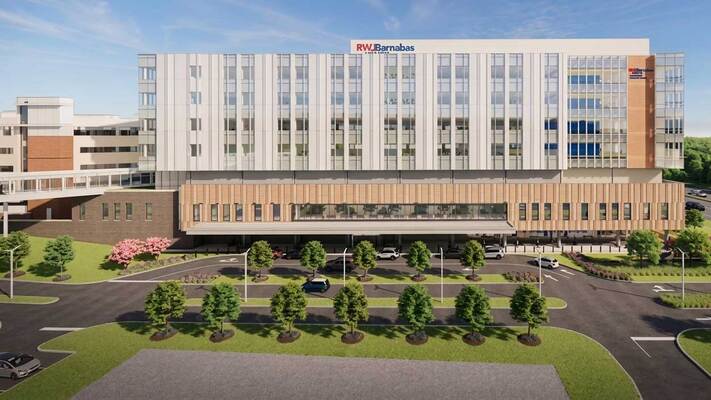
New Jersey’s health care landscape is undergoing a meaningful transformation—one that reflects both the evolving economics of prescription access and a renewed commitment to expanding physical care capacity across the state. Two developments, each significant on its own, together signal a broader shift in how patients engage with the system: the decision by the Bristol Myers Squibb–Pfizer Alliance to bring Eliquis directly to consumers through Mark Cuban Cost Plus Drug Company, and the approval of a major expansion at RWJBarnabas Health’s Community Medical Center in Toms River.

Together, these moves reflect a dual-track evolution: one focused on affordability and transparency in medication access, the other on strengthening the infrastructure required to deliver care at scale in one of the nation’s most densely populated states.

The introduction of Eliquis—known generically as apixaban—onto the Cost Plus Drugs platform represents a notable moment in the ongoing reconfiguration of pharmaceutical distribution. As one of the most widely prescribed oral anticoagulants in the United States, Eliquis plays a central role in the treatment and prevention of serious cardiovascular conditions, particularly in patients diagnosed with atrial fibrillation not caused by a heart valve disorder. It is also widely used in the treatment of deep vein thrombosis and pulmonary embolism, and in reducing the risk of recurrence for both conditions.

By making this medication available directly to patients through a transparent pricing model, the Alliance is effectively removing layers of traditional pharmaceutical pricing complexity. Beginning April 27, eligible patients with a prescription will be able to obtain a 30-day supply for $345, a price point that reflects a more streamlined cost structure compared to many traditional distribution channels. This move is not simply about price—it is about predictability, access, and control in a system where those elements have often been fragmented.

The broader implications are substantial. For a medication that has demonstrated the ability to generate an estimated $3 billion in health care cost savings per 100,000 patients treated—largely through the prevention of hospitalizations and extended rehabilitation—expanded access can translate directly into improved patient outcomes and reduced systemic strain. When patients are able to maintain consistent access to essential therapies, the downstream impact is measurable not only in individual health metrics but across the broader health care economy.

This collaboration also builds on earlier efforts by the Alliance to create direct-to-patient pathways, including the Eliquis 360 Support program accessible through BMS Patient Connect. The addition of Cost Plus Drugs introduces a new layer of accessibility, particularly for cash-paying patients who may not benefit from traditional insurance structures. It represents a pragmatic response to a persistent challenge: how to ensure that widely prescribed, clinically essential medications remain within reach for the populations that depend on them.

At the same time, New Jersey is investing heavily in the physical expansion of its health care infrastructure, underscoring a parallel priority—capacity. The approval of a 444,000-square-foot, six-story addition at Community Medical Center in Toms River marks a significant milestone in a long-term, four-phase development plan designed to modernize and expand the facility’s capabilities.

Operating on its current 41.5-acre campus along Route 37 since the early 1960s, the hospital has long served as a critical anchor for health care delivery in Ocean County and beyond. The newly approved addition, which will be constructed on a three-acre parcel adjacent to the existing facility, represents the second phase of a comprehensive expansion strategy first outlined and approved in 2022.

The scale of the project reflects both current demand and future projections. Plans for the expansion include the addition of outpatient clinics, enhanced surgical services, new patient rooms, and updated communal spaces such as a cafeteria. These components are not incidental—they are essential to accommodating a growing patient population while simultaneously advancing the standard of care.

From an operational standpoint, the integration of expanded outpatient services is particularly significant. As health care delivery continues to shift toward outpatient and ambulatory care models, facilities that can effectively balance inpatient and outpatient capacity are better positioned to meet both clinical and economic demands. The addition will allow Community Medical Center to do precisely that, creating a more flexible and responsive care environment.

The project is being designed by HDR Inc., with engineering services provided by Langan Engineering and Environmental Services, both firms bringing specialized expertise to a development of this magnitude. The inclusion of these partners underscores the complexity of modern hospital construction, where architectural design, engineering precision, and regulatory compliance must align seamlessly.

This expansion also follows the completion of the first phase of the master facility plan, which included the development of a new parking garage—an often-overlooked but critical component of patient access and operational efficiency. Each phase builds upon the last, creating a cohesive vision for a campus that is both modernized and scalable.

Taken together, these two developments—one in pharmaceutical access, the other in infrastructure—illustrate a broader narrative unfolding across New Jersey’s health and wellness sector. It is a narrative defined by adaptation, where long-standing systems are being reexamined and, in many cases, reengineered to better serve patients in a rapidly changing environment.

For patients, the implications are tangible. Greater transparency in drug pricing reduces uncertainty and financial stress. Expanded hospital capacity improves access to care, reduces wait times, and enhances the overall patient experience. For providers and health systems, these changes create new opportunities to deliver care more efficiently while maintaining high clinical standards.

For the state as a whole, this moment represents a convergence of innovation and investment—an acknowledgment that the future of health care will be shaped not only by clinical breakthroughs but by the systems that deliver them. In that context, New Jersey is positioning itself not just to respond to current challenges, but to lead in defining what accessible, scalable, and patient-centered care looks like moving forward.

Readers looking to explore more developments shaping the state’s evolving health landscape can access additional coverage through the Explore New Jersey health and wellness section, where ongoing reporting continues to track the initiatives, investments, and innovations redefining care across the region.
New Jersey at the Center of a National Reckoning: Rep. LaMonica McIver’s AI Data Center Transparency Bill Targets Hidden Development and Community Impact

New Jersey has become an early proving ground for one of the most consequential policy debates emerging alongside the rapid expansion of artificial intelligence infrastructure. With the introduction of the AI Data Center Site Selection Transparency Act of 2026, Congresswoman LaMonica McIver is placing the state—and the nation—on notice: the era of quiet, behind-the-scenes approval of massive AI data center projects may be coming to an end.

The legislation arrives at a moment when the physical footprint of artificial intelligence is no longer theoretical. Data centers, once treated as neutral back-end infrastructure, are now recognized as energy-intensive industrial operations with real consequences for local communities. In New Jersey, where population density, aging infrastructure, and environmental pressures already intersect, the stakes are particularly high. The bill’s core premise is direct and forceful—communities deserve to know what is being built around them before decisions are finalized, not after the consequences are locked in.

At the heart of the proposal is a structural shift in how development is disclosed and debated. The legislation would require AI data center developers to publicly identify proposed sites at least 180 days before any meaningful step toward construction. That timeline is not incidental. It is designed to give residents, local officials, and advocacy groups sufficient time to evaluate the scope of a project, organize responses, and participate in the decision-making process. In practical terms, it represents a move away from procedural notice toward substantive engagement.

The urgency behind the bill is not hypothetical. In Kenilworth, New Jersey, a $1.8 billion AI data center project advanced through early stages with limited public awareness, leaving residents scrambling to understand a development that could reshape their immediate environment. Many reported learning about the project informally, despite living within a few hundred yards of the proposed site. Concerns quickly surfaced around water quality, flood risk, and the long-term impact on electricity costs. A grassroots response followed, including a petition signed by more than 1,500 residents, but by that point, the process was already in motion. That sequence—late awareness followed by limited leverage—is precisely what the McIver bill seeks to prevent.

The legislation also addresses a less visible but equally significant issue: the use of nondisclosure agreements to limit transparency between developers and public entities. Under the proposed framework, such agreements would be restricted in cases where they prevent the disclosure of environmental, energy, or infrastructure impacts. This provision directly challenges a longstanding practice in large-scale development, where key project details are often shielded under the justification of proprietary information. By curbing that approach, the bill aims to rebalance the information dynamic between corporations and communities.

Co-led by Representatives Valerie Foushee and Andre Carson, the measure reflects a broader coalition focused on environmental justice, consumer protection, and infrastructure accountability. Their involvement underscores the national scope of the issue, particularly as data center expansion accelerates across multiple regions. These facilities, while critical to the functioning of AI systems and cloud computing, often consume vast amounts of electricity and water—sometimes rivaling the resource demands of entire municipalities. That level of consumption introduces new pressure points for local grids, water systems, and environmental sustainability frameworks.

The bill’s requirements extend well beyond basic disclosure. Developers would be obligated to provide detailed, independently verified analyses of projected electricity use, water consumption, cooling demands, and environmental impact. These reports would need to be accessible, multilingual, and distributed through multiple channels, including local media, direct outreach, and on-site signage. The objective is clear: eliminate the gap between technical compliance and actual public awareness. It is not enough for information to exist; it must be delivered in a way that communities can realistically engage with and understand.

From a regulatory standpoint, the legislation introduces enforcement mechanisms designed to ensure compliance carries real consequences. Violations would be treated as unfair or deceptive practices under the Federal Trade Commission framework, elevating the seriousness of nondisclosure or misrepresentation. Additionally, the bill establishes joint accountability among developers, owners, and operators, preventing liability from being diffused across multiple entities. This is a deliberate attempt to close loopholes that have historically allowed large projects to move forward without clear responsibility when issues arise.

Support for the bill reflects a convergence of environmental, consumer, and policy advocacy organizations that have increasingly focused on the hidden costs of data infrastructure. Groups aligned with environmental protection, energy regulation, and public accountability have pointed to a consistent pattern: communities often absorb the externalities of development—higher utility rates, environmental strain, and infrastructure degradation—without meaningful input during the approval process. By mandating early disclosure and independent analysis, the legislation seeks to address that imbalance at its source.

The broader policy context reinforces the importance of this moment. As covered across New Jersey’s evolving legislative landscape, including ongoing reporting from NJ Spotlight News, the state is increasingly grappling with how to balance economic development with sustainability, transparency, and public trust. AI infrastructure sits squarely at the intersection of those priorities. It represents economic opportunity and technological advancement, but also introduces new regulatory challenges that existing frameworks were not designed to handle.

What distinguishes the AI Data Center Site Selection Transparency Act is its recognition that infrastructure decisions are no longer purely technical or economic—they are deeply civic. The placement of a data center affects not just land use, but energy markets, environmental conditions, and long-term municipal planning. In that context, the absence of transparency is not a procedural oversight; it is a structural failure that can erode trust and limit democratic participation.

For New Jersey, the implications are immediate. The state’s density, proximity to major metropolitan markets, and existing energy infrastructure make it an attractive target for continued data center expansion. Without clear regulatory guardrails, similar scenarios to Kenilworth could emerge in other municipalities, each carrying its own set of localized impacts. The McIver bill positions itself as a preemptive correction, establishing a framework before those patterns become entrenched.

At a national level, the legislation signals a shift in how policymakers are approaching the physical realities of the digital economy. Artificial intelligence may operate in virtual environments, but its infrastructure is grounded in physical space, consuming tangible resources and affecting real communities. Bringing that reality into the legislative spotlight is a necessary step in aligning technological progress with public accountability.

As the bill moves through the legislative process, it will likely face scrutiny from industry stakeholders concerned about development timelines and regulatory burden. However, the underlying question it raises is difficult to dismiss: who gets to decide what is built in a community, and when do they get to know about it? By reframing that question around transparency and participation, New Jersey is once again positioning itself at the forefront of a policy debate that will define the next phase of infrastructure development in the United States.

New Jersey Hall of Fame Class of 2026: Public Voting Opens as the Garden State Celebrates Its Most Influential Voices Across Generations

New Jersey’s identity has always been defined by impact. It is a state that consistently produces figures who shape industries, influence culture, and drive innovation far beyond its borders. That legacy is once again taking center stage as public voting officially opens for the New Jersey Hall of Fame Class of 2026, inviting residents across the Garden State to take part in one of its most meaningful civic and cultural traditions.

The process is straightforward but significant. Through May 5, New Jerseyans have the opportunity to cast their votes for a slate of 60 nominees representing a wide spectrum of disciplines, from arts and entertainment to science, public service, enterprise, and sports. The act of voting is more than participation—it is a collective acknowledgment of the individuals whose work continues to define what New Jersey represents on a national and global level.

Since its founding in 2008, the New Jersey Hall of Fame has inducted more than 260 individuals and groups, building a roster that reflects both the diversity and depth of the state’s influence. The criteria have remained consistent: honorees must demonstrate lasting contributions that extend beyond personal success and into meaningful impact on communities, industries, and society as a whole. It is not simply about recognition. It is about legacy.

The 2026 nominee class reinforces that standard with a cross-sector lineup that underscores the breadth of New Jersey’s reach. In Arts & Letters, names such as Mitch Albom and Janet Evanovich represent storytelling at the highest level, while media figures like Steve Adubato Jr. highlight the state’s role in shaping public discourse. These are individuals whose work has influenced how stories are told, consumed, and understood across generations.

In the category of Education, Research, Engineering & Science, the nominations reflect foundational contributions to global knowledge and technological advancement. Figures such as John Bardeen, whose work helped define modern electronics, and Alfred Kinsey, whose research reshaped cultural conversations, illustrate the intellectual weight carried by New Jersey’s academic and scientific community. This category alone reinforces the state’s longstanding position as a center for research and discovery.

The Enterprise category captures another dimension of influence: the ability to build, scale, and transform industries. Nominees like Barbara Corcoran and David Tepper reflect entrepreneurial success at the highest level, while others represent foundational leadership in corporate and financial sectors that continue to shape economic landscapes far beyond state lines.

Within Performing Arts & Entertainment, the list reads as a reflection of New Jersey’s deep cultural imprint. Actors such as Michael B. Jordan and Bobby Cannavale stand alongside music icons like SZA and legacy groups such as The Rascals. These are artists whose work has not only defined eras but continues to influence the direction of film, television, and music at a global level.

Public Service nominees bring a different but equally critical dimension to the conversation. Leaders such as Christine Todd Whitman and Bill Pascrell represent decades of public leadership, while historical figures like Lucy Stone remind voters that New Jersey’s contributions to civic progress are deeply rooted in the nation’s history.

The Sports category completes the slate with figures whose achievements have energized fan bases and elevated New Jersey’s presence on the global stage. From NFL standouts like Victor Cruz to hockey stars such as Jack Hughes and broadcasting icons like Jim Nantz, the category reflects both on-field excellence and the broader cultural impact of sports in the region.

What makes the Hall of Fame process particularly compelling is its integration of public participation with institutional recognition. Residents are not simply observing the selection—they are directly influencing it. That dynamic reinforces the Hall of Fame’s role as a living institution, one that evolves alongside the communities it represents.

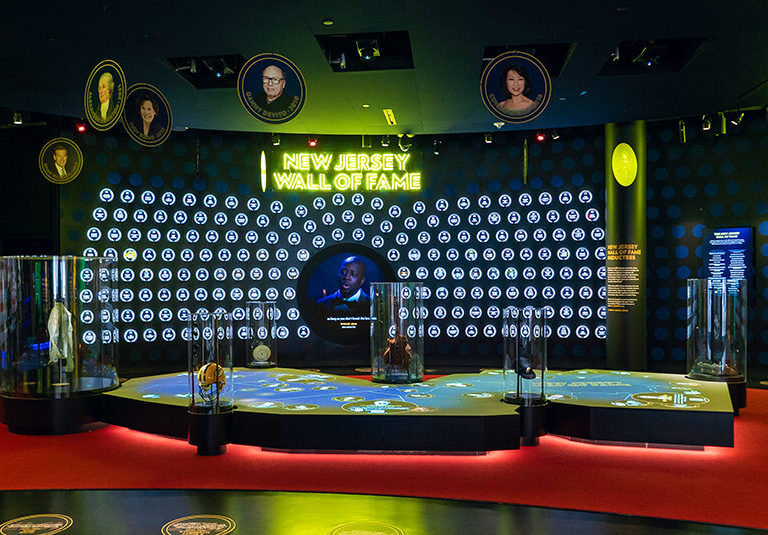
The timeline ahead is clearly defined. Voting remains open through early May, after which the final inductees will be announced in June. The culmination will take place at the 18th Annual Induction Ceremony this fall, an event that has increasingly become one of the state’s signature cultural gatherings. Recent ceremonies have been held at American Dream, home to the Hall of Fame’s $20 million Entertainment and Learning Center, which opened in 2024 and serves as a permanent, interactive space dedicated to preserving and showcasing New Jersey’s legacy of achievement.

The broader significance of the Hall of Fame extends beyond the ceremony itself. It functions as a connective thread between generations, industries, and communities. It provides a structured way to recognize not just success, but influence—the kind that shapes how people think, create, lead, and compete. In doing so, it reinforces a central truth about New Jersey: its impact is not confined by geography.

This year’s voting cycle arrives at a time when the state’s cultural and economic influence continues to expand across multiple sectors, a trend reflected throughout the Explore New Jersey Entertainment landscape. From film and television production to live performance and sports, New Jersey is operating at a level of visibility and relevance that continues to grow. The Hall of Fame, in many ways, serves as both a record of that progress and a benchmark for what comes next.

Arts & Letters

  • Steve Adubato Jr.
  • Mitch Albom
  • Michael Aron
  • Janet Evanovich
  • Elizabeth Gilbert
  • Big Joe Henry
  • Jennifer Jones
  • Peter King
  • Produce Pete Napolitano
  • Marvin Scott

Education, Research, Engineering & Science

  • John Bardeen
  • William C. Campbell
  • Lewis L. Coriell
  • Tom Eastwick
  • Val Fitch
  • Alfred Kinsey
  • Gregory Olsen
  • Emily Roebling
  • John Stevens
  • James West

Enterprise

  • Marc E. Berson
  • James E. Burke
  • William L. Clayton
  • Barbara Corcoran
  • Robert C. Garrett
  • Peter Kellogg
  • Chris Malachowsky
  • Chris Paladino
  • John Scher
  • David Tepper

Performing Arts & Entertainment

  • James L. Brooks
  • Bobby Cannavale
  • Tom Cantone
  • Michael B. Jordan
  • Marilyn McCoo
  • Melba Moore
  • Phoebe Snow
  • SZA
  • The Rascals
  • Uncle Floyd Vivino

Public Service

  • Nicholas F. Brady
  • Michael Chertoff
  • Geraldine Dodge
  • Bruce Gordon
  • William Livingston
  • Gail McGovern
  • Bill Pascrell
  • Donald M. Payne Sr.
  • Lucy Stone
  • Christine Todd Whitman

Sports

  • Al Attles
  • Wayne Chrebet
  • Hazel Clark
  • Victor Cruz
  • Jack Hughes
  • John McMullen
  • Jim Nantz
  • Don Newcombe
  • Drew Pearson
  • Sonny Werblin

As ballots are cast and conversations unfold, the focus remains on recognizing those who have defined excellence in their respective fields while maintaining a connection to the state that shaped them. The Class of 2026 will ultimately join a lineage that tells a much larger story—one of ambition, resilience, and the kind of achievement that continues to position New Jersey as a force across every major industry it touches.

A Different Kind of Mother’s Day in New Jersey: Five Star Swim School’s Open Swim Experience Redefines Family Time

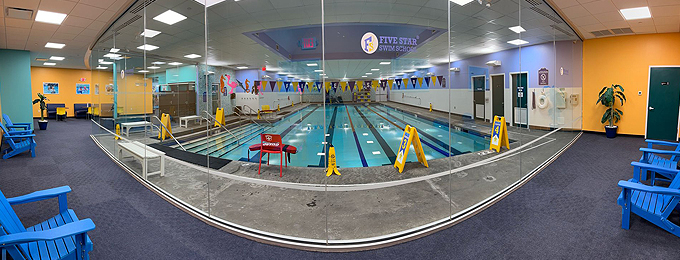
Mother’s Day in New Jersey has evolved beyond the expected reservations and traditional routines, and this year, one of the most compelling options for families looking to create something more meaningful is unfolding in an environment designed entirely around comfort, connection, and shared experience. The Mother’s Day Open Swim at Five Star Swim School is not positioned as a spectacle or a crowded public event. It is structured as something far more intentional—an opportunity to step away from noise and into a controlled, welcoming space where families can actually spend time together.

At its core, the concept is simple. Families are invited into a warm, saltwater pool environment where the focus is not on programming or performance, but on presence. The setting is deliberately designed to remove barriers that often come with public swimming facilities—overcrowding, harsh chlorine conditions, and impersonal atmospheres—and replace them with something that feels more private, more relaxed, and ultimately more aligned with the purpose of the day. The decision to use saltwater pools is not incidental. It reflects a broader shift toward comfort-driven recreational environments, where water quality, temperature consistency, and overall sensory experience contribute directly to how long families stay, how they interact, and how they remember the time spent together.

What distinguishes this event is the way it reframes Mother’s Day itself. Rather than centering the day around logistics—reservations, wait times, or structured activities—it places emphasis on shared downtime. The open swim format allows families to move at their own pace, whether that means playful interaction in the water, quiet floating, or simply being present in a calm, controlled setting. This flexibility is increasingly valuable, particularly for families balancing multiple schedules and obligations. It is not about filling time. It is about creating it.

Five Star Swim School’s decision to offer complimentary admission for mothers introduces an additional layer of intent. It is not a promotional tactic so much as a clear acknowledgment of the role the day is meant to honor. In a landscape where many Mother’s Day experiences are transactional, this approach subtly shifts the tone toward appreciation. Everyone else participates at the standard rate, maintaining accessibility while still prioritizing the central figure of the occasion.

From a broader perspective, events like this align directly with the expanding range of experiences documented across Explore New Jersey Activities & Fun, where the focus continues to move toward experiential, family-oriented options that emphasize quality over scale. New Jersey’s strength has always been its diversity of offerings, but what is becoming increasingly clear is that smaller, more intentional events are carving out a distinct and growing space within that ecosystem. They offer something that larger events often cannot: control, comfort, and the ability to shape the experience around the participant rather than the schedule.

There is also a practical dimension that should not be overlooked. Indoor swim environments provide a level of predictability that outdoor events cannot guarantee, particularly in a region where weather variability can disrupt even the most carefully planned day. By hosting the event in a controlled aquatic setting, Five Star Swim School effectively removes that uncertainty, allowing families to commit to the experience without contingency planning. That reliability, while often understated, plays a significant role in how events are chosen and remembered.

The atmosphere itself is expected to reflect a balance between activity and calm. While children engage naturally with the water, the environment remains conducive to conversation and connection. It is not designed to overwhelm; it is designed to support. For many families, that distinction is what ultimately defines whether an event feels worthwhile or simply another obligation on an already full calendar.

What makes this Mother’s Day Open Swim particularly relevant within the current landscape is how it mirrors broader cultural shifts around how time is valued. Experiences that prioritize presence, interaction, and simplicity are increasingly preferred over those that emphasize scale or spectacle. In that sense, this event is not just a seasonal offering. It is part of a larger movement toward intentional recreation—one where the outcome is measured not by how much is done, but by how it feels while it is happening.

As Mother’s Day approaches, the appeal of stepping into a warm, quiet pool environment—away from crowds, away from rigid schedules—becomes increasingly clear. It offers families a chance to reset, to reconnect, and to engage with each other in a way that is often difficult to achieve in more conventional settings. For those looking to approach the day differently, the Mother’s Day Open Swim at Five Star Swim School stands out not because it tries to do everything, but because it focuses on doing one thing well: creating space for families to simply be together.

New Jersey Housing Prices Continue Climb as Sales Slow, While Asbury Park Development Debate Signals Next Phase of Coastal Growth

NEW JERSEY — The latest first-quarter housing data across New Jersey reveals a market that continues to push upward on price while simultaneously showing clear signs of transactional slowdown, a dual-track dynamic that is now defining the state’s real estate and development environment. At the same time, local planning decisions—such as the delayed vote on a major mixed-use project in Asbury Park—underscore how supply constraints, community expectations, and long-term economic strategy are converging into a more complex and deliberate phase of growth.

According to newly released data from New Jersey Realtors, median home prices increased across every major property category during the first quarter of 2026, reinforcing the structural imbalance between supply and demand that has characterized the market in recent years. The statewide median sales price reached $510,000, representing a 2.2% increase compared to the same period last year. This continued appreciation is not being driven by volume; in fact, the number of transactions is moving in the opposite direction.

Closed sales across the state declined 6.1% year-over-year, totaling just over 15,000 transactions, while pending sales fell even further, down 8.3%. These figures point to a market where buyer activity is being constrained—whether by affordability pressures, interest rate conditions, or limited inventory—despite sustained upward pressure on pricing. In practical terms, the result is a slower-moving market where competition remains intense for available properties, but fewer deals are ultimately closing.

Inventory conditions remain a central factor. New listings dropped 5.1% in the first quarter, continuing a trend that has restricted buyer choice and contributed to price stability. While the number of homes available for sale did see a modest increase in March, rising 2.6% to 16,400 units, the broader context remains one of tight supply. Homes are also taking longer to sell, with average days on market increasing by more than 9% to 48 days, signaling a subtle but important shift in market pacing.

Even with that adjustment, sellers are still commanding near-full value. Properties are closing at just above asking price on average, indicating that while buyer urgency may be moderating, pricing power has not meaningfully eroded. This balance—slower activity paired with sustained pricing—illustrates a market that is not weakening, but recalibrating.

A closer look at property types further clarifies the landscape. Single-family homes continue to anchor the market, with median prices rising 2.7% to $565,000, even as closed sales declined nearly 5%. Townhouse and condominium pricing held steady at $415,000, though this segment experienced a sharper drop in transaction volume, with sales down more than 11%. Adult community properties saw a 1.4% increase in median price to $365,000, with only a modest decline in closed sales. Collectively, these figures suggest that demand remains present across categories, but is being selectively constrained by financial and inventory considerations.

This evolving market backdrop is directly influencing how municipalities approach development, particularly in high-demand coastal areas where land availability, zoning flexibility, and community sentiment all intersect. Nowhere is that tension more visible than in Asbury Park, where a proposed mixed-use development has become a focal point for broader questions about growth, density, and neighborhood identity.

The Asbury Park Planning Board recently postponed a vote on a 67-unit mixed-use proposal at 320 Asbury Avenue, extending a review process that has already spanned multiple years. The project, backed by redevelopment entities including APW Redeveloper LLC and Asbury Partners, is designed to transform a 1.96-acre triangular parcel near Wesley Lake into a multi-building residential and commercial complex. The proposal includes a five-story apartment building with 50 units, a smaller three-story structure with additional residences and ground-floor retail space, and a townhouse component consisting of nine units with integrated garages.

From a development standpoint, the project reflects many of the priorities shaping modern urban planning: increased residential density, mixed-use integration, and proximity to transit and recreational assets. The site itself sits within one of the most strategically positioned corridors in Asbury Park, adjacent to established residential communities and within reach of the city’s beachfront, boardwalk, and historic landmarks. In purely economic terms, the development aligns with the realities of a market where demand for housing—particularly in desirable coastal locations—continues to exceed supply.

However, the planning process has highlighted the increasingly nuanced role that local boards and residents play in shaping outcomes. During recent hearings, board members and community participants raised concerns about architectural design, visual integration, and the project’s ability to serve as a transitional space between the city’s high-density waterfront and its surrounding residential neighborhoods. Questions around facade design, materials, and overall aesthetic compatibility became central to the discussion, reflecting a broader expectation that new developments must contribute to the character of the area, not simply maximize land use.

The developer’s team, including legal and architectural representatives, emphasized that the proposal has already undergone extensive revision, incorporating feedback gathered over several years of engagement with municipal stakeholders. Despite those efforts, the board ultimately requested further modifications before proceeding to a vote, pushing the decision to June 1. The delay underscores a larger reality: development in New Jersey’s most sought-after locations is no longer defined solely by zoning allowances, but by the ability to align with community expectations and long-term planning objectives.

This dynamic is particularly significant given the broader economic implications. As property values continue to rise, the pressure to increase housing supply intensifies. At the same time, residents and local officials are increasingly focused on preserving quality of life, managing infrastructure demands, and ensuring that growth is both sustainable and contextually appropriate. The result is a more deliberate development process, where projects are evaluated not only on feasibility, but on their contribution to the overall fabric of the community.

Within the framework of Sunset Daily News New Jersey Politics, these developments represent more than isolated market updates. They reflect the intersection of economic forces and policy decisions that are shaping the state’s future. Housing affordability, land use, and community planning are no longer separate conversations—they are interconnected elements of a broader governance challenge that requires coordination across local, regional, and state levels.

The trajectory of New Jersey’s housing market suggests that pricing pressures are unlikely to ease in the near term, particularly in high-demand areas. At the same time, the slowdown in transaction volume indicates that buyers are becoming more selective, and that market conditions are evolving in ways that demand careful navigation. For developers, this means adapting to a more complex approval landscape. For policymakers, it means balancing the need for growth with the expectations of constituents. For buyers and sellers, it means operating within a market that is simultaneously competitive and constrained.

As the second quarter unfolds, attention will remain fixed on both data and decisions—on whether inventory begins to expand, whether transaction activity stabilizes, and how projects like the Asbury Avenue development ultimately move forward. What is clear is that New Jersey is entering a phase where the fundamentals of real estate are being redefined not just by economics, but by the interplay of policy, planning, and community engagement.

New Jersey’s 7th Congressional District Becomes the State’s Defining Political Battleground as Democratic Primary Intensifies Ahead of June 2026

NEW JERSEY — The race to define the political future of New Jersey’s most competitive congressional district has entered a decisive phase, with a four-way Democratic primary set for June 2, 2026, now emerging as one of the most consequential contests in the state’s political landscape. At stake is not only the party nomination, but the strategic positioning for a high-stakes general election challenge against incumbent Tom Kean Jr., who is seeking a third term representing the 7th Congressional District—widely regarded as New Jersey’s premier swing district.

The significance of this race extends well beyond district lines. Control of competitive seats like NJ-07 is central to the broader battle for the House of Representatives, placing heightened attention on the Democratic primary as national organizations, advocacy groups, and political strategists increasingly view the outcome as a critical inflection point heading into the general election cycle. Within New Jersey, the district has become a focal point for voter engagement, fundraising activity, and policy messaging, reflecting the evolving dynamics of suburban and exurban electorates that continue to shape modern political outcomes.

The Democratic field, once expansive, has narrowed to four principal candidates, each bringing distinct professional backgrounds and policy priorities into a contest that remains fluid and highly competitive. Rebecca Bennett has emerged as a leading figure in the race, combining a background as a former U.S. Navy helicopter pilot and current Air National Guard officer with executive-level business experience. Her campaign has gained traction through strong fundraising performance and a growing network of endorsements, positioning her as a candidate capable of appealing to both traditional Democratic voters and independents critical to winning in a swing district.

Alongside Bennett, Michael Roth has built his campaign around fiscal policy and economic reform, drawing on his experience as a former interim leader within the Small Business Administration. His platform emphasizes tax restructuring and the modernization of federal benefit systems, aiming to connect with voters focused on economic stability and government efficiency. Tina Shah, a physician and former federal advisor, has centered her candidacy on healthcare affordability and systemic reform, an issue that continues to resonate strongly across the district’s diverse population. Meanwhile, Brian Varela, a small business owner and party caucus leader, has advanced a more progressive platform, highlighting economic equity, labor priorities, and grassroots-driven policy initiatives.

Despite Bennett’s early advantage in donor fundraising, the race remains notably competitive. Self-funding efforts and targeted campaign strategies from other candidates have contributed to what political observers continue to characterize as a “wide open” contest. This dynamic underscores a broader trend in modern primaries, where financial metrics alone no longer guarantee dominance, and where voter engagement, message clarity, and ground operations play an increasingly decisive role.

A key moment in the campaign timeline is set for May 12, when the candidates will meet for a 105-minute televised debate. This forum is expected to serve as a critical inflection point, offering voters a direct comparison of policy positions, leadership styles, and strategic vision. In a district where margins are often narrow, the ability to articulate a compelling and credible case in such settings can significantly influence undecided voters and shape late-stage momentum.

Overlaying the primary contest is a broader political context that continues to evolve. The absence of prior candidate Sue Altman from this race—now running in a different congressional district—has reshaped the competitive landscape, opening space for new leadership narratives to emerge. At the same time, incumbent Tom Kean Jr. faces increasing scrutiny over his recent visibility in Washington, an issue that Democratic campaigns are expected to leverage as they position themselves for the general election.

One of the most significant developments in the race has been the entry of VoteVets, which has announced a six-figure advertising investment in support of Bennett. The campaign, anchored by a $200,000 initial buy, represents a coordinated, multi-platform media effort designed to reach likely primary voters across cable television, streaming services, and digital channels. The strategy reflects a sophisticated understanding of modern media consumption, targeting audiences through a combination of traditional broadcast networks and digital ecosystems including ConnectedTV and social platforms.

The centerpiece of the campaign, an advertisement titled “Fighter’s Edge,” features testimony from a fellow Navy veteran who trained alongside Bennett. The messaging is calibrated to highlight leadership under pressure, decision-making in high-stakes environments, and a service-oriented approach to governance. These themes are not incidental; they align with broader voter sentiment research indicating that military experience and veteran advocacy continue to carry significant credibility across demographic groups, particularly among working-class voters and younger audiences whose political engagement has fluctuated in recent cycles.

VoteVets’ involvement also signals a broader nationalization of the race. With a track record of substantial electoral investment—including tens of millions of dollars in prior cycles—the organization’s decision to engage early in the NJ-07 primary reflects its assessment of the district’s strategic importance. Such investments are not solely about influencing primary outcomes; they are also about shaping narratives and building infrastructure that can carry forward into the general election.

The broader implications of this race are closely tied to the evolving identity of New Jersey’s suburban districts. Once considered reliably aligned with one party, these regions have become increasingly competitive, influenced by demographic shifts, economic pressures, and changing voter priorities. Issues such as cost of living, healthcare access, public safety, and economic opportunity are expected to dominate the discourse, requiring candidates to navigate a complex and often cross-cutting set of concerns.

Within the framework of Sunset Daily News New Jersey Politics, the NJ-07 primary represents a clear example of how local contests are increasingly interconnected with national dynamics. The candidates are not only articulating district-specific solutions but are also positioning themselves within broader debates that define the current political environment. This dual focus adds both complexity and significance to the race, elevating it beyond a typical primary contest.

As the June 2 primary approaches, the trajectory of the race will likely be shaped by a combination of factors: the effectiveness of campaign messaging, the impact of external investments, voter turnout patterns, and the outcomes of key public forums such as the upcoming debate. What remains consistent is the central role of the district itself—a competitive, closely watched battleground where small shifts can produce substantial political consequences.

The outcome of this primary will set the stage for one of New Jersey’s most closely contested general elections, determining which candidate will carry the Democratic banner into a race that could influence the balance of power in Congress. In that sense, the events unfolding now are not isolated—they are part of a broader narrative about representation, accountability, and the direction of governance at both the state and national levels.

For voters, stakeholders, and observers alike, New Jersey’s 7th Congressional District has become more than a geographic designation. It is a proving ground for political strategy, a reflection of changing electoral dynamics, and a central arena in the ongoing effort to define the future of American governance.

From North Brunswick to Global Influence: Lenny Kaye’s “Goin’ Local” Reconnects a New Jersey Architect of Sound With His Roots

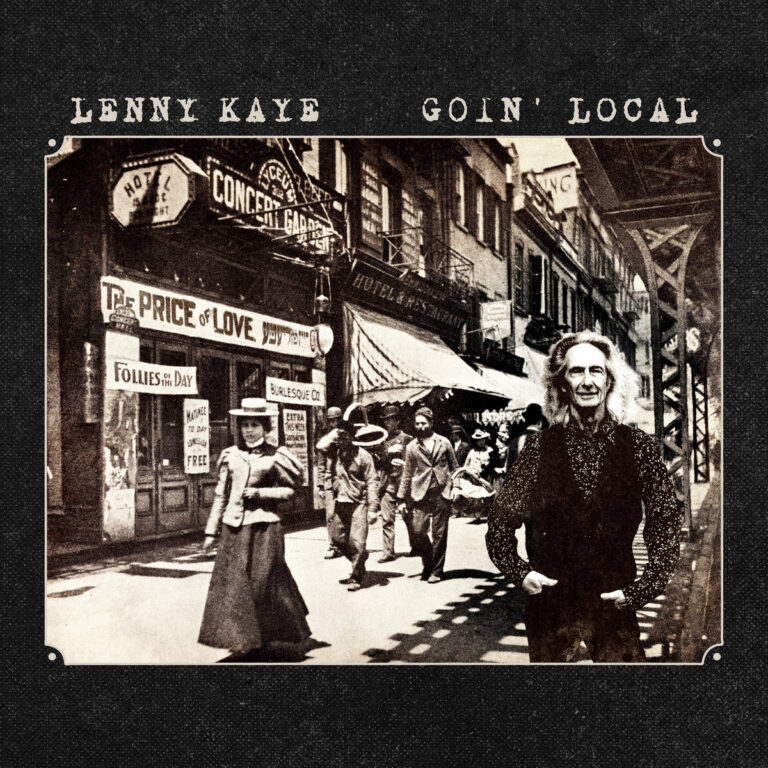
There are few figures in modern music whose influence runs as quietly deep—and as structurally important—as Lenny Kaye. For decades, his name has existed in the margins of major movements while simultaneously shaping them, whether through his role as a guitarist, producer, historian, or curator of the foundational Nuggets compilation that helped define the language of garage rock. Now, at 79, Kaye is stepping into a different kind of spotlight with the announcement of his first-ever solo album, Goin’ Local, set for release on July 17, 2026. For New Jersey, this is not just another album release. It is a full-circle moment tied directly to the state’s cultural identity and its expanding position within the national music conversation.

Kaye’s story, while often told through the lens of New York’s downtown scene, is fundamentally rooted in New Jersey. After being born in Manhattan, he relocated with his family to North Brunswick in 1960, a move that would quietly shape his creative foundation. It was there, in suburban New Jersey, that he began experimenting with storytelling and music, publishing a science fiction fanzine titled Obelisk as a teenager and immersing himself in the early rhythms of cultural expression. That early curiosity would evolve into something far more significant during his time at Rutgers University, where he graduated in 1967 with a degree in American History.

Rutgers was not simply an academic stop; it was an incubator. Kaye played in fraternity bands such as The Zoo and The Vandals, performing at campus events that blurred the line between casual entertainment and serious musical exploration. These were not headline-grabbing performances, but they were formative—spaces where instinct, collaboration, and audience connection began to take shape. Decades later, his return to Rutgers as an educator, teaching the course “Rock Music and American Culture,” reinforced his role not just as a participant in music history but as one of its most articulate interpreters.

That dual identity—practitioner and historian—has defined Kaye’s career. He is widely recognized for his long-standing collaboration with Patti Smith, a partnership that helped establish one of the most influential artistic voices of the punk era. But Kaye’s reach extends far beyond a single collaboration. His work as a producer, critic, and archivist has consistently connected past and present, shaping how audiences understand the lineage of American rock.

New Jersey formally recognized that impact when Kaye was inducted into the New Jersey Hall of Fame in 2021, a milestone that underscored his importance not only as a musician but as a cultural figure tied to the state’s identity. Yet even with that recognition, Kaye has remained actively engaged with the local arts community, including recent benefit performances that revisit his early years in New Brunswick and reaffirm his connection to the region.

That context is essential in understanding Goin’ Local. The album is not a late-career experiment or a nostalgic exercise. It is a deliberate statement—one that reflects a lifetime of experience while returning to the intimacy and immediacy that defined Kaye’s beginnings. The project, consisting of twelve tracks, has been described by Kaye as his most personal work to date, built over years of writing and reflection. The title itself is not metaphorical. It is literal in its intent: a focus on connection, community, and the kind of creative environment that shaped him in New Jersey.

The album’s lead single, also titled “Goin’ Local,” offers an early glimpse into that direction. Critics have noted a sharp, guitar-driven energy reminiscent of classic art-rock structures, paired with melodic sensibilities that draw from earlier eras of American songwriting. The result is a sound that feels both historically informed and emotionally immediate, aligning with Kaye’s long-standing ability to bridge eras without diluting either.

What elevates the project further is the caliber of its collaborators. Kaye reunites with Patti Smith on the track “Solstice,” reinforcing a creative partnership that has defined generations. The album also features contributions from a diverse group of musicians, including jazz pianist Matthew Shipp, John Jackson of The Jayhawks, Tim Carbone of Railroad Earth, and multi-instrumentalist David Mansfield. This is not a collection of guest appearances for the sake of visibility; it is a carefully assembled ensemble that reflects the breadth of Kaye’s musical relationships and influences.

Thematically, Goin’ Local operates as both a personal narrative and a broader commentary on the value of place in artistic development. Tracks such as “World Book Night” and “The Things You Leave Behind” suggest a reflective tone, while titles like “Let’s Make a Memory” and “A Friend Like You” point toward connection and shared experience. It is an album that resists the scale of modern production in favor of something more grounded—an approach that aligns with the ethos of local scenes that have historically driven innovation in American music.

That emphasis on locality resonates strongly within New Jersey’s current music landscape, which continues to expand in both visibility and infrastructure. Platforms such as Explore New Jersey Music document a growing ecosystem that spans live performance venues, emerging artists, and established acts returning to their roots. Kaye’s reemergence with Goin’ Local fits directly into that narrative, serving as both a reflection of the state’s past contributions and a signal of its ongoing relevance.

In many ways, the album arrives at a moment when the concept of “local” is being redefined. In an industry increasingly driven by global distribution and digital reach, Kaye’s focus on intimacy and community stands in contrast to scale for its own sake. It is a reminder that some of the most enduring musical ideas originate not from massive platforms, but from smaller, interconnected spaces where creativity is allowed to develop organically.

As anticipation builds toward the July release, Goin’ Local positions itself as more than a debut. It is a culmination of decades of work, a reintroduction of an essential figure in American music, and a reaffirmation of New Jersey’s role as a foundational contributor to the cultural landscape. For audiences within the state and beyond, it offers an opportunity to engage with an artist whose influence has long been felt—and who is now, finally, telling his story on his own terms.

New Jersey’s Film Industry Steps Into the Spotlight: NJ Film Expo Returns to the Meadowlands as the State’s Production Boom Accelerates

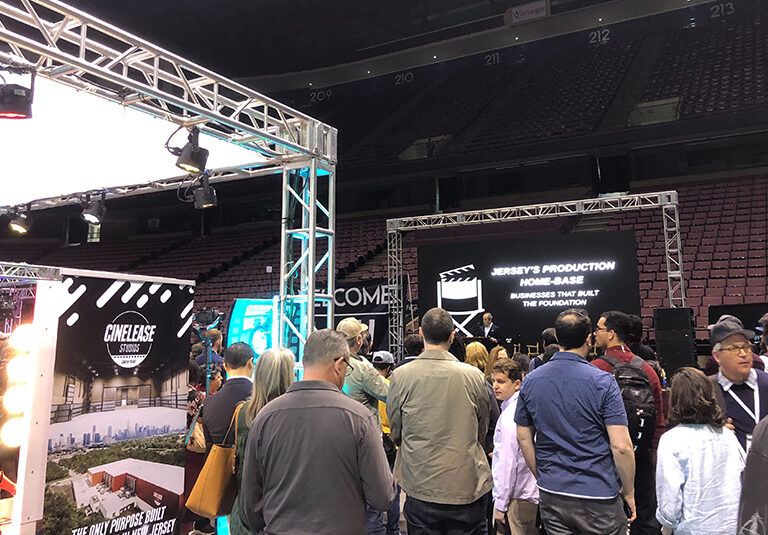
New Jersey’s transformation into one of the most aggressive and strategically positioned film and television production hubs in the United States is no longer a projection—it is a measurable, fast-moving reality. That trajectory will take center stage next week as the NJ Film Expo returns for its second annual edition, bringing the full weight of the state’s rapidly expanding production ecosystem into one room at the Meadowlands Arena in East Rutherford.

Set for Thursday, April 30, 2026, from 10:00 AM through 7:00 PM, the event represents more than a trade show. It is a signal of scale, intent, and momentum. Hosted by the Screen Alliance of New Jersey, the expo has quickly evolved into a central convening point for studios, producers, crew members, vendors, and policymakers who are collectively shaping the future of film and television production across the region. Admission remains free, with advance registration required, reinforcing a deliberate effort to maximize accessibility while maintaining a professional, industry-focused environment.
The timing is deliberate. New Jersey’s film and television sector has entered a phase of sustained growth driven by aggressive tax incentives, infrastructure investment, and proximity to New York City’s creative and financial ecosystems. The state is no longer positioning itself as an alternative—it is asserting itself as a primary destination for production. The NJ Film Expo functions as both a reflection of that progress and a catalyst for what comes next.

At the center of this year’s program is a keynote address from Governor Mikie Sherrill, whose administration has placed economic development and workforce expansion within the film sector at the forefront of its policy agenda. Her remarks are expected to focus on the measurable economic impact of production activity across New Jersey, along with the long-term workforce pipeline required to sustain it. This is not abstract policy discussion; it is tied directly to job creation, infrastructure expansion, and the continued attraction of major studio investment into the state.

What distinguishes the NJ Film Expo from traditional industry gatherings is its deliberate integration of every layer of the production pipeline. The exhibitor hall, now approaching 100 participating vendors, will showcase a cross-section of the tools and services that power modern filmmaking—from advanced lighting systems and camera technologies to location services and post-production capabilities. The presence of both independent operators and large-scale studio partners underscores the breadth of New Jersey’s production capacity, which continues to deepen with each passing year.

Equally significant is the programming built around knowledge transfer and strategic insight. Industry panels will feature experts from organizations such as the New Jersey Motion Picture & Television Commission, offering a detailed look at production trends, incentive structures, and the evolving geography of East Coast filmmaking. These discussions are not surface-level introductions; they are designed to equip attendees with actionable intelligence on how to operate within—and capitalize on—New Jersey’s expanding production framework.

The networking dimension of the expo is where its long-term impact becomes most apparent. For emerging filmmakers and early-career professionals, the event provides direct access to decision-makers and collaborators who can shape the trajectory of a project or career. For established producers and studios, it offers a consolidated environment to identify local resources, build partnerships, and streamline production logistics. This dual-layered value proposition is precisely what has allowed the NJ Film Expo to scale so quickly following its 2025 debut, which drew more than 3,000 attendees and exceeded initial expectations across the board.

This year’s edition expands beyond traditional industry mechanics by integrating cultural and community elements that reflect the broader identity of New Jersey’s creative economy. Live music performances and curated food truck offerings will create an atmosphere that is both professional and distinctly local, reinforcing the idea that the state’s film industry is not operating in isolation—it is embedded within a wider cultural ecosystem.

One of the most notable additions to the 2026 event is the official debut of SOCKO! Magazine, a publication built specifically to document and amplify New Jersey’s production community. Its launch at the expo is both symbolic and strategic. As the state’s film industry continues to mature, the need for dedicated media coverage, storytelling, and institutional memory becomes increasingly important. SOCKO! Magazine positions itself to fill that gap, offering a focused platform for the voices, projects, and infrastructure driving this growth.

For those tracking the broader trajectory of film and television in the region, the NJ Film Expo aligns directly with the expanding coverage found across the Explore New Jersey Film & TV platform, where ongoing developments—from studio announcements to production activity—continue to illustrate the scale of change underway. The expo effectively consolidates that momentum into a single-day, high-density environment where strategy, execution, and opportunity intersect.

The choice of the Meadowlands Arena as the venue is itself indicative of the event’s ambitions. Located in East Rutherford with immediate access to major transportation corridors and the New York metropolitan area, the site provides both the physical capacity and geographic positioning required to host an event of this scope. It reinforces the idea that New Jersey’s production industry is not peripheral—it is central, accessible, and built for scale.

As the second annual NJ Film Expo approaches, the conversation is no longer about potential. It is about acceleration. The infrastructure is in place, the incentives are proven, and the industry is actively engaging with the state at every level. What happens inside the Meadowlands Arena on April 30 will not simply reflect where New Jersey stands today—it will help define where it goes next.

Hermes Expo 35th Anniversary Business Conference Arrives in New Jersey as a Defining Platform for Leadership, Innovation, and Economic Growth

At a time when regional economies are being reshaped by global competition, technological acceleration, and evolving workforce dynamics, one of the most established business gatherings in the tri-state area is preparing to mark a significant milestone. The Hermes Expo will celebrate its 35th anniversary on April 29, 2026, bringing together a cross-section of executives, entrepreneurs, policymakers, and industry leaders for a full-day conference designed to drive meaningful dialogue, strategic partnerships, and forward-looking business development.

Now entering its fourth decade, the Hermes Expo has evolved from a traditional networking event into a comprehensive business platform that reflects the realities of modern enterprise. Its continued growth mirrors the trajectory of New Jersey’s own economic landscape—diverse, interconnected, and increasingly driven by innovation. The 35th anniversary edition is positioned not simply as a commemorative event, but as a high-impact convening where ideas are translated into action and relationships are built with long-term strategic intent.

The significance of this year’s conference lies in both its timing and its structure. Businesses across New Jersey and the broader Northeast corridor are navigating a complex environment defined by shifting capital markets, digital transformation, and the ongoing recalibration of supply chains and workforce expectations. Against that backdrop, Hermes Expo offers a curated environment where leaders can engage directly with peers, advisors, and solution providers in a setting designed to prioritize substance over surface-level interaction.

From its earliest iterations, the Expo has emphasized connectivity across industries, and that principle remains central to its 2026 program. Attendees can expect a dynamic mix of keynote discussions, panel sessions, and interactive networking opportunities, each structured to address the operational and strategic challenges facing today’s business community. The agenda is expected to span core areas including financial strategy, technology integration, market expansion, and leadership development, all framed through the lens of practical application rather than theoretical analysis.

What distinguishes Hermes Expo within the crowded landscape of business events is its ability to maintain relevance across multiple economic cycles. Over 35 years, it has consistently adapted to the needs of its participants, expanding its scope while maintaining a focus on tangible outcomes. That adaptability is particularly important in the current climate, where businesses are not only seeking growth, but resilience and sustainability. The conference’s programming reflects that shift, emphasizing strategies that allow organizations to scale intelligently while maintaining operational stability.

New Jersey’s role as host is central to the event’s identity. Positioned between New York City and Philadelphia, the state functions as a critical hub for commerce, logistics, finance, and innovation. Events like Hermes Expo reinforce that positioning by creating a focal point for regional collaboration. For local businesses, the conference provides access to a broader network of decision-makers and resources. For out-of-state participants, it offers direct exposure to one of the most strategically important business environments in the country.

The 35th anniversary celebration also serves as a reflection point for how business networking itself has evolved. Where once the emphasis was on volume—collecting contacts and exchanging business cards—the modern approach prioritizes depth and alignment. Hermes Expo’s structure supports that evolution, creating opportunities for targeted engagement that extend beyond the event itself. Partnerships formed in this setting are often built on shared objectives and complementary capabilities, increasing the likelihood of long-term success.

A key component of this year’s event is its focus on innovation as a driver of competitive advantage. As industries continue to be disrupted by emerging technologies, the ability to adapt quickly has become a defining characteristic of successful organizations. The Expo’s programming is expected to highlight not only the tools and platforms enabling that transformation, but the strategic frameworks required to implement them effectively. This includes discussions around digital infrastructure, data-driven decision-making, and the integration of automation into core business processes.

Equally important is the emphasis on leadership. In an environment where change is constant, leadership is no longer defined solely by authority or experience. It is defined by the ability to navigate uncertainty, align teams, and execute strategy with precision. Hermes Expo’s sessions are designed to address these competencies directly, offering insights from leaders who have successfully managed complex transitions and sustained growth in competitive markets.

The conference also reflects a broader trend within the business community toward purpose-driven operations. Companies are increasingly evaluated not only on financial performance, but on their impact—on employees, communities, and the environment. This shift is influencing everything from hiring practices to investment strategies, and it is expected to be a recurring theme throughout the event. By integrating these considerations into its programming, Hermes Expo positions itself at the intersection of profitability and responsibility, recognizing that the two are no longer mutually exclusive.

For New Jersey’s business ecosystem, the implications of an event like this extend beyond a single day. The relationships formed, the strategies discussed, and the ideas generated contribute to a broader cycle of growth and innovation. They influence how businesses approach expansion, how they respond to challenges, and how they position themselves within an increasingly competitive global market.

As part of the broader business coverage on Sunset Daily News New Jersey Business, the Hermes Expo stands out as a defining moment on the 2026 calendar. It represents the convergence of experience and forward-thinking strategy, bringing together those who have built the region’s economic foundation with those who are shaping its future.

The 35th anniversary edition is expected to draw a diverse and influential audience, reflecting the inclusive and expansive nature of the event itself. From established corporations to emerging ventures, the Expo provides a platform where ideas can be tested, refined, and executed. It is a space where conversations move beyond theory and into implementation, where connections are not only made but activated.

What ultimately defines Hermes Expo at this stage of its evolution is its clarity of purpose. It is not simply about gathering people in a room. It is about creating an environment where business leaders can engage with intention, access relevant insights, and leave with a clearer understanding of how to move forward. In a landscape where time and attention are increasingly scarce, that level of focus is both rare and valuable.

As April 29 approaches, the anticipation surrounding the event continues to build. For those operating within New Jersey’s business community—and for those looking to engage with it—the Hermes Expo’s 35th anniversary represents more than a milestone. It is an opportunity to participate in a conversation that is actively shaping the future of business in the region and beyond.

Bobby Mascia Launches Exit Ready Institute in New Jersey, Reframing Business Exit Strategy as the Defining Growth Discipline for Modern Entrepreneurs

MORRIS COUNTY, N.J. — A fundamental shift is taking hold across the business landscape in New Jersey, and it is being driven not by startups chasing scale, but by seasoned operators confronting a far more complex question: what is the endgame, and is the business truly built to reach it? With the official launch of the Exit Ready Institute on April 23, 2026, Montville-based wealth strategist Bobby Mascia is advancing a clear, structured answer—one that reframes exit planning not as a final step, but as the most important growth strategy a business owner can implement from the outset.

The Exit Ready Institute arrives at a moment when the stakes have never been higher. Across the United States, millions of privately held businesses are approaching generational transition, a phenomenon widely referred to as the “Silver Tsunami.” These companies collectively represent trillions of dollars in enterprise value, much of it concentrated in owner-dependent structures that were never engineered for transferability. In that context, Mascia’s initiative is not positioned as a niche advisory service—it is a response to a systemic gap in how businesses are built, scaled, and ultimately transitioned.

Headquartered in Montville, New Jersey, the institute is structured as a specialized training and advisory platform designed to guide business owners out of operational entanglement and into strategic ownership. Its core premise is direct: a business that cannot operate independently of its founder is not an asset—it is a job. The institute’s methodology is built around transforming that dynamic, equipping owners with the frameworks and systems required to create scalable, transferable, and ultimately sellable enterprises.

Mascia’s background reinforces the credibility of that approach. As CEO of Green Ridge Wealth Planning and a multi-unit Dunkin’ franchise operator, he operates at the intersection of financial strategy and real-world business execution. His recently released book, “Unchained,” expands on that philosophy, arguing that entrepreneurship without intentional design often traps owners in the very systems they set out to control. The Exit Ready Institute translates that thesis into a structured, actionable program.

The institute’s flagship offering is a live, virtual 12-module curriculum engineered to move participants through a disciplined progression of business transformation. The program is not conceptual; it is operational. Each module is built around three integrated pillars that define exit readiness at an institutional level.

The first is strategic direction, which focuses on value acceleration. This is not growth for growth’s sake. It is targeted, metrics-driven expansion aligned with how buyers, investors, and successors evaluate enterprise value. Owners are guided to identify the specific levers—revenue diversification, margin optimization, customer concentration reduction, and operational scalability—that directly impact valuation multiples. The objective is to reposition the business from a personality-driven operation to a system-driven enterprise.

The second pillar is financial clarity, an area where many otherwise successful companies remain structurally vulnerable. The institute emphasizes the creation of “owner-optional” systems—financial and operational frameworks that allow the business to function independently of day-to-day owner involvement. This includes establishing reliable reporting, repeatable processes, and decision-making protocols that can be executed by a leadership team rather than centralized in a single individual. In practical terms, it is the difference between a business that can be transferred and one that collapses without its founder.

The third pillar, purpose-driven planning, extends beyond the enterprise itself. It integrates personal financial objectives, legacy considerations, and post-exit life design into the strategy. This is where Mascia’s wealth planning expertise becomes particularly relevant. The institute does not treat exit as a transaction—it treats it as a transition, aligning the financial outcome of the business with the broader life goals of the owner. In doing so, it addresses a critical blind spot in traditional exit planning, where financial success does not always translate into personal fulfillment.

This integrated model reflects a broader evolution in how business strategy is being defined, particularly within the New Jersey market. The state’s business ecosystem—ranging from family-owned enterprises to mid-market operators—has long been characterized by deeply involved ownership structures. While that model has driven decades of success, it also introduces significant risk when succession or sale becomes imminent. The Exit Ready Institute positions itself as a corrective framework, one that allows owners to retain control of the process rather than reacting to it under pressure.

Mascia’s engagement with organizations such as the New Jersey Business & Industry Association further anchors the institute within the regional business community. Through ongoing collaboration, including educational programming and webinars focused on valuation and exit readiness, the initiative is extending its reach beyond individual participants and into the broader discourse around business sustainability in New Jersey. That alignment signals a recognition that exit readiness is no longer a specialized concern—it is a core competency for any business expected to endure beyond its founder.

The timing of the institute’s launch is particularly significant. Economic conditions, demographic trends, and shifting capital markets are converging to create both opportunity and urgency. Buyers are increasingly sophisticated, prioritizing businesses with clean financials, scalable systems, and reduced dependency on individual owners. At the same time, a growing number of owners are approaching retirement without a defined succession plan. The gap between those two realities is where value is either realized or lost.

What the Exit Ready Institute introduces into that equation is structure. It replaces ambiguity with process, and reactive decision-making with proactive design. For business owners, that shift has immediate implications. It influences how companies are managed, how teams are built, and how capital is allocated. More importantly, it redefines the purpose of growth itself. Growth is no longer measured solely by revenue or expansion—it is measured by how effectively the business is being prepared for transfer, whether through sale, succession, or strategic partnership.

From a broader economic perspective, the implications extend well beyond individual companies. The successful transition of privately held businesses is a critical component of regional economic stability. It affects employment, community continuity, and the preservation of institutional knowledge. By equipping owners with the tools to execute those transitions effectively, initiatives like the Exit Ready Institute contribute to the resilience of the business ecosystem as a whole.

Within the context of Sunset Daily News New Jersey’s ongoing coverage of business, entrepreneurship, and economic development, the launch of the Exit Ready Institute represents a clear inflection point. It signals a maturation in how growth is being defined and pursued. It reflects a market that is no longer focused solely on building businesses, but on building them correctly from the beginning—with the end in mind.

For New Jersey business owners navigating an increasingly complex landscape, the message is precise and unavoidable. The question is no longer whether an exit will happen. The question is whether the business is prepared for it. Through the framework introduced by Bobby Mascia and the Exit Ready Institute, that preparation is being repositioned from an afterthought to the central discipline of modern entrepreneurship.

New Jersey’s Engineering Pipeline Strengthens as ENSER Corporation Hosts Temple University Students for Immersive Career Experience in Cinnaminson

New Jersey’s role as a hub for advanced engineering, applied manufacturing, and career-driven education took a meaningful step forward on April 17, 2026, as ENSER Corporation opened its doors in Cinnaminson to the next generation of engineering talent. In a visit that reflects both long-standing institutional relationships and the evolving priorities of workforce development, the company welcomed leadership and students from Temple University Mechanical Engineering Department for an in-depth, real-world immersion into how engineering operates beyond the classroom.

The visit, which included department chair Dr. Kurosh Darvish and four mechanical engineering students, was not a symbolic tour—it was a working demonstration of how academic theory translates into industrial execution. Inside ENSER’s New Jersey-based facility, students were given direct exposure to the systems, processes, and problem-solving methodologies that define modern engineering environments, offering a tangible bridge between university instruction and professional application.

For New Jersey, this type of engagement is more than a one-day event. It is part of a broader pattern of alignment between industry and education, where companies are increasingly investing in early-stage exposure to attract, train, and ultimately retain talent within the region. ENSER’s headquarters in Cinnaminson—where the company has operated since relocating its primary operations to the state in 1972—serves as a case study in how long-term corporate presence can evolve into a cornerstone of regional workforce development.

At the center of this initiative is leadership with deep academic roots. ENSER President Marco Arnone and Project Manager Mike Wahner, both alumni of Temple’s engineering program, represent a full-circle dynamic that underscores the value of sustained institutional partnerships. Arnone, in particular, has been recognized among Temple’s most distinguished engineering graduates, a distinction that reinforces the credibility and impact of the company’s leadership within both academic and industry circles.

Their involvement in hosting the visit was not incidental. It reflects a deliberate commitment to mentorship and talent cultivation, rooted in the understanding that the future of engineering depends on practical exposure as much as academic rigor. By guiding students through active projects and operational workflows, ENSER provided a level of insight that cannot be replicated through textbooks or lectures alone.

The experience inside the facility was structured to emphasize real-world application. Students explored how engineering solutions are conceptualized, developed, and executed within a professional environment, gaining exposure to product development cycles, manufacturing processes, and the integration of design with functionality. This type of hands-on visibility is increasingly essential in an industry where employers prioritize candidates who can demonstrate both theoretical knowledge and applied competence.

Equally important is the long-term investment ENSER has made in education through the Arnone Foundation Scholarship, a program designed to support mechanical engineering students at Temple University. This initiative reinforces the company’s role not just as an employer, but as an active participant in shaping the educational pipeline that feeds into the engineering workforce. Financial support, when paired with experiential learning opportunities, creates a more comprehensive pathway for students to transition from academic environments into professional careers.

The significance of this visit extends beyond the individuals involved. It highlights a broader trend across New Jersey, where engineering firms, manufacturing companies, and technology-driven organizations are increasingly collaborating with academic institutions to address workforce needs in a more direct and strategic manner. As industries evolve and demand for specialized skill sets grows, these partnerships are becoming essential to maintaining competitiveness at both the state and national levels.

For students, the impact is immediate and measurable. Exposure to a functioning engineering environment provides clarity on career paths, reinforces the relevance of their studies, and introduces them to the expectations of the professional world. For companies like ENSER, the benefit lies in early engagement with emerging talent, allowing them to identify potential future hires while also contributing to the development of a more prepared and capable workforce.

This type of alignment is particularly important in fields like mechanical engineering, where the gap between academic theory and industry practice can be significant. By creating opportunities for students to see how concepts are applied in real-time, companies are effectively accelerating the learning curve and reducing the transition period between graduation and full productivity in the workplace.

The visit also reinforces New Jersey’s position as a critical node in the broader Northeast engineering ecosystem. While Temple University is based in Philadelphia, its collaboration with a New Jersey-based firm underscores the regional interconnectedness of education and industry. Talent development is no longer confined by state lines; it is shaped by partnerships that prioritize access, opportunity, and practical experience.

For readers tracking the intersection of education, workforce development, and industry innovation, additional coverage and ongoing updates can be explored through the Education section, where initiatives like this continue to define how the next generation of professionals is being prepared.

What took place inside ENSER’s Cinnaminson facility on April 17 was a focused, deliberate investment in the future of engineering. It demonstrated how academic institutions and private industry can collaborate to create meaningful, career-oriented experiences that benefit students, companies, and the broader regional economy. In a landscape where talent development is increasingly tied to real-world readiness, this kind of engagement is not just valuable—it is essential to sustaining growth, innovation, and long-term success in New Jersey’s engineering sector.

New Jersey Devils Enter Defining Offseason as Sunny Mehta Era Begins, Roster Questions Intensify, and Expectations Reset Across New Jersey

The next chapter for the New Jersey Devils has officially begun, and it is already unfolding with urgency, scrutiny, and a level of organizational recalibration that signals just how pivotal this offseason will be—not only for the roster, but for the identity of the franchise itself. As of April 24, 2026, the most significant development surrounding the team is the arrival of new General Manager Sunny Mehta, whose hiring represents both a strategic pivot and a clear message from ownership that the status quo is no longer acceptable.

This is not a routine transition. It is a calculated reset following a season that fell short of expectations, where a 42-37-3 record ultimately left the Devils outside the postseason picture. For a team that had positioned itself as an emerging contender in recent years, the failure to qualify for the Stanley Cup Playoffs underscores the gap between potential and execution—a gap Mehta has been brought in to close with precision.

Ownership, led by Josh Harris and David Blitzer, did not move passively in securing Mehta. Their pursuit was deliberate and aggressive, driven in part by the understanding that his profile as a rising executive made him a target for multiple franchises across the league, including major-market competitors. That urgency reflects the stakes: the Devils are no longer rebuilding—they are recalibrating in pursuit of contention.

At the center of this transition is a front office philosophy expected to lean heavily on modern roster construction principles, data-informed decision-making, and a willingness to challenge assumptions that may have guided prior personnel strategies. Mehta’s early presence has already created a sense of direction internally, even as the external questions surrounding the team continue to mount.

One of the most immediate and consequential uncertainties involves head coach Sheldon Keefe. While no formal decision has been announced regarding his status for the 2026–27 season, the discussion itself is indicative of the broader evaluation underway. Coaching continuity can offer stability, but in a results-driven league, it must be weighed against performance metrics and alignment with the new general manager’s long-term vision. Whether Keefe remains behind the bench or becomes part of the transition will signal how aggressively Mehta intends to reshape the organization.

Beyond the bench, the roster itself presents a complex matrix of decisions that will define the trajectory of the franchise over the next several seasons. At the forefront is captain Nico Hischier, who is entering the final year of his contract and becomes eligible for an extension on July 1. Hischier represents more than just production; he is the structural backbone of the team’s leadership core. Any negotiation surrounding his future will carry implications not only for cap management but for the cultural continuity of the locker room.

The Devils must also address a group of pending unrestricted free agents, including Evgenii Dadonov, Zack MacEwen, and Dennis Cholowski. These decisions, while less headline-driven than franchise cornerstone contracts, are equally critical in shaping depth, flexibility, and roster balance. In a league governed by tight salary cap constraints, secondary moves often dictate whether a team can sustain competitiveness over an 82-game season.

Perhaps the most polarizing conversation surrounding the Devils right now centers on Timo Meier. Once viewed as a cornerstone acquisition when he arrived at the 2023 trade deadline, Meier’s trajectory has become a focal point of debate due to a steady decline in offensive production relative to his contract value. Signed to an eight-year deal carrying significant cap implications, Meier was expected to anchor the team’s scoring depth. Instead, his output has trended downward over multiple seasons, culminating in a 2025–26 campaign that raised legitimate concerns about long-term return on investment.

This is where Mehta’s decision-making framework will be tested early. Moving a player of Meier’s profile is not simply a hockey decision—it is a financial and strategic one that involves contract retention considerations, trade market dynamics, and timing within the broader cap landscape. With the NHL salary cap projected to rise in coming seasons, the calculus becomes even more nuanced. The Devils must determine whether patience yields a rebound or whether proactive asset management is the more disciplined approach.

Defensively, similar questions persist. Veteran presence, including players like Brenden Dillon, has been evaluated not just through performance metrics but through cost-efficiency and roster fit. Clearing cap space to reallocate resources toward higher-impact contributors could become a priority, particularly if the organization identifies opportunities to upgrade both blue-line mobility and transitional play.

Amid the uncertainty, there are undeniable bright spots that reinforce why the Devils remain a team with significant upside. Jack Hughes continues to elevate his profile as one of the league’s premier talents, and his recent international success—delivering a gold medal for Team USA with a decisive “Golden Goal” performance at the 2026 Winter Olympics—only amplifies his stature. Hughes is not just a franchise player; he is a defining figure whose trajectory aligns with the competitive window the Devils are trying to reestablish.

Supporting him, Jesper Bratt has maintained his role as a consistent offensive contributor, while Luke Hughes represents the next wave of defensive evolution, bringing skill, pace, and modern puck-moving capabilities that are essential in today’s NHL structure. In net, Jacob Markström experienced a challenging statistical season, but goaltending volatility across the league suggests that bounce-back potential remains within reach, particularly with improved defensive support.

What defines this moment for the Devils is not a lack of talent—it is the necessity of alignment. Talent alone does not translate into sustained success without structural cohesion, role clarity, and consistent execution. The gap between where the Devils are and where they expect to be is no longer theoretical; it is measurable, and it is driving every decision being made at the organizational level.

For fans across New Jersey, this offseason carries a different kind of anticipation. It is not rooted in speculation alone, but in the understanding that meaningful change is already underway. The introduction of a new general manager, the evaluation of coaching leadership, and the potential reshaping of the roster all point toward a franchise that recognizes the urgency of its situation and is willing to act decisively.

Those looking to track every development, roster move, and organizational shift as it happens can follow ongoing coverage through the New Jersey Devils section on Explore New Jersey, where the full scope of this evolving story continues to unfold.

The Devils are not starting over. They are refining, recalibrating, and, most importantly, redefining what the next phase of their competitive window will look like. In a league where momentum is fragile and opportunity is fleeting, the decisions made over the coming months will determine whether this team reclaims its trajectory—or continues to search for it.

Morris County Marks National Crime Victims’ Rights Week 2026 with Powerful Call to Action and Advocacy Leadership

MORRISTOWN, N.J. — In a moment defined by reflection, resolve, and a forward-looking commitment to justice, Morris County formally observed National Crime Victims’ Rights Week 2026 with a deeply impactful ceremony that brought together law enforcement leadership, elected officials, advocates, and families whose lives have been directly shaped by tragedy. The event, held at the Morris County Administration and Records Building, underscored a central message that continues to evolve across New Jersey and the nation: victims must not only be remembered—they must be heard, protected, and empowered within every layer of the justice system.

At the center of this year’s observance was keynote speaker Fred Guttenberg, a nationally recognized victims’ rights advocate whose personal loss has transformed into sustained national activism. Guttenberg’s daughter, Jaime, was among the 17 lives lost in the 2018 mass shooting at Marjory Stoneman Douglas High School in Parkland, Florida—an event that permanently altered the national conversation around gun violence and victim advocacy. Since that day, Guttenberg has emerged as one of the most persistent and credible voices pushing for policy reform, public awareness, and systemic accountability.

Addressing attendees in Morristown, Guttenberg spoke with clarity and purpose about the realities that continue to drive his work. He outlined how the accessibility of high-powered firearms played a direct role in the tragedy that took his daughter’s life, and how that realization has shaped his ongoing mission. His advocacy, he emphasized, is grounded in measurable outcomes—reducing gun violence deaths, limiting the frequency of such incidents, and mitigating the severity when they occur. His remarks resonated not as abstract policy positions, but as lived experience translated into action, reinforcing the urgency behind this year’s national theme: “Listen. Act. Advocate: Protect victims, serve communities.”

The ceremony itself was a coordinated effort led by Robert J. Carroll and the Morris County Prosecutor’s Office of Victim Witness Advocacy Unit, which continues to operate as a critical support structure for individuals navigating the aftermath of crime. Carroll emphasized that a victim-centered approach to justice is not aspirational—it is operational. It requires systems that prioritize dignity, transparency, and access to resources at every stage of the legal process. His remarks highlighted the importance of trauma-informed care, ensuring that victims are not retraumatized by the very institutions designed to protect them.

The county’s formal recognition of the week came through a proclamation delivered by Commissioner Director Stephen H. Shaw, who officially designated April 19 through April 25, 2026 as National Crime Victims’ Rights Week in Morris County. The proclamation served as more than a ceremonial gesture; it reinforced a decades-long progression in New Jersey toward codifying and protecting victims’ rights. Shaw pointed to the legacy of grassroots advocacy within the county, particularly the work of individuals who transformed personal loss into systemic change.

Among those recognized was Jim O’Brien, a Mendham Township resident whose advocacy efforts following the 1982 murder of his daughter played a pivotal role in advancing victims’ rights legislation across the state. His work contributed directly to the adoption of New Jersey’s Constitutional Amendment for Victims’ Rights in 1991, a milestone that reshaped how victims are treated within the justice system. O’Brien’s legacy continues through institutions like Deirdre’s House, a child advocacy center established in memory of his daughter that provides comprehensive, coordinated services for young victims of abuse in a safe and supportive environment.

The event drew a wide cross-section of leadership from across Morris County, including Sheriff James M. Gannon and state legislators such as Aura Dunn and Marisa Sweeney. Their presence reflected a unified approach that extends beyond law enforcement into policymaking, community engagement, and long-term resource allocation. Also in attendance was Maria Vinci Savettiere, whose leadership continues to expand the reach and effectiveness of victim support services throughout the region.
A defining element of the observance was the emphasis on visibility and accessibility of resources. In coordination with the Main Library Alliance, the Morris County Prosecutor’s Office launched its third annual public awareness initiative, distributing informational bookmarks across the county to ensure residents are aware of the services available to victims. This initiative reflects a broader strategic shift—moving from reactive support to proactive outreach, ensuring that individuals know where to turn before they find themselves in crisis.

The ceremony also incorporated symbolic elements that reinforced its message of remembrance and resilience. A commemorative wreath was placed beside the victims’ tree outside the Administration and Records Building, a site that has become an annual focal point for reflection. The tree, illuminated throughout the week, stands as a visible reminder of both loss and the enduring commitment to those affected by crime. Following the formal program, attendees gathered at Deirdre’s House for an open house, continuing the day’s emphasis on community connection and support in a more personal setting.

The Morris County Office of Victim Witness Advocacy, established in 1982, remains at the center of these efforts. Its role extends far beyond administrative support, providing direct advocacy, case guidance, and service referrals to individuals navigating complex and often overwhelming circumstances. The office’s work reflects a broader evolution in how victim services are delivered—integrating legal support with emotional care, resource coordination, and long-term recovery planning.

Now in its 45th year, National Crime Victims’ Rights Week continues to serve as both a national checkpoint and a local call to action. Since its inception in 1981, the observance has tracked the progress of victims’ rights while also identifying the gaps that remain. The 2026 theme reinforces a shift toward accountability and engagement, emphasizing that meaningful change requires more than acknowledgment—it demands sustained action across institutions, communities, and policy frameworks.

What unfolded in Morris County this week was not simply a ceremonial observance. It was a clear demonstration of how local leadership, informed advocacy, and lived experience can converge to shape a more responsive and humane justice system. The voices heard in Morristown—whether from national advocates like Guttenberg or local leaders continuing decades of work—collectively reinforced a principle that is becoming increasingly central to modern justice: victims are not peripheral to the system. They are the reason it exists, and their rights, protections, and dignity must remain at its core.

Mrs. Christie

0

“Mrs. Christie” at McCarter Theatre Center Reimagines a Century-Old Mystery Through a Contemporary Lens of Identity, Obsession, and Reinvention

May 6 @ 8:00 PM May 31 @ 11:30 PM

New Jersey’s theatre season continues to assert its national relevance with the arrival of Mrs. Christie, a compelling new production opening May 6 and running through May 31, 2026, at the Berlind Theatre inside McCarter Theatre Center. Written by Heidi Armbruster and directed by Donya K. Washington, the play brings one of the most enduring literary mysteries of the 20th century into sharp contemporary focus, transforming historical intrigue into a layered exploration of personal identity, creative legacy, and the tension between public narrative and private truth.

At the center of the story is a moment that has fascinated historians, readers, and cultural observers for nearly a century: in 1926, Agatha Christie—already a rising literary force—vanished without explanation, triggering a nationwide search and an international media frenzy. Eleven days later, she reappeared under circumstances that have never been fully clarified. The disappearance has resisted definitive interpretation, existing instead as an open-ended question that continues to invite speculation. Rather than attempting to solve the mystery in a conventional sense, Mrs. Christie reframes it, using it as a narrative entry point into a deeper investigation of selfhood, reinvention, and the spaces between fact and perception.

The play operates across parallel timelines, a structural choice that allows the past and present to inform one another in real time. In the contemporary storyline, a devoted Christie enthusiast named Lucy travels to the author’s estate, drawn by a fascination that borders on obsession. Her discovery of an unpublished diary—written in Christie’s own hand—introduces a narrative device that bridges eras while challenging assumptions about authorship, memory, and truth. Lucy’s determination to “crack the case” becomes less about uncovering a single answer and more about confronting the ways in which stories are constructed, preserved, and interpreted.

This dual narrative structure is not merely a stylistic choice; it is central to the play’s thematic architecture. By juxtaposing the historical disappearance with a modern quest for understanding, Armbruster creates a dialogue between two forms of inquiry: the external search for facts and the internal process of self-discovery. The result is a work that operates simultaneously as a mystery, a character study, and a meditation on the act of storytelling itself.

The line, “Disappear for a little while. There’s no crime in that,” functions as both thematic anchor and interpretive lens. Within the context of the play, disappearance is not framed as absence, but as transformation—a deliberate withdrawal that allows for reflection, recalibration, and ultimately, redefinition. This perspective aligns the historical event with contemporary questions about identity, particularly in a cultural moment where public visibility and personal authenticity are often in tension.

Director Donya K. Washington’s involvement signals a production approach that prioritizes clarity of vision and emotional precision. Known for her ability to navigate complex narratives with a focus on character and structure, Washington brings a disciplined interpretive framework to the material. Her direction is expected to emphasize the interplay between timelines, ensuring that transitions are not only seamless but meaningful, reinforcing the connections that bind the two narratives together.

The Berlind Theatre provides an environment well suited to this type of work. Its scale allows for intimacy without sacrificing production value, creating a space where nuanced performances and detailed staging can be fully realized. This setting enhances the play’s focus on character and dialogue, allowing audiences to engage closely with the material while still experiencing the full scope of its design elements.

From a writing standpoint, Armbruster’s approach reflects a careful balance between historical reference and creative interpretation. Rather than relying on established narratives about Christie’s disappearance, she constructs a framework that invites audiences to reconsider the event through a contemporary lens. The inclusion of Lucy as a central figure allows for a modern point of entry, making the material accessible while maintaining its complexity. This balance is critical in a production that seeks to engage both dedicated theatre audiences and those drawn by the cultural significance of the subject matter.

The broader context of the production further underscores its significance. As highlighted throughout Explore New Jersey’s Theatre coverage, the state’s performing arts institutions are increasingly presenting work that bridges historical narrative with contemporary relevance. Mrs. Christie exemplifies this trend, offering a production that is both rooted in a specific moment in time and responsive to current conversations about identity, authorship, and the nature of truth.

Audience engagement with the play is likely to extend beyond the performance itself. The unresolved nature of Christie’s disappearance has long encouraged debate and interpretation, and this production is positioned to continue that tradition. By presenting multiple perspectives and resisting definitive answers, the play invites viewers to participate in the interpretive process, forming their own conclusions based on the evidence and themes presented on stage.

At the same time, the production’s focus on personal transformation adds a dimension that transcends the historical narrative. Lucy’s journey mirrors, in many ways, the broader human experience of searching for meaning within incomplete or ambiguous information. Her engagement with Christie’s story becomes a reflection of her own, illustrating how the act of investigation can lead to unexpected forms of self-awareness.

This layered approach is what ultimately distinguishes Mrs. Christie within the current theatre landscape. It is not content to revisit a well-known mystery; it seeks to redefine its significance, using it as a vehicle for exploring questions that remain relevant across generations. The interplay between past and present, fact and interpretation, public narrative and private experience creates a dynamic that resonates on multiple levels.

As the production opens in Princeton, it does so within a theatre ecosystem that continues to expand its reach and ambition. McCarter Theatre Center’s commitment to presenting new work alongside established voices positions it as a key player in shaping the region’s cultural identity. Mrs. Christie contributes to that mission by offering a production that is both intellectually engaging and emotionally resonant, reinforcing the role of theatre as a space for exploration, reflection, and connection.

Running from May 6 through May 31, the play represents a significant moment in the 2026 season, not only for McCarter but for New Jersey’s broader performing arts community. It brings together a compelling narrative, a strong creative team, and a subject that continues to captivate audiences nearly a century after it first unfolded. In doing so, it affirms the enduring power of theatre to revisit the past while illuminating the present, creating experiences that are as thought-provoking as they are memorable.

McCarter Theatre Center

609-258-2787

View Organizer Website

McCarter Theatre Center

91 University Place, Princeton, NJ
Princeton, New Jersey 08540 United States
+ Google Map
609-258-2787
View Venue Website

Mrs. Christie: Behind The Scenes

0

Inside McCarter Theatre Center’s “Mrs. Christie”: A Rare Behind-the-Scenes Experience Redefines How New Jersey Audiences Engage with Live Theatre

May 7 @ 10:30 AM 12:30 PM

New Jersey’s theatre scene continues to evolve beyond traditional performance, and this spring, McCarter Theatre Center is advancing that evolution with a program that transforms audiences into active participants in the creative process. “Mrs. Christie: Behind The Scenes,” a five-session immersive experience running April 30 through May 28, 2026, offers a rare, in-depth exploration of how a contemporary stage production is conceived, developed, and brought to life. Designed for adults seeking a deeper connection to theatre, the program positions itself not as a class in the conventional sense, but as an integrated extension of the artistic work itself.

At the center of the experience is Mrs. Christie, a new play by Heidi Armbruster, directed by Donya K. Washington. The production serves as both subject and framework, allowing participants to move beyond passive observation and into a structured analysis of the script, staging, and thematic architecture that define the work. Over the course of five Thursday morning sessions, attendees will engage directly with the text, unpacking its narrative layers while simultaneously examining the artistic and technical decisions that shape its presentation on stage.

This format reflects a broader shift in how theatre institutions are engaging their audiences. As highlighted throughout Explore New Jersey’s Theatre coverage, there is a growing demand for programming that extends beyond performance and into interpretation, education, and community dialogue. “Mrs. Christie: Behind The Scenes” answers that demand with a model that integrates all three, creating an environment where discussion, analysis, and live performance intersect.

Each session is structured to build progressively, beginning with close reading and thematic exploration before expanding into the practical elements of production. Participants will examine acting choices, directorial interpretation, and design components, gaining insight into how each element contributes to the overall experience. This is not a surface-level overview; it is a detailed examination of process, designed to reveal the complexity and intentionality behind every decision made in the rehearsal room and on the stage.

The inclusion of live performance as a core component of the program is what ultimately distinguishes it. After engaging with the material in a classroom setting, participants will attend a performance of Mrs. Christie, allowing them to experience the work with a level of context that fundamentally changes the viewing experience. Moments that might otherwise pass as intuitive or emotional responses are reframed through an understanding of structure, pacing, and design. The result is a more informed, more engaged audience—one that sees not just what is happening on stage, but how and why it is happening.

The decision to open the program to all experience levels reflects an intentional effort to broaden access to this type of engagement. While the content is substantive and detailed, the format is designed to be inclusive, welcoming both seasoned theatre enthusiasts and those who are newer to the art form but interested in exploring it more deeply. The emphasis is on conversation and shared discovery, creating a space where participants can contribute their perspectives while learning from others.

From a structural standpoint, the program’s schedule reinforces its immersive nature. Running weekly from 10:00 AM to 12:30 PM, the sessions provide sufficient time for meaningful discussion without rushing the material. The consistent setting within McCarter Theatre Center ensures continuity, allowing participants to become familiar with the environment in which the production itself is being staged. This proximity to the performance space adds another layer of connection, bridging the gap between analysis and execution.

Thematic exploration is expected to play a central role in the sessions, particularly given the nature of Mrs. Christie as a contemporary work that engages with layered storytelling and interpretive nuance. Participants will be encouraged to examine not only the narrative itself but the underlying questions and ideas that drive it, considering how those themes are expressed through dialogue, staging, and performance. This approach aligns with McCarter’s broader commitment to presenting work that challenges and engages audiences on multiple levels.

The involvement of Donya K. Washington as director adds further depth to the experience. Known for her ability to navigate complex material with clarity and precision, Washington’s interpretation of the play provides a strong foundation for analysis. Participants will have the opportunity to explore how her directorial choices influence the pacing, tone, and visual composition of the production, offering insight into the role of the director as both interpreter and architect of the theatrical experience.

For Heidi Armbruster, whose work often balances character-driven storytelling with broader thematic exploration, the program offers a platform for deeper engagement with her writing. By examining the script in detail, participants can trace the development of character arcs, identify structural patterns, and consider how language functions within the context of performance. This level of analysis is rarely accessible outside of academic settings, making the program a unique offering within the regional theatre landscape.

The cost structure, set at $250 for the full series, reflects the program’s depth and scope, positioning it as a premium experience for those seeking a more comprehensive understanding of theatre. It is not a casual introduction but a focused exploration, designed for individuals who value both the art form and the opportunity to engage with it at a higher level.

What ultimately defines “Mrs. Christie: Behind The Scenes” is its ability to transform the relationship between audience and performance. By providing access to the processes that typically remain hidden, it invites participants to reconsider what it means to experience theatre. The stage is no longer a distant space; it becomes an extension of the discussions, analyses, and insights developed throughout the program.

In the context of New Jersey’s cultural landscape, this initiative represents a significant step forward. It demonstrates how institutions can expand their offerings to meet the evolving expectations of their audiences, creating experiences that are not only entertaining but intellectually and creatively engaging. As theatre continues to adapt to changing audience dynamics, programs like this will play an increasingly important role in shaping how the art form is understood and appreciated.

At McCarter Theatre Center, that evolution is already underway. With “Mrs. Christie: Behind The Scenes,” the organization is not simply presenting a play—it is opening the door to the entire creative process, offering a level of access and insight that elevates the experience from observation to participation.

McCarter Theatre Center

609-258-2787

View Organizer Website

McCarter Theatre Center

91 University Place, Princeton, NJ
Princeton, New Jersey 08540 United States
+ Google Map
609-258-2787
View Venue Website

Mrs. Christie: Behind The Scenes

0

Inside McCarter Theatre Center’s “Mrs. Christie”: A Rare Behind-the-Scenes Experience Redefines How New Jersey Audiences Engage with Live Theatre

May 28 @ 10:30 AM 12:30 PM

New Jersey’s theatre scene continues to evolve beyond traditional performance, and this spring, McCarter Theatre Center is advancing that evolution with a program that transforms audiences into active participants in the creative process. “Mrs. Christie: Behind The Scenes,” a five-session immersive experience running April 30 through May 28, 2026, offers a rare, in-depth exploration of how a contemporary stage production is conceived, developed, and brought to life. Designed for adults seeking a deeper connection to theatre, the program positions itself not as a class in the conventional sense, but as an integrated extension of the artistic work itself.

At the center of the experience is Mrs. Christie, a new play by Heidi Armbruster, directed by Donya K. Washington. The production serves as both subject and framework, allowing participants to move beyond passive observation and into a structured analysis of the script, staging, and thematic architecture that define the work. Over the course of five Thursday morning sessions, attendees will engage directly with the text, unpacking its narrative layers while simultaneously examining the artistic and technical decisions that shape its presentation on stage.

This format reflects a broader shift in how theatre institutions are engaging their audiences. As highlighted throughout Explore New Jersey’s Theatre coverage, there is a growing demand for programming that extends beyond performance and into interpretation, education, and community dialogue. “Mrs. Christie: Behind The Scenes” answers that demand with a model that integrates all three, creating an environment where discussion, analysis, and live performance intersect.

Each session is structured to build progressively, beginning with close reading and thematic exploration before expanding into the practical elements of production. Participants will examine acting choices, directorial interpretation, and design components, gaining insight into how each element contributes to the overall experience. This is not a surface-level overview; it is a detailed examination of process, designed to reveal the complexity and intentionality behind every decision made in the rehearsal room and on the stage.

The inclusion of live performance as a core component of the program is what ultimately distinguishes it. After engaging with the material in a classroom setting, participants will attend a performance of Mrs. Christie, allowing them to experience the work with a level of context that fundamentally changes the viewing experience. Moments that might otherwise pass as intuitive or emotional responses are reframed through an understanding of structure, pacing, and design. The result is a more informed, more engaged audience—one that sees not just what is happening on stage, but how and why it is happening.

The decision to open the program to all experience levels reflects an intentional effort to broaden access to this type of engagement. While the content is substantive and detailed, the format is designed to be inclusive, welcoming both seasoned theatre enthusiasts and those who are newer to the art form but interested in exploring it more deeply. The emphasis is on conversation and shared discovery, creating a space where participants can contribute their perspectives while learning from others.

From a structural standpoint, the program’s schedule reinforces its immersive nature. Running weekly from 10:00 AM to 12:30 PM, the sessions provide sufficient time for meaningful discussion without rushing the material. The consistent setting within McCarter Theatre Center ensures continuity, allowing participants to become familiar with the environment in which the production itself is being staged. This proximity to the performance space adds another layer of connection, bridging the gap between analysis and execution.

Thematic exploration is expected to play a central role in the sessions, particularly given the nature of Mrs. Christie as a contemporary work that engages with layered storytelling and interpretive nuance. Participants will be encouraged to examine not only the narrative itself but the underlying questions and ideas that drive it, considering how those themes are expressed through dialogue, staging, and performance. This approach aligns with McCarter’s broader commitment to presenting work that challenges and engages audiences on multiple levels.

The involvement of Donya K. Washington as director adds further depth to the experience. Known for her ability to navigate complex material with clarity and precision, Washington’s interpretation of the play provides a strong foundation for analysis. Participants will have the opportunity to explore how her directorial choices influence the pacing, tone, and visual composition of the production, offering insight into the role of the director as both interpreter and architect of the theatrical experience.

For Heidi Armbruster, whose work often balances character-driven storytelling with broader thematic exploration, the program offers a platform for deeper engagement with her writing. By examining the script in detail, participants can trace the development of character arcs, identify structural patterns, and consider how language functions within the context of performance. This level of analysis is rarely accessible outside of academic settings, making the program a unique offering within the regional theatre landscape.

The cost structure, set at $250 for the full series, reflects the program’s depth and scope, positioning it as a premium experience for those seeking a more comprehensive understanding of theatre. It is not a casual introduction but a focused exploration, designed for individuals who value both the art form and the opportunity to engage with it at a higher level.

What ultimately defines “Mrs. Christie: Behind The Scenes” is its ability to transform the relationship between audience and performance. By providing access to the processes that typically remain hidden, it invites participants to reconsider what it means to experience theatre. The stage is no longer a distant space; it becomes an extension of the discussions, analyses, and insights developed throughout the program.

In the context of New Jersey’s cultural landscape, this initiative represents a significant step forward. It demonstrates how institutions can expand their offerings to meet the evolving expectations of their audiences, creating experiences that are not only entertaining but intellectually and creatively engaging. As theatre continues to adapt to changing audience dynamics, programs like this will play an increasingly important role in shaping how the art form is understood and appreciated.

At McCarter Theatre Center, that evolution is already underway. With “Mrs. Christie: Behind The Scenes,” the organization is not simply presenting a play—it is opening the door to the entire creative process, offering a level of access and insight that elevates the experience from observation to participation.

McCarter Theatre Center

609-258-2787

View Organizer Website

McCarter Theatre Center

91 University Place, Princeton, NJ
Princeton, New Jersey 08540 United States
+ Google Map
609-258-2787
View Venue Website

Mrs. Christie: Behind The Scenes

0

Inside McCarter Theatre Center’s “Mrs. Christie”: A Rare Behind-the-Scenes Experience Redefines How New Jersey Audiences Engage with Live Theatre

April 30 @ 10:30 AM 12:30 PM

New Jersey’s theatre scene continues to evolve beyond traditional performance, and this spring, McCarter Theatre Center is advancing that evolution with a program that transforms audiences into active participants in the creative process. “Mrs. Christie: Behind The Scenes,” a five-session immersive experience running April 30 through May 28, 2026, offers a rare, in-depth exploration of how a contemporary stage production is conceived, developed, and brought to life. Designed for adults seeking a deeper connection to theatre, the program positions itself not as a class in the conventional sense, but as an integrated extension of the artistic work itself.

At the center of the experience is Mrs. Christie, a new play by Heidi Armbruster, directed by Donya K. Washington. The production serves as both subject and framework, allowing participants to move beyond passive observation and into a structured analysis of the script, staging, and thematic architecture that define the work. Over the course of five Thursday morning sessions, attendees will engage directly with the text, unpacking its narrative layers while simultaneously examining the artistic and technical decisions that shape its presentation on stage.

This format reflects a broader shift in how theatre institutions are engaging their audiences. As highlighted throughout Explore New Jersey’s Theatre coverage, there is a growing demand for programming that extends beyond performance and into interpretation, education, and community dialogue. “Mrs. Christie: Behind The Scenes” answers that demand with a model that integrates all three, creating an environment where discussion, analysis, and live performance intersect.

Each session is structured to build progressively, beginning with close reading and thematic exploration before expanding into the practical elements of production. Participants will examine acting choices, directorial interpretation, and design components, gaining insight into how each element contributes to the overall experience. This is not a surface-level overview; it is a detailed examination of process, designed to reveal the complexity and intentionality behind every decision made in the rehearsal room and on the stage.

The inclusion of live performance as a core component of the program is what ultimately distinguishes it. After engaging with the material in a classroom setting, participants will attend a performance of Mrs. Christie, allowing them to experience the work with a level of context that fundamentally changes the viewing experience. Moments that might otherwise pass as intuitive or emotional responses are reframed through an understanding of structure, pacing, and design. The result is a more informed, more engaged audience—one that sees not just what is happening on stage, but how and why it is happening.

The decision to open the program to all experience levels reflects an intentional effort to broaden access to this type of engagement. While the content is substantive and detailed, the format is designed to be inclusive, welcoming both seasoned theatre enthusiasts and those who are newer to the art form but interested in exploring it more deeply. The emphasis is on conversation and shared discovery, creating a space where participants can contribute their perspectives while learning from others.

From a structural standpoint, the program’s schedule reinforces its immersive nature. Running weekly from 10:00 AM to 12:30 PM, the sessions provide sufficient time for meaningful discussion without rushing the material. The consistent setting within McCarter Theatre Center ensures continuity, allowing participants to become familiar with the environment in which the production itself is being staged. This proximity to the performance space adds another layer of connection, bridging the gap between analysis and execution.

Thematic exploration is expected to play a central role in the sessions, particularly given the nature of Mrs. Christie as a contemporary work that engages with layered storytelling and interpretive nuance. Participants will be encouraged to examine not only the narrative itself but the underlying questions and ideas that drive it, considering how those themes are expressed through dialogue, staging, and performance. This approach aligns with McCarter’s broader commitment to presenting work that challenges and engages audiences on multiple levels.

The involvement of Donya K. Washington as director adds further depth to the experience. Known for her ability to navigate complex material with clarity and precision, Washington’s interpretation of the play provides a strong foundation for analysis. Participants will have the opportunity to explore how her directorial choices influence the pacing, tone, and visual composition of the production, offering insight into the role of the director as both interpreter and architect of the theatrical experience.

For Heidi Armbruster, whose work often balances character-driven storytelling with broader thematic exploration, the program offers a platform for deeper engagement with her writing. By examining the script in detail, participants can trace the development of character arcs, identify structural patterns, and consider how language functions within the context of performance. This level of analysis is rarely accessible outside of academic settings, making the program a unique offering within the regional theatre landscape.

The cost structure, set at $250 for the full series, reflects the program’s depth and scope, positioning it as a premium experience for those seeking a more comprehensive understanding of theatre. It is not a casual introduction but a focused exploration, designed for individuals who value both the art form and the opportunity to engage with it at a higher level.

What ultimately defines “Mrs. Christie: Behind The Scenes” is its ability to transform the relationship between audience and performance. By providing access to the processes that typically remain hidden, it invites participants to reconsider what it means to experience theatre. The stage is no longer a distant space; it becomes an extension of the discussions, analyses, and insights developed throughout the program.

In the context of New Jersey’s cultural landscape, this initiative represents a significant step forward. It demonstrates how institutions can expand their offerings to meet the evolving expectations of their audiences, creating experiences that are not only entertaining but intellectually and creatively engaging. As theatre continues to adapt to changing audience dynamics, programs like this will play an increasingly important role in shaping how the art form is understood and appreciated.

At McCarter Theatre Center, that evolution is already underway. With “Mrs. Christie: Behind The Scenes,” the organization is not simply presenting a play—it is opening the door to the entire creative process, offering a level of access and insight that elevates the experience from observation to participation.

McCarter Theatre Center

609-258-2787

View Organizer Website

McCarter Theatre Center

91 University Place, Princeton, NJ
Princeton, New Jersey 08540 United States
+ Google Map
609-258-2787
View Venue Website

Mrs. Christie: Behind The Scenes

0

Inside McCarter Theatre Center’s “Mrs. Christie”: A Rare Behind-the-Scenes Experience Redefines How New Jersey Audiences Engage with Live Theatre

May 21 @ 8:00 PM 11:30 PM

New Jersey’s theatre scene continues to evolve beyond traditional performance, and this spring, McCarter Theatre Center is advancing that evolution with a program that transforms audiences into active participants in the creative process. “Mrs. Christie: Behind The Scenes,” a five-session immersive experience running April 30 through May 28, 2026, offers a rare, in-depth exploration of how a contemporary stage production is conceived, developed, and brought to life. Designed for adults seeking a deeper connection to theatre, the program positions itself not as a class in the conventional sense, but as an integrated extension of the artistic work itself.

At the center of the experience is Mrs. Christie, a new play by Heidi Armbruster, directed by Donya K. Washington. The production serves as both subject and framework, allowing participants to move beyond passive observation and into a structured analysis of the script, staging, and thematic architecture that define the work. Over the course of five Thursday morning sessions, attendees will engage directly with the text, unpacking its narrative layers while simultaneously examining the artistic and technical decisions that shape its presentation on stage.

This format reflects a broader shift in how theatre institutions are engaging their audiences. As highlighted throughout Explore New Jersey’s Theatre coverage, there is a growing demand for programming that extends beyond performance and into interpretation, education, and community dialogue. “Mrs. Christie: Behind The Scenes” answers that demand with a model that integrates all three, creating an environment where discussion, analysis, and live performance intersect.

Each session is structured to build progressively, beginning with close reading and thematic exploration before expanding into the practical elements of production. Participants will examine acting choices, directorial interpretation, and design components, gaining insight into how each element contributes to the overall experience. This is not a surface-level overview; it is a detailed examination of process, designed to reveal the complexity and intentionality behind every decision made in the rehearsal room and on the stage.

The inclusion of live performance as a core component of the program is what ultimately distinguishes it. After engaging with the material in a classroom setting, participants will attend a performance of Mrs. Christie, allowing them to experience the work with a level of context that fundamentally changes the viewing experience. Moments that might otherwise pass as intuitive or emotional responses are reframed through an understanding of structure, pacing, and design. The result is a more informed, more engaged audience—one that sees not just what is happening on stage, but how and why it is happening.

The decision to open the program to all experience levels reflects an intentional effort to broaden access to this type of engagement. While the content is substantive and detailed, the format is designed to be inclusive, welcoming both seasoned theatre enthusiasts and those who are newer to the art form but interested in exploring it more deeply. The emphasis is on conversation and shared discovery, creating a space where participants can contribute their perspectives while learning from others.

From a structural standpoint, the program’s schedule reinforces its immersive nature. Running weekly from 10:00 AM to 12:30 PM, the sessions provide sufficient time for meaningful discussion without rushing the material. The consistent setting within McCarter Theatre Center ensures continuity, allowing participants to become familiar with the environment in which the production itself is being staged. This proximity to the performance space adds another layer of connection, bridging the gap between analysis and execution.

Thematic exploration is expected to play a central role in the sessions, particularly given the nature of Mrs. Christie as a contemporary work that engages with layered storytelling and interpretive nuance. Participants will be encouraged to examine not only the narrative itself but the underlying questions and ideas that drive it, considering how those themes are expressed through dialogue, staging, and performance. This approach aligns with McCarter’s broader commitment to presenting work that challenges and engages audiences on multiple levels.

The involvement of Donya K. Washington as director adds further depth to the experience. Known for her ability to navigate complex material with clarity and precision, Washington’s interpretation of the play provides a strong foundation for analysis. Participants will have the opportunity to explore how her directorial choices influence the pacing, tone, and visual composition of the production, offering insight into the role of the director as both interpreter and architect of the theatrical experience.

For Heidi Armbruster, whose work often balances character-driven storytelling with broader thematic exploration, the program offers a platform for deeper engagement with her writing. By examining the script in detail, participants can trace the development of character arcs, identify structural patterns, and consider how language functions within the context of performance. This level of analysis is rarely accessible outside of academic settings, making the program a unique offering within the regional theatre landscape.

The cost structure, set at $250 for the full series, reflects the program’s depth and scope, positioning it as a premium experience for those seeking a more comprehensive understanding of theatre. It is not a casual introduction but a focused exploration, designed for individuals who value both the art form and the opportunity to engage with it at a higher level.

What ultimately defines “Mrs. Christie: Behind The Scenes” is its ability to transform the relationship between audience and performance. By providing access to the processes that typically remain hidden, it invites participants to reconsider what it means to experience theatre. The stage is no longer a distant space; it becomes an extension of the discussions, analyses, and insights developed throughout the program.

In the context of New Jersey’s cultural landscape, this initiative represents a significant step forward. It demonstrates how institutions can expand their offerings to meet the evolving expectations of their audiences, creating experiences that are not only entertaining but intellectually and creatively engaging. As theatre continues to adapt to changing audience dynamics, programs like this will play an increasingly important role in shaping how the art form is understood and appreciated.

At McCarter Theatre Center, that evolution is already underway. With “Mrs. Christie: Behind The Scenes,” the organization is not simply presenting a play—it is opening the door to the entire creative process, offering a level of access and insight that elevates the experience from observation to participation.

McCarter Theatre Center

609-258-2787

View Organizer Website

McCarter Theatre Center

91 University Place, Princeton, NJ
Princeton, New Jersey 08540 United States
+ Google Map
609-258-2787
View Venue Website

Mrs. Christie: Behind The Scenes

0

Inside McCarter Theatre Center’s “Mrs. Christie”: A Rare Behind-the-Scenes Experience Redefines How New Jersey Audiences Engage with Live Theatre

May 14 @ 10:30 AM 12:30 PM

New Jersey’s theatre scene continues to evolve beyond traditional performance, and this spring, McCarter Theatre Center is advancing that evolution with a program that transforms audiences into active participants in the creative process. “Mrs. Christie: Behind The Scenes,” a five-session immersive experience running April 30 through May 28, 2026, offers a rare, in-depth exploration of how a contemporary stage production is conceived, developed, and brought to life. Designed for adults seeking a deeper connection to theatre, the program positions itself not as a class in the conventional sense, but as an integrated extension of the artistic work itself.

At the center of the experience is Mrs. Christie, a new play by Heidi Armbruster, directed by Donya K. Washington. The production serves as both subject and framework, allowing participants to move beyond passive observation and into a structured analysis of the script, staging, and thematic architecture that define the work. Over the course of five Thursday morning sessions, attendees will engage directly with the text, unpacking its narrative layers while simultaneously examining the artistic and technical decisions that shape its presentation on stage.

This format reflects a broader shift in how theatre institutions are engaging their audiences. As highlighted throughout Explore New Jersey’s Theatre coverage, there is a growing demand for programming that extends beyond performance and into interpretation, education, and community dialogue. “Mrs. Christie: Behind The Scenes” answers that demand with a model that integrates all three, creating an environment where discussion, analysis, and live performance intersect.

Each session is structured to build progressively, beginning with close reading and thematic exploration before expanding into the practical elements of production. Participants will examine acting choices, directorial interpretation, and design components, gaining insight into how each element contributes to the overall experience. This is not a surface-level overview; it is a detailed examination of process, designed to reveal the complexity and intentionality behind every decision made in the rehearsal room and on the stage.

The inclusion of live performance as a core component of the program is what ultimately distinguishes it. After engaging with the material in a classroom setting, participants will attend a performance of Mrs. Christie, allowing them to experience the work with a level of context that fundamentally changes the viewing experience. Moments that might otherwise pass as intuitive or emotional responses are reframed through an understanding of structure, pacing, and design. The result is a more informed, more engaged audience—one that sees not just what is happening on stage, but how and why it is happening.

The decision to open the program to all experience levels reflects an intentional effort to broaden access to this type of engagement. While the content is substantive and detailed, the format is designed to be inclusive, welcoming both seasoned theatre enthusiasts and those who are newer to the art form but interested in exploring it more deeply. The emphasis is on conversation and shared discovery, creating a space where participants can contribute their perspectives while learning from others.

From a structural standpoint, the program’s schedule reinforces its immersive nature. Running weekly from 10:00 AM to 12:30 PM, the sessions provide sufficient time for meaningful discussion without rushing the material. The consistent setting within McCarter Theatre Center ensures continuity, allowing participants to become familiar with the environment in which the production itself is being staged. This proximity to the performance space adds another layer of connection, bridging the gap between analysis and execution.

Thematic exploration is expected to play a central role in the sessions, particularly given the nature of Mrs. Christie as a contemporary work that engages with layered storytelling and interpretive nuance. Participants will be encouraged to examine not only the narrative itself but the underlying questions and ideas that drive it, considering how those themes are expressed through dialogue, staging, and performance. This approach aligns with McCarter’s broader commitment to presenting work that challenges and engages audiences on multiple levels.

The involvement of Donya K. Washington as director adds further depth to the experience. Known for her ability to navigate complex material with clarity and precision, Washington’s interpretation of the play provides a strong foundation for analysis. Participants will have the opportunity to explore how her directorial choices influence the pacing, tone, and visual composition of the production, offering insight into the role of the director as both interpreter and architect of the theatrical experience.

For Heidi Armbruster, whose work often balances character-driven storytelling with broader thematic exploration, the program offers a platform for deeper engagement with her writing. By examining the script in detail, participants can trace the development of character arcs, identify structural patterns, and consider how language functions within the context of performance. This level of analysis is rarely accessible outside of academic settings, making the program a unique offering within the regional theatre landscape.

The cost structure, set at $250 for the full series, reflects the program’s depth and scope, positioning it as a premium experience for those seeking a more comprehensive understanding of theatre. It is not a casual introduction but a focused exploration, designed for individuals who value both the art form and the opportunity to engage with it at a higher level.

What ultimately defines “Mrs. Christie: Behind The Scenes” is its ability to transform the relationship between audience and performance. By providing access to the processes that typically remain hidden, it invites participants to reconsider what it means to experience theatre. The stage is no longer a distant space; it becomes an extension of the discussions, analyses, and insights developed throughout the program.

In the context of New Jersey’s cultural landscape, this initiative represents a significant step forward. It demonstrates how institutions can expand their offerings to meet the evolving expectations of their audiences, creating experiences that are not only entertaining but intellectually and creatively engaging. As theatre continues to adapt to changing audience dynamics, programs like this will play an increasingly important role in shaping how the art form is understood and appreciated.

At McCarter Theatre Center, that evolution is already underway. With “Mrs. Christie: Behind The Scenes,” the organization is not simply presenting a play—it is opening the door to the entire creative process, offering a level of access and insight that elevates the experience from observation to participation.

McCarter Theatre Center

609-258-2787

View Organizer Website

McCarter Theatre Center

91 University Place, Princeton, NJ
Princeton, New Jersey 08540 United States
+ Google Map
609-258-2787
View Venue Website

João Bosco Quartet

0

João Bosco at McCarter Theatre Signals a Landmark Night for New Jersey’s Global Music Scene as Brazilian Legend Launches U.S. Tour in Princeton – Opening Set by Gabriele Leite – In association with Brazil LAB 

April 23 @ 8:00 AM 5:00 PM

New Jersey’s music calendar continues to expand in both scope and sophistication, and this weekend, it reaches a rare level of international significance. On Saturday, April 25, the João Bosco Quartet takes the stage at McCarter Theatre Center, marking the official U.S. tour launch of one of the most influential figures in modern Brazilian music. The performance, held inside Matthews Theatre, is more than a concert—it is a cultural moment that connects New Jersey audiences directly to the legacy, evolution, and ongoing vitality of Música Popular Brasileira.

Bosco arrives in Princeton at a milestone point in his career. Celebrating his 80th birthday and more than five decades as a recording artist, composer, and performer, he continues to operate at a level that reflects both mastery and creative momentum. His presence on a New Jersey stage underscores the state’s growing ability to attract globally significant artists, reinforcing its position as a destination for high-caliber international music programming. For audiences following Explore New Jersey’s Music coverage, this performance represents a convergence of legacy and contemporary relevance that rarely occurs in a single evening.

To understand the weight of the moment, it is necessary to place Bosco within the broader arc of Brazilian music history. Recognized with a Latin GRAMMY Lifetime Achievement Award, he stands among the defining figures of Música Popular Brasileira, a genre that has shaped global perceptions of Brazilian culture for decades. His early career was shaped by two of the most influential voices in the genre’s development—Vinicius de Moraes and Antônio Carlos Jobim—figures who recognized in Bosco a distinct musical voice capable of bridging tradition and innovation.

That voice has always been defined by synthesis. Bosco’s music does not adhere to a single style; it moves fluidly between samba and bossa nova, jazz and Afro-American rhythmic structures, while incorporating elements drawn from his Lebanese heritage and other global influences. His guitar playing, known for its intricate rhythmic layering, operates as both a percussive and melodic instrument, creating a foundation that allows his expressive vocal style to move with precision and emotional range. This combination has made his work both technically respected and widely accessible, a balance that few artists maintain over such an extended career.

Central to Bosco’s legacy is his long-standing songwriting partnership with poet Aldir Blanc, a collaboration that produced some of the most enduring compositions in Brazilian music. Their work has been recorded and interpreted by iconic performers, including Elis Regina, whose interpretations helped bring these songs to international prominence. Following Regina’s passing, Bosco stepped more fully into the role of performer, carrying forward the repertoire with a level of authenticity and authority that has sustained his relevance across generations.

The Princeton performance reflects that continuity while also highlighting the collaborative nature of Bosco’s current work. He is joined by a quartet that represents a cross-section of elite musicianship within Brazilian and international jazz circles. Ricardo Silveira brings a complementary guitar voice that expands the harmonic landscape, while Guto Wirtti anchors the ensemble with precision and depth. On drums, Kiko Freitas provides rhythmic structure that aligns seamlessly with Bosco’s complex patterns, creating a cohesive sound that is both technically sophisticated and dynamically engaging.

The evening is structured to provide a full-spectrum experience, beginning with an opening set by Gabriele Leite, a rising figure in classical guitar who has already achieved significant recognition, including placement on the Forbes Under 30 list. Her performance will feature selections from her album Territórios, including works by Heitor Villa-Lobos and Sérgio Assad, composers whose contributions to classical and contemporary guitar repertoire have shaped the instrument’s global identity. The inclusion of Leite at the start of the program creates a generational dialogue, linking the foundational elements of Brazilian music to its emerging voices.

The experience extends beyond the main stage. Following Bosco’s performance, the Lockwood Lobby at McCarter transforms into an interactive cultural space with a live roda de samba led by Samb’in Princeton. This transition from formal concert setting to participatory gathering reflects the communal nature of Brazilian music, where performance and audience engagement are often inseparable. The roda format—musicians gathered around a central table, inviting attendees to sing, clap, and move with the rhythm—creates an environment that dissolves the traditional boundaries between artist and audience.

Samb’in Princeton itself represents a localized expression of that tradition. What began as informal backyard sessions has grown into a recognized community gathering, bringing together musicians and participants in a format that emphasizes inclusion and shared experience. Its presence at McCarter reinforces the idea that global music traditions can be both preserved and reinterpreted within New Jersey’s own cultural framework.

This layered programming is a reflection of how music events in the state are evolving. It is no longer sufficient to present a single performance; the expectation is for a complete experience that engages audiences across multiple levels—technical, emotional, and social. The João Bosco concert meets that expectation, offering a structure that moves from classical interpretation to contemporary performance to communal celebration, all within a single evening.

From an artistic perspective, the significance of Bosco’s appearance lies not only in his past achievements but in his continued relevance. At 80, he remains an active, evolving artist, capable of delivering performances that resonate with both longtime listeners and new audiences. His ability to maintain that connection speaks to the enduring power of his work and the universality of the musical language he has developed.

For New Jersey, the event reinforces a broader narrative about the state’s role in the cultural landscape. By hosting artists of this caliber and creating environments that support both performance and participation, venues like McCarter Theatre Center are contributing to a music ecosystem that is increasingly diverse, internationally connected, and artistically ambitious. The presence of João Bosco in Princeton is not an isolated booking—it is part of a larger pattern that continues to elevate the state’s profile within the global music community.

As the performance approaches, the anticipation reflects more than the arrival of a legendary artist. It reflects the alignment of place, moment, and audience, creating an opportunity for New Jersey to engage directly with a musical tradition that has influenced generations. On April 25, that connection becomes tangible, as one of the defining voices of Brazilian music brings his work, his history, and his ongoing evolution to a stage that continues to expand its reach and significance.

McCarter Theatre Center

609-258-2787

View Organizer Website

McCarter Theatre Center

91 University Place, Princeton, NJ
Princeton, New Jersey 08540 United States
+ Google Map
609-258-2787
View Venue Website

2026 NFL Draft Opens Tonight with New York Giants, New York Jets, and Philadelphia Eagles Positioned to Reshape the Region’s Football Future

The 2026 NFL Draft begins tonight at 8 p.m. ET in Pittsburgh, setting the stage for one of the most consequential first rounds in recent memory for teams tied to the New Jersey and greater regional football landscape. With multiple top-10 selections, aggressive front-office strategies, and a draft class defined by high-impact defensive talent and offensive playmakers, the New York Giants, New York Jets, and Philadelphia Eagles enter the night not as observers, but as central figures who will shape the early trajectory of the board.

This year’s draft carries added weight. It is not simply about roster improvement—it is about identity, direction, and how each organization chooses to position itself within an increasingly competitive NFC landscape. For fans tracking developments through Explore New Jersey’s Football coverage, the first round represents a convergence point where strategy, speculation, and execution meet in real time.

The Giants arrive as the most intriguing storyline of the night, driven by a bold decision that has already redefined their draft capital. The trade sending All-Pro defensive tackle Dexter Lawrence to Cincinnati in exchange for the No. 10 overall pick has transformed their position from passive participant to aggressive architect. Holding both the No. 5 and No. 10 selections, the Giants now control two of the most valuable assets in the draft, creating flexibility that few teams possess.

The strategy is clear in its structure, even as the exact execution remains fluid. General manager Joe Schoen is expected to prioritize defensive reinforcements while simultaneously adding offensive support for second-year quarterback Jaxson Dart. The dual-pick structure allows the Giants to address multiple needs without compromise, and the names connected to those selections reflect a focus on impact players who can contribute immediately.

At No. 5, the expectation centers on elite defensive prospects. Ohio State safety Caleb Downs has emerged as a leading candidate, offering a combination of range, instincts, and physicality that aligns with the Giants’ need for a stabilizing presence in the secondary. Linebacker Sonny Styles, also from Ohio State, presents an alternative path—an athletic, versatile defender capable of influencing multiple phases of the game. Both options signal a commitment to strengthening the defensive core with players who can anchor the unit for years to come.

The No. 10 pick introduces a different dimension, where offensive playmaking becomes a viable priority. Arizona State wide receiver Jordyn Tyson has generated increasing momentum as a potential selection, bringing speed, route precision, and the ability to stretch defenses vertically. For a team looking to maximize the development of its young quarterback, adding a dynamic receiving threat at this stage would represent a calculated investment in offensive balance.

Timing also plays a role. The Giants are projected to make their first selection early in the evening, placing them at the center of the draft’s initial wave of decisions. With two top-10 picks, their choices will not only define their own direction but influence the options available to teams selecting immediately afterward.

The Jets, meanwhile, enter the draft with a different kind of clarity. Holding the No. 2 overall pick, they are positioned to secure one of the premier defensive talents in the class, with the focus firmly on the edge position. The debate has narrowed to two prospects who represent distinct profiles but similar upside.

Arvell Reese of Ohio State is widely viewed as the high-ceiling option, an explosive athlete with the versatility to impact both the pass rush and coverage schemes. His physical tools and range evoke comparisons to some of the league’s most dynamic defensive players, making him an appealing choice for a team looking to elevate its defensive front.

David Bailey of Texas Tech offers a contrasting profile—less projection, more immediate production

Philadelphia Flyers Seize 3-0 Series Lead Over Pittsburgh as Identity Shift Powers Franchise Toward First Playoff Breakthrough in Six Years

The Philadelphia Flyers are no longer searching for identity—they are imposing one. After a commanding 5–2 victory over the Pittsburgh Penguins in Game 3 of the Eastern Conference Quarterfinals, the Flyers have taken a decisive 3-0 series lead and positioned themselves on the edge of their first playoff series win in six years. The moment carries added weight, not only because of the standings, but because of how it is being achieved. For the first time in nearly a decade, playoff hockey has returned to Philadelphia with a team that is not just competing, but dictating pace, tone, and physicality in a way that feels both familiar and newly constructed.

There are inevitable comparisons to the “Broad Street Bullies” era, and they are warranted on the surface. The Flyers are playing with edge, size, and a willingness to engage physically in every zone. But what is happening in this series goes deeper than nostalgia. This is not a replication of the past—it is a modern evolution built for the current game.

The Flyers are not only playing with force; they are skating with speed, executing with structure, and maintaining control of the flow in a way that aligns with today’s highest levels of international competition.

That shift has been building, and it was clear even before the postseason began. The belief that the Flyers needed to evolve into something more aggressive, more unified, and more confident in their style was not abstract. It was direct. The idea was simple: play bigger, skate faster, control the game, and most importantly, enjoy it. That combination—physical presence, speed, and freedom—is now visible in every sequence. The team is operating on all four lines with cohesion, and the results are showing up not just on the scoreboard, but in the way the game is unfolding.

Game 3 was the clearest example yet. The turning point came in the second period, when a massive on-ice scrum—sparked by Travis Konecny—reset the tone of the game entirely. Eleven minor penalties were assessed, and for a moment, nearly half of both rosters were off the ice. What followed was not chaos for the Flyers—it was opportunity. Immediately after the stoppage, the team exploded with three goals on just four shots, a sequence that transformed a competitive game into a controlled outcome.

Trevor Zegras initiated the surge with a power-play one-timer that cut through the Penguins’ defensive structure. Rasmus Ristolainen followed with a goal that reinforced the Flyers’ presence in the offensive zone, and Nick Seeler added another to complete a stretch that effectively broke the game open. This was not random scoring; it was the product of sustained pressure, positioning, and a willingness to capitalize on momentum the moment it shifted.

The depth of the roster continues to be a defining factor. Rookie Porter Martone has made an immediate and measurable impact, recording an assist in Game 3 and becoming one of the few teenagers in recent history to register points in his first three playoff games. His presence adds another layer to a lineup that is already benefiting from increased size, physical engagement, and overall balance. Noah Cates contributed a critical insurance goal in the third period, and Owen Tippett closed the game with an empty-net finish, reinforcing the team’s ability to execute across all situations.

Goaltending has also played a central role in the Flyers’ control of the series. Dan Vladar delivered a strong performance, stopping 28 shots and maintaining a clear edge in net throughout the game. His positioning and composure have allowed the Flyers to play aggressively without sacrificing defensive stability. However, the focus now shifts to his health. Following a third-period collision with Bryan Rust, Vladar was visibly in discomfort, and his status moving forward remains uncertain. Head coach Rick Tocchet acknowledged that the goaltender is “banged up,” and evaluations are ongoing.

In response, the Flyers have already taken proactive steps, recalling multiple players from the Lehigh Valley Phantoms, including goaltender Carson Bjarnason and defenseman Hunter McDonald. These moves reflect both caution and preparation, ensuring that the team is equipped to maintain its level regardless of roster adjustments. Additional injury considerations remain, with Cam York continuing to play through an upper-body issue and Emil Andrae listed as day-to-day.

Despite those concerns, the broader picture remains firmly in the Flyers’ control. What stands out in this series is not just the results, but the way the team is managing the game itself. There are sequences where the pace slows, where positioning becomes precise, and where the flow feels almost deliberate—reminiscent of international play, where control and awareness dictate outcomes. At one point earlier in the series, the Flyers generated a two-on-zero break while shorthanded, a moment that encapsulates both their opportunism and their ability to read the game at a higher level.

This is where the transformation becomes most evident. The Flyers are not reacting—they are anticipating. They are not chasing the game—they are shaping it. They look bigger, stronger, and more composed than their opponent, but they are also faster and more fluid. That combination is what makes this version of the team different from past iterations that relied too heavily on a single dimension.

For those following the team through Explore New Jersey’s Philadelphia Flyers coverage, the shift is clear. This is a roster that has moved beyond rebuilding narratives and into execution. The pieces are no longer theoretical—they are functioning together in real time, delivering results in the most demanding environment the sport offers.

The opportunity now is immediate. With a 3-0 series lead, the Flyers return home with a chance to complete the sweep and secure their first playoff series victory in six years. The stakes are significant, but the approach does not appear likely to change. The identity that has carried them to this point—physical, fast, structured, and confident—has been established through three games, and it is precisely what has put them in position to advance.

What happens next will determine how far this run can go, but one conclusion is already unavoidable. The Flyers are no longer trying to rediscover who they are. They have defined it, they are executing it, and for the first time in years, they are doing it at a level that suggests they can compete with anyone.

Explore New Jersey’s Top Picks for the Weekend Beginning April 23, 2026: A Statewide Showcase of Music, Theatre, Culture, and Live Performance at Its Absolute Peak

New Jersey steps into the final weekend of April 2026 with a schedule that doesn’t just reflect activity—it defines it. Across concert halls, theaters, cultural institutions, and intimate performance spaces, the state delivers a fully realized cross-section of what makes its arts and entertainment ecosystem one of the most dynamic in the country. From globally influenced chamber music and major theatrical productions to nationally recognized touring acts, community-driven performances, and high-level comedy, this weekend presents a rare convergence of scale, diversity, and artistic intent. For audiences across the region, this is not a passive calendar—it’s an invitation to engage with New Jersey at its most alive.

Those looking to track everything unfolding across the state can access the full lineup through Explore New Jersey’s Events Calendar, but what follows is a definitive editorial selection of the most compelling experiences beginning Thursday, April 23 and carrying through Sunday, April 26.

The weekend opens with a refined and globally conscious take on classical performance as Kean University presents “A Musical Mosaic” at Enlow Recital Hall in Hillside. This is not a traditional chamber program; it is a deliberate reimagining of the form, blending cultural influences and stylistic approaches into a single cohesive experience. It reflects a broader trend in New Jersey’s academic and professional arts spaces, where the boundaries of classical music are actively being expanded and redefined for contemporary audiences.

At the same time, the state’s dance community asserts its importance through the Carolyn Dorfman Dance REACH Gala in Maplewood. Hosted at the Maplewood Country Club, this benefit event represents more than performance—it is a cornerstone of arts advocacy and community engagement. Dorfman’s work has long bridged artistic excellence with social impact, and this annual gathering reinforces how New Jersey continues to support organizations that operate at that intersection.

Theater takes on a dominant presence beginning Thursday, led by New Jersey Repertory Company’s production of “Sins of the Mother” in Long Branch. Running through the weekend, the production leans into psychological tension and intimate storytelling, a hallmark of the company’s programming. In parallel, Hackettstown’s Sitnik Theatre presents “Little Women,” offering a fresh interpretation of a literary classic that continues to resonate across generations. Meanwhile, in Williamstown, “Jesus Christ Superstar” returns to the stage, reaffirming its status as one of the most enduring and influential rock operas ever produced. Together, these productions highlight the range of theatrical experiences available within a single state—experimental, classical, and iconic.

Friday introduces a powerful shift toward live music and cultural expression. The String Queens bring their signature blend of orchestral precision and contemporary soul, creating performances that move fluidly between genres and emotional registers. In Tuckerton, Jonatha Brooke delivers a masterclass in songwriting and intimate performance at the Lizzie Rose Music Room, a venue that continues to prove how impactful small-room shows can be when paired with world-class talent.

Princeton’s McCarter Theatre becomes the setting for a landmark moment as Sweet Honey In The Rock celebrates its enduring legacy. Few ensembles carry the historical and cultural weight of this group, and their appearance in New Jersey underscores the state’s ability to attract artists whose work transcends entertainment and enters the realm of cultural preservation.

At the State Theatre New Jersey in New Brunswick, Shen Yun’s multi-day run expands the weekend’s global reach. With its focus on classical Chinese dance and storytelling, the production brings international scale and visual spectacle into the state’s already diverse programming landscape. Simultaneously, the Jersey Shore Arts Center in Ocean Grove stages Green Day’s “American Idiot,” a production that channels the energy of punk rock into theatrical form, bridging music and narrative in a way that continues to resonate with modern audiences.

Saturday is where the weekend fully accelerates. The breadth of programming becomes unmistakable, beginning with educational initiatives like composer Garrett Fisher’s workshop at the Morris Museum’s Bickford Theatre. This is a direct investment in the next generation of artists, offering insight into the creative process at a professional level. At the same time, Bordentown Regional High School’s production of “The Lightning Thief: The Percy Jackson Musical” demonstrates the depth of talent being cultivated within New Jersey’s school systems, where student performers are delivering productions of remarkable scale and quality.

Classical music reaches a defining moment in Morristown as Music in the Somerset Hills celebrates its 15th anniversary with Bach’s Mass in B Minor at St. Mary’s Abbey Church. This is not simply another concert—it is a milestone performance of one of the most demanding and revered works in the choral repertoire, positioned within an environment that enhances its emotional and acoustic impact.

Comedy and live entertainment expand the weekend’s reach even further. Preacher Lawson brings his nationally recognized stand-up to Rahway’s Union County Performing Arts Center, while Corey Rodrigues headlines Hackensack Performing Arts Center with a performance that reflects the rising strength of New Jersey’s comedy circuit. These shows complement a music lineup that is equally robust, with Davy Knowles returning to the Lizzie Rose Music Room, Rhett Miller performing in Montclair, and Kashmir: The Spirit of Led Zeppelin delivering a full-scale tribute experience in Newton that celebrates one of rock’s most influential catalogs.

Wayne’s Shea Center for Performing Arts adds another layer with “Harry Chapin’s Greatest Stories Live,” blending storytelling and music into a format that honors legacy while engaging contemporary audiences. Each of these performances contributes to a broader narrative: New Jersey is not reliant on a single genre or audience—it is operating across all of them simultaneously.

Sunday closes the weekend with a focus on community, legacy, and connection. “Puppetonia! The Missing Magician” in Long Branch provides an interactive theatrical experience designed for families, reinforcing the importance of accessible arts programming. The NJ All-State Band Gala in Wayne places the spotlight on student musicians at the highest level, offering a platform that celebrates discipline, talent, and statewide collaboration.

The weekend culminates with two performances that speak directly to the depth of New Jersey’s live entertainment identity. Broadway star Eva Noblezada brings her voice and storytelling to Enlow Recital Hall, delivering a performance that bridges theater and concert performance with remarkable intimacy. At the same time, Live Dead & Brothers take the stage at The Newton Theatre, channeling the improvisational spirit of the Grateful Dead and the Allman Brothers into a live experience that resonates deeply with the state’s long-standing jam-band culture.

Taken together, this weekend is not simply a collection of events—it is a comprehensive demonstration of New Jersey’s cultural infrastructure operating at full capacity. The geographic spread alone—from Princeton to Newton, from Long Branch to Montclair—underscores the accessibility of high-level programming across the state. The diversity of offerings ensures that audiences are not limited by genre, format, or scale. Whether the draw is a globally recognized production, a local theater performance, a major musical act, or an emerging artist workshop, the common thread is quality and intention.

For those planning their weekend, the takeaway is clear: New Jersey is not a secondary market for the arts—it is a destination in its own right. The convergence of talent, venues, and programming this weekend reflects a state that continues to invest in its cultural identity while delivering experiences that stand alongside any major metropolitan center.

New Jersey Resources Commits $35,000 to Coastal Resilience, Advancing Salt Marsh Restoration and Long-Term Protection for Jersey Shore Communities

A targeted investment in environmental infrastructure is taking shape along New Jersey’s coastline as New Jersey Resources announces a $35,000 contribution to The Nature Conservancy, reinforcing a growing statewide emphasis on climate resilience, ecosystem restoration, and community protection. The funding, delivered through NJR’s Coastal Climate Initiative, is designed to support a structured, multi-phase effort aimed at restoring critical salt marsh systems and strengthening the long-term sustainability of coastal municipalities across the Jersey Shore.

This initiative arrives at a pivotal moment for New Jersey’s coastal regions, where environmental pressures are no longer theoretical. Rising sea levels, increased storm intensity, and the gradual loss of natural sediment systems are actively reshaping shorelines and placing both ecosystems and residential communities at increased risk. In this context, salt marshes have emerged as one of the most valuable—and vulnerable—natural defenses, functioning as buffers that absorb storm surge, reduce erosion, and support biodiversity.

The funding from New Jersey Resources is directed toward the first phase of The Nature Conservancy’s Municipal Match-Making for Marsh Restoration and Community Resilience program, a coordinated effort that blends environmental science, municipal planning, and infrastructure strategy. This phase will focus on surveying approximately 20 to 25 municipalities across Monmouth and Ocean counties, two regions that sit at the front line of coastal change. The objective is to identify viable opportunities for marsh nourishment, assess local dredging needs, and establish a framework for aligning available resources with restoration priorities.

What distinguishes this approach is its integration of environmental restoration with practical municipal operations. Dredging, often viewed as a maintenance requirement for waterways and navigation channels, generates sediment that can be repurposed for marsh replenishment. By connecting municipalities with restoration opportunities, the program transforms what is typically considered a byproduct into a strategic asset, creating a more efficient and sustainable model for coastal management.

Following the initial assessment phase, the program will move into a collaborative stage, bringing together local officials, environmental experts, and community stakeholders for site visits and planning sessions. These engagements are designed to evaluate the feasibility of using dredged material for marsh restoration in specific locations, ensuring that each project is tailored to local conditions while contributing to broader regional goals.

The long-term vision extends well beyond initial surveys and pilot projects. The Nature Conservancy has established a 2030 target that includes restoring and improving the management of approximately 2,000 acres of salt marsh, with the broader aim of reducing climate-related impacts for more than 100,000 residents along the Jersey Shore. These goals reflect a recognition that coastal resilience is not achieved through isolated interventions, but through coordinated, scalable efforts that address both ecological and human systems.

For New Jersey Resources, the contribution aligns with a broader strategic commitment to environmental stewardship and community resilience. The Coastal Climate Initiative, launched in 2021, represents a multi-year investment platform focused on advancing restoration, preservation, and education across the state’s coastal regions. With a funding commitment of $2 million over five years, the initiative is structured to support projects that deliver measurable improvements in ecosystem health, climate adaptability, and public engagement.

This latest investment reinforces the role of private-sector participation in addressing environmental challenges that have traditionally been managed through public funding alone. As climate-related risks intensify, the scale of required interventions is increasing, creating a need for collaborative models that bring together corporate resources, nonprofit expertise, and municipal execution. The partnership between New Jersey Resources and The Nature Conservancy exemplifies this approach, combining financial support with technical and operational alignment.

The stakes for New Jersey’s coastal communities are substantial. Salt marshes are not only ecological assets; they are integral to the economic and social fabric of the region. They support fisheries, enhance water quality, and contribute to the overall stability of coastal landscapes. Their degradation, driven by rising water levels and reduced sediment supply, has direct implications for both environmental health and property resilience.

Efforts to restore and maintain these systems are therefore closely linked to broader resource management strategies across the state. As highlighted throughout Sunset Daily’s coverage of New Jersey resources and infrastructure, the intersection of environmental stewardship and community planning is becoming increasingly central to long-term sustainability. Projects that enhance natural defenses while supporting municipal operations represent a critical component of this evolving framework.

The focus on sediment management is particularly significant. Healthy marsh systems depend on a steady supply of sediment to maintain elevation relative to rising sea levels. Without it, marshes can subside and eventually disappear, reducing their effectiveness as natural barriers. By identifying and utilizing dredged material for replenishment, the program addresses one of the key factors limiting marsh resilience, creating a pathway for both restoration and ongoing maintenance.

Community engagement is another essential element of the initiative. Restoration efforts at this scale require not only technical execution but also local support and participation. By involving municipalities directly in the planning and decision-making process, the program ensures that projects are aligned with community priorities and that the benefits are clearly understood. This approach also facilitates knowledge sharing, enabling best practices to be replicated across different regions.

As the program progresses through its phases, its impact is expected to extend beyond individual restoration sites. By establishing a coordinated network of municipalities and stakeholders, it creates a foundation for future initiatives that can build on initial successes. This scalability is critical in a state where coastal challenges are widespread and interconnected.

For residents of Monmouth and Ocean counties, the implications are both immediate and long-term. Improved marsh systems enhance protection against storm surge and flooding, contributing to greater stability for homes, businesses, and infrastructure. At the same time, the preservation of natural habitats supports recreational opportunities and maintains the environmental character that defines much of the Jersey Shore.

The contribution from New Jersey Resources represents a focused but meaningful step within a much larger effort to adapt to changing environmental conditions. It reflects a growing recognition that resilience must be actively built, supported by investment, collaboration, and strategic planning. As New Jersey continues to navigate the complexities of coastal management, initiatives like this will play an increasingly important role in shaping how communities respond to the challenges ahead.

By aligning corporate investment with environmental expertise and municipal action, the program sets a clear example of how targeted funding can drive tangible outcomes. It underscores the importance of integrating natural systems into infrastructure planning and reinforces the idea that long-term resilience depends on both innovation and stewardship.

Touch-A-Truck Events Take Over New Jersey in 2026 as Communities Turn Hands-On Experiences into One of the State’s Most Engaging Family Attractions

Across New Jersey this spring and into early summer, one of the most effective and widely embraced community event formats is returning with renewed momentum. The 3rd Annual Touch-A-Truck series—now firmly established across multiple municipalities—has evolved into more than a simple family outing. It has become a statewide movement that blends education, accessibility, and interactive entertainment into a format that consistently draws families, local organizations, and public service departments into a shared, high-impact experience.

At its core, the appeal is immediate and tangible. Children are invited to step beyond observation and into direct interaction with the vehicles that shape everyday life—fire engines, police cruisers, construction equipment, sanitation trucks, and specialized municipal machinery. These are not static displays. They are fully immersive environments where participants can sit in driver’s seats, explore controls, and engage directly with the professionals who operate them. That level of access transforms what might otherwise be abstract concepts—public safety, infrastructure, civic services—into something real, visible, and memorable.

The 2026 calendar reflects just how widespread and structured these events have become. In Jersey City, the 3rd Annual Touch-A-Truck event scheduled for April 26 is designed not only as an interactive experience but also as a meaningful community initiative aligned with Autism Acceptance Month. By incorporating face painting, music, crafts, and inclusive programming, the event demonstrates how the format can be adapted to serve broader social and educational goals. It is a model that other municipalities are increasingly adopting, ensuring that accessibility and engagement remain central priorities.

In Hasbrouck Heights, the upcoming May 16 event expands the scale, featuring more than 20 vehicles alongside live demonstrations such as truck lifts and coordinated displays of municipal equipment. The addition of food trucks and structured programming elevates the event into a full-day destination, reinforcing its role as both a community gathering and a regional draw. Burlington Township is similarly leveraging the format through collaboration between police and public works departments, using the event as an opportunity to strengthen relationships between residents and the services that support them.

Cranford’s late-May event and Little Falls’ early June edition continue that trajectory, each adding their own layers of programming. In Little Falls, the inclusion of elements like a bounce house and participation from children’s educational organizations introduces an expanded definition of what a Touch-A-Truck event can be. It is no longer limited to vehicles; it becomes a hybrid experience that integrates play, learning, and community engagement into a single, cohesive environment.

Even outside the “official” third annual designations, similar events are reinforcing the format’s momentum across the state. In Wall Township, a large-scale Touch-A-Truck event tied to charitable fundraising demonstrates how these gatherings can support broader causes, while still delivering the interactive experience families expect. In Paterson, the integration of Autism Acceptance programming, free transportation access, and extended event hours reflects a deliberate effort to remove barriers and expand participation across diverse communities.

What distinguishes the 2026 cycle is not just the number of events, but the refinement of the experience itself. Organizers have responded to community feedback by introducing sensory-friendly adaptations, including designated quiet hours where sirens, horns, and flashing lights are minimized. These adjustments are not minor—they represent a fundamental shift toward inclusivity, ensuring that children with sensory sensitivities can participate comfortably. This evolution has broadened the audience significantly, reinforcing the idea that these events are designed for all families, not just a subset.

Cost accessibility also remains a defining characteristic. The majority of Touch-A-Truck events across New Jersey are free to attend, with some encouraging optional donations to local charities or nonprofit organizations. This structure ensures that the events remain widely accessible while still supporting community initiatives, creating a balanced model that benefits both participants and local causes.

From a broader perspective, the rise of Touch-A-Truck events aligns directly with the expanding demand for interactive, experience-driven activities across the state. As highlighted throughout Explore New Jersey’s Activities & Fun coverage, families are increasingly seeking out events that combine entertainment with meaningful engagement. Passive experiences are giving way to participatory formats, where attendees are not just spectators but active participants. Touch-A-Truck fits squarely within that shift, offering a format that is both scalable and adaptable to different communities.

There is also a deeper civic dimension at play. By creating direct interaction between residents and first responders, public works teams, and municipal staff, these events foster a level of familiarity and trust that extends beyond the day itself. Children who climb into a fire truck or speak with a police officer are forming early impressions that can shape their understanding of public service for years to come. For municipalities, that connection is invaluable, reinforcing the role of local institutions as accessible and engaged components of community life.

The continued expansion of these events suggests that they are moving toward permanent status within New Jersey’s annual programming calendar. What began as a novel concept has matured into a reliable, high-impact format that delivers consistent attendance, strong community feedback, and measurable engagement. Each iteration builds on the last, introducing new features, refining logistics, and expanding reach.

As spring transitions into summer, the momentum behind Touch-A-Truck events shows no signs of slowing. With multiple towns hosting their third annual editions and others introducing new variations, the format is firmly embedded within the state’s cultural and recreational landscape. It represents a rare combination of simplicity and effectiveness—an idea that resonates immediately, executes cleanly, and delivers value across multiple dimensions.

In 2026, that combination is translating into one of the most visible and widely embraced community event trends in New Jersey, reinforcing the state’s ability to turn straightforward concepts into meaningful, large-scale experiences that continue to grow year after year.

New Jersey Craft Beer Surges into Spring with Major Festivals, Brewery Milestones, and Industry Shifts Driving Momentum Across the State

New Jersey’s craft beer scene is entering one of its most active and defining stretches of the year, as late April transitions into May with a dense calendar of festivals, milestone celebrations, and meaningful industry developments. Across the state, breweries are not only showcasing new releases and hosting community-driven events, but also navigating ownership changes and broader shifts that continue to reshape the regional brewing landscape. The result is a moment that reflects both the maturity of New Jersey’s craft beer movement and its continued capacity for growth, reinvention, and cultural relevance.

At the center of this week’s activity is a milestone that underscores the longevity and evolution of the state’s brewing sector. River Horse Brewing Co. marks its 30th anniversary this Saturday, April 25, with a large-scale celebration at its Ewing facility. Three decades in operation places River Horse among the foundational names in New Jersey craft beer, and the anniversary event is designed to reflect that legacy while looking forward. The celebration features the release of three new beers, live music, local vendors, and on-site food, creating an environment that blends product innovation with community engagement. In a state where the craft beer market has expanded significantly over the past decade, milestones like this serve as reminders of the early pioneers that helped establish the category.

That same day, the statewide momentum extends into experiential events that combine fitness, entertainment, and craft brewing. The Beer Run 5K & Craft Beer Festival in Farmingdale offers a hybrid format that begins with a run or walk through the historic Allaire Village, followed by a curated tasting experience. Participants receive multiple pours from a selection of New Jersey breweries, including well-known names such as Carton Brewing, Icarus Brewing, and Bolero Snort. Events like this highlight how the craft beer experience has evolved beyond traditional taproom settings, integrating lifestyle elements that broaden audience appeal and deepen consumer engagement.

Looking ahead into May, the scale continues to expand. The Meadowlands Beerfest, scheduled for May 16 at the Meadowlands Racetrack, is positioned as one of the largest upcoming gatherings, with more than 60 breweries and cideries expected to participate. This level of participation reflects both the depth of the state’s brewing ecosystem and the sustained demand for large-format tasting events. Similarly, the Skylands Food Truck & Craft Beer Festival on May 2 at Skylands Stadium combines culinary diversity with a wide-ranging beer selection, reinforcing the connection between New Jersey’s food and beverage sectors as complementary drivers of regional culture.

Equally important are the localized events that define the day-to-day rhythm of the craft beer community. Across New Jersey, individual breweries are maintaining active programming that keeps their taprooms central to local life. In Montclair, Montclair Brewery continues to position itself as both a cultural and social hub, hosting a full weekend of live music that ranges from contemporary bands to performances by established musicians. These events are not incidental—they are a core part of how breweries maintain consistent engagement and differentiate themselves in an increasingly competitive market.

In Jersey City, 902 Brewing Co. is leaning into community-driven programming with accessible events like free karaoke nights, reinforcing the idea that craft breweries are as much about shared experience as they are about the product itself. Meanwhile, in Hammonton, Three 3’s Brewing Company is participating in the broader Wine and Ale Trail initiative, hosting themed “Hoppy Hour” events that connect regional producers and encourage cross-traffic between destinations. In Pennington, Needle Creek Brewery is taking a family-oriented approach with its Touch-A-Tractor weekend, blending agricultural themes, live music, and brewery offerings into a multi-generational event that expands the traditional audience for craft beer venues.

Beyond individual breweries, community festivals continue to play a critical role in shaping the identity of the state’s beer culture. Ales on the Rails returns to Mount Ephraim this Saturday, April 25, transforming the downtown corridor into a full-scale street festival that combines local brewing, live music, and family-friendly programming. The event operates with an accessible structure—free to attend, with optional purchase of tasting packages—and includes performances by regional bands such as Thousand Pound Keg. Its community impact extends further, with a portion of proceeds supporting the Gift of Life Donor Program, illustrating how craft beer events increasingly intersect with philanthropic initiatives.

These events collectively demonstrate how New Jersey’s craft beer scene has become embedded within the broader cultural and economic framework of the state. As highlighted across Explore New Jersey’s Beer & Breweries coverage, the industry’s growth is no longer confined to production metrics or taproom counts. It is reflected in the way breweries function as gathering spaces, event venues, and community anchors that contribute to local identity and economic activity.

At the same time, the industry is undergoing meaningful transitions that signal its ongoing evolution. In South Jersey, Westville Brewery is preparing for a leadership change as the Rossi family assumes ownership this July, ensuring continuity while introducing a new chapter for the business. Nearby in Merchantville, Eclipse Brewing has already completed a full renovation and reopened under new ownership, demonstrating how reinvestment and repositioning can revitalize established locations.

In contrast, the closure of the long-standing Anheuser-Busch Newark Brewery facility earlier this year marks the end of a significant era in the state’s brewing history. After nearly 75 years of operation, the shutdown reflects broader shifts within large-scale commercial brewing, even as the craft segment continues to expand. The juxtaposition of closures at the industrial level and growth within the craft sector underscores a fundamental realignment in how beer is produced, marketed, and consumed.

Taken together, these developments illustrate a craft beer industry that is both mature and dynamic. Established breweries are celebrating longevity while continuing to innovate, newer operators are entering and reshaping the market, and community-driven events are expanding the reach of the category. The integration of festivals, local programming, and statewide initiatives creates a layered ecosystem that supports both producers and consumers, reinforcing New Jersey’s position as a leading destination for craft beer on the East Coast.

As the calendar moves deeper into spring, the density of activity shows no sign of slowing. Each event, whether large-scale or hyper-local, contributes to a broader narrative of growth, resilience, and cultural integration. The New Jersey craft beer scene is not simply active—it is operating at full capacity, driven by a combination of tradition, innovation, and a sustained commitment to community engagement that continues to define its trajectory.


RWJBarnabas Health Red Bulls Performance Center Opens in Morris Township, Establishing New Jersey as a Global Hub for Elite Soccer Development

New Jersey’s role in the global game of soccer has entered a new phase of prominence with the official opening of the RWJBarnabas Health Red Bulls Performance Center on April 22, 2026. Situated in Morris Township, the $100 million, 80-acre complex is more than a training facility—it is a comprehensive, integrated development environment that unites every level of the New York Red Bulls organization under a single, purpose-built infrastructure designed to compete with the best in the world.

From its earliest conception more than a decade ago to its completion following nearly two years of construction, the project reflects a long-term commitment to elevating both player development and organizational identity. The new campus serves as the full-time headquarters for the club’s first team, New York Red Bulls II, and its academy system, creating a unified pipeline where talent can progress seamlessly from youth levels to the professional stage. That alignment is not incidental; it is central to the philosophy behind the project, ensuring consistency in training, culture, and performance standards across every tier.

The scale and design of the facility immediately distinguish it within North America. The grounds feature eight full-size outdoor pitches, including five heated natural grass fields engineered to maintain optimal playing conditions year-round. A dedicated match field with seating for academy competitions anchors the competitive side of the campus, while the surrounding layout allows for simultaneous training across multiple squads without compromise. This is infrastructure built not only for daily use but for sustained, high-level performance.

At the center of the campus stands an 88,400-square-foot main building that integrates every aspect of modern player preparation. Inside, the facility houses a professional-grade training environment, including advanced strength and conditioning spaces, a comprehensive medical suite, and an innovation lab focused on sports science and performance analytics. Player care is treated as a foundational priority, with dedicated recovery areas featuring hydrotherapy pools, saunas, and specialized treatment zones designed to optimize both rehabilitation and ongoing physical maintenance.

Nutrition and lifestyle are equally embedded into the structure. A full-service dining hall staffed by professional chefs provides tailored meal planning aligned with performance goals, reinforcing the connection between preparation and results. For academy players, the inclusion of academic and educational spaces ensures that development extends beyond the field, reflecting a holistic approach to athlete growth that balances performance with long-term personal advancement.

Technology is integrated across the entire campus, transforming it into a data-driven environment capable of supporting real-time analysis and continuous improvement. High-speed connectivity and multi-angle camera tracking systems enable detailed performance monitoring, allowing coaches and analysts to evaluate movement, positioning, and decision-making with precision. In a sport increasingly defined by marginal gains, this level of insight provides a competitive advantage that extends from training sessions to match-day execution.

The global significance of the facility has already been established. The campus has been selected as the official training base for the Brazil national football team during the 2026 FIFA World Cup, a designation that places Morris Township at the center of the sport’s most-watched international event. The decision reflects confidence not only in the quality of the infrastructure but in its ability to meet the demands of elite international competition. It also reinforces New Jersey’s position as a strategic location within the broader World Cup footprint.

The opening ceremony itself underscored the magnitude of the moment, drawing prominent figures from across the sport. Jürgen Klopp, now serving as Red Bull’s global head of soccer, emphasized both the opportunity and responsibility that comes with a facility of this caliber. His message was direct: world-class resources eliminate excuses, placing the burden squarely on players and staff to maximize the environment they have been given. Don Garber echoed that sentiment, framing the complex as not only one of the best in North America but comparable to top development centers worldwide.

Club leadership reinforced the long-term vision behind the project. President and general manager Marc de Grandpré described the opening as a defining step in the organization’s evolution, the result of sustained effort, collaboration, and belief in what the club could become. The facility, he noted, is not an endpoint but a foundation—an environment that raises expectations and demands a corresponding level of performance.

The partnership with RWJBarnabas Health adds another critical dimension, integrating advanced medical expertise directly into the daily operations of the club. This collaboration extends beyond injury treatment, encompassing preventative care, performance optimization, and sports science innovation. It also connects the professional environment to the broader community, with initiatives designed to bring youth athletes and families into the experience through educational programs and engagement opportunities.

For New Jersey, the broader implications are significant. The state has long been recognized as a foundational region in American soccer history, and the opening of this facility reinforces that legacy while projecting it forward. The concentration of resources, talent, and infrastructure within a single campus creates a focal point for development that will influence not only the Red Bulls organization but the regional soccer ecosystem as a whole.

This development aligns closely with the ongoing growth and visibility of the sport across the state, as reflected in Explore New Jersey’s New York Red Bulls coverage. The integration of elite training environments with community engagement and youth development programs ensures that the impact of the facility will extend beyond the professional level, shaping the next generation of players and supporters alike.

The timing of the opening, just ahead of the 2026 FIFA World Cup, further amplifies its importance. As global attention turns to the United States, facilities like this will serve as both operational hubs and symbols of the sport’s growth within the country. For the Red Bulls, it represents an opportunity to align their ambitions with the broader momentum of the game, positioning the club as a central figure in that narrative.

Ultimately, the RWJBarnabas Health Red Bulls Performance Center is a statement of intent. It reflects a commitment to excellence that is both structural and cultural, embedding high standards into every aspect of the organization’s operations. The expectation now is not simply to develop talent, but to do so at a level that competes globally, supported by an environment designed to remove limitations and maximize potential.

In Morris Township, that vision is no longer theoretical. It is built, operational, and already influencing the trajectory of one of Major League Soccer’s most ambitious clubs.

New Jersey’s Data Center Surge Is Reshaping the State’s Power Grid, Economy, and the Real Cost of the AI Boom

New Jersey has quietly become one of the most strategically important hubs in the country’s digital infrastructure network, with more than 80 operational data centers and a growing pipeline of new facilities under construction or in advanced planning stages. These large-scale installations—often occupying warehouse-sized properties across key logistics and industrial corridors—are no longer just backend components of the internet. They are the physical engines powering artificial intelligence, cloud computing, financial systems, and real-time data exchange, and their rapid expansion is beginning to place measurable strain on the state’s aging energy infrastructure.

What is unfolding across New Jersey is not simply a growth story. It is a structural shift in how electricity is consumed, how infrastructure is financed, and how the cost of technological advancement is distributed across businesses and residents. As artificial intelligence continues to scale at a pace that exceeds earlier projections, the demand profile for electricity is changing in ways that utilities, regulators, and policymakers are now racing to address.

At the center of this transformation is the energy intensity of modern data centers. Unlike traditional commercial or industrial facilities, AI-driven data centers operate at extraordinarily high and constant power loads. They require not only electricity for computing processes but also significant energy for cooling systems that maintain operational stability. The result is a continuous, high-demand consumption model that does not fluctuate in the same way as residential or typical commercial usage. This creates sustained pressure on the grid, particularly in regions where infrastructure was not originally designed to accommodate such concentrated demand.

Projections indicate that by the end of the decade, data centers supporting artificial intelligence could account for as much as 9% of total electricity consumption in the United States. For a densely populated and economically active state like New Jersey, where land is limited and demand is already high, that national trend translates into localized stress on generation capacity, transmission systems, and long-term planning models.

The impact is already being felt. Electricity rates in New Jersey experienced a noticeable increase in mid-2026, with bills rising by approximately 20% in some areas. While multiple factors contribute to rate adjustments, the growing demand from energy-intensive infrastructure—including data centers—has become a significant variable. Utilities are now operating within a system where supply margins are tightening, particularly as legacy power sources such as coal-fired plants are phased out without equivalent replacement capacity coming online at the same pace.

This imbalance between demand growth and supply expansion introduces a complex set of challenges. Grid upgrades are not optional under these conditions; they are required to maintain reliability and prevent service disruptions. However, the cost of these upgrades—often reaching into the hundreds of millions of dollars—must be absorbed somewhere within the system. In many cases, that cost is ultimately reflected in ratepayer bills, creating a direct link between the expansion of digital infrastructure and the financial burden on households and businesses.

From a policy standpoint, this dynamic is forcing a recalibration of how energy planning is approached. The traditional model, which assumed incremental growth in demand, is being replaced by a scenario in which large, discrete projects can dramatically alter consumption patterns within a short timeframe. Data centers are not small additions to the grid; they are major nodes that can rival entire municipalities in their energy requirements.

At the same time, the economic argument for continued expansion remains strong. Data centers bring investment, tax revenue, and high-value jobs, particularly in construction, engineering, and facility management. They also position New Jersey as a critical participant in the broader technology ecosystem, supporting industries ranging from finance and healthcare to media and logistics. The state’s proximity to major metropolitan markets, combined with its established infrastructure network, makes it an attractive location for operators seeking low-latency connectivity and access to dense user populations.

This creates a dual reality. On one side, data centers represent growth, innovation, and economic positioning. On the other, they introduce infrastructure demands that require careful management to avoid unintended consequences. The challenge for New Jersey is not whether to support this sector, but how to integrate it into a system that remains sustainable, reliable, and equitable.

One of the most pressing issues within this framework is the availability of clean energy. As older generation sources are retired, the transition to renewable energy has not yet reached the scale necessary to fully offset the loss. Solar and wind capacity continue to expand, but intermittency and storage limitations complicate their ability to meet constant, high-load demand from data centers. This gap places additional pressure on the remaining generation mix, increasing the risk of supply constraints during peak periods.

Utilities are now exploring a range of strategies to address these challenges, including grid modernization, demand management programs, and new approaches to energy sourcing. Data center operators themselves are also becoming more active participants in this process, investing in efficiency improvements, exploring on-site generation options, and negotiating long-term energy agreements designed to stabilize supply and cost structures.

Within the broader context of technology and innovation, New Jersey’s situation reflects a national trend that is accelerating rather than stabilizing. Artificial intelligence is not a static technology; it is an expanding ecosystem that requires continuous computational resources. As applications grow more complex and adoption becomes more widespread, the underlying infrastructure must scale accordingly. This creates a feedback loop in which demand for data centers drives energy consumption, which in turn drives further infrastructure investment.

For businesses operating in New Jersey, the implications are multifaceted. On one level, access to robust digital infrastructure enhances competitiveness, enabling faster operations, improved analytics, and greater integration with global systems. On another level, rising energy costs introduce new considerations for budgeting, pricing, and long-term planning. Companies must navigate a landscape where the benefits of technological advancement are accompanied by higher operating expenses tied to energy consumption.

For residents, the impact is more direct. Electricity bills are a visible and immediate reflection of broader system dynamics, and increases tied to infrastructure demand are felt at the household level. This connection between global technology trends and local cost of living underscores the interconnected nature of modern economies, where developments in one sector can influence outcomes across many others.

New Jersey’s position within this landscape is both an opportunity and a responsibility. As a key node in the nation’s data infrastructure network, the state has the ability to shape how this sector evolves. Decisions made now—regarding energy policy, infrastructure investment, and regulatory frameworks—will determine whether growth can be sustained without compromising reliability or affordability.

The expansion of data centers is not slowing. If anything, it is accelerating as artificial intelligence continues to integrate into every aspect of business and daily life. The question is not whether demand will increase, but how effectively the systems supporting that demand can adapt. In New Jersey, that adaptation is already underway, driven by necessity and informed by the recognition that the future of technology is inseparable from the infrastructure that powers it.

List of Data Centers (by County)

NameAddressCountyMore InformationStatus
Continent 8 Atlantic City DC31 Convention Blvd., Atlantic City, N.J. 08401Atlantichttps://www.continent8.com/locations/us/newjersey/Operational
Continent 8 Atlantic City DC2 500 Boardwalk, Atlantic City, N.J. 08401Atlantichttps://www.continent8.com/locations/us/newjersey/Operational
Whitelabel IT Solutions Data Center150 Atlantic St., Hackensack, N.J. 07601Bergenhttps://whitelabelitsolutions.com/data-center/Operational
Garden State Backup905 Main St., Hackensack, N.J 07601Bergenhttps://www.gardenstatebackup.com/company/datacenters/Operational
410 Commerce Blvd (EWR14)410 Commerce Blvd., Carlstadt, N.J. 07072Bergenhttps://www.digitalrealty.com/Operational
US Liquidity Center (USLC) 1700 MacArthur Blvd., Mahwah, N.J. 07430Bergenhttps://www.ice.com/fixed-income-data-services/access-and-delivery/connectivity-and-feeds/icecolocationOperational
365 Data Centers – Carlstadt410 Commerce Blvd., Carlstadt, N.J 07072Bergenhttps://365datacenters.com/Operational
11:11 Systems Carlstadt777 Central Blvd., Carlstadt, N.J. 07072Bergenhttps://365datacenters.com/Operational
Cogent Data Center – Pennsauken4101 Maple Ave, Pennsauken, N.J. 08109Camdenhttps://www.cogentco.com/en/cogent-philadelphiaOperational
DataOne/Nebius 3963 S. Lincoln Ave., Vineland, N.J. 08361Cumberlandhttps://nebius.com/Under Construction
DataBank – Downtown Newark165 Halsey St., Ste. 500, Newark, N.J. 07102Essexhttps://www.databank.com/data-centers/new-jersey/newark-165-halsey-street-suiteOperational
Equinix NY1165 Halsey St., 8th Floor, Newark, N.J. 07102Essexhttps://www.equinix.com/Operational
Crown Castle Newark (NJ1)165 Halsey St., Newark, N.J. 07102Essexhttps://www.crowncastle.com/infrastructure-solutions/colocationOperational
165 Halsey St.165 Halsey St., Newark, N.J. 07102Essexhttps://www.165halsey.com/Operational
BT Nutley492 River Road, Nutley, N.J. 07110Essexhttps://business.bt.com/overlay-networks-cloud/digital-services/radianz-for-financeOperational
ON3 Data CenterCathedral Avenue and Kingsland Street, Nutley, N.J. 07110Essexhttps://prismpartners.net/projects/on3Planned
Lumen Newark Data Center165 Halsey St., Newark, N.J. 07102Essexhttps://www.lumen.com/en-us/home.htmlOperational
Earth Station 76Route 130, Logan, N.J. 08010Gloucesterhttps://nrg-concepts.com/data-centerPlanned
Industrial property3043 S. Black Horse Pike, Williamstown, N.J. 08094Gloucesterhttps://www.nj.com/gloucester-county/2026/01/locals-are-worried-this-old-nj-farm-is-about-to-become-a-massive-ai-data-center.htmlSpeculative
DataVerge NJ111 Town Square Place, 7th Floor, Ste. 705, Jersey City, N.J. 07310Gloucesterhttps://dataverge.com/backup-disaster-recovery-data-center-jersey-city/Operational
American Tower Data Storage Center114 Mantua Road, Mount Royal, N.J. 08061Gloucesterhttps://42freeway.com/news/data-storage-center-proposed-for-east-greenwich-nj-residential-propertyPlanned
365 Data Centers – Weehawken300 Boulevard E., Weehawken, N.J. 07086Hudsonhttps://365datacenters.com/Operational
Equinix NY75851 Westside Ave., North Bergen, N.J. 07047Hudsonhttps://www.equinix.com/data-centers/americas-colocation/united-states-colocation/new-york-data-centersOperational
Centersquare – New York EWR1210 Hudson St., Jersey City, N.J. 07302Hudsonhttps://www.csquare.com/data-centers/new-york-new-jerseyOperational
One Evertrust Plaza1 Evertrust Plaza, Jersey City, N.J. 07302Hudsonhttps://www.oneevertrustplaza.com/Operational
Newport Financial CenterLeFrak Organization Inc., 111 Town Square Place, Jersey City, N.J. 07310Hudsonhttps://www.newportnj.com/live-work/commercial/111-tspOperational
QTS Jersey City 1 DC195 Christopher Columbus Drive, Jersey City, N.J. 07302Hudsonhttps://qtsdatacenters.com/us-locationsOperational
Centersquare – New York EWR2-C,D1919 Park Ave, Weehawken, N.J. 07086Hudsonhttps://www.csquare.com/data-centers/new-york-new-jerseyOperational
Centersquare – New York EWR2-A,B300 JFK Boulevard E., Weehawken, N.J. 07086Hudsonhttps://www.csquare.com/data-centers/new-york-new-jerseyOperational
Equinix NY6105 Enterprise Ave. S., Secaucus, N.J. 07094Hudsonhttps://www.equinix.com/Operational
Lumen Weehawken 1300 Boulevard E., Weehawken, N.J. 07086Hudsonhttps://www.lumen.com/en-us/home.htmOperational
Lumen Jersey City1 Evertrust Plaza, Jersey City, N.J. 07302Hudsonhttps://www.lumen.com/en-us/home.htmOperational
Equinix NY4755 Secaucus Road, Secaucus, N.J. 07094Hudsonhttps://www.equinix.com/Operational
CoreSite Secaucus (NY3)2 Emerson Lane, Secaucus, N.J. 07094Hudsonhttps://www.coresite.com/Operational
Centersquare – New York EWR5-A15 Enterprise Ave. N., Secaucus, N.J. 07094Hudsonhttps://www.csquare.com/data-centers/new-york-new-jerseyOperational
Equinix NY2275 Hartz Way, Secaucus, N.J. 07094Hudsonhttps://www.equinix.com/Operational
Colocation America NJDC2275 Hartz Way, Secaucus, N.J. 07094Hudsonhttps://www.colocationamerica.com/data-center-locations/new-jerseyOperational
Equinix NY5800 Secaucus Road, Secaucus, N.J. 07094Hudsonhttps://www.equinix.com/Operational
H5 Data Centers New Jersey200B Meadowlands Parkway, Secaucus, N.J. 07094Hudsonhttps://h5datacenters.com/new-jersey-data-center.htmlOperational
InterServer TEB2110B Meadowlands Parkway, Secaucus, N.J. 07094Hudsonhttps://www.interserver.net/Operational
InterServer TEB4200 Meadowlands Parkway, Secaucus, N.J. 07094Hudsonhttps://www.interserver.net/Operational
Evocative EWR11 Enterprise Ave. N., Secaucus, N.J. 07094Hudsonhttps://evocative.com/data-centers/secaucus-nj-data-center-ewr1Operational
Equinix NY3600 Jefferson Ave., Secaucus, N.J. 07094Hudsonhttps://www.equinix.com/data-centers/americas-colocation/united-states-colocation/new-york-data-centers/ny3Operational
247Rack Secaucus NY22 Emerson Lane, Secaucus, N.J. 07094Hudsonhttps://247rack.com/datacenter-newyorkOperational
QTS East Windsor 1 DC1159 Princeton-Hightstown Road, East Windsor, N.J. 08520Hudsonhttps://qtsdatacenters.com/data-centers/east-windsor/Operational
Princeton Nurseries Data Center4405 Route 1, Princeton, N.J. 08540MercerPlanned
Continuity Centers Princeton500 College Road E., Princeton, N.J. 08540Mercerhttps://continuitycenters.com/Operational
Lumen South Brunswick 14260 Route 1, South Brunswick, N.J. 08852Mercerhttps://www.lumen.com/en-us/home.htmlOperational
Iron Mountain Data Centers NJE-13003 Woodbridge Ave., Edison, N.J. 08837Middlesexhttps://www.ironmountain.com/data-centers/locations/new-jersey-data-centerOperational
3 Corporate Place (EWR11) 3 Corporate Place, Piscataway, N.J. 08854Middlesexhttps://www.digitalrealty.com/Operational
365 S. Randolphville Road (EWR12)365 S. Randolphville Road, Piscataway, N.J. 08854Middlesexhttps://www.digitalrealty.com/Operational
1115 Centennial Avenue (EWR19) 1115 Centennial Ave., Piscataway, N.J. 08854Middlesexhttps://www.digitalrealty.com/Operational
DataBank EWR2 – Piscataway25 Corporate Place S., Piscataway, N.J. 08854Middlesexhttps://www.databank.com/Operational
Digital Fortress New Jersey 201B Centennial Ave., Piscataway, N.J. 08854Middlesexhttps://digital-fortress.com/Operational
Constant Hosting PNJ1101 Possumtown Road, Piscataway, N.J. 08854Middlesexhttps://www.constant.com/Operational
Centersquare – New York EWR3-A3 Corporate Place, Piscataway, N.J. 08854Middlesexhttps://www.csquare.com/data-centers/new-york-new-jerseyOperational
ReliableSite NYC Metro101 Possumtown Road, Piscataway, N.J. 08854Middlesexhttps://www.reliablesite.net/data-center/new-york-city-metro.aspxOperational
QTS Piscataway 1 DC1101 Possumtown Road, Piscataway, N.J. 08854Middlesexhttps://qtsdatacenters.com/data-centers/piscataway/Operational
Hammer Piscataway Data Center15 Corporate Place S., Ste. 100, Piscataway, N.J. 08854Middlesexhttps://hmmrgroup.com/Operational
ColoCrossing NJ1101 Possumtown Road, Piscataway, N.J. 08854Middlesexhttps://www.colocrossing.com/datacenter/new-york-city-ny/Operational
24Shells NJ1101 Possumtown Road, Piscataway, N.J. 08854Middlesexhttps://www.24shells.net/Operational
Equinix NY111400 Federal Blvd., Carteret, N.J. 07008Middlesexhttps://www.equinix.com/Operational
Tata Communications 1400 Wall Church Road, Wall Township, N.J. 07719Middlesexhttps://www.tatacommunications.com/Operational
NJFX Data Center1410 Wall Church Road, Wall Township, N.J. 07719Monmouthhttps://njfx.net/Operational
Cologix NNJ3200 Webro Road, Parsippany, N.J. 07054Monmouthhttps://www.cologix.com/data-centers/new-jersey/Operational
Cologix NNJ29 Wing Drive, Cedar Knolls, N.J. 07927Morrishttps://www.cologix.com/data-centers/new-jersey/Operational
Cologix NNJ11719 Route 10, Parsippany, N.J. 07054Morrishttps://cologix.com/data-centers/new-jersey/Operational
Cologix NNJ416 Wing Drive, Cedar Knolls, N.J. 07927Morrishttps://cologix.com/data-centers/new-jersey/Operational
Colocation America NJDC1100 Delawanna Ave., Ste. 200, Clifton, N.J. 07014Morrishttps://www.colocationamerica.com/data-center-locations/new-jerseyOperational
CyrusOne Data Centers – NYM250 Madison Road, Totowa, N.J. 07512Passaichttps://www.cyrusone.com/data-centers/north-america/totowa-nj-nym2Operational
Digital Realty New York — EWR20 100 Delawanna Ave., Clifton, N.J. 07014Passaichttps://www.digitalrealty.com/Operational
2 Peekay Drive – EWR21Digital Realty, 2 Peekay Drive, Clifton, N.J. 07014Passaichttps://www.digitalrealty.com/data-centers/americas/new-york/ewr21Operational
Colocation America NJDC1100 Delawanna Ave., Ste. 200, Clifton, N.J. 07014Passaichttps://www.colocationamerica.com/data-center-locations/new-jerseyOperational
Rackspace New York 1125 Belmont Drive, Somerset, N.J. 08873Passaichttps://www.rackspace.com/es-ar/about/data-centers/new-york-metro-nyc1Operational
Rackspace New York 2202-216 Campus Drive, Somerset, N.J. 08873Somersethttps://www.rackspace.com/es-ar/about/data-centers/new-york-metro-nyc2Operational
Comcast Clinton92 W. Main St., Clinton, N.J. 08809Somersethttps://business.comcast.com/enterprise/products-services/connectivityPlanned
Blue Hill New Jersey3434 Route 22, Branchburg, N.J. 08876Somersethttps://www.bluehilldata.com/Operational
QT Systems NYI – New Jersey999 Frontier Road, Bridgewater, N.J. 08807Somersethttps://www.nyi.net/Operational
365 Data Centers – Bridgewater999 Frontier Road, Bridgewater, N.J. 08807Somersethttps://365datacenters.com/new-jersey-data-center/Operational
CyrusOne NYM1 – Somerset800 Cottontail Lane, Somerset, N.J. 08873Somersethttps://www.cyrusone.com/data-centers/north-america/somerset-njOperational
Planet Networks Data Center172 Spring St., Newton, N.J. 07860Somersethttps://planet.net/colocationOperational
Cogent Data Center – Franklin254 Route 23, Franklin, N.J. 07416Sussexhttps://www.cogentco.com/en/cogent-newarkOperational
Cogent Data Center – Sparta500 Weldon Road, Sparta, N.J. 07849Sussexhttps://www2.cogentco.com/pt/cogent-newark/535-new-office/4723-new2-dcPlanned
CoreWeave Kenilworth2000 Galloping Hill Road,  Kenilworth, N.J. 07033Sussexhttps://www.coreweave.com/Planned

Earth Day 2026 in New Jersey Expands into a Statewide Cultural Movement, Blending Environmental Action, Community Festivals, and Public Engagement Across Every Region

Earth Day in New Jersey has evolved far beyond a single day of recognition, and in 2026, that transformation is unmistakable. Officially proclaimed for Wednesday, April 22 under the theme “Our Power, Our Planet,” this year’s observance has extended into a multi-week, statewide activation that merges environmental responsibility with public culture, community participation, and large-scale civic engagement. What began as localized initiatives—tree plantings, park cleanups, and conservation messaging—has expanded into one of the most dynamic seasonal movements across the state’s calendar, positioning sustainability as both a shared value and a lived experience.

The significance of this year’s theme is not abstract. “Our Power, Our Planet” reflects a deliberate emphasis on collective responsibility, placing individuals, communities, and institutions at the center of environmental progress. Across New Jersey, that message has been translated into action, from native forest plantings along the Bayshore to coordinated volunteer efforts in parks, towns, and public spaces that define the state’s environmental identity. These are not isolated gestures. They represent a coordinated, statewide commitment to preservation, resilience, and long-term ecological health.

What distinguishes 2026, however, is the scale and accessibility of the programming. Earth Day has effectively become a season, with major festivals and public events scheduled across multiple weekends, creating sustained engagement that reaches beyond traditional environmental audiences. Communities are not simply observing the day; they are building experiences around it, integrating sustainability into music, food, education, and family-oriented activities that reflect the broader cultural fabric of New Jersey.

Among the largest gatherings, the ACUA Earth Day Festival in Egg Harbor Township stands out as a flagship event, bringing together more than 150 vendors, educational exhibits, and interactive programming designed to engage attendees at every level. The event operates at the intersection of environmental education and community celebration, offering a platform where sustainability is not only discussed but demonstrated in real time through hands-on experiences, product showcases, and live entertainment. Its scale underscores how environmental awareness has moved into the mainstream, supported by infrastructure that can accommodate thousands of participants in a single-day setting.

In North Jersey, the Hoboken Earth Day Celebration & Music Festival reflects a different but equally important dimension of the movement. By integrating live music, local food vendors, and eco-focused activities into a centralized urban setting, the event captures the essence of how sustainability is being woven into everyday life. It is not presented as a separate initiative but as part of a broader lifestyle, aligning with the way residents engage with their communities. The presence of local businesses and artists further reinforces the idea that environmental responsibility and economic vitality are not competing interests but complementary forces.

Elsewhere, Essex County’s Earth Day programming emphasizes direct interaction with the natural environment, offering activities such as canoeing, hiking, and hands-on learning at the Environmental Center in Roseland. These experiences provide a tangible connection to the ecosystems that Earth Day seeks to protect, reinforcing the importance of stewardship through participation rather than abstraction. Similarly, Passaic County’s events at Rifle Camp Park highlight accessibility, with free nature walks and educational workshops designed to bring environmental awareness to a broad audience.

Montclair’s Earth Fest introduces another layer, focusing on innovation and forward-looking solutions. Its “Drive Electric” showcase, combined with live performances and interactive exhibits, positions sustainability within the context of technological advancement and future mobility. This approach reflects a growing recognition that environmental progress is not solely about preservation but also about transformation—rethinking how communities operate, travel, and consume resources in a way that reduces impact while maintaining quality of life.

Beyond the large-scale festivals, the foundation of Earth Day in New Jersey remains rooted in grassroots participation. Volunteer cleanups and local initiatives continue to play a critical role, providing opportunities for residents to engage directly with their surroundings. In places like Ringwood, Rahway, and Somerville, community members are taking part in coordinated efforts to restore parks, remove waste, and contribute to the upkeep of shared spaces. These actions, while smaller in scale than major festivals, are essential to the overall impact, reinforcing the principle that environmental responsibility begins at the local level.

The New Jersey Botanical Garden’s programming further illustrates the integration of education and recreation, offering guided walks and trail experiences that encourage exploration while promoting awareness of native plant life and ecological systems. These initiatives align closely with the state’s broader emphasis on conservation education, ensuring that participants leave not only with an experience but with a deeper understanding of the environment they inhabit.

Morris County’s observance of Earth Day 2026 adds an institutional dimension to the movement, demonstrating how government leadership and community partnerships can translate environmental values into measurable outcomes. The ceremonial planting of Eastern Redbud trees at Morris View Healthcare Center, supported by collaborations between county divisions, healthcare organizations, and community groups, reflects a coordinated approach to sustainability that extends beyond symbolism. It represents a commitment to long-term environmental planning, supported by infrastructure and expertise.

The county’s recognition of the Rutgers Environmental Steward program further reinforces the importance of education and volunteerism in driving environmental progress. With thousands of trained participants, hundreds of completed projects, and tens of thousands of service hours contributed statewide, the program exemplifies how structured initiatives can generate meaningful, lasting impact. Participants are not only educated; they become active contributors to municipal commissions, environmental organizations, and local initiatives that shape policy and practice across New Jersey.

This alignment between grassroots action and institutional support is a defining characteristic of the state’s approach to Earth Day. It ensures that efforts are both immediate and sustainable, addressing current challenges while building capacity for future progress. The Morris County Open Space & Farmland Preservation Trust Fund, which has protected tens of thousands of acres of land, serves as a long-term extension of that philosophy, demonstrating how environmental priorities can be embedded into policy frameworks that endure over decades.

Even outside traditional environmental programming, Earth Day’s influence is evident. Events like the Daffodil Festival in Ridgewood and anniversary celebrations at local establishments such as River Horse Brewing Company illustrate how sustainability is intersecting with broader cultural and community activities. These moments, while not exclusively focused on environmental issues, contribute to the overall visibility and normalization of Earth Day as a central part of the state’s seasonal identity.

Across all of these initiatives, a consistent narrative emerges: Earth Day in New Jersey is no longer confined to awareness—it is defined by participation. The state has successfully expanded the scope of the observance, transforming it into a platform where environmental action, cultural engagement, and community identity intersect. This evolution aligns closely with the themes highlighted throughout Explore New Jersey’s Art & Culture coverage, where public events increasingly serve as vehicles for both expression and impact.

The result is a model that other regions are beginning to mirror. By extending Earth Day into a sustained period of activity, New Jersey has created an environment where individuals can engage at multiple entry points, whether through large-scale festivals, local volunteer efforts, educational programs, or cultural events. This layered approach ensures that the message of sustainability is not only heard but experienced, reinforcing its relevance in everyday life.

As the 2026 Earth Day season continues to unfold, the momentum generated across the state suggests that this model will only grow stronger. Communities have demonstrated both the capacity and the willingness to engage, institutions have provided the structure and support, and the integration of environmental themes into cultural programming has expanded the reach of the movement. What remains is the continued alignment of these elements, ensuring that the energy of Earth Day translates into lasting progress throughout the year and beyond.

New Jersey’s Teen Voting Debate, Election Costs, and Emerging Political Organizing Reflect a Broader Shift in Civic Engagement Across the State

In New Jersey’s evolving civic and education landscape, a series of recent developments—from youth voting initiatives in Newark to the formation of new political organizations—are converging into a broader conversation about participation, access, and the structure of local democracy. At the center of that conversation is a widely circulated claim: that the state spent approximately $1 million for only a few dozen teenagers to vote in a Newark school board election. While the claim has gained traction in political and public discourse, the underlying reality is more complex, rooted in how elections are administered, how civic participation is measured, and how engagement evolves over time.

Newark’s decision to lower the voting age to 16 for school board elections marked a significant policy shift when it was implemented in 2024, positioning the city as the first in New Jersey to formally extend voting access to younger residents in this context. The initiative was designed to increase early civic engagement, particularly in decisions that directly impact students, families, and educational outcomes. The premise was clear: if students are directly affected by school board governance, they should have a voice in shaping it.

However, early participation data has revealed the challenges inherent in expanding the electorate. In the first year of implementation, approximately 73 teenagers cast ballots out of an eligible population estimated at more than 7,000. Subsequent elections have shown similarly low turnout among this demographic, with some reports indicating participation numbers dropping even further in specific instances. These figures have become a focal point for critics, particularly when juxtaposed against the cost of administering the election.

The frequently cited $1 million figure, while accurate in isolation, requires proper context to be understood. That cost represents the total expense of conducting Newark’s school board election as a standalone event in April, covering polling locations, staffing, equipment, and logistical operations for the entire voting population—not a dedicated expenditure for teen participation. Newark remains one of the few districts in New Jersey that has not shifted its school board elections to November, when general elections are held. Most districts made that transition in order to reduce costs by consolidating election infrastructure.

This distinction is critical. The cost of running the election exists regardless of how many individuals within any specific demographic choose to participate. Dividing the total cost by the number of teen voters creates a striking but ultimately misleading “cost per vote” narrative that does not reflect how election funding is structured. The infrastructure supports a citywide electorate that includes tens of thousands of eligible voters, even if overall turnout remains low.

It is also important to recognize that low turnout is not unique to teenage voters. Newark school board elections have historically seen limited participation across all age groups, often falling within a 3% to 4% turnout range. This broader pattern suggests that the challenge is not solely about youth engagement, but about participation in local elections more generally. Expanding eligibility does not automatically translate into immediate increases in turnout; it introduces a longer-term process of building awareness, habits, and civic culture.

Efforts are underway to address that gap. Community organizations and advocacy groups have begun developing targeted initiatives aimed at increasing youth participation, including transportation programs, awareness campaigns, and school-based outreach designed to familiarize younger voters with the process. These efforts reflect an understanding that civic engagement is not a one-time event, but a sustained practice that develops over time.

At the same time, the stakes of these elections remain substantial. School board decisions in Newark have recently involved major financial and operational considerations, including large-scale facility investments and long-term leasing arrangements that carry significant fiscal implications. For residents—both adult and youth voters—the outcomes of these elections influence not only educational policy but also broader community priorities.

Parallel to these developments in Newark, New Jersey’s political landscape is experiencing its own recalibration. In the wake of recent electoral cycles and shifting dynamics within party structures, new organizations are emerging with the stated goal of redefining engagement and coordination. One such initiative is the New Jersey Conservative Organization Club, or NJCOC, which positions itself as a network of policy-focused leaders seeking to strengthen conservative participation across the state.

The group has outlined plans for regular meetings centered on collaboration, information exchange, and the recognition of legislators who take prominent positions on key issues. Its structure, described as private and invitation-based, has already generated discussion within conservative circles about accessibility, transparency, and the most effective pathways for rebuilding momentum. The formation of NJCOC reflects a broader trend in which political engagement is increasingly being organized through specialized networks rather than traditional party frameworks alone.

This development is not occurring in isolation. Across New Jersey, organizations of varying ideologies are reassessing how to mobilize supporters, communicate policy positions, and influence outcomes at both local and state levels. The emphasis is shifting toward more targeted, strategic engagement models that prioritize coordination among aligned stakeholders.

From an education and civic perspective, these parallel narratives—youth voting in Newark and the formation of new political organizations—highlight a common theme: participation is evolving, but it is not evenly distributed. Expanding access, whether through lowering the voting age or creating new forums for political collaboration, introduces opportunities, but also exposes gaps in engagement that must be addressed through sustained effort.

For policymakers, educators, and community leaders, the challenge is to bridge those gaps without oversimplifying the underlying dynamics. Metrics such as turnout percentages and cost figures provide valuable data points, but they do not fully capture the long-term trajectory of civic participation. Initiatives aimed at increasing engagement, particularly among younger populations, often require multiple election cycles before measurable changes become evident.

Within the broader framework of New Jersey’s education and civic systems, the current moment can be understood as a transitional phase. Structural changes are being implemented, new participants are being introduced into the process, and organizations are adapting to shifting political realities. The outcomes of these efforts will depend not only on policy decisions, but on the ability to translate access into sustained involvement.

As the state continues to navigate these developments, the conversation around cost, participation, and representation is likely to remain central. The Newark model, with its expanded voting eligibility, offers a case study in both the potential and the challenges of rethinking civic engagement at the local level. At the same time, the emergence of new political organizations underscores the ongoing effort to redefine how participation is organized and sustained across the broader electorate.

Taken together, these dynamics reflect a New Jersey that is actively recalibrating how its residents engage with the systems that govern education, policy, and community life. The path forward will not be defined by a single election cycle or initiative, but by the cumulative impact of efforts to make participation more accessible, more informed, and ultimately more representative of the communities they are intended to serve.