Explore New Jersey

Home Blog Page 4

The Fab Faux

0

Recreating the Impossible: The Fab Faux Bring The Beatles’ Studio Masterpieces to Life in a One-Night New Jersey Event

June 13 @ 19:00 23:30

For fans who have always wondered what it would sound like to hear the most ambitious music in The Beatles’ catalog performed exactly as it was created in the studio, one of the country’s most respected tribute ensembles is returning to New Jersey for a rare, detail-driven live experience. On Saturday, June 13, The Fab Faux take the stage for a performance built entirely around musical precision, historical accuracy, and a deep reverence for one of the most influential songbooks ever written.

For more than a quarter century, The Fab Faux have carved out a singular place in the live music world by focusing not on imitation, costumes, or nostalgia-driven theatrics, but on the music itself—specifically, the extraordinarily complex recordings that reshaped popular music in the second half of The Beatles’ career. Led by longtime musical director and keyboardist Jimmy Vivino and joined by Rich Pagano, Frank Agnello, Jack Petruzzelli, and newest member Jim Boggia, the group approaches every arrangement with the mindset of a restoration project rather than a tribute set.

The result is a concert experience that feels closer to hearing a master recording come alive than watching a traditional cover performance.

The Fab Faux are best known for tackling the most technically demanding material in The Beatles’ catalog—songs that were never performed live by the original band because of the studio innovations, layered instrumentation, and experimental production techniques that defined the era. Rather than simplifying those arrangements for the stage, The Fab Faux reconstruct them in full, preserving every vocal harmony, instrumental texture, and rhythmic detail.

For audiences, this means hearing elaborate compositions such as “Strawberry Fields Forever” and “I Am the Walrus” recreated in complete, part-perfect form. It also means experiencing harmony-driven recordings like “Because,” “Nowhere Man,” and “Paperback Writer” exactly as they were conceived, with every vocal line carefully balanced and every musical phrase placed where it belongs.

What separates The Fab Faux from most tribute projects is their commitment to historical and musical authenticity. They do not reinterpret or modernize the songs. Instead, they recreate them with a level of discipline that allows listeners to hear how revolutionary these recordings truly were. The precision is so meticulous that longtime fans often describe the experience as rediscovering the music for the first time.

Yet despite their devotion to accuracy, the performance never feels sterile. Each member brings his own musical voice to the stage, allowing the arrangements to breathe while remaining faithful to the original recordings. That subtle blend of technical discipline and live spontaneity is what has kept audiences returning year after year, eager to hear how the band solves each new addition to the set list.

For more than 25 years, The Fab Faux have built a loyal following across the country by continuing to expand their repertoire. Rather than repeating a static program, the group regularly introduces new songs, often selecting some of the most production-heavy tracks in The Beatles’ catalog—material many musicians would never attempt to perform live. Every new piece becomes a fresh challenge, and for audiences, an opportunity to hear rarely performed studio classics rendered in full detail.

The June 13 performance will spotlight the later-period Beatles material that reshaped the boundaries of rock, pop, and studio recording itself. These are the songs that blurred the line between rock band and experimental ensemble, fusing orchestration, unconventional instrumentation, tape manipulation, and vocal layering into recordings that still influence modern music production today.

For New Jersey fans of classic rock and live performance, the return of The Fab Faux also reflects the state’s growing role as a destination for high-level touring musicians and specialty projects that go beyond standard nostalgia shows. From intimate theaters to large-scale concert halls, New Jersey continues to attract artists who value attentive audiences and venues designed for immersive listening. Readers interested in discovering additional concerts and touring acts across the state can explore Explore New Jersey’s ongoing music coverage, which highlights upcoming performances and live events throughout the region.

A special presale for the June 13 performance begins Wednesday, February 4 at 10 a.m. and runs through Thursday, February 5 at 10 p.m. Fans can access early tickets using the presale code HEARTS.

For those who believe that The Beatles’ most groundbreaking work belongs to the studio—and should stay there—The Fab Faux offer a powerful counterargument. By faithfully rebuilding every layer of these iconic recordings on stage, they deliver a live experience that captures the ingenuity, ambition, and emotional resonance that made the original music timeless.

The Wellmont Theater

The Wellmont Theater

5 Seymour St
Montclair, NJ 07042 United States
+ Google Map
(973) 783-9500
View Venue Website

The Robert Cray Band All Amped Up Tour 2026

0

A Living Blues Legacy Arrives in Sussex County as Robert Cray Brings His All Amped Up Tour to The Newton Theatre

May 7 @ 19:00 23:30

Few artists in American music can claim to have reshaped an entire genre while remaining unmistakably true to its roots. This spring, one of those rare voices returns to the New Jersey stage when The Robert Cray Band brings its All Amped Up Tour 2026 to The Newton Theatre on Thursday, May 7, at 7 p.m., delivering a night built around timeless blues, deep soul, and electrifying live musicianship.

Tickets for the performance go on sale this Friday at 10 a.m., and anticipation is already high among longtime fans who recognize Robert Cray not simply as a celebrated guitarist, but as one of the defining architects of modern blues and soul-infused American roots music.

Across a career that now spans more than five decades, Cray has quietly built one of the most respected catalogs in contemporary music. His work helped reintroduce blues to a new generation of listeners in the late twentieth century by blending classic structures with polished songwriting, emotional clarity, and a distinctly modern sense of groove. While many artists have borrowed from blues traditions, Cray helped bring the genre back into the cultural conversation with a voice and sound that felt both authentic and accessible.

The All Amped Up Tour reflects that ongoing creative momentum. Rather than serving as a retrospective, the tour emphasizes Cray’s continued commitment to live performance as a living, evolving craft. Audiences can expect a dynamic set that draws from his extensive catalog while highlighting the tight ensemble playing and expressive storytelling that have become trademarks of The Robert Cray Band.

Cray’s body of work includes 19 studio albums, each built around his unmistakable songwriting style—direct, emotionally grounded, and anchored in melody. Over the years, that consistency has earned him five Grammy Awards and widespread recognition as one of the most influential blues-based artists of his generation. Yet even with accolades and a legacy firmly established, Cray has remained remarkably focused on the present moment—on writing songs that reflect contemporary life and performing them with the same urgency that defined his earliest recordings.

What separates Cray from many of his peers is his ability to merge technical excellence with emotional restraint. His guitar playing is instantly recognizable for its clarity and sharp phrasing rather than sheer speed. Each note is shaped to serve the song, allowing space, silence, and tone to carry as much weight as volume. Paired with his warm, understated vocal delivery, the result is a sound that feels intimate even in a theater setting.

Throughout his career, Cray has shared stages and studios with some of the most revered names in American and international music. From blues pioneers such as John Lee Hooker, Muddy Waters, B.B. King, and Buddy Guy, to rock and soul legends including Chuck Berry, The Rolling Stones, Eric Clapton, Tina Turner, and Stevie Ray Vaughan, his collaborations form a living bridge between generations of artists. Those relationships were not built on nostalgia, but on mutual respect for musicianship and a shared belief in the enduring power of roots-driven music.

As a bandleader, Cray is equally revered. The Robert Cray Band is known for its disciplined arrangements, deep pocket rhythm section, and carefully balanced interplay between guitar, vocals, and keys. Live performances highlight the group’s chemistry as much as individual virtuosity, creating a collective sound that elevates each song without overshadowing its emotional core.

The May 7 performance at The Newton Theatre offers Sussex County audiences the opportunity to experience that chemistry in an intimate, acoustically rich venue that has become a cultural anchor for live entertainment in North Jersey. With its historic architecture and close-up sightlines, the theatre provides an ideal setting for blues and soul, where subtle phrasing, quiet passages, and expressive solos can be fully appreciated.

The Newton Theatre has steadily expanded its reputation as a regional destination for touring musicians across multiple genres, welcoming both legacy performers and contemporary artists who value attentive audiences and authentic performance spaces. In addition to concerts, the venue also plays a growing role in live comedy and spoken-word programming. Readers looking to explore more live performance options in the area can discover upcoming comedy shows and touring acts through Explore New Jersey’s curated stand-up comedy coverage, which highlights events at theaters and clubs throughout the state.

For Cray, continuing to tour at this level represents more than professional longevity. It reflects an artistic philosophy centered on connection—between musician and listener, tradition and innovation, history and the present. In an industry that often prioritizes trends and reinvention, Cray has built a career by trusting the emotional honesty of his music and allowing his sound to mature naturally over time.

When The Robert Cray Band steps onto the Newton Theatre stage for the All Amped Up Tour 2026, the performance will carry with it the weight of five decades of American musical history—delivered not as a tribute to the past, but as a living, breathing expression of blues and soul at their most enduring and relevant.

Skylands Performing Arts Center (SkyPAC)

(973) 940-6398

View Organizer Website

The Wellmont Theater

5 Seymour St
Montclair, NJ 07042 United States
+ Google Map
(973) 783-9500
View Venue Website

Big Apple Comedy Club 66

0

Four Nationally Touring Comics Bring New York Energy to Sussex County as Big Apple Comedy Club Returns to The Newton Theatre

March 21 @ 20:00 23:30

A night of fast-paced punchlines, sharp storytelling, and nationally recognized stand-up is headed back to Sussex County this spring as the Big Apple Comedy Club series returns to The Newton Theatre on Saturday, March 21, with an 8 p.m. showtime.

Now in its sixty-sixth edition, the popular touring showcase has become a fan favorite at the historic Newton venue, regularly drawing sold-out crowds eager for a high-caliber comedy lineup without making the drive into New York City. The upcoming performance continues that tradition by assembling four distinctly different comedic voices—each with major stage, television, and festival credentials—into one tightly produced evening designed to deliver nonstop laughs from start to finish.

This year’s lineup features Richie Byrne, Ariel Elias, Nick Griffin, and Joyelle Johnson, four performers whose styles span high-energy crowd interaction, observational storytelling, cultural commentary, and fearless self-aware humor. Together, they represent a cross-section of the modern stand-up landscape, making the show accessible to longtime comedy fans and first-time attendees alike.

Richie Byrne brings a dynamic, interactive style that thrives on real-time audience engagement. Known for his ability to turn everyday moments and spontaneous crowd conversations into structured comedic set pieces, Byrne has built a reputation as a performer who treats each show as a unique event rather than a rehearsed routine. His quick timing and improvisational instincts make him a natural opener for an ensemble showcase, immediately pulling the audience into the rhythm of the night.

Ariel Elias adds a smart, conversational voice shaped by sharp social observation and personal storytelling. Her material often explores relationships, identity, and modern cultural contradictions with a tone that feels intimate while still delivering big laughs. Elias has steadily gained national attention for her ability to blend sincerity and sarcasm into a style that resonates with audiences across generations.

Veteran comedian Nick Griffin brings a polished, fast-moving delivery that reflects decades of experience on major comedy stages and television platforms. Griffin is widely respected for his crisp joke construction and tightly layered punchlines, crafting material that feels effortless while remaining technically precise. His presence in the lineup anchors the evening with a seasoned perspective and a classic stand-up structure that complements the newer voices on the bill.

Joyelle Johnson rounds out the showcase with bold, deeply personal comedy rooted in perspective and unapologetic confidence. Her work blends cultural commentary with self-aware humor, creating a set that balances warmth and edge while remaining sharply relatable. Johnson’s stage presence is commanding yet approachable, and her storytelling ability allows audiences to connect quickly with both her humor and her point of view.

Together, the four performers deliver a full-spectrum comedy experience—ranging from rapid-fire punchlines to longer narrative arcs—designed to mirror the energy and diversity of New York City’s most respected comedy clubs.

The return of Big Apple Comedy Club to The Newton Theatre highlights the growing role of regional venues in bringing nationally touring stand-up acts directly to New Jersey audiences. Located in the heart of Sussex County, The Newton Theatre has become a cultural hub for live entertainment, offering an intimate setting where audiences can experience top-tier comedy without sacrificing the atmosphere of a classic performing arts space.

For local audiences, the series has become a reliable destination for discovering comedians who regularly headline clubs, theaters, and festivals across the country. The rotating lineup format ensures that each edition offers a fresh experience, while maintaining the consistent production quality that has helped build a loyal following for the showcase.

Tickets for the March 21 performance go on sale this Friday at 10 a.m., and organizers anticipate strong demand based on previous editions of the series. With only one performance scheduled, early purchasing is recommended for fans eager to secure seats.

The Big Apple Comedy Club showcase also arrives during a particularly active season for live comedy across the state. From club residencies to touring theater shows, New Jersey continues to expand as a regional destination for stand-up entertainment. Readers interested in discovering additional shows, touring comics, and live comedy experiences can explore Explore New Jersey’s curated stand-up comedy coverage, which highlights upcoming performances and venues throughout the state.

RICHIE BYRNE

A true crowd favorite wherever he performs, Richie Byrne stands out in today’s stand-up landscape for delivering fast-paced, high-impact comedy that is clean, inclusive, and relentlessly funny. His style blends everyday family life, pop culture, and sharp real-world observations into an energetic, feel-good set that works just as seamlessly for all-ages audiences as it does for late-night comedy crowds. Richie is one of the hardest-working comics on the circuit, appearing in more than 500 live shows each year at comedy clubs, colleges, corporate events, and major resort venues, including top Atlantic City destinations such as the Borgata.

In addition to his extensive live career, Richie has made multiple national television appearances, including Comedy Central’s Premium Blend, VH1’s Stand-Up Spotlight, and The Rosie O’Donnell Show. His on-screen work also includes acting roles on several of television’s most iconic series, including HBO’s The Sopranos, Sex and the City, and NBC’s Law & Order. Known for his explosive energy and universal appeal, Richie Byrne consistently delivers a brand of comedy that connects across generations.


ARIEL ELIAS

New York City–based comedian Ariel Elias brings a refreshingly personal and quietly fearless voice to modern stand-up. Originally from Kentucky, she first discovered her knack for comedy by winning over a room at her own bat mitzvah—and she has been building on that instinct ever since. Her material blends deeply relatable stories with smart, understated commentary and a distinctly dry delivery that makes even the most unexpected moments land with precision.

Ariel has been recognized nationally as one of comedy’s most exciting emerging performers, earning the title of “New Face” at the 2021 Just for Laughs Comedy Festival and being named among Paste Magazine’s Best Comedians of 2022. Her work has been highlighted by major media outlets including The New York Times, Rolling Stone, The Washington Post, and Good Morning America.

She gained widespread attention after a viral stand-up moment caught the eye of Jimmy Kimmel, leading to her late-night television debut on Jimmy Kimmel Live!—a clip that quickly surpassed one million views online. In 2024, she followed that breakout appearance with a performance on The Late Show with Stephen Colbert. Offstage, Ariel is usually attempting crossword puzzles or giving far too much affection to nearby dogs.


NICK GRIFFIN

Widely respected for his sharp writing and effortlessly polished delivery, Nick Griffin is a veteran stand-up comedian whose career spans more than two decades on the national stage. His comedy is built on smart, tightly crafted observations, dry sarcasm, and a confident storytelling style that rewards both casual fans and seasoned comedy audiences.

Nick has appeared on many of television’s most recognizable comedy platforms, including Conan, The Late Late Show, The Late Show with David Letterman—where he appeared eleven times—his own Comedy Central half-hour special, and most recently The Late Show with Stephen Colbert. Originally from Kansas City, Griffin is now based in New York City and is a regular performer at premier clubs such as The Comedy Cellar, Stand Up NY, and Gotham Comedy Club.

On the road, he headlines clubs across the country and remains a frequent guest on the nationally syndicated Bob and Tom Show. Known for his precision, honesty, and razor-sharp timing, Nick Griffin’s comedy is personal, controlled, and consistently powerful.


JOYELLE JOHNSON

Brooklyn-based comedian, writer, and actress Joyelle Johnson has quickly become one of the most compelling voices in New York’s stand-up scene. Her comedy is bold, deeply personal, and driven by a fearless point of view that blends sharp social insight with playful self-awareness.

Joyelle made her network television debut on Late Night with Seth Meyers and has since delivered standout performances on The Tonight Show Starring Jimmy Fallon. Her additional credits include Comedy Central’s digital series Comics to Watch, Wyatt Cenac’s Night Train, and Laff Tracks on truTV.

She has appeared at some of the country’s most prominent comedy and cultural festivals, including Sketchfest, Bonnaroo, the New York Comedy Festival, and Bumbershoot. As she continues her rise as a headlining performer, Joyelle has shared stages with some of the biggest names in comedy, including Hannibal Buress, Dave Chappelle, and Russell Peters.

Beyond the stage, she also merges comedy with advocacy through her work touring with Lady Parts Justice League, founded by The Daily Show creator Lizz Winstead—using humor as a platform for social engagement and activism.

With four nationally recognized comedians sharing one stage for a single-night event, Big Apple Comedy Club #66 promises an energetic, laugh-driven evening that captures the spirit of New York’s comedy scene—right in the heart of Sussex County.

Skylands Performing Arts Center (SkyPAC)

(973) 940-6398

View Organizer Website

The Wellmont Theater

5 Seymour St
Montclair, NJ 07042 United States
+ Google Map
(973) 783-9500
View Venue Website

Brook Orchestra Winter Concert 2026

0

Romance, Renewal, and a Grand Afternoon of Symphonic Storytelling as the Brook Orchestra Returns to the Brook Arts Center

February 22 @ 15:00 17:00

A winter afternoon filled with sweeping melodies, emotional contrast, and timeless orchestral brilliance will take center stage in Bound Brook as the Brook Orchestra returns to the historic Brook Arts Center for a special Valentine-season performance on Sunday, February 22, at 3:00 p.m., led by Music Director Thomas Vacca.

Designed as a romantic and uplifting mid-winter concert experience, the program brings together three powerful works that reflect drama, longing, and the restorative beauty of nature—offering audiences an ideal way to celebrate the season through live music in one of Central New Jersey’s most treasured cultural landmarks.

Under Vacca’s direction, the orchestra will open the afternoon with Hector Berlioz’s electrifying Hungarian March from The Damnation of Faust, a work known for its cinematic intensity and bold orchestration. The piece immediately draws listeners into a world of vivid color and rhythmic drive, showcasing Berlioz’s distinctive ability to fuse theatrical energy with symphonic structure. Its opening fanfares and surging climaxes provide a striking and dramatic beginning to the concert, setting an atmosphere of anticipation and emotional depth from the first downbeat.

From there, the program turns toward sweeping lyricism and grand narrative expression with the Tsar Boris Overture by Russian composer Vasily Kalinnikov. Rich in melody and orchestral warmth, the overture is admired for its expansive emotional range and expressive harmonic language. The work carries a deeply romantic sensibility, unfolding in broad musical arcs that highlight both the lush sonorities of the orchestra and the composer’s gift for storytelling through sound. Its soaring themes and reflective passages create a natural emotional bridge between the intensity of Berlioz and the serenity that follows later in the afternoon.

The centerpiece and closing work of the concert is Ludwig van Beethoven’s Symphony No. 6 in F Major, widely known as the “Pastoral” Symphony. Among Beethoven’s most beloved and approachable compositions, the Sixth Symphony celebrates the quiet joys of rural life and humanity’s connection to the natural world. Rather than dramatic struggle, the symphony embraces tranquility, gentle humor, and heartfelt optimism. From the soft murmur of flowing streams to the joyful gathering of country villagers and the gentle calm that follows a summer storm, Beethoven’s musical landscape unfolds as a tribute to renewal and peace.

For Valentine’s season audiences, the choice of the “Pastoral” Symphony brings a particularly fitting message. Its warmth, sense of gratitude, and emotional openness offer a reminder of the restorative power of shared experiences—especially when experienced live, surrounded by the resonance of a full orchestra in an intimate historic theater.

The Brook Arts Center itself plays a central role in shaping the experience. The beautifully restored venue has become a cultural anchor for Bound Brook and surrounding Somerset County communities, hosting concerts, theater productions, and special events that celebrate both classical traditions and contemporary creativity. Its architectural charm and acoustics create an inviting environment for orchestral music, allowing audiences to feel immersed in the sound while maintaining a close connection to the performers on stage.

The return of the Brook Orchestra to this historic space continues the organization’s mission of bringing accessible, high-quality classical programming to local audiences. With Thomas Vacca on the podium, the ensemble has steadily built a reputation for expressive performances and thoughtfully curated programs that balance familiar masterpieces with lesser-heard repertoire. This Valentine-season concert reflects that philosophy by pairing a universally recognized symphony with dramatic and lyrical works that broaden the emotional scope of the afternoon.

The performance also arrives at a time when live classical music continues to reassert its place within New Jersey’s vibrant cultural calendar. Across the state, orchestras, chamber groups, and touring ensembles are drawing new audiences eager for shared artistic experiences that feel both personal and timeless. Readers interested in discovering additional concerts, touring performances, and cultural events across the region can explore Explore New Jersey’s ongoing music coverage, which highlights live performances and artists appearing throughout the state.

Whether attending as a romantic outing, a family tradition, or a solo afternoon of reflection, the Brook Orchestra’s Valentine concert offers something rare in the middle of winter: a few unhurried hours of beauty, storytelling, and musical connection. With its dramatic opening, lyrical centerpiece, and life-affirming conclusion, the February 22 performance promises an inspiring return to live symphonic music at the Brook Arts Center—an afternoon designed to linger long after the final notes fade.

Brook Arts Center

732-469-7700

View Organizer Website

The Wellmont Theater

5 Seymour St
Montclair, NJ 07042 United States
+ Google Map
(973) 783-9500
View Venue Website

New Jersey’s Craft Beer Scene Enters a Pivotal 2026 Season With New Laws, New Breweries, and a Wave of Valentine’s and Stout Month Releases

New Jersey’s independent beer industry is heading into one of its most transformative stretches in years, as regulatory changes, long-anticipated brewery openings, and a packed winter event calendar converge across the state. From licensing reform and farm brewery legislation to Valentine’s week specialty beers and large-scale festival announcements, early 2026 is shaping up to be a defining moment for how—and where—residents experience local craft beer.

At the regulatory level, one of the most immediate shifts is already in effect. As of January 20, 2026, the New Jersey Division of Alcoholic Beverage Control ended its long-standing practice of accepting so-called “placeholder” applications for Limited Brewery Licenses. Going forward, new applications must be administratively complete at the time of submission, including documentation and required materials. For aspiring brewery owners, this change effectively raises the bar at the front end of the process, accelerating legitimate applications while discouraging speculative filings that once allowed applicants to reserve a spot without a finalized business plan.

Industry advocates say the move reflects a broader effort to streamline licensing and bring greater clarity to the approval pipeline—an important consideration as the state continues to see steady interest from new brewery startups and expanding operators.

At the same time, lawmakers are actively advancing a slate of bills that could further reshape how New Jersey breweries operate.

One proposal introduced in January would allow farm breweries to sell their own beer for on-premises consumption, rather than limiting customers to tastings and packaged off-premise sales. Supporters argue that the change would help agricultural-based breweries operate more sustainably and compete more fairly with traditional taprooms.

Another bill, commonly referred to as the Garden State Grocery Liquor Licensing Act, proposes a new license category that would permit supermarkets to sell alcoholic beverages manufactured in New Jersey. If enacted, the measure could dramatically expand retail visibility for local breweries and create a new pathway for distribution within the state.

A third bill under consideration would allow limited breweries to operate up to 15 off-site salesrooms, giving producers far greater flexibility to build regional footprints without needing to open fully independent brewery locations at each site.

Collectively, the legislative agenda reflects growing recognition in Trenton that New Jersey’s craft beer sector has matured—and now requires modernized rules to keep pace with consumer demand and regional competition.

That momentum is already visible on the ground, with several major brewery openings and expansions moving forward across the state.

In South Jersey, Eclipse Brewing in Merchantville has officially reopened under new ownership following a full renovation and a complete reimagining of its taproom and brand experience. The relaunch, which took place February 6, marks a fresh start for a space that had long been a local fixture.

In Moorestown, Community House Brewery is preparing to open inside the historic Moorestown Community House, introducing a new microbrewery concept from the team behind King’s Road Brewing. The project blends historic preservation with modern taproom design and is expected to debut in early 2026.

Further south, construction is underway on Wander Back in Vineland, a new brewery being built into the city’s developing convention center complex, located within the former Amish Market property. The project represents one of the more ambitious brewery integrations into a multi-use civic development in the region, with an anticipated opening later this year.

Along the Jersey Shore, Five Dimes Brewery has broken ground on its third location in Point Pleasant Beach, positioned near the train station. The new site is targeting a summer 2026 opening and is designed to support both local foot traffic and seasonal visitors traveling the coastal rail corridor.

In Union County, Emberside Brewery is emerging as part of the large-scale “The Park” redevelopment in Berkeley Heights. The rooftop brewery concept has already hired its director of operations and is planning a November 2026 debut, positioning itself as both a destination brewery and a centerpiece of the mixed-use complex.

While new facilities continue to take shape, February’s calendar is already packed with themed taproom programming tied to Valentine’s week, seasonal releases, and experiential events.

In Wildwood, MudHen Brewing is running a multi-day Valentine’s celebration through February 14, featuring a special holiday menu, live music, and a limited seasonal beer release crafted specifically for the occasion. In Ewing, River Horse Brewing is hosting a Galentine’s Day “Girls Night Out” built around a true-crime themed evening on February 13. Tall Oaks Farm and Brewery in Farmingdale is hosting a winter pop-up market on February 15, offering guests a blend of local vendors and on-site beer experiences. Readington Brewery is also leaning into culinary collaboration later in the month with a hands-on burrata-making experience in partnership with a local specialty cheese shop.

Beyond events, February has become one of the most creative release windows of the year for New Jersey brewers, particularly around Valentine’s Day and the increasingly popular Stout Month programming.

In Colts Neck, Source Farmhouse Brewery has once again released its annual Valentine’s Day IPA, a hazy India pale ale infused with cherries, raspberries, and strawberries that pours with a distinctive pink-magenta hue and leans heavily into fruit-forward aromatics.

On Long Beach Island, Ship Bottom Brewery has unveiled two contrasting seasonal offerings. One is Love Buzz, a chocolate-covered cherry stout built on chocolate malt and cacao nibs, finished with dark sweet cherries and milk sugar for a rich dessert profile. The second, Abominable Snow Monster, is a high-gravity Belgian-style winter ale brewed with honey, sugar plums, figs, and cherries, offering a layered and warming counterpoint to the Valentine’s releases.

MudHen Brewing’s seasonal calendar includes its strawberry porter created specifically for its Valentine’s programming, while River Horse Brewing is pairing its Galentine’s event with a special glittered draft beer release. In Morris County, Diamond Spring Brewing in Denville is running “Podium Flights” through February 21, featuring rotating selections of limited and specialty releases in curated tasting formats.

Stout Month is also driving experimentation across several tap lists.

Broad Street Brewing has introduced its new Sovereign Sour Series, beginning with a Blueberry Mosaic sour IPA, followed by a cherry and blood orange sour ale. Meanwhile, Ramstein—Highpoint Brewing’s long-running German-style brewery—has released a rare and highly limited Ice Storm Eisbock 2026. At 14 percent ABV and available only in growler fills while supplies last, the release stands out as one of the most sought-after specialty beers of the winter.

Additional February drops tied to Stout Month include a strawberry and marshmallow pastry blonde, a maple vanilla brownie milk stout, and a blood orange mimosa-inspired blonde ale—each scheduled to roll out across different taprooms as part of staggered mid-month releases.

Looking beyond the winter calendar, several large-scale beer festivals are already generating early buzz.

On March 7, the Red, White & Brew Fest will return to the CURE Insurance Arena in Trenton with more than 50 New Jersey craft beers on tap and a unique historical twist: a small-beer recreation inspired by George Washington’s 1750s brewing recipe. Later in the year, Crystal Springs Resort has confirmed that its June 20 New Jersey Beer and Food Festival will feature more than 200 unique beer samples, making it one of the state’s largest curated tasting events of 2026.

Experiential programming is also expanding beyond traditional tastings. In Pompton Lakes, Pompton Craft House is hosting a Candle Making and Drinks night on February 11, blending guided candle-making with craft beverages in a social, hands-on setting designed for small groups and Valentine’s week gatherings. The event reflects a growing trend among New Jersey taprooms toward creative lifestyle programming that brings new audiences into brewery spaces without centering exclusively on beer education.

Together, the regulatory momentum, development pipeline, and winter release calendar illustrate just how dynamic New Jersey’s beer culture has become. For readers who want to explore taprooms, upcoming releases, festivals, and brewery destinations statewide, Explore New Jersey’s ongoing beer and brewery coverage continues to spotlight the people, places, and projects shaping the next chapter of the state’s craft beverage scene.

As lawmakers debate modernization in Trenton and brewers continue pushing creativity in taprooms from Sussex County to Cape May, early 2026 is proving that New Jersey’s craft beer industry is not simply growing—it is actively redefining how local beer is produced, shared, and experienced across the state.

Blackberry Smoke Rattle, Ramble and Roll Tour 2026

0

Southern Rock Storytellers Return to New Jersey as Blackberry Smoke Brings the Rattle, Ramble and Roll Tour to the Garden State in 2026

March 5 @ 19:00 23:30

Few modern bands carry the weight of Southern rock history while still sounding unmistakably current. In 2026, Georgia-based road warriors Blackberry Smoke will bring that balance of tradition and momentum back to New Jersey as part of their nationwide Rattle, Ramble and Roll Tour, delivering a live experience built around groove-driven guitar work, narrative songwriting, and the deep-rooted musical identity that has defined their career for more than two decades.

For longtime fans and new listeners alike, the 2026 tour represents a continuation of what Blackberry Smoke has done better than almost any band in their lane: honor the legacy of the American South while writing songs that speak directly to the realities of modern life. From the first chord of their earliest records to their most recent studio work, the band has consistently drawn inspiration from the people, places, and everyday stories of their home state of Georgia—transforming regional culture into music that resonates far beyond its borders.

At the center of the tour is the band’s latest album, Be Right Here, a release that leans deeply into Southern rock’s melodic backbone while weaving in blues-inflected classic rock and roots-based country textures. The album stands out not only for its sonic warmth, but for its storytelling. Each track introduces vivid, emotionally grounded characters, with lyrics that unfold like short stories rather than traditional radio-ready hooks. It is this narrative approach—anchored in lived experience, reflection, and personal grit—that continues to set Blackberry Smoke apart in a crowded roots and Americana landscape.

The New Jersey appearance on the Rattle, Ramble and Roll Tour will showcase material from Be Right Here alongside fan favorites that have helped define the band’s catalog across six consecutive chart-performing albums. Over the past several years, Blackberry Smoke has quietly built one of the most consistent discographies in modern roots rock. Their 2021 release You Hear Georgia debuted at number one on Billboard’s Americana and Folk Albums chart, marking a major milestone for a band that built its reputation on relentless touring rather than commercial shortcuts. In 2024, Be Right Here followed with a top five debut on Billboard’s Top Current Album Sales chart, reinforcing the group’s ability to evolve creatively while maintaining a fiercely loyal fan base.

That loyalty was not created overnight. Blackberry Smoke has spent more than twenty years earning its reputation the hard way—on the road. The band has appeared on some of the most recognizable festival and broadcast stages in the world, including Austin City Limits, Bonnaroo, Summerfest, Glastonbury, and Download Festival in the United Kingdom. These appearances introduced their sound to international audiences while solidifying their standing as one of the most dependable live acts in the modern Southern rock and Americana scene.

What makes a Blackberry Smoke show particularly compelling is the band’s refusal to treat nostalgia as a crutch. While their music pays tribute to the lineage of Southern rock pioneers, their live performances are driven by forward motion. Songs are stretched, reshaped, and reenergized on stage, allowing extended guitar interplay, blues-inflected solos, and dynamic tempo shifts to take center stage. The result is a set that feels organic and unfiltered—designed to be experienced in real time rather than replicated from studio recordings.

The Rattle, Ramble and Roll Tour reflects that philosophy. The tour’s title captures the restless spirit that has defined the band since its earliest days—an approach rooted in constant movement, creative exploration, and the emotional highs and lows that come with a life built around music. Rather than positioning the tour as a retrospective, Blackberry Smoke is leaning into the present, highlighting new material that explores resilience, personal reckoning, and the quiet optimism that emerges when life does not unfold as planned.

For New Jersey audiences, the 2026 stop offers a rare opportunity to experience a band that continues to bridge multiple musical worlds without diluting its identity. The group’s blend of Southern rock, blues, classic guitar-driven arrangements, and country storytelling appeals equally to fans of vintage Americana and modern roots revival. Their concerts attract a uniquely diverse crowd—listeners who grew up on classic rock radio standing shoulder to shoulder with younger fans discovering guitar-centered music through contemporary playlists and streaming culture.

The tour is co-presented with The Bowery Presents, a national promoter known for curating high-profile tours and artist-driven live experiences. In keeping with standard ticketing policies for high-demand shows, orders will be limited to four tickets per transaction, a measure designed to protect fans and reduce large-scale resale activity.

Blackberry Smoke’s return also arrives during a particularly active season for live touring throughout the state. New Jersey continues to serve as a vital stop for national and international artists traveling through the Northeast corridor, offering fans access to everything from arena headliners to intimate club performances. Readers planning their concert calendars can explore more upcoming tours and live performances through Explore New Jersey’s ongoing music and live event coverage, which highlights major shows and touring artists appearing across the state.

As the Rattle, Ramble and Roll Tour rolls into New Jersey in 2026, Blackberry Smoke remains exactly what its audience has come to expect—authentic, road-tested, and deeply committed to songwriting that values emotional truth over trends. In a live landscape increasingly shaped by spectacle and viral moments, the band continues to prove that powerful stories, real musicianship, and a relentless touring ethic still matter.

State Theatre New Jersey

732-246-7469

View Organizer Website

The Wellmont Theater

5 Seymour St
Montclair, NJ 07042 United States
+ Google Map
(973) 783-9500
View Venue Website

Celtic Woman—A New Era

0

A New Chapter for a Global Phenomenon: Celtic Woman Brings ‘A New Era’ Tour to State Theatre New Jersey in 2026

March 6 @ 19:00 23:30

For more than two decades, Celtic Woman has redefined how the world experiences Irish music, blending classical training, contemporary production, and deep-rooted tradition into a global touring phenomenon. In spring 2026, the internationally celebrated ensemble will return to New Jersey with a newly reimagined live production, bringing its latest tour, Celtic Woman – A New Era, to State Theatre New Jersey on Friday, March 6, 2026, at 8:00 p.m.

The New Brunswick performance marks a major stop on the group’s highly anticipated North American tour and offers local audiences a front-row seat to a refreshed creative direction for one of the most recognizable names in international touring music.

Recognized worldwide as the most successful all-female Irish music group in history, the Grammy-nominated collective has built its reputation on performances that move seamlessly between soaring classical arrangements, contemporary interpretations, and traditional Celtic melodies. Over the years, the group has sold millions of albums, earned chart-topping releases, and cultivated a global fan base that spans generations.

The upcoming tour signals a creative evolution rather than a departure from what longtime audiences love. A New Era is designed to introduce fresh musical arrangements, new staging concepts, and an expanded visual production that reflects how the ensemble continues to grow while honoring its unmistakable roots.

For New Jersey audiences, the State Theatre engagement carries particular significance. The historic venue has become one of the state’s most respected destinations for international touring artists, and the arrival of Celtic Woman adds another marquee performance to its 2026 calendar. With its acoustics, sightlines, and architectural intimacy, the theatre offers an ideal setting for the ensemble’s signature blend of vocal power, instrumental precision, and emotionally charged storytelling.

Celtic Woman’s global rise has always been built on more than technical excellence. The group’s success comes from its ability to translate Ireland’s musical heritage into performances that feel personal, cinematic, and accessible to listeners of all backgrounds. From sweeping anthems to intimate ballads, their concerts are structured as complete narratives—each song flowing into the next with carefully crafted pacing and visual design.

The A New Era tour reflects the group’s continued commitment to reinvention. Audiences can expect newly curated material alongside modern reworkings of fan favorites, enhanced by contemporary lighting design and immersive stage visuals. The production places greater emphasis on the individuality of the performers, allowing each artist’s voice and musical identity to shine within the ensemble framework.

Behind the scenes, the creative team has placed particular focus on blending traditional instrumentation with modern orchestration. The result is a sound that feels unmistakably Celtic while embracing the tonal depth and dynamic range of contemporary touring productions. For longtime fans, the tour represents an opportunity to rediscover beloved music in a new context. For first-time attendees, it offers an accessible and visually captivating introduction to Irish-inspired performance at the highest international level.

The group’s Grammy recognition and long-running commercial success have positioned Celtic Woman as cultural ambassadors for Ireland’s musical tradition. Their tours consistently reach audiences far beyond the typical world-music circuit, appearing on mainstream stages and major performing arts centers across North America and Europe. The New Jersey stop continues that tradition, reinforcing the state’s growing reputation as a destination for globally recognized touring productions.

The March 6 performance also arrives at a moment when New Jersey’s live entertainment landscape continues to expand. From historic theaters to contemporary concert halls, the state has become a vibrant crossroads for international touring artists, orchestras, and crossover ensembles. Readers exploring upcoming concerts and artist tours throughout the region can discover more performances through Explore New Jersey’s ongoing music coverage and concert listings, which highlight major touring acts and emerging performers appearing across the state.

For fans who have followed Celtic Woman since its early international broadcasts and debut recordings, A New Era represents both continuity and renewal. The group remains rooted in the musical traditions that first introduced them to the world, yet fully embraces the creative possibilities of modern live production and evolving artistic identity.

When Celtic Woman takes the stage at State Theatre New Jersey on March 6, 2026, audiences can expect more than a concert. The evening promises a carefully crafted journey through sound, culture, and contemporary performance—a celebration of Irish musical heritage reimagined for a new generation and presented in one of New Jersey’s most storied live performance venues.

State Theatre New Jersey

732-246-7469

View Organizer Website

The Wellmont Theater

5 Seymour St
Montclair, NJ 07042 United States
+ Google Map
(973) 783-9500
View Venue Website

Winter’s Crucible in New Jersey High School Sports: Championships, Controversy, and a Coaching Legend’s Curtain Call

New Jersey high school athletics has reached that annual stretch where every possession carries weight, every lineup decision is magnified, and entire seasons can swing on a single late whistle, one sudden pin, or one perfectly timed relay exchange. As of Wednesday, February 11, 2026, the Garden State’s winter postseason is in full roar across basketball, wrestling, swimming, bowling, and indoor track, delivering the kind of high-stakes nights that turn gyms into pressure cookers and natatoriums into echoing theaters of possibility. The state’s winter calendar is always intense, but this year has layered in something extra: milestone performances, bracket drama, program-defining decisions, and a major farewell that feels like the end of an era.

New Jersey high school sports are currently in the midst of critical winter tournament play. As of February 11, 2026, the primary focus is on county tournament openers for basketball and state tournament seeding for wrestling and bowling.

Basketball Results & Standings

Local county and conference tournaments are underway, with several top-ranked teams in action today. 

  • Boys Basketball (Feb 11):
    • St. Peter’s Prep (No. 2): Continued their dominant run with a high-scoring win over Morris Catholic.
    • Colonial Valley Conference (CVC)Notre Dame (12th seed) upset 5th-seeded Hightstown 55–53. Trenton (2nd seed) dominated WW-P South 84–43.
    • Hudson County Tournament: Preliminary rounds feature matchups like Lincoln vs. McNair and Kearny vs. BelovED Charter.
  • Girls Basketball (Feb 11):
    • Metuchen: Pulled a 19-over-14 seed upset by defeating South Brunswick 47–41 in the GMC preliminary round.
    • Cape-Atlantic League: First-round games today include Middle Township (1st seed) vs. Bridgeton and Egg Harbor (2nd seed) vs. Vineland

Wrestling & Ice Hockey

  • Wrestling State Tournament: Seeding for the state team tournament was finalized this week. Southern Regional (No. 1 in South Group 5) recently clinched a massive 37–31 win over defending champion DelseaManville remains undefeated at 25–0 heading into the Central Group 1 quarterfinals.
  • Ice Hockey: The NJ.com Hockey Rankings currently show St. Augustine and Delbarton as major contenders for state titles as the regular season winds down. 

Other Recent Results

  • SwimmingHaddonfield boys and girls teams both reached their respective sectional finals today. The boys defeated Delran 105–65 to advance to the Central Group C final against Holmdel.
  • Bowling: State tournament results for Wednesday, February 11, show Pascack Valley and Demarest advancing in North Jersey Group brackets. 
Sport Notable Top 20 TeamStatus/Result
Boys BasketballNo. 1 Bergen Catholic18–3–0
Boys BasketballNo. 2 St. Peter’s Prep19–2–0
WrestlingNo. 1 Southern RegionalWon vs. Delsea
WrestlingNo. 2 Manville25–0–0

Perhaps the most resonant storyline belongs to Pascack Valley, where Jeff Jasper—widely regarded as the winningest girls basketball coach in New Jersey history—has announced he will step away at season’s end after 53 years and more than 1,150 victories. In a state that reveres its high school traditions, Jasper’s retirement is more than a coaching change. It is the closing chapter of a living institution, the kind of career that reshaped expectations, elevated entire leagues, and created generations of players who learned that excellence is a habit rather than an occasional peak. Even as the postseason accelerates, his announcement has rippled through the statewide basketball community, a reminder that the winter tournament chase is always happening in the shadow of something bigger: legacy.

On the boys side, the postseason intensity is colliding with real consequences in a development that has sent shockwaves through the state’s hoops landscape. St. Benedict’s, a perennial power and one of the most recognizable brands in New Jersey high school basketball, has been barred from the 2026 state tournament after a bench incident led to three disqualifications. In a season where the margins are already razor thin, the decision removes a heavyweight from the bracket and forces a larger conversation about program standards, discipline, and the line between competitive fire and unacceptable conduct. For opposing teams, it changes the competitive map. For fans, it changes the story of March before March truly arrives.

If winter in New Jersey is defined by anything, though, it’s the relentless production of moments that feel too big for the gyms and pool decks that contain them. Few were bigger than Deptford’s Jordan Williams erupting for a school-record 54 points, the highest single-game total in the state so far this season. It’s the kind of number that doesn’t just win a game—it becomes a landmark, a performance that players in the program will chase for years and opponents will reference with a mix of respect and disbelief. Around the state, other personal milestones have been piling up as well, with Colosimo at Dwight-Englewood and McKenzie at Paulsboro both crossing the coveted 1,000-career-point threshold—an achievement that speaks not just to one hot season, but to sustained production, durability, and the trust of coaches who build offenses around a consistent scorer.

While basketball headlines often dominate, the state’s wrestling scene is never far behind, especially once the NJSIAA team tournament brackets are released and the pressure of seeding gives way to the reality of matchups. This year’s team tournament conversation has been sharpened by the recent high-profile clash between Delbarton and Blair Academy—two nationally respected programs whose meeting felt less like a regular-season event and more like a statement game. Blair’s win in that showdown didn’t simply add a notch to a schedule; it reinforced the reality that New Jersey wrestling remains one of the sport’s deepest ecosystems in the country, a place where the best teams test themselves early and treat February as both proving ground and prelude.

In the pool, the postseason has its own kind of drama—less noise, more precision. Haddonfield has advanced to the South Group C final, continuing a run that reflects the program’s winter consistency and the depth required to win in a sport where one star rarely carries the day alone. St. Augustine has also advanced to the South Jersey final in the Non-Public bracket, a reminder that when championship season arrives, the programs with balanced lineups, strong relay chemistry, and calm under pressure tend to separate from the pack. Swimming is a sport of tenths, and this time of year those tenths become everything.

Bowling, too, has entered its sectional stage, where the quiet confidence of repeatable mechanics becomes a weapon. Barnegat, seeded second, swept Delran to reach the quarterfinals—an early postseason result that matters not just for what it shows on paper, but for what it can build in momentum. Teams that roll well early in the bracket often find the sport’s most valuable edge: belief that travels from frame to frame.

Indoor track is also barreling toward its championship weekend, with sectional previews bringing the sport’s biggest names and deepest events into sharper focus. In Group 2 and Group 4, the conversation is already shifting from regular-season times to championship tactics—how teams manage heats, how sprinters handle rounds, how distance runners ration effort, and how coaches decide when to chase points versus when to protect athletes for relays. This is the week when a single decision can change a meet, and when athletes who have trained in the quiet for months finally get a stage.

Even away from the scoreboard, winter has delivered meaningful movement on the coaching front. Haddonfield has brought Olympian Erin Donohue LiVecci back to her alma mater as the new head girls track and field coach, a homecoming that instantly raises the profile of a program and signals serious intent. Her presence is the kind of addition that can reshape a training culture, draw attention to the program, and give athletes daily exposure to elite-level standards. Elsewhere, Immaculata announced a head coaching change in football mid-winter, a reminder that program planning never truly stops in New Jersey—especially as schools evaluate direction, culture, and the long runway required to build a contender.

And then there is the night-to-night reality of tournament basketball, where the brackets don’t care about narratives, only results. In the CVC Tournament, Trenton delivered one of the most emphatic statements of the opening round, routing WW-P South 84–43 in a performance defined by pace, physicality, and sustained scoring pressure. Aivaye Ingram poured in 31 points in a dominant outing, while Juan Sanchez added 21 and buried four three-pointers, turning the game from competitive to conclusive early. Trenton, seeded second, now moves forward to host Nottingham in the quarterfinals, a matchup that will test whether the Tornadoes can keep their offensive engine running while tightening the details that matter deeper in the bracket.

Hopewell Valley also advanced with a convincing 52–32 win over Steinert, pulling away with a decisive second quarter as Kyle Yadamiec led the way with 17 points and Chris Heide added 11. In tournament basketball, that kind of early separation is often less about one hot stretch and more about composure—rebounding, defensive positioning, and taking care of the ball while the opponent presses for answers. Hopewell’s next step will bring its own questions, but this was the kind of controlled win that coaches love in February: professional, methodical, and without unnecessary drama.

Allentown, seeded eighth, added a dose of late-game grit by edging Princeton 54–51 after trailing slightly entering the fourth quarter. With Nick Pless scoring 17, Frank Varricchio adding 16, and Cal Shellenberger chipping in 10, the Redbirds showed the balanced scoring that becomes invaluable when one option gets taken away. Their reward is a trip to top-seeded Lawrence, the kind of road game that can turn a season into a headline if the underdog can stay close and make the final minutes uncomfortable.

Ewing, seeded third, posted one of the night’s most lopsided results with a 67–26 victory over WW-P North, spreading the scoring across 10 players while Terrence Traylor led with 20 points. Tournament depth is real depth—players who can defend without fouling, handle pressure, and score without needing plays drawn up for them. Ewing’s distribution suggests a team that knows who it is, a dangerous trait this time of year.

Outside the public-school bracket grind, the prep scene continues to shape the broader statewide picture. Phelps edged Hun 65–62 in a game that featured balanced production from Hun’s Eshan Kulkarni, Sage Mateo, Blake Hargrove, and Marshall Douglass, all in double figures. Peddie, meanwhile, kept rolling with a 76–59 win over Life Center, powered by Jordan Moton’s 23 points and strong support from Sean Griffin and Gabe Hornberger. These programs operate on their own demanding track, but their results still reverberate across New Jersey’s broader basketball conversation, influencing rankings, recruiting attention, and the way fans measure the state’s overall depth.

Taken together, the winter postseason is doing what it always does in New Jersey: compressing the year into a few high-intensity weeks where reputations are tested and new stars announce themselves. A legendary coach prepares to walk away after a lifetime of wins. A powerhouse program faces the consequences of a moment that crossed the line. Wrestlers stare at brackets with the knowledge that one matchup can define a season. Swimmers and bowlers chase perfection in sports where the smallest mistake becomes permanent. Track athletes count down to championship weekends where preparation meets pressure.

For families mapping out the next few weeks, for students chasing their own moments, and for communities that treat winter games like a civic ritual, this is the season’s sharpest edge—and it’s only getting sharper from here. Readers tracking brackets, standout performances, coaching moves, and the turning points that define February can follow more statewide coverage through Explore New Jersey’s high school sports reporting.

Olympic Break, Rising Prospects, and a Franchise at a Crossroads: A New Jersey Devils Fan’s Survival Guide to 2026

For New Jersey Devils fans, the arrival of the 2026 Winter Olympic break is more than a pause in the NHL calendar. It is a moment to take stock of a turbulent season, follow familiar faces onto the international stage, and reassess where the organization truly stands—both on the ice and behind the bench.

Eight members of the New Jersey Devils are competing in the 2026 Winter Olympics in Milan-Cortina. The men’s ice hockey tournament began on February 11, 2026, and concludes with the gold medal game on February 22

Devils Players & Their National Teams

  • USA: Jack Hughes
  • Switzerland: Nico Hischier, Timo Meier, Jonas Siegenthaler
  • Sweden: Jesper Bratt, Jacob Markström
  • Slovakia: Šimon Nemec
  • Czechia: Ondřej Palát 

Preliminary Round Schedule (All Times ET) 

The preliminary stage features “Devils vs. Devils” matchups, most notably a four-Devils clash between Switzerland and Czechia on February 15. 

Date TimeMatchupFeatured Devils
Wed, Feb 1110:40 AMSlovakia vs. FinlandŠimon Nemec
Wed, Feb 113:10 PMSweden vs. ItalyJesper Bratt, Jacob Markström
Thu, Feb 126:10 AMSwitzerland vs. FranceNico Hischier, Timo Meier, Jonas Siegenthaler
Thu, Feb 1210:40 AMCzechia vs. CanadaOndřej Palát
Thu, Feb 123:10 PMUSA vs. LatviaJack Hughes
Fri, Feb 136:10 AMFinland vs. SwedenJesper Bratt, Jacob Markström
Fri, Feb 1310:40 AMFrance vs. CzechiaOndřej Palát
Fri, Feb 133:10 PMCanada vs. SwitzerlandHischier, Meier, Siegenthaler
Sat, Feb 146:10 AMSweden vs. SlovakiaBratt/Markström vs. Nemec
Sat, Feb 143:10 PMUSA vs. DenmarkJack Hughes
Sun, Feb 156:10 AMSwitzerland vs. CzechiaHischier/Meier/Siegenthaler vs. Palát
Sun, Feb 153:10 PMUSA vs. GermanyJack Hughes

Knockout Stage Schedule

Following group play, the tournament moves to single-elimination rounds. 

  • Qualification Playoffs: Tuesday, February 17 (Various times)
  • Quarterfinals: Wednesday, February 18 (Various times)
  • Semifinals: Friday, February 20 at 10:40 AM and 3:10 PM
  • Bronze Medal Game: Saturday, February 21 at 2:40 PM
  • Gold Medal Game: Sunday, February 22 at 8:10 AM 

Watching the Games: All matches are available for live streaming through Peacock and Sunset, with selected games broadcast on USA Network and CNBC

As the league shuts down for Olympic competition in Milan and Cortina, the Devils enter the break searching for answers. The club sits seventh in the Metropolitan Division with a 28–27–2 record, riding a three-game losing streak and struggling to rediscover consistency in a season that was supposed to be defined by progress, not regression. A shutout loss to Columbus and a narrow defeat to the Islanders underscored the growing concern that the team’s offensive identity has eroded at precisely the wrong time.

Still, the Olympic stage provides something Devils fans rarely lack: star power in red, white, and national colors.

Jack Hughes is expected to suit up for Team USA, even after missing recent games with a lower-body injury. His presence alone keeps the Devils prominently represented during the global spotlight, while goaltender Jacob Markström will defend the crease for Sweden and captain Nico Hischier once again carries Switzerland’s hopes. For a fan base craving positive storylines, the international tournament offers a reminder that New Jersey’s core talent remains respected—and essential—on the world stage.

Back home, however, the organization continues to navigate roster and identity challenges. One of the most immediate developments heading into the break was the placement of forward Marc McLaughlin on waivers, with the intent of assigning him to the Utica Comets. After missing the entire season due to a preseason injury, McLaughlin is finally healthy and poised to resume game action, offering depth and flexibility for a system still trying to stabilize its bottom six.

While the NHL roster hits pause, the Devils’ prospect pipeline remains very active—particularly in Europe.

Few players have boosted their organizational stock more than defenseman Daniil Orlov. Skating with Spartak Moscow in the Kontinental Hockey League, the 22-year-old has quietly turned in one of the most impressive seasons by any Devils prospect overseas. With seven goals and 22 points in 51 games, Orlov earned a spot in the KHL All-Star showcase as part of the under-23 squad, producing one goal and three assists across the mini-tournament. He also finished fourth in the hardest-shot competition, registering a blistering 149.83 kilometers per hour.

For a defender whose early reputation leaned more toward mobility and transitional play, the offensive progression is significant. Orlov has grown into a confident puck-moving presence who activates more decisively in the offensive zone and shows improved composure under pressure. He remains under contract with Spartak through 2028, meaning patience will be required, but the silver lining is clear: the Devils are watching a prospect mature into a far more complete professional defender—one who could realistically step into a North American lineup as a polished product rather than a developmental project.

Across the Atlantic, development continues in Utica and Adirondack.

Winger Lenni Hämeenaho and defenseman Colton White were reassigned to the Comets to remain active during the Olympic shutdown. Hämeenaho wasted little time making an impact, collecting an assist in his return during a 5–1 loss to Rochester. Goaltender Nico Daws, meanwhile, turned aside 20 of 24 shots in that contest as the Comets continue to battle through a difficult season near the bottom of the AHL standings.

Another name steadily climbing the organizational depth chart is defenseman Jeremy Hanzel. The 22-year-old ranks second on the Adirondack Thunder in scoring with 26 points in 42 games, a notable step forward after producing 22 points in 61 ECHL games last season. Hanzel remains a long-shot NHL candidate, but his growth suggests he may deserve a closer look at the AHL level, especially as Utica searches for stability and puck movement from the back end.

In junior hockey, forward David Rozsíval continues to quietly lead the Devils’ prospect class in offensive production. Skating in the USHL, he has posted 17 goals and 28 points in 40 games, establishing himself as one of the most productive Devils-owned forwards anywhere in the system this season.

Collectively, the development picture remains far healthier than the NHL standings might suggest.

Yet no discussion surrounding the Devils’ 2025–26 campaign can avoid the uncomfortable question that now looms over the organization: is the current coaching direction fundamentally misaligned with the roster?

When Sheldon Keefe was hired as head coach in 2024, the move was widely viewed as steady and credible. His reputation was built on structure, accountability, and defensive reliability. Early returns seemed to validate the decision. New Jersey tightened its defensive play dramatically during the opening months of his tenure, including a mid-December stretch in which the team allowed fewer than 20 shots in seven consecutive games.

But that defensive discipline came at a cost.

The Devils’ offensive identity—once built on speed, controlled entries, creative puck movement and transition pressure—has steadily faded. As opposing teams gathered video and adjusted to New Jersey’s slower, more conservative approach, the goals dried up. What had initially looked like a necessary recalibration began to resemble a system that constrained the very players meant to drive the team’s success.

The core of the Devils is constructed around pace and skill. Jack Hughes, Nico Hischier, Jesper Bratt and Dougie Hamilton all produced the most dynamic stretches of their careers within an aggressive, transition-heavy framework. That identity emphasized fast breakouts, stretch passes, layered support through the neutral zone and constant pressure off turnovers.

Under Keefe, breakouts have become markedly more cautious. His emphasis on what coaches refer to as “fight the panic” prioritizes safety over speed—encouraging defenders and centers to circle back rather than forcing plays through pressure. While the philosophy can be effective for certain rosters, its fit in New Jersey has been far less convincing.

Part of that disconnect stems from personnel changes. The departures of Damon Severson and John Marino reduced the team’s overall puck-moving ability from the back end. Their replacements—Johnny Kovacevic, Brenden Dillon and Brett Pesce—bring defensive reliability, but do not replicate the same transitional efficiency. The coaching staff’s conservative adjustments may have been logical on paper.

The problem is that the payoff never fully materialized.

After Christmas last season, the Devils’ defensive numbers slipped from elite to merely solid, while offensive production continued to decline. The team narrowly reached the postseason. This year, the regression has become more pronounced. New Jersey no longer boasts top-tier defensive suppression, and the scoring drought has deepened.

Perhaps most concerning for fans is the lack of visible tactical evolution. Over the summer, management attempted to rebalance the roster by adding more speed and skill, bringing in Connor Brown, Arseny Gritsyuk, Cody Glass and Evgenii Dadonov. While not every move worked, the intent was clear: restore some offensive flexibility without abandoning defensive responsibility.

The results have not followed.

Production from the club’s most important forwards has dropped noticeably since Keefe assumed control, and the overall offensive structure remains predictable. What once felt like a transitional adjustment now resembles systemic stagnation.

The frustration intensified after a season-defining 3–0 loss to Columbus. Postgame remarks placed heavy emphasis on player execution and mental resilience. Accountability, however, appeared uneven. In a market that values transparency and leadership, fans expect a coaching staff willing to publicly acknowledge strategic shortcomings as readily as it critiques performance.

This is not an indictment of Keefe’s overall coaching credentials. His record elsewhere demonstrates that he can succeed in the right environment. But fit matters. Systems must serve rosters—not the other way around. New Jersey’s personnel is built to create offense through motion, speed and controlled chaos. The current structure suppresses those strengths without delivering elite defensive compensation in return.

As trade rumors swirl—most notably around defenseman Dougie Hamilton and a potential match with Nashville once the roster freeze lifts on February 22—the Devils appear to be drifting toward a cautious sell-side posture. Compounding the uncertainty, reports indicate that the popular black “Jersey” third uniforms will be retired after this season, with a new “Hometown Remix” alternate expected in 2026–27, symbolizing yet another quiet reset for a franchise searching for direction.

Behind the scenes, scrutiny of management has grown louder as well. Expectations were clear entering 2025–26: this was supposed to be a competitive step forward. Instead, New Jersey finds itself re-evaluating timelines, leadership decisions, and long-term strategy.

For fans, the Olympic break becomes both refuge and reflection.

It offers the chance to watch Devils stars compete on the world’s biggest stage, follow rising prospects continuing their development abroad, and reconnect with the broader excitement surrounding elite hockey. It also provides an opportunity to step back and ask difficult questions about what kind of team the Devils are trying to become.

As international play takes center stage, those looking to keep up with New Jersey’s sports scene, live events, and fan-driven experiences throughout the winter can explore ongoing coverage of entertainment and major sporting events across the state through Explore New Jersey.

When NHL action resumes, the Devils will return not only to the standings—but to a season that increasingly feels like a referendum on identity. The talent remains real. The pipeline is producing. The Olympic spotlight confirms the organization still develops players trusted at the highest levels.

What remains unresolved is whether the current blueprint truly allows that talent to thrive.

Nearly 500 Boats, Family Adventures, and Summer Dreams: Inside the 2026 Atlantic City Boat Show Experience

As winter begins to loosen its grip on the Jersey Shore, one of Atlantic City’s most anticipated seasonal traditions is preparing to return with a bigger, more immersive experience for families, boating enthusiasts, and first-time explorers alike. The 2026 Discover Boating Atlantic City Boat Show will transform the Atlantic City Convention Center into a massive indoor marina, welcoming visitors to step aboard nearly 500 vessels and experience the lifestyle, technology, and excitement behind modern boating.

Designed as both a hands-on showcase and a family-friendly event, the 2026 show brings together luxury yachts, high-performance fishing boats, pontoons, personal watercraft, and recreational cruisers under one roof—offering one of the most comprehensive boating exhibitions anywhere in the Mid-Atlantic.

For many attendees, the highlight remains the chance to climb aboard hundreds of boats in a relaxed, interactive setting. From sleek coastal cruisers built for weekend escapes to high-powered sport boats and cutting-edge personal watercraft, visitors can walk through cabins, compare layouts, explore new marine technology, and speak directly with boating experts about performance, maintenance, and ownership options. For experienced boaters, the show provides a valuable opportunity to evaluate new models and features before the upcoming season. For newcomers, it serves as an accessible gateway into the boating lifestyle without pressure or prior experience.

What sets the 2026 Atlantic City Boat Show apart, however, is its emphasis on turning the exhibition floor into a true destination for families. Young visitors will find hands-on activities designed specifically to spark creativity and curiosity about life on the water. Children can create and take home their own custom toy boat souvenir, while aspiring anglers can test their skills at the popular Fishing Frenzy game, where playful competition introduces kids to the fundamentals of casting and targeting.

Tweens and teens are also a major focus of this year’s programming. The interactive Indoor Paddle Pool gives younger visitors the chance to hop into small paddle craft and experience how boats move and respond, while virtual reality stations place participants inside digital boating and marine adventure scenarios that blend gaming with real-world learning.

For parents, the event offers a refreshing blend of entertainment and relaxation. The Discover Boating Beach Club delivers a laid-back, shore-inspired atmosphere complete with drinks, casual seating, beach-style games, and social spaces designed to capture the feel of summer long before the first warm-weather weekend arrives. It has become one of the show’s most popular gathering spots, giving families and groups a place to unwind between exhibits while soaking in the event’s coastal energy.

Beyond the fun and interactive attractions, the Atlantic City Boat Show continues to serve as a regional hub for marine education and consumer guidance. Exhibitors and marine professionals are available throughout the show to discuss boating safety, seasonal preparation, navigation tools, watercraft technology, and responsible environmental practices. Attendees can learn about docking techniques, trailer transport, storage solutions, and maintenance planning—topics that are especially valuable for first-time buyers considering entering the boating world in 2026.

The show also highlights the evolving role of boating as a lifestyle experience rather than simply a recreational purchase. From family-friendly cruising and fishing excursions to personal watercraft adventures and luxury coastal travel, exhibitors present boating as a versatile way to connect with New Jersey’s extensive shoreline, inland waterways, and neighboring coastal destinations.

For Atlantic City, the annual boat show plays a meaningful role in supporting winter tourism and driving early-season visitation. Thousands of guests from across New Jersey, Pennsylvania, New York, and Delaware travel to the city for the event each year, filling hotels, restaurants, and entertainment venues during a traditionally quieter period for the resort destination.

Visitors planning a full weekend around the show can also explore Atlantic City’s broader attractions, from dining and gaming to live performances and boardwalk experiences. Readers looking for additional things to do while attending the event can explore Explore New Jersey’s curated coverage of entertainment across the state, which highlights concerts, festivals, attractions, and family-friendly outings throughout New Jersey.
The 2026 Discover Boating Atlantic City Boat Show will run from Wednesday, February 25 through Sunday, March 1, 2026. Show hours are scheduled from 12:00 p.m. to 8:00 p.m. on Wednesday through Friday, 10:00 a.m. to 8:00 p.m. on Saturday, and 10:00 a.m. to 6:00 p.m. on Sunday.

With nearly 500 boats to explore, immersive activities for every age group, and a vibrant beach-inspired atmosphere in the heart of Atlantic City, the 2026 Atlantic City Boat Show offers an early glimpse of the season ahead—inviting families and boating fans alike to step inside, play captain for the day, and start planning their next adventure on the water.

A Landmark Returns as Jersey City Faces a Defining Moment: Loew’s Jersey Theatre Sets Fall 2026 Reopening Amid Fiscal Reckoning

One of Jersey City’s most beloved cultural icons is officially preparing to raise its curtain once again.

After years of anticipation, restoration work, and community advocacy, the historic Loew’s Jersey Theatre is scheduled to reopen in fall 2026, bringing large-scale live entertainment back to Journal Square and reestablishing the nearly century-old venue as a cornerstone of the city’s cultural identity. When the doors open, city officials say the theatre is expected to host approximately 150 events each year, positioning the landmark as one of the most active performance venues in North Jersey.

The reopening of Loew’s arrives at a moment of sharp contrast for Jersey City. While the arts community celebrates the revival of a legendary stage, City Hall is confronting one of the most serious fiscal challenges in its modern history.

Newly elected Mayor James Solomon announced that the city is facing a projected $250 million budget deficit for 2026, a shortfall that he has described as structural, deep, and the result of years of financial decisions made by the prior administration. In an unusually symbolic move meant to signal the severity of the situation and his commitment to restoring public trust, Solomon pledged to accept a salary of just one dollar for the year.

For many residents, the simultaneous headlines—cultural rebirth on one side, financial crisis on the other—capture a defining crossroads for Jersey City.

The Loew’s Jersey Theatre, originally opened in 1929, has long stood as one of the grandest surviving movie palaces in the region. Known for its ornate interior, massive proscenium arch, and historic pipe organ, the building has remained a powerful architectural reminder of Journal Square’s early prominence as a commercial and entertainment hub. Over the decades, shifting development patterns and economic downturns led to extended closures and limited programming, even as preservation advocates fought to protect the structure from irreversible decline.

The fall 2026 reopening marks the most ambitious and comprehensive effort yet to restore the theatre’s role as a full-scale performing arts venue. City officials and cultural partners say the programming calendar is being built around a wide spectrum of offerings, including touring concerts, comedy shows, theatrical productions, film screenings, community events, educational performances, and special cultural showcases designed to reflect the diversity of Jersey City itself.

With roughly 150 events planned annually, Loew’s is expected to operate at a pace comparable to major regional performance halls rather than functioning solely as a heritage attraction. Organizers believe that a consistent, year-round schedule will allow the theatre to serve as both a regional draw and a neighborhood anchor for Journal Square’s revitalization.

Economic development leaders point to the broader ripple effect that a high-traffic venue of this scale can generate. Restaurants, small retailers, and hospitality businesses in the surrounding area are expected to benefit directly from increased foot traffic, particularly on evenings and weekends when performances are scheduled. In similar downtown revitalization models across New Jersey, cultural anchors have proven to be powerful catalysts for local commerce and long-term private investment.

The theatre’s reopening also carries symbolic importance in a city that continues to redefine itself amid rapid growth and demographic change. Preserving Loew’s allows Jersey City to celebrate its historic identity while positioning the venue as a modern platform for contemporary creative expression.

Yet the optimism surrounding the theatre is unfolding against the sobering backdrop of a looming financial crisis.

Mayor Solomon’s disclosure of a $250 million deficit immediately set off urgent conversations within City Council and among fiscal policy observers. The mayor attributed the budget gap to long-standing spending commitments and financial practices inherited from the previous administration, arguing that the problem is not a single-year anomaly but the cumulative result of structural imbalances that were not adequately addressed.

In his public remarks, Solomon emphasized that the deficit would require difficult decisions, deeper financial transparency, and a comprehensive reassessment of how the city allocates resources across departments and capital projects.

The pledge to accept a symbolic one-dollar salary was intended to underscore the seriousness of the challenge and the tone he hopes to set for his administration. While largely symbolic in terms of closing the budget gap, the gesture has drawn widespread attention and sparked debate about leadership accountability and public trust during periods of fiscal strain.

For residents, the juxtaposition of a revitalized cultural landmark and a city government confronting deep financial uncertainty raises complex questions about priorities, sustainability, and long-term planning.

Supporters of the Loew’s project argue that cultural infrastructure is not a luxury, but a vital component of urban health. They point to the theatre’s ability to generate economic activity, strengthen community identity, support local artists, and elevate Jersey City’s profile within the broader regional arts landscape.

Critics, however, caution that the city must demonstrate careful stewardship as it balances cultural investment with essential services, infrastructure needs, and financial stabilization. With a deficit of this magnitude, every major initiative—regardless of its cultural value—will be scrutinized through a fiscal lens.

City officials involved in the Loew’s reopening have stressed that the theatre’s revival is the product of long-term planning and previously approved funding frameworks, and that its completion does not alter the immediate need to address the budget shortfall through a broader municipal strategy.

Beyond its economic and political implications, the return of Loew’s carries emotional weight for many longtime residents. For generations, the theatre served as a gathering place for first dates, family outings, community celebrations, and formative artistic experiences. Its restoration represents continuity between Jersey City’s past and its evolving future.

As programming details begin to emerge over the coming year, cultural leaders expect the venue to host performances that range from nationally recognized touring acts to local showcases, youth programs, and multicultural festivals designed to reflect the city’s diverse neighborhoods and creative communities.

For readers interested in how storytelling, local history, and creative voices continue to shape New Jersey’s cultural landscape, Explore New Jersey’s ongoing books and publishing coverage offers a broader look at how art, heritage, and public dialogue intersect across the state.

When Loew’s Jersey Theatre finally reopens in fall 2026, it will do so not merely as a restored building, but as a statement of resilience at a time when Jersey City itself is being tested. The success of the theatre—and the credibility of the city’s financial recovery efforts—will unfold side by side, shaping how residents, businesses, and visitors experience the next chapter of one of New Jersey’s fastest-changing urban centers.

How AI Is Quietly Rewriting the Rules of Online Discovery, According to New Jersey Marketing Strategist Brad Wetherall

From Algorithms to Answers: New Jersey Marketing Strategist Brad Wetherall Maps the Next Era of Digital Discovery in Breakthrough New Book

In a digital economy increasingly shaped by artificial intelligence, New Jersey–based marketing strategist Brad Wetherall is challenging businesses to rethink what visibility really means. His newly released book, AI and the Future of Search, published February 10, 2026, has surged to the top of Amazon’s charts, reaching No. 1 in both the Search Engine Optimization and Artificial Intelligence Expert Systems categories within days of its release.

For Wetherall, an Amazon No. 1 bestselling author and long-time digital growth advisor, the rapid response to the book underscores a growing anxiety among business leaders: the search strategies that once powered customer acquisition are being replaced by AI systems that decide what information users see, trust, and act on.

Rather than focusing on traditional keyword rankings and page placement, Wetherall’s new work reframes search as an intelligence-driven ecosystem—one that evaluates credibility, context, and relevance across an entire digital footprint. His central message is clear and increasingly urgent: modern search is no longer built for websites. It is built for answers.

Wetherall brings more than a decade of hands-on experience to the conversation, including senior leadership roles in large-scale digital operations and a background that includes serving as Director of Operations at Google. That operational perspective informs the book’s practical tone. Instead of offering speculative predictions, AI and the Future of Search walks business owners, marketers, and executives through what is already happening inside AI-powered platforms and how those systems interpret brand authority, content quality, and real-world signals.

At the heart of the book is a fundamental shift in how people discover information. AI-driven search engines, voice assistants, and conversational tools are no longer matching individual keywords to pages. They are synthesizing information, evaluating multiple sources simultaneously, and producing direct responses to complex, natural-language questions. In many cases, users never see a list of websites at all.

Wetherall explains that this transformation is quietly changing how companies compete for attention. Brands are being assessed on how clearly they communicate their expertise, how consistently they appear across credible digital environments, and how effectively their content helps users solve real problems. A company may still rank well in traditional search results, he argues, yet remain invisible inside AI-generated answers if its content lacks clarity, authority, or structural depth.

One of the most valuable sections of the book focuses on how organizations should redesign their digital strategies for an AI-first environment. Wetherall emphasizes the rising importance of educational, long-form content that demonstrates genuine subject mastery rather than promotional messaging. In his view, artificial intelligence systems favor material that defines concepts, explains processes, and connects ideas in a way that is logically structured and easy to interpret.

This shift also places new importance on what Wetherall describes as “entity clarity.” Businesses must make it unmistakably clear who they are, what services they provide, where they operate, and why they are qualified to serve their audience. From website architecture and author bios to third-party citations and public profiles, AI models aggregate these signals to determine whether a brand deserves to be surfaced as a reliable source.

For New Jersey companies operating in competitive sectors such as healthcare, professional services, financial advising, technology consulting, and real estate, the stakes are rising quickly. Wetherall warns that AI-driven search platforms are already reshaping how local and regional businesses are recommended, filtered, and prioritized—often without traditional ranking reports or analytics tools revealing what is happening behind the scenes.

Another major theme in the book is the decline of purely traffic-based performance metrics. While clicks and impressions remain useful, Wetherall argues that they no longer tell the full story. AI-generated answers, summarized content panels, and conversational responses often deliver information directly to users without routing them to external websites. In this environment, brand authority, topical recognition, and inclusion in AI-generated responses become more important indicators of influence than page views alone.

The book also explores how predictive and proactive discovery is changing the marketing funnel itself. AI platforms increasingly anticipate what users may need next, delivering recommendations before a formal search query is even entered. According to Wetherall, this shift requires businesses to position their content across the entire customer journey, from early-stage education to advanced problem-solving, in order to remain visible as AI systems guide user decisions.

Importantly, Wetherall does not frame artificial intelligence as a threat to smaller organizations. In fact, he argues that niche expertise and geographic focus can become powerful competitive advantages. Local and regional companies that clearly articulate specialized services and community relevance can outperform larger competitors whose messaging is broad or generic. AI models reward depth, specificity, and consistency—qualities that well-positioned local brands can deliver at scale without enterprise-level budgets.

Throughout the book, Wetherall provides structured frameworks for evaluating a company’s existing digital footprint. These include audits of website architecture, content alignment, platform consistency, and off-site references. He encourages businesses to view their online presence as an interconnected ecosystem rather than a collection of independent marketing channels.

The release of AI and the Future of Search also reflects a broader trend in thought leadership emerging from the region, as more New Jersey-based professionals contribute to national conversations about technology, innovation, and digital transformation. Readers interested in discovering new authors and industry voices shaping these discussions can explore ongoing coverage of new releases and publishing trends through Explore New Jersey’s curated books and publishing features.

What ultimately sets Wetherall’s work apart is its emphasis on strategic clarity. As AI systems increasingly determine which brands are surfaced, cited, and trusted, businesses must stop optimizing solely for machines and start communicating clearly for both people and intelligent systems. In a marketplace where algorithms are rapidly becoming gatekeepers of visibility, AI and the Future of Search offers a timely roadmap for organizations determined not just to be found—but to be understood.

For years, businesses in New Jersey and beyond have built their digital strategies around a single assumption: if you could master traditional search engine optimization, you could control your online visibility. But according to digital marketing strategist and author Brad Wetherall, that entire playbook is being rewritten—faster than most companies realize.

In his newly released book, Wetherall, an Amazon No. 1 bestselling author and longtime digital marketing professional, delivers a clear-eyed look at how artificial intelligence is reshaping the way consumers search, how platforms surface information, and how brands must rethink visibility in a landscape increasingly driven by machine learning rather than keyword rankings alone.

AI-powered search tools, recommendation engines and conversational platforms are no longer simply matching keywords to webpages. Instead, they interpret intent, behavior patterns, context, and content quality in real time. For businesses that still rely on outdated tactics such as narrow keyword targeting or static blog strategies, the result is rapidly shrinking digital reach—even if their websites technically remain optimized.

Wetherall explains that today’s search environment is becoming less about ranking first on a list and more about being selected, summarized and referenced by intelligent systems that decide what information users actually see. These systems evaluate credibility, topical authority, brand consistency, user engagement signals and content structure to determine whether a business is considered relevant enough to appear in AI-generated results, voice responses, or curated recommendations.

For New Jersey companies operating in competitive sectors such as professional services, healthcare, retail, real estate and technology, the implications are significant. Wetherall argues that organizations must stop thinking of search as a traffic channel and start treating it as a trust ecosystem. AI-driven platforms favor brands that demonstrate clarity of expertise, consistent messaging across platforms and verifiable authority in their niche.

One of the most practical sections of the book focuses on how businesses can prepare their content for AI-driven discovery. Wetherall emphasizes that long-form, well-structured educational material now carries more weight than short, promotional blog posts. Content must clearly explain concepts, answer real customer questions, and be written in a way that machines can easily understand, categorize and summarize.

He also highlights the growing importance of entity-based content—material that clearly establishes who a business is, what it does, where it operates and how it serves its audience. This structured clarity allows AI systems to confidently associate a brand with specific topics, industries and geographic regions, making it more likely that the business will appear when users ask complex or conversational queries.

Beyond content itself, Wetherall devotes significant attention to digital footprint alignment. Websites, business listings, social media profiles, press coverage and third-party mentions must reinforce the same narrative about a brand’s expertise. Inconsistent messaging or outdated information can weaken how AI interprets a company’s credibility, even if the brand remains active online.

Another key takeaway from the book is the accelerating role of predictive discovery. Rather than waiting for a user to search, AI-powered platforms increasingly anticipate needs and present information proactively. Wetherall notes that this shift means businesses must position themselves not only as solutions to current problems but also as authoritative resources within broader conversations that users may enter at different stages of decision-making.

For small and mid-sized businesses across New Jersey, this evolution presents both challenges and opportunity. While enterprise brands often have larger content teams and budgets, Wetherall argues that local and regional companies can still compete by narrowing their focus and becoming exceptionally strong in clearly defined niches. AI systems reward depth and specificity far more than generalized marketing claims.

The book also addresses how traditional SEO metrics are becoming less reliable indicators of performance. Page rankings and click-through rates do not fully reflect how often a business may be referenced, summarized or recommended by AI systems that deliver answers without sending users directly to a website. As a result, Wetherall encourages marketers to measure brand authority, content adoption across platforms, and engagement quality rather than relying solely on traffic volume.

Wetherall’s work arrives at a moment when business leaders are increasingly uncertain about how artificial intelligence will affect marketing investments. Rather than framing AI as a threat, he positions it as a filter—one that removes superficial content and elevates organizations that communicate clearly, educate effectively and demonstrate real expertise.

The book is written for entrepreneurs, marketing professionals and executive leaders who want practical guidance rather than theoretical predictions. Throughout the release, Wetherall outlines how companies can audit their existing digital presence, restructure content strategies and begin preparing their online assets for AI-first discovery without completely abandoning traditional marketing channels.

For readers interested in how emerging authors and industry experts are shaping conversations around technology, business and communication, Explore New Jersey regularly highlights new releases and regional voices in its dedicated books and publishing coverage, offering a broader look at how thought leadership continues to evolve across the state.

As AI-driven search continues to replace conventional browsing habits, Wetherall’s message is clear: visibility in the digital marketplace is no longer controlled by who can game algorithms. It belongs to organizations that invest in clarity, credibility and content that genuinely helps people. In an era where machines increasingly decide what information reaches the public, businesses that fail to adapt risk becoming invisible—not because they disappeared, but because they were never chosen.

How Olympic Hockey and a Critical Devils Reset Are Colliding at a Defining Moment for New Jersey’s Game

As the 2026 Winter Games unfold in Milan and Cortina, hockey has once again seized the global spotlight—and for New Jersey fans, the timing could not be more meaningful. While the world’s best players battle on Olympic ice, the New Jersey Devils find themselves at a pivotal crossroads back home, using the international break as a rare window to reassess leadership, roster construction, and the long-term identity of the franchise. It is a moment where elite international competition and local accountability meet, offering a powerful lens into what modern hockey demands and what the Devils must become to keep pace.

Women’s Hockey: Rivalry Day

The preliminary round is concluding, with the top eight teams moving to the quarterfinals starting Friday. 

  • Today’s Marquee MatchupUSA vs. Canada (2:10 p.m. ET). Both teams are undefeated. However, Canada will be without captain Marie-Philip Poulin, who was ruled out today following an injury in yesterday’s game against Czechia.
  • Recent Results (Feb 9–10):
    • Sweden 4, Japan 0: Sweden moves to 4-0 in Group B.
    • USA 5, Switzerland 0: The U.S. improved to 3-0 yesterday with a shutout led by Haley Winn and Caroline Harvey.
    • Canada 5, Czechia 1: Canada maintained its perfect record but lost Poulin to injury.
    • Italy vs. Germany: Currently in a scoreless tie during the second period (Feb 10). 
Team (Group A) RecordGoal DiffPts
USA3-0+149
Canada2-0+86
Czechia1-3-74
Switzerland0-3-82
Finland0-2-70

Men’s Hockey: NHL Stars Arrive

For the first time since 2014, NHL players are participating in the Olympics. Teams have arrived in Milan, and practices are underway. 

  • Opening Games (Feb 11):
    • Finland vs. Slovakia (10:40 a.m. ET)
    • Italy vs. Sweden (3:10 p.m. ET)
  • Team USA/Canada Schedule:
    • USA opens against Latvia on Thursday, Feb 12 (3:10 p.m. ET).
    • Canada opens against Czechia on Thursday, Feb 12 (10:40 a.m. ET).
  • Key Rosters & Captains:
    • Auston Matthews (Toronto Maple Leafs) is the captain for Team USA, with Matthew Tkachuk and Charlie McAvoy as alternates.
    • Sidney Crosby (Pittsburgh Penguins) captains Team Canada for the second time.
    • Team USA recently added Jackson LaCombe (Anaheim Ducks) to the roster to replace the injured Seth Jones. 

The women’s Olympic tournament has reached a decisive phase, with the preliminary round tightening into a high-pressure race toward the quarterfinals. Only eight teams will advance, and the margins separating medal contenders from early exits have been razor thin. The marquee showdown between the United States and Canada arrives with both programs undefeated and operating at championship intensity. The rivalry remains the defining standard of the women’s game—fast, physically committed, and relentlessly structured—but this meeting carries an added layer of drama with Canada forced to adjust on the fly following the absence of captain Marie-Philip Poulin after an injury sustained earlier in group play.

The tournament itself has showcased the rapid evolution of international women’s hockey. Sweden’s unbeaten run in group competition has underscored the depth now present beyond the traditional powers, while the United States has demonstrated remarkable defensive discipline and transition efficiency in its early wins. Shutouts, aggressive forechecking, and precise special-teams execution have become common threads among the leading nations, reinforcing how tightly compressed the global talent pool has become.

For New Jersey’s hockey community, the significance extends far beyond the medal race. The Olympic platform continues to shape how young athletes across the state view opportunity, development pathways, and what it truly takes to reach the highest levels of the sport. Coverage and stories like these remain central to Explore New Jersey’s ongoing reporting on the sport across the Garden State through its dedicated New Jersey hockey coverage, where international moments feed directly into the aspirations of local rinks and youth programs.

While the women’s tournament pushes toward elimination play, the men’s Olympic competition opens under an entirely different historical spotlight. For the first time since 2014, NHL players are officially back in the Olympic tournament. The return of the league’s elite talent has transformed the atmosphere in Milan, where practices have drawn international attention and rosters read like All-Star selections rather than national placeholders.

For Team USA, leadership responsibility falls to Toronto Maple Leafs star Auston Matthews, supported by alternates Matthew Tkachuk and Charlie McAvoy. Across the rink, Canada counters with a familiar figure at the helm, as Sidney Crosby resumes his role as captain, once again anchoring a lineup built to control possession and dictate tempo in all three zones. The reinstatement of NHL participation restores the true competitive hierarchy of the Olympic tournament, turning every preliminary matchup into a tactical test rather than a formality.

The opening days of competition immediately reveal how little margin exists when the best players in the world collide. Finland, Slovakia, Sweden, Italy, Latvia, and Czechia all enter with systems tailored to neutralize star power through layered defensive coverage and aggressive neutral-zone pressure. For the United States and Canada, early group games are less about surviving and more about establishing structure that can withstand medal-round intensity.

Back in New Jersey, however, Olympic hockey is being watched through a far more introspective lens.

The Devils arrive at the international break facing the uncomfortable reality that their playoff outlook has faded into long-shot territory. A costly loss in a direct four-point swing against a division rival before the break only sharpened the sense that this season is slipping away. For fans and analysts alike, the instinctive reaction is to focus on what needs to be dismantled. But for the organization, the more difficult and far more important task is determining what absolutely must remain.

At the heart of any reset is the core.

Nico Hischier, Jack Hughes, Jesper Bratt, Timo Meier, and Luke Hughes form the foundation that cannot be compromised. Depending on how future leadership evaluates the defensive structure, Dougie Hamilton may remain part of that inner circle as well. These players represent the longest contractual commitments, the most significant cap investments, and—most critically—the primary reason fans continue to fill the Prudential Center during an increasingly frustrating season.

The Devils currently have nearly half of their salary cap concentrated within that group, a reflection of a franchise built to compete immediately rather than rebuild slowly. With the NHL salary cap set to rise substantially over the next two seasons, the organization is not facing a spending crisis. It is facing a precision problem—how to allocate new flexibility without repeating past inefficiencies.

The first true contract decision that will test that precision belongs to Arseny Gritsyuk.

Still in the early stages of his NHL career, Gritsyuk has quietly established himself as one of the team’s most reliable transition forwards. His shot generation, forechecking pressure, and puck-management instincts consistently create offensive entries, even when results have lagged behind process. The underlying indicators suggest a player poised for a scoring jump rather than stagnation. The Devils face a familiar dilemma: bridge contract now and gamble on future escalation, or secure prime scoring years immediately while the price remains manageable.

From a strategic standpoint, a long-term commitment aligns with the organization’s broader competitive timeline. Gritsyuk is approaching what should be his most productive seasons, and his ability to handle physical play while driving possession makes him an increasingly valuable middle-six fixture.

Simon Nemec presents a far more complicated evaluation.

Offensively, his development curve remains promising. His point production has reached a career high, and on-ice shooting results improve noticeably when he is deployed. Defensively, however, consistency continues to elude him. Positioning errors, risk-heavy reads, and an overall tendency to turn games into high-event sequences have prevented him from stabilizing a regular role. At just 21, Nemec remains younger than many players still developing in college or the American Hockey League, and patience is warranted. But patience does not require long-term financial commitment.

A short bridge deal would allow the Devils to preserve flexibility while challenging Nemec to refine his defensive habits in a more structured role. Development remains the priority. Certainty does not.

The most important summer priority, however, stands well above all others.

Nico Hischier is the franchise’s competitive compass.

His role as the Devils’ top matchup center has defined his career in New Jersey. Night after night, he absorbs the league’s most difficult assignments, freeing offensive deployment for Jack Hughes and enabling the coaching staff to protect other lines. The cost of that responsibility is visible in raw scoring totals that rarely reflect his true value.
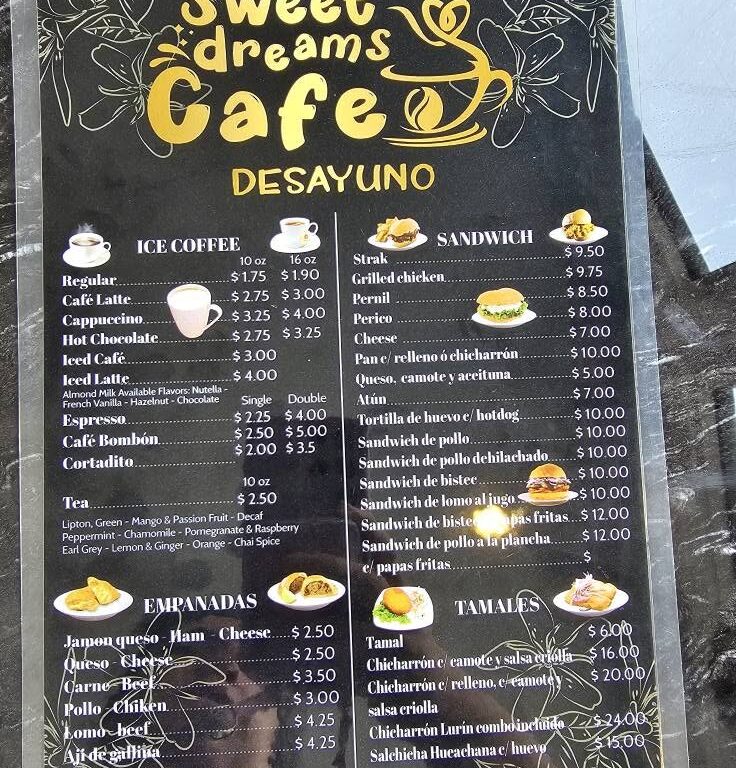
When adjusted for usage, Hischier’s production profile places him among the league’s most efficient two-way centers. Over the span of his current contract, he has delivered near-elite per-game scoring while carrying the heaviest defensive workload on the roster. With the salary cap projected to rise sharply into the latter half of the decade, the Devils are positioned to retain him at a cap percentage consistent with his current deal without sacrificing future flexibility.

The message must be unmistakable. Hischier is not simply a core piece. He is the structural centerpiece.

Immediately behind him on the organizational priority list sits Cody Glass.

Few players on the Devils roster are more underutilized relative to their impact. Glass has emerged as one of the team’s most effective defensive forwards while quietly producing at a rate well above what his ice time would suggest. His penalty-killing results have been exceptional, yet his deployment on special teams remains limited. Even more puzzling is his minimal usage on the power play, despite a shooting profile that consistently outperforms team averages.

Glass offers exactly what the Devils’ lineup architecture requires—a center capable of absorbing defensive matchups without sacrificing offensive transition. In a properly balanced lineup, his presence could unlock more aggressive usage for Hischier and Hughes rather than forcing one player to shoulder every difficult shift.

Dawson Mercer occupies a different category of evaluation.

Once projected as a long-term offensive fixture in the top six, Mercer’s development has plateaued. Early flashes this season suggested a breakout was coming, but production declined sharply as his role shifted and confidence wavered. His most effective play continues to come on the wing alongside elite centers, where his forechecking and retrieval work complement high-skill linemates. As a full-time center, the results have been far less convincing.

Mercer remains a valuable roster player. The question is whether he can reclaim the offensive identity that once defined his trajectory. A medium-term contract at a moderate cap hit would protect the organization while still giving Mercer the opportunity to re-establish himself as a reliable second-line contributor.

Beyond the headline names, several veteran contracts loom quietly in the background.

Stefan Noesen continues to provide net-front presence and leadership but must demonstrate health and durability before any long-term planning can take place. Maxim Tsyplakov has shown flashes of puck protection and playmaking along the walls but has yet to define a consistent NHL role. Nick Bjugstad offers size and situational value but approaches the age where roster spots must be reserved for emerging contributors. Brenden Dillon’s early-season defensive impact was significant, yet internal depth on the blue line may soon render his role redundant.

That internal depth is the most important variable in the Devils’ long-term defensive planning. The Utica pipeline continues to produce legitimate NHL-caliber prospects, and Anton Silayev’s impending arrival only accelerates the timeline. With younger, cost-controlled defensemen pushing upward, the organization must resist the instinct to preserve veteran stability at the expense of developmental opportunity.

As Olympic hockey commands the world’s attention, the contrast is unavoidable.

In Milan and Cortina, teams are constructed around identity, role clarity, and system compatibility. Star power matters, but structure wins tournaments. The Devils’ challenge is not a lack of talent. It is the absence of a clearly defined lineup architecture that allows each player to operate within strengths rather than compensate for systemic imbalance.

The Olympic stage offers a reminder of what modern hockey demands—speed through structure, defensive accountability without sacrificing creativity, and rosters designed to elevate stars rather than insulate flaws. For the New Jersey Devils, the break in the schedule is not merely a pause in games. It is a strategic checkpoint.

What happens next will determine whether the organization emerges from this season positioned for sustained relevance—or simply prepares for another cycle of retooling without direction.

Over the River and Through the Woods

0

A Homegrown Hit Returns to Hackensack: How “Over the River and Through the Woods” Brings Heart, Humor, and Community Back to HACPAC

March 14 @ 17:00 March 15 @ 23:30

This March, one of New Jersey’s most cherished community theatre companies returns to a familiar and deeply meaningful stage, as The Company Theatre Group brings the beloved romantic comedy Over the River and Through the Woods to the Hackensack Performing Arts Center for a special two-weekend engagement running from March 7 through March 15, 2026. Marking the organization’s first production at HACPAC since 2019, the performances signal a long-awaited homecoming and a renewed commitment to live theatre in the heart of Bergen County.

Set against the backdrop of a changing family dynamic, Over the River and Through the Woods tells a warm, relatable story about tradition, identity, and the powerful bonds that hold generations together. The play centers on a young professional standing at the crossroads between personal ambition and family loyalty, navigating the expectations of grandparents whose love is unwavering and whose opinions are anything but subtle. What unfolds is a fast-moving, laugh-filled evening of theatre that balances sharp humor with deeply human moments, capturing the universal tension between staying close to home and following a dream that may lead far beyond it.

For New Jersey audiences, the production carries special significance. The play was written by Oradell native Joe DiPietro, whose career has spanned Broadway, international stages, and countless regional productions. His distinctly authentic voice—rooted in family life, neighborhood culture, and the rhythms of everyday conversation—gives the story an unmistakable familiarity for local viewers. It is a reminder that some of the most resonant theatrical stories begin right here in the communities they portray.

The Company Theatre Group has built its reputation on thoughtful storytelling, polished performances, and a strong sense of ensemble, and this production continues that tradition. The cast brings together seasoned performers and emerging local talent, creating a multigenerational ensemble that mirrors the very themes the play explores. The result is a dynamic stage experience in which rapid-fire comedic timing blends seamlessly with quieter, emotionally grounded exchanges that allow the characters to feel both specific and universal.

The return to the Hackensack Performing Arts Center adds another layer of meaning. HACPAC has long served as a cornerstone of the city’s cultural life, welcoming audiences to an intimate venue where professional-quality productions feel personal and accessible. For The Company Theatre Group, stepping back onto this stage for the first time in several years represents more than a change of location—it reflects a renewed connection to a performance space that helped shape the organization’s artistic identity and community presence.

Over the River and Through the Woods is often described as a comedy, but its lasting impact comes from how skillfully it captures the emotional complexity of family relationships. The grandparents at the heart of the story are funny, outspoken, and occasionally overbearing, yet their love is sincere and deeply felt. The play’s humor emerges naturally from real conversations, familiar disagreements, and affectionate attempts to guide a younger generation toward what they believe is best. Audiences will recognize their own family dinners, holiday gatherings, and heartfelt debates in the dialogue unfolding on stage.

For couples, families, and longtime theatre lovers, the production offers an ideal opportunity to experience a story that is entertaining without being superficial and heartfelt without becoming sentimental. It is accessible for first-time theatre-goers while still providing enough emotional nuance and character development to satisfy seasoned patrons. The play’s pacing, short scenes, and lively ensemble work make it particularly engaging for audiences who appreciate storytelling that moves quickly while never sacrificing substance.

The Company Theatre Group’s 2026 presentation also arrives at a moment when regional theatre across the state continues to reassert its role in building vibrant local arts ecosystems. Small and mid-sized venues such as HACPAC play an essential part in cultivating audiences, developing performers, and keeping live theatre woven into everyday community life. For readers interested in discovering additional stage productions and performance venues throughout the Garden State, Explore New Jersey’s theatre and performing arts coverage offers an ongoing guide to the people, companies, and spaces driving the state’s live entertainment scene forward.

From a broader cultural perspective, this production highlights how New Jersey-based stories and voices continue to resonate far beyond the state’s borders. Joe DiPietro’s writing, shaped by his Bergen County upbringing, reflects experiences shared by families everywhere—immigrant traditions, generational expectations, and the difficult but necessary conversations that arise when life paths begin to diverge. By bringing this story home to Hackensack, The Company Theatre Group creates a powerful full-circle moment that connects local heritage with contemporary audiences.

Performances will take place across two consecutive weekends, giving audiences multiple opportunities to experience the show in an intimate and welcoming environment. With limited seating and strong interest expected from both returning patrons and new theatre-goers, the engagement is positioned to become one of the spring’s standout cultural offerings in northern New Jersey.

As The Company Theatre Group steps back onto the HACPAC stage after several years away, Over the River and Through the Woods stands as both a celebration of community theatre and a reminder of the enduring appeal of stories rooted in honesty, humor, and family. For Hackensack and the surrounding region, the production represents a meaningful return—one that reinforces the power of live performance to bring people together, spark conversation, and create shared moments that linger long after the curtain falls.

The Company Theatre Group

(201) 408-5816

View Organizer Website

The Wellmont Theater

5 Seymour St
Montclair, NJ 07042 United States
+ Google Map
(973) 783-9500
View Venue Website

Over the River and Through the Woods

0

A Homegrown Hit Returns to Hackensack: How “Over the River and Through the Woods” Brings Heart, Humor, and Community Back to HACPAC

March 7 @ 17:00 March 8 @ 23:30

This March, one of New Jersey’s most cherished community theatre companies returns to a familiar and deeply meaningful stage, as The Company Theatre Group brings the beloved romantic comedy Over the River and Through the Woods to the Hackensack Performing Arts Center for a special two-weekend engagement running from March 7 through March 15, 2026. Marking the organization’s first production at HACPAC since 2019, the performances signal a long-awaited homecoming and a renewed commitment to live theatre in the heart of Bergen County.

Set against the backdrop of a changing family dynamic, Over the River and Through the Woods tells a warm, relatable story about tradition, identity, and the powerful bonds that hold generations together. The play centers on a young professional standing at the crossroads between personal ambition and family loyalty, navigating the expectations of grandparents whose love is unwavering and whose opinions are anything but subtle. What unfolds is a fast-moving, laugh-filled evening of theatre that balances sharp humor with deeply human moments, capturing the universal tension between staying close to home and following a dream that may lead far beyond it.

For New Jersey audiences, the production carries special significance. The play was written by Oradell native Joe DiPietro, whose career has spanned Broadway, international stages, and countless regional productions. His distinctly authentic voice—rooted in family life, neighborhood culture, and the rhythms of everyday conversation—gives the story an unmistakable familiarity for local viewers. It is a reminder that some of the most resonant theatrical stories begin right here in the communities they portray.

The Company Theatre Group has built its reputation on thoughtful storytelling, polished performances, and a strong sense of ensemble, and this production continues that tradition. The cast brings together seasoned performers and emerging local talent, creating a multigenerational ensemble that mirrors the very themes the play explores. The result is a dynamic stage experience in which rapid-fire comedic timing blends seamlessly with quieter, emotionally grounded exchanges that allow the characters to feel both specific and universal.

The return to the Hackensack Performing Arts Center adds another layer of meaning. HACPAC has long served as a cornerstone of the city’s cultural life, welcoming audiences to an intimate venue where professional-quality productions feel personal and accessible. For The Company Theatre Group, stepping back onto this stage for the first time in several years represents more than a change of location—it reflects a renewed connection to a performance space that helped shape the organization’s artistic identity and community presence.

Over the River and Through the Woods is often described as a comedy, but its lasting impact comes from how skillfully it captures the emotional complexity of family relationships. The grandparents at the heart of the story are funny, outspoken, and occasionally overbearing, yet their love is sincere and deeply felt. The play’s humor emerges naturally from real conversations, familiar disagreements, and affectionate attempts to guide a younger generation toward what they believe is best. Audiences will recognize their own family dinners, holiday gatherings, and heartfelt debates in the dialogue unfolding on stage.

For couples, families, and longtime theatre lovers, the production offers an ideal opportunity to experience a story that is entertaining without being superficial and heartfelt without becoming sentimental. It is accessible for first-time theatre-goers while still providing enough emotional nuance and character development to satisfy seasoned patrons. The play’s pacing, short scenes, and lively ensemble work make it particularly engaging for audiences who appreciate storytelling that moves quickly while never sacrificing substance.

The Company Theatre Group’s 2026 presentation also arrives at a moment when regional theatre across the state continues to reassert its role in building vibrant local arts ecosystems. Small and mid-sized venues such as HACPAC play an essential part in cultivating audiences, developing performers, and keeping live theatre woven into everyday community life. For readers interested in discovering additional stage productions and performance venues throughout the Garden State, Explore New Jersey’s theatre and performing arts coverage offers an ongoing guide to the people, companies, and spaces driving the state’s live entertainment scene forward.

From a broader cultural perspective, this production highlights how New Jersey-based stories and voices continue to resonate far beyond the state’s borders. Joe DiPietro’s writing, shaped by his Bergen County upbringing, reflects experiences shared by families everywhere—immigrant traditions, generational expectations, and the difficult but necessary conversations that arise when life paths begin to diverge. By bringing this story home to Hackensack, The Company Theatre Group creates a powerful full-circle moment that connects local heritage with contemporary audiences.

Performances will take place across two consecutive weekends, giving audiences multiple opportunities to experience the show in an intimate and welcoming environment. With limited seating and strong interest expected from both returning patrons and new theatre-goers, the engagement is positioned to become one of the spring’s standout cultural offerings in northern New Jersey.
As The Company Theatre Group steps back onto the HACPAC stage after several years away, Over the River and Through the Woods stands as both a celebration of community theatre and a reminder of the enduring appeal of stories rooted in honesty, humor, and family. For Hackensack and the surrounding region, the production represents a meaningful return—one that reinforces the power of live performance to bring people together, spark conversation, and create shared moments that linger long after the curtain falls.

The Company Theatre Group

(201) 408-5816

View Organizer Website

The Wellmont Theater

5 Seymour St
Montclair, NJ 07042 United States
+ Google Map
(973) 783-9500
View Venue Website

South Jersey Takes the National Stage as the Knecht Cup Returns to the Cooper River with Its Most Ambitious Regatta Yet

South Jersey will once again become a focal point of the national rowing calendar when the 27th Knecht Cup Regatta returns to the Cooper River in Camden County on April 11 and 12, 2026, bringing one of the largest and most competitive collegiate rowing events in the United States back to one of the region’s most celebrated waterways. For two full days, the banks of Cooper River Park will transform into a vibrant, high-energy gathering of student-athletes, coaches, alumni crews, adaptive rowing teams, families, and spectators from across the country, reinforcing the area’s growing reputation as a premier destination for major outdoor and athletic events.

With more than 80 rowing programs expected to participate and thousands of spectators projected to line the racecourse, the 2026 edition is shaping up to be the most expansive Knecht Cup to date. The regatta continues to serve as a critical early-spring benchmark for collegiate crews preparing for championship season, while also welcoming club teams, alumni rowers, and adaptive athletes into one of the sport’s most inclusive competitive environments.

The Cooper River course itself remains a defining feature of the event. Stretching a full 2,000 meters across a six-lane, fully buoyed layout, the racecourse is widely regarded by athletes and coaches as one of the most reliable and technically sound sprint courses in the country. Its straight, protected waterway and spectator-friendly shoreline make it uniquely suited for high-volume, multi-day regattas, where efficient race flow and clear sightlines are essential. From the shoreline paths and viewing areas, spectators can watch side-by-side racing unfold from the opening strokes to the final drive toward the finish, creating a rare up-close experience for fans who may be new to the sport as well as lifelong rowing supporters.

What truly distinguishes the 2026 Knecht Cup is the scale of its competitive expansion. Fourteen new events are being introduced across the schedule, broadening opportunities for participation and showcasing the evolving diversity of collegiate and post-collegiate rowing. Among the additions are Men’s and Women’s Alumni fours and eights, a Lightweight eight, and a newly introduced coxed quad, reflecting a deliberate effort to accommodate a wider range of racing formats and athlete pathways. These new lineups allow former collegiate athletes to return to competitive racing in a nationally recognized setting, while also giving developing crews additional race experience against top-level programs.

At the center of the regatta’s growth is a significantly expanded and elevated para-rowing program, which will receive a prominent spotlight throughout the weekend. Men’s and Women’s PR1, PR2, and PR3 events will be featured alongside inclusion doubles, placing adaptive athletes directly within the heart of the competitive schedule. This structure reinforces the regatta’s commitment to access, representation, and high-performance opportunities for athletes with physical disabilities, positioning the Knecht Cup as a leading model for inclusive regatta design in the United States.

For many programs, the Knecht Cup is not simply another stop on the spring racing circuit. It is a proving ground. Crews arrive from across the Mid-Atlantic, Northeast, and beyond seeking meaningful early-season matchups against nationally ranked competition. The compressed racing schedule and dense lineup of events create an atmosphere that mirrors championship weekends, where adaptability, race execution, and crew depth are tested under pressure.

The regatta also introduces a new layer of tradition in 2026 through the unveiling of multiple championship trophies honoring individuals who have left lasting marks on the rowing community. Newly established awards will recognize the legacies of Albert P. Wachlin, Lois Trench-Hines, Mark Valenti, and Ann and Marie Jonik, creating permanent symbols of leadership, advocacy, and dedication within the sport. These commemorations deepen the historical fabric of the event, linking today’s athletes with the mentors and pioneers who helped shape competitive rowing across the region and beyond.

The Knecht Cup itself carries a powerful legacy. The regatta is named in honor of William Joseph “Bill” Knecht, an Olympic gold medalist and one of the driving forces behind the creation of the Cooper River rowing course. His vision for a world-class venue in South Jersey continues to resonate decades later, as thousands of athletes benefit from the very infrastructure he championed. Each spring, the regatta stands as a living tribute to his commitment to building sustainable access to elite-level rowing facilities.

Beyond the racing lanes, the Knecht Cup delivers a substantial cultural and economic impact for Camden County and the surrounding communities. Historically, the regatta has drawn crowds approaching 20,000 visitors over the course of the weekend, filling local hotels, restaurants, and small businesses throughout the region. Teams often travel with extended families, alumni supporters, and university staff, turning the regatta into a multi-day tourism driver for Pennsauken, Camden, Cherry Hill, and neighboring towns.

For South Jersey, the event aligns seamlessly with broader efforts to elevate outdoor recreation, sports tourism, and agricultural and environmental stewardship across the region. Cooper River Park itself is a central community asset, and large-scale events such as the Knecht Cup highlight how carefully maintained public spaces can support both elite competition and public engagement. Readers interested in how New Jersey continues to blend recreation, land use, and regional sustainability can explore more coverage through Explore New Jersey’s ongoing reporting on local agriculture and land-based initiatives featured within its agriculture and farming coverage.

Logistically, the regatta will operate primarily from the Cooper River racecourse area at North Park Drive in Pennsauken, with teams and officials supported by coordinated launch areas, trailer parking zones, and athlete staging sites throughout the park system. The course’s reputation for operational efficiency allows organizers to run tightly scheduled heats across multiple categories while maintaining safety standards for both competitors and spectators. As the field grows, the organizing committee has continued to refine traffic flow, athlete movement patterns, and spectator access routes to preserve the high-quality experience that has become synonymous with the Knecht Cup name.

Registration for participating programs is currently open, and crews across the country are already securing their entries as spring training cycles ramp up. The early demand reflects the regatta’s unique position within the collegiate calendar, offering both depth of competition and a welcoming environment for emerging programs seeking national exposure.

By the time the first shells launch onto the Cooper River in April, the 27th Knecht Cup Regatta will stand as a showcase of how far collegiate rowing has evolved in scale, inclusivity, and community integration. With expanded racing categories, enhanced para competition, newly established championship honors, and one of the nation’s most respected sprint courses as its backdrop, the event is set to deliver a defining weekend for South Jersey and a powerful statement about the future of competitive rowing in the Garden State.

How Alstede’s Free Jam and Jelly Tastings Are Turning Everyday Meals into Garden-Fresh Experiences Across New Jersey

At a time when New Jersey residents are increasingly seeking out meaningful, local food experiences, Alstede Farms in Chester Township is inviting visitors to slow down, sample generously, and rediscover how something as simple as a spoonful of jam can completely transform the way we cook, entertain, and connect with the Garden State’s agricultural roots. During a special free tasting weekend inside the farm’s market, guests are welcomed to explore an expansive lineup of handcrafted jams and jellies made with fruit-forward flavor profiles that celebrate both tradition and creativity, offering a rare opportunity to try before you buy and confidently select new favorites.

The tasting weekend is intentionally designed to be open, relaxed, and accessible. There are no tickets to reserve, no schedules to navigate, and no pressure to rush through the experience. Visitors simply walk into the farm market, browse the displays, and sample a rotating selection of preserves that reflect the farm’s commitment to small-batch quality and seasonal inspiration. For families, couples, and weekend explorers, the event becomes less about a quick stop and more about an immersive, sensory experience that feels personal and welcoming.

What makes this tasting especially appealing is the depth and variety of flavors available. Beyond familiar classics such as strawberry, raspberry, and grape, guests can encounter unexpected combinations that blend sweetness with gentle acidity, floral notes, or subtle spice. Each spoonful reveals how thoughtfully balanced preserves can elevate far more than breakfast toast. Alstede’s jams and jellies are crafted to complement a wide range of dishes, giving home cooks new tools for creativity without adding complexity to their routines.

Culinary professionals and seasoned home entertainers alike have long relied on fruit preserves as versatile flavor builders, and this tasting weekend offers a practical education in how these spreads can be used well beyond the morning table. Lightly brushed over roasted chicken or pork, fruit-forward glazes add brightness and depth without overpowering the natural flavors of the meat. Paired with soft cheeses, aged cheddars, or creamy brie, the same preserves become conversation starters on charcuterie boards. Even simple sandwiches and wraps can gain dimension with a thin layer of jam paired with savory ingredients like turkey, prosciutto, or grilled vegetables.

For home bakers, the possibilities expand even further. Jam can be swirled into cheesecake batter, layered between cake tiers, folded into thumbprint cookies, or warmed slightly and poured over fresh pastries and scones. The tasting weekend allows guests to compare textures, sweetness levels, and fruit intensity side by side, making it easier to select the perfect match for specific recipes and entertaining needs.

Alstede Farms has long positioned its market as more than a retail destination. It serves as a bridge between New Jersey’s working farmland and the everyday kitchens of local residents. Events like this tasting weekend highlight the farm’s broader mission of connecting people directly to the food grown and prepared in their own communities. That mission aligns seamlessly with the wider movement toward supporting local producers and celebrating regional food culture featured throughout Explore New Jersey’s ongoing coverage of New Jersey agriculture and farming stories, where farm-driven experiences continue to reshape how residents engage with fresh, locally inspired products.

For families visiting with children, the tasting tables become an easy, engaging way to introduce young palates to new flavors and ingredients. Sampling encourages curiosity without risk, allowing kids to explore what they like while learning that food comes from real places and real people. For visitors who may be new to Alstede Farms, the event offers an inviting entry point to the property, setting the tone for future visits throughout the year for seasonal activities, fresh produce, and specialty goods.

The simplicity of the weekend is part of its charm. There are no required registrations, no limited windows, and no complicated logistics. Guests are free to wander, taste at their own pace, and enjoy the relaxed rhythm of the farm market environment. That accessibility makes the event particularly appealing for spontaneous weekend plans, whether paired with a nearby hike, a family outing, or a casual afternoon drive through Morris County’s scenic countryside.

More importantly, the tasting experience reinforces how small, locally made food products can quietly redefine everyday meals. In a time when grocery aisles are crowded with mass-produced options, standing at a farm market table and sampling thoughtfully crafted jams and jellies offers a refreshing reminder that flavor still begins with care, quality ingredients, and attention to detail. Each jar represents not just a product, but a reflection of New Jersey’s agricultural character and the enduring value of buying close to home.

Alstede Farms’ free jam and jelly tasting weekend transforms an ordinary shopping trip into a flavorful discovery session, inviting visitors to experiment, learn, and take home more than just groceries. It delivers inspiration for weeknight dinners, weekend gatherings, and seasonal celebrations while strengthening the connection between local farms and local tables. For anyone looking to expand their culinary creativity and experience the sweeter side of New Jersey’s farm culture, this tasting weekend offers a memorable and delicious place to begin.

How Grands Digital Founder Alamgir Rajab Is Redefining Mental Health Marketing Through Purpose-Driven SEO

At a time when digital marketing is increasingly shaped by automation, analytics dashboards, and performance shortcuts, a growing number of organizations in the mental health and wellness space are demanding something more thoughtful, more ethical, and far more human. That shift is precisely where Alamgir Rajab, founder of Grands Digital, has built a distinct and fast-growing reputation—by reshaping how mental health–focused organizations are discovered online without compromising compassion, accuracy, or community responsibility.

Rajab’s leadership at Grands Digital centers on a deceptively complex challenge: helping mental health providers, counseling practices, behavioral health startups, and wellness organizations reach the people who need them most—while navigating an industry where language, visibility, and trust carry real-world consequences. Unlike traditional SEO models that prioritize volume-driven keywords and aggressive lead funnels, Rajab’s approach is grounded in clinical sensitivity, ethical messaging standards, and long-term audience engagement strategies that mirror how individuals actually seek support.

In New Jersey, where mental health access and public awareness remain critical priorities across both urban and suburban communities, this philosophy has found strong traction. Behavioral health practices, teletherapy platforms, community outreach programs, and nonprofit initiatives increasingly face the challenge of competing online with national brands and venture-backed platforms. Rajab’s work helps level that digital playing field by equipping smaller, mission-driven organizations with tailored search and content strategies designed specifically for mental health discovery behaviors.

At the core of Grands Digital’s mental health initiative is a specialized SEO framework built around user intent mapping rather than keyword dominance. Rajab and his team analyze how people search when they are experiencing stress, anxiety, burnout, trauma, or family-related concerns. Those patterns are dramatically different from standard consumer search behavior. Queries are often uncertain, fragmented, and emotionally driven. Instead of optimizing content around transactional phrases, the agency structures digital ecosystems that prioritize educational clarity, accessible language, and reassurance-based messaging.

This model also incorporates medically reviewed content pipelines, compliance-conscious publishing processes, and ongoing performance monitoring tied not only to traffic growth but also to meaningful engagement indicators such as time-on-page, resource downloads, appointment inquiries, and referral retention. For mental health brands, visibility alone is not success—responsible visibility is.

Rajab’s leadership has positioned Grands Digital at the intersection of digital innovation and social impact, particularly as demand for mental health services continues to rise nationwide. In New Jersey, employers, school districts, healthcare systems, and community coalitions are increasingly seeking partners who understand how digital storytelling, local SEO, and community-focused content can expand awareness without trivializing mental health experiences. The firm’s campaigns often integrate hyperlocal optimization, community resource mapping, and neighborhood-level search visibility, ensuring that residents searching for support are guided toward credible, geographically relevant providers.

Beyond technical optimization, Rajab emphasizes narrative integrity as a strategic pillar. Mental health organizations face unique reputational risks when messaging becomes overly promotional or algorithmically driven. Grands Digital addresses this through brand voice development that balances professional authority with emotional authenticity. Client campaigns frequently incorporate clinician perspectives, lived-experience insights, and culturally responsive language models that reflect New Jersey’s diverse population.

This emphasis on culturally adaptive marketing is particularly relevant across the state’s multilingual communities, immigrant populations, and multi-generational households. Rajab’s campaigns often include multilingual SEO structures, culturally contextual keyword frameworks, and regional outreach strategies that help reduce digital barriers to care. For families navigating mental health services for the first time, clarity and cultural understanding can be as important as clinical availability.

Grands Digital’s mental health marketing initiatives also extend into data privacy and platform responsibility. With growing scrutiny around how sensitive health-related search data is tracked and utilized, Rajab has prioritized ethical analytics configurations that minimize invasive tracking while still allowing organizations to measure campaign effectiveness. This privacy-first approach aligns with emerging expectations across healthcare marketing and strengthens long-term trust between providers and the communities they serve.

In practical terms, this means redesigning analytics systems around anonymized engagement signals, implementing consent-forward content experiences, and avoiding retargeting tactics that may feel intrusive to users seeking emotional or psychological support. Rajab views this restraint not as a limitation, but as a competitive advantage in a sector where credibility directly influences patient decision-making.

As part of a broader wellness-driven digital strategy, Grands Digital frequently collaborates with healthcare professionals, advocacy groups, and community educators to ensure that public-facing content supports prevention, awareness, and early intervention efforts. Educational hubs, long-form mental health guides, and interactive self-assessment resources are structured to function as both SEO assets and public health tools. For readers interested in broader statewide perspectives on wellness and care access, Grands Digital’s work aligns closely with New Jersey’s expanding focus on health and wellness resources across digital platforms.

Rajab’s leadership style blends technical rigor with sector-specific fluency. He routinely works alongside clinicians, practice administrators, and nonprofit directors to translate complex clinical services into searchable, understandable, and respectful online narratives. This collaborative approach helps organizations articulate their specialties—whether trauma-informed therapy, adolescent mental health services, addiction recovery, or workplace mental health programs—without resorting to generic or oversimplified messaging.

From a business development perspective, the results have positioned Grands Digital as a specialized growth partner rather than a conventional marketing vendor. Mental health organizations working with Rajab report stronger local discovery performance, improved appointment conversion pathways, and higher engagement with educational content. More importantly, campaigns are structured to remain adaptable as clinical offerings, insurance partnerships, and regulatory environments evolve.

Looking ahead, Rajab is expanding Grands Digital’s mental health initiatives into emerging areas such as AI-supported content quality control, voice search optimization for healthcare discovery, and predictive analytics for community outreach planning. As conversational search and virtual assistants become increasingly integrated into how people seek help, ensuring that accurate and responsible mental health information surfaces in those environments is quickly becoming a new frontier for digital ethics.

In New Jersey’s evolving healthcare and wellness landscape, Alamgir Rajab’s work represents a forward-looking model of what mental health marketing can—and should—be. By fusing search engine expertise with compassion-centered strategy, Grands Digital is helping organizations move beyond clicks and impressions toward measurable community impact. The firm’s mental health–focused SEO and digital engagement programs demonstrate that growth and responsibility are not mutually exclusive, and that digital visibility, when guided by integrity, can become a powerful tool for connection, education, and healing.

From World Cup Access to Year-Round Player Development to Red Bull New York Secureing Jorge Ruvalcaba as Designated Player

Red Bull New York has delivered one of its most significant roster moves in recent seasons, completing the signing of Mexican international forward Jorge Ruvalcaba and assigning him to the club’s third Designated Player slot, a clear signal that the organization is investing heavily in reshaping its attacking identity ahead of a pivotal campaign.

At 24 years old, Ruvalcaba arrives in the New York–New Jersey market at a defining stage of his career. After five seasons competing in Liga MX with UNAM Pumas, he brings both top-flight experience and international exposure to a Red Bull side that has made speed, pressing, and positional fluidity central to its playing model.

Over the course of his time in Mexico, Ruvalcaba accumulated 100 senior appearances across domestic league play and cup competitions, producing 16 goals and nine assists while operating in multiple attacking roles. That versatility is expected to be one of his most valuable attributes in Major League Soccer, where tactical flexibility and quick in-game adjustments often determine results.

For Red Bull New York, the move represents far more than an individual acquisition. By committing a Designated Player position to Ruvalcaba, the club is effectively placing him at the core of its offensive rebuild, entrusting him with both creative responsibility and consistent production in the final third.

Ruvalcaba is widely recognized for his explosive pace and ability to attack defenders directly in space. He is comfortable operating on either flank, cutting inside onto goal, or drifting centrally to combine with midfield runners. That adaptability aligns closely with Red Bull New York’s high-tempo pressing philosophy, which relies on wide attackers who can both initiate defensive pressure and transition rapidly into attacking positions.

In recent seasons, Red Bull New York has focused on restoring the aggressive, vertically oriented style that defined the club during its most competitive stretches. Ruvalcaba’s profile fits that objective precisely. His ability to stretch back lines, exploit transitional moments, and create separation in one-on-one situations adds a dimension that has often been missing when the club has faced compact defensive blocks.

Head coach Michael Bradley emphasized that point when discussing the club’s newest addition, highlighting how Ruvalcaba’s pace and positional flexibility will allow the coaching staff to deploy him across multiple attacking configurations. The expectation is that he will not be limited to a single role, but instead function as a movable piece capable of reshaping the attacking structure during matches.

From a broader strategic perspective, the signing reflects a growing trend across Major League Soccer toward targeting players who arrive with meaningful experience in competitive international leagues while still remaining young enough to adapt and grow within the league. Ruvalcaba’s background in Liga MX, widely regarded as one of the strongest leagues in the Americas, offers immediate credibility and a proven foundation for success in a physically demanding environment.

His international exposure also adds an important layer of maturity to Red Bull New York’s locker room. Competing at the national team level requires tactical discipline, emotional composure, and adaptability under pressure—qualities that can be invaluable during MLS playoff races and congested fixture schedules.

For supporters in New Jersey, the arrival of Ruvalcaba strengthens the region’s growing profile within the North American soccer landscape. As the sport continues to expand its footprint across the state, high-profile signings such as this one reinforce the importance of Red Bull New York as a centerpiece of the local and regional game, a role frequently explored through Explore New Jersey’s ongoing soccer coverage.

Tactically, Ruvalcaba offers the coaching staff several immediate options. He can be deployed as a traditional winger tasked with isolating fullbacks and delivering service into the box. He can also operate as an inverted attacker, drifting into half spaces to link play and create shooting lanes. In pressing sequences, his acceleration allows him to close down defenders quickly, an essential requirement in Red Bull’s aggressive defensive structure.

Perhaps most importantly, Ruvalcaba arrives with a track record of functioning within systems that demand constant movement off the ball. At UNAM Pumas, he was frequently asked to rotate positions during attacking phases, interchange with overlapping fullbacks, and contribute to defensive recoveries. That experience should help ease his transition into the Red Bull model, which prioritizes collective movement and coordinated pressing triggers.

The timing of the transfer also matters. Red Bull New York enters the new campaign determined to reassert itself as a contender in the Eastern Conference after periods of inconsistency in attacking output. While the club has maintained a reputation for defensive organization and work rate, converting possession and pressure into consistent goals has remained a challenge.

Ruvalcaba’s arrival directly addresses that concern. His willingness to attack the penalty area, combined with his comfort carrying the ball at speed through central channels, gives Red Bull New York a forward who can both create and finish chances without requiring extensive buildup around him.

From a roster construction standpoint, using the club’s third Designated Player slot on a wide attacking player underscores how seriously Red Bull New York views the need for dynamic, match-altering speed in its front line. It also suggests that the organization envisions Ruvalcaba as a long-term contributor rather than a short-term depth addition.

For Ruvalcaba himself, the move represents an important step into a new competitive environment. Major League Soccer’s physical demands, travel schedule, and tactical diversity present unique challenges even for experienced international players. But his combination of athleticism, adaptability, and experience against high-level opposition positions him well to make an immediate impact.

As preseason integration begins and tactical relationships develop, Red Bull New York will be focused on accelerating Ruvalcaba’s chemistry with the club’s midfield creators and overlapping fullbacks. The success of the move will ultimately be measured not only in goals and assists, but in how effectively he elevates the entire attacking unit.

For New Jersey soccer fans, the signing of Jorge Ruvalcaba represents more than a headline transaction. It signals a renewed commitment to attacking ambition and competitive relevance. In a league defined by rapid evolution and increasingly sophisticated roster strategies, Red Bull New York has made a decisive move—bringing in a player whose speed, versatility, and international experience could reshape the club’s attacking identity and redefine its trajectory in the seasons ahead.

From World Cup Access to Year-Round Player Development: How Red Bull New York Is Redefining the Soccer Experience in New Jersey. As global soccer momentum builds toward the FIFA World Cup 2026, Red Bull New York is positioning itself at the center of a rapidly expanding matchday and development culture across New Jersey and the greater region. From premium hospitality experiences tied directly to World Cup access, to season-long membership privileges and elite youth goalkeeper training pathways, the club is creating a comprehensive soccer ecosystem that extends far beyond the ninety minutes on the field.

For fans determined to secure entry to one of the most anticipated sporting events in modern history, Red Bull New York is offering a streamlined and secure approach through official, ticket-inclusive hospitality packages connected to the FIFA World Cup 2026. These packages are designed for supporters who want more than a seat inside the stadium—they deliver a complete matchday experience that removes uncertainty and replaces it with comfort, access, and service.

Hospitality guests receive guaranteed entry to their selected matches along with premium seating, curated food and beverage offerings, dedicated stadium entrances, and on-site service designed to keep the experience effortless from arrival through the final whistle. In a tournament where availability is limited and global demand is unprecedented, the club is emphasizing that hospitality access through official providers is the most reliable way to secure attendance without risking invalid or unverified tickets.

The emphasis on certainty has become a defining part of Red Bull New York’s approach to major international events. With matchday demand expected to surge throughout 2026, hospitality access allows fans to focus on the atmosphere, the competition, and the moment—rather than logistics and availability.

That same philosophy of elevated access continues into the club’s domestic experience through its 2026 Red Membership program. For supporters in New Jersey, becoming a Red Member represents far more than simply holding a season ticket. Membership opens the door to behind-the-scenes opportunities that are rarely available to the public, including exclusive training sessions, private team events, and player interaction nights that bring fans directly into the club’s inner circle.

Red Bull New York has steadily reshaped what fan engagement looks like in the modern soccer landscape. Members are invited to witness first-team practices, attend closed-door experiences, and build personal connections with players and staff that deepen loyalty and strengthen the relationship between club and community. The result is a season-long experience rooted in access, transparency, and inclusion.

In a unique incentive for supporters who commit early, Red Bull New York is also offering an Away Trip Sweepstakes tied to 2026 membership enrollment. Fans who secure their Red Membership by the designated deadline are automatically entered for a chance to travel with the first team to a select regular-season away match in 2026, giving one supporter an unprecedented opportunity to experience professional soccer from the inside.

While premium hospitality and membership programs enhance the supporter experience, Red Bull New York is also placing significant focus on the next generation of players across New Jersey—particularly goalkeepers looking to remain competitive between spring and fall seasons.

Through its partnership with Regional Development School, the club is supporting high-level summer goalkeeper training pathways designed to maintain form, sharpen technical ability, and prepare players for fall tryouts and league play. These programs are structured to meet the needs of both aspiring elite goalkeepers and players seeking focused development during the offseason.

The RDS Residential Camps offer a fully immersive training environment where goalkeepers receive daily, position-specific sessions led by specialized goalkeeper coaches. Training emphasizes core performance areas including shot stopping, footwork patterns, distribution under pressure, reading game situations, and decision-making in high-tempo scenarios. Camp participants also train alongside elite field players, allowing goalkeepers to experience realistic match demands and build chemistry within competitive team settings.

Residential camp environments replicate many of the physical and mental demands young players will encounter at higher levels of competition. Extended training days, structured recovery, tactical classroom sessions, and continuous feedback from coaching staff create an atmosphere designed to accelerate long-term development rather than deliver short-term instruction.

For players seeking a more targeted and flexible option, RDS Technical Camps provide goalkeeper-specific training in shorter formats. These sessions concentrate on high-repetition technical work, individualized correction, and focused performance feedback. The technical camps are particularly valuable for players looking to refine specific elements of their game, such as distribution accuracy, reaction timing, or handling under traffic, without committing to a full residential schedule.

Both training pathways serve as a strategic bridge between spring competition and fall preseason, helping goalkeepers sustain rhythm, confidence, and physical readiness during a period when many young athletes traditionally lose momentum. By offering structured development during the summer window, Red Bull New York and its training partners are addressing one of the most common gaps in youth soccer development.

This dual emphasis on elite fan engagement and structured player development reflects a broader shift in how professional clubs in New Jersey are building sustainable soccer communities. The region’s growing influence on the national game—spanning professional, youth, and supporter culture—is increasingly visible through Explore New Jersey’s ongoing soccer coverage.

Taken together, Red Bull New York’s hospitality offerings, membership experiences, and goalkeeper development programs represent a comprehensive vision for the sport in New Jersey. Whether securing a premium seat for the world’s biggest tournament, gaining unprecedented access to a professional club’s daily operations, or preparing young goalkeepers for their next competitive leap, the organization is creating year-round pathways for participation at every level of the game.

As the countdown to the FIFA World Cup 2026 continues, Red Bull New York is not simply preparing for an influx of international attention. It is building a connected soccer ecosystem—one that brings global events, local supporters, and developing players into a single, continuously growing community rooted firmly in New Jersey.

New Jersey Basketball and Wrestling Are Powering a Breakout Winter Sports Season

New Jersey’s winter sports landscape is delivering one of its most compelling storylines in years, stretching from the college hardwood in Newark to packed high school gyms and wrestling rooms across the state. At every level, programs that were once overlooked or underestimated are now reshaping expectations—and in doing so, reinforcing New Jersey’s reputation as one of the most competitive high school and collegiate sports environments in the region.

New Jersey high school sports are entering a pivotal “Championship February.” Here is the latest update on the teams and athletes dominating the headlines as of February 9, 2026:

Boys Basketball: Bergen County Jamboree & Statewide Rankings 

Bergen Catholic remains the undisputed No. 1 team in the state, recently cruising into the Bergen County Jamboree semifinals after a 77–39 quarterfinal win over Northern Highlands on February 8. 

Statewide Top 10 (as of Feb 9, 2026):

Rank SchoolRecord
1Bergen Catholic20–3
2Tenafly19–0
3St. Mary (Ruth.)20–3
4Teaneck17–3
5St. Peter’s Prep17–2
6Gill St. Bernard’s18–2
7St. Joseph (Met.)21–1
8Plainfield17–2
9Linden10–4
10Montgomery17–3
  • Jamboree Matchups: The semifinals are set for Sunday, February 15 at FDU. Undefeated No. 2 Tenafly—who just knocked off powerhouse Don Bosco Prep—will face No. 3 St. Mary (Ruth.), while No. 1 Bergen Catholic takes on No. 4 Teaneck

Wrestling: State Tournament Seeding

The road to Atlantic City is intensifying as the NJSIAA prepares to release official Team State Tournament seeds on February 10, 2026

  • Key Standouts: Nick Garreffi (Vineland) remains a top contender in South Jersey at 120 lbs, recently going 3-0 with two pins. Jayden James (Delbarton) is currently regarded as the top-ranked wrestler in the state at any weight.
  • Team News: Mount Olive is the projected top seed for the North 1, Group 4 section, while Delbarton is the heavy favorite for the Non-Public A title.
  • Milestone: Junior Logan Forgatch (Parsippany Hills) became the fastest wrestler in his school’s history to reach 100 career wins on February 8. 

Winter Season Milestones

  • Swimming: Longtime Mainland Regional coach Brian Booth announced his retirement effective March 2026, ending a legendary 33-season career that included 12 sectional and five state titles.
  • Indoor Track: Westfield maintained its dominance by winning the North 2, Group 4 title this past weekend. 

At the center of the collegiate conversation sits NJIT’s men’s basketball program, which has emerged as one of the most surprising and impressive teams in the America East Conference this season. After being projected near the bottom of the league in preseason evaluations, the Highlanders have authored a dramatic reversal of fortune. With an 8–2 conference record, NJIT has surged into first place, delivering a statement season that has redefined both internal expectations and how the program is viewed nationally.

The significance of the turnaround cannot be overstated. Being selected to finish eighth in the conference before the season began placed NJIT firmly outside the projected championship conversation. Instead, the team has produced a disciplined, defensively committed style of basketball built on ball movement, pace control, and late-game execution. Their rise is not the product of a single breakout player or short-lived scoring run, but rather a cohesive identity that has allowed them to close out tight games and maintain consistency against a wide range of opponents.

Equally important is what this moment represents for the broader athletic profile of the university. In a conference where continuity and experience often decide standings, NJIT’s climb to the top reflects a program that has matured together and learned how to win on the road, protect home court, and handle the pressure that comes with being a target instead of a sleeper. For student-athletes and recruits watching from across the state, the message is clear: meaningful, competitive Division I basketball is thriving in Newark.

While NJIT’s success highlights New Jersey’s growing collegiate footprint, the heartbeat of the state’s sports culture continues to pulse through its high school programs.

In North Jersey, Bergen Catholic remains the standard-bearer on the boys’ basketball scene. The Crusaders enter the Bergen County Jamboree semifinals holding the top ranking in the region, reaffirming a reputation built on depth, physicality, and relentless defensive pressure. Year after year, Bergen Catholic produces teams capable of competing with the best programs not only in New Jersey, but across the Northeast, and this season has been no exception.

The current roster reflects the program’s longstanding commitment to development and structure. Veteran leadership, disciplined shot selection, and an ability to control tempo have once again placed the Crusaders in position to contend for county and postseason honors. Their continued dominance also reinforces why Bergen Catholic remains a proving ground for players seeking collegiate opportunities and national exposure.

The excitement surrounding Bergen Catholic’s run is mirrored throughout the state, where high school athletics continue to drive community engagement and rivalries that define winter sports in New Jersey. Coverage of programs like these remains central to the broader conversation around youth development and competitive balance highlighted across Explore New Jersey’s high school sports reporting.
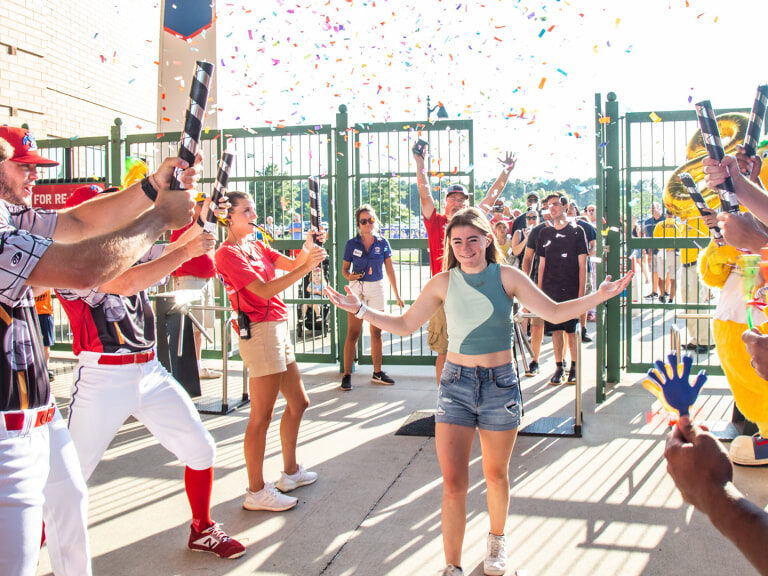
While basketball headlines dominate gymnasiums, wrestling rooms across South Jersey are producing their own stars—and doing so with a level of consistency that speaks to the depth of the region’s programs.

At Vineland, junior Nick Garreffi has emerged as one of the area’s most reliable and technically sound competitors. His performances this season have showcased a blend of positional discipline, mat awareness, and physical endurance that has allowed him to separate himself during tight matches. As the postseason approaches, Garreffi’s steady progression has positioned him as a legitimate threat in a field that grows deeper every year.

Just a short distance away, St. Augustine’s Chase Sudano has been building a résumé that belies his youth. The sophomore enters the postseason carrying a 24–9 record, an accomplishment made even more impressive by the level of competition he has faced throughout the season. Sudano’s development has been marked by a growing confidence in neutral positions, improved transition defense, and the ability to dictate match tempo—traits that often define elite high school wrestlers long before they reach their junior and senior campaigns.

Together, Garreffi and Sudano represent the next wave of South Jersey wrestling talent, continuing a regional tradition that has long produced state champions and collegiate competitors. Their success is not isolated. It reflects a broader ecosystem of dedicated coaches, youth programs, and offseason training cultures that keep wrestling deeply embedded in New Jersey’s athletic identity.

What connects these stories—NJIT’s unexpected conference dominance, Bergen Catholic’s sustained excellence, and the emergence of standout wrestlers in South Jersey—is a shared commitment to development over hype. None of these programs relied on preseason projections or reputation alone. They have earned their place through preparation, competitive scheduling, and an understanding that success in New Jersey is rarely accidental.

This winter has also reinforced how closely connected the state’s athletic pipeline has become. High school gyms and wrestling rooms remain the foundation for collegiate success, and college programs like NJIT increasingly draw attention back to the local talent base that feeds them. The relationship is reciprocal, and its impact is visible in the way communities rally around both campus teams and hometown schools.

As the postseason approaches across multiple sports, New Jersey’s athletes and programs are positioned not merely to participate, but to contend. From first place in a Division I conference to county semifinals and state-bound wrestling brackets, the Garden State continues to demonstrate why its competitive culture remains one of the most demanding—and most rewarding—in the region.

This season is not defined by a single headline or championship chase. It is defined by momentum, by emerging leaders, and by programs that are rewriting expectations in real time. For New Jersey sports fans, the winter calendar has become a showcase of what sustained investment in youth and collegiate athletics can achieve—and why the next generation of standout performers is already stepping into the spotlight.

Olympic Spotlight, Local Stakes: How the 2026 Winter Games Are Reshaping a Crucial Moment for New Jersey Hockey

As the NHL pauses for the 2026 Winter Olympics in Milan and Cortina d’Ampezzo, the international stage is offering New Jersey hockey fans a rare mix of pride, pressure, and perspective. While league play takes a temporary back seat, the Garden State remains deeply woven into the global tournament through a wide group of players and programs with direct ties to the New Jersey Devils, the Philadelphia Flyers, and the growing women’s professional game centered in Newark.

The Olympic break arrives at a complicated moment for both regional NHL clubs. For the Devils and Flyers, recent results have created an uneasy backdrop to what should be a celebratory international showcase. Yet the number of players representing their countries also underscores how deeply this corner of the hockey world continues to influence the global game.

For New Jersey, the pause in the schedule is less about a vacation and more about a strategic reset.

The Devils enter the Olympic window searching for stability after a stretch of results that sharply narrowed their postseason outlook. The loss that closed their pre-break schedule further emphasized how thin the margin for error has become. Despite the difficult timing, the organization remains one of the most internationally represented clubs in the entire league, with players skating for six different nations across the Olympic field.

The United States roster features Jack Hughes, who has been cleared to compete after recently working his way back from injury. His presence alone ensures that New Jersey remains firmly part of the Olympic spotlight. Hughes continues to be one of the league’s most dynamic offensive engines, and his speed and creativity are expected to be central to Team USA’s push for gold.

Switzerland will lean heavily on its Devils contingent, led by captain Nico Hischier, joined by Timo Meier and defenseman Jonas Siegenthaler. That trio represents the core of both Switzerland’s identity and New Jersey’s own leadership structure. Their chemistry at the NHL level now becomes a valuable advantage for a national program that increasingly expects to contend deep into international tournaments.

Sweden’s roster features Jesper Bratt, whose skating and playmaking have quietly become among the Devils’ most reliable offensive weapons, along with veteran goaltender Jacob Markström, whose international experience adds a stabilizing presence in high-pressure elimination games. Slovakia is represented by Simon Nemec, one of the organization’s most important young defensemen, while Ondřej Palát skates for Czechia, bringing championship experience and postseason credibility to a national lineup built around structure and disciplined two-way play.

The sheer scale of New Jersey’s Olympic presence is striking, even as the team itself heads into the break in need of answers. For a roster still built around a long-term competitive window, the Games offer both a chance for individual players to gain confidence and an unavoidable risk of fatigue or injury as the Devils prepare for a critical stretch run.

Across the Delaware River, the Philadelphia Flyers are experiencing a similar emotional split.

The club reached the break having dropped the majority of its recent games, a slide that has pulled them outside the playoff picture at a time when consistency was becoming essential. Still, the Flyers remain visible on the Olympic stage through a smaller but impactful group of players and staff.

Defenseman Travis Sanheim represents Canada, skating under a coaching staff that includes Flyers head coach Rick Tocchet serving as an assistant behind the Canadian bench. That dual role gives Philadelphia a unique vantage point on the tournament, with both player and coaching insight flowing directly back into the organization.

Rasmus Ristolainen joins Finland’s roster, bringing size and physicality to a blue line that values structure and heavy defensive zone coverage. Czechia includes goaltender Dan Vladař, while Latvia features Rodrigo Ābols, who, despite being sidelined by a lower-body injury, remains closely connected to the Olympic story after receiving recognition from his national program.

For both franchises, the break offers a moment to breathe and reassess. But for fans, the story of New Jersey hockey during this Olympic cycle extends well beyond the NHL.

The women’s game, increasingly central to the state’s identity in the sport, carries just as much significance during this international tournament. Much of that attention is focused on the New York Sirens of the Professional Women’s Hockey League, who play their home games at the Prudential Center in Newark, quietly transforming the building into a year-round hub for elite hockey.

One of the most compelling local stories belongs to Alex Carpenter, a Morristown native and a cornerstone of Team USA’s roster. Competing in her third Olympic Games, Carpenter represents both national excellence and the deep developmental roots of hockey in New Jersey. Her journey—from youth programs in the state to international stardom—has become a blueprint for what sustained investment in women’s hockey can produce.

The Sirens themselves are heavily represented in Milan, with six players skating across multiple national teams. Among them are Canadian forward Sarah Fillier and Switzerland’s Nicole Vallario, reinforcing the idea that Newark is no longer simply a regional home for professional women’s hockey, but a meaningful contributor to the international talent pool.

Perhaps the most symbolic moment for New Jersey’s future arrived just ahead of the Games, when forward Elle Hartje was named the first-ever female ambassador for Hockey in New Jersey. The role centers on expanding access to the sport, especially for girls and underserved communities, and reflects a broader cultural shift that places growth and inclusivity alongside competitive success.

This growing connection between elite competition and grassroots development is reshaping how the state views its hockey identity. What once revolved almost exclusively around the Devils now spans youth programs, women’s professional hockey, international competition, and long-term community engagement.

That broader perspective is increasingly reflected in statewide coverage of the sport, particularly through Explore New Jersey’s ongoing reporting on the evolving hockey landscape, player development, and regional impact found throughout its hockey coverage.

For the Devils, the break represents both a physical pause and a psychological checkpoint. The organization enters this window knowing that the remaining schedule leaves little room for extended slumps. While players carry their responsibilities into Olympic competition, the coaching staff and front office will use the downtime to evaluate lineup balance, special teams performance, and the consistency of defensive structure that has wavered during recent losses.

The hope internally is that the Olympic stage provides more than visibility—it delivers momentum. For younger players such as Nemec, the experience of high-pressure international games can accelerate development in ways that regular-season NHL minutes simply cannot replicate. For veterans like Palát and Markström, leadership responsibilities in national jerseys may help reinforce habits the Devils desperately need when league play resumes.

Philadelphia faces a similar crossroads. With their postseason position already compromised, the Flyers must determine whether the stretch run becomes a late push for relevance or a transition period that prioritizes long-term roster clarity. Tocchet’s exposure to international coaching environments and systems during the tournament may also influence tactical decisions when the NHL calendar restarts.

The Olympic Games, however, are not merely a temporary diversion from difficult standings.

They serve as a reminder of how deeply New Jersey is embedded in the global hockey ecosystem. From star forwards and veteran goaltenders to emerging defensemen and rising women’s professionals, the state’s influence stretches far beyond its borders.

When NHL play resumes, the Devils and Flyers will return to a schedule defined by urgency. But for the moment, the focus shifts to Milan, where New Jersey’s players carry more than national colors. They carry the reputation of a region that continues to shape the future of the sport—on the ice, in the community, and on the world’s biggest hockey stage.

Revolutionary Rhythms and Living History: Washington’s Birthday Comes to Life at Historic New Bridge Landing

This winter, one of Bergen County’s most treasured historic sites will transform into a living stage for music, movement, and storytelling as the Bergen County Historical Society invites the public to experience a richly immersive celebration honoring the legacy of General George Washington at Historic New Bridge Landing in River Edge.

Timed to coincide with Washington’s Birthday, the special afternoon program centers on a rare live performance by the Tricorne Dance Ensemble, whose historically informed presentation brings the spirit of the Revolutionary era to life through period song and dance. The ensemble will appear inside the storied Steuben House, the iconic 1752 stone residence that once served as a strategic meeting place during the American Revolution and today stands as one of New Jersey’s most significant surviving colonial landmarks.

The hour-long performance will be presented twice during the afternoon, offering audiences the opportunity to experience an intimate, small-capacity program that reflects how music and dance would have been enjoyed in Washington’s time. Each presentation highlights the cultural world that surrounded the general and his contemporaries, using authentic choreography, traditional melodies, and narrative context to illustrate how entertainment, patriotism, and social life intersected during the struggle for independence.

Musical accompaniment will be provided live by Ridley and Anne Enslow, whose performances on the fiddle and hammered dulcimer add remarkable depth and authenticity to the program. The pairing of these historic instruments creates a distinctive soundscape that echoes the taverns, parlors, and gathering rooms of 18th-century America, giving audiences an opportunity to hear the rhythms and harmonies that once filled similar spaces during Washington’s lifetime.

Rather than presenting history as a distant subject, the Tricorne Dance Ensemble’s performance places visitors directly inside the story. Through costumed interpretation, expressive movement, and carefully selected musical arrangements, the ensemble celebrates Washington not simply as a military leader, but as a central figure within a vibrant and evolving cultural world. The program explores how music and dance were used to mark important events, foster community, and strengthen shared identity during the Revolutionary era.

Because the performances take place inside the Steuben House itself, space is intentionally limited for each showing, creating an up-close and personal experience that mirrors the scale of colonial-era gatherings. Guests are encouraged to plan ahead, as each presentation is designed to preserve the intimate setting that makes the program so impactful.

In addition to the live performances, visitors will be able to explore a special display of artifacts and interpretive materials drawn from the Bergen County Historical Society’s Washington collection. These carefully curated items offer a rare glimpse into the personal, political, and military world of the first president and the people who shaped the Revolution alongside him. The exhibit is complemented by a selection of authentic Revolutionary War–era objects that illustrate daily life, military service, and domestic culture during one of the most pivotal periods in American history.

Together, the performance and exhibition create a layered experience that blends visual history with living interpretation. Guests can move seamlessly from watching period dance and music to examining historical artifacts, gaining a fuller understanding of how cultural traditions and national identity evolved side by side during the birth of the United States.

Historic New Bridge Landing itself adds powerful context to the celebration. The site played a crucial strategic role during the American Revolution and remains one of Bergen County’s most important heritage locations. The Steuben House, where the performance takes place, is closely associated with General George Washington’s military movements in the region and stands today as a tangible link to New Jersey’s role in the fight for independence.

Beyond the formal programming, the event also invites visitors to enjoy the welcoming atmosphere of the site’s historic tavern, where seasonal refreshments will be available for purchase throughout the afternoon. Guests can relax between activities, share conversation, and soak in the setting in much the same way travelers and local residents would have done centuries ago.

The on-site gift shop will also be open, offering a thoughtfully selected collection of history-inspired items, books, and locally themed gifts. Whether searching for educational materials, unique souvenirs, or keepsakes connected to New Jersey’s Revolutionary heritage, visitors will find an opportunity to extend their experience beyond the event itself.

Programs such as this reflect a growing commitment across the state to create dynamic, accessible heritage experiences that combine scholarship, performance, and community engagement. New Jersey’s historic sites are increasingly reimagining how stories of the past are presented, placing emphasis on participation and interpretation rather than static displays. This approach aligns closely with the broader celebration of New Jersey’s creative and historical landscape featured throughout Explore New Jersey’s Art & Culture coverage.

For families, history enthusiasts, and visitors seeking meaningful seasonal programming, the Washington’s Birthday celebration at Historic New Bridge Landing offers a rare opportunity to engage with Revolutionary history in a way that is both entertaining and educational. The fusion of live music, traditional dance, authentic setting, and curated artifacts transforms a familiar historical figure into a living presence within the walls of one of the state’s most important colonial structures.

As the Tricorne Dance Ensemble, Ridley and Anne Enslow, and the Bergen County Historical Society come together to honor Washington’s legacy, the event stands as a reminder that history is most powerful when it is experienced—not simply observed. Through sound, movement, and story, this special afternoon invites the public to step into the world of 18th-century New Jersey and rediscover the cultural heartbeat that helped shape a nation.

New Jersey’s Bald Eagle Comeback Reaches a Historic New Chapter as Communities Celebrate a Conservation Victory

For the first time in more than four decades, New Jersey is officially celebrating one of the most remarkable wildlife recoveries in state history — the return of the bald eagle as a thriving, statewide breeding species and a powerful symbol of environmental resilience.

In January 2025, state wildlife officials formally removed the bald eagle from New Jersey’s endangered species list, marking a turning point that conservationists, birders, and environmental educators had worked toward for generations. The decision followed an extraordinary population rebound, growing from a single nesting pair in the early 1980s to a record-setting 293 active nesting pairs documented across the state in 2024.

The eagle’s recovery represents far more than a statistical milestone. It reflects decades of coordinated habitat protection, water quality improvements, public education, nest monitoring, and community-driven stewardship that transformed once-fragile river corridors and coastal marshes into functioning wildlife strongholds.

While the bald eagle is no longer designated as endangered, it has been reclassified as a species of special concern — a status designed to ensure that monitoring, habitat safeguards, and public awareness remain firmly in place. Conservation leaders emphasize that the comeback, while extraordinary, still depends on continued vigilance in the face of development pressure, climate impacts, and human disturbance.

That message was front and center across New Jersey this winter as communities came together to celebrate the eagle’s recovery — and to reinforce the responsibility that comes with success.

Just this past weekend, Cumberland County hosted one of the state’s most significant public conservation events of the season with the Cumberland County Winter Eagle Festival, drawing residents and visitors to Mauricetown for a day focused entirely on eagle ecology, field observation, and environmental education.

Based at the Mauricetown Firehall, the festival anchored a full slate of outdoor and educational programming. Participants joined guided nature walks through Glades Wildlife Refuge, where naturalists highlighted nesting habitat, shoreline food sources, and the subtle landscape features that make the Delaware Bay region so productive for raptors. Along the Delaware River, five staffed viewing stations were positioned at strategic overlooks, each equipped with high-powered spotting scopes and volunteers trained to help visitors identify eagles in flight, perched adults, and active nest sites across the river corridor.

One of the most popular features of the day was a series of live raptor presentations delivered by the Woodford Cedar Run Wildlife Refuge, where audiences had an opportunity to learn about bald eagle behavior, injury rehabilitation, and the increasingly complex challenges wildlife centers face as human and wildlife activity overlap more frequently.

For families, the festival offered an accessible way to experience conservation firsthand — not in a classroom or exhibit hall, but within the very landscapes that helped make the species’ recovery possible.

The celebration followed another major winter observance in northern New Jersey. In mid-January, Bergen County once again marked its annual Save the Bald Eagle Day, organized by the Bergen County Audubon Society. The most recent event, observed on January 17, 2026, underscored just how far eagles have expanded beyond their historic strongholds along the southern Delaware Bay.

Volunteer monitors documented 85 bald eagles in Bergen County alone — a number that would have been unthinkable in New Jersey only a generation ago. Local educators and conservation advocates used the occasion to spotlight how urban-suburban landscapes, when managed thoughtfully, can still support top-tier wildlife species.

Together, the two celebrations reflected a statewide narrative: the bald eagle has returned not just to remote wetlands and protected preserves, but to riverbanks, reservoirs, agricultural lands, and mixed-use environments throughout the state.

February now stands out as one of the most compelling times of year to witness that recovery firsthand. It is peak nesting season in New Jersey, when adult pairs are actively incubating eggs, reinforcing nest structures, and performing dramatic courtship flights over rivers and forested shorelines.

The epicenter of eagle activity remains the Delaware Bay region, where Cumberland and Salem counties collectively support nearly half of all known nests in the state. The wide tidal creeks, expansive marsh systems, and abundant fish populations along the bay continue to provide ideal conditions for breeding pairs. For wildlife observers, this region offers some of the most reliable viewing opportunities in New Jersey, particularly along quieter stretches of the river and bayfront where eagles are less likely to be disturbed.

In central New Jersey, Duke Farms in Hillsborough has emerged as one of the most recognizable public viewing locations for the species. The site’s long-running Eagle Cam has once again become a focal point of the 2026 nesting season, allowing residents across the state — and far beyond — to follow the daily rhythms of a breeding pair from home. Eagles at the site have been active since the fall, reinforcing nests and defending territory well ahead of the spring hatch window.

For many New Jersey families, the live camera has become an entry point into conservation awareness, connecting children to real-time wildlife behavior while reinforcing the importance of preserving open space, water quality, and undisturbed nesting habitat.

Those broader conservation connections are increasingly shaping how the state tells the bald eagle’s story. Wildlife managers now emphasize that the eagle’s success is inseparable from the protection of rivers, wetlands, forests, and public open space across New Jersey. From restored shorelines and reforested buffers to carefully managed recreation corridors, the landscapes supporting eagles also safeguard drinking water, flood resilience, and biodiversity statewide.

Residents interested in exploring the wider network of natural areas that support wildlife recovery can find inspiration through New Jersey’s extensive system of publicly accessible natural lands and conservation sites, including many of the destinations highlighted through Explore New Jersey’s coverage of parks and preserved open spaces.

That interconnected approach is especially critical as New Jersey enters a new phase of wildlife management. With more eagles occupying a wider range of habitats, conservation agencies are expanding nest monitoring programs, refining seasonal buffer zones around active nests, and increasing public outreach to prevent unintentional disturbances during sensitive breeding periods. Recreational boating, shoreline construction, drone use, and trail expansion all present modern challenges that require careful planning to ensure that the recovery does not stall.

Climate variability also adds uncertainty to long-term nesting success. Rising temperatures, shifting fish populations, and more frequent extreme weather events can directly affect both prey availability and nest stability along exposed shorelines. Conservation planners are now integrating climate adaptation strategies into habitat management plans, reinforcing shoreline vegetation, and prioritizing landscape connectivity to help wildlife populations adjust over time.

What makes the bald eagle’s return especially meaningful in New Jersey is how deeply it reflects the state’s environmental transformation. Once burdened by industrial pollution, degraded waterways, and unregulated land use, many of the same river systems that now support breeding eagles have undergone decades of restoration and regulatory reform. The eagle’s recovery has become a visible measure of that progress — one that residents can see overhead, perched along tidal creeks, or soaring above winter marshes.

As winter gives way to early spring, more hatchlings will soon emerge across the state, adding to a population that only forty years ago was on the brink of disappearing from New Jersey altogether. The gatherings in Mauricetown and Bergen County are not simply celebrations of a bird, but of a long-term commitment to stewardship that continues to reshape the state’s relationship with its natural environment.

The bald eagle may no longer be listed as endangered in New Jersey, but its presence remains a living reminder that conservation success is never a finished project. It is an ongoing partnership between science, community engagement, and the landscapes New Jersey continues to protect — one nesting pair at a time.

A Clearer Path to a Confident Smile: How Advanced Smile Dentistry Is Redefining Dental Implant Planning in New Jersey

For New Jersey residents considering dental implants, the process can feel overwhelming long before treatment even begins. Questions about bone structure, healing timelines, long-term success, and overall cost often create hesitation, even for patients who know that replacing missing teeth can dramatically improve their health and quality of life. Advanced Smile Dentistry is working to remove that uncertainty by introducing a complimentary 3D scan and implant consultation program designed to give patients a clearer, more accurate understanding of their individual needs before any procedures are scheduled.

The practice’s new initiative centers on the use of advanced cone beam computed tomography, commonly known as CBCT technology, to create highly detailed three-dimensional images of a patient’s jaw, surrounding bone, nerve pathways, and sinus anatomy. Unlike traditional two-dimensional dental X-rays, which flatten complex structures into a single image, CBCT scans provide a precise, spatial view that allows clinicians to evaluate the mouth in layers and from multiple angles. This level of visualization is especially critical for dental implant planning, where millimeters can make the difference between an ideal outcome and a compromised result.

By offering these scans and consultations at no cost to implant candidates, Advanced Smile Dentistry is opening the door for more patients to explore restorative options without financial pressure at the earliest stage of care. The goal is not simply to introduce a new piece of technology, but to shift how patients engage with the decision-making process. Instead of relying on estimates and general assessments, individuals can now review their own digital scans alongside a clinical team and see exactly what conditions exist beneath the surface.

Dental implants require sufficient bone density and strategic positioning to support long-term stability. In the past, limited imaging could make it difficult to identify bone loss, hidden infections, nerve proximity, or sinus placement concerns until later in the treatment process. With CBCT-based scans, clinicians can map the ideal implant location before any surgical step is taken, determine whether bone grafting may be needed, and anticipate challenges that could otherwise emerge unexpectedly.

This approach allows treatment plans to be developed with far greater precision. It also supports safer procedures by reducing the risk of nerve involvement and ensuring that implant placement avoids sensitive anatomical structures. Patients benefit not only from improved clinical accuracy, but also from increased confidence in their care plan. Seeing their own oral anatomy rendered in three dimensions often makes complex recommendations easier to understand and far less intimidating.

At Advanced Smile Dentistry, the complimentary consultation that accompanies the 3D scan is designed to be educational rather than sales-driven. During the visit, patients receive a personalized review of their scan results, an explanation of potential treatment pathways, and a realistic overview of expected outcomes. This includes discussions about implant materials, restoration options such as crowns or bridges, and how implant therapy can integrate with broader oral health needs.

For many patients, dental implants are not pursued solely for cosmetic reasons. Missing teeth can contribute to shifting bite alignment, uneven chewing forces, jawbone deterioration, and increased strain on remaining teeth. Over time, these changes may impact speech, digestion, and facial structure. By using advanced imaging to assess the entire oral environment, the clinical team can design restorative solutions that support both appearance and long-term function.

The practice also emphasizes that implant planning should be individualized. No two mouths are the same, and factors such as bone volume, prior extractions, gum health, and overall medical history play an important role in determining whether implants are the right solution. The free 3D scan initiative allows patients to explore their options with clarity, rather than relying on generic assumptions or one-size-fits-all recommendations.

In New Jersey, where patients have access to a wide range of dental providers, transparency and technology-driven care are becoming increasingly important differentiators. Advanced Smile Dentistry’s investment in CBCT imaging reflects a broader shift within modern dentistry toward precision diagnostics and digitally guided treatment planning. These tools are now considered essential in implant dentistry, particularly for practices that aim to deliver predictable and minimally invasive outcomes.

The introduction of complimentary scans also addresses a common barrier to care: hesitation caused by uncertainty. Many individuals delay implant consultations because they fear being pressured into immediate procedures or costly commitments. By removing the initial financial hurdle and offering detailed visual information during the consultation, the practice allows patients to move forward at their own pace, equipped with accurate data and a clearer understanding of what treatment would involve.

This patient-centered approach aligns closely with the evolving expectations of today’s healthcare consumers, who increasingly seek providers that prioritize education, informed consent, and collaborative treatment planning. It also reflects a growing recognition that oral health is deeply connected to overall wellness, an idea regularly explored in Explore New Jersey’s coverage of regional health initiatives and preventive care within its Health and Wellness section.

Beyond the technical advantages, the real impact of the free 3D scan program lies in how it reshapes the patient experience. Visualizing bone structure, implant positioning, and restorative outcomes in advance helps demystify the process and reduces anxiety surrounding surgical procedures. Patients can ask informed questions, weigh alternative solutions such as removable prosthetics or fixed bridges, and fully understand the long-term maintenance involved with implant care.

Advanced Smile Dentistry’s new offering is also particularly valuable for patients who may have been told in the past that they were not candidates for implants. With improved imaging and digital planning tools, clinicians can now identify opportunities for bone grafting, sinus lift procedures, or alternative implant techniques that may expand eligibility for treatment. The free consultation provides an opportunity to revisit those possibilities with updated diagnostic insight.

As dental technology continues to evolve, practices that integrate advanced imaging into everyday patient care are redefining what modern dentistry looks like across New Jersey. The introduction of complimentary CBCT-based scans and consultations at Advanced Smile Dentistry represents more than a promotional initiative. It signals a commitment to accuracy, transparency, and personalized care at a time when patients are actively seeking higher standards from healthcare providers.

For residents exploring dental implants, this program offers an accessible starting point, allowing them to evaluate their options with confidence and clarity. By placing advanced diagnostic tools directly into the hands of patients and using them as a foundation for collaborative treatment planning, Advanced Smile Dentistry is helping to set a new benchmark for implant dentistry in the Garden State—one that places education, precision, and patient trust at the center of every smile transformation.

Bad Bunny Redefines Super Bowl History With a Culture-Forward Halftime Spectacle That Put Puerto Rico Center Stage

On February 8, 2026, the Super Bowl stage finally reflected the sound, language, and cultural influence that have dominated global music for more than a decade. At Super Bowl LX inside Levi’s Stadium in Santa Clara, California, Bad Bunny delivered a landmark halftime performance that rewrote the playbook for what the NFL’s most-watched entertainment moment can look and sound like. The Puerto Rican superstar became the first solo Latin artist to headline the Super Bowl halftime show, and he did it almost entirely in Spanish—without compromise, without translation, and without diluting the identity that built his career.

For millions watching across the United States, including fans throughout New Jersey who have long embraced Latin pop and reggaetón as part of the state’s cultural fabric, the moment felt less like a breakthrough and more like a long-overdue recognition. From Newark to Paterson to Union City, Bad Bunny’s music has already been woven into everyday life, nightlife, and local radio rotations for years. Sunday night simply brought that reality to the center of the sports world.

The 13-minute performance unfolded as a carefully staged tribute to Puerto Rico, blending contemporary pop spectacle with unmistakable cultural symbolism. Instead of opening with pyrotechnics and spectacle alone, the show introduced a visual narrative built around familiar island imagery—sugar cane fields stretching across the stage, domino tables set with animated players, and a piragua cart serving shaved ice at the edge of the performance space. The design choices were deliberate and unmistakable, transforming the NFL’s biggest platform into a living, moving neighborhood scene that echoed street life and community traditions.

Bad Bunny’s story-driven Super Bowl halftime show redefined what the biggest stage in sports can mean—and honestly, what I think was overlooked is how family-driven the messaging in that production was, which I found genuinely entertaining.

Full disclosure: I had never heard a note of his music before last night. I get it. It’s good—it’s alive, it’s likable—and it would probably resonate even more if I remembered any Spanish. But what truly stood out to me was the emphasis on family within the Latino community. The kids, the adults dancing with the kids, the cake being cut, and the family gatherings from scene to scene were what stayed with me. That’s what I took away from the performance, which is a complete irony considering what some people were opposed to about him performing in the first place.

What also made Bad Bunny’s Super Bowl halftime performance resonate far beyond its chart-topping soundtrack was not just who was on the stage, or even how historic the moment itself was. It was the way the entire production unfolded like a living narrative. This was not a static concert dropped into the middle of a football broadcast. It was a carefully built, scene-by-scene story that moved with purpose, emotion, and cultural intention, creating one of the most immersive halftime shows the NFL has ever presented.

From the opening visual, it was clear that the performance was designed to communicate something larger than a setlist. The staging felt closer to a short film or theatrical production than a traditional pop spectacle. Each segment transitioned into the next with visual continuity, as if the audience was being guided through a neighborhood, a memory, and a shared cultural experience rather than simply watching an artist perform hit songs on a massive platform.

That storytelling approach is what separated this show from the long history of halftime productions that rely heavily on overwhelming scale, extreme lighting effects, and rapid-fire medleys designed primarily to dazzle. Bad Bunny’s performance did not abandon spectacle, but it placed narrative at the center. The environment itself became a character. The audience moved from scene to scene through symbolic representations of everyday Puerto Rican life, community gathering spaces, and cultural traditions that are rarely given this kind of international spotlight during a global sporting event. Actually, I took it as that this is a typical slice of life omn a Sunday in Los Angeles or in any place where Latinos are populated in America.

The production design told its own story before a single lyric was sung. Sugarcane fields, domino tables filled with animated players, and the presence of a piragua cart were not decorative details—they were deliberate cultural signposts. For viewers who recognize those images instantly, the message was personal and unmistakable. For those encountering them for the first time, the show became an invitation to understand a culture that exists well beyond stereotypes and surface-level references.

They also took a page from the old Survivor TV show finales, when Jeff Probst would walk with the urn through the actual forest and then emerge into the CBS studio “jungle” with the audience and contestants. That’s how this production began, which threw me for a second. Then it moved into the stadium sets built as sugarcane fields.

Also—does Puerto Rico actually have a lot of sugarcane? I once visited a plantation in Hawaii a long time ago. I had no clue it was part of the industry in PR.

Anyway, what made the experience especially powerful was how naturally the transitions unfolded. Instead of abrupt lighting changes and sudden camera cuts, the performance flowed with cinematic pacing. Each visual shift mirrored the emotional arc of the music itself. High-energy sequences gave way to reflective moments, then returned to celebration without breaking the narrative thread. It felt like watching a story evolve rather than simply watching a performance change tempo.

This approach elevated the music in a way that pure production scale never could. Songs were not isolated moments. They were chapters. The choreography, camera movement, and staging worked together to support a broader emotional rhythm. The result was a halftime show that demanded attention not only for its sound, but for its meaning.

For many viewers across New Jersey, where Latin music and Caribbean culture are deeply woven into daily life, the show landed with particular resonance. In communities throughout the state, Spanish-language music has long dominated playlists, local festivals, nightclubs, and community events. Seeing that sound and identity presented without compromise on the world’s largest sports stage was both validating and overdue.

The performance quietly but decisively reinforced a cultural shift that has already been underway for years. Spanish-language music is no longer positioned as a crossover experiment or a secondary market. It is global pop culture. The halftime show did not attempt to translate that reality for mainstream audiences. Instead, it trusted viewers to meet the music where it already exists.

That confidence extended to the language itself. The overwhelming majority of the performance remained in Spanish, and it never treated that fact as a barrier to accessibility. The production assumed that rhythm, visual storytelling, and emotional connection would carry the moment forward. And they did.

The presence of high-profile guest performers and celebrity cameos added energy and visibility, but they never overtook the central narrative. Each appearance felt integrated into the story rather than inserted for social media impact. The set’s central “La Casita” concept created a shared space where artists, actors, and performers existed within the same cultural environment instead of orbiting around the star of the show.

That sense of community is what gave the production its emotional depth. It did not frame success as an individual achievement. It framed it as collective identity reaching a global platform together.

The creative direction also reflected a larger evolution in how halftime shows are being conceptualized. In recent years, the NFL has increasingly leaned into performances that acknowledge cultural history and musical legacy. This show went even further by placing lived cultural experience at the center of its creative vision. It did not rely on nostalgia. It relied on representation.

For Explore New Jersey readers who closely follow how sports, culture, and entertainment intersect, the performance felt especially aligned with how local fandom continues to evolve. New Jersey’s sports culture has become inseparable from the music, fashion, and global influences that shape younger generations of fans. That same cultural crossover continues to influence how football is consumed and celebrated across the state, a connection regularly explored in Explore New Jersey’s football coverage, where the relationship between community identity and professional sports is becoming increasingly visible.

Beyond its artistic success, the halftime show also carried a subtle but powerful industry message. It demonstrated that an artist can lead the world’s most visible entertainment platform without reshaping their sound to fit traditional expectations of what mass-market American pop is supposed to look like. The production trusted authenticity as its commercial engine.

That trust was rewarded with overwhelming audience engagement, immediate online conversation, and a cultural moment that extended well beyond the confines of the broadcast itself. Clips of the performance circulated instantly across social platforms, not because of pyrotechnics or shock value, but because of how clearly the story came through on screen.

The closing visual, paired with the message that “The only thing more powerful than hate is love,” did not feel like an obligatory sign-off. It felt like the final line of a carefully written script. After a performance centered on community, heritage, and shared identity, the message landed with emotional clarity rather than generic optimism.

What ultimately made Bad Bunny’s halftime show exceptional was not its scale, its celebrity presence, or even its historical significance as a milestone for Latin artists. It was the creative choice to treat the stage as a narrative platform. It showed that halftime entertainment can be cinematic, culturally specific, and emotionally grounded without sacrificing energy or mass appeal.

This performance will be remembered not simply as a breakthrough moment for Spanish-language music, but as a blueprint for how the NFL and its entertainment partners can rethink what storytelling looks like at the intersection of sports and culture. It confirmed that authenticity does not limit reach. It expands it.

Bad Bunny opened the show with Tití Me Preguntó, instantly igniting the crowd and setting a playful, high-energy tone. The track’s opening beats reverberated through the stadium as dancers flooded the field, dressed in bright, street-inspired outfits that mirrored the everyday fashion and movement of Puerto Rican youth culture. From there, the performance flowed seamlessly into Yo Perreo Sola, leaning into the artist’s long-standing commitment to gender expression, autonomy, and social visibility through his music and visual presentation.

As the show built momentum, Bad Bunny transitioned into a tightly choreographed medley that included Safaera, Party, and Voy a Llevarte a PR, each segment layered with shifting lighting effects and moving stage platforms that recreated neighborhood blocks and open-air party spaces. Rather than isolating individual hits, the medley format highlighted how his catalog functions as a cultural ecosystem—one sound feeding into another, one era blending into the next.

Midway through the set, the atmosphere shifted with EoO, offering a moment of rhythmic reset before the first surprise guest took the stage. Lady Gaga emerged for a salsa-inspired reinterpretation of Die With a Smile, marking one of the most unexpected and stylistically ambitious collaborations ever attempted during a halftime show. I would also say to them, “Get a room, please,” because I think she really wants him—and if she is married, I’m sorry to the husband. But, instead of leaning into pop spectacle, the arrangement introduced live percussion, brass flourishes, and a distinctly Caribbean rhythmic backbone, creating a bilingual performance that honored both artists’ musical identities while allowing the Latin arrangement to take the lead.

The collaboration was followed by Baile Inolvidable, one of the emotional anchors of the set, before Bad Bunny pivoted to Nuevayol, delivering a subtle nod to the long-standing connection between Puerto Rico and New York—a cultural bridge that remains deeply relevant to New Jersey communities shaped by both migration and music. The moment resonated strongly for viewers across the region, where Latin heritage and East Coast identity continue to intersect in everyday life, from local clubs to college campuses and professional sports venues.

The second guest appearance further solidified the show’s cultural weight. Ricky Martin joined Bad Bunny on stage for Lo Que Le Pasó a Hawaii, creating a generational crossover that symbolized the evolution of Latin pop from its late-1990s mainstream breakthrough to its current era of global dominance. The pairing connected two artists who represent different chapters of the same cultural ascent, standing together on the sport’s most visible platform.

Beyond the music, the performance was packed with recognizable faces woven directly into the set. The show’s centerpiece, a stylized neighborhood home known as La Casita, became a focal point for celebrity cameos that included Pedro Pascal, Jessica Alba, Cardi B, and Karol G. Rather than serving as detached celebrity cutaways, the appearances were integrated into the scene itself, reinforcing the concept of community gathering and shared cultural space.

The final stretch of the performance returned to Bad Bunny’s socially conscious catalog. El Apagón brought its familiar political and infrastructural undertones into the halftime spotlight, reminding viewers that his music frequently doubles as cultural commentary. Café Con Ron followed, restoring celebratory energy while maintaining the performance’s distinctly Latin sonic palette.

The finale, DtMF, closed the show on an emotional high, bringing dancers, musicians, and guest performers together across the field in a unified visual tableau. As the last notes faded, a massive screen rose above the stage, delivering a clear and deliberate message to the global audience: “The only thing more powerful than hate is love.”

In a year when social division continues to dominate headlines, the message carried added weight—particularly within a performance that centered Spanish-language music, immigrant identity, and Caribbean heritage without framing them as novelty or exception.

From a broader cultural and industry standpoint, the halftime show represented a significant shift for the NFL and its entertainment partners. For decades, Latin artists have appeared as collaborators, guest performers, or crossover novelties. This performance placed a Spanish-speaking global superstar at the center of the production, on his own terms, supported by his own catalog, his own imagery, and his own narrative.

For New Jersey audiences—especially those who closely follow how music, sports, and culture intersect across the state’s diverse communities—the moment also reflected how Latin influence has already become a foundational part of mainstream American entertainment. That same cultural crossover can be seen throughout the region’s professional sports scene and fan communities, a connection regularly explored in Explore New Jersey’s football coverage, where local passion and global influence increasingly share the same stage.

While the halftime performance dominated conversation across social media and broadcast recaps, the game itself delivered a decisive outcome. The Seattle Seahawks defeated the New England Patriots 29–13, closing Super Bowl LX with a clear statement on the field. Yet by the time the final whistle sounded, the night had already secured its place in history for reasons that extended well beyond the scoreboard.

Bad Bunny’s halftime show will be remembered not simply as a musical milestone, but as a cultural realignment. It proved that Spanish-language music no longer needs translation to command the world’s largest stages. It showed that authenticity, when presented without dilution, can resonate across borders, demographics, and fan bases. And for millions of viewers—including those watching from New Jersey’s living rooms, sports bars, and community spaces—the performance offered a powerful reminder that the future of American pop culture is not defined by one language, one genre, or one background, but by the diversity that has already reshaped it.

For viewers watching from New Jersey living rooms, packed sports bars, and community spaces throughout the state, the show offered more than a halftime distraction. It offered representation, creative ambition, and a powerful reminder that the future of American pop culture is not defined by one sound, one language, or one identity. It is being shaped, scene by scene, by the diversity that has already transformed the country’s cultural landscape.

Jon Bon Jovi Just Opened the Patriots’ Night on Football’s Biggest Stage

For a brief, electric moment before kickoff at Super Bowl LX on Sunday night, the spotlight wasn’t on a quarterback, a coach, or a Hall of Fame broadcaster. It belonged to a New Jersey icon.

As the New England Patriots gathered at the mouth of the tunnel and the stadium settled into a roar that only the Super Bowl can generate, Jon Bon Jovi stepped forward and introduced the team to the world—live, in real time, and on the largest television stage in American sports. On February 8, 2026, one of New Jersey’s most recognizable cultural figures quite literally gave the Patriots their voice.

The moment landed with immediate weight. Bon Jovi’s announcement marked the franchise’s entrance into Super Bowl LX and formally signaled how dramatically the NFL’s presentation of its biggest event has evolved. Once defined by legendary broadcast calls and network polish, the league’s modern team introductions now center on celebrity superfans—high-profile cultural ambassadors whose personal ties to franchises add emotional credibility to the spectacle.

For New England, the choice was not symbolic. It was personal.

Bon Jovi’s relationship with the Patriots is not a casual celebrity fandom. It is a long-running, deeply rooted bond shaped by years of access, friendship, and shared history inside the organization. His connection to owner Robert Kraft has quietly placed him inside the inner circle for decades, while his rapport with former head coach Bill Belichick has made him a familiar presence in spaces most fans never see.

Tonight’s introduction wasn’t a cameo. It was the culmination of a relationship that has grown alongside the Patriots’ modern dynasty.

From the opening syllables of his announcement, the moment carried a layer of irony that only New Jersey sports fans could fully appreciate. Bon Jovi is, and always will be, a Jersey original. His music, philanthropy, and public identity are inseparable from the state that shaped him. Yet on football’s biggest night, his voice represented Foxborough, not the Meadowlands.

In many ways, this has been a long time coming.

Within Patriots circles, Bon Jovi’s presence has become so familiar that it barely registers anymore. He has been a regular on the sidelines and at training camp practices for years, often staying long enough to be mistaken for part of the football operation itself. Team insiders have quietly noted that his access has extended well beyond casual meet-and-greets. He has been seen watching film with staff, spending time inside coaches’ offices, and holding long, low-key conversations with Belichick during the height of New England’s championship run.

That unusually close relationship became something of folklore among fans and beat reporters alike.

It is not uncommon, even now, for spectators at Gillette Stadium to glance up at the owner’s box and notice a familiar figure standing next to Kraft—hoodie pulled tight, sunglasses on, blending into the background with almost intentional anonymity. Longtime Patriots fans joke that if you spot someone quietly leaning on the rail beside the owner, there is an overwhelming chance it’s Bon Jovi.

His integration into the franchise’s culture reached its most visible point during the 2017 season, when his song “This House Is Not for Sale” became an unofficial soundtrack for the team. The message of resilience and defiance resonated inside the building during a defining stretch of the Patriots’ post-dynasty transition, and Bon Jovi later appeared at the Super Bowl LI ring ceremony, reinforcing just how embedded he had become in the organization’s identity.

That history is what gave tonight’s introduction its emotional credibility.

This was not a celebrity lending star power to a football broadcast. It was a longtime insider stepping forward to represent a franchise he has quietly supported through multiple eras of leadership, locker room turnover, and postseason runs.

The NFL, however, has been moving steadily in this direction.

Once upon a time, team introductions at the Super Bowl were the domain of broadcast legends. Patriots fans still remember when Pat Summerall delivered the franchise’s first full-team introduction during their early championship rise in 2002, lending his unmistakable voice to a moment that helped define the dynasty’s public identity.

In the modern Super Bowl era, the league has intentionally shifted that responsibility to recognizable cultural figures whose loyalty to teams extends beyond marketing.

Bon Jovi’s appearance tonight is part of a wider, deliberate trend.

Earlier this evening, actor Chris Pratt took on the same role for the Seattle Seahawks, introducing the NFC champions moments before their own tunnel entrance. The pairing—Bon Jovi for New England and Pratt for Seattle—underscored how the league now frames its biggest pregame moments around narrative and personality as much as tradition.

That approach follows directly from last season’s championship game, when Bradley Cooper and Jon Hamm introduced their respective teams in a move that signaled the NFL’s full embrace of celebrity superfans as ceremonial anchors for Super Bowl broadcasts.

The league has discovered that fans respond to authenticity. A recognizable voice means more when it belongs to someone who genuinely lives within the orbit of the franchise.

For Bon Jovi, the irony remains unavoidable.

Despite growing up in New Jersey and spending his life championing the communities and causes of his home state, his football allegiance quietly shifted years ago. The Giants and Jets, geographically closer and historically tied to the state’s fan base, never truly became his professional home. Instead, Bon Jovi found his football family north of the border in Foxborough, where relationships—not geography—cemented his loyalty.

For New Jersey sports culture, the moment lands as both a point of pride and a reminder of how intertwined regional identity and professional fandom have become. The Garden State may not have its own NFL franchise, but its influence continues to echo through the league’s most visible personalities, players, and cultural figures. That ongoing connection to the sport is explored regularly through coverage of New Jersey’s evolving football landscape, including features and reporting found throughout Explore New Jersey’s dedicated football coverage.

Beyond the introductions, Super Bowl LX has leaned fully into the modern fusion of entertainment and professional football.

The halftime show tonight features Bad Bunny as the headlining act, making history as the first solo Spanish-language artist to lead the Super Bowl’s marquee performance. The selection reflects the league’s continued push to expand its cultural footprint and global relevance, especially among younger and international audiences.

The pregame ceremony set the tone long before Bon Jovi stepped to the microphone. Green Day opened the festivities with a high-energy medley of their signature hits, bringing arena-level intensity to the opening moments of the broadcast. Charlie Puth followed with a performance of the national anthem, delivering a stripped-down, vocal-forward rendition of “The Star-Spangled Banner” in front of a worldwide audience. Brandi Carlile took the stage for “America the Beautiful,” while Coco Jones performed “Lift Every Voice and Sing,” rounding out one of the most stylistically diverse pregame lineups in Super Bowl history.

The halftime production itself is being presented by Roc Nation in partnership with Apple Music and is scheduled to begin roughly between 8:00 and 8:30 p.m. Eastern Time, depending on the length and flow of the first half.

Yet for New England fans—and for New Jersey viewers watching one of their own command the stage—the emotional center of the night arrived before a single snap was taken.

When Bon Jovi introduced the Patriots just moments ago, he did more than announce a roster. He bridged two worlds that rarely overlap so cleanly: the cultural legacy of a Jersey-born rock star and the competitive mythology of one of the NFL’s most influential franchises.

In a league increasingly driven by storylines, visibility, and personality, his voice carried something deeper than celebrity recognition. It carried history, familiarity, and genuine connection.

For a few charged seconds, the roar of the crowd, the glare of the cameras, and the weight of Super Bowl tradition all passed through a microphone held by a New Jersey legend—standing at the edge of a Patriots tunnel, welcoming his adopted football family to the biggest night of their season.

New Jersey Athletes Continue Leave Their Mark on the 2026 Winter Games Today

As the world turns its attention to the 2026 Winter Olympics in Milano Cortina, New Jersey is once again proving that elite athletic talent thrives far beyond traditional winter sports hotbeds. From international hockey dominance to first-time Olympic appearances in figure skating, skeleton, and snowboarding, athletes with deep Garden State roots are shaping the early narrative of the Games and carrying New Jersey pride onto one of the world’s largest sporting stages.

At the 2026 Winter Olympics in Milano Cortina, New Jersey is well-represented by several elite athletes competing for both Team USA and other nations. The games, running from February 6–22, have already seen significant action from Garden State natives. 

Early Olympic Highlights

  • Sarah Fillier (Ice Hockey, Team Canada): A Princeton University alumna, Fillier scored a power-play goal and recorded an assist in Canada’s opening 4-0 shutout victory against Switzerland on February 7.
  • Alex Carpenter (Ice Hockey, Team USA): The Morristown native has already scored in both of Team USA’s opening games—a 5-1 win over Czechia and a 5-0 shutout of Finland. 

New Jersey Athletes to Watch

Beyond the early hockey success, several other NJ locals are scheduled to compete or have begun their events: 

Athlete SportHometownStatus/Notes
Isabeau LevitoFigure SkatingMount LaurelMaking her Olympic debut in Women’s Singles.
Kelly CurtisSkeletonPrincetonRepresenting Team USA in her first Olympic Games.
Jess PerlmutterSnowboardingMillburnCompeting in Slopestyle and Big Air; she is one of the youngest on Team USA.
Brianna SchnorrbuschSnowboardingMonroe TwpCompeting in Snowboard Slopestyle and Big Air.
Kelsey O’DriscollPara Alpine SkiingCaldwellScheduled for the Paralympics; she is a registered nurse and ski patroller.
Josh PaulsSled HockeyGreen BrookThe “Spuds” veteran and 4-time Paralympic gold medalist returns for his 5th games.
Jack WallaceSled HockeyFranklin LakesTwo-time Paralympic gold medalist competing in his 3rd Games.

The 2026 Winter Games, running from February 6 through February 22, have already delivered meaningful moments for New Jersey-connected athletes competing for both the United States and international teams. For a state better known nationally for its professional sports franchises and collegiate rivalries, the growing presence of New Jersey athletes in global winter competition reflects years of investment in youth programs, private training centers, and community-based development.

One of the most immediate impacts has come on the ice.

Princeton University alumna Sarah Fillier, skating for Team Canada, opened her Olympic campaign in commanding fashion. In Canada’s opening game against Switzerland, Fillier delivered a power-play goal and added an assist in a decisive 4–0 shutout on February 7. Her performance reinforced her reputation as one of the most complete forwards in international women’s hockey and underscored the strength of New Jersey’s connection to the collegiate hockey pipeline.

On the opposite bench, Morristown native Alex Carpenter has been equally electric for Team USA. Carpenter found the net in both of the Americans’ opening contests, first in a 5–1 victory over Czechia and then again in a dominant 5–0 shutout against Finland. Her ability to generate offense in transition and capitalize in tight scoring areas has immediately positioned her as one of Team USA’s most dangerous forwards during the tournament’s opening stretch.

For New Jersey fans, the significance of those early goals goes well beyond box scores. Carpenter’s continued presence as a national team leader and Fillier’s rapid rise through collegiate and international ranks reflect how New Jersey athletes increasingly occupy central roles on the world’s most competitive rosters.

Beyond the spotlight of Olympic hockey, a new generation of New Jersey athletes is preparing to make its own mark across multiple disciplines.

Mount Laurel’s Isabeau Levito enters the Olympic stage as one of the most closely followed American figure skaters in women’s singles. Making her Olympic debut, Levito represents a new era of U.S. skating built on technical consistency and artistic maturity. Trained through years of national and international competition, her presence in Milano Cortina signals both personal achievement and the growing reach of elite figure skating programs within New Jersey and the surrounding region.

In a very different corner of winter sport, Princeton native Kelly Curtis is set to make her Olympic debut in skeleton for Team USA. Competing in one of the most physically and mentally demanding disciplines of the Games, Curtis brings a unique background rooted in academic excellence and high-performance training. Skeleton remains one of the least familiar sports for many American audiences, yet it requires extraordinary start speed, fearless course navigation, and razor-sharp technical control. Curtis’ Olympic qualification reflects years of international circuit competition and a steady climb through the sport’s highly selective development pathway.

Snowboarding, meanwhile, continues to be one of New Jersey’s fastest-growing Olympic pipelines.

Millburn’s Jess Perlmutter enters the Games as one of the youngest members of Team USA’s snowboard contingent. Competing in both slopestyle and big air, Perlmutter is part of a generation that grew up training on advanced indoor and regional facilities before breaking onto the global contest circuit at an early age. Her Olympic debut represents a milestone for New Jersey’s youth snow sports culture, particularly in communities that have expanded access to freestyle training and year-round coaching.

Joining her on the snowboarding side is Brianna Schnorrbusch of Monroe Township, who is also scheduled to compete in slopestyle and big air. Schnorrbusch’s Olympic journey has been defined by progressive technical development and resilience across multiple competitive seasons. With both riders representing New Jersey in the same disciplines, the state will have a visible presence during some of the most dynamic and youth-driven events of the Games.

New Jersey’s reach at Milano Cortina extends beyond the Olympic program itself.

Caldwell native Kelsey O’Driscoll is preparing to compete in para alpine skiing at the upcoming Paralympic Games. A registered nurse and ski patroller, O’Driscoll’s path to elite competition blends professional service with high-performance sport. Her dual career highlights one of the most inspiring elements of the Paralympic movement: athletes balancing demanding professional lives while training at the highest levels of international competition.

The state’s long-standing legacy in sled hockey also continues on the global stage.

Green Brook’s Josh Pauls, widely known as “Spuds” throughout the sport, returns for his fifth Paralympic Games as a cornerstone of the U.S. sled hockey program. Already a four-time Paralympic gold medalist, Pauls brings leadership, tactical intelligence, and championship experience to a roster that continues to define international excellence in the sport.

Franklin Lakes native Jack Wallace joins him once again, competing in his third Paralympic Games as a two-time gold medalist. Together, Pauls and Wallace represent the continuity of New Jersey’s influence within U.S. sled hockey and serve as role models for adaptive athletes across the region.

What makes New Jersey’s presence at the 2026 Winter Games particularly compelling is its diversity across disciplines and pathways. These athletes did not emerge from a single centralized system. Instead, they reflect a statewide ecosystem that includes youth clubs, private coaching networks, collegiate programs, regional training centers, and adaptive sports organizations working in parallel to support athletes with vastly different needs and goals.

From the structured development model of collegiate hockey to the decentralized, athlete-driven culture of snowboarding and freestyle training, New Jersey’s Olympic and Paralympic representatives showcase how modern athlete development now flourishes far beyond traditional winter sport regions.

Their success also mirrors the broader growth of high-performance culture across the state, where sports science, nutrition, mental performance coaching, and community-based support systems increasingly intersect. For families and young athletes watching these Games, Milano Cortina provides more than inspiration—it offers proof that international success can begin in local rinks, regional hills, and community programs throughout the Garden State.

Readers interested in following how New Jersey continues to shape elite competition at every level can explore ongoing coverage of the state’s evolving athletic landscape through Explore New Jersey’s dedicated sports reporting, which highlights both emerging talent and established professionals across disciplines.

As competition continues through the heart of the 2026 Winter Olympics, New Jersey athletes remain firmly in the mix—not simply as participants, but as contributors, leaders, and medal contenders. Whether it is Alex Carpenter driving Team USA’s offense, Sarah Fillier anchoring Canada’s attack, Isabeau Levito stepping onto Olympic ice for the first time, or veteran champions like Josh Pauls and Jack Wallace once again chasing gold, the Garden State’s imprint on Milano Cortina is unmistakable.

For a state that has long balanced professional sports identity with grassroots athletic culture, the 2026 Winter Games stand as a powerful reminder that New Jersey’s reach now extends across the full spectrum of global competition—on ice, snow, track, and course—at the very highest level.

A Landmark Sopranos Celebration Brings New Life to New Jersey’s Most Influential TV Legacy

New Jersey’s most iconic television series is about to receive an unusually deep and immersive tribute, as the Museum of the Moving Image in Astoria, Queens prepares to unveil a two-part, multi-month celebration honoring the 25th anniversary of the iconic third season of The Sopranos, widely regarded by critics and fans alike as the creative turning point that elevated the series from a hit drama into a defining work of American television.

1. “Stories and Sets for The Sopranos” (Exhibition)

  • Dates: February 14 – May 31, 2026.
  • What’s Inside: Curated by Barbara Miller, the exhibit features over 50 pieces from series creator David Chase’s personal archives, including original scripts, production notes, and wardrobe items like those worn by James Gandolfini.
  • Behind the Scenes: It focuses on the development of the show’s four main settings—Tony’s homeDr. Melfi’s officeSatriale’s Pork Store, and the Bada Bing—revealing how they were created using a mix of real NJ locations and studio sets. 

2. “Celebrating Season 3” (Screening Series)

The museum will host three special evenings from February 26–28, 2026, featuring screenings of legendary episodes followed by live Q&A sessions with the cast and creator. 

Date Featured EpisodeSpecial Guests (In Person)
Feb 26“University”David Chase, Steven Van Zandt
Feb 27“A Second Opinion”David Chase, Edie FalcoDominic Chianese
Feb 28“Amour Fou”David Chase, Annabella Sciorra

Beginning in February 2026, the museum will launch a major original exhibition and a rare in-person screening and conversation series that together explore how a story rooted so deeply in New Jersey locations, culture, and identity reshaped the language of modern television.

For New Jersey audiences, this moment carries special significance. While the museum itself sits just across the river in Queens, the heart of The Sopranos remains firmly planted in North Jersey, from its suburban streets and storefronts to the emotional and cultural texture that shaped the show’s storytelling. The upcoming presentation places those New Jersey connections front and center—both through physical artifacts and through detailed behind-the-scenes documentation of how the series was conceived, written, staged, and produced.

At the core of the celebration is a new exhibition titled Stories and Sets for The Sopranos, opening February 14 and running through May 31, 2026. Curated by Barbara Miller, the exhibition offers an unprecedented look inside the personal creative archive of series creator David Chase. More than fifty original items drawn directly from Chase’s own collection form the backbone of the show, allowing visitors to follow the series’ development from early drafts through finished episodes that would go on to define a generation of television.

Original scripts and handwritten notes trace how characters evolved, scenes were reworked, and emotional arcs were refined over time. Production materials reveal how tonal shifts—especially those introduced in season three—helped deepen the show’s psychological complexity and sharpen its social commentary. The exhibition also includes wardrobe pieces used on screen, including clothing worn by James Gandolfini in his career-defining portrayal of Tony Soprano, offering an unusually tangible connection to the series’ central figure.

What sets this exhibition apart from standard television retrospectives is its focus on physical space and visual storytelling. Stories and Sets for The Sopranos examines the creation of four locations that became emotional and narrative anchors of the show: Tony Soprano’s family home, Dr. Jennifer Melfi’s office, Satriale’s Pork Store, and the Bada Bing.

Through production photographs, design documents, and annotated scripts, the exhibition reveals how each of these environments was carefully constructed through a hybrid approach that blended real New Jersey locations with meticulously designed studio sets. Visitors will be able to see how exterior shots filmed across North Jersey were paired with interior stages built to preserve continuity, lighting control, and performance dynamics. The result was a visual realism that felt authentic to New Jersey life while allowing the creative team full cinematic flexibility.

For fans who know these locations by heart, the exhibition pulls back the curtain on how architecture, layout, and even furniture placement were used to shape power dynamics, vulnerability, and character relationships. Tony’s home becomes a controlled domestic arena where authority and family tension collide. Dr. Melfi’s office evolves into a neutral, restrained environment built to amplify emotional exposure. Satriale’s functions as a communal nerve center tied directly to New Jersey’s street culture and working-class rhythms, while the Bada Bing becomes a stylized performance space designed to reflect both fantasy and moral contradiction.

While the exhibition provides months of access to rare material, the museum is also presenting a limited three-night event series titled Celebrating Season 3, scheduled for February 26 through February 28, 2026. Each evening centers on a landmark episode from the third season, followed by live, in-person conversations with the creative team and cast members who helped define the show’s legacy.

The first evening features the episode “University,” with David Chase joined by Steven Van Zandt. The second night highlights “A Second Opinion,” followed by a live discussion with Chase, Edie Falco, and Dominic Chianese. The closing night presents “Amour Fou,” with Chase appearing alongside Annabella Sciorra. Together, the three evenings examine how season three expanded the emotional and thematic reach of the series, pushing its characters into darker, more psychologically complex territory while deepening its commentary on family, power, and identity.

Demand for the screening events has already proven intense, with reports indicating that several of the live programs sold out quickly after being announced. However, general museum admission continues to provide full access to the Stories and Sets exhibition throughout its multi-month run, giving fans and cultural visitors a meaningful opportunity to experience the celebration even if they are unable to secure tickets for the live conversations.

For New Jersey, the timing of this anniversary underscores how deeply The Sopranos remains woven into the state’s cultural reputation. Long before New Jersey became a regular filming destination for prestige television, the series placed the region at the center of the national entertainment conversation, portraying suburban life, immigrant identity, and regional business culture with a specificity that felt unmistakably local.

The third season, in particular, is often credited with cementing the show’s reputation as a creative risk-taker. It expanded narrative structures, introduced more morally ambiguous storylines, and deepened character psychology in ways that influenced countless series that followed. Today’s streaming-era dramas—many of which now film across New Jersey itself—owe a creative debt to the structural innovations pioneered during this period of the show.

For readers interested in how New Jersey continues to play a growing role in screen production, industry history, and location-based storytelling, Explore New Jersey’s coverage of the state’s expanding film and television scene provides a broader look at how productions continue to shape communities and creative careers across the state.

The MoMI exhibition and screening series arrive at a moment when New Jersey’s own film and television infrastructure has never been stronger. New soundstages, tax incentives, and workforce development programs have transformed the state into a competitive production hub. Revisiting The Sopranos through the lens of craft and production design offers both fans and industry professionals a powerful reminder of how New Jersey stories helped lay the groundwork for today’s production renaissance.

By centering the exhibition on creative process rather than nostalgia alone, Stories and Sets for The Sopranos positions the series not simply as a beloved pop-culture phenomenon, but as a master class in long-form television storytelling. From script revisions and set design strategies to wardrobe choices and location integration, the exhibition illustrates how hundreds of small creative decisions combined to form one of the most influential series in television history.

As the anniversary celebration unfolds from February through late spring, the Museum of the Moving Image is offering something rare: a sustained, in-depth exploration of a show whose DNA is inseparable from New Jersey’s cultural landscape. For longtime fans, it is an opportunity to reconnect with the world of Tony Soprano on a deeper level. For newer audiences discovering the series for the first time, it is an invitation to understand how a story born in North Jersey reshaped the future of television, one carefully crafted scene at a time.

Haddon Township Charts a New Course on Route 130 as Its First Cannabis Retailers Prepare to Open

Haddon Township is quietly positioning itself for a major shift in its local business landscape, with two long-awaited cannabis dispensaries expected to open along the Route 130 corridor in the early months of 2026. After years of deliberate debate and cautious planning, the township is now moving from policy to reality, setting the stage for a carefully managed retail cannabis presence that reflects both redevelopment goals and community priorities.

For a municipality that initially chose to sit out New Jersey’s recreational cannabis rollout, this moment represents a significant pivot. Township leaders formally revised their local ordinances in 2024 to allow a limited number of cannabis businesses, but only within clearly defined redevelopment zones along Route 130. Rather than dispersing retail locations across commercial strips or near traditional downtown areas, officials structured the program to concentrate activity within a corridor already shaped by large-scale commercial traffic and underutilized parcels.

The result is a tightly focused plan that will bring exactly two dispensaries into Haddon Township—both tied directly to redevelopment projects designed to modernize aging properties and stimulate new investment.

One of the two approved operators is Brotherly Bud, a company that already operates in nearby Mount Ephraim and has spent months working through site planning and community review in Haddon Township. Township officials have been evaluating Brotherly Bud’s proposed redevelopment design for a Route 130 location, focusing on traffic flow, parking layout, building appearance, lighting, and operational logistics. According to local officials, the goal has been to ensure that the business integrates cleanly into the corridor without creating congestion or altering the character of nearby residential neighborhoods.

The second dispensary, while not always identified by name in public-facing announcements, is tied to a high-profile redevelopment project at the corner of Route 130 and Nicholson Road in the West Collingswood Heights section of the township. That plan calls for the demolition of two long-standing commercial properties—the former Whata-Weiner restaurant and the Edwards Books building—to make way for a purpose-built dispensary facility. Township officials have described the approval process as clearing the path for redevelopment that had stalled for years, replacing aging structures with a modern retail site designed specifically for cannabis operations.

Both locations are now moving through final development and permitting stages, and township leaders expect the two stores to open within the coming months of 2026. When they do, they will mark the first time Haddon Township has allowed retail cannabis businesses to operate within its borders.

The measured approach is no accident. Mayor Randy Teague and other township officials have openly acknowledged that Haddon Township’s delay in entering the market was intentional. By waiting while neighboring communities moved ahead more quickly, the township was able to observe how dispensaries functioned in real-world settings, how traffic patterns evolved, and how local zoning strategies performed.

That experience helped shape a regulatory model that limits the number of licenses, confines locations to redevelopment areas, and avoids placing cannabis retailers in established business districts or near residential corridors. It is a strategy similar to one used by nearby municipalities such as Collingswood, which also directed dispensary activity toward Route 130 rather than its walkable downtown core.

Beyond land use and community planning, there is also a clear economic rationale driving the township’s decision. Municipal officials have pointed to regional estimates suggesting that a single dispensary can generate roughly $240,000 per year in local taxes and municipal fees. While actual revenue will depend on sales volume and final operating structures, township leaders view cannabis retail as a long-term fiscal tool that can support local services without raising property taxes.

Just as importantly, redevelopment-driven dispensary projects offer an opportunity to reinvest in underperforming commercial sites that have struggled to attract traditional retail tenants. New construction, updated infrastructure, and improved site design are expected to raise surrounding property values and improve the visual quality of the corridor.

Haddon Township’s move also reflects a broader transformation taking place along Route 130 throughout South Jersey. The highway has rapidly emerged as one of the region’s most concentrated corridors for cannabis retail, largely because its commercial zoning, traffic volume, and distance from residential centers make it attractive to both operators and local governments.

In nearby communities, several dispensaries are already operating within a short drive of Haddon Township, and they are often mistakenly assumed to be part of the township itself due to the continuous nature of the Route 130 strip. In Collingswood, a dispensary operates at 35 East Crescent Boulevard in a redeveloped former commercial building along the highway. In Camden, a drive-through cannabis retailer serves customers from a site just off the corridor near Mount Ephraim Avenue, offering an alternative retail model that emphasizes convenience and rapid customer turnover.

The corridor continues to expand north and south as well. Hamilton Township recently opened a dispensary inside a repurposed restaurant building along Route 130, while Cinnaminson now hosts a cannabis retailer just off the highway on Taylors Lane. Delran has developed multiple operating dispensaries, and Willingboro has introduced a drive-through model designed to accommodate high-volume traffic without impacting local streets.

Collectively, these projects have reshaped Route 130 into a regional destination for regulated cannabis retail, with municipalities using the industry as a redevelopment engine rather than a standalone retail category. Haddon Township’s decision to enter the market now places it squarely within that evolving regional framework.

What distinguishes Haddon Township’s rollout, however, is its emphasis on limited scale. By approving only two locations and tying both to redevelopment sites, township leaders are signaling that cannabis retail is being treated as a targeted economic development strategy—not a broad expansion of commercial use.

For residents, the coming months will bring the visible transformation of familiar properties. The former Whata-Weiner and Edwards Books buildings, long part of the local commercial landscape, will give way to new construction. Landscaping, lighting, and traffic improvements will reshape the Nicholson Road intersection, while the second site along Route 130 will similarly undergo redevelopment designed to modernize an aging parcel.

For consumers, the arrival of two new retailers will add to a growing network of licensed options across Camden County and Burlington County. Shoppers seeking to explore regulated cannabis retail across the state can follow coverage and updates on new openings, approvals, and market trends through Explore New Jersey’s ongoing reporting on New Jersey’s expanding dispensary scene.

As Haddon Township prepares for its first dispensary doors to open, officials remain focused on execution rather than expansion. Inspections, final site approvals, and operational readiness reviews are expected to continue through the winter, with opening dates announced as construction milestones are reached.

In a region where Route 130 has become synonymous with the rapid rise of cannabis commerce, Haddon Township’s carefully timed entry reflects a more deliberate philosophy—one that blends redevelopment, fiscal responsibility, and long-term community planning. By confining its first two dispensaries to purpose-built projects and limiting their footprint, the township is attempting to capture the economic upside of a growing industry while maintaining the character of its neighborhoods and commercial centers.

When the lights turn on and the first customers arrive in early 2026, the opening of these two stores will represent more than just new retail options. They will signal a new chapter for Haddon Township’s redevelopment strategy—and its place within South Jersey’s fast-evolving cannabis corridor.

A New Language of Black: Art House Productions Brings a Powerful Monochrome Exhibition to Jersey City

Art House Productions is set to open one of its most conceptually ambitious exhibitions to date with Black Is The New Black, a group show curated by Bryant Small that places the visual and philosophical force of monochrome at the center of a deeply contemporary conversation. On view at the Art House Gallery from Saturday, February 7 through Sunday, March 1, 2026, the exhibition assembles six artists whose practices collectively challenge how black is understood in art, culture, identity, and design, transforming a single color into a dynamic field of storytelling, memory, and critique.

Rather than treating black as a neutral or minimal aesthetic choice, the exhibition frames it as an active material and a cultural language. Each artist approaches monochrome not as a restriction, but as an expansive creative territory. Across painting, mixed media, and experimental surface work, black becomes texture, architecture, atmosphere, and emotional register. It absorbs light and meaning, reveals gesture and absence, and heightens every mark placed upon it.

Curator Bryant Small describes the exhibition as an exploration of how a singular visual framework can open multiple conceptual pathways. By uniting six distinct voices within the shared discipline of monochrome, the exhibition demonstrates how limitation can become a powerful catalyst for invention. The works on view push past traditional associations of black with minimalism or formal reduction and instead use the color as a site of complexity, tension, and visual depth.

The artists featured in Black Is The New Black represent a range of stylistic approaches and personal narratives, yet their practices intersect around a shared interest in how black functions as both material and metaphor. Some employ dense, layered surfaces that create nearly sculptural depth, inviting viewers to move physically closer to the work to discover subtle shifts in tone and texture. Others use sharp contrasts, polished finishes, and graphic composition to emphasize the emotional clarity and visual authority that monochrome can command. In several works, the absence of color intensifies the presence of form, shadow, and gesture, turning quiet visual moments into striking focal points.

What distinguishes this exhibition is not simply its unified palette, but the way each artist redefines what monochrome can express. Black becomes a carrier of cultural memory, resilience, spirituality, political reflection, and personal identity. In some pieces, it operates as a protective veil, shielding fragile imagery beneath. In others, it becomes confrontational and bold, insisting on visibility and recognition. The exhibition presents black not as a backdrop, but as a living, responsive space where ideas are layered and contested.

Within the context of New Jersey’s rapidly evolving contemporary arts scene, Black Is The New Black arrives as a timely and necessary contribution. Jersey City has become a regional destination for experimental and socially engaged visual art, and Art House Productions has played a critical role in shaping that creative momentum. Known for its commitment to elevating underrepresented voices and fostering cross-disciplinary collaboration, the organization continues to expand its mission beyond performance and into visual culture with growing national relevance.

The Art House Gallery itself has emerged as a flexible and community-oriented exhibition space, designed to encourage sustained engagement rather than fleeting visits. Visitors to Black Is The New Black will encounter an environment that invites slow looking and personal interpretation. The exhibition’s layout emphasizes intimacy and proximity, allowing viewers to study surface details, trace compositional decisions, and experience how light interacts differently across varied blackened materials.

For audiences familiar with Art House Productions primarily through its stage programming, this exhibition also reinforces the organization’s broader cultural reach. As part of a creative ecosystem that includes theatre, education, and community partnerships, Art House continues to blur the boundaries between disciplines. The exhibition complements the organization’s commitment to storytelling in all its forms, aligning visually with the narratives and emotional resonance often found in its performing arts programming. Readers interested in exploring the wider performing arts landscape connected to this creative mission can discover additional programming through Explore New Jersey’s coverage of the state’s theatre community embedded within its broader arts and culture features.

Black Is The New Black also speaks directly to the evolving role of monochrome in contemporary art discourse. Historically associated with movements such as abstraction, modernist reduction, and conceptual minimalism, monochrome has increasingly become a platform for reexamining social and cultural narratives. In this exhibition, black is treated not only as a formal strategy but as a conceptual tool capable of holding layered meaning. The artists challenge viewers to reconsider how color, or the deliberate absence of it, shapes emotional response, perception, and interpretation.

Small’s curatorial vision prioritizes dialogue between the works. While each artist maintains a distinct voice, the exhibition is carefully orchestrated to reveal visual and thematic relationships across pieces. Repeated motifs of erasure, fragmentation, repetition, and subtle illumination emerge throughout the gallery, creating a rhythm that guides visitors through the show. The experience becomes cumulative, encouraging reflection on how different artists use similar visual constraints to articulate vastly different ideas.

The exhibition also invites broader conversations about visibility within the art world itself. By centering artists who operate within and beyond traditional institutional spaces, Black Is The New Black underscores Art House Productions’ ongoing commitment to equity, representation, and access. The show is designed to be welcoming to first-time gallery visitors as well as seasoned collectors and critics, offering multiple entry points into both visual and conceptual engagement.

Educational programming and community conversations surrounding the exhibition are expected to further deepen its impact. Art House Productions continues to emphasize public dialogue as a core component of its visual arts initiatives, using exhibitions as platforms for discussion around creative process, cultural identity, and the role of contemporary art in civic life.

Ultimately, Black Is The New Black stands as a bold statement about the expressive range of monochrome and the power of curatorial intention. By transforming a single color into a complex, multidimensional narrative field, the exhibition challenges conventional expectations and affirms the role of visual art as a space for inquiry, connection, and shared experience.

Black Is The New Black will be on view at the Art House Gallery from Saturday, February 7 through Sunday, March 1, 2026. The exhibition is curated by Bryant Small and presented by Art House Productions. Admission details and additional programming information will be available through Art House Productions as the opening approaches, marking this exhibition as one of the most anticipated visual arts events in New Jersey’s 2026 cultural calendar.