Home Blog Page 15

Camden Demands Answers as EMR Shuts Down Scrapyard Operations Following Years of Fires, Complaints, and Environmental Concerns

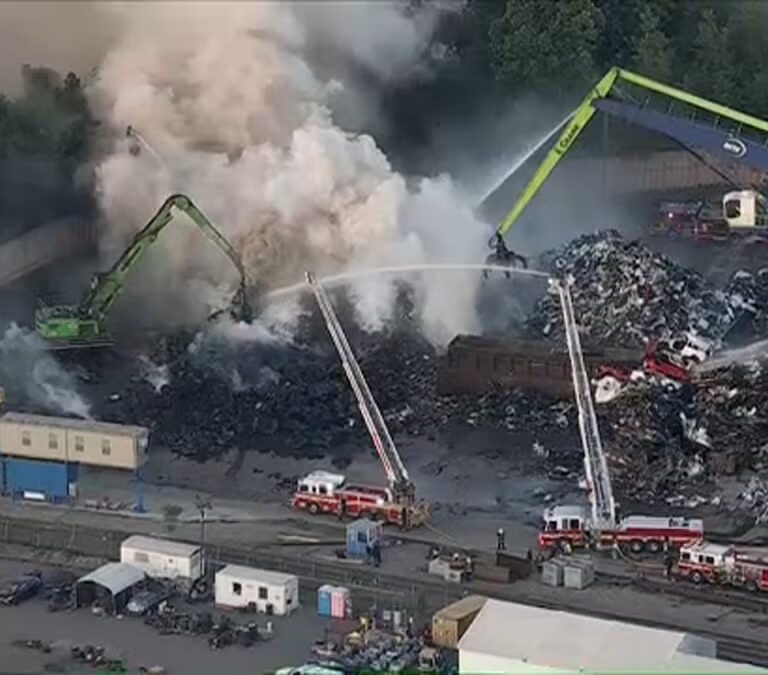
For years, residents of Camden have lived with a troubling reality that many believed had become an unacceptable part of daily life: recurring fires, smoke plumes rising above neighborhoods, emergency sirens, air quality concerns, and ongoing questions about industrial operations situated near homes, schools, businesses, and community spaces. Now, after another significant fire and years of mounting scrutiny, one of the city’s most controversial industrial facilities has announced a major operational change that could reshape the conversation about environmental accountability, industrial oversight, and community health in South Jersey.

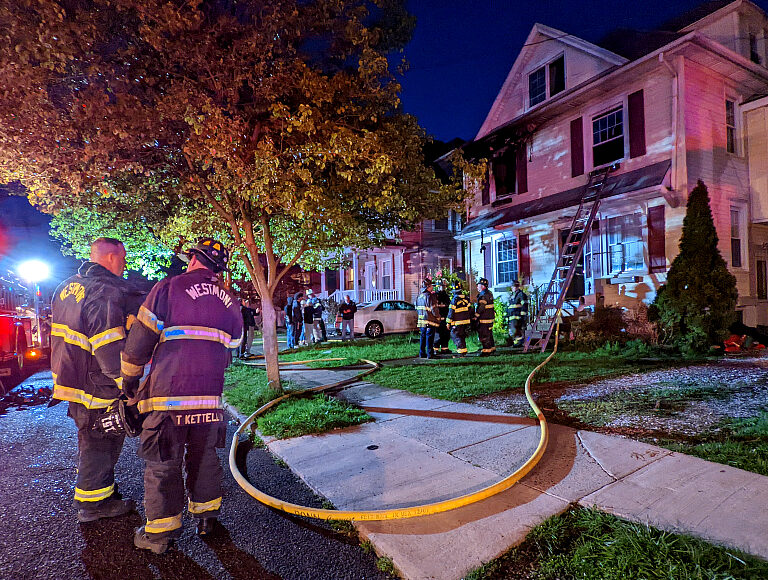
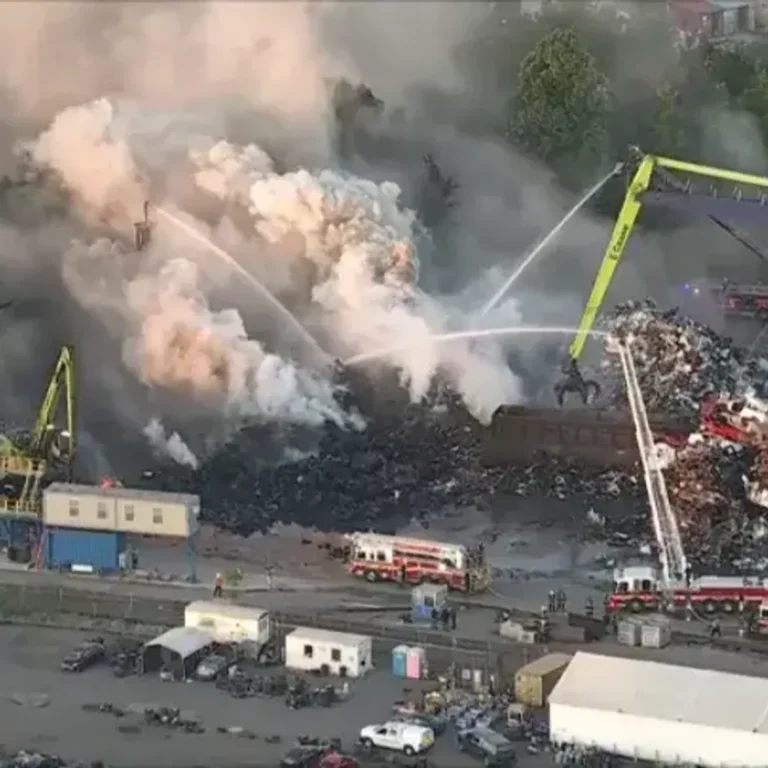
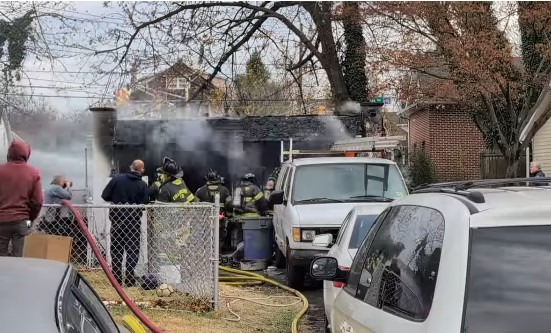
European Metal Recycling, commonly known as EMR, has voluntarily shut down operations at its Camden scrapyard following yet another fire at the facility. The decision comes after what community advocates describe as a long history of incidents that have fueled frustration among residents and intensified calls for stronger regulatory enforcement. According to reports surrounding the facility, the scrapyard has experienced approximately 15 fires over the last six years, creating a pattern that many residents say can no longer be dismissed as isolated accidents.

The latest incident, a two-alarm fire that drew emergency responders and renewed public attention, appears to have become a turning point in a controversy that has been building for years. For many in Camden, the announcement represents more than a temporary operational shutdown. It symbolizes a growing demand for accountability and a broader examination of how industrial activities coexist with residential communities throughout New Jersey.

The closure arrives amid ongoing legal action by the State of New Jersey, which has filed a civil lawsuit alleging failures to adequately address operational problems and compliance issues at the facility. State officials have argued that repeated incidents raise serious concerns regarding management practices, environmental safeguards, and public safety obligations.

For residents living near the scrapyard, the latest developments validate concerns they have voiced repeatedly over the years.

Community members have long argued that the consequences of repeated fires extend well beyond the immediate danger of flames. Every incident raises questions about air quality, particulate matter, potential contaminants, and the cumulative effects of industrial accidents on neighborhoods that already face significant environmental burdens.

Many Camden neighborhoods have historically carried a disproportionate share of industrial infrastructure, transportation corridors, manufacturing facilities, waste operations, and logistics centers. Environmental justice advocates frequently point to the city as a prime example of how industrial development can place significant burdens on communities while delivering limited direct benefits to residents.

The EMR facility became one of the most visible symbols of those concerns.

Each fire generated renewed public anxiety, particularly when smoke drifted across residential areas. Families often found themselves asking the same questions: What was burning? What was entering the air? Were there long-term health implications? Could future incidents be prevented?

Those questions intensified with each subsequent fire.

The scrapyard occupies a strategic location within Camden’s industrial landscape, serving a role in the broader recycling and metals recovery economy. Scrap recycling remains an important part of modern manufacturing and sustainability efforts. Facilities like EMR process discarded metals that are ultimately returned to industrial supply chains rather than ending up in landfills.

Supporters of the recycling industry often note that metal recovery plays an essential role in reducing waste, conserving resources, and supporting domestic manufacturing. Recycling steel, aluminum, copper, and other metals requires significantly less energy than producing raw materials from newly mined resources.

However, Camden residents and environmental advocates have consistently argued that environmental benefits associated with recycling do not excuse operational failures or repeated safety incidents.

The debate surrounding EMR has therefore evolved beyond questions of industrial necessity and toward questions of accountability.

What level of risk is acceptable?

How many incidents constitute a pattern rather than isolated events?

What obligations do industrial operators have when facilities are located near densely populated neighborhoods?

How aggressively should regulators intervene when recurring problems persist?

These questions have become central to discussions about the future of industrial development not only in Camden but throughout New Jersey.

The latest fire also arrives during a period of heightened attention to environmental justice initiatives across the state. New Jersey has increasingly positioned itself as a national leader in addressing environmental inequities through legislation, regulatory reforms, and community engagement efforts.

Under environmental justice frameworks, regulators are encouraged to consider the cumulative impact of pollution sources on communities that have historically faced disproportionate environmental burdens. Camden is frequently cited as one of the communities where those considerations carry particular significance.

Residents have argued that repeated fires, air quality concerns, and industrial accidents cannot be evaluated independently from broader environmental conditions affecting the city.

For local advocates, the closure represents an acknowledgment that existing conditions were unsustainable.

Yet many community leaders emphasize that a shutdown alone does not resolve deeper concerns.

Questions remain regarding future site management, environmental monitoring, cleanup obligations, and potential redevelopment opportunities. Residents want assurances that any transition will prioritize public health and community interests rather than simply shifting problems elsewhere.

The future of the property itself is likely to become an important topic of discussion.

Camden has undergone significant redevelopment efforts over the past decade, attracting investment in education, healthcare, logistics, technology, residential development, and waterfront revitalization. Large-scale projects have transformed portions of the city while creating new opportunities for economic growth.

The potential reimagining of industrial sites has become part of that broader conversation.

Many residents and community organizations envision a future in which redevelopment aligns more closely with neighborhood priorities, environmental sustainability, and economic inclusion. Whether the EMR site eventually becomes part of such efforts remains uncertain, but the closure has already sparked discussions about what comes next.

The economic implications are also significant.

Industrial facilities provide jobs, generate tax revenue, and contribute to regional supply chains. Any operational shutdown raises concerns regarding workers, contractors, and related businesses. Policymakers and community leaders must now balance legitimate economic considerations with public safety and environmental protection concerns.

That balance represents one of the defining challenges facing communities throughout South Jersey.

Economic development remains essential, but increasingly, residents expect development to occur alongside robust environmental safeguards and transparent accountability measures. The era in which communities simply accepted repeated industrial incidents as unavoidable appears to be fading.

Camden’s experience reflects a broader shift occurring across New Jersey and the nation.

Residents are demanding greater transparency from corporations. Environmental justice considerations are becoming central to regulatory decision-making. Communities expect meaningful engagement rather than reactive responses after problems occur. Public officials face increasing pressure to demonstrate that regulatory frameworks are capable of protecting residents while supporting economic activity.

The story unfolding in Camden therefore extends beyond a single scrapyard.

It touches on questions of environmental stewardship, corporate responsibility, public health, urban redevelopment, regulatory enforcement, and community empowerment. It highlights the tensions that can emerge when industrial operations intersect with residential neighborhoods and illustrates the growing expectation that businesses operating within communities must maintain public trust through consistent performance and accountability.

For many Camden residents, the voluntary shutdown represents a moment that has been years in the making.

After more than a decade of concerns, repeated incidents, and growing public frustration, many see the closure as an acknowledgment that meaningful change was necessary. Whether it ultimately becomes a turning point in the city’s ongoing environmental justice journey will depend on what happens next.

As state regulators continue legal proceedings, community leaders advocate for long-term solutions, and policymakers evaluate future options, one thing remains clear: Camden residents have made their expectations known.

They want safe neighborhoods.

They want clean air.

They want accountability.

And after years of recurring fires and unanswered questions, they believe meaningful action is long overdue.

The closure of EMR’s Camden scrapyard may mark the end of one chapter in the city’s industrial history, but it is also likely the beginning of a larger conversation about what responsible development, environmental protection, and community partnership should look like in the future of South Jersey.

New Jersey Devils Eye Offensive Firepower at No. 12 as Wyatt Cullen Emerges as the Franchise’s Most Projected Draft Target

The New Jersey Devils enter the 2026 NHL Draft facing one of the most important organizational crossroads of the post-rebuild era. After years spent accumulating elite young talent, developing one of hockey’s fastest transition attacks, and constructing a roster capable of contending deep into the Stanley Cup Playoffs, the franchise now finds itself confronting a new challenge entirely: how to evolve from dangerous contender into complete championship-caliber machine.

That reality is precisely why the Devils’ projected decision at No. 12 overall has become one of the most heavily analyzed storylines surrounding this year’s draft.

League insiders, prospect analysts, and draft projections increasingly point toward one central theme dominating New Jersey’s internal discussions — the organization desperately needs additional finishing talent and more consistent offensive support around franchise cornerstones Jack Hughes, Nico Hischier, Jesper Bratt, and Timo Meier. The numbers behind that concern are impossible to ignore. Despite possessing one of the NHL’s most explosive transition systems and one of the league’s fastest rosters off the rush, the Devils finished last in the NHL in 5-on-5 scoring during stretches of the 2025-26 season, exposing a glaring need for more dynamic offensive creators and natural finishers deeper throughout the lineup.

That offensive inconsistency has fundamentally reshaped expectations for what new General Manager Sunny Mehta may prioritize entering the draft.

Instead of targeting safe projections or organizational depth pieces, the growing consensus around the league is that New Jersey will aggressively pursue high-ceiling offensive upside with the 12th overall selection. More specifically, most projections now center around one name rapidly climbing draft boards across hockey: Wyatt Cullen.

The explosive American winger from the U.S. National Team Development Program has emerged as perhaps the single most commonly mocked player connected to New Jersey heading into draft season, and the reasons behind that connection make enormous sense stylistically, philosophically, and organizationally.

Cullen fits the modern Devils identity almost perfectly.

He is fast, creative, offensively aggressive, and dangerous in transition. His skating allows him to attack defenders with speed through the neutral zone while maintaining puck control in motion, a skillset that aligns naturally with how the Devils already generate offense through Hughes and Bratt. Cullen also possesses the type of instinctive offensive creativity that NHL organizations increasingly prioritize at the top of the draft. Rather than simply relying on straight-line speed or raw physical tools, he processes offensive space quickly and attacks openings with confidence.

That particular combination is exactly what makes him so appealing to a Devils organization seeking more game-breaking offensive unpredictability.

Multiple league scouts believe Cullen’s upside may ultimately surpass where he is currently projected to be selected, largely because he remains one of the youngest players in the draft class while still showcasing elite offensive instincts against high-end competition. For New Jersey, that creates the possibility of adding another foundational offensive weapon whose development timeline could align almost perfectly with the existing competitive core already in place.

More importantly, Cullen addresses an increasingly obvious organizational need.

The Devils remain dangerous offensively when their transition game is flowing cleanly, but opposing playoff teams increasingly discovered ways to physically pressure New Jersey’s smaller skilled forwards and limit interior scoring opportunities during extended postseason hockey. While Hughes remains one of the NHL’s premier offensive engines, the roster still lacks enough pure finishers capable of converting possession dominance into consistent goal production during grinding playoff series.

Cullen’s offensive ceiling gives New Jersey an opportunity to potentially solve that issue internally rather than through increasingly expensive free agency or blockbuster trades.

Still, Cullen is far from the only intriguing option connected to the Devils at No. 12.

One of the most fascinating names generating serious momentum among draft analysts is Ethan Belchetz, the enormous Windsor Spitfires power winger whose combination of size, scoring touch, and physical intimidation has made him one of the most polarizing players in the entire draft class. At 6-foot-5 and over 220 pounds, Belchetz represents almost the complete stylistic opposite of the smaller, speed-driven identity the Devils have spent years building.

Ironically, that contrast may be exactly why some within the organization reportedly love him.

New Jersey’s playoff struggles repeatedly highlighted the need for more net-front presence, heavier forechecking pressure, and players capable of winning difficult puck battles below the goal line. Belchetz projects as precisely that kind of physically dominant forward. He brings size the Devils simply do not currently possess in enough abundance among their top offensive prospects, and his ability to create chaos around the crease could complement the finesse-heavy styles of Hughes, Bratt, and Hischier exceptionally well.

Several NHL analysts believe Mehta may ultimately prioritize balance over pure skill if Belchetz remains available at No. 12.

There is also growing interest surrounding Oscar Hemming, another forward heavily connected to New Jersey throughout the scouting process. Hemming’s appeal comes from his relative readiness and physical maturity. Unlike some long-term development projects, Hemming already carries the reputation of a more polished, pro-style scorer capable of potentially accelerating toward NHL readiness faster than many peers in the draft class.

For a Devils team operating firmly inside a win-now competitive window, that matters significantly.

Hemming’s game projects particularly well toward playoff hockey. He is strong along the walls, capable of handling physical pressure, and comfortable operating inside difficult scoring areas where postseason games are often decided. Some evaluators believe his style could eventually relieve pressure from Timo Meier by adding another physically capable scoring winger who thrives in heavy traffic situations.

Then there is the wildcard scenario surrounding Tynan Lawrence.

At various points earlier in the season, Lawrence was viewed by many scouts as a legitimate top-three talent in the entire draft class before circumstances complicated his statistical profile following his midseason transition to NCAA hockey at Boston University. While raw point totals dipped during that adjustment period, many evaluators remain convinced Lawrence possesses elite two-way transition potential that could eventually make him one of the biggest steals in the draft if he slides outside the top ten.

That possibility has created enormous intrigue around New Jersey potentially capitalizing if other organizations overvalue short-term production metrics.

Lawrence’s intelligence away from the puck, transition playmaking, and defensive responsibility would fit seamlessly into the Devils’ existing structure. He projects as the type of modern two-way center capable of driving pace while maintaining strong defensive awareness — an increasingly valuable archetype in today’s NHL.

Of course, the Devils’ draft strategy could shift dramatically depending on what happens elsewhere on the roster this summer.

One major variable hanging over the organization is the future of young defenseman Simon Nemec. Trade speculation surrounding Nemec has intensified throughout the offseason, with some league executives believing New Jersey could explore moving him as part of a larger package for immediate NHL help. If that occurs, many analysts believe the Devils could pivot toward selecting a defenseman at No. 12, with Daxon Rudolph emerging as the most logical target.

Rudolph brings the exact type of profile NHL organizations covet in modern top-pairing defensemen: size, mobility, reach, right-handed puck movement, and strong defensive skating mechanics. His long-term projection as a shutdown matchup defenseman with offensive transition ability makes him especially attractive for teams seeking defensive stability without sacrificing speed.

Still, despite all the speculation surrounding alternate possibilities, Wyatt Cullen continues to feel like the most natural organizational fit.

The Devils have spent years constructing one of hockey’s fastest and most transition-oriented systems. Their greatest successes occur when they overwhelm opponents with pace, attack off turnovers, and force defensive breakdowns through relentless offensive pressure. Cullen enhances that identity rather than changing it. He would immediately become one of the organization’s most electrifying forward prospects while reinforcing the offensive style New Jersey believes can eventually deliver championships.

There is also another possibility league insiders continue quietly discussing: the Devils may not keep the pick at all.

Because New Jersey remains firmly inside its competitive contention window, the 12th overall selection could become one of the most valuable trade chips available this summer. Teams around the league are aggressively searching for first-round draft capital, and the Devils possess enough young organizational depth that Mehta could theoretically leverage the pick inside a larger trade package for proven NHL talent capable of helping immediately.

That possibility becomes especially realistic if New Jersey targets another top-six winger, a heavier middle-six forward, or an experienced defenseman capable of stabilizing playoff matchups right away.

In many ways, the uncertainty surrounding the 12th overall selection reflects how dramatically expectations have changed around the Devils organization itself. This is no longer a franchise drafting simply to survive a rebuild. This is now a team making decisions through the lens of championship urgency.

Whether the Devils ultimately select Wyatt Cullen, prioritize size with Ethan Belchetz, gamble on Tynan Lawrence’s elite upside, reinforce the blue line with Daxon Rudolph, or move the pick entirely in pursuit of immediate NHL help, the underlying goal remains unmistakably clear.

The organization believes its Stanley Cup window is already open.

Now comes the difficult part: finding the exact pieces capable of pushing it all the way through.

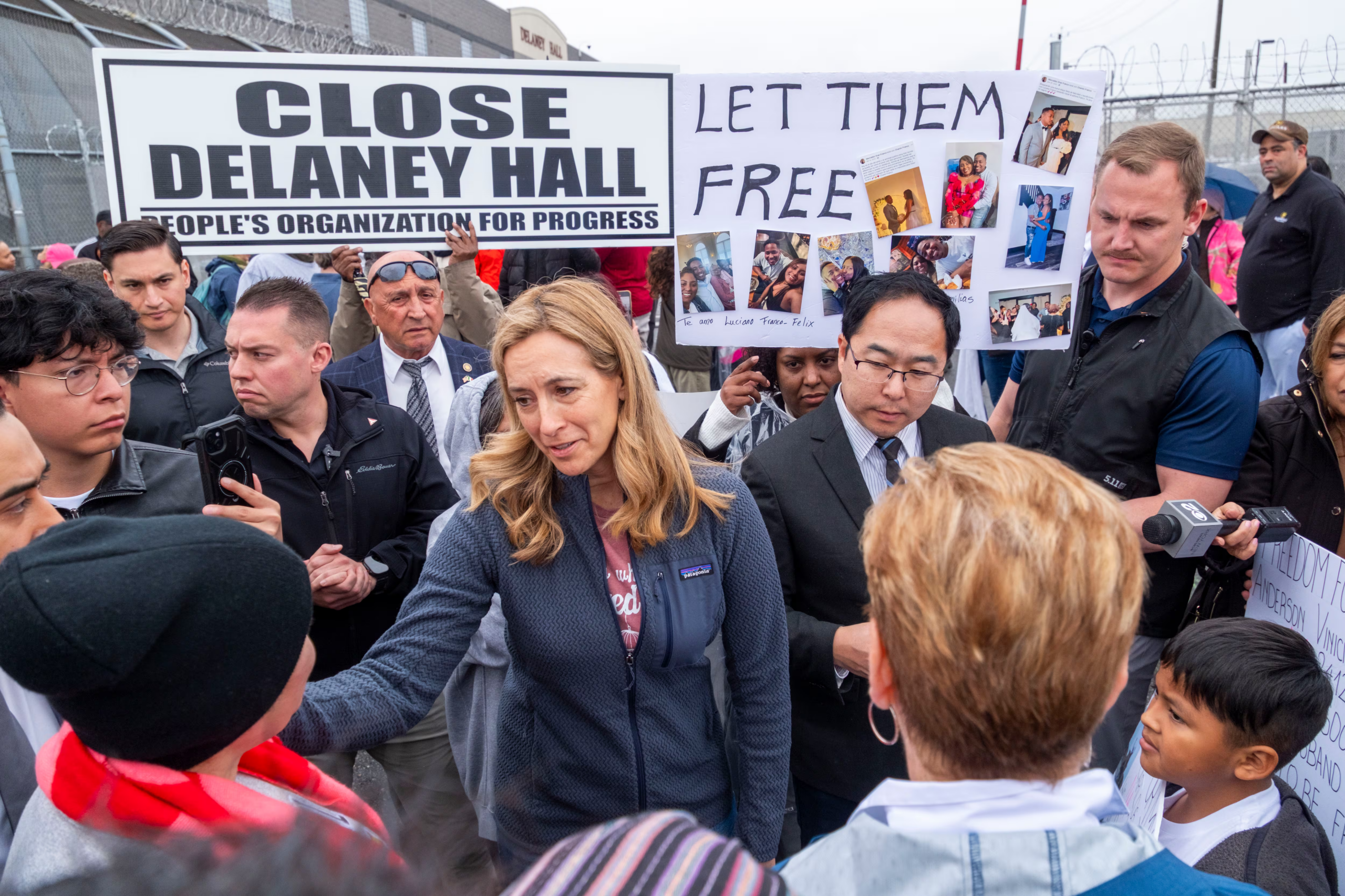
Delaney Hall at the Center of a Political Firestorm: Protests, Curfews, Arrests, Hunger Strikes, and a Growing Battle Over Immigration Policy in New Jersey

What began as demonstrations over conditions inside an immigration detention facility has now evolved into one of the most politically charged and nationally watched confrontations unfolding anywhere in New Jersey.

For more than a week, Delaney Hall in Newark has become the focal point of a widening conflict involving immigrant rights activists, federal immigration authorities, state officials, local elected leaders, counter-protesters, national political organizations, and hundreds of demonstrators arriving from across the region. What was initially a debate about detainee treatment and facility oversight has transformed into a broader battle over immigration enforcement, federal authority, public safety, civil disobedience, constitutional rights, and the future relationship between New Jersey and federal immigration operations.

As of June 1, Delaney Hall remains under intense scrutiny, with law enforcement maintaining a significant presence around the facility, an emergency curfew still in effect, dozens of arrests reported over the course of the unrest, and state leaders continuing to call for greater transparency regarding conditions inside the detention center.

The situation has become so volatile that many observers now describe Delaney Hall as the most significant political flashpoint in New Jersey since the beginning of the Trump administration’s renewed immigration enforcement initiatives.

At the heart of the conflict is Delaney Hall itself.

Located in Newark and operated by the private prison contractor GEO Group under federal authority, the facility has become one of the largest immigration detention centers on the East Coast. The center plays a significant role in federal immigration detention operations, housing individuals awaiting immigration proceedings and other federal actions.

The current crisis intensified after detainees reportedly launched a rolling hunger strike and labor strike inside the facility during Memorial Day weekend.

According to advocates, attorneys, family members, and immigrant rights organizations, detainees initiated the protest to draw attention to what they describe as inadequate living conditions, insufficient medical care, poor food quality, and broader concerns about treatment inside the facility.

Supporters of the detainees argue that the strike represents a desperate effort by individuals who believe they have exhausted traditional avenues for addressing grievances.

The allegations have generated widespread concern among advocacy organizations and elected officials throughout New Jersey.

Federal authorities, however, strongly dispute many of those claims.

Officials with the Department of Homeland Security have repeatedly maintained that Delaney Hall operates within federal detention standards and that detainees receive appropriate meals, medical services, and accommodations. Federal officials have also accused some detainees of engaging in disruptive conduct and have characterized portions of the unrest differently than advocates and protesters.

Those conflicting narratives have become a defining feature of the controversy.

While activists and civil rights organizations portray the facility as a symbol of broader concerns surrounding immigration detention practices, federal officials argue that misinformation and political rhetoric have fueled much of the unrest occurring outside the facility.

As tensions grew inside Delaney Hall, the situation outside rapidly escalated.

Protests that initially involved local activists soon attracted larger crowds, drawing participants from across New Jersey and eventually from neighboring states. Demonstrations expanded throughout the week, with protesters gathering outside facility entrances, staging marches, organizing vigils, and demanding independent inspections of the detention center.

The demonstrations quickly evolved into a major political event.

State lawmakers, congressional representatives, advocacy groups, immigration reform organizations, faith leaders, and civil rights activists all converged on Newark, turning Delaney Hall into a symbol within the broader national immigration debate.

The situation escalated dramatically as confrontations emerged between protesters and federal agents.

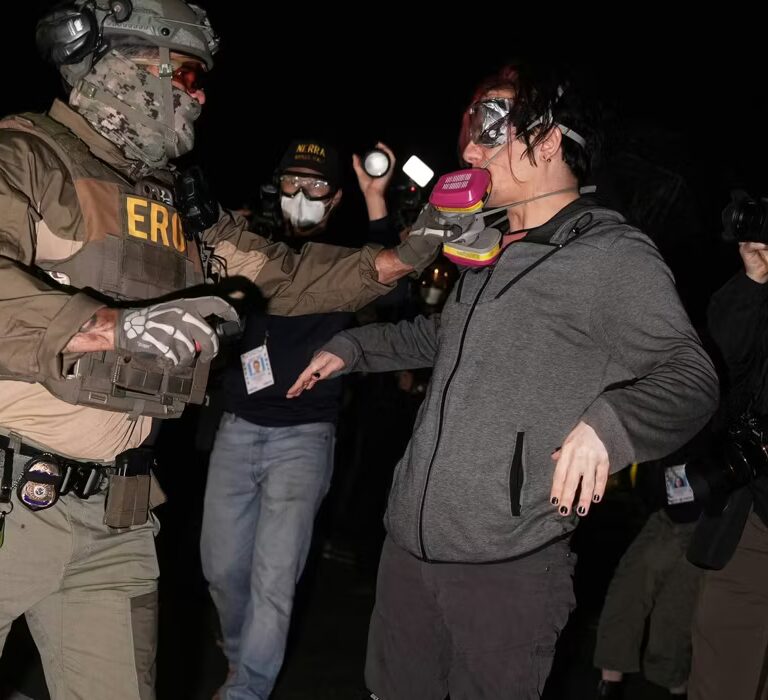
Reports of pepper spray deployments, physical confrontations, barricades, and crowd-control measures fueled growing public attention. Video footage from the scene circulated widely across social media platforms and national news outlets, transforming what had initially been a regional issue into a story receiving nationwide coverage.

The arrival of high-profile elected officials further intensified public interest.

Several Democratic leaders publicly criticized conditions at the facility and demanded greater oversight. Governor Mikie Sherrill emerged as one of the most prominent voices calling for accountability, publicly stating that Delaney Hall should be shut down while simultaneously emphasizing the need to maintain public safety.

The governor’s involvement significantly altered the trajectory of events.

Rather than allowing federal authorities alone to manage the growing unrest, Sherrill directed the New Jersey State Police to assume a greater role in maintaining order outside the facility.

The decision represented a significant intervention by state government.

State officials argued that tensions had reached a level where independent management of public safety was necessary to protect both demonstrators and law enforcement personnel. The objective, according to state leaders, was to reduce the likelihood of further escalation while preserving the constitutional rights of peaceful protesters.

The result was the creation of designated protest zones and a significant restructuring of security operations around Delaney Hall.

New Jersey State Police established extensive barriers, controlled access points, and implemented crowd management strategies designed to separate opposing groups.

By that point, the protests were no longer limited to anti-ICE demonstrators.

Pro-ICE organizations, conservative activists, and supporters of federal immigration enforcement had also begun arriving in Newark. Competing demonstrations transformed portions of the area surrounding Delaney Hall into a politically charged environment where opposing groups frequently exchanged chants, slogans, and accusations across police barricades.

The arrival of outside political organizations added another layer of complexity.

State leaders repeatedly expressed concerns about individuals traveling from outside New Jersey to participate in demonstrations. Governor Sherrill and other officials argued that some of the most aggressive actions appeared to involve outside agitators rather than local residents.

Meanwhile, anti-ICE activists countered that people across the country viewed Delaney Hall as emblematic of larger concerns surrounding immigration detention policies and therefore felt compelled to participate.

As crowds grew larger, tensions became increasingly difficult to manage.

By Saturday evening, demonstrations had swelled into one of the largest gatherings seen outside the facility since the controversy began.

The atmosphere shifted dramatically.

Reports emerged of burning debris, projectiles being thrown, confrontations with police lines, and protesters attempting to breach barriers established around protected areas. Law enforcement responded with riot-control tactics as officers sought to restore order amid escalating disorder.

Scenes from the area quickly spread across television broadcasts and social media feeds.

Images of mounted troopers, riot shields, flash-bang devices, burning barricades, and shouting crowds created a striking visual representation of how rapidly the situation had deteriorated.

For many Newark residents, the events were unlike anything seen in the city in recent years.

Mayor Ras Baraka responded by implementing extraordinary measures.

Declaring that public safety concerns had reached an unacceptable level, the mayor established an emergency nightly curfew covering a half-mile radius surrounding Delaney Hall. The restrictions prohibit public presence within the designated zone between 9:00 p.m. and 6:00 a.m.

The decision reflected growing concern among city officials regarding the potential for additional violence.

Baraka emphasized that while peaceful protest remains protected, activities involving weapons, vandalism, fires, and attacks on law enforcement threaten both public safety and the credibility of legitimate demonstrations.

His statement attempted to strike a delicate balance.

The mayor strongly criticized federal immigration practices, reiterated support for immigrant communities, condemned the use of excessive force against peaceful protesters, and continued advocating for greater transparency regarding conditions inside Delaney Hall.

At the same time, he made clear that violence, property destruction, and dangerous conduct by demonstrators could not be tolerated.

That balancing act reflects the broader challenge confronting New Jersey leaders.

Many elected officials simultaneously oppose aspects of federal immigration policy while also recognizing their responsibility to prevent violence and maintain order.

The result has been a complex political landscape in which state and local leaders find themselves navigating competing pressures from activists, residents, law enforcement agencies, and federal authorities.

Adding further complexity are the ongoing legal disputes surrounding Delaney Hall itself.

The facility remains the subject of continuing litigation involving municipal oversight, permitting questions, and broader disputes regarding operations. Calls for inspections, access requests from elected officials, and demands for independent reviews have become central components of the controversy.

Governor Sherrill has repeatedly argued that state health officials should be granted access to evaluate conditions inside the facility.

Federal authorities have maintained their own position regarding operational procedures and security requirements.

Meanwhile, families of detainees continue waiting for answers.

After visitation was suspended amid the unrest, state officials announced plans to restore family visits while utilizing law enforcement escorts to guide visitors through heavily secured areas surrounding the facility.

That development serves as a reminder that behind the political arguments, legal battles, and televised confrontations are hundreds of detainees and family members directly affected by events unfolding at Delaney Hall.

For them, the conflict is not simply a political debate.

It is a deeply personal reality involving separation, uncertainty, legal proceedings, and concerns about the future.

As June begins, no immediate resolution appears likely.

The curfew remains active. State Police continue controlling access around the facility. Activists remain committed to ongoing demonstrations. Federal authorities have indicated that detention and enforcement operations will continue. Political leaders remain sharply divided over the appropriate path forward.

What is certain is that Delaney Hall has evolved far beyond a local dispute.

It now represents one of the most significant intersections of immigration policy, civil rights activism, federal-state relations, public safety, and political protest currently unfolding in New Jersey.

Whether the coming days bring de-escalation, further confrontation, or meaningful negotiations remains unclear. What is clear is that Delaney Hall has become a defining issue in New Jersey politics, one that is drawing attention from across the nation and forcing difficult conversations about immigration, government authority, public accountability, and the limits of protest in an increasingly polarized America.

Delaney Hall Menu Release Ignites New Jersey Firestorm as Immigration Detention Debate Shifts From Conditions to Public Spending

The political battle surrounding Newark’s Delaney Hall Immigration Detention Center took an unexpected turn this week when the Department of Homeland Security released what it described as the facility’s official meal program, setting off a fierce public debate that has rapidly spread across New Jersey and throughout the nation.

For weeks, Delaney Hall has remained at the center of a growing controversy involving detainee treatment, protests, hunger strikes, allegations of poor living conditions, clashes between demonstrators and federal agents, and increasing demands from elected officials for greater oversight. Now, the release of the facility’s menu has added an entirely new dimension to the discussion, shifting public attention toward questions involving taxpayer spending, detention standards, social services, and the broader politics surrounding immigration enforcement.

Federal officials presented the menu as evidence that detainees housed at the privately operated facility are receiving regular, nutritionally balanced meals that meet federal standards. Critics of the detention center have dismissed the release as a public relations exercise, arguing that a printed menu does not necessarily reflect the quality, freshness, or actual conditions experienced by those inside the facility.

The result has been another explosive chapter in what has already become one of New Jersey’s most closely watched political and public policy controversies.

According to information released by the Department of Homeland Security, detainees at Delaney Hall receive three meals daily that have been reviewed through nutritional guidelines and approved to meet established detention requirements. The menu includes a rotating selection of breakfast, lunch, and dinner options that would be familiar in institutional settings across the country.

Breakfast offerings reportedly include oatmeal, scrambled eggs, pancakes, cream of rice, breakfast potatoes, and breakfast meats. Lunch options feature meals such as beef and bean burritos, chicken fajitas served with tortillas, Spanish rice, chicken fried steak, fruit, and assorted side dishes. Dinner selections include jambalaya, Salisbury steak with gravy, enchilada casseroles, chili mac, potato wedges, desserts, and other rotating entrees.

Federal officials argue that the menu demonstrates a commitment to providing adequate nutrition and directly challenges claims that detainees are being denied food or subjected to starvation conditions.

The release immediately generated intense reaction online.

Within hours, images of the menu were circulating widely across Facebook, X, and other social media platforms. Much of the reaction came from conservative commentators, political organizations, and immigration enforcement advocates who argued that the meals described in the menu compare favorably to food provided through many publicly funded assistance programs.

A recurring theme quickly emerged in the online discussion.

Numerous critics questioned whether taxpayers should be funding what they viewed as relatively generous meal programs for immigration detainees while many American citizens continue to struggle with food insecurity, housing challenges, and economic hardship. Comparisons were frequently drawn between detention center meals and meals served through programs supporting homeless populations, senior citizens, veterans, and low-income families.

The comparison resonated with many individuals who believe the national immigration system has become disconnected from the needs of American communities facing their own economic challenges.

Several elected officials and political organizations amplified that message, arguing that the menu release revealed a disconnect between government spending priorities and the realities facing struggling residents throughout New Jersey and the country.

Supporters of the facility’s operations contend that the public discussion often overlooks an important reality. Federal detention facilities are legally obligated to provide food, medical care, housing, and basic necessities to individuals held in custody. Meeting those requirements, they argue, is not a matter of generosity but rather compliance with federal law and constitutional standards.

The debate intensified further following public comments made by Department of Homeland Security Secretary Markwayne Mullin, who pushed back forcefully against claims that detainees are being deprived of food.

Responding to criticism surrounding the facility, Mullin argued that federal authorities are providing sufficient nutrition and appropriate care while enforcing existing immigration laws. He also challenged complaints regarding food quality and menu selections, emphasizing that detention facilities are not intended to function as hotels or hospitality centers.

Those remarks immediately generated additional controversy.

Immigration advocates, civil rights organizations, and attorneys representing detainees argue that the central issue is not the menu itself but whether the food actually served matches what appears on paper. They maintain that concerns raised by detainees extend far beyond calories and meal schedules.

According to advocacy groups and attorneys involved in the ongoing dispute, detainees have repeatedly alleged that food quality, food freshness, and food safety remain serious concerns. They argue that reports of spoiled products, expired items, inadequate sanitation, and inconsistent meal service cannot be dismissed simply because an official menu appears acceptable.

The distinction has become one of the primary fault lines in the debate.

Federal officials point to documented menus, nutritional standards, inspections, and operational requirements as evidence that conditions are appropriate. Advocacy organizations counter that only independent inspections, unrestricted access, and direct testimony from detainees can determine whether those standards are consistently being met.

As a result, the menu itself has become symbolic of a much larger disagreement over transparency, accountability, and public trust.

The controversy arrives during an already volatile period surrounding Delaney Hall.

In recent weeks, the facility has become the focus of demonstrations involving immigration advocates, family members of detainees, elected officials, community organizations, and federal law enforcement personnel. Reports of hunger strikes and labor actions by detainees fueled demands for increased oversight and generated significant media attention.

Outside the facility, protests escalated into confrontations that ultimately prompted New Jersey State Police to assume responsibility for perimeter security operations. State authorities established designated demonstration areas and implemented crowd-control measures designed to separate competing groups and reduce the risk of violence.

Those developments transformed Delaney Hall from a local detention facility into a statewide political flashpoint.

The menu controversy has only expanded that attention.

What began as a dispute over conditions inside a detention center has evolved into a broader public conversation involving immigration policy, detention standards, federal oversight, taxpayer responsibilities, social services, public spending, and competing visions of fairness.

For supporters of stronger immigration enforcement, the menu release reinforces arguments that federal detention facilities are providing appropriate care while facing politically motivated criticism. They view the controversy as another example of immigration debates becoming disconnected from operational realities.

For critics of the facility, the menu release changes very little. They argue that the central concerns remain transparency, independent oversight, detainee treatment, medical access, and the ability of individuals inside the facility to communicate openly about their experiences.

Meanwhile, many New Jersey residents find themselves watching a debate that increasingly reflects larger national divisions over immigration, government accountability, and public policy priorities.

As demonstrations continue, legal challenges remain active, and political leaders on both sides intensify their messaging, Delaney Hall remains at the center of one of the most consequential and emotionally charged public debates currently unfolding in New Jersey.

Whether the release of the menu ultimately calms public concerns or further deepens existing divisions remains to be seen. What is clear is that the controversy surrounding Delaney Hall has moved far beyond the walls of the facility itself. It has become a reflection of competing beliefs about immigration enforcement, public responsibility, government transparency, and the difficult questions that continue to shape the national conversation.

For New Jersey, the debate is no longer simply about what is being served inside a detention center. It has become a broader examination of policy, accountability, and the values that guide public institutions during one of the most contentious political moments in recent memory.

New Jersey Weather Turns Summerlike Before Sharp Cooldown: Warm Surge, Fire Risk Alerts, and a Volatile Midweek Shift Ahead

A dramatic early-May weather swing is unfolding across New Jersey, delivering a burst of summerlike heat before pivoting sharply back toward cooler, unsettled conditions. The current pattern, driven by a dynamic upper-level flow across the Mid-Atlantic, is creating a high-impact stretch of weather that combines warmth, elevated wildfire risk, and an imminent cold front that will reshape conditions statewide within days.

Current conditions in New Jersey are sunny and warm. It currently feels like 78°F with a light southwest wind at 11 mph and humidity around 39%. Temperatures are expected to peak in the mid-80s this afternoon, which is significantly warmer than the usual 70°F average for early May.

Hour Sky ConditionTemperature
12 PMweatherIconSunny80°F
2 PMweatherIconSunny84°F
4 PMweatherIconPartly sunny84°F
6 PMweatherIconCloudy79°F
8 PMweatherIconCloudy72°F
10 PMweatherIconCloudy68°F

Weather Highlights

  • Wildfire Risk: Due to the dry air (25-30% humidity) and strong wind gusts up to 30 mph, the National Weather Service has issued a special alert regarding an elevated risk of wildfires today.
  • Coming Rain: This summer-like heat won’t last. A cold front is moving in late tonight, bringing widespread rain  and a 15-degree temperature drop starting tomorrow.
  • Coastal Cooler: If you’re down at the Jersey Shore, expect it to stay much cooler today with highs only reaching the 60s due to sea breezes.

As of this morning, much of New Jersey is experiencing bright sunshine and unseasonably warm air, with temperatures already climbing into the upper 70s and expected to peak in the mid-80s this afternoon. That places today’s highs well above the seasonal norm, which typically hovers near 70 degrees in early May. Light southwest winds around 10 to 15 miles per hour and relatively low humidity levels are contributing to the warm, dry feel across inland areas, creating conditions more reminiscent of late spring or early summer than the first week of May.

This warmth, however, comes with a critical caveat. The combination of dry air—particularly humidity levels dropping into the 25 to 30 percent range—and gusty winds approaching 30 miles per hour has prompted heightened wildfire risk concerns across the region. These conditions allow fires to ignite and spread more easily, particularly in wooded and brush-heavy areas. The current environment underscores the importance of caution, as even minor sparks can escalate quickly under these atmospheric conditions.

The geographic variation across the state remains pronounced. While inland areas are seeing temperatures surge into the 80s, coastal regions along the Jersey Shore are experiencing a significantly cooler regime. Sea breezes are holding temperatures in the 60s, creating a sharp contrast between inland heat and coastal moderation. This divergence highlights the influence of marine air on New Jersey’s microclimates, particularly during transitional seasons.

The broader atmospheric setup driving these conditions is rooted in a positive-axis trough positioned to the northwest of the region, maintaining a southwest flow aloft over the Mid-Atlantic. This configuration is allowing warm air to surge into the state while temporarily suppressing precipitation. However, this pattern is inherently unstable and poised to shift as the trough advances eastward.

That transition begins late tonight.

A cold front moving into the region is expected to bring widespread rain and a noticeable drop in temperatures, with highs falling by as much as 15 degrees in some areas. By Wednesday, the state will see a return to more typical early-May conditions, with temperatures settling into the mid-to-upper 60s and skies turning predominantly cloudy. Periods of rain will accompany the frontal passage, marking a clear departure from the dry, warm conditions currently in place.

Looking at the day-by-day progression, the pattern reveals a classic early-season volatility. Monday delivered mild and pleasant conditions, with temperatures in the low-to-mid 70s inland and cooler readings along the coast. Tuesday represents the peak of the warm surge, with widespread highs in the 80s and the potential for isolated inland locations to approach 90 degrees, particularly along the Interstate 95 corridor. Breezy southwest winds will persist, maintaining elevated fire risk concerns through the day.

By Wednesday, the influence of the advancing trough becomes more pronounced. Cloud cover increases, scattered rain showers develop, and temperatures retreat into the 65 to 70-degree range. Winds remain active out of the southwest before gradually diminishing by evening. Overnight conditions vary across the state, with cooler, drier air settling into North Jersey while central and southern regions may continue to see lingering showers.

Thursday and Friday extend the cooler trend. High temperatures are expected to remain in the low-to-mid 60s, accompanied by periods of cloudiness and intermittent rain. Thursday may even feature isolated thunderstorms, particularly in southern portions of the state, as the atmosphere remains unsettled. By Friday, a mix of sun and clouds begins to re-emerge, signaling the gradual stabilization of the pattern.

The upcoming weekend continues the theme of variability. Saturday is projected to remain cool, with temperatures in the 60s and the possibility of additional rain. Sunday, however, offers a more favorable outlook, with temperatures climbing back into the low 70s under clearer skies and more stable conditions.

Beyond the immediate forecast, longer-range indicators suggest another shift on the horizon. Meteorological models point toward a transition to a hotter and more humid pattern later in the month, potentially around mid-May. This would mark the onset of more sustained summerlike conditions, replacing the current oscillation between warm and cool periods with a more consistent heat profile.

Within the broader Sunset Daily News weather landscape, this week’s pattern exemplifies the dynamic nature of spring in New Jersey. Rapid fluctuations in temperature, shifting wind patterns, and the interplay between dry and wet conditions create an environment where forecasts must account for both short-term impacts and longer-term trends. The current sequence—from unseasonable warmth to a cooling, rain-driven reset—illustrates how quickly conditions can evolve.

For residents, the immediate takeaway is clear: today’s warmth is temporary, and the shift to cooler, wetter weather will arrive quickly. The elevated fire risk adds an additional layer of urgency, reinforcing the need for awareness and precaution during this brief but impactful window of dry, windy conditions.

As the state moves through this transitional period, the focus will remain on how these rapid changes influence daily life, from outdoor activities and travel to broader environmental considerations. The coming days will offer a full spectrum of spring weather, capturing both the volatility and the complexity that define this time of year in New Jersey.

New Jersey Devils Catch Fire With Three Straight Wins as Trade Deadline Drama and Rivalry Showdown With the Rangers Set the Stage for a Pivotal Weekend at Prudential Center

The New Jersey Devils are suddenly playing the kind of hockey that fans expected all season. After months of inconsistency, injuries, and a dramatic fall down the Eastern Conference standings, the team has strung together three straight victories and is showing flashes of the high-tempo, resilient identity that once had them sitting near the top of the conference earlier in the year.

Now, with the NHL Trade Deadline arriving and a nationally televised rivalry matchup looming against the New York Rangers, the Devils find themselves at the center of one of the most compelling storylines in New Jersey sports.

Momentum is building inside Prudential Center. The roster could change dramatically within hours. And the Devils are preparing for one of the most emotionally charged games of the season.

Fans looking to follow the team’s playoff push, roster moves, and game coverage can continue tracking the latest developments in the New Jersey Devils section at Explore New Jersey.

A Three-Game Surge That Has Changed the Mood Around the Devils

For much of the winter, the Devils’ season felt like it was slipping away. Injuries, uneven defensive play, and stretches of underwhelming effort contributed to what many observers described as one of the most dramatic midseason collapses in recent franchise history.

But over the past several games, the team has rediscovered something that had been missing: urgency.

The Devils secured victories over the St. Louis Blues, the Florida Panthers, and most recently the Toronto Maple Leafs, creating a three-game winning streak that has injected new life into the locker room and the fan base.

The most dramatic win of the streak came in Newark against Toronto, when the Devils battled back multiple times before ultimately securing a 4–3 shootout victory.

The game showcased exactly what Devils supporters have been waiting to see for months: resilience, offensive creativity, and strong goaltending when the moment demanded it.

New Jersey nearly doubled Toronto in shots on goal, firing 47 pucks toward the net compared to the Maple Leafs’ 27. The aggressive offensive approach kept pressure on Toronto throughout the night and demonstrated how dangerous the Devils can be when their transition game is clicking.

The Devils also showed a level of composure that had been absent during much of their midseason slide.

Rather than collapsing after falling behind, the team repeatedly responded.

A Night of Big Performances Across the Lineup

Several Devils players stepped up in crucial moments during the win over Toronto.

Timo Meier continued his strong late-season scoring surge, delivering a first-period goal that erased Toronto’s early lead and set the tone for the Devils’ comeback mentality.

Captain Nico Hischier delivered a two-point performance that reflected his leadership and consistency, contributing both offensively and through strong two-way play.

Rookie Arseny Gritsyuk added another impressive moment to his young NHL career by scoring in consecutive games, demonstrating the type of offensive upside that has Devils fans excited about the organization’s future.

Connor Brown, one of general manager Tom Fitzgerald’s offseason acquisitions, scored the crucial late goal that forced overtime, capitalizing on a rush initiated by Luke Hughes with just over two minutes remaining in regulation.

And in the shootout, Jesper Bratt delivered the decisive strike that sealed the victory.

Perhaps the most important performance of the night came from goaltender Jacob Markstrom.

The veteran netminder made 24 saves and produced several crucial stops late in the game, including a dramatic pad save on Toronto’s Nicholas Robertson with less than a minute remaining in regulation that allowed the Devils to reach overtime.

During the shootout, Markstrom denied both William Nylander and Auston Matthews, setting the stage for Bratt and Paul Cotter to finish the job.

A Long Road to the Playoffs Still Ahead

Despite the recent surge, the Devils still face an extremely difficult path toward the postseason.

Entering the weekend, the team sits nine points outside the Eastern Conference playoff picture with only a small statistical chance of reaching the postseason.

The numbers suggest the odds are long.

But inside the locker room, the focus is much simpler: win the next game.

For a team that once sat atop the conference standings earlier this season, the sudden collapse that followed remains difficult to explain. Injuries played a major role, particularly the absence of star center Jack Hughes, whose dynamic offensive presence has long served as the engine of the Devils’ attack.

Now that key players are returning to the lineup, the team looks much closer to the version that analysts and fans expected at the start of the year.

Trade Deadline Drama Surrounds the Devils

While the players are focused on the ice, the front office is navigating one of the most critical days of the NHL calendar.

March 6 marks the NHL Trade Deadline, and the Devils have already taken several steps suggesting that roster changes may be coming.

On Thursday, the team placed forwards Evgenii Dadonov, Luke Glendening, and Maxim Tsyplakov on waivers in a move widely interpreted as an effort to clear salary cap space and open roster flexibility ahead of potential trades.

The move has fueled speculation that general manager Tom Fitzgerald is preparing to make a significant roster adjustment.

Among the biggest storylines circulating around the league involves defenseman Simon Nemec.

The 22-year-old blue liner has reportedly drawn considerable trade interest following a recent change in representation, and league insiders indicate the Devils are listening to offers.

However, any deal involving Nemec would likely require a significant return.

Reports suggest the Devils would only consider moving the young defenseman if they receive a top-six caliber young forward capable of making an immediate impact.

Beyond Nemec, several other members of the Devils’ defensive group have been mentioned in trade speculation.

While Luke Hughes and Brett Pesce appear firmly part of the organization’s long-term plans, players such as Dougie Hamilton and Jonas Siegenthaler have surfaced in league discussions as potential trade targets.

Whether the Devils ultimately make a major move or hold onto their current roster will depend on how Fitzgerald balances the team’s long-term vision with its current playoff reality.

Injury Updates and Key Players Returning

There is also encouraging news on the health front.

Defenseman Luke Hughes has recently returned to the lineup after spending time on injured reserve. His return immediately boosted the Devils’ transition game, as his skating ability allows the team to generate offensive opportunities directly from the defensive zone.

Brett Pesce, meanwhile, missed the most recent game with a lower-body injury and is currently considered day-to-day.

The return of key players has helped stabilize the Devils’ lineup and restore the fast-paced playing style that made the team so dangerous earlier in the season.

Jack Hughes Returns as an Olympic Hero

Adding another remarkable chapter to the Devils’ season, Jack Hughes recently returned from international competition as an Olympic gold medalist.

During the 2026 Milano Cortina Winter Olympics, Hughes delivered one of the tournament’s most memorable moments by scoring the overtime game-winning goal for Team USA in the gold medal game.

The accomplishment has further cemented Hughes’ reputation as one of the most electrifying young stars in hockey.

For Devils fans, his return to the lineup represents more than just an emotional lift—it restores one of the league’s most dynamic offensive playmakers to the team’s attack.

Rivalry Weekend Begins With the Rangers

Next up for the Devils is one of the most emotionally charged matchups on their schedule.

The New York Rangers arrive in Newark on Saturday afternoon for the first of three meetings between the two rivals this season.

The game will be nationally televised and marks the Rangers’ only regular-season visit to Prudential Center this year.

Despite their own struggles this season, the Rangers remain one of the Devils’ fiercest rivals, and games between the two teams rarely lack intensity.

The Devils will then travel to Madison Square Garden later this month for the remaining two games in the season series.

Rivalry games often carry a different energy than standard regular-season contests, and with both teams looking to salvage their seasons, Saturday’s matchup could deliver a playoff-like atmosphere.

Youth Hockey Weekend and Special Events at Prudential Center

The Devils’ homestand also coincides with Youth Hockey Weekend, an initiative designed to celebrate the next generation of hockey players across New Jersey.

Young fans and youth hockey teams will take part in special in-arena events during the weekend games, highlighting the deep connection between the Devils organization and grassroots hockey throughout the region.

Sunday’s game against the Detroit Red Wings will also feature a special giveaway.

The first 9,000 fans entering Prudential Center will receive a Brett Pesce bobblehead, adding another reason for fans to fill the arena during the weekend homestand.

A Defining Moment in the Devils’ Season

As the Devils skate into one of the most dramatic weekends of their season, several storylines converge at once.

A three-game winning streak has restored belief inside the locker room.

The NHL Trade Deadline could reshape the roster within hours.

A fierce rivalry game against the Rangers awaits on national television.

And a fan base eager for momentum will fill Prudential Center hoping to see the Devils continue their late-season surge.

For a team that has endured months of frustration, injuries, and uncertainty, the recent performances have offered a reminder of what this roster is capable of when it plays with speed, resilience, and confidence.

Whether this surge arrives too late to revive the Devils’ playoff hopes remains uncertain.

What is certain is that the energy inside Newark has changed.

And for Devils fans across New Jersey, the next chapter of the season is about to unfold.

New Jersey High School Sports 2025–26: Championship Performances, Historic Breakthroughs, Indoor Track Dominance, Basketball Firepower, Coaching Legacy Moves Define a Landmark Season and a New Generation of Elite Talent Define the Season

Across gymnasiums, arenas, and competition floors throughout the state, the 2025–26 high school sports season in New Jersey delivered one of the most competitive and compelling years in recent memory. From dominant girls basketball programs solidifying their place at the top, to fencers earning statewide recognition, to wrestlers overcoming adversity to rewrite school history, this season was defined by resilience, precision, and a relentless pursuit of excellence.

As the final rankings, postseason honors, and statistical leaderboards come into focus, a clear narrative emerges: New Jersey continues to set the standard for high school athletics nationally, producing not only elite performances but also deeply compelling stories that resonate far beyond the scoreboard.

At the center of the season’s spotlight is girls basketball, where the final Top 20 rankings for 2025–26 reflect a landscape shaped by consistency, depth, and postseason execution. The state tournament served as the ultimate proving ground, separating contenders from champions and cementing the hierarchy among the best programs in New Jersey. Teams that navigated the pressure of March with discipline and composure emerged at the top, reinforcing the importance of late-season performance in defining legacy.

The evolution of girls basketball in New Jersey continues to accelerate, with programs investing heavily in player development, tactical sophistication, and year-round preparation. The result is a level of play that rivals some of the best high school basketball ecosystems in the country. This year’s Top 20 is not just a ranking—it is a reflection of a highly competitive environment where every possession, every adjustment, and every decision carries weight.

Beyond the hardwood, the fencing community delivered a season marked by technical excellence and individual achievement. The release of the Boys and Girls All-State teams and full postseason honors highlights a discipline that demands both physical precision and mental acuity. New Jersey has long been recognized as a powerhouse in high school fencing, and the 2026 honors list reinforces that reputation, showcasing athletes who have mastered the nuances of timing, strategy, and control.

Wrestling, as always, provided some of the most emotionally charged moments of the season. Among them, the story of a senior competitor overcoming persistent neck pain to secure a state medal stands out as a defining example of perseverance. Ending a 19-year medal drought for his school, this achievement goes beyond individual success—it represents a breakthrough for an entire program, a moment that will be remembered as a turning point in its history.

On the ice, New Jersey hockey continued to demonstrate its depth and competitive balance. The final statewide statistical leaders for the 2025–26 season offer a comprehensive view of the players who defined the game, from goal scorers and playmakers to those who delivered in clutch situations. These leaderboards are more than numbers—they are a blueprint of performance, highlighting the consistency and impact required to excel over the course of a demanding season.

Complementing the individual statistics are the final group rankings, which provide a broader perspective on team success across the state. These rankings reflect not only win-loss records but also strength of schedule, postseason performance, and overall program stability. Together, they paint a picture of a hockey landscape that is both highly competitive and deeply interconnected, where success is earned through sustained excellence.

Girls hockey also continued its upward trajectory, with statewide statistical leaders emerging across multiple categories, including goals, assists, and game-winning performances. The growth of the sport at the high school level is evident in both participation and quality of play, with athletes demonstrating a level of skill and competitiveness that continues to elevate the profile of the game.

What ties all of these stories together is a shared commitment to excellence that defines New Jersey high school sports. As highlighted across the Explore New Jersey High School Sports section, the state’s athletic programs are not only producing standout performances but also fostering environments where student-athletes can thrive both competitively and personally.

This season underscores the importance of infrastructure—coaching, facilities, community support—in shaping outcomes. Programs that invest in development, embrace innovation, and maintain a strong cultural foundation consistently rise to the top. At the same time, individual stories of resilience and determination remind us that success is often forged in moments of adversity.

The 2025–26 season also highlights the increasing visibility of high school sports within the broader New Jersey sports ecosystem. With enhanced coverage, expanded analytics, and growing fan engagement, these competitions are reaching wider audiences and gaining greater recognition. This visibility not only celebrates current achievements but also creates pathways for future athletes to pursue opportunities at the collegiate and professional levels.

Looking ahead, the impact of this season will extend well beyond its final rankings and honors. The players who defined this year will carry their experiences into the next stage of their careers, while the programs that emerged as leaders will set the benchmark for those that follow. The lessons learned—about preparation, resilience, and execution—will shape the trajectory of New Jersey high school sports for years to come.

This season is also not defined by a single sport or storyline. It is defined by convergence—where individual brilliance, team execution, and institutional leadership all intersect to shape one of the most dynamic years in recent memory for New Jersey high school athletics.

Indoor track stands at the forefront of that narrative, with the release of the boys and girls All-State teams and full postseason honors packages highlighting a discipline built on precision, discipline, and measurable excellence. Across sprints, distance events, relays, and field competitions, New Jersey athletes demonstrated a level of consistency and peak performance that reinforces the state’s national reputation in track and field.

The All-State selections reflect more than isolated achievements—they represent a pipeline of talent that continues to push the boundaries of what is possible at the high school level. Athletes are not only competing for titles; they are redefining benchmarks, setting new personal and program records, and elevating the overall standard of competition. The indoor season, often viewed as a precursor to outdoor success, has increasingly become a proving ground in its own right, with performances that demand national attention.

On the hardwood, the numbers tell a story of offensive explosiveness and individual impact. The release of the Top 150 boys basketball statistical leaders across six major categories provides a data-driven look at the players who shaped the season. Scoring, assists, rebounds, and efficiency metrics reveal a generation of athletes capable of influencing games in multiple ways, reflecting a shift toward more versatile and complete skill sets.

This evolution is particularly evident in how players are approaching the game. The modern New Jersey high school basketball player is not confined to a single role. Guards are rebounding, forwards are facilitating, and scorers are defending at a high level. The statistical leaders list captures this multidimensional approach, offering a snapshot of a sport that continues to adapt and expand.

Girls basketball further reinforces this trend, with statewide, group, and conference statistical leaders highlighting a competitive landscape defined by depth and consistency. The distribution of top performers across regions and conferences underscores the parity within the state, where success is no longer concentrated in a handful of programs but spread across a wide network of schools.

This balance has elevated the overall quality of play, making every game—and every statistic—more meaningful. The leaders in scoring, playmaking, and defensive categories are not just accumulating numbers; they are driving their teams through highly competitive schedules and postseason runs that demand both physical and mental endurance.

Beyond individual performance, the 2025–26 season also marks a period of significant transition within New Jersey’s coaching ranks. In Newark, a new chapter begins with a familiar name stepping into a leadership role, ensuring continuity within a program that has built its identity over more than a decade of consistent success. This type of transition—where institutional knowledge is preserved while new perspectives are introduced—reflects a broader trend in high school sports, where programs are increasingly focused on sustaining culture as much as achieving results.

Similarly, the return of a Hall of Fame coach to the baseball diamond after a nine-year hiatus signals a renewed commitment to excellence at the program level. Leadership changes of this magnitude carry immediate and long-term implications, influencing player development, recruitment, and overall competitiveness. In New Jersey, where coaching plays a critical role in shaping athletic identity, these moves are closely watched and deeply impactful.

On the ice, hockey continues to provide a detailed analytical view of performance through its final stat leaders by grade. This breakdown offers a unique perspective on the development pipeline, showcasing how players at different stages of their high school careers are contributing to their teams. Freshmen emerging as impact players, upperclassmen solidifying their roles as leaders, and underclassmen building toward future dominance all contribute to a layered and evolving competitive structure.

What emerges from these combined storylines is a clear picture of a state that continues to invest in excellence at every level of high school sports. As highlighted across the Explore New Jersey High School Sports section, the infrastructure supporting these athletes—from coaching and facilities to community engagement and media coverage—remains one of the strongest in the country.

This foundation allows New Jersey to consistently produce athletes who are not only prepared for collegiate competition but also equipped with the discipline and resilience required for long-term success. The emphasis on development, both physical and mental, ensures that the state’s programs remain competitive in an increasingly demanding national landscape.

The 2025–26 season also reflects a growing integration of data and performance analytics into high school sports. Statistical leaderboards are no longer just end-of-season summaries—they are tools for evaluation, strategy, and recognition. Coaches, players, and fans alike are engaging with these metrics in new ways, deepening their understanding of the game and its nuances.

At the same time, the human element remains at the core of every achievement. Behind every statistic is a story of preparation, sacrifice, and perseverance. Whether it is an indoor track athlete shaving fractions of a second off a personal best, a basketball player carrying their team through a critical stretch, or a coach returning to the sideline with renewed purpose, these moments define the season in ways that numbers alone cannot capture.

As the year concludes and attention begins to shift toward the next cycle of competition, the impact of the 2025–26 season will continue to resonate. The athletes who emerged as leaders will carry their momentum forward, the programs that achieved success will set new expectations, and the stories that defined this year will become part of New Jersey’s rich high school sports legacy.

In a state where competition is relentless and standards are high, the 2025–26 season delivered a comprehensive display of what makes New Jersey high school sports one of the most respected and dynamic environments in the nation.

Opening Night at the Jersey Shore Ignites the BlueClaws’ 25th Anniversary Season with Fireworks, New Talent, and a Full Summer Experience in ShoreTown

The return of baseball to the Jersey Shore is never just the start of a season—it is the signal that summer has officially arrived in New Jersey. On Tuesday, April 7, 2026, the Jersey Shore BlueClaws open their highly anticipated 25th Anniversary season at ShoreTown Ballpark, launching what promises to be one of the most dynamic and fan-driven seasons in franchise history. Opening Night is more than a first pitch; it is a full-scale celebration of community, tradition, and the unmistakable energy that defines ShoreTown baseball.

From the moment the gates open, the experience is designed to deliver far more than nine innings. Opening Night sets the tone with a complete entertainment package—live baseball, family-friendly atmosphere, immersive fan engagement, and a post-game fireworks show that transforms the ballpark into one of the most electric environments on the Jersey Shore. It is this blend of sport and spectacle that has elevated the BlueClaws into one of the premier Minor League Baseball experiences in the country, a reputation that continues to grow through coverage and features on Explore New Jersey’s BlueClaws hub.

The 2026 season carries added weight as the organization celebrates 25 years of baseball along the Jersey Shore. That milestone is not simply a number—it represents a quarter-century of packed stands, summer nights, and a deep connection between the team and its community. Over the years, ShoreTown Ballpark has become a gathering place where families, friends, and fans return year after year, creating a shared tradition that extends far beyond the game itself.

This year’s Opening Night arrives with heightened anticipation following the unveiling of the BlueClaws’ 2026 Break Camp roster. As the team prepares to take the field, the roster reflects the next wave of talent within the organization—players who represent both the future of the franchise and the broader pipeline of professional baseball. For fans, Opening Night offers the first opportunity to see these emerging players in action, setting the stage for a season defined by development, competition, and breakout performances.

The fan experience has also been elevated with a range of premium offerings that redefine how audiences engage with the game. Among the most notable are the newly available Fire Pit packages, which provide a private, premium viewing environment for groups looking to experience Opening Night in a more exclusive setting. With dedicated seating and a unique vantage point, these fire pits create a hybrid experience that blends the intimacy of a private gathering with the energy of a live sporting event.

Membership plans continue to play a central role in the BlueClaws’ fan engagement strategy, offering a comprehensive way to experience the season. These plans go beyond traditional ticket packages, incorporating added value such as food and beverage inclusions, exclusive merchandise, and access to some of the most sought-after games of the year. For fans looking to commit to the full ShoreTown experience, these memberships provide both convenience and enhanced access, reinforcing the organization’s focus on long-term relationships with its audience.

Technology is also reshaping how fans interact with the team. The MiLB app has become an essential tool for ticket management, team updates, and real-time information, streamlining the game-day experience and ensuring that fans can focus on the action rather than logistics. This integration reflects a broader shift within sports toward digital accessibility, where convenience and immediacy are key components of the overall experience.

Beyond Opening Night, the BlueClaws are building a season that extends well into the fabric of summer. One of the most anticipated promotional events is the introduction of the ShoreTown Beach Badgers, a one-night-only alternate identity that celebrates a uniquely New Jersey tradition—beach badges and the culture surrounding them. Scheduled for May 29, this event exemplifies the team’s ability to connect local identity with creative branding, turning a simple concept into a memorable, must-see experience complete with themed merchandise and on-field presentation.

The organization’s commitment to accessibility is further reflected in its Spring Break promotion, offering families an affordable way to experience live baseball during the early part of the season. With ticket bundles designed to maximize value, the BlueClaws are ensuring that the ballpark remains an inclusive destination for fans of all ages, reinforcing the idea that baseball at the Shore is as much about community as it is about competition.

What continues to set the BlueClaws apart is their ability to create a cohesive, immersive environment where every detail contributes to the overall experience. From the first pitch to the final fireworks burst, each element is designed to engage, entertain, and bring people together. This approach has transformed ShoreTown Ballpark into more than just a venue—it is a destination that captures the essence of summer in New Jersey.

As the 25th Anniversary season begins, the significance of Opening Night extends beyond the immediate excitement. It represents continuity, growth, and the enduring appeal of baseball as a communal experience. It is a moment where past and present intersect, where longtime fans reconnect with tradition, and new fans discover what makes the BlueClaws a cornerstone of the Jersey Shore.

With a new roster ready to take the field, enhanced fan experiences in place, and a full calendar of events ahead, the 2026 season is positioned to deliver one of the most comprehensive and engaging experiences in the team’s history. Opening Night on April 7 is the starting point—a launch that signals not just the return of baseball, but the beginning of another unforgettable summer in ShoreTown, where the game is only part of the story and the experience is what truly defines it.

New Jersey Weather This Week: Cold Start, Freeze Risk, and Fire Danger Give Way to a Significant Warm-Up by the Weekend

New Jersey enters the second week of April under a classic early-spring pattern defined by sharp temperature swings, dry atmospheric conditions, and a gradual transition from late-winter chill to a more seasonable, and eventually mild, setup. Today’s conditions reflect that transition point precisely, with bright sunshine across the state, a daytime high near 52°F, and a noticeably cooler feel driven by steady west winds around 13 mph. While thermometers may read near 50°F through much of the day, the wind-adjusted feel closer to the mid-40s underscores the lingering influence of colder air still anchored over the region.

The week ahead will be mostly dry and sunny, with temperatures warming up significantly toward the weekend. [, 2, 3, 4, 5]

Day [, 2, 3, 4, 5, 6]Sky ConditionTemperatureChance of Rain
Tue, Apr 7weatherIconSunny52°F / 30°F0%
Wed, Apr 8weatherIconSunny46°F / 30°F0%
Thu, Apr 9weatherIconCloudy54°F / 32°F10%
Fri, Apr 10weatherIconSunny69°F / 38°F10%
Sat, Apr 11weatherIconSunny64°F / 42°F20%
Sun, Apr 12weatherIconSunny61°F / 43°F0%
Mon, Apr 13weatherIconMostly cloudy77°F / 52°F10%

This current setup is being shaped by the backside of a departing upper-level trough, a feature that continues to funnel cooler, drier air into the Mid-Atlantic. As a result, New Jersey remains locked in a stable but chilly pattern through midweek, with high pressure dominating and precipitation largely absent. The consistency of this pattern is important—not because of any immediate storm threats, but because of the secondary impacts it introduces, including elevated wildfire risk and overnight freeze concerns across multiple counties.

A freeze watch is in effect across portions of the state tonight, with temperatures expected to drop into the mid-20s in colder inland areas. Even regions that remain slightly warmer will still experience conditions cold enough to threaten early-season vegetation. For agricultural interests and homeowners alike, this represents one of the most critical weather considerations of the week, as the recent stretch of mild days may have already initiated early plant growth that is vulnerable to sudden cold snaps.

Compounding this is the presence of low humidity and persistent wind, which together are increasing wildfire risk statewide. Gusts reaching up to 35 mph, combined with dry surface conditions, create an environment where any ignition source can spread more rapidly than typical for this time of year. While no widespread fire events are currently reported, the atmospheric setup demands heightened awareness, particularly in wooded and brush-heavy areas where fuel remains dry following a relatively precipitation-light pattern.

Looking ahead, the broader atmospheric structure offers a clear narrative: a zonal jet stream with intermittent split flow will keep conditions stable and largely precipitation-free, while a building ridge later in the week will initiate a meaningful temperature rebound. This transition becomes evident beginning Thursday, when daytime highs begin to climb closer to 60°F across inland areas, though coastal regions will remain cooler due to onshore influences.

Tuesday continues the current trend with highs near 50°F under a mix of sun and passing cloud cover, accompanied by breezy northwest winds. Overnight lows will represent the coldest period of the week, dipping into the low 20s in northern New Jersey and the upper 20s to low 30s farther south. Wednesday follows with similar daytime temperatures but slightly calmer conditions, as winds shift more easterly and skies remain mostly clear. Overnight readings moderate slightly but still hover near or below freezing across much of the state.

By Thursday, the shift begins to take hold. With high pressure repositioning and winds turning more easterly at lighter speeds, temperatures rise into the upper 50s to near 60°F inland. Coastal areas, influenced by cooler ocean temperatures, may remain closer to the low 50s. This marks the start of a warming trend that accelerates into Friday, when highs approach 70°F across much of the interior. Sunshine remains dominant, and the overall pattern stays dry, reinforcing a week characterized more by temperature variability than precipitation events.

The weekend outlook continues this trajectory, with consistently mild conditions and highs comfortably in the 60s statewide. Overnight lows remain above freezing even in typically colder northern elevations, effectively ending the week’s freeze concerns and signaling a more stable spring pattern. By early next week, temperatures may climb even higher, with some projections suggesting highs pushing into the mid-to-upper 70s under mostly cloudy but still dry conditions.

Current atmospheric readings reinforce the broader stability of this system. Humidity levels are holding near 48%, contributing to the dry feel in the air, while the UV index sits at a moderate level of 3, indicating that despite cooler temperatures, sun exposure remains a factor during peak daylight hours. These conditions, combined with clear skies, create an environment that is visually representative of spring, even as underlying temperature dynamics continue to fluctuate.

Across the Explore New Jersey Weather Report section, this pattern aligns with a broader seasonal transition that is typical for early April but still requires careful attention to short-term variability. The interplay between cold overnight lows and warming daytime highs, combined with dry atmospheric conditions, defines a period where both winter and spring characteristics coexist, often within the same 24-hour cycle.

For residents across New Jersey, the practical takeaway is one of preparation and awareness. The early part of the week demands continued use of winter layers, particularly during morning and evening hours, while also accounting for freeze risks that could impact plants and outdoor systems. At the same time, the increasing wildfire risk highlights the importance of caution with any open flames or activities that could generate sparks in dry, windy conditions.

As the week progresses, the shift toward milder weather will become more pronounced, reducing immediate weather-related concerns and opening the door to more consistent spring conditions. This transition, while gradual, represents a turning point in the seasonal cycle, as the atmospheric pattern moves away from cold-dominated influences and toward a more stable, warm-weather regime.

The overall outlook is clear: a dry, controlled weather pattern with a cold start, a midweek stabilization, and a strong warming trend heading into the weekend. For New Jersey, it is a week that encapsulates the volatility of early spring while ultimately delivering the kind of conditions that signal the season is beginning to take hold.

Haddonfield Advances New Fee Structure as Borough Shifts Service Costs to Users Across Fire Inspections, Construction, and Recreation

In a move that signals a broader recalibration of how municipal services are funded at the local level, the Borough of Haddonfield has formally approved a series of measures that will increase out-of-pocket costs tied to fire inspections, construction oversight, and recreational programming. The policy changes represent a deliberate shift away from general taxpayer subsidization toward a user-based funding model—one that places a greater financial burden on those directly utilizing specific municipal services, including residential landlords, commercial operators, developers, and organized athletic groups.

The decision positions Haddonfield at the forefront of a growing trend among South Jersey municipalities seeking to stabilize budgets while maintaining high service standards in the face of rising operational costs. As detailed across recent coverage within Explore New Jersey’s ongoing reporting on regional development, local governments throughout the region are increasingly reevaluating how services are priced, delivered, and sustained.

At the core of Haddonfield’s policy shift is a restructuring of fire inspection fees—an area that directly impacts both residential rental properties and commercial spaces. Fire safety compliance, long regarded as a non-negotiable public priority, requires regular inspections, documentation, and enforcement. Under the updated framework, landlords and business tenants will now absorb a greater share of the administrative and operational costs associated with these inspections. Municipal officials have emphasized that the change is designed to more accurately reflect the actual cost of service delivery, rather than distributing those expenses across the broader tax base.

The implications are particularly significant for property owners managing multi-unit residential buildings or maintaining commercial leases. In these cases, routine inspections—often required annually or upon tenant turnover—are no longer viewed as a generalized municipal obligation but as a service directly tied to private property operations. The revised fee structure aligns with a broader philosophy that those deriving income or operational benefit from properties should also bear the associated compliance costs.

Parallel adjustments in construction-related fees further reinforce this approach. As development activity continues across South Jersey, including in historically preserved communities like Haddonfield, the demand for plan reviews, inspections, permitting, and code enforcement has intensified. The borough’s updated construction fee schedule reflects the increasing complexity of these services, particularly as projects must adhere to modern safety standards while often navigating legacy infrastructure and zoning constraints.

Developers, contractors, and homeowners undertaking renovations or new builds will now encounter revised permit costs and inspection fees calibrated to better capture the scope of municipal involvement. While such increases may marginally elevate project budgets, local officials argue that they ensure the long-term sustainability of high-quality oversight—a factor that ultimately protects property values and community integrity.

The borough’s recreation sector is also undergoing a notable financial recalibration. Athletic leagues, youth programs, and community organizations that rely on municipal fields and facilities will see updated usage fees, marking a shift toward cost recovery for maintenance, staffing, and infrastructure upkeep. In a town where recreational programming is deeply embedded in the fabric of community life, this adjustment reflects both the rising cost of maintaining high-quality facilities and the growing demand for access.

Organizations utilizing these spaces will need to reassess budgets, registration fees, and operational planning as the borough transitions to a model where facility use more directly correlates with user contributions. While some may view this as a financial hurdle, others see it as an opportunity to ensure that recreational assets remain well-maintained and accessible for future generations without overburdening municipal taxpayers.

Across South Jersey, similar conversations are unfolding as municipalities weigh the balance between fiscal responsibility and community accessibility. Coverage across Explore New Jersey’s South Jersey reporting landscape highlights a region navigating population shifts, infrastructure demands, and evolving expectations around public services. From coastal towns managing tourism-driven wear on facilities to suburban boroughs like Haddonfield confronting the realities of aging infrastructure, the push toward user-based fee models is gaining traction.

What distinguishes Haddonfield’s approach is its comprehensive scope. Rather than targeting a single department or service category, the borough has implemented a coordinated adjustment across multiple sectors, creating a unified framework that aligns service delivery with direct cost attribution. This strategy not only enhances budget predictability but also introduces a level of transparency that allows residents and stakeholders to better understand how municipal services are funded.

Critically, the borough has framed these changes not as revenue-generation tactics, but as necessary adjustments to preserve service quality without imposing broader tax increases. In an environment where property taxes remain a central concern for New Jersey residents, the shift toward user fees can be positioned as a more targeted alternative—one that distributes costs based on usage rather than across the entire community.

For landlords, business owners, developers, and recreational organizations operating in Haddonfield, the new fee structure represents both a financial consideration and a signal of evolving municipal priorities. Compliance, planning, and operational strategies will need to adapt accordingly, with a heightened emphasis on budgeting for municipal interactions that were previously less pronounced in cost.

At a broader level, Haddonfield’s decision offers a case study in modern municipal governance—one that reflects the pressures facing local governments throughout New Jersey and the strategic choices being made to address them. As South Jersey continues to evolve, with communities balancing preservation, growth, and fiscal discipline, the borough’s approach may well serve as a blueprint for others evaluating how to sustain essential services in a changing economic landscape.

For readers tracking regional developments, ongoing updates and related coverage can be explored through Explore New Jersey’s dedicated South Jersey section, where municipal policy shifts, community initiatives, and local economic trends continue to define the future of the region.

Collingswood House Fire Exposes Critical Strain on Local Emergency Response Systems as Staffing Challenges Intensify Across South Jersey

An early morning house fire in Collingswood has become more than a single-incident response story—it is now a defining case study in the mounting operational pressures facing local fire departments across New Jersey. What began as an urgent residential emergency quickly evolved into a broader test of municipal readiness, inter-agency coordination, and the structural limits of a department already navigating staffing constraints.

The incident unfolded in the early hours of the weekend, when firefighters were dispatched to a residential blaze that had already escalated by the time crews arrived on scene. Initial response units were immediately forced into a dual-priority scenario: suppressing an active fire threatening property and life, while also managing the urgent medical needs of an injured resident. Under ideal conditions, these responsibilities would be handled simultaneously by a fully staffed department equipped with dedicated personnel for both fire suppression and emergency medical operations. In this case, however, Collingswood’s available resources were stretched thin.

With firefighters fully engaged in controlling the blaze and preventing further structural damage, the department faced a critical limitation—there were not enough available personnel to safely transport the injured individual to medical care. Mutual aid was quickly requested, bringing in support from neighboring jurisdictions to assist with emergency transport while Collingswood crews remained focused on extinguishing the fire. The coordination worked, but the necessity of that call for help has become the central issue now under scrutiny.

Commissioner Amy Henderson Riley did not downplay the implications. In the immediate aftermath, she pointed directly to the incident as a clear and urgent illustration of the borough’s ongoing staffing challenges. Her assessment reflects a growing concern not just within Collingswood, but across municipalities statewide, where fire departments are increasingly being asked to do more with fewer personnel, often under conditions where seconds carry life-altering consequences.

This particular fire response underscores a critical vulnerability in emergency operations: the inability to fully compartmentalize responsibilities during high-risk incidents. Fire suppression, victim rescue, medical stabilization, and transport are distinct functions that require dedicated staffing to be executed effectively and safely. When those roles begin to overlap due to personnel shortages, the margin for error narrows dramatically. In Collingswood’s case, the reliance on mutual aid ensured that the injured resident received care, but it also highlighted a dependency that cannot always be guaranteed in more complex or widespread emergencies.

Across New Jersey, this scenario is becoming increasingly familiar. Departments are balancing rising call volumes, evolving emergency response expectations, and workforce limitations that are not being resolved at the same pace as demand. The challenges extend beyond recruitment; retention, training capacity, and budget allocations all factor into the equation. The result is a system that, while still highly capable, is operating closer to its limits than at any point in recent memory.

Coverage within the state’s law and order reporting has consistently pointed to these structural pressures, particularly as municipalities confront the realities of modern emergency response. Fire departments are no longer tasked solely with extinguishing fires. They are integral components of a broader public safety network that includes medical response, disaster preparedness, and community risk reduction. That expanded role requires a level of staffing and resource allocation that many towns are still working to achieve.

In Collingswood, the weekend fire has accelerated that conversation. The incident is now being viewed not just as an isolated emergency, but as a catalyst for policy discussion and operational review. Local officials are expected to revisit staffing models, funding strategies, and inter-agency agreements in an effort to ensure that future responses are not constrained by the same limitations.

At the same time, the performance of the firefighters on scene cannot be overlooked. Operating under pressure, they executed a coordinated response that ultimately contained the fire and facilitated medical assistance for the injured resident. Their ability to adapt in real time, prioritize effectively, and integrate mutual aid resources reflects a level of professionalism that remains a cornerstone of New Jersey’s emergency services. The issue at hand is not capability—it is capacity.

The broader implication is clear. As communities continue to grow and the demands placed on emergency services evolve, the infrastructure supporting those services must keep pace. Staffing levels that may have been sufficient a decade ago are now being tested by more complex incident profiles and higher expectations for rapid, multi-faceted response.

For Collingswood, this fire may ultimately serve as a turning point. It has brought visibility to an issue that can no longer be addressed incrementally. The need for sustainable staffing solutions, reinforced mutual aid frameworks, and forward-looking investment in public safety is no longer theoretical—it is immediate.

In a state where local departments form the backbone of emergency response, the lessons from this incident will resonate well beyond a single borough. They will inform how municipalities prepare, how they allocate resources, and how they ensure that when the next call comes in—whether it is a fire, a medical emergency, or something more complex—the system in place is not just responsive, but resilient.

New Jersey Spring Weather Shifts Into Overdrive: Extended Warm Stretch, Dry Conditions, and Elevated Fire Risk Define Mid-April Outlook

New Jersey is entering a decisive stretch of spring weather that is beginning to look and feel more like early summer, as atmospheric patterns align to deliver prolonged warmth, limited rainfall, and increasingly dry conditions across the state. The latest forecast signals a sustained period of above-average temperatures through at least April 20, driven by a developing upper-level ridge over the eastern United States—a setup that favors stability, sunshine, and a steady climb in daytime highs.

Hourly Forecast (Saturday, April 11, 2026)

HourSky ConditionTemperature
11 AM58°F
12 PM – 3 PM60°F – 63°F
4 PM – 7 PM63°F – 58°F
8 PM – 11 PM54°F – 50°F

5-Day Outlook

DaySky ConditionTemperature (Hi/Lo)Chance of Rain
Sat, Apr 1163°F / 39°F0%
Sun, Apr 1257°F / 40°F10%
Mon, Apr 1379°F / 54°F10%
Tue, Apr 1482°F / 60°F10%
Wed, Apr 1587°F / 63°F20%

Detailed Forecast

  • Today (April 11): Expect a bright, sunny day peaking at 63°F. Winds will stay around 10-12 mph, and the UV index is high at 7, so sun protection is recommended.
  • Sunday (April 12): Clouds will begin to move in, keeping temperatures slightly cooler in the high 50s. There is a minimal 10% chance of a stray shower.
  • Early Next Week: A significant warm-up begins Monday. By Wednesday, inland areas could reach summer-like highs near 87°F, though coastal areas may remain much cooler due to sea breezes.

This evolving pattern is not simply a short-lived warm spell. It represents a broader transition into the second phase of the spring season, where temperature acceleration begins to outpace typical climatological norms. For residents across North, Central, and South Jersey, the result will be a noticeable shift in both daily routines and seasonal expectations, with outdoor conditions improving dramatically while environmental concerns—particularly fire risk—quietly intensify.

The weekend forecast sets the stage for this transition. Following a weak upper-level disturbance moving west to east across the Northeast, a dry cold front is expected to pass through New Jersey late Friday night into early Saturday morning. While the system may produce a brief window for isolated sprinkles or light showers, it lacks the moisture and organization needed to deliver meaningful rainfall. By Saturday morning, the front clears, leaving behind a clean, dry air mass that will dominate the weekend.

Saturday will offer near-ideal spring conditions across much of the state. High temperatures are expected to climb into the 60s statewide, with inland portions of Central and South Jersey pushing toward the 70-degree mark. Skies will remain mostly sunny, and winds, while occasionally breezy out of the north to northwest, will remain manageable. The higher angle of the April sun will enhance surface warming, creating what many will consider optimal conditions for outdoor activity, home projects, and early-season recreation.

Sunday continues the trend, though with a slightly cooler profile. Highs will settle into the low-to-mid 60s for most regions, with coastal areas feeling the moderating influence of onshore flow. Skies will begin mostly clear before gradually introducing cloud cover later in the day, particularly toward evening. Winds will shift to a more southerly or southeasterly direction, occasionally picking up along the eastern coastal corridor. Importantly, precipitation chances remain minimal, reinforcing the broader theme of dry conditions.

As the calendar turns into the week of April 13, the forecast shifts into a higher gear entirely. Monday and Tuesday are expected to bring widespread 70-degree temperatures across New Jersey, marking a clear departure from early spring norms. By midweek, the state enters what can only be described as a “third gear” warm-up, with inland areas potentially reaching into the 80s—a level more commonly associated with late May or early June. Overnight lows will follow suit, rising into the mid-50s to low-60s, further reinforcing the sustained nature of the warmth.

This rapid escalation in temperatures is a direct result of the strengthening ridge pattern, which suppresses cloud formation and limits storm development. While this creates favorable conditions for sunshine and outdoor activity, it also introduces a critical downside: a continued lack of meaningful rainfall. Soil moisture levels, already impacted by recent dry stretches, are expected to decline further, increasing the risk of brush and forest fires across vulnerable areas of the state.

The concern is not hypothetical. Extended periods of warm, dry, and occasionally breezy weather create the exact conditions needed for fire risk to escalate, particularly in wooded regions and areas with accumulated dry vegetation. Without consistent precipitation to replenish ground moisture, even small ignition sources can lead to rapidly spreading fires. This dynamic is expected to remain a key focus for both environmental monitoring and public awareness as the warm pattern persists.

Looking slightly ahead, there is some indication of a potential shift around April 20 to April 22, when a transient upper-level trough may move through the region. This system could bring a more organized rain event, offering a much-needed opportunity to alleviate dry conditions. However, until that system materializes, the prevailing pattern remains firmly locked in favor of warmth and dryness.

From a broader perspective, this stretch of weather aligns with New Jersey’s typical late-April progression, where temperatures begin their seasonal climb. However, the intensity and consistency of the current forecast suggest that the state may be moving through this transition more aggressively than usual. The result is a compressed seasonal shift, where residents experience early-summer conditions well ahead of schedule.

Current observations already reflect this trend. Across much of the state, temperatures have been fluctuating based on proximity to the coastline, with inland areas reaching into the 70s while coastal zones remain significantly cooler due to marine influences. This temperature gradient is expected to continue, particularly during periods of onshore flow, highlighting the complex interplay between regional geography and atmospheric conditions.

For those planning activities, the immediate outlook is overwhelmingly favorable. Clear skies, comfortable temperatures, and extended daylight hours create an ideal environment for both recreation and productivity. Whether it is outdoor work, travel, or simply enjoying the seasonal shift, the coming days offer a window of opportunity that aligns with the best aspects of spring.

At the same time, the underlying conditions require attention. The combination of warmth, dryness, and wind—while subtle on a day-to-day basis—builds cumulative risk over time. Awareness, preparation, and responsible outdoor behavior will be essential in mitigating potential fire hazards as the pattern continues.

For continuous updates, deeper analysis, and localized forecasts across the state, readers can follow the latest developments in the Weather Report section of Explore New Jersey, where evolving conditions are tracked with precision and context.

As New Jersey moves through mid-April, the forecast is delivering more than just a stretch of pleasant days—it is signaling a transition into a new phase of the season, one defined by acceleration, intensity, and a delicate balance between opportunity and risk.

Breaking News in Washington Reverberates Nationwide: White House Correspondents’ Association Dinner Erupts in Chaos as Donald Trump Is Escorted to Safety After Gunfire Scare

In a moment that instantly reshaped the national conversation and sent shockwaves far beyond Washington, a night traditionally reserved for political satire, media access, and symbolic unity between government and press abruptly descended into confusion and fear. The annual White House Correspondents’ Association Dinner—long regarded as one of the most visible intersections of political power and journalistic scrutiny—was interrupted by what multiple eyewitnesses described as gunfire, forcing the rapid evacuation of high-ranking officials, members of the press, and invited guests from inside the Washington Hilton ballroom.

The evening, held on Saturday, April 25, had already carried heightened attention due to the attendance of Donald Trump, marking his first appearance at the event in over a decade and notably his first as a sitting president. Historically, Trump had avoided the dinner throughout much of his political tenure, making this return a moment of political theater in its own right. That significance, however, was quickly overshadowed by the unfolding emergency.

According to reporters positioned inside the ballroom, the initial disruption came in the form of loud, sharp bursts—described by multiple attendees as sounding consistent with gunshots—followed immediately by confusion and audible chants of “USA” echoing through the room. Within seconds, members of the press corps, political staff, and guests dropped to the floor, instinctively seeking cover as security personnel began issuing urgent commands.

The response from the United States Secret Service was immediate and highly coordinated. Agents moved decisively toward the stage, where Trump had been present, and executed a rapid extraction. Witness accounts confirm that agents were heard shouting “shots fired” as they secured the president and initiated evacuation protocols. JD Vance, along with multiple Cabinet officials, was also swiftly escorted from the venue under tight security.

Within minutes, the ballroom—once filled with the energy of Washington’s most prominent political and media figures—was transformed into a controlled emergency scene. Law enforcement officers secured the perimeter, while federal and local authorities began sweeping the premises to assess the situation and neutralize any potential threat.

Early reports indicated that a suspect had been apprehended, a claim later reinforced by statements from the president himself. In a message released shortly after the incident, Trump confirmed that the shooter was in custody and praised law enforcement for acting “quickly and bravely” in containing what could have escalated into a far more catastrophic event. He further indicated that, at the request of authorities, he would return to the White House and address the nation in a forthcoming press conference.

The proximity of the incident to key media figures added another layer of urgency to the unfolding situation. Wolf Blitzer, who was positioned just outside the main ballroom, reportedly witnessed the suspect discharging a weapon only feet away. According to accounts, law enforcement officers immediately intervened, directing Blitzer and others to safety while securing the area.

For New Jersey audiences and readers of Sunset Daily News, the implications of such an incident extend beyond Washington’s political ecosystem. The event underscores the evolving security landscape surrounding high-profile gatherings, particularly those that bring together federal leadership, national media, and influential stakeholders. Venues across the country—including major event spaces throughout New Jersey—continue to adapt their protocols in response to the growing complexity of security threats in public and semi-public settings.

This incident also places renewed scrutiny on the symbolic role of the White House Correspondents’ Association Dinner itself. Traditionally framed as a rare moment of levity and mutual acknowledgment between politicians and the press, the dinner has increasingly reflected broader tensions within the national discourse. Trump’s presence alone signaled a shift in tone for this year’s event—one that was abruptly overtaken by a far more serious and immediate reality.

In the aftermath, federal investigators are expected to conduct a comprehensive review of the security breach, examining how the suspect gained proximity to the venue and what measures can be implemented to prevent similar incidents in the future. The coordination between the Secret Service, local law enforcement, and federal agencies will likely become a focal point of both internal review and public discussion.

The administration has confirmed that the dinner will be rescheduled within the next 30 days, an effort to restore a sense of continuity to an event that has long served as a cornerstone of Washington’s annual calendar. Whether the rescheduled gathering will carry the same tone—or whether it will be fundamentally reshaped by the events of April 25—remains to be seen.

What is clear is that the night will be remembered not for speeches or satire, but for the moment when one of the nation’s most closely watched events became the center of a real-time security crisis. In a matter of seconds, ceremony gave way to survival, and a tradition rooted in dialogue was overtaken by the urgent realities of protection and response.

Defiant and Unshaken: Donald Trump Addresses Nation After Assassination Attempt Disrupts White House Correspondents’ Association Dinner, Raising Urgent Questions on Security, Stability, and the State of American Political Life

In a moment that will be studied, analyzed, and debated across every level of American political and media institutions, President Donald Trump delivered a forceful and composed response late Saturday night after surviving what authorities have described as another targeted attempt on his life—this time unfolding in real time at one of the most visible and symbolically significant events in Washington: the White House Correspondents’ Association Dinner.

What began as a high-profile convergence of political leadership, national media, and institutional tradition rapidly escalated into a national security crisis when the sound of gunfire sent shockwaves through the Washington Hilton ballroom. Within seconds, the controlled pageantry of the evening gave way to a coordinated emergency response, as members of the press, administration officials, and invited guests were instructed to take cover while federal agents moved to secure the president and neutralize the threat.

The speed and precision of the response from the United States Secret Service underscored both the severity of the moment and the preparedness embedded within modern presidential security operations. Agents quickly extracted Trump from the stage, while JD Vance and members of the Cabinet were simultaneously evacuated under layered protective protocols designed to eliminate exposure and restore control over a rapidly evolving situation.

In the hours that followed, confirmation emerged that the suspect had been apprehended, with law enforcement agencies moving swiftly to secure the perimeter and begin a full-scale investigation. Yet it was the president’s response—delivered with characteristic directness and a tone of unmistakable defiance—that immediately reframed the narrative.

Standing before reporters after returning to the White House under advisement from federal authorities, Trump addressed the incident not as an isolated act of violence, but as part of a broader and increasingly volatile environment surrounding American political leadership. He commended law enforcement for their rapid intervention, emphasizing that their actions prevented what could have escalated into a far more devastating outcome. At the same time, he made clear that the attempt would not alter his posture, his schedule, or his approach to governance.

The symbolism of that message cannot be overstated. In choosing to address the press directly—particularly following an attack that unfolded within a media-centric event—Trump reinforced a posture of continuity and control at a moment designed to create disruption and fear. For a presidency that has often existed in tension with the national press corps, the setting itself added a layer of complexity to both the incident and its aftermath.

Eyewitness accounts from inside and around the ballroom further illustrate the intensity of the situation. Wolf Blitzer, positioned just outside the main event space, reportedly observed the suspect discharging a weapon at close range before being quickly ushered to safety by law enforcement officers. Inside the ballroom, journalists and attendees described a scene of immediate confusion followed by disciplined compliance as security personnel took control.

For readers and stakeholders across New Jersey, the implications extend well beyond the boundaries of Washington, D.C. The incident represents a stark reminder of the evolving risk environment surrounding public events, particularly those that combine political leadership, media visibility, and symbolic national significance. From major venues in Newark and Atlantic City to high-profile gatherings across the region, event security protocols continue to adapt in response to increasingly complex threat scenarios.

Within the broader political framework, the attempted attack raises immediate questions about the sustainability of public-facing political events in their current form. The White House Correspondents’ Association Dinner has historically served as a moment of recalibration—a rare convergence of adversarial institutions in a setting designed to humanize both sides. That equilibrium was decisively disrupted, and its restoration will require not only logistical adjustments but a reassessment of how such events are structured and secured moving forward.

The administration has already indicated that the dinner will be rescheduled within a 30-day window, signaling an intent to preserve institutional continuity despite the disruption. Whether that rescheduled event can recapture its traditional tone—or whether it will carry the weight of heightened security and altered expectations—remains an open question.

From an operational standpoint, federal investigators are now tasked with reconstructing the sequence of events that allowed the suspect to reach proximity to such a high-security environment. This includes evaluating perimeter controls, access screening, coordination between federal and local agencies, and real-time response mechanisms. The findings of that review are expected to influence not only future White House–adjacent events but also national standards for large-scale political gatherings.

At a strategic level, Trump’s response positions the incident within a narrative of resilience and continuity—an approach designed to project stability in the face of targeted disruption. For supporters, it reinforces an image of strength under pressure; for critics, it invites further scrutiny of the broader conditions that contribute to such incidents. In either case, the political and cultural reverberations are likely to extend well beyond the immediate news cycle.

As this story continues to develop, Sunset Daily News New Jersey will maintain comprehensive coverage, examining not only the facts of the incident but the wider implications for governance, public safety, and the evolving intersection of politics and media in the United States. What unfolded on April 25 was not merely a disruption of a single event—it was a moment that crystallized the fragility and intensity of the current national climate, and one that will shape conversations across every level of public life in the weeks and months ahead. Sunset Daily News New Jersey will continue to provide in-depth coverage and analysis, ensuring that readers remain informed on both the immediate developments and the broader implications of this unprecedented disruption at one of the country’s most high-profile political gatherings.

Oaklyn Fire Department Responds to Dual Emergencies as Crash with Entrapment and Residential Fire Unfold Within Blocks

In a sequence of events that underscores both the unpredictability of emergency response and the critical importance of coordinated local services, the Oaklyn Fire Department was called into action Sunday afternoon for two separate but closely timed incidents, managing a vehicle crash involving entrapment before immediately pivoting to a residential structure fire just blocks away. The rapid succession of emergencies tested response capacity, operational discipline, and inter-agency coordination in a way that reflects the real-time demands placed on local fire and rescue teams across New Jersey.

The initial call brought first responders to the scene of a serious motor vehicle accident in Oaklyn, where reports indicated that individuals were trapped inside a damaged vehicle. Upon arrival, crews quickly assessed the situation and began extrication procedures, working to safely remove the occupants while stabilizing the vehicle and ensuring the surrounding area remained secure. Incidents involving entrapment require a precise balance of urgency and technical execution, and responders acted decisively to bring both individuals out of the vehicle and into the care of emergency medical personnel. Both were transported from the scene for further evaluation and treatment, marking the successful resolution of what could have escalated into a far more severe outcome.

As that operation concluded, crews were immediately redirected to a second emergency, a house fire located just blocks from the crash site. The proximity of the two incidents created a compressed operational window, requiring rapid redeployment of personnel and equipment without compromising effectiveness. Upon arrival at the residential property, firefighters encountered active fire conditions and initiated suppression efforts, working to contain the blaze and prevent further spread to adjacent structures.

Structure fires in densely situated neighborhoods demand aggressive yet controlled tactics, and the Oaklyn Fire Department moved quickly to bring the situation under control. Crews advanced hose lines, ventilated affected areas, and conducted a coordinated interior and exterior attack to extinguish the fire. Their response limited structural damage and reduced the risk to neighboring homes, a critical factor in tightly packed residential zones where fire can escalate rapidly if not contained.

While the specific cause of the fire remains under investigation, the ability of responders to transition seamlessly between two high-priority emergencies speaks to the level of training and preparedness maintained by local departments. Events like this highlight how quickly conditions can evolve within a community and how essential it is for fire, EMS, and supporting agencies to operate with both speed and precision under pressure.

Across New Jersey, similar incidents continue to reinforce the need for sustained investment in local emergency services, from equipment and staffing to training and coordination protocols. Coverage across the Sunset Daily News Law & Order section continues to reflect how frequently departments are called upon to manage complex, overlapping situations that require immediate response and flawless execution.

In Oaklyn, Sunday’s events serve as a clear example of that reality. Within a matter of moments, responders shifted from a life-saving rescue operation at a crash scene to an active fire suppression effort, demonstrating not only adaptability but a deep operational readiness that protects communities in real time. The outcome, with injured individuals receiving prompt medical attention and a fire contained before causing widespread damage, reflects a level of professionalism that often goes unnoticed outside of these moments.

What remains evident is that these are not isolated demands. They are part of the daily operational landscape for first responders across the state, where readiness is not optional and where the margin for error is measured in seconds.

Multi-Agency Response in Oaklyn House Fire Highlights Regional Coordination and Evolving Public Safety Readiness in New Jersey

OAKLYN, N.J. — A rapidly escalating residential fire in Camden County drew a coordinated, multi-jurisdictional response Thursday evening, underscoring both the operational demands placed on local fire services and the critical importance of regional collaboration in protecting life and property. Firefighters from eight surrounding communities responded to an all-hands alarm at a single-family home in Oaklyn, where one individual was transported from the scene for medical evaluation while no additional injuries were reported.

The incident, which unfolded during evening hours when residential occupancy is typically highest, prompted an immediate escalation in response level, reflecting both the potential severity of structure fires and the unpredictability of conditions once crews arrive on scene. All-hands calls of this nature are not issued lightly; they signal a need for expanded manpower, apparatus, and specialized capabilities to manage fire suppression, search and rescue operations, ventilation, and exposure protection for nearby properties.

Initial arriving units encountered an active fire condition within the structure, triggering a rapid deployment of interior and exterior suppression strategies. Firefighters worked to contain the blaze while simultaneously conducting primary searches to ensure that all occupants were accounted for. The successful removal and transport of one individual from the residence reflects the speed and precision required in these scenarios, where minutes often determine outcomes.

While details regarding the extent of the individual’s injuries have not been publicly specified, the absence of additional reported injuries points to effective coordination between fire crews and emergency medical services. In incidents of this nature, EMS integration is essential, allowing for immediate triage, stabilization, and transport when necessary. The seamless interface between suppression and medical response is a defining characteristic of modern emergency operations across New Jersey.

The scale of the response highlights the structural realities of firefighting in densely populated regions. Municipal departments, while highly trained, often rely on mutual aid agreements to ensure adequate coverage during high-demand incidents. The participation of eight separate communities in the Oaklyn response reflects a well-established regional framework that allows departments to pool resources, share expertise, and maintain operational continuity even as individual units are committed to extended incidents.

From a tactical standpoint, multi-agency responses require a disciplined command structure. Incident commanders must integrate personnel from different departments, standardize communication protocols, and maintain situational awareness across a dynamic environment. These operations are governed by established incident management systems designed to ensure that every unit operates within a unified strategy, reducing risk to both responders and civilians.

The Oaklyn fire also brings renewed attention to residential fire risk factors and the importance of preventative measures. Single-family homes, particularly older structures, can present a range of challenges including outdated electrical systems, combustible building materials, and limited fire suppression infrastructure. While the cause of the fire remains under investigation, incidents of this type serve as a reminder of the role that early detection systems, such as smoke alarms and fire extinguishers, play in mitigating risk.

Beyond the immediate response, incidents like this often trigger a secondary phase of investigation and recovery. Fire officials will examine the origin and cause of the blaze, assess structural integrity, and coordinate with local authorities to determine next steps for the property and its occupants. For affected residents, this phase can involve displacement, insurance claims, and access to support services, all of which require coordination between municipal agencies and community organizations.

Within the broader context of Sunset Daily News New Jersey Law & Order, the Oaklyn house fire reflects a consistent pattern seen across the state: increasing reliance on regionalized response models to address complex emergencies. As communities continue to grow and infrastructure ages, the ability to mobilize resources quickly and effectively becomes a defining element of public safety strategy.

Fire departments across New Jersey have adapted to these demands through enhanced training, investment in modern equipment, and the development of interoperable communication systems. These advancements allow for faster response times, improved coordination, and greater overall effectiveness in managing incidents that extend beyond the capacity of a single jurisdiction. The Oaklyn response serves as a clear example of how those systems function in real time.

At the same time, the incident reinforces the human dimension of emergency response. Behind every call are individuals and families whose lives are directly impacted. The successful transport of the affected resident, coupled with the absence of additional injuries, represents a measured outcome in what could have been a far more severe event. It is a reflection of both preparedness and execution under pressure.

As investigations continue and the community processes the aftermath, the focus will remain on both recovery and resilience. Local officials are expected to provide updates as more information becomes available regarding the cause of the fire and the condition of the individual involved. In the interim, the response itself stands as a testament to the strength of interagency cooperation and the ongoing commitment of New Jersey’s first responders to safeguarding their communities.

In a state where residential density and infrastructure complexity continue to evolve, incidents like the Oaklyn house fire are not isolated events. They are part of a broader operational landscape that demands constant readiness, coordinated action, and a sustained investment in public safety systems capable of meeting the challenges of today and the uncertainties of tomorrow.

West Orange Firefighter and Democratic Chair Abdur R. Yasin Launches Campaign for Essex County Commissioner At-Large as New Jersey’s Political Landscape Enters a Transformational Era

New Jersey politics is entering one of the most consequential periods in recent memory. With a new gubernatorial administration settling into power, a contentious federal-state policy environment unfolding, and early maneuvering already underway for the 2026 midterm elections, political leaders across the Garden State are beginning to position themselves for the next chapter of governance.

Against this backdrop of statewide political change and renewed civic engagement, West Orange firefighter, Democratic leader, and educator Abdur R. Yasin has formally announced his candidacy for Essex County Commissioner At-Large, marking the beginning of what could become one of the most closely watched county-level races in northern New Jersey.

The announcement comes ahead of the March 21 Essex County Democratic Committee Convention at Caldwell University, where party members will gather to determine their official endorsements for candidates appearing on the 2026 ballot. For Essex County — one of New Jersey’s most politically influential and densely populated regions — the outcome of that convention could shape the direction of county leadership for years to come.

Yasin’s candidacy represents more than just another entry into a competitive political contest. It reflects a broader moment in New Jersey politics where public service experience, community trust, and practical leadership are increasingly valued by voters navigating economic pressures, rising service demands, and evolving policy debates at every level of government.

A Career Rooted in Public Service and Community Leadership

For more than two decades, Abdur R. Yasin has built a reputation as a public servant grounded in frontline experience and community engagement. As a 24-year firefighter in West Orange, Yasin has spent the majority of his career protecting residents during emergencies — a role that has placed him directly in the lives of families and neighborhoods across Essex County.

In addition to his service in the fire department, Yasin has played a prominent role in local politics as Chair of the West Orange Democratic Committee, where he has helped organize grassroots efforts, support candidates, and strengthen civic participation within the community.

His professional background also extends into academia. Yasin serves as a part-time lecturer, contributing to higher education and mentoring the next generation of students preparing for careers in public service, public safety, and civic leadership.

Together, those three pillars — emergency service, political leadership, and education — form the foundation of a campaign centered on practical experience rather than political rhetoric.

“For more than two decades, I have dedicated my life to public service — protecting families as a firefighter, supporting our party as West Orange Democratic Chair, and educating the next generation in higher ed classrooms,” Yasin said in announcing his candidacy. “Now more than ever, Essex County deserves leadership rooted in service, integrity, and real-world experience.”

His message resonates with a broader trend shaping modern New Jersey politics: voters increasingly gravitate toward candidates who demonstrate tangible connections to the communities they represent.

Essex County’s Strategic Importance in New Jersey Politics

Essex County holds a unique and powerful position within the political ecosystem of New Jersey. Home to major cities such as Newark, East Orange, and Irvington, as well as suburban communities including Montclair, West Orange, and Livingston, the county represents a microcosm of the state’s economic diversity and demographic complexity.

County commissioners — formerly known as freeholders — play a vital role in shaping regional policies and overseeing essential services that affect hundreds of thousands of residents.

These responsibilities include:

  • County infrastructure and transportation projects
  • Public safety coordination and emergency services
  • Regional parks and recreation systems
  • Economic development initiatives
  • Public health and social service programs
  • Fiscal management of county budgets

As demands on local government continue to increase — particularly around housing costs, public safety investments, and social service funding — the role of county commissioners has become increasingly visible and influential.

Yasin’s campaign emphasizes the importance of bringing practical, frontline knowledge into those discussions.

“With rising costs and growing demands on local services, we need county leadership that understands both frontline public service and the needs of our communities,” he said. “I am ready to bring that perspective to the Commissioner’s board.”

A Campaign Focused on Families, Safety, and Transparent Government

According to Yasin, his campaign platform will center on four core priorities that reflect many of the issues Essex County residents consistently identify as top concerns.

Strengthening County Services

Local governments are increasingly responsible for providing services that directly affect quality of life — from public health programs and senior services to parks, infrastructure maintenance, and emergency preparedness.

Yasin has pledged to advocate for stronger investments in county programs that support residents across every municipality in Essex County.

Supporting Working Families

The cost of living in New Jersey remains among the highest in the country. Property taxes, housing affordability, and economic mobility continue to dominate political discussions statewide.

Yasin says his campaign will prioritize policies that ease economic pressures on working families while ensuring that county resources are deployed effectively and responsibly.

Investing in Public Safety

With more than two decades of experience responding to emergencies as a firefighter, Yasin brings firsthand insight into the importance of strong public safety systems.

His campaign emphasizes collaboration between county government, first responders, and community leaders to ensure that Essex County remains prepared for both routine emergencies and large-scale crises.

Promoting Transparent and Responsive Government

Public trust in government institutions has become a defining issue in modern politics.

Yasin has stated that transparency, accessibility, and responsiveness will remain guiding principles of his approach to leadership if elected to the commissioner board.

A Race Unfolding During a Transformational Moment in State Politics

Yasin’s campaign launch arrives during a period of major political transition across New Jersey.

Governor Mikie Sherrill, who took office in January 2026, is currently shaping the early direction of her administration as she finalizes cabinet appointments and prepares her inaugural state budget.

At the same time, debates are intensifying across the state legislature and local governments around several key policy issues affecting residents statewide.

These include:

  • Property tax relief proposals and potential statewide tax reforms
  • Ongoing legal disputes surrounding federal immigration enforcement
  • Cannabis regulatory policies and municipal approval standards
  • New labor and economic policies taking effect in 2026, including a minimum wage increase to $15.92
  • Infrastructure and public safety investments across local governments

Political observers note that county-level leadership will play a significant role in implementing and responding to these broader policy changes.

Recent reporting across the state highlights how municipal and county leaders continue to shape local responses to issues ranging from immigration enforcement and public safety policies to education reform and economic development initiatives. (Sunset Daily News)

In that environment, Essex County’s commissioner races take on heightened significance.

Democratic Convention Will Shape the 2026 Ballot

The next key milestone in Yasin’s campaign will arrive on March 21, when the Essex County Democratic Committee gathers for its annual convention at Caldwell University.

During the convention, party members vote to determine which candidates receive the official Democratic endorsement — a powerful signal to voters in one of the state’s most reliably Democratic counties.

While the endorsement process does not determine the final outcome of the general election, it often plays a critical role in shaping campaign momentum, fundraising efforts, and voter awareness.

For Yasin, the convention represents an opportunity to present his vision for county leadership directly to the party’s most engaged grassroots organizers and civic activists.

Supporters and community members interested in following the campaign can track updates on social media at @yasinforessex, with additional campaign information expected to be announced in the coming weeks.

Grassroots Leadership in an Era of Political Change

Across New Jersey, the political environment continues to evolve rapidly.

From debates in Trenton over taxation and education policy to growing tensions between state and federal immigration enforcement strategies, voters are paying closer attention than ever to the leaders representing them at every level of government.

County governments, once viewed as administrative institutions operating largely outside public view, are increasingly recognized as essential engines of local governance — managing billions in public resources and delivering services that touch the daily lives of residents.

For Abdur R. Yasin, that evolving role is precisely why he believes Essex County leadership must be grounded in real experience and direct community connection.

His career as a firefighter, educator, and Democratic organizer reflects a commitment to service that spans both public safety and civic engagement.

As the 2026 election cycle accelerates and candidates across New Jersey begin defining their visions for the future, Yasin’s campaign adds a new voice to the ongoing conversation about how Essex County can strengthen its communities, support working families, and build a more responsive government.

With the Democratic convention approaching and political momentum building across the region, the race for Essex County Commissioner At-Large is now officially underway — and its outcome could help shape the direction of one of New Jersey’s most influential counties in the years ahead.

Paterson on Edge: House Fire and Active Barricade Standoff Unfold Overnight on Berkshire Avenue

PATERSON, N.J. — In the early morning darkness of Monday, March 2, 2026, a quiet residential block in Paterson became the center of a volatile and fast-moving emergency as police, firefighters, and state authorities responded to a house fire intertwined with an active barricade situation on Berkshire Avenue.

Shortly after 12:10 a.m., emergency dispatchers began receiving urgent calls reporting flames inside a home in the 100 block of Berkshire Avenue, along with reports of injuries. Within minutes, units from the Paterson Fire Department, the Paterson Police Department, and emergency medical services converged on the scene. What initially appeared to be a structure fire quickly escalated into a complex, high-risk standoff involving an armed suspect barricaded inside the burning residence.

According to preliminary information from city officials, a male resident allegedly stabbed his father before setting the house ablaze. At least two individuals were reported injured prior to the barricade situation developing. Authorities have not released the identities of those involved as of this publication, pending notification of family members and further investigation.

As flames spread through portions of the home, first responders were faced with a dual crisis: containing an active fire and managing a potentially armed and unstable suspect refusing to exit the structure. Negotiators were deployed to establish communication with the man inside, while tactical teams established a secure perimeter to protect neighboring homes and residents.

By 1:00 a.m., flashing emergency lights illuminated the entire stretch of Berkshire Avenue. Residents were advised to remain indoors as authorities worked to stabilize the situation. Fire crews operated in coordination with law enforcement, carefully balancing suppression efforts with the safety considerations of an active barricade scenario.

The presence of the Paterson Police Department and the New Jersey State Police underscored the severity of the unfolding crisis. State resources are typically activated when incidents present heightened danger, involve serious violent felonies, or require specialized negotiation and tactical response capabilities.

Officials have stated that while the fire’s official cause remains under investigation, preliminary assessments indicate the blaze may have been intentionally set by the suspect. Fire investigators will conduct a detailed origin-and-cause examination once the structure is deemed safe to enter.

This incident adds to ongoing public safety concerns in Paterson, a city that has seen law enforcement intensify its focus on violent crime prevention, crisis response, and community stabilization efforts over the past year. The convergence of alleged domestic violence, arson, and barricade conditions reflects the kind of unpredictable emergency that strains municipal resources and demands multi-agency coordination.

Residents in the surrounding neighborhood described being awakened by sirens and shouting in the street. Some reported seeing heavy smoke rising above rooftops before law enforcement cordoned off the area. Emergency personnel reportedly evacuated adjacent homes as a precaution, ensuring that fire extension and potential gunfire risks were mitigated.

As of this morning, negotiators remain engaged in attempts to resolve the situation peacefully. Authorities have emphasized that their primary objectives are preservation of life, protection of surrounding residents, and safe resolution of the barricade.

The injured individuals were transported to a nearby hospital. Their conditions have not yet been formally released, though officials confirmed they sustained injuries prior to the suspect retreating inside the residence.

Crisis intervention teams are often deployed in situations involving domestic violence and barricaded individuals. Such operations require patience, communication, and psychological de-escalation strategies. Law enforcement officials have repeatedly stressed that barricade scenarios are among the most unpredictable incidents they face, particularly when combined with structural fires.

The 100 block of Berkshire Avenue remains an active scene. Traffic closures are in effect, and residents are urged to avoid the area until authorities declare it secure. Fire suppression efforts continue as investigators prepare to document damage patterns and collect evidence once access is granted.

This developing situation will likely lead to multiple investigative tracks, including:

• A criminal investigation into the alleged stabbing
• An arson investigation to determine fire origin and intent
• A forensic examination of the structure
• Interviews with witnesses and neighbors
• Evaluation of any prior police response history at the address

City officials have not indicated whether the suspect has a prior criminal record or history of domestic disturbances. Additional information is expected later today as authorities provide updates.

Paterson has faced a series of high-profile public safety incidents over the past year, prompting renewed dialogue around crisis intervention, mental health resources, and violence prevention strategies. Incidents of this magnitude highlight the complexity of modern emergency response, where fire, violent crime, and barricade negotiations intersect in real time.

Sunset Daily News New Jersey will continue monitoring this breaking story and provide verified updates as they become available. For ongoing coverage of public safety developments, emergency response operations, and statewide news impacting communities across New Jersey, readers can visit the Sunset Daily News section of our platform.

Authorities urge anyone with relevant information regarding the incident to contact the Paterson Police Department directly.

This remains a developing situation. Updates will follow as confirmed details are released by officials.

Collingswood Fire Department Quickly Contained Harvard Avenue Deck Fire, Preventing Major Damage and Protecting Community Safety

A rapid emergency response by the Collingswood Fire Department prevented a potentially serious residential incident this week after firefighters successfully extinguished a deck fire at a home on Harvard Avenue. The swift action limited damage to the exterior of the property and ensured that no injuries were reported, highlighting the effectiveness of local emergency response systems and the continued importance of community preparedness across Camden County.

The incident serves as a reminder of the critical role municipal fire services play in protecting New Jersey neighborhoods while reinforcing ongoing public safety initiatives frequently covered within Sunset Daily News’ comprehensive regional reporting on local services, infrastructure, and community resilience.

Rapid Emergency Response Prevents Structural Damage

Emergency crews responded promptly after receiving reports of a fire affecting the exterior deck of a residential property on Harvard Avenue in Collingswood. Upon arrival, firefighters quickly assessed the situation, identified the source of the blaze, and initiated containment procedures that prevented flames from spreading to the interior of the home or adjacent structures.

The fast response limited damage to the home’s exterior components, preventing what could have escalated into a larger structural fire. The incident concluded without injuries to residents, neighbors, or first responders.

Local officials emphasized that early notification and immediate dispatch played a significant role in controlling the fire before it could cause more extensive property damage.

Community Safety Remains a Regional Priority

Incidents like the Harvard Avenue deck fire underscore the importance of rapid response capabilities and public safety readiness across New Jersey municipalities. Fire departments throughout the region continue to invest in training, modern equipment, and emergency preparedness strategies designed to protect residents and minimize risk.

Collingswood’s emergency services infrastructure reflects broader statewide initiatives focused on enhancing response times, improving coordination between departments, and strengthening community awareness regarding fire prevention.

Municipal leaders across New Jersey have increasingly emphasized proactive safety programs, including fire prevention education, residential safety inspections, and public outreach efforts that help residents identify potential hazards before emergencies occur.

Understanding Deck Fire Risks in Residential Areas

Residential deck fires present unique risks because exterior structures often include combustible materials such as wood framing, railings, and furniture. Outdoor cooking equipment, electrical wiring, weather exposure, and accumulated debris can all contribute to increased fire risk.

During colder months, heating equipment, electrical overloads, and seasonal weather conditions may further elevate the likelihood of exterior fires. The Harvard Avenue incident highlights the importance of routine maintenance and safe use of outdoor appliances to reduce potential hazards.

Fire safety experts recommend regular inspections of deck structures, proper storage of flammable materials, and adherence to manufacturer guidelines when using outdoor heating or cooking equipment.

Preventive Measures for Homeowners

Fire departments across New Jersey consistently encourage residents to take proactive steps to reduce the risk of residential fires. Recommended safety practices include keeping decks clear of debris, ensuring electrical systems are properly maintained, and storing combustible materials away from living spaces.

Installing working smoke detectors, maintaining fire extinguishers, and developing household emergency plans can significantly improve safety outcomes during unexpected incidents.

Public education campaigns and safety awareness programs remain essential components of community protection strategies, reinforcing shared responsibility for maintaining safe residential environments.

The Role of Local Fire Departments in Community Protection

The successful containment of the Harvard Avenue fire reflects the dedication and professionalism of local first responders. Municipal fire departments operate as critical frontline agencies responsible for emergency response, disaster mitigation, and public safety enforcement.

Their work extends beyond firefighting operations to include emergency medical response, rescue services, fire prevention inspections, and community outreach programs. These services contribute to broader public safety objectives that protect residents, infrastructure, and local economies.

Collingswood’s response demonstrates the effectiveness of coordinated emergency systems designed to respond quickly and efficiently to incidents of varying scale.

Strengthening Community Resilience Across New Jersey

New Jersey communities continue to prioritize investments in public safety infrastructure, including advanced firefighting equipment, improved communication systems, and specialized training programs for emergency personnel.

These efforts support faster response times, enhanced situational awareness, and improved outcomes during emergency incidents. As residential development and population density increase throughout many parts of the state, maintaining strong emergency response capabilities remains essential.

Community resilience depends not only on professional response teams but also on informed residents who understand safety protocols and recognize potential hazards.

Local Impact and Neighborhood Stability

Although the Harvard Avenue incident resulted in limited damage, the event highlights the broader importance of emergency preparedness in maintaining neighborhood stability. Fires can disrupt communities, impact property values, and pose significant safety risks when not quickly contained.

Rapid response and effective containment help protect surrounding homes, preserve community resources, and maintain public confidence in local safety services.

For Collingswood residents, the incident serves as reassurance that emergency services remain well-prepared to respond to unexpected events and safeguard community well-being.

Continuing Commitment to Public Safety Excellence

The Collingswood Fire Department’s swift handling of the deck fire demonstrates the strength of local emergency response systems and the ongoing commitment to protecting residents across the region. Through continued investment in training, equipment, and prevention programs, New Jersey municipalities remain focused on ensuring safe communities and resilient neighborhoods.

As communities across the Garden State continue to grow and evolve, the dedication of local first responders and the importance of proactive safety measures remain central to maintaining secure and thriving residential environments.

New Jersey Celebrates the 2026 Lunar New Year: Year of the Fire Horse Brings Culture, Community, and Celebration Across the Garden State

New Jersey is preparing for a vibrant season of cultural celebration as the 2026 Lunar New Year officially begins Tuesday, February 17, marking the arrival of the Year of the Fire Horse. Across the state, communities are embracing the occasion with dynamic festivals, cultural performances, family activities, and educational initiatives that highlight tradition, unity, and heritage.

From large-scale public celebrations to community-led events and cultural programming, the Garden State continues to strengthen its reputation as a hub for multicultural experiences. This year’s festivities feature live music, Chinese opera, dragon and lion dances, cultural refreshments, community workshops, and immersive family experiences that reflect the energy and symbolism of the Fire Horse—associated with passion, strength, and transformation.

For residents and visitors alike, the 2026 Lunar New Year season offers a unique opportunity to experience authentic traditions while celebrating New Jersey’s diverse cultural landscape.


Chinese New Year Festival at MarketFair: A Cultural Showcase of Tradition and Performance

One of the most anticipated celebrations takes place at MarketFair, where live music, dance, Chinese opera, cultural refreshments, bubble tea, games, and crafts bring the Year of the Horse to life in an engaging and immersive setting.

The festival transforms the shopping destination into a vibrant cultural gathering space filled with traditional performances and interactive experiences designed for all ages.

A Celebration of Culture and Community

The MarketFair event showcases:

  • Live musical performances reflecting traditional and contemporary Chinese influences
  • Traditional dance presentations celebrating Lunar New Year heritage
  • Chinese opera performances highlighting classical storytelling and artistry
  • Cultural refreshments and specialty treats, including bubble tea
  • Interactive games and crafts for families and children

The event emphasizes cultural education alongside entertainment, offering visitors a deeper understanding of Lunar New Year traditions while fostering community engagement.

By blending performance, cuisine, and hands-on activities, the MarketFair celebration provides an accessible and festive introduction to one of the world’s most significant cultural holidays.


Major Lunar New Year Events Across New Jersey

Beyond MarketFair, communities throughout New Jersey are hosting major celebrations that highlight the diversity of Lunar New Year traditions.

Lunar New Year Celebration 2026 — Metuchen

Downtown Metuchen will host a lively street celebration featuring a vibrant lion dance procession through New Street and Main Street. Local businesses will participate with special offers, creating a festive atmosphere that supports community commerce while honoring cultural heritage.

The event reflects the town’s commitment to cultural inclusion and neighborhood engagement, bringing residents together in a shared celebration.


2026 Lunar New Year Parade & Party — Montclair

Montclair’s community-led celebration at The Montclair HUB features a dragon parade, traditional lion dances, arts and crafts activities, and a curated selection of food trucks.

The event emphasizes community participation and cultural expression, offering interactive programming and family-friendly experiences. Attendance requires advance registration due to high demand.


Lunar New Year at the Commons — Bridgewater

Bridgewater Commons will host a two-day celebration centered around traditional Asian performances and educational workshops.

Highlights include:

  • A synchronized dragon dance accompanied by drums and cymbals
  • Traditional performance demonstrations
  • Arts and crafts workshops exploring cultural traditions

The event provides both entertainment and educational engagement, offering visitors insight into Lunar New Year customs.


Lunar Fest NJ 2026 — Maplewood

Lunar Fest NJ brings together cultural traditions from across Asia, representing Chinese, Korean, Japanese, and Vietnamese heritage through performances, food, and community activities.

Held at The Woodland, the festival emphasizes cross-cultural exchange and family participation, reflecting New Jersey’s rich multicultural identity.


Statewide Momentum: Cultural Recognition and Community Engagement

The Lunar New Year celebration extends beyond festivals, with statewide developments reflecting growing recognition of the holiday’s cultural importance.

Legislative Recognition in Education

In Bernards Township, the New Jersey Board of Education is moving toward recognizing Lunar New Year as an official school holiday. The initiative reflects increasing cultural awareness and institutional support for the celebration.

Symphonic Cultural Programming

The New Jersey Symphony recently hosted its flagship Lunar New Year celebration, featuring conductor Sunny Xia and a traditional lion dance performance by the Edison Chinese School Lion Dance Team. The event highlighted the intersection of music, tradition, and cultural storytelling.

Educational Outreach in Schools

At Colonia High School in Woodbridge, students are participating in Fire Horse-themed dances and cultural workshops focused on Chinese history and language. The programs help younger generations engage with tradition through hands-on learning experiences.


Local Traditions and Community Participation

In addition to major public events, many New Jersey communities are embracing traditional customs that define the Lunar New Year experience.

The Resurgence of Mahjong

Mahjong, the traditional 144-tile game rooted in Chinese culture, has seen a renewed surge in popularity throughout Central Jersey. Community groups and cultural associations are hosting gatherings that celebrate the game’s social and strategic appeal while strengthening cultural connections.

These smaller-scale traditions play an essential role in preserving heritage and fostering community bonds.


The Cultural Significance of the Year of the Fire Horse

The Fire Horse represents energy, ambition, and transformation in the Chinese zodiac cycle. The symbolism resonates strongly with the spirit of Lunar New Year celebrations, which emphasize renewal, family unity, and new beginnings.

Across New Jersey, this year’s programming reflects those themes through community collaboration, cultural education, and artistic expression.

The wide range of events demonstrates how Lunar New Year continues to grow in prominence throughout the state, attracting diverse audiences and strengthening cross-cultural understanding.


New Jersey’s Expanding Cultural Landscape

The 2026 Lunar New Year season highlights the evolving cultural landscape of New Jersey, where communities continue to invest in programming that celebrates heritage, diversity, and shared experiences.

From large-scale festivals to educational initiatives and community traditions, the celebrations reflect:

  • Growing cultural awareness statewide
  • Increased institutional recognition of Lunar New Year
  • Expanded public programming and performances
  • Strong community engagement across generations
  • Opportunities for cultural learning and participation

These developments reinforce New Jersey’s position as a leading destination for cultural events and community-driven experiences.


Explore New Jersey Cultural Update — Newsletter Edition

The Year of the Fire Horse has arrived, and New Jersey is celebrating with vibrant Lunar New Year events across the state.

Major highlights include the Chinese New Year Festival at MarketFair featuring live music, dance, Chinese opera, cultural refreshments, bubble tea, games, and family-friendly activities. Additional celebrations in Metuchen, Montclair, Bridgewater, and Maplewood offer dragon and lion dances, cultural performances, arts workshops, and community festivities.

Statewide initiatives are also gaining momentum, including efforts to recognize Lunar New Year as a school holiday, symphonic cultural programming, and educational outreach programs introducing students to Chinese traditions.

From large public festivals to local cultural gatherings, Lunar New Year 2026 reflects New Jersey’s rich diversity and growing commitment to cultural celebration. Stay connected with Explore New Jersey for continuing coverage of major events, community stories, and cultural experiences happening across the Garden State.

Haddon Township Home Left Uninhabitable as Series of January Fires Raise Statewide Safety Concerns

A house fire in Haddon Township on Tuesday afternoon has added to a growing list of serious fire incidents across New Jersey during the opening weeks of 2026, prompting renewed attention on residential fire safety and emergency preparedness.

The blaze broke out January 20 at a single-family residence on East Melrose Avenue, where an apparent attic fire quickly spread through the upper portion of the home. Fire crews from Westmont Fire Company No. 1 responded swiftly and were able to bring the fire under control within approximately 30 minutes. No injuries were reported, but the structure sustained extensive damage and has been deemed uninhabitable.

Neighbors reported seeing smoke rising from the roofline shortly before emergency crews arrived. Firefighters worked aggressively to prevent the flames from extending to nearby homes, a critical concern given the tight spacing of residences along the street. Officials have not yet released a final determination on the cause, though early indications point to the attic as the origin point.

The Haddon Township incident comes amid a troubling stretch of significant fires across the state, underscoring how quickly routine winter conditions can escalate into life-threatening emergencies. On the same day as the Haddon Township fire, a three-alarm blaze in Rahway claimed the life of a resident at a home on High Street, marking one of the deadliest residential fires New Jersey has seen so far this year.

Just two days earlier, firefighters in Hamilton Township were injured while battling a garage fire on Statton Drive. Investigators later determined the fire was caused by fireplace embers that had been placed in a cardboard box, a reminder of the hidden dangers associated with improper ash disposal during colder months. On January 16, a two-alarm fire in Carlstadt resulted in the death of a 67-year-old man at a multi-family home on 3rd Street, further highlighting the vulnerability of older residential structures.

Large-scale incidents have also strained emergency response resources. A multi-alarm fire on January 13 tore through a 13-story residential building along Atlantic Avenue in Atlantic City, near the Tropicana, forcing hundreds of residents to evacuate in the middle of the night. At least a dozen units were destroyed, and reports indicated the building did not have automatic sprinklers installed inside individual living spaces. Two days earlier, an apartment building fire on Washington Street in East Orange sent more than 30 people to area hospitals for smoke inhalation and is now under investigation as a possible arson case.

The year began with an especially dramatic incident in Roselle Park on January 1, when a fifth-alarm fire ripped through the Crossfield Products warehouse on Valley Road. Multiple internal explosions were reported as firefighters worked to contain the blaze, which ultimately leveled the facility and sent thick smoke across surrounding communities.

As of Wednesday morning, January 21, firefighters in Westfield responded to yet another structure fire, this time on St. Johns Place. That incident was traced to an electrical issue, and all residents were reported safe, avoiding what could have been another tragic outcome.

Fire officials across New Jersey continue to stress the importance of working smoke detectors, safe heating practices, and proper disposal of fireplace ashes, especially during winter when indoor fire risks increase. With January already marked by fatal fires, mass evacuations, and injuries to first responders, the recent events serve as a sobering reminder of how quickly everyday hazards can escalate.

Coverage of these incidents and their broader implications remains a priority for New Jersey news readers as communities reflect on the early warning signs emerging in the first weeks of 2026.

Clemency Decisions Ignite Political Firestorm in Trenton

Prosecutors challenge Murphy’s use of pardon power as governor defends process and principles

New Jersey’s use of executive clemency has erupted into a heated political confrontation, as prosecutors across the state sharply criticized Governor Phil Murphy for granting pardons and commutations to individuals convicted of violent crimes, including killers and people with documented political ties. The backlash has intensified scrutiny of how clemency decisions are made and whether the process has crossed from justice reform into political favoritism.

County prosecutors argue that Murphy’s actions undermine public safety and dismiss the work of law enforcement and victims’ families. Several described the clemency grants as reckless, pointing to cases involving homicide convictions where sentences were reduced or erased entirely. Critics say the decisions send a troubling message at a time when communities continue to grapple with violent crime and eroding trust in the justice system.

Murphy, however, has rejected claims of impropriety, insisting that every clemency decision followed a rigorous review process. According to the governor, the individuals who received relief had demonstrated sustained rehabilitation, accountability, and a low risk of reoffending. He framed the controversy as part of a broader debate over criminal justice reform, arguing that second chances must be earned, not assumed.

The governor’s office maintains that applications are vetted through legal review, background investigations, and consultations with corrections officials before reaching his desk. Murphy has emphasized that clemency is not a blanket policy but a constitutional tool designed to correct inequities, address excessive sentencing, and recognize genuine transformation. In his view, denying that power altogether would ignore the human capacity for change.

Prosecutors remain unconvinced. They contend that some of the cases reflect a troubling pattern, particularly where recipients had connections to political donors, activists, or influential organizations. Even the perception of favoritism, they argue, threatens the integrity of the justice system and raises questions about transparency. Several county officials have called for legislative oversight or formal guidelines to limit executive discretion.

Victims’ advocates have also entered the debate, with some families expressing outrage that they were not adequately consulted before decisions were finalized. They argue that clemency, especially in murder cases, reopens old wounds and leaves survivors feeling sidelined by a process that prioritizes offenders over those harmed by their actions.

Supporters of Murphy’s approach counter that New Jersey has long relied on lengthy sentences that do little to improve public safety. They point to national data showing that individuals released after decades of incarceration, particularly older inmates, are among the least likely to reoffend. From this perspective, clemency is portrayed as a corrective measure within a system historically skewed toward punishment rather than rehabilitation.

The dispute has quickly taken on a broader political dimension, with lawmakers on both sides weighing in. Some Democrats have backed the governor, calling the criticism politically motivated, while Republicans have seized on the issue as evidence of misplaced priorities. The controversy is now reverberating through the wider political conversation in Trenton, where calls for reform, oversight, or even rollback of clemency authority are gaining traction.

As the debate unfolds, Murphy’s decisions are likely to shape the legacy of his administration’s criminal justice agenda. Whether viewed as compassionate reform or dangerous overreach, the clemency grants have forced New Jersey to confront difficult questions about punishment, redemption, and who ultimately gets to decide when a sentence has been fully served. With public opinion divided and political pressure mounting, the issue is poised to remain a flashpoint in state politics well beyond the current news cycle.

Seven Arrested After Fight and Reports of Gunfire at Willowbrook Mall in Wayne

Authorities arrested seven individuals, including three juveniles, following a chaotic incident at the Willowbrook Mall in Wayne that involved a physical altercation and unconfirmed reports of gunfire. The event unfolded late Thursday afternoon, prompting an immediate response from local law enforcement and mall security personnel.

Police arrived on the scene within minutes after multiple 911 calls reported a disturbance involving a large group of people. Witnesses described hearing loud shouting and seeing a scuffle escalate near one of the main entrances, causing panic among shoppers. While initial reports mentioned gunfire, authorities later clarified that no shots were confirmed, and no injuries from firearms were reported.

Wayne Police Chief confirmed that seven suspects were taken into custody. Three of the individuals arrested are juveniles who will be handled through the appropriate family court system, while the remaining four adults are facing multiple charges related to disorderly conduct, assault, and endangering public safety. The investigation is ongoing as law enforcement works to determine what led to the confrontation.

Mall officials expressed relief that no shoppers or employees were seriously injured and praised the quick response of police officers on the scene. “Our priority is always the safety of our guests and staff,” a Willowbrook Mall spokesperson said. “We continue to work closely with law enforcement to ensure a secure environment for everyone.”

Security footage from the mall is being reviewed as part of the investigation, and detectives are interviewing witnesses to piece together the sequence of events that led to the arrests. Local authorities are also exploring whether any additional charges may be warranted as evidence develops.

This incident has sparked concern among residents and shoppers about safety in high-traffic areas. Experts emphasize the importance of community awareness, proactive security measures, and timely law enforcement response in preventing violent situations in public spaces.

For ongoing coverage of law enforcement actions, public safety updates, and related incidents in New Jersey, readers can follow Sunset Daily News’ law and order reporting.

The arrests at Willowbrook Mall serve as a reminder of the challenges of maintaining public safety in crowded environments. Authorities continue to investigate the circumstances surrounding the altercation and encourage anyone with information to come forward.

State Targets Camden Scrapyard Operator After String of Dangerous Fires

New Jersey officials have moved to hold a major metal recycling operator accountable following a troubling series of fires that have raised public safety and environmental concerns in Camden. The state’s attorney general has filed a public nuisance lawsuit against EMR, citing repeated hazardous incidents at one of the company’s scrapyard facilities and alleging that ongoing conditions at the site pose a continuing threat to nearby residents and first responders.

According to state officials, the Camden scrapyard has been the scene of multiple fires over recent years, each one triggering emergency responses, temporary road closures, and concerns about air quality in surrounding neighborhoods. Fire officials have repeatedly warned that the combination of flammable materials, dense scrap piles, and operational practices at the yard have created a persistent risk that extends well beyond the facility’s property lines.

The lawsuit seeks to compel corrective action, strengthen oversight, and require changes to how materials are stored and managed at the site. State authorities argue that the pattern of fires demonstrates a failure to adequately mitigate known hazards, placing both workers and the public at unnecessary risk. Legal filings characterize the conditions as more than isolated lapses, instead portraying them as part of an ongoing operational problem that warrants judicial intervention.

Residents living near the scrapyard have long voiced concerns about smoke, debris, and the sudden disruptions that accompany emergency responses. Community advocates say repeated fires have created anxiety, disrupted daily life, and heightened fears about long-term health effects tied to air quality and environmental exposure. For many families, the latest legal action represents a long-awaited step toward greater accountability and transparency.

State leaders emphasized that public nuisance actions are designed to address conditions that affect entire communities, not just individual complainants. By pursuing this route, officials aim to secure court-ordered improvements that would reduce the likelihood of future incidents and establish enforceable safety standards.

Developments in this case are unfolding alongside broader public safety and criminal justice issues across the state. Ongoing coverage of major investigations, lawsuits, and enforcement actions can be found in Sunset Daily’s law and order reporting, which tracks how legal decisions are shaping New Jersey communities.

As the lawsuit proceeds, both regulators and residents will be closely watching to see whether the legal action leads to meaningful changes at the Camden scrapyard and sets a stronger precedent for industrial safety and environmental accountability statewide.

Collingswood Fire Captain Sounds Alarm as Staffing Shortages Leave Crews Undermanned on Hundreds of Calls

Even with mandatory overtime, borough fire and EMS teams are falling short on one in five emergencies, raising urgent public safety concerns across South Jersey

COLLINGSWOOD — A senior fire official in Collingswood is warning that the borough’s emergency response system is operating below acceptable staffing levels on a routine basis, leaving firefighters and emergency medical crews stretched thin during some of the community’s most critical moments.

Fire Captain Julian D’Alonzo said that despite aggressive scheduling and the widespread use of forced overtime, Collingswood first responders are still short-staffed on approximately 20 percent of fire and EMS calls.

“We’re not meeting the minimum standard,” D’Alonzo said, describing a daily operational reality in which units are dispatched without the recommended number of personnel to safely and efficiently handle emergencies ranging from medical calls to structure fires and traffic incidents.

The staffing shortfall, he said, is not the result of a single budget cycle or one failed hiring effort, but a long-building problem that has intensified as call volumes increase, training requirements expand and the pool of qualified candidates shrinks.

In a borough of just over 15,000 residents, Collingswood’s fire and emergency medical services respond to thousands of incidents each year. Those calls include not only local emergencies but also mutual aid requests from neighboring municipalities when surrounding towns experience their own staffing gaps or major incidents.

According to department leadership, the current staffing model often leaves crews operating below nationally recognized deployment benchmarks for both fire suppression and emergency medical response. That means fewer hands on scene to manage patient care, secure hazardous environments, deploy equipment, and ensure firefighter safety during active incidents.

In practical terms, the shortage can slow down critical tasks such as establishing water supply at fires, performing coordinated searches, or delivering advanced life support during medical emergencies. It can also force officers to make difficult decisions about how to allocate limited personnel in rapidly evolving situations.

D’Alonzo said the reliance on mandatory overtime has become routine rather than exceptional.

“Overtime was supposed to be a short-term bridge,” he said. “Now it’s built into how we operate.”

While overtime can temporarily fill empty seats on apparatus, it also carries hidden risks. Fatigue among first responders is a growing concern, particularly in departments where staffing levels require firefighters and medics to work back-to-back shifts or extended hours with minimal recovery time.

Fire service safety experts consistently point to exhaustion as a contributing factor in on-the-job injuries, slower reaction times and increased stress-related health issues.

At the municipal level, borough officials acknowledge that the problem is real and growing more complex. Collingswood’s governing body is preparing to retain a professional consultant within the next month to conduct a comprehensive staffing and deployment study of the fire and EMS operations.

The review is expected to examine call volume trends, staffing patterns, shift schedules, response times, overtime usage, training demands and long-term workforce planning.

Officials say the study is intended to provide an independent assessment of how many firefighters and EMS personnel the borough actually needs to meet modern public safety standards — not simply what the current budget can sustain.

But leaders also caution that solving the problem will not be easy.

Several overlapping pressures are shaping Collingswood’s staffing challenge. Recruitment has become more difficult across the region as fewer applicants pursue careers in fire and emergency medical services. Training pipelines are longer and more specialized than in the past, particularly for paramedic certification. At the same time, experienced personnel are retiring or leaving for higher-paying departments elsewhere in the state.

The competition for qualified firefighters and paramedics has intensified throughout South Jersey, where municipalities are increasingly forced to recruit from the same limited pool of candidates.

Compounding the issue is the rising complexity of emergency calls. Collingswood crews are responding to a higher proportion of medical incidents involving aging residents, opioid overdoses, mental health crises and multi-patient emergencies. These incidents require more personnel on scene and longer time commitments per call, tying up units and further straining staffing availability.

From a financial standpoint, overtime costs have climbed steadily as the borough relies on extra shifts to keep apparatus in service. While overtime is often less expensive in the short term than adding full-time positions, officials concede that it is not a sustainable long-term strategy.

Public safety advocates argue that the borough must weigh the true cost of understaffing — including injury risk, burnout, delayed responses and reduced operational capacity — against the price of expanding the workforce.

The situation unfolding in Collingswood mirrors a broader trend across New Jersey, where fire and EMS departments are increasingly struggling to maintain staffing levels that match modern emergency response demands. Municipal leaders across the state are facing difficult choices about public safety funding, recruitment incentives and regional cooperation strategies.

Coverage of staffing and emergency services challenges remains a growing focus for Sunset Daily News as communities across the state reassess how public safety systems are funded, staffed and supported.

For frontline responders in Collingswood, however, the issue is not abstract.

When staffing falls short, D’Alonzo said, the consequences are felt immediately on the street and inside homes during emergencies.

“When we show up without the right number of people, the job doesn’t get smaller,” he said. “The risk just gets bigger — for our residents and for our firefighters.”

As the borough prepares to commission its outside staffing review, both union leaders and department officers are urging officials to treat the findings as more than a procedural exercise. They say the study must translate into concrete hiring plans, competitive compensation strategies and long-term workforce investments if Collingswood hopes to stabilize its emergency services and meet accepted response standards.

Until then, crews will continue to rely on overtime and personal sacrifice to keep engines staffed and ambulances rolling — even as leaders inside the department warn that the margin for error is shrinking with every understaffed call.

Camden Mourns Fallen Firefighter Howard Bennett After Line-of-Duty Death in Icy Delaware River

A somber wave of grief swept through Camden and the wider South Jersey firefighting community Thursday after a veteran member of the Camden Fire Department lost his life during a routine on-the-water assignment along the Delaware River.

Howard Bennett, 61, a longtime firefighter and respected member of the department, died after falling through ice at the Wiggins Park Marina while working on a department fireboat. The Professional Firefighters Association of New Jersey confirmed Bennett’s identity and described him as a highly experienced firefighter who devoted decades of service to protecting the city.

The tragedy unfolded shortly after 11 a.m. on February 5 at Wiggins Waterfront Park, a central staging area for marine operations and emergency response along Camden’s riverfront. Bennett and three fellow firefighters were conducting a scheduled maintenance inspection of a fireboat when he slipped on the icy surface and fell into the river through broken ice.

Witnesses and emergency officials said the water conditions were extremely dangerous, with freezing temperatures and limited visibility beneath the surface.

Within minutes, a multi-agency rescue operation was launched. Marine and dive teams from Camden, Cherry Hill and Philadelphia converged on the scene, working under urgent and hazardous conditions to locate Bennett beneath the ice. Rescuers searched the submerged area for approximately 30 minutes before locating him and bringing him to the surface.

Bennett was rushed to Cooper University Hospital, where he was pronounced dead at approximately 1:30 p.m.

By Thursday evening, an emotional procession of emergency vehicles assembled outside the hospital to honor Bennett’s service and sacrifice. Fire engines, police vehicles and ambulances lined the route as his body was escorted in a memorial motorcade from the hospital to a funeral home in Mullica Hill.

The procession, visible to residents and hospital staff, became a powerful public tribute to a firefighter who colleagues described as deeply committed to his profession and to the city he served.

Bennett spent more than two decades protecting Camden neighborhoods and was regarded by fellow firefighters as a dependable and well-versed veteran who routinely mentored younger members of the department. City officials later confirmed that his total service with the Camden Fire Department spanned nearly 27 years.

Camden Mayor Victor Carstarphen called Bennett a hero and praised his dedication to public safety, saying the city would stand with his family in the difficult days ahead.

Governor Mikie Sherrill also issued a statement offering condolences to Bennett’s loved ones and to the entire Camden Fire Department, describing his death as a devastating loss for the state’s first responder community.

Bennett is survived by his wife and two children.

City officials and union representatives emphasized that the incident occurred during a standard operational check, underscoring the unpredictable and ever-present risks faced by firefighters — including during non-emergency assignments. Marine operations, particularly in winter conditions, present unique hazards, including unstable surfaces, limited maneuverability, and the dangers associated with cold-water immersion.

As news of Bennett’s death spread, tributes poured in from fire departments across New Jersey and neighboring states, with many highlighting his professionalism, experience and calm leadership on the job.

Community members seeking updates and verified information surrounding the tragedy and its aftermath are being directed to official coverage and continuing reporting through Sunset Daily News.

Funeral arrangements and memorial services for Firefighter Bennett had not been formally announced as of Friday morning. Department officials indicated that additional details regarding services and public remembrances will be released once plans are finalized.

In the meantime, several organizations have begun coordinating support for Bennett’s family and for his colleagues at the Camden Fire Department.

The Professional Firefighters Association of New Jersey is working in partnership with International Association of Fire Fighters locals to ensure that every available resource is provided to the family and to the department during the grieving process.

The Camden County Hero Scholarship Fund also publicly recognized Bennett’s sacrifice. The organization traditionally assists the families of fallen first responders through financial and educational support programs for surviving children.

Camden Firefighters Local 788 has been actively sharing official updates and is expected to serve as the primary source for forthcoming information regarding memorial events, donation opportunities and community support initiatives.

Officials said the city is coordinating closely with union leadership and support organizations to ensure that Bennett’s family receives both immediate assistance and long-term support.

For Camden’s first responders, the loss has cut deeply.

Colleagues described Bennett as someone who embodied the mission of public service — a firefighter who showed up early, stayed late and never hesitated when called upon. His death serves as a stark reminder that the dangers of the job extend far beyond active fire scenes and emergency calls, reaching into every aspect of daily operations.

As flags fly at half-staff and firehouses across South Jersey display black bands and memorial ribbons, the city prepares to formally honor a firefighter whose career was defined by service, professionalism and devotion to community.

Three-Alarm Fire Devastates Two Homes on Hope Avenue in Passaic

Passaic firefighters responded to a major emergency early this morning when a three-alarm fire engulfed two residential properties on Hope Avenue, leaving both homes destroyed and one resident rescued under uncertain conditions. Emergency crews arrived at the scene shortly after the first reports, quickly escalating their response as flames spread between the closely situated houses.

Firefighters faced challenging conditions, including high winds and densely packed structures, which accelerated the fire’s spread. Neighbors reported hearing multiple explosions and witnessing thick smoke rising from the affected homes. Officials confirmed that one individual was rescued from the blaze, though details regarding their condition remain unclear as they were transported to a nearby hospital for treatment.

The two destroyed homes are located in a primarily residential area, prompting concerns about potential displacement for nearby residents and damage to surrounding properties. Local authorities have begun investigating the fire’s cause, with initial reports indicating that it may have originated in one of the residences before spreading rapidly to the adjacent home. Fire marshals are expected to conduct a detailed examination of the scene, interviewing witnesses and reviewing available surveillance footage to determine the circumstances that led to the blaze.

Emergency management teams have set up temporary support for displaced residents, including coordination with local relief organizations to provide shelter, food, and basic necessities. City officials emphasized that public safety remains the top priority and urged residents to remain vigilant, particularly in areas with older housing stock that may be more vulnerable to fire hazards.

Fire Chief Daniel Moreno praised the quick and coordinated efforts of Passaic’s firefighting units, noting that multiple departments worked together to contain the blaze and prevent further damage. “The speed and professionalism of our crews prevented this from becoming an even larger tragedy,” Moreno said, highlighting the importance of training, community preparedness, and rapid response in mitigating the impact of such emergencies.

Investigators will continue assessing structural damage, determining the fire’s origin, and evaluating potential contributing factors such as electrical faults or heating equipment. Authorities have also reminded the public to exercise caution with heating devices and to ensure smoke detectors and fire alarms are fully operational, particularly during winter months when fire risk tends to increase.

For ongoing updates on this developing story and other local emergencies in New Jersey, readers can follow coverage in the Sunset Daily News section.

The Hope Avenue fire serves as a stark reminder of the unpredictable nature of residential fires and the critical role of first responders in protecting lives and property in urgent situations.

Fatal Cherry Hill Blaze and Major Asbury Park Firehouse Opening Mark a Stark Week for New Jersey Fire Services

One resident lost, a firefighter injured, and a new headquarters signals a generational shift in emergency response across the state

A deadly house fire in Cherry Hill and the long-awaited opening of a new, state-of-the-art fire headquarters in Asbury Park underscored both the risks and the rapid modernization facing New Jersey’s fire service during a pivotal week for public safety across the state.

Authorities in Camden County confirmed that a man died after a fast-moving residential fire tore through a Cherry Hill home, sending emergency crews racing to a scene that was already heavily involved by the time the first units arrived. The victim has not yet been publicly identified.

Firefighters attempted a rescue under extremely challenging conditions, but the intensity of the fire prevented them from reaching the occupant in time. During the operation, one firefighter was injured and transported for medical treatment. The extent of those injuries has not been publicly released.

Officials said the incident remains under investigation, including a review of potential ignition sources and contributing building conditions. The fire adds to a growing number of winter residential blazes across South Jersey, where heating systems, electrical loads and enclosed structures can accelerate fire spread before occupants are able to escape.

The Cherry Hill tragedy arrives as fire departments across New Jersey continue to emphasize early detection and community-based prevention as critical tools for reducing fatal outcomes. Fire officials repeatedly point to the presence of working smoke alarms, accessible exit routes and rapid notification as the most effective defenses against fast-developing residential fires.

While one community mourns a loss, another is entering a new era of emergency response.

In Asbury Park, the Fire Department reached a landmark moment in January 2026 with the soft opening of its new headquarters, a modern public safety facility designed to dramatically expand operational capacity and training capabilities for the city and surrounding region.

The new firehouse, located at 200 Memorial Drive, is now partially occupied, with full operational status projected by mid-March. The 32,000-square-foot complex replaces the department’s original headquarters on Main Street, a building that dated back to 1904 and no longer met the functional demands of a modern, multi-discipline fire service.

For the first time in decades, Asbury Park’s entire frontline fleet will be housed indoors under one roof. The new facility includes eight full-size apparatus bays, allowing fire engines, ladder trucks and specialty units to be protected from weather exposure and staged for faster deployment during emergencies.

One of the most significant additions is a four-story training tower built directly into the site. The structure allows firefighters to conduct high-angle rescue, search operations, and multi-level fire suppression drills without leaving the city. Department leadership has described the tower as a long-term investment in operational readiness and firefighter safety, giving crews realistic training environments that mirror the challenges they face in multi-story residential and commercial buildings throughout Monmouth County.

Sustainability and energy efficiency were also built into the design. The headquarters incorporates rooftop solar panels, high-efficiency mechanical systems and LED lighting throughout the facility, lowering long-term operating costs while supporting the city’s broader environmental goals.

Inside the building, firefighters now have modern residential quarters, a full kitchen, updated locker rooms and administrative offices designed to support around-the-clock staffing. Officials say the improved layout also enhances coordination during major incidents by bringing command staff, dispatch liaisons and operations teams into one centralized environment.

Even as the department steps forward technologically, it has taken deliberate steps to preserve its heritage.

The iconic neon “Asbury Park Fire HDQT’S” signs that once marked the entrance to the historic Main Street firehouse were carefully removed, restored and are scheduled to be reinstalled at the new Memorial Drive headquarters. Department leaders say the display will serve as a visible link between more than a century of service and the future of firefighting in the city.

The new headquarters comes as Asbury Park continues to expand its role in community-based fire safety and outreach.

On January 17, the department partnered with the American Red Cross for a Martin Luther King Jr. Day of Service initiative that provided free smoke alarm installations to residents throughout the city. Crews and volunteers moved door-to-door installing alarms and reviewing basic escape planning with families, focusing on neighborhoods with older housing stock and higher call volumes.

Earlier in the month, on January 13, the department was formally recognized for its long-standing partnerships and public safety programs, highlighting collaborative efforts aimed at reducing fire risk and improving emergency preparedness across the community.

Asbury Park firefighters were also among candidates participating in statewide civil service oral assessments held throughout January for fire supervisor positions, part of a broader effort by the New Jersey Civil Service Commission to strengthen leadership pipelines in local departments.

The department has also continued to expand its operational capacity with new personnel and equipment.

In late December, John Fox joined the department as a probationary firefighter and officially began active duty in January following the completion of orientation and initial assignments. Department officials say new hires are essential as call volumes rise and training standards continue to expand alongside increasingly complex emergency responses.

The fleet has also been upgraded with the arrival of a new Seagrave custom tower ladder, designated Tower Ladder 83-90, now housed at the new Memorial Drive facility. The apparatus enhances elevated rescue and master stream firefighting capabilities, particularly in densely developed areas and along the city’s growing mixed-use corridors.

Together, the events in Cherry Hill and Asbury Park illustrate two realities facing New Jersey fire departments in 2026: the ever-present danger of residential fires and the urgent need to modernize infrastructure, training and equipment to meet evolving risks.

Readers following public safety developments and emergency response across the state can find continuing coverage through Sunset Daily’s statewide news reporting.

For communities across New Jersey, the message remains clear. Investment in prevention, modern facilities and firefighter readiness saves lives. But as the Cherry Hill fire tragically demonstrates, the stakes remain high every time a call comes in—and every second still matters.

Two-Alarm Fire Rips Through West Orange Home, Sends Residents to Hospital

An intense overnight house fire tore through a West Orange residence early Friday, leaving two occupants with minor injuries and forcing an aggressive, multi-company firefighting response that continued into the pre-dawn hours.

Emergency units were summoned to the neighborhood just after midnight when callers reported flames and thick smoke pouring from a single-family home. Upon arrival, crews encountered heavy fire already consuming sections of the structure, prompting commanders to quickly upgrade the incident to a two-alarm assignment in order to bring in additional personnel and equipment.

Firefighters advanced hose lines into the home while ladder companies worked to ventilate the building and slow the spread of heat toward nearby properties. Crews also conducted rapid searches to ensure no one remained inside. Two residents were located, escorted safely out of the home, and evaluated by emergency medical personnel at the scene. Both were later transported to a local hospital as a precaution, where they were treated for minor injuries and listed in stable condition.

The blaze caused extensive damage, rendering large portions of the house unlivable. With personal belongings damaged and essential utilities compromised, the displaced occupants were connected with local relief organizations to arrange temporary housing and immediate assistance.

Residents in the surrounding area reported being awakened by sirens and the glow of flames reflecting off nearby homes. Fire companies remained on scene for several hours after the main body of fire was knocked down, carefully extinguishing lingering hot spots and monitoring for any signs of rekindling.

Fire officials have launched an investigation to determine what caused the blaze. No official findings have been released, and damage assessments are still underway as inspectors examine the structure.

Ongoing developments, neighborhood safety alerts, and additional community reporting from across the state can be followed through Sunset Daily’s news coverage as more information becomes available.

Morristown Prepares for a Spectacular New Year’s Eve as First Night Returns With Fireworks and 80+ Performances

Downtown Morristown will once again transform into one of New Jersey’s most vibrant holiday destinations as First Night Morris County welcomes the arrival of 2026 with an expansive, family-friendly celebration. Entering its 34th year, the event has grown into the state’s largest New Year’s Eve festival, offering an alcohol-free environment packed with live entertainment, film, dance, comedy, and a midnight fireworks finale.

Festivities begin in the late afternoon and continue until the clock strikes midnight, filling more than 20 venues across the downtown district with continuous programming. From theaters and churches to schools and cultural halls, nearly every corner of Morristown becomes part of the celebration, creating a walkable, high-energy atmosphere that draws families, couples, and groups of friends from across the region.

Music takes center stage throughout the night, highlighted by a highly anticipated collaboration between acclaimed guitarists Frank Vignola and Rio Clemente at the Mayo Performing Arts Center. Their joint appearance marks a rare pairing of two respected jazz figures and is expected to be one of the most talked-about performances of the evening. Additional musical offerings range from classical ensembles to reggae groups, ensuring that attendees can move from venue to venue while enjoying a broad mix of genres.

Comedy lovers will find plenty to enjoy as well, with stand-up performances scheduled throughout the night. Nationally recognized comedians bring their humor to Morristown’s stages, while illusionists and hypnotists add a playful, interactive element to the lineup. These performances provide a lively contrast to the musical acts and keep energy levels high well into the evening.

Families with young children can take advantage of the dedicated Children’s Fun Festival, hosted at Morristown High School. This area is designed specifically for younger audiences, offering themed shows, hands-on activities, and creative workshops that allow kids to celebrate early in the evening before the later-night festivities begin. The festival has become a cornerstone of First Night’s reputation as a truly inclusive community event.

Film enthusiasts can explore a curated movie showcase featuring dozens of short and feature-length selections, including international titles and family-friendly favorites. Screenings begin early in the evening and provide a quieter yet engaging option for those who prefer a relaxed way to celebrate.

As midnight approaches, attention turns toward the Morristown Green, where the evening culminates in a countdown followed by a fireworks display that lights up the winter sky. The finale serves as a unifying moment, drawing festivalgoers together to welcome the New Year in a shared celebration.

Admission to First Night is handled through all-access buttons that grant entry to performances across participating venues. Parking in local garages is available at no cost beginning late afternoon, and complimentary shuttle service runs throughout the evening to help guests move easily between locations. Ticket packages are also available for families, making the event an accessible option for larger groups.

This year’s celebration carries added significance as it aligns with the launch of Morris County’s 250th-anniversary commemorations. Special historical programming and themed exhibits will be woven into the night’s schedule, offering attendees a chance to reflect on the region’s heritage while enjoying modern entertainment.

With its combination of high-caliber performers, welcoming atmosphere, and walkable downtown setting, First Night Morris County continues to stand out as one of New Jersey’s most anticipated holiday traditions. Full details, schedules, and ongoing coverage can be found through the area’s leading source for entertainment updates as the countdown to 2026 begins.

Several New Jersey-based musical acts are performing at First Night Morris County 2026 on New Year’s Eve, including returning favorites and new additions. 

  • The B-Street Band: The long-running and well-known Bruce Springsteen tribute band has been a New Jersey favorite for over four decades and is a headline act.
  • Rio Clemente: A local jazz piano virtuoso (known as “The Bishop of Jazz”), performing a special joint set with Frank Vignola.
  • The Outcrops: A quartet led by lead singer Cassidy Rain and lead guitarist Bryan Schroeder, known for their soulful blues and upbeat Americana sound.
  • Grover Kemble & Bob Marks: New Jersey favorite Grover Kemble is performing with vocalist/guitarist Bob Marks.
  • Random Test Reggae: A festive reggae band.
  • Baroque Orchestra of New Jersey: Founded in 1996 under Maestro Robert W. Butts, this orchestra has a diverse repertoire.
  • Harmonium Choral Society: An inspiring choral group performing at St. Peter’s Church.
  • The Dolce Trio: Celebrating their 30th anniversary, performing classical and folk music.
  • Suburban Stereo Band: A musical band featured in the 2026 Morristown ONSTAGE competition.
  • Emilia & Adam: A vocalist and guitarist duo also featured in the Morristown ONSTAGE lineup. 

For a full schedule and venue information, you can check the First Night Morris website.

Garage Fire in West Collingswood Extension Sends One Person to the Hospital, Draws Multi-Company Response

A quiet afternoon in the West Collingswood Extension section of Haddon Township was disrupted Tuesday when a garage fire broke out, sending one individual to the hospital and prompting a swift response from multiple fire companies across the region. The incident, which unfolded in a residential neighborhood, drew units from at least four departments as smoke billowed above the block and neighbors rushed outside to see what was happening.

According to officials on scene, the fire ignited inside a detached garage, quickly intensifying before first responders arrived. Fire crews worked aggressively to contain the flames, battling the blaze from several angles to prevent it from spreading to the main home and nearby properties. Their coordinated effort kept the damage largely confined to the garage area, although the structure suffered heavy fire and smoke impact.

Emergency medical personnel treated one individual who sustained injuries related to the incident. The person was transported to a local hospital for additional evaluation and care. No other injuries were reported, and residents in the immediate area were able to safely clear the scene as firefighters worked.

The response included teams from Haddon Township, Collingswood, Westmont and other nearby companies accustomed to working together during high-risk calls. Their seamless cooperation played a critical role in bringing the situation under control and ensuring that the blaze did not escalate into a larger neighborhood emergency. Fire officials remained on site afterward to assess structural stability, check for hotspots and begin the early stages of the investigation into the fire’s origin.

Incidents like these underscore the readiness and professionalism of South Jersey’s emergency services, who routinely respond to calls that require rapid coordination and considerable technical skill. Homeowners are reminded of the importance of maintaining safe storage conditions in garages and outbuildings, where tools, chemicals and equipment can become fire hazards if improperly kept.

For readers following community news and safety updates from across the region, Explore New Jersey offers extensive, localized coverage including developments throughout South Jersey.