Home Blog Page 13

The Sound Studio – Rock Series The Patrice Pike Band

0

An Immersive Musical Experience in STNJ’s Studio Space

April 8 @ 20:00 23:30

New Jersey’s reputation as a destination for serious live music experiences continues to deepen, not just through large-scale touring productions, but through carefully curated performances that prioritize connection, artistry, and immediacy. On April 8, 2026, State Theatre Studio will host a standout installment of its evolving Sound Studio series with The Patrice Pike Band, delivering an intimate, immersive concert that places audiences directly inside the creative energy of the performance itself.

This is not a traditional concert environment. The Sound Studio series has been deliberately designed to dismantle the barriers between performer and audience, replacing distance with proximity and spectacle with authenticity. Within the Studio space at State Theatre New Jersey, every detail—from acoustics to seating configuration—is calibrated to create a setting where music is experienced at its most immediate and unfiltered. The result is a format that reflects a broader shift within New Jersey’s live music culture, one that increasingly values depth of engagement over scale.

As consistently explored through Explore New Jersey’s dedicated music coverage, the state’s music scene is not defined solely by headline acts or arena tours. It is equally shaped by these kinds of intentional, artist-driven experiences—performances that emphasize storytelling, musicianship, and emotional resonance. The Sound Studio series stands as a prime example of that evolution, offering audiences a chance to encounter artists in a setting that feels personal, unscripted, and deeply human.

At the center of this particular performance is Patrice Pike, a vocalist and songwriter whose career has been defined by both intensity and authenticity. Best known as the former frontwoman of the Austin-based band Sister Seven, Pike has built a reputation for performances that move beyond entertainment into something more transformative. Her voice carries a distinctive emotional weight—capable of shifting from raw vulnerability to commanding strength within a single phrase—while her songwriting engages directly with themes of resilience, identity, and personal truth.

What distinguishes Patrice Pike’s live performances is not simply technical ability, but presence. There is a deliberate refusal to separate the artist from the audience, an insistence on shared experience that aligns seamlessly with the Sound Studio format. Each song becomes less a performance and more a conversation, shaped in real time by the energy in the room. This approach transforms the concert into a collective experience, where the emotional arc is not dictated solely by the setlist, but by the interaction between artist and audience.

The Patrice Pike Band brings an additional layer of depth to this dynamic. Backed by musicians who understand the nuances of Pike’s material, the performance is expected to balance precision with spontaneity. Instrumentation is not merely supportive; it is integral to the storytelling, creating a sonic landscape that allows each song to expand and evolve within the intimate confines of the Studio space. This is where the Sound Studio concept reaches its full potential—every note, every vocal inflection, every subtle shift in tempo is felt with heightened clarity.

The structure of the evening further reinforces this sense of connection. Following the performance, audiences are invited to remain in the space for a post-show meet-and-greet, an element that transforms the event from a one-directional presentation into a fully interactive experience. With concessions remaining open, the environment becomes a gathering point where artists and attendees share the same space, extending the conversation beyond the stage. It is a format that reflects a broader cultural movement within live music—one that prioritizes accessibility, community, and genuine engagement.

From a programming standpoint, the inclusion of The Patrice Pike Band within the Sound Studio series signals a commitment to artists who bring both musical depth and narrative substance to their work. Pike’s ability to confront complex themes while maintaining a sense of hope and uplift aligns with the series’ broader mission: to present performances that resonate on an emotional as well as a musical level. Her work does not shy away from difficult truths, but it consistently channels those realities into something that feels constructive, even cathartic.

The runtime, approximately 60 to 70 minutes, reflects a focused, intentional approach to programming. This is not an extended set designed to fill time; it is a curated experience that maintains intensity and cohesion from beginning to end. At a ticket price of $30, the event offers significant value, particularly given the level of access it provides—not just to the performance itself, but to the artist behind it.

Within the broader trajectory of New Jersey’s live music evolution, events like this underscore a critical shift. The state is no longer simply a secondary market for touring acts; it is a destination where innovative formats and artist-centric programming can thrive. Venues like State Theatre New Jersey and its Studio space are leading that transformation, creating opportunities for audiences to engage with music in ways that feel both contemporary and deeply rooted in the tradition of live performance.

For those attending on April 8, the expectation should not be a conventional night out, but an experience that lingers beyond the final note. The Patrice Pike Band, within the immersive framework of the Sound Studio series, offers something increasingly rare in today’s music landscape: a performance that prioritizes connection over spectacle, substance over surface, and shared experience over passive observation.

As the lights come up and the final chords settle into silence, what remains is not just the memory of a performance, but the imprint of a moment—one shaped by proximity, authenticity, and the unmistakable power of live music delivered exactly as it was meant to be experienced.


State Theatre New Jersey

732-246-7469

View Organizer Website

State Theatre New Jersey

15 Livingston Avenue , NJ
New Brunswick, NJ 08901 United States
+ Google Map
(732) 246-7469
View Venue Website

Yellow Brick Joel: The Tribute Concert—Elton John & Billy Joel

0

April 4 @ 20:00 23:30

New Jersey’s live music landscape continues to distinguish itself as one of the most vibrant and musically diverse regions in the country, and this spring, a uniquely electrifying concert experience arrives that captures the essence of two of the most influential artists in modern music history. On April 4, 2026, State Theatre New Jersey will host Yellow Brick Joel: The Tribute Concert—Elton John & Billy Joel, a dynamic, high-energy production that reimagines the catalog of two legendary piano-driven icons through a meticulously crafted live performance.

At a time when audiences are seeking not just concerts but immersive musical experiences, Yellow Brick Joel positions itself at the intersection of nostalgia, virtuosity, and theatrical presentation. This is not simply a tribute—it is a full-scale celebration of the songwriting, performance style, and cultural impact of Elton John and Billy Joel, artists whose influence has shaped decades of popular music and whose work continues to resonate across generations.

The production is led by David Clark, who takes on the role of Billy Joel, alongside Bill Connors, who embodies Elton John with striking musical and visual authenticity. Together, they recreate not just the sound, but the spirit of two performers whose live shows became legendary for their energy, emotional range, and connection with audiences. What unfolds on stage is a carefully orchestrated interplay between two distinct musical identities—Joel’s New York-rooted storytelling and Elton John’s flamboyant, genre-blending theatricality—brought together in a format that feels both cohesive and exhilarating.

The concept behind Yellow Brick Joel taps into something deeper than a standard tribute format. It recognizes that Elton John and Billy Joel are not just artists with parallel careers—they are intertwined figures in the evolution of piano-driven rock and pop. Their shared history, including co-headlining tours that became iconic in their own right, informs the structure of this production. The result is a concert experience that moves fluidly between their catalogs, allowing audiences to engage with the music in a way that mirrors the energy of those legendary joint performances.

From a musical standpoint, the setlist is designed to balance mass recognition with deeper cuts that reward longtime fans. Audiences can expect the unmistakable opening chords of classics like “Piano Man” and “Rocket Man,” songs that have transcended their original release to become cultural touchstones. These are complemented by high-energy anthems such as “You May Be Right” and “I’m Still Standing,” as well as more nuanced selections like “Miami 2017,” “Captain Jack,” and “Honky Cat,” which showcase the breadth and depth of both artists’ songwriting. The inclusion of these deeper tracks signals a respect for the artistry behind the hits, offering a more comprehensive and musically satisfying experience.

This performance arrives within the broader context of New Jersey’s expanding role as a destination for premier live music events. As regularly highlighted through Explore New Jersey’s dedicated music coverage, the state has cultivated a dynamic ecosystem where legacy acts, tribute productions, and contemporary performers coexist within a robust network of venues. State Theatre New Jersey stands at the center of that ecosystem, consistently attracting productions that deliver both artistic quality and audience appeal.

What distinguishes this venue—and, by extension, this event—is its ability to provide an intimate yet technically sophisticated environment for performances that might otherwise be confined to larger metropolitan stages. The acoustics, sightlines, and production capabilities of State Theatre New Jersey allow Yellow Brick Joel to deliver its full impact, ensuring that every piano flourish, vocal nuance, and instrumental detail is experienced with clarity and immediacy.

The cultural significance of a production like this extends beyond entertainment value. It reflects an ongoing demand for live interpretations of music that has defined multiple generations, as well as a desire to experience that music in a communal setting. In an era dominated by digital streaming, events like Yellow Brick Joel reassert the importance of live performance as a shared, immersive experience—one that cannot be replicated through headphones or screens.

Ticket pricing, starting at $34, positions this event as both accessible and high-value, aligning with a broader trend in New Jersey’s arts programming that prioritizes inclusivity without compromising on quality. For audiences seeking a night that combines technical excellence with emotional resonance, the April 4 performance offers a compelling opportunity to engage with music that has stood the test of time.

As the lights go down at State Theatre New Jersey, what unfolds is more than a tribute—it is a carefully constructed musical dialogue between two of the most influential voices in popular music. Through the performances of David Clark and Bill Connors, the songs of Elton John and Billy Joel are not simply revisited; they are revitalized, presented with a level of care and precision that honors their legacy while delivering a fresh and immediate live experience.

For New Jersey audiences, this event underscores the state’s growing stature as a hub for significant live entertainment. It is a reminder that world-class musical experiences are not confined to New York City or major touring circuits—they are happening here, in venues that continue to elevate the cultural profile of the region.

On April 4, Yellow Brick Joel transforms an evening at State Theatre New Jersey into a celebration of melody, storytelling, and performance at the highest level. It is an invitation to rediscover the music of Elton John and Billy Joel not as distant classics, but as living, breathing works brought vividly to life on stage.

State Theatre New Jersey

732-246-7469

View Organizer Website

State Theatre New Jersey

15 Livingston Avenue , NJ
New Brunswick, NJ 08901 United States
+ Google Map
(732) 246-7469
View Venue Website

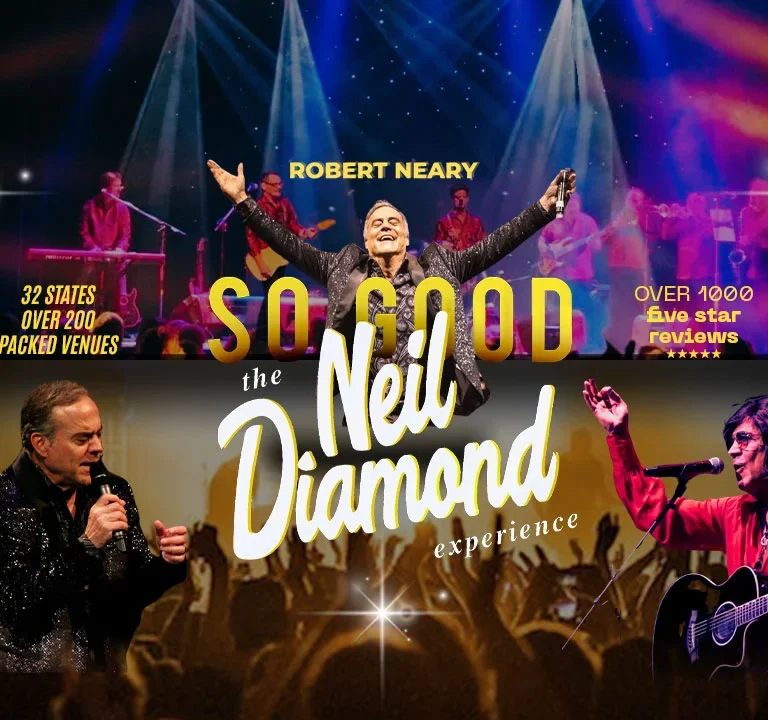
So Good! The Neil Diamond Experience Starring Robert Neary

0

April 3 @ 20:00 23:30

New Jersey’s live music calendar continues to evolve into one of the most compelling in the country, and this spring, a singular performance arrives that bridges nostalgia, musicianship, and theatrical precision in a way that resonates across generations. On April 3, 2026, State Theatre New Jersey will host So Good! The Neil Diamond Experience, starring Robert Neary—a production that has rapidly earned its status as the premier tribute to one of America’s most enduring musical icons, Neil Diamond.

This is not a conventional tribute act. It is a fully realized concert experience engineered to replicate not only the sound of Neil Diamond’s legendary catalog, but the emotional architecture that made his performances resonate so deeply with audiences for decades. From the opening notes to the final crescendo, the production is designed as a meticulous, immersive journey through a body of work that has defined eras, shaped popular music, and remained culturally relevant across multiple generations of listeners.

At the center of this experience is Robert Neary, whose career spans more than four decades across Broadway, television, and film. With three Broadway leading roles and an extensive portfolio of on-screen appearances, Neary brings a level of interpretive depth that distinguishes this production from the broader field of tribute performances. His approach is not imitation for its own sake; it is a studied embodiment of Neil Diamond’s vocal cadence, stage presence, and emotional delivery, executed with a precision that has drawn widespread acclaim from both critics and audiences nationwide.

What has propelled So Good! The Neil Diamond Experience into the upper echelon of touring music productions is its commitment to authenticity. Backed by The Mystic, a premier New York-based band, the show reconstructs the sonic textures that defined Diamond’s recordings and live performances, from the layered orchestration to the unmistakable rhythmic drive that powered hits across decades. The result is a concert environment that feels immediate and alive, rather than retrospective—an important distinction that has fueled the show’s sustained success and consistent sell-outs across the United States.

The timing of this performance is particularly notable within the broader context of New Jersey’s thriving music scene. As highlighted across Explore New Jersey’s dedicated music coverage, the state has become a dynamic hub where legacy acts, contemporary artists, and innovative live productions intersect. Venues like State Theatre New Jersey play a critical role in that ecosystem, serving as both a gateway for nationally recognized touring productions and a cornerstone for regional cultural engagement. The arrival of So Good! underscores that positioning, reinforcing New Jersey’s ability to host performances that meet—and often exceed—the expectations of major metropolitan markets.

Since its debut in 2019, Neary’s production has undergone a steady evolution, shaped in part by the unique challenges of the pandemic era. Rather than pausing momentum, that period became a refinement phase, during which Neary collaborated closely with The Mystic to elevate the show’s musical and production standards. Now entering its fifth year, the result is a performance that operates with the confidence and cohesion of a long-running, critically honed production.

The show’s reach has extended beyond the stage as well. Filmed as a documentary feature and released on Amazon Prime Video, the production has garnered additional visibility and acclaim, introducing wider audiences to its distinctive approach and reinforcing its reputation as the most authentic Neil Diamond tribute currently touring. That cross-platform presence has only amplified demand, contributing to a touring schedule defined by strong ticket sales and repeat audiences.

From a repertoire standpoint, audiences can expect a sweeping traversal of Neil Diamond’s catalog, encompassing the songs that have become embedded in the fabric of American music culture. These are not presented as isolated performances, but as part of a cohesive narrative arc that reflects the evolution of Diamond’s artistry—from early breakout successes to the arena-defining anthems that cemented his legacy. Each song is treated as both a standalone moment and a component of a larger story, allowing the audience to experience the full scope of his career within a single evening.

The production’s structure also reflects an understanding of pacing and audience engagement that mirrors the dynamics of a major headlining concert. There is a deliberate build, an attention to emotional peaks and transitions, and a commitment to maintaining energy throughout the performance. This is where Neary’s theatrical background becomes particularly evident, as the show balances musical fidelity with a sense of narrative progression that keeps audiences fully immersed from start to finish.

For New Jersey audiences, the accessibility of this event adds another layer of appeal. With ticket prices starting at $33, the performance offers a high-caliber live music experience at a price point that invites broad participation. This aligns with a larger trend within the state’s cultural programming, where institutions are increasingly focused on delivering premium experiences without creating barriers to entry.

The April 3 engagement at State Theatre New Jersey is expected to draw a diverse audience—longtime Neil Diamond fans, live music enthusiasts, and those seeking a night that combines nostalgia with high-level performance execution. It is precisely this cross-generational appeal that has allowed So Good! to maintain its momentum, positioning it not merely as a tribute, but as a contemporary live event in its own right.

In a landscape where authenticity often determines longevity, So Good! The Neil Diamond Experience has distinguished itself by delivering a product that respects its source material while standing confidently on its own artistic merits. It captures the spirit of Neil Diamond’s music without reducing it to imitation, offering instead a fully realized concert experience that feels both familiar and immediate.

As New Jersey continues to expand its influence as a destination for premier live entertainment, events like this serve as a reminder of the state’s ability to host performances that resonate on a national level. On April 3, the stage at State Theatre New Jersey will not simply revisit the legacy of Neil Diamond—it will bring it vividly, powerfully, and convincingly back to life for a new audience ready to experience it in real time.

State Theatre New Jersey

732-246-7469

View Organizer Website

State Theatre New Jersey

15 Livingston Avenue , NJ
New Brunswick, NJ 08901 United States
+ Google Map
(732) 246-7469
View Venue Website

Stereophonic

0

March 28 @ 20:00 March 29 @ 23:30

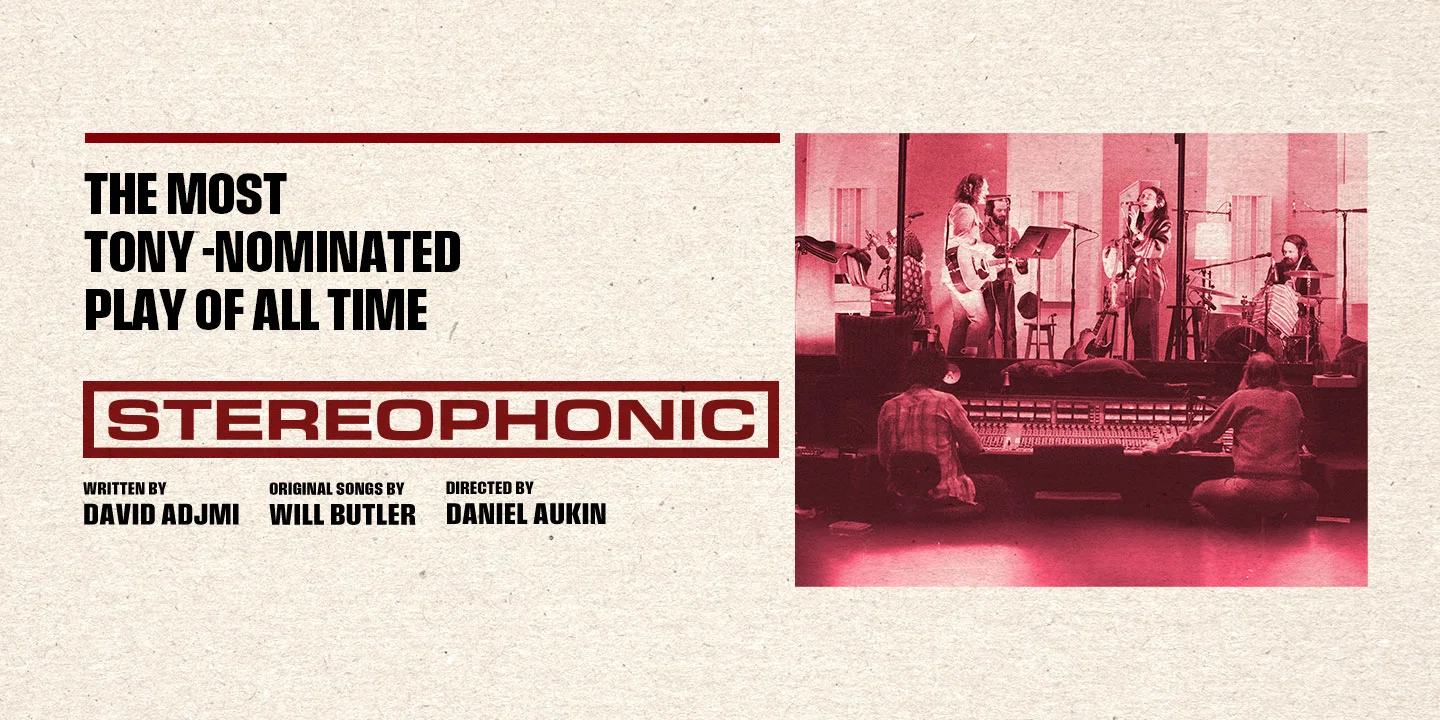
New Jersey’s theater scene continues to assert itself as a national cultural force, and this spring, one of Broadway’s most celebrated productions arrives with the kind of momentum rarely seen outside of New York itself. For two nights only, Stereophonic—the most Tony Award-winning show of 2024—takes over State Theatre New Jersey, delivering an immersive, high-stakes theatrical experience that merges music history, psychological drama, and the volatile alchemy of artistic creation into one of the most talked-about productions of the decade.

Scheduled for March 28 and 29, 2026, this limited engagement is more than a touring stop—it is a defining moment for New Jersey audiences seeking access to the very best of contemporary theater without crossing the Hudson. As part of the venue’s acclaimed Broadway Series, Stereophonic arrives with a reputation built on critical dominance, industry recognition, and word-of-mouth intensity that has positioned it as essential viewing for theatergoers, musicians, and creatives alike.

At its core, Stereophonic is an intimate yet explosive portrait of a rock band on the brink. Set inside a recording studio in 1976, the play unfolds in real time as a rising group attempts to capture the sound that could define their career. What begins as a routine album session quickly evolves into a pressure cooker of ego, ambition, creative obsession, and interpersonal fracture. The stakes are clear: the band stands on the edge of superstardom, but the same forces that could elevate them may just as easily tear them apart.

Written by David Adjmi and directed by Daniel Aukin, the production operates with a level of authenticity that borders on documentary realism. The audience is positioned as a silent observer—almost an unseen presence inside the studio—watching as relationships shift, tensions escalate, and the fragile process of creation reveals both brilliance and breakdown. The result is a theatrical experience that feels less like a performance and more like privileged access to a moment that was never meant to be witnessed.

What elevates Stereophonic beyond traditional stage drama is its sonic architecture. Featuring original music by Will Butler—an Academy Award nominee and Grammy Award winner—the production integrates fully realized songs into its narrative framework, blurring the line between play and live album session. Butler’s compositions don’t simply accompany the story; they are the story, capturing the emotional volatility and creative urgency of a band chasing something just out of reach.

The industry response has been nothing short of historic. Stereophonic became the most Tony Award-nominated play of all time, earning 13 nominations before going on to secure five wins, including Best Play and Best Direction. It dominated year-end “Best of Theater” lists across every major publication, from The New York Times to New York Magazine and beyond, cementing its status as a cultural landmark rather than a fleeting success.

For New Jersey, this engagement represents something larger than a touring production—it underscores the growing prominence of venues like the State Theatre New Jersey as essential stops for premier Broadway programming. With its central location in New Brunswick and a calendar that consistently bridges national tours with local artistic excellence, the theater has become a cornerstone of the region’s performing arts identity. Those looking to explore more of what the state’s vibrant theater ecosystem has to offer can find expanded coverage and ongoing features through Explore New Jersey’s dedicated theatre section, where productions like this are contextualized within a broader cultural landscape.

The logistics surrounding Stereophonic reflect both its demand and its stature. Performances run approximately two hours and fifty minutes, including an intermission, and audiences are strongly encouraged to arrive early, as late seating is carefully controlled to preserve the integrity of the experience. Ticket pricing begins at $52, making this an accessible entry point for a production of this caliber, particularly given its Broadway pedigree and award-winning status.

In a move that reinforces its commitment to accessibility and audience development, the State Theatre is also offering student rush tickets at 50% off beginning March 20. Available in person with valid student identification, this initiative opens the door for younger audiences to engage with a production that speaks directly to the creative process—its risks, its rewards, and its relentless demands.

What ultimately defines Stereophonic is its refusal to simplify the mythology of music and fame. This is not a nostalgic tribute to rock’s golden era, nor is it a conventional backstage drama. Instead, it is a meticulous excavation of what it means to create under pressure—to chase perfection while navigating the unpredictable dynamics of collaboration. It captures the tension between art and commerce, individuality and unity, inspiration and exhaustion, all within the confined space of a recording studio that becomes both sanctuary and battleground.

For audiences in New Jersey, the opportunity to experience this production live is both rare and significant. It offers a front-row seat to a work that has already secured its place in theater history while continuing to resonate with contemporary audiences navigating their own creative and professional landscapes.

As the curtain rises at State Theatre New Jersey this March, Stereophonic does more than tell a story—it invites audiences into the fragile, electrifying moment where ambition meets reality, and where the sound of something extraordinary is just beginning to take shape.

State Theatre New Jersey

732-246-7469

View Organizer Website

State Theatre New Jersey

15 Livingston Avenue , NJ
New Brunswick, NJ 08901 United States
+ Google Map
(732) 246-7469
View Venue Website

Copland, Saint-Saëns & Prokofiev

0

May 9 @ 20:00 May 10 @ 23:30

Explore New Jersey’s classical music landscape reaches a defining moment this spring as Princeton University Concerts presents a commanding orchestral program that bridges emotional depth, historical resonance, and virtuosic brilliance. The Edward T. Cone Concert, set for Saturday, May 9, 2026 at 7:30 p.m. and Sunday, May 10, 2026 at 4:00 p.m. at Richardson Auditorium, is not simply another addition to the region’s cultural calendar—it is a carefully curated artistic statement that underscores New Jersey’s role as a serious destination for world-class classical performance.

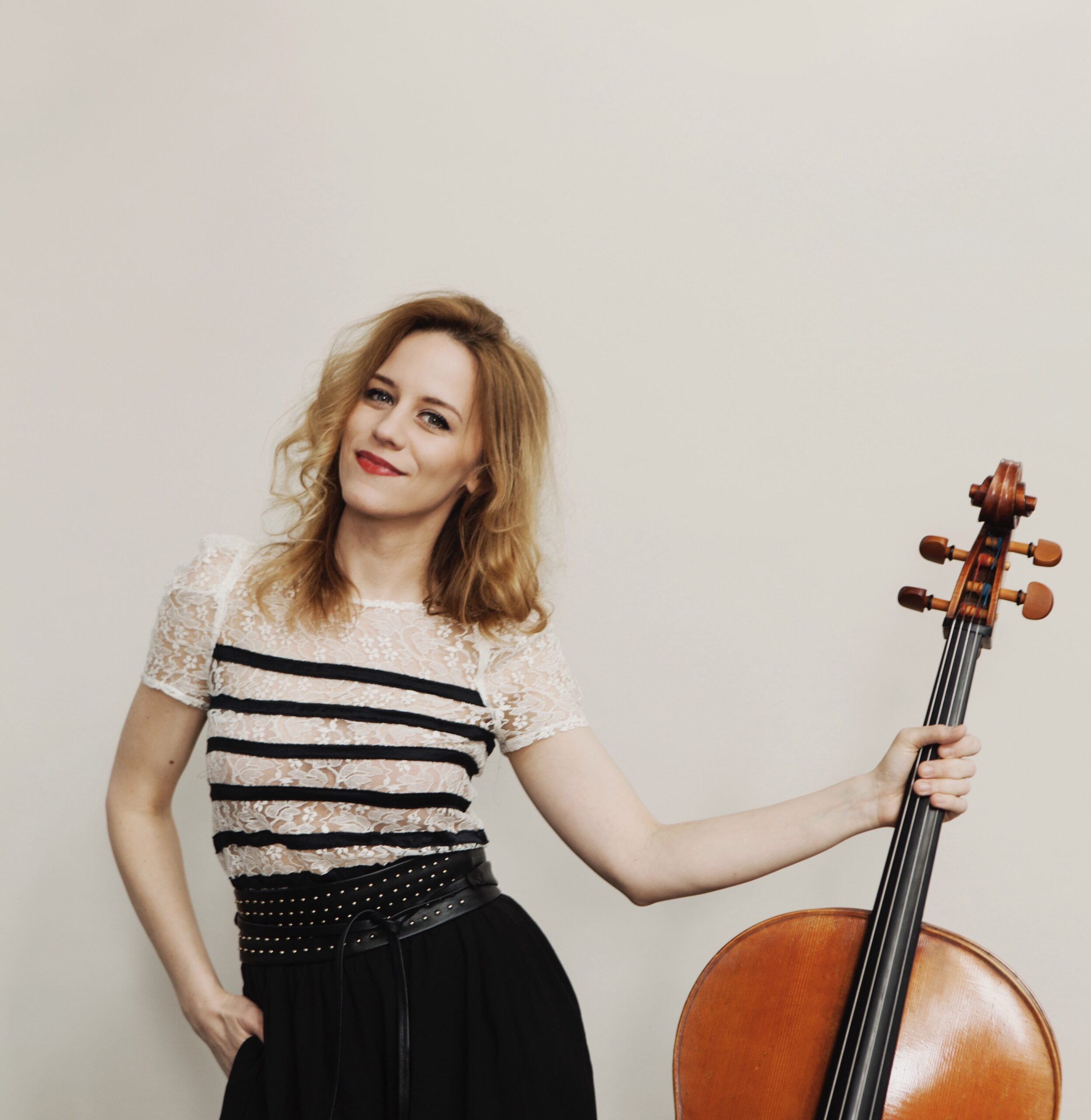
At the center of this highly anticipated event is Serbian-born cellist Maja Bogdanović, whose long-awaited debut at Richardson Auditorium signals a major artistic arrival for audiences across the state. Widely celebrated for her expressive intensity and tonal richness, Bogdanović brings a rare combination of technical precision and emotional storytelling that aligns seamlessly with the evening’s repertoire. Her performance of Camille Saint-Saëns’ Cello Concerto No. 1 in A Minor, Op. 33 anchors the program with a work that remains one of the most beloved in the cello canon, known for its lyrical immediacy and structural ingenuity.

This concert is not merely about showcasing a single soloist; it is a fully realized orchestral experience shaped under the direction of conductor Rossen Milanov, whose interpretive clarity and dynamic leadership have earned international recognition. Milanov’s approach to programming reflects a deep understanding of narrative within music, and this particular lineup—featuring Aaron Copland’s Letter from Home and Sergei Prokofiev’s Symphony No. 5—creates a powerful thematic arc rooted in humanity, resilience, and the enduring spirit of expression.

Copland’s Letter from Home, composed in 1944 during the height of World War II, opens the program with a deeply personal and introspective tone. The piece captures the emotional weight of distance and longing, evoking the experience of soldiers receiving letters from loved ones. It is quintessential Copland—transparent, sincere, and unmistakably American in its voice—yet universally relatable in its emotional reach. In the context of today’s world, the work resonates with renewed poignancy, offering audiences a moment of quiet reflection before the program expands into broader emotional territory.

The transition into Saint-Saëns’ concerto provides a striking contrast while maintaining thematic continuity. The concerto’s seamless structure, performed without traditional pauses between movements, creates a sense of continuous narrative flow. Bogdanović’s interpretation is expected to highlight the work’s duality—its elegance and its urgency—while drawing out the expressive nuances that have made it a cornerstone of the repertoire. Saint-Saëns, widely recognized for his iconic composition The Carnival of the Animals, brings the same melodic sophistication to this concerto, particularly in passages that echo the lyrical beauty associated with “The Swan,” one of the most enduring pieces written for cello.

Closing the program is Prokofiev’s Symphony No. 5 in B-flat Major, Op. 100, a monumental work that stands as one of the composer’s most celebrated achievements. Also written in 1944, the symphony offers a contrasting yet complementary perspective to Copland’s wartime reflection. Where Copland turns inward, Prokofiev expands outward, crafting a sweeping musical narrative that celebrates the strength and dignity of the human spirit. The composer himself described the work as a tribute to the “free and happy man,” emphasizing themes of resilience, generosity, and moral clarity. The symphony’s expansive architecture and emotional breadth provide a fitting culmination to an evening built on depth and intention.

The setting of Richardson Auditorium further elevates the experience. Known for its exceptional acoustics and intimate yet grand atmosphere, the venue allows for a level of sonic clarity that enhances both solo and orchestral performance. It is a space where nuance matters, where every phrase and dynamic shift can be fully appreciated, making it an ideal environment for a program of this caliber.

Accessibility remains a key component of this event, with children ages five and up welcomed and a 50% discount offered with an adult purchase. This commitment to inclusivity reflects a broader effort to cultivate the next generation of classical music audiences while maintaining the high artistic standards that define Princeton University Concerts.

The significance of this performance extends beyond the stage. Supported by The Edward T. Cone Foundation, with a generous contribution from Len and Laura Berlik, the concert represents a continued investment in the cultural vitality of New Jersey. It is a reminder that meaningful artistic experiences are not confined to major metropolitan centers but are thriving within the state’s own communities, contributing to a dynamic and evolving arts ecosystem.

For those following the pulse of New Jersey’s music scene, this event stands as a clear highlight. It exemplifies the level of artistry, programming sophistication, and cultural relevance that defines the region’s best offerings. Readers exploring more about the state’s thriving live music landscape can discover additional performances and features through Explore New Jersey’s dedicated coverage of [music], where classical, contemporary, and emerging sounds converge.

As anticipation builds for this May engagement, the Edward T. Cone Concert with Maja Bogdanović is positioned to deliver more than a night of exceptional music. It promises a fully immersive artistic experience—one that connects history, emotion, and performance at the highest level, reinforcing New Jersey’s standing as a destination for serious, transformative cultural expression.

Princeton Symphony Orchestra

info@princetonsymphony.org

View Organizer Website

State Theatre New Jersey

15 Livingston Avenue , NJ
New Brunswick, NJ 08901 United States
+ Google Map
(732) 246-7469
View Venue Website

New Jersey Devils’ Late-Season Surge Collides With Playoff Reality as Critical Offseason Questions Take Center Stage

As the 2025–26 NHL season enters its decisive final stretch, the New Jersey Devils find themselves caught in a paradox that defines both their present and their future: a team playing some of its most compelling hockey of the year, yet staring down playoff odds that have all but evaporated.

Friday night’s narrow 2–1 loss to the Washington Capitals encapsulated the season in microcosm. Despite a relentless third-period push that saw the Devils fire 19 shots on goal, the comeback effort fell just short. Jesper Bratt’s late tally prevented a shutout and extended his point streak, but it wasn’t enough to overcome a composed performance from Washington goaltender Logan Thompson.

For a team that entered the season with postseason expectations, the standings tell a far harsher truth. At 35–32–2 and sitting seventh in the Metropolitan Division, the Devils’ playoff probability has dwindled to near mathematical impossibility. Yet beneath that surface-level disappointment lies a far more nuanced—and arguably encouraging—story.

A Team Finding Its Identity Too Late

The Devils’ recent form tells a different story than their record. Winners of seven of their last ten games, New Jersey has quietly rediscovered elements of the dynamic, high-tempo identity that once made them one of the most exciting young teams in the league.

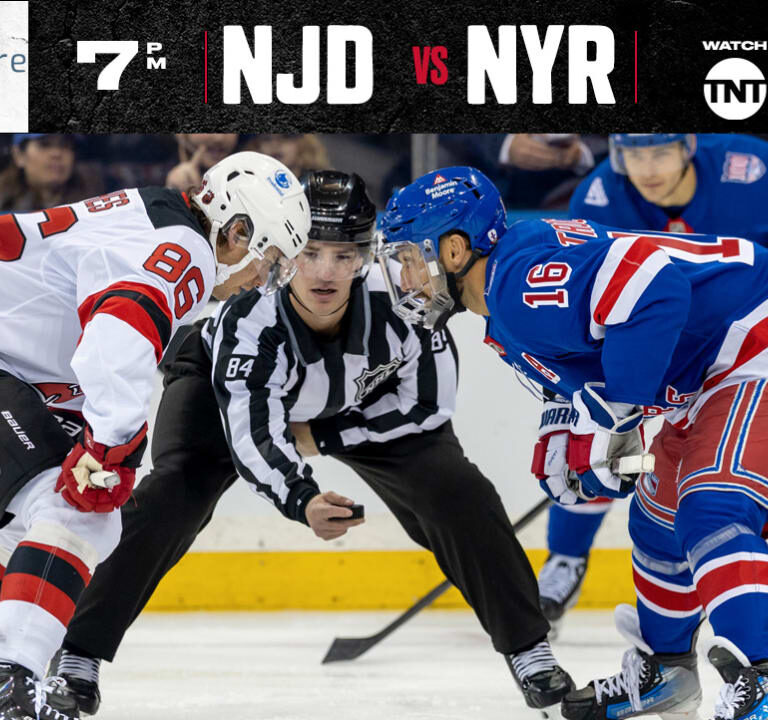
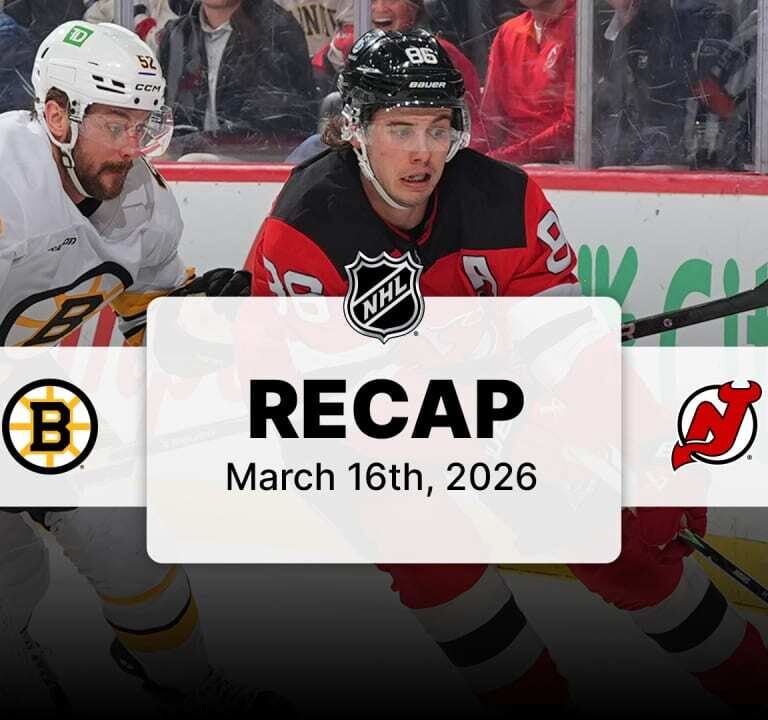
Victories over the New York Rangers, Boston Bruins, and Los Angeles Kings in recent days showcased a team capable of explosive offense and clutch execution. Jack Hughes reaching the 400-point milestone served as both a personal achievement and a reminder of the elite talent anchoring this roster. Performances like the 6–3 win over the Rangers—where Hughes and Connor Brown each recorded three-point nights—highlight what this team can be when firing on all cylinders.

But the timing of this surge raises an unavoidable question: why now?

For much of the season, inconsistency, defensive lapses, and an inability to establish a cohesive two-way structure plagued the Devils. The late push suggests that solutions may have existed internally all along—but were either underutilized or discovered too late to salvage the standings.

Roster Utilization Under the Microscope

As the Devils transition from postseason hopefuls to offseason evaluators, one of the most pressing storylines centers on how this roster has been deployed—and whether adjustments could unlock a higher ceiling moving forward.

The top of the lineup remains elite. Hughes, Nico Hischier, and Jesper Bratt continue to drive offense at a first-line level, supported by contributors like Timo Meier and Dawson Mercer. However, the gap between the top unit and the rest of the forward group has been a persistent issue.

That’s where emerging contributors like Cody Glass and Arseny Gritsyuk enter the conversation—not as depth pieces, but as potential catalysts for a more balanced and dangerous lineup.

Cody Glass: A Quiet Breakout With Major Implications

When Cody Glass arrived in New Jersey, expectations were modest. Viewed initially as a depth acquisition, he has instead delivered a career-best season that challenges the way the Devils structure their forward lines.

Glass has established himself as a physically imposing presence around the net—something the Devils have lacked in recent years. Nearly all of his offensive production comes from high-danger areas, a stark contrast to the perimeter-heavy tendencies that have often defined New Jersey’s attack.

At 6’3” and 200 pounds, Glass provides a dimension that complements the speed and creativity of players like Hughes. His defensive reliability, faceoff ability, and willingness to play in traffic make him an ideal candidate for increased responsibility—whether as a third-line center with elevated minutes or as a complementary winger in top-six situations.

The underlying analytics reinforce the eye test. Glass is generating high-quality chances at rates comparable to top-line centers across the league, yet he continues to receive middle-six deployment. For a team searching for internal solutions, the case for expanding his role is becoming increasingly difficult to ignore.

Arseny Gritsyuk: Untapped Offensive Potential

If Glass represents stability and structure, Arseny Gritsyuk embodies untapped offensive upside.

The numbers tell a striking story: Gritsyuk has been a decisive factor in the Devils’ wins, contributing significantly to scoring output in victories while remaining largely absent from the stat sheet in losses. This stark contrast suggests not inconsistency, but rather underutilization in key offensive situations.

Gritsyuk possesses elite shooting ability, particularly from high-danger areas, yet too often settles for attempts from low-percentage zones. With proper deployment—especially increased power play time and top-six minutes—his production could see a significant uptick.

Advanced metrics further support this potential. Despite limited power play usage, Gritsyuk ranks among the team’s most efficient contributors in five-on-four situations. Expanding his role on the top unit could provide the offensive spark the Devils have lacked in critical moments.

In a league increasingly defined by depth scoring and lineup flexibility, players like Gritsyuk represent the difference between a competitive team and a true contender.

Trade Deadline Restraint and Offseason Opportunity

The Devils’ quiet approach at the March 6 trade deadline signaled a calculated decision by management. Despite reported interest in key assets like Dougie Hamilton and Simon Nemec, the organization chose continuity over immediate change.

That restraint now shifts the focus squarely onto the offseason.

Reports of interest in Toronto Maple Leafs forward Matthew Knies suggest that management is already identifying areas for improvement—particularly in adding size, physicality, and net-front presence. Combined with internal adjustments to player roles, the Devils have a clear pathway to reshaping their roster without a full-scale overhaul.

The upcoming offseason will also bring aesthetic change, with the retirement of the black “Jersey Jersey” alternate uniform and the introduction of a new “Hometown Remix” design for the 2026–27 season. While cosmetic on the surface, it reflects a broader theme of transition and redefinition for the franchise.

Injuries: The Unavoidable Variable

No evaluation of the Devils’ season would be complete without acknowledging the impact of injuries.

Jack Hughes’ ongoing lower-body issue, Luke Hughes’ shoulder surgery, Brett Pesce’s absence, and Jacob Markstrom’s monitored condition have all disrupted continuity at critical points. For a team already struggling to find consistency, these setbacks compounded existing challenges.

Health alone doesn’t explain the entirety of the Devils’ struggles, but it remains a significant factor in understanding why a roster with this level of talent has underperformed relative to expectations.

Looking Ahead: A Defining Stretch Beyond the Standings

With a road matchup against the Dallas Stars looming on March 24, the Devils’ immediate focus remains on closing the season with purpose. While playoff qualification is no longer a realistic goal, the final games carry significant weight in shaping the narrative heading into the offseason.

For players like Glass and Gritsyuk, this stretch represents an opportunity to solidify their case for expanded roles. For the coaching staff and front office, it offers a live evaluation period that could influence roster decisions, system adjustments, and long-term strategy.

Most importantly, it provides a glimpse into what this team can become.

The New Jersey Devils are not a rebuilding team. They are not devoid of talent. They are, instead, a team in transition—one that has shown flashes of excellence but has yet to fully align its roster, system, and execution.

If this late-season surge proves anything, it’s that the foundation is already in place. The challenge now lies in refining it, optimizing it, and ensuring that when the 2026–27 season begins, the Devils are no longer chasing their identity—but defining it from the opening puck drop.

Race Against Time: Battleship New Jersey Launches Urgent Mission to Save Priceless Naval History from USS Charleston Before It’s Lost Forever

A decade in the making has come down to a matter of weeks.

In one of the most urgent and consequential preservation efforts in New Jersey’s cultural history, the Battleship New Jersey Museum & Memorial is mobilizing a time-sensitive recovery operation to salvage irreplaceable artifacts, documents, and original equipment tied to the legendary Iowa-class battleships—before they are permanently lost in the dismantling of the former USS Charleston (LKA-113).

What is unfolding is not just a recovery mission. It is a high-stakes race to preserve a critical chapter of American naval history, one that directly connects to USS New Jersey herself—the most decorated battleship in U.S. Navy history and a cornerstone of New Jersey’s cultural identity.

At the center of this effort lies an extraordinary reality: inside the massive cargo holds of USS Charleston sits what may be the single largest remaining collection of Iowa-class battleship materials in existence.

These include original blueprints, operational manuals, mechanical components, and historical artifacts that were removed and stored when ships like USS New Jersey transitioned into museum status decades ago.

Now, with Charleston en route to a scrapyard in Brownsville, Texas, the window to recover these materials is closing rapidly.

The timeline is unforgiving. Charleston’s cargo hatches were sealed on March 5, 2026, marking the beginning of her final journey. Once the ship arrives and the holds are opened, the Battleship New Jersey team will have approximately four weeks to locate, extract, and transport the items they previously identified—if they can mobilize in time.

This mission has been years in preparation. As far back as December 2020, during a severe snowstorm, a museum curator traveled to Philadelphia under extreme conditions to begin cataloging what could be saved. With just a day and a half to navigate cargo holds packed floor-to-ceiling with crates, the team tagged as many critical items as possible, prioritizing those that would have the greatest impact on restoration, preservation, and public education.

What they found was nothing short of extraordinary.

Among the most valuable recoverable assets are air handler units designed specifically for Iowa-class battleships. These components are essential to maintaining the ship’s internal climate systems, and replacing or repairing them using modern methods can cost upwards of $40,000 per unit. Recovering original parts not only preserves historical accuracy but could save hundreds of thousands of dollars—resources that can instead be reinvested into further restoration efforts.

Equally significant is the discovery of an original World War II-era steam whistle, an artifact that carries both historical and emotional weight. Items like this are not merely mechanical—they are sensory connections to the past, capable of bringing visitors closer to the lived experience of those who served aboard these ships.

Perhaps most critical, however, are the complete log office blueprints and operational manuals from USS New Jersey and USS Missouri. No single, fully intact set of Iowa-class blueprints currently exists in any archive. The recovery of these documents represents a once-in-a-generation opportunity to fill gaps in the historical record, with plans to eventually preserve and digitize portions of the collection through national archival systems.

The urgency is compounded by the condition of these materials. After years without proper climate control, many paper documents are already showing signs of deterioration. Exposure to humidity and mold poses a serious risk, threatening to render some items unusable if they are not recovered and stabilized quickly. Every day that passes increases the likelihood of irreversible loss.

From an operational standpoint, the mission is as complex as it is critical. It requires coordination with Naval Sea Systems Command, logistical planning for long-distance transport, crane operations to remove heavy equipment, and the mobilization of specialized teams capable of handling fragile and historically significant materials. The financial requirements reflect this complexity, encompassing travel, labor, equipment, and transportation costs that must be secured in advance.

This effort also represents a defining moment for New Jersey’s broader cultural preservation landscape. As highlighted across the Explore New Jersey Art & Culture section, institutions throughout the state are increasingly engaged in initiatives that protect, interpret, and elevate historical narratives. The Battleship New Jersey’s mission stands at the forefront of that movement, demonstrating how preservation is not a passive act, but an active, time-sensitive commitment.

The significance of this recovery extends beyond the museum itself. USS New Jersey is more than a historic vessel—it is a living educational platform, a symbol of service, and a tangible link to pivotal moments in global history. Every artifact, every document, and every component recovered from Charleston has the potential to deepen that connection, enhancing exhibits, informing research, and ensuring that future generations can engage with history in a meaningful way.

What makes this moment particularly powerful is its singularity. There is no second opportunity. Once Charleston is dismantled, the contents of her cargo holds will be dispersed, destroyed, or lost to time. The materials currently within reach represent the last consolidated repository of Iowa-class resources anywhere in the world.

For the Battleship New Jersey Museum & Memorial, this is not just about preservation—it is about responsibility. It is about honoring the legacy of those who served, maintaining the integrity of one of the most important naval artifacts in existence, and ensuring that history is not only remembered, but accurately represented.

As the clock continues to tick, the mission moves from planning to execution. The coming weeks will determine whether these irreplaceable pieces of history are saved or lost forever.

In New Jersey, where history and identity are deeply intertwined, the outcome of this effort will resonate far beyond the deck of a single ship. It will define how we preserve the past—and how we carry it forward.

New Jersey High School Sports 2025–26: Championship Performances, Historic Breakthroughs, Indoor Track Dominance, Basketball Firepower, Coaching Legacy Moves Define a Landmark Season and a New Generation of Elite Talent Define the Season

Across gymnasiums, arenas, and competition floors throughout the state, the 2025–26 high school sports season in New Jersey delivered one of the most competitive and compelling years in recent memory. From dominant girls basketball programs solidifying their place at the top, to fencers earning statewide recognition, to wrestlers overcoming adversity to rewrite school history, this season was defined by resilience, precision, and a relentless pursuit of excellence.

As the final rankings, postseason honors, and statistical leaderboards come into focus, a clear narrative emerges: New Jersey continues to set the standard for high school athletics nationally, producing not only elite performances but also deeply compelling stories that resonate far beyond the scoreboard.

At the center of the season’s spotlight is girls basketball, where the final Top 20 rankings for 2025–26 reflect a landscape shaped by consistency, depth, and postseason execution. The state tournament served as the ultimate proving ground, separating contenders from champions and cementing the hierarchy among the best programs in New Jersey. Teams that navigated the pressure of March with discipline and composure emerged at the top, reinforcing the importance of late-season performance in defining legacy.

The evolution of girls basketball in New Jersey continues to accelerate, with programs investing heavily in player development, tactical sophistication, and year-round preparation. The result is a level of play that rivals some of the best high school basketball ecosystems in the country. This year’s Top 20 is not just a ranking—it is a reflection of a highly competitive environment where every possession, every adjustment, and every decision carries weight.

Beyond the hardwood, the fencing community delivered a season marked by technical excellence and individual achievement. The release of the Boys and Girls All-State teams and full postseason honors highlights a discipline that demands both physical precision and mental acuity. New Jersey has long been recognized as a powerhouse in high school fencing, and the 2026 honors list reinforces that reputation, showcasing athletes who have mastered the nuances of timing, strategy, and control.

Wrestling, as always, provided some of the most emotionally charged moments of the season. Among them, the story of a senior competitor overcoming persistent neck pain to secure a state medal stands out as a defining example of perseverance. Ending a 19-year medal drought for his school, this achievement goes beyond individual success—it represents a breakthrough for an entire program, a moment that will be remembered as a turning point in its history.

On the ice, New Jersey hockey continued to demonstrate its depth and competitive balance. The final statewide statistical leaders for the 2025–26 season offer a comprehensive view of the players who defined the game, from goal scorers and playmakers to those who delivered in clutch situations. These leaderboards are more than numbers—they are a blueprint of performance, highlighting the consistency and impact required to excel over the course of a demanding season.

Complementing the individual statistics are the final group rankings, which provide a broader perspective on team success across the state. These rankings reflect not only win-loss records but also strength of schedule, postseason performance, and overall program stability. Together, they paint a picture of a hockey landscape that is both highly competitive and deeply interconnected, where success is earned through sustained excellence.

Girls hockey also continued its upward trajectory, with statewide statistical leaders emerging across multiple categories, including goals, assists, and game-winning performances. The growth of the sport at the high school level is evident in both participation and quality of play, with athletes demonstrating a level of skill and competitiveness that continues to elevate the profile of the game.

What ties all of these stories together is a shared commitment to excellence that defines New Jersey high school sports. As highlighted across the Explore New Jersey High School Sports section, the state’s athletic programs are not only producing standout performances but also fostering environments where student-athletes can thrive both competitively and personally.

This season underscores the importance of infrastructure—coaching, facilities, community support—in shaping outcomes. Programs that invest in development, embrace innovation, and maintain a strong cultural foundation consistently rise to the top. At the same time, individual stories of resilience and determination remind us that success is often forged in moments of adversity.

The 2025–26 season also highlights the increasing visibility of high school sports within the broader New Jersey sports ecosystem. With enhanced coverage, expanded analytics, and growing fan engagement, these competitions are reaching wider audiences and gaining greater recognition. This visibility not only celebrates current achievements but also creates pathways for future athletes to pursue opportunities at the collegiate and professional levels.

Looking ahead, the impact of this season will extend well beyond its final rankings and honors. The players who defined this year will carry their experiences into the next stage of their careers, while the programs that emerged as leaders will set the benchmark for those that follow. The lessons learned—about preparation, resilience, and execution—will shape the trajectory of New Jersey high school sports for years to come.

This season is also not defined by a single sport or storyline. It is defined by convergence—where individual brilliance, team execution, and institutional leadership all intersect to shape one of the most dynamic years in recent memory for New Jersey high school athletics.

Indoor track stands at the forefront of that narrative, with the release of the boys and girls All-State teams and full postseason honors packages highlighting a discipline built on precision, discipline, and measurable excellence. Across sprints, distance events, relays, and field competitions, New Jersey athletes demonstrated a level of consistency and peak performance that reinforces the state’s national reputation in track and field.

The All-State selections reflect more than isolated achievements—they represent a pipeline of talent that continues to push the boundaries of what is possible at the high school level. Athletes are not only competing for titles; they are redefining benchmarks, setting new personal and program records, and elevating the overall standard of competition. The indoor season, often viewed as a precursor to outdoor success, has increasingly become a proving ground in its own right, with performances that demand national attention.

On the hardwood, the numbers tell a story of offensive explosiveness and individual impact. The release of the Top 150 boys basketball statistical leaders across six major categories provides a data-driven look at the players who shaped the season. Scoring, assists, rebounds, and efficiency metrics reveal a generation of athletes capable of influencing games in multiple ways, reflecting a shift toward more versatile and complete skill sets.

This evolution is particularly evident in how players are approaching the game. The modern New Jersey high school basketball player is not confined to a single role. Guards are rebounding, forwards are facilitating, and scorers are defending at a high level. The statistical leaders list captures this multidimensional approach, offering a snapshot of a sport that continues to adapt and expand.

Girls basketball further reinforces this trend, with statewide, group, and conference statistical leaders highlighting a competitive landscape defined by depth and consistency. The distribution of top performers across regions and conferences underscores the parity within the state, where success is no longer concentrated in a handful of programs but spread across a wide network of schools.

This balance has elevated the overall quality of play, making every game—and every statistic—more meaningful. The leaders in scoring, playmaking, and defensive categories are not just accumulating numbers; they are driving their teams through highly competitive schedules and postseason runs that demand both physical and mental endurance.

Beyond individual performance, the 2025–26 season also marks a period of significant transition within New Jersey’s coaching ranks. In Newark, a new chapter begins with a familiar name stepping into a leadership role, ensuring continuity within a program that has built its identity over more than a decade of consistent success. This type of transition—where institutional knowledge is preserved while new perspectives are introduced—reflects a broader trend in high school sports, where programs are increasingly focused on sustaining culture as much as achieving results.

Similarly, the return of a Hall of Fame coach to the baseball diamond after a nine-year hiatus signals a renewed commitment to excellence at the program level. Leadership changes of this magnitude carry immediate and long-term implications, influencing player development, recruitment, and overall competitiveness. In New Jersey, where coaching plays a critical role in shaping athletic identity, these moves are closely watched and deeply impactful.

On the ice, hockey continues to provide a detailed analytical view of performance through its final stat leaders by grade. This breakdown offers a unique perspective on the development pipeline, showcasing how players at different stages of their high school careers are contributing to their teams. Freshmen emerging as impact players, upperclassmen solidifying their roles as leaders, and underclassmen building toward future dominance all contribute to a layered and evolving competitive structure.

What emerges from these combined storylines is a clear picture of a state that continues to invest in excellence at every level of high school sports. As highlighted across the Explore New Jersey High School Sports section, the infrastructure supporting these athletes—from coaching and facilities to community engagement and media coverage—remains one of the strongest in the country.

This foundation allows New Jersey to consistently produce athletes who are not only prepared for collegiate competition but also equipped with the discipline and resilience required for long-term success. The emphasis on development, both physical and mental, ensures that the state’s programs remain competitive in an increasingly demanding national landscape.

The 2025–26 season also reflects a growing integration of data and performance analytics into high school sports. Statistical leaderboards are no longer just end-of-season summaries—they are tools for evaluation, strategy, and recognition. Coaches, players, and fans alike are engaging with these metrics in new ways, deepening their understanding of the game and its nuances.

At the same time, the human element remains at the core of every achievement. Behind every statistic is a story of preparation, sacrifice, and perseverance. Whether it is an indoor track athlete shaving fractions of a second off a personal best, a basketball player carrying their team through a critical stretch, or a coach returning to the sideline with renewed purpose, these moments define the season in ways that numbers alone cannot capture.

As the year concludes and attention begins to shift toward the next cycle of competition, the impact of the 2025–26 season will continue to resonate. The athletes who emerged as leaders will carry their momentum forward, the programs that achieved success will set new expectations, and the stories that defined this year will become part of New Jersey’s rich high school sports legacy.

In a state where competition is relentless and standards are high, the 2025–26 season delivered a comprehensive display of what makes New Jersey high school sports one of the most respected and dynamic environments in the nation.

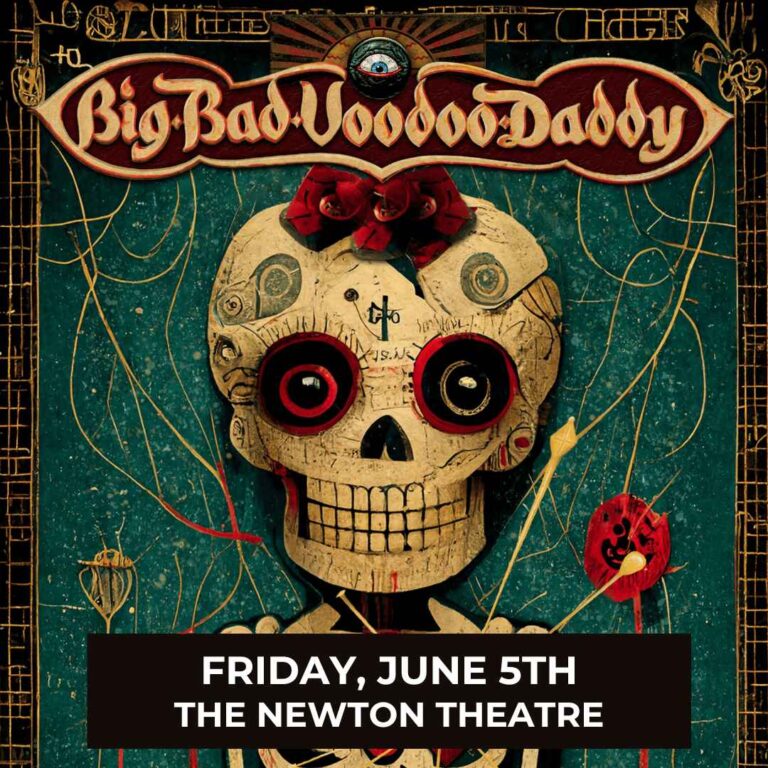
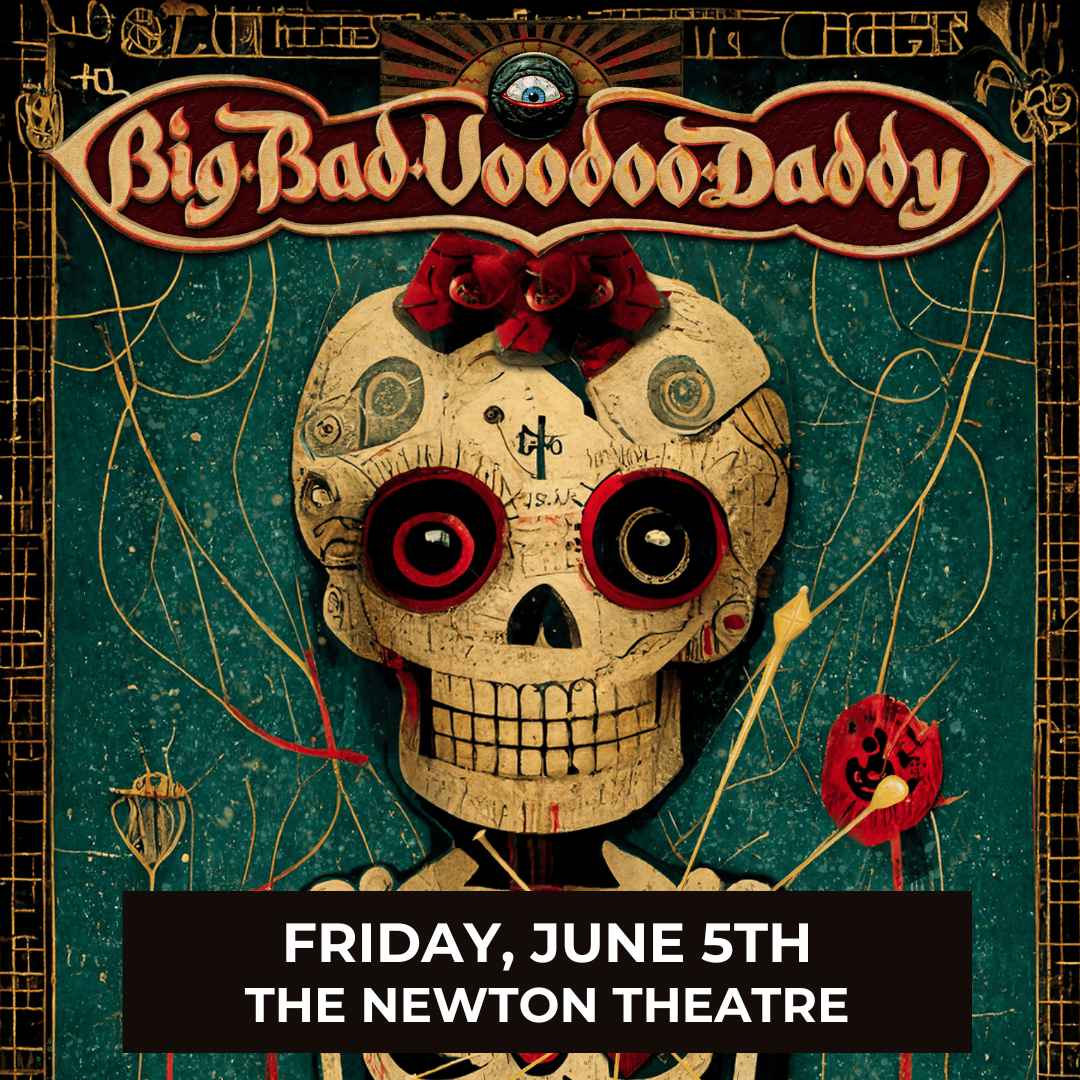
Big Bad Voodoo Daddy

0

Big Bad Voodoo Daddy Brings Timeless Swing Energy to New Jersey This June in a Must-See Live Music Event

June 6 @ 22:00 23:30

New Jersey’s live music calendar is set to surge with vintage energy and modern precision as Big Bad Voodoo Daddy takes the stage on Saturday, June 6, delivering a performance that bridges generations of American sound. Known globally for their role in reviving swing music and redefining jazz for contemporary audiences, the band’s return to New Jersey signals more than a concert—it marks a cultural moment rooted in rhythm, history, and enduring artistry.

For over three decades, Big Bad Voodoo Daddy has built a legacy that few bands in any genre can match. Emerging during a pivotal era for American music, the group didn’t simply revisit swing—they reignited it. Their sound, deeply influenced by the golden age of jazz while infused with modern intensity, has carried them across the world’s most prestigious stages, from the Hollywood Bowl to Lincoln Center, establishing a reputation for performances that are both technically masterful and relentlessly engaging.

Their name itself carries musical lineage, drawn from an autograph by blues legend Albert Collins, a detail that underscores the band’s deep connection to the roots of American music. That connection is evident in every note they play. Big Bad Voodoo Daddy’s catalog reflects a commitment to preserving the authenticity of swing while pushing it forward, creating a sound that feels both nostalgic and immediate.

The June 6 performance arrives at a time when audiences are increasingly seeking live experiences that offer more than passive listening. Big Bad Voodoo Daddy delivers exactly that. Their concerts are immersive, high-energy environments where musicianship meets showmanship, and where the boundary between performer and audience dissolves into a shared celebration of rhythm and movement. From horn-driven crescendos to tightly arranged ensemble work, every element is executed with precision, creating a live experience that resonates long after the final note.

This event also reinforces New Jersey’s position as a dynamic hub for live music. As highlighted across the Explore New Jersey Music section, the state continues to attract artists who bring both legacy and innovation to the stage. Big Bad Voodoo Daddy fits squarely within that landscape, offering a performance that honors tradition while delivering a contemporary edge that appeals to a broad audience.

The band’s reach extends far beyond the concert stage. Their music has been featured in hundreds of films and television productions, embedding their sound into the cultural fabric of multiple generations. Appearances on major platforms, from national television broadcasts to high-profile events like the Super Bowl, have further cemented their status as ambassadors of swing music. Yet despite this व्यापक exposure, their live performances remain the definitive way to experience their artistry.

What makes this upcoming New Jersey appearance particularly compelling is the intersection of history and momentum. After 32 years, Big Bad Voodoo Daddy is not a legacy act resting on past success—they are a continuously evolving ensemble that approaches each performance with the same intensity and commitment that defined their early years. That consistency has allowed them to maintain relevance in an ever-changing music landscape while staying true to their core identity.

Ticket demand is expected to be strong, with presale access already generating significant interest. Early access began on March 18 with a dedicated code, followed by general public availability on March 20. This structured release reflects both the band’s enduring popularity and the anticipation surrounding their return to the region.

For attendees, the experience promises to be both musically rich and emotionally engaging. Swing music, by its nature, invites participation—it encourages movement, connection, and a sense of shared energy that few genres can replicate. Big Bad Voodoo Daddy amplifies that dynamic, creating performances that feel less like concerts and more like communal celebrations.

Within the broader context of New Jersey’s entertainment ecosystem, this event represents a continuation of a larger trend: the elevation of live music experiences that combine authenticity, technical excellence, and audience engagement. It is a reflection of a state that continues to invest in cultural programming that resonates across demographics, offering something both familiar and new.

As June 6 approaches, the anticipation surrounding this performance continues to build. Big Bad Voodoo Daddy is not simply revisiting New Jersey—they are bringing with them a legacy of sound that has shaped modern interpretations of jazz and swing, delivered with a level of energy and precision that defines world-class live music.

For one night, the rhythm of the past and the pulse of the present will converge on a New Jersey stage, creating an experience that captures the essence of what live music is meant to be: immediate, powerful, and unforgettable.

The Wellmont Theater

State Theatre New Jersey

15 Livingston Avenue , NJ
New Brunswick, NJ 08901 United States
+ Google Map
(732) 246-7469
View Venue Website

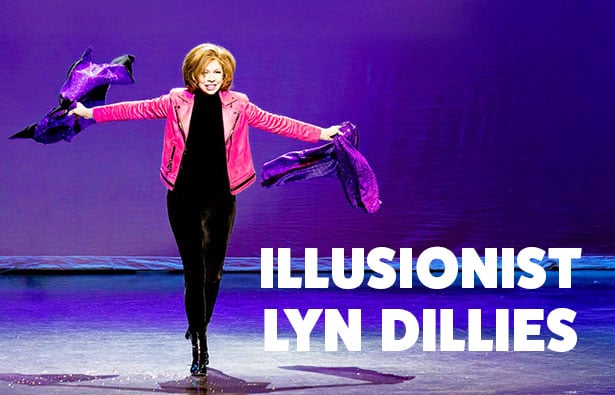
Illusionist Lyn Dillies

0

Sensory-Friendly Magic Comes to New Jersey: Illusionist Lyn Dillies Brings Inclusive, High-Impact Performance Experience to the Stage

March 21 @ 08:00 17:00

New Jersey’s entertainment landscape continues to evolve with purpose-driven programming that expands access, deepens community engagement, and redefines what live performance can be. On Thursday, April 23 at 7:00 PM, audiences will experience a powerful example of that evolution as acclaimed illusionist Lyn Dillies presents a sensory-friendly performance designed specifically for teens and adults on the autism spectrum and individuals with sensory sensitivities.

This is not simply a modified version of a traditional magic show. It is a fully reimagined theatrical experience—carefully structured to ensure that every guest can engage with the performance in a way that feels comfortable, welcoming, and empowering. Hosted in an intimate studio setting, the event reflects a broader shift in New Jersey’s cultural programming toward inclusivity without compromise on artistic quality.

Lyn Dillies brings a national reputation to this performance, widely recognized as one of the most accomplished female illusionists in the country. Her career spans some of the most prestigious stages in the world, from Lincoln Center to the Magic Castle in Hollywood. What distinguishes Dillies is not only her technical mastery but her ability to blend illusion with humor, storytelling, and direct audience interaction. Her performances are designed to captivate, but also to connect—an approach that aligns seamlessly with the goals of a sensory-friendly environment.

For this special presentation, every aspect of the experience has been thoughtfully calibrated. Lighting and sound levels are carefully moderated to reduce overstimulation, ensuring that the performance remains engaging without becoming overwhelming. The atmosphere embraces flexibility, allowing guests to move, vocalize, or take breaks as needed without fear of judgment. This shift in expectation transforms the traditional theater model into something more adaptive and responsive.

A dedicated quiet area will be available throughout the event, equipped with soft seating and sensory-support tools such as fidget devices, noise-reducing headphones, and weighted blankets. These resources are not secondary additions—they are integral components of the experience, designed to provide comfort and stability for those who may need a moment to reset before returning to the performance.

Equally important is the presence of trained staff and volunteers who understand the unique needs of the audience. Their role extends beyond basic assistance, offering guidance, reassurance, and support that helps create a seamless and stress-free environment from arrival through departure. In advance of the show, attendees will also have access to a detailed social story, allowing them to familiarize themselves with the venue, the flow of the event, and what to expect during the performance.

This level of preparation reflects a broader commitment within New Jersey’s arts community to remove barriers and expand access to high-quality entertainment. As highlighted across the Explore New Jersey Entertainment section, venues and organizations throughout the state are increasingly prioritizing inclusive programming that ensures everyone has the opportunity to participate in shared cultural experiences.

At the center of this initiative is a recognition that accessibility is not a limitation—it is an enhancement. By designing performances that accommodate a wider range of needs, venues are not only reaching new audiences but also enriching the overall experience for everyone involved. The sensory-friendly model demonstrates that innovation in entertainment is not just about technology or spectacle—it is about empathy, adaptability, and intentional design.

Ticket sales for this event reflect strong early interest, with general availability opening on Friday, March 20 at 10:00 AM, and early access extended to select members the day prior. This tiered approach supports the ongoing mission of the hosting organization, reinforcing the importance of community investment in sustaining diverse and impactful programming.

For New Jersey, this event represents more than a single night of entertainment. It is part of a larger movement toward redefining what it means to gather, to perform, and to experience art together. By bringing a performer of Lyn Dillies’ caliber into a sensory-friendly format, the state continues to position itself as a leader in inclusive cultural innovation.

The performance itself promises to deliver everything audiences expect from a world-class illusionist—precision, surprise, and moments that challenge perception. But it also offers something more enduring: a space where individuals can engage with that magic on their own terms, free from the constraints that often accompany traditional theater settings.

As the lights dim on April 23, what unfolds will not just be a showcase of illusion, but a demonstration of how thoughtful design and artistic excellence can intersect to create something truly meaningful. In New Jersey, the future of entertainment is not only about what happens on stage—it is about who gets to experience it.

State Theatre New Jersey

732-246-7469

View Organizer Website

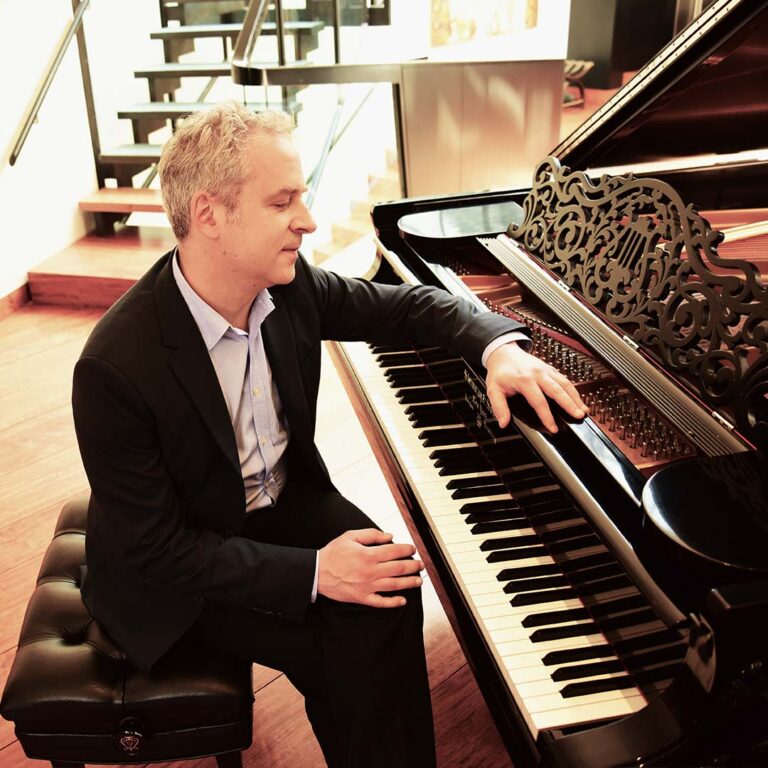
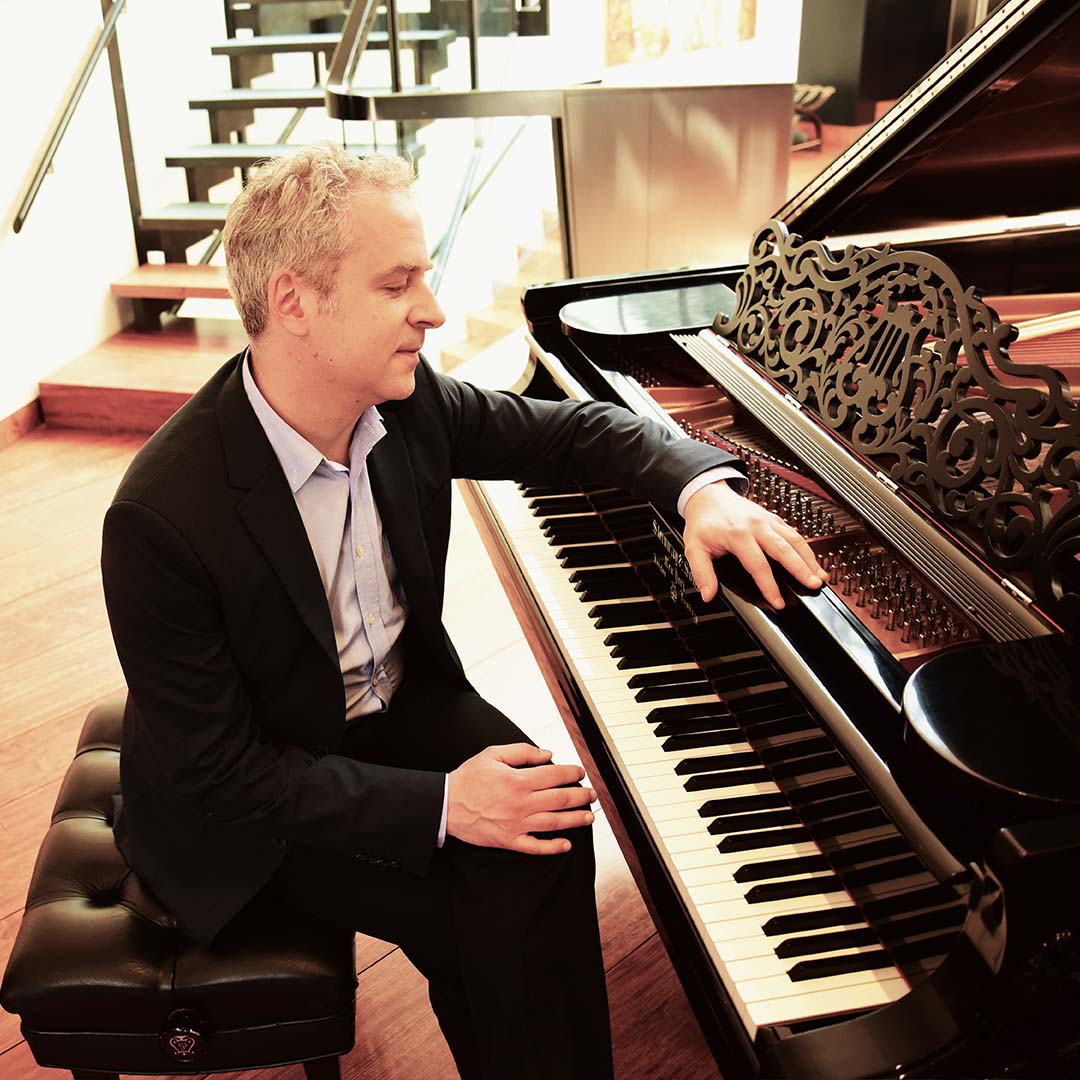
Orpheus & Jeremy Denk

0

Orpheus Chamber Orchestra and Jeremy Denk Bring a Transformational Beethoven Experience to New Jersey’s Morris Museum

March 27 @ 19:00 23:30

New Jersey’s classical music landscape is set for a defining cultural moment as the Orpheus Chamber Orchestra joins forces with internationally acclaimed pianist Jeremy Denk for an extraordinary performance on Friday, March 27, 2026, at 7:00 PM. Hosted at the Morris Museum, this highly anticipated concert is more than a traditional recital—it is a reimagining of Beethoven’s legacy through collaboration, innovation, and artistic precision that reflects the evolving sophistication of the state’s music scene.

At a time when audiences are seeking deeper, more immersive cultural experiences, this performance stands out as a meticulously curated program that bridges classical tradition with contemporary interpretation. Anchored by Beethoven’s First Piano Concerto, the evening expands beyond familiar territory, presenting bold reinterpretations and orchestrations that challenge expectations and elevate the listening experience.

Jeremy Denk, widely recognized as one of the most compelling pianists of his generation, brings a distinctive voice to this collaboration. Known for his intellectual depth, technical mastery, and interpretive originality, Denk approaches Beethoven not as a fixed monument, but as a living body of work open to exploration. His performances are defined by a rare combination of precision and expressive freedom—qualities that align seamlessly with the ethos of the Orpheus Chamber Orchestra.

The program itself is constructed with deliberate intent, offering a layered journey through Beethoven’s repertoire as reimagined by modern arrangers. Highlights include innovative orchestrations of works such as the “Tempest” Sonata and selections from the “Razumovsky” String Quartet, each transformed to reveal new textures and emotional dimensions. The inclusion of a newly orchestrated version of the “Pathétique” Sonata adds another layer of intrigue, demonstrating how canonical works can be reshaped without losing their core identity.

Following intermission, the performance culminates in Beethoven’s Piano Concerto No. 1 in C major, a work that serves as both a showcase for Denk’s virtuosity and a testament to Beethoven’s enduring influence. Under the Orpheus model—performed without a conductor—the concerto becomes a collaborative dialogue rather than a hierarchical presentation, allowing for a level of responsiveness and cohesion that is rarely achieved in traditional orchestral settings.

The Orpheus Chamber Orchestra itself remains one of the most innovative ensembles in the world, redefining orchestral performance through a democratic structure that eliminates the role of a conductor. Since its founding in 1972, Orpheus has built a global reputation for its ability to function as a collective, with musicians sharing leadership responsibilities and shaping interpretations collaboratively. This approach results in performances that are not only technically precise but also dynamically alive, reflecting the collective intelligence and artistry of the ensemble.

Their partnership with Denk is particularly compelling because it represents a meeting of philosophies. Both the pianist and the orchestra prioritize curiosity, adaptability, and a willingness to challenge convention. Together, they create an environment where interpretation becomes a shared process, and where each performance carries a sense of immediacy and discovery.

This event also reinforces New Jersey’s growing prominence as a destination for world-class music. As highlighted across the Explore New Jersey Music section, the state continues to attract top-tier talent and innovative programming, offering audiences access to performances that rival those found in major metropolitan centers. The Morris Museum, with its commitment to presenting high-caliber cultural events, plays a critical role in this ecosystem, serving as both a venue and a catalyst for artistic engagement.

Beyond the performance itself, the evening represents a broader cultural investment. Support from key patrons and sponsors underscores the importance of sustaining classical music within the region, ensuring that audiences have continued access to transformative experiences that inspire, educate, and connect communities.

For attendees, the experience promises to be both intellectually stimulating and emotionally resonant. Denk’s interpretive style invites listeners to hear familiar works in new ways, uncovering nuances that might otherwise go unnoticed. Combined with Orpheus’s collaborative energy, the result is a performance that feels both intimate and expansive—chamber music in scale, orchestral in impact.

Ticketing details reflect the accessibility of the event, with options available through the Morris Museum box office, ensuring that a wide audience can engage with this performance. While programs remain subject to change, the core promise of the evening remains clear: a redefinition of Beethoven through the lens of modern artistry and collective expression.

As New Jersey continues to expand its cultural footprint, events like this serve as a reminder of the state’s capacity to host and cultivate world-class talent. The convergence of Orpheus Chamber Orchestra and Jeremy Denk is not simply a concert—it is a statement about the future of classical music in the region, where tradition and innovation coexist to create something truly exceptional.

On March 27, the Morris Museum will not just host a performance—it will become the stage for a musical experience that resonates far beyond a single evening, reinforcing New Jersey’s place at the forefront of artistic excellence.

The Morris Museum

(973) 971-3700

View Organizer Website

State Theatre New Jersey

15 Livingston Avenue , NJ
New Brunswick, NJ 08901 United States
+ Google Map
(732) 246-7469
View Venue Website

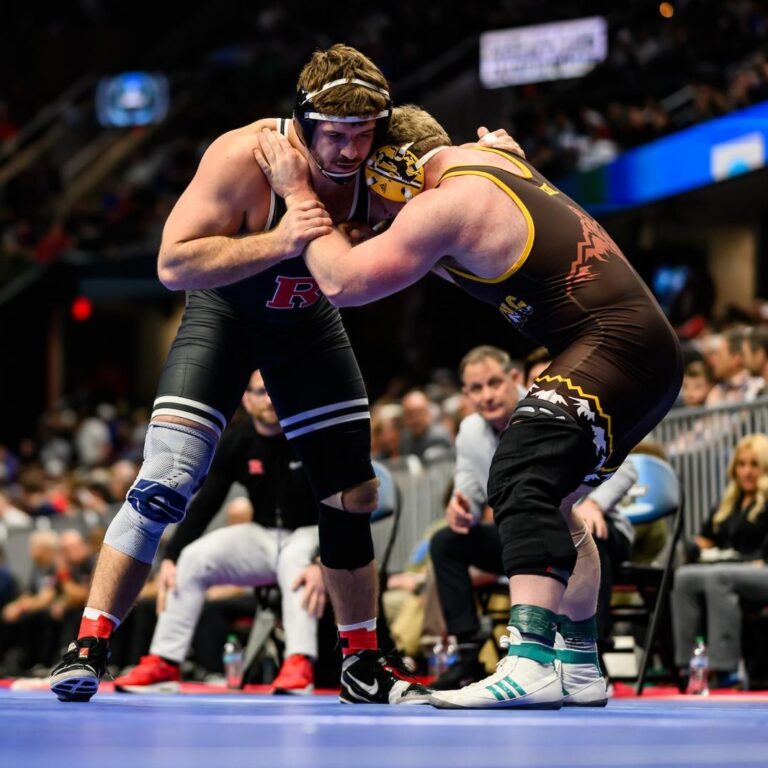
Rutgers Wrestling Faces Defining Crossroads After Back-to-Back NCAA Championship Heartbreak and All-American Drought

For a program that has spent the better part of the last decade building toward national relevance, the 2026 NCAA Wrestling Championships delivered a result that cuts deeper than a single tournament outcome. Rutgers wrestling, once synonymous with grit, breakthrough performances, and podium finishes, leaves this year’s championships without an All-American for the second consecutive season—a stark reality underscored by a troubling trend in the sport’s most unforgiving round.

The Scarlet Knights went 0–5 in the blood round across the last two NCAA Championships, a statistic that tells a far more revealing story than any single loss ever could. In wrestling, the blood round is where seasons are defined. It is the gateway to All-American status, the dividing line between national recognition and near-miss frustration. For Rutgers, it has become an obstacle that has proven just out of reach.
This year’s tournament followed a familiar script. Rutgers entered with a roster capable of competing, with athletes who had navigated the regular season and conference competition with enough consistency to earn their place on the national stage. Yet once again, the transition from contender to finisher proved elusive. Match after match, the Scarlet Knights found themselves within striking distance, only to fall short in the moments that mattered most.

The absence of an All-American is not simply a symbolic gap—it represents a measurable shift in the program’s competitive positioning. For years, Rutgers built its identity around producing wrestlers who could not only qualify for nationals but also place among the elite. That standard elevated the program within the Big Ten and nationally, creating expectations that extended beyond participation.

Now, those expectations are being challenged.
The 2026 NCAA Wrestling Championships showcased the depth and evolution of the sport at every weight class. The top eight finishers across all ten divisions reflected a field that is deeper, faster, and more technically refined than ever before. Programs across the country are investing heavily in development, analytics, and recruiting pipelines, raising the bar for what it takes to reach the podium. Within that environment, the margin between advancement and elimination has never been thinner.

For Rutgers, the issue is not a lack of talent. The roster continues to feature athletes capable of competing with the nation’s best. The challenge lies in converting opportunity into outcome—executing in high-pressure situations where a single takedown, escape, or ride can determine an entire season.

The blood round losses over the past two years highlight a pattern that extends beyond individual performances. They point to a program-wide hurdle in closing matches at the highest level. Whether it is late-match strategy, positional awareness, or simply the composure required in those final exchanges, Rutgers has repeatedly found itself on the wrong side of razor-thin margins.

This moment, however, is not without context. As covered across the Explore New Jersey Rutgers Scarlet Knights section, Rutgers athletics as a whole continues to evolve within one of the most competitive conferences in collegiate sports. The Big Ten remains the epicenter of wrestling excellence, where week-to-week competition mirrors the intensity of national tournaments. For Rutgers, this environment has been both a proving ground and a pressure point.

Competing in the Big Ten means facing ranked opponents consistently, preparing for styles and strategies that vary widely, and maintaining a level of performance that leaves little room for error. It also means that by the time wrestlers reach the NCAA Championships, they have already endured one of the most demanding schedules in the sport. The expectation, however, is that this preparation translates into postseason success.

At present, that translation is incomplete.

The implications of this stretch extend into recruiting, program perception, and long-term trajectory. High-level recruits are drawn to programs that consistently produce All-Americans and national contenders. While Rutgers still offers a strong platform—facilities, coaching, and conference exposure—the absence of podium finishes introduces new challenges in maintaining that competitive edge on the recruiting trail.

At the same time, this period presents an opportunity for recalibration. Programs often define themselves not only by their peaks but by how they respond to adversity. For Rutgers, the path forward will require a detailed evaluation of match management, training methodologies, and competitive mindset. It will demand a renewed emphasis on situational wrestling—the specific scenarios that define close matches at the national level.

There is also a psychological dimension that cannot be overlooked. The blood round is as much a mental battle as it is a physical one. Wrestlers must navigate the weight of expectation, the immediacy of elimination, and the knowledge that a single mistake can erase months of preparation. Building resilience in those moments is critical, and it is an area where incremental gains can yield significant results.

Despite the disappointment, the foundation of the program remains intact. Rutgers wrestling has established itself as a consistent presence on the national stage, and that baseline provides a platform for resurgence. The difference between a near miss and a breakthrough is often measured in adjustments—small, precise changes that accumulate over time.

As the offseason begins, the focus will shift to development, refinement, and preparation for the next cycle. The goal is clear: return to the podium, restore the program’s standing among the nation’s elite, and transform close losses into defining victories.

For the Scarlet Knights, the narrative is not finished. It is evolving.

New Jersey Devils’ Playoff Hopes Fade After Gritty but Ineffective 2–1 Loss to Capitals in Washington

The New Jersey Devils arrived in Washington, D.C. facing long odds, but left Capital One Arena confronting a far more definitive reality. In a tightly contested 2–1 loss to the Washington Capitals on March 20, 2026, the Devils delivered effort without execution—a combination that has defined too many nights this season and now places them on the brink of playoff elimination.

With the Eastern Conference wildcard race accelerating toward a near 100-point pace, the margin for error had already disappeared. This loss doesn’t just sting in the standings—it underscores systemic issues that have persisted across the Devils’ campaign: slow starts, inconsistent offensive pressure, and an overreliance on goaltending to mask structural breakdowns.

The result may not officially end the season mathematically, but functionally, it places the Devils in a position where anything short of a near-perfect finish would be required to keep postseason hopes alive.

From the opening puck drop, the game revealed a familiar pattern. The first period unfolded cautiously, but Washington struck first on a defensive breakdown that left Ryan Leonard with time and space to beat Jake Allen high glove side. It marked yet another instance in which New Jersey surrendered the opening goal—a recurring trend that has undermined their ability to control games and dictate pace.

Despite a handful of isolated offensive flashes—most notably a missed opportunity on a developing odd-man rush involving Jack Hughes and Jesper Bratt—the Devils struggled to generate sustained pressure. Washington dictated the tempo, outchancing New Jersey significantly and controlling high-danger opportunities. By the end of the period, the Devils were fortunate to trail by just one.

The second period reinforced the imbalance. The Capitals tightened their structure through the neutral zone, effectively stifling the Devils’ transition game and forcing them into low-percentage entries. New Jersey’s inability to carry speed through center ice has been a critical weakness, and Washington exploited it with precision.

Jake Allen emerged as the defining figure of the period, delivering a sequence of high-level saves that kept the Devils within striking distance. From point-blank denials on Alexander Ovechkin to multiple stops on Anthony Beauvillier, Allen provided the kind of goaltending performance that typically shifts momentum. Instead, it merely preserved the deficit.

Special teams offered a potential turning point. The Devils were granted two power-play opportunities, including a sequence late in the period where Dougie Hamilton came inches from equalizing, ringing a shot off the crossbar. Yet the inability to convert in those moments further emphasized a season-long inconsistency in capitalizing on critical chances.

Entering the third period down 1–0, the Devils finally found another gear. The pace increased, the forecheck intensified, and for a stretch, New Jersey tilted the ice in their favor. Advanced metrics reflected the shift, with the Devils controlling expected goals share and outshooting Washington during key segments.

But hockey games are not won on momentum alone. Despite multiple net-front scrambles and sustained offensive zone time, the Devils were unable to solve Capitals goaltender Logan Thompson, who remained composed under pressure. Washington’s defensive structure tightened around the crease, effectively neutralizing second-chance opportunities.

With time winding down, the Devils pulled Allen in favor of the extra attacker, a calculated risk that ultimately backfired. Washington capitalized with an empty-net goal from Aliaksei Protas, extending the lead to 2–0 and delivering what appeared to be the decisive blow.

To their credit, the Devils responded immediately. On a subsequent six-on-five sequence, Jack Hughes found Jesper Bratt with a cross-ice feed, and Bratt finished with precision, lifting the puck over a sliding defender and past Thompson. It was a moment of skill and urgency—but it came too late to alter the outcome.

This loss encapsulates the Devils’ season in microcosm. There is talent. There are stretches of dominance. There are elite individual performances, particularly in goal. But there is also a persistent inability to align those elements into a complete, consistent effort across sixty minutes.

For New Jersey, the implications extend beyond a single game. The gap between potential and execution has become the defining storyline, and as the standings tighten, that gap has proven too large to overcome.

Within the broader context of New Jersey’s sports and entertainment landscape, moments like these resonate deeply. As covered across the Explore New Jersey Entertainment section, the connection between teams and communities remains a powerful force, with fan engagement tied not just to wins and losses, but to identity, resilience, and shared experience. The Devils, even in defeat, continue to occupy a central role in that narrative.

Looking ahead, the focus inevitably shifts from playoff positioning to evaluation and recalibration. The remaining games will serve as a proving ground—not for postseason qualification, but for establishing the foundation of what comes next. Young talent will be scrutinized, systems will be assessed, and leadership will be tested.

The margin for error is gone. What remains is an opportunity to redefine the trajectory.

In Washington, the Devils showed fight. They showed flashes of the team they are capable of being. But in a league where consistency is currency, flashes are not enough.

Luxury Reimagined on the Jersey Shore: The Wild Resort Set to Transform Wildwood’s Boardwalk with First New Beachfront Hotel in Decades

Wildwood is entering a new era of coastal hospitality, and at the center of that transformation stands The Wild Resort—a bold, design-forward luxury hotel poised to redefine the standard for beachfront accommodations along the iconic Jersey Shore. Rising at 3000 Boardwalk at the intersection of Glenwood Avenue, this long-anticipated development marks the first new hotel to open directly on Wildwood’s boardwalk in more than two decades, signaling a major evolution in both the city’s skyline and its tourism economy.

What was once a modest stretch of apartments is now being reshaped into a five-story, 75-room destination built with precision, ambition, and a clear vision: to deliver a premium hospitality experience that aligns with the modern traveler while honoring the unmistakable energy of Wildwood’s beachfront culture. Backed by developer Solly Levy Baghdadi and Wildwood Hospitality Group LLC, the project has been years in the making, overcoming early delays before accelerating into full construction last year. Now, with a projected opening aligned with the upcoming summer season, anticipation is building across New Jersey and beyond.

The Wild Resort will operate under the InnZenn brand, a hospitality concept already familiar to the area through its operation of the nearby Oceanic Hotel. This expansion into a flagship boardwalk property reflects a strategic move to elevate the brand’s presence while introducing a new tier of accommodations that merges contemporary luxury with the vibrancy of the Jersey Shore.

The property’s design philosophy is immediately apparent in both its structure and its offerings. Guest accommodations are intentionally diverse, ranging from well-appointed standard rooms to expansive luxury suites featuring private balconies with sweeping ocean views. At the top tier, ten presidential suites will anchor the experience, each equipped with private outdoor Jacuzzis overlooking the Atlantic—an amenity rarely seen on the Wildwood boardwalk and a clear indicator of the resort’s upscale positioning.

Beyond the rooms, The Wild Resort is being constructed as a full-service destination rather than a simple place to stay. Guests will have access to a curated mix of amenities designed to enhance both relaxation and convenience, including a fully equipped fitness center, an outdoor pool integrated into the second-floor deck, and a dedicated gift shop offering locally inspired merchandise and Wildwood memorabilia. The inclusion of both surface and underground parking further reinforces the property’s commitment to functionality without compromising design.

One of the most compelling aspects of the development is its integration with the boardwalk itself. Rather than existing as a standalone structure, The Wild Resort is being built as part of a larger, mixed-use experience that brings new retail and dining options directly into the heart of Wildwood’s most trafficked corridor. Confirmed tenants include a Starbucks location, an It’s Sugar candy store, and a new outpost of Angelo’s, a beloved family-owned pizzeria with deep local roots. This combination of national brands and community staples creates a layered experience that appeals to both tourists and year-round residents.

Visually, the resort is set to make an immediate impact. The exterior will feature a modern architectural approach, complemented by large-scale murals along the north and south façades. These artistic elements are designed to reflect the creative energy of the Jersey Shore while distinguishing the property from the more traditional motel-style accommodations that have historically defined the area.

The significance of this project extends well beyond its physical footprint. As highlighted across the Explore New Jersey Hotels & Lodging section, the state’s hospitality sector is undergoing a notable shift toward experiential, design-driven properties that cater to evolving traveler expectations. The Wild Resort is a direct response to that shift, offering a level of sophistication and amenity-rich programming that aligns with national trends while remaining deeply rooted in local identity.

Wildwood itself is uniquely positioned to benefit from this transformation. Long celebrated for its expansive beaches, retro charm, and family-friendly attractions, the city has also been actively working to modernize its tourism infrastructure. The arrival of a luxury boardwalk hotel introduces a new dimension to that strategy, attracting a broader demographic that includes not only families but also couples, groups, and high-end travelers seeking a more refined coastal experience.

From an economic standpoint, the development represents a significant investment in the region’s future. The property was acquired in 2022 for $6.2 million, and its redevelopment has already contributed to job creation during construction, with long-term employment opportunities expected once the resort becomes fully operational. The addition of new retail tenants further amplifies this impact, creating a micro-economy within the boardwalk that will drive foot traffic and extend visitor engagement.

Operationally, the timing of the opening is critical. With the Jersey Shore’s peak season approaching, The Wild Resort is positioned to capture immediate demand from travelers eager to experience something new within a familiar destination. While an exact opening date has yet to be formally announced, projections indicate that the property could begin welcoming guests as early as late spring, just ahead of the summer surge.

For visitors, the appeal is clear. The Wild Resort offers a rare combination of location, design, and amenities that elevates the traditional beach vacation into something more immersive and memorable. For Wildwood, it represents a turning point—a moment where the past and future converge on the boardwalk, creating a new standard for what the Jersey Shore can offer.

As cranes give way to final finishes and anticipation builds toward opening day, one thing is certain: The Wild Resort is not just another addition to the coastline. It is a statement—about growth, about ambition, and about the next chapter of hospitality in New Jersey.

Music Bingo Takes Over the Jersey Shore: DJ Dave Brings High-Energy Entertainment to Pier Pins with Prizes, Sound, and Community Vibes

Along the New Jersey coastline, where entertainment continues to evolve beyond the traditional nightlife blueprint, Pier Pins is redefining what a night out looks like—and they’re doing it with a concept that’s equal parts interactive, competitive, and undeniably fun. Music Bingo with DJ Dave is quickly becoming one of the most talked-about experiences on the Shore, transforming a casual evening into a fully immersive, crowd-driven event that blends music culture, social energy, and live entertainment into one seamless experience.

At the center of it all is DJ Dave of Modern DJ, whose ability to read a room and curate an atmosphere in real time has elevated Music Bingo far beyond a novelty concept. This is not passive entertainment. This is engagement at its core. Guests aren’t just listening—they’re participating, competing, and reacting to every beat, lyric, and unexpected throwback that fills the room.

Pier Pins, already recognized as a dynamic destination within New Jersey’s growing entertainment ecosystem, provides the perfect backdrop for this experience. The venue’s design, energy, and accessibility make it a natural fit for interactive programming that thrives on crowd participation. With free entry and an open invitation to all, the barrier to entry is intentionally low—but the payoff is anything but. From the moment the first track plays, the room shifts into a shared experience where strangers become teammates, competitors, and ultimately part of the same collective energy.

Music Bingo itself is deceptively simple in structure but incredibly effective in execution. Instead of numbers, players receive bingo cards filled with song titles or artists. As DJ Dave spins tracks across genres and eras, participants mark off matches, building toward that moment everyone is chasing—the win. The format creates instant familiarity while allowing for endless variation, making each event feel fresh, unpredictable, and tailored to the audience in the room that night.

What sets this particular event apart is the integration of high-value incentives that amplify engagement. Pier Pins has leaned into the competitive aspect with a range of prize giveaways, culminating in a $50 grand prize that raises the stakes just enough to keep the energy high without overshadowing the experience itself. It’s a strategic balance—rewarding participation while keeping the focus on fun, connection, and shared moments.

This event also reflects a broader shift happening across the state’s entertainment landscape. As highlighted across the Explore New Jersey Entertainment section, venues are increasingly investing in experiential programming that prioritizes interaction over observation. Music Bingo fits squarely within this movement, offering a format that appeals to a wide demographic—from casual nightlife seekers to groups looking for a structured but relaxed social outing.

For New Jersey, this kind of programming is more than just a trend—it’s an evolution. The state’s entertainment identity has always been multifaceted, blending live music, nightlife, dining, and community events. Music Bingo at Pier Pins taps into all of these elements simultaneously. It’s live music without the stage barrier. It’s nightlife without the exclusivity. It’s competition without the pressure. And most importantly, it’s community-driven in a way that keeps people coming back.

DJ Dave’s role in this equation cannot be overstated. His approach is rooted in adaptability and audience awareness, ensuring that no two nights feel the same. Whether it’s a mix of classic hits, current chart-toppers, or unexpected deep cuts, the playlist becomes a living, breathing part of the event—shaped by the crowd’s reactions and energy. This level of responsiveness is what transforms a simple game into a full-scale entertainment experience.

Pier Pins has also positioned this event as part of a larger strategy to become a go-to destination for innovative programming in New Jersey. By combining bowling, social gaming, and live entertainment under one roof, the venue is creating a hybrid model that reflects how audiences want to engage today. Music Bingo is a cornerstone of that strategy, offering a recurring event that builds familiarity while still delivering something new each time.

The accessibility of the event—free entry, inclusive format, and a welcoming environment—ensures that it remains open to a broad audience. Whether you’re a local looking for a midweek break, a group planning a night out, or a visitor exploring the Shore’s evolving entertainment scene, Music Bingo at Pier Pins delivers a high-value experience without the typical barriers associated with nightlife.

As New Jersey continues to expand its reputation as a destination for innovative, community-driven entertainment, events like this are leading the charge. They represent a shift toward experiences that prioritize connection, participation, and shared enjoyment—qualities that resonate deeply in today’s social landscape.

Music Bingo with DJ Dave at Pier Pins isn’t just another event on the calendar. It’s a reflection of where entertainment in New Jersey is headed—interactive, inclusive, and built around the idea that the audience is just as important as the performance. And with every round played and every prize won, that vision becomes a little more real.

South Jersey Author Joseph Hyacinthe Jr. Unveils Transformational New Book “The Foundation for a Successful Life,” Bringing Faith-Driven Personal Growth and Leadership Wisdom to the Forefront

Mullica Hill, New Jersey continues to emerge as a powerful incubator for thought leadership and purpose-driven storytelling, and with the release of The Foundation for a Successful Life: Golden Truths for Personal and Family Growth, Volume 01, local author Joseph Hyacinthe Jr. is placing South Jersey firmly on the map in the ever-expanding world of personal development literature. Rooted in more than 25 years of business experience, leadership insight, and community-centered values, Hyacinthe’s debut in this planned series represents more than just another self-help title—it is a structured framework for rebuilding lives, restoring confidence, and redefining success through character and faith.

This newly released 117-page volume arrives at a time when audiences across New Jersey and beyond are actively seeking clarity, stability, and direction. Hyacinthe’s work meets that demand with precision, offering a strategic blend of real-world application and deeply rooted principles designed to help individuals and families move forward with intention. The book is now available in both print and digital formats through major platforms including Amazon and Barnes & Noble, expanding its reach far beyond its Mullica Hill origins while still maintaining a strong connection to the South Jersey community that helped shape its message.

At its core, The Foundation for a Successful Life is built on a simple but powerful premise: transformation begins with accountability. Hyacinthe challenges readers to confront toxic behavioral patterns, dismantle limiting beliefs, and replace them with actionable strategies grounded in discipline, faith, and personal responsibility. Rather than offering abstract inspiration, the book delivers a tactical roadmap—one that bridges the gap between aspiration and execution. Each section is designed to guide readers through a process of internal evaluation and outward change, making it particularly relevant for those navigating career transitions, family challenges, or personal setbacks.

What sets this release apart within the crowded personal development landscape is its emphasis on family as a central pillar of success. Hyacinthe positions growth not as an isolated pursuit, but as a collective journey—one that begins within the household and radiates outward into the community. This perspective resonates strongly across New Jersey, where tight-knit communities and multigenerational households remain a defining characteristic of the region’s cultural fabric. By aligning personal development with family dynamics, the book creates a more holistic model for long-term success.

The influence of South Jersey is unmistakable throughout the narrative. Mullica Hill, known for its blend of historic charm and modern growth, provides an ideal backdrop for a message centered on building strong foundations. Hyacinthe’s professional journey—spanning decades of leadership roles and entrepreneurial ventures—has been shaped by this environment, and that influence is embedded in the tone and structure of his writing. The result is a voice that feels both authoritative and accessible, capable of speaking to a wide demographic without losing its authenticity.

This release also aligns seamlessly with the broader literary momentum happening across the state. Through platforms like the Explore New Jersey Books section, there has been a growing spotlight on authors who are not only producing high-quality work but are also contributing to meaningful conversations around growth, resilience, and identity. Hyacinthe’s book fits squarely within this movement, reinforcing New Jersey’s position as a hub for impactful storytelling and thought leadership.

Thematically, the book explores three critical dimensions of personal development: character formation, faith-based guidance, and foundational life principles. These elements are not treated as abstract ideals but are instead broken down into practical, repeatable strategies. Readers are encouraged to take ownership of their decisions, establish consistent habits, and cultivate a mindset that prioritizes long-term fulfillment over short-term gratification. This structured approach makes the book particularly valuable for professionals, parents, and young adults alike—anyone seeking a clear, actionable path forward.

Hyacinthe’s emphasis on faith adds another layer of depth, offering readers a moral and spiritual framework to complement the book’s practical guidance. While accessible to a broad audience, this dimension provides a grounding force that reinforces the importance of integrity, purpose, and resilience. It’s a perspective that continues to resonate strongly across New Jersey communities, where faith-based initiatives and values-driven leadership remain integral to local culture.

Looking ahead, Volume 01 serves as the foundation for what is expected to become a multi-part series, with future installments poised to expand on these core principles while addressing additional aspects of personal and family development. This forward-looking approach signals a long-term commitment to the space, positioning Hyacinthe not just as an author, but as a sustained voice in the personal growth ecosystem.

For readers in New Jersey and beyond, this release represents an opportunity to engage with a work that is both deeply personal and broadly applicable. It’s a reminder that meaningful change does not happen overnight—it is built, step by step, through intentional actions and unwavering commitment to growth.

With The Foundation for a Successful Life, Joseph Hyacinthe Jr. has delivered a compelling entry into the personal development genre—one that reflects the strength, resilience, and forward-thinking mindset of South Jersey itself. As the series continues to evolve, this first volume stands as a clear and confident starting point for anyone ready to rebuild, refocus, and move forward with purpose.

Jersey City Craft Beer Fest

0

Jersey City Craft Beer Fest Returns to Harborside Atrium With 100+ Styles, Local Brewery Power, and a High-Energy Waterfront Experience

March 21 @ 18:00 23:30

New Jersey’s craft beer movement continues to surge forward, and this weekend, one of its most anticipated seasonal showcases takes center stage along the Hudson River. The Jersey City Craft Beer Fest is set to return on Saturday, March 21, 2026, transforming the Harborside Atrium into a destination for beer enthusiasts, casual fans, and anyone looking to experience the evolving culture of craft brewing in one of the state’s most dynamic cities.

Running from 6:00 PM to 9:30 PM, the event delivers a fully immersive experience that blends premium tastings, live entertainment, and a social atmosphere designed to reflect the energy of Jersey City itself. As New Jersey’s brewing scene continues to gain national recognition, events like this are reinforcing the state’s position as a serious player in the craft beer industry—a trend consistently highlighted across the New Jersey breweries and beer scene.

Set inside the expansive Harborside Atrium at 210 Hudson Street, the festival’s location is as strategic as it is visually striking. Positioned in the Exchange Place district, the venue offers sweeping waterfront views and immediate access to public transportation, making it one of the most accessible large-scale beer events in the region. Whether arriving via PATH train, Hudson-Bergen Light Rail, or from nearby neighborhoods, attendees are stepping into an environment that feels both elevated and distinctly local.

At the core of the Jersey City Craft Beer Fest is its selection—more than 100 styles of craft beer and cider, carefully curated to represent a broad spectrum of brewing traditions and innovation. While the festival embraces a wide range of styles, there is a clear emphasis on local New Jersey breweries, giving attendees a direct connection to the producers shaping the state’s rapidly growing beer identity.

From hop-forward IPAs and crisp lagers to barrel-aged specialties, sours, and seasonal releases, the diversity of offerings reflects the sophistication of today’s craft beer audience. This is not a one-dimensional tasting event; it is a deep dive into flavor profiles, brewing techniques, and regional creativity. For seasoned enthusiasts, it’s an opportunity to explore new releases and connect with familiar names. For newcomers, it serves as an accessible entry point into a culture that continues to expand.

The festival’s structure embraces a sampling format that allows attendees to move freely throughout the space, discovering new favorites and engaging directly with the brands behind the pours. This format has become a defining feature of high-level beer festivals, encouraging interaction and exploration rather than passive consumption.

Beyond the beer itself, the event leans heavily into experience. Live music adds a continuous energy throughout the evening, while interactive games and curated vendor spaces create multiple layers of engagement. The result is an environment that feels less like a traditional tasting and more like a full-scale social event—one that blends nightlife, culinary exploration, and cultural celebration.

Food plays a significant role in shaping that experience. Vendors offering items such as lobster rolls, bratwurst, empanadas, and other festival favorites ensure that attendees can pair their drinks with substantial, flavorful options. This integration of food and beverage reflects a broader trend across New Jersey’s event landscape, where culinary quality is increasingly expected to match the level of the drinks being served.

The event’s thematic nod to Oktoberfest adds another dimension, bringing elements of traditional German beer culture into a modern, urban setting. It’s a fusion that resonates strongly in New Jersey, a state known for its ability to blend global influences into something uniquely its own. The result is a festival that feels both rooted in tradition and fully aligned with contemporary tastes.

Operationally, the Jersey City Craft Beer Fest is structured to maintain a premium experience. Attendance is limited to guests 21 and over, with valid ID required, ensuring a focused and mature environment. Policies such as no re-entry and restrictions on children and pets are designed to maintain flow and consistency throughout the event.

Accessibility remains a key advantage. The Harborside location’s proximity to major transit hubs allows attendees from across New Jersey and New York to participate without the complications often associated with large-scale events. While driving is an option, the emphasis on public transit aligns with the event’s urban setting and helps streamline the overall experience.

From a broader perspective, the Jersey City Craft Beer Fest represents more than a single night of tastings. It is part of a larger movement that continues to redefine how New Jersey engages with craft beer. The state’s breweries are no longer operating on the margins—they are leading conversations around quality, innovation, and community engagement.

Events like this serve as a platform for that evolution. They bring together producers, consumers, and industry voices in a way that amplifies visibility and strengthens the overall ecosystem. For Jersey City, the festival reinforces its growing reputation as a hub for culture, nightlife, and culinary exploration.

The inclusion of promotional opportunities, such as ticket discounts and early access incentives, further expands the event’s reach, making it accessible to a wider audience while maintaining its premium positioning. It’s a strategic balance that reflects the maturity of New Jersey’s event market.

As the doors open on March 21, attendees will be stepping into more than just a beer festival. They will be entering a curated environment that captures the energy of Jersey City, the creativity of New Jersey’s brewing community, and the broader shift toward experience-driven events that define the state’s entertainment landscape.

For anyone looking to understand where craft beer culture in New Jersey is heading, the Jersey City Craft Beer Fest offers a clear answer. It is bigger, more diverse, more interactive, and more connected to its community than ever before—and it shows no signs of slowing down.

State Theatre New Jersey

15 Livingston Avenue , NJ
New Brunswick, NJ 08901 United States
+ Google Map
(732) 246-7469
View Venue Website

Knecht Cup Regatta Returns to the Delaware River, Honoring Rowing Icon Mark Valenti and Reinforcing the Northeast’s Collegiate Racing Legacy

Rowing returns to the forefront of the regional sports calendar this spring as the Knecht Cup Regatta prepares for its 27th running, bringing elite collegiate competition, rising talent, and deep-rooted tradition back to the Delaware River. Scheduled for Saturday, April 11 and Sunday, April 12, the regatta once again positions the Philadelphia–South Jersey corridor as a centerpiece of East Coast rowing, while adding a powerful tribute to one of the sport’s most enduring figures.

This year’s event will honor Mark Valenti, a coach, mentor, and regatta leader whose influence has shaped more than six decades of rowing in the region. In recognition of his extraordinary contribution, the Men’s Freshman/Novice Four event will now bear his name—ensuring that every future generation of athletes competing in that category is directly connected to a legacy built on dedication, leadership, and the long-term development of the sport.

For New Jersey, the Knecht Cup represents more than a competition. It is a continuation of the state’s deep and often underappreciated relationship with rowing, a sport that thrives along its rivers, collegiate programs, and training institutions. Events like this align seamlessly with the broader momentum seen across New Jersey’s sports landscape, where both traditional and emerging athletic disciplines continue to draw national attention and regional pride.

The Knecht Cup has evolved into one of the premier early-season regattas in the country, attracting collegiate programs from across the United States and beyond. Its timing on the calendar makes it a critical proving ground, offering teams an opportunity to test lineups, refine strategy, and establish competitive identity ahead of championship season. For freshmen and novice athletes, in particular, the regatta serves as an introduction to high-level racing—an experience that often defines the trajectory of their collegiate careers.

That makes the naming of the Men’s Frosh/Novice Four trophy after Mark Valenti especially significant. Valenti’s career has been defined not just by wins or titles, but by his unwavering commitment to developing athletes at the earliest stages of their journey. His work has impacted countless rowers, many of whom have gone on to achieve success at the national and international levels. By attaching his name to this specific event, the regatta is making a statement about what truly matters in the sport: mentorship, foundation, and the cultivation of future talent.

The Delaware River, stretching between Pennsylvania and New Jersey, provides a uniquely dynamic setting for competition. Its conditions demand precision, endurance, and adaptability—qualities that define successful rowing programs. For New Jersey-based athletes and spectators, the proximity of the event reinforces the state’s role in supporting and sustaining the sport’s growth. It is a reminder that while Philadelphia may host the regatta, the regional ecosystem that fuels it extends deeply into New Jersey’s athletic infrastructure.

From a competitive standpoint, the Knecht Cup is known for its depth. Varsity eights, second varsity crews, lightweight boats, and novice entries all converge in a schedule that is both demanding and highly strategic. Programs arrive with different objectives—some seeking early dominance, others focused on development—but all operate within an environment that rewards discipline and execution.

The regatta’s structure also reflects the evolving nature of collegiate rowing. Increased parity across programs, enhanced training methodologies, and a growing emphasis on data-driven performance have elevated the overall level of competition. The Knecht Cup has kept pace with these changes, maintaining its reputation as a benchmark event where emerging contenders and established powerhouses intersect.

For spectators, the experience extends beyond the races themselves. Regattas like the Knecht Cup create a distinct atmosphere—part sporting event, part community gathering. Coaches, alumni, families, and fans line the course, creating an environment that is both intensely competitive and deeply communal. It is this balance that continues to draw participants and audiences back year after year.

The decision to honor Mark Valenti adds an emotional dimension to this year’s event, anchoring the competition in a broader narrative of legacy and continuity. In a sport where tradition plays a central role, recognizing individuals who have dedicated their lives to its advancement is not just appropriate—it is essential.

Valenti’s impact is measured not only in the athletes he has coached, but in the culture he has helped sustain. Rowing, at its core, is a discipline built on teamwork, resilience, and incremental improvement. These values are not easily taught, yet they define the sport at every level. Through decades of leadership, Valenti has embodied and transmitted those principles, ensuring that they remain central to the rowing experience.

As the 27th Knecht Cup Regatta approaches, it carries with it all the elements that have made it a cornerstone of the collegiate rowing calendar: high-level competition, regional significance, and a deep respect for the sport’s history. This year, with the addition of the Mark Valenti Men’s Frosh/Novice Four Trophy, it also carries a renewed focus on the individuals who make that history possible.

For New Jersey’s sports community, the event reinforces a broader truth. The state’s athletic identity is not limited to its major professional teams or headline-grabbing moments. It is also defined by events like the Knecht Cup—where dedication, development, and tradition intersect to create something enduring.

As crews take to the water this April, they will be racing not only for medals and rankings, but as part of a legacy that continues to evolve. And in honoring Mark Valenti, the Knecht Cup ensures that legacy remains grounded in the values that have sustained the sport for generations.

Little Ferry McDonald’s Brings Community Together With Family-Focused Easter Celebration in Bergen County

As spring arrives across New Jersey, communities are once again embracing seasonal events that bring families together, create lasting memories, and reinforce the importance of local gathering spaces. In Bergen County, one such event is set to transform a familiar everyday destination into a hub of festive energy, as the Little Ferry McDonald’s hosts a community-wide Easter celebration designed for families, children, and local residents looking to experience something more than the ordinary.

At a time when experiential, family-oriented programming continues to define the best of what’s happening across the state—mirroring the momentum seen throughout New Jersey’s activities and family fun scene—this Easter activation represents a growing trend: turning accessible, neighborhood locations into meaningful community touchpoints.

The event, organized by The Gillis Organization, invites families to step into a welcoming, festive environment where children can meet and take photos with the Easter Bunny, enjoy a lively atmosphere, and participate in a seasonal experience that blends tradition with modern convenience. It’s a strategic and thoughtful approach to community engagement, one that recognizes how important it is for families to have local, easy-to-access events that still feel special.

For many families in Little Ferry and the surrounding Bergen County area, this celebration offers something uniquely valuable—an opportunity to create holiday memories without the need for long travel, large crowds, or complex planning. By bringing the Easter experience directly into the neighborhood, the event removes barriers while amplifying connection.

What makes this activation particularly notable is how it reimagines the role of a quick-service restaurant within the community. McDonald’s locations have long served as informal gathering places, but events like this elevate that role into something more intentional. It becomes less about a transaction and more about experience—about transforming a routine visit into a moment that resonates.

Children will be at the center of the celebration, with the Easter Bunny serving as a focal point for photos, interaction, and excitement. These types of experiences continue to be a cornerstone of seasonal programming across New Jersey, where family-friendly events are increasingly curated to balance accessibility with engagement. The ability to capture photos in a relaxed, familiar setting adds a layer of comfort for parents while ensuring that the experience remains memorable for kids.

Beyond the visual highlights, the broader atmosphere of the event is designed to reflect the spirit of the season—lighthearted, inclusive, and community-driven. Families can expect a welcoming environment where the focus is on shared enjoyment, reinforcing the idea that some of the most meaningful experiences are often the simplest.

From a regional perspective, events like the Little Ferry Easter celebration contribute to a larger narrative shaping Bergen County and the state as a whole. New Jersey continues to expand its identity as a destination for year-round activities, with seasonal events playing a critical role in maintaining that momentum. Whether it’s spring festivals, summer boardwalk experiences, fall harvest events, or winter holiday markets, the throughline is clear: community-centered programming is driving engagement.

The involvement of The Gillis Organization underscores the importance of local leadership in bringing these experiences to life. By investing in events that prioritize families and community interaction, organizations like Gillis are helping redefine how national brands can operate at a hyper-local level. It’s not just about presence—it’s about participation.

For parents, the appeal is straightforward. The event offers a safe, convenient, and engaging way to celebrate Easter with their children. For kids, it delivers the magic of the holiday in a setting that feels both exciting and approachable. And for the broader community, it reinforces the value of shared experiences that bring neighbors together.

As New Jersey continues to lean into its strength as a hub for accessible, high-quality family activities, events like this one in Little Ferry serve as a reminder that meaningful experiences don’t have to be large-scale to be impactful. Sometimes, the most effective community moments happen in the places people visit every day—reimagined, reenergized, and brought to life with purpose.

This Easter celebration is more than a seasonal event. It’s a reflection of how local engagement, thoughtful programming, and a focus on families can transform even the most familiar spaces into something memorable, reinforcing New Jersey’s position as a state where community and experience continue to go hand in hand.

Newark Arts High School Achieves the Impossible: America’s Original Performing Arts Powerhouse Quietly Builds an EGOT Legacy

New Jersey’s cultural identity has always been defined by outsized influence—artists, performers, and innovators who transcend geography and reshape entire industries. Nowhere is that more evident than in Newark, where a single public high school has, over nearly a century, built one of the most extraordinary creative legacies in American history.

Newark’s Arts High School is not simply a specialized institution. It is a generational engine of excellence. And in 2026, with the Academy Award win by Michael B. Jordan, that legacy reached a defining milestone: Arts High can now lay claim to something no other public arts high school in the United States has achieved—an EGOT-level alumni pedigree spanning Emmy, Grammy, Oscar, and Tony-winning talent.

This is not branding. This is not institutional marketing. This is the cumulative result of decades of artistic rigor, cultural proximity, and a pipeline that runs directly from Newark classrooms to the global stage.

For readers exploring the evolving landscape of arts, culture, and live performance across the state, this moment aligns directly with the broader momentum highlighted across the New Jersey entertainment scene, where legacy institutions and emerging talent continue to redefine what the region represents nationally.

Newark Arts High School stands at the center of that movement.

Founded in 1931, Arts High was the first public high school in the United States dedicated to visual and performing arts. That distinction alone would secure its place in history. What followed, however, is what elevates it into something far more significant: a sustained, multi-generational output of award-winning artists who have shaped music, film, theater, and literature at the highest possible level.

The school does not maintain a traditional alumni awards system. It doesn’t need one. Its “honor roll” is written across the stages of Broadway, the soundscape of jazz history, the box offices of Hollywood, and the archives of American cultural memory.

The defining moment in this latest chapter came with Michael B. Jordan’s Oscar win. A 2005 graduate of Arts High, Jordan’s rise from Newark classrooms to global stardom had already cemented his place among the school’s elite alumni. With an Academy Award now attached to his name, that journey also completed a symbolic circle—bringing the “O” into Arts High’s already established ecosystem of Emmy, Grammy, and Tony-winning graduates.

Within that ecosystem, the foundation was laid decades earlier.

Sarah Vaughan, one of the most revered vocalists in jazz history, brought Grammy recognition and an unmatched artistic standard that continues to influence generations. Wayne Shorter, a towering figure in modern jazz, expanded that foundation with twelve Grammy Awards and a lifetime of innovation that redefined the genre itself. Melba Moore bridged music and theater, earning a Tony Award while also achieving Grammy success, embodying the interdisciplinary excellence Arts High continues to cultivate.

Savion Glover transformed tap dance into a modern art form, earning a Tony Award and global acclaim for his work. His influence extends far beyond performance, reshaping how rhythm and movement are understood in contemporary theater.

This is not a coincidence of talent. It is a pattern.

That pattern extends seamlessly into modern film and television. Michaela Jaé Rodriguez’s Golden Globe win marked a historic breakthrough while reinforcing the school’s continued relevance in shaping contemporary storytelling. Tisha Campbell’s award-winning career across television further underscores the consistency of Arts High alumni in achieving both critical and commercial success. J.D. Williams represents another dimension of that influence, with roles in culturally defining series that continue to resonate across generations.

The reach of Arts High does not stop at performance. It extends deeply into the intellectual and cultural fabric of American art.

Amiri Baraka stands as one of the most important literary voices of the 20th century, a writer whose work continues to shape conversations around identity, politics, and culture. Amina Baraka carried that influence forward as a cultural leader and poet. Visual artist Willie Cole has achieved international recognition for work that bridges conceptual art and social commentary. Jasmine Mans represents the next generation, bringing spoken word poetry into contemporary relevance with award-winning force.

Even behind the scenes, Arts High alumni have played critical roles in shaping the sound and structure of modern entertainment. Charles Calello’s work as an arranger helped define the sound of an era. George Walker’s Pulitzer Prize-winning compositions elevated classical music while expanding representation within the field. Donal Fox continues that tradition with genre-defying compositions that merge classical and jazz influences.

The school’s alumni network is not simply impressive—it is structurally influential.

It spans jazz pioneers, Broadway innovators, Hollywood actors, television trailblazers, poets, composers, and producers. It includes Grammy winners, Tony winners, Pulitzer Prize recipients, Golden Globe winners, and now, Academy Award winners. Collectively, this body of work represents one of the most comprehensive artistic legacies tied to any single educational institution in the country.

Even within individual families, that legacy compounds. Michael B. Jordan’s sister, Jamila Jordan-Theus, has earned multiple Emmy Awards for her work in television production, reinforcing the idea that Arts High’s influence is not isolated—it is generational.

The concept of an “EGOT” is typically reserved for individual performers who achieve the rare distinction of winning all four major entertainment awards. Arts High flips that concept entirely. Instead of a single individual, it represents a collective achievement—a distributed EGOT across decades of alumni who, together, embody the highest levels of artistic recognition.

That distinction places Newark Arts High School in a category of its own.

It is not just a school. It is a proving ground. A cultural institution. A living archive of American artistic excellence rooted in New Jersey.

At a time when the state’s entertainment ecosystem continues to expand—across live performance venues, production infrastructure, and emerging creative platforms—Arts High remains a foundational pillar. Its legacy feeds directly into the broader narrative of New Jersey as a serious player in national and global arts culture.

For students walking its halls today, that legacy is not abstract. It is visible, tangible, and immediate. It exists in the names, the achievements, and the pathways forged by those who came before them. It reinforces a simple but powerful truth: world-class artistry can begin anywhere—even in a public high school in Newark—and still reach the highest stages imaginable.

And increasingly, it does.

🎭 Newark Arts High School — Master Alumni List (Award Winners & Notable Figures)

🎬 Film, Television & Media

  • Michael B. Jordan – Academy Award winner; Creed, Black Panther
  • Michaela Jaé Rodriguez – Golden Globe winner (Pose)
  • Tisha Campbell – NAACP Image Award winner
  • J. D. WilliamsThe Wire, Oz
  • Sharon Washington – Award-winning stage/film actress
  • Crystal ClarkeSanditon, international film/TV

🎶 Music — Jazz, Soul, Pop & Global Recording Artists

5

  • Sarah Vaughan – Grammy Award winner; jazz legend
  • Wayne Shorter – 12× Grammy winner; NEA Jazz Master
  • Melba Moore – Tony Award winner; Grammy nominee
  • Connie Francis – First female Billboard #1 artist
  • Kat DeLuna – International charting artist

Additional Music Alumni

  • Andy Bey – Critically acclaimed jazz vocalist
  • James Moody – Grammy winner; NEA Jazz Master
  • Woody Shaw – Influential jazz innovator
  • Grachan Moncur III – Avant-garde jazz composer
  • Ike Quebec – Blue Note recording artist
  • William Parker – Leading avant-garde musician
  • Larry Young – Pioneer of modern jazz organ

💃 Dance & Broadway / Theater

  • Savion Glover – Tony Award winner; tap innovator
  • Melba Moore – Broadway star (Purlie)
  • Sharon Washington – Award-winning theater performer

🎨 Visual Arts, Literature & Cultural Figures

4

  • Willie Cole – Internationally exhibited contemporary artist
  • Amiri Baraka – Influential writer; major literary awards
  • Amina Baraka – Cultural leader and poet
  • Jasmine Mans – Award-winning spoken word artist

🎼 Music Industry, Production & Composition

  • Charles Calello – Legendary arranger (Frankie Valli & The Four Seasons)
  • George Walker – Pulitzer Prize–winning composer
  • Donal Fox – Acclaimed classical/jazz composer

📚 Extended Notable Alumni (Cross-Discipline Impact)

  • Flip Wilson – Golden Globe winner; television pioneer
  • Brandon Victor Dixon – Tony nominee (Hamilton, The Color Purple)
  • Norman Connors – Influential jazz/fusion artist

🏆 Legacy Snapshot

Arts High School alumni collectively represent:

  • 🎖 Academy Award winners
  • 🎖 Grammy Award winners (multiple generations)
  • 🎖 Tony Award winners and nominees
  • 🎖 Golden Globe and Emmy winners
  • 🎖 Pulitzer Prize winners
  • 🎖 NEA Jazz Masters & global cultural icons

New York Jets Make NFL History with SmartFrame Technology: A Game-Changing Shift in How Teams Control, Share, and Monetize Content

The are once again stepping into the spotlight—not for a roster move or a game-day performance, but for a groundbreaking innovation that could redefine how professional sports teams manage their digital content. In a first-of-its-kind move across the NFL, the Jets have officially partnered with SmartFrame Technologies to adopt advanced image-streaming technology for their official photography, setting a new benchmark for how visual media is controlled, distributed, and monetized in modern sports.

This is not just a tech upgrade. It is a strategic shift that positions the Jets at the forefront of digital innovation within the league and across U.S. professional sports.

A First for the NFL—and a Signal of What’s Coming

By becoming the first NFL franchise to integrate SmartFrame’s image-streaming platform, the Jets are entering a new era where photography is no longer just documentation—it is a dynamic, revenue-generating asset.

Traditionally, sports images have been distributed as static files. Once published online, teams often lose control over how those images are used, shared, or monetized. SmartFrame changes that entirely. Instead of downloading and reposting images, publishers and platforms embed them directly, allowing the original owner—in this case, the Jets—to retain control, track engagement, and unlock new monetization opportunities.

This partnership marks SmartFrame’s first collaboration not only with an NFL team but with any major U.S. professional sports franchise, further amplifying the significance of the move.

Turning Game-Day Moments into Digital Assets

Every NFL game produces hundreds of high-quality images—touchdowns, sideline reactions, fan celebrations, and behind-the-scenes moments that define the experience. Historically, these images have been treated as promotional tools. With SmartFrame, they become strategic assets.

The technology allows the Jets to stream images directly to websites and digital platforms, enabling features like full-screen viewing, interactive zoom capabilities, embedded captions, and verified ownership. More importantly, it introduces a controlled environment where usage can be monitored and monetized through integrated advertising models.

That means every image—whether it’s a game-winning play or a fan experience shot—has the potential to generate value long after the moment has passed.

Control, Protection, and Monetization—All in One Platform

One of the biggest challenges in sports media has been image control. Once a photo circulates online, it can be reused, repurposed, or redistributed without clear attribution or compensation. SmartFrame directly addresses that issue.

By embedding images instead of distributing files, the Jets maintain ownership and oversight at every stage. The platform also provides detailed audience insights, giving the organization a clearer understanding of how content is being consumed across digital channels.

At the same time, the built-in monetization framework allows for advertising within the image experience itself. This creates a new revenue stream tied directly to content the team is already producing, effectively transforming photography from a cost center into a profit-generating component of the organization.

A Strategic Move from the Jets’ Business Leadership

From a business perspective, this partnership reflects a broader shift in how sports franchises are thinking about content. The Jets are not just investing in technology—they are investing in infrastructure that supports long-term growth in digital engagement and revenue.

The decision aligns with the organization’s ongoing focus on innovation, fan connection, and maximizing the value of its media assets. By adopting SmartFrame, the Jets are positioning themselves to stay ahead in an increasingly competitive digital landscape where content distribution is as important as content creation.

SmartFrame’s Global Footprint Meets the NFL

While this is SmartFrame’s first entry into the NFL and U.S. pro sports market, the company is no stranger to high-level partnerships. Its technology is already in use with global organizations such as Premier League clubs, Six Nations Rugby, and New Zealand Rugby.

Bringing that experience into the NFL represents a significant expansion—and the Jets are leading the way.

For SmartFrame, the partnership is both a milestone and a validation of its platform’s relevance in one of the most competitive sports markets in the world. For the Jets, it is an opportunity to leverage proven technology and apply it within a uniquely American sports ecosystem.

What This Means for Fans and Media

For fans, the impact will be immediate and noticeable. Embedded images will offer a richer, more interactive experience, allowing users to explore game moments in greater detail through advanced zoom and display features.

For media outlets and publishers, the shift to embedded content introduces a new standard for how images are accessed and used. Instead of downloading and hosting files independently, partners will integrate directly with the Jets’ content ecosystem, ensuring accuracy, attribution, and consistency.

This creates a more streamlined, controlled, and collaborative content environment—one that benefits both the team and its partners.

A Glimpse Into the Future of Sports Content

The Jets’ adoption of SmartFrame technology is likely just the beginning. As other teams and leagues observe the benefits—enhanced control, new revenue streams, and improved fan engagement—it is reasonable to expect similar moves across the sports landscape.

This is how innovation spreads in professional sports: one organization takes the first step, and the rest follow.

By acting early, the Jets gain a competitive advantage—not on the field, but in the rapidly evolving space of digital media and content strategy.

The Bigger Picture

This partnership reflects a broader trend within sports: the recognition that content is not just a byproduct of the game—it is a core asset.

Teams are no longer just competing for wins. They are competing for attention, engagement, and digital relevance. Every image, every highlight, every moment captured has value far beyond the scoreboard.

The New York Jets have recognized that—and acted on it.

In doing so, they have not only made history as the first NFL team to adopt SmartFrame’s technology, but they have also set a new standard for how sports organizations can protect, control, and monetize their content in a digital-first world.

And if this move delivers on its potential, it will not just change how the Jets operate—it will influence how the entire league thinks about content moving forward.

Epic Authenticity, Permission Granted: T.H. Irwin Launches Transformational Speaking Tour Across New Jersey

New Jersey’s health and wellness landscape is about to welcome a powerful new voice and a timely message as T.H. Irwin, MBA—an experienced experiential creator, keynote speaker, and the visionary behind Women for Women Today—announces the launch of the Epic Authenticity, Permission Granted Speaking Tour. Designed to spark real transformation, the tour centers on a deceptively simple but often overlooked truth: before women can fully empower others, they must first give themselves permission.

This is not a traditional speaking series. It is an intentional, immersive experience aimed at redefining how women approach confidence, leadership, self-worth, and personal growth in a world that often conditions them to wait for validation rather than claim it.

At its core, the Epic Authenticity, Permission Granted Tour is about breaking that cycle.

A Movement Rooted in Self-Permission and Real Empowerment

T.H. Irwin’s work is grounded in years of experience building community-driven experiences that challenge conventional thinking around empowerment. Rather than offering surface-level motivation, this tour dives into the deeper psychological and behavioral patterns that hold people back—especially women who are often navigating layered expectations in both personal and professional spaces.

The message is direct: permission is not something that is granted externally. It is something that must be claimed internally.

That shift—from waiting to deciding—is what defines the tour’s impact.

Through keynote presentations, guided conversations, and experiential engagement, attendees are encouraged to identify where they have been holding themselves back, where they have been seeking approval, and how they can begin to operate from a place of self-directed authority instead.

Why This Message Matters Right Now

Across New Jersey and beyond, the conversation around health and wellness continues to evolve. It is no longer limited to physical health—it now fully includes mental resilience, emotional intelligence, and the ability to live authentically in both personal and professional environments.

The Epic Authenticity tour aligns directly with that shift.

As more individuals prioritize holistic well-being, the need for programming that addresses internal barriers—self-doubt, fear of judgment, and the pressure to conform—has never been greater. This tour meets that need by offering not just insight, but actionable mindset shifts that attendees can immediately apply.

For those already exploring wellness resources throughout the state, platforms like continue to highlight how deeply integrated these conversations have become in local communities. Irwin’s tour adds a new dimension to that ecosystem—one focused specifically on self-permission as the foundation for growth.

From Concept to Experience: What Attendees Can Expect

What sets this tour apart is its experiential design. T.H. Irwin is not simply delivering a speech—she is creating an environment where attendees actively participate in the process of redefining how they see themselves.

Each event is structured to move beyond passive listening and into active reflection and engagement. Participants can expect:

A clear framework for understanding how external expectations shape internal limitations
Tools for identifying where permission is being withheld in their own lives
Real-world strategies for shifting from hesitation to action
Opportunities to connect with others who are navigating similar challenges

The result is an experience that is both personal and collective—one that allows individuals to see their own patterns while recognizing they are not alone in them.

The Legacy of Women for Women Today

The foundation for this tour comes from Irwin’s work with Women for Women Today, an initiative that has consistently focused on connection, support, and shared growth among women navigating complex personal and professional landscapes.

That legacy carries directly into the Epic Authenticity tour.

The same emphasis on community remains, but the message has sharpened. This is about ownership. About stepping into space without waiting. About recognizing that empowerment is not something that can be outsourced or delayed.

It has to begin with a decision.

New Jersey as the Launchpad

Choosing New Jersey as a central location for this tour is both strategic and meaningful. The state’s diverse communities, strong professional networks, and growing emphasis on wellness and personal development make it an ideal environment for a message centered on authenticity and self-permission.

From urban centers to suburban communities and coastal regions, the appetite for programming that blends personal growth with practical application continues to expand. This tour taps directly into that momentum, offering something that feels both timely and necessary.

Redefining What Empowerment Looks Like

One of the most important aspects of the Epic Authenticity, Permission Granted Tour is its refusal to follow the typical script of empowerment messaging. It does not rely on clichés or temporary motivation. Instead, it focuses on sustainable change—on shifting how individuals think, decide, and act over the long term.

It challenges the idea that empowerment is something that happens after external validation. It reframes it as something that begins internally, often before anyone else recognizes it.

That distinction is critical.

Because once permission is granted internally, everything else changes—how opportunities are approached, how boundaries are set, and how individuals show up in every aspect of their lives.

A Tour Positioned to Resonate

As the Epic Authenticity, Permission Granted Speaking Tour begins to roll out, it arrives at a moment when people are actively searching for clarity, direction, and authenticity in how they live and work.

T.H. Irwin is not just offering a message—she is offering a framework for change.

And in a state like New Jersey, where the intersection of wellness, professional growth, and community continues to expand, that framework is positioned to resonate in a powerful way.

This is more than a speaking tour. It is a call to action—one that asks a simple but transformative question:

What happens when you stop waiting for permission—and give it to yourself?

Wildwoods Spring Fling Festival Returns to Downtown Wildwood with Live Music, Craft Beer, Food, and Family-Friendly Energy

Downtown Wildwood is preparing to welcome one of the most anticipated seasonal events along the Jersey Shore as the Wildwoods Spring Fling Festival returns, bringing with it a full day of live entertainment, local flavor, handcrafted goods, and a vibrant beer garden experience that captures the spirit of New Jersey in spring. This free, family-friendly festival continues to grow as a signature event that blends coastal culture, community engagement, and the evolving craft scene that has become a defining part of the Garden State.

Set against the backdrop of Wildwood’s iconic downtown district, the Spring Fling Festival offers more than just a day out—it delivers a complete experience that appeals to families, music lovers, food enthusiasts, and craft beverage fans alike. From the moment visitors arrive, the energy is unmistakable, with live performances filling the air, local vendors lining the streets, and a steady flow of activity that keeps the entire district moving from morning through evening.

At the center of the event is its commitment to accessibility and community. The festival remains free to attend, ensuring that residents and visitors alike can experience everything it has to offer without barriers. That accessibility is a major reason the Spring Fling has become a staple on the regional events calendar, drawing crowds from across South Jersey and beyond.

Live music plays a defining role throughout the day, with a lineup designed to reflect a mix of local talent and crowd-pleasing sounds that keep the atmosphere lively from start to finish. Performances are staged throughout the downtown area, creating multiple points of engagement and ensuring that the energy never settles. Whether it’s upbeat bands, acoustic sets, or high-energy acts, the music is woven into every part of the experience.

Food is another cornerstone of the festival, and the Spring Fling delivers a wide-ranging selection that reflects both the diversity and creativity of the region. From classic boardwalk-inspired favorites to elevated street food and locally crafted specialties, the festival’s culinary offerings are designed to satisfy every taste. Vendors bring both tradition and innovation to the table, giving visitors the chance to explore familiar flavors while discovering something new.

Complementing the food scene is a curated selection of craft vendors showcasing handmade goods, artisan products, and unique creations that highlight the depth of local talent. These vendors transform the downtown area into an open-air marketplace, where every booth offers something distinct—from home décor and artwork to specialty items that reflect the personality of the Jersey Shore.

One of the most anticipated features of the Spring Fling Festival is its lively beer garden, which serves as a focal point for adults looking to experience the best of New Jersey’s growing craft beverage industry. The beer garden is more than just a place to grab a drink—it is a celebration of the state’s brewing culture, which has expanded rapidly in recent years.

Visitors looking to explore more of that scene beyond the festival can discover a wide range of destinations through , where the state’s craft beer movement continues to thrive with innovative brewers, distinctive taprooms, and a commitment to quality that has put New Jersey firmly on the map.

At the Spring Fling Festival, that culture comes to life in a social, high-energy environment. The beer garden provides a relaxed space to gather, connect, and enjoy a rotating selection of brews that reflect the creativity and craftsmanship of local producers. It also reinforces how deeply integrated craft beer has become in community events across New Jersey, where breweries are not just businesses—they are cultural anchors.

Beyond the individual attractions, what sets the Wildwoods Spring Fling Festival apart is how seamlessly everything comes together. The music, food, vendors, and beer garden are not separate elements—they are part of a unified experience that transforms downtown Wildwood into a dynamic, walkable celebration of the season.

Families can move easily between activities, finding entertainment for all ages, while adults can enjoy the social atmosphere and curated offerings that elevate the event beyond a typical street festival. That balance is what continues to drive its popularity and ensures that it remains inclusive without sacrificing quality or energy.

Timing also plays a key role. Positioned as a spring kickoff event, the festival arrives at a moment when the Jersey Shore begins to reawaken. It signals the transition into warmer weather, increased activity, and the return of the vibrant coastal lifestyle that defines the region. For many, attending the Spring Fling is not just about the event itself—it is about marking the beginning of the season.

As the Wildwoods continue to evolve as a destination, events like the Spring Fling Festival reinforce their position as more than just a summer hotspot. They highlight the area’s ability to deliver year-round experiences that attract visitors, support local businesses, and strengthen community identity.

The result is an event that feels both established and fresh—rooted in tradition but constantly adapting to reflect what people want from a modern festival experience. With its combination of live entertainment, culinary variety, artisan vendors, and a thriving beer garden, the Wildwoods Spring Fling Festival stands as one of the most engaging and accessible events in New Jersey’s spring calendar.

And as crowds gather once again in downtown Wildwood, the message is clear: the season has started, the energy is back, and the Jersey Shore is ready.

New Jersey Devils Surge at the Perfect Time: Statement Win Over Rangers Powers Three-Game Streak as Playoff Push Intensifies

The are doing exactly what contenders are supposed to do in March—finding their game, leaning into their strengths, and stacking wins at a critical moment in the season. Following a commanding 6–3 victory over the New York Rangers at Madison Square Garden on March 18, 2026, the Devils have now pushed their winning streak to three games and are playing their most complete hockey of the year.

This wasn’t just another win. It was a statement. It was a reminder. And it may very well be the clearest indication yet of what this team is capable of when everything clicks at once.

A Rivalry Statement at Madison Square Garden

Beating the Rangers is always significant. Doing it twice in the same season by identical 6–3 scores elevates that significance into something far more meaningful. This latest victory was not just about the scoreboard—it was about control, pace, and execution.

From the opening puck drop, the Devils dictated the game. They outshot the Rangers 39–18 and overwhelmed them early with a staggering 17–2 shot advantage in the first period. The offensive zone pressure was relentless, the puck movement was sharp, and the tempo never allowed New York to settle in.

Jack Hughes once again led the charge, delivering a three-point performance with a goal and two assists. Connor Brown matched that production, also posting a goal and two assists, while Nico Hischier and Jesper Bratt each added multi-point nights of their own.

This was not a one-line effort. This was a full lineup contribution. Every unit was involved, every shift had purpose, and every opportunity felt dangerous.

Jesper Bratt Reaches a Milestone

Amid the offensive explosion, one of the most important moments of the night came from Jesper Bratt. With an assist on Hischier’s power-play goal, Bratt reached the 500-point mark in his NHL career before adding a goal to finish the night at 501.

For a sixth-round pick to reach that level is not just impressive—it is exceptional. Bratt has developed into one of the most consistent and dynamic players in the organization, and his milestone underscores the Devils’ ability to identify and develop elite talent from within.

The Offense Is Heating Up—and It’s Not a Fluke

The Devils have now scored six goals in back-to-back games and have hit that mark three times this season—all within a short span since early March. This is not random. This is a system beginning to function at full capacity.

The power play, which struggled earlier in the season, has completely flipped the narrative. Against the Rangers, the Devils went 2-for-4 with the man advantage and have now converted nine of their last 17 opportunities, an elite stretch that is changing games.

Across two matchups with New York, the Devils have gone 5-for-7 on the power play. That level of efficiency is not just productive—it is demoralizing for opponents.

When this team is generating offense at five-on-five and capitalizing on special teams, it becomes extremely difficult to contain.

A Three-Game Run Built on Momentum

This current surge did not begin in New York. It has been building.

On March 14, the Devils defeated the Los Angeles Kings 6–4 behind a dominant four-point performance from Nico Hischier, who recorded two goals and two assists. Jack Hughes added the game-winning goal, continuing his run as the team’s most dangerous offensive weapon.

Two nights later, the Devils edged the Boston Bruins 4–3 in overtime, with Paul Cotter delivering a dramatic game-winner with just seven seconds remaining.

Now, with the Rangers victory, the Devils have not only won three straight—they have done it in three very different ways: high-scoring control, late-game execution, and overtime resilience.

That versatility is what defines teams capable of sustaining success.

Jack Hughes Continues to Drive the Identity

Everything about this current stretch points back to Jack Hughes. Whether it is his playmaking, his ability to create space, or his control of tempo, Hughes is dictating how this team plays.

He has also remained in the spotlight off the ice, recently addressing the situation involving his Olympic gold medal-winning goal puck, which is currently housed at the Hockey Hall of Fame. While initially expressing frustration, Hughes clarified that he is honored by its placement—a moment that reflects both his competitiveness and his appreciation for the game’s history.

On the ice, however, there is no ambiguity. Hughes is playing at an elite level, and the Devils are following his lead.

Emerging Contributions Across the Lineup

Beyond the top stars, the Devils are getting key contributions throughout the roster.

Arseny Gritsyuk has been one of the most exciting developments, tallying four goals and three assists over his last eight games. His ability to create offense and challenge defenders is adding another layer to an already dynamic attack.

Timo Meier continues to assert himself as a physical and scoring presence, while players like Connor Brown are stepping up in key moments and delivering multi-point performances when needed.

This depth is critical. It prevents opposing teams from focusing on a single line and allows the Devils to maintain pressure throughout the game.

Goaltending: The One Area Still Under Scrutiny

Despite the recent success, one area remains under watch: goaltending consistency.

Jacob Markstrom has started nine of the ten games since the Olympic break and holds a 6–3–0 record during that stretch. While the wins are there, performances have been uneven at times, including moments in the Rangers game where rebounds and positioning created unnecessary risk.

That said, the team in front of him has been strong enough to compensate, and as long as the offense continues to produce at this level, the Devils can manage through inconsistencies in net.

Roster Movement and Organizational Outlook

Earlier this month, the Devils made strategic roster moves, placing Evgenii Dadonov, Luke Glendening, and Maxim Tsyplakov on waivers to create flexibility. These decisions signal a front office focused on adaptability as the season progresses.

From a development standpoint, the organization was recently ranked No. 22 in overall prospect pool rankings. While not at the top of the league, the Devils are noted for having strong defensive prospects, which could play a significant role in shaping the team’s future.

What Comes Next: Opportunity to Extend the Run

The Devils will look to extend their winning streak to four games as they face the Washington Capitals on March 19. With momentum building and confidence growing, this is an opportunity to solidify their current form and continue pushing toward consistency.

There are also key matchups ahead, including the completion of the season series against the Rangers on March 31 and an upcoming home contest against the Detroit Red Wings.

Every game now carries weight. Every point matters.

A Team Finally Playing to Its Strengths

What stands out most about this stretch is not just the wins—it is how the Devils are winning.

They are playing fast.
They are attacking relentlessly.
They are leaning into skill, creativity, and offensive pressure.

This is the identity that was expected from this roster. It simply took time to fully emerge.

Now that it has, the results are following.

And if this level of play continues, the Devils are no longer just a team finding its rhythm—they are a team that opponents will have to take seriously down the stretch.

Robinson Dominates Somerset Democratic Convention as Workforce Expansion Signals Broader Economic Momentum Across Central Jersey

SOMERSET, NJ — A decisive political victory and a strategic workforce investment are converging in Somerset County, underscoring a pivotal moment not only for New Jersey’s 12th Congressional District race but for the broader economic and infrastructure trajectory of Central Jersey.

Somerset County Commissioner Director Shanel Robinson delivered a commanding performance at the Somerset Democratic Convention, capturing overwhelming support in her home base and reinforcing her position as a leading contender in one of the state’s most closely watched congressional primaries. At the same time, a major lease renewal by the New Jersey Independent Electrical Contractors Association (NJIEC) signals continued confidence in Somerset as a central hub for workforce development and skilled trades training—two forces that are increasingly shaping the region’s future.

Together, these developments highlight a region that is not only politically energized but also economically strategic, with Somerset County emerging as a focal point for leadership, labor development, and long-term growth.

Robinson’s convention win was not just decisive—it was dominant. Facing a crowded field of 16 candidates vying for the Democratic nomination in a seat soon to be vacated by longtime U.S. Representative Bonnie Watson Coleman, Robinson secured 100 votes, representing 95 percent of ballots cast. The margin sends a clear signal about her strength within Somerset County and her ability to consolidate support in a competitive primary environment.

Her performance reflects years of building a countywide presence rooted in public service, administrative leadership, and local engagement. As Commissioner Director, Robinson has cultivated a reputation as a steady and pragmatic leader, one capable of navigating both policy and community priorities. That foundation translated into a landslide convention result, giving her a significant boost in momentum as the campaign shifts toward broader voter outreach across the 12th District.

While county conventions do not determine election outcomes, they serve as critical indicators of organizational strength, local influence, and the ability to mobilize key stakeholders. Robinson’s showing in Somerset aligns with a broader pattern emerging across the district: Assemblywoman Verlina Reynolds Jackson secured support in Mercer County, East Brunswick Mayor Brad Cohen carried Middlesex, and Plainfield Mayor Adrian Mapp earned the Union County Democratic endorsement.

Mapp, acknowledging the limits of convention politics, emphasized the importance of grassroots engagement moving forward, noting that the true battleground lies within communities across the district. That sentiment underscores the next phase of the race, where retail politics, voter turnout, and messaging will ultimately determine the nominee.

Yet, Robinson’s commanding performance in Somerset cannot be understated. It demonstrates not only loyalty within her home county but also the operational strength of her campaign infrastructure—a critical asset in a multi-candidate primary where fragmentation can define outcomes.

Beyond the political arena, Somerset County is simultaneously reinforcing its position as a cornerstone of workforce development in New Jersey, driven by continued investment in skilled trades education and apprenticeship programs.

The New Jersey Independent Electrical Contractors Association has officially renewed its lease at 20 Worlds Fair Drive, maintaining its 5,000-square-foot training and operational facility within a larger flex-industrial complex. The renewal reflects both stability and growth, signaling that Somerset remains a strategic location for statewide workforce initiatives.

The NJIEC facility is far more than office space—it functions as a critical training ground for the next generation of electricians and electrical contractors. Through a comprehensive four-year apprenticeship program, the organization blends classroom instruction with hands-on field experience, preparing participants for careers that are increasingly essential to New Jersey’s infrastructure, construction, and energy sectors.

With more than 4,000 member companies and over 14,000 apprentices trained annually, NJIEC plays a vital role in addressing workforce gaps while elevating standards across the electrical industry. Its programs are recognized at the federal level, with the U.S. Department of Labor designating the organization as an Apprenticeship Ambassador—a distinction that highlights its leadership in expanding access to career pathways through registered apprenticeship models.

The decision to maintain and extend its presence in Somerset speaks volumes about the county’s accessibility, infrastructure, and strategic positioning within the state. Located in the heart of Central Jersey, the Worlds Fair Drive facility provides convenient access for students and trainees traveling from multiple counties, reinforcing Somerset’s role as a regional nexus for education and workforce mobility.

This alignment between political leadership and workforce investment is not coincidental—it reflects a broader transformation taking place across Central Jersey. As infrastructure demands grow, energy systems evolve, and construction projects expand, the need for a highly trained, adaptable workforce has become increasingly urgent. Organizations like NJIEC are stepping into that space, creating pipelines that connect education directly to employment, while supporting economic resilience across the region.

At the same time, political leaders emerging from counties like Somerset are being shaped by these same dynamics. The intersection of policy, labor, and economic development is becoming central to campaign narratives, particularly in districts where suburban growth, infrastructure modernization, and workforce readiness are key voter concerns.

Robinson’s rise within this environment positions her at the crossroads of these conversations. Her leadership experience at the county level—combined with the tangible economic developments unfolding within her jurisdiction—provides a framework for addressing the challenges facing the 12th District. From workforce training to infrastructure investment and community development, the issues shaping Somerset today are increasingly reflective of broader statewide and national priorities.

Across Central Jersey, communities continue to evolve, driven by a blend of public leadership and private investment. The region’s ongoing transformation is evident in its expanding business footprint, growing educational infrastructure, and the steady influx of initiatives aimed at strengthening economic competitiveness.

For readers looking to explore more about what’s happening across the region—from business developments to community initiatives and regional growth—visit the Central Jersey section on Explore New Jersey, where ongoing coverage highlights the evolving landscape shaping counties like Somerset, Middlesex, Mercer, and Union.

As the congressional race intensifies and economic development continues to accelerate, Somerset County stands at a unique intersection of influence and opportunity. The outcomes of today’s convention and the commitments made by organizations like NJIEC are not isolated events—they are part of a larger narrative defining the future of Central Jersey.

What happens next will unfold not only at the ballot box, but in classrooms, training centers, and communities where the next generation of leaders and skilled professionals are already taking shape.

Devils vs. Rangers Tonight: New Jersey Surges Into Madison Square Garden With Momentum, Identity, and Playoff Urgency

There are regular-season games, and then there are nights that carry weight beyond the standings. Tonight’s matchup between the New Jersey Devils and the New York Rangers at Madison Square Garden falls squarely into the latter category—a high-intensity Metropolitan rivalry clash that arrives at a pivotal moment in the 2026 NHL season.

With a 7:00 PM ET puck drop in one of hockey’s most iconic arenas, the Devils (34–31–2) enter this contest not just looking for two points, but aiming to reinforce their late-season push, sharpen their playoff identity, and assert control in a rivalry that continues to define the region’s hockey culture.

Broadcast nationally on TNT and HBO Max, and carried locally across radio networks, this game is positioned as a must-watch event—not only for fans in New Jersey and New York, but for anyone tracking the evolving Eastern Conference race.

A Rivalry That Defines the Region—and Elevates the Moment

Few matchups in the NHL carry the emotional intensity of Devils vs. Rangers. The geographic proximity, the shared fan bases, and the history of postseason battles all converge to create a game environment that feels elevated from the opening faceoff.

Madison Square Garden adds another layer. It is a venue where every shift is amplified, every goal is magnified, and every mistake is exposed. For the Devils, stepping into that environment with momentum is both an opportunity and a test.

This is the second of three meetings between the teams in March, and the Devils have already set the tone. Their 6–3 victory on March 7—highlighted by a dominant hat trick performance from Jack Hughes—was not just a win, but a statement. It showcased offensive firepower, pace, and the ability to overwhelm a division rival when executing at full capacity.

Now, the challenge shifts to consistency. Can New Jersey replicate that level of execution on the road, in a building where momentum swings quickly and pressure is constant?

The Devils’ Offensive Engine Is Hitting Peak Form

New Jersey enters tonight’s matchup as one of the most dynamic offensive teams in the conference over the past two weeks. With six wins in their last eight games and an average of nearly four goals per game during that stretch, the Devils are operating with confidence and rhythm.

At the center of that surge is Jack Hughes, who continues to elevate his game at precisely the right time. With 10 points in his last five contests, Hughes is not just producing—he is dictating pace, creating space, and forcing opposing defenses into difficult decisions.

Surrounding him is a core that is beginning to click in unison. Nico Hischier’s two-way reliability, Jesper Bratt’s playmaking vision, and Timo Meier’s physical scoring presence create a layered attack that is difficult to contain when fully engaged.

This is the version of the Devils that aligns with the expectations set earlier in the season—a fast, skilled, and aggressive offensive unit capable of overwhelming opponents in transition and sustaining pressure in the offensive zone.

Rangers Responding With Physicality and Structure

While the Devils bring speed and scoring, the Rangers counter with resilience and physicality. Despite sitting behind New Jersey in the standings, New York has quietly built momentum of its own, earning points in eight of its last ten games.

Their identity is different, but no less effective. The Rangers lead the league in hits, a statistic that underscores their commitment to physical play and defensive disruption. They also enter tonight with the NHL’s longest active power-play goal streak, having converted in five consecutive games.

Players like Mika Zibanejad, Vincent Trocheck, and Adam Fox anchor a lineup that blends skill with structure. Alexis Lafrenière continues to develop into a more consistent offensive threat, adding another layer to a team that is finding ways to stay competitive even in a challenging season.

For the Devils, this presents a tactical contrast. Speed versus physicality. Fluid offense versus structured resistance. The outcome will hinge on which style can impose itself more effectively over sixty minutes.

In the Crease: A High-Stakes Goaltending Duel

Goaltending will play a decisive role tonight, with Jacob Markstrom expected to start for New Jersey against Igor Shesterkin for the Rangers.

Markstrom’s presence has provided stability for the Devils, particularly during this recent stretch of strong play. His ability to manage rebounds, control tempo, and deliver timely saves has allowed New Jersey’s offense to take calculated risks.

On the other side, Shesterkin remains one of the league’s most technically sound and capable goaltenders. Even in a season marked by inconsistency for the Rangers, he has the ability to steal games and shift momentum singlehandedly.

In a rivalry matchup where chances can come in bursts, the performance of both goaltenders could ultimately determine the outcome.

Injury Landscape and Lineup Implications

As both teams prepare for puck drop, roster availability continues to shape strategy.

The Devils will be without Brett Pesce, Stefan Noesen, and Zack MacEwen, absences that impact both defensive depth and physical presence. However, the team has adapted, leaning into its speed and offensive creativity to compensate.

The Rangers are managing their own injury situation, with Matt Rempe on injured reserve. Despite that, they have maintained a level of competitiveness that reflects strong internal adjustments and depth contributions.

These factors add another layer of unpredictability to the matchup, forcing both coaching staffs to make tactical adjustments in real time.

Where This Game Fits in the Eastern Conference Picture

From a standings perspective, the implications are clear. The Devils currently sit ahead of the Rangers, but both teams are operating in a tightly contested Eastern Conference environment where momentum can shift rapidly.

For New Jersey, this game represents an opportunity to solidify positioning and build separation. A win would reinforce their upward trajectory and strengthen their case as a team capable of making noise down the stretch.

For the Rangers, it is a chance to close the gap, disrupt a rival’s momentum, and continue their own push for relevance in the playoff conversation.

The stakes are not abstract—they are immediate, tangible, and significant.

The Broader Impact: Hockey Culture in New Jersey Continues to Rise

Beyond the numbers and narratives, tonight’s game reflects something larger: the continued growth of hockey culture in New Jersey.

The Devils are not just competing—they are evolving into a team that represents the state’s identity. Fast, resilient, and forward-thinking. Their recent surge has energized the fan base and reinforced the organization’s trajectory as a contender in the making.

Coverage across Explore New Jersey continues to highlight this evolution, capturing not only the results on the ice but the broader cultural impact of the team. Games like this—against a historic rival, in a high-pressure environment—serve as defining moments in that journey.

What to Watch When the Puck Drops

As the Devils take the ice at Madison Square Garden tonight, several key elements will define the game:

The pace of play—whether New Jersey can dictate tempo and avoid being slowed by the Rangers’ physical style
Special teams execution, particularly given New York’s recent power-play success
The continued dominance of Jack Hughes and the Devils’ top offensive unit
Goaltending consistency from Markstrom in a high-pressure road environment

Each of these factors will contribute to a game that promises intensity, skill, and significance.

In a season where every point matters and every performance carries weight, tonight’s Devils vs. Rangers matchup stands out as a defining moment—not just for the standings, but for the identity of a team determined to rise.

New Jersey Turns Green: A Deep Dive into the State’s 2026 St. Patrick’s Day Parade Season, From Revolutionary Roots to Modern Celebrations

Every March, New Jersey doesn’t just celebrate St. Patrick’s Day—it transforms. Streets become rivers of green, communities gather in force, and centuries of Irish heritage are brought vividly into the present. In 2026, that tradition reached new heights across the Garden State, with parades in Morristown, Jersey City, Asbury Park, and Belmar-Lake Como collectively telling a story that is as much about history as it is about identity, resilience, and cultural pride.

This year’s celebrations were especially meaningful, blending large-scale community turnout with a renewed awareness of New Jersey’s deep historical ties to both Irish heritage and the founding of the United States. From Revolutionary War connections in Morris County to vibrant coastal festivities and urban spectacles, the 2026 St. Patrick’s Day parade season showcased why New Jersey remains one of the most culturally dynamic states in the nation.

Morristown Leads with Legacy: A Parade Rooted in the American Revolution

The centerpiece of this year’s celebrations was the 46th Annual Morris County St. Patrick’s Day Parade, held on Saturday, March 14, 2026, in Morristown. Drawing thousands of spectators and participants, the event delivered more than just pageantry—it offered a living connection to one of the most significant chapters in American history.

Morristown’s St. Patrick’s Day tradition is uniquely tied to the winter of 1779–1780, when General George Washington and the Continental Army endured one of the harshest encampments of the Revolutionary War in the area now known as Jockey Hollow. During that time, Irish soldiers made up a substantial portion of the ranks, and in a remarkable gesture of recognition, Washington authorized a St. Patrick’s Day observance on March 17, 1780—effectively cementing the holiday as part of the American story.

That legacy continues to echo through modern celebrations. Organized by the Friendly Sons of St. Patrick of Morris County, the parade traces its contemporary origins to 1979 in Wharton but carries forward a lineage that predates the nation itself. The event today stands as a powerful convergence of past and present, honoring Irish contributions not only to Morris County but to the foundation of the United States.

The parade route through Morristown became a corridor of history and celebration, with marching bands, cultural organizations, veterans’ groups, and civic leaders all participating. The symbolism was unmistakable: this is not just a parade—it is a reaffirmation of identity, heritage, and the enduring influence of Irish Americans in shaping New Jersey’s civic and cultural landscape.

Jersey City and Asbury Park: Urban Energy Meets Coastal Tradition

While Morristown anchored the historical narrative, other regions of New Jersey brought their own distinct energy to the 2026 St. Patrick’s Day season.

Jersey City kicked off the month’s major celebrations on Saturday, March 7, with one of the state’s most anticipated parades. Known for its scale and diversity, the Jersey City St. Patrick’s Day Parade once again drew massive crowds, reflecting the city’s rich multicultural identity. The event blended traditional Irish elements—pipes, drums, and step dancing—with a distinctly urban vibrancy, creating an atmosphere that was both celebratory and inclusive.

Just one day later, Asbury Park took the spotlight on Sunday, March 8, with its parade along Ocean Avenue. Few locations in New Jersey offer a more visually striking setting for a St. Patrick’s Day celebration than the Jersey Shore, and Asbury Park delivered a uniquely coastal interpretation of the holiday. Against the backdrop of the Atlantic Ocean, the parade brought together local businesses, performers, and community groups, reinforcing the Shore’s reputation as a hub for both cultural expression and seasonal tourism.

These events highlight a key dynamic in New Jersey’s cultural ecosystem: each region interprets tradition through its own lens. Jersey City channels metropolitan intensity and diversity, while Asbury Park infuses its celebration with artistic flair and seaside charm. Together, they expand the meaning of St. Patrick’s Day beyond a single narrative, reflecting the state’s broader cultural mosaic.

Belmar-Lake Como: Resilience in the Face of Winter

No story of the 2026 parade season would be complete without acknowledging the impact of weather—specifically, the blizzard that forced the postponement of the Belmar-Lake Como St. Patrick’s Day Parade.

Originally scheduled for March 1, the parade was rescheduled to March 28, demonstrating the resilience and determination of one of New Jersey’s most beloved St. Patrick’s Day traditions. The Belmar-Lake Como parade is widely regarded as one of the largest in the state, routinely attracting tens of thousands of attendees to the Jersey Shore.

Rather than diminishing the event, the postponement has only heightened anticipation. The late-March rescheduling effectively extends the St. Patrick’s Day season in New Jersey, giving communities and visitors another opportunity to engage with the celebration. It also underscores a broader truth about New Jersey events culture: adaptability is part of the identity, and when challenges arise, communities respond with even greater enthusiasm.

A Statewide Celebration of Irish Heritage and Cultural Identity

Across all these events, a unifying theme emerges: St. Patrick’s Day in New Jersey is not confined to a single day or location. It is a statewide cultural phenomenon that unfolds over weeks, connecting communities from North Jersey to the Shore.

The celebrations reflect centuries of Irish influence in the region, from early immigration waves in the 18th century to the continued presence of Irish-American communities today. They also serve as a reminder of how cultural traditions evolve—maintaining their historical core while adapting to contemporary contexts.

This aligns seamlessly with the broader mission of Explore New Jersey’s coverage of arts and culture, where the focus is not just on events, but on the deeper narratives that define the state. St. Patrick’s Day parades exemplify this approach, offering a lens through which to understand New Jersey’s history, diversity, and creative spirit.

The Economic and Cultural Impact of Parade Season

Beyond their cultural significance, St. Patrick’s Day parades play a critical role in New Jersey’s local economies. Restaurants, bars, retail shops, and hospitality businesses all benefit from the influx of visitors, particularly in high-traffic areas like Morristown, Jersey City, and the Jersey Shore.

These events also drive tourism, drawing attendees from neighboring states and reinforcing New Jersey’s reputation as a destination for major cultural celebrations. The combination of historical depth, geographic diversity, and large-scale participation makes the state’s St. Patrick’s Day season uniquely compelling on a national level.

At the same time, the parades foster community cohesion. They bring together residents, organizations, and local leaders in a shared celebration, strengthening civic bonds and reinforcing a sense of belonging. In an era where community connection is increasingly valued, these events serve as powerful reminders of what collective celebration can achieve.

Extending the Legacy: Why St. Patrick’s Day in New Jersey Matters More Than Ever

The 2026 St. Patrick’s Day parade season in New Jersey was not just a series of events—it was a statement. A statement about heritage, about resilience, and about the enduring power of community-driven celebration.

From the Revolutionary War roots of Morristown to the coastal energy of Asbury Park and the postponed but highly anticipated return of Belmar-Lake Como, each parade contributed to a larger narrative. Together, they demonstrate that New Jersey’s cultural identity is both deeply rooted and constantly evolving.

For residents and visitors alike, these parades offer more than entertainment. They provide a connection—to history, to community, and to a shared cultural legacy that continues to shape the state in meaningful ways.

As the final celebrations of March unfold, one thing is clear: in New Jersey, St. Patrick’s Day is not just observed—it is experienced, expanded, and elevated year after year.

Devils Deliver Statement Win in Newark as Paul Cotter’s Overtime Heroics Lift New Jersey Past Bruins in Electrifying Comeback

In a season that has tested resilience, identity, and consistency, the New Jersey Devils delivered one of their most compelling performances of the year on March 16 at Prudential Center—a dramatic 4-3 overtime victory against the Boston Bruins that reminded fans exactly what this roster is capable of when everything clicks.

For a team that has spent much of the season battling adversity and falling short in critical moments, this was not just a win—it was a recalibration. It was speed, skill, and belief, all resurfacing at once in front of a home crowd that has been waiting for a night like this.

The game didn’t begin with promise. In fact, it followed a script that has become all too familiar. Early defensive lapses and a costly rebound allowed David Pastrnak to strike just over four minutes into the game, giving Boston an early edge. As the period wore on, former Devil Pavel Zacha capitalized on a breakdown to extend the Bruins’ lead to 2-0.

At that point, the weight of the season seemed ready to settle in again. The Devils have struggled to climb back from deficits, particularly multi-goal ones, and the early energy inside the building began to shift.

But something changed.

What followed was not just a comeback—it was a reassertion of identity.

The second period opened with urgency, and within seconds, the Devils found their spark. Connor Brown ignited the rally with a breakaway goal just 32 seconds in, slicing through Boston’s defense and resetting the tone of the game. Suddenly, the pace quickened. The Devils were no longer reacting—they were dictating.

That momentum carried forward as Jesper Bratt delivered one of the night’s most technically precise finishes, converting a perfectly timed pass into a one-timer that tied the game at 2-2. It was a sequence that showcased the kind of offensive fluidity that defined the Devils at the start of the season—quick transitions, sharp passing, and decisive execution.

Then came the emergence of a difference-maker.

Paul Cotter, who had been working to rediscover his scoring rhythm, stepped into the spotlight in a major way. Early in the third period, he gave New Jersey its first lead of the night, finishing a play that highlighted both positioning and instinct.

Boston responded quickly, with Pastrnak striking again to level the game at 3-3, setting the stage for a physical and emotionally charged final stretch. The Bruins, fighting for playoff positioning, leaned into a more aggressive approach, attempting to impose their will through contact and pressure. The Devils, however, didn’t fold. They absorbed it, matched it, and pushed back.

Goaltender Jacob Markstrom, despite a shaky start, steadied his performance when it mattered most, while the defensive unit held firm under increasing pressure. One of the most pivotal moments came late in regulation when Charlie McAvoy came within inches of ending the game, only to see his shot ring off the post.

That miss proved decisive.

Overtime brought a different kind of tension—open ice, heightened stakes, and the understanding that one mistake would end it. With seconds ticking down, the Devils executed one of their cleanest transition sequences of the night. Dougie Hamilton won a critical puck battle, feeding Jack Hughes, who immediately recognized the opportunity developing up ice.

Hughes, who quietly orchestrated the offense all night with three assists, delivered a perfectly weighted pass to a streaking Cotter, who broke in alone and finished with precision past Joonas Korpisalo.

With just 6.2 seconds remaining in overtime, the Devils had completed the comeback.

For Cotter, it was a defining performance—two goals, including the game-winner, marking his third multi-goal outing with the team and signaling a potential turning point in his individual season. For Hughes, it was another example of elite playmaking, reinforcing his role as the engine that drives New Jersey’s offensive identity.

More broadly, the win offered a glimpse of what this team was projected to be: fast, creative, and unafraid.

It also underscored a critical dynamic within the Eastern Conference landscape. While the Bruins entered the game fighting for postseason positioning, the Devils embraced the role of disruptor—demonstrating that even outside the playoff picture, they remain a team capable of influencing outcomes and challenging contenders.

For fans and observers across New Jersey, this performance carries weight beyond the standings. It reflects the kind of hockey that has energized the state’s fanbase in recent years—high-tempo, skill-driven, and emotionally engaging. It’s the brand of play that continues to anchor the Devils’ identity within New Jersey’s broader sports culture, which thrives on passion, resilience, and moments that feel larger than the game itself.

Looking ahead, the Devils now shift their focus to one of the most anticipated matchups on their schedule—a rivalry clash against the New York Rangers at Madison Square Garden. The Hudson River rivalry always carries added intensity, and with both teams navigating challenging seasons, the next meeting presents another opportunity for New Jersey to assert itself.

Their previous encounter—a decisive 6-3 victory powered by a Jack Hughes hat trick—serves as a reminder of what this team can do when it finds its rhythm.

And if the performance against Boston is any indication, that rhythm may be returning at exactly the right time.

For a season that has often been defined by frustration, March 16 in Newark offered something different: clarity, confidence, and a glimpse of a team that refuses to fade quietly.

In a league where momentum can shift in an instant, the Devils may have just rediscovered theirs.

New Jersey’s Next Breakout Star: Jake Thistle Captures National Attention on American Idol with a Sound Rooted in Asbury Park’s Legendary Music Scene

New Jersey’s music pipeline has long been synonymous with authenticity, grit, and unmistakable storytelling—and now, a new voice is stepping into that lineage on one of the biggest stages in the world. Jake Thistle, a rising artist with deep ties to the Shore’s creative heartbeat, has officially advanced to the Top 20 of American Idol 2026, delivering performances that are not only earning national recognition but also reinforcing New Jersey’s enduring influence on American music.

For a state that has produced some of the most iconic voices in modern music history, Thistle’s emergence is more than a moment—it’s a continuation of a legacy. And as his journey unfolds on primetime television, it’s becoming increasingly clear that his artistry is shaped by the same cultural DNA that has defined New Jersey’s music scene for generations.

Thistle’s latest breakthrough came during the Hawaii Top 20 round, where he delivered a high-energy rendition of “The Power of Love” by Huey Lewis & The News.

It was a performance that balanced technical control with raw enthusiasm—an approach that resonated immediately with the judges and audience alike. Rather than simply covering a classic track, Thistle injected it with personality, movement, and a sense of urgency that made the performance feel current and alive.

The response from the judging panel underscored just how impactful that moment was. Carrie Underwood highlighted his stage presence, noting a performance style reminiscent of Brad Paisley’s dynamic energy. Lionel Richie leaned into the emotional authenticity of the moment, emphasizing that Thistle’s willingness to fully commit—vocally and physically—was what made the performance memorable. Luke Bryan, known for recognizing crossover appeal, has also consistently pointed to Thistle’s ability to bridge genres and connect with a wide audience.

That versatility is one of Thistle’s defining strengths. Earlier in the competition, during the Ohana Round, he secured his place in the Top 20 with an original song titled “Sleep On Me.” The performance showcased a different side of his artistry—introspective, narrative-driven, and rooted in songwriting rather than spectacle. It was here that the comparisons began to crystallize. Carrie Underwood described his style as a blend of a young Bruce Springsteen and Bob Dylan, while Luke Bryan drew parallels to Paul Simon.

Those comparisons are not made lightly, particularly in the context of New Jersey’s music identity. Artists like Bruce Springsteen have long defined the state’s sound through storytelling, emotional depth, and a connection to place. For Thistle to be mentioned in that same breath speaks not only to his potential, but to the authenticity he brings to his performances.

What sets him apart is how naturally those influences translate into a modern context. He’s not imitating a past era—he’s channeling its spirit while building something that feels distinctly his own. His guitar work, stage movement, and vocal delivery all contribute to a performance style that feels both grounded and forward-looking.

That balance was further refined with guidance from guest mentor Brad Paisley, who encouraged Thistle to elevate the visual and emotional intensity of his guitar playing. The advice was strategic: in a televised competition where every moment counts, performance is as much about what the audience sees as what they hear. Thistle’s ability to integrate that feedback in real time demonstrates a level of adaptability that is critical at this stage of the competition.

As he moves forward, Thistle now faces the most pivotal phase of the American Idol journey—the public vote. With the Top 20 competing for a place in the Top 14, audience engagement becomes the deciding factor. While voting windows are tightly structured, the broader impact of each performance extends far beyond a single episode. Visibility, momentum, and connection all play a role in determining who continues and who exits.

For New Jersey, this moment represents more than just support for a hometown artist. It’s an opportunity to spotlight the state’s music ecosystem on a national platform. From Asbury Park’s storied venues to its thriving independent scene, New Jersey continues to produce artists who carry forward its tradition of authenticity and innovation. Thistle’s rise is a reflection of that environment—a reminder that the state remains a vital force in shaping the future of music.

Across the broader landscape, New Jersey’s music culture is experiencing a renewed wave of attention. Live performances, emerging artists, and genre-blending experimentation are redefining what it means to be part of the state’s creative community. Platforms like American Idol serve as amplifiers, bringing local talent into the national conversation and reinforcing the depth of artistry that exists within the region.

For audiences following Thistle’s journey, the appeal lies in both his talent and his trajectory. He’s not arriving as a fully formed, polished product—he’s evolving in real time, taking feedback, refining his approach, and expanding his range with each performance. That evolution is compelling, and it mirrors the very process that has defined so many successful artists before him.

As the competition continues, all eyes will remain on how he navigates the next stages—song selection, performance strategy, and audience connection will all play critical roles. But regardless of the outcome, one thing is already clear: Jake Thistle has established himself as a serious contender and a legitimate emerging voice within New Jersey’s music scene.

In a state where music is more than entertainment—it’s identity, history, and cultural currency—his rise feels both timely and significant. And as he steps onto each new stage, he carries with him not just his own ambitions, but the sound and spirit of New Jersey itself.

A Defining Transition in New Jersey’s Cultural and Economic Landscape: Carlos Medina Steps Down After Two Decades Transforming the Statewide Hispanic Chamber of Commerce

New Jersey’s business, cultural, and entrepreneurial communities are entering a pivotal moment following the resignation of Carlos Medina as president, CEO, and board member of the Statewide Hispanic Chamber of Commerce of New Jersey (SHCCNJ). After more than 20 years of leadership, Medina leaves behind a legacy that reshaped not only an organization, but an entire ecosystem supporting Latino-owned businesses across the state.

This is not simply a leadership change—it is a generational transition for one of the most influential economic and cultural institutions in New Jersey. Medina’s tenure marked a period of unprecedented growth, innovation, and statewide impact, positioning SHCCNJ as a cornerstone of both economic development and cultural identity.

When Medina first joined the chamber’s board of directors in 2005, the organization was operating on a far smaller scale. Over time, his leadership trajectory—from board member to chairman in 2012, and ultimately to president and CEO in 2019—mirrored the chamber’s own evolution. Under his direction, SHCCNJ expanded its reach to represent more than 7,000 businesses, becoming the largest Hispanic chamber in New Jersey and one of the most influential in the United States.

That growth was not incremental—it was transformational. Medina helped guide the chamber from a financial deficit of roughly $300,000 into a multimillion-dollar operation, creating a sustainable platform capable of delivering real, measurable impact. More importantly, he aligned the organization with the broader economic force of Hispanic-owned businesses in New Jersey, a sector that now includes more than 150,000 enterprises contributing over $100 billion annually to the state’s economy.

But Medina’s influence extended far beyond numbers. His leadership emphasized infrastructure—building systems, programs, and partnerships that would outlast any single tenure. Among the most notable initiatives were the Executive Training Program and the Latino Entrepreneurship Training Series, both of which provided accessible, high-level business education, mentorship, and strategic resources to hundreds of entrepreneurs. These programs were not symbolic—they were operational pipelines for growth, helping small businesses scale, stabilize, and compete in a rapidly evolving marketplace.

Equally significant was the chamber’s role during periods of economic uncertainty. Under Medina’s guidance, SHCCNJ became a critical conduit for relief and support, ensuring that minority-owned businesses were not left behind during challenging times. This ability to mobilize resources and advocate effectively at both the corporate and governmental levels reinforced the chamber’s position as a trusted voice within New Jersey’s broader economic framework.

The timing of Medina’s departure is particularly notable given the chamber’s recent expansion into large-scale cultural activations that bridge commerce and community engagement. Earlier this month, SHCCNJ announced a high-profile partnership with American Dream to launch La Plaza de Fútbol, a 39-day small business marketplace and cultural experience set to take place this summer. Designed as a vibrant celebration of entrepreneurship and Latino culture, the initiative represents the next phase of experiential commerce—where culture, retail, and community intersect in a dynamic public setting.

La Plaza de Fútbol is more than an event—it is a statement about the evolving role of cultural programming in economic development. By bringing small businesses into a high-traffic, destination environment like American Dream, the initiative creates direct exposure, real-time engagement, and new revenue opportunities. It also aligns with a broader movement across New Jersey’s arts and culture landscape, where immersive experiences and community-driven programming are redefining how audiences connect with local talent and entrepreneurship.

This approach reflects a wider trend highlighted across the state’s cultural sector, where spaces are no longer limited to traditional galleries or performance venues. Instead, New Jersey is seeing a rise in hybrid environments—places where art, culture, and commerce coexist, creating layered experiences that attract diverse audiences. From public art installations to large-scale cultural festivals, the state continues to position itself as a destination for innovation in how culture is experienced and shared.

Within this context, Medina’s work can be understood as part of a larger narrative—one that connects economic empowerment with cultural visibility. By strengthening Hispanic-owned businesses, he also amplified the cultural contributions of a community that plays an essential role in shaping New Jersey’s identity. The chamber’s evolution under his leadership ensured that these contributions were not only recognized, but integrated into the state’s economic strategy.

The response from SHCCNJ’s leadership underscores the magnitude of that impact. Chairman Luis De La Hoz acknowledged Medina’s decision while emphasizing the enduring strength of the organization he helped build. The board’s statement reflects both gratitude and continuity, highlighting a collective commitment to the programs, partnerships, and mission that have defined the chamber’s success.

That continuity will be critical in the months ahead. With an experienced board representing corporate, government, and community stakeholders, SHCCNJ is positioned to maintain momentum while navigating this leadership transition. The foundation established over the past two decades provides a strong framework for future growth, ensuring that the chamber remains a driving force for economic inclusion and opportunity.

For New Jersey, the implications are significant. The Hispanic business community is not a niche sector—it is a central pillar of the state’s economy, contributing billions in revenue and supporting thousands of jobs. Organizations like SHCCNJ play a vital role in sustaining that momentum, providing the resources, advocacy, and connectivity needed for businesses to thrive.

As Medina steps into his next chapter, his influence will continue to resonate through the programs he launched, the partnerships he forged, and the pathways he created for entrepreneurs across the state. His tenure represents a case study in how leadership, when aligned with purpose and execution, can transform an organization into a statewide force.

At the same time, this moment opens the door for a new phase of leadership—one that will build on that legacy while adapting to the evolving needs of New Jersey’s business and cultural communities. With initiatives like La Plaza de Fútbol on the horizon and a strong infrastructure already in place, the chamber is well-positioned to continue shaping the future of entrepreneurship in the state.

In a region defined by its diversity, innovation, and resilience, the story of SHCCNJ is inseparable from the story of New Jersey itself. And while one chapter has come to a close, the impact of the past two decades ensures that what comes next will be built on a foundation of strength, vision, and lasting influence.