Sunset Music continues to make waves in the world of creative content licensing, achieving over 103 Dataset sales last month on Pond5 through a strategic partnership with Shutterstock. This milestone highlights the increasing demand for organized, high-quality multimedia content—including images, video, music, and sound effects—by industries ranging from filmmaking to artificial intelligence.
The Datasets, curated by theme and topic, combine professional content with detailed metadata, including keywords, titles, and descriptions. This structure makes them ideal for AI developers, machine learning researchers, and technology innovators looking to train computer vision models and Large Language Models (LLMs). By leveraging the combined libraries of Pond5 and Shutterstock, Sunset Music is able to offer buyers a more comprehensive and diverse collection of professional-grade assets, expanding opportunities for creative projects and AI applications alike.
These sales demonstrate the dual impact of Sunset Music’s offerings. On one hand, contributors worldwide are able to monetize their work and reach new audiences across multiple sectors. On the other, AI researchers and media professionals gain access to ready-to-use, high-quality datasets, enabling innovation and efficiency in projects ranging from film production to advanced AI research.
Pond5, home to over 48 million video clips and more than 85,800 video artists, has become a central platform for filmmakers, marketers, and media organizations. Its expanded product line of structured, AI-ready Datasets bridges the gap between creative professionals and emerging technology needs, illustrating how multimedia content can fuel both artistic and scientific endeavors.
The collaboration with Shutterstock further strengthens these offerings by combining two expansive content libraries into a single, streamlined resource. This ensures access to a richer array of images, video, and music, reinforcing Pond5’s position as a leader in both the creative and tech sectors. Recent sales figures show that these curated Datasets are not only highly valuable to contributors but are increasingly essential for industries embracing AI and data-driven content solutions.
For creators and innovators looking to license high-quality multimedia content, Sunset Music’s record-breaking Dataset sales offer a roadmap for success, demonstrating how structured, curated collections can meet the growing demand for AI-ready and production-ready assets. Those interested in exploring these opportunities, learning about licensing, and staying updated on industry developments can access additional resources through Sunset Music, a hub for music advocacy, innovation, and professional insights.
The launch and success of these Datasets mark a critical milestone for both Sunset Music and Pond5, showcasing the power of collaboration and the value of connecting creative talent with emerging technology markets. Whether for documentary filmmaking, commercial production, or AI development, Sunset Music’s curated collections provide unmatched quality, diversity, and accessibility, solidifying the company’s role as a key driver in the evolving digital content economy.
As December 2025 progresses, New Jersey’s college sports scene is in full swing, with basketball and wrestling capturing the attention of fans statewide. From historic rivalries on the hardwood to nationally ranked wrestling programs, student-athletes are showcasing skill, strategy, and competitive intensity across the Garden State.
Men’s basketball fans are eagerly anticipating one of the season’s marquee matchups: Rutgers vs. Seton Hall. On Saturday, December 13, 2025, the Scarlet Knights will travel to the Prudential Center to face the Pirates, who currently lead the Big East Conference standings. Seton Hall has started the season strong, including a notable road victory at Kansas State, while Rutgers has faced challenges, falling to No. 1 Purdue and suffering a significant loss to Michigan. Despite the hurdles, local programs like NJCU are thriving, currently riding a four-game winning streak in conference play after defeating Stockton University. Roster changes have added intrigue to the Big East, with Seton Hall incorporating 10 transfers this season, signaling a team in transition but poised for high-level competition.
Women’s basketball continues to offer excitement, highlighted by Princeton’s dominant performance against Rutgers. On December 3, 2025, Princeton’s junior forward Fadima Tall delivered a career-high 28 points in an 81-63 victory over the Scarlet Knights at Jadwin Gymnasium. Tall’s all-around effort included four 3-pointers, four rebounds, three assists, and five steals, helping Princeton secure its eighth consecutive win and solidify its reputation as one of the region’s elite programs. Rutgers’ women are gearing up for a December 20 matchup against Lafayette before entering Big Ten play, while other New Jersey Athletic Conference teams are delivering competitive action, such as TCNJ’s narrow 54-53 win over Rutgers-Camden. Princeton now stands just outside the AP Top 25, with victories over Big Ten, Big East, and ACC opponents highlighting its strong non-conference performance.
Wrestling in New Jersey also remains highly competitive, with Rutgers and Princeton programs among the nation’s best. Rutgers, ranked No. 12, will host No. 20 Oklahoma and Drexel over the weekend of December 13-14, providing a showcase of top-tier talent and tactical matchups. Princeton returns four NCAA qualifiers from the 2025 season, all of whom are preseason ranked, reinforcing the Tigers’ status as a national contender. Both programs will eventually face the top-ranked Penn State Nittany Lions later in the season, creating a benchmark for measuring progress and competitiveness in the highly competitive college wrestling landscape.
Rutgers football concluded its 2025 campaign with a 5-7 record and declined a potential bowl invitation to the Birmingham Bowl, choosing instead to focus on offseason development and a comprehensive coaching staff overhaul. This decision reflects the program’s prioritization of long-term growth and competitiveness, signaling a commitment to rebuilding and strategic planning for future seasons.
New Jersey’s college sports landscape continues to offer thrilling competitions and standout individual performances. Fadima Tall’s recent breakout illustrates the depth of talent in women’s basketball, while men’s basketball rivalries and wrestling contests demonstrate the state’s broad athletic excellence. Fans, families, and student-athletes alike can track schedules, results, and in-depth coverage through Explore New Jersey’s college sports section, providing a comprehensive resource for staying connected with New Jersey’s thriving collegiate athletic scene.
With basketball rivalries heating up and wrestling programs making national headlines, New Jersey remains a hub for collegiate sports action this December, setting the stage for exciting developments across multiple disciplines as the winter season unfolds.
Mansion Avenue School in Audubon has earned the prestigious 2025 New Jersey Blue Ribbon School Award, a distinction recognizing the institution as one of the top-performing public schools in the state. This honor places Mansion Avenue among a select group of nine schools statewide, highlighting its commitment to academic excellence, innovative programs, and student achievement. A total of 11 schools were recognized with the award in 2025, demonstrating New Jersey’s dedication to promoting high-quality education across its public school system.
The New Jersey Blue Ribbon Award evaluates schools on multiple criteria, including student performance, curriculum quality, instructional practices, and community engagement. Mansion Avenue School distinguished itself through consistently strong academic results, creative teaching approaches, and a supportive environment that nurtures both intellectual growth and personal development. The award reflects the school’s dedication to preparing students for future success, equipping them with skills in critical thinking, collaboration, and adaptability.
Superintendent and school administrators praised the staff and faculty for their role in achieving the recognition. Teachers at Mansion Avenue have implemented innovative strategies across core subjects, integrating technology, project-based learning, and differentiated instruction to meet the needs of every student. Programs emphasizing literacy, STEM education, and the arts have contributed to a well-rounded curriculum that encourages curiosity, creativity, and a lifelong love of learning.
Parents and community members also play a vital role in Mansion Avenue’s achievements. Active engagement through parent-teacher associations, volunteer initiatives, and local partnerships has created a strong network of support, fostering a sense of shared responsibility for student success. The Blue Ribbon designation underscores the collaborative effort between educators, families, and the wider community to create an environment where students thrive academically and socially.
State education officials noted that the Blue Ribbon Schools program celebrates institutions that serve as models for excellence and innovation in public education. For Mansion Avenue School, the award validates years of dedication to high standards and highlights its role as a leader among New Jersey’s intermediate schools. Beyond test scores, the recognition emphasizes holistic student development, effective leadership, and the capacity to inspire learning through creativity and engagement.
Mansion Avenue’s honor also comes at a time when educational excellence in New Jersey continues to be a focal point for families, policymakers, and communities alike. With an increased emphasis on equity, access to advanced programs, and preparing students for future challenges, schools like Mansion Avenue exemplify the benchmarks that other districts may look to emulate. Families interested in learning more about exemplary schools, educational programs, and lifestyle impacts in New Jersey can explore additional resources through Explore New Jersey’s lifestyle coverage.
The 2025 Blue Ribbon recognition not only celebrates Mansion Avenue School’s current accomplishments but also sets a standard for sustained excellence. With continued focus on student-centered learning, community collaboration, and innovative instruction, the school is poised to maintain its status as one of New Jersey’s premier public educational institutions, inspiring other schools across the state to pursue similar levels of achievement and impact.
Country music superstar Kenny Chesney made a memorable stop at Monmouth University in West Long Branch on December 3, 2025, touring the construction site of the soon-to-open Bruce Springsteen Archives & Center for American Music. The visit offered Chesney a firsthand look at the facilities, which are slated to open in late spring 2026, and provided a unique opportunity to reflect on the impact of Springsteen’s music on his own career and the broader landscape of American music.
During his visit, Chesney participated in a nearly hour-long interview for the Archives’ “Conversations With Our Curator” series, hosted by Director of Curatorial Affairs Melissa Ziobro. The discussion was recorded and is now available to stream on the Archives website as well as on SiriusXM’s No Shoes Radio (channel 59) and the SiriusXM app, offering fans a chance to hear Chesney share stories and insights in his own words.
A focal point of the conversation was Chesney’s deep connection to Springsteen’s work, particularly his cover of “One Step Up” on his 2002 album No Shoes, No Shirt, No Problems. Chesney recalled a personal experience that didn’t make it into his bestselling book Heart Life Music: when Springsteen attended one of Chesney’s performances at the PNC Bank Arts Center and later performed “One Step Up” at Chesney’s request. The anecdote highlighted the personal and professional influence Springsteen has had across genres, cementing his role as a unifying figure in American music.
Chesney praised the vision behind the new Archives, noting that it honors all forms of American music and celebrates the honesty and storytelling inherent in the art form. He emphasized how Springsteen’s initiative creates a space where diverse musical genres intersect, reflecting the shared cultural narrative that shapes the nation’s musical heritage. The visit also reinforced Chesney’s long-standing admiration for Springsteen, which he details multiple times in Heart Life Music, underscoring how influential “The Boss” has been on his songwriting and career trajectory.
The Archives’ upcoming building promises to be a landmark institution, combining exhibition spaces, archival storage, and educational programming to preserve and showcase Springsteen’s contributions alongside a broader exploration of American music history. The nearly hour-long interview with Chesney adds an intimate perspective to the collection, capturing the intersection of country music and rock while offering fans and scholars alike an engaging narrative about the connections that define American musical culture.
For fans of Chesney, Springsteen, and American music in general, the interview provides both a behind-the-scenes look at the Archives’ development and a thoughtful reflection on how iconic songs and artists influence one another across genres. Those interested in exploring more about music initiatives, cultural preservation, and artist-led programs in New Jersey can find additional stories and insights in Explore New Jersey’s music coverage.
Chesney’s visit to Monmouth University exemplifies the growing appreciation for cross-genre dialogue and historical preservation in the state’s music scene, highlighting the role of institutions like the Bruce Springsteen Archives in connecting audiences with the creative legacies that shape American culture. The Archives’ spring 2026 opening will mark a major milestone, providing a permanent home for music lovers, researchers, and students to celebrate the enduring impact of Springsteen and the rich tapestry of American music he so passionately champions.
For many New Jersey renters and prospective homeowners, the question of affordability is front and center: what salary is actually required to purchase a house in the Garden State? A recent analysis by real estate expert Robert Dekanski of Re/Max provides a detailed and sobering answer, offering a county-by-county breakdown of what it takes to secure a mortgage in one of the nation’s most expensive housing markets.
Dekanski’s 2025 report finds that the average household must earn approximately $152,186 annually to comfortably afford a typical New Jersey home. This figure places the state as the ninth most expensive in the country for homeownership, a reflection not only of high median home prices but also of New Jersey’s famously steep property taxes. These taxes often add an extra 15 to 20 percent to monthly housing costs, pushing affordability to the edge for many buyers.
The cost of buying a home in New Jersey varies dramatically depending on location. Northern counties remain the priciest, reflecting proximity to New York City, strong local economies, and highly sought-after school districts. Bergen County, for instance, has a median home price around $790,000, requiring an annual household income between $180,000 and $200,000 to comfortably manage mortgage payments, property taxes, and insurance. Morris County follows closely, with median home prices near $723,000 and salary expectations ranging from $155,000 to $170,000. Somerset County buyers need roughly $145,000 to $160,000 annually for a $680,000 home, while Essex County sits slightly lower at $140,000 to $155,000 for a $705,000 property. Union County, though comparatively less expensive, still demands $135,000 to $150,000 for a $695,000 median-priced home.
Monmouth County continues to rank among the higher-cost areas due to its Atlantic shore access, strong school districts, and convenient NYC commuter options. Buyers in Monmouth need annual incomes between $165,000 and $180,000 to afford a median $710,000 home. Middlesex County, by contrast, offers more accessible options in Central Jersey. With a median home price around $555,000, prospective homeowners in Middlesex typically need $130,000 to $145,000 in annual income. Its location near major employment centers, combined with solid transit access, makes it a popular choice for families and young professionals seeking balance between affordability and convenience.
In contrast, southern and western counties offer significant affordability advantages, albeit with trade-offs in terms of employment density and commuting time. Cumberland County, with a median home price of roughly $270,000, requires only $55,000 to $65,000 in annual income. Salem County is comparable, with $58,000 to $68,000 needed for a $265,000 home, and Warren County offers a slightly higher bar at $85,000 to $95,000 for a $425,000 property. While these areas are appealing for first-time buyers or those seeking lower-cost alternatives, residents often contend with fewer major employers, longer commute times, and less immediate access to urban amenities.
Dekanski’s analysis underscores the multifaceted nature of New Jersey housing affordability. Prospective homeowners must consider not just list prices, but the cumulative cost of property taxes, homeowners insurance, maintenance, and the higher general cost of living that comes with residing in one of the nation’s most expensive states. For those navigating the Garden State’s real estate market, understanding these county-by-county nuances is crucial for making informed purchasing decisions.
For individuals and families exploring opportunities in New Jersey’s housing market, resources on regional development, property trends, and real estate insights can be found in Explore New Jersey’s real estate coverage. With demand continuing to outpace supply in many northern and central counties, careful planning and awareness of income requirements remain essential for anyone looking to achieve homeownership in 2025.
Whether considering Bergen’s high-end suburban neighborhoods, Monmouth’s shore-adjacent communities, or the more affordable regions of southern New Jersey, Dekanski’s report provides a detailed snapshot of what it takes to meet the financial realities of buying a home today. With proper preparation, knowledge of local market conditions, and strategic financial planning, prospective buyers can navigate the Garden State’s challenging real estate landscape and identify options that balance affordability, location, and lifestyle needs.
In a dramatic turn of events, New Jersey’s Senate President has withdrawn a controversial bill that would have curtailed the powers of the state Comptroller’s Office, which plays a critical role in investigating wasteful spending, political favoritism, and public corruption. The move comes after intense criticism, a contentious committee hearing, and mounting political pressure from both elected officials and public watchdogs.
The bill aimed to transfer the Comptroller’s investigatory responsibilities to the State Commission of Investigation (SCI). While on paper the proposal appeared to streamline oversight, critics quickly pointed out that the SCI has been largely inactive in recent years, raising concerns that accountability could be undermined rather than strengthened. Opposition to the measure grew rapidly, fueled by concerns over transparency and the potential weakening of an office designed to protect the public from misuse of taxpayer funds.
Governor-elect Mikie Sherrill weighed in shortly after the bill’s removal, emphasizing her commitment to accountability. “I ran on accountability and transparency and was clear that I would not support any effort to weaken oversight. I look forward to working with the Legislature to deliver effective, accountable government for the people of New Jersey on the mandate they gave us,” she said. While it is unclear whether Sherrill directly influenced the Senate President’s decision, her public stance underscored the political risks of attempting to diminish the Comptroller’s authority.
The committee hearing that ignited much of the controversy was marked by procedural drama. Senator James Beach of Camden County, who chaired the session, refused to allow U.S. Senator Andy Kim to speak at the start of the hearing—a gesture generally regarded as customary courtesy for a fellow lawmaker. When questioned about the decision, Beach reportedly remarked that Kim was not “special,” sparking public and political criticism.
Senator Kim responded to the bill’s withdrawal by framing it as a broader victory for anti-corruption efforts in New Jersey. “This is a win for the people of New Jersey and a signal of the power of a growing anti-corruption movement throughout our state and this country,” he said. Kim emphasized that citizen engagement is critical for accountability, warning against political apathy and stressing that active participation is essential to reforming the state’s political system.
The tension between Kim and Beach may not end with the withdrawal of this bill. In subsequent statements, Kim indicated he intends to support challengers against officials, including Beach, whom he believes continue to support entrenched political machines and practices that undermine transparency. Kim’s remarks signal that the political fallout from this episode may continue to reshape local races and influence the state’s legislative landscape in the coming months.
The episode underscores ongoing debates in New Jersey politics over oversight, transparency, and the balance of power between elected officials and accountability offices. Lawmakers, voters, and advocacy groups will be closely watching how the Legislature addresses these issues moving forward, particularly as anti-corruption voices gain momentum and public scrutiny intensifies. For those tracking state governance, legislative developments, and political accountability, additional reporting and analysis can be explored through Explore New Jersey’s politics section.
As the dust settles on this high-profile legislative clash, it remains clear that oversight and public accountability will continue to be central themes in New Jersey politics. The withdrawal of the bill may have been a temporary victory for transparency advocates, but the debate over how best to safeguard taxpayer funds and ensure government accountability is far from over, with the next political battles already on the horizon.
Geistlich Pharma has introduced the all-new Geistlich Bio-Gide® Forte, a next-generation collagen membrane designed to elevate outcomes in dental and oral surgical procedures. Building on decades of proven collagen technology, the Forte version offers enhanced strength, improved handling, and superior adaptability to ridge contours, making it a versatile tool for dental professionals working in regenerative and guided tissue applications.
The Geistlich Bio-Gide® Forte membrane is engineered for clinicians who require reliability, precision, and ease of use in challenging surgical environments. Its reinforced structure allows for greater stability during placement, reducing the risk of tearing or deformation. This durability is particularly beneficial in procedures such as guided bone regeneration (GBR) and soft tissue augmentation, where precise adaptation to the patient’s anatomy is critical for optimal healing and long-term success.
Designed with practical usability in mind, the membrane’s flexibility allows it to conform seamlessly to complex ridge morphologies and surgical sites, minimizing the need for extensive trimming or adjustment. Its user-friendly handling characteristics simplify placement even in tight or difficult-to-access areas, which helps reduce operating time while improving clinical efficiency. The product’s structural integrity ensures consistent performance, providing clinicians with confidence that the membrane will maintain its form and support regenerative efforts throughout the healing process.
Geistlich Bio-Gide® Forte continues the company’s commitment to evidence-based innovation. By leveraging decades of research in collagen membranes, the new Forte version combines biocompatibility with mechanical reinforcement, supporting predictable tissue regeneration and integration. Collagen-based membranes like Bio-Gide® Forte are naturally resorbable, eliminating the need for removal and reducing patient discomfort post-surgery. These properties have made collagen membranes a mainstay in periodontal, implant, and oral-maxillofacial procedures worldwide.
The membrane’s design is also aligned with modern dental workflows, where precision, speed, and patient comfort are essential. Clinics adopting Bio-Gide® Forte benefit from streamlined surgical planning, reduced handling complications, and a reliable regenerative platform that supports long-term restorative goals. Dental surgeons can achieve more consistent outcomes while providing patients with minimally invasive, tissue-preserving procedures.
With increasing demand for advanced regenerative solutions, Geistlich Bio-Gide® Forte represents an important addition to the dental professional’s toolkit. Its robust structure, ease of manipulation, and adaptability to anatomical contours address key challenges faced in both routine and complex procedures. Clinics and practitioners focused on enhancing oral health outcomes can explore complementary tools, training, and clinical applications through Explore New Jersey’s health and wellness section, providing valuable insights into the latest innovations in regenerative dentistry.
By introducing Geistlich Bio-Gide® Forte, Geistlich Pharma not only extends the capabilities of its collagen membrane portfolio but also underscores the company’s commitment to improving patient care and surgical precision. The new membrane empowers dental professionals to deliver more predictable, efficient, and successful regenerative procedures, reinforcing its role as a leading solution in modern oral surgery and periodontology.
Refractive Solutions, a leading innovator in laboratory and microscopy products, has announced the launch of a new line of refractive index liquids and immersion oils, with shipments expected to begin in early 2026. This expansion strengthens the company’s commitment to providing high-quality, precision solutions for researchers, scientists, and laboratory professionals seeking accuracy, reliability, and versatility in optical and microscopic applications.
The new product line includes a comprehensive range of refractive index liquids tailored for various laboratory techniques, from light microscopy to advanced imaging applications. Designed with precise optical properties, these liquids allow for accurate sample visualization, index matching, and improved image clarity, making them an essential resource for life sciences, materials research, and industrial laboratories. The immersion oils are formulated to optimize the performance of high-magnification objectives, ensuring superior resolution, minimized aberration, and consistent results across different experimental setups.
Refractive Solutions’ approach emphasizes both performance and usability. Each liquid and oil product is developed under rigorous quality control standards, guaranteeing stability, low fluorescence, and compatibility with a broad spectrum of microscopy objectives and laboratory equipment. For researchers managing complex experiments, these products offer dependable consistency, reducing variability and improving reproducibility in imaging studies and analytical measurements.
The launch also addresses a growing demand in laboratories for specialized, high-precision optical reagents. As modern microscopy and imaging techniques become increasingly sophisticated, the need for tailored immersion oils and refractive index liquids has expanded, particularly in academic research, industrial quality control, and clinical laboratories. Refractive Solutions’ new offerings are positioned to meet these demands, providing a reliable, ready-to-use resource that supports advanced experimentation and analysis.
In addition to product quality, the company is implementing a streamlined distribution and support system. Laboratories can place orders directly through Refractive Solutions’ distribution channels, and the company provides detailed technical guidance, product datasheets, and application notes to ensure optimal usage. This customer-centric approach reflects broader trends in the laboratory supply industry, where professional support and integrated resources are increasingly critical for high-level research.
Refractive Solutions’ expansion comes at a time when laboratory innovation in New Jersey and across the region is accelerating. With significant investment in biotech, pharmaceutical, and advanced materials research, access to precise optical tools has become a competitive advantage for institutions and commercial laboratories. Companies and research facilities looking to enhance their experimental capabilities can explore additional business resources and market insights in the state through Explore New Jersey’s business section.
By introducing this new line of refractive index liquids and immersion oils, Refractive Solutions is not only enhancing its product portfolio but also reinforcing its position as a trusted partner for laboratories seeking precision, reliability, and innovation. Researchers and professionals in microscopy-intensive fields will benefit from the improved image quality, enhanced reproducibility, and technical support that accompany these new products, ensuring that laboratories across New Jersey and beyond are equipped to meet the challenges of cutting-edge scientific investigation.
The upcoming rollout of these products positions Refractive Solutions at the forefront of optical solutions in the laboratory market, providing essential tools that support accurate measurements, advanced imaging, and high-quality scientific outcomes. Laboratories adopting these solutions can expect a seamless integration into existing workflows, enabling precise experimentation and fostering innovation across research, industrial, and clinical applications.
Gallery Digital Signage, a leader in the commercial display and signage solutions industry, has officially launched its Dealer Portal Store, a dedicated online platform designed specifically for AV integrators, signage installers, and other trade professionals. This strategic move provides a streamlined, professional interface for dealers and installers to access products, place orders, and manage resources in a centralized, efficient environment, reflecting Gallery’s commitment to supporting the technical and operational needs of its partners.
The Dealer Portal Store is tailored for professionals who manage multiple signage projects, offering advanced product cataloging, real-time availability updates, and a comprehensive ordering system. By consolidating access to Gallery Digital Signage’s full suite of displays, accessories, and support services, the portal aims to reduce administrative complexity for AV and commercial signage professionals, allowing them to focus on installation quality, client relationships, and project delivery timelines.
This new platform is more than just an ordering tool. It integrates educational resources, technical specifications, and project planning guidance to help installers make informed decisions. Dealers can access detailed product datasheets, installation manuals, and compatibility charts, streamlining workflow from initial project planning through final deployment. This functionality positions the portal as a one-stop shop for both procurement and professional development within the digital signage industry.
For installers working in high-volume or multi-site deployments, the portal offers enhanced account management features. Users can track past orders, manage multiple client projects simultaneously, and monitor shipping and delivery schedules with precision. This level of operational transparency is particularly valuable for commercial integrators managing tight deadlines and complex logistics, helping them maintain efficiency and reduce project risk.
Gallery Digital Signage’s initiative comes at a pivotal moment as demand for interactive displays, wayfinding systems, and digital signage continues to grow across corporate offices, retail environments, healthcare facilities, and public spaces. By creating a dedicated channel for professional installers, the company strengthens its role as a partner in delivering seamless, high-impact signage solutions across the New Jersey market and beyond. Professionals seeking to explore opportunities in AV integration, commercial signage installation, and trade-focused technology can find additional insights and resources in Explore New Jersey’s business coverage.
The launch of the Dealer Portal Store also reflects broader trends in the commercial AV and signage sectors, where digital transformation and e-commerce integration are increasingly essential. By offering a platform that combines real-time product access, technical support, and project management capabilities, Gallery Digital Signage enables installers to respond quickly to client needs, scale operations, and adopt new technologies with confidence.
For AV integrators and signage professionals in New Jersey and the surrounding region, the Dealer Portal Store represents a major step forward in operational efficiency and professional support. By centralizing tools, resources, and product access, Gallery Digital Signage empowers trade partners to enhance project quality, reduce lead times, and deliver innovative display solutions tailored to client environments.
This new platform positions Gallery Digital Signage as a leader not only in the products it offers but also in the professional ecosystem that supports commercial signage installation. Stakeholders in the industry can leverage the portal to strengthen workflows, improve client satisfaction, and gain competitive advantage in an increasingly technology-driven market. Additional information on opportunities in AV integration and commercial business growth in New Jersey can be explored through the site’s dedicated business section.
Newark will once again take center stage in the regional conversation about urban investment and forward-thinking development when more than 1,250 leaders gather for the 3rd Annual Newark Summit for Real Estate, Economic Development & Placemaking on February 9, 2026. Now recognized as one of the most important annual forums in the tri-state region, the summit brings together decision-makers shaping Newark’s economic trajectory and underscores the city’s growing reputation as a national model for modern urban revitalization.
Newark will convene a cross-section of the region’s civic and commercial leadership on February 9, 2026, when the 3rd Annual Newark Summit for Real Estate, Economic Development & Placemaking returns to the heart of the city. The full-day forum, expected to draw more than 1,250 investors, developers, institutional leaders, civic planners and nonprofit executives, promises to knit together practical deal-making with policy debate and cultural strategy as Newark advances into a new chapter of inclusive urban growth.
The summit takes place on the 16th and 17th floors of 550 Broad Street, a vantage point that mirrors the program’s skyline-level ambitions. Presented with major institutional support — including Venue Partner The Fidelco Group and co-chairs Newark Alliance and Prudential, with Invest Newark serving as Presenting Partner — the event will examine how partnerships among government, philanthropy, anchor institutions and private capital are shaping a resilient and equitable Newark.
Speakers and leadership voices The roster of confirmed speakers reflects the public-private mix that has animated Newark’s recent momentum. Delegates will hear from senior executives who shape capital flows, project pipelines and civic strategy:
Lata Reddy, Chair of Prudential & Newark Alliance and Senior Vice President, Inclusive Solutions at Prudential, will frame how corporate anchor institutions can align investment to neighborhood-level outcomes. Evan Weiss, President & CEO of Newark Alliance, is set to present strategic updates on workforce and neighborhood initiatives. Kerri Levine, Managing Principal of The Fidelco Group, brings development experience and the vantage of an active local landlord and investor. Aisha Glover, Global Head of Urban Innovation at Audible, and John Schreiber, President & CEO of NJPAC, will discuss cultural infrastructure as an economic engine.
Arts and cultural leaders on the program include Lauren LeBaux Craig of Newark Arts, Rebecca P. Jampol of Project for Empty Space, Talia Young of Newark Symphony Hall, and Adenah Bayoh, whose work crosses hospitality, culinary entrepreneurship and community activism. Their participation underscores the summit’s emphasis on creative placemaking as a core redevelopment strategy.
Development and capital markets expertise will be represented by Samer Hanini (Hanini Group), Wasseem Boraie (Boraie Development), Jose Cruz (JLL Capital Markets), Alex Cocoziello (Advance Realty Investors), John Saraceno (Onyx Equities), Brian Murray (SHIFT Capital), and practical operators such as Aaron Stauber of Rugby Realty. Investment and growth-from-innovation perspectives appear via Duncan Turner of SOSV – HAX, Aaron Price (techunited / propelify / BetterFutureLabs) and Andrew Cavaluzzi of Hudson Valley Property Group. Marcus Randolph of Invest Newark and Jorge Santos of Newark Alliance will offer localized market intelligence.
The speaker list also includes Siree Morris (MCI Collective), Melanie Walter (New Jersey Housing & Mortgage Finance Agency), Murat Mutlu (INOA Architecture) and Jose Cruz (Senior Managing Director, JLL Capital Markets), each bringing specialized knowledge in design, affordable housing finance, and capital strategy. Additional names slated for the program will broaden sector representation and geographic perspective.
Agenda scope and issue areas The summit’s agenda is structured around practical themes that capture the operating realities of urban investment and the policy levers that accelerate—or stall—change. Key areas include:
ARTS – SPACES, CULTURE & CATALYST: Panels will explore the catalytic role of arts venues and cultural programming in neighborhood revitalization, measuring impact beyond attendance figures to employment outcomes, creative economy spinoffs and small-business activation.
MIXED-USE, INNOVATIVE RETAIL & PLACEMAKING: Sessions will examine contemporary mixed-use models and experiential retail, with designers and operators sharing best practices for ground-floor activation that supports both neighborhood needs and investor returns.
OFFICE & INNOVATION – GROWTH | CAPITAL | TALENT | PLACEMAKING: A substantive conversation about Newark’s push to capture tech and innovation tenants—how to retrofit and repurpose office stock, structure incentives, and build the workforce pipelines that talent-driven firms demand.
AFFORDABLE HOUSING: Practitioners and funders will illuminate successful formulas for incentivizing affordable units, including layered finance strategies, community-led development, and regulatory frameworks that accelerate production without displacing residents.
EMERGING MARKETS & REGION: Focused discussion on the assets driving new demand—industrial corridors, film and production facilities, cold storage logistics, and next-generation vertical farming—highlighting site selection dynamics and infrastructure needs across North Jersey.
CAPITAL MARKETS, FINANCE, TAX & INCENTIVES: Sessions will dig into the mechanics of tax credits, creative public financing, and inclusive investment strategies intended to de-risk projects and attract patient capital for mission-aligned real estate.
LEADERSHIP IN NONPROFIT, PHILANTHROPY & PUBLIC–PRIVATE PARTNERSHIPS: A review of evolving collaboration models, showcasing nonprofit-led projects, anchor-institution commitments and philanthropic capital strategies that bridge feasibility gaps.
MULTI-FAMILY: Developers, lenders and municipal planners will present pipeline forecasts, the lifecycle of major multifamily projects from entitlement to lease-up, and a regional supply-demand analysis for Northern New Jersey and the NYC-adjacent market.
Why Newark now: economic positioning and practical implications Newark’s value proposition combines physical assets—port access, rail and highway connectivity, proximate airport capacity and walkable downtown density—with an expanding ecosystem of institutions and investors focused on intentional growth. The summit will consider how those advantages translate into investable opportunities while balancing community outcomes and long-term resilience.
Attendees can expect practical takeaways: site-selection priorities for different asset classes; capital structures that work in mission-driven development; workforce and talent strategies to retain and attract firms; and measurable indicators for cultural and placemaking returns. For those watching statewide economic patterns and corporate location trends, extended business coverage and analysis are available in Explore New Jersey’s business section.
Networking, deals and the long view Beyond panels, the Newark Summit functions as a marketplace for introductions, partnership formation and early-stage deal conversations. With representation from capital markets, institutional investors, regional developers, anchor employers and public officials, the event provides an accelerated forum for moving projects from concept to commitment. For municipal officials and nonprofit leaders, the summit offers an occasion to benchmark policy tools and attract capital partners committed to inclusive outcomes.
Logistics and registration The full speaker roster, session schedule and registration details are published on The Newark Summit’s official platform. Industry professionals, civic leaders and stakeholders interested in project-level engagement should register early, as capacity is limited and the event historically sells out.
The 2026 summit serves as both a practical convening and a strategic compass for Newark’s near-term development trajectory. With a lineup that spans the cultural, financial, development and civic arenas, the forum is positioned to shape project pipelines, financing approaches and partnership models for the coming years. For readers seeking ongoing coverage of investment, business trends and development across the state, Explore New Jersey’s business section provides regular reporting and analysis.
2026 confirmed speakers for this year include: Lata Reddy, Chair, Prudential & Newark Alliance; SVP, Inclusive Solutions, Prudential Evan Weiss, President & CEO, Newark Alliance Kerri Levine, Managing Principal, The Fidelco Group Aisha Glover, Global Head of Urban Innovation, Audible John Schreiber, President & CEO, NJPAC Lauren LeBaux Craig, Executive Director, Newark Arts Rebecca P. Jampol, Co-Director, Project for Empty Space (PES) Talia Young, President & CEO, Newark Symphony Hall Kerri Levine, Managing Principal, The Fidelco Group Adenah Bayoh, President & CEO, Adenah Bayoh & Companies / Cornbread / Brick City Vegan Samer Hanini, Managing Principal, Hanini Group Wasseem Boraie, Managing Principal, Boraie Development Murat Mutlu, Founder & Principal, INOA Architecture Marcus Randolph, President & CEO, Invest Newark Siree Morris, Managing Partner, MCI Collective Melanie Walter, Executive Director, New Jersey Housing & Mortgage Finance Agency Andrew Cavaluzzi, Partner & Co-Founder, Hudson Valley Property Group John Saraceno, Co-Founder & Managing Principal, Onyx Equities Duncan Turner, General Partner & Global Managing Director, SOSV – HAX Aaron Price, Founder & CEO, techunited, propelify, BetterFutureLabs Aaron Stauber, President, Rugby Realty Co., Inc. Sheila Rostiac, SVP and Chief Human Resources Officer, PSEG Brian Murray, Founder & CEO, SHIFT Capital Jorge Santos, Chief Real Estate and Investment Officer, Newark Alliance Jose Cruz, Senior Managing Director, JLL Capital Markets Alex Cocoziello, Principal & CIO, Advance Realty Investors and more to be announced.
Families across Essex County will have a new way to step into the holiday spirit this December as a beloved fairytale comes to life in West Orange. A special seasonal Sing-A-Long and Storytime event, inspired by one of Disney’s most iconic princesses, is bringing music, imagination, and hands-on creativity to young guests just days before the holidays. Hosted by My Fairytale Party, the experience invites children and their families to join Yellow Beauty Princess for a morning filled with classic songs, theatrical storytelling, and festive crafting designed to capture the magic of the season.
The event unfolds on Saturday, December 20, 2025, with two sessions—one beginning at 9:30 a.m. and another at 11:15 a.m.—giving families flexibility during the busy holiday rush. Each session offers a full hour of interactive entertainment. Young attendees are encouraged to sing along as Yellow Beauty Princess leads a selection of holiday favorites blended with familiar Disney melodies, creating a memorable soundtrack for the day. The storytime segment revisits the timeless tale of Beauty & the Beast, but with a seasonal twist crafted exclusively for this event, offering a fresh interpretation of a classic narrative cherished by generations.
In addition to the music and storytelling, children will take part in a holiday-themed craft project that they can bring home as a keepsake, adding an extra touch of personal joy to the celebration. Light refreshments will be available, making the experience comfortable for both children and adults. Guests will also have the opportunity to take photos with Yellow Beauty Princess, creating a perfect memento for holiday scrapbooks and family albums.
The program is recommended for children ages 3 to 6 and is designed specifically with young imaginations in mind. The structure of the event makes it ideal for families seeking engaging indoor seasonal activities, especially those looking for an alternative to larger commercial holiday attractions. Parents searching for additional family-friendly outings throughout the region can explore more options by visiting local activities and fun listings on Explore New Jersey.
Admission is $70 and includes entry for one child and one adult. Additional children may join for $45 each. The event will take place at My Fairytale Party, located at 134 S. Valley Road, Suite 1, in West Orange. The intimate setting allows for interactive engagement, ensuring that every guest can participate fully in the craft, music, and story components. With its accessible location in northern New Jersey and close proximity to several neighboring communities in The Oranges, the event provides a convenient and festive outing during a bustling time of year.
My Fairytale Party, known for its character-driven performances and immersive children’s programming, has created a seasonal experience that blends entertainment, creativity, and the warmth of shared family traditions. This holiday Sing-A-Long and Storytime offers an inviting opportunity for local families to celebrate together in a charming environment filled with music, wonder, and community spirit.
New Jersey’s labor market entered 2025 with caution, but by year’s end the state was contending with one of its most turbulent periods in more than a decade. Nearly 100 employers filed formal WARN notices throughout the year, signaling job losses affecting more than 13,000 workers across sectors that traditionally anchor New Jersey’s economy. The scale and frequency of these announcements have reshaped conversations around the state’s business climate, investment appetite, and the likelihood that broader economic turbulence may surface in 2026.
Corporate downsizing has been attributed to a mix of structural and cyclical pressures: industry consolidation, aggressive cost-cutting efforts, strategic restructuring, technological displacement driven by AI, and declining revenue in mature markets. The ripple effect from these decisions is being felt statewide, touching industries ranging from pharmaceuticals to logistics to retail, many of which are historically among the state’s top employers.
The pharmaceutical sector, long considered one of New Jersey’s most reliable economic pillars, experienced some of the largest workforce contractions. Bristol Myers Squibb initiated multiple rounds of reductions, eliminating 1,156 positions at its Lawrence campus as part of a sweeping reorganization of its global operations. Novartis also delivered major cuts, with 485 U.S. jobs tied to its East Hanover leadership structure being eliminated as part of a strategic consolidation designed to streamline overlapping functions.
Retail operations faced an equally disruptive year. Rite Aid, navigating its bankruptcy restructuring, shuttered every New Jersey location, displacing 1,122 employees across the state. Several consumer-facing brands also recalibrated their brick-and-mortar presence. Bahama Breeze’s parent company, GMRI Inc., closed four New Jersey restaurants, resulting in 327 additional layoffs and signaling a broader slowdown in the casual dining segment.
Corporate and financial services, once viewed as stable due to New Jersey’s proximity to New York City, were not immune. Walmart announced 668 layoffs as it migrated corporate roles from Hoboken to its Arkansas headquarters. J.P. Morgan Chase executed layoffs in four separate rounds from its Jersey City offices, terminating 417 employees amid a shift toward more automated and centralized operational models.
The logistics sector, a major employer in the central part of the state, also retrenched. GEODIS Logistics cut 426 positions in Monroe Township after the departure of a major client, underscoring the vulnerability of warehousing and distribution jobs to sudden changes in contract pipelines.
With reductions touching every corner of the economy, displaced workers have had to navigate a complex and fast-moving environment. The New Jersey Department of Labor and Workforce Development continues to offer guidance on unemployment benefits, training programs, and career-transition support, although the influx of claims and inquiries has highlighted the strain on state systems as companies continue to downsize.
Economic analysts are increasingly drawing connections between these job losses and the possibility of a regional downturn. Senior economists at Moody’s have publicly used recessionary terminology when describing New Jersey’s labor market, pointing to sustained employment declines and slowing economic activity as contributing factors. Private-sector analysts have also noted the volatility of the labor market. The nearly 100 WARN filings recorded this year represent one of the highest totals in more than a decade and are widely viewed as an early signal of weakening business confidence.
Business sentiment data reinforces this narrative. A survey by the New Jersey Business & Industry Association found that only 30 percent of companies reported profitability in 2025. Even more concerning, 41 percent of respondents anticipated that the state’s economic climate would deteriorate during the first half of 2026, citing uncertainty, regulatory costs, and a reluctance to pursue major expansions. For organizations monitoring statewide trends, additional analysis is available through platforms covering the local business environment, such as those found under the business category on Explore New Jersey.
While certain national forecasts suggest that the U.S. may sustain slow but positive GDP growth through 2026—potentially stabilizing the labor market later in the year—New Jersey continues to lag behind the broader economy. The state’s unemployment rate, at 5.0 percent in August 2025, sits above the national average, widening the gap between local and national performance metrics. Complicating matters are New Jersey’s elevated energy costs, tariff pressures affecting manufacturing operations, and one of the country’s highest effective corporate tax burdens. These conditions have made some companies reluctant to expand or invest, particularly in capital-intensive industries.
New Jersey’s layoff surge mirrors national concerns about what some economists describe as “permanent restructuring” across sectors like technology, finance, retail, and pharmaceuticals. The rise of AI-driven automation, ongoing mergers and acquisitions, and shifts in consumer behavior are reshaping employment patterns on a national scale. The state’s WARN data provides a concentrated look at how these forces can manifest at the regional level, and why early indicators from 2025 may foreshadow a broader economic contraction in 2026.
Whether the state avoids recession will depend on several factors: stabilization in key industries, renewed business investment, and federal conditions such as interest-rate policy and tariff environments. For now, New Jersey enters the new year navigating uncertainty, cautious optimism, and the hope that strategic planning at both the business and government level can blunt the impact of a challenging economic cycle.
As the 2025-2026 winter sports season heats up, New Jersey colleges are making waves in basketball, wrestling, and athletic recognition, with standout performances across multiple programs. From nationally ranked basketball teams to emerging wrestling conferences, local collegiate sports are showing both promise and challenges.
The College of New Jersey (TCNJ) has been a focal point in recent sports news. Senior safety Justin Kurc earned All-Region honors from D3football.com after leading the New Jersey Athletic Conference (NJAC) with six interceptions, cementing his status as one of the region’s top defensive players. TCNJ’s men’s basketball team currently holds a No. 24 national ranking, buoyed by recent wins over DeSales and Wesleyan, while the women’s squad has posted key victories against Kean and Stockton, highlighting strong early-season form for both programs.
At Rutgers University, anticipation is building ahead of the Garden State Hardwood Classic, where the men’s basketball team will face Seton Hall this Saturday. The team comes off challenging losses to Michigan and No. 1 Purdue, testing their resilience as they approach mid-season matchups. Rutgers’ women’s basketball team continues its campaign against Princeton tonight, aiming to integrate new coaching staff while returning five experienced players. The university’s women’s swimming and diving program also announced eight new team members today, adding depth and talent. Rutgers is actively searching for a new athletic director after a top candidate withdrew, a move that will shape the program’s leadership moving forward.
New Jersey City University (NJCU) has seen strong performances from its wrestling teams over the weekend, with athletes such as Torre and Hunte achieving notable finishes. Looking ahead, NJCU is set to join CUNYAC institutions in establishing a new Division III wrestling conference by 2027, reflecting the school’s commitment to expanding competitive opportunities for student-athletes. The women’s basketball team will face Stockton tonight at 5:30 p.m., offering fans another chance to support NJCU’s growing programs.
At Ramapo College, the men’s volleyball program is preparing to join the Landmark Conference as an associate member in the 2026-2027 academic year, while both the men’s and women’s indoor track & field teams recently opened their season at the TCNJ Indoor Open, showcasing emerging talent across disciplines.
Meanwhile, Rider University men’s basketball faced a difficult outing on Tuesday, December 9, falling 51-38 to Bucknell at Alumni Gymnasium. The Broncs scored under 40 points for the first time in over five years, with turnovers nearly matching field goals made and no player reaching double digits. Sophomore guard Flash Burton struggled, contributing three points on 1-of-9 shooting, highlighting the team’s offensive challenges. Coach Kevin Baggett emphasized the need for better discipline, ball movement, and consistent execution to stabilize performance in upcoming games. Injured forward Zion Cruz missed his second straight game but is expected to return soon.
New Jersey’s college sports scene reflects both triumphs and hurdles, from standout individual honors and national rankings to teams adjusting to injuries and leadership changes. Fans can track schedules, results, and daily updates on local programs through the Explore New Jersey College Sports portal, offering comprehensive coverage of all in-state collegiate athletic activity.

With high-stakes matchups, emerging talent, and historic performances, New Jersey’s colleges continue to provide excitement and drama across basketball, wrestling, and beyond this season.
Cherry Hill, New Jersey–based author and cultural educator Sylas Graham has released a groundbreaking book that examines the artistry behind one of hip-hop’s most influential figures. Tou-Pac-A-Lous!: 25 Literary Devices in Tupac’s Writings dives deep into the poetic genius of Tupac Shakur, highlighting how his lyrics employ sophisticated literary techniques traditionally studied in classic literature.
Graham’s work bridges the worlds of traditional literary analysis and contemporary hip-hop, demonstrating that Tupac’s words deserve the same attention and respect as canonical texts. From metaphor and imagery to allusion and irony, each chapter explores a distinct literary device, showing how Tupac’s songwriting conveys emotion, cultural commentary, and personal narrative with remarkable precision and depth. By breaking down these techniques, the book provides a fresh lens through which educators, students, and fans can appreciate the intellectual and artistic weight of his music.
The book is designed to serve multiple audiences. Educators can use it as a teaching tool to engage students with literature in a culturally relevant context, while hip-hop enthusiasts gain a richer understanding of the craft behind the lyrics they admire. Graham also aims to reach general readers, inviting anyone interested in the intersections of art, music, and social commentary to explore Tupac’s lyrical mastery.
Published from Cherry Hill, New Jersey, Tou-Pac-A-Lous! not only celebrates the life and legacy of Tupac Shakur but also elevates hip-hop as a legitimate high art form, challenging perceptions that modern music cannot be analyzed with the same critical rigor as Shakespeare, Poe, or other literary giants. By connecting the techniques Tupac used in his poetry to broader literary principles, Graham’s book reinforces the idea that hip-hop is both a cultural and artistic force with enduring impact.
For those interested in further exploring the cultural and artistic significance of works like Graham’s, Explore New Jersey Art & Culture offers additional insights into music, literature, and creative expression throughout the state, highlighting the ways local creators contribute to global conversations in art.
Tou-Pac-A-Lous! invites readers to engage deeply with Tupac Shakur’s writing, uncovering the layers of thought, emotion, and craft that make his lyrics resonate decades after their creation. It is a celebration of lyrical ingenuity and a testament to hip-hop’s rightful place in the pantheon of artistic excellence.
Morristown is set to welcome the holiday spirit as the Harmonium Choral Society presents its 2025 holiday concerts under the theme “Season of Blessings.” This year’s performances will take place at the historic Presbyterian Church in Morristown on December 13 and 14, promising an enchanting musical experience that celebrates the warmth and joy of the season.
The Harmonium Choral Society, known for its rich vocal arrangements and captivating performances, will feature a repertoire that blends traditional holiday favorites with contemporary choral works. Audiences can expect stirring renditions of classic carols, alongside carefully selected pieces that reflect the theme of gratitude, hope, and seasonal blessings. The concerts are designed to appeal to all ages, creating a family-friendly atmosphere while maintaining artistic sophistication for seasoned music lovers.
Artistic Director [Name of Director, if available] emphasizes that this year’s programming was curated to highlight the season’s spirit of reflection and community. In addition to the full choir, select soloists and instrumental ensembles will enhance the performance, offering moments of delicate intimacy and grand choral resonance. Attendees will enjoy a seamless balance of intricate harmonies, lush instrumentation, and heartfelt interpretations that evoke the joy and serenity of the holidays.
The choice of the Presbyterian Church in Morristown as the venue adds an extra layer of ambiance, with its soaring ceilings, excellent acoustics, and historic architecture providing the perfect backdrop for the choir’s rich sound. The church’s central location makes it accessible for local residents and visitors from across New Jersey, ensuring the event is as inclusive and welcoming as the music itself.
Tickets are available for all performances, and attendees are encouraged to secure their seats early due to the popularity of Harmonium Choral Society’s holiday concerts. Whether you’re looking to start a new holiday tradition, enjoy a festive evening with family, or simply experience exceptional choral music, this event promises to deliver a memorable celebration of the season.
The Harmonium Choral Society’s “Season of Blessings” concerts serve as a reminder of the enduring power of music to bring communities together, elevate the spirit, and honor the timeless traditions of the holidays. To explore more cultural and musical events in New Jersey this season, visit Explore New Jersey Entertainment for a comprehensive guide to performances, shows, and holiday celebrations throughout the state.
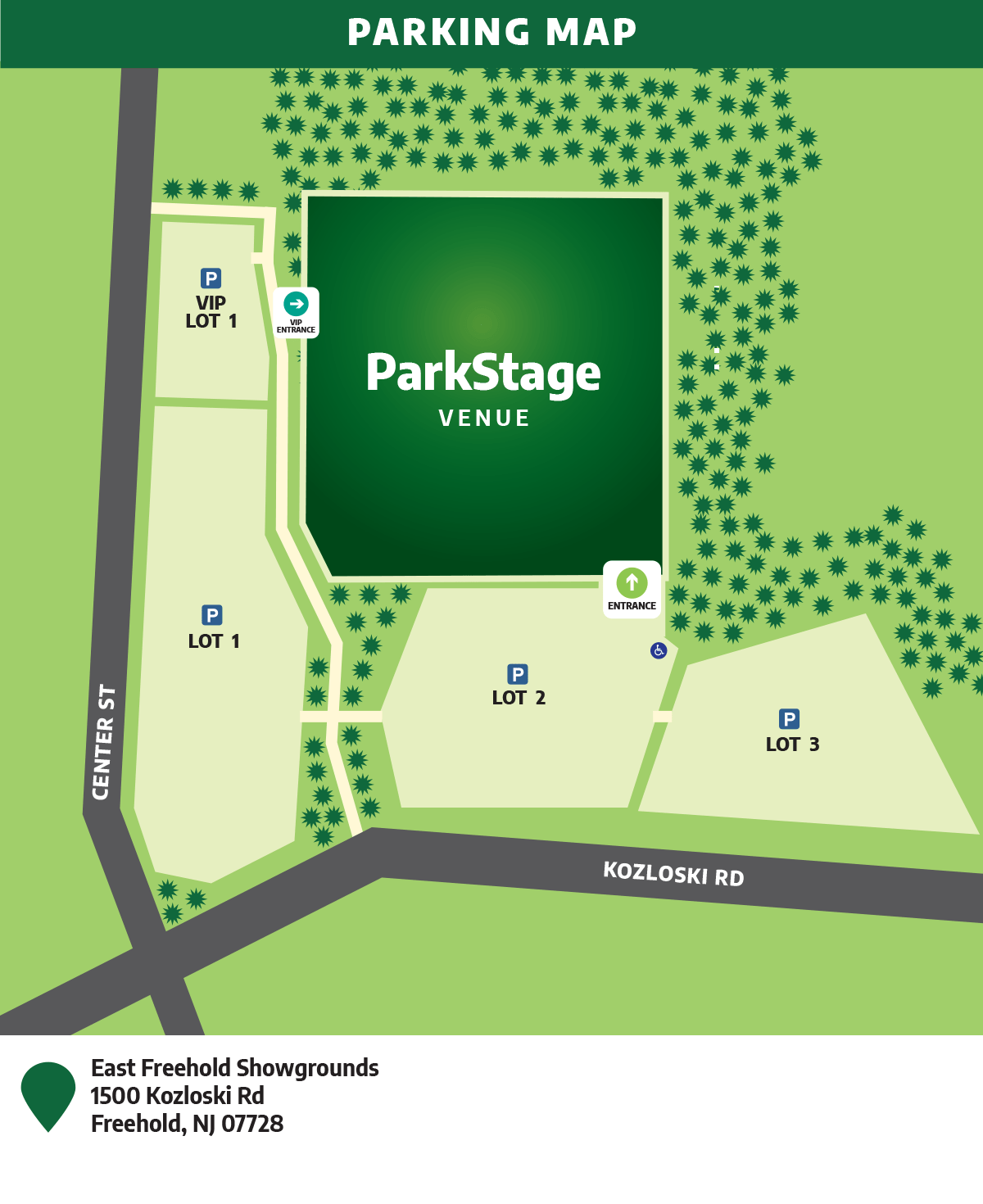
As winter chills settle across New Jersey and beyond, NFL fans now have the perfect way to stay warm while showcasing their team pride with the NFL Pom-Pom Knit Cap Collection from Pro Merch. These 12-inch knit beanies are crafted from 100% acrylic, providing a soft, durable layer to protect against cold weather without sacrificing comfort or style. Designed for both casual fans and die-hard supporters, the collection combines practicality with a classic game-day aesthetic.
A key feature of the collection is the fold-over 3-inch cuff, which displays a custom embroidered team logo front and center. Whether tailgating at the stadium, meeting friends at a local sports bar, or enjoying an outdoor weekend outing, these caps ensure your loyalty is visible in any setting. The iconic pom-pom atop each cap adds a playful, traditional touch that elevates the look, making it a winter accessory that blends fashion with fandom.
The one-size-fits-most design makes shopping easy, comfortably accommodating a wide range of head sizes without guesswork. From weekend warriors to lifelong fans, these knit caps provide a versatile, stylish solution for staying cozy while supporting your favorite NFL team. Fans can browse the complete selection of embroidered knit caps and other NFL merchandise at Pro Merch, ensuring their cold-weather wardrobe is fully game-day ready.
The NFL season continues to deliver high drama on and off the field. On Wednesday, December 10, 2025, Philip Rivers made headlines by joining the Indianapolis Colts’ practice squad at 44 years old, addressing the team’s recent quarterback injuries to Daniel Jones and Riley Leonard. Meanwhile, the Washington Commanders will face the New York Giants without rookie quarterback Jayden Daniels, sidelined due to an aggravated elbow injury.
The Cleveland Browns named Shedeur Sanders their starting quarterback for the remainder of the season after impressive early performances, giving fans renewed confidence in the team’s offensive direction. The league is also expanding its reach off the field, planning to launch a professional flag football league, leveraging the sport’s rising popularity and its inclusion in the 2028 Olympic Games.
Week 15 preparations are highlighting key injury concerns across the league. The Tampa Bay Buccaneers are monitoring wide receiver Mike Evans (collarbone) and defensive end David Onyemata (foot), the Raiders placed cornerback Kyu Blu Kelly on season-ending injured reserve with a torn patellar tendon, and the New York Jets continue to navigate setbacks as quarterbacks Tyrod Taylor (groin) and Justin Fields (knee) missed practice midweek.
Pro Merch’s NFL Pom-Pom Knit Cap Collection is more than a seasonal accessory—it’s a statement of loyalty, comfort, and style. The embroidered logos, classic pom-pom design, and high-quality materials make these caps an essential addition to any fan’s wardrobe. They’re perfect for game days, tailgates, outdoor activities, or simply keeping warm while showing off your favorite team. For fans looking to gear up for the winter months, Pro Merch’s full NFL collection offers a wide range of merchandise to stay cozy, fashionable, and team-ready all season long.
You can also follow the latest NFL news to stay updated on scores, injury reports, and league developments while sporting your new game-day gear.
As the New Jersey State Legislature moves through its current lame duck session from November 2025 through January 2026, lawmakers are confronting a slate of high-profile and often contentious legislation. With outgoing legislators wrapping up their terms, several bills addressing affordable housing, climate policy, healthcare access, and government oversight have emerged as key priorities, drawing intense public and political scrutiny.
One of the most notable developments involves a bill (S4924/A6000) that would have significantly curtailed the powers of the State Comptroller’s office by removing its investigative and subpoena authority. The proposal was met with swift opposition from watchdog groups, advocacy organizations, and members of the public concerned about accountability and transparency in government. Under mounting pressure, legislators withdrew the measure on December 9, signaling the influence of civic engagement on legislative decision-making.
Affordable housing remains a central topic for the session. Lawmakers are pushing a legislative package, including bills A4984 and S3605, aimed at expanding affordable housing options and reducing mandatory parking requirements near public transit hubs. While proponents argue that these measures will increase housing accessibility and support transit-oriented development, some local officials and community leaders have raised concerns about potential erosion of “home rule” and local zoning authority, sparking debates about the balance between state-level mandates and municipal control.
Climate and clean energy initiatives are also on the docket. New Jersey continues to pursue ambitious goals, including a proposed “100% clean energy” bill that would require all electricity in the state to come from renewable or zero-emission sources by 2035. Complementing this effort, the proposed Climate Superfund Act (S3545/A4696) seeks to hold large fossil fuel companies accountable for the costs of climate-related infrastructure improvements, positioning New Jersey as a potential leader in environmental accountability legislation.
Healthcare legislation is another major focus. Bills under consideration cover a broad range of topics, from reproductive healthcare and mental health access to emerging treatments using psilocybin in hospital-based clinical research programs. Legislation such as S3452/A4601 and S3491/A4656 aims to ensure comprehensive coverage for reproductive services through health insurance and Medicaid, while bill A2874 would lower the age of consent for behavioral healthcare treatment from 16 to 14, enhancing access for younger patients. These measures reflect ongoing efforts to modernize healthcare protections and broaden access to critical services.
The session also addresses immigrant rights, including the “Immigrant Trust Act” (S3672/A4987), which would restrict New Jersey’s participation in federal immigration enforcement and enhance protections for immigrants engaging with state agencies. Additionally, lawmakers are advancing changes to local tax procedures, such as increasing the filing fee for challenging property tax assessments from $25 to $75 to better fund county tax boards.
Lame duck sessions in New Jersey are known for their fast pace and potential for controversy, as outgoing legislators often prioritize legislation before new members are sworn in. This year’s session underscores the ongoing tension between state initiatives, local authority, and public input, highlighting how advocacy, civic engagement, and policy priorities intersect at critical moments in the legislative calendar.
For continued updates on state government activity, policy developments, and legislative coverage, Explore New Jersey offers comprehensive reporting on New Jersey politics, providing context and analysis for residents and stakeholders across the Garden State.
The outcome of these bills will shape New Jersey’s approach to housing, energy, healthcare, and government oversight in the years ahead, emphasizing the importance of monitoring legislative developments and engaging with the democratic process.
New Jersey residents should prepare for a mix of winter precipitation on Wednesday, December 11, 2025, as a trailing low-pressure system moves across the region. The first wave, tracking through southeastern Canada Tuesday night, will leave New Jersey unaffected, but it establishes a thermal boundary that will guide a second, stronger system from the Great Lakes across northern New York and into New England. This secondary system is expected to deliver snow, ice, and rain to parts of the state between roughly 10 a.m. and 6 p.m. Wednesday.
The precipitation is forecast to begin in a milder air mass, which could create initial snow, rain, or ice mixes in northwestern New Jersey. By midday, the snow/rain line is projected to settle near the I-78/I-287 corridor. Northern counties, particularly Sussex and Warren, will likely experience the most significant snowfall, with a “snow thump” expected between noon and mid-afternoon before tapering off by late afternoon. Meanwhile, central and southern regions of the state are expected to see primarily rain, though brief periods of sleet or wintry mix are possible in higher elevations closer to the northern snow line.
Weather models also suggest a wildcard scenario: if precipitation begins earlier than anticipated, surface temperatures in parts of northwestern New Jersey could drop below freezing sooner, resulting in higher snow accumulations and a more extensive wintry mix extending farther south—though likely not reaching the I-95 corridor. Without a high-pressure system to reinforce colder air from the north, warming along the coastal plain is expected to prevail, limiting snow to the northern third of the state.
Looking ahead to the weekend, meteorologists are monitoring additional snow potential, though the timing and intensity remain uncertain. A light wave of snow showers may affect southern New Jersey on Friday, while a more significant statewide event is possible Saturday night into Sunday. Tracking and forecasting for this system will intensify over the next day.
In plain terms, northwestern New Jersey can expect a mix of snow, ice, and rain on Wednesday, with the highest snow totals likely in elevated areas of Sussex and Warren counties. Central and southern regions should plan for mostly rain, except for brief wintry precipitation near the I-78/I-287 corridor. Residents are encouraged to monitor conditions closely, as earlier arrival of precipitation could increase snowfall totals in the north. For ongoing updates, forecasts, and detailed snowfall mapping, Explore New Jersey’s weather report coverage provides comprehensive guidance for the Garden State.
With a mixture of rain and snow across the state, drivers and commuters should prepare for slick roads in northwestern New Jersey, while southern regions may encounter heavy rainfall and reduced visibility during the day. Winter gear, travel caution, and attention to updates are recommended for anyone navigating New Jersey’s roads or heading outdoors during the midday to late afternoon precipitation window.
The Collingswood School District is actively exploring options to ease the travel burdens on students coming from Oaklyn and Woodlynne, whose daily commutes rank among the longest in the district. While state law requires transportation only for students who live beyond certain distances from their schools, these families fall below the mandated thresholds, leaving the district without the funding or obligation to provide courtesy shuttles. With the start of the 2026 school year on the horizon, district leaders are considering creative strategies to improve accessibility and ensure that longer travel times do not negatively affect students’ academic and extracurricular experiences.
Under New Jersey law, school districts are only obligated to provide transportation to students classified as “remote,” based on their distance from the assigned school. These requirements are outlined in N.J.S.A. 18A:39-1, which specifies that students in grades preschool through four must live more than 1.5 miles from school, grades five through eight more than two miles, and grades nine through twelve more than 2.5 miles to qualify for state-mandated busing. Students who live closer than these thresholds are considered ineligible for mandatory transportation, placing the responsibility for transit on families unless a district voluntarily provides “courtesy” or non-mandated services.
Collingswood has traditionally operated as a “walking district” for the majority of its students, providing buses primarily for special education programs or for students with disabilities. As a “receiving” district for Oaklyn and Woodlynne students, Collingswood typically relies on sending districts to fund transportation for eligible students, or provide aid-in-lieu if the cost of busing exceeds state limits. However, families of students who do not meet the remote criteria must manage longer commutes without assistance, a challenge that has prompted district officials to reconsider existing policies.
Superintendent Fred McDowell emphasized that while the district cannot currently afford to offer courtesy shuttles to all affected students, it is actively pursuing practical solutions. Discussions with municipal officials are underway to explore strategies such as staggered bus schedules, partnerships with local transit providers, and other creative approaches to reduce the impact of lengthy daily commutes. The district hopes to implement at least some of these strategies by the start of the next school year, potentially easing travel for students and their families while maintaining fiscal responsibility.
Transportation remains a critical factor in ensuring equitable access to education, and Collingswood’s ongoing review reflects a broader statewide conversation about balancing legal mandates, budget constraints, and student well-being. Families interested in understanding the full scope of New Jersey’s mandated transportation rules can find more details on the Department of Education’s official guidance.
This initiative highlights how school districts can collaborate with local municipalities and community stakeholders to address gaps in student services. For additional insights into New Jersey community initiatives, family-focused programs, and lifestyle-related resources, Explore New Jersey offers comprehensive coverage in our lifestyle section.
By exploring flexible, community-centered solutions, Collingswood is positioning itself to better support students who face long commutes, ensuring that travel logistics do not interfere with their access to high-quality education and enriching school experiences.
Hoboken is gearing up for a festive evening as Washington Street prepares to host its highly anticipated Holiday Night Out on Saturday, December 13, 2025, from 3:00 p.m. to 7:00 p.m. This one-night celebration transforms the bustling thoroughfare into a seasonal wonderland, offering residents and visitors a unique opportunity to combine shopping, dining, and community spirit in the heart of the city. Free to attend, the event promises a vibrant mix of local businesses, seasonal treats, and festive entertainment that highlights Hoboken’s charm during the holiday season.
The event features a curated array of experiences designed to delight all ages. Shoppers can explore an assortment of specialty stores, uncovering unique gifts, holiday décor, and artisanal products that emphasize the city’s small-business spirit. Local restaurants and cafes join in the festivities by offering seasonal flavors and special menus, giving attendees the chance to enjoy holiday-inspired dishes, desserts, and beverages while mingling with friends and family. Washington Street’s transformation into a winter wonderland makes the experience about more than just shopping—it’s a full celebration of community and holiday cheer.
Transportation to and from the event is easy and convenient. Attendees can take the Holiday Hop from the PATH Station or Hoboken Terminal, offering a seamless way to access favorite stores, spas, restaurants, and bars along the street without worrying about parking. This approach encourages a relaxed and leisurely evening, allowing visitors to fully enjoy the festivities while supporting local businesses along the route.
The celebration also underscores Hoboken’s commitment to fostering a sense of neighborhood connection. Participating merchants and service providers will engage directly with guests, creating moments of interaction that enhance the city’s welcoming atmosphere. Seasonal music, holiday decorations, and community-focused activations ensure that each block along Washington Street offers something special to see, taste, or experience.
Holiday Night Out is ideal for everyone—from families with children to groups of friends seeking a festive outing—and it’s a perfect opportunity for those looking to check off items on their gift lists while enjoying the season’s sights and sounds. By focusing on local businesses and community engagement, the event not only celebrates the holidays but also strengthens Hoboken’s vibrant downtown economy.
For those looking to explore other seasonal and recreational opportunities in New Jersey, our activities and fun coverage highlights events, experiences, and attractions that make the Garden State a destination for festive entertainment and family-friendly outings.
Hoboken’s Holiday Night Out promises a memorable evening where shopping, dining, and festive cheer intersect, bringing the community together in a celebration that embodies the magic of the season. Whether you’re strolling along the decorated streets, sampling seasonal treats, or discovering local treasures, the event offers a quintessential Hoboken holiday experience.
A significant new chapter is unfolding along Jersey City’s industrial waterfront, where the long-dormant former New York Daily News printing plant is being reimagined into one of the region’s most advanced logistics hubs. The Goodman Logistics Center Jersey City, a two-building, next-generation warehouse complex from the internationally recognized Goodman Group, is now moving through the development process and is slated for full delivery by late 2026. The project brings renewed momentum to an area already experiencing steady commercial growth and sits within one of the most strategically connected transportation corridors in the Northeast.
Located at 125 Theodore Conrad Drive, the 17-acre site is being reshaped to accommodate approximately 427,000 square feet of modern industrial capacity. The plan calls for two distinct structures: a primary building measuring just over 300,000 square feet and a secondary facility of roughly 122,000 square feet. Together, they are engineered to support a diverse array of industrial and supply-chain operators, from high-precision manufacturers to logistics providers to food and beverage distributors seeking robust infrastructure in a high-density urban market.
Goodman’s design incorporates the technical requirements of today’s industrial tenants, including high-capacity electrical systems, fortified flooring designed for heavy equipment, expanded trailer storage, 47 loading docks to streamline throughput, and 150 on-site vehicle spaces. With demand for well-located industrial space continuing to intensify across North Jersey, the project reflects an effort to deliver both scale and specialized functionality within proximity to major population centers.
Location remains one of the property’s defining advantages. Positioned minutes from Interstate 78, Route 1&9, the New Jersey Turnpike, the Holland Tunnel, and Port Newark, the complex is poised to serve as a powerful distribution gateway for companies targeting the broader Northeast corridor. More than 20 million consumers are reachable within a short drive, making the site particularly appealing for operations that require rapid, predictable access to regional markets. The elevated vantage points across the site also offer views toward Ellis Island and the Statue of Liberty, underscoring the property’s placement at the center of a world-class commercial landscape.
Following comprehensive demolition work and planning approvals secured in late 2025, the Goodman Group moved into the active construction phase with an eye toward establishing one of Jersey City’s most modernized industrial campuses. The development arrives at a moment when demand for well-positioned warehouse and logistics facilities continues to expand throughout New Jersey, driven by e-commerce, manufacturing reinvestment, and a tightening urban industrial market.
This project also contributes to the ongoing revitalization of Jersey City’s west side, a district increasingly recognized for significant commercial activity, long-term investment, and adaptive reuse of legacy industrial properties. For readers interested in tracking additional commercial development trends statewide, Explore New Jersey maintains extensive coverage of real estate activity, including dedicated updates available through our real estate section, accessible by visiting real estate.
As construction progresses toward its targeted 2026 completion, the Goodman Logistics Center Jersey City is positioned to become a vital addition to the region’s industrial framework, reinforcing New Jersey’s role as a premier logistics corridor and extending new opportunities for businesses seeking modern, high-access facilities in one of the country’s most competitive markets.
New Jersey continues to be home to innovators shaping the future of work, and one of the state’s most notable leaders in the HR technology space is Todd Horton, CEO and founder of KangoHR. As the company expands its national footprint and Horton’s presence as a workplace expert grows, KangoHR is emerging as a key voice in how organizations build culture, develop managers, and retain talent. For readers following New Jersey’s business landscape and emerging leadership trends, KangoHR’s trajectory offers a compelling story of local innovation influencing practices across the country. Coverage of companies transforming their industries is a core focus of our business reporting, and Horton’s work exemplifies that evolution.
Founded in 2009, KangoHR was built around a simple but increasingly essential premise: consistent employee recognition strengthens organizational performance. Under Horton’s leadership, the company has developed an employee experience platform that unifies recognition, rewards, and soft-skills development into one integrated system—an approach that reflects the changing expectations of modern workplaces. As organizations face rising turnover, hybrid workforce challenges, and increasingly competitive labor markets, KangoHR offers tools designed to help employers reinforce culture and maintain employee engagement at scale.
The platform’s foundation is a comprehensive recognition system that automates many of the touchpoints that traditionally fall to busy HR teams or overloaded managers. These include onboarding surveys, peer-to-peer appreciation, manager recognition moments, service milestones, and life-event acknowledgments. The goal is to ensure that every employee receives timely and meaningful feedback, not only during performance reviews or major corporate events, but throughout the entire lifecycle of their employment.
KangoHR also provides employers with the ability to deploy spot bonuses, holiday gifts, and tailored awards across global teams. With its centralized rewards management tools, HR leaders can track budgets, simplify gift card distribution, and deliver personalized certificates—all from a single platform. These capabilities are particularly valuable for organizations with distributed workforces or multinational teams, where consistency and timely recognition are often difficult to maintain.
Another defining component of KangoHR’s offering is its training and development programs. Recognizing that employee experience extends beyond recognition alone, the company delivers modern soft-skills and leadership training through micro-learning modules that fit into the demands of contemporary work schedules. These programs focus on communication, problem-solving, managerial readiness, and other competencies that directly influence team cohesion and culture. By integrating training into the same platform that supports recognition, KangoHR helps employers create a unified ecosystem for cultural growth and employee development.
Seamless integration with existing HRIS and payroll systems allows organizations to adopt KangoHR without major operational disruption. This interoperability has been one of the company’s strategic advantages, enabling both small and mid-sized businesses as well as large enterprises to integrate recognition programs into their existing technology stacks.
Todd Horton’s growing profile as a national thought leader—bolstered by speaking engagements, his role with WorldatWork, and his involvement in workplace-trend discussions—reinforces the company’s reputation as a forward-looking partner for organizations. His advocacy for recognition-centered leadership and sustainable culture-building strategies places KangoHR in a leading position among HR technology providers focused on employee engagement.
Today, KangoHR works with businesses across industries—from fast-growing startups to established Fortune 500 companies—tailoring programs to reflect each organization’s culture and operational needs. As the importance of employee experience continues to grow, Horton’s leadership and KangoHR’s unique approach position the company as a key contributor to shaping the future of workplace culture, both in New Jersey and nationwide.
In a business environment where employers are competing not only for talent but for long-term commitment and engagement, KangoHR’s platform offers a meaningful pathway forward. With Todd Horton continuing to expand his influence and the company investing in new ways to support recognition-driven workplaces, KangoHR remains a standout example of New Jersey innovation with national impact.
New Jersey’s independent food makers continue to elevate the state’s small business landscape, and one of the most notable recent success stories is Netty’s Sweets, a handcrafted chocolate shop now thriving in the Downtown Shops at 53 Main Street in Toms River. What began as a home-kitchen passion project has quickly evolved into a recognized destination for artisanal confections, illustrating how local entrepreneurship and community engagement continue to shape the Garden State’s commercial districts. As we highlight businesses redefining their local economies in our business coverage, Netty’s Sweets stands out as a model of craft, creativity, and community values.
Co-founders Annette Matiskiel and Nick Decuicies originally launched Netty’s Sweets as a cottage-food venture, selling their small-batch treats at farmers’ markets, pop-up events, and local celebrations across Ocean County. Their focus on premium European-style chocolate and fresh ingredients quickly developed a following, and by 2024 the pair opened their first brick-and-mortar location. Nestled within The Downtown Shops at 53 Main Street—alongside other local favorites like Spire Coffeehouse and Muller’s Creamery—the new shop gives Toms River residents and visitors access to a full lineup of handcrafted chocolates prepared daily.
Netty’s Sweets has built its reputation on quality-driven production rather than mass manufacturing. Each confection is made in small batches, allowing the team to maintain freshness, experiment with flavor profiles, and adapt offerings based on customer requests. Their approach reflects a growing statewide trend toward artisanal food production, where consumers increasingly seek authenticity, transparency, and craftsmanship in the treats they enjoy.
The shop’s menu highlights a broad assortment of chocolates and confections that rotate throughout the year. Signature offerings include rich truffles, chocolate barks, dipped strawberries, pretzels, and specialty creations that bring a modern twist to classic sweets. The team frequently develops new items based on conversations with local customers—a hallmark of their community-first philosophy. Events like Toms River’s “Downtown Night Out” not only give Netty’s Sweets a platform to showcase their work but also provide opportunities to gather inspiration directly from the people they serve.
Custom chocolate orders have become a major component of the business as well. The shop offers tailored products for weddings, school celebrations, corporate gifting, and personal milestones. Clients are invited to share logos, themes, colors, and design ideas, allowing the chocolatiers to create personalized treats that elevate any event. Gift boxes, party trays, and curated baskets are available for customers seeking ready-made options, especially during high-demand seasons.
Seasonal releases play an important role in Netty’s Sweets’ identity, with chocolates crafted specifically for holidays including Christmas, Valentine’s Day, Easter, and other key occasions throughout the year. These limited-time offerings often introduce unique flavor combinations, decorative elements, and packaging that highlight the artistry behind the brand.
The opening of Netty’s Sweets represents more than just a new local shop—it is part of a broader revitalization effort within Downtown Toms River. As independent retailers continue to populate the 53 Main Street marketplace, the town’s business environment strengthens its appeal as a walkable, community-centered destination for food, culture, and shopping. Netty’s Sweets contributes to this growth by drawing residents and visitors seeking an elevated chocolate experience grounded in local pride and handcrafted tradition.
With its blend of personal creativity, dedication to quality, and commitment to community, Netty’s Sweets has quickly become one of Toms River’s most compelling small businesses. The shop exemplifies how local makers can achieve long-term success by staying true to their craft and engaging directly with their neighbors—a formula that continues to shape New Jersey’s small business landscape.
New Jersey’s design and construction community is seeing a notable expansion in the premium surfaces market as Paragon Exotic Stone announces an enhanced suite of luxury flooring services for both residential and commercial clients. With a growing demand for sophisticated, durable, and visually striking materials, the company’s expanded offerings position it as a key player in the region’s upscale renovation and development landscape. This move aligns with the broader trends we cover within our business vertical, where craftsmanship and elevated design continue to play a defining role in the state’s evolving built environment.
Paragon Exotic Stone, known for its curated selection of natural and engineered materials, is extending its capabilities beyond raw stone distribution by strengthening its in-house fabrication, design consultation, and premium installation services. The company’s updated portfolio includes an array of rare stones—such as exotic marbles, high-grade quartzites, onyx, travertine, and custom terrazzo blends—sourced from global quarries and tailored to meet the unique requirements of New Jersey homeowners, architects, interior designers, and commercial developers.
Company representatives note that this expansion was driven by increased consumer interest in luxury flooring solutions that deliver both long-term durability and distinctive aesthetic value. As more property owners seek one-of-a-kind interiors, Paragon’s team has invested in new machinery, skilled craftsmen, and advanced finishing techniques capable of producing precision-cut tiles, large-format slabs, and custom-patterned surfaces. These capabilities allow clients to integrate premium stone into a wide range of applications—from modern kitchen renovations to hotel lobbies, retail environments, multi-unit residences, and executive office spaces.
The company’s enhanced design advisory service has also become a key differentiator. Clients now work directly with specialists who provide guidance on stone selection, finish options, layout concepts, and long-term maintenance planning. This consultative approach ensures that each project aligns with the client’s vision while accommodating structural conditions, traffic levels, and architectural style. For high-use commercial spaces, Paragon offers performance-oriented recommendations that balance elegance with resilience, ensuring flooring systems retain their beauty despite heavy foot traffic and daily wear.
Industry observers note that natural stone has seen a resurgence in the luxury market as consumers increasingly prioritize materials that are both visually expressive and environmentally conscious. Paragon’s supply chain emphasizes responsible quarrying and sustainable sourcing practices, an area of growing importance to designers and property owners seeking to combine modern aesthetics with ethical procurement. The company’s expanded offerings reflect this shift, with more eco-friendly stone options and durable engineered alternatives tailored to long-term lifecycle performance.
Commercial clients have already begun integrating Paragon Exotic Stone’s new flooring solutions into large-scale developments across the state, including boutique hospitality projects, corporate build-outs, retail expansions, and upscale multifamily properties. Residential demand remains strong as well, with homeowners exploring stone flooring as a statement feature that enhances property value while delivering timeless visual impact.
With its enhanced product line, strengthened service model, and investment in craftsmanship, Paragon Exotic Stone is positioning itself to meet the evolving needs of New Jersey’s design-forward residential and commercial markets. The expansion arrives at a time when property owners are increasingly seeking distinguished materials that elevate interior spaces and withstand the demands of modern living.
As New Jersey’s architectural and design landscape continues to mature, companies like Paragon Exotic Stone illustrate how local businesses are setting new standards for luxury finishes and custom-built environments.
New Jersey is now home to a pioneering technology initiative as Tekcesta LLC, a Hispanic- and woman-owned enterprise, officially launched a line of privacy-first AI appliances and hybrid computing solutions aimed at small- and medium-sized businesses (SMBs) and local government entities. With a focus on data sovereignty and security in sectors subject to strict regulatory oversight, the company is positioning itself at the intersection of innovation, compliance, and practical adoption of artificial intelligence for organizations often overlooked by larger tech providers. The announcement underscores a growing trend in the state’s business landscape toward tailored technology solutions that address both operational efficiency and cybersecurity demands.
Tekcesta’s new offerings are designed to provide organizations with on-premises AI processing capabilities that reduce dependence on cloud services while maintaining strict control over sensitive data. By blending on-site hardware with hybrid cloud integration, these solutions enable SMBs and municipalities to harness AI-driven analytics, process automation, and predictive modeling without risking exposure of private information or violating compliance mandates. This focus is particularly relevant for sectors such as healthcare, finance, and local government services, where federal and state regulations demand rigorous oversight over data storage, processing, and access.
According to Tekcesta executives, the product line was developed in direct response to the challenges faced by smaller organizations that often lack the IT resources or negotiating power to implement AI securely. “Our goal is to democratize advanced AI technologies for organizations that need them most but are frequently left behind by enterprise-focused vendors,” said a company spokesperson. “We prioritize privacy, control, and regulatory compliance, giving local governments and small businesses confidence that their data is safe while benefiting from AI capabilities that can improve decision-making and efficiency.”
The launch also represents a broader statement about diversity and inclusion in New Jersey’s tech sector. As a minority- and woman-owned company, Tekcesta demonstrates how innovative enterprises led by historically underrepresented groups can develop cutting-edge solutions while addressing critical market needs. This visibility has resonated with local business leaders and economic development organizations, who highlight the importance of supporting companies that contribute to both technological advancement and community representation.
Early adopters of Tekcesta’s systems have reported measurable improvements in operational workflows. Hybrid AI appliances have allowed SMBs to automate customer-service interactions, streamline supply chain management, and enhance cybersecurity monitoring without extensive staff expansions. Local government agencies are leveraging these solutions for predictive maintenance of public infrastructure, smart resource allocation, and data-driven policy planning, all while maintaining strict adherence to privacy regulations and minimizing reliance on external cloud platforms.
Industry analysts note that Tekcesta’s approach aligns with a broader shift in enterprise IT toward privacy-centric AI. With concerns about data breaches, regulatory fines, and compliance risks rising, organizations across the United States—and particularly in states like New Jersey with dense regulatory frameworks—are seeking solutions that provide both technological advantage and risk mitigation. By offering appliances that combine local processing with selective cloud integration, Tekcesta addresses these needs while creating a scalable path for AI adoption across a range of sectors.
For business owners and local officials looking to learn more about Tekcesta’s AI appliances, hybrid platforms, and implementation strategies, additional resources and case studies are available through our business section.
As the New Jersey tech ecosystem continues to expand, Tekcesta’s launch highlights the growing role of companies that prioritize privacy, regulatory alignment, and inclusivity. For SMBs and local governments navigating an increasingly digital and data-driven world, solutions like Tekcesta’s represent a practical, secure, and forward-looking pathway to leverage artificial intelligence without compromising control or compliance.
Prescription drug spending in New Jersey continues to rise at a pace that is outstripping national trends, placing substantial strain on public workers, their families, and the agencies and unions that negotiate on their behalf. New data and ongoing legislative debates indicate that the state’s health-care cost structure—already among the highest in the country—is being pushed further upward by the proliferation of high-cost medications, elevated utilization patterns, and structural challenges built into the State Health Benefits Program.
New Jersey’s public-sector workforce has long relied on a health plan known for its broad benefit offerings, but that generosity now comes with a steep price. In 2023, the average annual cost per public worker in the State Health Benefits Program climbed to approximately $22,000—roughly 60 percent higher than the national average across both public and private plans. Rising medical inflation is part of the story. Hospitals, physicians, and drug manufacturers have raised prices across the board, and New Jersey is feeling those increases acutely. Yet several local dynamics are adding distinct pressure to the system.
One of the most significant drivers is the rapid uptake of high-cost GLP-1 medications originally designed to treat diabetes but now widely prescribed for weight loss. Drugs such as Ozempic, Wegovy, and Zepbound have reshaped the pharmaceutical landscape nationwide, but New Jersey stands out because its state health plan is among the few that offers broad coverage for these medications. While many employers and insurers are limiting or excluding these treatments due to their extraordinary cost, New Jersey’s more expansive coverage means higher utilization—and consequently, higher total spending.
Another factor is demographic and market drift within the SHBP. As healthier employers migrate away from the state plan and into private alternatives, the remaining membership pool tends to include individuals with greater health-care needs. This adverse selection dynamic pushes overall costs upward and increases premiums for the workers and agencies that remain in the system.
These rising expenses come at a moment when the debate over prescription drug pricing and negotiation power is intensifying in Trenton. Pharmacy Benefit Managers (PBMs), the intermediaries responsible for negotiating drug prices and securing rebates, are at the center of that debate. While PBMs play a controversial role nationwide, they also serve as one of the few mechanisms capable of securing substantial savings on medications—savings that directly benefit unions, employers, and employees.
Pending legislation in the Assembly, particularly A-4953, has become a focal point of concern for many in the labor and health-policy communities. Critics argue that the bill would prohibit incentive structures that PBMs use to negotiate lower prices on behalf of large purchaser groups, including public-sector unions. Without these tools, they warn, prescription drug costs could escalate even more rapidly, potentially adding hundreds of millions of dollars in new expenses across the commercial market and public plans statewide.
Supporters of maintaining PBM negotiating leverage note that the U.S. insurance system already faces misaligned incentives, especially regarding preventative and long-term health investments. Employers may be reluctant to pay for costly medications today—such as GLP-1 weight-loss drugs that could reduce future rates of chronic diseases—because they may not be the ones to benefit from the long-term savings. Removing price-negotiation mechanisms, they argue, would amplify these pressures rather than alleviate them.
Transparency has also emerged as a legislative priority. For years, policymakers and health advocates have pressed for clearer visibility into the prescription-drug supply chain, citing opaque pricing practices that make it difficult to understand why costs spike from year to year. Recent state laws aim to introduce more rigorous tracking and oversight of drug pricing trends, but those reforms will take time to yield actionable insights.
In the meantime, public workers across New Jersey are demanding that the state protect their ability to access high-quality health care without facing unsustainable premium increases. For many residents, health insurance is tied directly to their employer or union, making every legislative proposal concerning drug pricing or benefit design a matter of direct financial impact. As policymakers evaluate the long-term implications of A-4953 and related proposals, unions and patient advocates are urging them to preserve tools that keep prescription drugs accessible and affordable.
Residents seeking broader context on how these debates intersect with wellness, coverage, and statewide public-health concerns can explore additional reporting and resources through our health and wellness section.
The stakes are high. Prescription drug affordability is no longer an abstract policy discussion—it is a daily reality for New Jersey families balancing rising premiums, chronic health needs, and the hope that the state will chart a path that safeguards both fiscal stability and access to care.
The New Jersey Devils finally found the spark they needed, grinding out a 4-3 win over the Ottawa Senators to put an end to a difficult five-game slump. At 17-12-1, the Devils remain on the edge of the Eastern Conference playoff mix, sitting 11th in the standings as they work through injuries, uneven scoring and the growing pressure of a season that has tested their depth at every level. For fans tracking every shift, goal and roster update across the New Jersey Devils landscape, this victory represented a crucial reset heading into a challenging week.
New Jersey’s long-awaited breakthrough in Ottawa was fueled by a third-period push that showcased the team’s resilience. Cody Glass delivered the decisive goal, a timely tiebreaker that capped off one of the club’s most complete periods in recent weeks. Arseny Gritsyuk and Simon Nemec also added key contributions—Gritsyuk flashing his finishing touch and Nemec continuing to grow into his expanded responsibilities on the blue line. The win did more than snap a skid; it allowed the Devils to prove they can still manufacture offense in high-pressure moments, something that had eluded them throughout their losing streak.
The next test comes quickly. New Jersey returns to the Prudential Center for a Thursday night matchup against the Tampa Bay Lightning, their third meeting of the season. Tampa Bay dominated the previous contest with a 5-1 victory, exposing defensive lapses and exploiting New Jersey’s depleted roster. This rematch offers the Devils a chance to respond on home ice—and to keep the momentum from Ottawa alive—while continuing to navigate a roster stretched thin by long-term injuries.
For the first time in several games, the Devils enter a matchup without any new additions to their injury list. Unfortunately, the long-term injuries remain a major storyline shaping the season’s trajectory. Jack Hughes continues his recovery from November finger surgery. Although he has returned to the ice and resumed limited skating, he is still unable to hold a stick, keeping his projected return in the mid-January range. Defensive stability also remains compromised as Brett Pesce and Johnathan Kovacevic remain on long-term injured reserve, with upper-body and knee injuries, respectively, expected to keep them out until at least January. Offensive depth has also been thinned by injuries to Evgenii Dadonov, Zack MacEwen and Marc McLaughlin, all of whom remain sidelined.
With so much cap space tied up in injured reserve and few short-term contracts available to move, the Devils remain in a tight financial position. The team continues to operate in what management has referred to as a “dollar in, dollar out” environment, meaning any trade acquisition requires an equivalent salary going the other way. This constraint has only intensified speculation surrounding potential deals, with the Devils reportedly connected to conversations around defense and high-impact forwards—including chatter about Quinn Hughes, though such a move would require significant maneuvering.
Beyond Newark, the Devils’ organizational depth received attention over the weekend with standout performances from the Utica Comets. After enduring their own streak of tough outings, Utica delivered one of their strongest games of the season on Friday, rolling to a 5-1 victory over the Bridgeport Islanders. Goaltender Jakub Malek was sharp, stopping 30 of 31 shots to earn his first AHL win of the year following a stint in the ECHL. The night also featured contributions from top prospects Lenni Hameenaho, Cam Squires and Ethan Edwards, each finding the scoresheet and highlighting the pipeline of young talent working its way toward New Jersey.
Utica carried that energy into their next game but fell short in a 3-2 overtime loss. Kyle Criscuolo tied the game late with a shorthanded finish off a precise feed from Hameenaho, earning the team a point. Goaltender Nico Daws delivered another solid performance, stopping 30 of 33 shots, but it wasn’t enough to secure back-to-back wins. Still, the weekend marked a pronounced step forward for an AHL squad that has struggled to find rhythm.
The Comets’ recent improvement followed significant line adjustments prompted by Angus Crookshank’s NHL recall. The reshuffling elevated Hameenaho to the second line and moved Squires into a larger role on the third. Criscuolo, shifted to top-line center, scored in both games after swapping places with Ryan Schmelzer. Thomas Bordeleau, now slotted into fourth-line duties, remained part of the overhaul as coaches looked to spark more consistent offensive pressure. While the sample size remains small, the changes delivered one of Utica’s most promising weekends of the season.
The prospect pipeline also continued to generate positive signs beyond Utica. Mason Moe is heating up at the University of Minnesota, adding to his total with a highlight-reel goal and climbing to five goals and three assists. David Rozsival has been consistently productive for the Green Bay Gamblers in the USHL, extending his strong stretch with his 12th goal of the year. Chase Cheslock posted a three-assist performance for the University of St. Thomas, bringing his season tally to 13 points in 17 games—impressive numbers for a defense-first blue-liner. Goaltender Veeti Louhivaara has also steadied his game, posting a 2.43 GAA and .918 save percentage for JYP U20, a welcome rebound after a season marked by league transitions.
For the Devils, Tuesday’s win in Ottawa served as a necessary reminder of what this roster can accomplish when playing with urgency and structure. With major players still recovering, prospects making progress and cap constraints forcing discipline at the front office level, New Jersey enters tonight’s game against Tampa Bay looking to build on a victory earned the hard way. The season remains long, the standings remain tight and every point carries weight as the Devils work to turn momentum into sustained success.
A national debate with deep local implications intensified this week as Congress advanced new oversight measures aimed at uncovering the federal government’s use of U.S. military installations to detain immigrants. For New Jersey, the development hits particularly close to home: Joint Base McGuire-Dix-Lakehurst in South Jersey has already been approved as a site to hold detainees, positioning the state at the center of a contentious immigration and defense-policy intersection. The issue has quickly become a major point of discussion across New Jersey’s evolving politics landscape.
The new congressional requirement, folded into the latest defense spending bill, directs the Department of Defense to deliver comprehensive reporting on how military resources are being deployed in support of immigration enforcement. Lawmakers are seeking clarity on the number of detainees housed on military property, associated operational and transportation costs, specific bases being used and the extent to which military aircraft are involved in removal operations. The measure reflects mounting frustration among members of Congress who say federal agencies have provided limited visibility into a rapidly expanding practice.
For New Jersey residents and officials, the matter is especially pressing. The federal government has authorized Joint Base McGuire-Dix-Lakehurst to house at least 1,000 detainees, with the capacity to scale to 3,000. The designation of a major military site in the Garden State for civilian immigration detention has stirred concern across political lines, prompting questions about oversight, operational transparency and the long-term role of the base in national immigration strategy.
New Jersey’s Democratic congressional delegation has been outspoken in its opposition, characterizing the move as a misuse of military infrastructure. They argue that the reliance on a defense installation for large-scale detention represents a structural shift in federal enforcement practices, one they say requires closer monitoring and a more deliberate policymaking process. Advocacy groups across the state echo these concerns, warning that the facility could operate under fewer checks and balances than New Jersey’s existing detention centers, which are already subject to ongoing debate and regulatory scrutiny.
Local officials have also raised alarms about the broader implications of hosting detainees on a military base. Questions have surfaced regarding operational standards, access for legal representation, medical care protocols and the potential for long-term expansion beyond the initially stated capacity. These considerations have fueled ongoing public dialogue, particularly in communities surrounding the joint base, where residents are eager for clarity on both the immediate and long-range impacts of the designation.
The heightened attention from Congress may signal a turning point. The mandated report is expected to provide long-requested details, including logistical plans, financial assessments and the strategic reasoning behind selecting military facilities for detention operations. While federal officials have described the use of bases as a temporary solution to broader immigration system strains, New Jersey’s lawmakers insist that temporary measures still demand robust oversight and transparent communication with the public.
Beyond federal dynamics, the situation stands to shape the ongoing political narrative within New Jersey. As immigration remains one of the most nationally consequential policy issues, the presence of a large federal detention site within state borders places New Jersey squarely in the path of the debate. Elected officials, policy analysts, local organizers and residents continue to weigh in, underscoring concerns ranging from humanitarian standards to defense-resource allocation.
The coming months will determine whether congressional action results in meaningful visibility into how the federal government is utilizing military infrastructure for immigration purposes. For New Jersey, the outcome will likely influence not only policy discussion but also how the state prepares for potential future expansions or operational changes at Joint Base McGuire-Dix-Lakehurst. With national attention now focused on transparency and accountability, New Jersey’s role in this unfolding debate will remain significant as lawmakers, community leaders and residents seek clarity on the path ahead.
Morris County’s commitment to preparing the next generation of skilled professionals was on full display as the county’s leadership, educators and community partners gathered for an open house at the newly launched Career Training Center on the County College of Morris (CCM) campus. The event marked a major milestone for the Morris County Vocational School District (MCVSD) as it expands its capacity, broadens its share-time programs and strengthens a regional workforce pipeline that continues to evolve with the needs of emerging industries. As education, lifestyle and workforce priorities continue to intersect across New Jersey, this development adds meaningful momentum to the county’s broader lifestyle landscape.
The celebration began with a performance by the MCVSD string ensemble, setting the tone for a showcase that blended student talent with academic innovation. Culinary arts students prepared an array of small plates and desserts for attendees, while student ambassadors guided visitors through the 46,350-square-foot facility. The building features a series of immersive learning environments designed for hands-on training in high-growth sectors including artificial intelligence, renewable energy, dental and medical assisting, supply chain operations and various technical disciplines that reflect shifting economic priorities statewide.
MCVSD officials used the event to announce that applications are now open for their share-time programs, which allow high school students to split their day between traditional coursework and career-focused technical education. The announcement drew strong interest, particularly from families and prospective students eager to take advantage of the district’s expanded capacity.
Remarks were delivered by MCVSD Superintendent Dr. Anita Champagne, Commissioner John Krickus and CCM President Dr. Anthony Iacono. The open house drew a prominent roster of county representatives, including Commissioner Douglas Cabana, Assistant County Administrator Brian Murray, MCVSD Board President Barbara Dawson and multiple CCM Trustees such as Paul Licitra, George Milonas, Loretta Gragnani and James Loveys. Their message was unified: the Career Training Center represents a transformational step in connecting education with the region’s evolving job market.
Commissioner Krickus noted that the collaboration between MCVSD and CCM is positioning students to meet the demands of fast-growing industries. He emphasized that the new facility is already opening doors for learners who want early access to marketable skills, industry certifications and pathways that lead directly to both employment and higher education.
The Career Training Center officially opened in September and adds room for several hundred additional students. Its share-time programs emphasize college readiness, trade-specific skills and industry credentials, with many offerings enabling students to earn college credits before graduating high school. The model gives juniors and seniors the flexibility to attend career-aligned technical training for half of each school day, creating a streamlined bridge between classroom learning and real-world application. Dr. Champagne underscored this advantage, highlighting how hands-on opportunities and credential-based learning give students a competitive edge when preparing for future roles.
The application window for current 10th graders is open through February 17, 2026, and students are encouraged to explore the full range of programs available on the district’s website. With increasing demand for skilled workers in sectors ranging from advanced manufacturing to health sciences, the district anticipates strong interest.
Dr. Iacono echoed the value of the partnership, noting that students can simultaneously build college credits and prepare for in-demand careers. This dual-benefit approach reduces costs for families while helping employers throughout the region cultivate a stronger, more versatile workforce.
The open house also welcomed a number of municipal and county leaders, including Chester Borough Mayor Janet Hoven, Denville Mayor Thomas Andes, Morris County Park Commissioners Douglas Gabel and Mohamed Seyam, and Morris County Ambassadors Henry Lee and Roberta Strater. Senior CCM administrators, including Patrick Enright, Melissa Albright, Julian Gomez and Regina Ashford, joined the event as well, reinforcing the institutional alignment behind this educational initiative.
Constructed at a cost of $26.8 million, the Career Training Center was funded through a combination of support from the Securing Our Children’s Future Bond Act and Morris County. Its location—adjacent to CCM’s Advanced Manufacturing and Engineering Center and the soon-to-open Entrepreneurship and Culinary Science Center—establishes a concentrated hub for technical education, entrepreneurial development and workforce training. Together, these facilities form a growing regional nexus for students seeking high-value pathways into competitive fields.
For families, students and employers throughout Morris County, the Career Training Center represents an exciting chapter in the county’s long-term workforce strategy. The expansion signals an investment not only in education but in the broader economic ecosystem that continues to shape life in the region. Those interested in learning more about the programs offered through MCVSD and CCM can explore their respective websites for full details and enrollment guidance.
With its modern infrastructure, strong institutional partnerships and focus on next-generation careers, Morris County is making a definitive statement about the future of technical education in New Jersey—and the opportunities it intends to create for its residents.
The Northern Lights may be synonymous with remote Arctic landscapes, but New Jersey has quietly emerged as an unlikely spectator during periods of intense solar activity. While the aurora borealis does not grace the state on a routine basis, major geomagnetic disturbances have proven that the Garden State is not too far south to experience the show—provided the conditions align and observers know where to look. Interest in these events has grown dramatically, and with the sun approaching the height of its latest solar cycle, residents are increasingly eager to understand when the next burst of color may illuminate their skies. For ongoing updates on atmospheric and sky-watching conditions, many residents follow the state’s dedicated weather coverage, including the weather report section at Explore New Jersey.
New Jersey’s proximity to major metropolitan hubs and its naturally bright landscape do create challenges. Unlike northern-tier states, where the aurora occasionally breaks through even during moderate disturbances, New Jersey typically requires an exceptionally powerful event. That threshold is not met often, but when it is, the results can be surprisingly dramatic. During the major solar storms of late 2025, the aurora became visible from the northern border to the southern shore, illustrating that the Garden State does get its moments—just not without the right mix of solar and local conditions.
Sightings in New Jersey hinge primarily on geomagnetic storm intensity. For the aurora to drift far enough south, a strong disturbance classified at least as a G3 is necessary; more widespread visibility typically corresponds with G4 or G5 levels. These are the same conditions that allow the aurora to spill beyond the Canadian border and light up skies across the Lower 48. When one of these rare but potent events occurs, even observers in dense suburban regions may notice unusual colors creeping above the horizon. Still, residents in rural regions with wide, unobstructed sightlines tend to witness the most defined activity.
Because the aurora is never visible during daylight hours, timing is just as important as solar power. Observers generally have their greatest success between late evening and the early morning window when natural darkness is deepest. Many stargazers prefer positioning themselves around midnight, when the sky is at its darkest and atmospheric interference is often minimal. Planning ahead is essential, and resources that track night-sky forecasts—such as Explore New Jersey’s dedicated weather report hub—often provide meaningful guidance for ideal conditions.
Light pollution remains New Jersey’s biggest obstacle. From the glow of Newark and Jersey City to the spillover from the New York metropolitan region, much of the state operates under a permanently brightened dome. For aurora enthusiasts, the key is to move away from population centers and toward the state’s lesser-developed regions. High Point State Park, the sprawling wilderness of the Pine Barrens, and the quiet farmlands of northwest counties such as Sussex and Warren consistently offer the deepest skies. These areas not only reduce light contamination but also provide broad views of the northern horizon, which is where the aurora typically appears for New Jersey residents.
Even under strong geomagnetic conditions, the naked eye may not always detect vivid displays. Many New Jersey viewers describe seeing a pale red or green haze rather than the swirling curtains often seen in photos. Modern smartphones, however, can dramatically enhance the experience. With night mode or long-exposure settings, a phone positioned on a tripod can capture colors and patterns that the human eye struggles to interpret in low light. This technological advantage has contributed to a surge of local images during recent solar storms and has helped fuel interest across social media and community observatories.
The potential to view the Northern Lights from New Jersey will always depend on a combination of powerful solar storms, darkness, clear skies, and strategic positioning. While these events remain infrequent, they are no longer considered impossible or even improbable. With the sun entering one of its most active phases in more than a decade, New Jerseyans could see more opportunities to witness the spectacle. Monitoring atmospheric forecasts, keeping an eye on geomagnetic alerts, and following statewide sky-watching resources such as the weather report section on Explore New Jersey can position residents to make the most of the next event.
In a state better known for its shoreline, forests, and bustling urban centers, the occasional appearance of the aurora borealis adds a rare celestial dimension. New Jersey may not be the first place that comes to mind when discussing the world’s great sky shows, but when solar forces align, the Garden State proves it can hold its own.