

New Jersey’s residential real estate market continues to evolve at a remarkable pace, driven by changing lifestyles, shifting workplace dynamics, population movement, and growing demand for communities that offer more than simply a place to live. Across the state, developers, housing professionals, relocation specialists, and community leaders are adapting to a marketplace where residents increasingly seek convenience, connectivity, quality amenities, and a stronger sense of belonging.
Recent developments in Jersey City and Northern New Jersey illustrate how the housing industry is responding to those demands. From large-scale residential redevelopment projects designed to reshape urban neighborhoods to expanding relocation services helping families navigate major life transitions, the state’s housing sector continues to demonstrate resilience, innovation, and an increasingly community-focused approach.
One of the most visible examples of this trend is the arrival of Lazul West, a transformative mixed-use residential development that is helping redefine expectations for modern apartment living on Jersey City’s rapidly growing West Side. At the same time, established relocation companies such as The Padded Wagon continue expanding services designed to assist families and individuals relocating both within New Jersey and across the country.
Together, these developments reveal a larger story unfolding throughout the Garden State: housing today is about much more than square footage. It is increasingly about lifestyle, accessibility, community engagement, and creating environments where residents can build meaningful connections.
Jersey City has long served as one of New Jersey’s most dynamic development markets, and the city’s West Side has emerged as one of the most closely watched neighborhoods in the region. Once characterized primarily by industrial and warehouse properties, the area is experiencing a significant transformation as residential investment, commercial activity, and infrastructure improvements continue to reshape the local landscape.
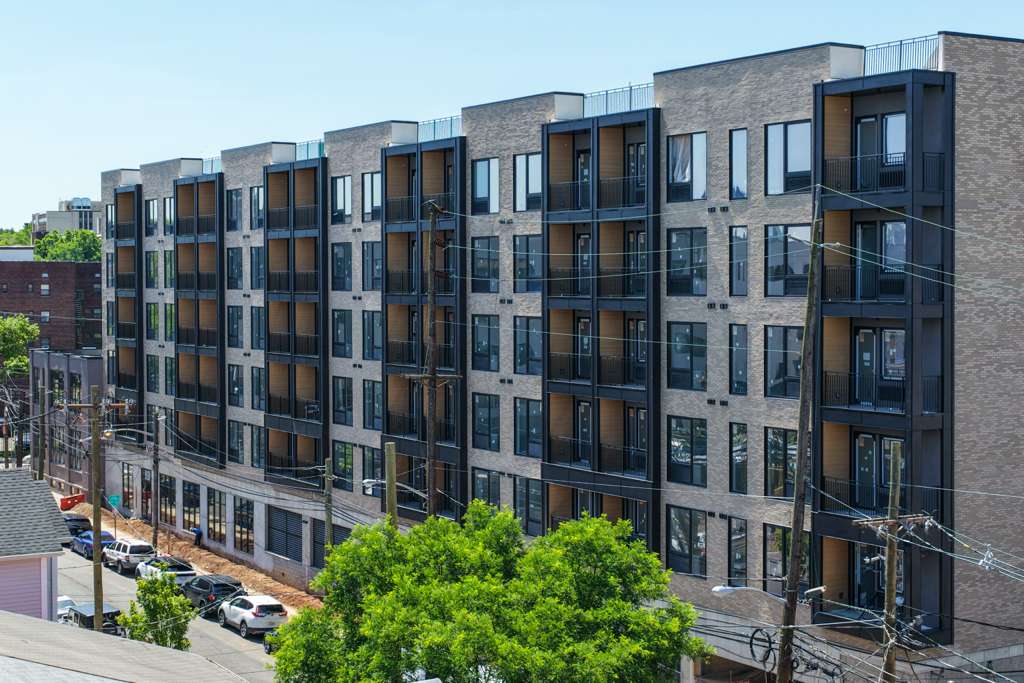
At the center of that evolution stands Lazul West, a six-story mixed-use development created through the adaptive reuse and expansion of a former warehouse property. The project represents a growing trend in urban redevelopment, where underutilized industrial sites are being transformed into modern residential destinations while preserving elements of the neighborhood’s historic character.
Located along West Side Avenue, the development introduces 202 residential units alongside commercial spaces intended to activate the streetscape and strengthen community engagement. The project reflects a broader movement in contemporary urban planning that prioritizes mixed-use environments where residents can live, work, shop, socialize, and connect within a single integrated setting.
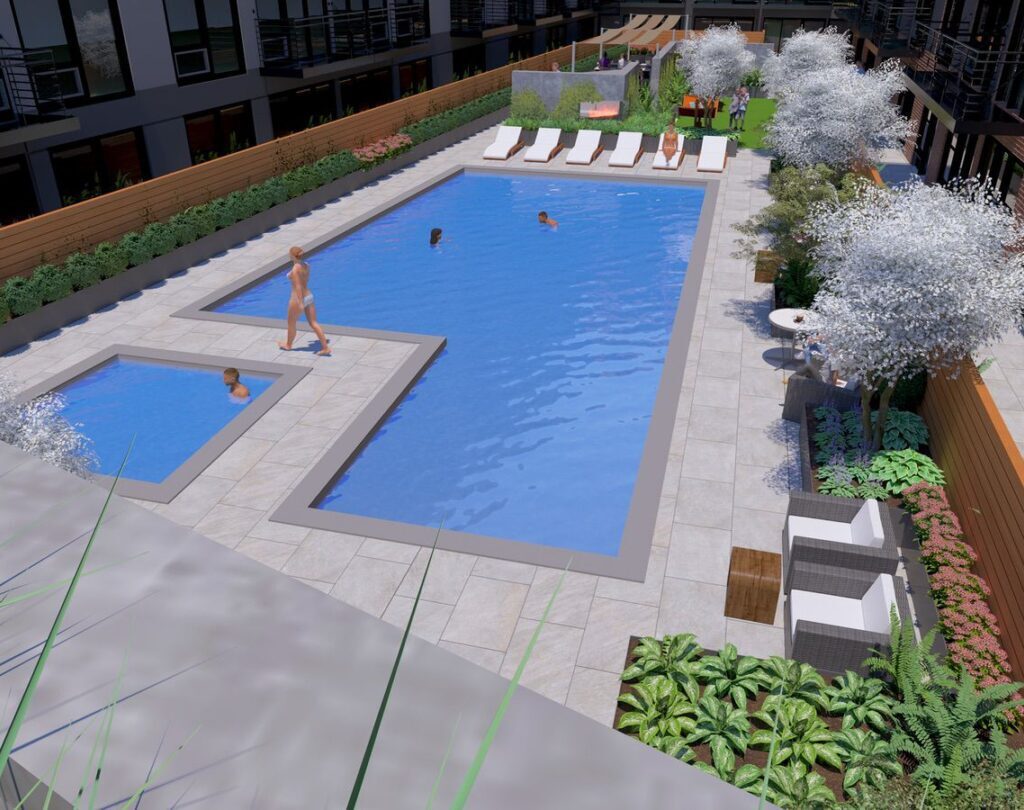
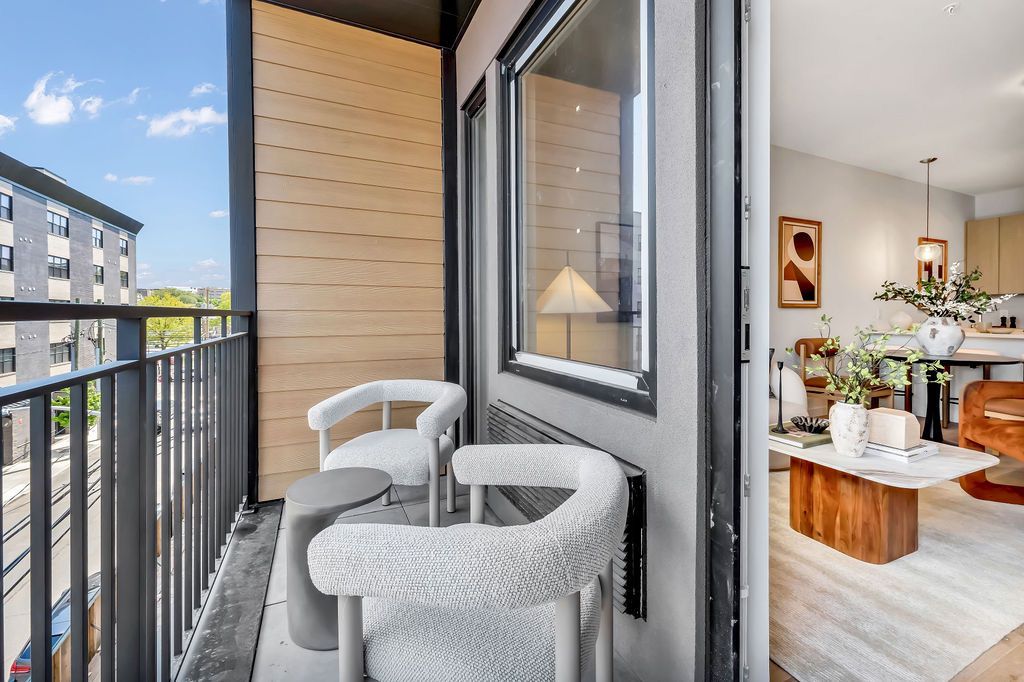
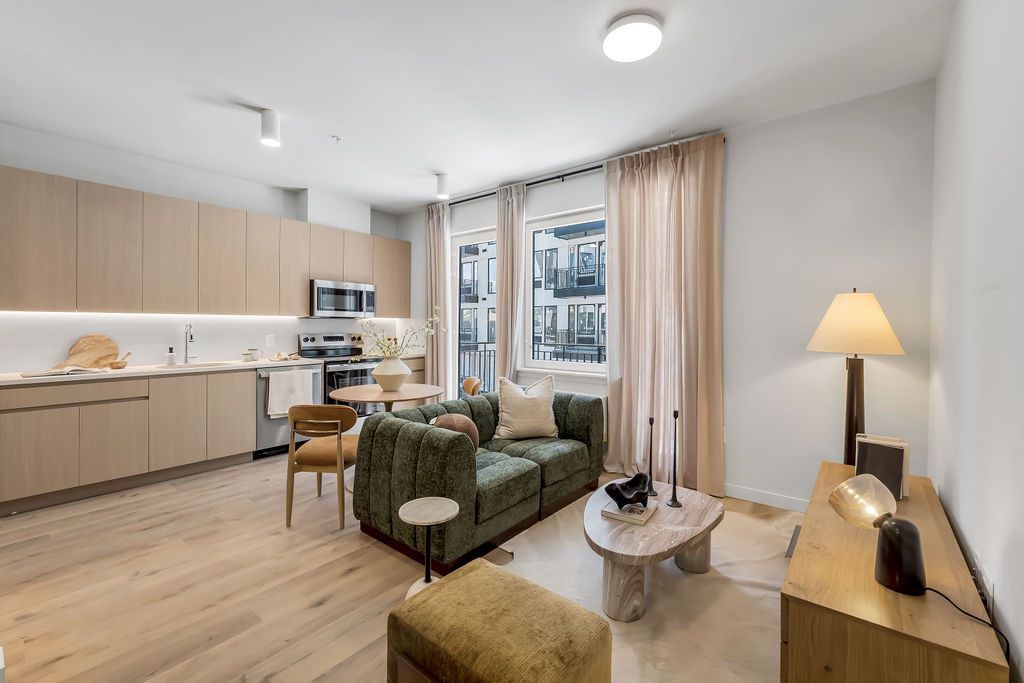
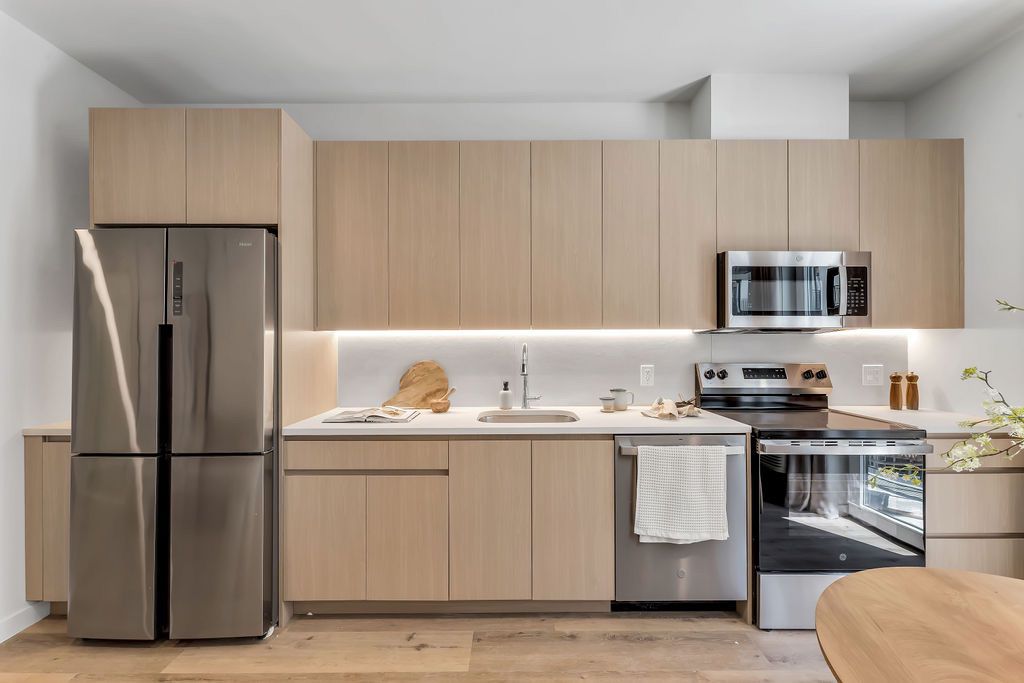
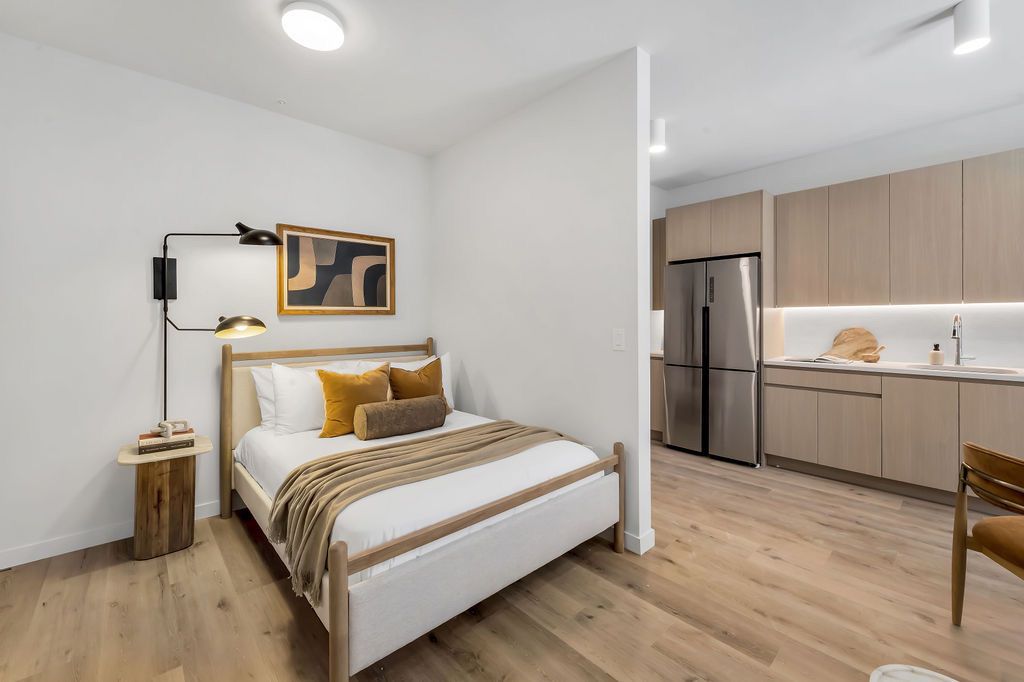
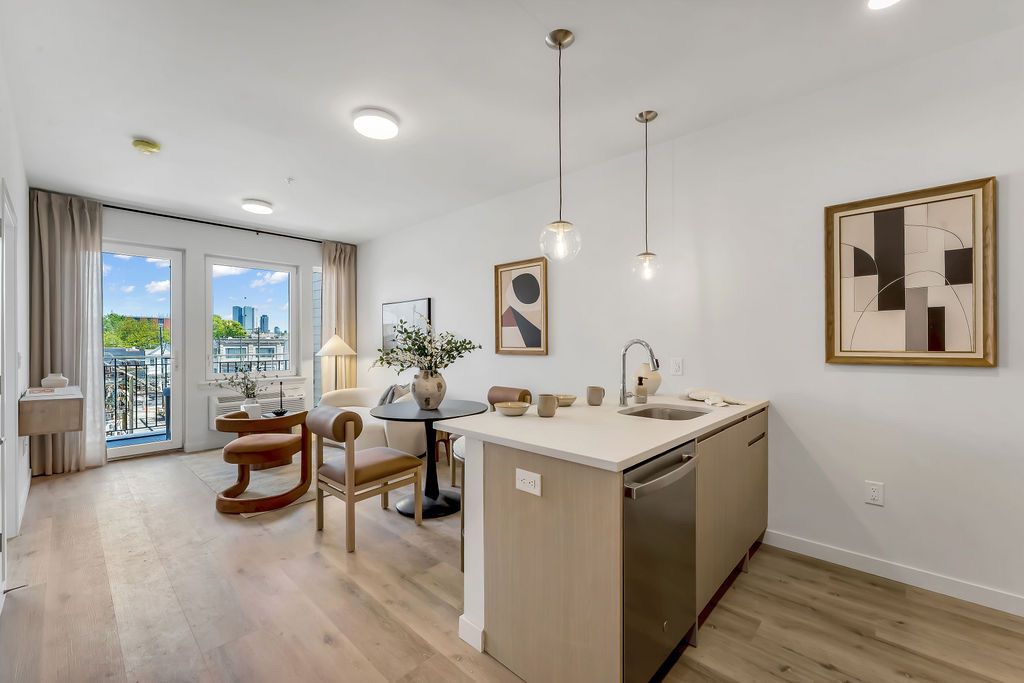
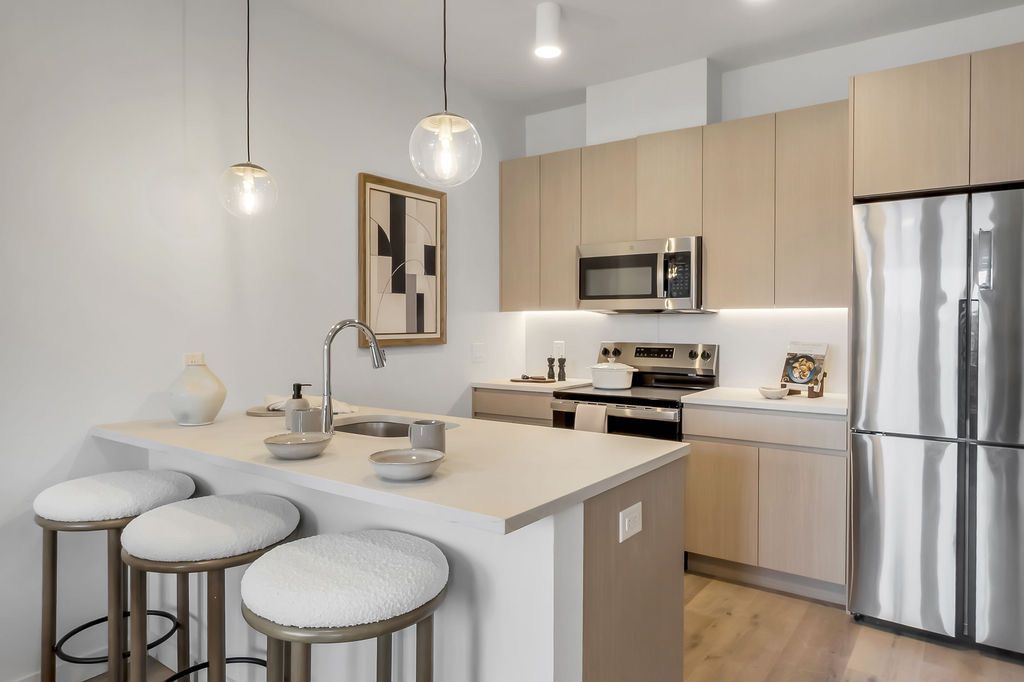
What distinguishes Lazul West from many recent developments is its emphasis on cultivating a neighborhood identity rather than simply leasing apartments.
The leasing strategy has intentionally focused on community-first principles, with outreach efforts aimed at local residents, first responders, healthcare workers, business owners, and individuals already invested in the West Side neighborhood. This approach reflects a growing recognition among developers that successful projects must become part of the communities they enter rather than existing separately from them.
As Jersey City continues to attract new residents from throughout New Jersey, New York, and beyond, projects that prioritize local engagement are increasingly becoming a defining feature of responsible urban development.
The design philosophy behind Lazul West further reflects changing expectations among renters. Inspired by the rich blue hues of lapis lazuli, often referred to as the “stone of the sky,” the development embraces themes of balance, clarity, and connection. While architectural concepts often remain secondary to practical considerations in residential projects, modern renters increasingly seek environments that contribute to overall quality of life rather than merely providing shelter.
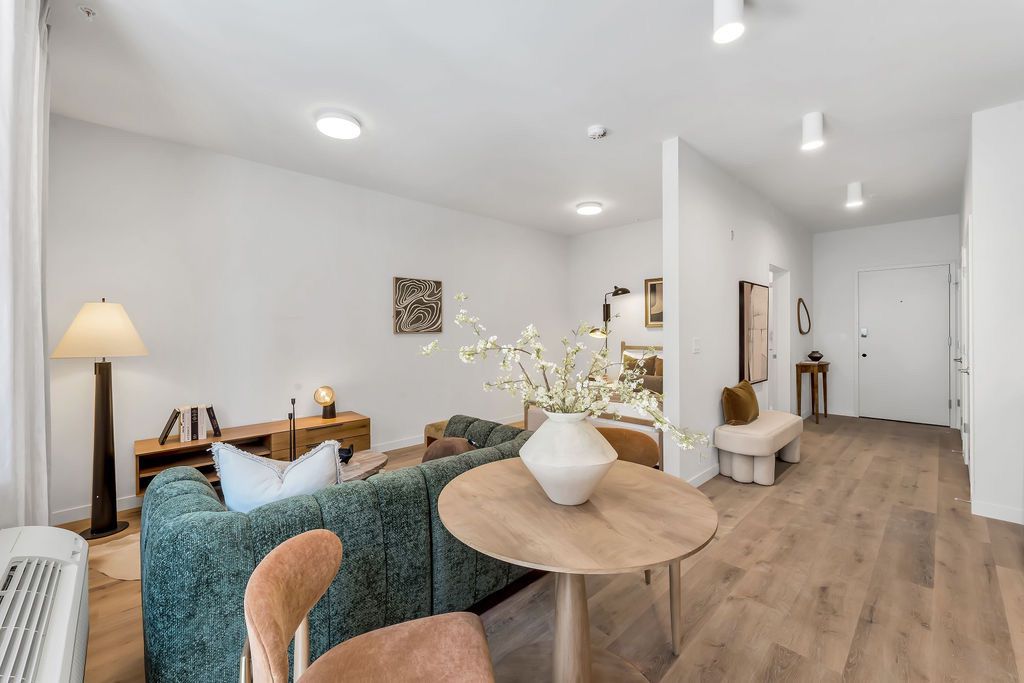
Throughout the property, industrial influences are blended with contemporary design elements. Oversized windows maximize natural light. Open layouts promote flexibility. Warm materials and calming color palettes create living spaces designed to feel both modern and comfortable.
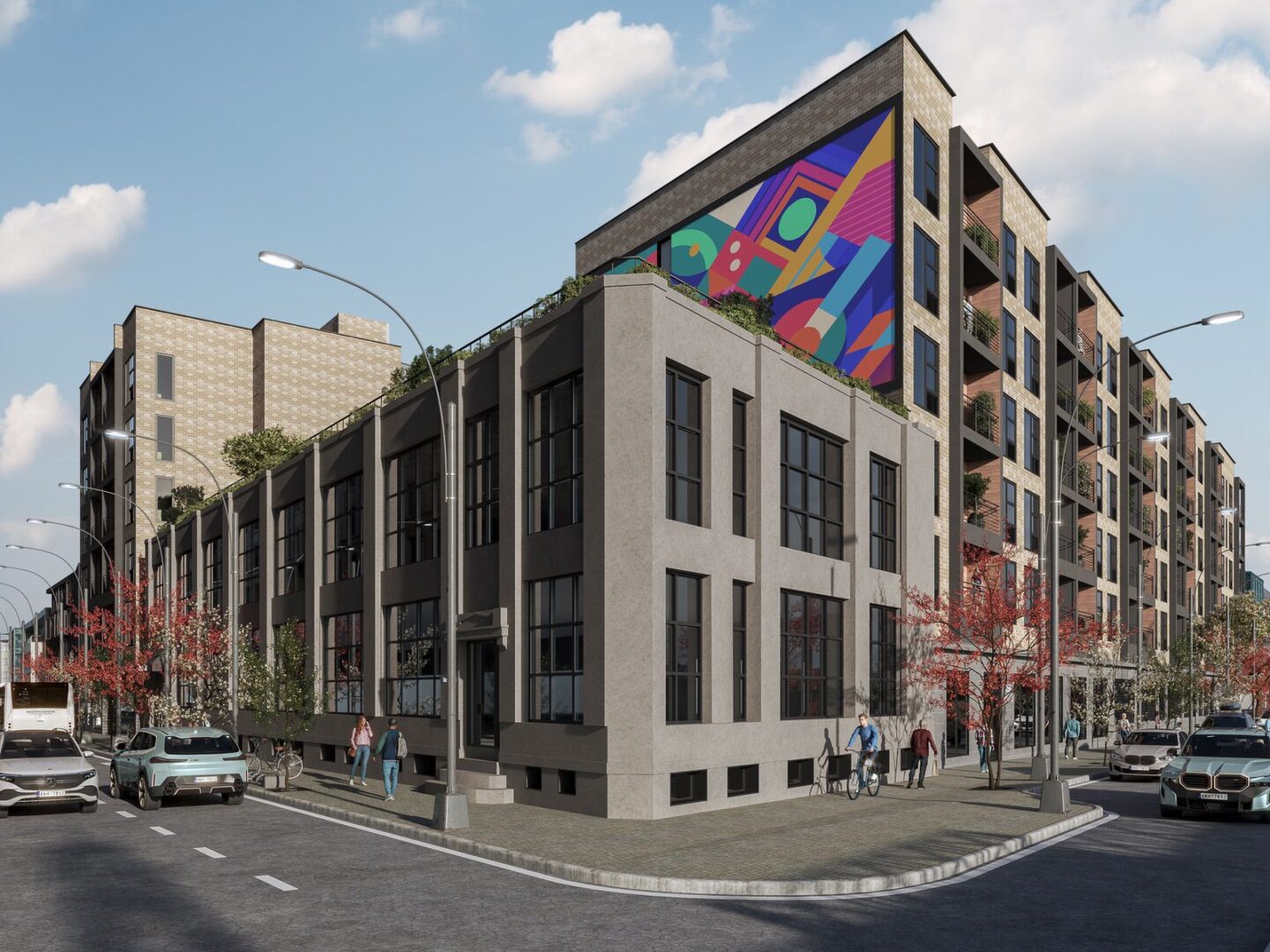
The residences themselves range from studios to three-bedroom homes, reflecting the diversity of today’s renter population. Young professionals, students, families, healthcare workers, educators, and remote employees all represent growing segments of New Jersey’s rental market, and developments increasingly recognize the importance of offering housing options that accommodate varying lifestyles and household needs.
Amenities have likewise become a central component of modern residential development. Increasingly, renters view amenity spaces as extensions of their homes, particularly as remote and hybrid work arrangements continue reshaping daily routines.
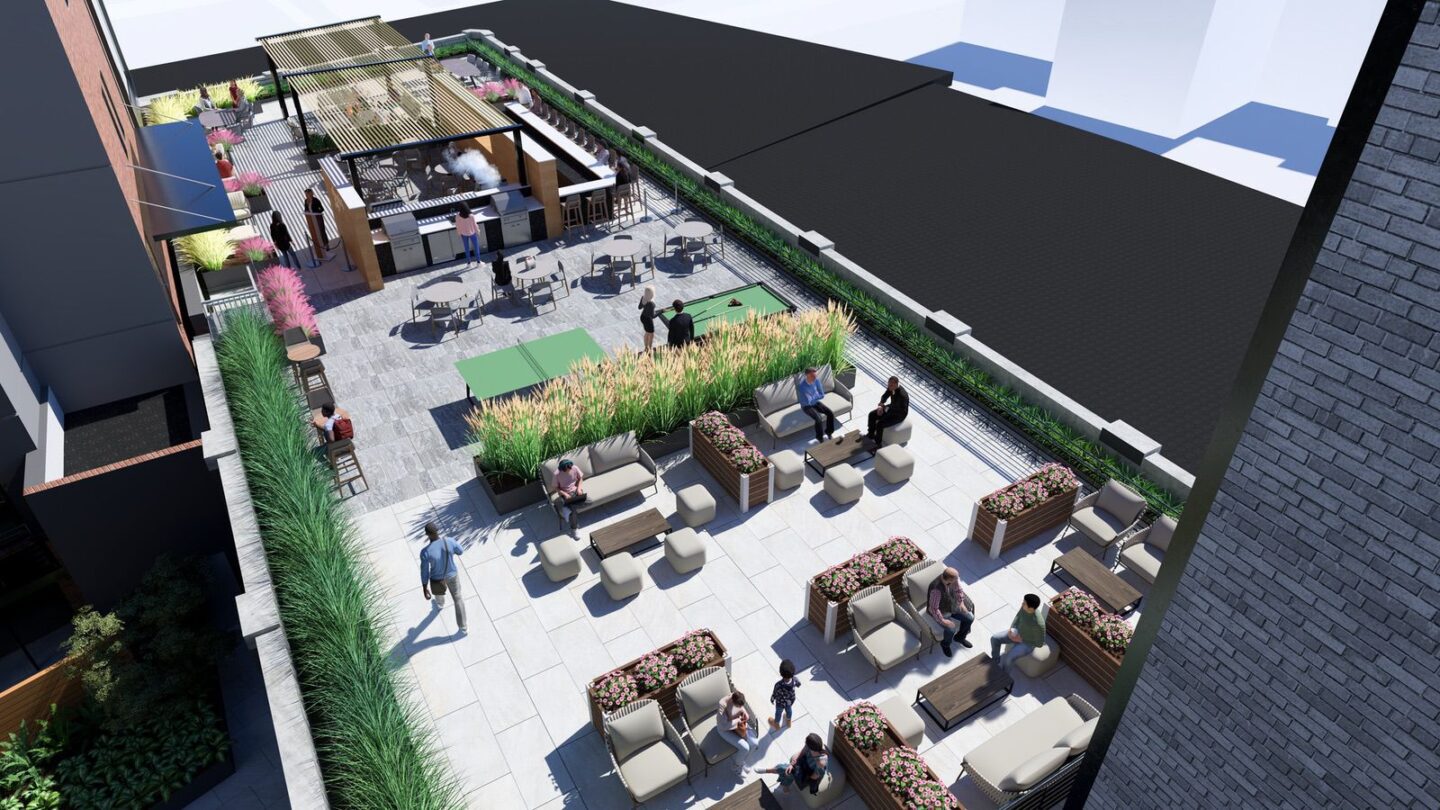
At Lazul West, approximately 20,000 square feet of amenity space has been dedicated to supporting both convenience and community. Rooftop gathering spaces, fitness facilities, wellness areas, co-working environments, lounges, and outdoor recreation spaces reflect broader trends throughout the multifamily housing sector. Residents increasingly value environments that reduce the need for additional memberships, lengthy commutes, or separate social venues.
The inclusion of wellness-focused amenities such as saunas, steam rooms, cold plunges, and relaxation spaces highlights another growing shift in residential real estate. Health and wellness have become major drivers of housing decisions, particularly among younger renters and professionals who prioritize lifestyle considerations alongside location and affordability.
Transportation accessibility remains another major factor driving development activity throughout Hudson County.
One of Jersey City’s greatest competitive advantages continues to be its connectivity. Easy access to light rail service, PATH trains, regional highways, airports, and Manhattan employment centers has made the city an increasingly attractive destination for both renters and developers. The West Side neighborhood benefits directly from these transportation assets, allowing residents to maintain convenient access to employment, entertainment, education, and cultural destinations throughout the metropolitan region.
Yet while new housing developments attract much of the attention in today’s real estate market, another critical component of the residential ecosystem often receives less recognition: relocation services.
As New Jersey continues to experience significant residential movement, companies specializing in relocation, moving, packing, and transition management have become increasingly important partners for families navigating life changes.
The Padded Wagon, headquartered in Paterson, represents one example of how relocation services are evolving to meet modern demands. Families moving across town, relocating to another state, downsizing, upsizing, or transitioning into retirement communities often require far more support than simply transporting belongings from one address to another.
Today’s relocation services increasingly encompass packing assistance, storage solutions, logistics coordination, long-distance transportation, and customized planning designed to reduce stress during major life transitions.
These services have become particularly valuable in an era where residential mobility remains elevated. Changing employment patterns, remote work opportunities, retirement decisions, family needs, and housing affordability concerns continue driving movement throughout New Jersey and the broader Northeast region.
For many residents, relocation is among the most significant events they will experience. The ability to simplify that process through professional support can have a meaningful impact on overall quality of life.
Taken together, developments such as Lazul West and the expansion of relocation services highlight broader changes occurring throughout New Jersey’s housing landscape.
The modern housing market is increasingly focused on experience. Residents are evaluating not only where they live, but how they live. They seek communities that support wellness, foster relationships, provide convenience, and offer meaningful connections to local neighborhoods. At the same time, they expect flexibility and professional support when major life transitions require them to move from one chapter to the next.
For Jersey City, these trends continue reinforcing the city’s position as one of the Northeast’s most active centers for residential investment and urban transformation. For New Jersey as a whole, they illustrate how housing continues evolving to meet the expectations of a new generation of residents.
Whether through innovative redevelopment projects, community-driven leasing strategies, modern amenity-rich living environments, or relocation services that simplify complex transitions, the state’s real estate industry remains focused on one fundamental goal: helping people find not just a place to live, but a place to belong.
As development activity continues across the Garden State and demand for quality housing remains strong, projects that successfully combine location, lifestyle, community engagement, and accessibility are likely to define the next chapter of New Jersey’s residential future.
















