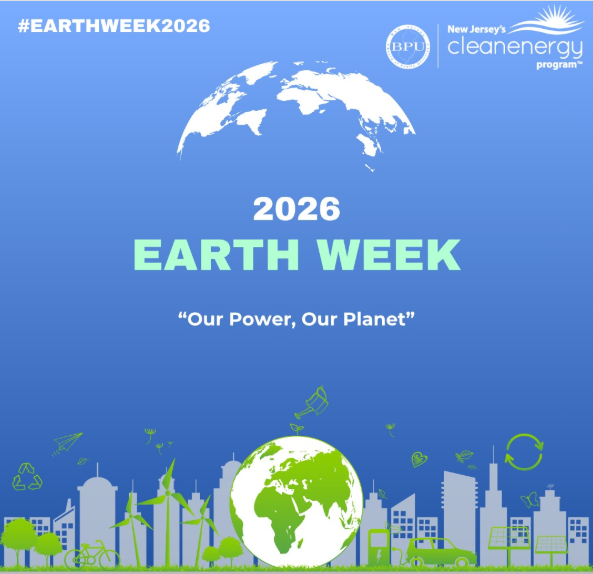

Earth Day in New Jersey has evolved far beyond a single day of recognition, and in 2026, that transformation is unmistakable. Officially proclaimed for Wednesday, April 22 under the theme “Our Power, Our Planet,” this year’s observance has extended into a multi-week, statewide activation that merges environmental responsibility with public culture, community participation, and large-scale civic engagement. What began as localized initiatives—tree plantings, park cleanups, and conservation messaging—has expanded into one of the most dynamic seasonal movements across the state’s calendar, positioning sustainability as both a shared value and a lived experience.
The significance of this year’s theme is not abstract. “Our Power, Our Planet” reflects a deliberate emphasis on collective responsibility, placing individuals, communities, and institutions at the center of environmental progress. Across New Jersey, that message has been translated into action, from native forest plantings along the Bayshore to coordinated volunteer efforts in parks, towns, and public spaces that define the state’s environmental identity. These are not isolated gestures. They represent a coordinated, statewide commitment to preservation, resilience, and long-term ecological health.
What distinguishes 2026, however, is the scale and accessibility of the programming. Earth Day has effectively become a season, with major festivals and public events scheduled across multiple weekends, creating sustained engagement that reaches beyond traditional environmental audiences. Communities are not simply observing the day; they are building experiences around it, integrating sustainability into music, food, education, and family-oriented activities that reflect the broader cultural fabric of New Jersey.
Among the largest gatherings, the ACUA Earth Day Festival in Egg Harbor Township stands out as a flagship event, bringing together more than 150 vendors, educational exhibits, and interactive programming designed to engage attendees at every level. The event operates at the intersection of environmental education and community celebration, offering a platform where sustainability is not only discussed but demonstrated in real time through hands-on experiences, product showcases, and live entertainment. Its scale underscores how environmental awareness has moved into the mainstream, supported by infrastructure that can accommodate thousands of participants in a single-day setting.
In North Jersey, the Hoboken Earth Day Celebration & Music Festival reflects a different but equally important dimension of the movement. By integrating live music, local food vendors, and eco-focused activities into a centralized urban setting, the event captures the essence of how sustainability is being woven into everyday life. It is not presented as a separate initiative but as part of a broader lifestyle, aligning with the way residents engage with their communities. The presence of local businesses and artists further reinforces the idea that environmental responsibility and economic vitality are not competing interests but complementary forces.
Elsewhere, Essex County’s Earth Day programming emphasizes direct interaction with the natural environment, offering activities such as canoeing, hiking, and hands-on learning at the Environmental Center in Roseland. These experiences provide a tangible connection to the ecosystems that Earth Day seeks to protect, reinforcing the importance of stewardship through participation rather than abstraction. Similarly, Passaic County’s events at Rifle Camp Park highlight accessibility, with free nature walks and educational workshops designed to bring environmental awareness to a broad audience.
Montclair’s Earth Fest introduces another layer, focusing on innovation and forward-looking solutions. Its “Drive Electric” showcase, combined with live performances and interactive exhibits, positions sustainability within the context of technological advancement and future mobility. This approach reflects a growing recognition that environmental progress is not solely about preservation but also about transformation—rethinking how communities operate, travel, and consume resources in a way that reduces impact while maintaining quality of life.
Beyond the large-scale festivals, the foundation of Earth Day in New Jersey remains rooted in grassroots participation. Volunteer cleanups and local initiatives continue to play a critical role, providing opportunities for residents to engage directly with their surroundings. In places like Ringwood, Rahway, and Somerville, community members are taking part in coordinated efforts to restore parks, remove waste, and contribute to the upkeep of shared spaces. These actions, while smaller in scale than major festivals, are essential to the overall impact, reinforcing the principle that environmental responsibility begins at the local level.
The New Jersey Botanical Garden’s programming further illustrates the integration of education and recreation, offering guided walks and trail experiences that encourage exploration while promoting awareness of native plant life and ecological systems. These initiatives align closely with the state’s broader emphasis on conservation education, ensuring that participants leave not only with an experience but with a deeper understanding of the environment they inhabit.
Morris County’s observance of Earth Day 2026 adds an institutional dimension to the movement, demonstrating how government leadership and community partnerships can translate environmental values into measurable outcomes. The ceremonial planting of Eastern Redbud trees at Morris View Healthcare Center, supported by collaborations between county divisions, healthcare organizations, and community groups, reflects a coordinated approach to sustainability that extends beyond symbolism. It represents a commitment to long-term environmental planning, supported by infrastructure and expertise.
The county’s recognition of the Rutgers Environmental Steward program further reinforces the importance of education and volunteerism in driving environmental progress. With thousands of trained participants, hundreds of completed projects, and tens of thousands of service hours contributed statewide, the program exemplifies how structured initiatives can generate meaningful, lasting impact. Participants are not only educated; they become active contributors to municipal commissions, environmental organizations, and local initiatives that shape policy and practice across New Jersey.
This alignment between grassroots action and institutional support is a defining characteristic of the state’s approach to Earth Day. It ensures that efforts are both immediate and sustainable, addressing current challenges while building capacity for future progress. The Morris County Open Space & Farmland Preservation Trust Fund, which has protected tens of thousands of acres of land, serves as a long-term extension of that philosophy, demonstrating how environmental priorities can be embedded into policy frameworks that endure over decades.
Even outside traditional environmental programming, Earth Day’s influence is evident. Events like the Daffodil Festival in Ridgewood and anniversary celebrations at local establishments such as River Horse Brewing Company illustrate how sustainability is intersecting with broader cultural and community activities. These moments, while not exclusively focused on environmental issues, contribute to the overall visibility and normalization of Earth Day as a central part of the state’s seasonal identity.
Across all of these initiatives, a consistent narrative emerges: Earth Day in New Jersey is no longer confined to awareness—it is defined by participation. The state has successfully expanded the scope of the observance, transforming it into a platform where environmental action, cultural engagement, and community identity intersect. This evolution aligns closely with the themes highlighted throughout Explore New Jersey’s Art & Culture coverage, where public events increasingly serve as vehicles for both expression and impact.
The result is a model that other regions are beginning to mirror. By extending Earth Day into a sustained period of activity, New Jersey has created an environment where individuals can engage at multiple entry points, whether through large-scale festivals, local volunteer efforts, educational programs, or cultural events. This layered approach ensures that the message of sustainability is not only heard but experienced, reinforcing its relevance in everyday life.
As the 2026 Earth Day season continues to unfold, the momentum generated across the state suggests that this model will only grow stronger. Communities have demonstrated both the capacity and the willingness to engage, institutions have provided the structure and support, and the integration of environmental themes into cultural programming has expanded the reach of the movement. What remains is the continued alignment of these elements, ensuring that the energy of Earth Day translates into lasting progress throughout the year and beyond.