
At a time when environmental awareness, outdoor recreation, local tourism, and community-driven events are becoming increasingly interconnected across New Jersey, few annual gatherings capture that convergence more effectively than Clean Ocean Action’s Rally for the Two Rivers: Eco-Fest. Now entering its eighth year, the beloved waterfront event along the Navesink and Shrewsbury Rivers continues evolving into one of Monmouth County’s defining environmental celebrations while simultaneously reinforcing the growing importance of eco-tourism, family-focused outdoor programming, and hands-on environmental education throughout the Garden State.
What began as a local conservation-centered rally has matured into a much larger cultural and community event that reflects the changing identity of New Jersey’s outdoor recreation movement. Rally for the Two Rivers: Eco-Fest is no longer simply an environmental awareness gathering. It has become a broader showcase of coastal stewardship, regional tourism, waterfront recreation, family engagement, and community participation tied directly to the preservation and long-term protection of some of New Jersey’s most valuable waterways.
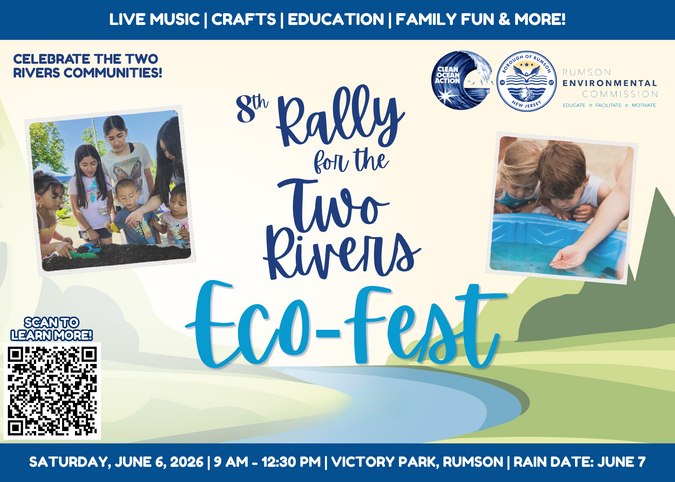
Hosted by Clean Ocean Action, one of the region’s most recognized environmental advocacy organizations, the event brings together residents, families, conservation groups, educators, local businesses, musicians, and environmental leaders for a free public celebration focused on the health, beauty, and future of the Navesink and Shrewsbury Rivers. Set against the natural backdrop of the Jersey Shore’s inland coastal river system, Eco-Fest transforms the waterfront into a vibrant center of activity featuring live music, educational exhibits, crafts, river seining, interactive demonstrations, environmental programming, and community participation designed to connect people directly to the waterways that shape so much of life along the New Jersey coast.
The timing of the event is particularly important because New Jersey’s relationship with its rivers, bays, estuaries, and coastal ecosystems continues changing rapidly. Across the state, communities are increasingly recognizing that environmental quality is directly tied to tourism, recreation, economic sustainability, public health, and quality of life. Clean waterways are no longer viewed solely as ecological concerns. They are now central components of regional development, local business vitality, outdoor recreation, and long-term community resilience.
The Navesink and Shrewsbury Rivers represent two of Monmouth County’s most important environmental and recreational assets. Flowing through communities deeply connected to New Jersey’s maritime and coastal history, the river systems support boating, fishing, kayaking, wildlife habitats, waterfront parks, tourism activity, and residential communities that rely heavily on healthy ecosystems and sustainable shoreline management. As population growth, redevelopment pressures, and climate-related environmental concerns continue impacting coastal New Jersey, public engagement events like Eco-Fest have become increasingly critical.
One of the defining characteristics of Rally for the Two Rivers: Eco-Fest is its ability to make environmental awareness accessible, interactive, and genuinely enjoyable for all ages. Unlike traditional conservation conferences or highly technical environmental forums, the event is intentionally designed to immerse families and visitors in hands-on experiences that create meaningful connections to the rivers themselves. River seining demonstrations, for example, give attendees direct exposure to marine life and local ecosystems, transforming abstract environmental conversations into tangible educational moments that resonate far beyond a single event day.
That experiential approach aligns closely with the broader direction of New Jersey’s outdoor recreation and tourism industries. Increasingly, visitors and residents are seeking authentic activities that combine entertainment, education, wellness, and environmental engagement. Across the state, waterfront events, ecological programming, eco-tourism initiatives, and outdoor festivals are becoming central pillars of local tourism development. Eco-Fest fits directly within that expanding movement while maintaining a uniquely grassroots community atmosphere that distinguishes it from more commercialized large-scale festivals.
The family-friendly structure of the event also reinforces its long-term significance. Environmental stewardship is increasingly viewed as a generational issue, and events like Rally for the Two Rivers provide opportunities to introduce younger audiences to conservation, wildlife awareness, and ecological responsibility in ways that feel interactive rather than instructional. Children participating in hands-on crafts, waterfront activities, and marine exploration experiences are not simply attending a festival. They are forming early connections to New Jersey’s waterways and coastal ecosystems that can influence future environmental attitudes and behaviors.
The inclusion of live music and community entertainment further broadens the event’s appeal and transforms Eco-Fest into a true waterfront cultural gathering. New Jersey’s coastal communities have long been defined by strong relationships between arts, recreation, environmental identity, and public gathering spaces. Eco-Fest continues that tradition by creating an atmosphere where environmental advocacy coexists naturally alongside live performance, local creativity, community interaction, and outdoor leisure.
For Explore New Jersey readers actively searching for meaningful seasonal activities, family-friendly events, and authentic local experiences, Rally for the Two Rivers represents exactly the type of immersive regional event that increasingly defines modern New Jersey tourism. Travelers and residents alike are increasingly prioritizing experiences that feel connected to place, culture, and community identity. Eco-Fest delivers all three while simultaneously showcasing the beauty and ecological importance of Monmouth County’s river systems.
The event also arrives during a period of expanding public awareness surrounding coastal resilience and waterway preservation throughout New Jersey. From flooding concerns and shoreline erosion to water quality management and habitat protection, environmental conversations are becoming more visible across nearly every coastal county in the state. Organizations like Clean Ocean Action continue playing a major role in driving public engagement and advocacy surrounding these issues, and Eco-Fest functions as one of the organization’s most visible public-facing community initiatives.
Importantly, the festival avoids becoming overly political or inaccessible. Instead, the event succeeds because it focuses on community participation, local pride, outdoor enjoyment, and environmental appreciation through positive engagement rather than confrontation. That balance has likely contributed significantly to its continued growth and strong regional support over the past eight years.
The waterfront setting itself remains one of the event’s most powerful assets. Few environments in New Jersey naturally combine recreation, scenic beauty, ecological importance, and community accessibility as effectively as the Navesink and Shrewsbury Rivers. The rivers serve as both recreational destinations and environmental lifelines for surrounding communities, supporting boating culture, marine habitats, fishing traditions, waterfront parks, tourism traffic, and local businesses throughout the region.
That connection between environmental preservation and economic vitality is becoming increasingly important throughout New Jersey’s tourism economy. Communities are recognizing that clean waterways, accessible parks, preserved ecosystems, and outdoor recreation opportunities directly support visitor traffic, property values, hospitality sectors, and quality-of-life metrics that influence long-term regional growth. Events like Rally for the Two Rivers help reinforce public understanding that environmental stewardship is not separate from economic development or tourism success. In many ways, it is foundational to both.
The broader evolution of New Jersey’s activities and recreation sector also provides important context for the growing popularity of events like Eco-Fest. Across the state, there is increasing demand for experiences that move beyond passive entertainment. Families, travelers, and residents are seeking interactive outdoor programming, educational recreation, community-based festivals, and experiences that encourage direct engagement with local culture and natural resources. Eco-Fest embodies that trend exceptionally well.
The event additionally highlights the expanding role of nonprofit organizations in shaping community tourism and public programming across New Jersey. Clean Ocean Action has successfully positioned itself not only as an advocacy organization but also as a visible community organizer capable of creating positive, large-scale public events that unite environmental education with recreation and civic engagement. That operational model is becoming increasingly important as communities search for ways to strengthen local identity and public participation through mission-driven events.
For Monmouth County specifically, Rally for the Two Rivers continues enhancing the region’s reputation as one of New Jersey’s premier outdoor recreation and waterfront lifestyle destinations. The county’s combination of beaches, rivers, marinas, parks, trails, downtown districts, and coastal communities already makes it one of the state’s strongest tourism markets. Events like Eco-Fest deepen that appeal by showcasing the environmental richness and community character that distinguish the region from more heavily commercialized coastal destinations elsewhere on the East Coast.
The continued success of Eco-Fest also reflects a larger cultural shift happening across New Jersey itself. Outdoor experiences, environmental appreciation, local events, and waterfront recreation are increasingly becoming central to how residents define quality of life throughout the state. New Jersey’s identity is evolving beyond outdated stereotypes and increasingly embracing its strengths as a destination rich with natural resources, regional culture, accessible outdoor experiences, and highly engaged local communities.
As the 8th Annual Rally for the Two Rivers: Eco-Fest approaches, the event stands as far more than a seasonal environmental gathering. It has become a reflection of where New Jersey’s tourism, recreation, and community culture are heading. It represents a future where environmental stewardship, family recreation, outdoor education, local tourism, waterfront preservation, and civic participation work together rather than separately.
For attendees arriving along the waterfront this year, the experience will likely feel both celebratory and meaningful. There will be music, activities, crafts, demonstrations, marine exploration, and community interaction, but underneath the festival atmosphere remains something larger: a growing statewide recognition that New Jersey’s rivers, bays, coastlines, and natural ecosystems are among its greatest long-term assets and deserve both protection and celebration.
In that sense, Rally for the Two Rivers: Eco-Fest is not simply another community event on the calendar. It is increasingly becoming one of the clearest examples of how New Jersey is redefining the relationship between recreation, tourism, environmental responsibility, and community identity along the modern Jersey Shore.