
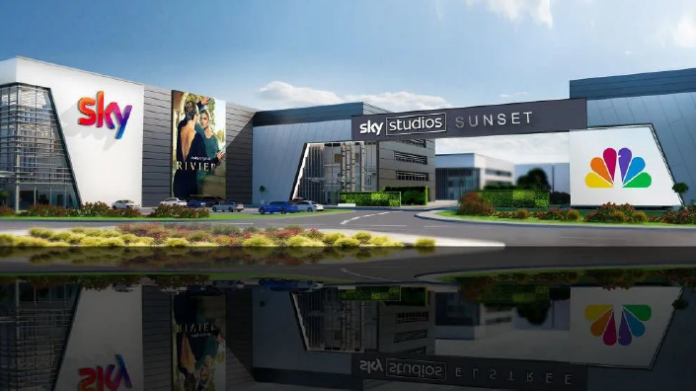

The formal announcement and official release regarding Sunset Entertainment’s Camden waterfront media campus proposal came last week and why it was ultimately not the right fit for the former Riverfront State Prison site.
When the Philadelphia 76ers formally decided to remain in Philadelphia rather than pursue a relocation to Camden, it marked the end of one of the most closely watched economic development discussions in the Delaware Valley. It also created a new opportunity for New Jersey officials to reconsider the future of one of the most strategically located redevelopment sites in the state.
Following the Sixers’ decision, the New Jersey Economic Development Authority opened the redevelopment process for approximately 16 acres of waterfront property in North Camden consisting of the former Riverfront State Prison site and adjacent land formerly occupied by Weeks Marine. Rather than allowing the property to remain dormant, the NJEDA sought proposals capable of transforming the site into a significant economic driver while aligning with Camden’s broader redevelopment objectives.
The agency’s Request for Expressions of Interest attracted a variety of concepts ranging from mixed-use development and residential construction to commercial and community-oriented projects. Among those proposals was a concept submitted by Sunset Entertainment & Media Company that envisioned a large-scale broadcasting, film, television, and media production campus on the Delaware River waterfront.
The proposal represented a significant expansion of ideas that Sunset had been exploring for years throughout Camden.
According to Sunset founder and Chairman Don Lichterman, the company’s interest in Camden long predates the availability of the former prison property. Sunset had previously explored opportunities to develop studio and media facilities elsewhere in the city, particularly in areas connected to Camden’s growing entertainment infrastructure. The availability of the former prison site simply presented an opportunity that was difficult to ignore.
“When the property became available through the NJEDA process, we felt it was worth exploring,” said Lichterman. “The state had already completed a tremendous amount of work assembling the land and preparing it for redevelopment. The process was open, accessible, and encouraged developers and companies to present ideas. We believed a major media campus was worth evaluating.”
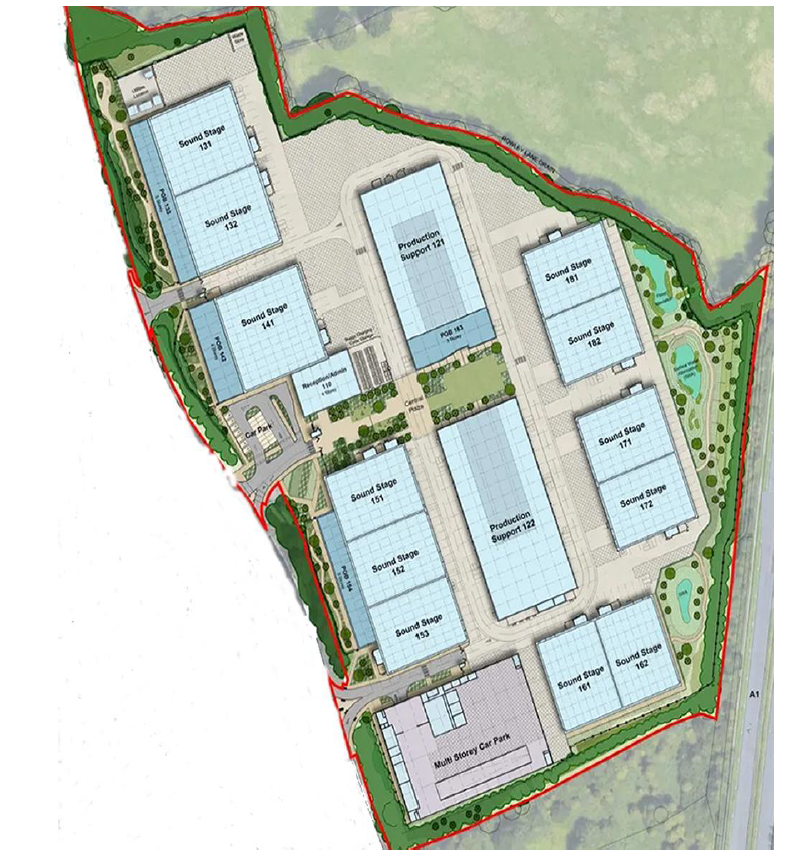
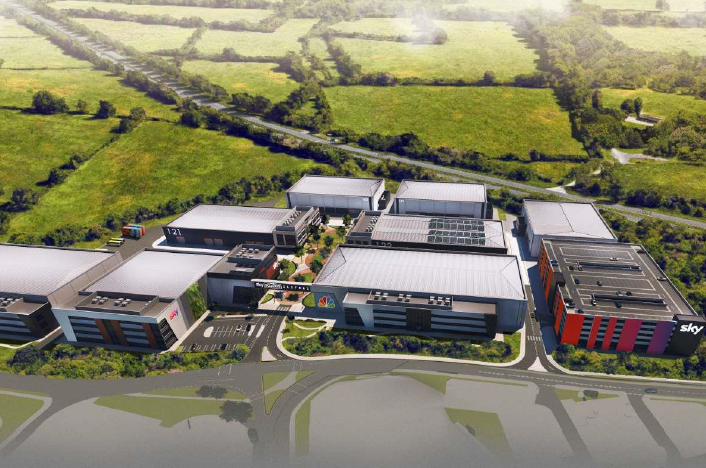
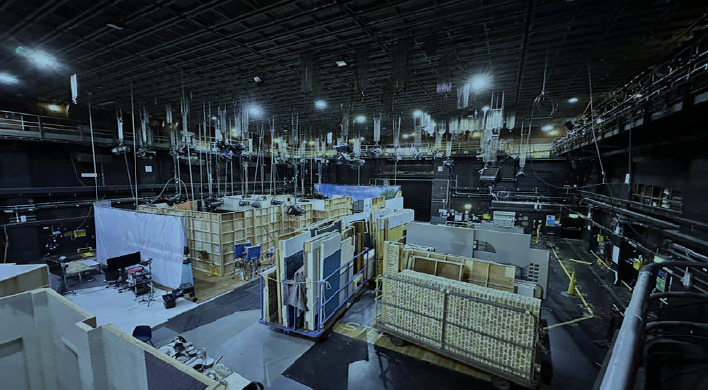
The Sunset proposal centered on the creation of a campus-style development that could eventually accommodate television broadcasting operations, radio facilities, production offices, digital media operations, corporate headquarters, post-production services, and future film and television studio infrastructure. The concept also contemplated attracting major media organizations and broadcasters that could establish a permanent presence in Camden.
At various stages, the proposal explored the possibility of attracting international broadcasting operations and major media companies, including concepts involving Sky Broadcasting and related corporate media operations. Combined with New Jersey’s existing film, television, and economic development incentive programs, the project had the potential to qualify for substantial state support that could have exceeded $240 million over time.
From a business perspective, the concept presented a compelling opportunity.
From a redevelopment perspective, however, a different reality emerged during the second round of discussions with NJEDA leadership and the agency’s real estate team.
As the review process advanced, state officials consistently emphasized that redevelopment of the former prison property would be guided by a community-focused vision supported by Camden’s updated Downtown Master Plan, legislative actions related to land conveyance, and broader waterfront redevelopment objectives.
Those discussions ultimately became the most important part of the process.
“Until those meetings, I don’t think I fully appreciated just how central the community aspect was to the state’s vision for the property,” Lichterman said. “Once that was discussed in detail, I realized very quickly that a film and broadcasting campus was probably not the right fit for this specific site.”
The issue was not economic viability. The issue was compatibility.
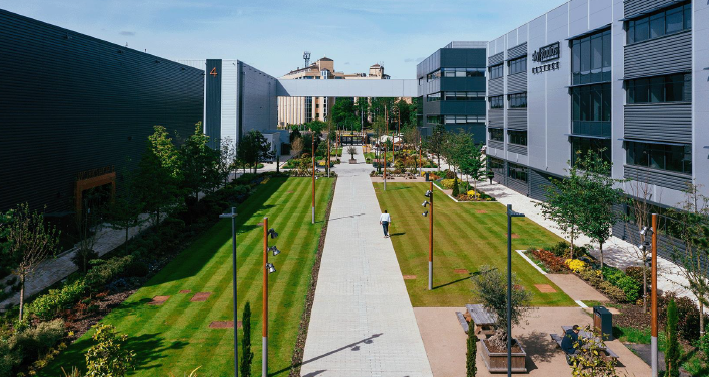
Modern film, television, and broadcasting operations are built around controlled access, security, and privacy. Productions frequently operate behind closed sets. Television facilities require restricted environments. Corporate broadcasting operations often function within secure campuses. While such facilities create jobs and generate economic activity, they do not naturally function as open public spaces.
“The film and television industry is unique because privacy is often essential to the business,” Lichterman explained. “Productions need privacy. Broadcast operations need privacy. Talent wants privacy. Executives want privacy. Production staff want privacy. The industry naturally separates itself from the public because that is how these facilities operate on a day-to-day basis. Without any distraction”
That reality increasingly conflicted with the goals being articulated for the waterfront site.
The NJEDA’s redevelopment framework emphasized public engagement, walkability, mixed-use activity, recreational opportunities, cultural amenities, commercial activity, and a direct connection between the property and surrounding neighborhoods. The state was seeking proposals that would integrate the waterfront into the daily life of Camden residents while creating a destination that remained accessible and active throughout the year.
“In that meeting two weks ago, it became clear pretty quickly that the state’s objectives and the operational realities of a media campus were different,” Lichterman said. “A media campus could create jobs. It could attract investment. It could bring major companies into Camden. But it would not necessarily create the kind of community-centered environment that was being envisioned for the property.”
Even concepts intended to create public interaction faced practical limitations.
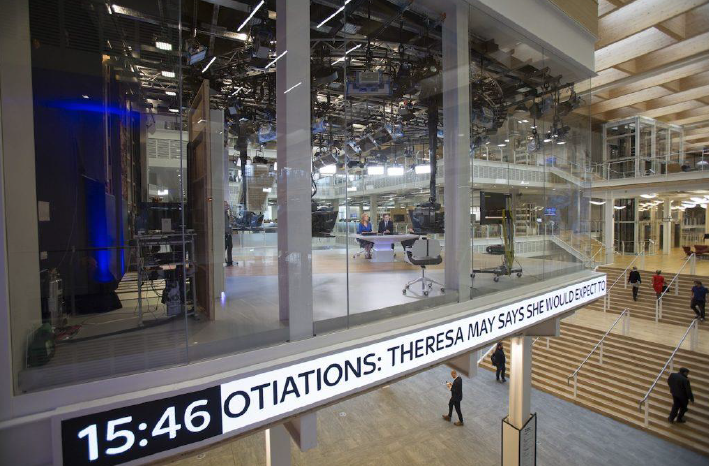
Part of the Sunset proposal included ideas for public-facing amenities and services that could complement the media campus. However, those concepts would still have existed within a broader environment driven by production schedules, security requirements, corporate operations, and the privacy expectations of broadcasters, executives, talent, and production personnel.
“Even something as simple as a fitness center becomes more complicated when you’re dealing with television personalities, actors, production crews, executives, and corporate staff who value privacy,” Lichterman said. “The entertainment business operates differently than traditional mixed-use development. That’s not a criticism of the industry. It’s simply the reality of how these operations function.”
For Lichterman, the process ultimately provided clarity along with disappointment.
The discussions reinforced his belief that Camden remains a strong location for future media and entertainment investment while simultaneously demonstrating that not every site is appropriate for every project.
“I actually came away with a tremendous amount of respect for the NJEDA staff and the process itself,” he said. “The meeting last month in Trenton was very astute and, again, to the point, which I appreciated. Tim Sullivan and the Real Estate Department were professional, direct, and very clear about what they hoped to achieve on the property. Those conversations helped me understand that this particular parcel had a different purpose within Camden’s broader redevelopment strategy. Having lived with the vision for nearly half a year, though, it is difficult to let go.”
The conclusion reached was straightforward. The former prison and Weeks Marine property is being positioned as a highly integrated, community-oriented waterfront district, while Sunset‘s proposal was designed as a private media and broadcasting campus. That realization ultimately led Sunset and the NJEDA to conclude discussions regarding the proposal last week.
Importantly, the decision should not be interpreted as a rejection of Camden, nor as a rejection of Lichterman’s vision and concept. It also should not be viewed as a rejection of media development within the city. Instead, it reflects the practical outcome of a redevelopment review process in which all parties gained a clearer understanding of how the property is intended to evolve.
As Camden’s waterfront enters its next chapter, the former prison property remains one of the most significant redevelopment opportunities in New Jersey. State officials continue evaluating proposals that align with the long-term vision established for the site, while developers continue exploring ways to contribute to the city’s ongoing transformation.
As the NJEDA continues evaluating redevelopment proposals for the former prison and Weeks Marine properties, several concepts appear to align closely with the broader vision that state officials, local planners, and community stakeholders have articulated for the site. While the identities of developers and specific submissions remain confidential during the review process, redevelopment plans, master planning documents, and publicly discussed concepts provide a clear indication of the types of projects being considered for the waterfront.
Among the concepts receiving the greatest attention is the creation of a walkable mixed-use waterfront district that would extend Camden’s existing neighborhood fabric toward the Delaware River. Such a development would likely combine ground-floor retail, restaurants, cafés, public gathering spaces, and residential housing designed to create year-round activity along the waterfront. Planning discussions have emphasized the importance of integrating any new development with the adjacent Cooper Point neighborhood while expanding public access to the riverfront through additional parkland, walking paths, bicycle connections, and recreational amenities.
Entertainment, cultural, and tourism-oriented uses also remain strong possibilities. Given the property’s proximity to major attractions such as Freedom Mortgage Pavilion, the Battleship New Jersey, and other waterfront destinations, planners have expressed interest in concepts that could attract visitors while supporting local businesses. Ideas discussed publicly have included cultural venues, community arts facilities, event spaces, performance venues, and other attractions capable of strengthening Camden’s growing role as a regional destination for entertainment and tourism.
Another concept frequently discussed within economic development circles involves a transit-oriented commercial or institutional campus. Because the site sits within close proximity to PATCO, the River Line, Interstate 676, and the larger Philadelphia metropolitan area, the property could support corporate offices, research facilities, medical-related development, educational partnerships, or other employment-focused uses that capitalize on Camden’s expanding “eds and meds” economy. Such a project would complement the city’s existing concentration of healthcare, educational, and corporate institutions while generating substantial employment opportunities and economic activity.
Whatever concept is ultimately selected, it is increasingly clear that the future of the North Camden waterfront will be defined by a combination of public access, economic development, community integration, and long-term investment. The site represents one of the most important redevelopment opportunities currently available in New Jersey, and the project ultimately chosen will likely influence the direction of Camden’s waterfront for decades to come.
For Sunset, the experience reinforced both the opportunities and realities associated with large-scale redevelopment projects.
“Camden remains an incredibly important city with enormous potential,” Lichterman said. “We entered the process because we believed we had an idea worth presenting. The discussions confirmed that the property has a bright future ahead of it. In the end, we simply recognized that the best use of this particular site may be different from the vision we originally brought to the table.”
To request RFEOI (Request for Expressions of Interest) documents from the New Jersey Economic Development Authority (NJEDA), you file a request under the Open Public Records Act (OPRA), codified as N.J.S.A. 47:1A-1 et seq. You can view the Sunset RFEOI by clickinfg here (pdf file).
How to File Your Request: You must submit your request in writing. While many agencies provide a specific form, the law allows you to send an email as long as it clearly states “OPRA request”.
- Submit via email: oprae-mail@njeda.gov
- Mail or in-person: Custodian of Public Records, NJEDA, PO Box 990, Trenton, NJ 08625-0990
- Find the digital form: Download or fill out the NJEDA OPRA Request Form
Important Things to Keep in Mind
- Response Time: Under OPRA, the NJEDA must respond to your written request as soon as possible, but no later than 7 business days after receiving it.
- Public vs. Proprietary Info: By law, responses submitted to an RFEOI are generally considered public information. However, the NJEDA will redact proprietary or confidential information submitted in the response, such as trade secrets or ongoing financial negotiations, in accordance with OPRA exceptions (N.J.S.A. 47:1A-1.1).
- Be Specific: OPRA is meant for accessing specific records, not asking broad questions. Clearly name the specific RFEOI name or reference number (e.g., RFEOI-0000XXX) and the specific documents you need.
















