
Unionville Vineyards Continues to Elevate New Jersey Wine Country With Estate-Grown Excellence, Sustainable Farming, and Old-World Winemaking Philosophy. As New Jersey’s wine industry continues its rapid evolution into one of the Northeast’s most compelling culinary and tourism movements, few wineries embody the sophistication, agricultural discipline, and long-term vision of the Garden State’s modern wine renaissance quite like Unionville Vineyards.
Nestled across 89 contiguous acres of preserved rolling farmland at 9 Rocktown Road in Ringoes, Unionville Vineyards has steadily established itself not simply as one of New Jersey’s premier wineries, but as one of the Mid-Atlantic region’s most respected estate-driven wine producers. Revered for elegant, food-friendly European-style wines, the winery has become synonymous with refined craftsmanship, sustainable viticulture, and a deeply rooted commitment to expressing the unique terroir of Hunterdon County through estate-grown production.
In an era where many wineries increasingly lean toward entertainment-first business models, Unionville Vineyards continues standing apart through a philosophy grounded firmly in agriculture, vineyard stewardship, and serious winemaking. The result is a property that manages to feel both timeless and progressive at once — a working farm, a hospitality destination, and one of the clearest examples of how far New Jersey wine culture has matured over the past several decades.
The story of Unionville Vineyards begins with land itself.
The property’s agricultural history stretches back to the early nineteenth century, long before New Jersey emerged as a modern wine-producing state. Like much of the surrounding Hunterdon County landscape, the land has historically been defined by farming, preservation, and generational stewardship. When the Stacks family acquired the estate in the late 1980s, however, they recognized that the region possessed something more than scenic farmland. They saw the potential for a serious vineyard operation capable of producing wines that could compete far beyond state borders.
That vision required patience, precision, and a willingness to think in decades rather than seasons.
The estate vineyards were methodically planted over time with varietals specifically selected for New Jersey’s climate and growing conditions. Rather than chasing mass-market production trends, Unionville focused on grapes capable of expressing complexity, balance, and regional identity. Chardonnay, Pinot Noir, Syrah, Cabernet Franc, and other cool-climate varietals became central to the winery’s long-term strategy, allowing the estate to develop a portfolio increasingly recognized for nuance, elegance, and food compatibility.
That focus on estate-grown viticulture remains one of Unionville’s defining characteristics today.
Unlike wineries that source fruit broadly from outside growers or multiple states, Unionville relies exclusively on grapes cultivated directly within its own vineyards. This estate-only approach provides extraordinary control over the entire winemaking process, from soil management and canopy control to harvest timing, fermentation decisions, and final blending. Every bottle produced becomes a direct expression of the vineyard itself rather than a generalized regional product.
For serious wine enthusiasts, that distinction matters enormously.
Estate-grown wines often possess a stronger sense of identity and authenticity because every aspect of production is tied directly back to the land. At Unionville, the relationship between vineyard and bottle is not treated as marketing language. It is treated as the foundation of the winery’s entire philosophy.
That philosophy has only grown stronger under the guidance of winemaker Conor Quilty and the estate’s broader commitment to sustainable farming and environmental stewardship.
Throughout the vineyards, Unionville embraces sustainable agricultural practices designed to preserve soil health, biodiversity, and long-term ecological balance. Organic and biodynamic principles increasingly shape vineyard management decisions, reinforcing the estate’s belief that healthier land ultimately produces more expressive wines.
The emphasis on sustainability also reflects a broader shift occurring throughout modern wine culture itself. Consumers today increasingly seek transparency regarding farming practices, environmental impact, and agricultural ethics. Unionville’s stewardship model aligns naturally with that evolving mindset while remaining authentic to the property’s agricultural roots.
The wines themselves continue earning acclaim precisely because they avoid excess.
In an American wine landscape often dominated by oversized alcohol levels, heavily manipulated fruit profiles, and aggressive oak influence, Unionville’s wines consistently prioritize restraint, balance, structure, and elegance. The winery’s European-inspired approach emphasizes acidity, minerality, texture, and food compatibility rather than sheer power.
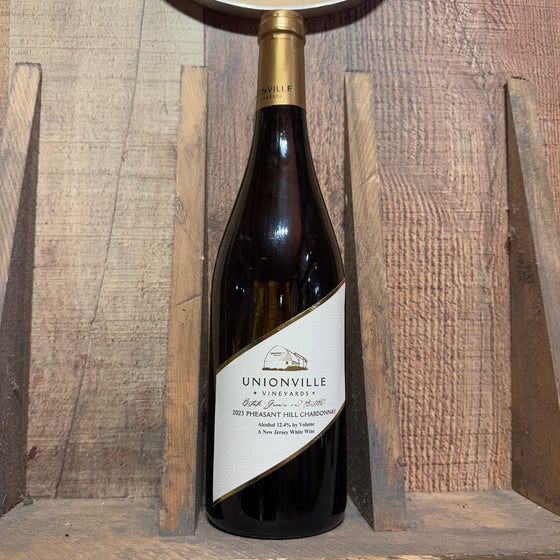
Its Chardonnays frequently showcase bright acidity and layered complexity rather than overwhelming oak. Pinot Noirs reveal earthiness, spice, and red fruit character shaped by cooler growing conditions. Cabernet Franc thrives particularly well within New Jersey’s climate, producing wines with freshness, herbal depth, and refined tannic structure. Syrah offerings continue demonstrating the estate’s willingness to push boundaries while still remaining rooted in balance and site expression.
The result is a portfolio that appeals not only to casual visitors exploring New Jersey wine country, but increasingly to serious collectors, sommeliers, chefs, and enthusiasts who recognize the sophistication emerging from the region.
That growing reputation has helped place Unionville Vineyards among the highest-rated wineries in the Mid-Atlantic, earning critical praise while simultaneously helping redefine national perceptions surrounding New Jersey wine itself.
For decades, many outsiders underestimated the Garden State’s agricultural potential, particularly within fine wine production. Yet wineries like Unionville quietly demonstrated that New Jersey’s combination of preserved farmland, moderate climate, rolling elevations, and diverse soils could support wines of genuine complexity and distinction.
Today, that once-dismissed possibility has become increasingly undeniable.
Yet despite its rising prestige, Unionville has managed to maintain a welcoming, grounded atmosphere that feels connected to the land rather than manufactured for tourism trends.
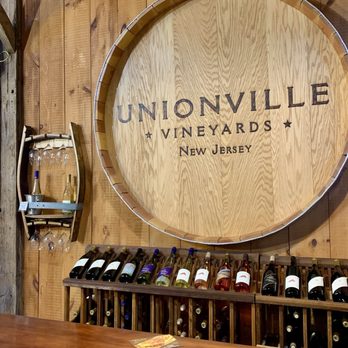
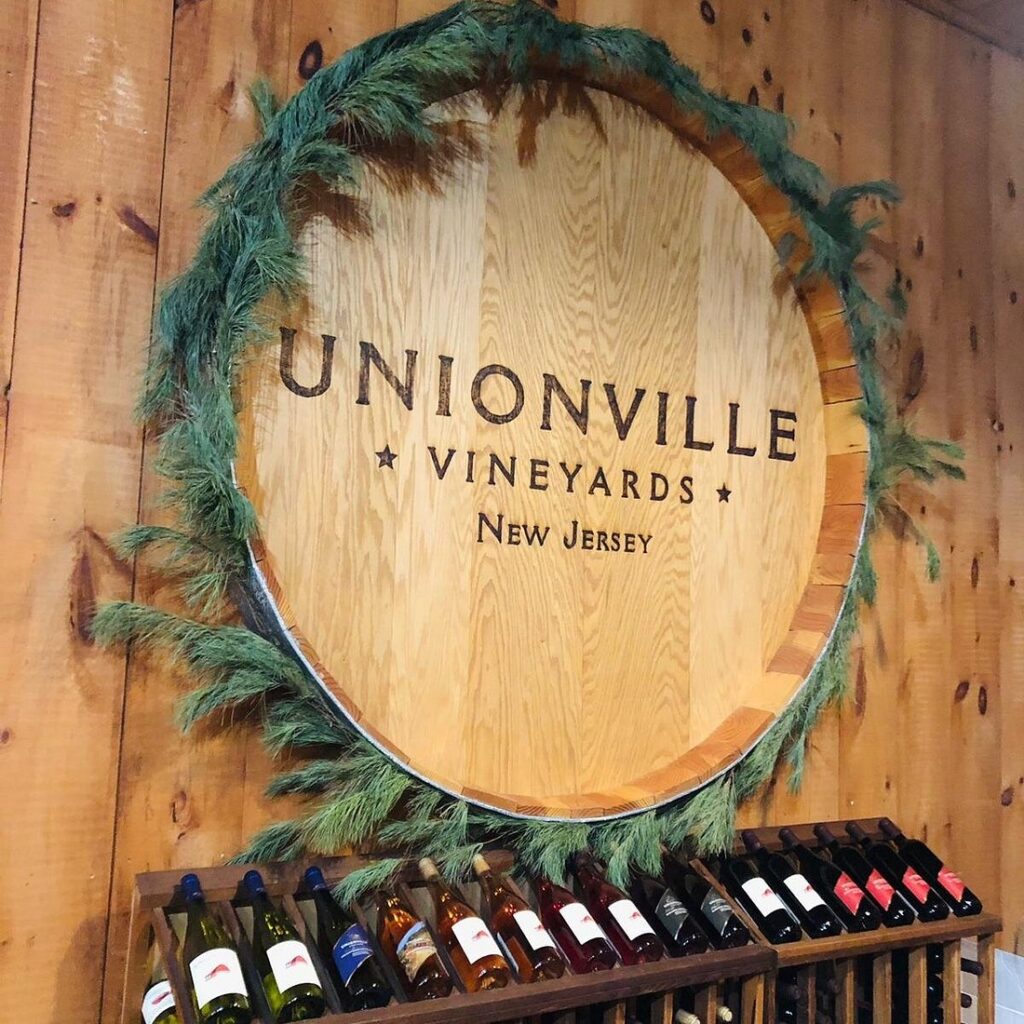
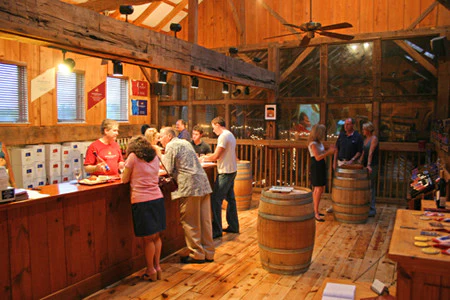
Visitors arriving at the estate encounter a rustic tasting room environment that emphasizes warmth, authenticity, and education over spectacle. Tastings are designed to encourage exploration and conversation rather than rushed transactions. Guests are invited to engage not only with the wines themselves, but with the broader story of the vineyards, the farming philosophy, and the region’s agricultural identity.
The setting enhances that experience dramatically.
Surrounded by preserved rolling farmland, vine rows, wooded edges, and expansive rural scenery, Unionville offers a visual reminder that New Jersey remains one of the most agriculturally diverse states in the nation despite its dense population and urban reputation. Particularly during late spring, summer, and harvest season, the estate becomes a destination where visitors can disconnect from suburban congestion and reconnect with a slower, more deliberate rhythm shaped by agriculture and landscape.
That atmosphere becomes even more vibrant during the winery’s seasonal events calendar.
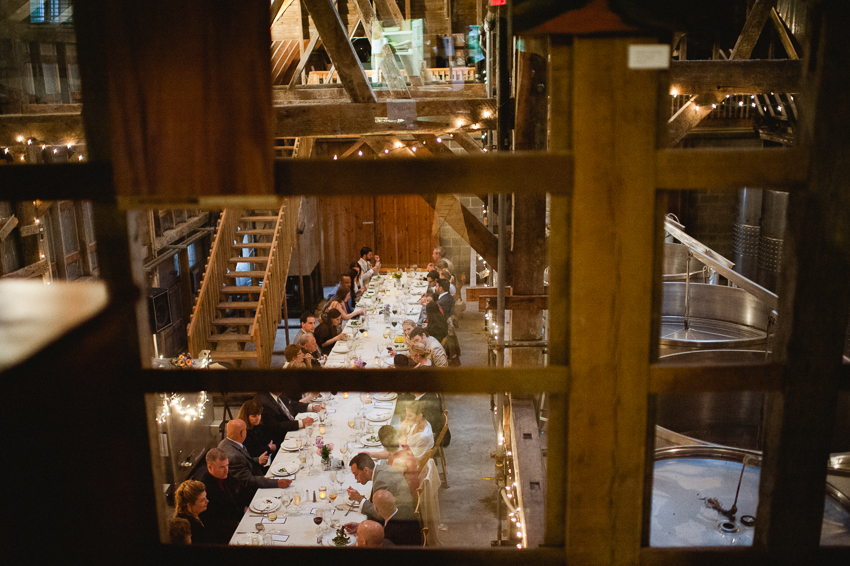
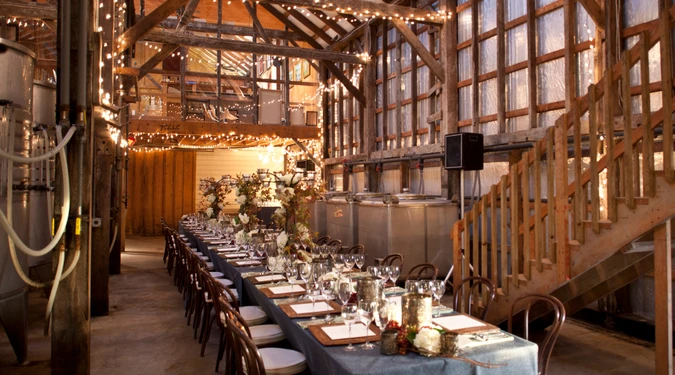
Throughout the year, Unionville hosts vineyard walks, harvest celebrations, educational tastings, culinary pairing dinners, and large-scale outdoor gatherings that transform the property into one of the state’s premier wine tourism destinations. The winery’s increasingly popular summer events, including the Great American Vineyard Cookout and elegant Vineyard Lobster Bake experiences, showcase how New Jersey wineries are evolving into full-scale culinary and hospitality centers.
Those events are not simply entertainment add-ons. They reflect the broader transformation of New Jersey wine country itself.
Modern wineries increasingly function as cultural gathering spaces where agriculture intersects with live music, regional cuisine, tourism, education, and outdoor experience. Consumers no longer visit vineyards merely to sample wine. They seek immersive experiences that combine scenery, hospitality, food, storytelling, and social connection.
Unionville Vineyards excels precisely because it delivers those experiences without compromising its agricultural seriousness or winemaking integrity.
That balance is becoming increasingly rare.
Many hospitality destinations eventually dilute their original identity as popularity grows. Unionville instead continues reinforcing the core principles that built its reputation in the first place: estate-grown quality, sustainable farming, regional authenticity, and disciplined craftsmanship.
As New Jersey’s broader tourism and culinary industries continue gaining national visibility, wineries like Unionville are playing an increasingly important role in reshaping how outsiders perceive the Garden State itself.
The old stereotypes surrounding New Jersey are steadily being replaced by a more nuanced reality — one defined by preserved farmland, sophisticated culinary culture, thriving arts communities, historic towns, outdoor recreation, and a rapidly expanding wine and hospitality scene capable of rivaling far more nationally recognized destinations.
Unionville Vineyards stands directly at the center of that transformation.
It represents not only what New Jersey wine has become, but what it continues striving toward: authenticity over gimmick, craftsmanship over excess, stewardship over exploitation, and long-term vision over short-term trends.
In many ways, the vineyard’s success reflects something larger about New Jersey itself.
Quietly, steadily, and without needing national hype to validate it, the Garden State has built a wine culture rooted in substance, agricultural excellence, and regional pride. Unionville Vineyards remains one of its clearest and most respected standard-bearers.












Your source for everything happening in the Garden State. Enjoy live music year-round, skiing, hiking, beaches, rivers, and mountains. Explore New Jersey’s wine scene by visiting top wineries and vineyards offering award-winning wines. Check out reviews and photos of the best places to sip and sample. Love beer? Discover New Jersey’s breweries — currently home to 123 licensed breweries — and explore the highest-rated beers brewed in the state.
© 2026 Explore New Jersey, a Sunset Entertainment & Media Company | 1928 The Woods II - Cherry Hill, New Jersey 08003. All Rights Reserved.