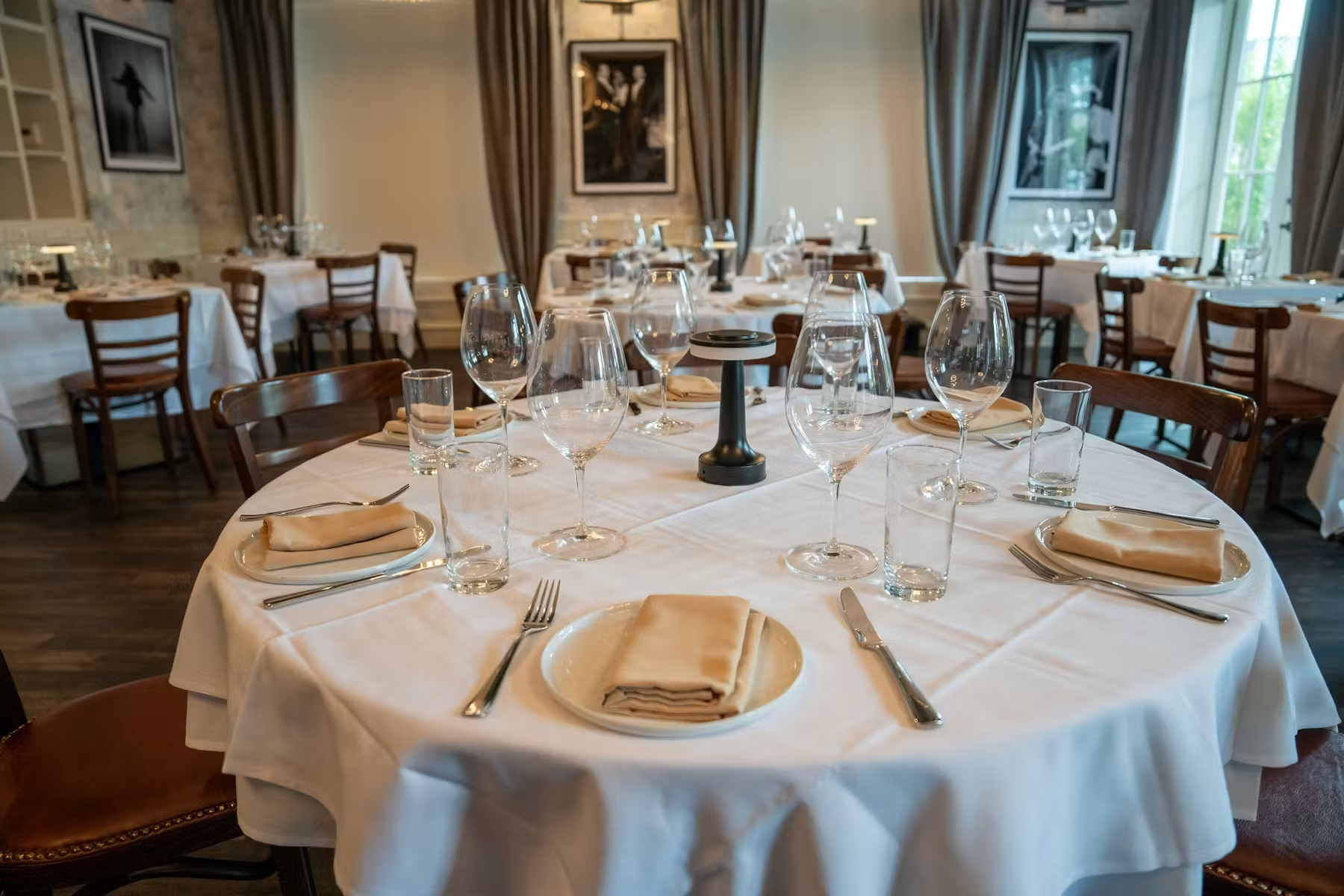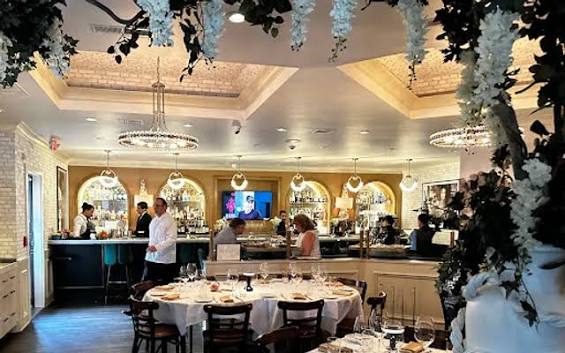





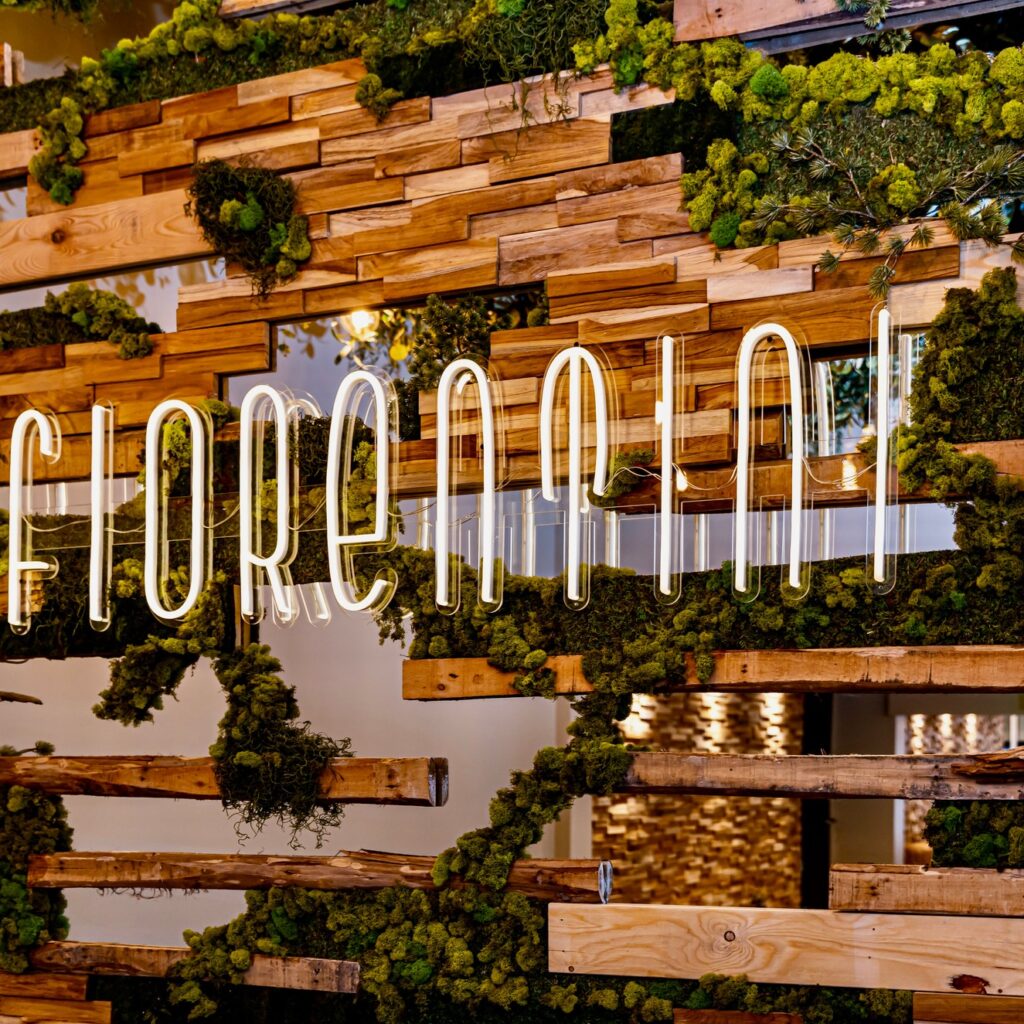

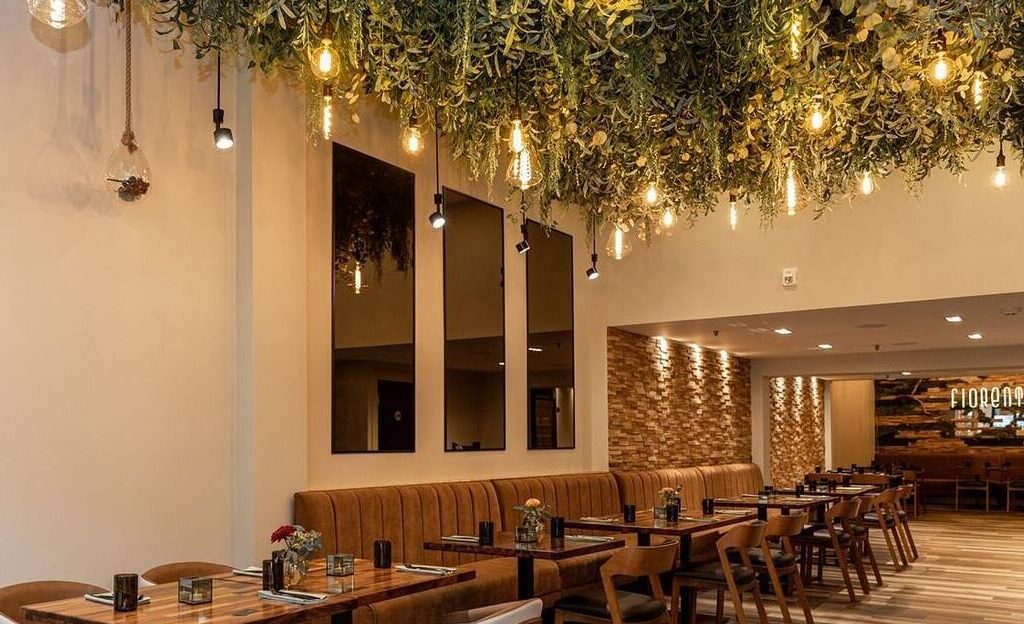
Fiorentini in Rutherford Redefines Italian Dining in New Jersey with Hyper-Local Philosophy and Season-Driven Excellence. In a state where dining culture is as diverse as its communities, a handful of restaurants manage to rise above trend cycles and establish something far more enduring—an identity rooted in philosophy, discipline, and a clear culinary point of view. In Rutherford, New Jersey, Fiorentini has quietly built that kind of reputation, evolving into one of the most compelling Italian dining destinations in New Jersey through a model that is both deceptively simple and operationally rigorous: cook what the land gives you, when it gives it to you, and do it without compromise.
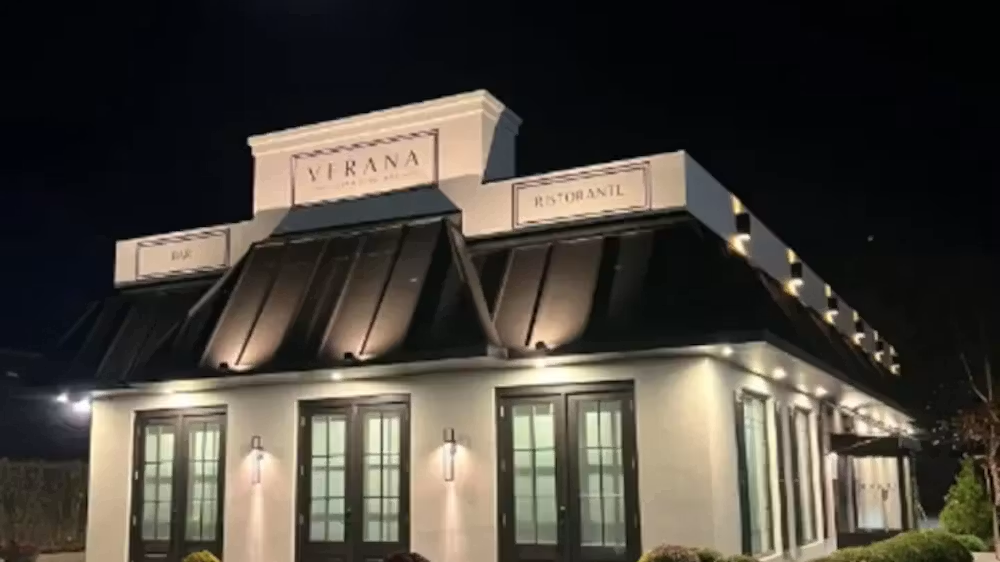
Situated along Park Avenue, Fiorentini does not rely on spectacle or scale. Its presence is measured, intentional, and focused entirely on execution. From the moment guests walk through the door, the experience signals a departure from conventional Italian-American dining. There are no oversized menus designed to satisfy every possible preference, no static list of signature dishes engineered for consistency across seasons. Instead, the restaurant operates within a tightly controlled framework driven by what Chef Antonio De Ieso describes as a “kilometer-zero” philosophy—a sourcing model that prioritizes proximity, seasonality, and direct relationships with local New Jersey farms.
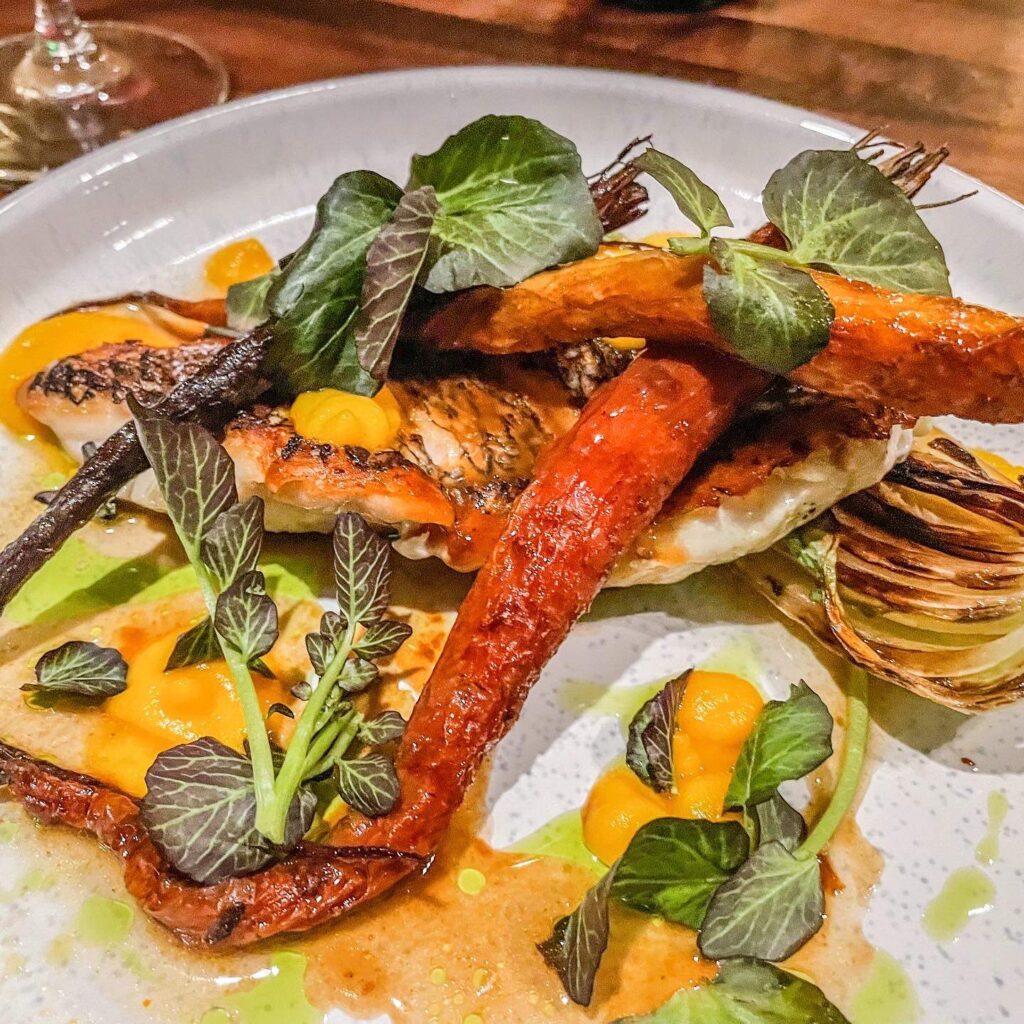
This approach is not simply a branding exercise. It fundamentally shapes every aspect of the dining experience. The menu, intentionally compact, is rebuilt approximately every three months, aligning with agricultural cycles rather than customer expectation. That means ingredients are not forced into availability. If a product is out of season, it is absent. If a farm produces something exceptional, it becomes the centerpiece of a dish. This constant recalibration ensures that no two visits are identical, while reinforcing a level of freshness and integrity that is difficult to replicate in more static kitchens.
Across the broader New Jersey dining landscape, this kind of hyper-seasonal model has become increasingly influential, particularly among restaurants featured throughout the Explore New Jersey restaurants coverage, where the emphasis has shifted toward authenticity, sustainability, and local sourcing. Fiorentini stands at the forefront of that movement, not because it follows the trend, but because it operates as if no alternative exists.
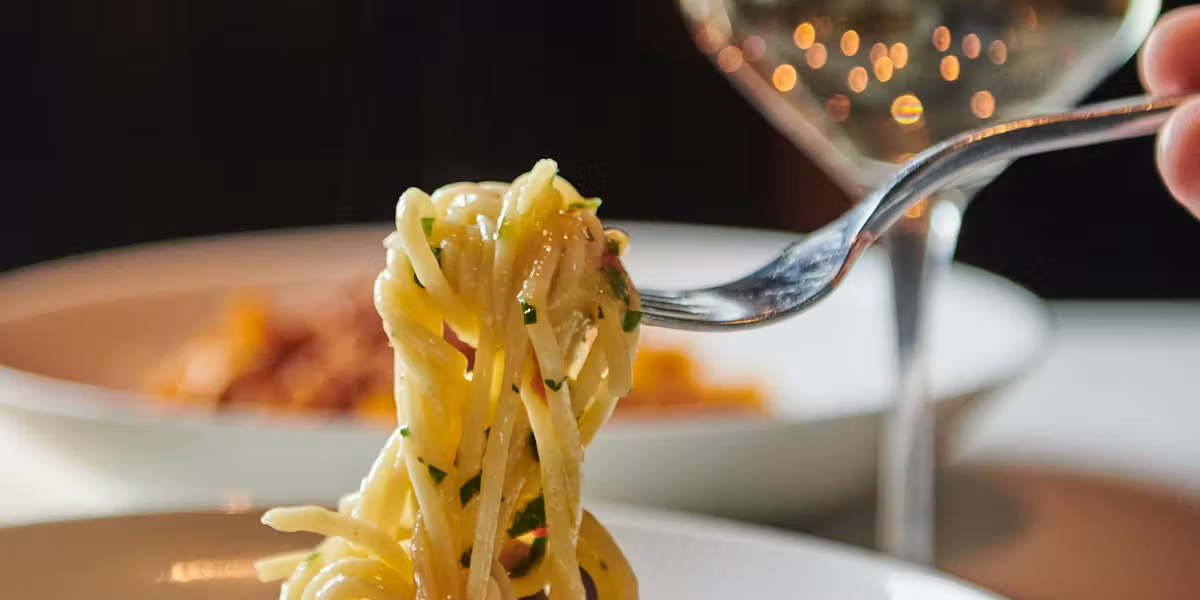
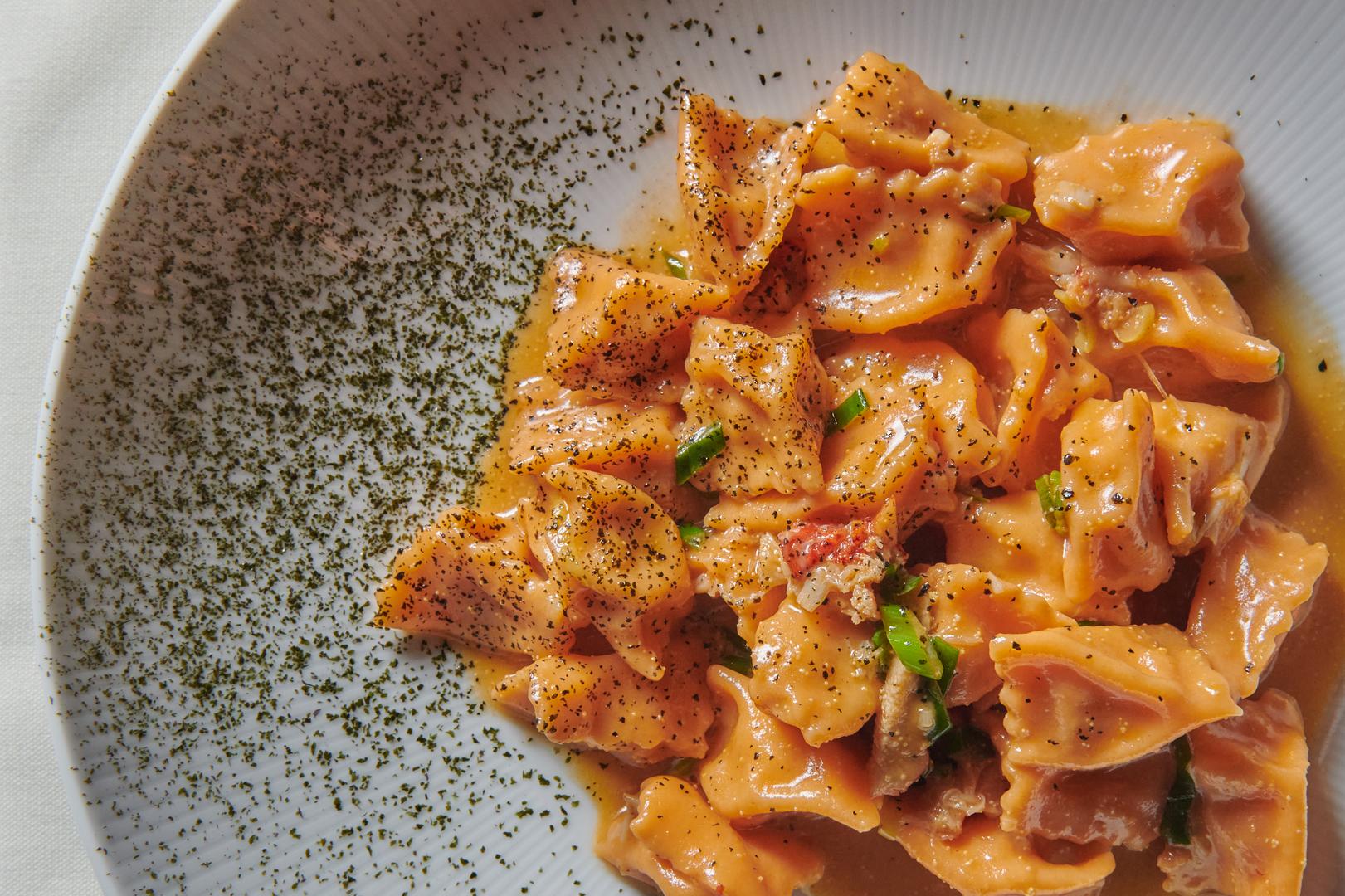
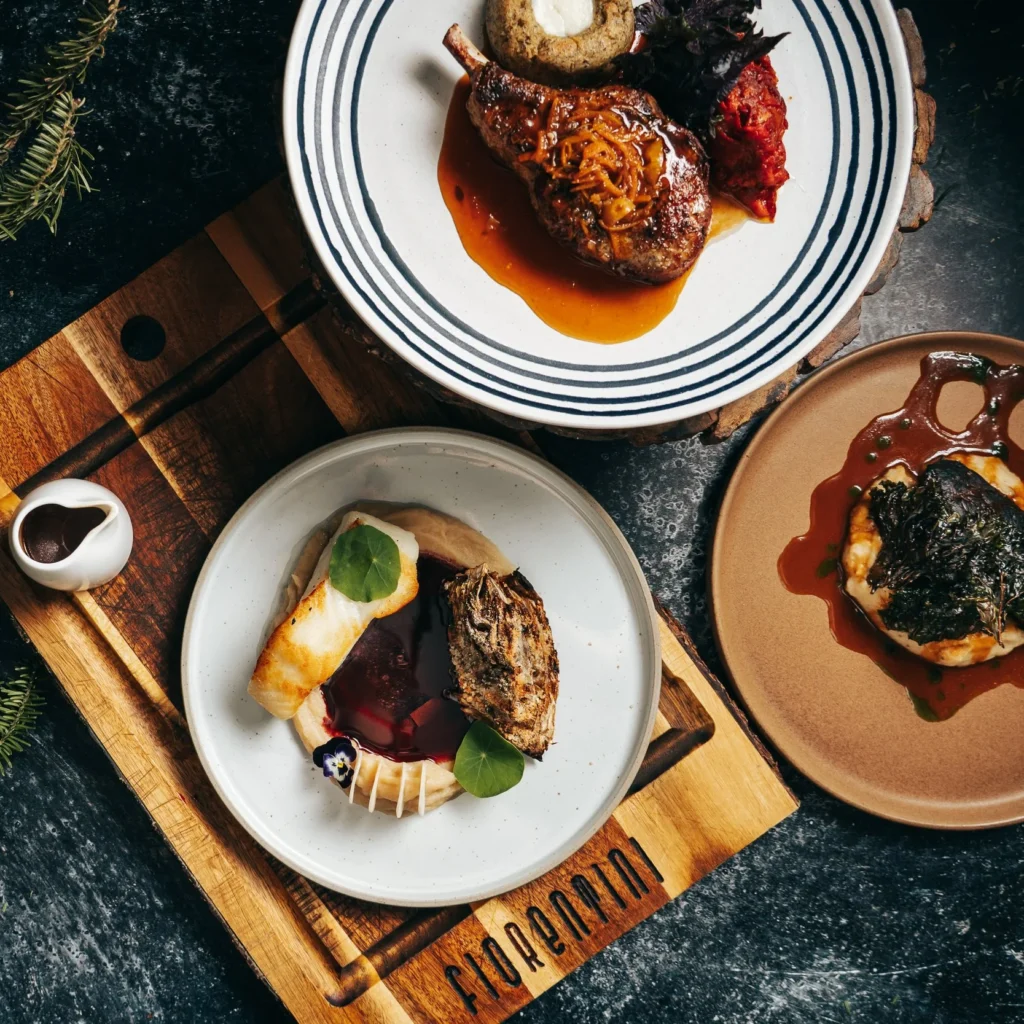
The culinary output reflects that discipline. Handmade pastas anchor the menu, but even within that category, the execution is anything but predictable. Dishes such as cacio e pepe–inspired stuffed gnocchi or pappardelle layered with deeply developed mushroom ragù showcase both technical precision and a willingness to reinterpret tradition through a local lens. The ingredients may be rooted in New Jersey soil, but the techniques remain unmistakably Italian—refined, balanced, and focused on allowing each component to express itself without unnecessary interference.
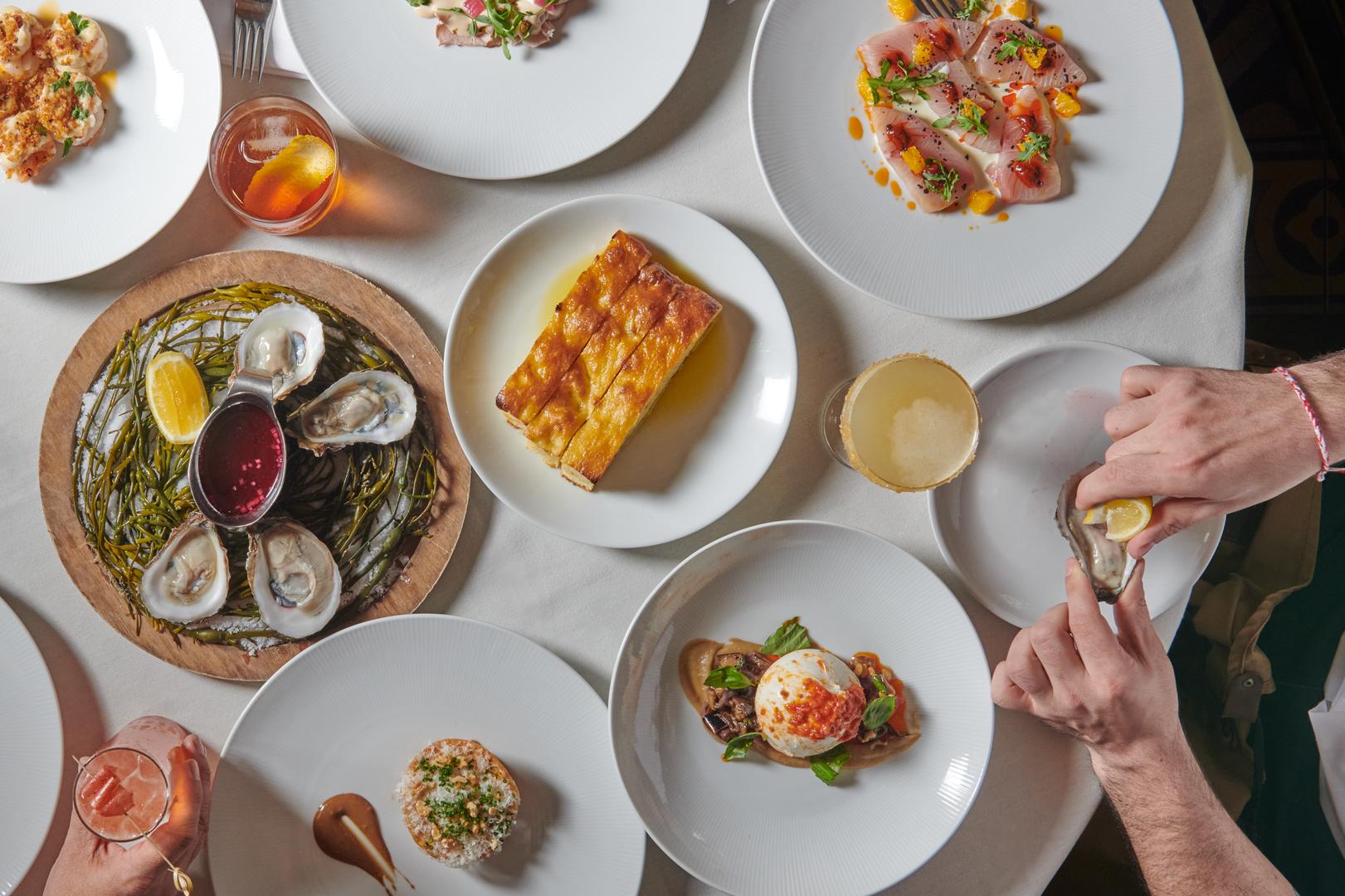
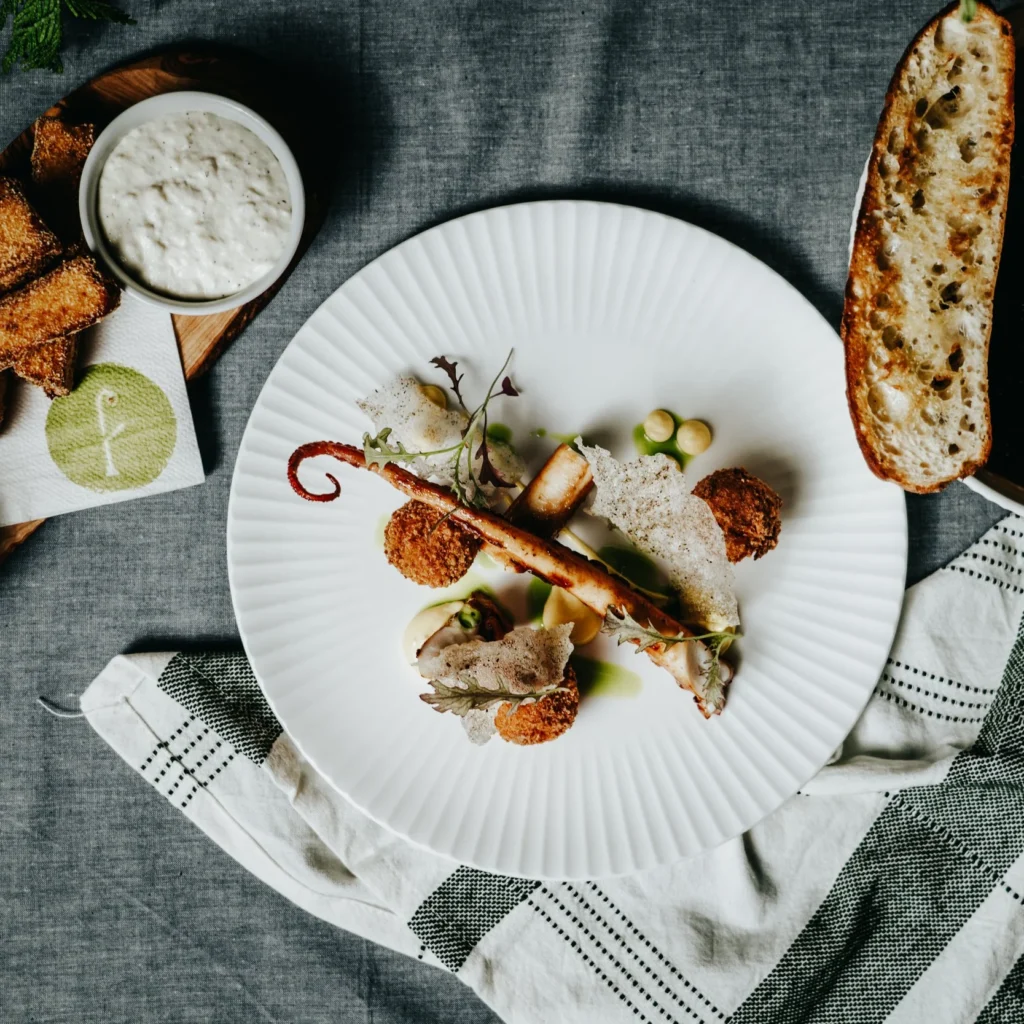
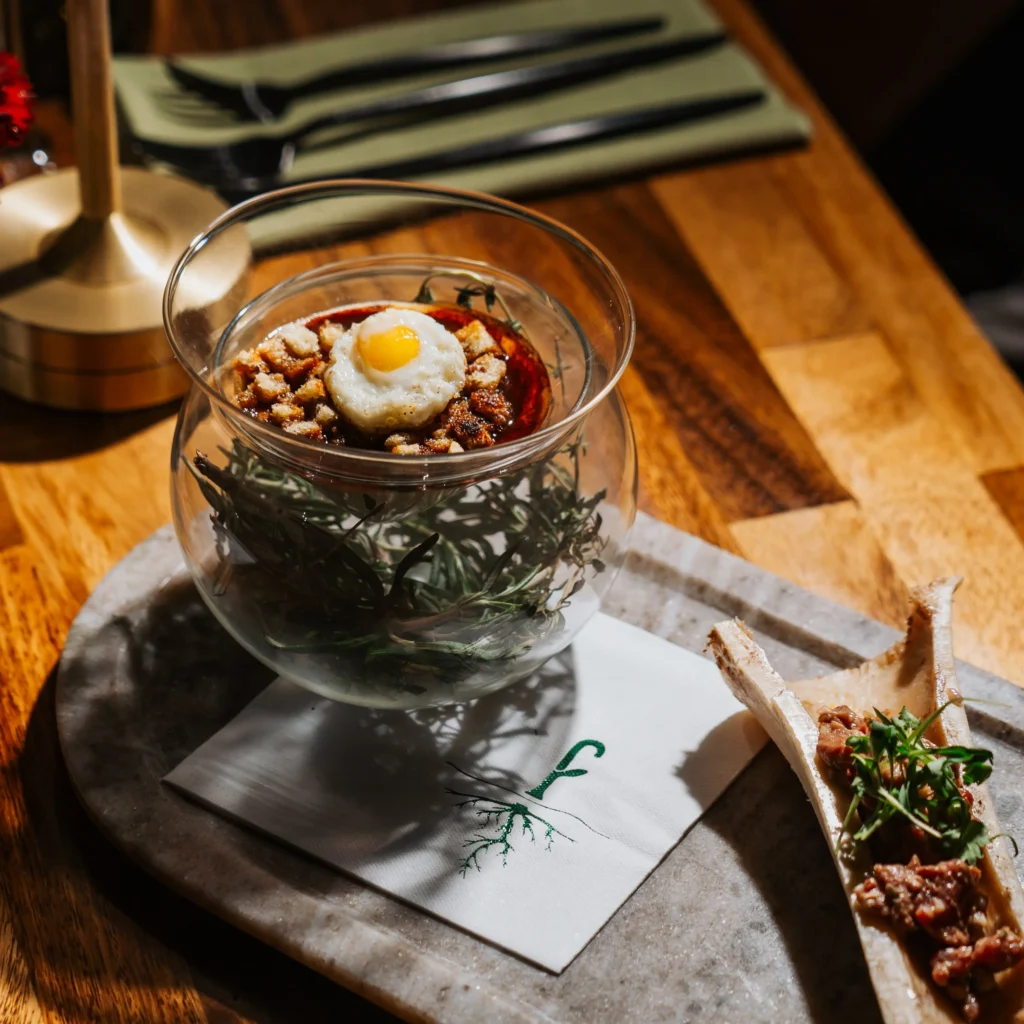
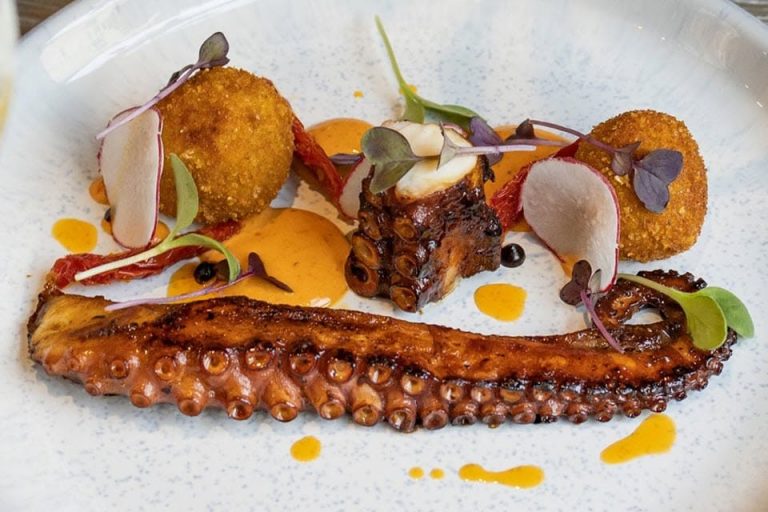
Beyond pasta, the kitchen explores a range of textures and flavors through carefully composed starters and proteins. Octopus, often paired with seasonal vegetables, arrives with a level of tenderness and structural integrity that reflects exacting preparation methods. Wagyu tartare, when available, is handled with restraint, allowing the quality of the product to carry the dish rather than overwhelming it with excessive garnish or manipulation. Each plate operates within a framework of control—nothing extraneous, nothing accidental.
One of the more distinctive elements of Fiorentini’s operation is its approach to alcohol service. The restaurant does not serve alcohol, positioning itself as a “dry” establishment, yet it remains fully BYOB-friendly. This decision, while unconventional, reinforces the restaurant’s focus on food as the central narrative of the experience. Guests are encouraged to curate their own pairings, often sourcing wine from a conveniently located retailer just steps away, effectively integrating the surrounding community into the dining process itself.
Sustainability is not treated as an abstract concept here. It is embedded into the operational structure of the restaurant. From sourcing practices that prioritize regenerative agriculture to a kitchen philosophy that minimizes waste, Fiorentini functions within a system designed to reduce environmental impact without compromising quality. This commitment has not gone unnoticed. In July 2025, Chef De Ieso received formal recognition from the Italian government, becoming the first chef in New Jersey to be honored for his dedication to authentic Italian culinary principles executed abroad. The distinction underscores the restaurant’s dual identity: deeply local in sourcing, yet globally aligned in technique and philosophy.
For diners seeking a more immersive experience, the chef’s table offering provides an alternative entry point into the restaurant’s culinary framework. Structured as a seven-course blind tasting, the experience removes choice from the equation entirely, placing full trust in the kitchen’s direction. Each course unfolds as part of a broader narrative, guided by seasonality and availability rather than expectation. It is a format that rewards curiosity and reinforces the restaurant’s core principle: that the best dining experiences are not predetermined, but discovered in real time.
What ultimately defines Fiorentini is not a single dish or accolade, but the consistency of its philosophy across every aspect of the operation. In an industry often driven by expansion, replication, and scalability, the restaurant has chosen a different path—one that prioritizes control, locality, and continuous evolution. It is a model that demands more from both the kitchen and the guest, but in return, it delivers a level of authenticity that cannot be manufactured.
Within the broader context of New Jersey’s culinary evolution, Fiorentini represents a clear signal of where the state’s dining culture is heading. As more restaurants embrace local sourcing, seasonal menus, and sustainability-driven practices, the expectations of diners continue to shift. The emphasis is no longer on abundance or familiarity, but on precision, intention, and connection to place.
For those exploring the Garden State’s restaurant scene, Fiorentini offers more than a meal. It presents a case study in how discipline, philosophy, and execution can converge to create something that feels both rooted and forward-looking. In Rutherford, on a modest stretch of Park Avenue, that convergence is happening every day—one season, one menu, and one plate at a time.












Your source for everything happening in the Garden State. Enjoy live music year-round, skiing, hiking, beaches, rivers, and mountains. Explore New Jersey’s wine scene by visiting top wineries and vineyards offering award-winning wines. Check out reviews and photos of the best places to sip and sample. Love beer? Discover New Jersey’s breweries — currently home to 123 licensed breweries — and explore the highest-rated beers brewed in the state.
© 2026 Explore New Jersey, a Sunset Entertainment & Media Company | 1928 The Woods II - Cherry Hill, New Jersey 08003. All Rights Reserved.