
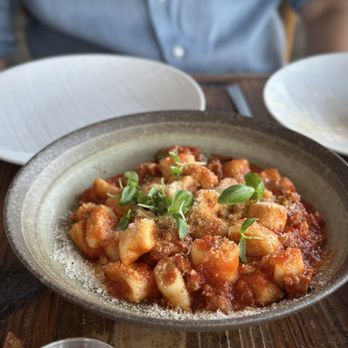
Elements in Princeton Redefines Fine Dining in New Jersey with Intimate Tasting Experiences, Foraged Ingredients, and Modernist Precision. In the heart of Princeton, where history and innovation intersect across academia, culture, and cuisine, Elements continues to operate at a level that places it among the most refined dining destinations in New Jersey. Known for its “Interpretive-American” approach, the restaurant has built its reputation on a philosophy that prioritizes seasonality, technical precision, and an immersive guest experience that blurs the line between kitchen and dining room.
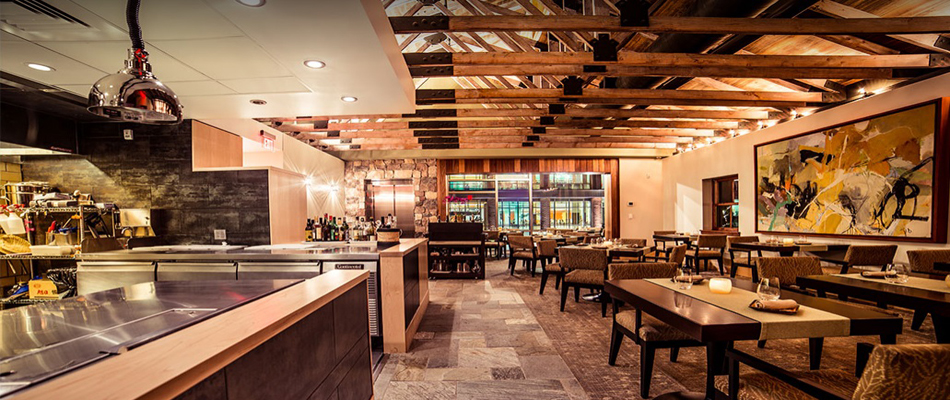
What immediately distinguishes Elements is its scale. The dining room is intentionally limited to just nine tables, accommodating fewer than 30 guests per seating. This level of intimacy is not incidental—it is foundational to the experience. Every seat offers a direct view into the open kitchen, where Chef Scott Anderson and his team execute each course with a level of focus and coordination that transforms the act of cooking into a central component of the meal itself. The result is an environment where diners are not separated from the process, but actively engaged with it.
This connection between guest and kitchen is further reinforced through service. Rather than relying solely on front-of-house staff, members of the culinary team frequently present dishes tableside, offering insight into ingredients, preparation methods, and the conceptual framework behind each course. This interactive model adds a layer of depth that extends beyond flavor, inviting diners to understand not just what they are eating, but how and why it was created.
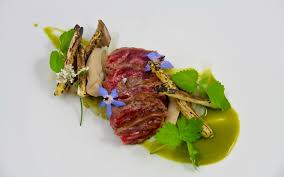
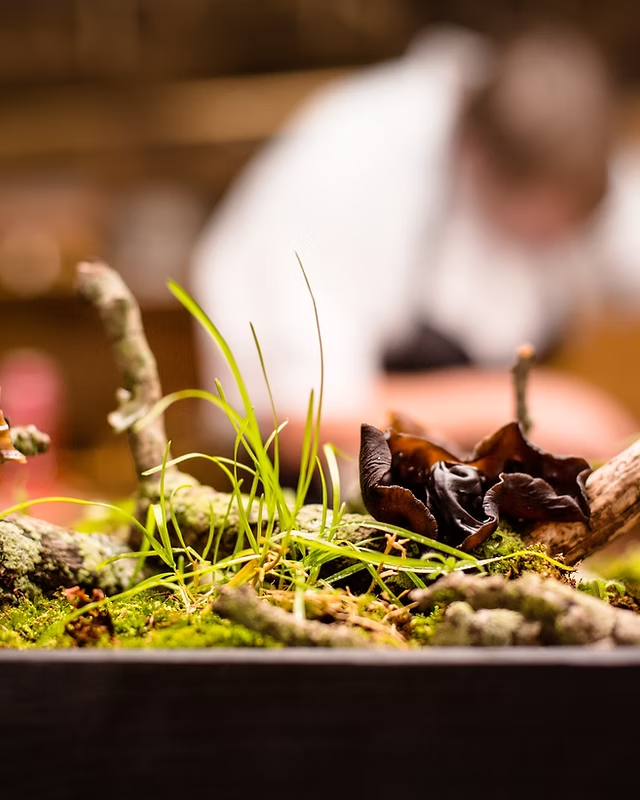
At the core of Elements’ culinary identity is a commitment to sourcing that begins well before service. The kitchen’s daily routine often includes foraging for herbs and ingredients, integrating hyper-local elements into a menu that evolves continuously. This approach ensures that each dish reflects the immediate environment, capturing flavors at their peak while reinforcing a direct connection to the surrounding region. It also introduces a level of unpredictability that keeps the experience dynamic, with menus shifting in response to availability rather than adhering to static structures.
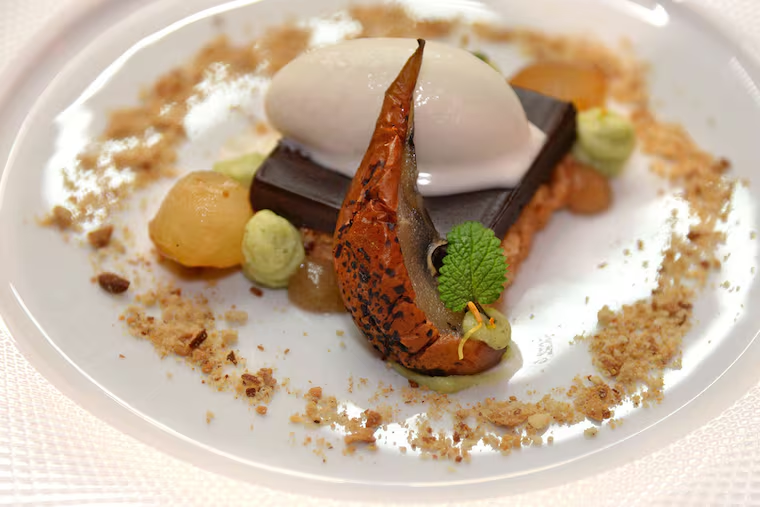
The execution of these ingredients is where Elements distinguishes itself most clearly. Drawing on modernist techniques, the kitchen applies precision and innovation to traditional foundations, creating dishes that are both technically sophisticated and grounded in recognizable flavor profiles. This balance allows the restaurant to push boundaries without losing accessibility, offering a style of cuisine that is intellectually engaging while remaining rooted in sensory experience.
The primary format for experiencing this approach is through multi-course tasting menus. The Chef’s Tasting Menu serves as the most comprehensive expression of the restaurant’s philosophy, guiding guests through a sequence of courses that build in complexity and cohesion. Each dish is designed to contribute to an overarching narrative, with progression and pacing carefully calibrated to create a seamless flow from beginning to end. A condensed five-course option provides a more streamlined version of this journey, while still maintaining the core elements of the experience.
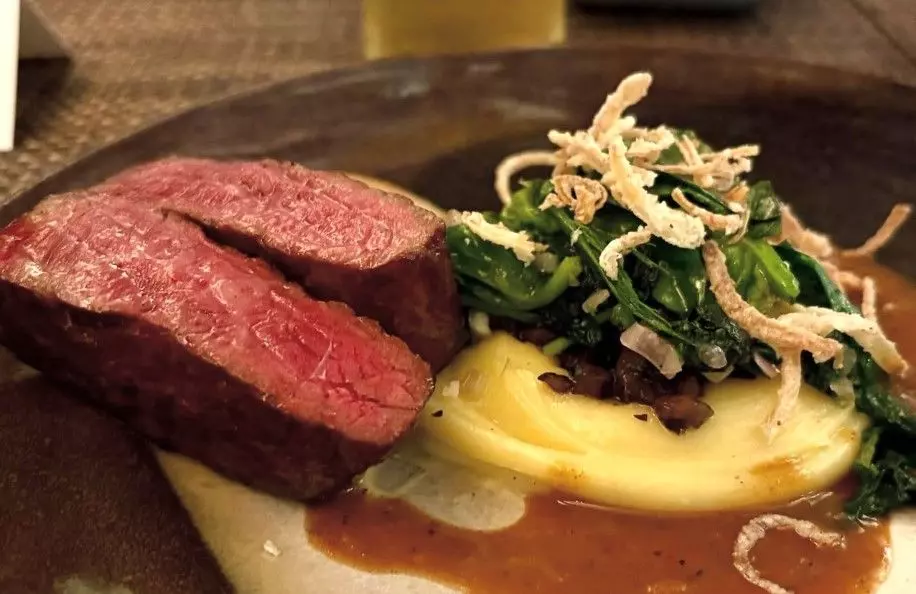
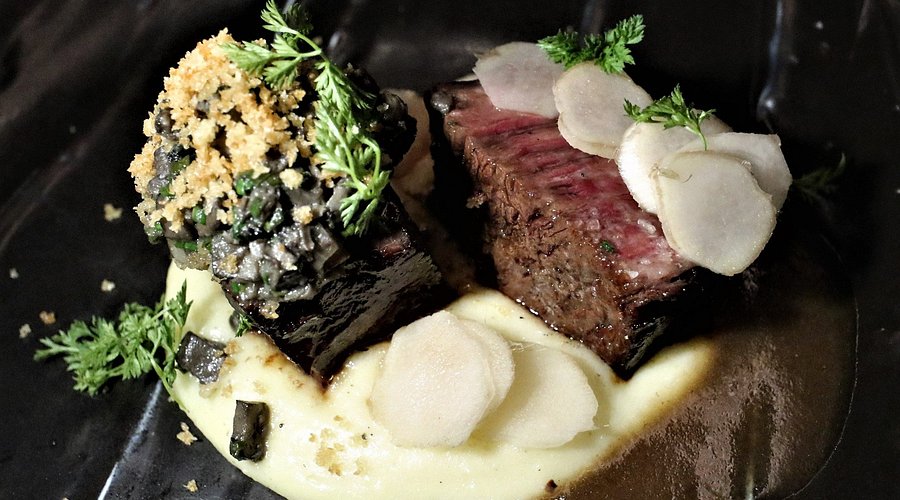
In response to evolving dining preferences, Elements has also introduced a limited à la carte offering, available on select evenings. This addition represents a strategic expansion, allowing guests to engage with the restaurant in a more flexible format while preserving the integrity of its tasting-focused identity. Signature dishes, including premium Wagyu preparations and seasonal risottos, anchor this menu, offering a glimpse into the kitchen’s capabilities within a more traditional structure.
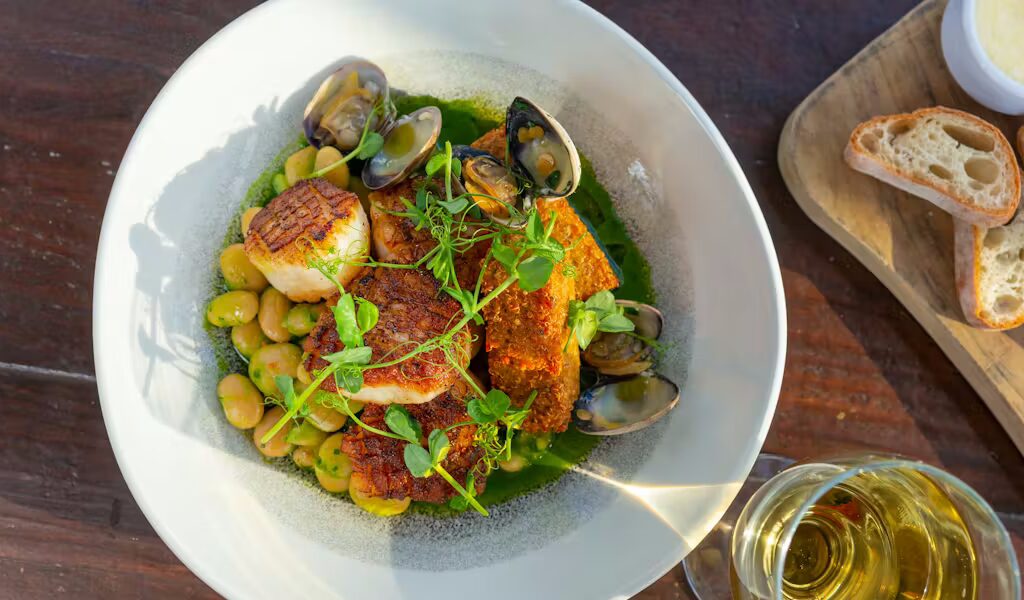
Ingredient selection plays a central role across all formats. The menu frequently features high-quality seafood such as Hokkaido scallops and Jonah crab, alongside carefully sourced meats including Japanese Wagyu and duck preparations that incorporate elements like foie gras. These components are not used for spectacle alone; they are integrated into compositions that emphasize balance, texture, and clarity of flavor.
Operationally, the restaurant maintains a level of precision that extends beyond the plate. Reservations are required for all seatings, with guests encouraged to communicate dietary needs in advance to ensure a tailored experience. This attention to detail reflects a broader commitment to customization, allowing the kitchen to adapt without compromising its standards. Policies around cancellations and timing further reinforce the structured nature of the experience, ensuring that each service operates with consistency and efficiency.
Elements’ location adds another dimension to its identity. Situated on Witherspoon Street and sharing a building with its sister restaurant, Mistral, the venue is embedded within Princeton’s vibrant downtown corridor. This positioning allows it to draw from both local and regional audiences, while contributing to a dining scene that continues to gain recognition for its depth and diversity.
Within the broader context of New Jersey’s restaurant landscape, Elements represents a benchmark for what fine dining can achieve when it is driven by clarity of vision and disciplined execution. Coverage across Explore New Jersey’s restaurant section consistently highlights the state’s ability to support high-level culinary concepts, and Elements stands as one of the clearest examples of that capability.
What ultimately defines the restaurant is its ability to create a cohesive experience that extends beyond individual dishes. Every element—from the layout of the dining room to the sequencing of the menu—has been considered with intention, resulting in a format that feels both controlled and expressive. It is a space where technique and creativity operate in tandem, producing a dining experience that is as much about process as it is about outcome.
As New Jersey’s culinary scene continues to evolve, Elements remains firmly positioned at its leading edge, demonstrating that the state is not only capable of hosting fine dining at the highest level, but of shaping the direction in which it moves.












Your source for everything happening in the Garden State. Enjoy live music year-round, skiing, hiking, beaches, rivers, and mountains. Explore New Jersey’s wine scene by visiting top wineries and vineyards offering award-winning wines. Check out reviews and photos of the best places to sip and sample. Love beer? Discover New Jersey’s breweries — currently home to 123 licensed breweries — and explore the highest-rated beers brewed in the state.
© 2026 Explore New Jersey, a Sunset Entertainment & Media Company | 1928 The Woods II - Cherry Hill, New Jersey 08003. All Rights Reserved.