


New Jersey’s legal cannabis industry continues to evolve far beyond retail sales and cultivation facilities. Increasingly, it has become a proving ground for broader conversations about economic opportunity, criminal justice reform, entrepreneurship, community investment, and the long-term promise of social equity. Few stories capture those intersecting themes more powerfully than the recent opening of East Coasting in Eatontown and the role played by Ascend Wellness Holdings in helping transform an extraordinary personal journey into a thriving New Jersey business.
The opening of East Coasting represents more than the launch of another dispensary in one of the nation’s fastest-growing cannabis markets. It stands as a compelling example of how New Jersey’s cannabis framework is creating pathways for individuals historically harmed by prohibition to participate directly in the industry that once criminalized them.
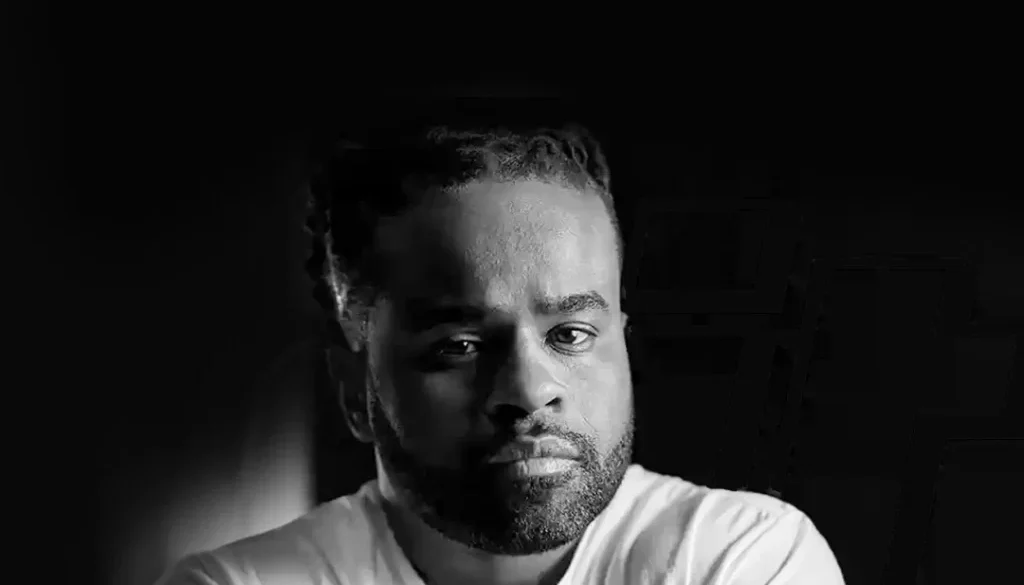
At the center of the story is Kyle Page, a New Jersey native whose life journey reflects both the consequences of decades of cannabis enforcement policies and the possibilities emerging from modern reform efforts. Today, Page is the owner of East Coasting, one of the state’s most distinctive cannabis retail destinations. Yet just a few years ago, such an outcome would have seemed unimaginable.
His story is inseparable from the broader transformation taking place across New Jersey’s cannabis landscape.
Headquartered in Morristown, Ascend Wellness Holdings has become one of the most influential cannabis operators in the United States. Since its founding in 2018, the company has built a vertically integrated business model spanning cultivation, manufacturing, distribution, and retail operations. Operating across multiple states throughout the Northeast, Midwest, and Mid-Atlantic regions, Ascend oversees a network of cultivation facilities and nearly 50 dispensaries while managing a growing portfolio of proprietary brands and consumer products.

What separates Ascend from many of its competitors, however, is its commitment to developing social equity initiatives alongside commercial expansion.
The company’s CO-LAB for Social Equity program was created with a specific purpose: helping entrepreneurs who may otherwise struggle to overcome the enormous financial, regulatory, and operational barriers associated with launching cannabis businesses.
That mission found a powerful partner in Kyle Page.
His path to ownership was anything but conventional.
Years before New Jersey legalized adult-use cannabis, Page experienced firsthand the harsh realities of prohibition-era enforcement. Arrested as a teenager for cannabis-related offenses, he served time in prison before eventually relocating and becoming involved in cannabis cultivation work. While developing a passion for the plant and the agricultural science behind it, he later became entangled in activities that resulted in a lengthy federal prison sentence.
For many individuals, such experiences create lifelong barriers to employment, entrepreneurship, and economic advancement.
Instead, they became the foundation for an entirely different future.
Following his release and eventual return to New Jersey, Page committed himself to rebuilding his life, reconnecting with family, and finding a meaningful career path. That journey eventually led him to advocacy work, cannabis reform efforts, and ultimately a relationship with Ascend Wellness Holdings.
What began as employment within Ascend’s cultivation operations evolved into something much larger.
Through mentorship, training, operational experience, and social equity support, Page gained exposure to virtually every aspect of the cannabis business. He learned compliance procedures, retail operations, cultivation management, inventory systems, customer engagement strategies, and the complex regulatory framework governing legal cannabis.
The knowledge proved invaluable.
Cannabis may be one of the fastest-growing industries in America, but it remains one of the most heavily regulated sectors in the economy. Entrepreneurs face extensive licensing requirements, municipal approvals, financial hurdles, real estate challenges, security obligations, and ongoing compliance responsibilities that often overwhelm first-time business owners.
Success requires far more than passion.
It requires education, resources, mentorship, and support.
Those realities explain why social equity programs have become such an important component of New Jersey’s cannabis framework.
When New Jersey legalized adult-use cannabis, policymakers recognized that communities disproportionately impacted by decades of enforcement should have meaningful opportunities to participate in the emerging industry. The goal was not merely legalization but inclusion.
Programs designed to support minority-owned businesses, women-owned enterprises, disabled veteran entrepreneurs, and social equity applicants were intended to help create a more representative industry.
East Coasting emerged directly from that vision.
Located along Route 35 in Eatontown, the dispensary stands out not only because of its products but because of the culture and identity embedded into the business itself.
Rather than adopting a generic retail approach, Page infused the dispensary with personal experiences and authentic influences that shaped his life. Inspired by East Coast skateboarding culture of the 1990s, the interior reflects the creativity, resilience, and determination associated with a generation that learned to embrace failure as part of growth.
The design philosophy carries symbolic significance.
Skateboarding, much like entrepreneurship, often involves repeated setbacks before success. Progress comes through persistence, adaptation, and the willingness to get back up after falling down.
That spirit permeates East Coasting’s identity.
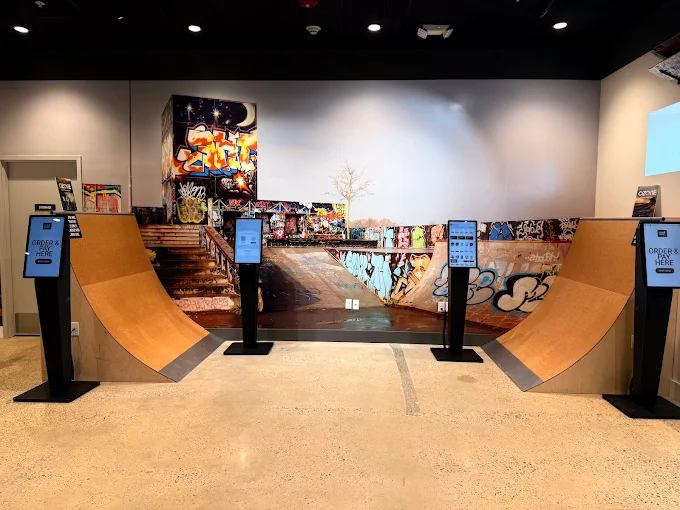
The dispensary is designed to feel less like a corporate retail environment and more like a community-oriented destination built around authenticity and personal connection.
Customers entering the space encounter not only cannabis products but a business story rooted in perseverance, reinvention, and opportunity.
That narrative resonates strongly within New Jersey’s rapidly maturing cannabis market.
Since legal adult-use sales began in 2022, the industry has experienced extraordinary growth. Hundreds of dispensaries have opened across the state, generating billions of dollars in combined medical and recreational sales while creating thousands of jobs and attracting substantial investment.
Yet the industry remains in its early stages.
As municipalities continue evaluating cannabis policies and new businesses enter the marketplace, the conversation increasingly focuses on who benefits from legalization and how economic opportunities are distributed.
The partnership between Ascend Wellness Holdings and East Coasting offers one model for addressing those questions.
Rather than merely providing capital, the relationship emphasizes education, operational support, mentorship, and long-term sustainability. The objective is not simply launching businesses but helping entrepreneurs develop the skills necessary to thrive independently.
That distinction matters.
Access to funding alone rarely guarantees success. Sustainable businesses require knowledge, leadership, strategic planning, and the ability to navigate challenges over time.
By combining financial investment with practical expertise, programs like CO-LAB attempt to bridge that gap.
The broader impact extends beyond individual business owners.
Economic empowerment initiatives generate employment opportunities, stimulate local investment, and contribute to community development. East Coasting itself employs more than twenty people while serving as an example of how cannabis legalization can create meaningful pathways to ownership.
The story also highlights the continuing evolution of public attitudes toward cannabis.
For decades, individuals faced criminal penalties for activities that today support a multibillion-dollar regulated marketplace. As legalization expands, stories like Page’s force society to confront difficult questions about fairness, accountability, and opportunity.
They also demonstrate the transformative power of second chances.
New Jersey’s cannabis industry was never intended to be solely about retail transactions. At its best, it represents an opportunity to build a more equitable economic ecosystem while addressing some of the long-term consequences of prohibition.
That vision remains a work in progress.
Challenges persist, including access to capital, municipal participation, regulatory complexity, and ongoing barriers facing social equity entrepreneurs. Yet examples like East Coasting illustrate what becomes possible when policy goals, private-sector investment, and individual determination align.
For Ascend Wellness Holdings, the success of East Coasting reinforces the value of investing in people as much as products.
For New Jersey, it offers a powerful reminder that legalization is not simply about creating a new industry. It is about creating opportunities for individuals, families, and communities to participate in that industry in meaningful ways.
And for Kyle Page, the journey from incarceration to ownership represents something even larger.
It is proof that redemption, entrepreneurship, and economic empowerment can coexist within a rapidly changing industry.
As New Jersey’s cannabis marketplace continues expanding, stories like this may ultimately define its legacy—not merely the products sold or revenues generated, but the lives transformed along the way.
















