

- This event has passed.
Chamber Music Ensemble A Musical Mosaic
Kean University’s “A Musical Mosaic” Redefines the Chamber Music Experience in New Jersey with a Global, Genre-Spanning Showcase
April 23 @ 7:30 PM – 11:30 PM
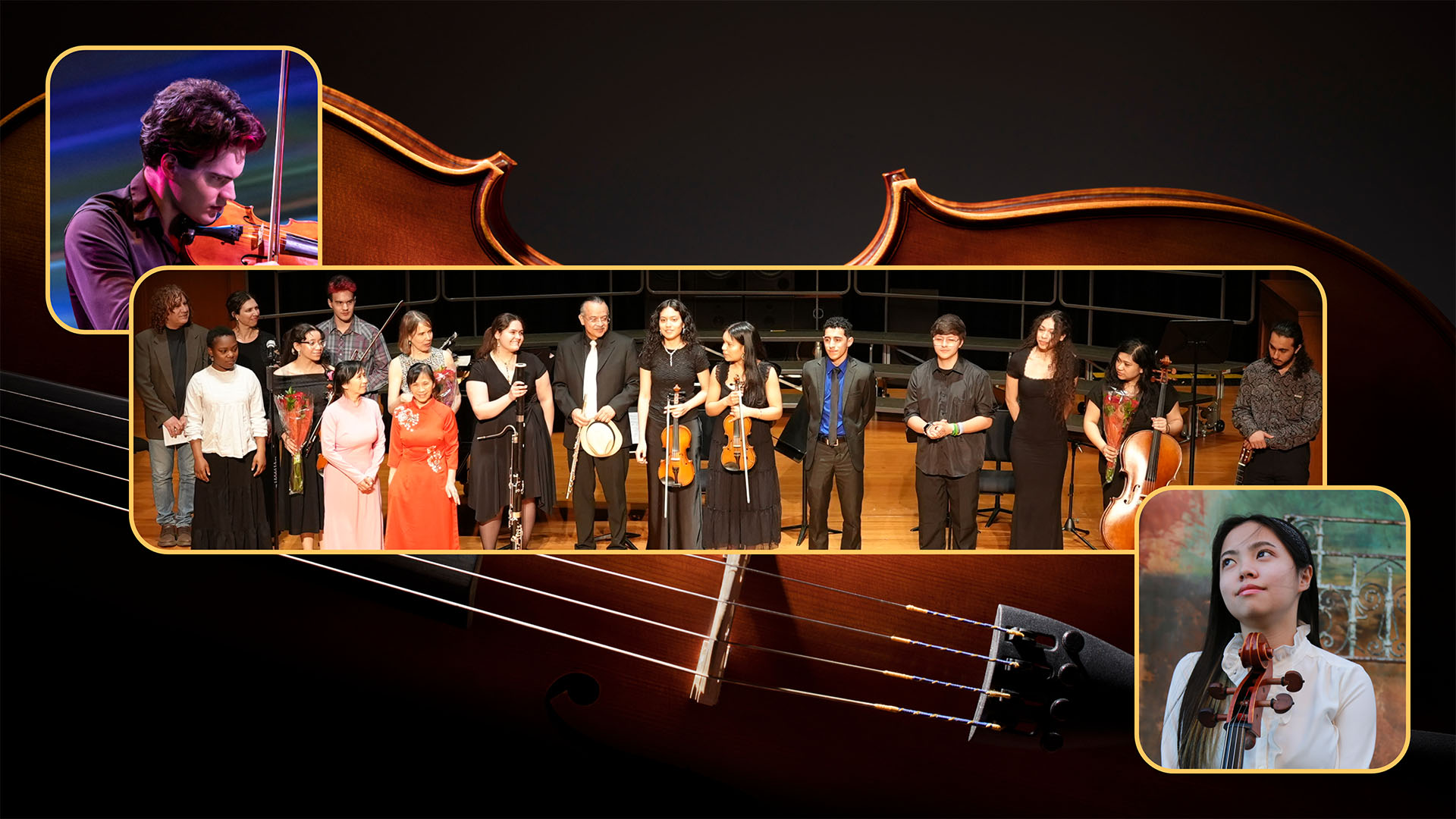
On Thursday, April 23, 2026, at 7:30 p.m., Enlow Recital Hall at Kean University becomes the setting for a performance that reflects both the evolving identity of classical music and the expanding cultural reach of New Jersey’s live arts scene. Presented by the Kean University Chamber Music Ensemble under the direction of Lisa Hansen, A Musical Mosaic: Classical & Folkloric Selections from the Americas, Asia & Europe is not simply a concert—it is a deliberate reimagining of what chamber music can represent in a modern, globally connected environment.
This free-admission event arrives at a moment when audiences are increasingly seeking depth, diversity, and narrative within live performance. Rather than adhering to a single stylistic tradition, A Musical Mosaic constructs a program that moves fluidly across continents, eras, and musical languages. It is an approach that positions Kean University at the forefront of a broader shift in classical programming—one that embraces cultural plurality without sacrificing technical rigor or artistic integrity.
At the center of the evening is the Kean University Chamber Music Ensemble itself, a collective of student musicians whose work reflects both disciplined training and interpretive ambition. Under Hansen’s direction, the ensemble navigates a repertoire that spans canonical European composers and globally rooted folkloric traditions, creating a cohesive musical dialogue that is as intellectually engaging as it is emotionally compelling.
The inclusion of Juilliard-trained guest artists violinist Dylan Hamme and cellist Elisabeth Chang adds a significant layer of artistic distinction to the performance. Their presence not only elevates the technical standard of the evening but also reinforces the collaborative ethos that defines chamber music at its highest level. These are musicians who bring professional precision and interpretive depth into direct conversation with emerging talent, resulting in a performance dynamic that is both refined and exploratory.
The program itself is structured as a journey through sound, drawing from a wide-ranging selection of composers whose works collectively define the breadth of the chamber music tradition. Audiences can expect to encounter the rhythmic intensity and folk-inspired language of Béla Bartók, the structural elegance and lyrical richness of Johannes Brahms, and the expressive character of Mikhail Glinka. The inclusion of George Frideric Handel introduces a baroque dimension that anchors the program historically, while works by Zoltán Kodály further expand the connection between classical form and folkloric influence.
What distinguishes this concert from more traditional chamber presentations is its willingness to move beyond the established canon and incorporate contemporary and cross-genre elements. The inclusion of music associated with modern artists such as Laufey, alongside the romantic stylings of Los Panchos, signals a deliberate effort to broaden the scope of the performance. This is not a departure from classical music—it is an expansion of it, an acknowledgment that the language of chamber music can evolve while still maintaining its core principles of intimacy, dialogue, and precision.
Instrumental and vocal works are interwoven throughout the program, creating a layered listening experience that continuously shifts in texture and tone. This structural variety ensures that the audience remains engaged not only with the music itself but with the transitions between styles, cultures, and interpretive approaches. Each piece functions as part of a larger narrative, contributing to a cohesive artistic statement that reflects the diversity implied in the concert’s title.
Enlow Recital Hall provides the ideal environment for such a performance. Its acoustical clarity and architectural intimacy allow for a level of detail that is essential to chamber music, where subtle dynamics and nuanced phrasing carry significant expressive weight. In this setting, the interaction between performers becomes fully visible and audible, offering audiences a direct connection to the collaborative process that defines the genre.
The significance of A Musical Mosaic extends beyond the performance itself. It represents a broader commitment within New Jersey’s arts ecosystem to present programming that is both accessible and ambitious. By offering free admission, Kean University continues to remove barriers to entry while maintaining a level of artistic quality that rivals ticketed performances in larger metropolitan venues. This approach not only expands audience access but also reinforces the role of public institutions in shaping the cultural landscape of the state.
For those exploring the wider spectrum of live performance opportunities across New Jersey, this event also serves as a gateway into a thriving network of theatrical and musical programming. The state’s growing reputation as a destination for high-caliber arts experiences is reflected in the breadth of offerings available through the Explore New Jersey theatre hub, where audiences can discover productions that span classical, contemporary, and experimental forms.
What ultimately defines A Musical Mosaic is its ability to balance tradition with innovation. It honors the foundational elements of chamber music—technical excellence, close collaboration, and interpretive nuance—while simultaneously expanding its boundaries to include a wider range of cultural voices and musical influences. In doing so, it creates a performance that is not only reflective of the past but actively engaged with the present.
As the April 23 performance approaches, this concert stands as one of the most compelling entries in New Jersey’s spring arts calendar. It offers an experience that is both immersive and expansive, inviting audiences to move beyond familiar listening patterns and engage with a broader musical landscape. In a state where the performing arts continue to gain momentum, A Musical Mosaic represents a clear and confident statement: that New Jersey is not only participating in the evolution of live music—it is helping to define it.











