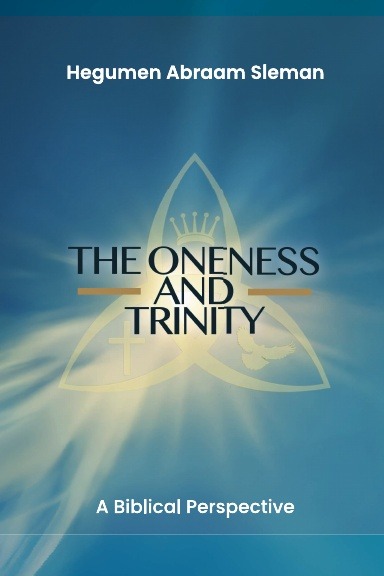

New Jersey’s literary and faith communities continue to intersect in powerful ways, and this spring brings a significant addition to the Garden State’s theological bookshelf. Hegumen Abraam Sleman, rector and senior priest of the Coptic Orthodox Church of St. Mark in Jersey City, has released his latest book, The Oneness and Trinity: A Biblical Perspective, on March 1, 2026.
For decades, Hegumen Sleman has faithfully served the Jersey City community from St. Mark’s parish at 427 West Side Avenue. Now, with this new 20-chapter volume, he offers a biblically rigorous, pastorally sensitive, and intellectually disciplined study of one of Christianity’s most foundational doctrines: the oneness of God revealed as Father, Son, and Holy Spirit.
This is not an abstract academic exercise. It is a work born from ministry in New Jersey — shaped by parish life, catechetical teaching, theological dialogue, and the lived spiritual questions of families, students, clergy, and seekers throughout the tri-state area.
A New Jersey Voice in Theological Publishing
Explore New Jersey’s Books category has consistently highlighted authors whose work is anchored in community, scholarship, and cultural depth. Hegumen Sleman’s newest publication stands squarely within that tradition.
Unlike detached theological treatises written for academic institutions alone, The Oneness and Trinity: A Biblical Perspective emerges directly from pastoral service. It is designed to equip:
- Local clergy navigating doctrinal questions in an increasingly pluralistic society
- Seminary students and theology scholars seeking clarity rooted in Scripture
- Parishioners desiring a deeper understanding of historic Christian faith
- Readers throughout New Jersey and beyond who seek a coherent, biblically grounded explanation of the Trinity
This is a Jersey City-authored theological work with national relevance.
Examining the Oneness of God Through Scripture
At the heart of the book lies a careful exploration of the “Oneness of God.” Hegumen Sleman approaches this subject not as a speculative philosopher, but as a biblical exegete and Church historian.
The text unfolds through a structured, 20-chapter progression that integrates:
- Close reading of Old and New Testament passages
- Analysis of key Greek theological terminology
- Engagement with early Church Fathers
- Clarification of doctrinal developments leading to the Nicene formulation of faith
Rather than reducing the Trinity to abstract metaphysical language, Sleman grounds his presentation in Scripture itself.
One of the book’s most compelling theological frameworks is drawn from John 15 — the image of the True Vine. In this analogy:
- The Father is presented as the eternal Source
- The Son is understood as the Word and Self-expression of the Father
- The Holy Spirit is described as the living Breath and divine power
This biblical imagery offers a relational and organic understanding of divine unity — preserving monotheism while articulating personal distinction.
Addressing Modern and Historical Misunderstandings
The doctrine of the Trinity has historically been misunderstood, misrepresented, and sometimes caricatured. Hegumen Sleman confronts these issues directly.
The book carefully distinguishes historic Christian orthodoxy from:
- Tritheism — the mistaken belief that Christianity teaches three separate gods
- Modalism — the idea that God merely appears in different forms or modes rather than existing eternally as Father, Son, and Holy Spirit
By engaging these theological pitfalls, the text reaffirms the Nicene faith while providing accessible clarity. Readers are not left navigating abstract creeds alone; they are guided step by step through scriptural foundations and patristic testimony.
For a generation often exposed to fragmented online theology or oversimplified social media debates, this level of doctrinal precision is both necessary and refreshing.
The Early Church Fathers and the Continuity of Faith
A defining strength of The Oneness and Trinity: A Biblical Perspective is its integration of early Church teaching. The book does not isolate Scripture from history. Instead, it demonstrates how the earliest Christian thinkers articulated and defended the unity of God in response to heresy and misunderstanding.
By weaving together biblical exegesis and patristic wisdom, Sleman shows that the doctrine of the Trinity did not emerge centuries later as philosophical invention. Rather, it developed as faithful interpretation and defense of apostolic teaching.
For readers in New Jersey’s diverse Christian communities — Orthodox, Catholic, Protestant, and beyond — this historical grounding invites renewed appreciation for the shared theological heritage that shapes global Christianity today.
Rooted in Jersey City: Ministry as the Source
It is impossible to separate this book from its local context.
Hegumen Abraam Sleman has served the Jersey City community for decades. His parish, St. Mark Coptic Orthodox Church, is a prominent and vibrant spiritual center on West Side Avenue. Many of his previous studies and materials have been published or distributed directly through the parish, reflecting a community-based publishing model that prioritizes spiritual formation over commercial ambition.
This pastoral grounding matters.
The questions addressed in this book are not hypothetical. They arise from real conversations:
- Youth asking how God can be one and three
- Adults seeking deeper catechesis
- Interfaith discussions within New Jersey’s religiously diverse environment
- Clergy striving to teach faithfully in a complex cultural climate
The book is therefore both theological and practical — designed to be studied, taught, discussed, and applied within parish life.
A Prolific Body of Work Focused on the Trinity
The Oneness and Trinity: A Biblical Perspective builds on an already substantial theological library authored by Hegumen Sleman.
Related titles include:
- The Heavenly Father: A Biblical Perspective (3rd edition released February 2026)
- The Holy Spirit: A Biblical Perspective
- Encounters with Christ: Seeing the Father in Jesus
Taken together, these works form a cohesive theological trilogy centered on the persons of the Trinity. Each volume approaches a distinct dimension of divine revelation, yet they collectively reinforce a unified vision of God’s nature as revealed in Scripture.
For New Jersey readers who have followed his ministry over the years, this latest release represents both continuity and culmination — a mature synthesis of decades of pastoral reflection and doctrinal study.
Why This Book Matters Now
The question of God’s nature is not a relic of ancient councils. It remains central to Christian identity, worship, and spiritual formation.
In a time when:
- Religious literacy is declining
- Doctrinal confusion is amplified through digital platforms
- Interfaith conversations are more common than ever in New Jersey
- Younger generations seek intellectually coherent faith
A biblically grounded, historically faithful articulation of the Trinity is urgently relevant.
Hegumen Sleman’s work offers clarity without aggression, depth without obscurity, and tradition without rigidity. It provides a model for how local ministry can produce scholarship that serves both church and wider community.
Strengthening New Jersey’s Literary and Faith Landscape
Explore New Jersey continues to spotlight authors whose contributions shape the intellectual and cultural fabric of the state. With this latest release, Jersey City adds another meaningful voice to New Jersey’s diverse publishing ecosystem.
The intersection of local authorship, theological depth, and community impact makes The Oneness and Trinity: A Biblical Perspective more than a book launch. It is a testament to the enduring vitality of faith communities in New Jersey — communities that continue to write, teach, publish, and engage the world thoughtfully.
For clergy, theology students, Christian educators, and serious readers across the Garden State, this volume offers a comprehensive, scripturally anchored exploration of the unity of God revealed as Father, Son, and Holy Spirit.
And for Jersey City, it stands as a reminder that some of the most significant theological contributions are not always born in distant seminaries or publishing hubs — but in parish halls, classrooms, and sanctuaries right here at home.
St. Mark Coptic Orthodox Church in Jersey City: America’s First Coptic Orthodox Parish Continues to Anchor Faith, Education, and Community in New Jersey
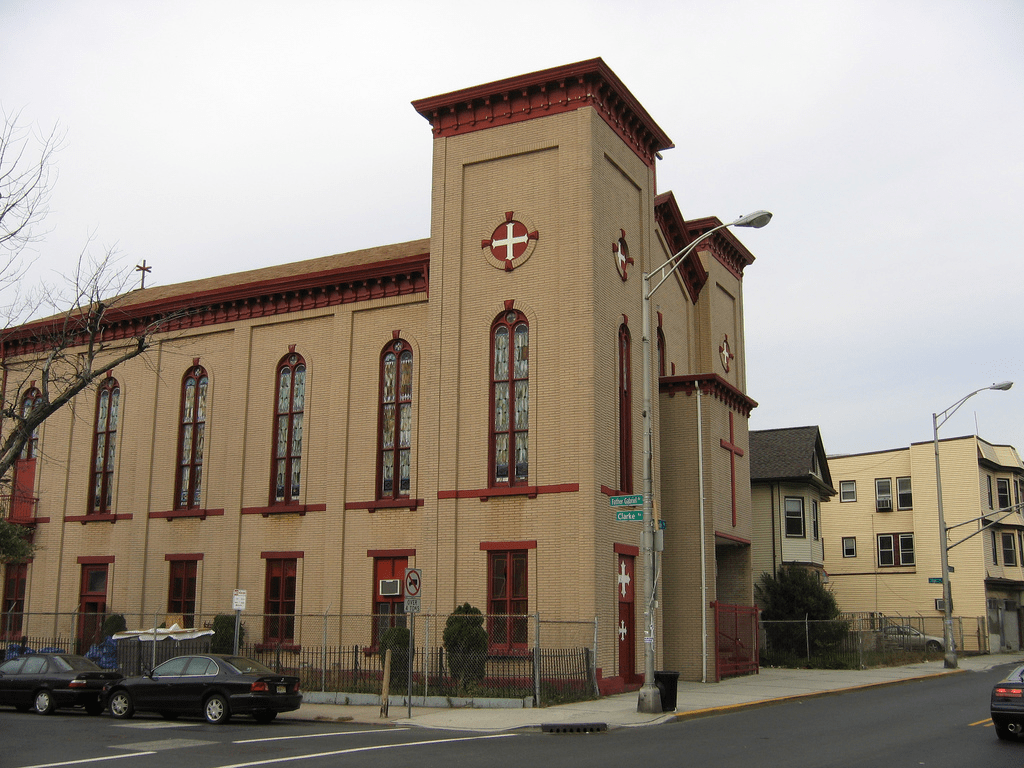
In the heart of Hudson County stands a historic institution whose influence stretches far beyond its neighborhood streets. As the first Coptic Orthodox Church established in the United States, St. Mark Coptic Orthodox Church remains a cornerstone of Orthodox Christianity in America and a defining spiritual presence in Jersey City.
Under the pastoral leadership of Hegumen Abraam Sleman and the parish clergy, St. Mark continues to serve as a vibrant center of worship, theological formation, youth development, and humanitarian outreach. For New Jersey residents seeking a deeper understanding of ancient Christian tradition lived in modern community, this historic parish offers a living testimony to faith rooted in continuity, structure, and service.
For Explore New Jersey readers who follow the evolving intersection of books, faith, and cultural institutions across the Garden State, St. Mark represents something rare: a religious community that preserves one of Christianity’s oldest liturgical traditions while simultaneously engaging contemporary American life with confidence and clarity.
A Historic Foundation: The First Coptic Orthodox Church in the United States
St. Mark’s distinction as the first Coptic Orthodox parish in America is not merely symbolic. It represents the beginning of a movement that has since grown across the country, serving generations of Coptic Orthodox Christians and welcoming countless others interested in the Church’s apostolic heritage.
From its location on West Side Avenue in Jersey City, the parish has functioned for decades as both a spiritual home and a cultural bridge — connecting Egyptian Christian tradition with the American religious landscape.
Today, under the guidance of Hegumen Abraam Sleman, the church continues to strengthen that legacy with structured worship, educational depth, and expansive community programming.
Liturgical Life: Ancient Worship in a Modern World
At the heart of St. Mark’s life is its unwavering commitment to the ancient liturgical rhythm of the Coptic Orthodox Church. Worship is not occasional or informal; it is structured, reverent, and theologically rich.
Divine Liturgy
The Divine Liturgy is celebrated multiple times each week, including Sunday mornings and select weekdays. These services follow the historic Coptic rite, preserving prayers and hymns that trace their origins to the earliest centuries of Christianity.
For those unable to attend in person, many services are broadcast live through the parish’s digital platforms, including its Facebook page and St. Mark TV. This hybrid accessibility allows parishioners throughout New Jersey and the broader tri-state area to remain connected to their spiritual home.
Vespers and Midnight Praises
Saturday evenings are dedicated to preparation for the Sunday Liturgy through Vespers and Midnight Praises. These services cultivate spiritual attentiveness and reflection, reinforcing the Orthodox understanding that worship is a holistic rhythm rather than a single weekly event.
Holy Week and Great Lent
The parish follows the Coptic liturgical calendar meticulously. During Great Lent and Holy Week, the church maintains an extensive schedule of services that draw congregants into a deeply immersive spiritual journey. These seasons are marked by heightened participation, extended prayer, and theological reflection grounded in Scripture and tradition.
For the most current service times, parishioners and visitors are encouraged to review the official church schedule or contact the parish office directly.
A Culture of Education: Formation for Every Age
If worship is the heartbeat of St. Mark, education is its framework. The parish operates a comprehensive religious education structure that addresses every stage of life.
Sunday School: From Pre-K to Graduate Level
Sunday School at St. Mark is not an afterthought. It is a carefully organized, age-specific program that spans from Pre-K children through college and graduate students. Instruction is tailored to developmental levels while maintaining doctrinal continuity.
In an era when many faith communities struggle to sustain youth engagement, St. Mark’s long-standing educational infrastructure demonstrates strategic investment in generational formation.
Saturday Bible Study
Following Vespers on Saturday nights, Bible study sessions provide deeper theological engagement. Youth from Pre-K through high school receive structured spiritual instruction, while adults participate in their own guided study and discussion.
This layered approach ensures that scriptural literacy is not confined to clergy but cultivated throughout the congregation.
Hymnology and Deacon Classes
One of the distinctive strengths of Coptic Orthodox worship is its liturgical music. Weekly hymnology and deacon classes on Saturday afternoons train youth to learn traditional Coptic hymns and liturgical responses. This preserves not only theological content but also sacred musical heritage.
The integration of language, chant, and ritual reinforces continuity with early Christian worship practices.
Servants Preparation Program
Leadership development is embedded in parish life through the Servants Prep program. Designed for high school juniors, seniors, and adults, this specialized initiative trains future church leaders and servants.
Rather than relying solely on clergy, St. Mark intentionally cultivates lay leadership — preparing individuals to teach, mentor, and guide within the parish and broader community.
Youth, Fellowship, and Community Cohesion
A thriving parish requires more than liturgy and study; it requires fellowship structures that foster belonging.
Youth Meetings and Fellowship Groups
Dedicated meetings for college students, graduates, and newly married couples create space for spiritual dialogue, mentorship, and service coordination. These fellowships strengthen peer relationships while reinforcing shared values.
Coptic Scouts
The Coptic Scouts program operates as a nonprofit youth association focused on physical, spiritual, and leadership development. Through structured activities, participants build discipline, teamwork, and faith-centered identity.
This integration of physical development and spiritual formation reflects the Orthodox understanding that growth is holistic.
Humanitarian Commitment: St. Abraam’s Ministry
Beyond parish boundaries, St. Mark extends its mission through St. Abraam’s Ministry, its humanitarian arm.
This outreach initiative provides:
- Financial aid
- Food assistance
- Clothing distribution
Support reaches persecuted families and individuals in need both locally in New Jersey and internationally in Egypt. In doing so, the parish embodies the Orthodox principle that worship must be accompanied by tangible acts of mercy.
For Explore New Jersey readers attentive to nonprofit engagement and faith-based service initiatives, St. Mark’s outreach represents a meaningful model of structured compassion.
The Annual Festival: Tradition Meets Community Celebration
Each fall, typically in September or October, St. Mark hosts its annual festival — a celebration that welcomes both parishioners and the broader Jersey City community.
The festival features:
- Traditional Coptic cuisine
- Church tours
- Educational exhibits
- Family-friendly activities
This event provides an accessible introduction to Coptic Orthodox heritage while strengthening neighborhood connections.
In a city defined by cultural diversity, the festival reinforces Jersey City’s identity as a mosaic of faith traditions and immigrant histories.
Digital Engagement and Accessibility
St. Mark’s commitment to live-streamed liturgies and digital communication reflects its adaptation to contemporary expectations without compromising liturgical integrity.
The parish’s online presence allows:
- Homebound members to remain connected
- Prospective visitors to observe services before attending
- Families outside New Jersey to maintain spiritual ties
This blend of ancient worship and modern technology underscores the parish’s forward-looking approach.
A Defining Institution in New Jersey’s Religious Landscape
As Explore New Jersey continues to document institutions that shape the cultural and spiritual fabric of the state, St. Mark Coptic Orthodox Church stands as one of the most historically significant and structurally comprehensive religious communities in the region.
Its distinction as the first Coptic Orthodox Church in America is matched by its ongoing vitality:
- A robust liturgical calendar
- Multi-tiered educational programming
- Leadership development pathways
- Youth formation initiatives
- Humanitarian outreach
- Community-wide cultural events
Under Hegumen Abraam Sleman’s leadership, the parish continues to integrate doctrinal depth, organizational discipline, and community engagement.
For residents of Jersey City, Hudson County, and the greater New Jersey region, St. Mark remains more than a historic landmark. It is a living, structured, and mission-driven spiritual institution — one that continues to shape faith, foster service, and preserve a tradition that has endured for nearly two millennia.
Those seeking current service schedules or additional information may contact the parish office at (201) 333-0004 or consult the official church calendar through its digital platforms.