
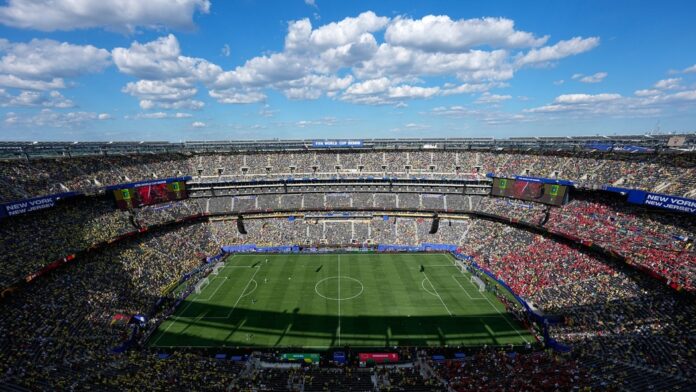

The FIFA World Cup has finally arrived in New Jersey, bringing with it the excitement, spectacle, and international attention state leaders envisioned for years. For the first time in tournament history, the world’s largest sporting event is unfolding on a truly continental scale, and New Jersey sits squarely at the center of that global spotlight. East Rutherford’s MetLife Stadium, temporarily rebranded as New York New Jersey Stadium under FIFA regulations, will host eight matches, including the most coveted game in international soccer: the FIFA World Cup Final on July 19.
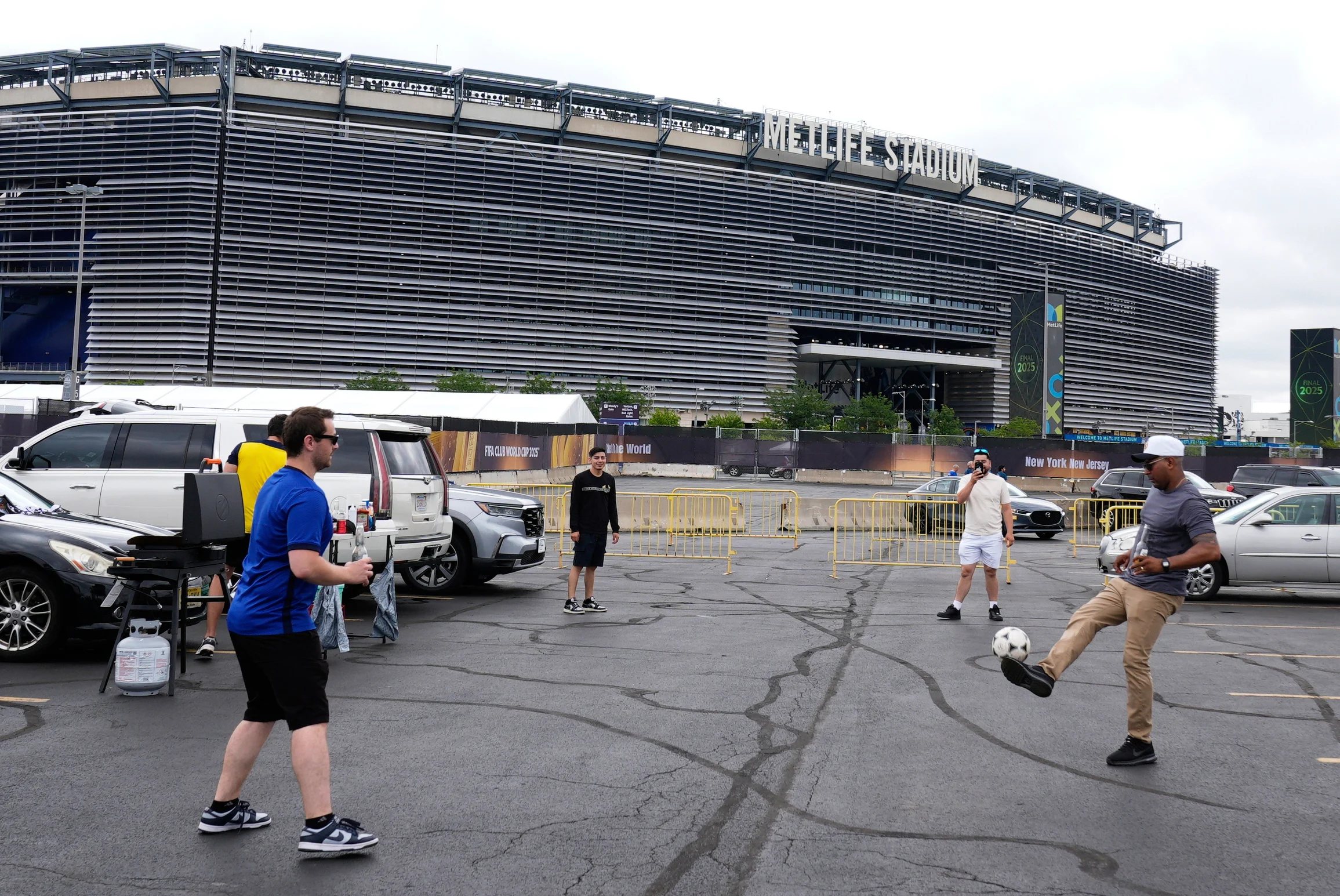
From the moment the first fans arrived for Brazil versus Morocco on June 13, it became clear that the tournament would transform not only the stadium experience but transportation networks, local businesses, public safety operations, hospitality services, and everyday life throughout parts of northern New Jersey.
Yet as the opening matches have demonstrated, the World Cup story unfolding across New Jersey is not solely about goals, victories, and packed stadiums. It is also becoming a case study in logistics, infrastructure planning, ticket affordability, transit strategy, and the challenges of accommodating one of the largest sporting events on the planet.
The tournament’s opening New Jersey match featured Brazil and Morocco battling to a 1-1 draw before a massive international audience. Days later, France defeated Senegal 3-1 in a highly anticipated Group I matchup that saw French superstar Kylian Mbappé score twice to secure the victory.
On the field, the tournament has delivered exactly what FIFA hoped: elite international competition featuring some of the world’s biggest football stars. Off the field, however, a different conversation has begun to emerge.
Much of that discussion centers on transportation.
For years, state officials promoted public transit as the primary method for moving fans to and from the Meadowlands complex. Extensive planning efforts involving NJ Transit, state agencies, local governments, law enforcement partners, and FIFA were designed to prevent the massive traffic congestion historically associated with major events at the stadium.
The strategy relied heavily on rail and shuttle operations.
Officials repeatedly encouraged fans to avoid driving and utilize public transportation instead. During match days, special restrictions were implemented at transportation hubs, including temporary access limitations at New York Penn Station and tightly controlled access through Secaucus Junction.
The expectation was that tens of thousands of supporters would utilize the rail network.
The reality has been more complicated.
Attendance at transit facilities appears to have fallen below early projections during the opening matches. While thousands of fans successfully used trains and shuttle services, many visitors opted for rideshare services, private transportation, drop-offs, walking routes, or alternative methods of reaching the stadium.
One major factor appears to be cost.
Round-trip transit packages approaching triple-digit pricing created sticker shock among some attendees. While the transportation plan offered efficiency and predictability, many fans weighed those costs against other options and made different decisions.
Rideshare services became one of the most popular alternatives.
Despite advance warnings from transportation officials and companies such as Uber regarding expected congestion and wait times, many fans still chose rideshare transportation. Some reported smooth experiences arriving near the stadium, while others encountered extended waits during departures as thousands of spectators attempted to leave simultaneously.
The situation created an interesting contrast.
State leaders emphasized transit as the preferred option. Many fans, meanwhile, relied on personal convenience and flexibility when making transportation decisions.
The result has been a transportation ecosystem far more diverse than originally anticipated.
Adding to the complexity was the France-Senegal match on June 16, the first New Jersey World Cup contest scheduled during a weekday afternoon.
A 3 p.m. kickoff introduced challenges that weekend matches simply do not create. Commuter traffic, school schedules, business operations, and regional transportation patterns all intersected with World Cup planning.
Several school districts adjusted schedules to reduce congestion concerns. Businesses encouraged remote work. Government officials urged flexibility wherever possible.
Governor Mikie Sherrill publicly encouraged residents to work remotely if feasible to help reduce traffic impacts during the busiest periods.
Those concerns highlight the broader significance of the World Cup for New Jersey.
This tournament is not simply a series of soccer matches. It is effectively a month-long operational test involving transportation systems, emergency management capabilities, tourism infrastructure, public safety agencies, and regional coordination efforts.
Every successful match day builds confidence ahead of the largest remaining events, particularly the knockout rounds and ultimately the World Cup Final itself.
The transportation discussion is only one aspect of a larger story unfolding around ticket availability and stadium attendance.
Earlier this year, FIFA announced that all standard ticket allocations for the tournament had sold out. The announcement reinforced the notion that demand for the 2026 World Cup had reached unprecedented levels.
Yet television viewers and fans attending matches have noticed something that appears contradictory.
Empty seats.
Scattered sections throughout the stadium have occasionally remained unoccupied despite official sellout declarations.
The explanation largely comes down to modern ticketing realities.
Many seats exist within corporate hospitality allocations reserved for sponsors, international partners, federation officials, and VIP programs. When those guests do not attend, the seats remain empty even though they have technically been purchased.
The resale market presents another factor.
Thousands of tickets have appeared on secondary marketplaces at prices that many fans simply cannot justify paying. As kickoff approaches, some of those listings remain unsold, resulting in visible gaps throughout sections that were technically sold months earlier.
The pricing itself has become a major story.
Upcoming New Jersey matches continue to command extraordinary prices on secondary markets. Entry-level tickets for remaining group-stage contests have climbed into ranges that place attendance beyond the reach of many average fans.
The World Cup Final represents perhaps the most dramatic example.
Resale prices have reached levels typically associated with luxury travel packages rather than sporting events, transforming attendance into a premium experience available primarily to corporate buyers, international travelers, and affluent consumers.
These developments have sparked broader conversations about accessibility.
Soccer has traditionally promoted itself as the world’s game, celebrated for its global reach and universal appeal. Yet many local supporters have found themselves priced out of participating in the event taking place in their own backyard.
Questions surrounding dynamic pricing models and ticket distribution have become significant enough to attract scrutiny from consumer protection officials in both New Jersey and New York.
The concerns reflect a growing debate across professional sports and live entertainment regarding pricing transparency, affordability, and access.
Despite those challenges, the tournament’s economic impact remains substantial.
Hotels throughout northern New Jersey have experienced elevated demand. Restaurants, retailers, transportation providers, and tourism businesses continue benefiting from the arrival of international visitors. Fan festivals and viewing events have attracted thousands who may never enter the stadium itself but still want to participate in the celebration.
Communities throughout the region have embraced the opportunity.
Official fan zones, public watch parties, cultural festivals, and hospitality events continue drawing supporters from around the world. The atmosphere extends far beyond East Rutherford and has spread into cities, neighborhoods, and business districts throughout the state.
The World Cup’s presence has also reinforced New Jersey’s position as a global events destination.
For years, major sporting events have generated debates about whether New Jersey receives sufficient recognition when international broadcasts focus heavily on New York City. The temporary designation of New York New Jersey Stadium remains controversial among some residents who believe the state’s role deserves greater visibility.
Yet regardless of naming conventions, the reality is undeniable.
The matches are being played in New Jersey. The infrastructure supporting them exists in New Jersey. The economic activity is benefiting New Jersey communities. The transportation challenges are being managed by New Jersey agencies. The global audience is witnessing New Jersey’s ability to host events of extraordinary scale.
With Norway versus Senegal scheduled for June 22, Ecuador versus Germany on June 26, and Panama versus England on June 27, attention now turns toward the remaining group-stage contests.
Beyond those matches lie the knockout rounds and, ultimately, the World Cup Final itself.
If the opening week has revealed anything, it is that hosting the world’s largest sporting event involves far more than what happens on the pitch. Transportation systems, ticketing strategies, hospitality networks, public safety operations, and regional infrastructure all become part of the story.
For New Jersey, the World Cup is proving to be both a showcase and a stress test.
The matches themselves have delivered memorable moments. The crowds have brought energy and excitement. The economic benefits are beginning to materialize. Yet the tournament is also exposing the realities of modern mega-events, where transportation logistics, affordability concerns, and operational complexity are as much a part of the experience as the action taking place inside the stadium.
As the road to July 19 continues, New Jersey remains at the center of the world’s attention. The challenge now is ensuring that the remaining weeks of the tournament not only deliver unforgettable soccer but also demonstrate that the state can successfully manage the enormous demands that accompany the world’s most watched sporting event.
















