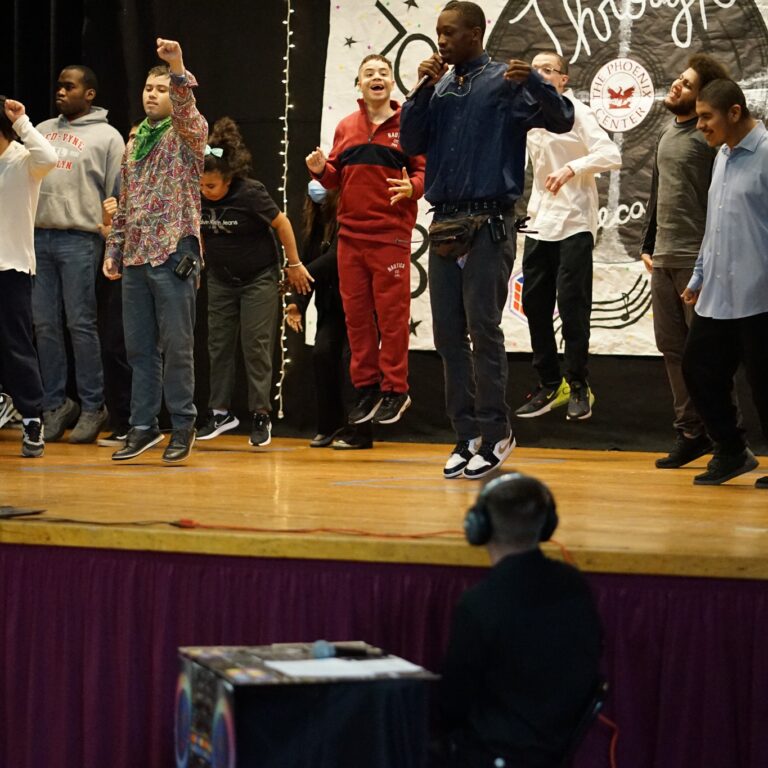
Morris County recently held its fourth annual Community Resource Exchange (CREX), a major networking event designed to connect local leaders, nonprofit organizations, service providers, and community advocates. Organized by the Morris County Department of Human Services in collaboration with the Morris County Continuum of Care, Family Promise of Morris County, the Interfaith Food Pantry Network, and ARC/Morris, the gathering continues to grow as one of the county’s most important forums for addressing community needs.
The purpose of CREX is simple yet vital: to expand awareness of the broad network of services available to residents, particularly those facing urgent challenges such as food insecurity, housing instability, mental health concerns, and other essential needs. By bringing together municipal leaders, government officials, school administrators, public health professionals, faith-based organizations, and nonprofit partners under one roof, the event creates opportunities for collaboration that have a lasting impact well beyond the day of the exchange.
This year’s CREX welcomed nearly 50 organizations, including county agencies and community-based service providers. Among those in attendance were mayors, councilmembers, administrators, and representatives from the offices of U.S. Rep. Tom Kean, Jr., U.S. Rep. Mikie Sherrill, and U.S. Sen. Andy Kim. County leaders, including Commissioner Deputy Director Stephen Shaw and County Administrator Deena Leary, also participated, emphasizing the importance of aligning government resources with the efforts of local nonprofits.
Commissioner Shaw noted that partnerships are critical when it comes to strengthening safety nets for vulnerable residents. “At any moment, anyone can find themselves in crisis,” Shaw said. “This event ensures our communities know where to turn, and it helps us maximize the impact of resources already available.”
The day’s program highlighted key initiatives shaping New Jersey’s approach to crisis response and community support. One presentation focused on the state’s 988 suicide prevention helpline, which serves as a lifeline for residents struggling with mental health challenges. Karen Wapner, state lead for 988 and regional coordinator for the Office of Community Services within the Division of Mental Health and Addiction Services, explained how the hotline connects callers with immediate support.
“In New Jersey, we have four lifeline crisis centers capable of handling calls, texts, and chats,” Wapner said. “We are able to respond quickly, meeting people where they are and linking them to the resources they need most.”
Wapner also introduced attendees to the Mobile Crisis Outreach Response Team (MCORT), a new initiative launched in March 2025 and managed locally by Bridgeway Behavioral Health Services. When a 988 counselor determines that a caller would benefit from in-person assistance, MCORT dispatches a two-person team — one trained professional and one certified peer specialist with lived experience — to provide face-to-face support. Unlike traditional crisis interventions, MCORT operates without law enforcement involvement, offering a compassionate and voluntary response designed to deescalate situations and connect individuals to ongoing services.
The event also featured keynote speaker Adam Weckenmann, LCSW, clinical co-responder for the Morris County Prosecutor’s Office’s ARRIVE Together program. Launched in January 2024, the program has since grown into a statewide model for crisis response, pairing plainclothes law enforcement officers with mental health clinicians. By 2025, ARRIVE had expanded into all 21 counties, including every municipality within Morris County.
“The program started with 10 towns and four clinicians,” Weckenmann explained. “Now, we have six full-time clinicians dedicated to Morris County. So far this year, ARRIVE has responded to more than 550 mental health-related calls and received nearly 800 referrals for follow-up.”
Beyond the scheduled presentations, CREX placed a strong emphasis on face-to-face networking. Attendees were encouraged to visit each organization’s resource table and exchange information, building the kinds of connections that can lead to better outcomes for families and individuals in need.
Carolyn Lake, executive director of the Interfaith Food Pantry Network, reminded participants of the power of collaboration: “We hope this forum opens doors to services that can help not only your neighbors and constituents but also the people who reach out to you directly for help.”
Kasey Errico, director of the Morris County Department of Human Services, added that these conversations create ripple effects: “The partnerships formed here may assist someone today, but they may also serve someone you know tomorrow.”
The steering committee behind CREX 2025 reflected the strength of community collaboration. Alongside Errico, leaders included Joann Bjornson and Holly Dinneny of Family Promise of Morris County; Alicia Alvarez, chair of the Morris County Continuum of Care Executive Committee; Carolyn Lake, Shana Baer, and Julia Murtha of the Interfaith Food Pantry Network; and Laura Jennings Pitt of ARC/Morris. Their work ensured the event not only ran smoothly but also reflected the needs and priorities of the county’s most vulnerable residents.
Events like CREX illustrate how Morris County is taking proactive steps to strengthen its community fabric through cooperation, resource-sharing, and innovative problem-solving. By connecting decision-makers with service providers, the county is creating stronger, more resilient support systems that help ensure no resident falls through the cracks.
New Jersey is moving forward with proposed new regulations aimed at improving oversight and safety in the operation of embryo storage facilities. These changes, introduced by the New Jersey Department of Health (NJDOH), aim to ensure that the state’s growing fertility industry is held to higher standards of accountability and care. As advancements in reproductive technology continue to evolve, these new rules seek to address long-standing concerns about the security, ethical considerations, and proper handling of stored embryos.
Addressing Concerns in the Fertility Industry
With the growing demand for fertility treatments, the need for embryo storage has never been greater. Whether couples are freezing embryos for future use or individuals are preserving fertility due to medical conditions, these facilities play an essential role in reproductive healthcare. However, as the number of individuals relying on these services increases, so does the need for more robust regulations to ensure that embryos are handled with the utmost care.
Recent events, including incidents of misplaced embryos or improper storage, have highlighted potential gaps in the current regulatory framework. These incidents have raised serious concerns about patient safety, privacy, and the ethical treatment of embryos, which have led to calls for stricter guidelines and oversight.
Key Provisions of the Proposed Regulations
The proposed new rules for embryo storage facilities in New Jersey focus on several key areas to address these concerns. Some of the most notable provisions include:
1. Enhanced Facility Standards: Under the proposed rules, embryo storage facilities would be required to meet higher physical infrastructure standards. This includes ensuring that all storage tanks are equipped with alarms and backup systems to alert staff in the event of a malfunction. Such measures would prevent scenarios where technical failures could result in the loss or damage of stored embryos.
2. Regular Monitoring and Reporting: To improve accountability, the regulations would mandate that all storage facilities undergo routine inspections by the NJDOH. Additionally, these facilities would be required to submit detailed reports on their storage practices, including inventory checks and the condition of embryos. This regular monitoring is designed to ensure that any potential issues are identified early and addressed before they escalate.
3. Transparency and Patient Rights: The new regulations aim to enhance patient transparency by requiring that facilities provide clear and concise information about the embryo storage process. This includes detailed consent forms, as well as clear guidelines on ownership rights, storage fees, and disposal protocols. Ensuring that patients fully understand the process and their rights is a key aspect of the proposed regulations, addressing concerns over ethical dilemmas and improving informed decision-making.
4. Ethical Considerations and Consent: In addition to technical standards, the proposed regulations also address ethical considerations. Embryo storage involves complex emotional and moral decisions, particularly when it comes to the use or disposal of unused embryos. The new regulations emphasize the need for clear informed consent at every stage of the process, as well as offering counseling services to patients to help them navigate the emotional complexities involved.
5. Security and Privacy Protections: With the increasing digitalization of medical records, the proposed rules would require embryo storage facilities to implement stronger security measures for patient data. This would include encrypted systems for storing sensitive information, ensuring that patient identities and medical histories are protected from unauthorized access.
The Role of Public Input and Debate
The NJDOH has opened a public comment period for these proposed regulations, inviting feedback from healthcare professionals, patients, and the broader community. As with any regulation affecting medical practice, public input is crucial to shaping rules that are both practical and fair. The department is looking to balance the interests of patients who rely on these services with the concerns of those advocating for ethical standards in reproductive medicine.
Critics of the proposed regulations argue that they could increase operational costs for embryo storage facilities, leading to higher prices for patients. On the other hand, proponents believe that the long-term benefits, including greater patient trust and better oversight, outweigh these concerns. By setting clearer standards, the NJDOH hopes to enhance the reputation of New Jersey’s fertility industry as a safe and ethically responsible space for families to pursue their reproductive goals.
The Broader Implications for New Jersey’s Fertility Industry
As New Jersey continues to establish itself as a leader in reproductive healthcare, the proposed changes to embryo storage regulations are an important step toward ensuring that patients receive the highest standards of care. The state’s fertility industry has already seen significant growth, with numerous fertility clinics and egg freezing services making New Jersey a prime destination for individuals and couples seeking reproductive assistance.
By implementing these new rules, New Jersey would be taking a bold stance on patient safety and ethical practices in a rapidly advancing field. As the state’s population continues to diversify, it is essential that reproductive technologies are made accessible, transparent, and safe for all who rely on them.
Looking Ahead
As the public comment period for the proposed regulations progresses, all eyes will be on New Jersey to see how the NJDOH adapts and finalizes the rules. The state’s ability to establish clear and ethical guidelines will likely set a precedent for other states across the country facing similar challenges in the fertility sector.
For more updates on this evolving issue and other important healthcare and regulatory developments, make sure to check out our Humane State section, where we continue to explore important matters concerning public health, patient rights, and ethical standards in New Jersey.
New Jersey has become a central battleground in the fight against PFAS (per- and polyfluoroalkyl substances) contamination, with its history as a hub for chemical manufacturing contributing to the widespread environmental and health challenges the state now faces. In recent years, New Jersey has gained national attention due to the persistence of these “forever chemicals” in the environment, which are notorious for their resistance to degradation and the severe health risks they pose. The state’s long-standing struggle with PFAS contamination has raised concerns about public health, environmental justice, and the role of chemical manufacturers in the crisis.
New Jersey’s Role in the National PFAS Crisis
In September 2025, a candid interview highlighted New Jersey’s unfortunate distinction as the “PFAS toilet for the country,” underscoring the extent of the contamination across the state. The chemicals have been linked to numerous public health issues, including cancer, liver damage, and developmental effects. A significant portion of the state’s contamination comes from decades of industrial activities, with major chemical companies responsible for the widespread pollution. As New Jersey grapples with the fallout, the state continues to push for accountability and action from the manufacturers that caused the damage.
Major Settlements Signal Accountability for Polluters
In an effort to address the devastating effects of PFAS pollution, New Jersey has secured several key environmental settlements with some of the world’s most powerful chemical manufacturers. In August 2025, the state reached a landmark $2 billion settlement with DuPont, Chemours, and Corteva. This agreement was the result of lawsuits over pollution at four former manufacturing sites and other environmental violations related to PFAS contamination.
Earlier, in May 2025, the state also reached a separate settlement with chemical giant 3M. The $450 million agreement was designed to resolve PFAS contamination claims linked to the company’s role in producing and distributing these toxic chemicals. The settlement funds will be allocated for critical cleanup efforts, including the removal of contaminated soil, treatment of polluted drinking water, and the restoration of natural resources that have been damaged by decades of industrial activity.
These settlements represent a significant step toward addressing the state’s ongoing environmental crisis, with the funds earmarked for long-term remediation. However, critics argue that more must be done to ensure that the companies responsible for the contamination fully compensate for the environmental damage they’ve caused.
Environmental Justice: Communities of Color and Low-Income Areas Bear the Brunt
While New Jersey works to hold chemical companies accountable, there is also growing concern over the disproportionate impact that PFAS contamination has had on the state’s low-income and minority communities. A study by Northeastern University, published in April 2024, revealed that public water systems serving these vulnerable populations are significantly more likely to contain detectable levels of PFAS.
The study linked data from the New Jersey Department of Environmental Protection (NJDEP)’s PFAS monitoring program to census information, revealing that a larger number of people of color are served by contaminated water systems. This stark reality underscores the importance of addressing environmental justice in the state’s approach to tackling PFAS pollution. Residents of these communities are often left with few options, relying on water systems that have been shown to be harmful to their health.
As New Jersey continues its cleanup efforts, advocates argue that there is an urgent need to ensure that these disproportionately affected communities receive equitable treatment and that their voices are central in policy decisions. Efforts to improve drinking water quality, strengthen monitoring programs, and hold industries accountable are essential steps in protecting the state’s most vulnerable residents.
Casino Air Quality and Secondhand Smoke: A Health Crisis in Atlantic City
While PFAS contamination is a pressing environmental issue, New Jersey also faces significant challenges in managing air quality and public health risks in its iconic Atlantic City casinos. In September 2025, a NJ Advance Media investigation revealed that all nine of Atlantic City’s casinos have levels of fine particulate matter that far exceed U.S. Environmental Protection Agency (EPA) safety thresholds.
These elevated levels of particulate matter are primarily the result of secondhand smoke, which continues to permeate casino spaces despite the existence of non-smoking areas. While smoking is still allowed in designated sections of casinos, the airborne toxins spill into non-smoking zones, exposing workers and patrons alike to harmful substances.
Experts warn that fine particulate matter can lead to serious health issues, including heart disease, respiratory illnesses, and an increased risk of cancer. Workers, who are exposed to the toxic air on a daily basis, face heightened health risks, while patrons—especially those with pre-existing conditions—are also at risk.
Advocacy groups continue to push for a complete ban on indoor smoking in casinos, citing the ineffectiveness of existing ventilation systems in protecting against secondhand smoke. As New Jersey looks to safeguard its tourism industry while protecting public health, the issue of air quality in casinos remains a key point of contention.
Flooding and Resilient Rules: A Controversial Shift
Alongside concerns over environmental contamination and public health, New Jersey has also been working to address the growing threat of climate change, particularly sea-level rise and flood risks. In response, the New Jersey Department of Environmental Protection (NJDEP) introduced the “Resilient Environments and Landscapes” (REAL) rules in 2025. These rules aim to strengthen the state’s resilience to flooding and extreme weather events by requiring new buildings in flood-prone areas to be elevated above predicted flood levels.
However, the proposed flood rules have sparked significant controversy. Business leaders argue that the new building elevation requirements could raise construction costs, potentially driving both residents and businesses out of the state. On the other hand, environmentalists claim that the rules do not go far enough in protecting vulnerable communities from the impacts of climate change. They argue that political pressure from developers may have influenced the weakening of key protections in the final regulations.
One of the most contentious aspects of the REAL rules is the exemption for certain affordable housing projects. Environmental groups have raised alarms over proposals that would allow such developments to be built in flood-prone areas, arguing that it puts vulnerable populations at greater risk. As New Jersey continues to grapple with the impacts of climate change, finding the right balance between development, environmental protection, and public safety remains a critical challenge.
Looking Toward the Future
As New Jersey continues to face the complex intersection of PFAS contamination, climate change, public health risks, and environmental justice, it’s clear that the state’s future hinges on how effectively it can balance economic development with the need for stronger environmental protections. With large-scale settlements from major chemical companies and ongoing debates over air quality and flood regulations, the state is at a crossroads.
Moving forward, New Jersey must remain steadfast in its commitment to both environmental sustainability and social equity. Ensuring that the state’s most vulnerable communities are not left behind in the fight against pollution and climate change is critical to securing a healthier, more sustainable future for all. The state’s next steps will undoubtedly shape the future of environmental policy, both in New Jersey and across the nation.
For more insights into the state’s ongoing efforts to address environmental issues, check out our Humane State section, where we continue to cover important developments in environmental policy, public health, and community advocacy.
New Jersey’s push to enhance its public transportation network, particularly with light rail expansions, has encountered several setbacks and delays in recent years. From the Hudson-Bergen Light Rail Extension (HBLR) to the Glassboro-Camden Line (GCL), critical projects designed to improve mobility and connectivity have faced significant challenges. These delays are not only impacting commuters but also raising concerns about the future of South Jersey transportation and environmental goals. Here’s a detailed look at the latest developments in these projects and how they continue to evolve despite significant hurdles.
Hudson-Bergen Light Rail Extension: A Project Decades in the Making
The Hudson-Bergen Light Rail Extension (HBLR), a long-awaited project that would extend the current line by nine miles into Bergen County, has been in the works for over 20 years. While initial optimism surrounded its potential to improve public transportation in one of New Jersey’s most densely populated regions, the project continues to face roadblocks that threaten to delay its completion.
In 2023, the Federal Transit Administration (FTA) required NJ Transit to re-study seven aspects of the project’s environmental impact statement. This was primarily due to changes made to the original route, a move that resulted in significant delays and put the project’s timeline at risk. Political challenges during the previous administration also contributed to a backlog in the federal review process, further slowing progress.
As a result of the FTA’s new requirements, the project’s timeline has been pushed back by an estimated 24 months, which could mean a late 2027 or early 2028 completion for the much-anticipated extension. Despite these delays, NJ Transit remains committed to advancing the HBLR project, which would provide vital transit links to areas of Bergen County, improving access to New York City and other key hubs.
The HBLR extension is crucial for improving mobility across North Jersey, but it is just one piece of New Jersey’s larger puzzle of public transportation development. For more updates and insights on the project, check out our detailed coverage in the Business section.
Glassboro-Camden Line: Challenges and Progress
The Glassboro-Camden Line (GCL) is another major public transportation initiative in New Jersey that has faced significant obstacles. This proposed 18-mile light rail line is designed to restore passenger service between Glassboro and Camden, linking the South Jersey region to better transit access. While this project has been in development for more than two decades, progress has been slow, with funding, opposition, and logistical issues creating barriers to its advancement.
In 2024, NJ Transit became the official “Agency of Record” for the GCL, making it the primary authority responsible for pushing the project forward. With a price tag of around $2 billion, the GCL is fully funded by the state, but local opposition has created tension in several communities. A non-binding referendum in Mantua Township in 2023 saw residents vote against the project, raising concerns about the route and its potential impact on local neighborhoods.
Despite the opposition, NJ Transit has made strides in moving the project forward. As of February 2025, the GCL was in the “30% design” phase, and pre-construction work was expected to begin in 2025. Once complete, the GCL will significantly improve public transportation access in South Jersey, a region that has historically had limited options for commuters. The project is seen as a critical step toward reducing the transportation gap between northern and southern New Jersey, with long-term goals of boosting economic development and providing alternative routes for commuters in the region.
Electric Bus Expansion in Camden: A Greener Future for South Jersey
In a related initiative, Governor Phil Murphy announced a significant expansion of Camden’s electric bus fleet in August 2025. This move is part of a broader strategy to modernize transportation options in South Jersey, and it aligns with New Jersey’s ambitious environmental goals. The expansion will see an additional fleet of eight electric buses added to Camden’s current line.
The move comes after NJ Transit’s initial pilot program in 2022, where a fleet of eight battery-electric buses was deployed from the Newton Avenue Bus Garage in Camden. The goal of the program is to test how the buses perform under real-world conditions, taking into account factors like weather, road conditions, and passenger volume. This pilot program provides crucial data that will inform necessary infrastructure upgrades across the state, particularly to modernize bus garages to accommodate electric buses, which currently make up only a small portion of the fleet.
The Camden electric bus expansion is part of Governor Murphy’s broader sustainability initiative, which aims to transition NJ Transit to a 100% zero-emission bus fleet by 2040. This initiative is crucial to New Jersey’s environmental goals and is expected to significantly reduce the state’s carbon footprint. With the federal grant received in January 2025, NJ Transit is poised to continue investing in zero-emission technology, further solidifying Camden as a hub for the state’s green transportation efforts.
Ongoing Challenges: Strike Threats and Funding Issues
While the electric bus initiative in Camden represents a forward-thinking approach to sustainable transportation, ongoing challenges continue to surround NJ Transit operations. In addition to the setbacks in light rail expansion, wage negotiations between NJ Transit and the union representing over 400 train engineers have hit roadblocks. Though these negotiations don’t directly affect light rail projects, the potential for a strike poses a significant threat to the state’s broader train service, with implications for daily commuters and the overall transportation infrastructure.
The strike threat has raised concerns about the future reliability of NJ Transit services, as a disruption in train operations could ripple across other parts of the transportation network. For many New Jersey residents, NJ Transit represents their primary mode of commuting, making any interruptions potentially impactful to the state’s economy.
Looking Ahead: What These Developments Mean for New Jersey
The current state of public transportation development in New Jersey highlights a complex web of progress, setbacks, and long-term goals. Whether it’s the Hudson-Bergen Light Rail extension, the Glassboro-Camden Line, or the electric bus pilot in Camden, each project has its own set of challenges that require careful attention from policymakers, developers, and residents.
While delays and opposition are frustrating, these projects ultimately promise to transform New Jersey’s public transportation system, providing greater connectivity, sustainability, and economic opportunity for years to come. The outcome of these initiatives will not only define the state’s transportation future but also contribute to its environmental and economic landscape.
For the latest updates and insights into these and other ongoing projects, stay connected with the Explore New Jersey Business Section for the most comprehensive coverage of public transportation and infrastructure developments in the state.
New Jersey is in the midst of a construction boom that promises to reshape the state’s infrastructure and skyline. From the controversial Gibbstown Port Expansion to the rapidly developing housing projects in Hoboken and East Orange, construction projects are not only changing the physical landscape but also sparking debates about environmental concerns, economic development, and urban growth. Let’s take a closer look at some of the most significant developments taking place across the state.
Gibbstown Port Expansion: A Controversial Move for Economic Growth
One of the most contentious construction projects in New Jersey today is the Gibbstown Port Expansion, located along the Delaware River in Gibbstown. On September 10, 2025, the Delaware River Basin Commission (DRBC) approved a five-year permit extension for the Dock 2 project at the Gibbstown Logistics Center, pushing the project’s permit expiration to June 12, 2030.
The expansion project includes the construction of a two-berth dock and plans to dredge around 665,000 cubic yards of sediment from the riverbed. It’s a move that has caused significant controversy, especially among environmental groups. These groups have raised concerns about the project’s potential environmental impact, warning that dredging could release toxic materials into the river, damage local ecosystems, and disrupt the habitats of endangered species like the Atlantic Sturgeon. Furthermore, the construction of a proposed Liquefied Natural Gas (LNG) terminal has led to fears of catastrophic explosions and increased greenhouse gas emissions, further exacerbating climate change.
Despite these concerns, the DRBC voted unanimously to approve the extension, asserting that the project’s plan had not “changed materially” since its original approval. The commission also concluded that the developers had “diligently pursued” the project, a statement that has been contested by opponents. The decision came after a public comment period held earlier in April 2025, during which environmentalists and local residents voiced their opposition.
While the project promises to bring jobs and economic growth to the region, the debate between development and environmental preservation is likely to continue in the coming years. To stay informed on the latest updates surrounding this project and other developments in the state, visit Explore New Jersey’s Business Section for more details.
Hoboken’s Ambitious Housing Development: The 1200 Madison Street Project
In Hoboken, the city’s skyline is set to grow with the addition of a massive mixed-use development at 1200 Madison Street, a prime location in uptown Hoboken. The proposed project is one of the largest residential developments in the area in recent years, featuring a total of 1,301 residential units, with 135 units set aside as affordable housing to help address the city’s ongoing housing crisis.
This development is a part of Hoboken’s ongoing effort to revitalize the area, offering more housing options while incorporating transit-oriented features. Located along the Hudson-Bergen Light Rail tracks, the project will not only provide much-needed housing but also integrate public amenities, such as bike lanes, public spaces, and features designed to mitigate flooding—an essential consideration in this flood-prone area.
Another significant aspect of the project is the inclusion of over 51,000 square feet of retail space on the ground floor, bringing commercial activity to the area and increasing the vibrancy of this section of Hoboken. The development will provide a mix of luxury apartments and affordable living options, creating a balanced community for young professionals, families, and individuals looking to live in one of New Jersey’s most desirable cities.
Pegasus Properties, the developer behind the project, is also responsible for the recent construction of another residential building nearby, showing their commitment to transforming this part of Hoboken into a thriving, mixed-use neighborhood. With construction scheduled to begin soon, this project is set to make a lasting impact on the city’s real estate market.
East Orange’s Crossings at Brick Church Station: Redevelopment Meets Transit Accessibility
East Orange is also seeing a major redevelopment project that will bring new residential and commercial spaces to the city. The ongoing redevelopment of the Crossings at Brick Church Station project is entering a new phase, with the construction of a nine-story building that will feature 420 apartments. This project was recently awarded nearly $298 million in tax credits through the state’s Aspire program, which is designed to encourage investment in urban revitalization projects.
One of the key selling points of this development is its transit-oriented design, which capitalizes on the Brick Church Station located nearby. This design will make it easier for residents to access public transportation, creating a more sustainable and commuter-friendly environment. In addition to residential units, the building will also include commercial space for retail, restaurants, and medical offices, which will add to the economic vitality of East Orange.
Developed by Triangle Equities, this project is set to break ground in mid-October 2025 and is expected to be a major step toward the revitalization of the city’s urban core. The addition of residential and commercial spaces in this area is expected to draw both new residents and businesses, contributing to the growth of the local economy and enhancing East Orange’s reputation as a place for both urban living and professional growth.
The Larger Picture: What These Projects Mean for New Jersey
These projects—spanning from the Gibbstown port to luxury housing in Hoboken and redevelopment in East Orange—represent a larger trend of growth and development in New Jersey. As the state grapples with issues of urban renewal, housing affordability, and environmental sustainability, these construction projects provide a snapshot of the complex balancing act between progress and preservation.
While these developments are undoubtedly important for economic growth and job creation, they also come with challenges that require careful planning and consideration. From ensuring environmental protections in the face of controversial projects like Gibbstown’s port expansion, to addressing the housing shortage in cities like Hoboken and East Orange, these projects highlight the need for a comprehensive approach to development that takes into account both the needs of residents and the long-term sustainability of the state.
For more updates on New Jersey’s real estate and construction developments, including more information on upcoming projects and their potential impact, check out the Explore New Jersey Business Section. We’ll continue to track the latest trends shaping the future of the state, from new housing projects to environmental policies and beyond.
New Jersey’s job market is experiencing a period of stagnation, with layoffs and weak hiring contributing to the overall slowdown. According to a recent analysis, the state is facing challenges in terms of employment growth, as businesses hesitate to make new hires and companies across various sectors have been forced to downsize. This trend has left many job seekers uncertain about their prospects and added to the financial strain for families across the state.
The State of Job Losses in New Jersey
In recent months, New Jersey has seen an uptick in layoffs and company closures. Particularly affected have been industries such as tech, finance, and manufacturing, which have faced both economic uncertainty and global disruptions. As businesses adjust to fluctuating demand, rising costs, and shifting consumer behavior, many have been forced to reduce their workforce in an attempt to remain competitive.
While layoffs are not unusual during times of economic instability, the current wave is notably affecting sectors that were previously seen as stable. Technology giants have made significant cutbacks, while manufacturing plants across New Jersey have been hit hard by challenges related to supply chain disruptions and declining orders. These industries have historically been the backbone of the state’s economy, but as these sectors contract, many New Jerseyans find themselves without jobs and searching for new opportunities.
In the wake of these layoffs, workers are grappling with the emotional and financial toll that job loss can bring. For many, the uncertainty of finding new employment in a challenging job market has led to increased stress, anxiety, and concern about their long-term financial security.
Weak Hiring and Economic Uncertainty
Adding to the layoff crisis is a weak hiring climate. While New Jersey’s economy has shown some signs of recovery post-pandemic, the state’s labor market has failed to generate the job openings necessary to keep up with demand. According to recent data, job creation has slowed considerably across the state, with fewer companies actively recruiting new employees compared to the previous year.
A major factor contributing to the weak hiring environment is economic uncertainty. With concerns over inflation, rising interest rates, and a volatile stock market, businesses are reluctant to commit to new hires. Companies are focusing on cost-cutting measures and streamlining their operations, which means fewer jobs are being created in comparison to previous years. Additionally, employers are seeking to protect their bottom lines, often opting for part-time or contract workers instead of full-time hires.
The uncertainty is also fueled by broader macroeconomic factors, including the potential for a national recession and the global supply chain disruptions still affecting trade. As New Jersey businesses navigate these external pressures, hiring is expected to remain weak for the foreseeable future.
The Impact on Job Seekers in New Jersey
For many New Jersey residents, the weak hiring landscape has meant longer periods of unemployment and difficulty finding stable work. While the state’s unemployment rate remains relatively low, job seekers are facing greater competition for available roles. Many are having to adjust their expectations, taking on part-time or temporary jobs in the absence of full-time positions. This situation has been particularly challenging for younger workers, recent college graduates, and those seeking to re-enter the workforce after an extended absence.
The financial strain caused by stagnant wages and fewer job opportunities is being felt in communities across New Jersey. Families are tightening their belts as they struggle to keep up with the cost of living. Rising housing prices, inflation, and high healthcare costs are only exacerbating the difficulties faced by those in search of stable employment.
Regional Disparities and Sector-Specific Challenges
While the job market slowdown is affecting the state as a whole, the impact varies across regions. In urban areas like Newark and Jersey City, where industries like real estate, financial services, and healthcare are prominent, the job market remains more resilient. However, even in these areas, hiring has slowed, and businesses are focusing more on retaining existing talent rather than expanding their workforce.
In contrast, rural regions of the state, particularly those reliant on agriculture and manufacturing, have been harder hit by the stalled job market. Job losses in manufacturing, along with a decline in retail and service sector jobs, have left many communities struggling to recover from economic setbacks.
The retail sector has also experienced slow growth, with many New Jersey-based retailers opting for automation and online sales models, cutting back on in-person staff. As a result, retail workers and those in service industries have seen fewer job opportunities and less job security than in the past.
Prospects for Recovery
While New Jersey’s job market remains stalled in the short term, there are potential signs of recovery. Job training programs, apprenticeships, and entrepreneurial initiatives could help workers acquire new skills and adapt to the changing landscape of the labor market. As technology continues to advance and industries evolve, there may be new opportunities in tech and green energy, though these roles will require a different set of skills than those typically found in the state’s traditional sectors.
Moreover, government initiatives aimed at stimulating job creation could provide a much-needed boost to the local economy. The state’s efforts to attract tech companies, startups, and innovative industries could help diversify New Jersey’s job market and create new employment opportunities in the coming years.
However, for now, New Jersey’s job market remains in a holding pattern, with workers facing the dual challenges of job insecurity and a lack of meaningful job openings. As the state works through these economic challenges, both public and private sectors will need to collaborate to support workers and encourage sustainable job growth.
For New Jersey residents looking for more information on job opportunities, economic policies, and the latest political decisions impacting the state’s workforce, stay tuned to Explore New Jersey’s Politics Section. We will continue to monitor the state’s economic recovery and provide updates on new initiatives that could offer hope to struggling workers across New Jersey.
New Jersey has recently witnessed a series of troubling criminal events, including a shocking violent crime in Camden and a road rage shooting near Stockton University in Galloway Township. Both incidents highlight ongoing concerns regarding public safety and the broader issue of violent crime that continues to plague some communities across the state.
Shocking Family Crime in Camden: A Dismembered Body
In one of the most disturbing criminal cases to hit Camden, a local family has been charged with the murder and dismemberment of a man who had been missing for several weeks. The case has left residents stunned and raised serious concerns about the increasing violence within certain areas of the city. The victim, identified as John Doe, was reported missing earlier this year. After an intense investigation, police discovered remains that had been dismembered, leading authorities to believe this was a case of homicide followed by the grisly act of dismemberment.
Authorities initially had no leads on the man’s disappearance, but after following a trail of evidence, they arrested several family members who were allegedly involved in the brutal crime. The Camden County Prosecutor’s Office has charged the suspects with first-degree murder, abuse of a corpse, and several other offenses. The details surrounding the case are chilling, and it has brought attention to the growing concern of domestic violence and the potential breakdown of communities in Camden.
The city of Camden, long plagued by issues such as poverty, unemployment, and crime, has faced significant challenges over the years. While the local government has made strides to improve the safety and well-being of its residents, cases like this highlight the need for continued investment in community programs and law enforcement initiatives. Camden residents are demanding action to prevent future incidents and to tackle the root causes of crime that continue to impact their lives.
This tragedy has stirred conversations in New Jersey about the importance of supporting families and strengthening social services to prevent similar acts of violence in the future. Many hope that this case will serve as a wake-up call for law enforcement, local leaders, and residents to unite in the fight against violent crime in the state.
Road Rage Shooting Near Stockton University: A Campus Locked Down
In another alarming incident, a road rage shooting near Stockton University in Galloway Township led to a campus lockdown on September 12, 2025. The shooting took place on a busy stretch of road near the university’s campus, leaving students, faculty, and staff in fear. Authorities quickly responded to the situation, and the campus was locked down while the police investigated the scene.
The shooting, which reportedly stemmed from a road rage altercation between two drivers, caused widespread panic in the surrounding area. Eyewitnesses stated that the shooter fired several rounds at the other vehicle during the confrontation, narrowly missing bystanders and causing significant chaos. Fortunately, there were no fatalities, but the incident has sparked concerns over the increasing prevalence of road rage incidents in New Jersey and nationwide.
Stockton University, which is located just outside Atlantic City, has become a focal point of the community in recent years. The campus lockdown, although brief, caused significant disruption and heightened anxiety among students, many of whom were already on edge after a series of incidents involving violence in the region. The university has since increased its security measures and is working closely with local law enforcement to ensure the safety of students, faculty, and staff.
Authorities have been quick to stress that road rage incidents like this one can escalate quickly and result in severe consequences. The incident near Stockton University has drawn attention to the need for public education on safe driving habits and conflict resolution, as well as increased patrols in high-traffic areas to deter potential violence. Local police departments have urged residents to report aggressive driving and other dangerous behaviors on the road to prevent future shootings or accidents.
New Jersey’s Growing Crime Concern: A Call for Action
Both the Camden murder case and the road rage shooting near Stockton University serve as stark reminders of the challenges that New Jersey faces in terms of public safety. As violent crime rates remain a point of concern, particularly in certain urban areas, there is a pressing need for stronger law enforcement responses and preventative measures. These incidents underscore the fact that crime doesn’t just impact those directly involved but can shake entire communities, leaving residents fearful and uncertain about their safety.
With a growing focus on community policing, mental health resources, and violence prevention programs, New Jersey must continue to evaluate and improve its approach to addressing crime. The state has made strides in areas like community outreach and police reform, but more work remains to be done.
In response to the uptick in violent crime, New Jersey residents are calling for more investment in social programs that can address the root causes of violence, such as poverty, lack of opportunity, and family dysfunction. Furthermore, with the rising concern about road rage and other forms of aggressive behavior on the road, officials are urging drivers to exercise patience and avoid escalating minor confrontations.
The recent events in Camden and Galloway Township are a sobering reminder that public safety remains a major issue in New Jersey. As the state works to recover from these incidents, it’s clear that addressing the underlying causes of violence and crime will be key in creating safer communities for all residents.
For those looking to stay informed about the latest crime trends and law enforcement updates in New Jersey, be sure to follow Explore New Jersey’s Law & Order section. We’ll continue to provide updates on the state’s crime landscape and how local communities are working to improve safety for everyone.
As excitement builds for the 2026 FIFA World Cup, which will be hosted jointly by the United States, Mexico, and Canada, soccer fans worldwide are eagerly awaiting the opportunity to secure tickets. The first phase of the ticket presale officially kicked off on September 10, 2025, and will run until September 19, 2025, offering a golden opportunity for Visa cardholders to get their hands on tickets early. Here’s a closer look at the presale process, including what went well, what to expect, and how you can still secure your spot at one of the biggest sporting events in the world.
Key Aspects of the 2026 FIFA World Cup Ticket Presale
The initial presale phase, exclusive to Visa cardholders with a registered FIFA ID account, opened up as part of the broader ticket sales plan for the 2026 World Cup. While the concept of presale windows isn’t new, the lottery-style draw system has garnered significant attention, as it offers all registered fans an equal chance of securing tickets, regardless of when they sign up during the presale period.
Lottery-style draw: Fans had to register for a chance to be selected randomly to purchase tickets. Crucially, the timing of registration did not affect the chances of selection, meaning fans who registered on the first day had the same odds as those who waited until the last day of the window.
Challenges during presale: Many fans encountered long wait times and technical difficulties during the early hours of the presale. Issues like digital waiting rooms with long queues and error messages frustrated eager fans. FIFA cited the extraordinary demand for tickets as the primary reason behind these challenges, which is a good sign for the event’s popularity and for future ticketing systems.
Notification and purchase window: Fans who were successful in the lottery will be notified starting September 29, 2025, and will receive a personalized time slot for purchasing tickets. This purchase window is set to begin on October 1, 2025, and will continue on a first-come, first-served basis for all 104 matches, including the highly anticipated games at MetLife Stadium in New Jersey.
MetLife Stadium: A Key Venue for the 2026 World Cup
One of the highlights of the 2026 FIFA World Cup will be the matches held at MetLife Stadium in East Rutherford, New Jersey. The stadium will host eight matches, including the coveted final match on July 19, 2026. This prestigious venue has long been a major sports hub in the region, and its inclusion in the World Cup roster has generated a great deal of excitement.
However, those hoping to attend the final match may want to prepare for sticker shock. Ticket prices for the final at MetLife Stadium are expected to range from $6,000 to $7,000—reflecting both the event’s significance and the dynamic pricing model being used for the tournament. Given the demand for tickets to such an iconic event, those interested in attending the final match should act quickly once the purchase window opens.
Ticket Pricing and Dynamic Pricing Model
For the first time, FIFA is employing a dynamic pricing strategy for the 2026 World Cup. This means that ticket prices will fluctuate based on demand. The initial pricing for group-stage matches starts at around $60, while tickets for the final can reach up to $6,730. These initial prices are subject to change, as FIFA adjusts costs based on factors such as availability and demand.
Experts, such as Christopher Anderson, a professor at Cornell’s SC Johnson College of Business, have noted that prices tend to be higher early on in the sales process. However, there may be opportunities for discounted prices in the middle phase of ticket sales before prices surge again as the event draws nearer. This insight could prove valuable for those looking to find a good deal without paying full price.
What’s Next? Phases 2 and 3
If you weren’t lucky enough to secure tickets during the initial presale, there are still several chances to get your hands on them:
Phase 2 – Early Ticket Draw: Registration for the second phase of ticket sales is set to begin between October 27 and October 31, 2025. This phase will be open to the general public, so it’s a great opportunity for those who missed out on the Visa presale. Successful applicants will be assigned a purchase time slot, which will likely take place between mid-November and early December 2025.
Phase 3 – Random Selection Draw: This final phase of ticket sales will occur after the tournament draw on December 5, 2025. It allows fans to apply for tickets to specific matches once the official schedule is released. This is a critical phase for those hoping to catch a specific match, as it will provide more clarity on which teams will be playing at which venues.
Remaining Tickets: If you’ve missed out during the previous phases, you may still have a chance to purchase tickets once the tournament gets closer. Any leftover tickets will be made available on a first-come, first-served basis, offering another opportunity to attend the world’s biggest soccer event.
Keep Track of Your Ticket Status
Whether you’re looking for group-stage tickets or hoping to attend the final match, it’s essential to stay on top of the process and know where you stand. After registering for any of the presale phases, be sure to check your ticket status regularly. You can do so through the official FIFA website or by keeping an eye on updates through the FIFA Ticketing Hub.
As with all major sporting events, it’s critical to act quickly and remain flexible, especially with the dynamic pricing model and limited availability of tickets. If you’re still looking to secure your spot at this once-in-a-lifetime event, consider following the updates closely, applying in the second phase, or waiting for the remaining tickets to become available.
The Soccer Scene in New Jersey
For fans of soccer in New Jersey, the 2026 FIFA World Cup is a monumental event, not only because of the chance to watch world-class teams battle it out but also because of the local impact it will have. MetLife Stadium, one of the most iconic sports venues in the country, is a central hub for this global event, and the excitement around the tournament is already palpable in the region.
If you’re looking to stay updated on all things related to soccer in New Jersey—whether it’s about the World Cup or the state’s growing love for the sport—be sure to visit Explore New Jersey’s dedicated soccer section. With regular updates, event news, and community stories, we’ve got everything you need to stay informed about the beautiful game in the Garden State.
From local soccer leagues to major international tournaments, New Jersey is truly becoming a hub for soccer enthusiasts. Whether you’re gearing up for the World Cup or just following the local scene, there’s no better place to stay connected to all things soccer than here.
As of mid-September 2025, the New Jersey Department of the Treasury has begun distributing the latest round of ANCHOR (Affordable New Jersey Communities for Homeowners and Renters) property tax relief payments. This initiative is designed to provide much-needed financial relief to homeowners and renters across the state, especially those most in need. Whether you’re a homeowner, renter, senior citizen, or individual with disabilities, the ANCHOR program aims to ease the burden of property taxes and ensure that residents can continue to thrive in the Garden State.
Payment Distribution and Timeline
The initial payments have already been sent out to residents 65 and older and those with disabilities who qualify for the program. For these residents, the distribution is prioritized, recognizing their unique needs in the community.
For the rest of New Jersey’s eligible homeowners and renters, payments will be sent on a rolling basis over the next 90 days. This phased approach ensures that everyone who qualifies will receive their payment in due time.
Payments are made via direct deposit or paper check, depending on the individual’s preference as indicated during their application process. If you’ve already submitted your details and selected a preferred method of payment, you will receive your relief accordingly.
For residents who were enrolled in the ANCHOR program last year, around 1 million New Jerseyans will benefit from automatic filing this year. These individuals should have received confirmation letters in August 2025 informing them that their application for this year’s benefit has already been processed.
However, the October 31, 2025 deadline is fast approaching for those who have yet to apply or who need to manually file their application for 2025. It’s important to stay on top of this date to ensure that you don’t miss out on any potential relief.
Eligibility and Benefit Details
The ANCHOR program provides property tax benefits based on two key factors: income and age. The benefit amounts have remained consistent over the past four years, offering stability for New Jersey residents.
For homeowners:
If your income is up to $150,000, you are eligible for a $1,500 benefit. Additionally, homeowners who are 65 or older are entitled to an extra $250.
If your income falls between $150,001 and $250,000, you are eligible for a $1,000 benefit. Seniors in this income range will also receive the additional $250.
For renters:
Renters with an income of up to $150,000 are eligible for a $450 benefit, with an additional $250 for those who are 65 or older.
This consistent support has made a significant impact, especially in helping seniors and low-to-moderate income households manage the rising costs of living and property taxes.
Important Changes for Applicants in 2025
There are some important changes to the application process this year, particularly for seniors and disabled individuals. In the past, many applicants were automatically enrolled for the ANCHOR program; however, manual filing is required for certain individuals in 2025.
Here are some key points to keep in mind:
Seniors and Disabled Applicants: Those aged 65 and older or who receive Social Security disability must submit the new combined Property Tax Relief Application (Form PAS-1) this year, even if they were automatically enrolled last year.
Address or Bank Account Changes: If your address or bank account information has changed since last year, you’ll need to submit a new application online. This ensures that the state has accurate information for payment distribution.
Identity Verification: The process has shifted, and the state no longer mails ID/PIN numbers for online applications. Instead, applicants must verify their identity using ID.me, a secure identity verification service.
These changes ensure that the process is more streamlined and efficient while protecting residents’ personal information.
How to Check Your Benefit Status
If you’ve already applied and want to know the status of your ANCHOR payment, there are easy ways to get updates:
Online: You can visit the New Jersey Department of the Treasury’s ANCHOR page for the latest details about your application status and payment progress. This page also provides important forms and additional resources to guide you through the process.
Hotline Assistance: If you prefer speaking to a representative, you can contact the New Jersey Treasury Hotline at 609-826-4282 or 1-888-238-1233. They can answer any questions you might have regarding your application, payment status, or eligibility.
In-person Assistance: If you need more direct support, there are free in-person assistance events being held across the state to help with both ANCHOR and PAS-1 filings. These events can provide one-on-one help for individuals who need more guidance or have specific questions.
More Information on New Jersey Real Estate
For New Jersey homeowners and renters, understanding the real estate market can also play a significant role in how property taxes and the ANCHOR program impact their daily lives. Whether you’re looking to buy, sell, or rent in New Jersey, it’s crucial to stay updated on local market trends, property values, and policies that affect homeowners across the state.
For more insights and resources on real estate, be sure to check out Explore New Jersey’s Real Estate Section. This comprehensive resource provides the latest news, tips, and trends in the New Jersey property market, ensuring you’re equipped to make informed decisions.
Conclusion
With the 2025 ANCHOR property tax relief payments now being distributed, New Jersey residents have a great opportunity to receive much-needed financial relief. The direct deposit or paper check options ensure ease of access for those who qualify, while the rolling payment system allows for timely distribution. If you’re eligible, don’t wait—be sure to file your application before the October 31 deadline. For more updates and detailed information on the ANCHOR program and real estate news, visit Explore New Jersey’s dedicated real estate section. This program offers critical support to homeowners and renters alike, providing a vital lifeline for those in need.
The Rutgers Scarlet Knights have kicked off the 2025 football season with a perfect 3-0 record, continuing their impressive streak of nonconference victories. With an undefeated start, the excitement around the team is palpable, especially after their back-to-back bowl appearances in 2024. Now, the Scarlet Knights turn their attention to the demanding Big Ten schedule, where they’ll face a series of tests that could shape their path to another bowl game.
Nonconference Success: Setting the Tone for 2025
Rutgers’ 3-0 start is significant for more than just the win-loss record—it’s the fifth consecutive year they’ve swept their nonconference slate. These early-season victories have set the stage for what could be a successful campaign, with many fans and analysts predicting a strong season ahead. Here’s a look at how they’ve fared so far:
Week 1 (August 28): Rutgers vs. Ohio The season opener against Ohio was an intense battle, but the Scarlet Knights emerged victorious with a 34-31 win. Despite a competitive challenge from the Bobcats, Rutgers’ offense showed resilience, and their defense held firm when it mattered most to secure the win.
Week 2 (September 6): Rutgers vs. Miami (OH) While the specific score was not provided, Rutgers managed to defeat Miami (OH), continuing their undefeated run. The win reinforced the team’s depth and ability to perform under pressure as they worked through their early-season kinks.
Week 3 (September 13): Rutgers vs. Norfolk State Rutgers truly dominated in their third game of the season, crushing Norfolk State 60-10. This decisive victory not only provided a confidence boost for the team but also showed their explosive potential on both offense and defense. A 50-point win is no small feat and highlights the team’s growing dominance as they head into tougher challenges.
What’s Next? Big Ten Play on the Horizon
While the nonconference schedule is now behind them, Rutgers is gearing up for the heart of their season. The Big Ten is known for its competitive teams and tough matchups, and this year is no different. Rutgers’ first Big Ten game is set for September 19, when they face off against Iowa at home.
The Scarlet Knights will have their work cut out for them. Iowa, with its reputation for strong defense and disciplined play, is a tough opponent for any team in the conference. However, Rutgers has shown considerable growth over the past few seasons, making this matchup even more intriguing.
A Look Ahead: Strong Bowl Projections
With their current 3-0 start, the Scarlet Knights are not only building momentum but also positioning themselves for postseason play. A 7-6 finish in 2024, coupled with back-to-back bowl appearances, has set the stage for further success in 2025. While the Big Ten schedule presents a challenging road ahead, Rutgers has already proven that they are capable of competing at a high level.
With several talented players stepping up, including key offensive and defensive standouts, Rutgers will look to continue its winning ways. The team’s dynamic play on both sides of the ball has the potential to keep them competitive in every matchup this season. Whether it’s their run game, passing attack, or defensive prowess, the Scarlet Knights have the tools to succeed in the conference.
As the Big Ten schedule unfolds, predictions continue to highlight Rutgers as a team with a strong chance to make a bowl game once again. Their nonconference victories, combined with their resilience and depth, have placed them in a prime position to finish the season strong.
A Bright Future for Rutgers Football
The excitement surrounding the Rutgers Scarlet Knights is more than just about the wins—they represent the continued rise of the program, fueled by hard work, talented players, and a coaching staff determined to make their mark in the Big Ten. With a 3-0 record and the momentum of consecutive bowl appearances, Rutgers has the potential to do more than just participate in the conference—they have the chance to make a real impact.
Looking ahead, the team faces tough competition, but with their sights set on bowl games and potential postseason glory, the 2025 season promises to be one of the most exciting yet. For more updates, news, and analysis on Rutgers football, be sure to check out Explore New Jersey’s Football Section. As the Scarlet Knights head into their Big Ten slate, fans can expect plenty of thrilling action, with hopes high for another memorable season.
In a move that underscores New Jersey’s commitment to supporting its veterans, Governor Phil Murphy has signed into law the creation of a new Department of Veterans Affairs. This landmark legislation establishes a dedicated, cabinet-level agency aimed at addressing the specific needs of New Jersey’s veteran community. By separating veterans’ services from the state’s broader military affairs, the state aims to provide more focused, accessible, and efficient support for those who have served our country.
A New Era for Veterans in New Jersey
The signing of this bill marks a critical shift in how the state will support its veterans. Previously, veterans’ services were housed under the Department of Military and Veterans Affairs (DMAVA), a structure that, while effective, sometimes struggled to meet the unique needs of veterans due to the diverse demands of military service. With the new Department of Veterans Affairs, New Jersey now has a dedicated agency with the singular focus of improving the quality of life for its veterans.
Governor Murphy highlighted the importance of this new initiative, stating that the law recognizes the distinct challenges faced by veterans and acknowledges the need for a department solely focused on addressing these concerns. The department will work to streamline access to critical services, improve healthcare, enhance mental health resources, and provide additional support for veterans transitioning back into civilian life.
This move comes at a time when New Jersey is doubling down on its efforts to support veterans through various state programs, including initiatives aimed at reducing veteran homelessness, improving healthcare accessibility, and offering a wide range of educational and employment benefits.
The Path Forward: What the New Department Will Do
The newly created Department of Veterans Affairs will be tasked with several key roles:
Improved Access to Services By having its own standalone agency, the department will be able to offer more personalized and direct services for veterans. This includes assistance with claims, healthcare, mental health support, and various outreach programs tailored to meet the needs of New Jersey’s diverse veteran population.
Enhanced Health and Wellness Support New Jersey veterans will benefit from a more focused approach to their healthcare needs, particularly mental health services, which have become increasingly important in addressing the challenges many veterans face. The department will also work closely with healthcare providers to ensure that veterans have access to the best medical care available, including long-term care and rehabilitation services.
Support for Families and Caregivers The families and caregivers of veterans also face unique challenges. With the creation of the new department, New Jersey plans to offer better support to those who help care for veterans, providing resources and training to ensure that they, too, are not forgotten.
Veteran Homelessness Reduction Through the Bringing Veterans Home initiative, New Jersey is actively working to address veteran homelessness. This program, which focuses on securing stable housing for veterans, will be further enhanced by the new department’s dedicated focus on reducing veteran homelessness and ensuring all those who served have access to a safe, permanent home.
Job and Education Support The new department will also focus on job placement, skills training, and educational benefits to ensure that veterans can successfully transition back into civilian life. New Jersey already offers a wide range of programs to help veterans reintegrate into the workforce, and the new department will only strengthen these efforts.
A Dedicated Focus on Veterans’ Needs
One of the primary benefits of this legislation is the ability to have a dedicated, cabinet-level department that recognizes the unique challenges veterans face. This shift will allow New Jersey to better allocate resources, streamline processes, and ensure that services are designed with the veterans’ best interests at heart.
As part of this reorganization, the department will be led by a commissioner who will have direct oversight over all veteran-related programs and initiatives. This leadership structure is designed to ensure that veterans have a strong voice in the state government, advocating for policies and programs that truly meet their needs.
Looking to the Future
Governor Murphy’s decision to establish a stand-alone Department of Veterans Affairs sends a strong message that New Jersey is not only committed to honoring its veterans but is also taking concrete steps to ensure they receive the care and support they deserve. This department is expected to lead efforts to make New Jersey one of the best states in the nation for veterans, offering comprehensive resources and support for veterans of all ages and backgrounds.
As New Jersey continues to evolve its support systems for veterans, the new Department of Veterans Affairs stands as a testament to the state’s dedication to its military heroes. For more information on veteran-related news and events in New Jersey, be sure to visit Explore New Jersey News.
Through this transformative initiative, New Jersey is not just honoring the sacrifices of its veterans but is also paving the way for a future where every veteran has the opportunity to thrive and succeed. Whether it’s healthcare, housing, education, or employment, the newly established Department of Veterans Affairs will be a critical resource in meeting the needs of those who have served our country.
New Jersey is the place to be for anyone looking to embrace the fall season in all its glory. From pumpkin picking to thrilling hayrides, scenic corn mazes, and vibrant festivals, the Garden State offers a diverse array of activities perfect for family fun. Whether you’re looking for a traditional pumpkin patch experience or seeking out larger-than-life festivals with entertainment and food vendors, New Jersey has something for everyone. Here’s a roundup of the best pumpkin farms and fall events across the state this season.
Northern New Jersey
Abma’s Farm (Wyckoff) Abma’s Farm is a family-friendly destination known for its welcoming atmosphere and a variety of activities. Offering hayrides through their pumpkin patch, guests can enjoy fresh apple cider and donuts from their market. The petting zoo is a favorite for kids, but advance tickets are required for this, as well as for the hayrides, making it a must-do for early planners.
Heaven Hill Farm (Vernon) Vernon’s Heaven Hill Farm is one of New Jersey’s top agritourism locations. Their famous Great Pumpkin Festival runs every weekend throughout the fall and features everything from pumpkin picking to pig races, carnival rides, and even farm animals. It’s an ideal place for families to spend the day enjoying all things fall.
Demarest Farms (Hillsdale) Located in Bergen County, Demarest Farms is a go-to fall spot for pumpkin enthusiasts. With its reservation-based system for pumpkin picking, families can also enjoy hayrides, playgrounds, and the captivating Halloween Light Show after the sun goes down. This is a place that offers both daytime fun and spooky nighttime activities, perfect for those looking for a unique autumn experience.
Conklin Farm U-Pick (Montville) If you prefer a smaller, more intimate farm experience, Conklin Farm in Montville is the place to go. They offer a quaint pumpkin patch, a toddler-friendly corn maze, and hayrides. On weekends, their “haunted hayride” adds a spooky twist to the family fun, making it an ideal destination for both young children and those who enjoy a lighthearted scare.
Ort Farms (Long Valley) Ort Farms is a family-owned farm offering a packed lineup of activities throughout the fall. With pumpkin picking, hayrides, and apple cannons, it’s the perfect place for an action-packed day. Don’t miss the monster truck rides, which are a hit with both kids and adults. This farm is a fall festival haven with something for everyone.
Snyder’s Farm (Somerset) Snyder’s Farm offers one of the most extensive fall experiences in New Jersey. With a sprawling pumpkin patch, sunflower picking, corn maze, and even a pumpkin cannon, this farm goes all out for fall festivities. The large slide and food trucks add to the appeal, making it a great destination for families to enjoy an afternoon of fun.
Central New Jersey
Happy Day Farm (Manalapan) Happy Day Farm is the ultimate family fall destination. Featuring over 35 attractions, including a corn maze, pony rides, and farm animals, there’s no shortage of activities. The farm’s pumpkin patch is a popular draw, and it’s best to purchase tickets in advance to ensure access to all the fun. Be sure to explore the fun zone and enjoy the farm’s signature offerings.
Oasis Family Farm (Robbinsville) For a mix of pumpkin picking and farm fun, Oasis Family Farm in Robbinsville is an excellent option. On weekends, enjoy picking your own pumpkins and exploring the children’s Fun Zone, which includes a hay pyramid, farm animals, and wagon rides. The farm also offers seasonal activities perfect for little ones and families looking for a relaxing day out.
Terhune Orchards (Princeton) At Terhune Orchards, you’ll find a classic fall experience with pick-your-own pumpkins, hay bale mazes, and a variety of family activities. The farm is also home to a picturesque vineyard and offers a peaceful retreat to enjoy the autumn atmosphere. With timed-entry tickets required, it’s a good idea to plan ahead to ensure your visit is smooth and stress-free.
Southern New Jersey
Duffield’s Farm Market (Sewell) Duffield’s Farm Market is a local favorite with hayrides, a petting zoo, and a delicious market filled with homemade treats. The farm is perfect for families looking for a more laid-back experience, offering a beautiful setting to pick pumpkins and enjoy the seasonal sights. Be sure to stop by the market for some fresh baked goods and seasonal produce to bring home.
Johnson’s Corner Farm (Medford) Johnson’s Corner Farm in Medford offers a large pumpkin patch, hayrides, and even a corn maze that’s perfect for families to navigate together. In addition to pumpkin picking, the farm hosts live music, gem mining, and offers plenty of opportunities to enjoy their famous pies and fresh cider. It’s a great place for a full day of fall fun.
Johnson’s Locust Hall Farm (Jobstown) Located in Jobstown, Johnson’s Locust Hall Farm requires reservations for its Fall Harvest Park, which includes activities like pumpkin and apple picking, a corn maze, and hayrides. It’s an excellent spot for families looking for a bit of everything, including a peaceful atmosphere that’s perfect for making fall memories.
Springdale Farm Market (Cherry Hill) This family-friendly farm in Cherry Hill offers a seasonal corn maze, hayrides, and a pumpkin patch that’s perfect for a weekend outing. With freshly baked goods available at their market, you’ll leave with not only pumpkins but delicious treats to enjoy back at home.
Notable Fall Events and Displays
The Amazing Pumpkin Carve (Titusville) Head to Woolsey Park in Titusville for the Amazing Pumpkin Carve, where you’ll find dozens of intricately carved giant pumpkins, live music, and even pumpkin painting activities. It’s a must-see event for families who love the artistic side of Halloween.
Jack O’ Lantern Experience at Skylands Stadium (Augusta) The Jack O’ Lantern Experience at Skylands Stadium features a stunning walk-through display of over 5,000 hand-carved and illuminated pumpkins. It’s a mesmerizing experience that families won’t forget, with photo opportunities and plenty of fall fun to be had.
Blackwood Pumpkin Festival Hosted by the Mainstage Center for the Arts, the Blackwood Pumpkin Festival brings a mix of vendors, entertainment, and community spirit to Downtown Blackwood. It’s the perfect event for families to shop, eat, and enjoy live performances, all while celebrating the fall season.
More Fall Fun in New Jersey
In addition to the numerous farms and pumpkin patches, New Jersey boasts a variety of fall-themed festivals and events that cater to all ages. Whether you’re interested in food festivals, Oktoberfest celebrations, or craft fairs, there’s always something happening to celebrate the season. For those who enjoy food and music, don’t miss events like the Saucetoberfest in Stockton or the Hanover Twp. PBA Food, Wine & Brew Festival in Whippany. Families can enjoy festivals like the Margate Fall Funfest and the 2025 NJ Railroad Festival, which offer plenty of food, entertainment, and kid-friendly activities.
For those looking for unique experiences, Holland Ridge Farms in Cream Ridge offers a stunning sunflower festival, while Needle Creek Farm Brewery in Pennington pairs seasonal activities with craft beer for a perfect mix of fall fun.
Before heading out, make sure to check the event websites for the latest details, including hours, ticket information, and any special activities. With so many options to choose from, there’s no better time to explore New Jersey’s rich fall season. For even more events and attractions, be sure to check out Explore New Jersey.
New Jersey truly comes alive in the fall, offering an unforgettable experience for families. Whether you’re picking pumpkins, exploring mazes, or enjoying festive foods, this state offers everything you need to make the most of the season.
New Jersey offers a wide selection of pumpkin farms and fall festivals for families to enjoy, with many starting in late September and running through October. From traditional pick-your-own pumpkin patches to elaborate festivals with hayrides, corn mazes, and food vendors, there are options all across the state. n’t typically start until the second half of September and run through October.
Here are some farms and festivals that begin in the latter half of September:
Twin Pond Farm (Freehold): Their harvest season is set to begin on Saturday, September 20, 2025, offering pumpkin and sunflower picking, a corn maze, and other activities.
Allaire Community Farm (Wall): Their Fall Harvest Festival runs from late September through November.
Hedge Field Fall Fest (Bridgeton): The 2025 festival is scheduled to open on September 27.
Stella Farms (Berlin): Their Annual Fall Festival starts on September 27.
Russo’s Harvest Festival (Tabernacle): Their festival is planned for September 27, with apple and pumpkin picking.
Whitesbog Preservation Trust (Browns Mills): This organization is hosting a Fall Festival and Pinelands Discovery Day on September 20 and 21.
While you might find some earlier, smaller-scale offerings, for a true pumpkin festival with a full range of activities, it is best to plan your visit for late September or any weekend in October.
Here are some highlights for late September 2025:
Saucetoberfest (Stockton): This two-day festival at Cross Country Nurseries on September 27–28 features spicy food challenges, craft vendors, and plenty of hot sauce.
Hanover Twp. PBA Food, Wine & Brew Festival (Whippany): This festival on September 27 at Bee Meadow Park includes live music, food trucks, and craft vendors.
Oktoberfest celebrations: Many breweries and restaurants kick off their Oktoberfest celebrations in late September, including:
Pequannock Oktoberfest (Pompton Plains): Features unlimited beer, food trucks, carnival rides, and live music on September 27.
The Barrow House Oktoberfest (Clifton): Offers German-inspired food and beer specials from September 20 through early October.
Medford Oktoberfest (Medford): This festival on September 19 includes live music, food trucks, beer, and vendors.
Taste of Atlantic Highlands (Atlantic Highlands): On September 21, local eateries offer a taste of their finest dishes with harbor views.
Hillsborough Restaurant Week (Hillsborough Township): From September 23–28, participating local restaurants offer deals and specials for both dine-in and takeout.
Family and community events
Margate Fall Funfest (Margate City): This free, two-day festival on September 27–28 brings over 20,000 visitors for food, shopping, music, and kid’s activities along the bayfront.
2025 NJ Railroad Festival (Phillipsburg): This festival on September 27 celebrates the area’s transportation history with a museum, miniature train rides, food, and crafts.
Mount Olive Parade and Family Celebration (Budd Lake): This event on September 27 at Turkey Brook Park includes a parade, food trucks, live music, and kid’s activities.
Mid-Autumn Festival (Basking Ridge): Hosted by Bernards Chinese American Association on September 27, this event celebrates tradition and history at The Ross Farm.
Funtober at The Funplex (Mount Laurel): This event at the amusement park runs on weekends from late September through October with live music, food, and games.
Craft fairs and arts events
Cherry Hill Fall Craft and Vendor Event (Cherry Hill Mall): This event from September 19–21 features a variety of artisans, crafters, and vendors.
Glen Rock Street Fair & Craft Show (Glen Rock): This event on September 21 includes crafters, food, and activities for kids.
Crafts & Collectibles By the Sea (Cape May): High-quality craft and collectible vendors set up at the Emlen Physick Estate on September 20.
Fall Market at The Yard Market (Manahawkin): Local artists, makers, and growers are featured at this market on September 27.
Agricultural and harvest events
Holland Ridge Farms Sunflower Festival (Cream Ridge): This popular event features sunflower picking and photo opportunities starting in late September.
Family Fall Weekends at Needle Creek Farm Brewery (Pennington): Starting September 26, this event offers seasonal activities, family fun, and craft beer.
It is recommended to check the specific event websites for confirmation of dates, times, and any necessary ticket reservations before planning your visit.
Turing: A Groundbreaking Opera at NJCU’s Center for the Arts
December 10, 2025
@
17:30
–
December 11, 2025
@
23:30
📍 Margaret Williams Theatre, Jersey City, NJ 📅 December 10–11, 2025
Don’t miss this captivating opera, Turing, which takes you into the life of one of history’s most brilliant and tragic figures—Alan Turing. Presented by NJCU’s Center for the Arts, this innovative production features music by William Antoniou and a libretto by Eamonn Farrell, with direction by Marc G. Dalio.
🎟️ Ticket Information:
General Admission: $25
Students & Seniors: $15
📆 Performance Schedule
Thursday, December 10, 2025 – 7:30 PM
Friday, December 11, 2025 – 7:30 PM
🧠 About the Opera
Turing is a haunting and powerful exploration of the life and legacy of Alan Turing, the visionary mathematician whose work laid the foundation for modern computing and artificial intelligence. Set against the backdrop of World War II, the opera portrays Turing’s pioneering work in cryptography, where he created a machine that could decode critical German intelligence.
The opera also delves into Turing’s personal struggles, including the tragic end of his engagement to a fellow cryptanalyst and the brief affair that led to his conviction for homosexual acts—ultimately leading to his untimely death. The opera’s digital format is a tribute to Turing’s groundbreaking vision for the future of machines and artificial intelligence.
Originally commissioned and performed by the National Opera of Greece, Turing has since evolved into a cutting-edge production that will make its area premiere at NJCU. This expanded version features a collaboration between NJCU students and professional performers, ensuring a truly unique experience for all audiences.
🔗 Stay Connected
Stay up to date with NJCU’s incredible lineup of musical and theatrical performances. Follow us on Instagram and Facebook for the latest news, previews, and event details.
Assassins: A Riveting Musical at NJCU’s Center for the Arts
October 25, 2025
@
16:30
–
November 2, 2025
@
23:30
📍 Margaret Williams Theatre, Jersey City, NJ 📅 October 25–27 & October 31–November 2, 2025
Get ready for an unforgettable theatrical experience as NJCU’s Center for the Arts presents Assassins, a bold and gripping musical that dives deep into the darker corners of American history and culture. Featuring the genius of Stephen Sondheim (music and lyrics) and John Weidman (book), and under the direction of Marc G. Dalio, this provocative production takes center stage over two weekends this fall.
🎟️ Ticket Info:
General Admission: $25
Students & Seniors: $15
📆 Performance Schedule
Weekend One:
Friday, October 25, 2025 – 7:30 PM
Saturday, October 26, 2025 – 7:30 PM
Sunday, October 27, 2025 – 3:00 PM
Weekend Two:
Friday, October 31, 2025 – 7:30 PM
Saturday, November 1, 2025 – 7:30 PM
Sunday, November 2, 2025 – 3:00 PM
💥 About the Show
Assassins shines a spotlight on nine infamous individuals who attempted — and in some cases succeeded — in assassinating U.S. Presidents. This daring one-act “revusical” breaks the boundaries of time and place, uniting historical figures like John Wilkes Booth and Lee Harvey Oswald in a chillingly surreal narrative.
With Sondheim’s masterful score and Weidman’s compelling storytelling, this award-winning musical exposes the underbelly of the American Dream — examining fame, disillusionment, and the unsettling power of notoriety.
Expect a night of unforgettable music, thought-provoking themes, and bold performances that will challenge your view of history.
🔗 Stay Connected
Don’t miss upcoming musicals, plays, and special events from NJCU’s vibrant arts scene. Follow us on Instagram and Facebook for the latest updates and behind-the-scenes sneak peeks.
A deadly drag racing crash on the Garden State Parkway in Clark Township, New Jersey, on June 29, 2025, has brought national attention to the dangers of illegal street racing and the complex legal consequences that follow. The high-speed incident involved two BMWs racing southbound near the New Jersey Turnpike, resulting in the death of Albion Hysenaj, 20, and leaving another passenger seriously injured. Authorities have filed multiple criminal charges against the drivers and passengers, sparking ongoing legal proceedings that highlight both public safety concerns and the challenges of high-profile criminal defense.
Crash Details and Vehicle Involvement According to the Middlesex County prosecutor’s office, the crash involved a BMW X3 SUV driven by 20-year-old Alvi Limani, with 19-year-old Emily Harrington as a front-seat passenger. Limani’s vehicle collided with two other cars during the illegal race, causing the SUV to overturn several times. Hysenaj and another rear-seat passenger were ejected from the vehicle, with Hysenaj dying at the scene and the other passenger sustaining serious injuries. The competing vehicle, a BMW M5 driven by 23-year-old Jeter Ogando, was also implicated in the crash, leading to charges against Ogando. Limani and Harrington allegedly fled the scene on foot, adding obstruction and hindering charges to their cases.
Criminal Charges and Legal Proceedings The crash has resulted in a range of serious criminal charges. Limani faces first-degree aggravated manslaughter, vehicular homicide, leaving the scene of a fatal accident, and multiple traffic violations. Harrington has been charged with third-degree hindering, fourth-degree obstruction, and fourth-degree conspiracy to endanger another person. Ogando faces charges including vehicular homicide, endangerment, and vehicular assault.
Limani’s mother, Vilma Vneshta, 42, allegedly assisted her son’s attempted escape, procuring identification and travel documents to help him flee the country. Authorities captured the pair in Florida on July 17, 2025, preventing their planned travel to Albania, and they were returned to New Jersey for detention hearings.
Media Scrutiny and Defense Strategy Harrington’s attorney, Brett Rosen, emphasized her continued claim of innocence and noted the challenges of managing legal defense amid intense media attention. Experts warn that high-profile cases like this one, especially those involving New Jersey drag racing deaths, can influence jury selection and public perception. Legal teams may seek gag orders or venue changes to ensure fair trials while carefully screening potential jurors for biases shaped by media coverage.
Community Response and Victim Legacy Hysenaj’s family has publicly expressed grief over the crash, emphasizing the emotional toll of Limani fleeing the scene. They described Hysenaj as an intelligent, curious young man with a love for computers and programming, who approached life with wonder and kindness. His death has sparked discussions about the dangers of street racing in New Jersey and the need for increased enforcement and public education on traffic safety.
Public Safety Implications and Legal Takeaways The Garden State Parkway crash illustrates the high stakes of illegal street racing, which remains a significant safety issue on New Jersey highways. Legal analysts note that cases involving vehicular homicide and drag racing can carry severe penalties, including first-degree charges with potential long-term prison sentences. Fleeing the scene of a fatal crash adds obstruction charges and complicates sentencing. Families and community advocates have called for stricter enforcement of traffic laws, public awareness campaigns, and enhanced penalties for high-speed racing incidents.
New Jersey residents can also explore resources regarding road safety, legal processes, and criminal justice updates through Explore New Jersey Law & Order.
This case continues to unfold in Middlesex County courts, and it serves as a sobering reminder of the dangers posed by illegal drag racing and the broad legal and personal consequences for everyone involved.
Congresswoman Mikie Sherrill hosted the second session of her Fall 2025 Webinar Series, focusing on Veterans Benefits and Health Care on September 18, 2025, at 11:00 a.m. The session provided veterans and their families with essential guidance on navigating the benefits available through the Department of Veterans Affairs (VA) and the New Jersey VA Health Care system.
Panelists from the Department of Veterans Affairs presented in-depth information about key programs, including Veterans Disability Compensation and Veterans Readiness and Employment (formerly Vocational Rehabilitation and Employment). The session also covered the full range of healthcare benefits available to veterans in New Jersey, along with practical instructions for applying to these programs. Attendees had the opportunity to ask questions during a live Q&A, ensuring personalized guidance from VA experts.
This session followed the first installment of the Fall 2025 Webinar Series, held on August 26, 2025, which focused on fraud prevention and scams targeting seniors and vulnerable populations. The series emphasizes education and outreach, providing constituents with reliable, actionable information in an accessible online format. Registration for the webinars was required and could be completed through Congresswoman Sherrill’s official website.
Representative Sherrill has a long-standing commitment to veterans’ issues. She has co-sponsored legislation to protect health and retirement benefits for service members and secured amendments to the National Defense Authorization Act (NDAA) that expanded TRICARE coverage and increased access to apprenticeships for transitioning service members. The Fall 2025 webinar likely also addressed updates on the PACT Act, toxic exposure screenings, VA enrollment procedures, and other essential veterans’ programs.
By offering these virtual educational opportunities, Congresswoman Sherrill continues to advance awareness of critical veterans’ benefits and healthcare resources, ensuring that service members, veterans, and their families in New Jersey have access to the support and services they deserve. For additional information on veterans’ healthcare and benefits programs, including resources related to the PACT Act, visit Explore New Jersey Health & Wellness. You can register here.
Emo Night Karaoke – Saturday, March 21, 2026 – White Eagle Hall, Jersey City, NJ
September 14, 2025
@
08:00
–
17:00
Step into the spotlight and sing your heart out with Emo Night Karaoke at White Eagle Hall on Saturday, March 21, 2026. This high-energy event lets fans take the stage as lead vocalist alongside talented members from bands like Just Surrender, Freshman 15, Weatherbox, Big D and the Kids Table, Jet Lag Gemini, and more.
Featuring over 100 classic pop punk and emo tracks, the show delivers a full concert experience with professional production, visuals, and live backing from the band. Song sign-ups are first come, first served, with lyrics displayed on multiple screens, making it easy to belt out your favorite hits. Whether you’re a long-time fan or a first-time performer, this interactive event promises fun, nostalgia, and unforgettable memories.
Doors open at 7:00 PM and the show kicks off at 8:00 PM. Tickets are available for ages 21 and over, with print-at-home and mobile ticket options for convenience.
For more information, setlists, and updates, visit Emo Night Karaoke and explore other live music experiences across New Jersey at Explore New Jersey Entertainment.
Rock and Roll Playhouse – Music of Bruce Springsteen for Kids – Sunday, October 26, 2025
October 26, 2025
@
12:00
–
14:00
Introduce your little ones to the magic of live music with Rock and Roll Playhouse at White Eagle Hall in Jersey City. Perfect for children age ten and under, this family-friendly concert combines movement, interactive games, storytelling, and hands-on fun with the timeless songs of rock legends, including a special focus on the music of Bruce Springsteen.
Accompanied by The Eddie Testa Band, kids and parents alike can sing, dance, and explore the joys of rock and roll in an engaging, safe, and creative environment. With carefully adjusted sound levels to protect young ears, Rock and Roll Playhouse creates a fun introduction to live music while fostering creativity, rhythm, and musical appreciation.
This concert is designed as an early musical adventure, giving children their first real taste of performing arts, audience interaction, and the thrill of classic rock. All children must be accompanied by a parent or caregiver to ensure a comfortable and immersive experience.
When Chai Met Toast – Joy Of Little Things Tour 2026 – Thursday, October 1
September 14, 2025
@
08:00
–
17:00
Experience the infectious energy and feel-good vibes of When Chai Met Toast as they bring their Joy Of Little Things Tour to White Eagle Hall in Jersey City. Hailing from Kochi, India, this indie-folk ensemble captivates audiences with their uplifting blend of multilingual lyrics, playful melodies, and warm, soulful performances.
The band’s signature style combines bright acoustic arrangements, harmonized vocals, and a message of optimism that resonates with fans of all ages. Known for turning everyday moments into musical joy, When Chai Met Toast delivers a live experience that’s both intimate and inspiring.
Doors open early to welcome attendees for an evening of unique global indie-folk sounds, community, and musical storytelling. This show is ideal for fans of indie folk, world music, and live performances that celebrate positivity and creativity.
ALEOproduction presents The Last Waltz, a tribute to the legendary final concert of The Band, coming to White Eagle Hall in Jersey City. This special event brings together Hudson County’s top musicians for an immersive evening celebrating one of rock history’s most iconic performances. From the timeless classics to tracks that didn’t appear in Martin Scorsese’s film, the show promises a full-spectrum musical experience that captures the spirit and soul of the original concert.
Doors open at 7:00 PM, with the performance starting at 8:00 PM. Fans can choose from Earlybird General Admission or VIP Balcony Seating, with a 10-ticket limit per customer. Print-at-home and mobile ticket options make attending easy and convenient.
Featuring the MVP Horns and a lineup of highly skilled local performers, this rendition of The Last Waltz is perfect for fans of classic rock, live music enthusiasts, and anyone wanting to experience the magic of The Band’s final show in a modern, intimate venue. White Eagle Hall’s acoustics and atmosphere create the ideal setting for this unforgettable night of music.
For more information on live music events, tribute concerts, and local performances throughout New Jersey, explore the Explore New Jersey music directory.
Shakey Graves – Solo Performance at White Eagle Hall – Friday, December 19, 2025
After a sold-out performance last year, Shakey Graves returns to White Eagle Hall for an unforgettable night of folk, rock, and Americana. Alejandro Rose-Garcia, the Austin-born artist behind the Shakey Graves moniker, has built a career on creating intimate, adventurous experiences for his fans—from burning personalized CDs to hosting intricate scavenger hunts and releasing exclusive music on Bandcamp. Each show feels like a choose-your-own-adventure journey, combining heartfelt lyrics, captivating storytelling, and dynamic live performances.
In 2024, Shakey Graves celebrated the ten-year anniversary of his acclaimed And The War Came album with a special edition release that included never-before-heard demos and B-sides, allowing fans to experience a fresh perspective on his early work. Known for his dedication to his audience, Shakey Graves’ shows are more than concerts—they are immersive musical events.
Shakey Graves has also partnered with PLUS1, donating $1 per ticket to Sweet Relief Musicians Fund, supporting career musicians, road crews, and industry professionals in times of need.
Opening for the evening is Clover County, a rising talent with roots in Central Florida. Drawing inspiration from Stevie Nicks, Carole King, Taylor Swift, Ella Fitzgerald, and Dolly Parton, Clover County blends heartfelt songwriting with soulful melodies. She cultivated her audience the old-fashioned way, performing at open mics and backyard shows while building a dedicated following across multiple cities. Her performances embody resilience and artistry, offering a compelling complement to Shakey Graves’ headlining set.
Tickets are available now, and this intimate White Eagle Hall show promises to be a highlight of the 2025 concert season. For more live music experiences, emerging artists, and concert news across the state, explore the Explore New Jersey music directory.
Taking Back Sunday – 11th Annual Holiday Spectacular – Starland Ballroom – December 12 & 13, 2025
December 12, 2025
@
19:00
–
December 13, 2025
@
23:30
Get ready for a two-night celebration with Taking Back Sunday at the Starland Ballroom as they present their 11th Annual Holiday Spectacular. Known for their electrifying live performances and deeply emotive lyrics, Taking Back Sunday continues to connect with fans old and new. Their eighth studio album, 152, released in late 2023, showcases ten fresh tracks that blend vulnerability, intensity, and ambition, cementing the band’s status as one of the most compelling voices in alternative rock today.
Since their early days, Taking Back Sunday has gone from aspiring musicians hoping to release an album and tour, to global performers with millions of albums sold, hundreds of millions of streams, and headline slots at major music festivals around the world. Yet, despite their achievements, the band remains committed to creating music that resonates personally with their audience. Their goal is simple: to craft songs that fans can connect with, get lost in, and share a sense of belonging through the power of music.
Tickets go on sale Friday, September 12 at 12 PM ET, offering fans the chance to be part of an unforgettable live experience filled with energy, emotion, and the band’s signature intensity. Don’t miss this opportunity to see Taking Back Sunday deliver both classic hits and tracks from their latest album in an intimate yet high-energy setting.
Get ready to belt out your favorite emo anthems at Emo Night Karaoke at the Starland Ballroom. This high-energy event invites fans to take the stage and perform iconic tracks spanning emo, punk, and alternative rock, creating a unique night where the crowd and performers become one. With a lively atmosphere and themed song selections, it’s the ultimate opportunity for music lovers to sing their hearts out, relive their favorite lyrics, and celebrate the emotional intensity of the genre.
The night features Projekt: Hybrid Theory, bringing a dynamic twist to the evening with immersive sound, lighting, and audience interaction, making it one of the most engaging karaoke experiences in New Jersey. Whether you’re a seasoned performer or just a fan wanting to join in, Emo Night Karaoke promises laughs, sing-alongs, and unforgettable memories.
Tickets go on sale Friday, September 12 at 10 AM ET, and early purchase is recommended for the best seats in this fast-selling event. Don’t miss your chance to take the spotlight, sing your heart out, and embrace your inner emo in one of New Jersey’s most iconic music venues.
For more live music events, concerts, and unique entertainment experiences across the state, check out the Explore New Jersey Music directory.
Celebrate two decades of groundbreaking post-hardcore with Chiodos on their All’s Well That Ends Well 20-Year Anniversary Tour. Formed in Davison, Michigan in 2001 and originally known as “The Chiodos Bros” in homage to the Chiodo Brothers, the band quickly made a name for themselves by blending post-hardcore, emo, and progressive rock with theatrical and classical arrangements. Their sophomore album, Bone Palace Ballet, remains a milestone in the genre, reaching #5 on the Billboard 200 and topping the Independent Albums chart. Fans can expect an electrifying setlist, featuring fan favorites from their early career and standout tracks that showcase their signature sound.
Joining Chiodos on this tour are powerhouse acts Hawthorne Heights, Emmure, and Big Ass Truck. Hawthorne Heights, the emo-rock veterans from Dayton, Ohio, bring hits like “Saying Sorry” alongside their newest releases, maintaining the energy and heart of their early 2000s success. Emmure, hailing from Connecticut and Queens, New York, delivers their intense metalcore sound, led by frontman Frankie Palmeri’s unforgettable stage presence. Memphis-based Big Ass Truck adds an eclectic mix of rock, funk, hip-hop, and psychedelia, with live DJ elements creating a unique concert experience.
Tickets are available now, with presale running through Thursday, September 11 at 10 PM using code CREEK. Public onsale begins Friday, September 12 at 10 AM. This is a must-see lineup for fans of post-hardcore, emo, and progressive rock looking to experience a night of high-energy performances and genre-defining music.
Experience the music of the Eagles like never before with Best of the Eagles (BOTE), widely recognized as the most authentic tribute to America’s legendary rock band. Each member of the group expertly replicates the sound, vocals, and instrumental precision of their Eagles counterpart, delivering performances that capture the essence of the original recordings. This isn’t just a tribute show—it’s a showcase of top-tier musicianship, recreating the iconic songs and timeless energy that made the Eagles one of rock history’s most celebrated bands. Fans will feel as though they are hearing the Eagles live in concert.
Tickets are available now, with presale running through Thursday, September 11 at 10 PM. Use code HOTEL for early access and special offers.
The 2025 tax year brings significant changes for New Jersey residents as new provisions under the One Big Beautiful Bill Act (OBBBA) take effect. Designed to provide relief to a wide array of taxpayers, these changes are projected to deliver meaningful savings for households across the state, with New Jersey residents expected to save an average of $1,896 annually. The legislation, which introduces a range of new deductions and credits, aims to benefit seniors, families with children, tipped workers, and even new car buyers.
Among the most impactful measures is the increase in the standard deduction, which allows single filers to claim $15,750, heads of household $23,625, and married couples filing jointly $31,500. With 86% of New Jersey households opting for the standard deduction, this change alone is expected to save taxpayers an average of $188 per return. For the smaller portion of residents who itemize, the expanded SALT (state and local tax) deduction, now capped at $40,000, could mean substantial reductions for households paying high property and state taxes, a major consideration for New Jersey homeowners.
Seniors will see additional relief through the expanded senior deduction, raising potential savings to $1,387 per senior in New Jersey. This change reflects the state’s growing emphasis on protecting the financial well-being of older residents, particularly those on fixed incomes. The OBBBA also increases estate and gift tax exclusions, providing relief for families planning inheritances or intergenerational transfers. For estate filers in New Jersey, this could translate to significant tax savings on large estates, allowing families to preserve more wealth.
For working households, OBBBA introduces new incentives for common expenses. Homegrown perks include deductions for auto loan interest on new U.S.-assembled vehicles, providing an average annual benefit of $277 per qualified household. Tipped workers, who make up tens of thousands of New Jersey’s service industry, can now deduct up to $25,000 of tip income, generating potential savings of $2,500 per worker annually. Families with young children also see targeted benefits, including an increased Child Tax Credit and federally backed “Trump Accounts,” which allow a $1,000 tax-advantaged account per eligible newborn.
For New Jersey taxpayers, these changes are not merely abstract numbers—they reflect tangible improvements to household budgets. With nearly 1.6 million qualifying children in the state, families can expect meaningful relief on their returns, especially when combined with other measures such as the standard deduction and senior credits. The legislation’s provisions are structured to assist a broad spectrum of taxpayers, regardless of filing status or whether residents choose standard or itemized deductions.
Financial planners and households alike are advised to review the OBBBA’s provisions carefully. The legislation affects multiple aspects of personal finances, from estate planning and education savings to automotive purchases and day-to-day budgeting. By understanding how each of the eight primary provisions applies to individual circumstances, New Jersey residents can maximize their tax savings and plan more effectively for the year ahead.
For those exploring housing investments, property ownership, or budget planning in light of these changes, Explore New Jersey’s real estate section offers guidance on navigating state-specific financial considerations. From insights on property taxes to strategies for leveraging new deductions, homeowners and prospective buyers can align their tax strategies with broader financial goals. Click here for the full report.
The OBBBA represents one of the most comprehensive adjustments to tax policy in recent years, and New Jersey households are positioned to benefit significantly. Residents across the state, from first-time homeowners to seasoned investors, can expect noticeable impacts on their financial planning, making 2025 a year of both opportunity and strategic decision-making.
New Jersey is experiencing a period of notable political activity, with recent legislative developments, local-level disputes, and the ongoing 2025 gubernatorial campaign capturing statewide attention. From structural changes in state government to emerging debates on public safety and campaign security, the Garden State is navigating a mix of policy innovation and political tension.
Governor Phil Murphy recently signed legislation on September 11 that separates the Department of Military and Veterans Affairs (DMAVA) into two distinct cabinet agencies. The move addresses longstanding concerns over state oversight of veterans’ homes, particularly in the wake of COVID-19-related fatalities. Advocates argue that creating a dedicated Department of Veterans Affairs will allow for more focused leadership and accountability, while the separate military affairs agency can concentrate on the state’s National Guard and related operations. This split represents a significant reorganization of state government, aiming to prevent past mistakes and improve services for veterans and military personnel across New Jersey.
Meanwhile, the issue of politically motivated violence has gained momentum following the assassination of conservative activist Charlie Kirk. State Senator Doug Steinhardt (R-23) announced plans to introduce legislation that would classify politically motivated attacks as hate crimes. The proposed law would include enhanced penalties and mandatory minimum sentences, reflecting growing concern about the safety of public officials and the need for stronger deterrents against politically targeted violence.
Other recent legislative achievements include the passage of a law sponsored by Senate Republican Leader Anthony M. Bucco that protects consumers from the financial impact of vehicle recalls. Under the new statute, automakers will assume responsibility for recalls, rather than shifting costs to dealerships or customers. Similarly, Senator Robert Singer (R-30) secured approval of legislation safeguarding minor league baseball in New Jersey, preventing state interference in collective bargaining agreements that govern player wages and working conditions. These measures highlight a focus on consumer protection and support for local sports and businesses.
The 2025 gubernatorial race is also heating up as candidates prepare for the first debate scheduled for Sunday, September 21. Democratic candidate Mikie Sherrill has emphasized government efficiency and budget transparency as central pillars of her campaign, while Republican contender Jack Ciattarelli is prioritizing affordability concerns for New Jersey residents. Both campaigns have ramped up security measures in response to threats following the national attention on political violence, with Sherrill’s team citing a need for heightened protection at public appearances. National political groups are already investing heavily in the race; a Republican super PAC has committed $1 million for initial advertising to bolster Ciattarelli’s visibility across the state.
New Jersey also remains in the national spotlight due to ongoing legal and political controversies. Nadine Menendez, the wife of former U.S. Senator Bob Menendez, was sentenced to 54 months in prison for accepting nearly $1 million in bribes. Meanwhile, the state faced criticism for its decision not to lower flags to half-staff to honor Charlie Kirk, following a presidential directive, reflecting ongoing debates over symbolism and protocol at the state level. Additionally, U.S. Representative McIver (D-10) is facing federal charges related to interference with law enforcement outside a migrant detention center in Newark, claiming political retaliation as part of her defense.
New Jersey’s political landscape is further complicated by questions surrounding federal preemption of state labor and political laws. Recent analysis suggests that state regulations restricting employer speech on political and labor matters could be challenged depending on decisions by the National Labor Relations Board (NLRB). Observers note that these issues could have broader implications for how New Jersey navigates the balance between state authority and federal oversight.
With multiple developments unfolding simultaneously—from new laws and gubernatorial campaigns to high-profile legal cases—New Jersey remains at the center of important political conversations. Residents and observers interested in staying informed about these rapidly evolving stories can follow the Explore New Jersey Spotlight News section for in-depth reporting and timely updates on state and local affairs.
Phillipsburg Councilman Lee Clark is officially running for reelection this year, joining forces once again with fellow Councilman Keith Kennedy. The two Democratic incumbents are campaigning alongside Bernie Fey and Joshua Wanisko, presenting a united ticket they believe reflects the priorities of Phillipsburg residents. Clark, who has served on council since 2022, continues to emphasize community investment, local development, and responsive government as the foundation of his campaign.
Speaking with voters and community leaders, Clark outlined both the challenges and opportunities ahead for Phillipsburg. The town, situated on the Delaware River at the border with Pennsylvania, has faced its share of economic shifts over the years, but recent initiatives have sparked cautious optimism. Redevelopment of underutilized sites, expansion of small business support, and ongoing infrastructure projects are all issues Clark highlights as central to his reelection message.
Partnering with Councilman Kennedy is nothing new. The two incumbents have worked side by side on multiple measures designed to balance fiscal responsibility with investment in services. Their approach has focused on improving quality of life while keeping a close watch on municipal spending, something that resonates with local taxpayers. By running together again, Clark and Kennedy are betting that voters will reward continuity and teamwork.
Joining them on the Democratic ticket are Bernie Fey and Joshua Wanisko, who bring additional experience and perspectives to the slate. Fey, active in local civic efforts, has been an advocate for recreational programs and neighborhood development. Wanisko, meanwhile, has worked in community outreach and is seen as a strong voice for transparency in government. Together, the four candidates are positioning themselves as a team committed to stability and growth.
The timing of Clark’s campaign rollout coincided with a visit to Phillipsburg by Congresswoman Mikie Sherrill, who represents New Jersey’s 11th Congressional District. Her appearance underscored the importance of local elections in shaping broader state and national discussions. Sherrill’s visit also provided a platform for Democratic leaders to rally support and stress the connection between local governance and state-level priorities.
For Clark, the path forward is about maintaining progress while addressing long-standing challenges. Public safety remains a top concern, particularly ensuring that police and emergency services have the resources they need. Downtown revitalization and riverfront redevelopment are also key agenda items, as Phillipsburg looks to attract new businesses and visitors. Clark has spoken frequently about the need to create an environment where small businesses can thrive, seeing them as the backbone of the local economy.
Education and youth engagement also feature heavily in his vision for the town. Supporting local schools, creating after-school programs, and offering recreational opportunities for young people are themes Clark often brings up on the campaign trail. By investing in the next generation, he argues, Phillipsburg strengthens its long-term future.
While local elections can sometimes fly under the radar, they remain the level of government closest to residents. Decisions made in Phillipsburg’s council chambers directly affect daily life—from how streets are paved, to how budgets are spent, to how neighborhoods evolve. With incumbents like Clark and Kennedy on the ballot alongside Fey and Wanisko, voters will have the chance to weigh in on the direction of their community this fall.
As campaign season unfolds, the ticket is expected to continue focusing on accessibility, regularly engaging with constituents through community events and public forums. For those interested in following the latest developments in local and state races, the Explore New Jersey politics section provides in-depth coverage and updates throughout the campaign season.
As Phillipsburg heads into another election season, two familiar names are back on the ballot. Councilmen Lee Clark and Keith Kennedy, both Democratic incumbents, are seeking reelection with a shared vision for steady leadership, community progress, and fiscal responsibility. Running alongside Bernie Fey and Joshua Wanisko, the pair is asking voters to once again trust their experience and collaborative approach to governing.
Lee Clark: A Steady Advocate for Phillipsburg
Councilman Lee Clark has established himself as a voice for revitalization, transparency, and community engagement. Since joining the council in 2022, Clark has been focused on issues that directly impact residents’ quality of life—downtown redevelopment, economic growth, and public safety.
Clark emphasizes that municipal government must be accountable and responsive. He has worked to strengthen communication between the council and residents, ensuring community concerns are not only heard but addressed with practical solutions. From backing initiatives to improve road maintenance to supporting Phillipsburg’s first responders, Clark’s tenure has been marked by a balance of fiscal caution and targeted investment.
One of his central priorities has been attracting businesses and encouraging redevelopment in underutilized parts of town. Clark believes that creating a stronger commercial base will ease the tax burden on residents while making Phillipsburg a more vibrant place to live and work. He has also been vocal about creating opportunities for young people, advocating for recreation programs, school partnerships, and after-school activities that keep the next generation engaged in their community.
Keith Kennedy: A Commitment to Service and Stability
Councilman Keith Kennedy, also a Democratic incumbent, has earned a reputation for his practical approach to governance and focus on neighborhood needs. Kennedy has been a steady presence on the council, emphasizing collaboration across departments and with community organizations.
His priorities often center on the basics that matter most to residents: reliable infrastructure, public safety, and effective budget management. Kennedy has supported initiatives that upgrade Phillipsburg’s streets and utilities while pushing for fiscal prudence in the budgeting process. He is seen as someone who brings stability to the council, listening carefully to community concerns before acting.
Kennedy also places value on inclusivity, making sure the council works for all parts of Phillipsburg, not just its business districts. He has supported efforts to make government more accessible and transparent, believing that residents should have clear insight into how their tax dollars are spent.
Shared Vision and Running Mate Partnership
Together, Clark and Kennedy form the backbone of the Democratic ticket in Phillipsburg. They complement each other’s strengths—Clark bringing energy to redevelopment and outreach, Kennedy offering measured decision-making and a steady hand in fiscal matters. Their partnership has been marked by teamwork on council initiatives, presenting a united front on issues such as infrastructure investment, community safety, and downtown revitalization.
Their decision to run alongside Bernie Fey and Joshua Wanisko reflects their belief in building a broader coalition of voices. Fey brings a record of involvement in local recreation and cultural programs, while Wanisko has been active in community engagement and promoting transparency. The four-candidate slate seeks to represent a balance of experience, new energy, and community-centered leadership.
Looking Ahead in Phillipsburg
As the campaign unfolds, Clark and Kennedy will be making their case directly to voters at community events, public forums, and neighborhood meetings. They argue that their proven record and collaborative style make them best positioned to guide Phillipsburg through the next several years of growth and change.
Issues like redevelopment of the riverfront, downtown vibrancy, and support for local businesses remain front and center. At the same time, they stress the importance of keeping Phillipsburg affordable for families and seniors, maintaining strong public services, and continuing to invest in youth opportunities.
In a political climate where local issues often feel overshadowed by national debates, Clark and Kennedy’s campaign reminds residents that municipal leadership has a direct and immediate impact on their daily lives. With their experience, commitment, and record of service, both candidates are asking Phillipsburg voters for another term to continue the work they’ve started.
For readers who want more coverage of local leadership, elections, and statewide issues, Explore New Jersey’s politics section offers in-depth reporting on the stories shaping communities across the Garden State.
The New Jersey Devils are closing out the summer with plenty of headlines and even more reasons for their fans to pay attention. As of September 14, 2025, the organization is balancing trade speculation, contract negotiations, and promising performances from its youngest players. On National Positive Thinking Day, it’s a good time to consider the optimism surrounding the Devils as the 2025-26 NHL season approaches.
The 2025 Prospects Challenge in Buffalo, New York, has provided an early spotlight for the team’s pipeline of talent. The Devils wrap up the tournament today with a noon matchup against the Boston Bruins, marking their third and final contest of the event. Several names have stood out, particularly camp invite Nathan Lecompte, who leads all Devils skaters with four points, including three goals. His strong performance has turned heads and sparked questions about whether he could earn a longer look at training camp. Defensemen Seamus Casey and Ethan Edwards, along with forward Shane Lachance, have worn the “A” as alternate captains, further emphasizing the leadership emerging from this group. Casey, in particular, impressed by scoring his first goal of the tournament against Buffalo, signaling his readiness to push for more responsibility.
Beyond prospect development, front-office moves and speculation have kept New Jersey in the news cycle. The most eye-catching storyline is the ongoing chatter linking the Devils to Minnesota Wild star Kirill Kaprizov, who recently declined an extension with his current team. While nothing is confirmed, the idea of adding Kaprizov alongside Jack Hughes immediately raises the franchise’s Stanley Cup ceiling. The Devils have been bold in the past, and observers note this could be one of those transformative opportunities if the pieces align.
Contract talks are also taking center stage with Luke Hughes. His entry-level deal has expired, and negotiations are ongoing. While a short bridge contract could offer flexibility, the risk of lining up multiple high-profile negotiations at once—especially with captain Nico Hischier set for UFA status in two years and the looming possibility of adding Quinn Hughes in 2027—has many suggesting a long-term deal is the wiser path. For now, patience is the approach, but it’s a situation worth monitoring.
Recent transactions reflect the Devils’ focus on depth and versatility. The team officially inked forward Connor Brown to a four-year, $12 million contract on September 12, rewarding his strong 2024-25 campaign. Other moves include bringing in Thomas Bordeleau, Cody Glass, Jake Allen, and Evgenii Dadonov, while also re-signing Dennis Cholowski and Marc McLaughlin. These additions round out a roster that already blends star power with capable support.
Defensively, the Devils appear stronger than they have in years. The blue line is anchored by Luke Hughes, Brett Pesce, Jonas Siegenthaler, Dougie Hamilton, and Brendan Dillon. With Johnathan Kovacevic starting the season on injured reserve, the likely third-pairing tandem will be Dylan Nemec and Šimon Nemec, a youthful pairing with upside. Shawn Casey is also pushing for a role, underscoring the team’s enviable depth on the back end.

The immediate schedule offers fans an early taste of the Devils’ competitiveness. After closing the Prospects Challenge today against Boston, attention shifts to the preseason, which opens with a rivalry clash. The Devils will host the New York Rangers on Sunday, September 21, at 1:00 p.m. at Prudential Center. It’s a perfect stage to test new line combinations, evaluate emerging players, and energize the fan base ahead of another highly anticipated season.
The Devils remain a team with lofty goals, a deep roster, and one of the league’s most exciting young cores. Whether it’s a breakout prospect, a potential blockbuster trade, or the next chapter for Luke Hughes, the storylines in New Jersey continue to keep the spotlight shining. Fans looking to stay connected with updates, previews, and more coverage of the team can visit the Explore New Jersey Devils section for in-depth reporting all season long.
North Plainfield is gearing up for one of its most vibrant and anticipated cultural celebrations of the year. The North Plainfield Hispanic Heritage Festival will take place on Saturday, September 20, 2025, from 11:00 a.m. to 5:00 p.m. at the Vermeule Community Center, 614 Greenbrook Road, North Plainfield, NJ 07060. Admission is free, making it an accessible and welcoming event for residents and visitors alike.
The festival is a showcase of Hispanic culture, community spirit, and family fun. With live entertainment, authentic cuisine, art, dance, and children’s activities, the event celebrates the rich traditions and contemporary contributions of Hispanic communities throughout New Jersey.
Music and dance are always at the heart of this festival, and this year promises another dynamic lineup. Attendees can expect high-energy performances of salsa, merengue, bachata, mariachi, and other traditional and modern Latin sounds. Local musicians, bands, and dance troupes bring authenticity and flair to the stage, turning the community center into a hub of rhythm and movement. For many festivalgoers, this is a chance not just to listen but to join in—dancing along to live music in the spirit of celebration.
Food is another highlight, and the variety of vendors reflects the culinary diversity of Latin America. Festival stalls will feature favorites such as empanadas, tacos, pupusas, arepas, tamales, and ceviche, each dish representing the flavors of different Hispanic cultures. Many vendors are local family-owned businesses, giving visitors the opportunity to support community restaurants while enjoying authentic recipes passed down through generations. Some vendors also share cooking demonstrations, allowing attendees to learn about the artistry behind these dishes and maybe even take a few new skills home.
Beyond the music and food, the festival doubles as an artisan marketplace. Local vendors and craftspeople will showcase handmade jewelry, clothing, artworks, and cultural goods inspired by Hispanic traditions. It’s a chance to browse and purchase one-of-a-kind pieces while supporting local talent and small businesses.
Families with children will find plenty to do as well. The festival is designed to be inclusive, offering a bubble station, bounce house, face painting, storytelling sessions, arts and crafts, and interactive cultural games. These activities give younger attendees a chance to engage with Hispanic heritage in creative and playful ways. Parents can relax and enjoy the entertainment while children immerse themselves in an atmosphere of fun and learning.
The North Plainfield Hispanic Heritage Festival is more than a day of entertainment—it’s a celebration of community. The event is organized in partnership with local businesses, artists, restaurants, and cultural organizations, underscoring the collective effort to recognize and celebrate the contributions of Hispanic heritage. For North Plainfield, it has become an annual reminder of how culture enriches community life, bringing people of all ages and backgrounds together.
As Hispanic Heritage Month is celebrated nationally, events like this one offer a local connection to broader traditions. They highlight the role Hispanic culture has played in shaping New Jersey’s identity, from its food and music to its art and storytelling. For those looking to experience the state’s diversity firsthand, this festival is a perfect entry point.
Whether you’re stopping by for the food, planning to dance to the live music, or simply want to enjoy a day of community celebration, the North Plainfield Hispanic Heritage Festival promises a memorable Saturday filled with culture, family fun, and plenty of New Jersey pride.